The surprising origins of popular breakfast foods
Breakfast is often hailed as the most important meal of the day, but have you ever wondered how some of our favorite breakfast items came to be? From cereals to croissants, each dish has its own quirky backstory.
Whether you’re a fan of sweet or savory, there’s something intriguing about how these foods ended up on our breakfast tables.
The Accidental Invention of Corn Flakes
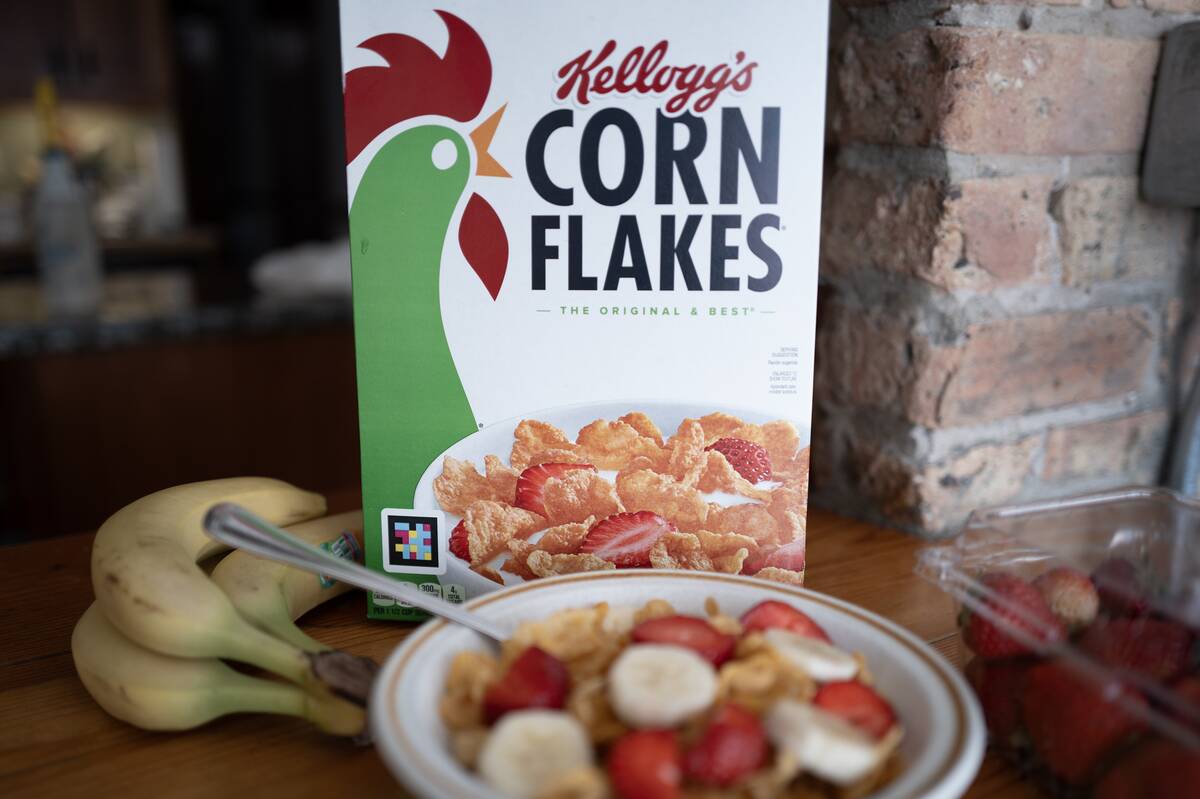
Corn flakes emerged from food experiments conducted by John Harvey Kellogg and his brother Will Keith Kellogg at the Battle Creek Sanitarium in Michigan in the late 19th century. While experimenting with boiled grains, they accidentally discovered that a batch of wheat left to dry could be rolled into thin flakes.
The brothers later experimented with corn, eventually producing the flakes that became their signature breakfast cereal. In 1906, Will Keith Kellogg founded the Battle Creek Toasted Corn Flake Company, which later became the Kellogg Company and helped popularize ready-to-eat breakfast cereals.
The Royal Roots of Pancakes

Pancake-like foods have been prepared for thousands of years, with ancient Greeks and Romans making early versions of flat, griddle-cooked cakes. Over the centuries, similar dishes developed in many parts of the world and were enjoyed by people from different social classes.
In Europe, pancakes became associated with traditions such as Shrove Tuesday, while different cultures developed their own variations. From fluffy American pancakes to delicate French crêpes, these versatile foods demonstrate how a simple combination of flour, liquid, and eggs has been adapted across cuisines.
The Global Journey of Coffee

Coffee’s journey from East Africa to becoming a beloved morning beverage is a story of global exchange. Coffee plants originated in Ethiopia, while coffee cultivation and the development of coffee as a beverage became established in Yemen and the wider Arabian Peninsula.
Coffee reached Europe during the 17th century, where coffeehouses became important centers for socializing, commerce, news, and intellectual discussion. In London, some were nicknamed “penny universities” because a small payment provided access to conversation and information. Today, coffee is enjoyed around the world in many forms, from Italian espresso to Turkish coffee.
The Surprising History of Oatmeal

Oatmeal has been eaten for centuries, although oats have a more varied history than their modern reputation as a breakfast food suggests. Ancient Greeks and Romans were familiar with oats, which were sometimes regarded as an inferior grain and were also widely used as animal feed. Humans nevertheless consumed oats long before the Middle Ages.
During the medieval period, oats became particularly important in Scotland, where the cool, damp climate was well suited to growing them. Today, oatmeal is valued for its nutritional qualities and versatility, appearing in dishes ranging from traditional porridge to baked goods.
The Sweet Story Behind Doughnuts

Doughnuts have a history that stretches back through several European fried-dough traditions. Dutch settlers brought olykoeks, or “oil cakes,” to North America in the 17th century, helping establish an early predecessor of the modern dou
ghnut. The familiar ring shape became popular in the 19th century, and American sailor Hanson Crockett Gregory later claimed that he invented it in 1847 by removing the center so the dough would cook more evenly. Although his story cannot be independently confirmed, it became an enduring part of doughnut history. Today, doughnuts are enjoyed in many forms around the world.
The Ancient Origins of Bread and Toast

Bread is one of the oldest prepared foods, with archaeological evidence dating back more than 14,000 years. Ancient Egyptians later became renowned for their sophisticated bread-making techniques, including the production of leavened loaves using natural fermentation.
Toasting bread is also an ancient practice, used to make bread more palatable and potentially extend its usability by removing moisture. The Romans were among the ancient peoples known to toast bread, and the practice continued to evolve over the centuries. Today, toast is a versatile breakfast food, topped with everything from butter and jam to eggs and avocado.
The French Connection: Croissants and Their Controversial Past

Croissants, with their distinctive flaky layers, are strongly associated with French cuisine, although their history has Austrian roots. The modern croissant is generally linked to the Austrian kipferl, a crescent-shaped pastry with a much older history.
Austrian baker and entrepreneur August Zang helped popularize Viennese-style baking in Paris when he established the Boulangerie Viennoise around 1839–1840. Over time, French bakers developed these influences into the laminated croissant familiar today. Despite its complex origins, the croissant became an iconic part of French breakfast culture, often enjoyed with coffee or hot chocolate.
The Evolution of Bacon and Eggs
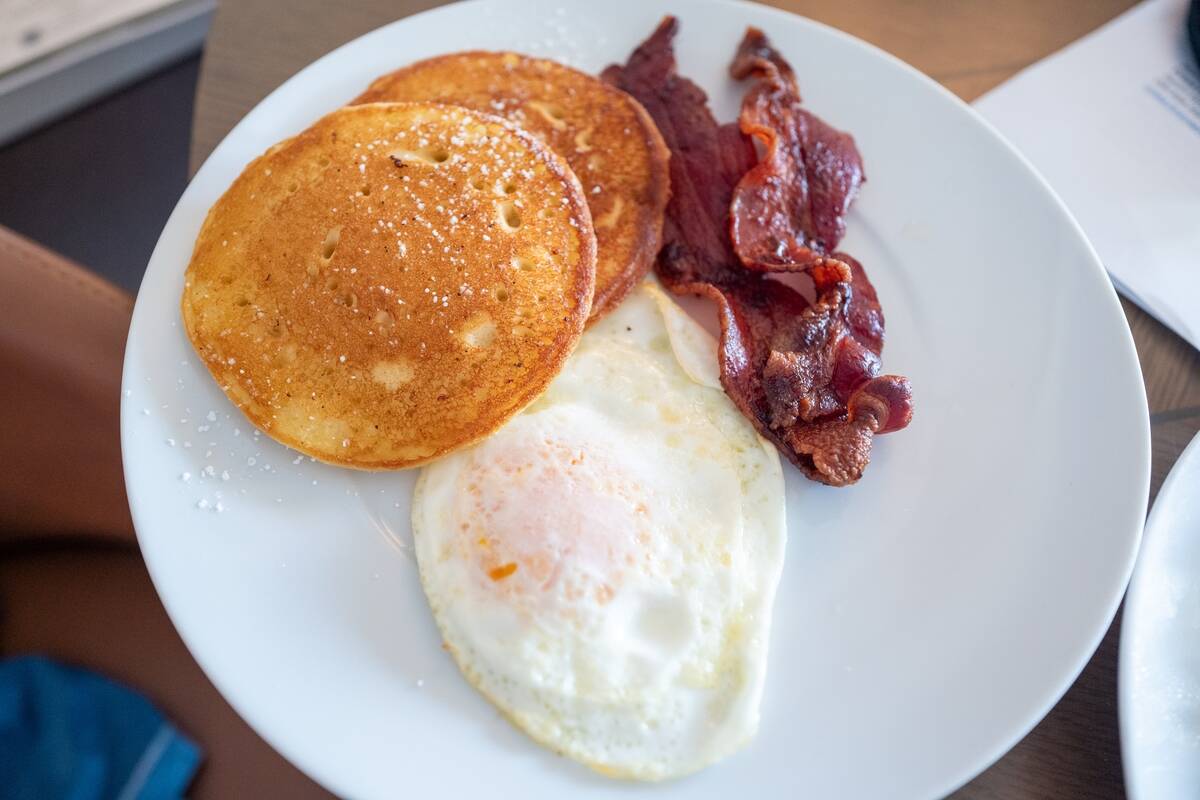
Bacon and eggs eventually became closely associated with a hearty American breakfast, but the pairing was not always the standard it is today. In 1929, public relations pioneer Edward Bernays was hired by the Beech-Nut Packing Company to increase demand for bacon. He consulted a physician about whether a heavier breakfast was healthier than a light one and then contacted thousands of doctors to support the idea of a substantial breakfast.
Bernays promoted bacon and eggs as an example, helping reinforce the pairing’s popularity. Although his campaign did not single-handedly create the tradition, it contributed to bacon and eggs becoming an enduring American breakfast combination.
The Cultural Significance of Rice in Breakfast
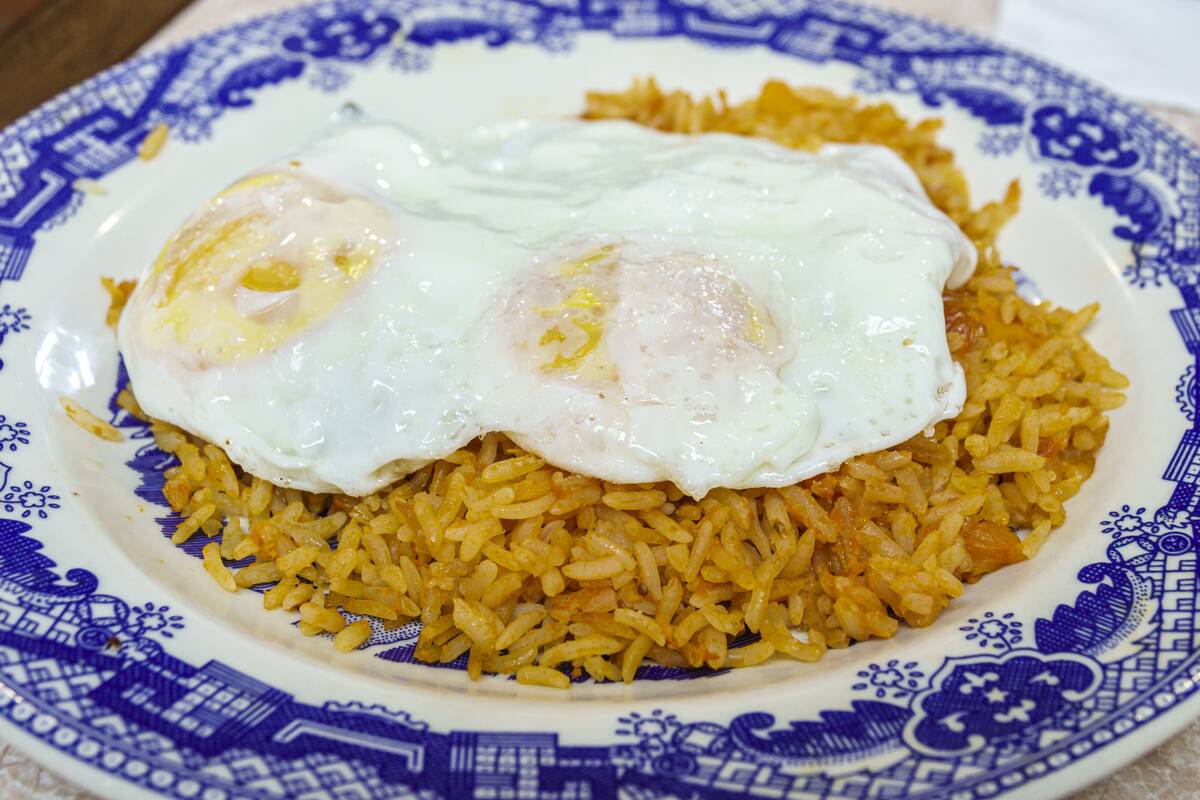
Rice is a breakfast staple in many cultures, particularly in Asia. In Japan, rice is often served as part of a traditional breakfast, accompanied by miso soup and pickles.
In the Philippines, ‘silog’ meals feature garlic fried rice paired with eggs and a choice of meat. This versatile grain provides a hearty start to the day, offering a comforting and filling option that reflects the cultural diversity of breakfast traditions.
The Unexpected Rise of Avocado Toast
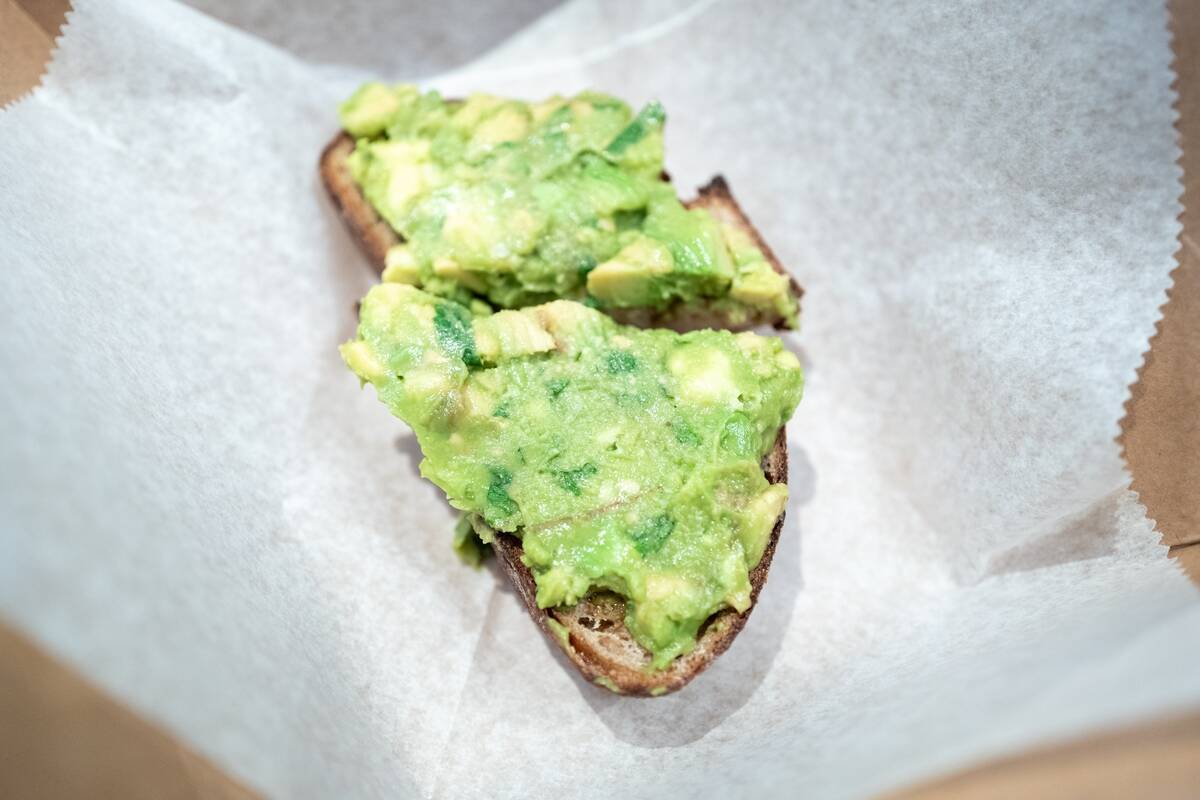
Avocado toast became a major breakfast and brunch trend during the 2010s, although avocados have been eaten for thousands of years. Versions of avocado served on bread existed before the trend took off, but cafés in places such as Australia and California helped popularize the combination internationally.
Its appeal comes from its simplicity, versatility, and nutritional qualities, as avocados provide healthy unsaturated fats, fiber, and various nutrients. Today, avocado toast is a familiar brunch dish, often topped with ingredients such as poached eggs, feta cheese, chili, or herbs.
The Exotic Origins of Chai Tea

Chai, the Hindi word for tea, has deep roots in South Asian tea and spice traditions. The spiced version commonly known as masala chai combines black tea with spices such as cardamom, cinnamon, cloves, and ginger, along with milk and sugar.
Although modern masala chai cannot reliably be traced back 5,000 years, India has a long tradition of using herbs and spices in food and traditional medicine. Tea cultivation expanded significantly during the British colonial period, helping make tea increasingly widespread in India. Today, masala chai is enjoyed throughout the day and is a popular accompaniment to breakfast and snacks.
The Historical Significance of Bagels

Bagels have a long history associated with Jewish communities in Poland, with an early written reference to beygl appearing in a 1610 Kraków community ordinance. The document mentions the pastry in connection with women who had given birth, although the broader claim that bagels universally symbolized the circle of life is difficult to verify.
Jewish immigrants from Eastern Europe brought bagel-making traditions to the United States in the late 19th and early 20th centuries, where bagels became particularly associated with New York City. Today, bagels are enjoyed around the world, commonly topped with cream cheese, lox, or a wide variety of other spreads and ingredients.
The Tropical Tale of Smoothies
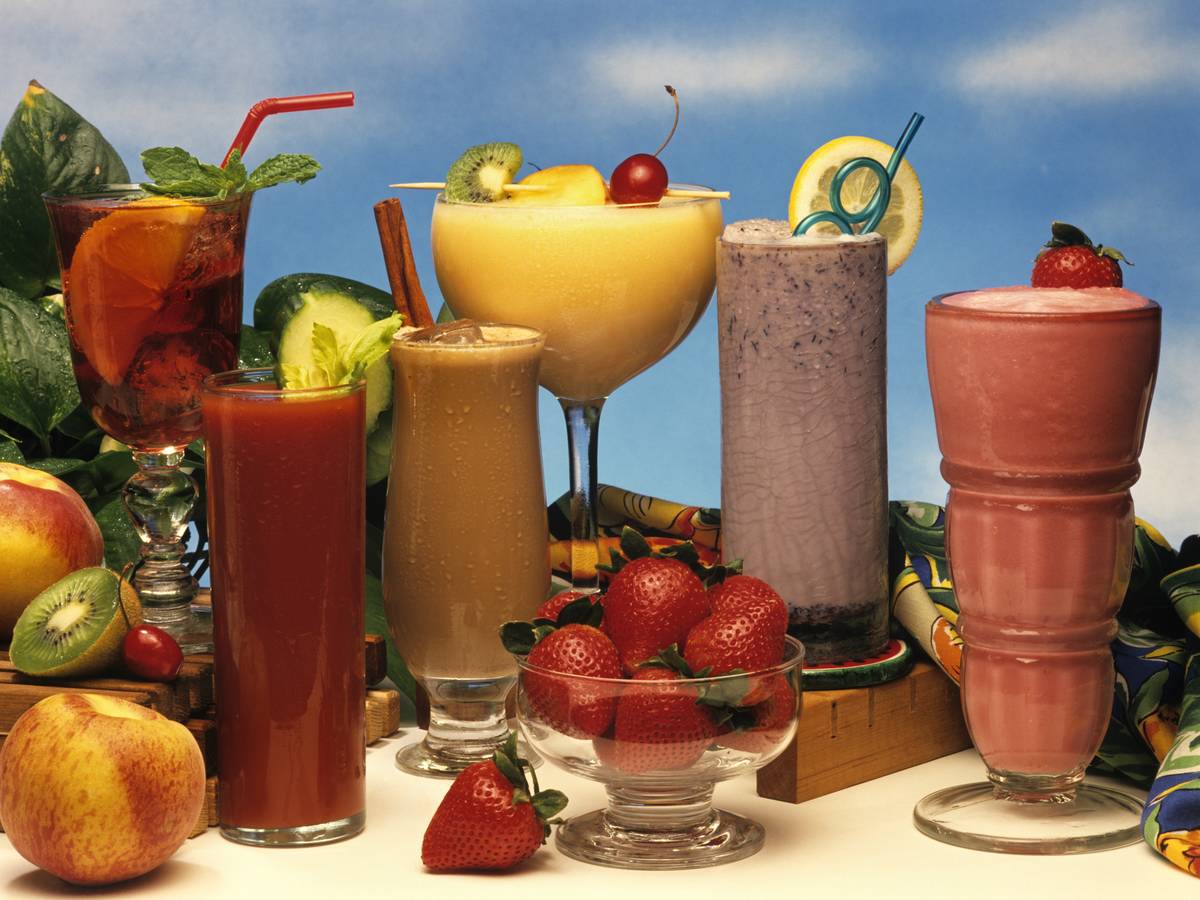
Smoothies have their roots in the development of blended fruit drinks during the 20th century. The invention and growing availability of electric blenders made it easier to combine fruit, ice, and other ingredients into smooth beverages at home and in commercial settings.
Smoothies became increasingly associated with health-conscious eating during the latter half of the 20th century and grew particularly popular in the 1990s and 2000s. Today, they are valued for their versatility and can contain fruits, vegetables, yogurt, milk, plant-based ingredients, seeds, and other nutrient-rich foods.