Movie marketing campaigns that made history
Movie marketing has revolutionized the way films are promoted, turning them into cultural phenomena. Gone are the days when a simple poster and a newspaper ad would suffice.
Today, marketing strategies are as creative as the movies themselves, often becoming an integral part of the film’s identity. From viral campaigns to interactive experiences, the evolution of movie marketing has been nothing short of spectacular, captivating audiences worldwide.
The Birth of Blockbuster Marketing: “Jaws”
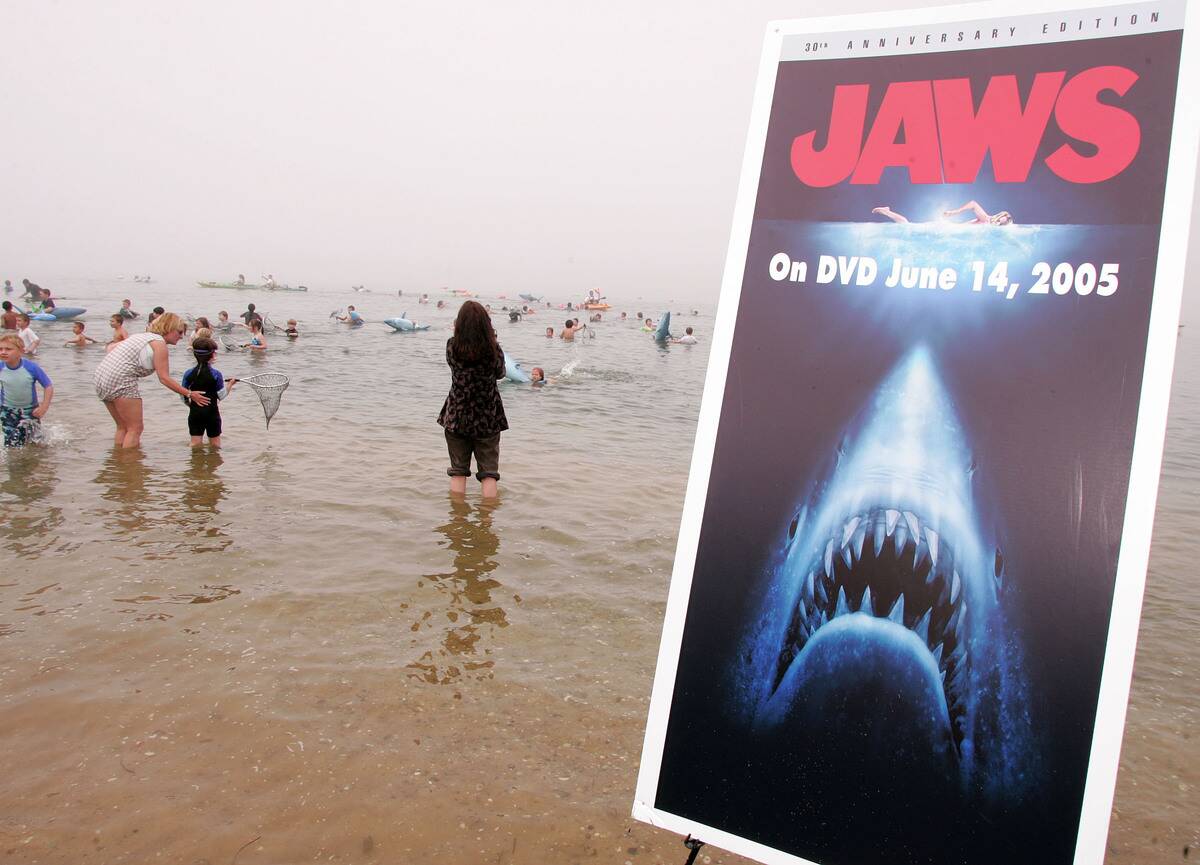
The 1975 release of “Jaws” marked a turning point in movie marketing, pioneering the concept of the summer blockbuster. Universal Pictures unleashed a massive advertising campaign, including television spots and merchandise, which was unprecedented at the time.
The film’s success demonstrated the power of a well-coordinated marketing strategy, setting the stage for future blockbusters. It was the first movie to earn over $100 million at the box office, proving that marketing could make waves as big as the shark itself.
Viral Marketing Before It Was Cool: “The Blair Witch Project”
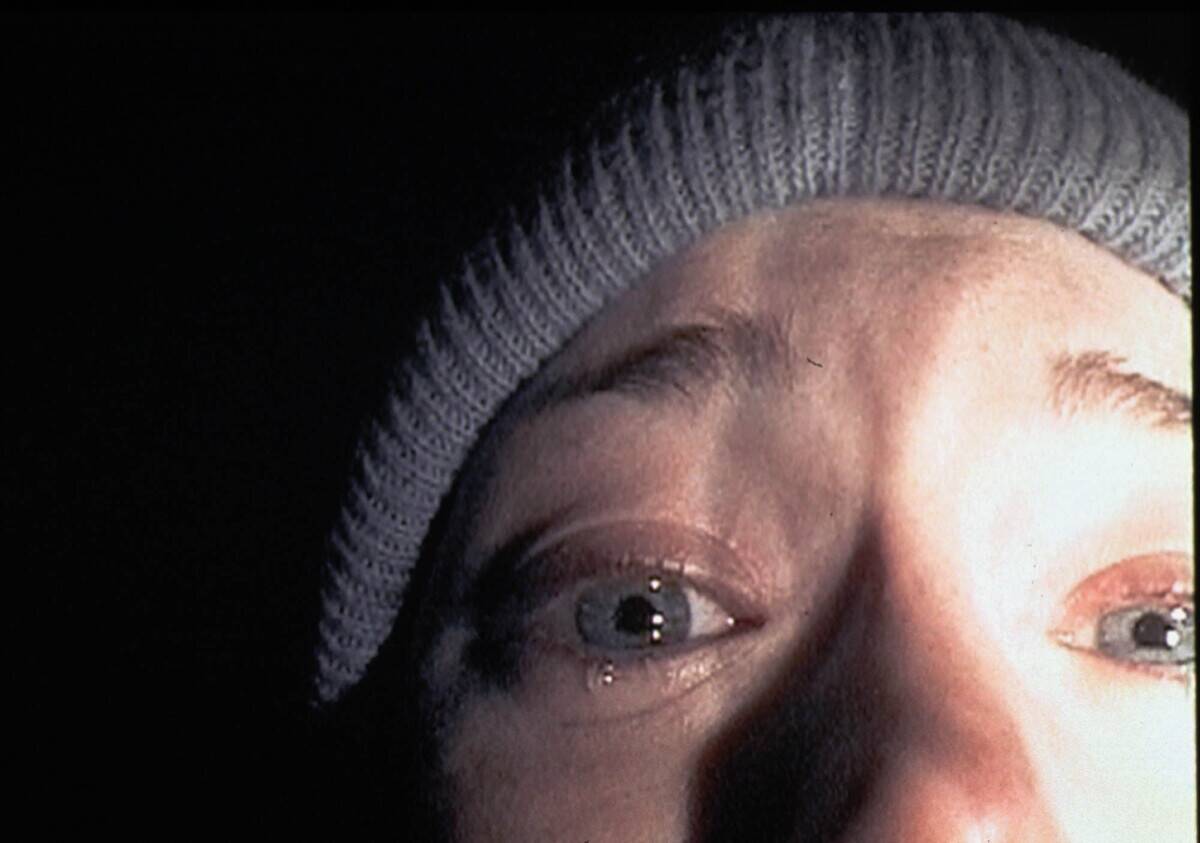
“The Blair Witch Project” took viral marketing to new heights in 1999, blurring the lines between fiction and reality. The film’s creators cleverly used the internet to spread rumors and create a sense of authenticity, making audiences question whether the events were real.
This grassroots campaign was one of the first to harness the power of online communities, generating buzz and intrigue. With a budget of just $60,000, the film went on to gross nearly $250 million worldwide, a testament to its innovative marketing.
The Power of Teasers: “Star Wars: Episode I – The Phantom Menace”

When “Star Wars: Episode I – The Phantom Menace” was announced, fans were eager for any glimpse of the new installment. The teaser trailer, released in 1998, was a masterclass in building anticipation.
It offered just enough to excite fans without giving away too much, leading to massive ticket sales for movies showing the trailer. This strategy demonstrated how a well-crafted teaser could drive interest and hype, paving the way for future films to capitalize on the art of the tease.
Interactive Campaigns: “The Dark Knight”
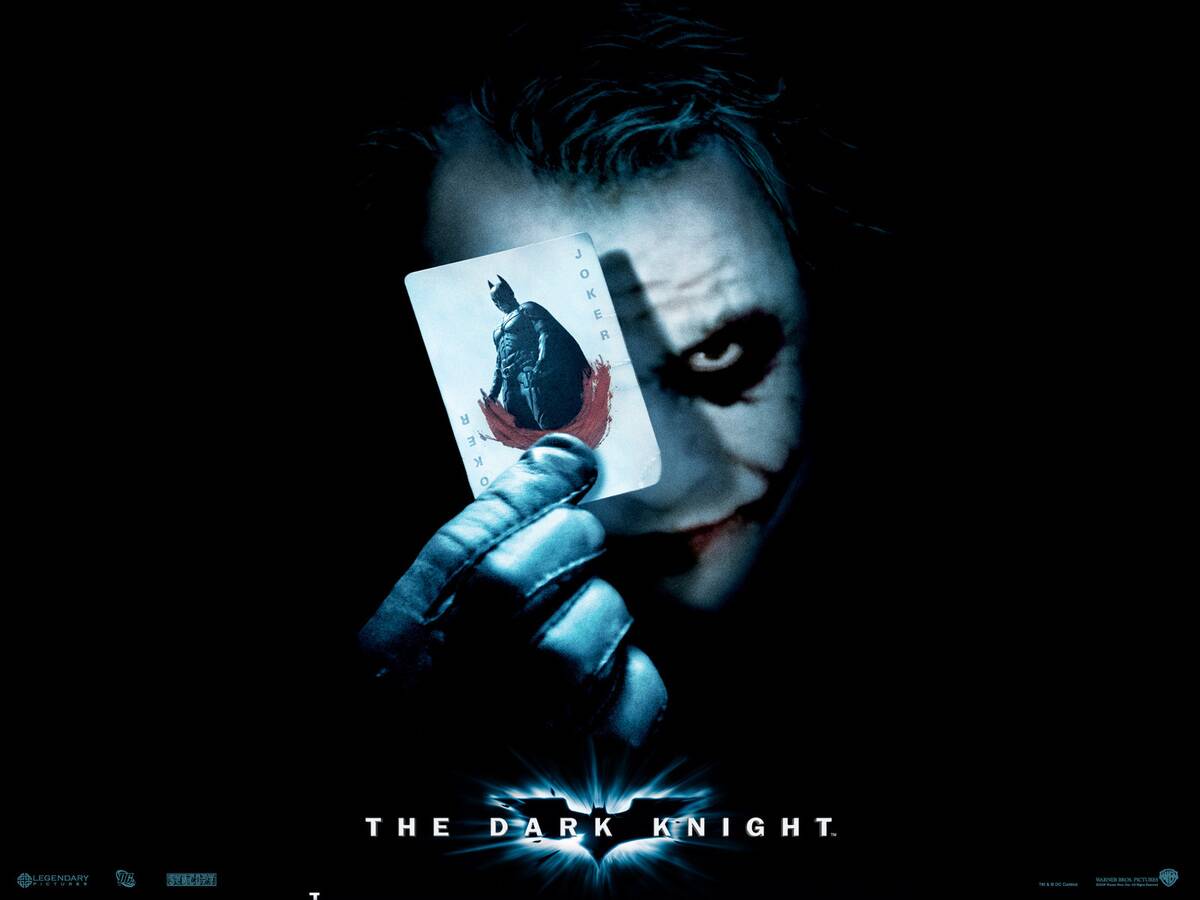
Christopher Nolan’s “The Dark Knight” took interactive marketing to the next level with its “Why So Serious?” campaign. Fans were invited to participate in scavenger hunts, decode messages, and engage with the film’s storyline before its release.
This immersive experience created a community of engaged fans and generated significant buzz. The campaign’s success showed how interactive elements could deepen audience engagement and contribute to a film’s cultural impact, setting a new standard for blockbuster marketing.
The Art of the Trailer: “Inception”
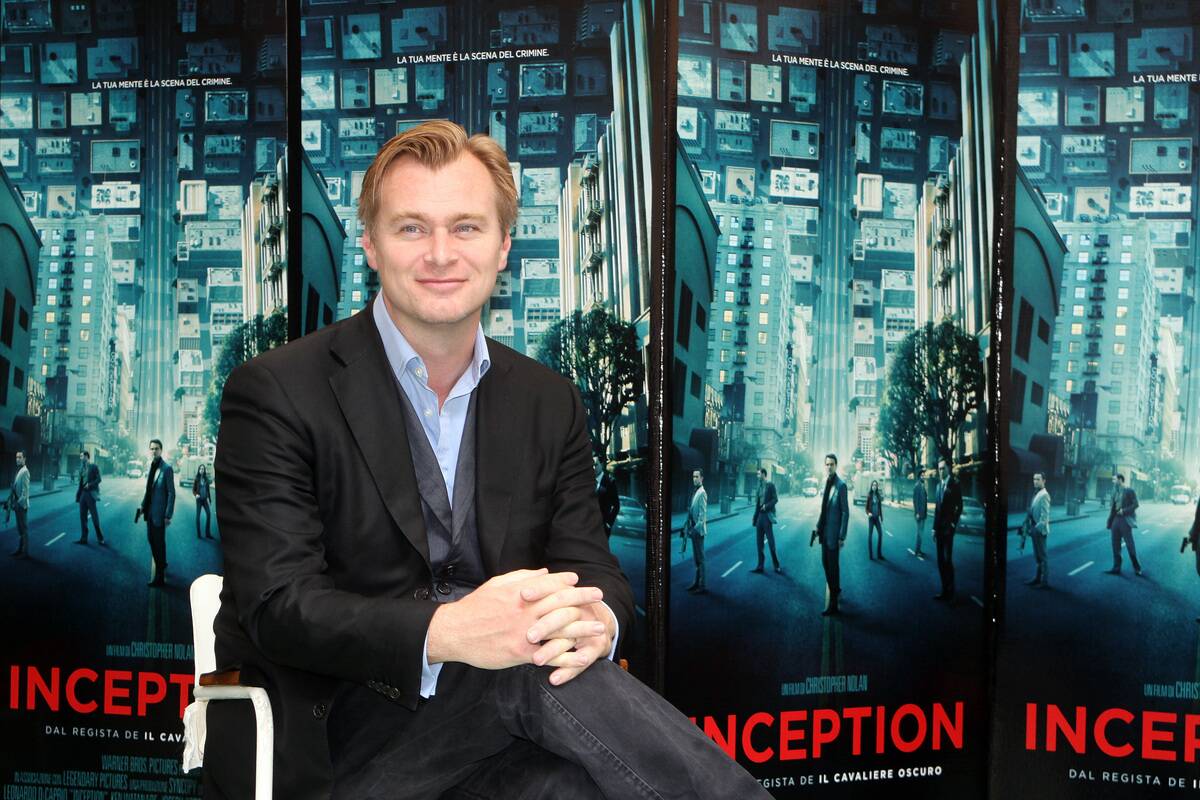
The trailer for “Inception” is often cited as a game-changer in the art of movie trailers. Its use of dramatic music, stunning visuals, and cryptic storytelling intrigued viewers without revealing too much.
The trailer’s iconic “BRAAAM” sound became a cultural touchstone, influencing countless trailers that followed. By striking a perfect balance between mystery and excitement, “Inception” demonstrated how a well-crafted trailer could elevate a film’s profile and drive audience interest.
Social Media Savvy: “Deadpool”
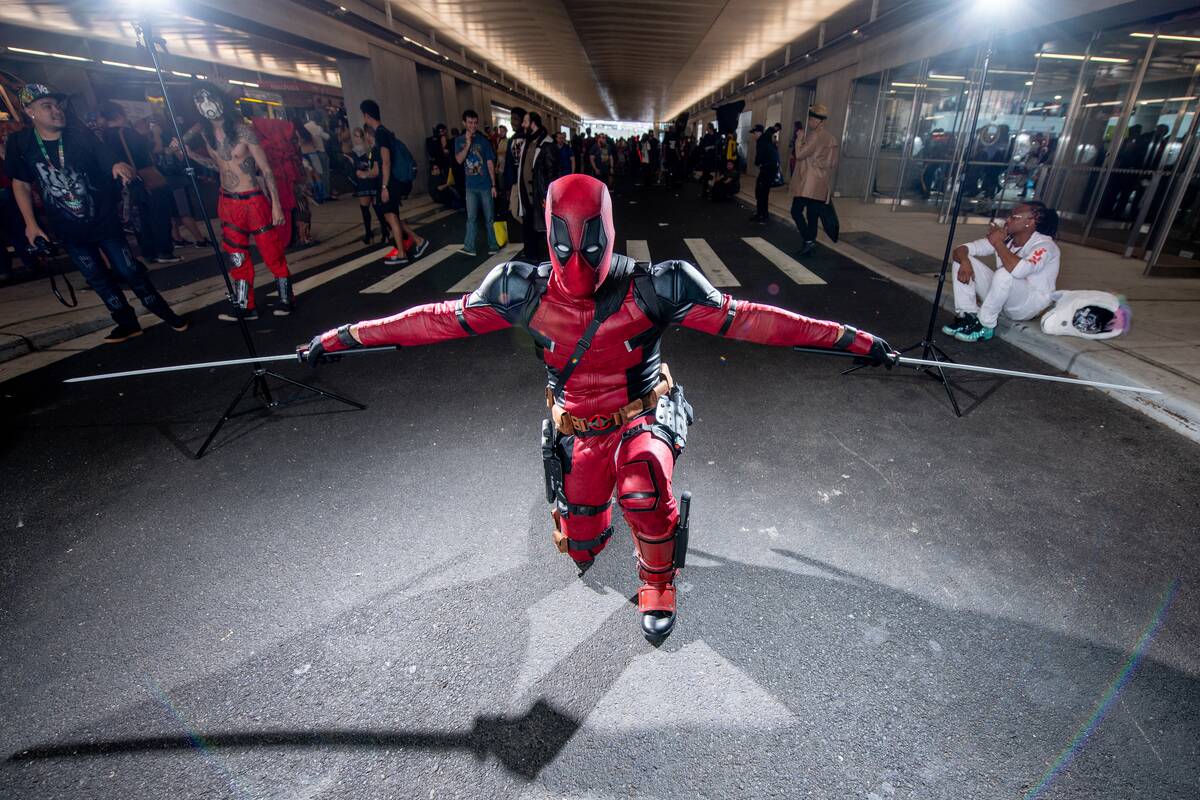
“Deadpool” embraced social media with open arms, using it as a platform to showcase the film’s irreverent humor and engage with fans. Ryan Reynolds, in character as Deadpool, led the charge with witty posts and viral content that resonated with audiences.
The film’s marketing team expertly leveraged platforms like Twitter and Facebook to build a devoted fanbase before the movie’s release. This savvy approach paid off, as “Deadpool” became a box office hit, proving the power of social media in modern marketing.
Nostalgia Marketing: “Jurassic World”
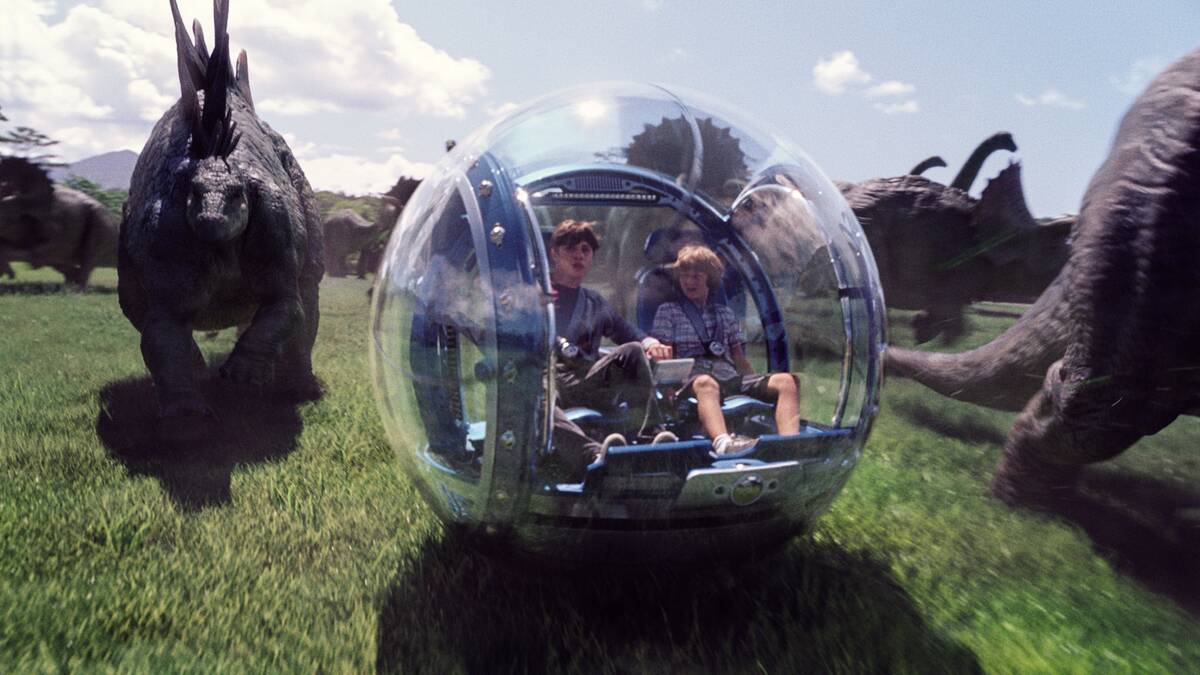
“Jurassic World” tapped into the power of nostalgia marketing by evoking memories of the original “Jurassic Park” film. The marketing campaign featured familiar elements, such as the iconic theme music and imagery, to appeal to fans of the original movie.
This strategy successfully bridged the gap between old and new audiences, creating a sense of continuity and excitement. As a result, “Jurassic World” became one of the highest-grossing films of all time, proving that nostalgia can be a powerful tool in marketing.
The Role of Merchandise: “Frozen”
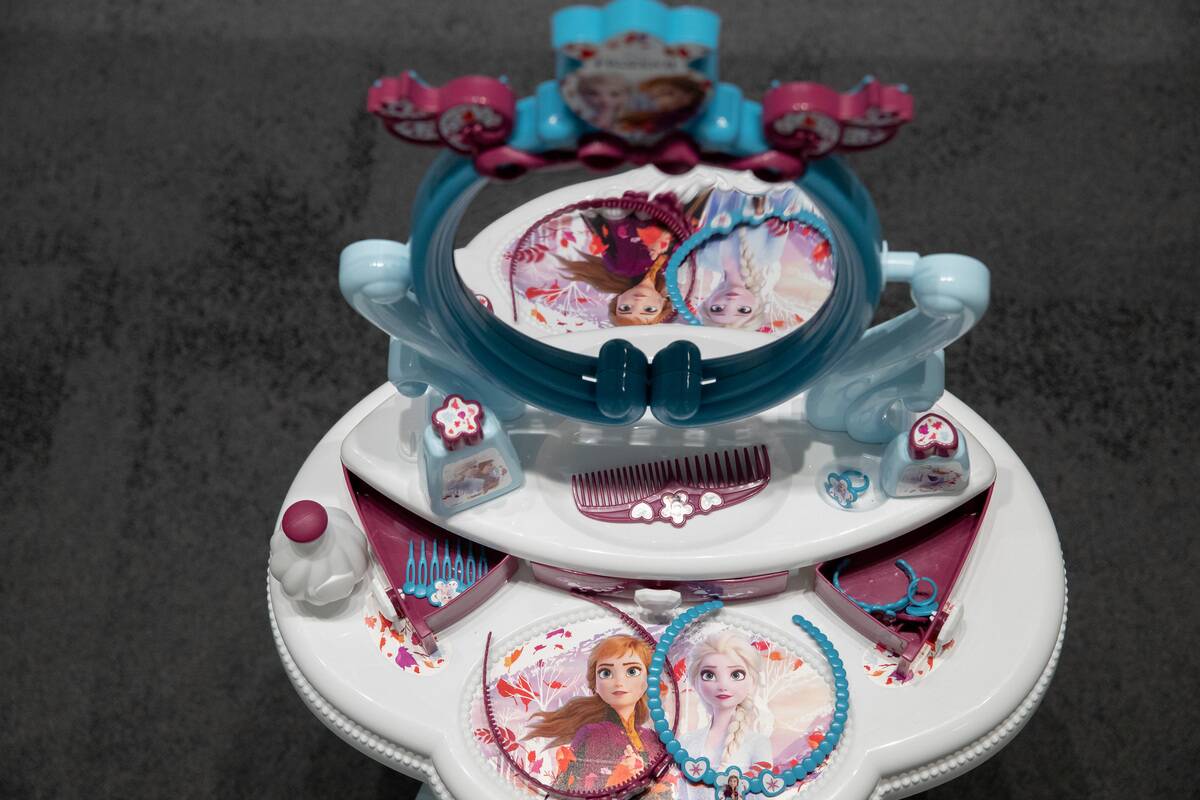
Disney’s “Frozen” showcased the incredible power of merchandise in movie marketing. From Elsa dolls to Olaf plush toys, the film’s merchandise became a phenomenon in its own right, driving sales and keeping the film in the public eye long after its release.
The success of “Frozen” merchandise demonstrated how products could extend a film’s reach and profitability. By creating a tangible connection to the movie, merchandise allowed fans to bring a piece of “Frozen” magic into their homes.
Experiential Marketing: “The Hunger Games”
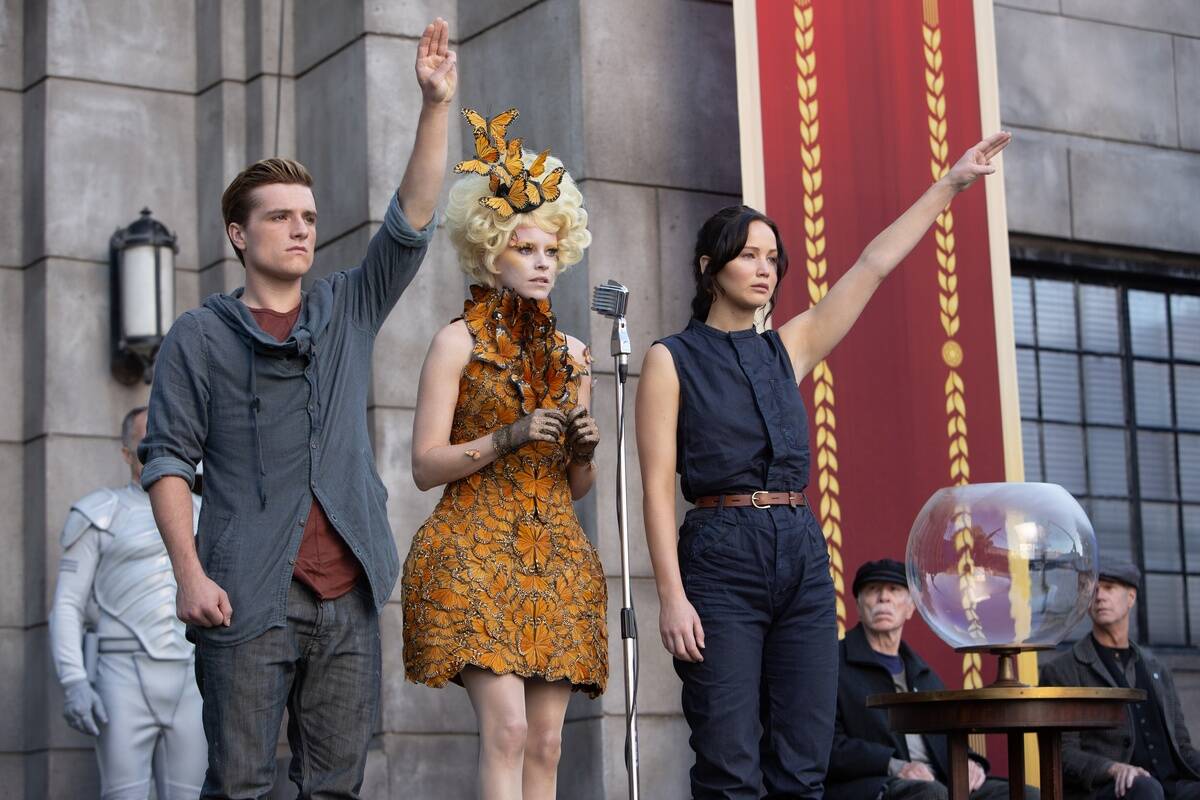
“The Hunger Games” utilized experiential marketing to immerse fans in the world of Panem. The marketing team created real-world experiences, such as Capitol Couture fashion events and interactive websites, to engage audiences.
These experiences allowed fans to feel like they were part of the story, deepening their connection to the film. By bringing the dystopian world to life, “The Hunger Games” set a precedent for experiential marketing, demonstrating its potential to enhance audience engagement and excitement.
The Impact of Influencer Collaborations: “The Fault in Our Stars”
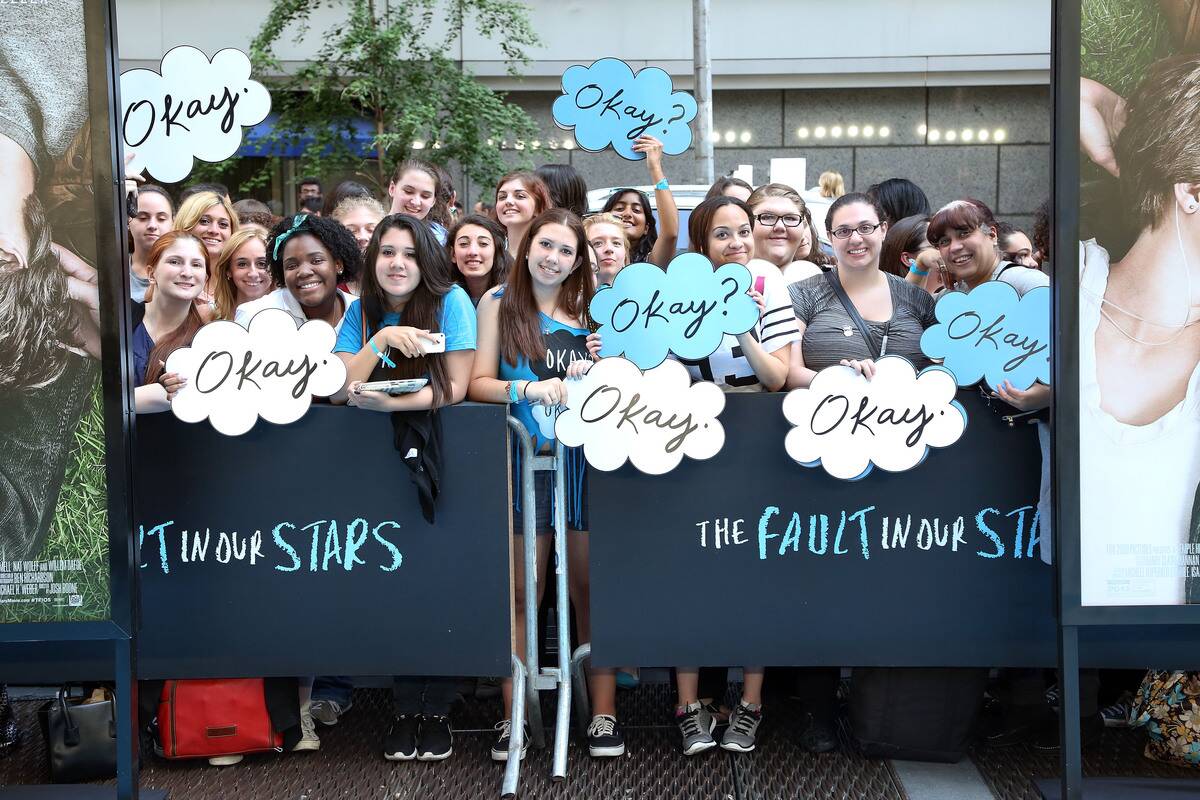
“The Fault in Our Stars” harnessed the power of influencer collaborations to reach its target audience. The film’s marketing team partnered with popular YouTubers and social media influencers to promote the movie, tapping into their vast followings.
This strategy allowed the film to connect with younger audiences in an authentic and relatable way. The success of these collaborations highlighted the growing importance of influencers in movie marketing, offering a new avenue for reaching potential viewers.
The Rise of Augmented Reality: “Ready Player One”
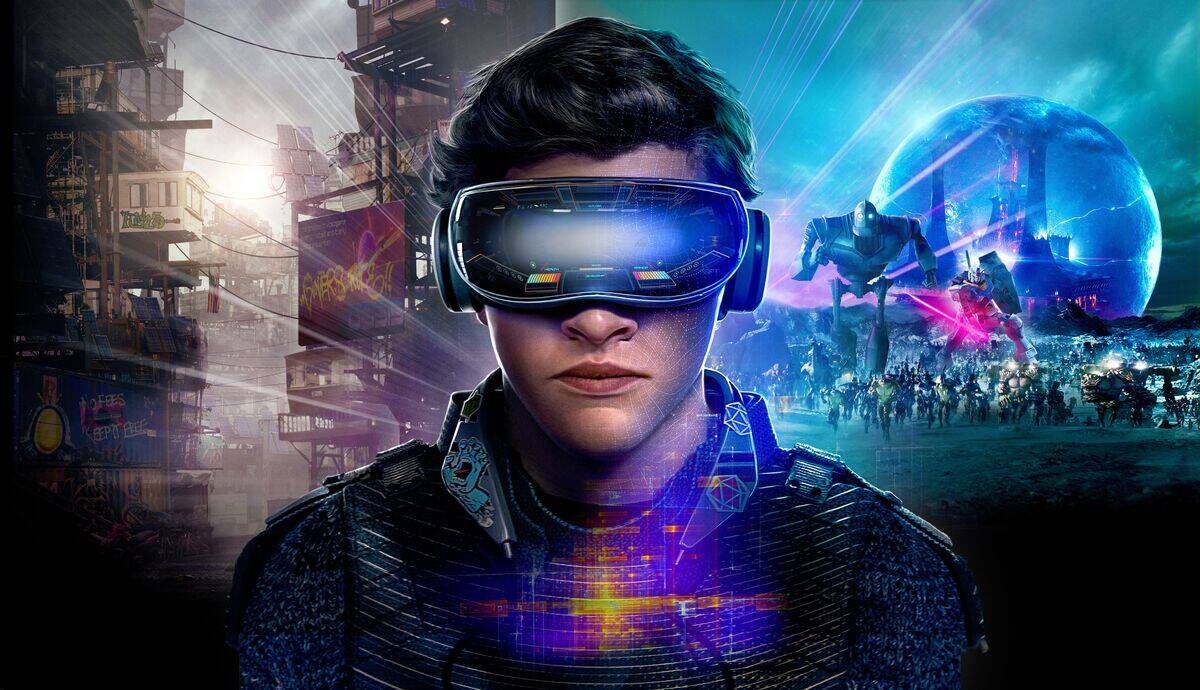
Ready Player One embraced virtual reality (VR) and immersive experiences as major parts of its marketing strategy. Warner Bros. partnered with HTC Vive to create several VR experiences based on the film’s virtual world, the OASIS, while promotional events allowed fans to explore themed environments inspired by the movie.
By incorporating cutting-edge technology, “Ready Player One” demonstrated the potential of VR to enhance movie marketing and create immersive experiences for fans.
Harnessing Fandom: “Harry Potter”
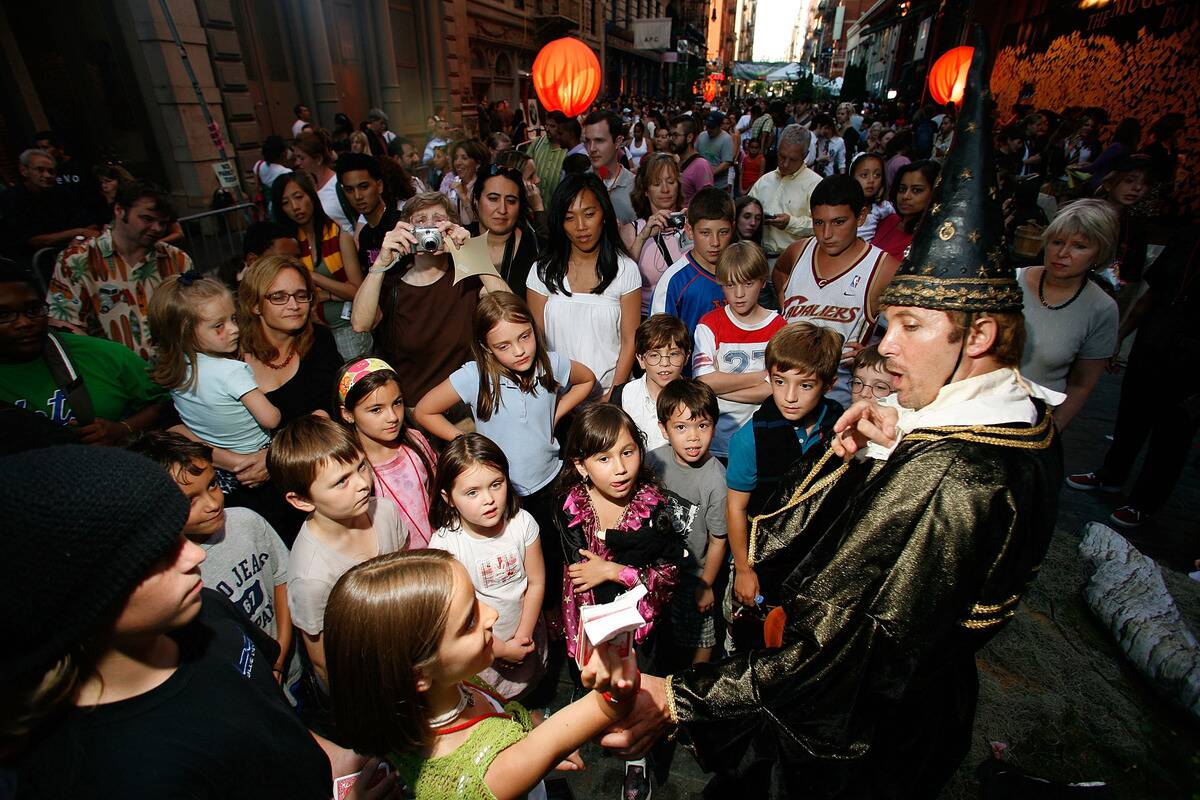
The “Harry Potter” franchise is a masterclass in harnessing fandom to fuel movie marketing. From fan conventions to online communities, the series cultivated a passionate fanbase that eagerly anticipated each new installment.
The marketing team engaged with fans through various channels, creating a sense of belonging and excitement. This approach not only drove box office success but also ensured the franchise’s enduring legacy. “Harry Potter” exemplifies how engaging with fans can amplify a film’s impact and reach.
Breaking the Fourth Wall: “Deadpool 2”
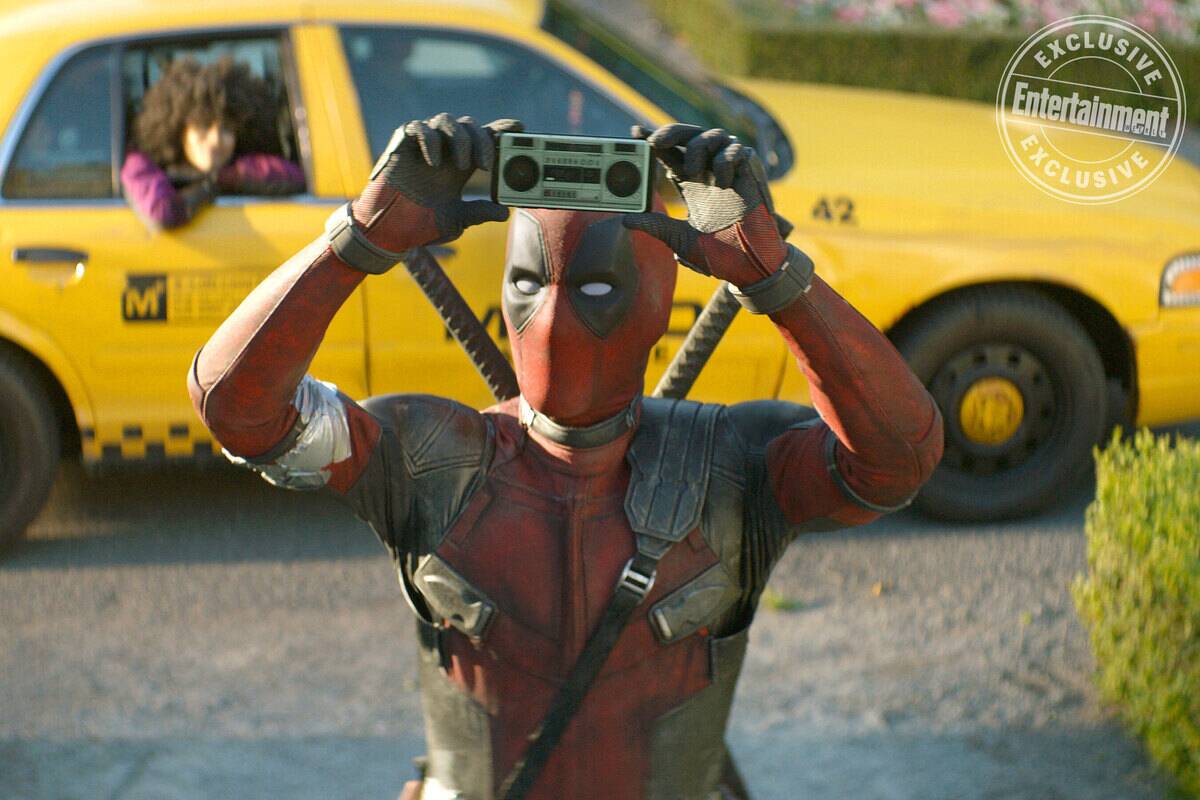
“Deadpool 2” continued the first film’s tradition of breaking the fourth wall, using this technique as a central element of its marketing strategy. The film’s promotional materials featured Deadpool speaking directly to the audience, blurring the lines between fiction and reality.
This approach resonated with fans, reinforcing the character’s irreverent nature and creating a unique marketing experience. By breaking the fourth wall, “Deadpool 2” demonstrated how this technique could be used to engage audiences and generate buzz.
Cross-Promotional Partnerships: “Transformers”
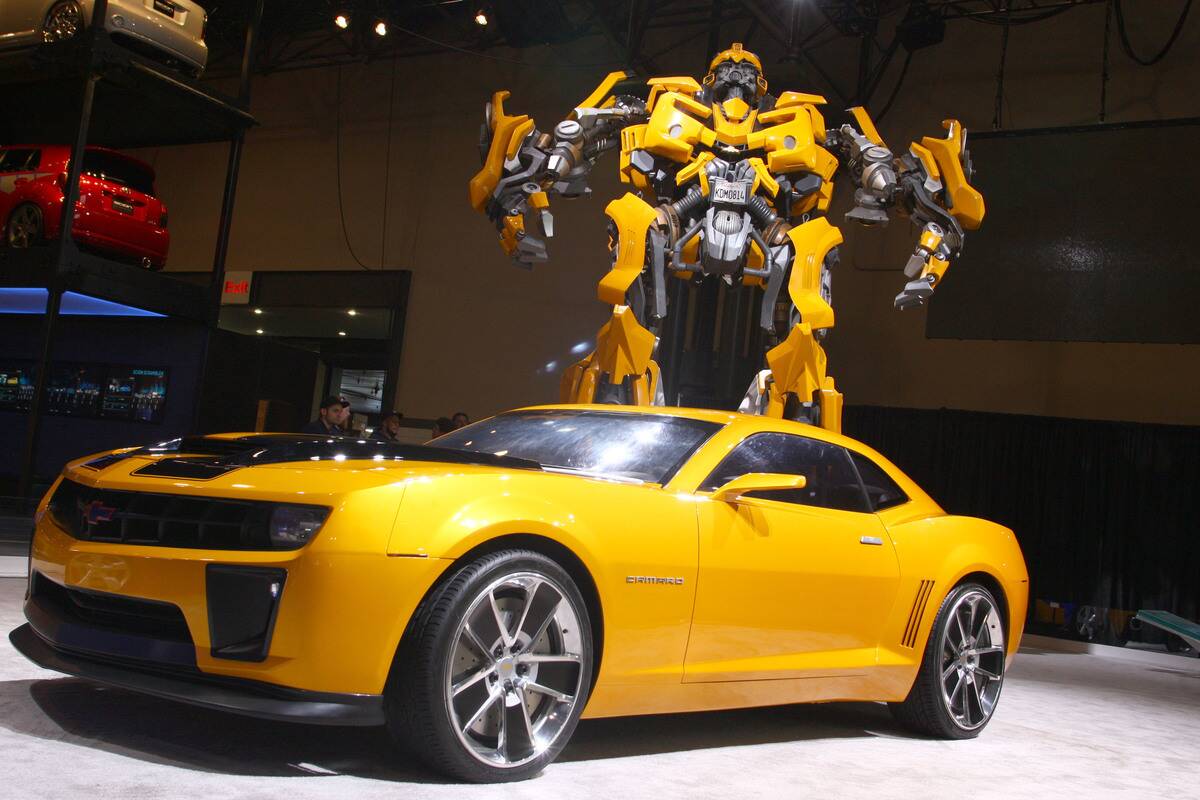
The “Transformers” franchise has excelled in cross-promotional partnerships, collaborating with brands like Chevrolet and Hasbro to expand its reach. These partnerships allowed the films to tap into new audiences and create synergies between the movie and partner products.
By aligning with well-known brands, “Transformers” enhanced its visibility and appeal, contributing to its box office success. This strategy showcased the potential of cross-promotional partnerships to amplify a film’s marketing efforts and broaden its audience.
The Evolution of Movie Posters: “Pulp Fiction”
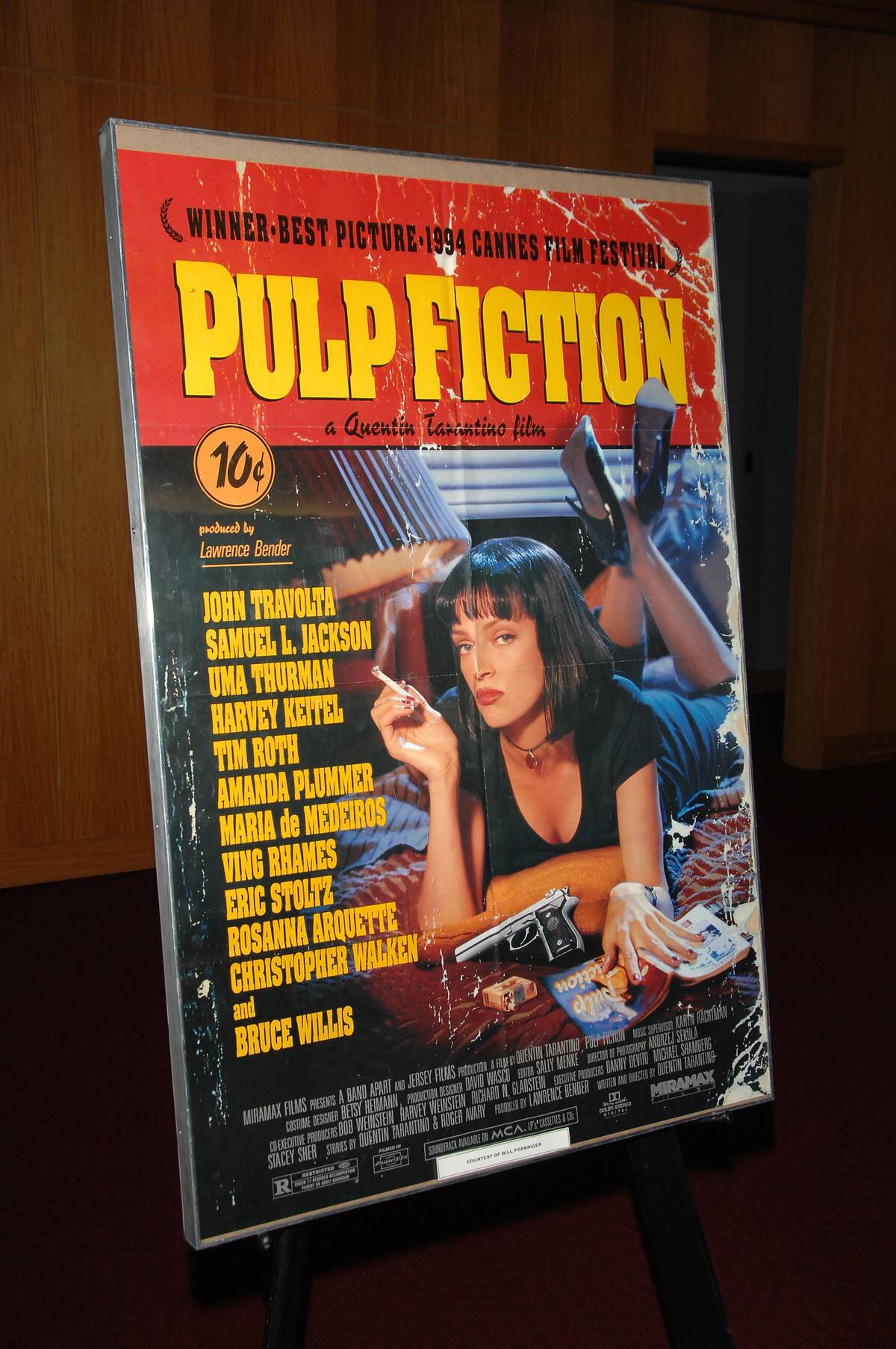
“Pulp Fiction” is a prime example of how movie posters have evolved into iconic pieces of art. The film’s poster, featuring Uma Thurman as Mia Wallace, became instantly recognizable and contributed to the movie’s cult status. The design’s bold colors and retro aesthetic captured the film’s unique style and tone.
This evolution of movie posters into cultural symbols highlights their importance in marketing, as they can encapsulate a film’s essence and leave a lasting impression on audiences.
Leveraging Soundtracks: “Guardians of the Galaxy”
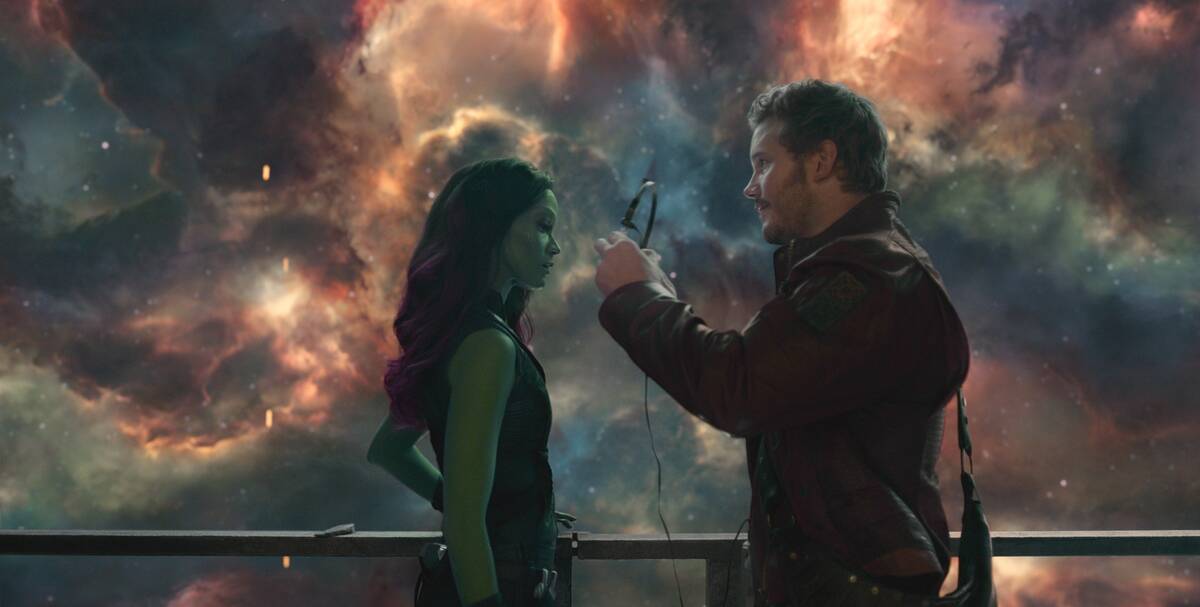
“Guardians of the Galaxy” demonstrated the power of a well-curated soundtrack in movie marketing. The film’s “Awesome Mix Vol. 1” became a hit in its own right, featuring classic tracks that resonated with audiences.
The soundtrack’s success helped to define the film’s identity and contributed to its popularity. By leveraging music that connected with viewers, “Guardians of the Galaxy” showed how soundtracks could enhance a film’s appeal and create an additional layer of engagement.