Writers who became famous under pen names
Welcome to the intriguing realm of pen names, where authors cloak themselves in mystery and creativity. A pen name, or nom de plume, allows writers to adopt a different persona, often to explore new genres or maintain privacy.
This practice has been around for centuries, offering writers the freedom to express themselves without the constraints of their real-world identities. From classic literature to modern bestsellers, pen names have left an indelible mark on the literary landscape.
Mark Twain: The Man Behind the Mississippi
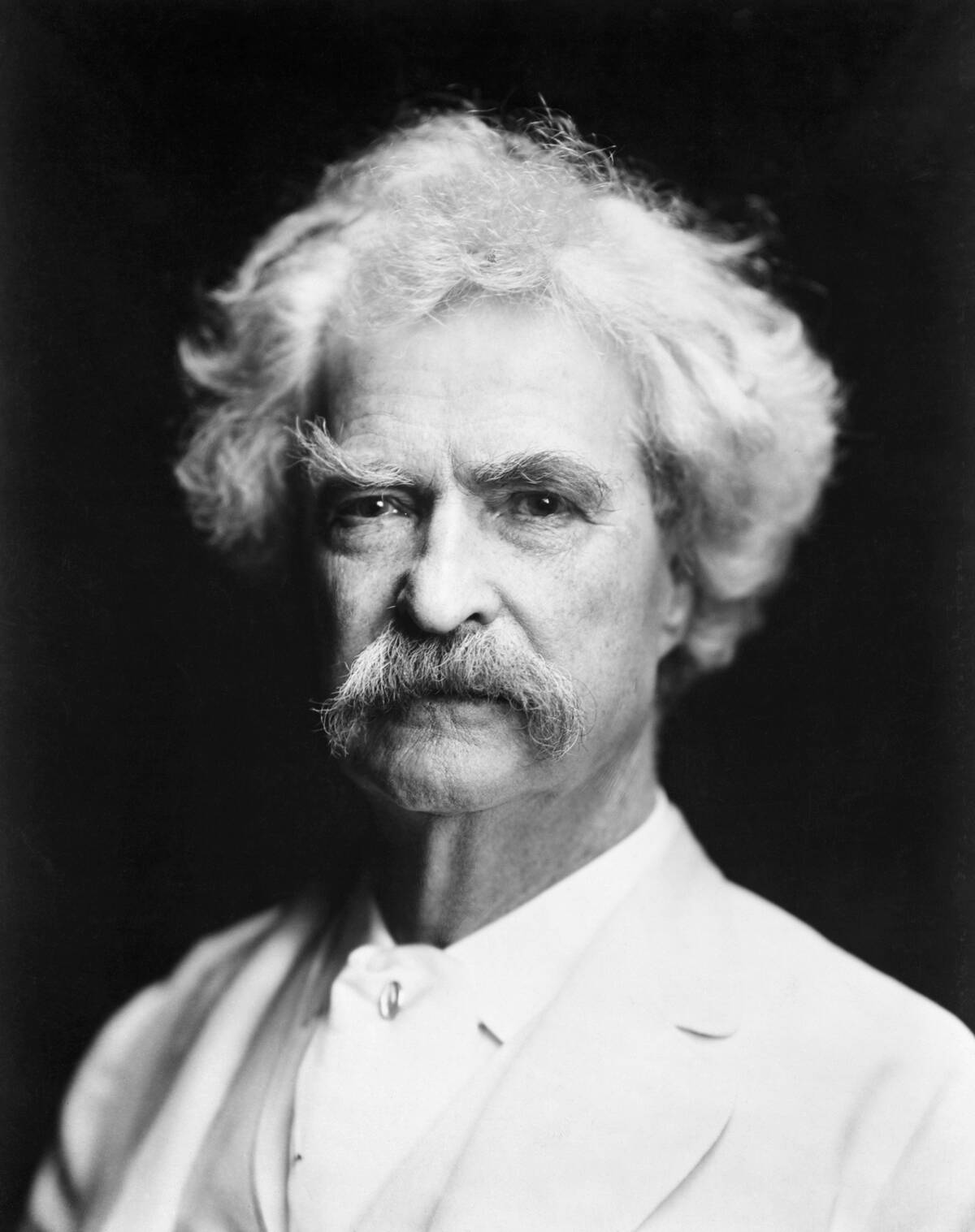
Mark Twain, born Samuel Langhorne Clemens, is one of America’s most celebrated authors. Twain’s pen name was drawn from his experience as a Mississippi River steamboat pilot, where “mark twain” was a river term indicating a depth of two fathoms, or 12 feet.
Clemens adopted the name in 1863 and went on to craft stories that captured aspects of American life, including The Adventures of Tom Sawyer and Adventures of Huckleberry Finn. Twain’s wit and humor continue to resonate with readers worldwide.
George Eliot: A Woman in a Man’s World
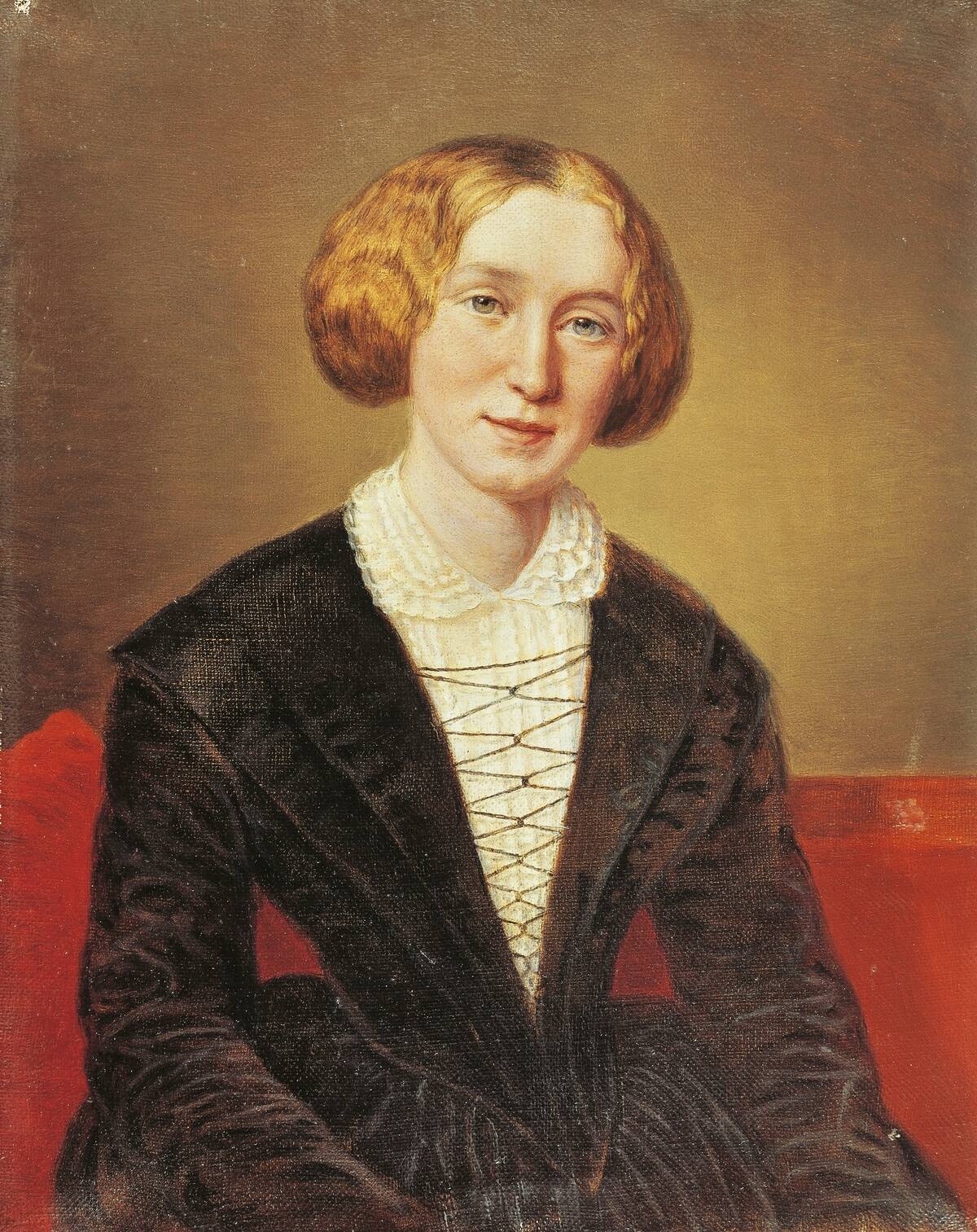
Mary Ann Evans, better known as George Eliot, adopted a male pen name partly to distinguish her serious fiction from the popular novels often associated with female writers of her era. Her novels, including Middlemarch and Silas Marner, are renowned for their psychological insight and social commentary.
By publishing as George Eliot, Evans established a powerful literary identity and became one of the most influential writers of the Victorian era. Her work has had a lasting influence on literature and generations of writers.
Dr. Seuss: The Birth of a Beloved Children’s Author
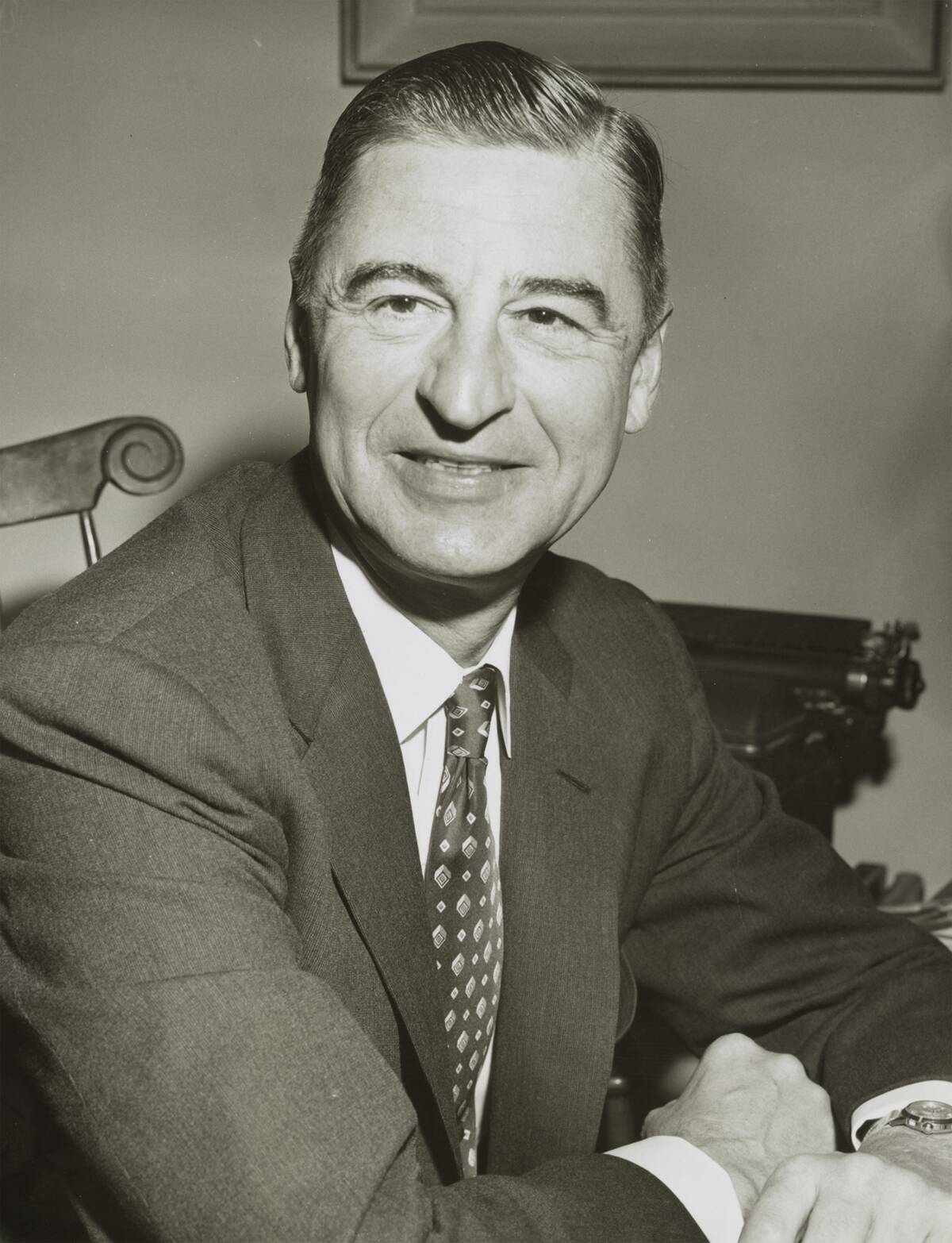
Theodor Seuss Geisel, known to generations as Dr. Seuss, revolutionized children’s literature with his whimsical stories and imaginative characters. While at Dartmouth College, Geisel was banned from contributing to the humor magazine after violating campus rules, prompting him to use pseudonyms, including “Seuss.”
He later adopted “Dr. Seuss” as his professional name and created classics such as The Cat in the Hat and Green Eggs and Ham. His playful rhymes and distinctive illustrations continue to entertain young readers worldwide.
Lewis Carroll: The Mathematician Who Created Wonderland
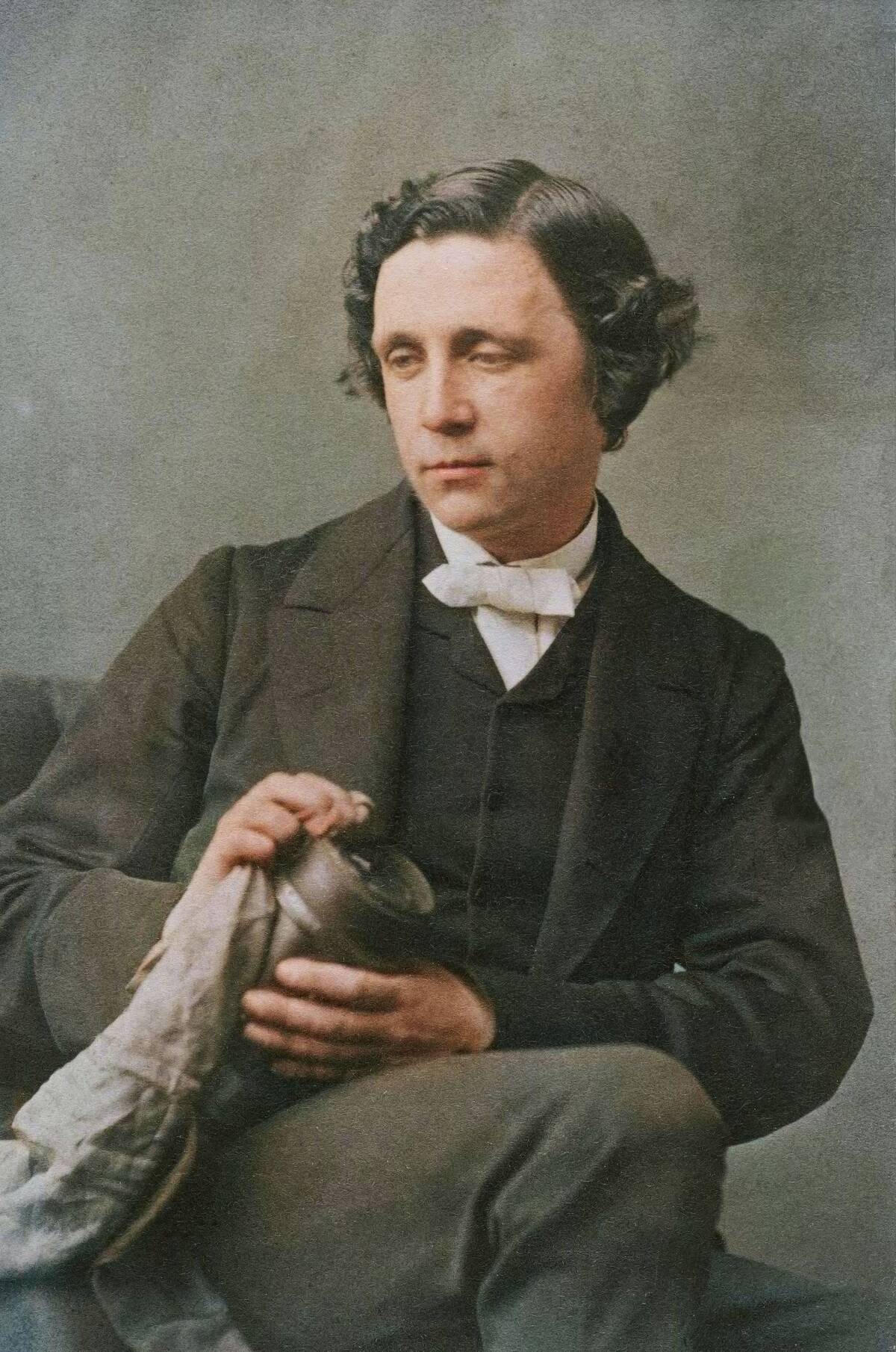
Charles Lutwidge Dodgson, better known as Lewis Carroll, was an English mathematician, logician, and author. Under his pen name, Carroll wrote the beloved Alice’s Adventures in Wonderland, published in 1865, which captivated readers with its fantastical characters and dreamlike narrative.
His interests in logic and mathematics are reflected in the book’s wordplay, puzzles, and playful treatment of language. Carroll’s work became a landmark of children’s literature and continues to enchant readers with its distinctive blend of imagination, humor, and intellectual play.
J.K. Rowling: The Mystery of Robert Galbraith
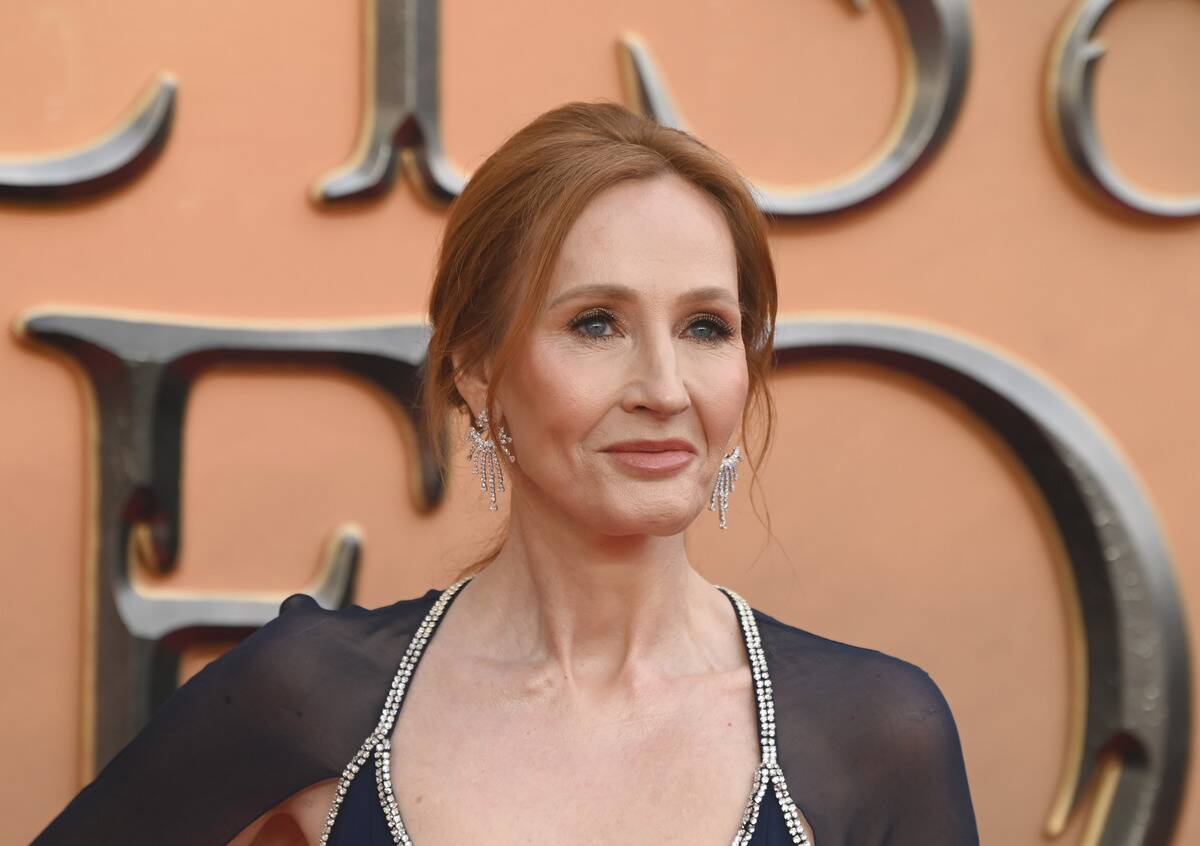
J.K. Rowling, the author of the Harry Potter series, adopted the pen name Robert Galbraith to explore the crime fiction genre. Writing under the alias gave her greater distance from the expectations surrounding her famous name.
Her first novel as Galbraith, The Cuckoo’s Calling, was published in 2013 and initially received limited attention. Rowling’s identity was revealed several months later, causing the novel’s sales to surge. Her work as Galbraith demonstrated her ability to write successfully in a genre very different from Harry Potter.
Richard Bachman: Stephen King’s Alter Ego

Stephen King, the prolific author of horror and suspense, created the pen name Richard Bachman partly to avoid saturating the market with books under his own name. The pseudonym also allowed King to publish work without relying on his established reputation and to explore different styles and themes.
Bachman novels included Thinner and The Running Man. King’s identity was revealed in 1985 after a bookseller connected Bachman to King through copyright records. The experience demonstrated how a pen name could give an established author greater freedom to experiment.
George Orwell: The Political Pen of Eric Arthur Blair

Eric Arthur Blair, known by his pen name George Orwell, used his writing to critique social injustice, imperialism, and totalitarianism. Orwell’s most famous works, 1984 and Animal Farm, remain influential works of political literature.
Blair adopted the name George Orwell before publishing Down and Out in Paris and London, partly to protect his family from embarrassment over his experiences among the poor. His distinctive body of work continues to demonstrate the power of literature to examine political oppression and social injustice.
Anne Rice: The Gothic Queen and Her Multiple Identities
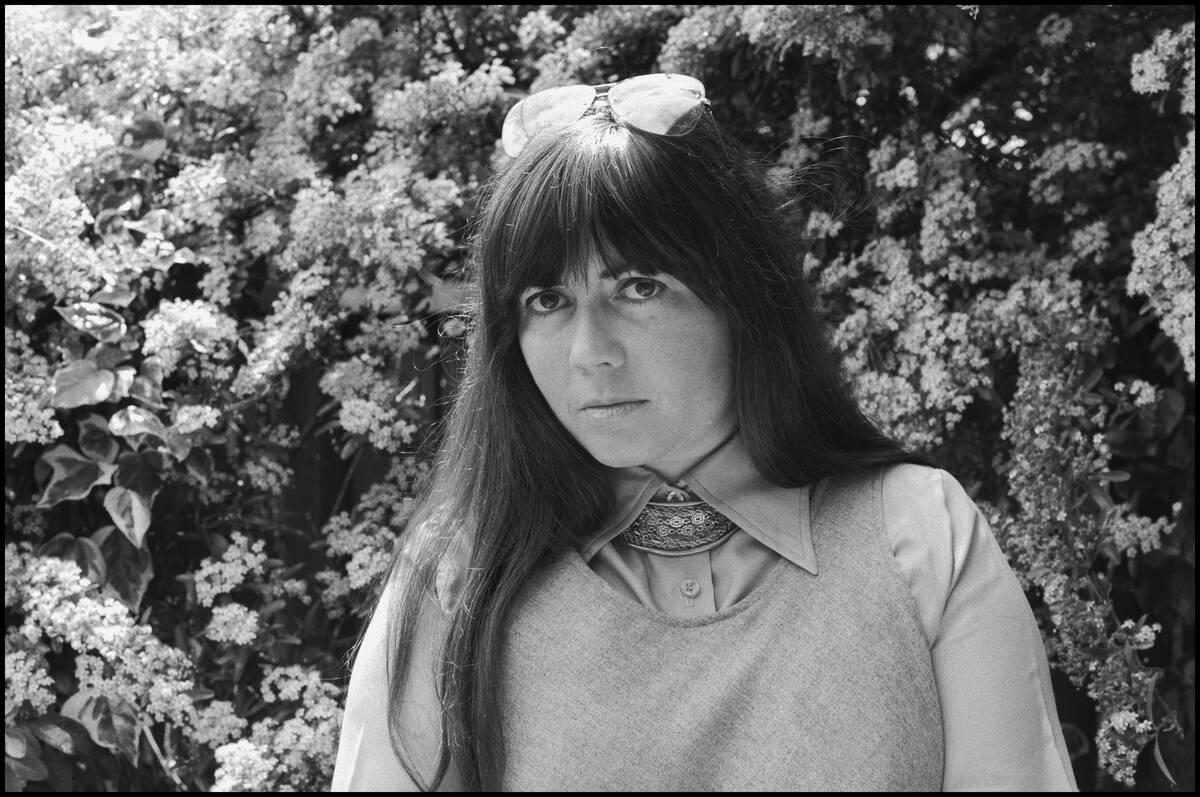
Anne Rice, the renowned author of The Vampire Chronicles, used pen names to distinguish her erotic fiction from her gothic and supernatural novels. Writing as Anne Rampling and A.N. Roquelaure, Rice published works including Exit to Eden and The Sleeping Beauty Quartet.
These pseudonyms allowed her to maintain a separation between her different bodies of work and their audiences. Rice’s willingness to write across genres demonstrated her versatility and resulted in a diverse literary career spanning gothic horror, supernatural fiction, and erotica.
Lemony Snicket: The Curious Case of Daniel Handler

Daniel Handler, the author behind the fictional persona Lemony Snicket, created a distinctive narrative voice for A Series of Unfortunate Events. The Snicket persona allowed Handler to present the darkly humorous series as though he were documenting the Baudelaire children’s story, blending wit, mystery, and direct commentary.
By making Snicket both the narrator and a character within the books, Handler added another layer to the series’ storytelling. The successful series demonstrates how a fictional author persona can become an integral part of a literary work.
Currer, Ellis, and Acton Bell: The Brontë Sisters’ Secret
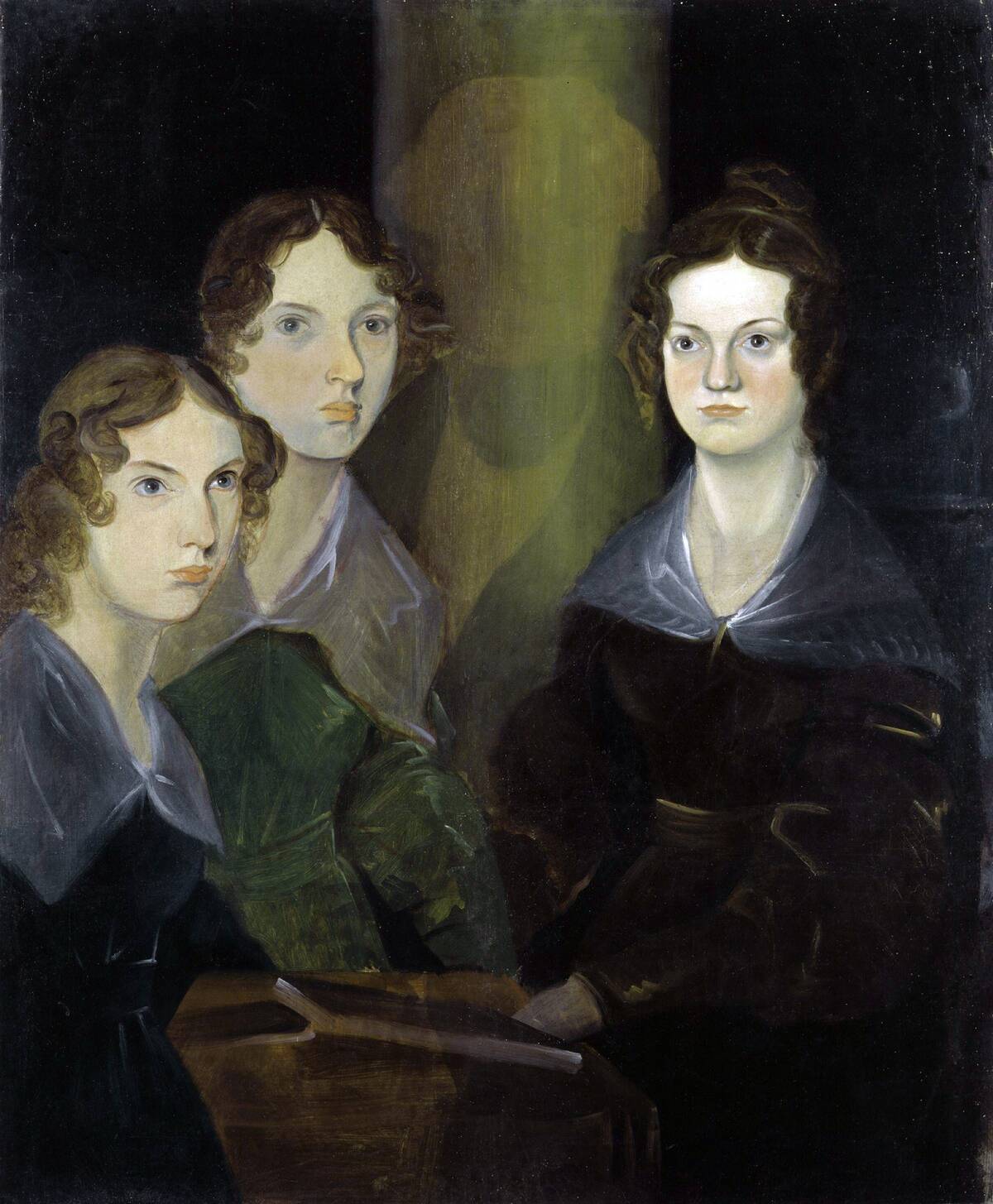
The Brontë sisters, Charlotte, Emily, and Anne, adopted the pen names Currer, Ellis, and Acton Bell when they began publishing in the 19th century. Concerned about prejudice against women writers, they used ambiguous names to allow their work to be judged more independently of their gender.
These aliases appeared on Jane Eyre, Wuthering Heights, and Agnes Grey, all published in 1847. The sisters’ decision reflected the challenges women faced in the literary world and their enduring works have continued to influence generations of writers.
O. Henry: The Twist Behind William Sydney Porter
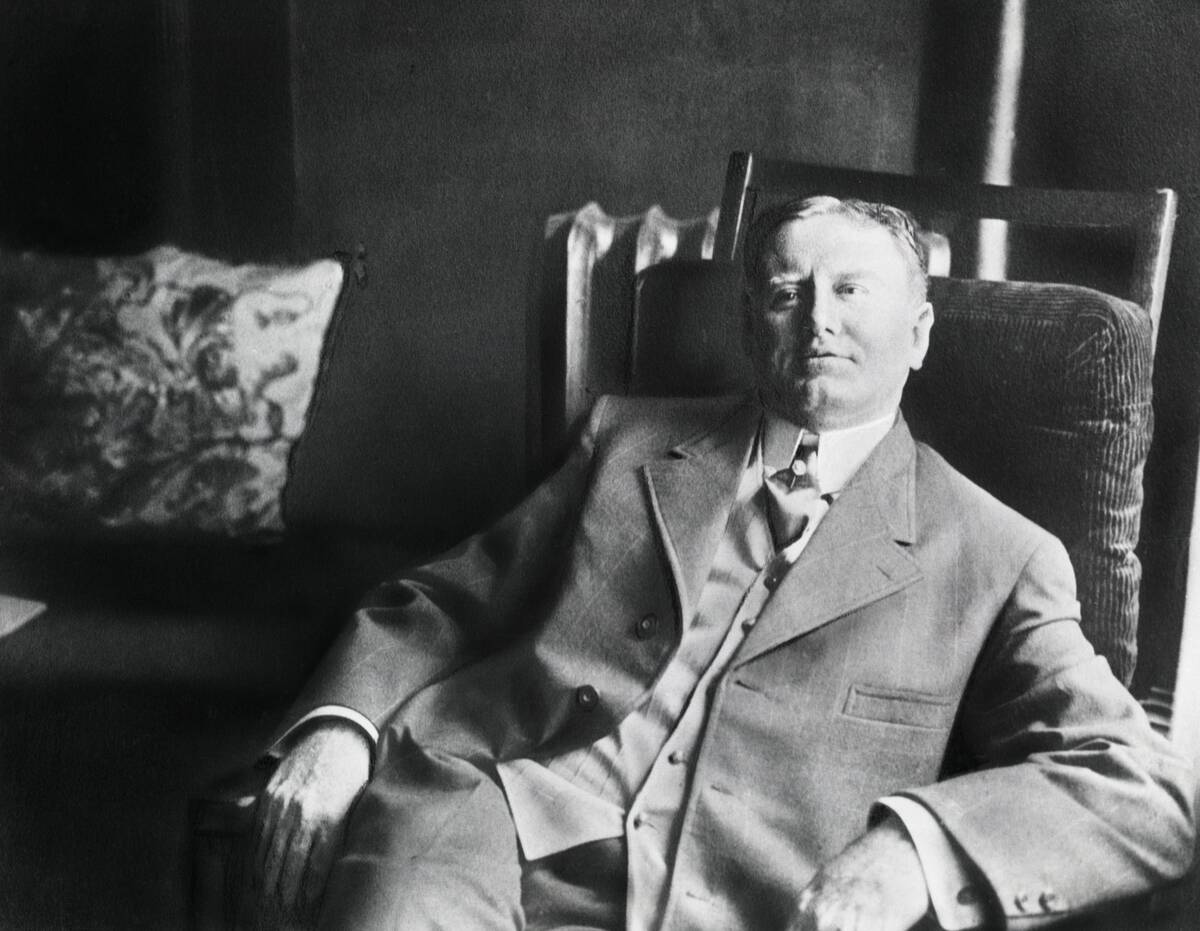
William Sydney Porter, better known as O. Henry, is celebrated for short stories with unexpected twists. Porter was convicted of embezzlement and served nearly three years in federal prison, where he began using the pen name O. Henry.
The exact origin of the pseudonym remains uncertain. Under that name, he wrote classics such as The Gift of the Magi and The Ransom of Red Chief, renowned for their wit and surprise endings. O. Henry remains one of the most influential American short-story writers.
Stan Lee: The Marvelous Mind of Stanley Martin Lieber

Stanley Martin Lieber, known to the world as Stan Lee, was a key figure behind Marvel Comics. Lee initially adopted “Stan Lee” as a pseudonym because he viewed comic-book writing as temporary and hoped to pursue more literary work under his real name.
As Stan Lee, he co-created iconic characters and teams including Spider-Man, the X-Men, and the Avengers, helping transform Marvel during the 1960s. Lee later made Stan Lee his legal name in 1975. His legacy as a storyteller and comic-book innovator continues to influence popular culture.
A.M. Barnard: Louisa May Alcott’s Darker Side
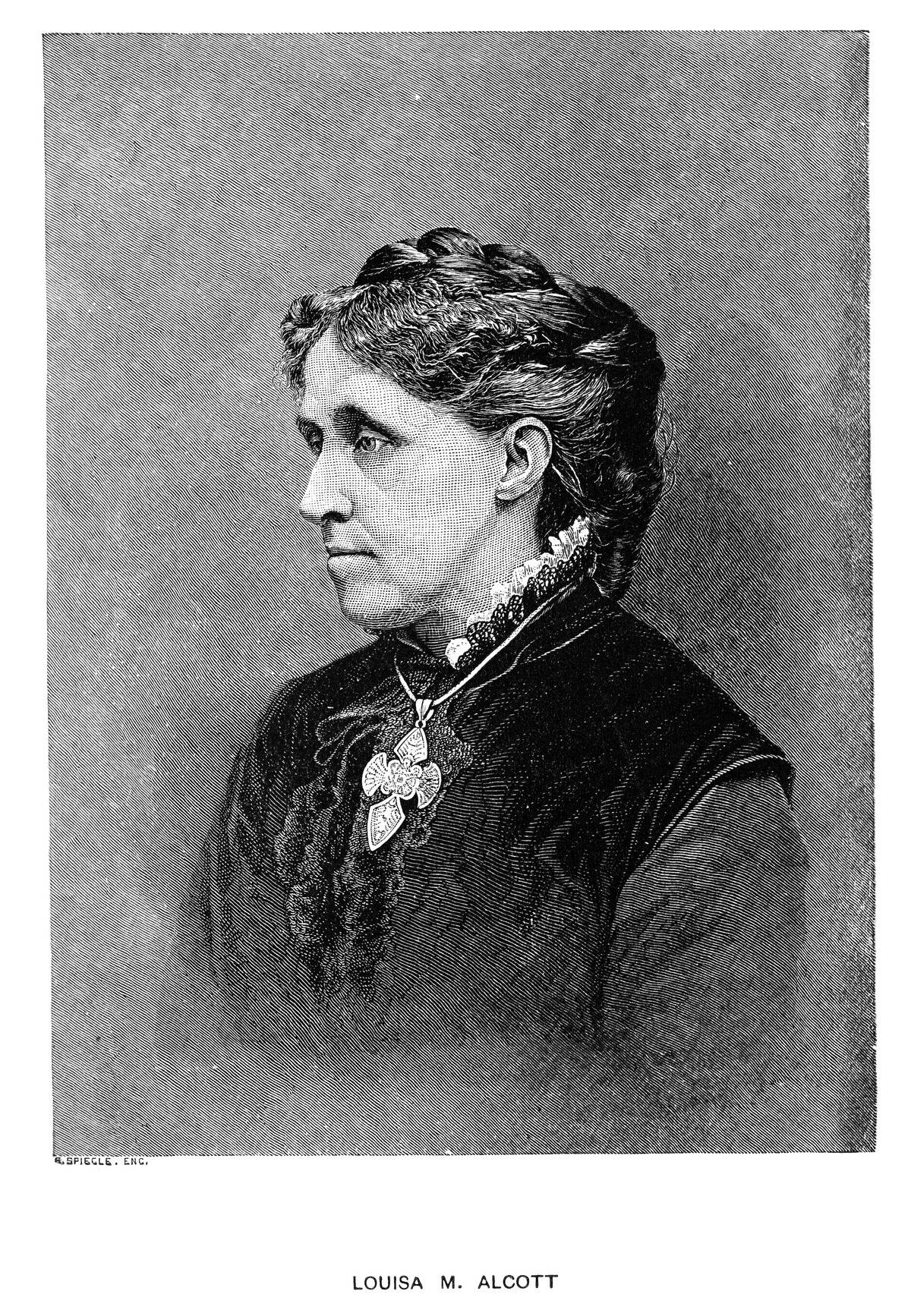
Louisa May Alcott, beloved for Little Women, explored darker themes under the pen name A.M. Barnard. Writing as Barnard, Alcott produced sensational stories and novels involving crime, passion, revenge, and suspense, including Behind a Mask and A Long Fatal Love Chase.
The pseudonym helped distinguish this material from the family-oriented fiction she published under her own name. Alcott’s work under different names demonstrated her ability to write across genres and revealed a darker side of her literary career beyond Little Women.
How Pen Names Have Shaped Literary History
Pen names have played a significant role in literary history, allowing authors to manage their public identities, navigate social conventions, and explore different creative avenues. From the Brontë sisters to George Orwell and James Tiptree Jr., writers have used pseudonyms for reasons including gender, privacy, professional identity, and freedom to publish different kinds of work.
The history of pen names demonstrates how adopting an alternative identity could influence how authors and their writing were perceived, leaving a lasting mark on the world of literature.




