Things that are older than most people think
Everyday items we take for granted often have fascinating backstories that stretch back centuries.
From vending machines to alarm clocks, these innovations have evolved over time, reflecting the ingenuity of their creators.
The Ancient Origins of the Vending Machine
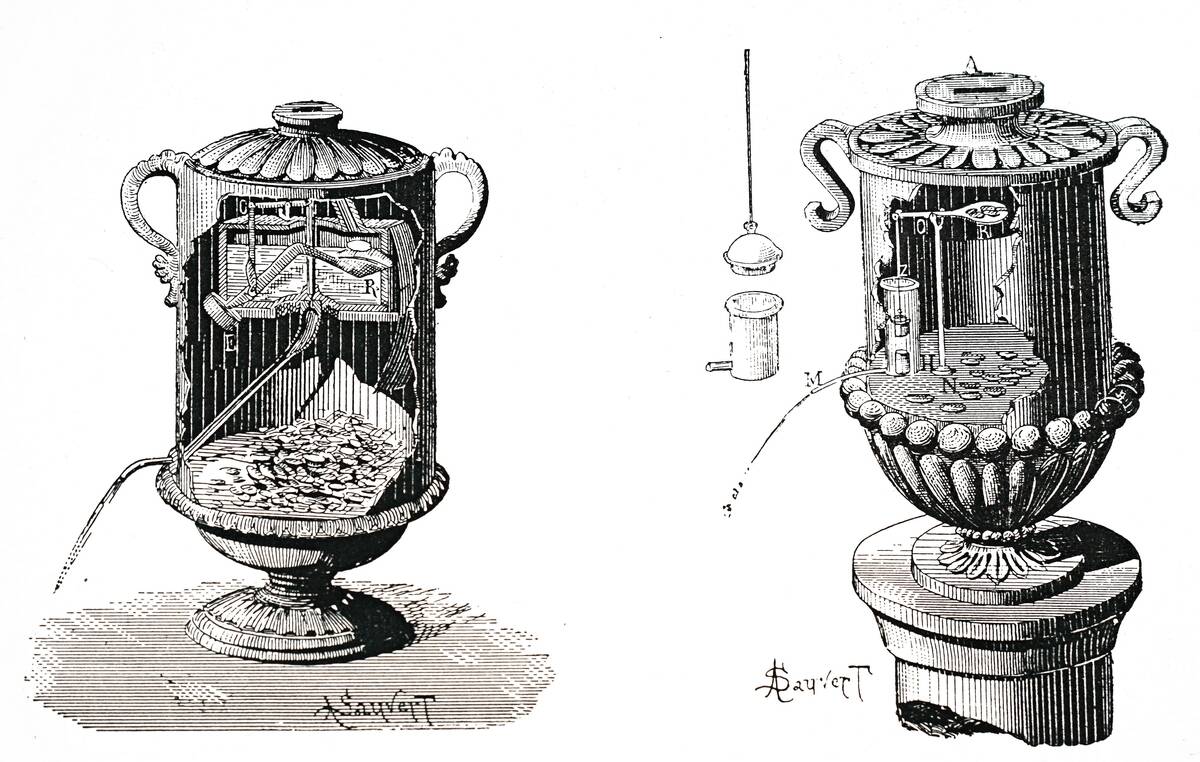
The concept of the vending machine dates back to the first century AD in Alexandria, Egypt. Hero of Alexandria, a Greek engineer, invented a device that dispensed holy water when a coin was inserted.
This early vending machine used a simple lever system to control the flow of water, showcasing the ingenuity of ancient inventors. It’s fascinating to think that the convenience of vending machines has roots in such an ancient and spiritual context.
Contact Lenses: A Visionary Idea from the Renaissance
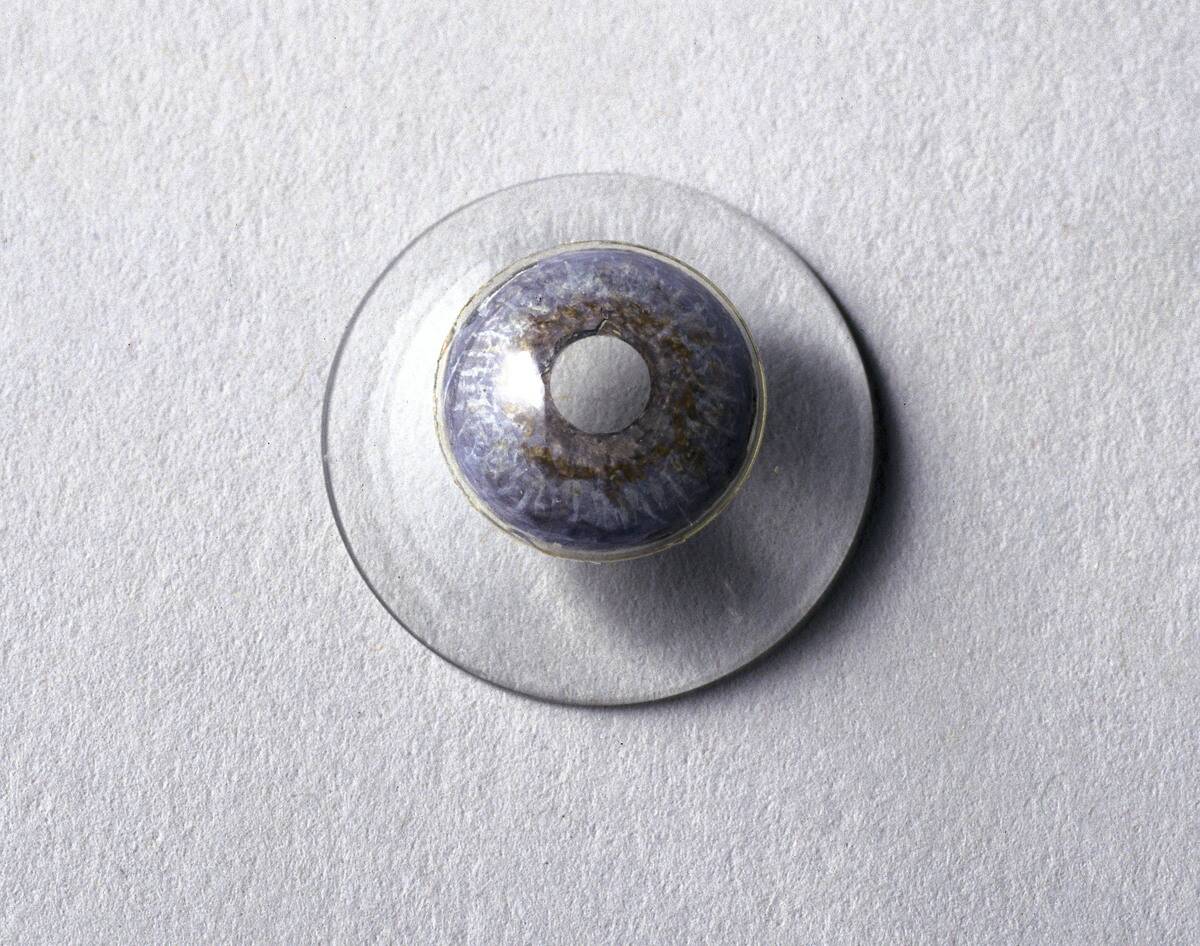
The idea of contact lenses can be traced back to the Renaissance period, with Leonardo da Vinci being one of the first to conceptualize them. In 1508, he sketched a design for a device that altered the corneal power by submerging the eye in water.
While it took centuries for technology to catch up with da Vinci’s vision, his innovative thinking laid the groundwork for the development of modern contact lenses.
The Surprisingly Long History of the Alarm Clock
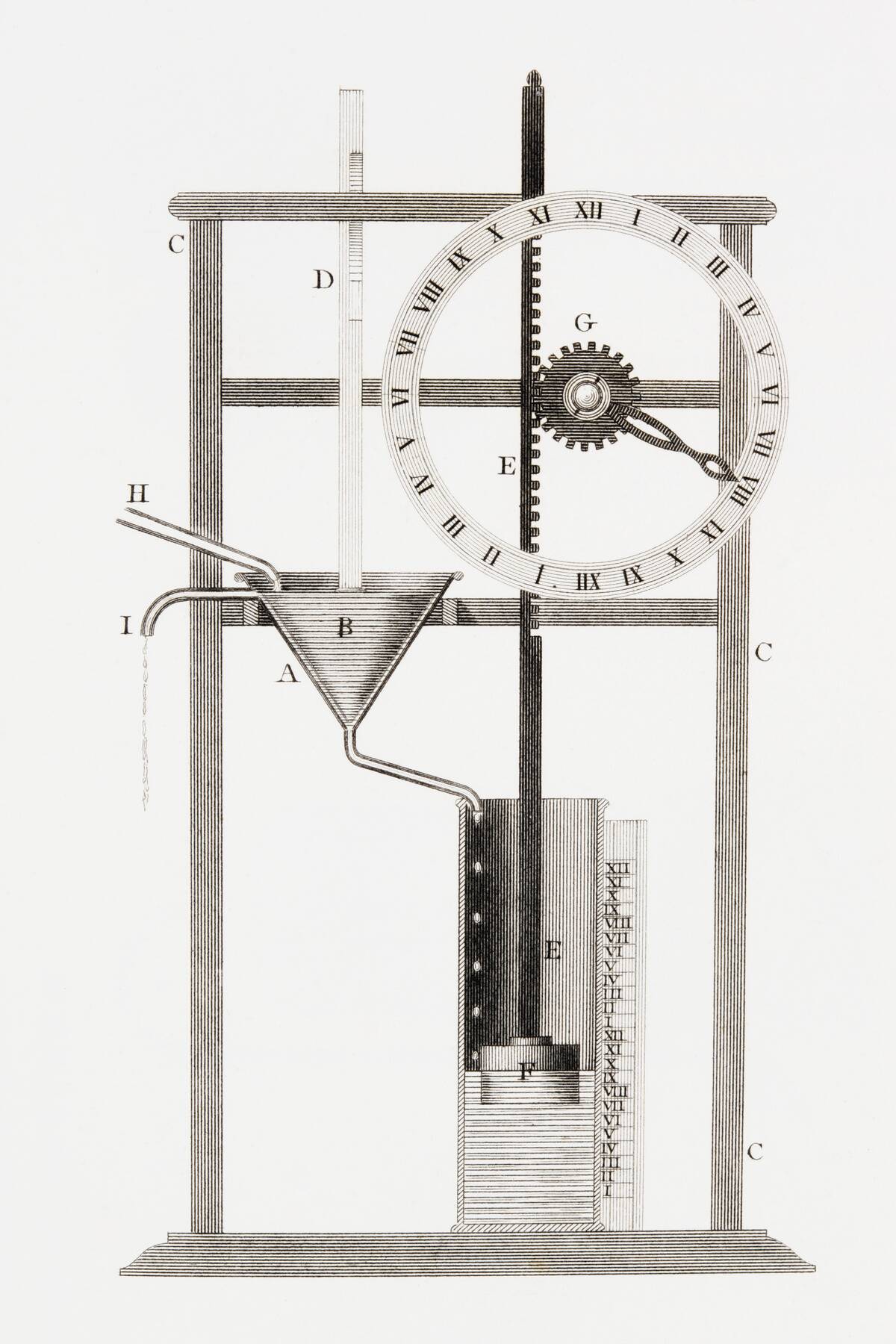
The alarm clock’s history stretches back to ancient Greece, where the philosopher Plato reportedly used a water clock to signal the start of his lectures. This early timekeeping device used a series of dripping water mechanisms to create an audible sound.
The evolution of the alarm clock reflects humanity’s longstanding desire to manage time effectively, a need that has persisted throughout the ages.
The First Selfie: Not as Modern as You Think
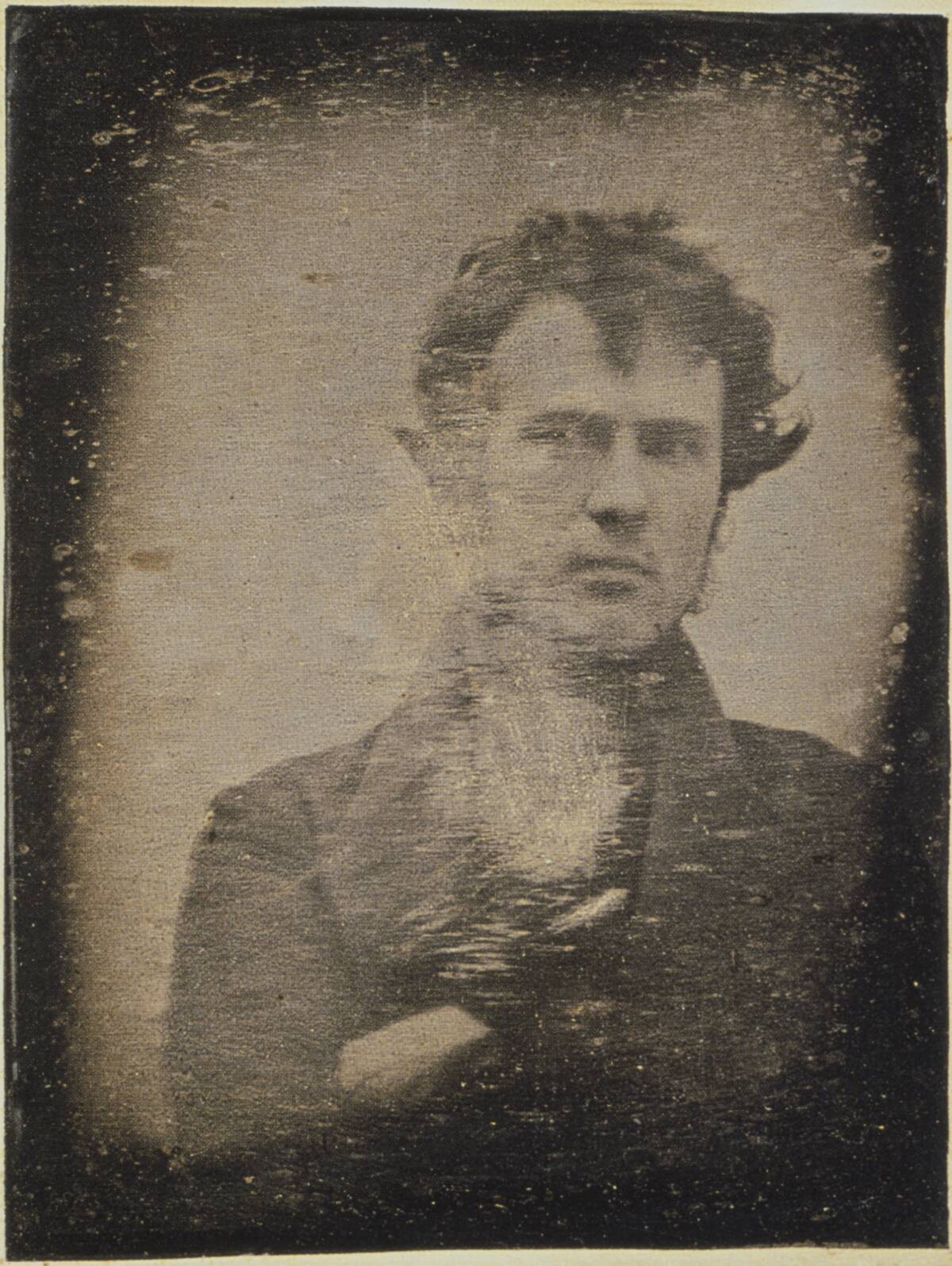
The first selfie might seem like a product of the digital age, but its origins go back to 1839. Robert Cornelius, an amateur chemist and photography enthusiast, took a self-portrait using a daguerreotype camera.
He had to sit still for several minutes to capture the image, a far cry from today’s quick snaps. Cornelius’s pioneering effort shows that the desire to capture one’s likeness is not a new phenomenon.
The Early Days of the Flamethrower
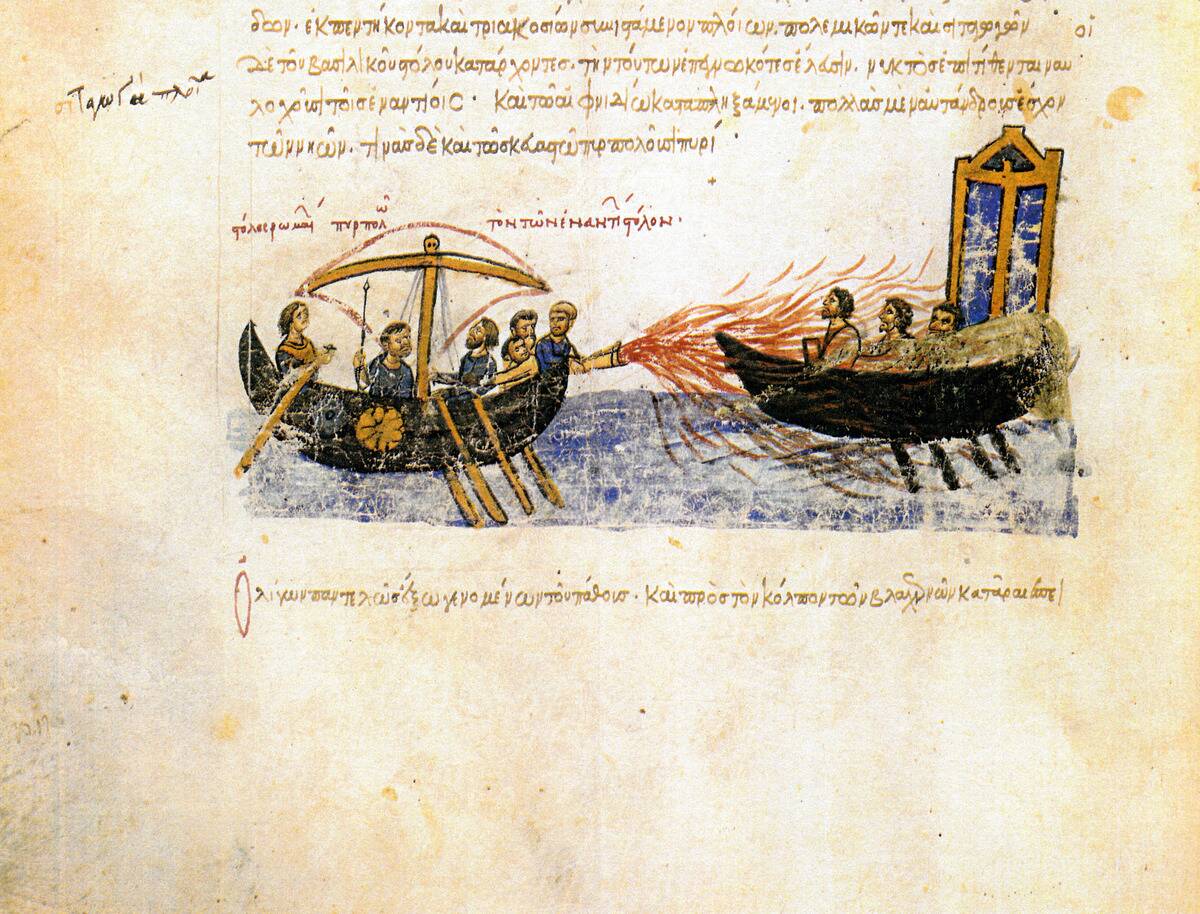
Flamethrowers may seem like a modern invention, but their history dates back to the Byzantine Empire. The Byzantines used a weapon called Greek fire, which could project flames onto enemy ships.
This early form of flamethrower was a closely guarded military secret, demonstrating the strategic importance of such technology even in ancient warfare. It’s intriguing to see how ancient innovations have influenced modern military tactics.
The Prehistoric Beginnings of the Toothbrush
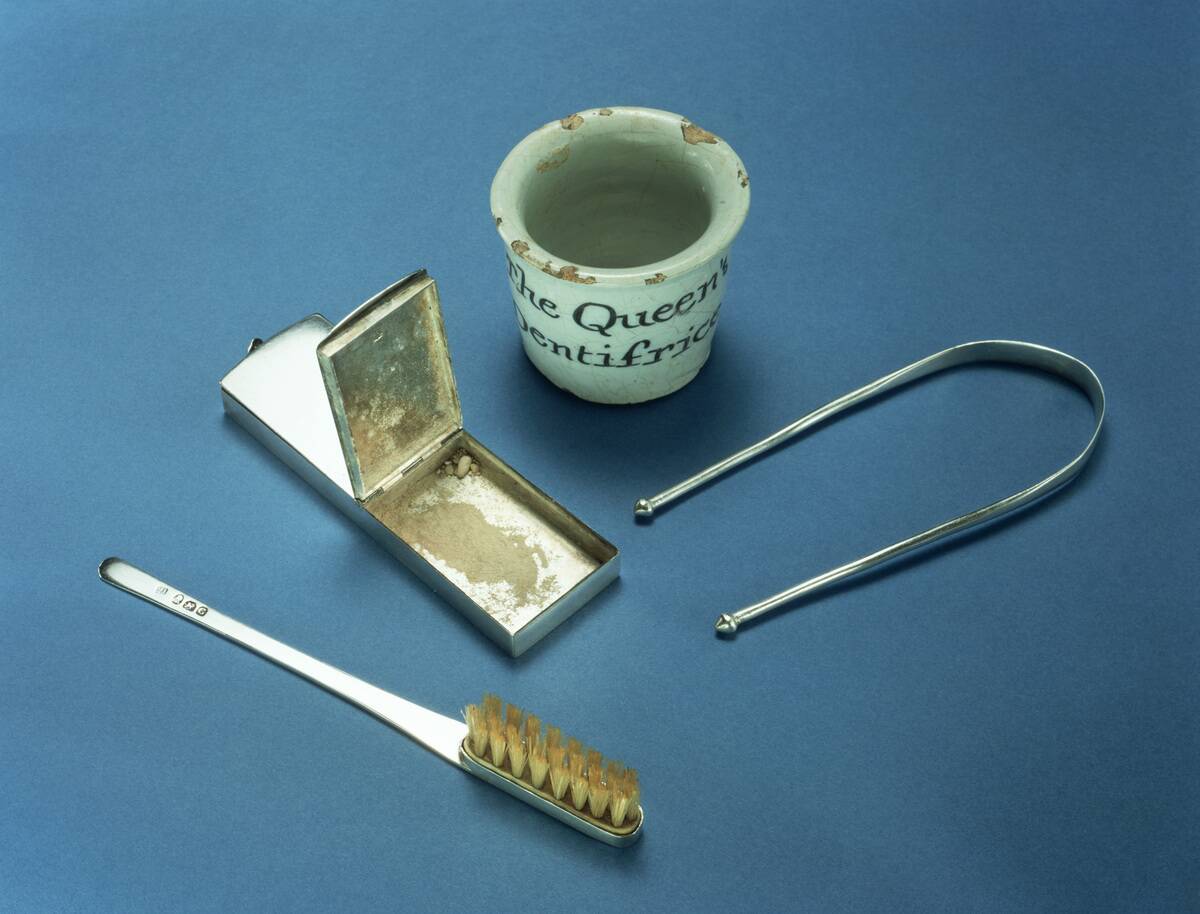
The toothbrush’s history can be traced back to 3500 BC, with the Babylonians and Egyptians using frayed twigs to clean their teeth. These early dental tools, known as ‘chew sticks,’ were precursors to the modern toothbrush.
The evolution of dental hygiene tools reflects the enduring human concern for oral health, a priority that has persisted throughout history.
The Long-Lived Legacy of the Umbrella
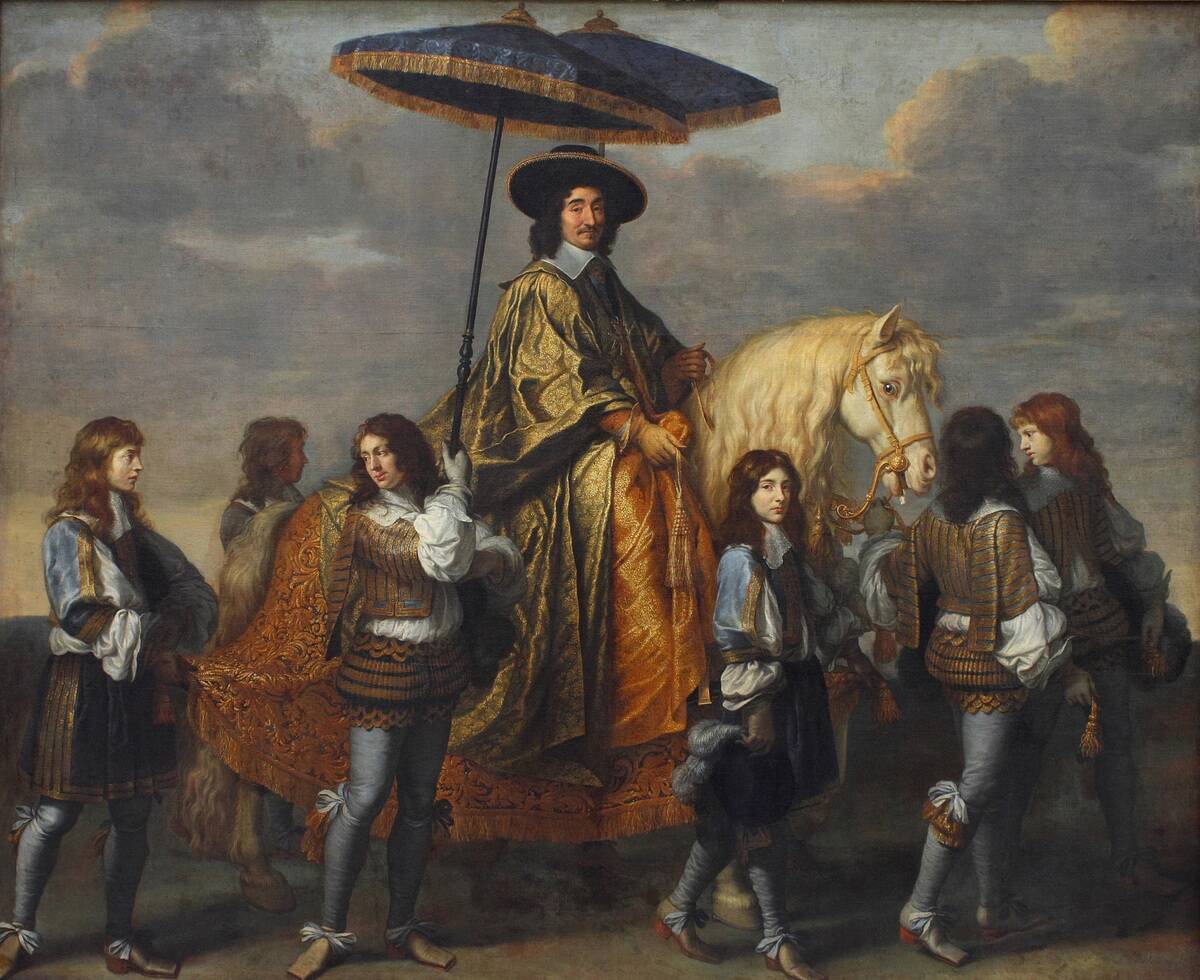
Umbrellas have been used for thousands of years, with evidence of their existence dating back to ancient Egypt and China. Initially, they were symbols of status and power, offering protection from the sun rather than rain.
Over time, umbrellas became more accessible and practical, evolving into the rain-shielding devices we know today. This transformation highlights the umbrella’s adaptability and enduring appeal across cultures.
The Ancient Egyptian Love for Board Games
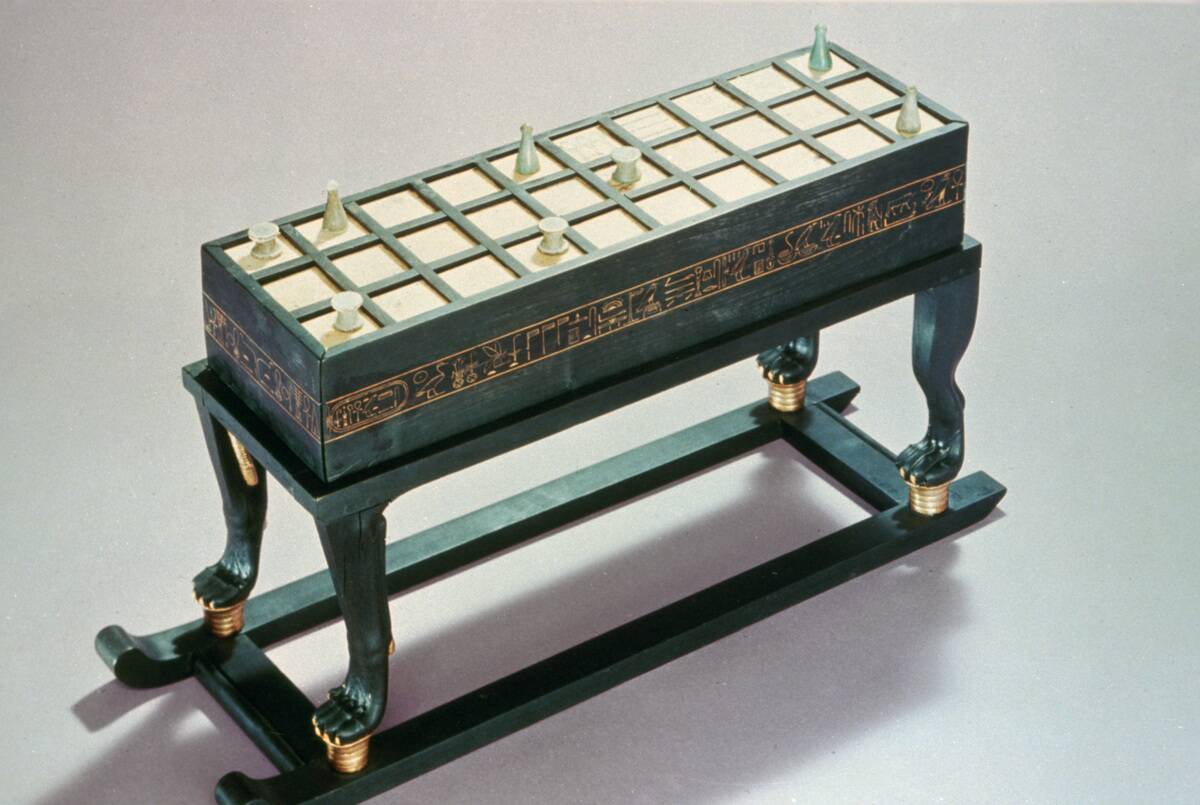
Board games have been a source of entertainment for thousands of years, with ancient Egyptians playing a game called Senet as early as 3100 BC. Senet was a game of strategy and chance, often found in the tombs of pharaohs.
This ancient pastime highlights the universal appeal of board games, offering a glimpse into the leisure activities of ancient civilizations and their love for strategic thinking.
The Early Invention of the Automatic Door
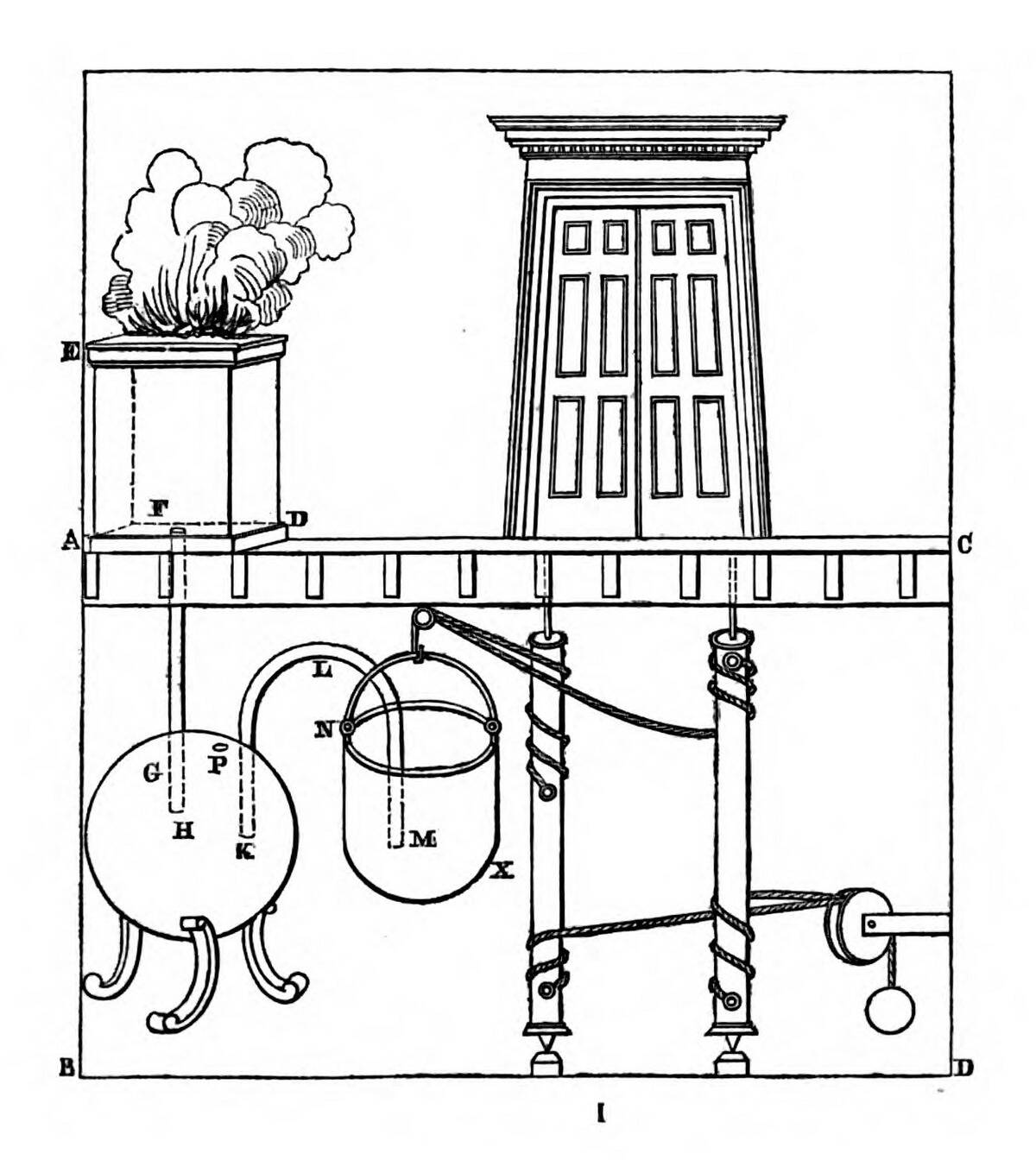
The concept of the automatic door dates back to the first century AD, thanks to the inventive mind of Heron of Alexandria. He designed a system using heat from fire to create pressure that opened temple doors automatically.
This early innovation showcases the ingenuity of ancient engineers and their ability to harness natural forces for practical applications. It’s fascinating to see how such ancient ideas have influenced modern technology.
The Timeless Appeal of High Heels
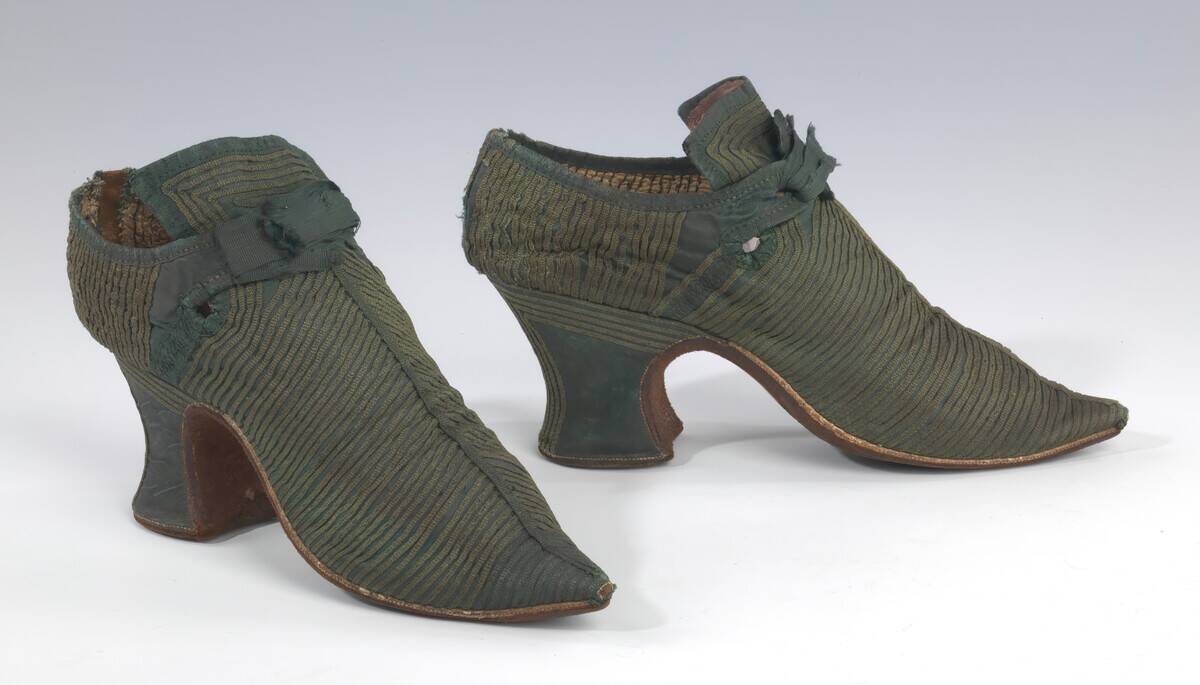
High heels have been a fashion staple for centuries, with their origins tracing back to 15th-century Persia. Initially worn by men for horseback riding, high heels provided stability in stirrups.
Over time, they became a symbol of status and fashion, eventually being adopted by women. The evolution of high heels reflects changing fashion trends and societal norms, highlighting their enduring appeal across different eras.
The Ancient Art of Tattooing
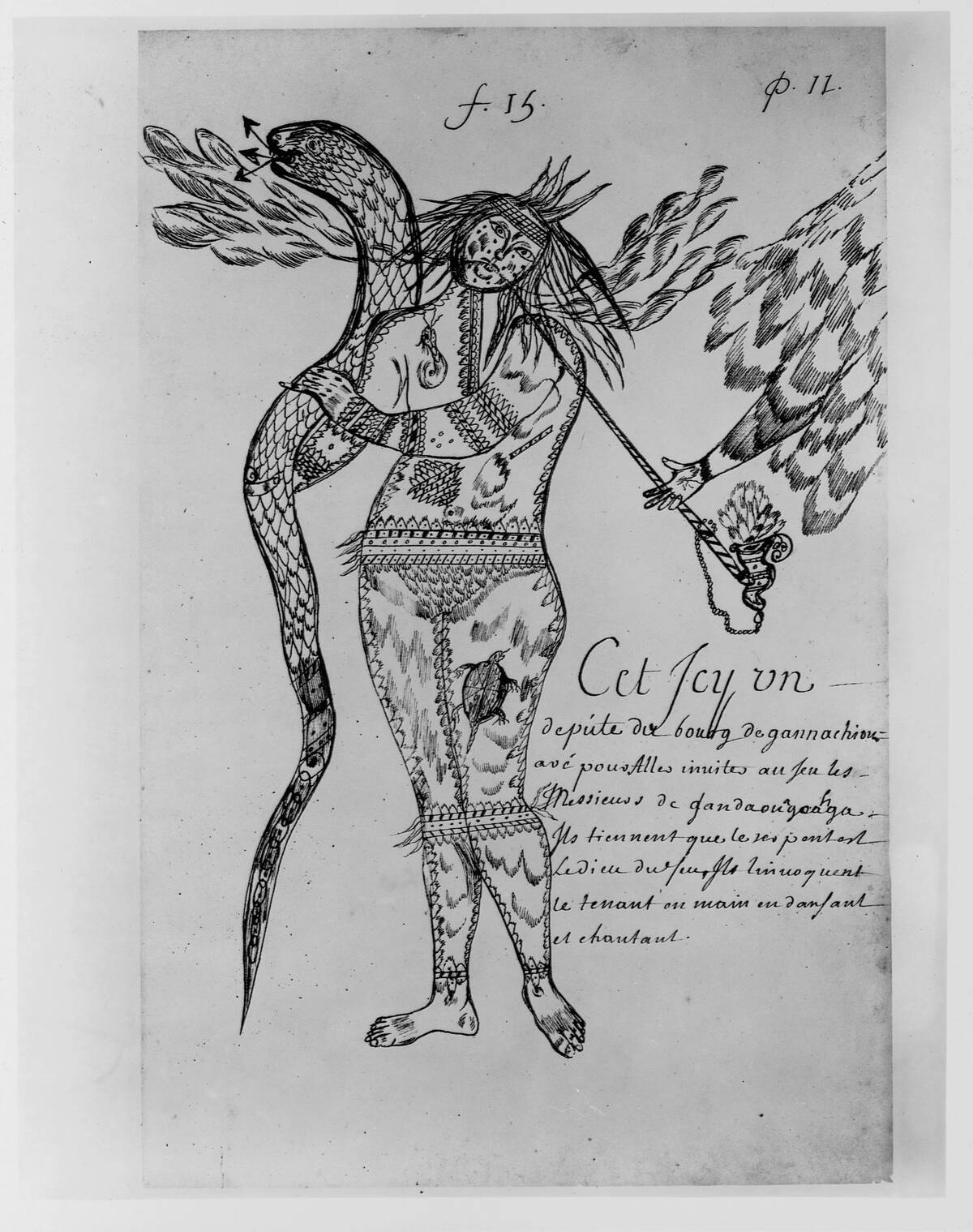
Tattooing is an ancient practice, with preserved tattoos dating back more than 5,000 years. Ötzi the Iceman, who lived around 3370–3100 BC, had numerous geometric tattoos consisting mainly of lines and crosses.
Because many were positioned near joints and areas showing physical degeneration, researchers have proposed that some may have served a therapeutic purpose, although this remains uncertain.
The Surprisingly Old Concept of Recycling
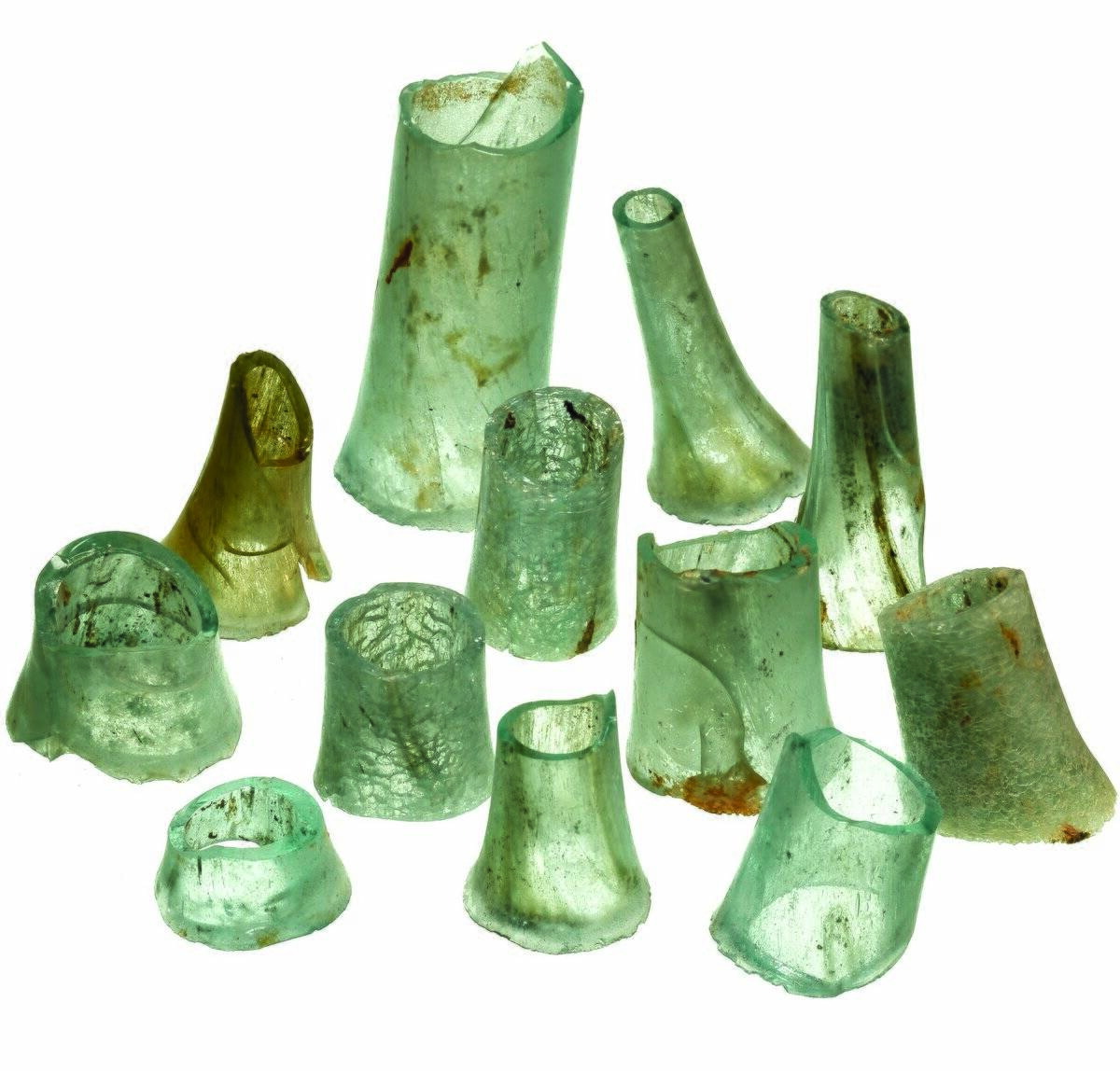
Recycling is not a modern concept; it has been practiced for centuries. Archaeological evidence shows that ancient civilizations, such as the Romans, recycled bronze and glass to create new items.
This resourcefulness highlights the long-standing human awareness of the need to conserve materials and reduce waste. It’s fascinating to see how ancient practices have laid the groundwork for modern environmental efforts.
The Historical Roots of the Hot Tub
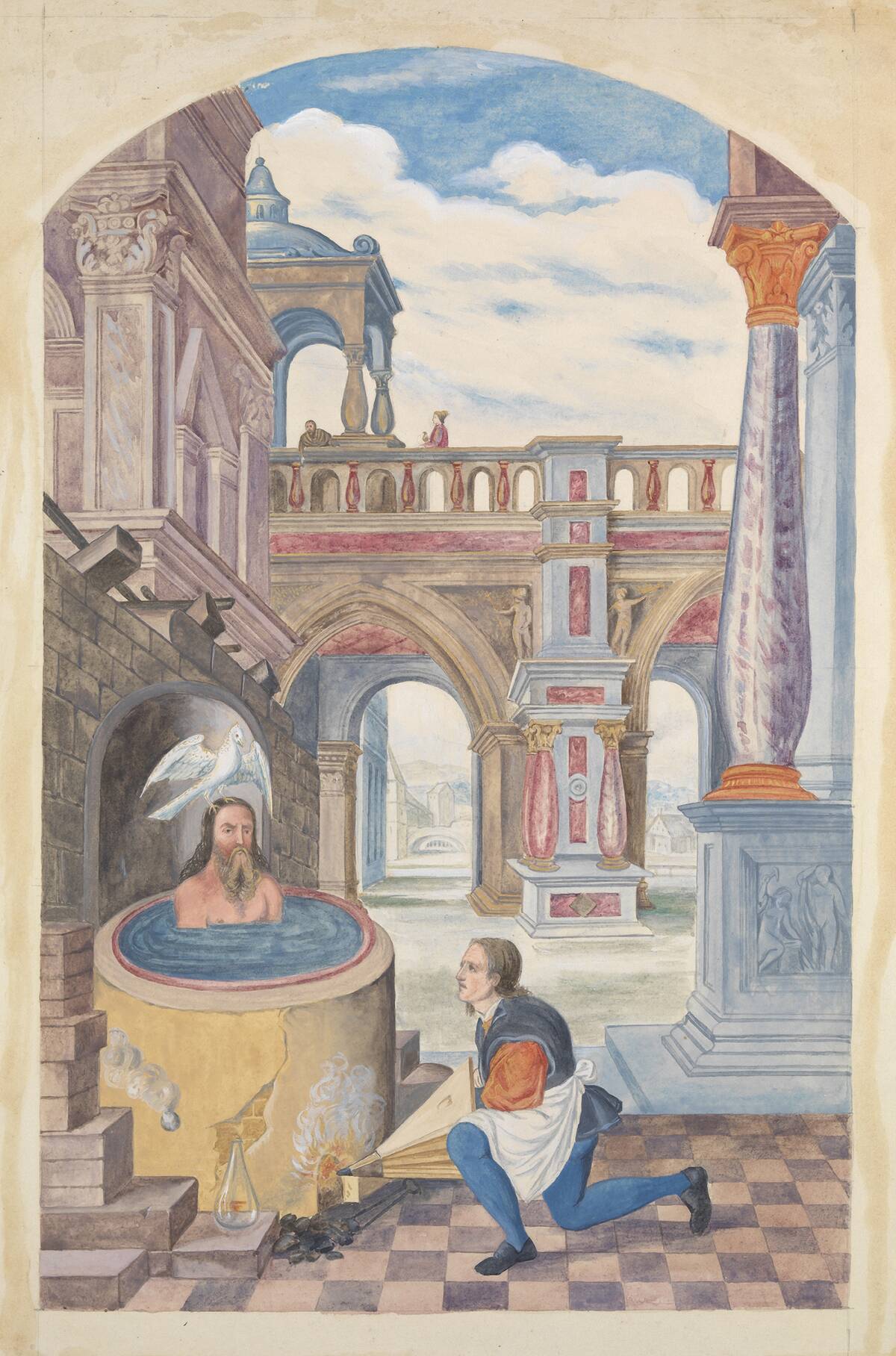
The concept of the hot tub dates back to ancient civilizations, with the earliest known examples found in the ruins of ancient Egypt and Rome. These early hot tubs were communal baths heated by natural hot springs or fires.
They served as social gathering places and were believed to have therapeutic benefits. The enduring appeal of hot tubs reflects humanity’s love for relaxation and socialization throughout history.
The Age-Old Tradition of Fast Food
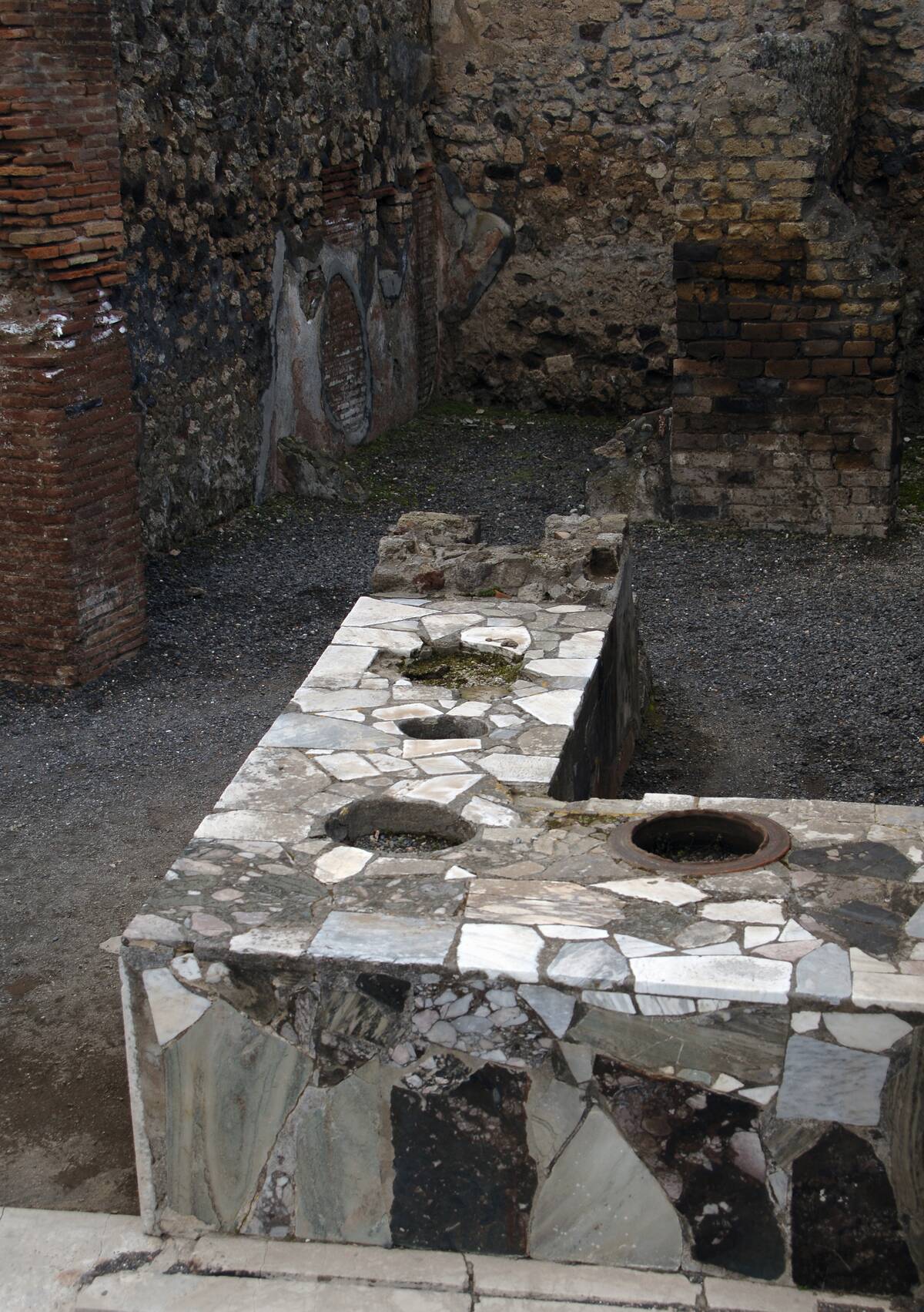
Fast food might seem like a modern convenience, but its roots go back to ancient Rome. Cities such as Pompeii contained numerous thermopolia—small food shops with counters where people could buy prepared food and drinks for a quick meal.
Foods could include bread or focaccia, olives, eggs, cheese, legumes, and wine. This early form of fast food highlights the timeless human need for convenient dining options.
The Early Development of the Electric Car
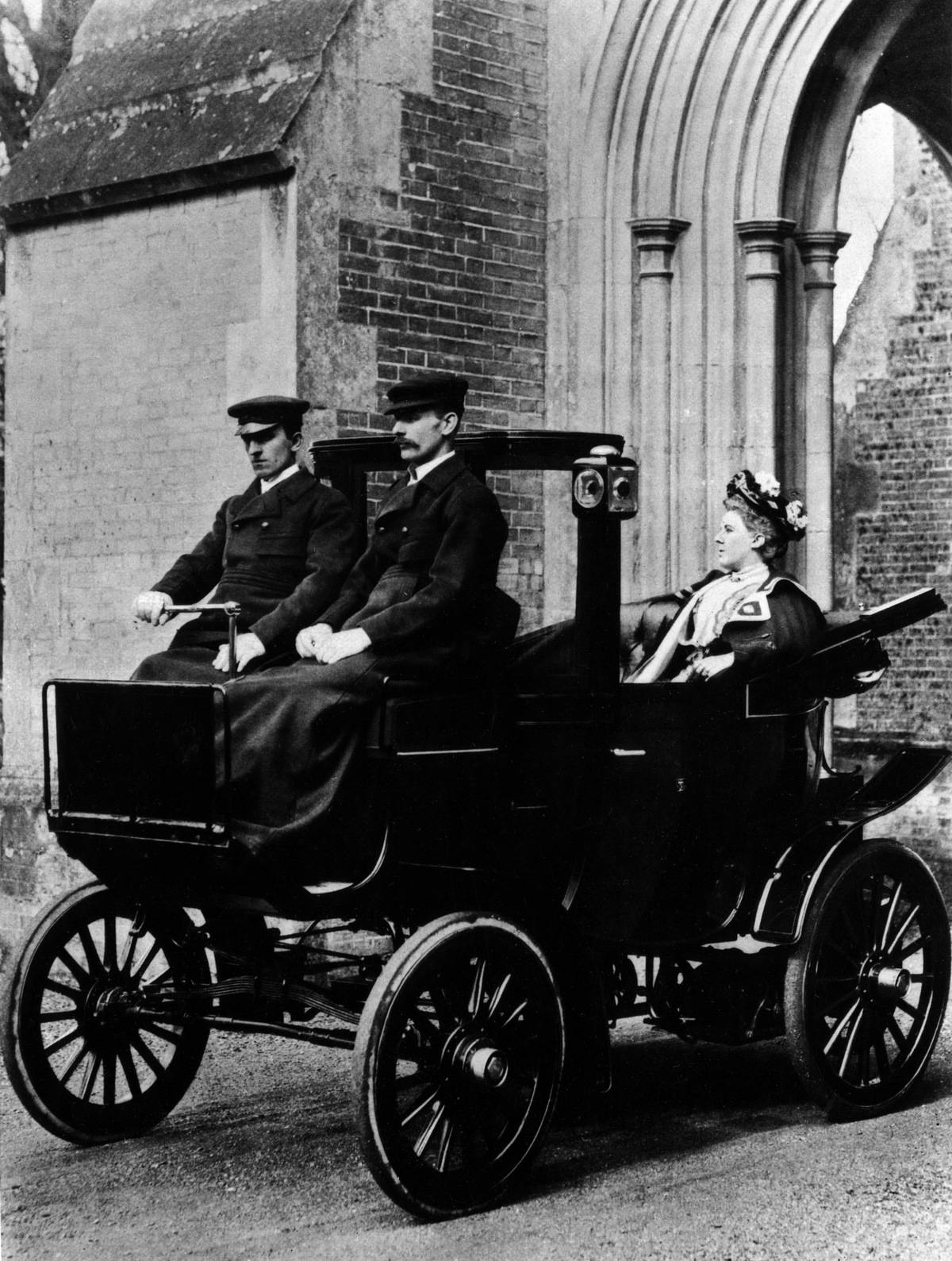
The electric car’s history dates back to the early 19th century, with inventors like Robert Anderson and Thomas Davenport creating early prototypes. These initial electric vehicles were limited by battery technology but showcased the potential for alternative energy sources.
The development of electric cars reflects the ongoing quest for sustainable transportation solutions, a pursuit that continues to drive innovation in the automotive industry today.




