Foods that were considered fancy in the 1980s
The 1980s were a time of bold fashion, big hair, and unforgettable culinary trends. It was a decade where food was not just about sustenance but also about making a statement.
From lavish dinner parties to casual brunches, the dishes of the 80s were as vibrant and diverse as the people who enjoyed them. Let’s take a nostalgic journey through some of the most iconic foods that defined an era.
Quiche: The Quintessential 80s Brunch Star
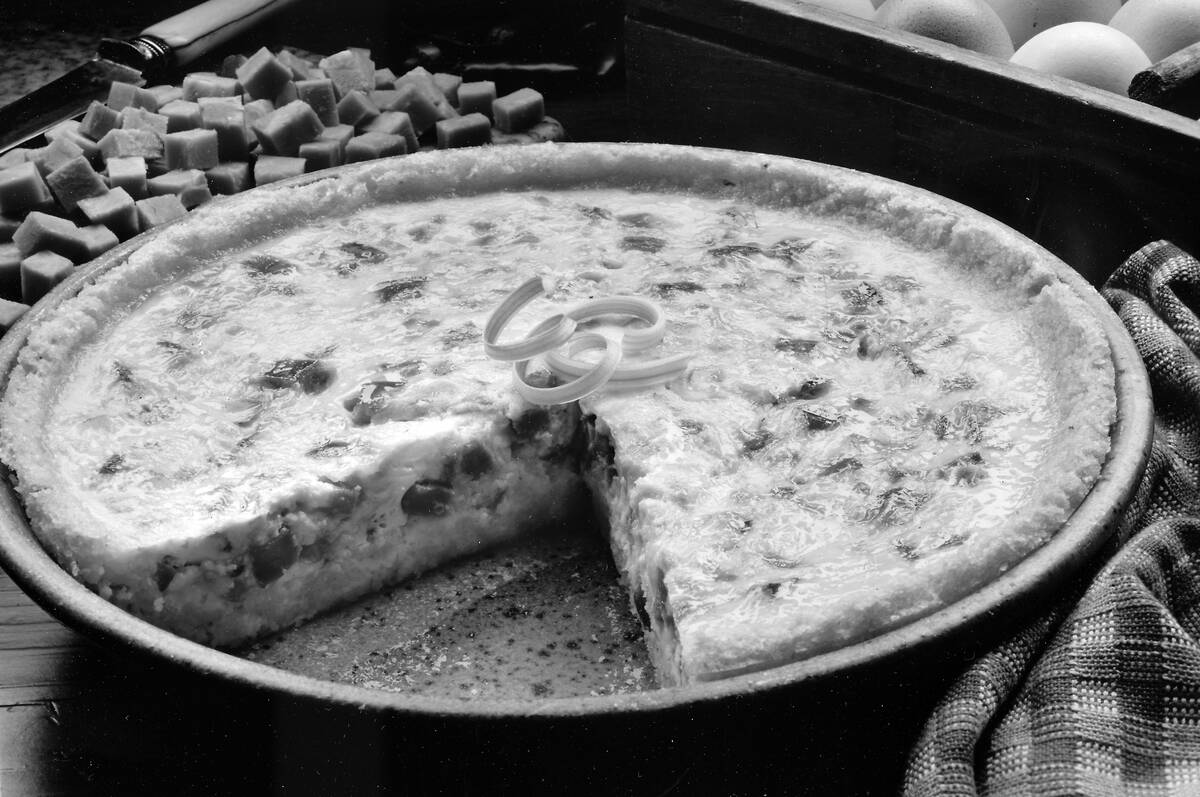
Quiche, with its flaky crust and creamy filling, was a popular brunch dish in the 1970s and remained a familiar favorite into the 1980s. Originally associated with the Lorraine region of France, it became a symbol of sophistication in American food culture and was often prepared with ingredients such as spinach, bacon, and cheese.
Its versatility made it a convenient choice for hosts entertaining guests, while its make-ahead quality suited leisurely meals. Whether served warm or cold, quiche became closely associated with the brunch culture of the era.
Fondue: The Melting Pot of Social Gatherings
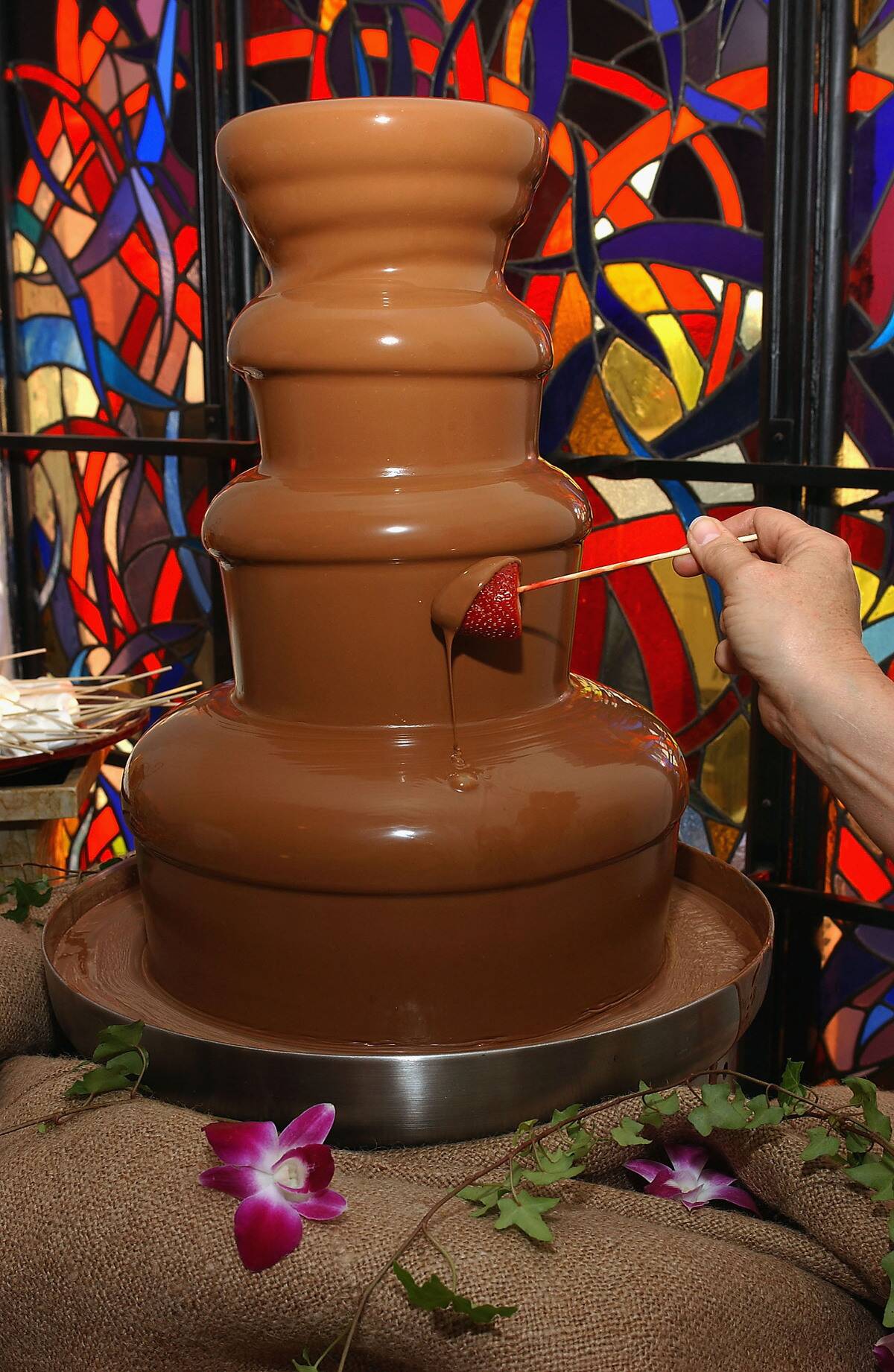
Fondue brought people together around a bubbling pot of melted cheese or chocolate, creating a distinctly communal dining experience. Originating as a Swiss dish, fondue became a major American food trend during the 1960s and 1970s, with hosts embracing its interactive approach to entertaining.
Guests could dip bread, vegetables, meat, or fruit into shared pots of cheese, oil, broth, or chocolate. Although its popularity had faded somewhat by the 1980s, fondue remained associated with social gatherings and dinner parties, offering a relaxed and interactive way to entertain guests.
Sushi: The Exotic Delicacy That Made Waves
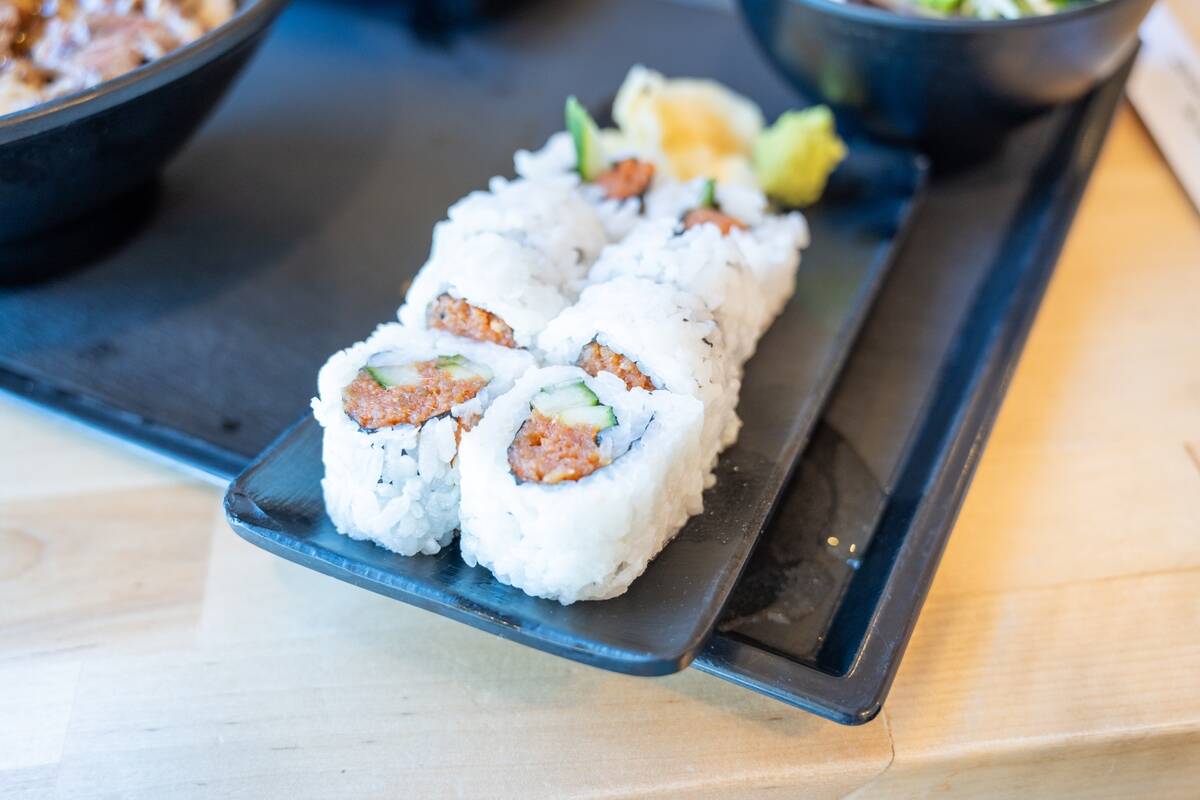
Sushi, once an unfamiliar delicacy to many Americans, experienced a major surge in popularity during the 1980s as diners embraced its distinctive flavors and presentation. Originating in Japan, sushi introduced many Western diners to vinegared rice and, increasingly, raw fish, although early American versions often used cooked ingredients to appeal to local tastes.
Sushi bars became trendy destinations, while American adaptations such as the California roll and spicy tuna roll helped broaden its appeal. By the 1980s, sushi had acquired an upscale image and become an increasingly fashionable choice among adventurous American diners.
Pâté: The French-Inspired Spread of Elegance
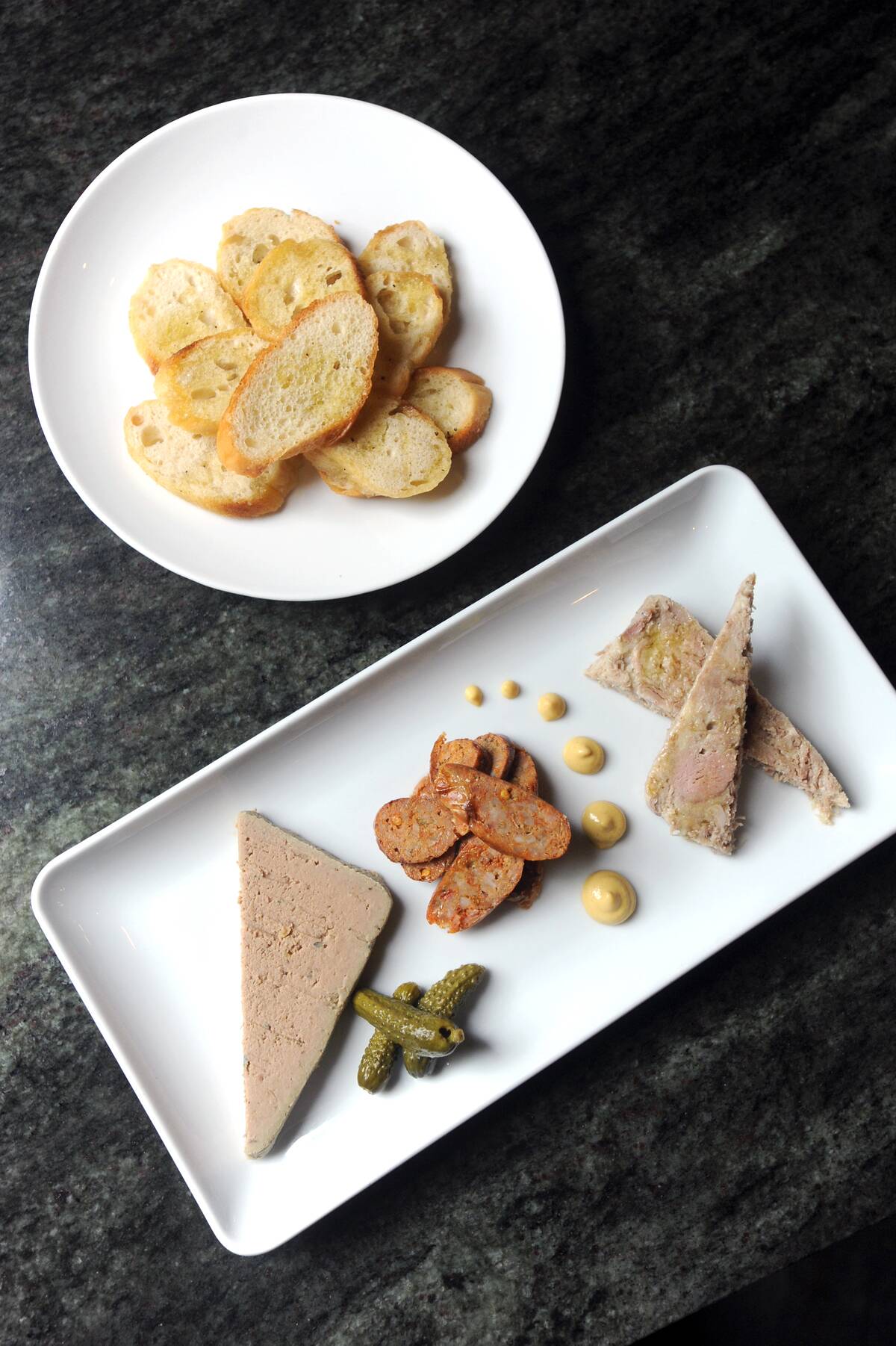
Pâté, a rich preparation made from finely ground meat, fat, and other ingredients, was associated with sophisticated French-inspired dining in the 80s. The tradition has broader European roots, but French cuisine helped establish pâté and terrines as elegant choices for entertaining. They appeared at dinner parties and could be served with crackers, toast, or crusty bread.
Different varieties could include liver, pork, poultry, seafood, herbs, and spices, giving hosts plenty of options. Pâté could be served as an appetizer, part of a larger meal, or alongside wine, making it a fitting choice for the era’s growing interest in elaborate and internationally inspired cuisine.
Blackened Fish: The Cajun Craze That Swept the Nation
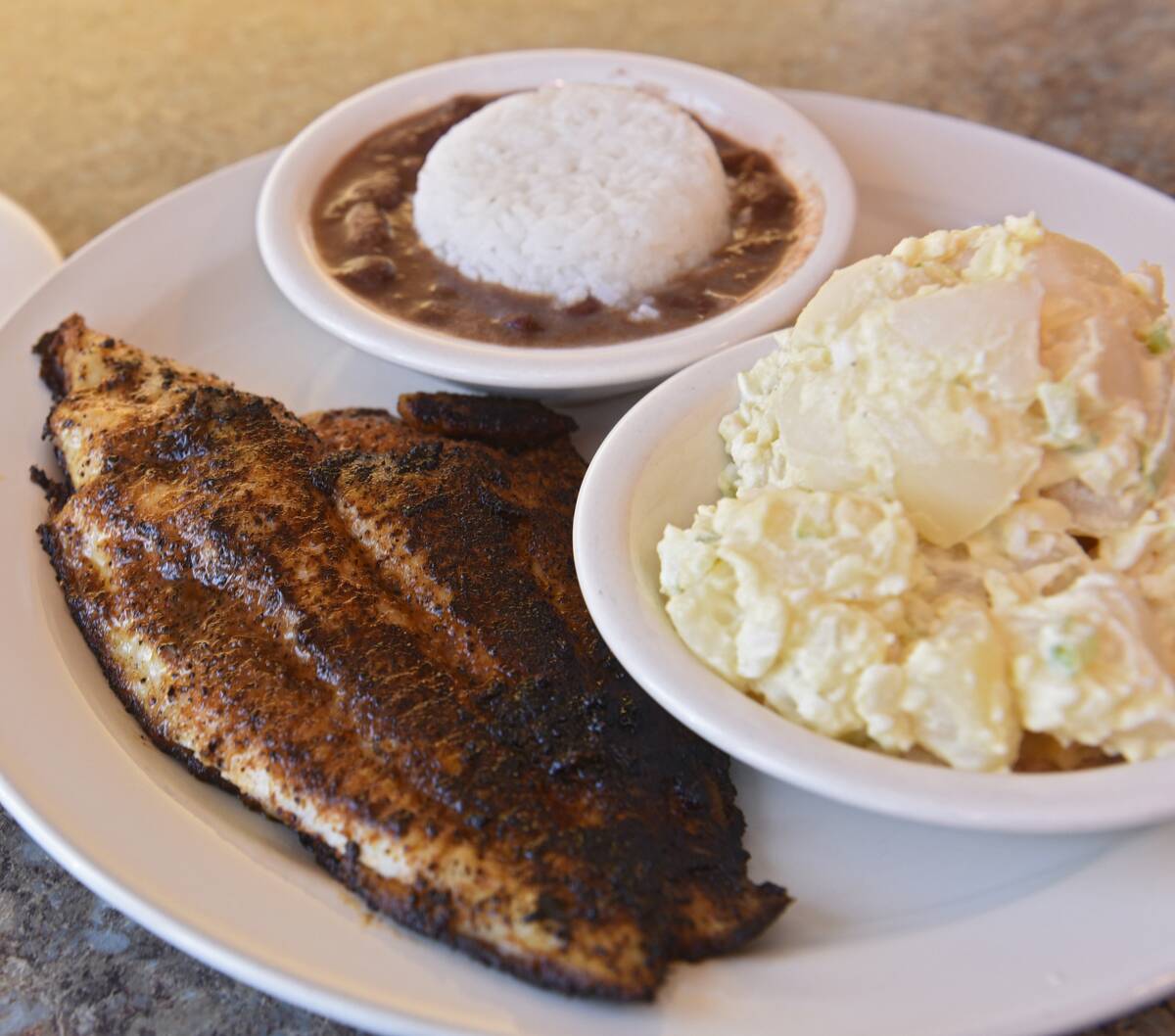
Blackened fish, with its spicy, charred crust, became a culinary sensation in the 1980s thanks largely to chef Paul Prudhomme. His blackened redfish was a modern interpretation inspired by Louisiana and Cajun cooking, rather than a traditional Cajun dish.
The technique involved coating fish with butter and a blend of herbs and spices before searing it in an extremely hot cast-iron skillet, creating its characteristic dark crust. The dish became a national craze, appearing on restaurant menus across the country and helping introduce more Americans to Cajun cuisine and bolder flavors.
Pasta Primavera: The Veggie-Packed Italian Delight
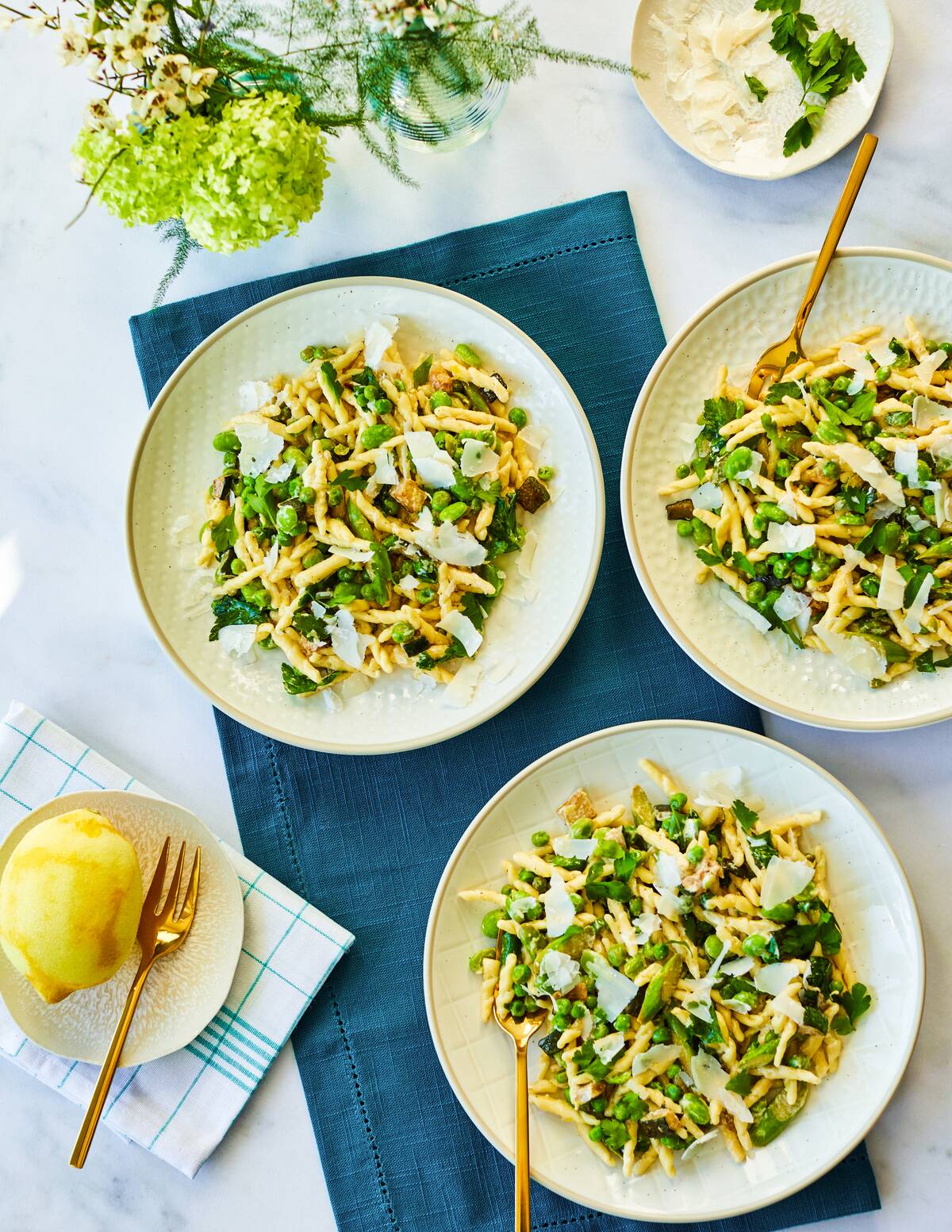
Pasta Primavera, with its vibrant medley of fresh vegetables and pasta, became a defining American restaurant dish of the 1980s. Despite its Italian name, it was created in North America during the 1970s and is closely associated with New York’s Le Cirque restaurant. The name means “spring” in Italian, reflecting its emphasis on fresh seasonal vegetables such as zucchini, bell peppers, tomatoes, asparagus, and broccoli.
Its colorful appearance and relatively light, vegetable-focused character helped make it fashionable, particularly as Americans showed growing interest in fresher and lighter cooking. By the 1980s, Pasta Primavera had become a familiar feature of American restaurant menus.
Baked Brie: The Gooey, Gooey Cheese Sensation
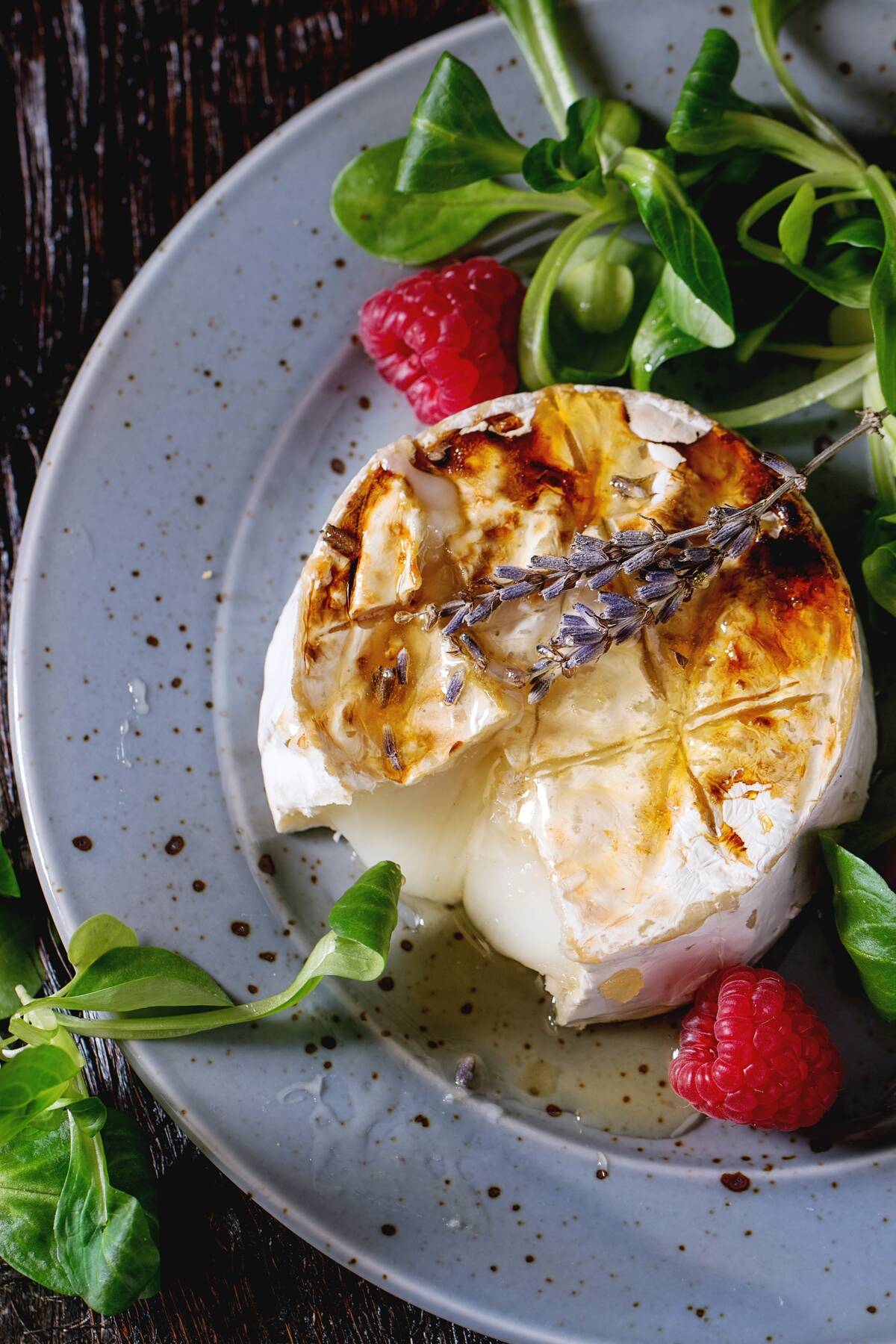
Baked Brie, with its molten cheese center and golden pastry crust, was a fashionable appetizer associated with 1980s entertaining. The dish was often enhanced with toppings such as nuts, honey, or fruit preserves, creating a sweet and savory contrast with the rich cheese.
Served as an appetizer or alongside bread and crackers at wine-and-cheese gatherings, baked Brie offered an elegant yet relatively simple option for entertaining guests. Its combination of creamy cheese, crisp pastry, and flavorful toppings made it a memorable example of the indulgent party foods popular during the decade.
Beef Wellington: The Showstopper of Dinner Parties
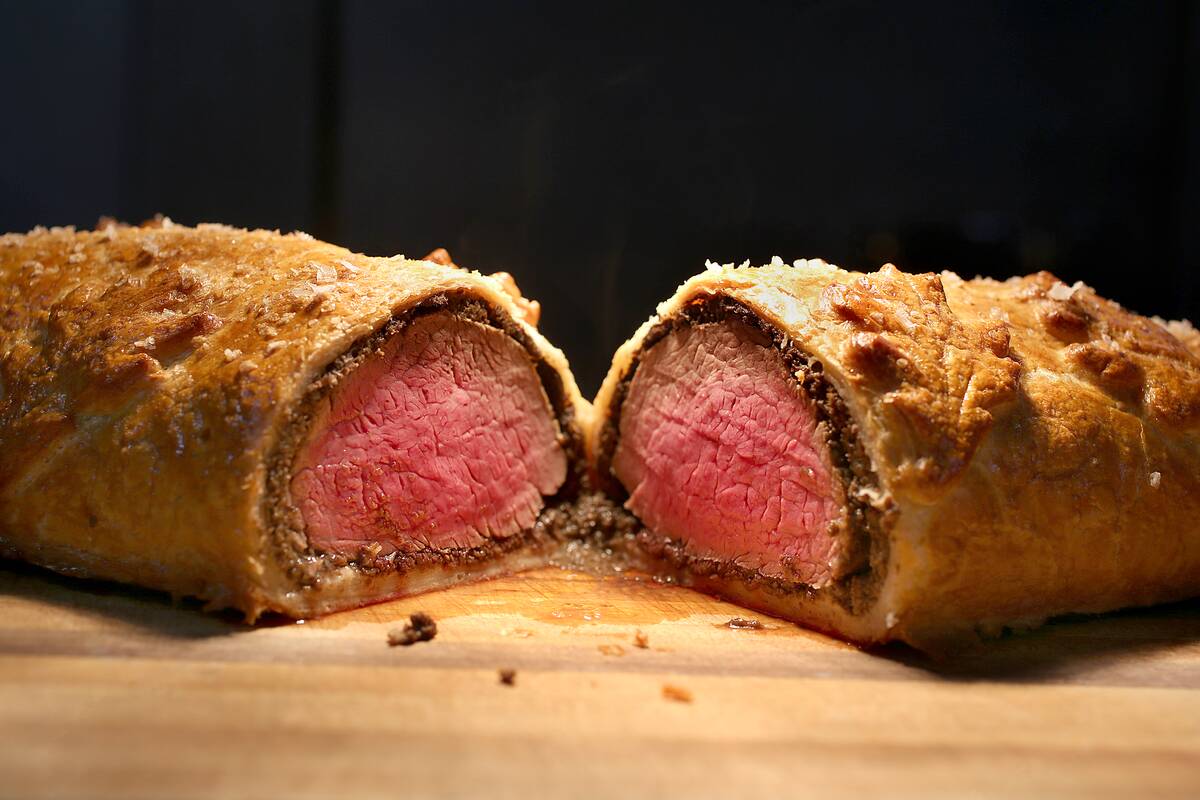
Beef Wellington, with its tender beef fillet encased in flaky pastry, was an impressive showpiece for sophisticated dinner parties in the 1980s. Generally associated with British cuisine, the dish has a more complicated history, and its precise origins remain uncertain.
A classic Wellington combines beef, mushroom duxelles, and pastry, with some recipes also incorporating pâté, ham, or mustard. Preparing it successfully required careful attention to both the beef and pastry, making it a demanding centerpiece for entertaining. Its elaborate presentation and reputation for technical difficulty made Beef Wellington a fitting choice for hosts eager to demonstrate their culinary skills.
Lobster Bisque: The Creamy Soup with a Touch of Luxury
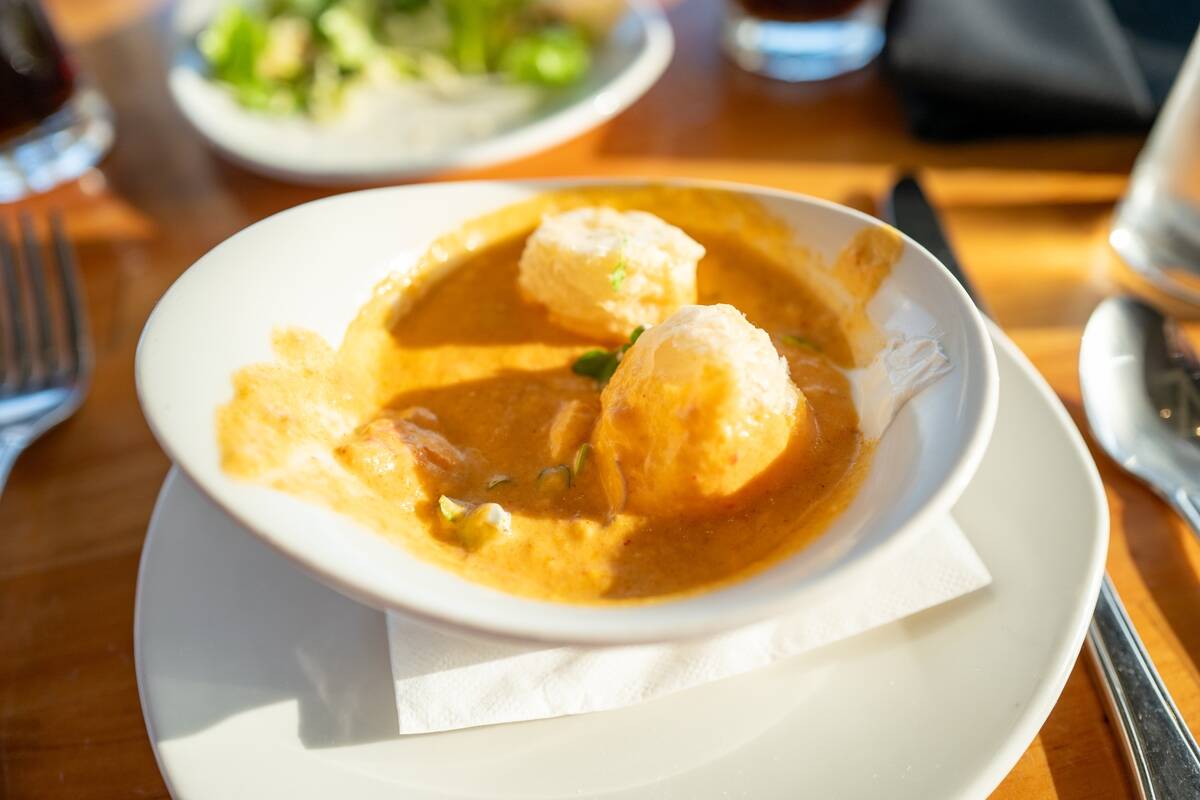
Lobster bisque, with its velvety texture and rich seafood flavor, was a luxurious choice for elegant meals and special occasions. This creamy soup was traditionally prepared using lobster shells to create a flavorful stock, then enriched with cream and, in many recipes, sherry or brandy.
Its indulgent taste and smooth consistency made it a popular offering at upscale restaurants and a fitting choice for formal dining. Served as an appetizer or light course, lobster bisque combined the richness of lobster with the refined presentation associated with classic restaurant cuisine.
Tiramisu: The Sweet Italian Pick-Me-Up
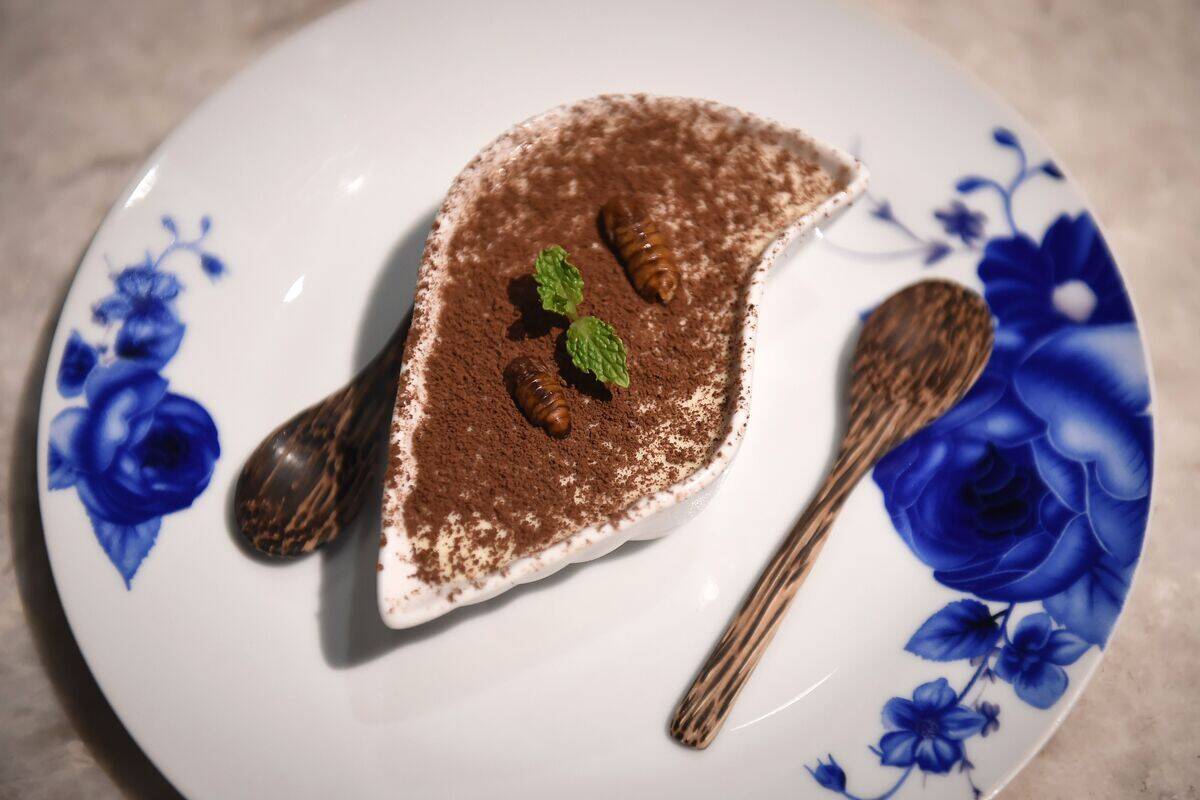
Tiramisu, with its layers of coffee-soaked ladyfingers and mascarpone cream, became one of the defining Italian desserts of the 1980s. Although it originated in northeastern Italy in the late 1960s or early 1970s, it gained widespread international attention during the 1980s. The name comes from the Italian tirami su, meaning “pick me up,” reflecting the dessert’s coffee component and reputation as an energizing treat.
A dusting of cocoa powder added a pleasantly bitter contrast to the sweet, creamy layers. As tiramisu spread from Italian restaurants into home kitchens, it became a fashionable dessert that introduced diners around the world to a modern taste of Italian dolce vita.
Caviar: The Tiny Pearls of Sophistication
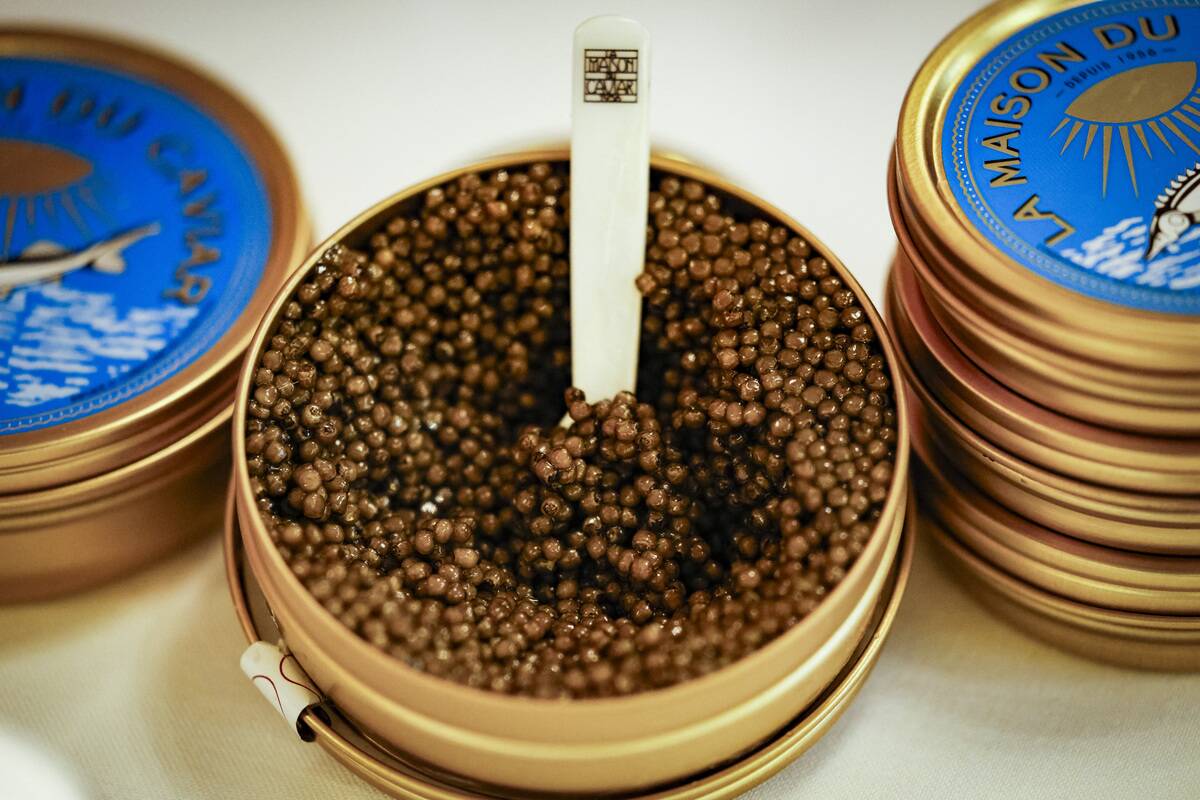
Caviar, the tiny pearls of lightly salted fish roe, was a powerful symbol of sophistication and luxury in the 80s. Often served at high-end events and lavish gatherings, caviar was traditionally enjoyed on blinis or toast points, sometimes accompanied by champagne or vodka.
Its delicate, briny flavor and distinctive texture made it a prized delicacy, particularly among affluent diners. During a decade increasingly associated with conspicuous consumption and extravagant entertaining, caviar became more than just an expensive food; it was a recognizable symbol of wealth, status, and indulgence.
Chicken Kiev: The Butter-Filled Poultry Surprise
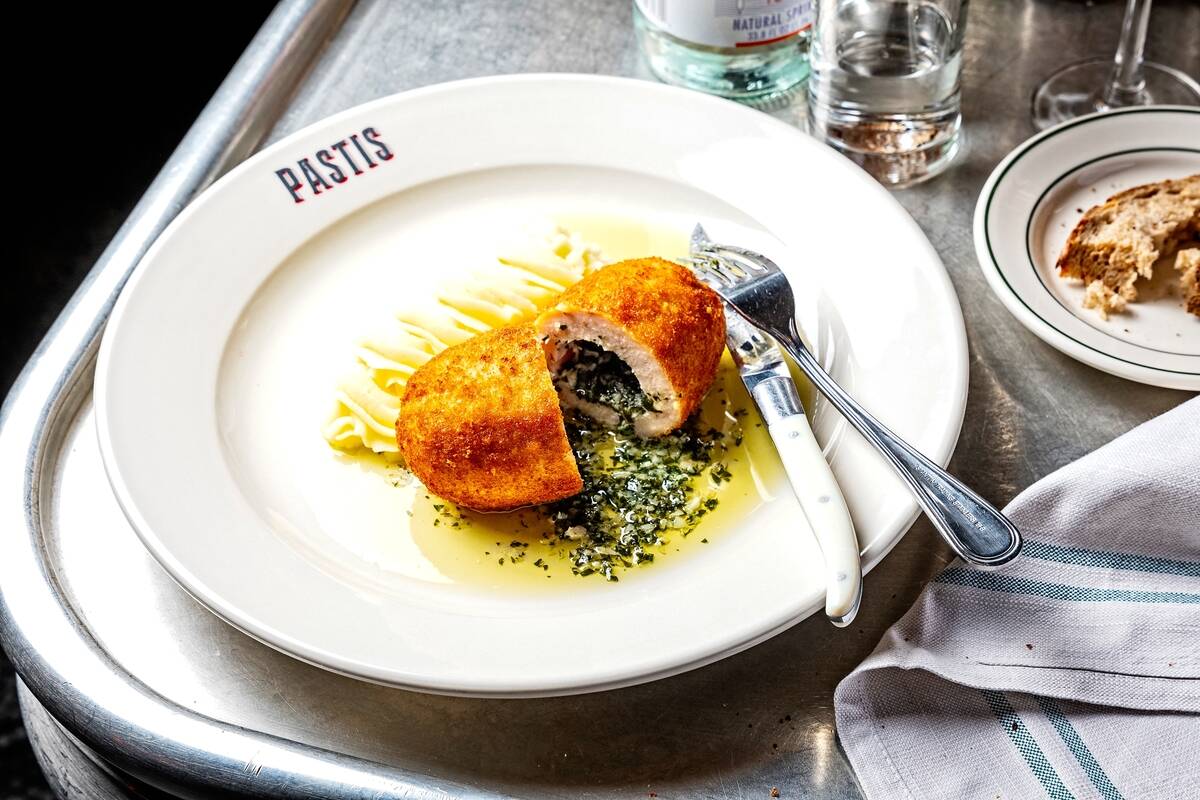
Chicken Kiev, with its crispy exterior and buttery, herb-filled center, was a popular dinner-party dish that remained fashionable into the 80s. Associated with Russian and Ukrainian cuisines, the dish has disputed origins and incorporates techniques influenced by European haute cuisine. It involved rolling chicken fillets around chilled butter, then coating them in breadcrumbs and frying or baking them.
Western versions commonly used garlic and herbs in the butter, creating a juicy, flavorful chicken with a molten center that oozed when cut. Its dramatic presentation and rich filling made Chicken Kiev a memorable example of the elegant, indulgent dishes popular in Western dining during the era.
Duck à l’Orange: The Classic French Citrus Infusion
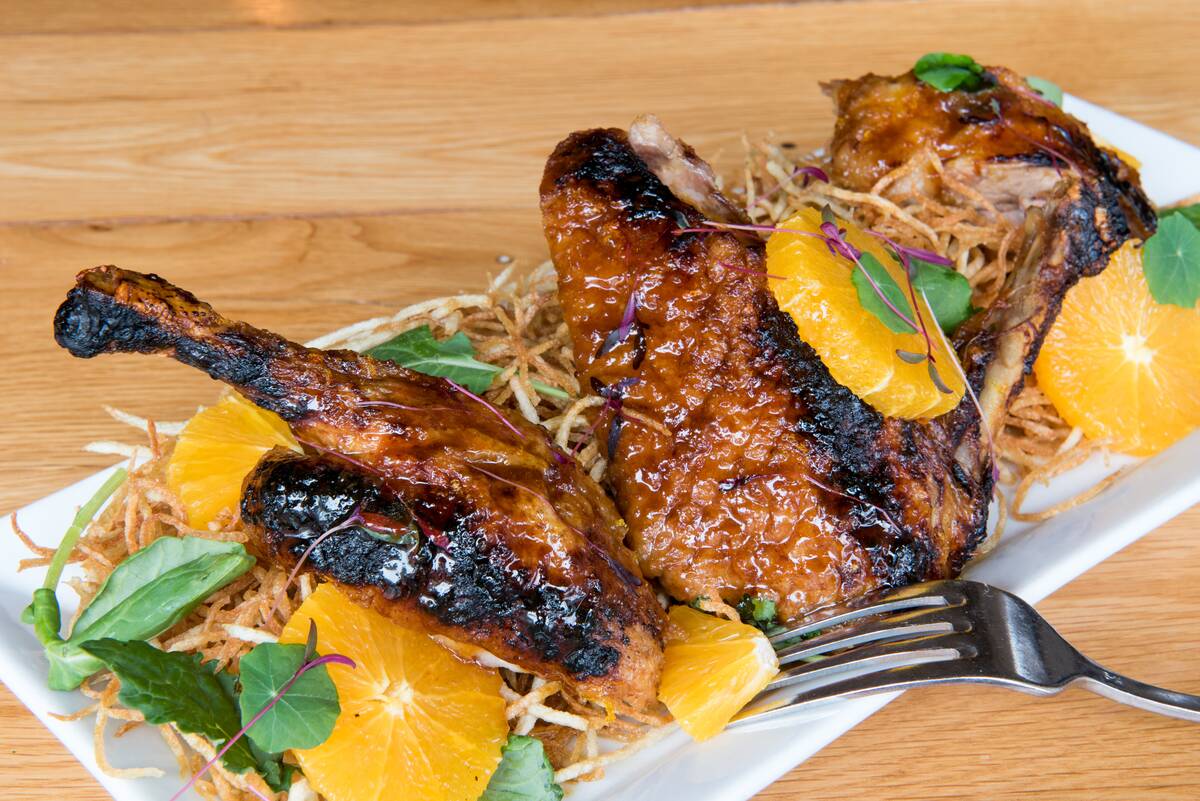
Duck à l’Orange, with its crisp skin and tangy orange sauce, was a classic of French cuisine that remained familiar on sophisticated menus in the 80s. The dish pairs rich, succulent duck with a sweet-and-sour citrus sauce traditionally made with orange, sugar, vinegar, and stock.
Although its popularity in the United States had peaked earlier, particularly during the 1960s and 1970s, it continued to appear in restaurants and formal dining during the 1980s. Its elaborate preparation and elegant presentation made Duck à l’Orange a classic example of the refined French cuisine associated with upscale dining.
Chocolate Mousse: The Decadent Dessert of Choice
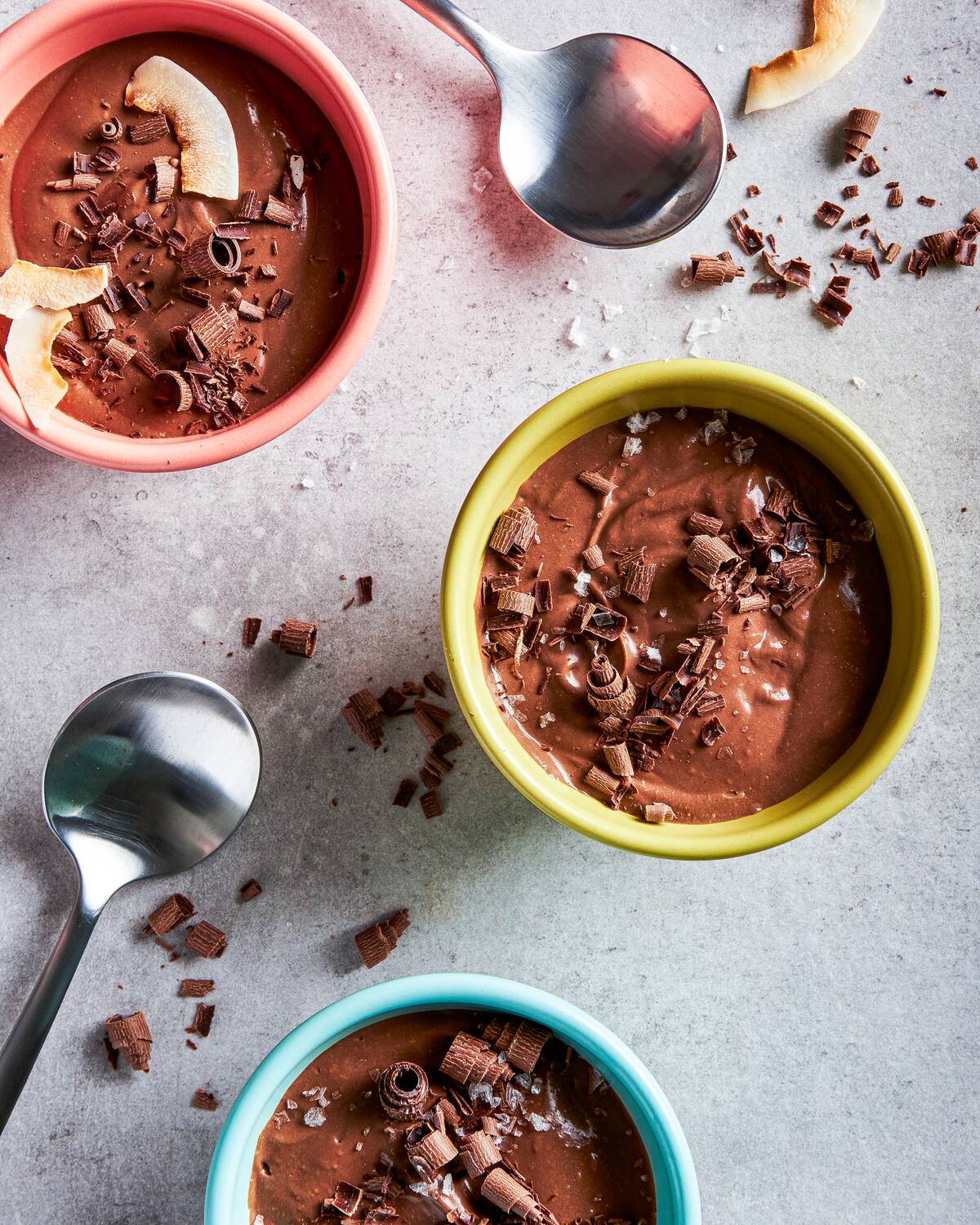
Chocolate mousse, with its airy texture and intense chocolate flavor, was a fashionable dessert that remained popular through the 80s. The French-inspired classic was made in many variations, combining melted chocolate with ingredients such as whipped cream, egg whites, or egg yolks to create its characteristic light yet rich texture.
Its smooth consistency and indulgent flavor made it a popular choice for elegant dinners, restaurants, and home entertaining. By the 1980s, easier recipes and prepared versions also helped bring chocolate mousse beyond fine dining and into more everyday kitchens.
Escargot: The Snail Dish That Dared to Impress
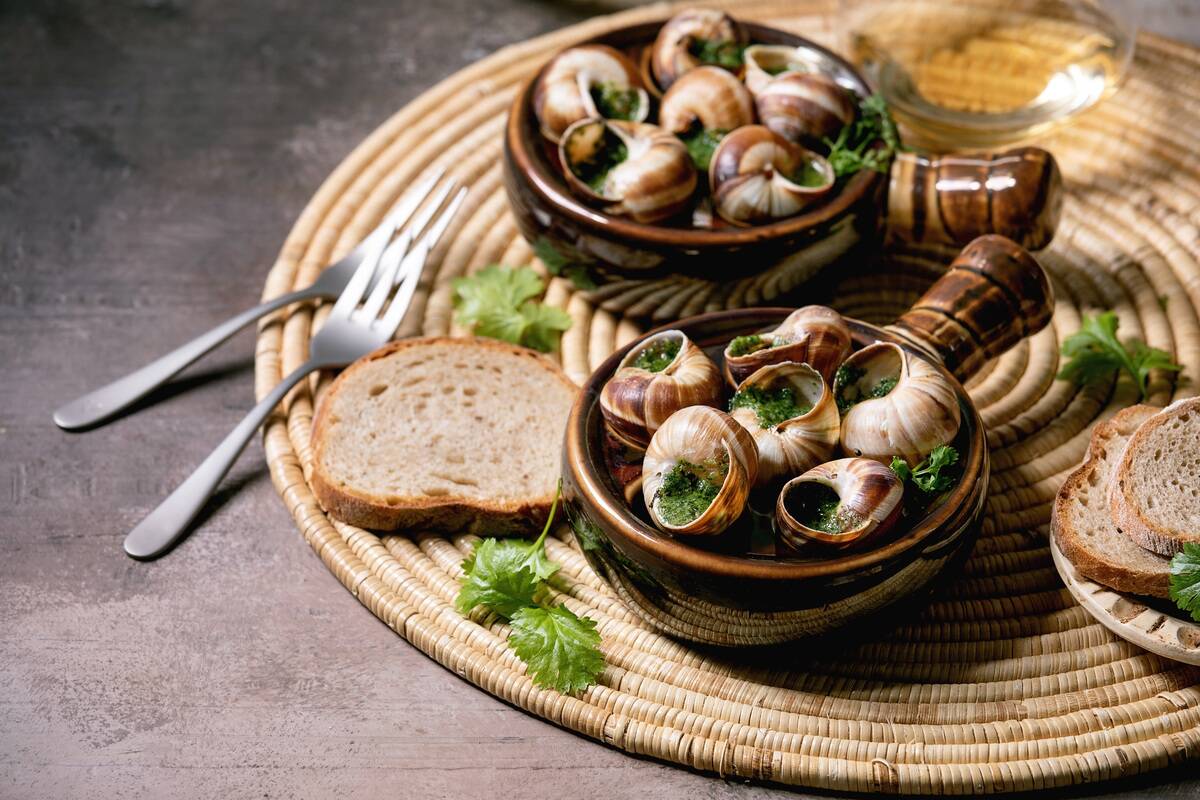
Escargot, the classic French dish of cooked snails, remained a sophisticated and adventurous choice for diners in the 80s. Traditionally associated with French and Burgundian cuisine, escargot was often served as an appetizer, particularly in the classic Burgundy style with garlic, parsley, and butter.
The snails were typically baked in their shells until the seasoned butter bubbled, creating a rich and aromatic dish. While escargot had been a French delicacy long before the 1980s, it continued to appear on upscale restaurant menus and appealed to diners looking for something unusual and refined.
Sautéed Mushrooms: The Earthy Side Dish with Flair
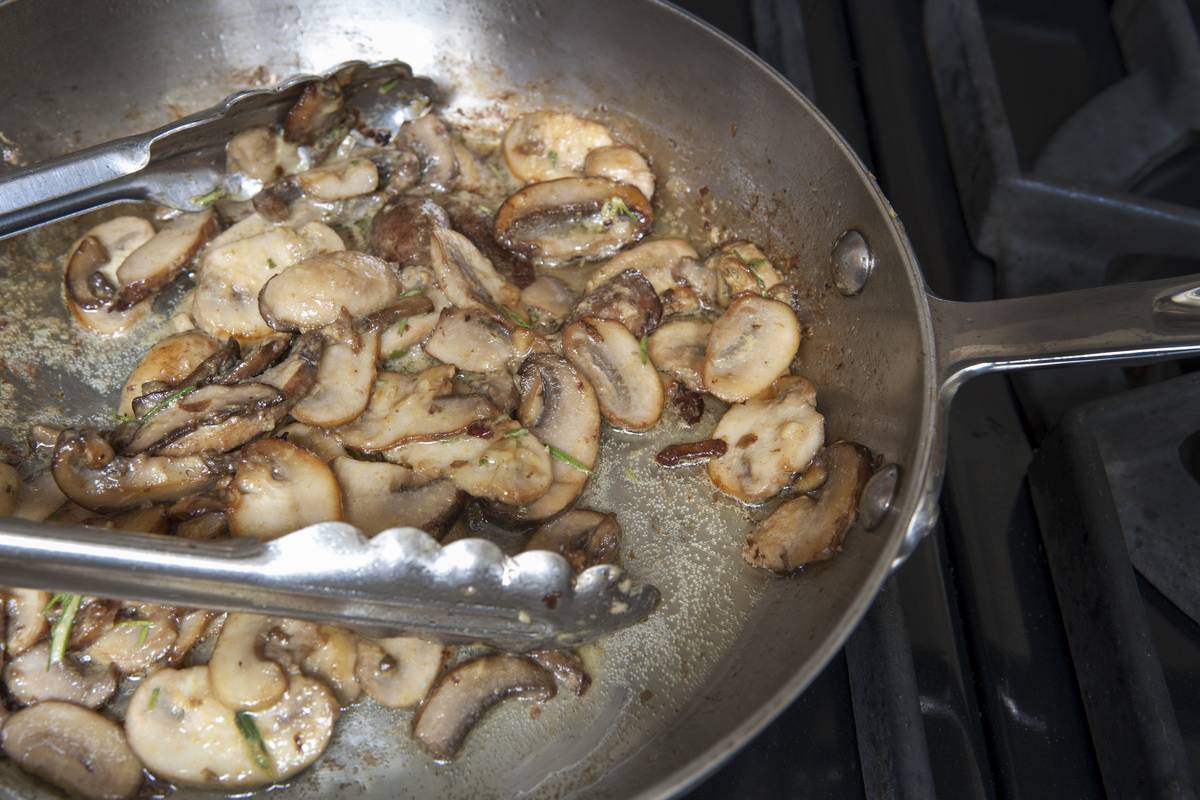
Sautéed mushrooms, with their earthy flavor and tender texture, were a versatile side dish that remained popular in American cooking during the 80s. Often cooked with garlic, butter, and herbs, these mushrooms complemented a variety of main courses, from steaks and poultry to pasta and other vegetable dishes.
Their rich, savory flavor and relatively simple preparation made them a practical addition to both home-cooked meals and restaurant menus. Although they were not unique to the 1980s, sautéed mushrooms remained a dependable accompaniment for cooks looking to add depth and flavor to a meal.




