What happened in the Christmas Truce of 1914
The Christmas Truce of 1914 is one of the most extraordinary events of World War I, where soldiers on opposing sides laid down their arms to celebrate the holiday together.
This spontaneous ceasefire along the Western Front allowed troops to share moments of peace amidst the chaos of war. It stands as a poignant reminder of humanity’s capacity for compassion, even in the darkest of times.
Setting the Stage: Europe in the Early 20th Century
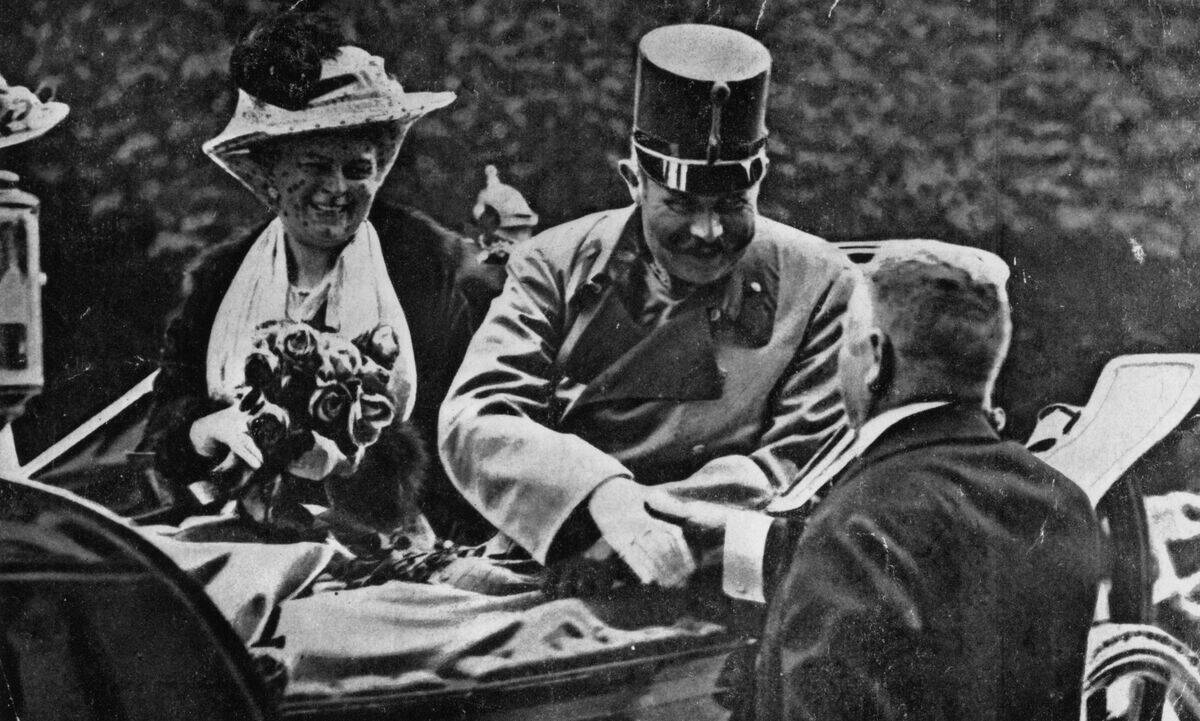
In the early 20th century, Europe was a continent of complex alliances and rising tensions. The assassination of Archduke Franz Ferdinand in 1914 was the spark that ignited these tensions, leading to the outbreak of World War I.
Industrialization had armed nations with advanced weaponry, setting the stage for a conflict unlike any seen before. Nationalism was on the rise, and countries were eager to assert their dominance on the global stage.
The Outbreak of World War I
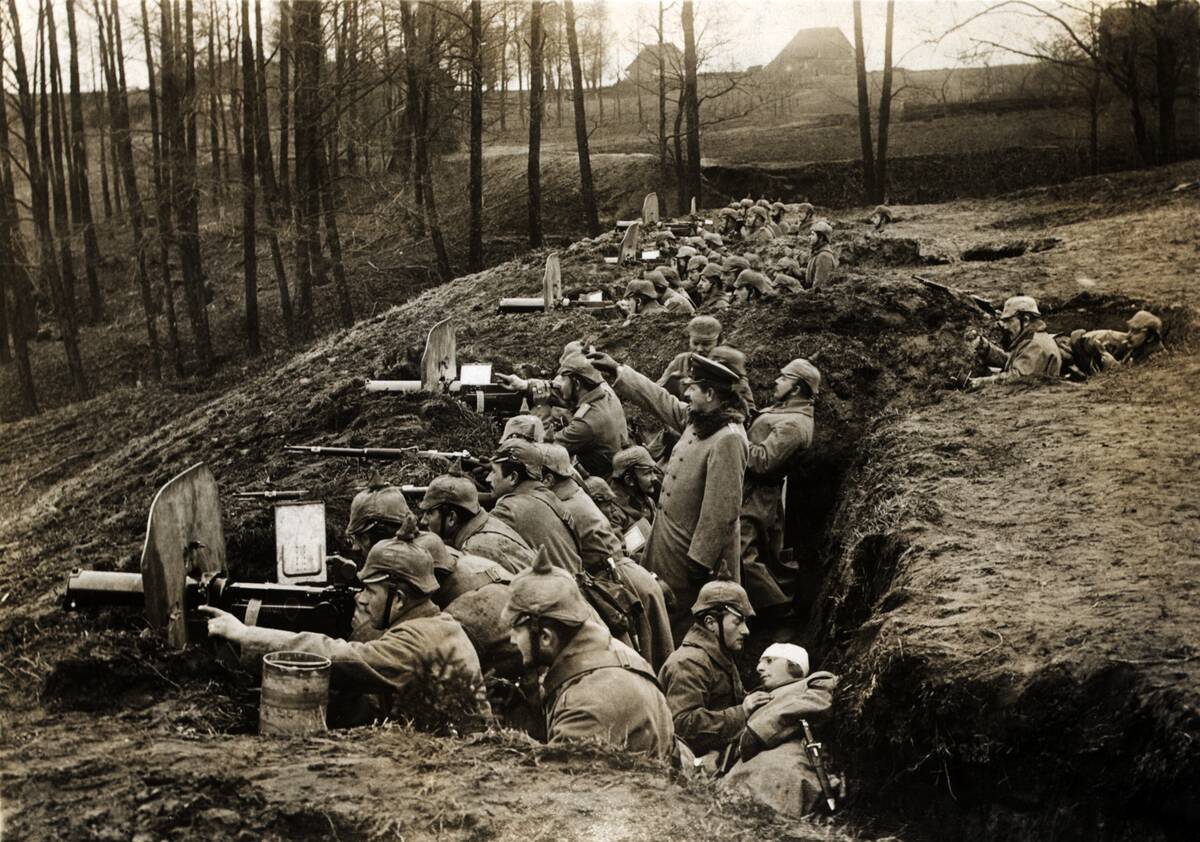
World War I began in July 1914, quickly involving many of the world’s great powers. The conflict was characterized by trench warfare, with the Western Front stretching from the North Sea to the Swiss border.
The war was initially expected to be short, but it soon became apparent that it would be a prolonged and grueling conflict. The early months were marked by rapid movements, but by the end of 1914, the war had settled into a deadly stalemate.
Life in the Trenches: A Soldier’s Daily Reality
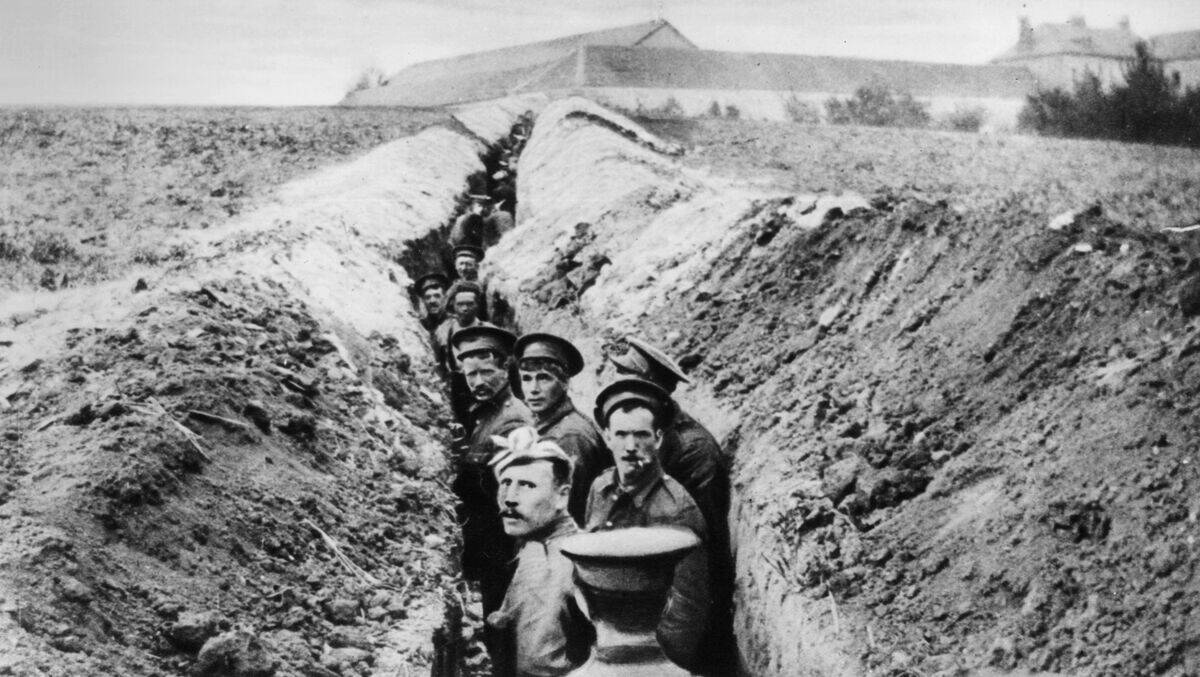
Life in the trenches was harsh and unforgiving. Soldiers faced constant threats from enemy fire, disease, and the elements. The trenches were muddy, cold, and often infested with rats.
Daily routines included standing watch, repairing defenses, and enduring the ever-present danger of artillery bombardments. Despite these hardships, camaraderie among soldiers was strong, providing a vital source of support and morale.
The Unofficial Pause: How the Truce Began
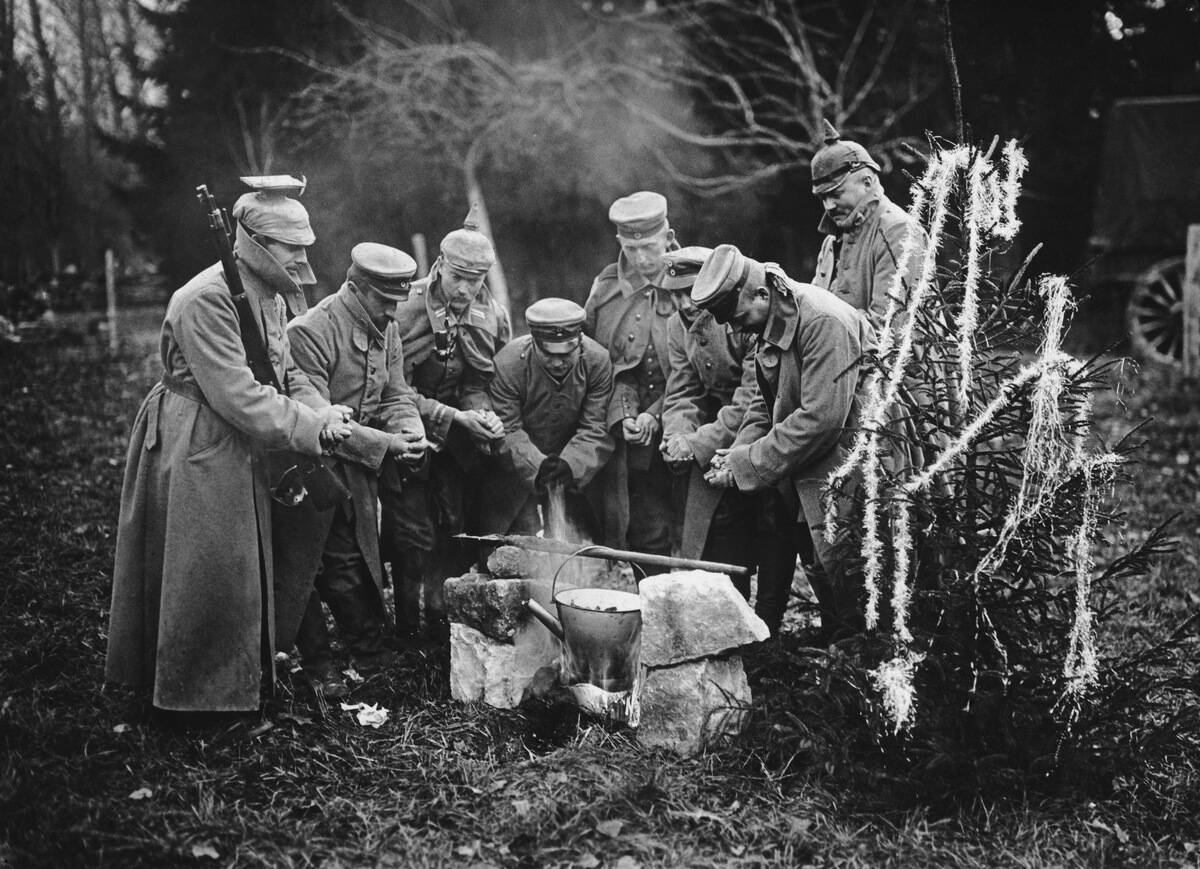
The Christmas Truce began spontaneously, with soldiers on both sides initiating the ceasefire. On Christmas Eve, German troops began decorating their trenches and singing carols, prompting responses from the British lines.
The spirit of the holiday transcended the conflict, and soldiers cautiously emerged from their trenches to meet in No Man’s Land. This unofficial pause was not sanctioned by military leaders, but rather a grassroots movement among the troops.
The Role of Weather: A Frosty Christmas Eve
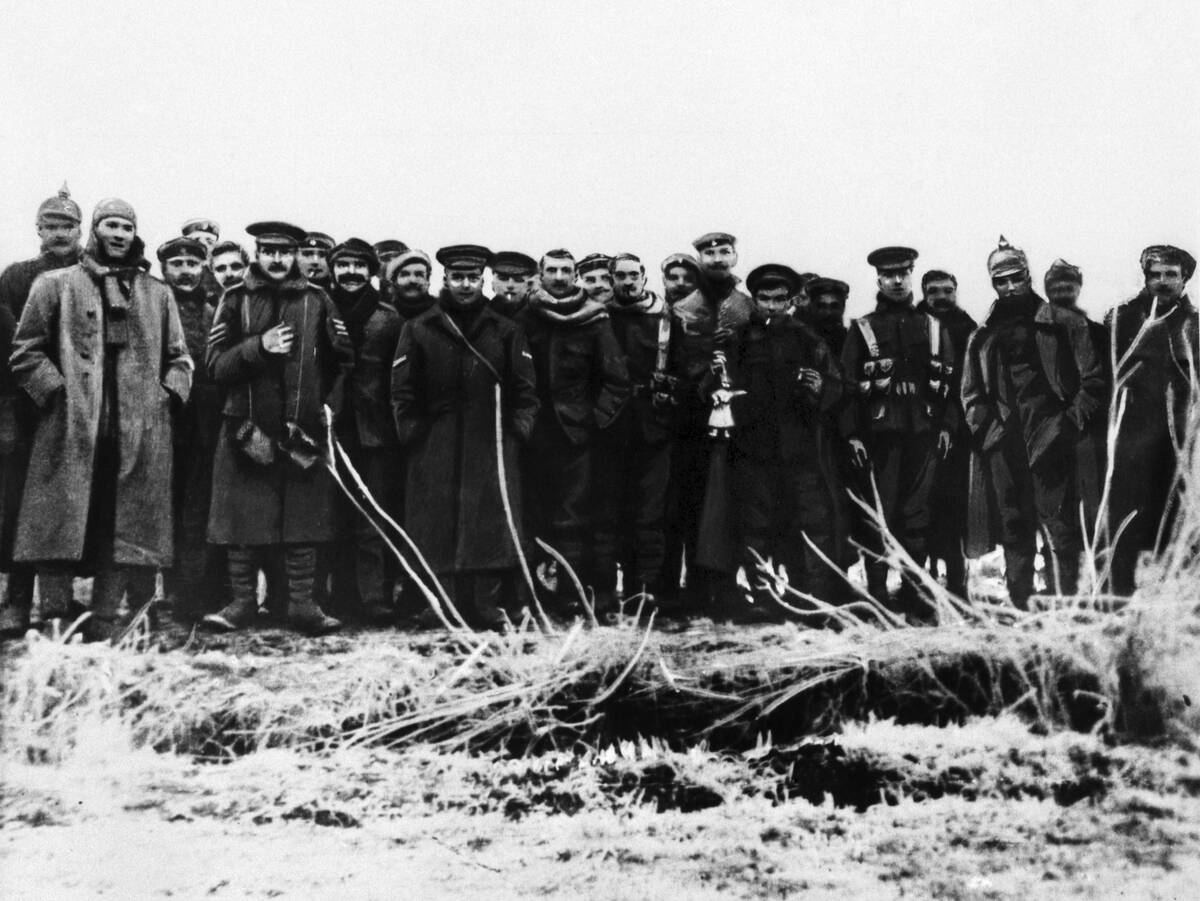
Weather played a significant role in the Christmas Truce of 1914. The cold, frosty conditions on Christmas Eve created a serene and quiet atmosphere, contrasting sharply with the usual sounds of war.
The stillness of the night seemed to encourage the soldiers to reach out to one another. The clear skies and crisp air made it easier for troops to see across No Man’s Land, facilitating the initial exchanges that led to the truce.
The Power of Music: Carols Across No Man’s Land
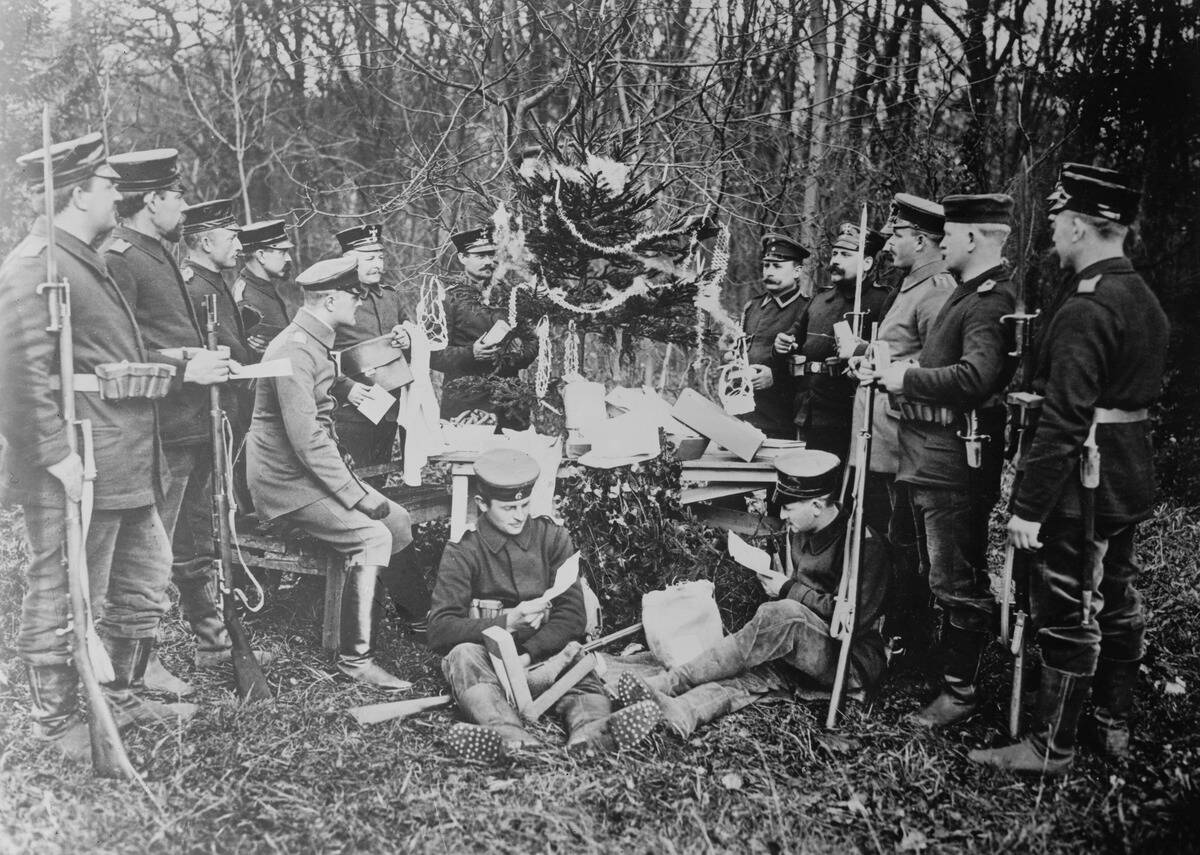
Music was a powerful force during the Christmas Truce, with carols bridging the divide between enemy lines. German soldiers began singing ‘Stille Nacht’ (Silent Night), and soon British troops joined in with their own carols.
The shared melodies created a sense of unity and peace, momentarily dissolving the enmity between the opposing sides. This musical exchange was a testament to the universal language of music and its ability to bring people together.
The First Steps: Soldiers Venturing into No Man’s Land
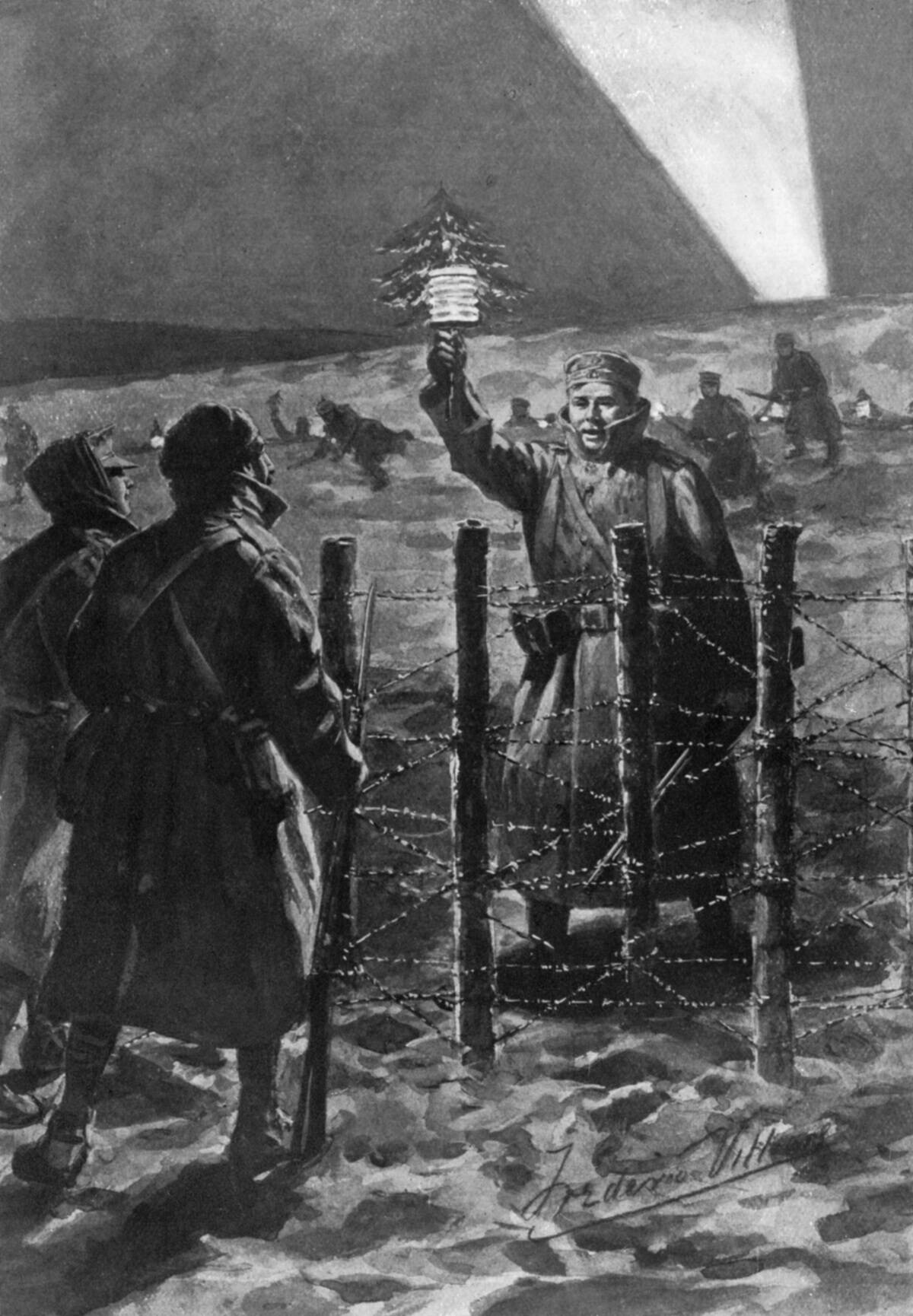
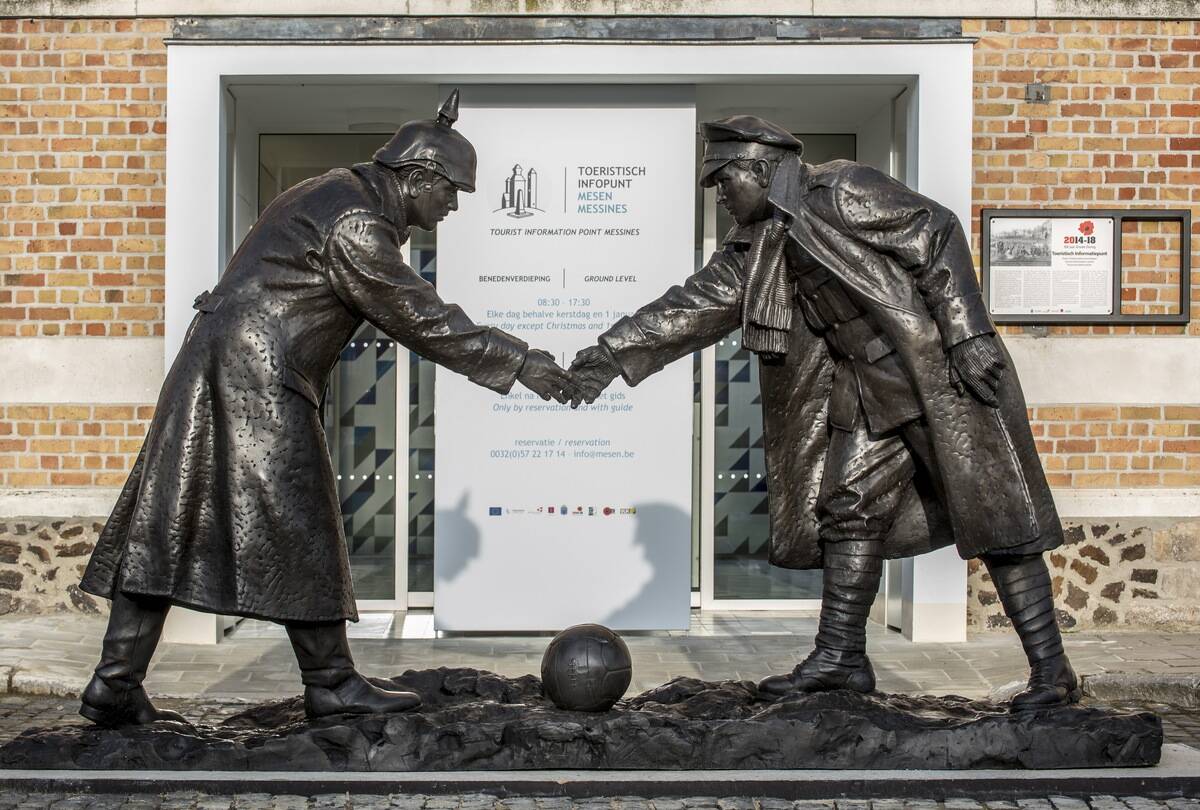
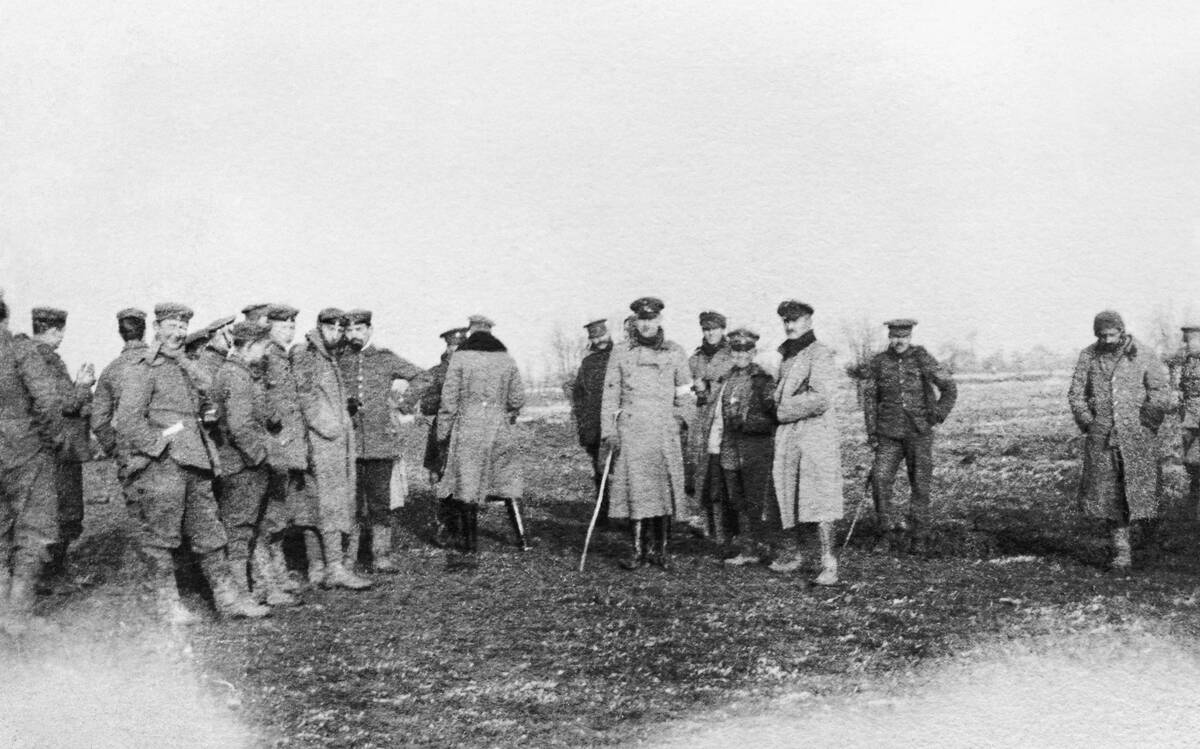
The first steps into No Man’s Land were taken with caution and curiosity. Soldiers on both sides waved white flags and called out greetings, slowly emerging from their trenches. As trust built, they met face-to-face, shaking hands and exchanging pleasantries.
This unprecedented meeting in the middle of a battlefield was a courageous act of humanity, as soldiers set aside their weapons and shared a brief moment of peace.
Exchanging Gifts: From Chocolate to Cigarettes
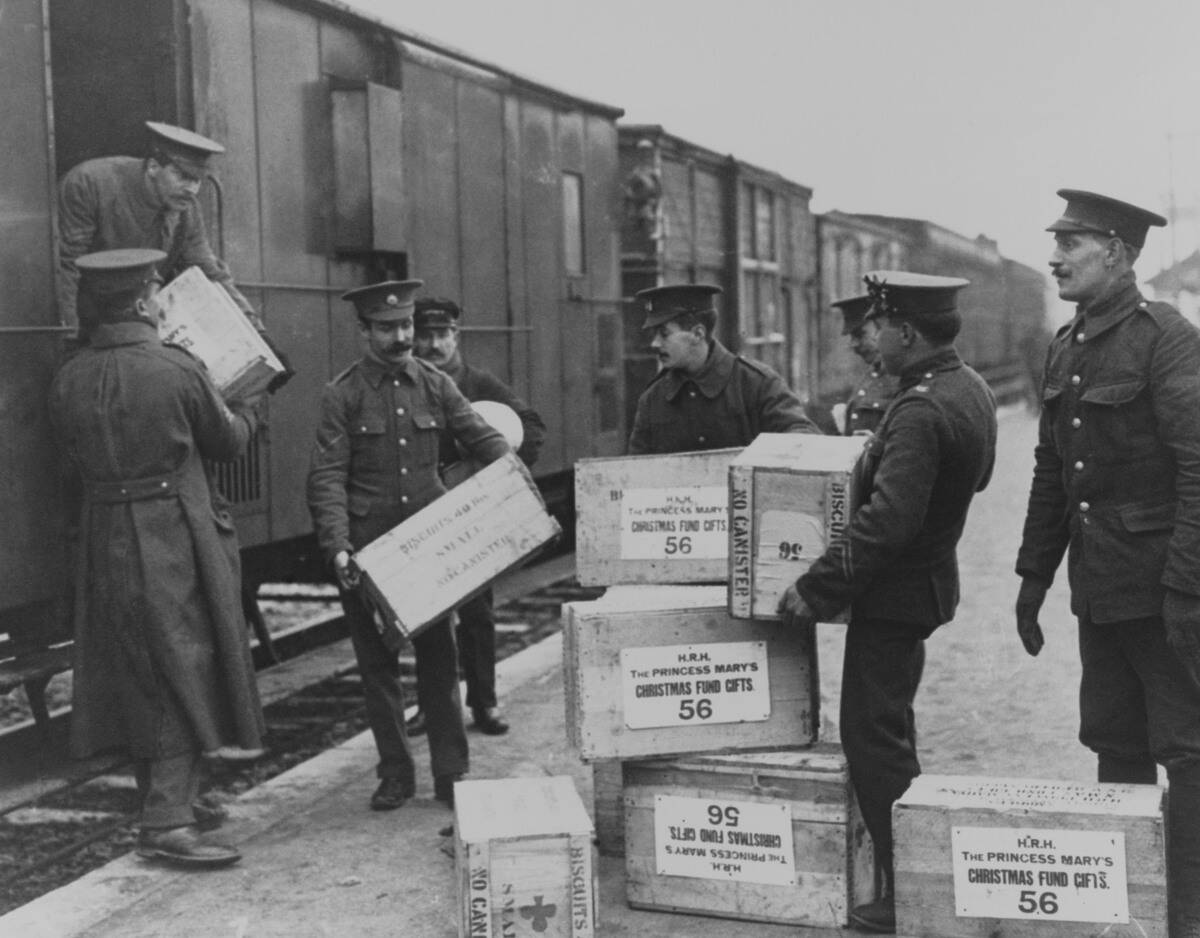
During the Christmas Truce, soldiers exchanged small gifts as tokens of goodwill. Items like chocolate, cigarettes, and even buttons were swapped between the troops.
These simple gestures of kindness helped to humanize the enemy and foster a sense of camaraderie. The exchange of gifts was a poignant reminder that, despite the war, the soldiers shared common desires for peace and friendship.
A Game of Football: The Legendary Match
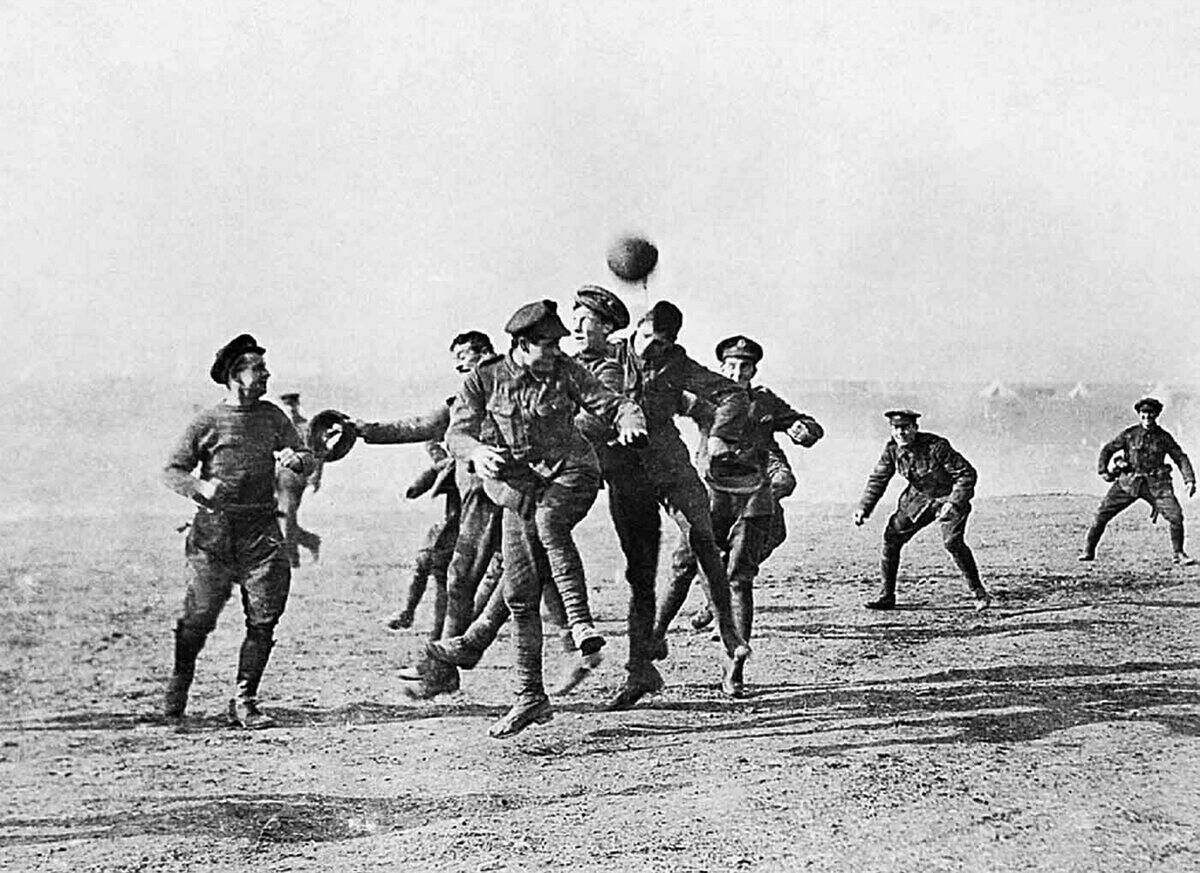
One of the most famous stories from the Christmas Truce is the impromptu football match between German and British soldiers. While accounts vary, it is believed that a ball was produced, and a friendly game ensued in No Man’s Land.
This match symbolized the temporary suspension of hostilities and the shared love of sport. Though the score remains disputed, the game is remembered as a remarkable moment of unity amidst the war.
The Role of Letters: Personal Accounts of the Truce
Letters from soldiers provide invaluable insights into the Christmas Truce. These personal accounts reveal the joy and relief experienced during the ceasefire.
Soldiers wrote home about the surreal experience of shaking hands with the enemy and sharing stories. These letters serve as historical documents, preserving the memories of those who participated in this extraordinary event and offering a glimpse into the human side of war.
The Reaction of Commanding Officers
The reaction of commanding officers to the Christmas Truce was mixed. Some were supportive, recognizing the positive impact on morale, while others were concerned about the potential for fraternization with the enemy.
Officially, the truce was not condoned, and many officers issued orders to prevent similar occurrences in the future. Despite this, the truce demonstrated the power of individual soldiers to influence the course of events, even in a highly controlled military environment.
The Truce’s Geographic Spread: Where Did It Happen?
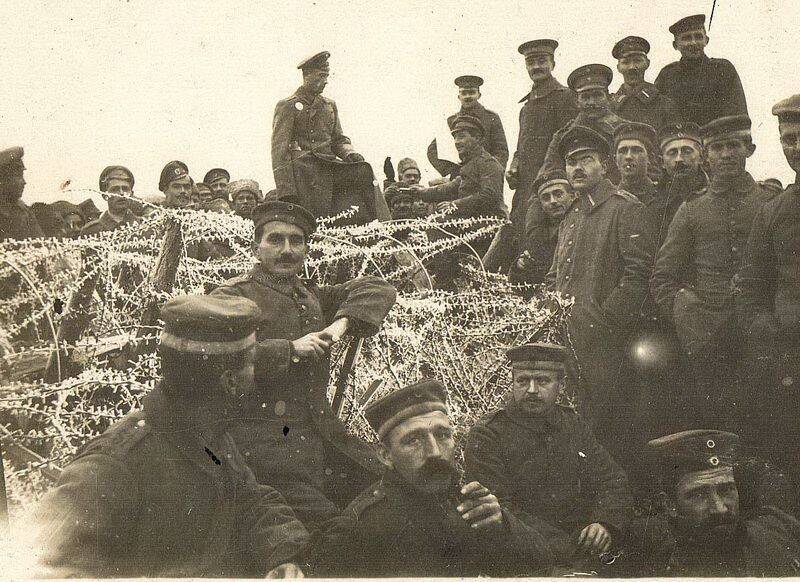
The Christmas Truce primarily occurred along the Western Front, with varying degrees of participation. It was most widespread in areas where the trenches were close together, allowing for easier communication between the sides.
The truce was not universal, and in some sectors, fighting continued as usual. However, in the areas where it did occur, the truce was a remarkable demonstration of peace in the midst of war.
The Legacy of the Christmas Truce: A Symbol of Peace
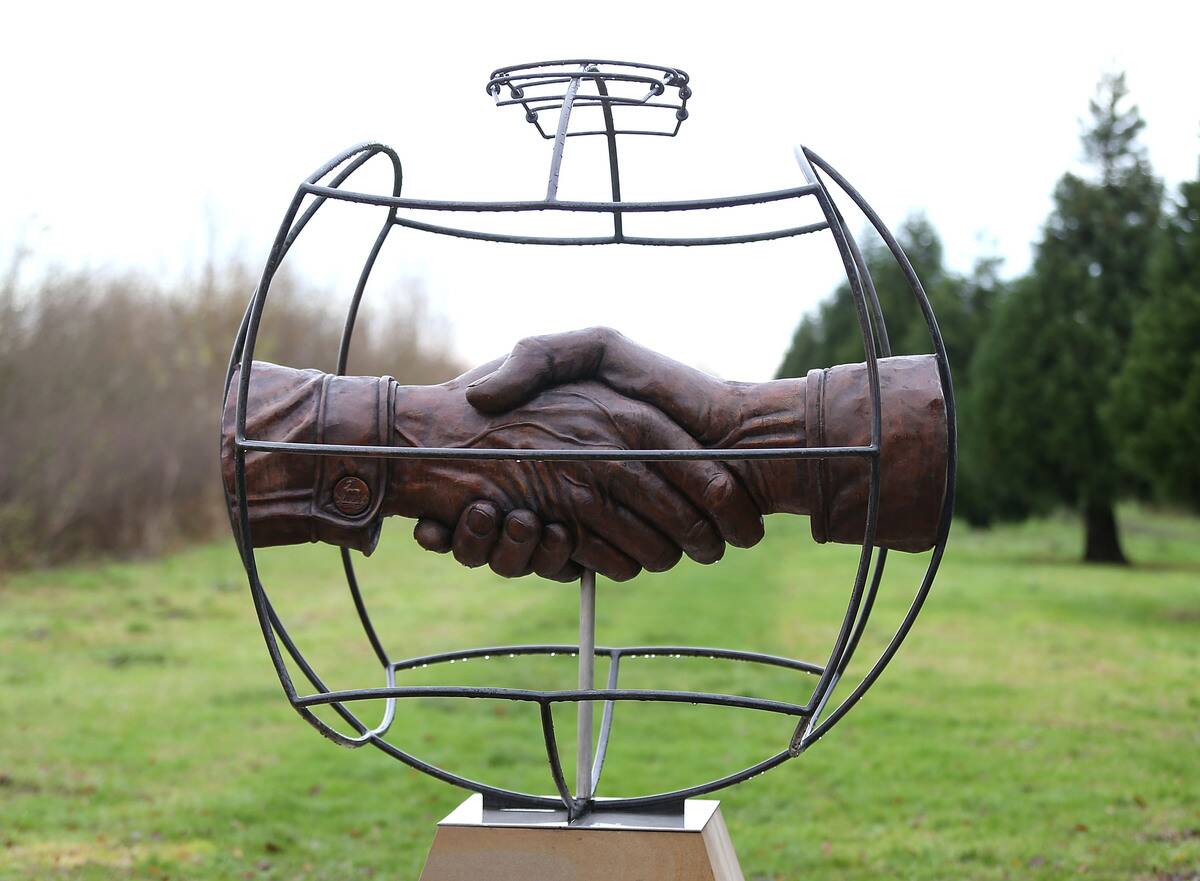
The legacy of the Christmas Truce endures as a powerful symbol of peace and humanity. It serves as a reminder that even in the darkest times, moments of kindness and understanding are possible.
The truce has inspired generations to believe in the potential for reconciliation and the importance of empathy. As a historical event, it continues to resonate, offering hope for a future where conflicts can be resolved through dialogue and mutual respect.
Why the Truce Wasn’t Repeated in Subsequent Years
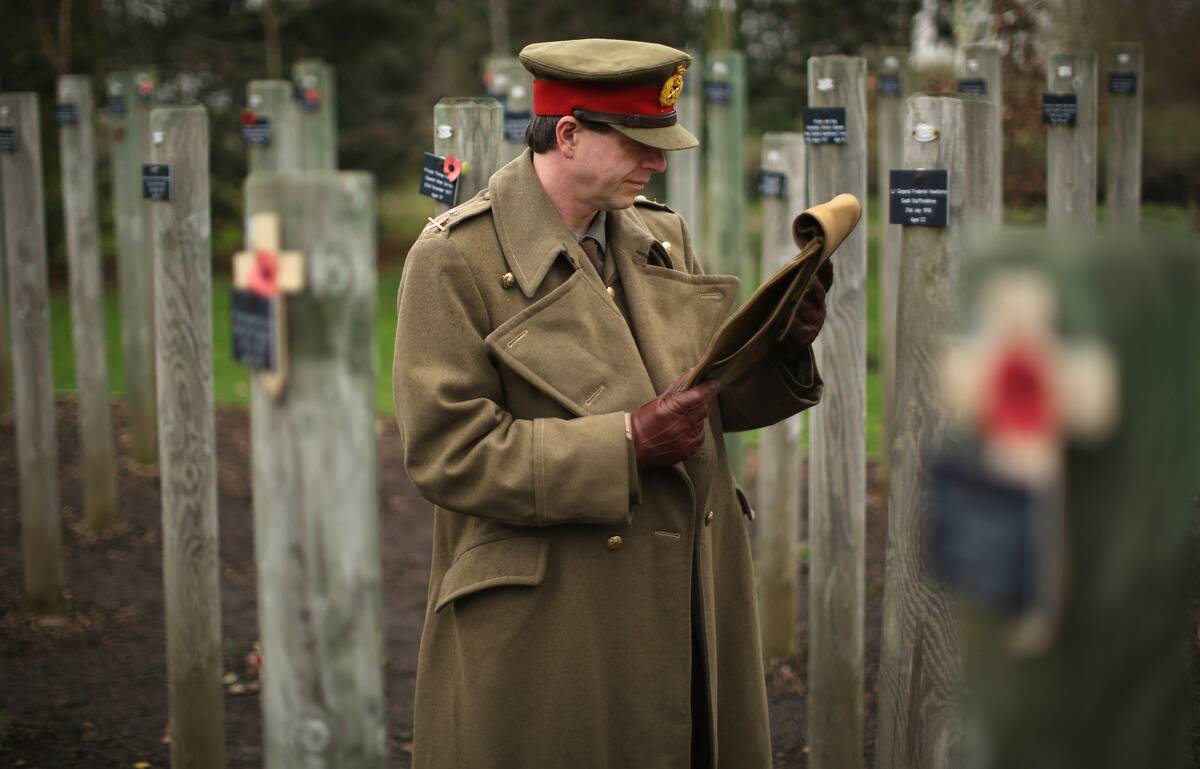
The Christmas Truce of 1914 was not repeated in subsequent years, largely due to the changing nature of the war and increased military discipline. As the conflict progressed, animosities deepened, and the war became even more brutal.
Commanding officers were also more vigilant in preventing fraternization, fearing it could undermine the war effort. Despite this, the memory of the truce remains a testament to the enduring human spirit and the possibility of peace.




