Famous movie costumes that audiences still recognize today
Movie costumes have a unique power to transcend the screen, becoming cultural symbols that resonate with audiences long after the credits roll. These iconic outfits not only define characters but also capture the essence of the films they belong to.
From classic Hollywood glamour to modern-day blockbusters, the costumes we remember are those that tell a story all their own.
The Little Black Dress: Audrey Hepburn in “Breakfast at Tiffany’s”
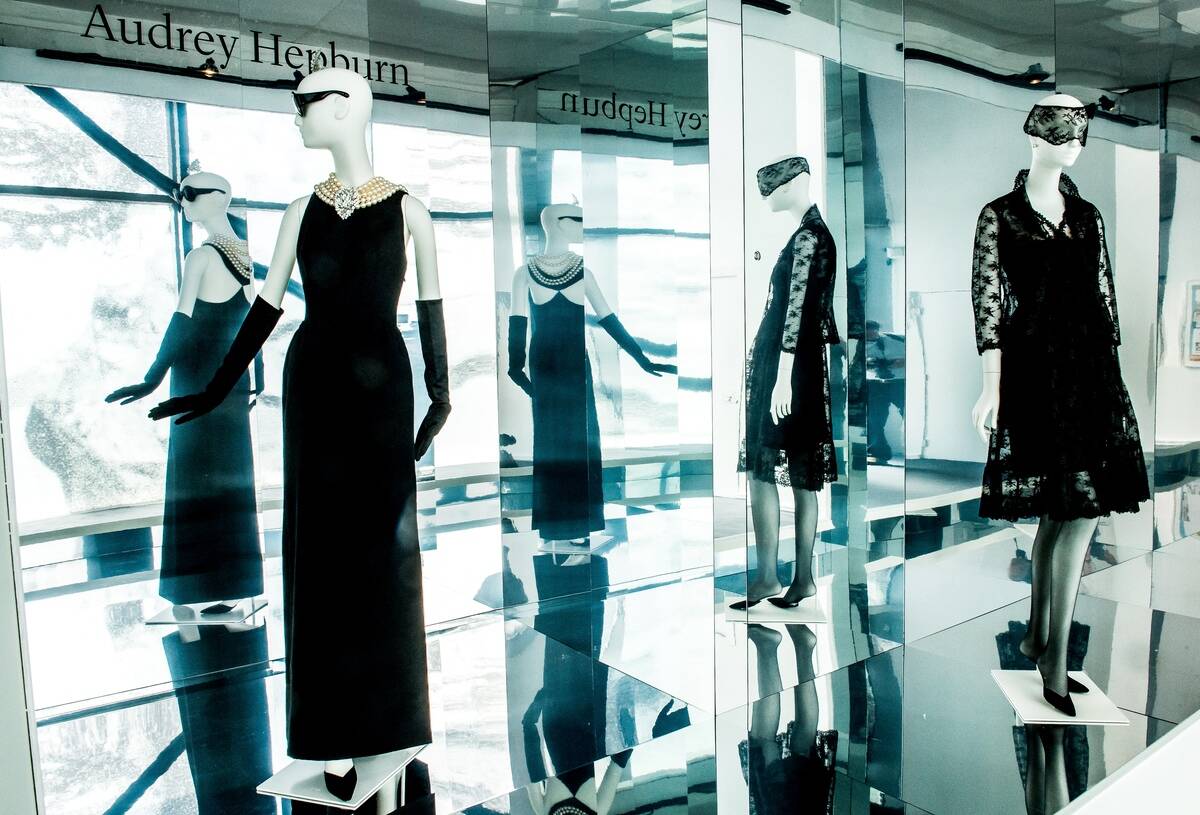
Audrey Hepburn’s little black dress in “Breakfast at Tiffany’s” is perhaps the most famous dress in film history. Designed by Hubert de Givenchy, the dress epitomizes timeless elegance and has become synonymous with Hepburn’s character, Holly Golightly.
The dress’s simplicity and sophistication have inspired countless fashion trends and remain a staple in women’s wardrobes worldwide. It’s a testament to how a single costume can define an entire film and elevate an actress to icon status.
The White Dress: Marilyn Monroe in “The Seven Year Itch”
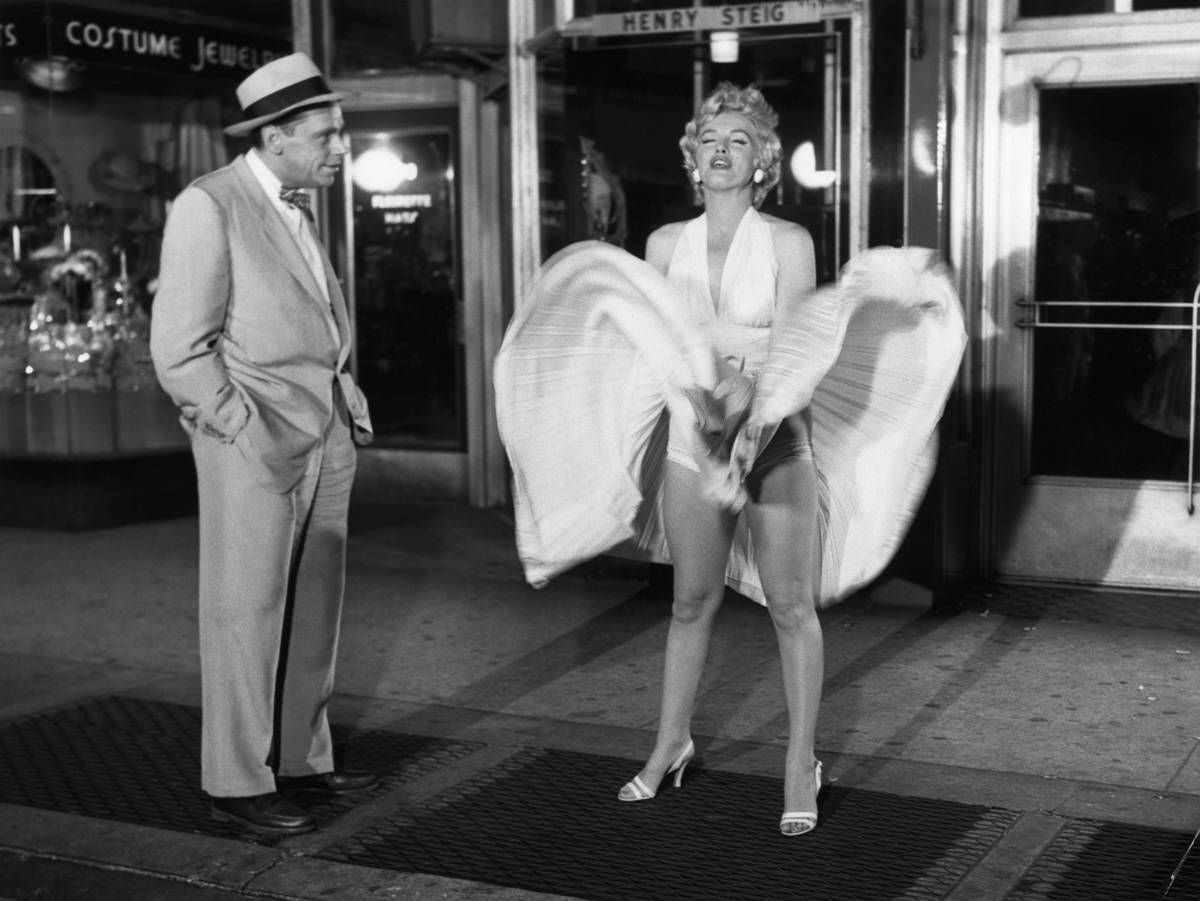
Marilyn Monroe’s white halter dress in “The Seven Year Itch” is an image forever etched in pop culture. Designed by William Travilla, the dress became iconic during the famous subway grate scene.
The dress’s flaring skirt captured the playful yet seductive essence of Monroe’s character, making it one of the most memorable moments in cinema. This dress not only solidified Monroe’s status as a sex symbol but also became an enduring symbol of 1950s Hollywood glamour.
The Leather Jacket: James Dean in “Rebel Without a Cause”
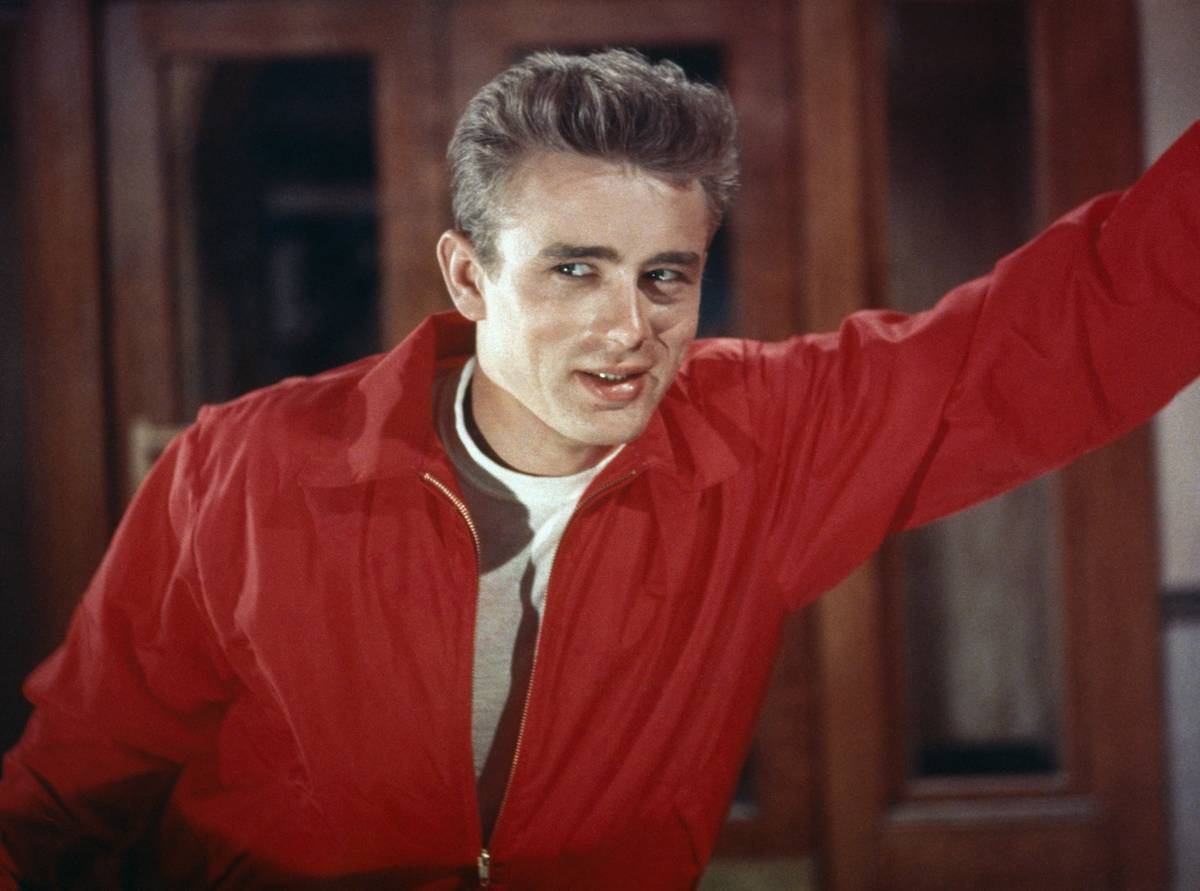
James Dean’s red windbreaker in “Rebel Without a Cause” is a symbol of teenage rebellion and angst. The jacket, paired with Dean’s brooding expression and disheveled hair, perfectly captured the spirit of the 1950s youth culture.
It became a defining element of his character, Jim Stark, and contributed to Dean’s lasting legacy as a cultural icon. The windbreaker has since become a staple in fashion, embodying the rebellious spirit that Dean so effortlessly portrayed.
The Pink Dress: Molly Ringwald in “Pretty in Pink”
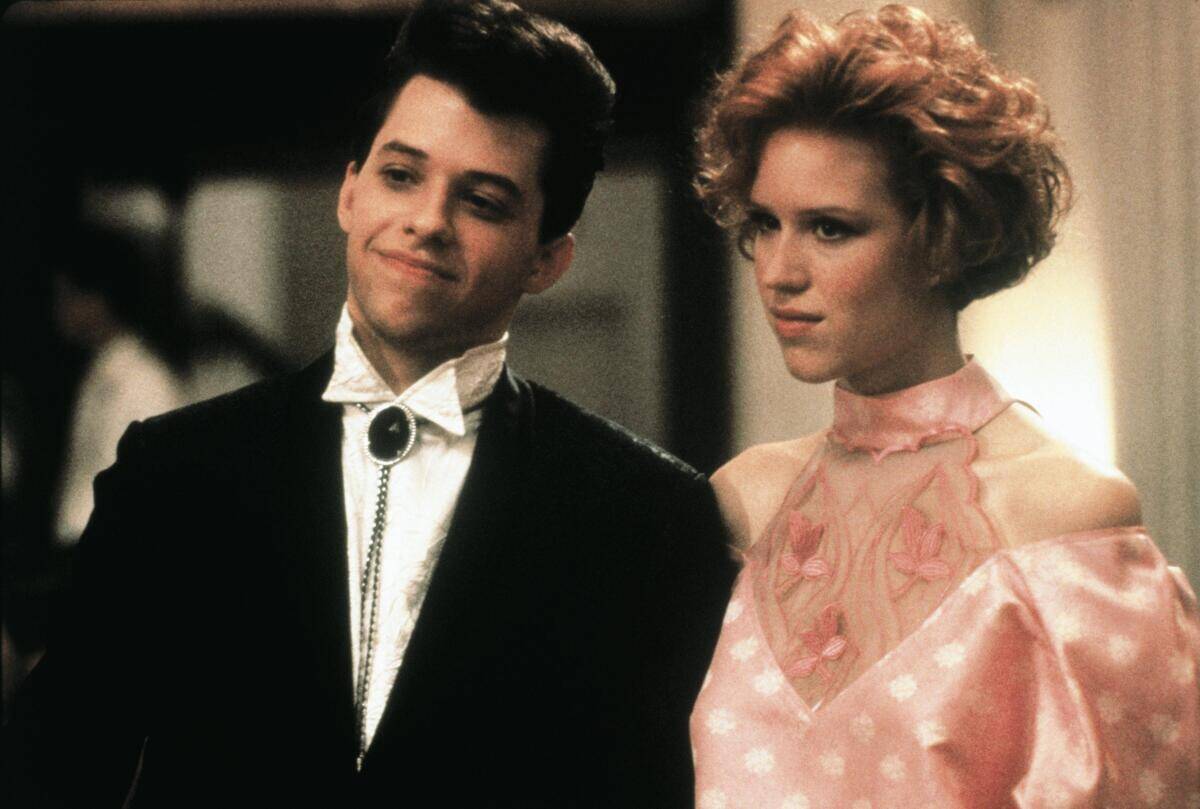
Molly Ringwald’s pink prom dress in “Pretty in Pink” is a defining moment in 1980s teen cinema. Created by costume designer Marilyn Vance, the dress is a reflection of Ringwald’s character, Andie’s, creativity and individuality.
The dress, with its unique design and bold color, symbolizes Andie’s journey of self-discovery and empowerment. It’s a reminder of the power of personal expression and the impact of fashion in storytelling, making it a beloved piece of movie history.
The Black Suit and Sunglasses: Men in Black
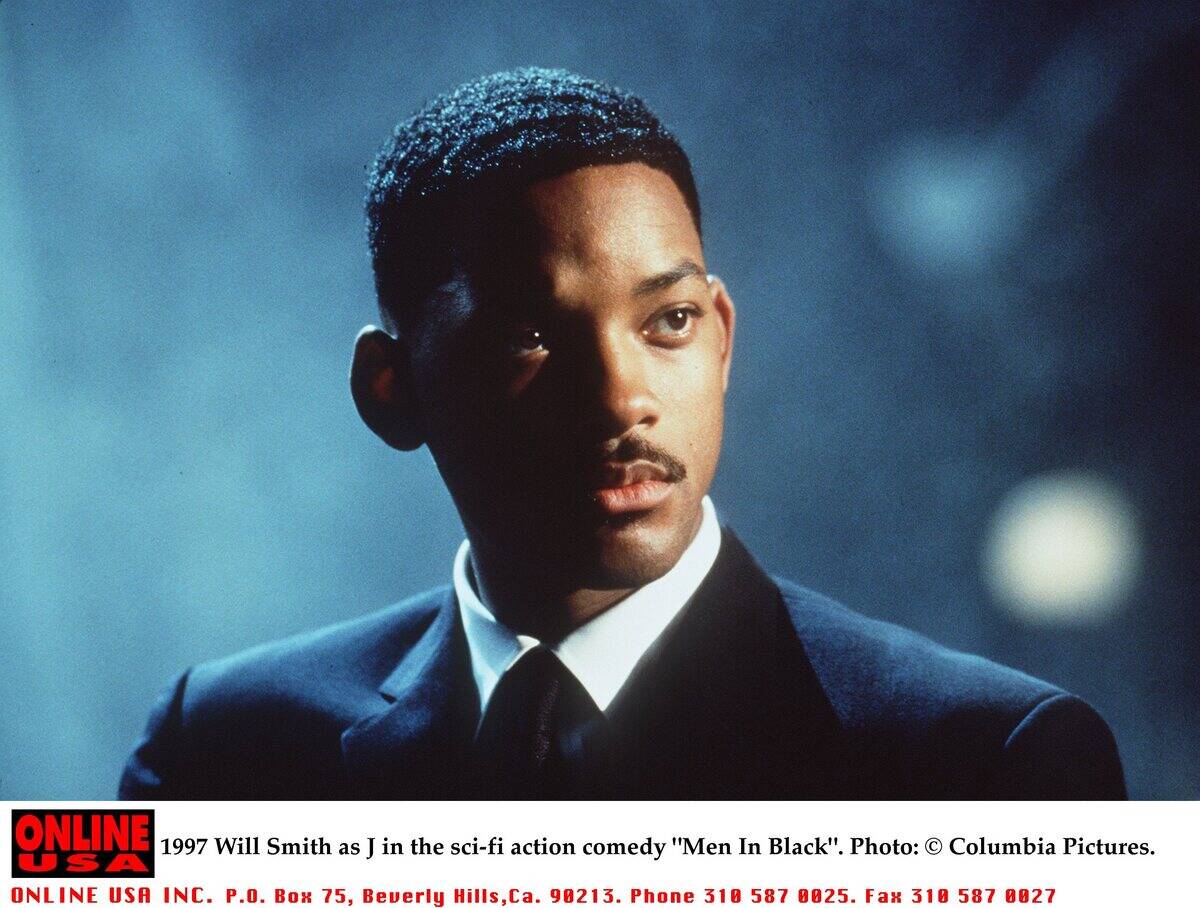
The black suit and sunglasses worn by the agents in “Men in Black” are as iconic as the aliens they protect us from. This sleek ensemble, complete with a crisp white shirt and skinny tie, represents the secretive and professional nature of the Men in Black organization.
The look is both stylish and functional, allowing agents to blend into the background while maintaining an air of authority. It’s a testament to how a simple costume can become a defining feature of a film franchise.
The Green Dress: Keira Knightley in “Atonement”
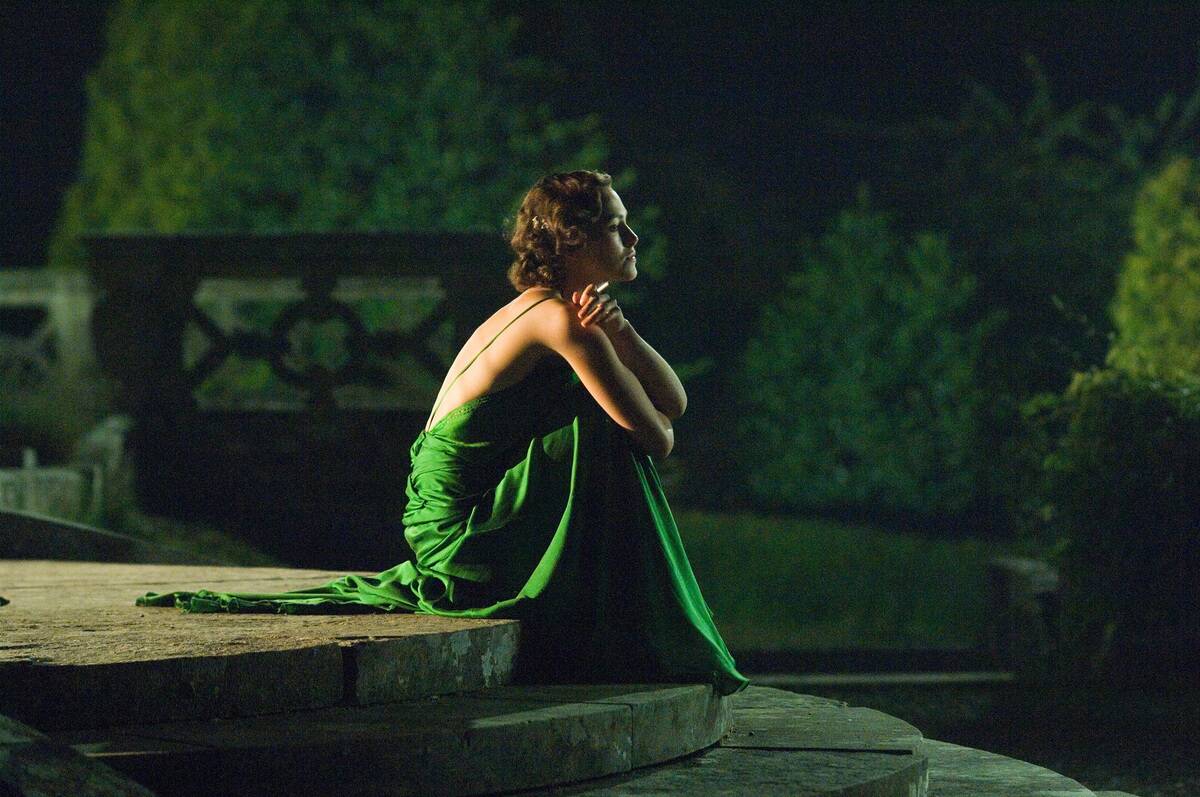
Keira Knightley’s green dress in “Atonement” is a stunning piece of costume design that has captivated audiences since its debut. Created by Jacqueline Durran, the dress is a vibrant emerald green that perfectly complements Knightley’s ethereal beauty.
The dress plays a crucial role in the film, symbolizing desire and betrayal, and has been hailed as one of the most beautiful costumes in cinematic history. Its elegance and allure continue to inspire fashion enthusiasts around the world.
The White Suit: John Travolta in “Saturday Night Fever”
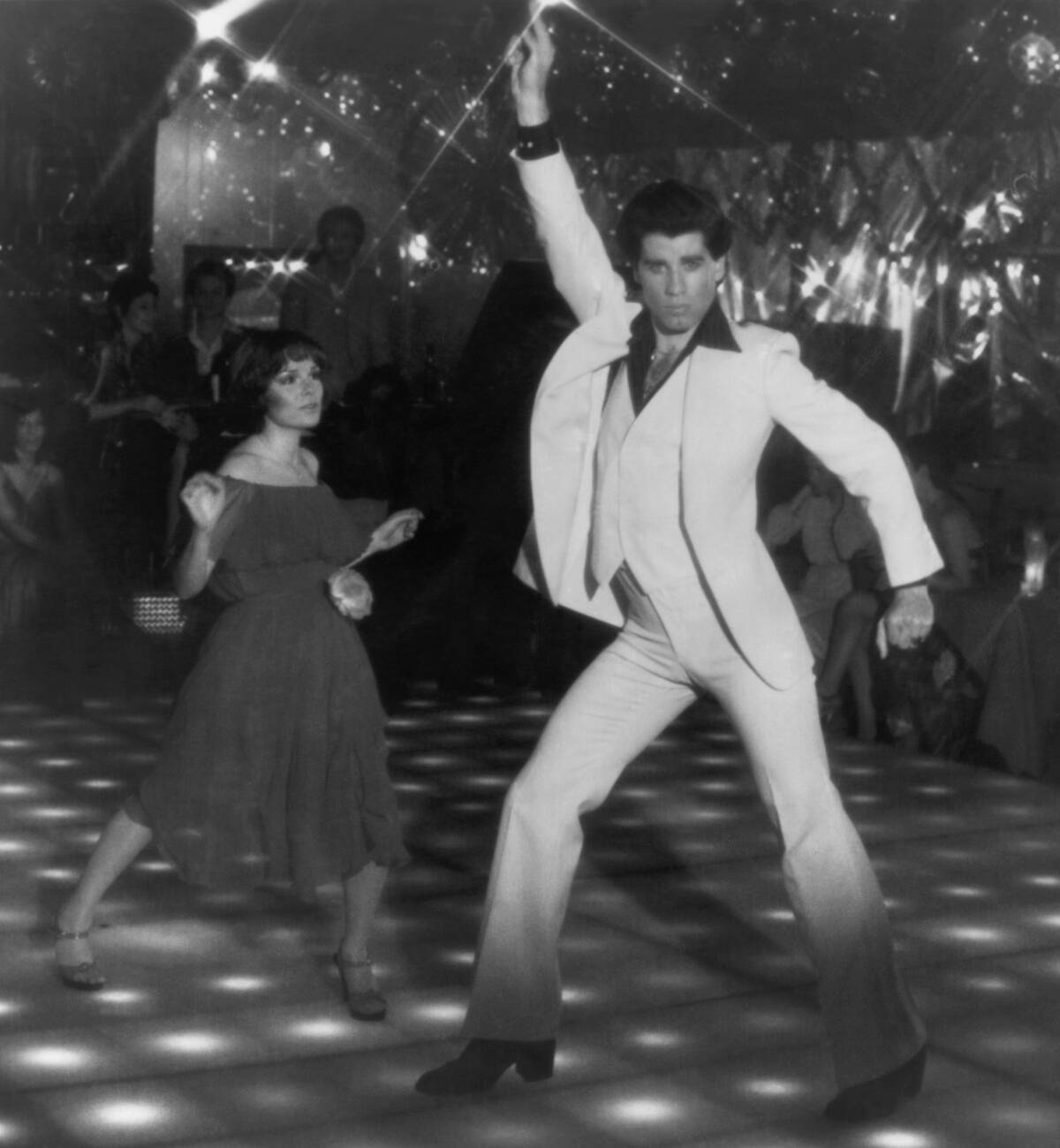
John Travolta’s white suit in “Saturday Night Fever” is a quintessential symbol of the disco era. The suit, designed by Patrizia von Brandenstein, perfectly captures the film’s vibrant energy and Travolta’s character, Tony Manero’s, flair for dance.
The iconic dance scene, with Travolta strutting across the dance floor, solidified the suit’s place in pop culture history. It’s a testament to how a costume can encapsulate an era and become a lasting symbol of style and confidence.
The Yellow Jumpsuit: Uma Thurman in “Kill Bill”
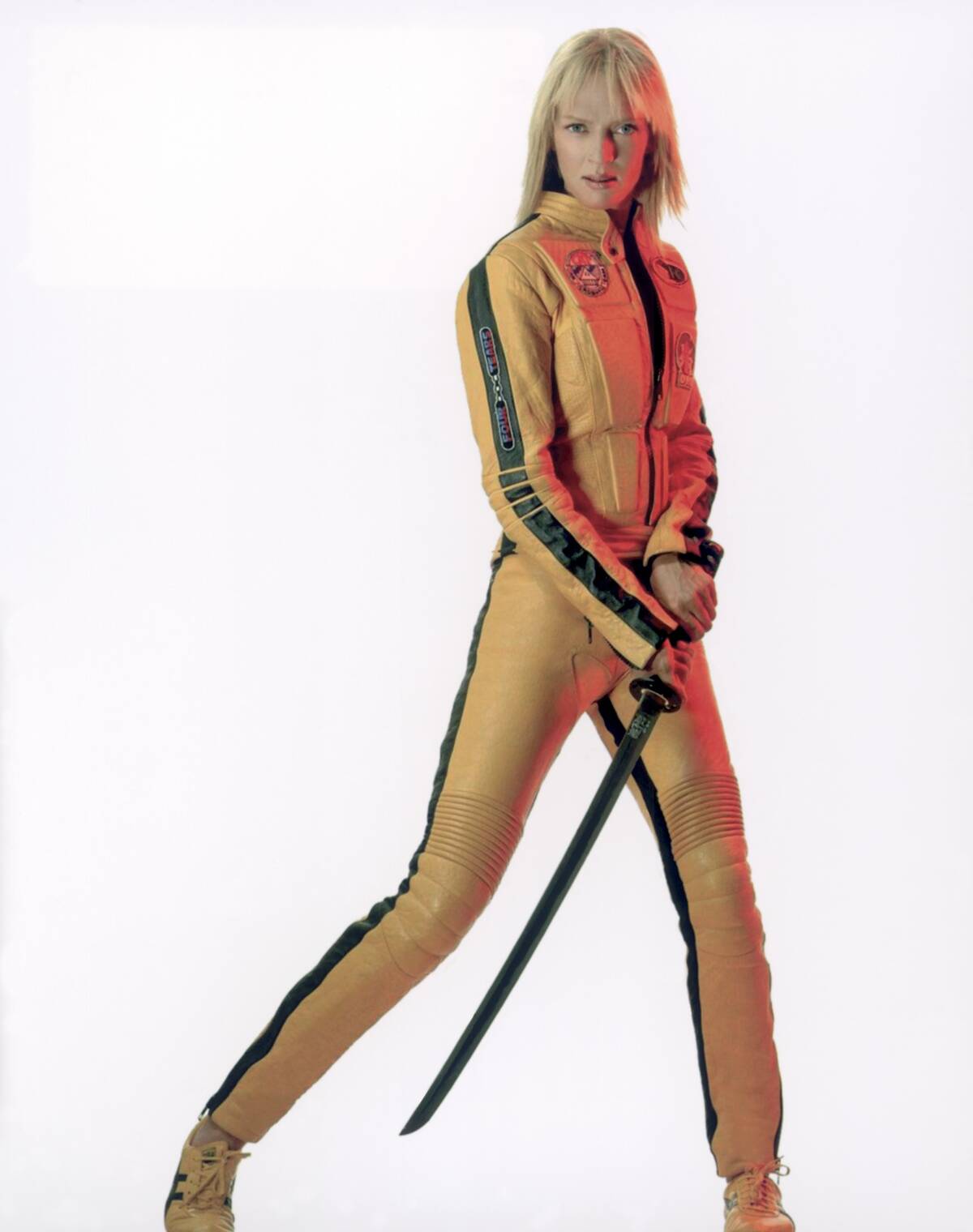
Uma Thurman’s yellow jumpsuit in “Kill Bill” is a striking visual that pays homage to Bruce Lee’s iconic outfit in “Game of Death.” Designed by Catherine Thomas, the jumpsuit is both functional and symbolic, representing the Bride’s relentless pursuit of vengeance.
The bright yellow hue stands out against the film’s darker tones, making it a memorable and impactful costume. It’s a testament to how a simple outfit can convey a character’s strength and determination.
The Tuxedo: James Bond’s Signature Look
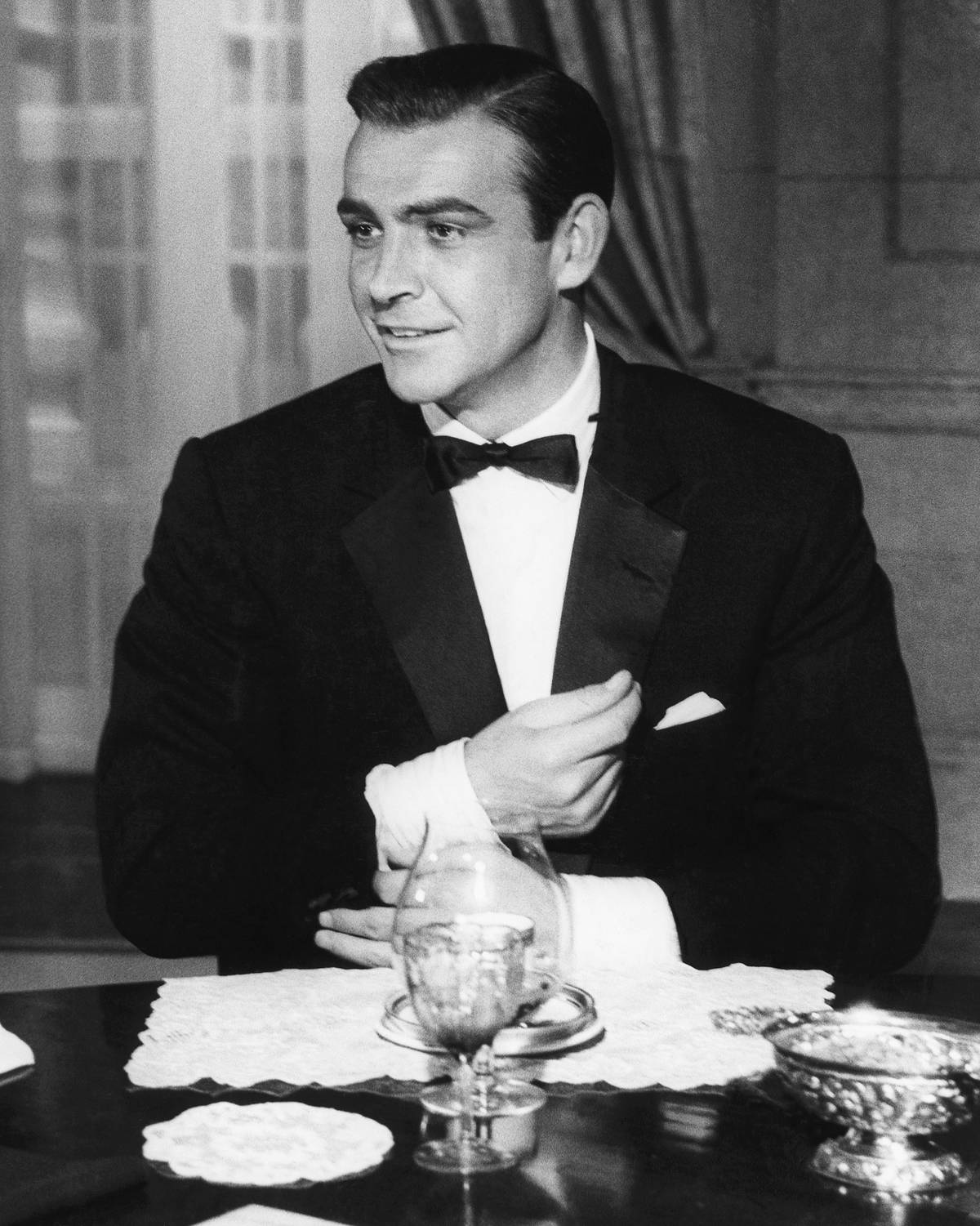
James Bond’s tuxedo is the epitome of suave sophistication. First worn by Sean Connery in “Dr. No,” the tuxedo has become a staple of the Bond franchise, symbolizing the character’s elegance and charm.
The tuxedo is more than just a costume; it’s a representation of Bond’s timeless appeal and his ability to remain cool under pressure. Whether he’s at a high-stakes poker game or a glamorous gala, Bond’s tuxedo is always perfectly tailored, reflecting his impeccable taste and style.
The Red Slippers: Dorothy in “The Wizard of Oz”
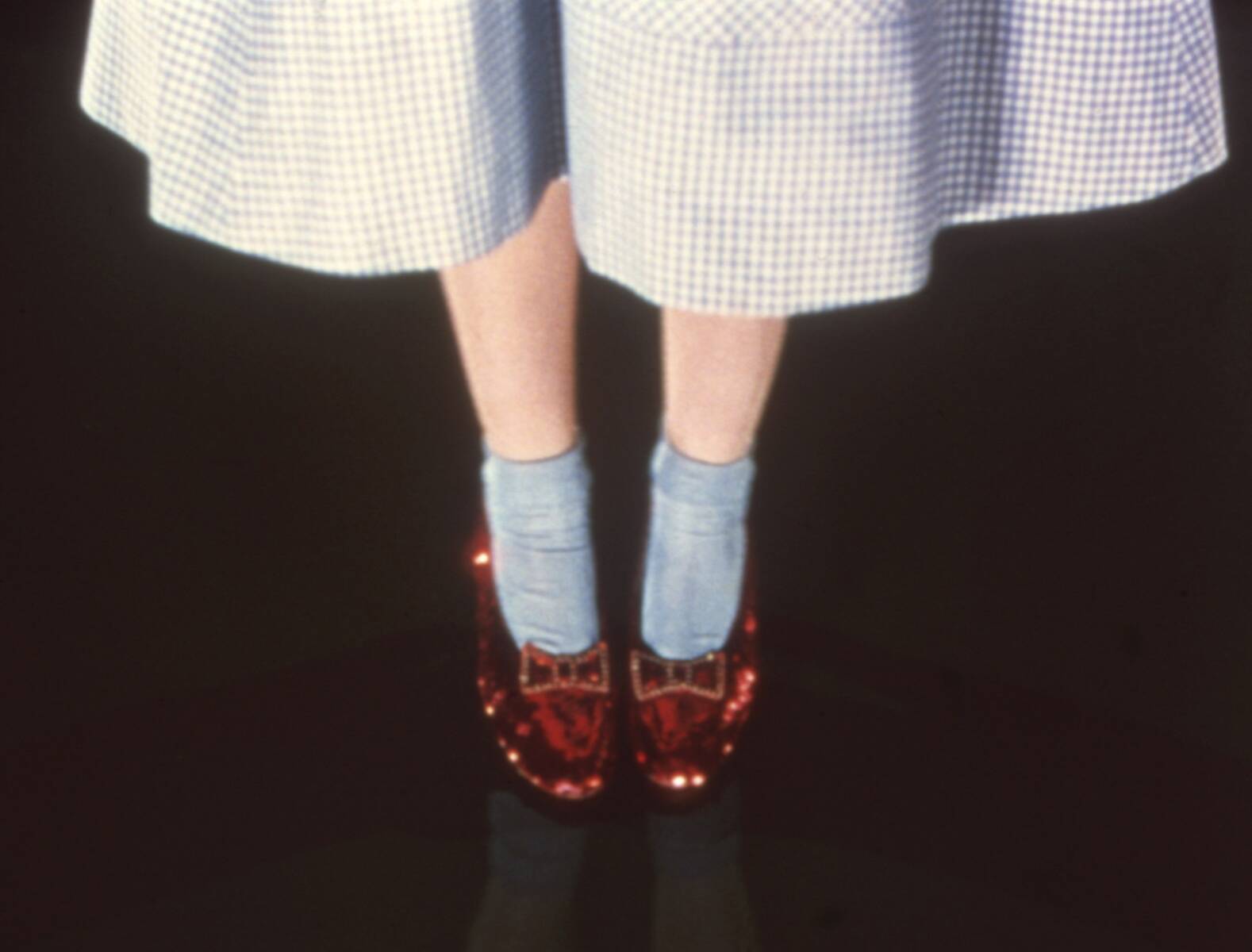
Dorothy’s ruby slippers in “The Wizard of Oz” are more than just a pair of shoes; they’re a symbol of home and the power of belief. Originally silver in L. Frank Baum’s book, the slippers were changed to red to take advantage of Technicolor’s vibrant hues.
Today, they are one of the most recognized pieces of movie memorabilia, with one pair even displayed at the Smithsonian Institution. The slippers remind us that there’s no place like home, especially when it’s brought to life in such a magical way.
The Yellow Raincoat: Georgie in “It”

Georgie’s yellow raincoat in “It” is a haunting symbol of innocence lost. The bright coat stands out against the film’s dark and foreboding atmosphere, making Georgie’s tragic encounter with Pennywise all the more impactful.
The raincoat has become synonymous with the film’s chilling narrative, representing the vulnerability of childhood in the face of unimaginable horror. It’s a simple yet powerful costume that leaves a lasting impression on audiences, long after the film ends.
The Red and Blue Suit: Superman’s Timeless Attire
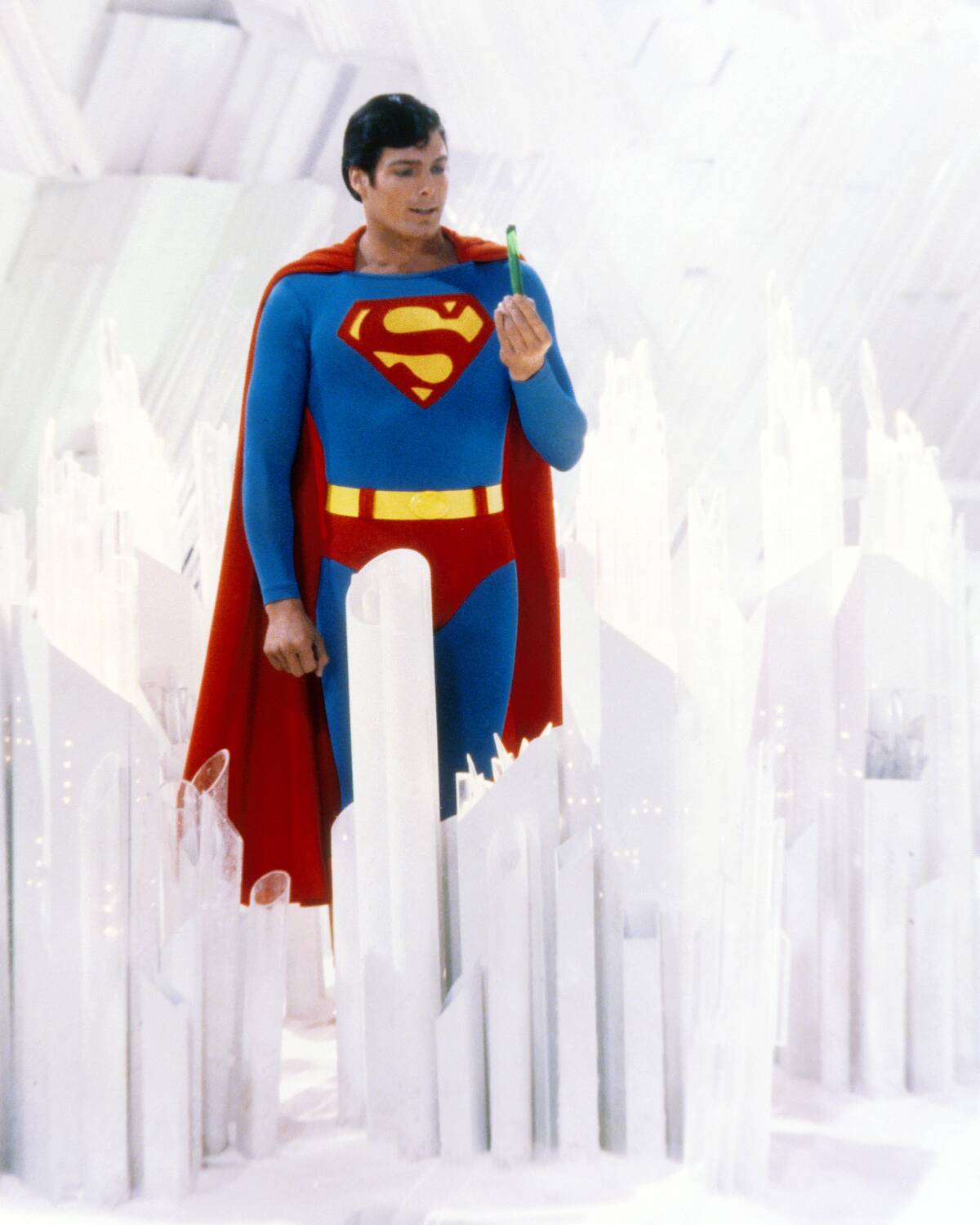
Superman’s red and blue suit is one of the most recognizable costumes in the superhero genre. First appearing in Action Comics #1 in 1938, the suit has undergone various updates but has always retained its iconic color scheme and emblematic “S” shield.
The suit symbolizes hope, justice, and the hero’s unwavering commitment to protecting humanity. It’s a costume that transcends generations, inspiring fans young and old with its bold colors and unmistakable design.
The Fedora and Whip: Indiana Jones’ Adventurous Ensemble
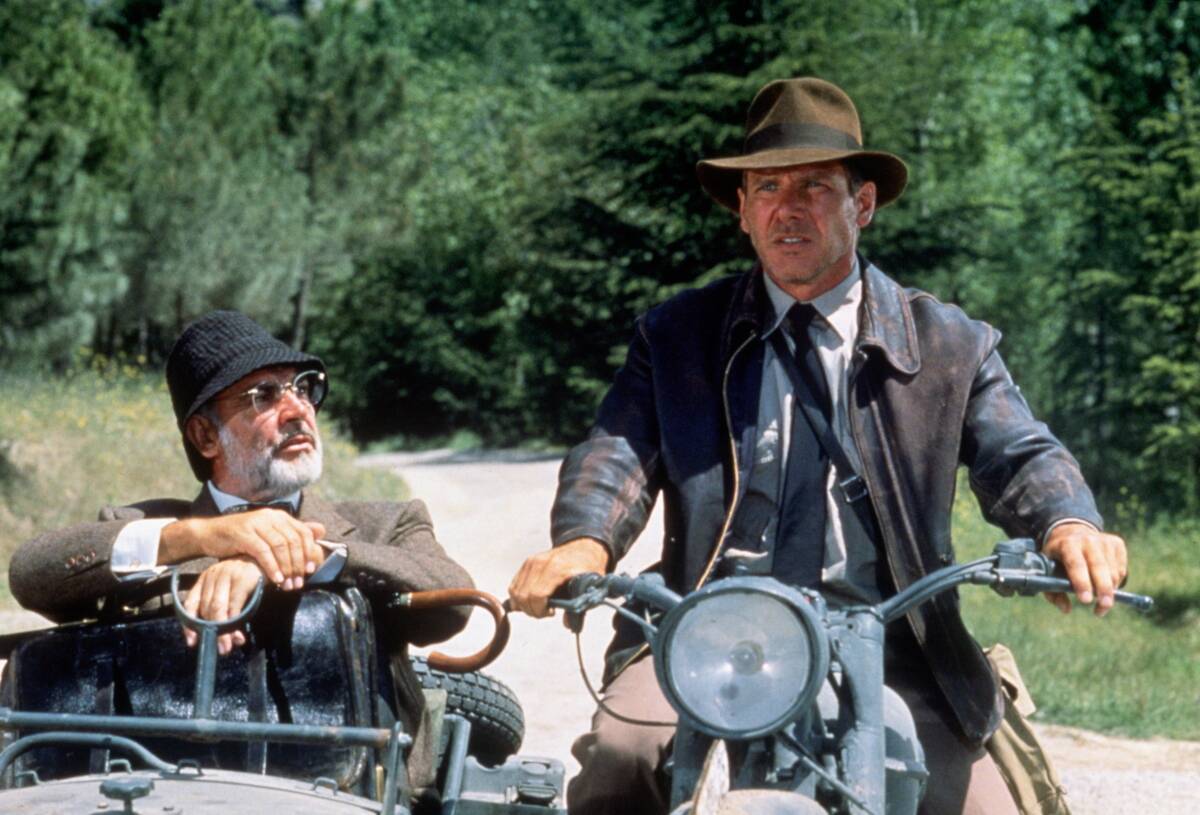
Indiana Jones’ fedora and whip are as essential to his character as his adventurous spirit. The fedora, with its distinctive shape, and the bullwhip, which he wields with expert precision, have become synonymous with the daring archaeologist.
These accessories not only define his rugged style but also highlight his resourcefulness and quick thinking. Indiana Jones’ ensemble is a perfect blend of practicality and style, capturing the essence of a classic adventure hero.
The Leather Corset: Trinity in “The Matrix”
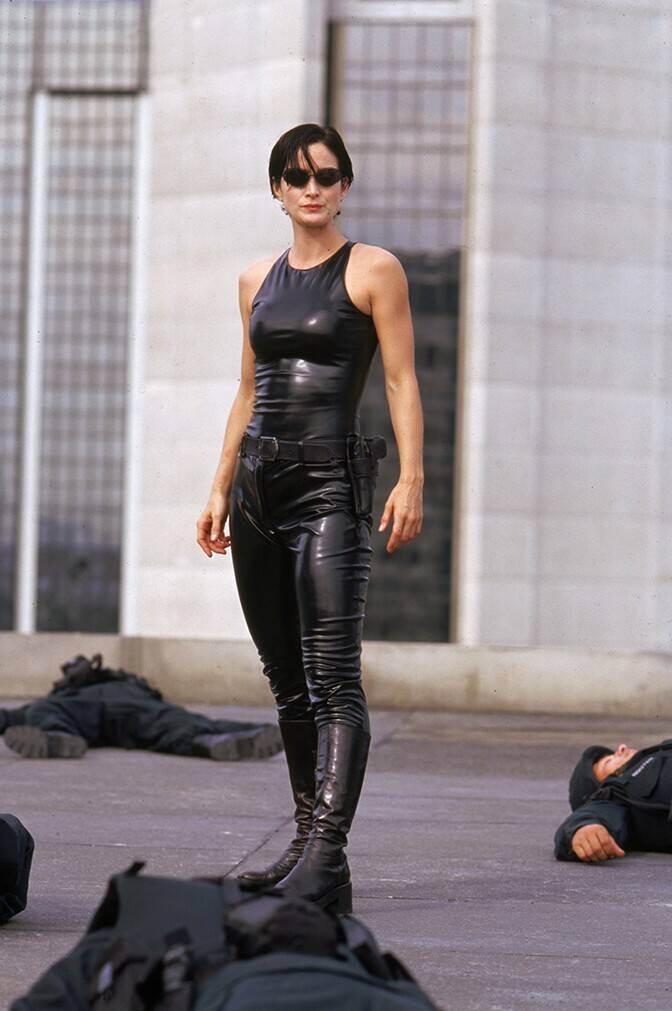
Trinity’s leather corset in “The Matrix” is a defining element of her character’s sleek and formidable presence. Designed by Kym Barrett, the corset is both functional and stylish, allowing Trinity to perform her gravity-defying stunts with ease.
The costume’s futuristic design reflects the film’s cyberpunk aesthetic and has become a symbol of female empowerment in science fiction. Trinity’s leather corset continues to inspire fashion and pop culture, embodying the film’s innovative spirit.




