The most iconic national parks in the world
National parks are nature’s masterpieces, offering a glimpse into the world’s most breathtaking landscapes and diverse ecosystems. From the towering peaks of the Himalayas to the vibrant coral reefs of Australia, these protected areas are a testament to the planet’s natural beauty.
They serve as sanctuaries for wildlife and provide endless opportunities for adventure and exploration.
Yellowstone National Park, USA: The Original Wonder
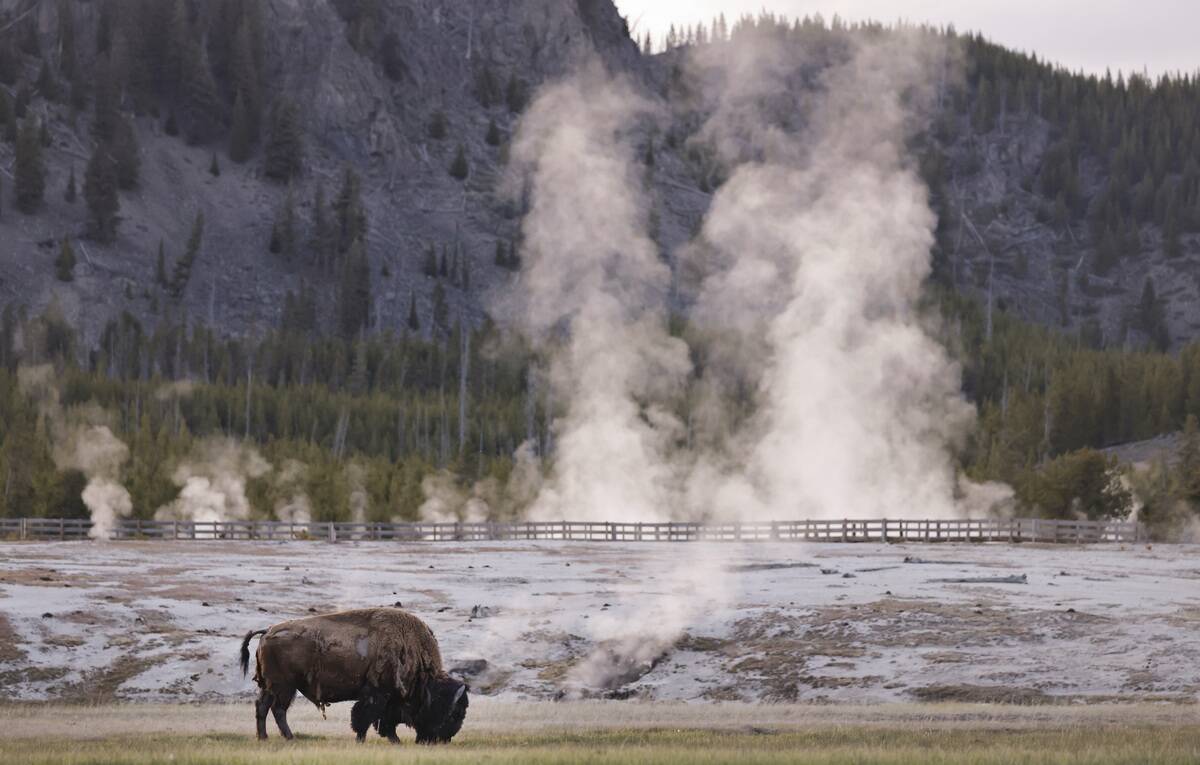
Yellowstone National Park, established in 1872, is widely recognized as the world’s first national park. Spanning more than 2.2 million acres, it is renowned for its extraordinary geothermal features, including the iconic Old Faithful geyser.
The park’s diverse ecosystems support a wide range of wildlife, including grizzly bears, wolves, elk, and herds of American bison. Visitors can explore its varied landscapes, which include vast forests, mountain rivers and lakes, alpine meadows, and the dramatic Grand Canyon of the Yellowstone. With its remarkable natural and human history, Yellowstone remains one of the world’s most significant protected landscapes.
Serengeti National Park, Tanzania: The Great Migration Marvel
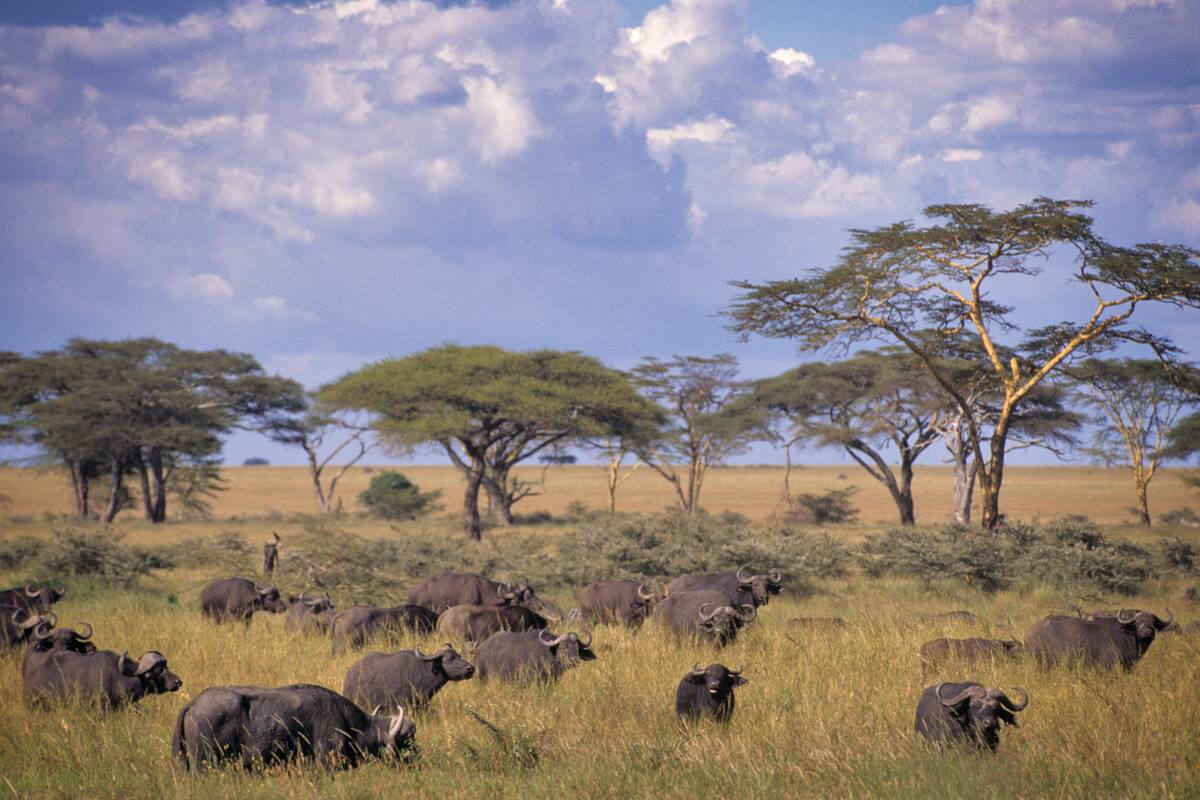
The Serengeti National Park is closely associated with the Great Migration, a spectacular annual movement in which around 1.5 million wildebeest, along with hundreds of thousands of zebras and gazelles, travel across the Serengeti-Mara ecosystem in response to seasonal rainfall and the availability of fresh grass and water.
Spanning approximately 5,700 square miles, the park is part of the Serengeti UNESCO World Heritage Site and supports the Big Five: lions, leopards, African elephants, black rhinoceroses, and African buffalo. Its vast savannahs and diverse ecosystems make it a renowned destination for safari enthusiasts and wildlife photographers.
Banff National Park, Canada: A Rocky Mountain Paradise
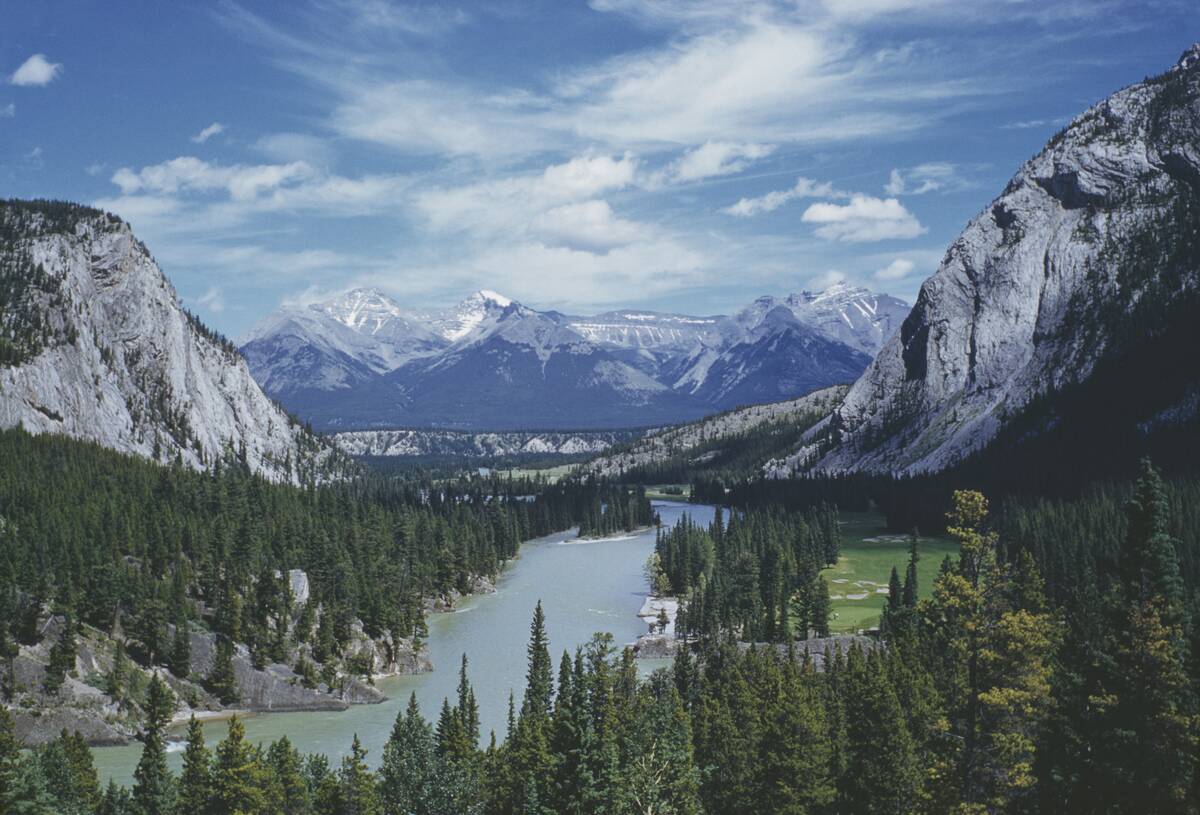
Nestled in the Canadian Rockies, Banff National Park is a stunning blend of towering peaks, turquoise lakes, and dense forests. Established in 1885, it is Canada’s oldest national park and forms part of the Canadian Rocky Mountain Parks UNESCO World Heritage Site.
Visitors can explore the town of Banff, relax at the Banff Upper Hot Springs, or hike through the breathtaking landscapes surrounding Lake Louise and Moraine Lake. The park’s spectacular scenery and wide range of outdoor activities make it a popular destination for nature lovers and outdoor enthusiasts.
Kruger National Park, South Africa: A Safari Dreamland

Kruger National Park is one of Africa’s largest national parks and protected wildlife areas, covering approximately 7,523 square miles. It is home to an impressive array of wildlife, including the Big Five and more than 500 recorded bird species. The park’s diverse habitats range from open savannahs and grasslands to woodlands and riverine vegetation, supporting a remarkable variety of wildlife.
Visitors can experience the park through guided game drives, self-drive tours, and guided walking safaris in designated areas. Kruger remains one of Africa’s most renowned destinations for wildlife viewing and safari experiences.
Torres del Paine National Park, Chile: Patagonian Perfection
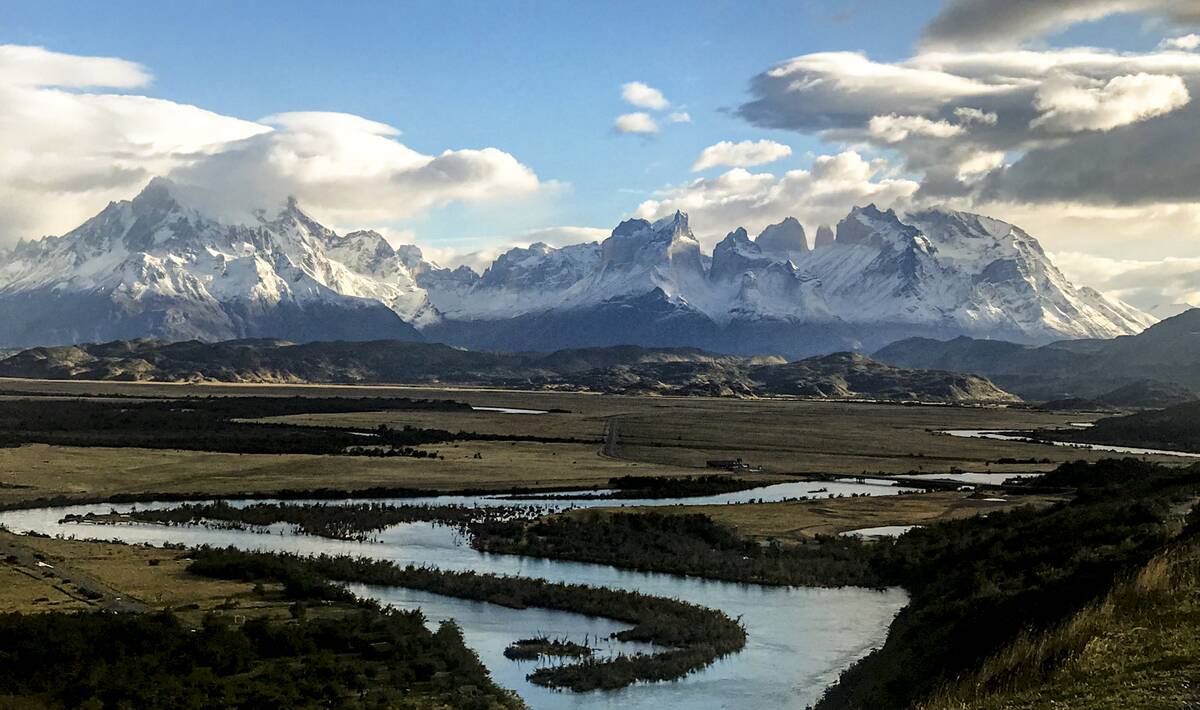
Torres del Paine National Park, located in southern Chilean Patagonia, is renowned for its dramatic landscapes of towering granite peaks, turquoise lakes, and extensive glaciers. The park covers approximately 1,814 square kilometers (700 square miles) and offers a range of outdoor activities, including hiking, horseback riding, and kayaking in designated areas.
The iconic W Trek is a popular hiking route that passes through some of the park’s most spectacular scenery, including the Paine Massif, French Valley, and Grey Glacier. With its protected wilderness and diverse wildlife, Torres del Paine is a major destination for hikers, adventurers, and nature enthusiasts.
Fiordland National Park, New Zealand: A Majestic Wilderness
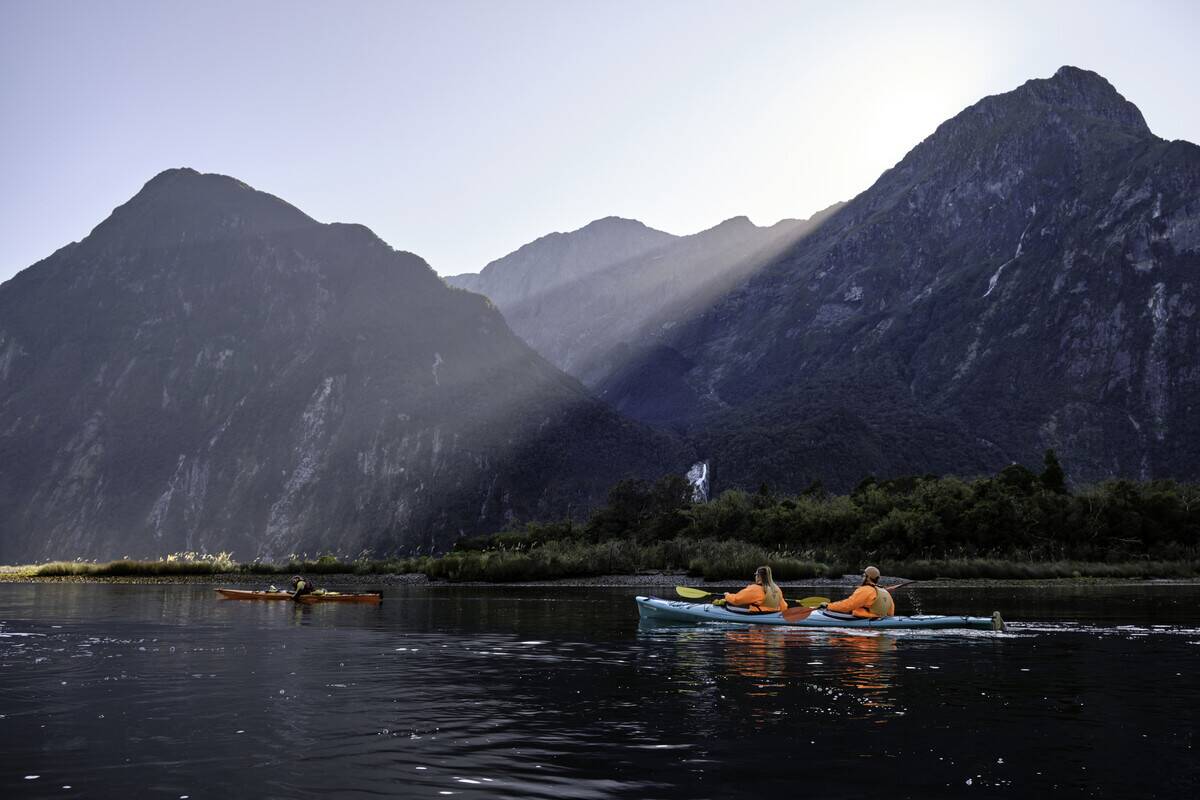
Fiordland National Park, located in southwestern New Zealand’s South Island, is a spectacular landscape of towering fjords, lush temperate rainforests, and cascading waterfalls. Covering approximately 4,860 square miles, it is New Zealand’s largest national park and forms part of the Te Wahipounamu UNESCO World Heritage Area.
The park is home to the famous Milford Sound/Piopiotahi, often described as the “eighth wonder of the world.” Visitors can explore its dramatic landscapes by boat, kayak, or on foot, with renowned hiking routes such as the Milford, Routeburn, and Kepler tracks offering spectacular views of the rugged terrain.
Plitvice Lakes National Park, Croatia: Cascading Beauty
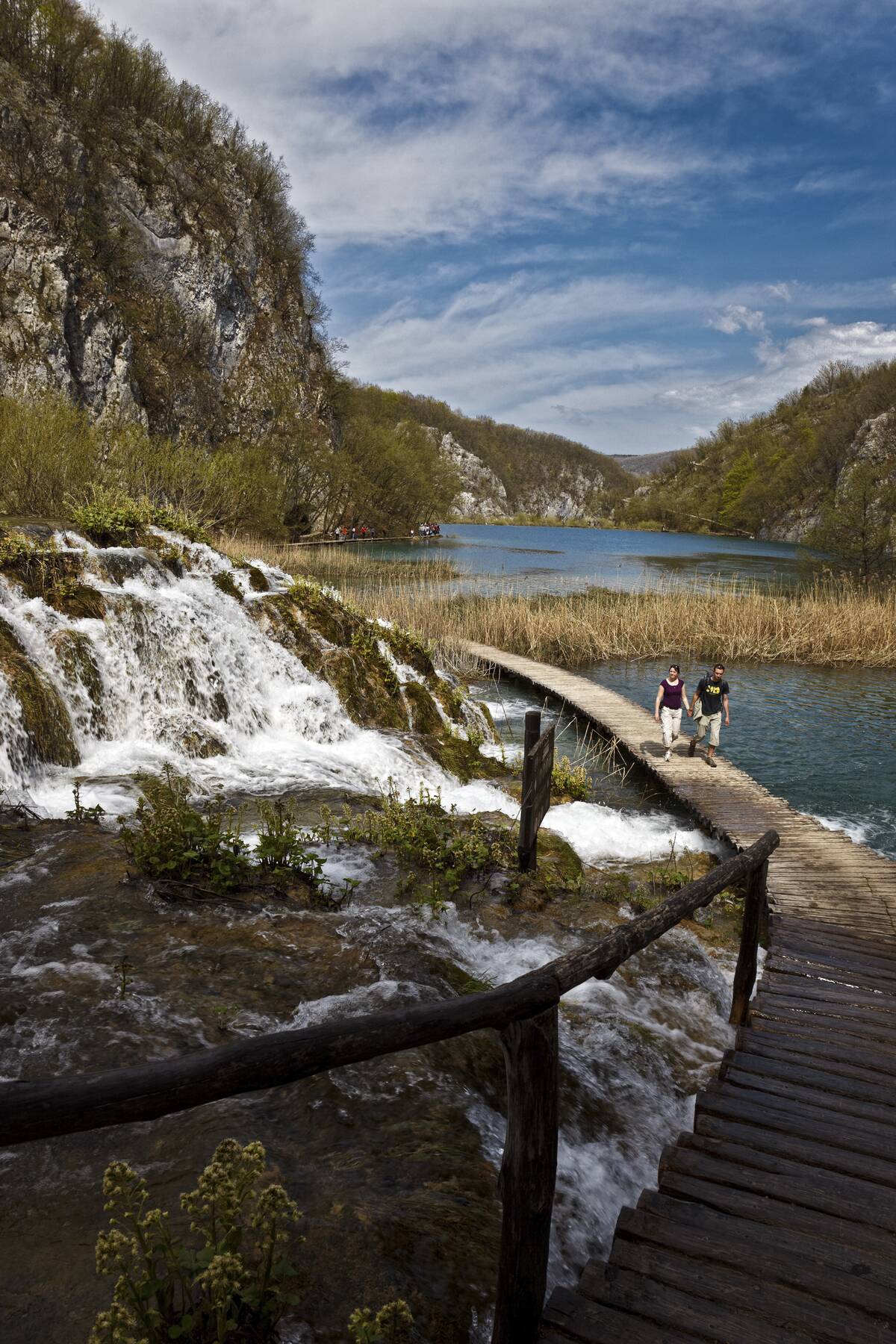
Plitvice Lakes National Park is a natural wonderland of cascading lakes and waterfalls, nestled in the heart of Croatia. Established in 1949, it is widely recognized as Croatia’s oldest national park and was designated a UNESCO World Heritage Site in 1979.
The park’s 16 named lakes are interconnected by a series of waterfalls and cascades, creating a remarkable landscape that changes with the seasons. Visitors can explore the park’s network of wooden walkways and hiking trails, which offer stunning views of its turquoise waters, travertine formations, and lush forests.
Galápagos National Park, Ecuador: Evolution’s Playground
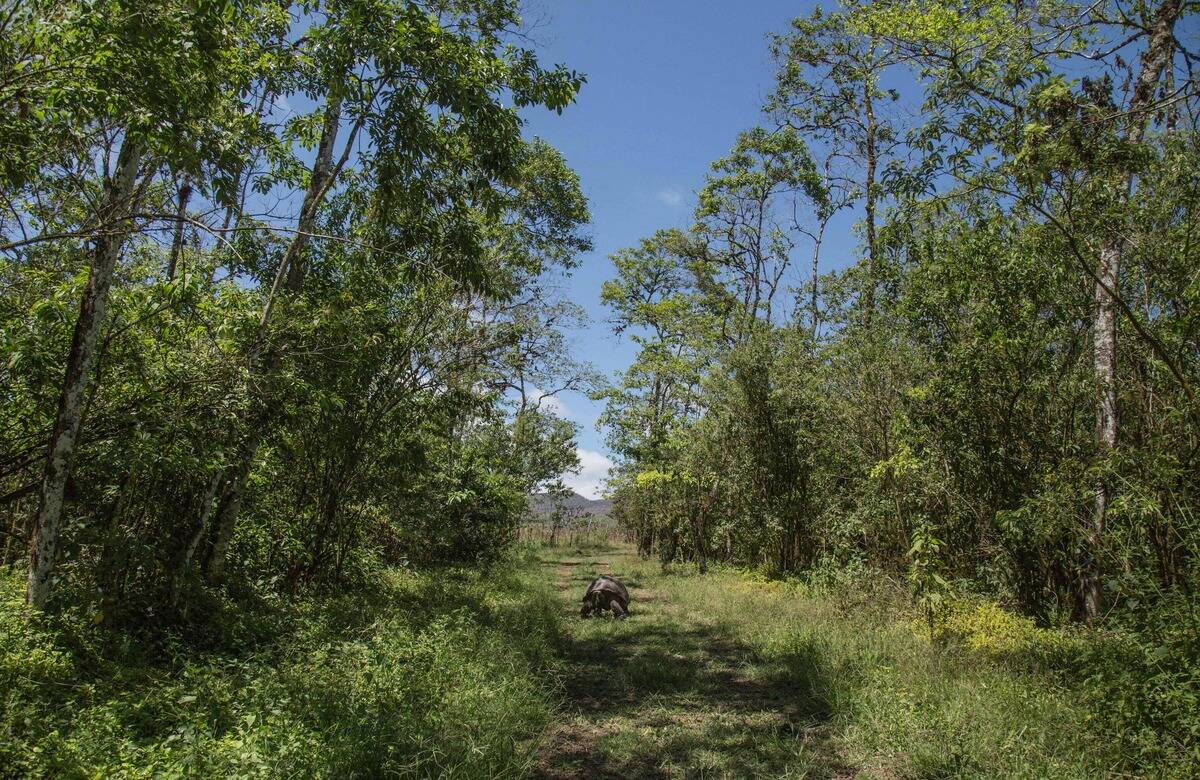
Galápagos National Park, established in 1959, is often described as a living laboratory of evolution and is home to numerous endemic species found nowhere else on Earth. The Galápagos Archipelago includes 13 major islands, along with smaller islands, islets, and rocks, each supporting varied environments and ecological communities.
Visitors can encounter iconic wildlife such as giant tortoises, marine iguanas, and blue-footed boobies. The park’s beaches, volcanic landscapes, and surrounding marine environments make it a remarkable destination for nature lovers and adventure seekers, while its unique biodiversity continues to support scientific research and conservation.
Yosemite National Park, USA: Granite Giants and Waterfalls
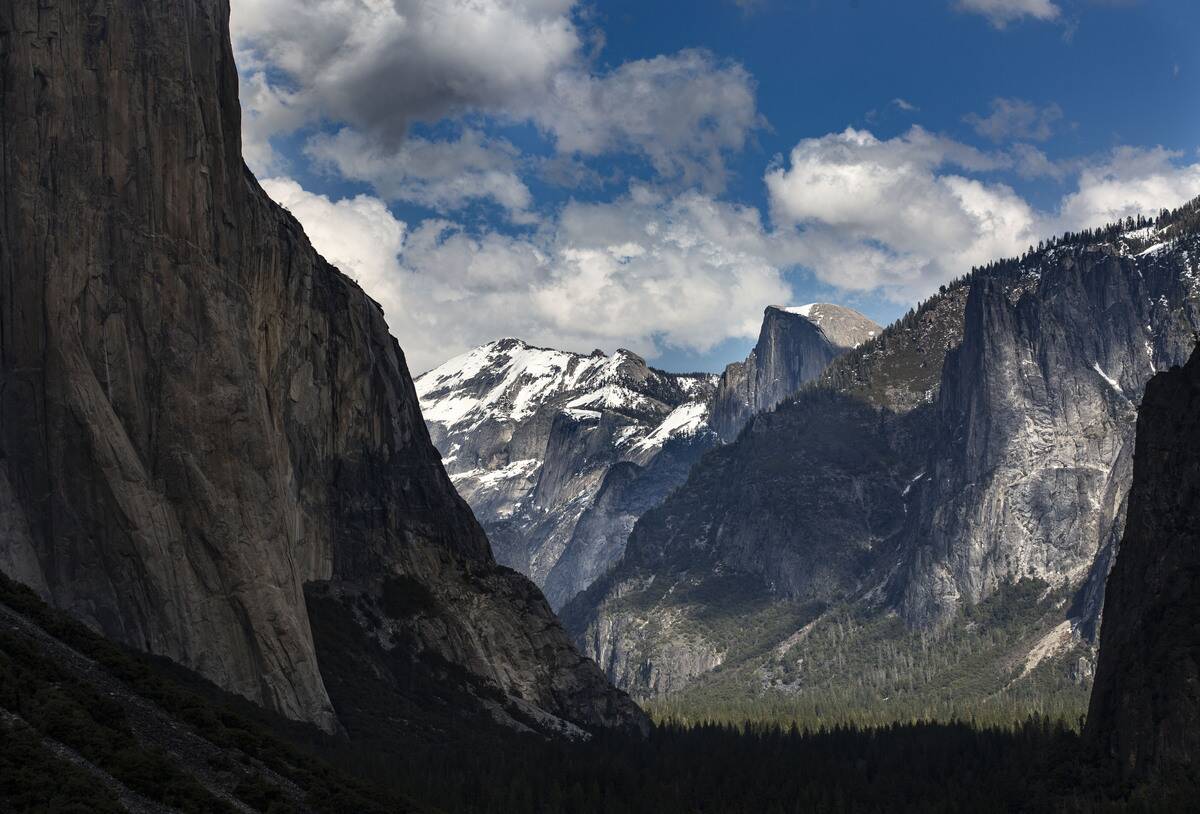
Yosemite National Park, located in California’s central Sierra Nevada, is renowned for its towering granite cliffs, giant sequoia groves, and spectacular waterfalls. Established in 1890, the park covers approximately 1,187 square miles. Iconic landmarks such as El Capitan, Half Dome, and Yosemite Falls attract millions of visitors each year.
The park offers a wide range of outdoor activities, including hiking, rock climbing, camping, and wildlife viewing, making it a popular destination for adventurers and nature enthusiasts.
Great Barrier Reef Marine Park, Australia: Underwater Wonderland

The Great Barrier Reef is a UNESCO World Heritage Site and the world’s largest coral reef ecosystem, stretching approximately 1,430 miles along Australia’s northeastern coast. It supports an extraordinary diversity of marine life, including more than 1,600 species of fish, around 450 species of hard coral, and numerous marine mammals.
The Great Barrier Reef Marine Park protects much of this remarkable ecosystem, while visitors can explore its underwater world through snorkeling, diving, and boat tours. Its spectacular coral formations and abundant marine life make it one of Australia’s most renowned destinations for experiencing the ocean.
Zhangjiajie National Forest Park, China: Avatar’s Inspiration
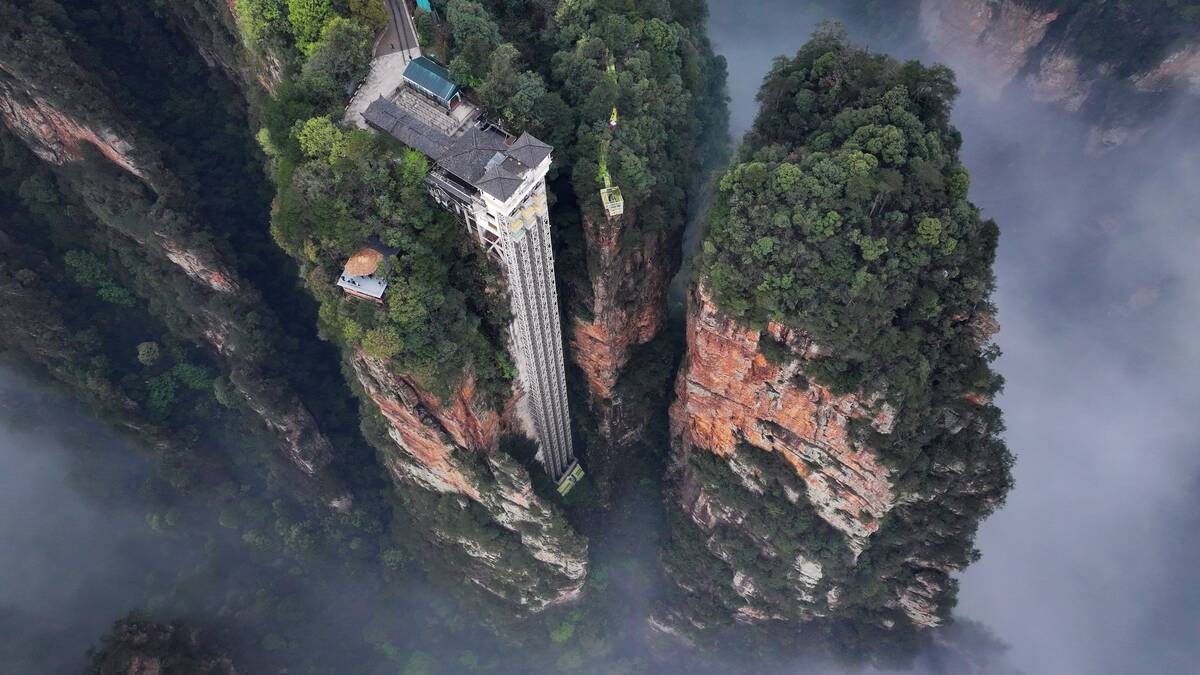
Zhangjiajie National Forest Park, located in China’s Hunan Province, is famous for its towering quartz-sandstone pillars, whose otherworldly appearance is often associated with the floating mountains in the movie Avatar. The park covers approximately 130 square kilometers and forms part of the larger Wulingyuan Scenic Area, a UNESCO World Heritage Site since 1992.
Visitors can explore the spectacular landscapes through a network of hiking trails, cable cars, and other attractions, while glass-bottomed bridges can be found elsewhere in the surrounding Zhangjiajie area. The park’s dramatic geological formations and lush vegetation create a striking and surreal landscape.
Göreme National Park, Turkey: Fairy Chimneys and Cave Dwellings
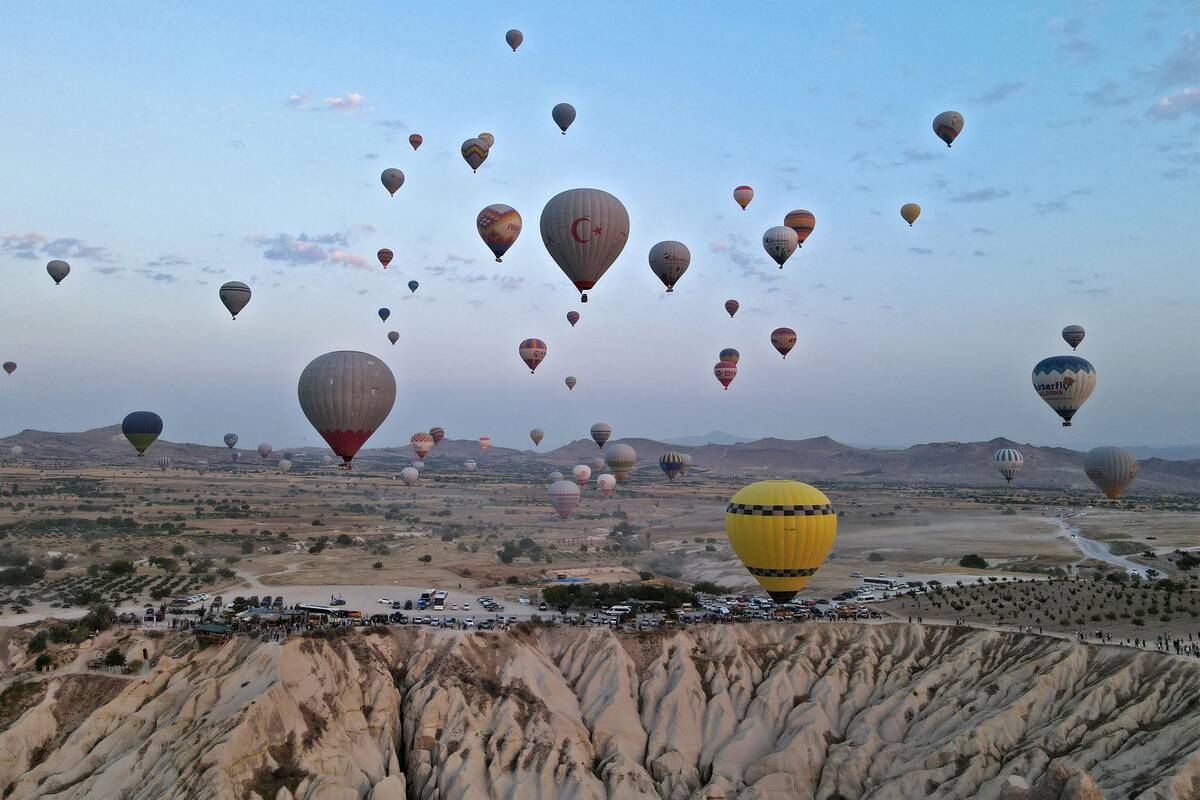
Göreme National Park, located in the Cappadocia region of Türkiye, is renowned for its distinctive volcanic rock formations, including the famous “fairy chimneys.” Göreme National Park and the Rock Sites of Cappadocia were designated a UNESCO World Heritage Site in 1985, recognizing the area’s exceptional natural and cultural heritage.
The region features an extensive network of rock-cut dwellings, churches, chapels, and monastic complexes carved into soft volcanic tuff. Visitors can explore Cappadocia’s surreal landscapes on foot or by bicycle, while hot-air balloon flights offer spectacular aerial views of the region. Its rich history and remarkable scenery make Cappadocia a major cultural and natural attraction.
Kakadu National Park, Australia: A Cultural and Natural Treasure
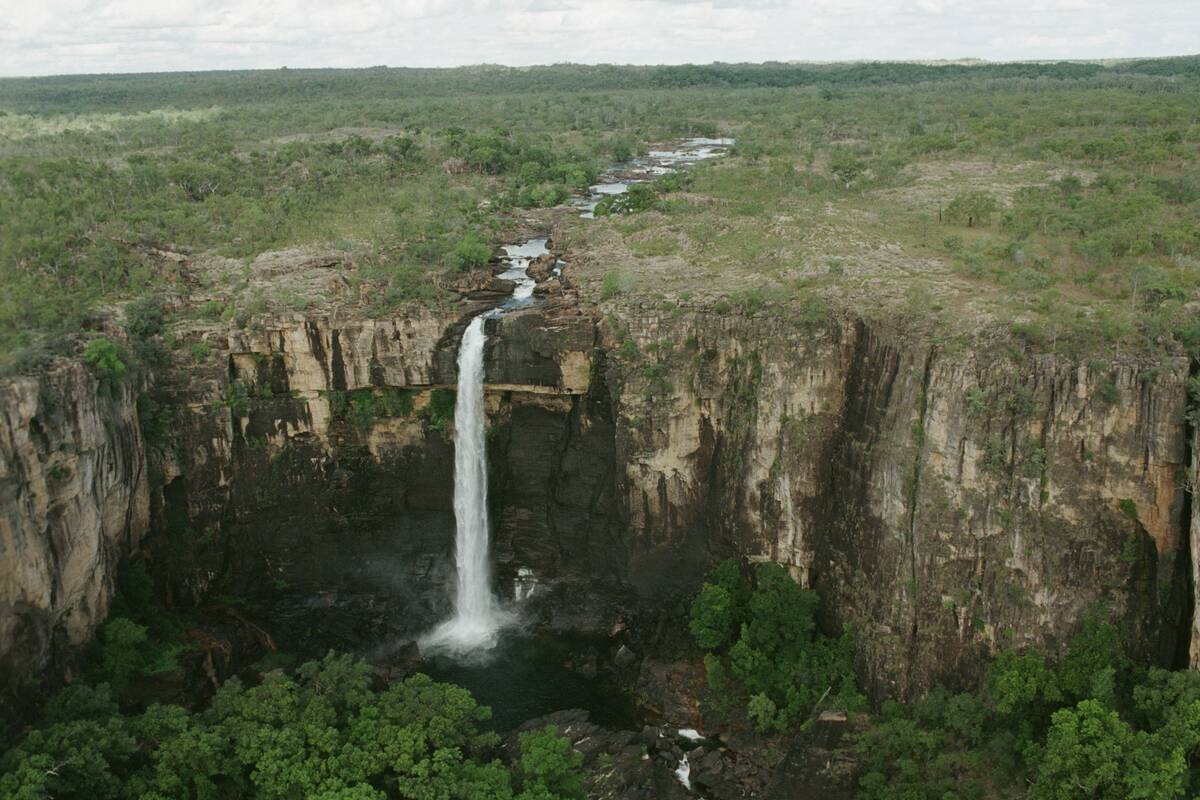
Kakadu National Park, located in Australia’s Northern Territory, is a vast landscape of wetlands, rivers, savanna woodlands, and rugged sandstone escarpments. The park is a UNESCO World Heritage Site, recognized for both its exceptional natural values and its Aboriginal cultural heritage. It supports a rich diversity of wildlife, including saltwater crocodiles and more than 280 species of birds.
Visitors can explore numerous Aboriginal rock-art sites, which form part of a cultural tradition extending back thousands of years and reflect the long history of Indigenous occupation in the region. Kakadu’s remarkable combination of natural and cultural heritage makes it one of Australia’s most significant protected areas.
Sagarmatha National Park, Nepal: Gateway to Everest
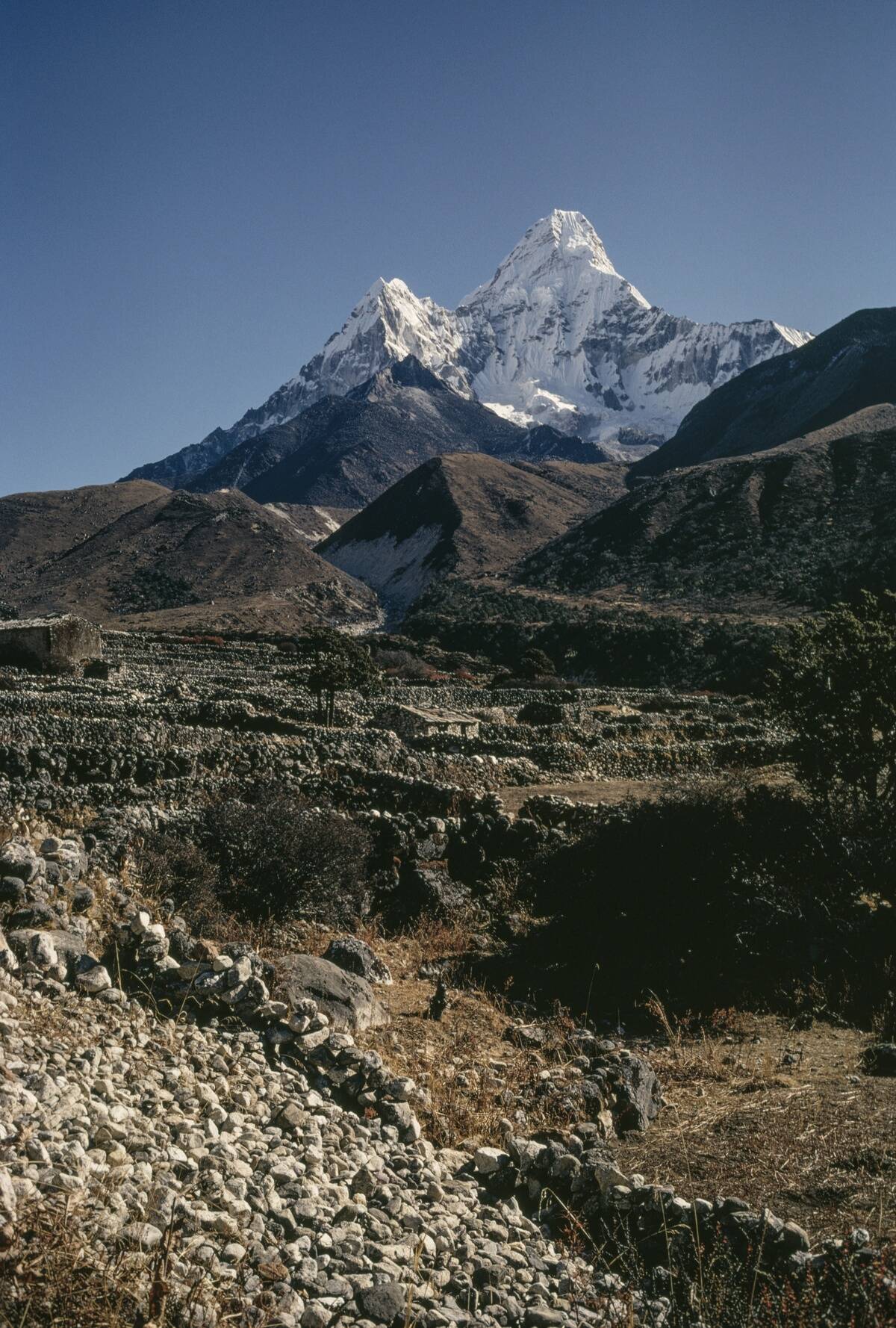
Sagarmatha National Park, located in the Himalayas of northeastern Nepal, encompasses the southern approaches to Mount Everest, the world’s highest peak, which lies along the park’s northern boundary. The park covers approximately 443 square miles and was designated a UNESCO World Heritage Site in 1979. It is renowned for its dramatic mountain landscapes, deep valleys, glaciers, and diverse high-altitude ecosystems.
Visitors can trek to Everest Base Camp, explore traditional Sherpa villages, and experience the region’s rich biodiversity, which includes rare species such as the snow leopard. Sagarmatha National Park is one of the world’s most renowned destinations for trekking and mountaineering.
Iguazu National Park, Argentina/Brazil: Thundering Falls
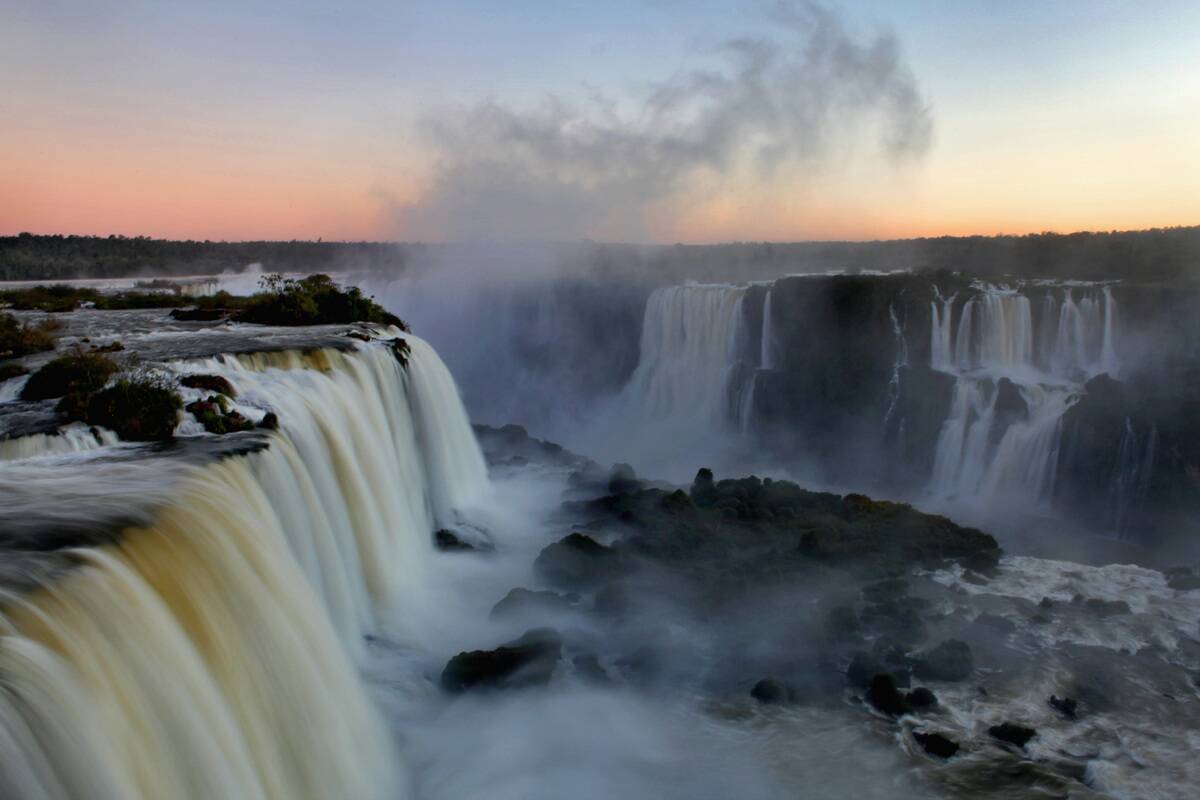
Iguazú National Park in northeastern Argentina protects the Argentine side of the awe-inspiring Iguazú Falls, one of the largest waterfall systems in the world. The park covers approximately 261 square miles and was designated a UNESCO World Heritage Site in 1984. Across the border in Brazil, Iguaçu National Park protects the Brazilian side of the falls and was separately designated a World Heritage Site in 1986.
Visitors can experience Iguazú Falls from both countries, each offering different perspectives and spectacular views. The surrounding subtropical rainforest is rich in biodiversity, making the region a major destination for nature lovers and wildlife photographers.
Swiss National Park, Switzerland: Alpine Serenity
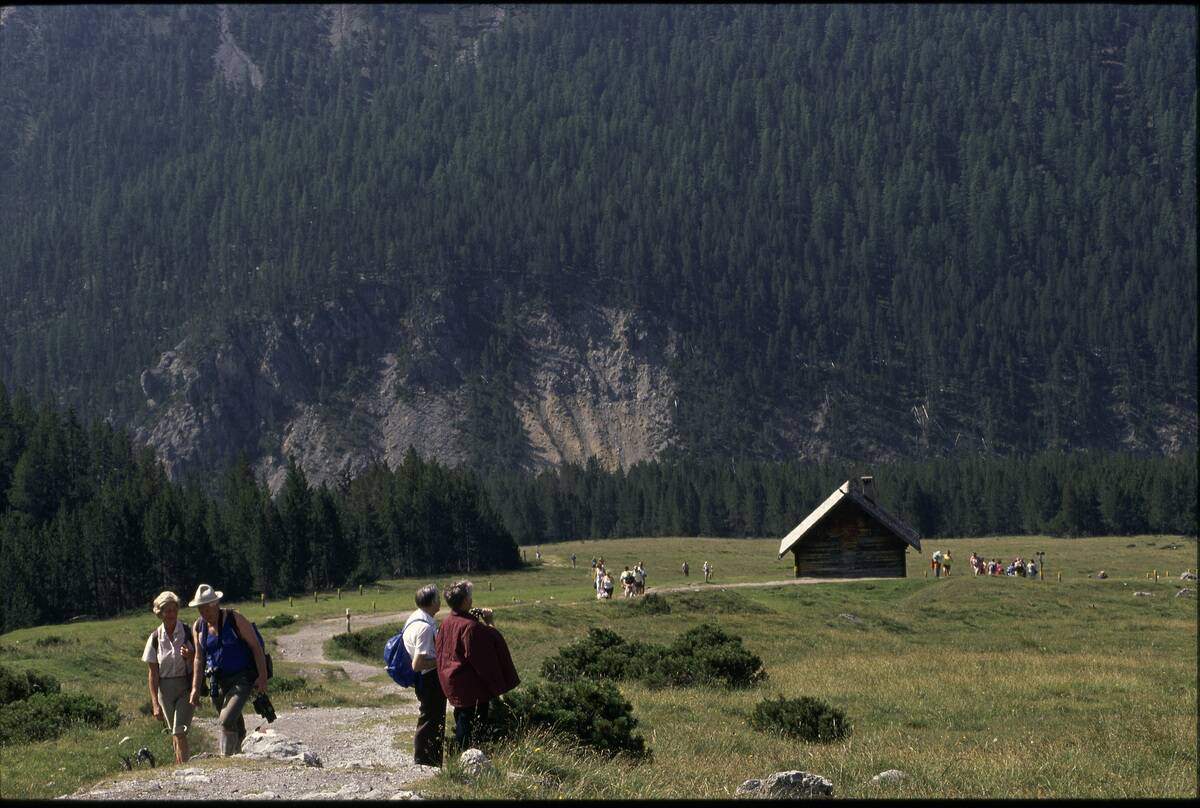
Swiss National Park, located in the southeastern Swiss Alps, is Switzerland’s only national park and forms part of the UNESCO Biosphere Reserve Engiadina Val Müstair. Covering approximately 66 square miles, it protects a remarkable alpine environment that supports wildlife including ibex, chamois, marmots, and golden eagles.
The park’s protected landscapes feature rugged mountains, forests, alpine meadows, and clear mountain streams. Visitors can explore around 100 kilometers of marked hiking trails, which offer spectacular views of the surrounding peaks and valleys. With its strict conservation rules and largely undeveloped landscapes, Swiss National Park provides an exceptional setting for experiencing Alpine nature.
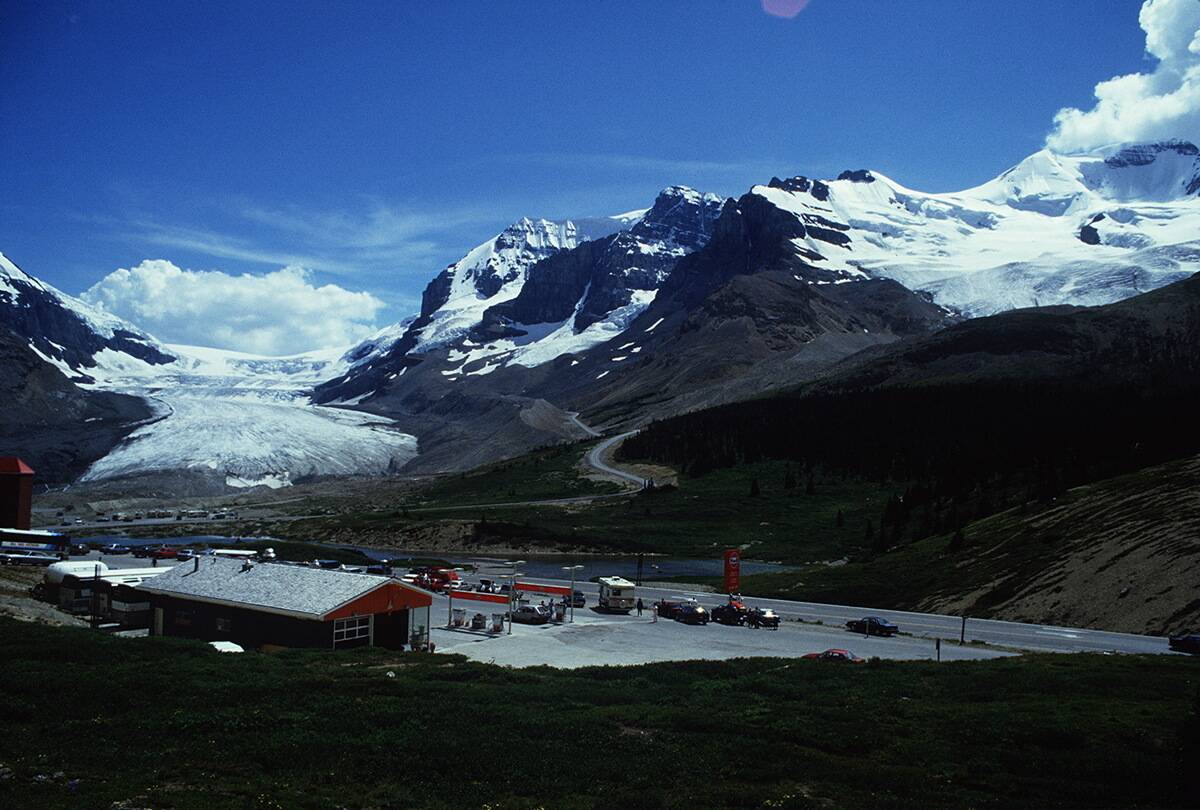
Jasper National Park, Canada: A Northern Gem
Swiss National Park, located in the southeastern Swiss Alps, is Switzerland’s only national park and forms a core part of the UNESCO Biosphere Reserve Engiadina Val Müstair. Covering approximately 66 square miles, it protects a remarkable alpine environment that supports wildlife including ibex, chamois, marmots, and golden eagles.
The park’s protected landscapes feature rugged mountains, forests, alpine meadows, and clear mountain streams. Visitors can explore around 100 kilometers of marked hiking trails, which offer spectacular views of the surrounding peaks and valleys. With its strict conservation rules and largely undeveloped landscapes, Swiss National Park provides an exceptional setting for experiencing Alpine nature.
Uluru-Kata Tjuta National Park, Australia: Sacred Red Center
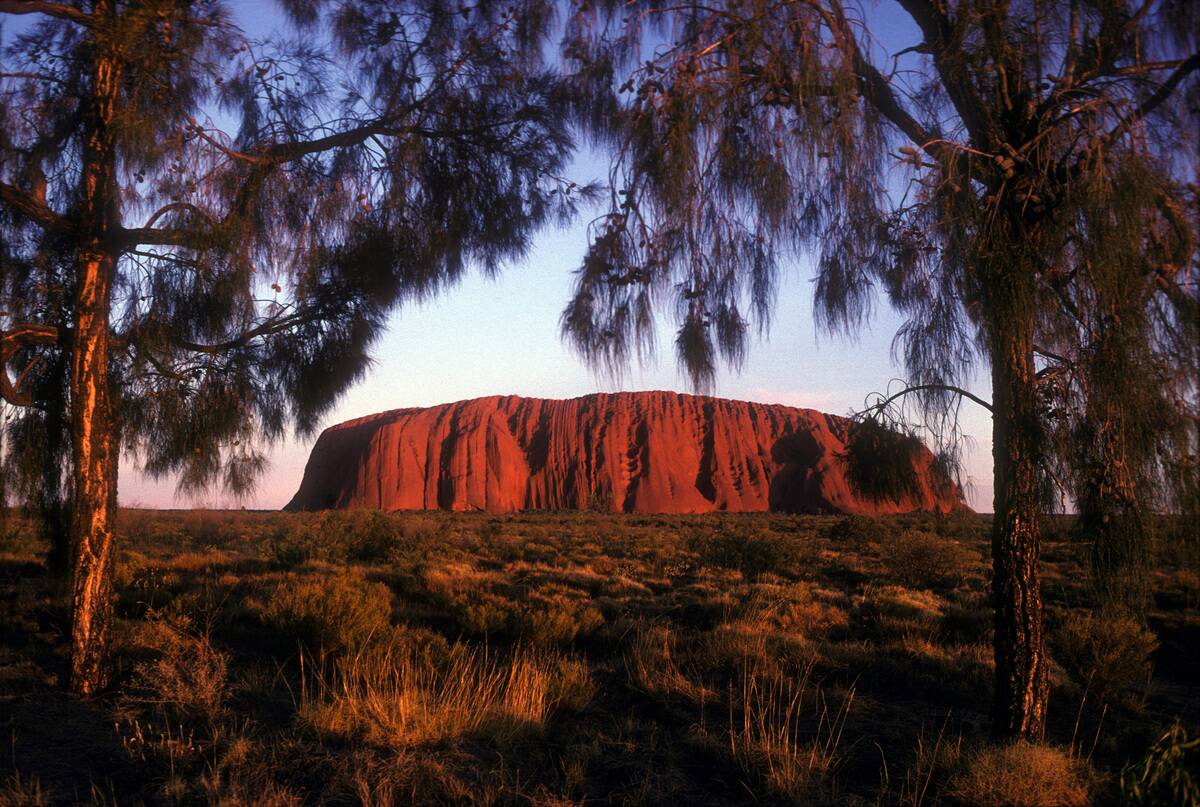
Uluru-Kata Tjuta National Park, located in Australia’s Northern Territory, is home to the iconic Uluru (Ayers Rock) and the Kata Tjuta rock formations. The park is a UNESCO World Heritage Area, recognized for both its outstanding natural values and its profound cultural significance to the Anangu people.
Visitors can explore the park’s unique landscapes through guided walks, cultural experiences, and sunrise or sunset viewings of Uluru. The park’s rich Indigenous heritage, dramatic geology, and striking desert scenery make it a remarkable destination.
Mount Kilimanjaro National Park, Tanzania: Africa’s Rooftop Adventure
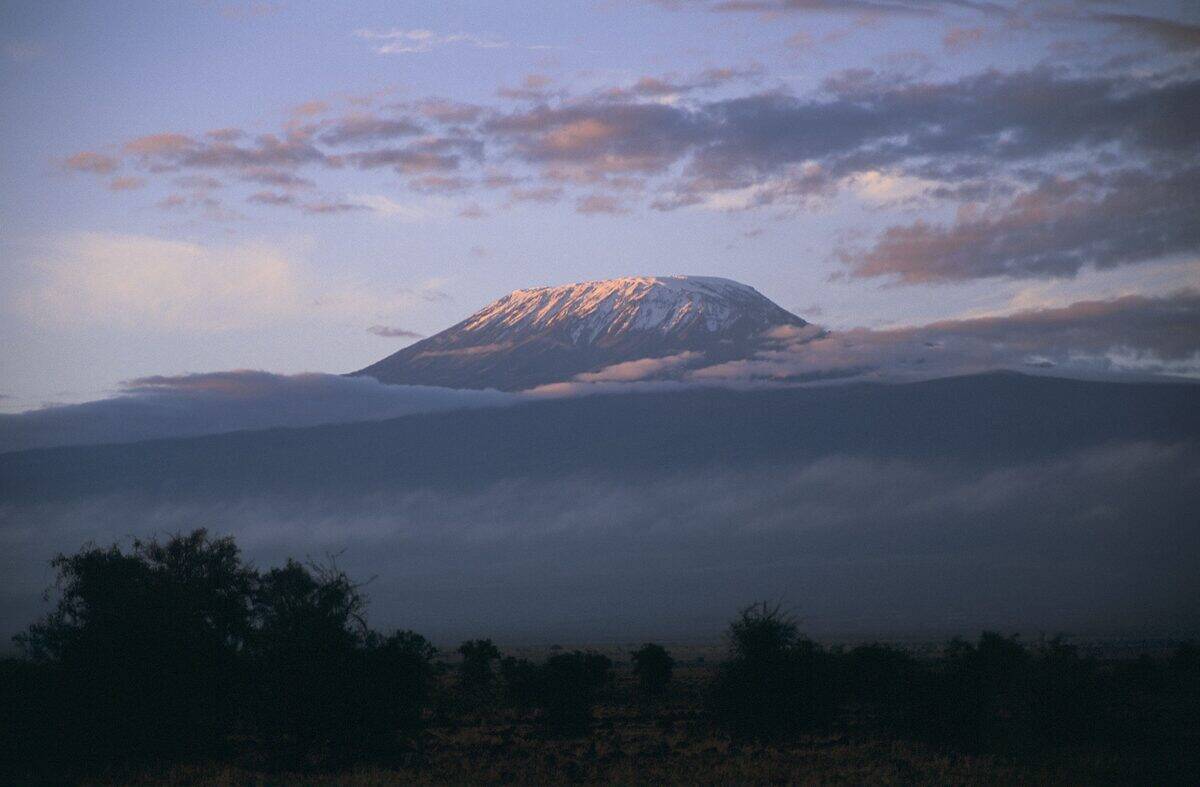
Mount Kilimanjaro National Park, located in northern Tanzania, is home to Africa’s highest peak, Mount Kilimanjaro. The park covers approximately 644 square miles and was designated a UNESCO World Heritage Site in 1987. It is renowned for its distinct ecosystems, ranging from montane rainforests and heathlands to alpine deserts and the high-altitude summit zone.
Visitors can embark on guided treks toward Uhuru Peak, experiencing the mountain’s changing landscapes and, particularly at lower elevations, its diverse wildlife along the way. Kilimanjaro is one of Africa’s most renowned destinations for trekking and mountaineering.




