What a typical office desk looked like before email was invented
Before the digital age transformed our workspaces, the office desk was a hub of activity, brimming with tools and gadgets that kept the wheels of business turning.
It was a time when paper reigned supreme, and every item had its place and purpose.
Memos, Letters, and More
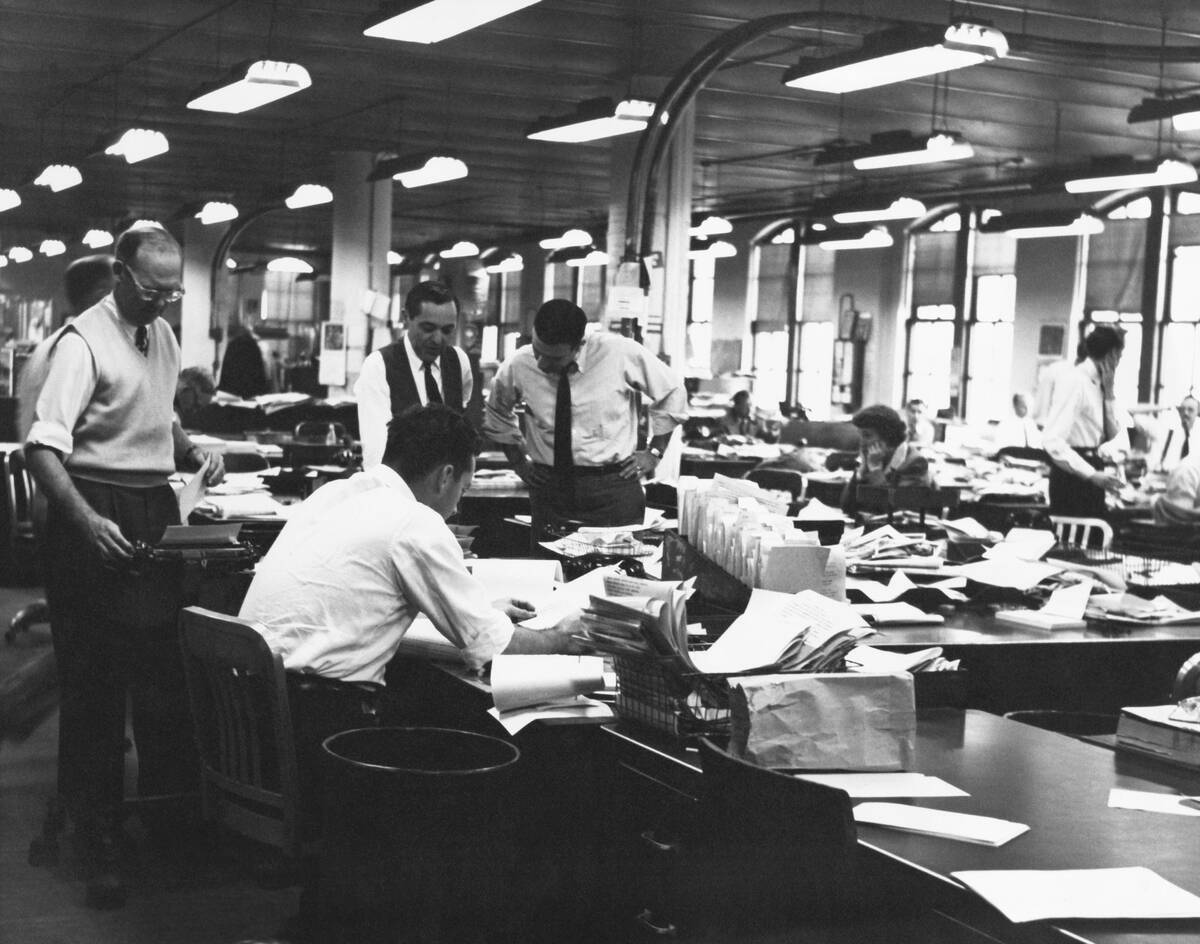
In the days before email, paper was the king of communication. Offices were filled with stacks of memos and letters, each carefully typed and often hand-delivered. These documents were the lifeblood of business, carrying vital information across departments.
The sheer volume of paper required meticulous organization, with clerks and secretaries playing crucial roles in managing this paper trail.
The Essential Typewriter
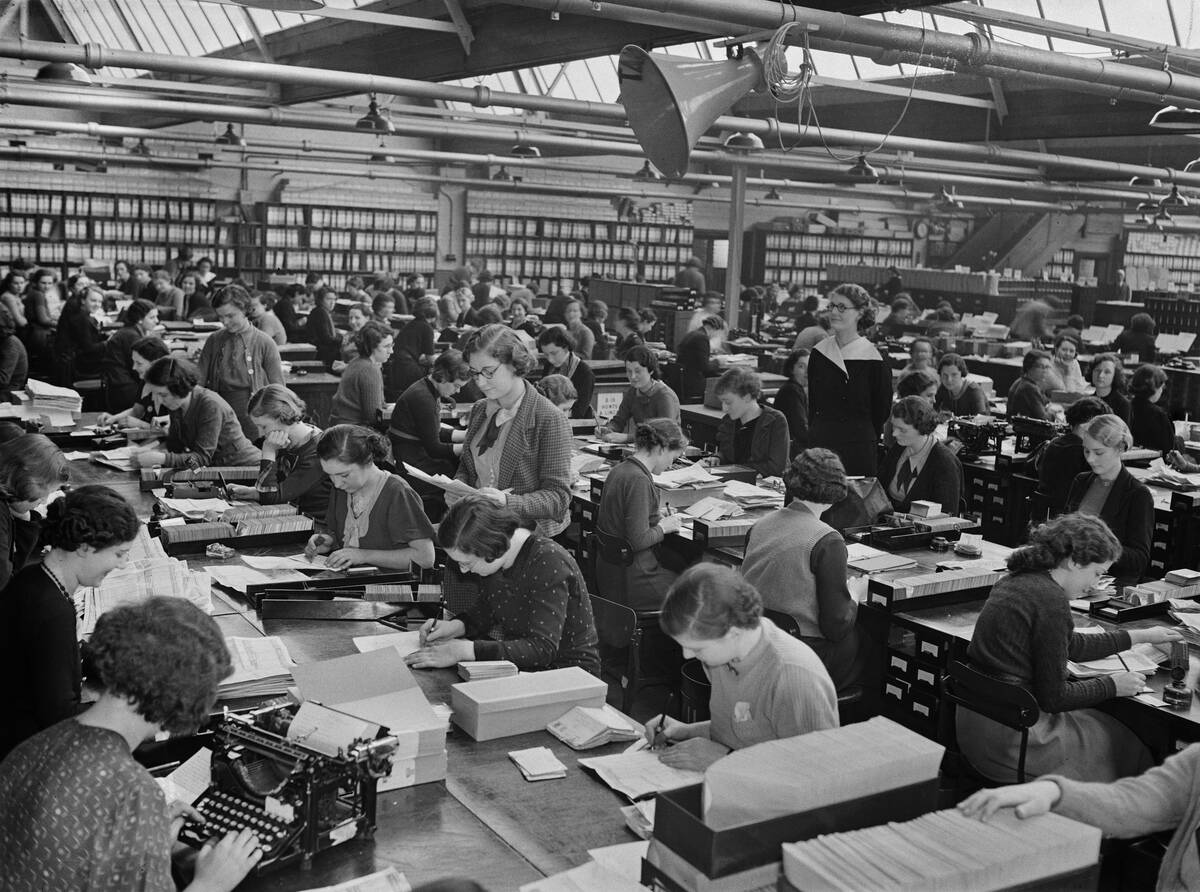
The typewriter was the workhorse of the office, clattering away as it churned out documents with precision. Invented in the 19th century, typewriters became indispensable by the mid-20th century.
They offered a tactile writing experience, with each keystroke leaving a permanent mark on the page. Despite their mechanical complexity, typewriters were beloved for their reliability and the professional polish they brought to written communication.
Rolodex: The Original Contact List
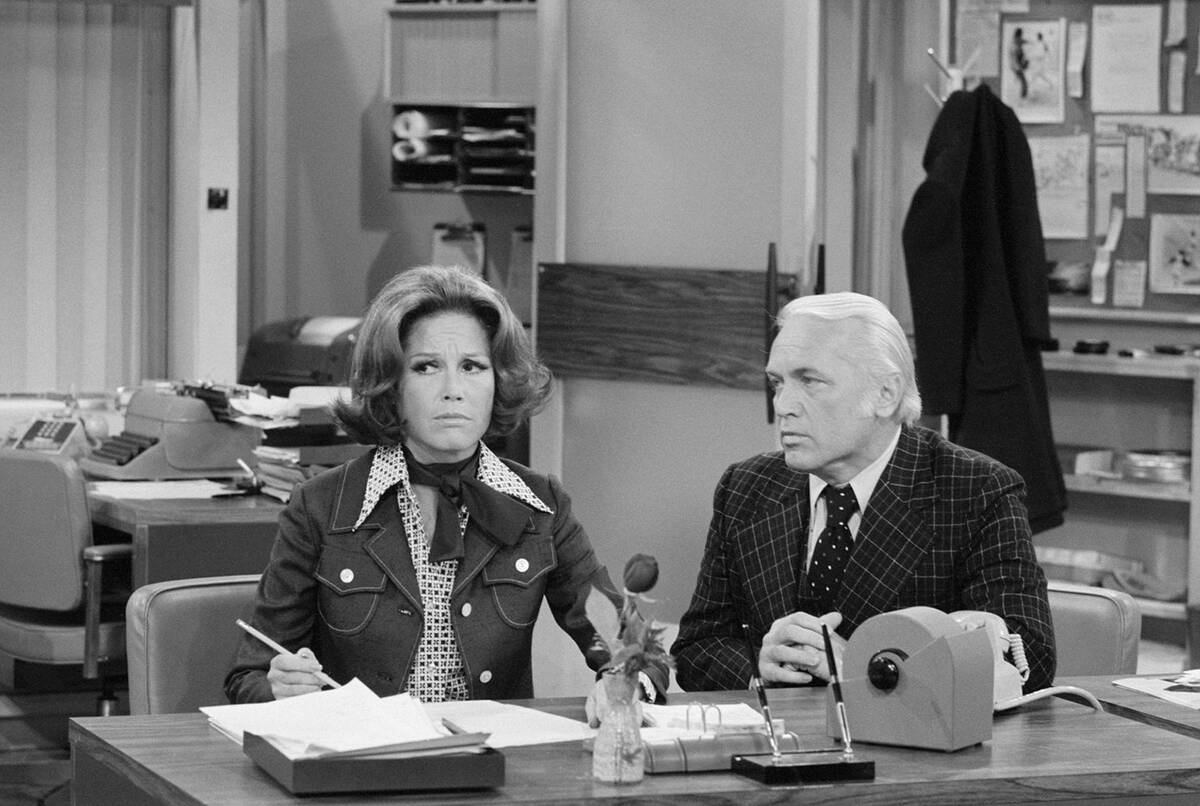
Before digital contact lists, there was the Rolodex—a rotating file device that stored business cards and contact information. Introduced in the 1950s, it became a staple on desks worldwide.
The Rolodex allowed for quick access to important contacts, with its tactile nature making it easy to flip through and find the right person. It was a symbol of one’s professional network, often filled with cards from key industry players.
Stacks of Envelopes
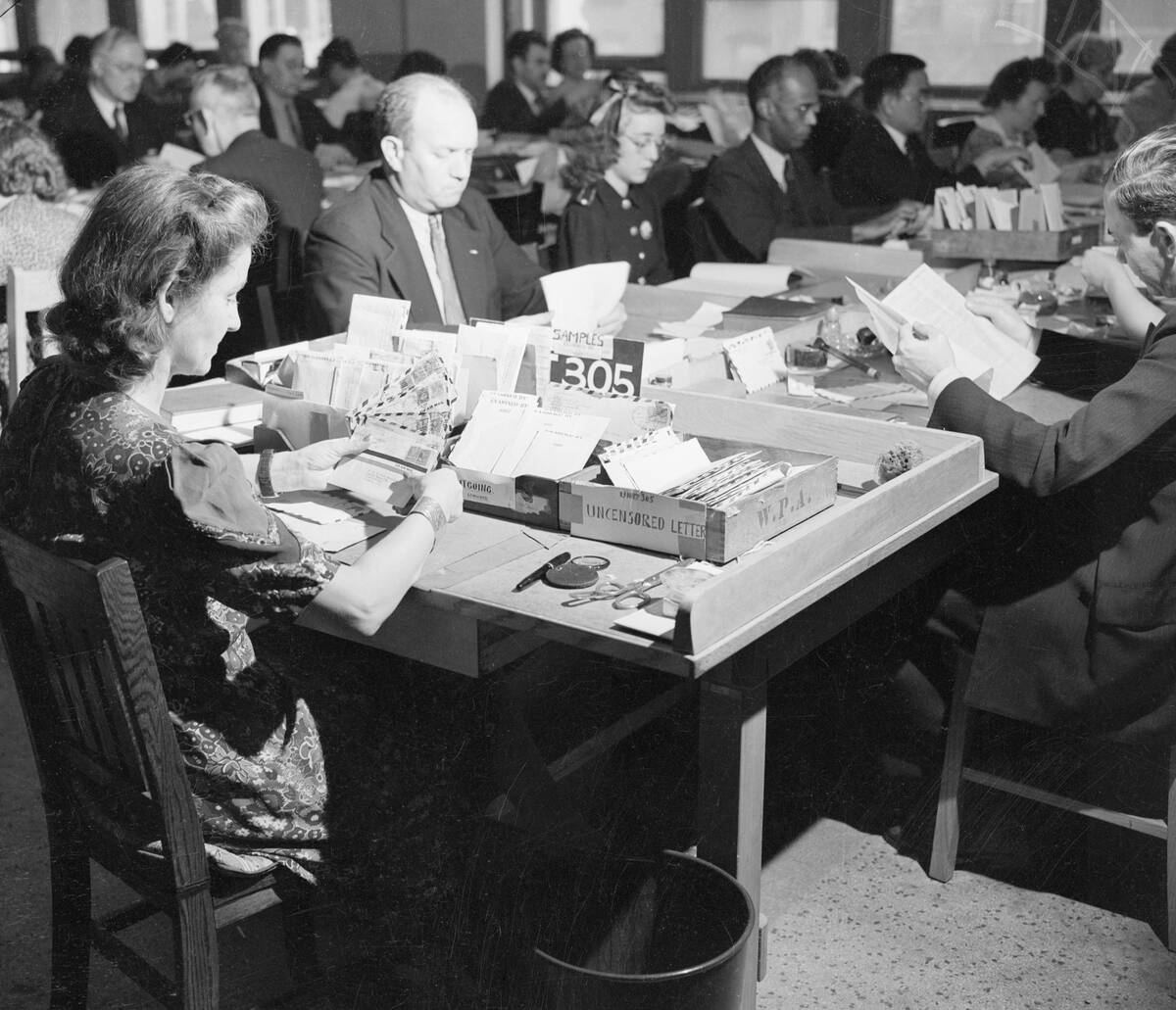
Envelopes were the original inbox, housing everything from confidential memos to personal letters. Mailed envelopes were commonly sealed with moistened adhesive and required postage, while internal office correspondence often used reusable interoffice envelopes without stamps.
The sight of a stack of envelopes on one’s desk was a common morning ritual, signaling the day’s tasks and correspondence. Managing these envelopes required skill, ensuring that no important message was overlooked.
The Trusty Desk Calendar
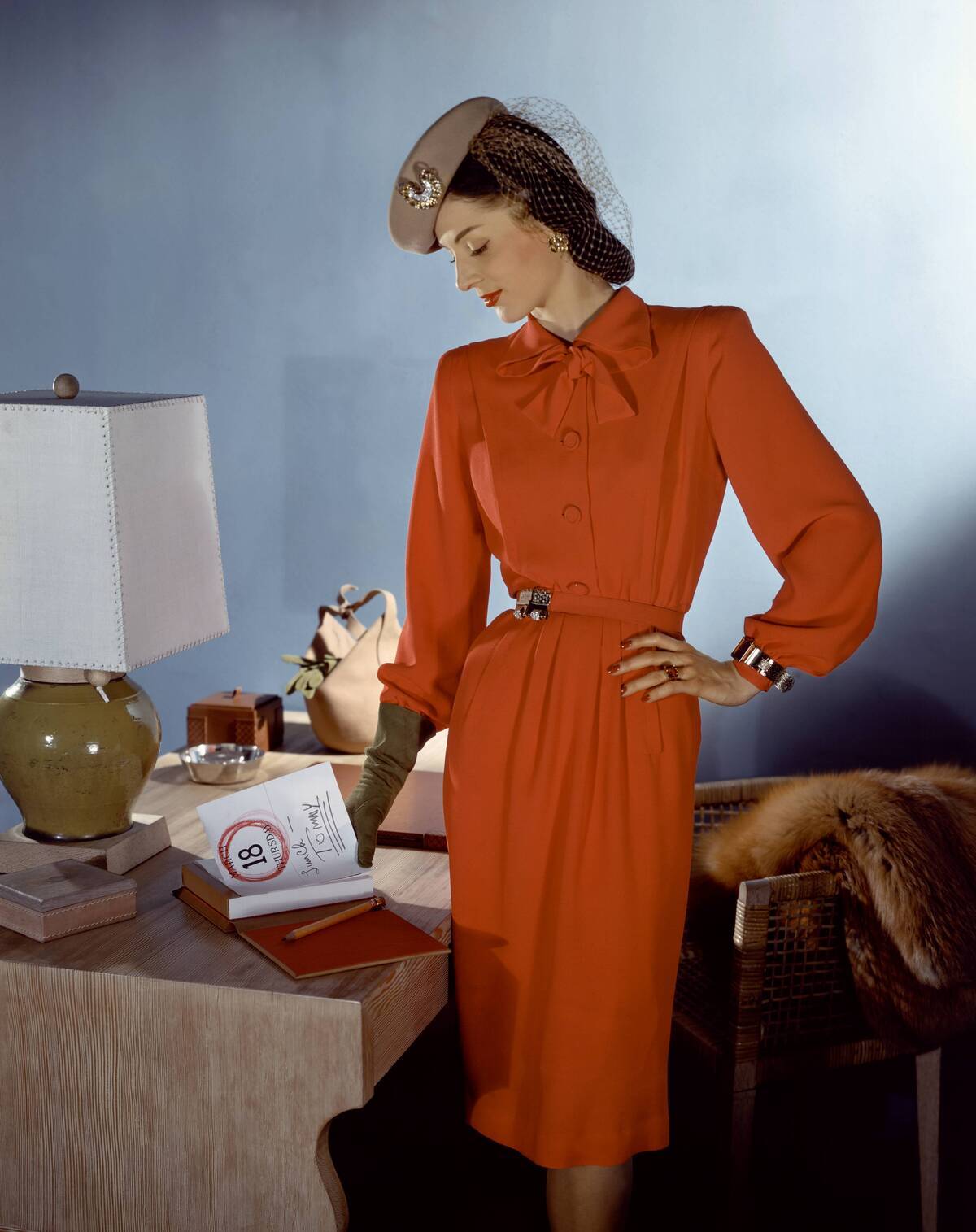
The desk calendar was the go-to tool for scheduling and planning. With its large, easy-to-read format, it provided a quick overview of appointments and deadlines. These calendars often featured beautiful imagery or motivational quotes, adding a personal touch to the workspace.
Flipping the page to a new month was a small but satisfying ritual, marking the passage of time in a busy office.
Notepads Galore
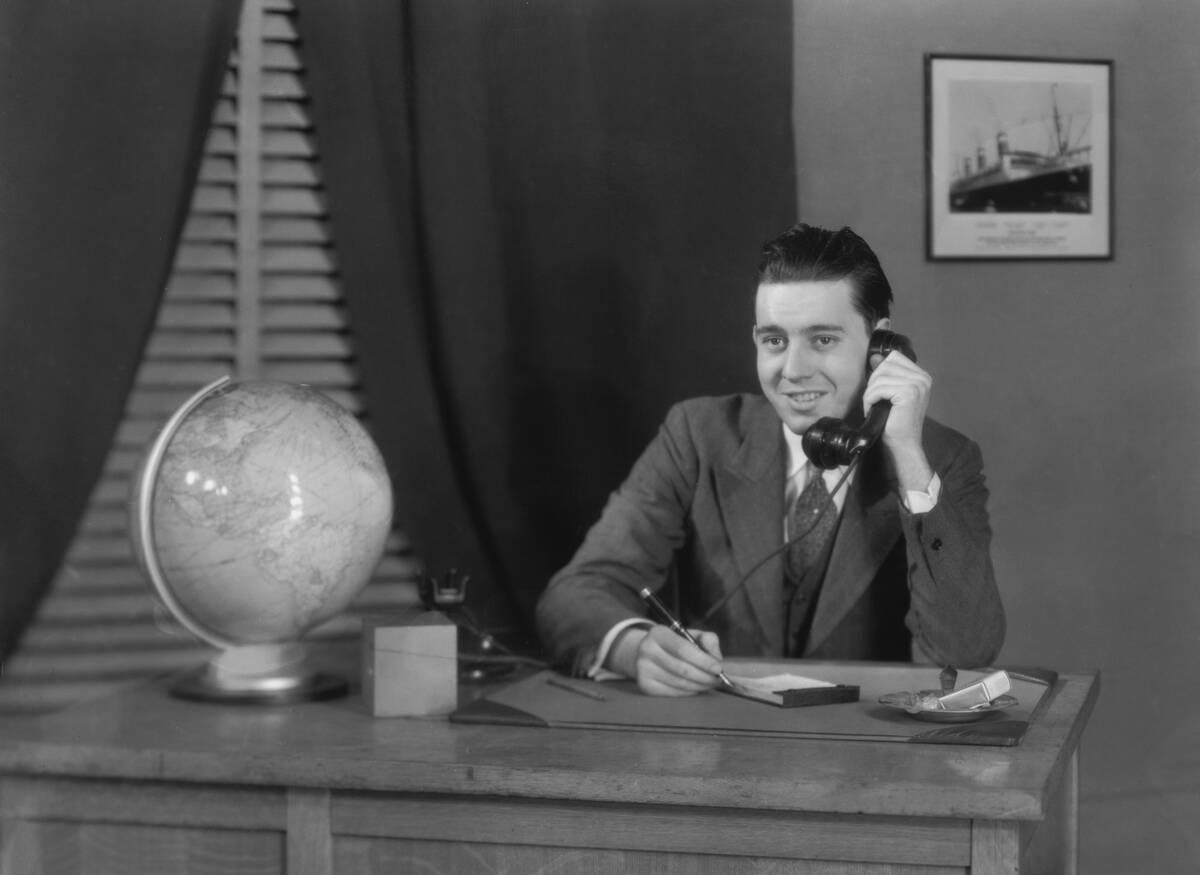
Notepads were ubiquitous in the pre-digital office, always within arm’s reach for jotting down thoughts, reminders, and ideas. They came in various sizes and styles, from simple lined paper to branded pads bearing the company logo.
The act of writing by hand was both personal and practical, allowing for quick note-taking during meetings or phone calls, ensuring that no detail was forgotten.
The Clunky Telephone
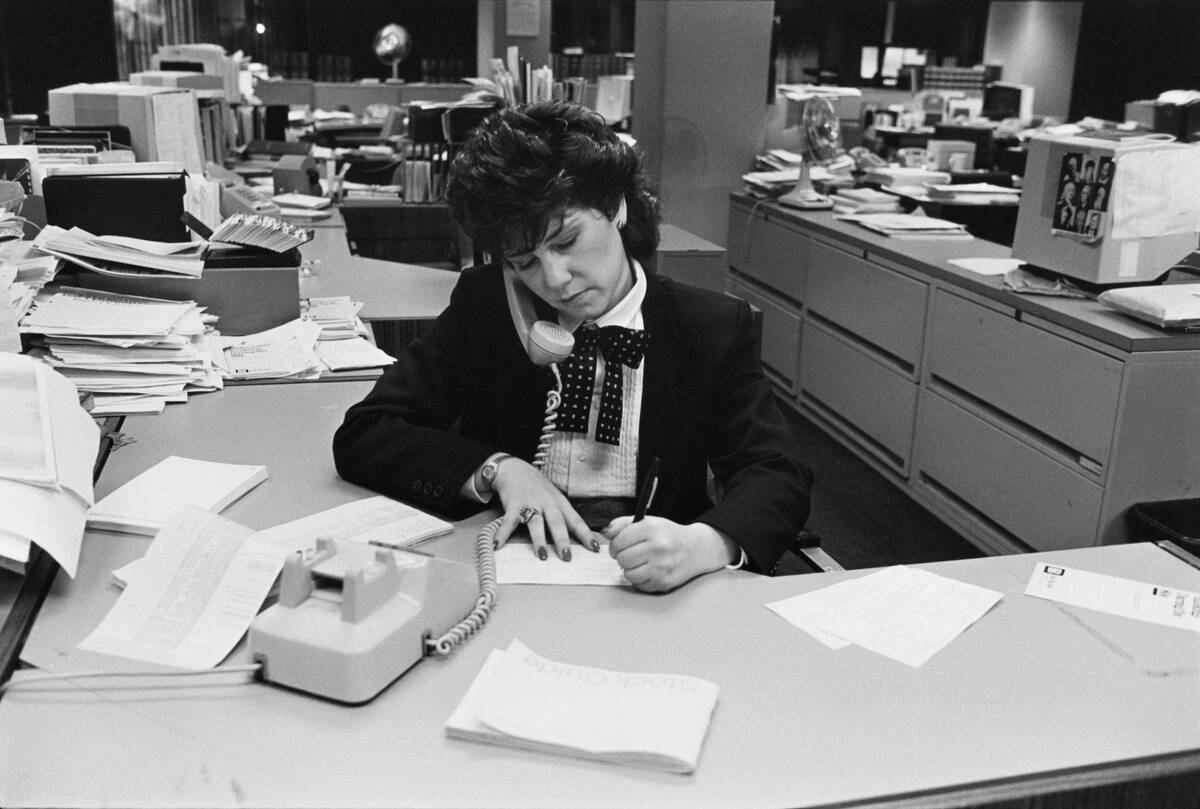
The telephone was the cornerstone of office communication, connecting colleagues and clients with a simple dial. These clunky devices, often rotary, required patience and precision.
Despite their bulk, they were essential for real-time conversations, making them a vital tool for business operations. The sound of a ringing phone was a constant backdrop, signaling new opportunities or urgent matters.
Paperclips and Staplers
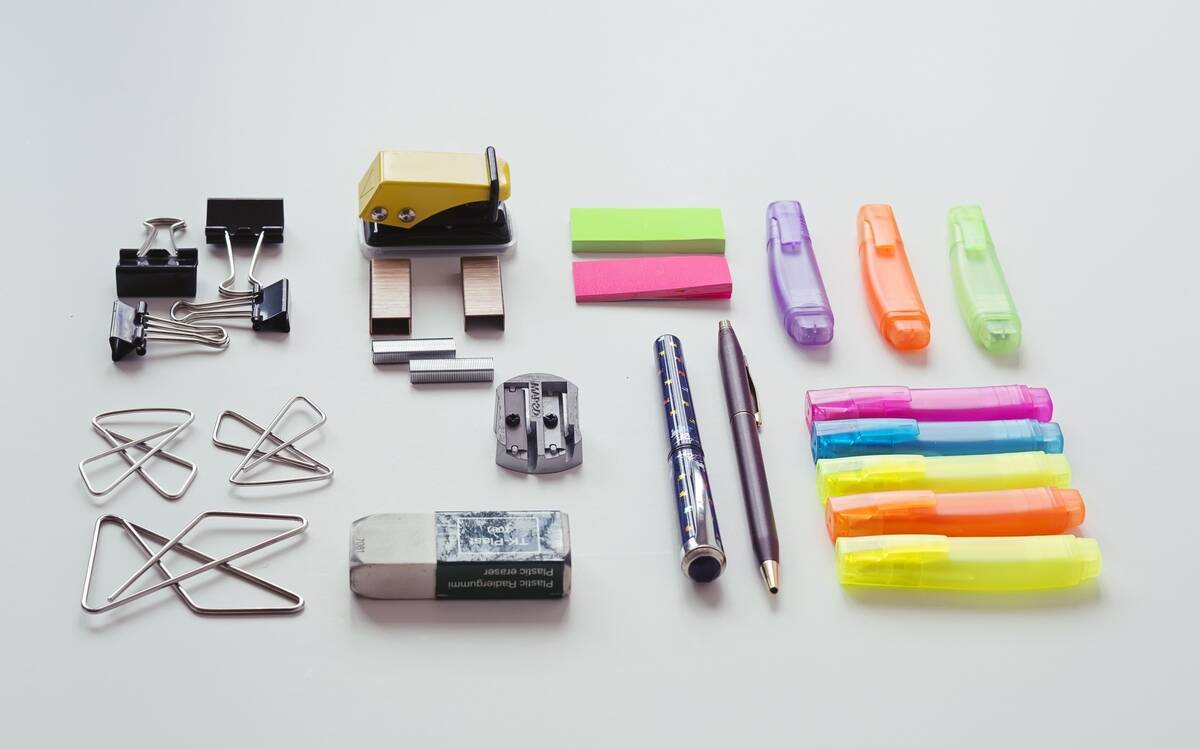
Paperclips and staplers were the unsung heroes of the office, keeping documents organized and secure. The paperclip, invented in the late 19th century, was a simple yet effective tool for holding papers together without causing damage.
Staplers, on the other hand, provided a more permanent solution, binding pages with a satisfying click. Together, they helped tame the chaos of paper that filled every desk.
The Ink Pen Collection

A collection of ink pens was more than just a writing tool; it was a status symbol. High-quality pens, often gifted or collected, were displayed proudly on desks. Brands like Montblanc and Parker were coveted for their craftsmanship and elegance.
These pens offered a smooth writing experience, turning the act of writing into a pleasurable ritual, and their presence signaled a touch of sophistication in the office.
Rubber Stamps
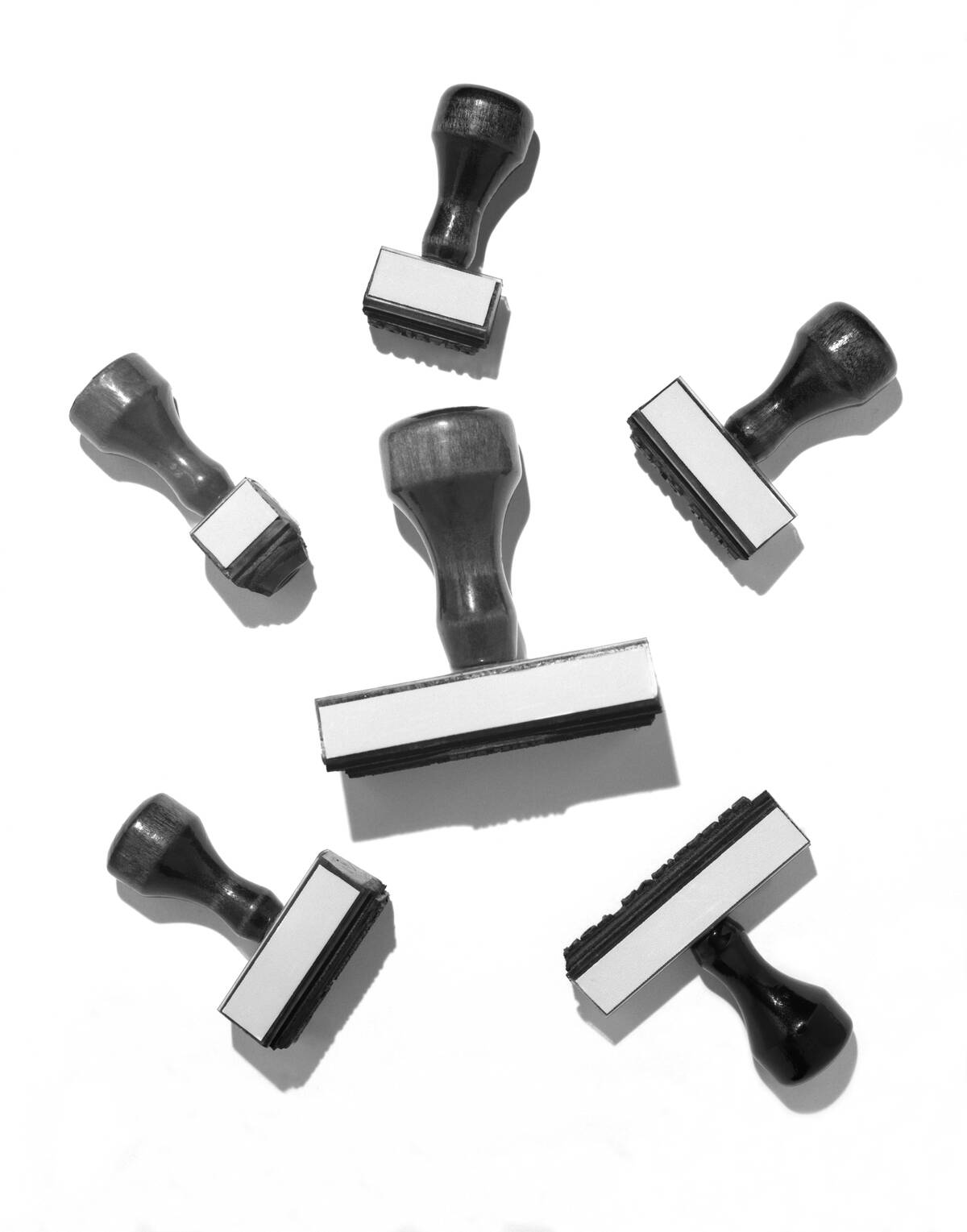
Rubber stamps were a staple of office life, used to mark documents with dates, approvals, or signatures. These stamps added an official touch to paperwork, ensuring that every document was properly processed.
The satisfying thud of a stamp hitting paper was a familiar sound, and the ink-stained fingers of office workers were a testament to their frequent use. They were both practical and a bit of fun, allowing for a personal touch on every page.
The In and Out Tray
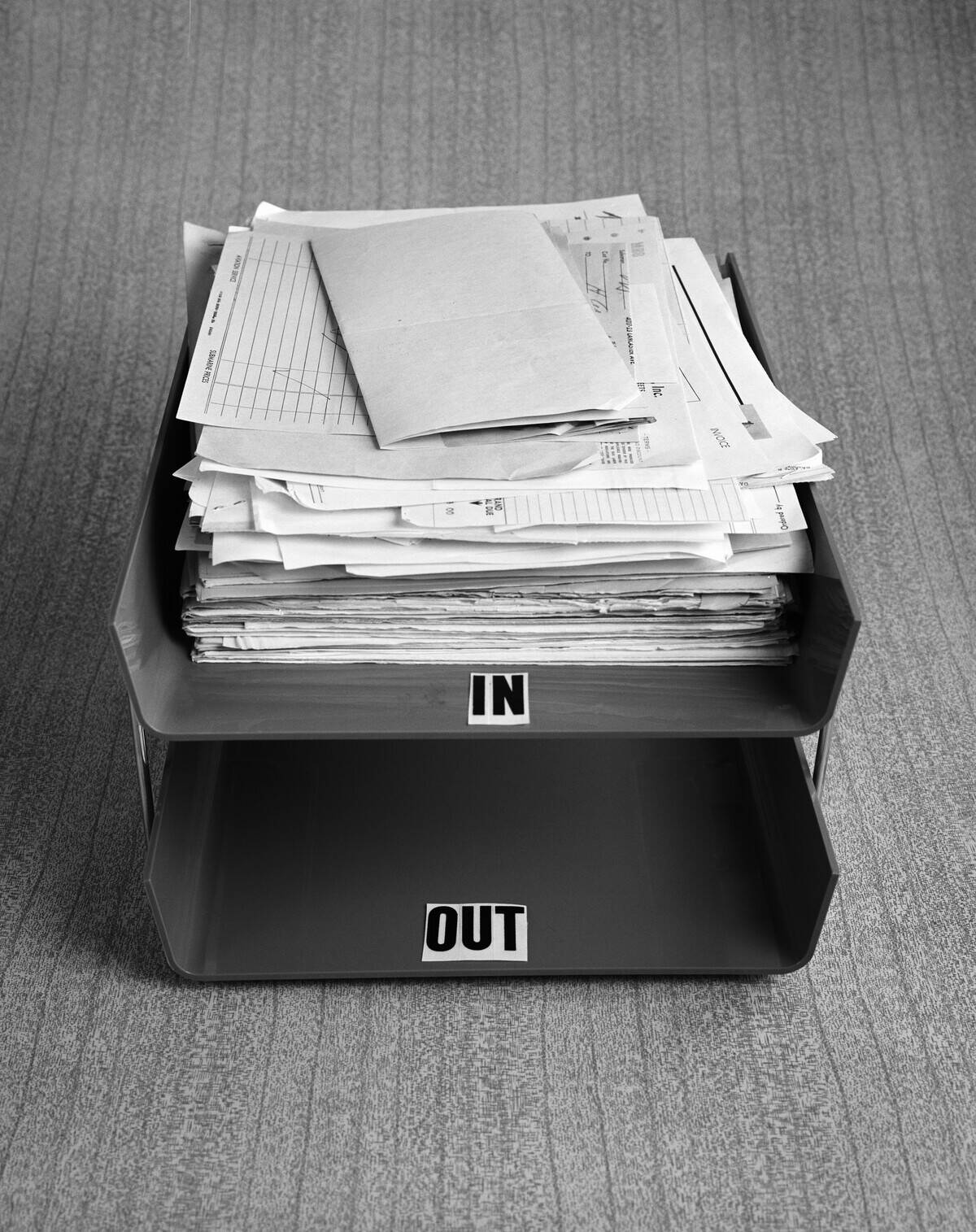
The in and out tray was a simple yet effective system for managing the flow of paperwork on a desk. Incoming documents were placed in the ‘in’ tray, awaiting attention, while completed tasks were moved to the ‘out’ tray.
This system helped prioritize work, ensuring that nothing was overlooked. It was a visual representation of one’s workload, providing a clear snapshot of what needed to be done and what had been accomplished.
The Bulletin Board

The bulletin board was the original social media wall, a place to pin important notices, memos, and even personal messages. It was a hub of information, keeping everyone in the loop about office happenings and upcoming events.
Employees would gather around the board to catch up on the latest news, making it a focal point of office life. Its tactile nature encouraged interaction, fostering a sense of community in the workplace.
Post-it Notes
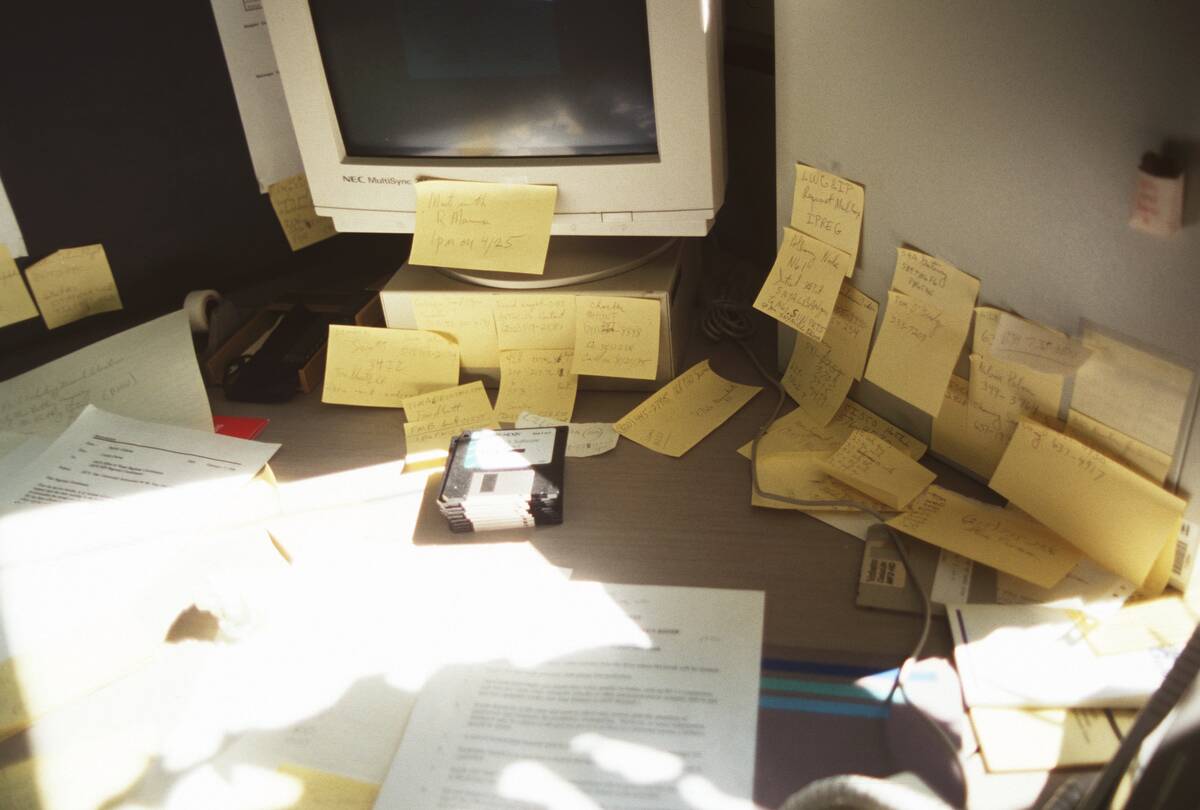
Post-it Notes revolutionized the way we remembered tasks, with their bright colors and adhesive backing making them hard to ignore. Invented in 1974, they quickly became an office staple, used for everything from reminders to brainstorming sessions.
Their versatility and ease of use made them indispensable, turning any surface into a canvas for ideas and ensuring that no task was forgotten.
The Desk Lamp
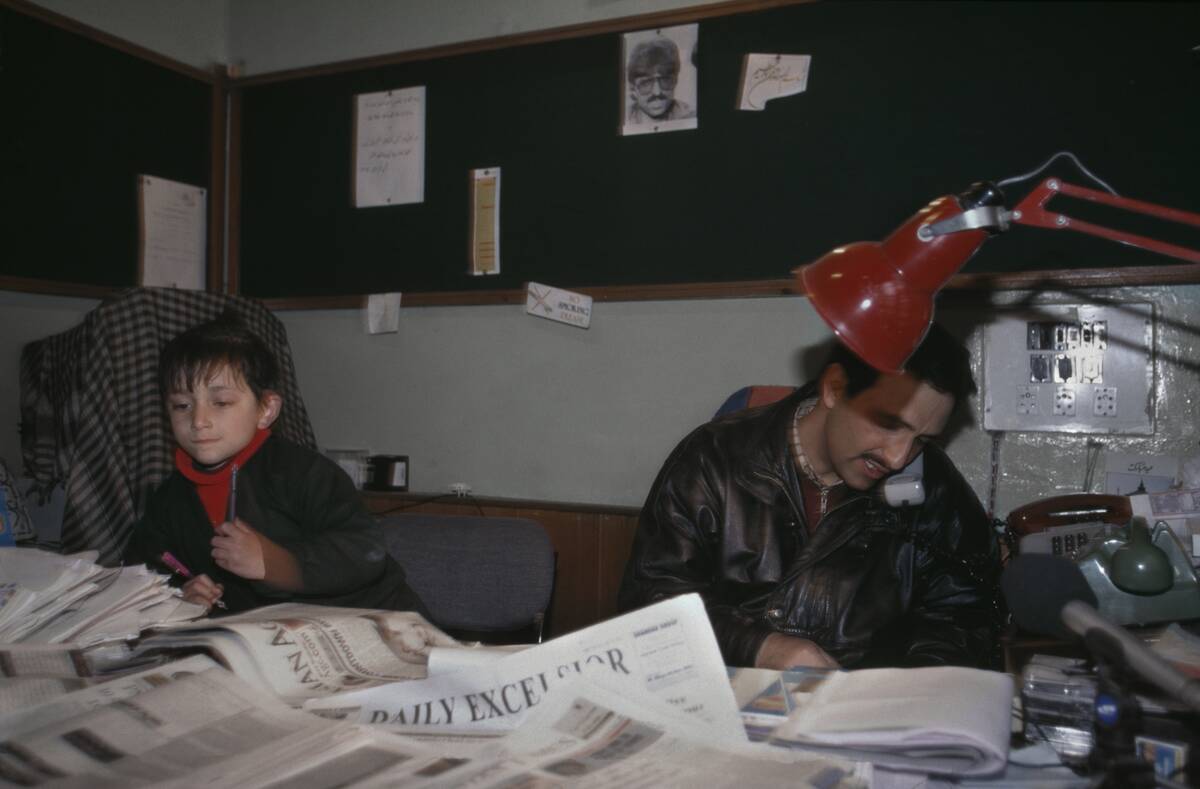
The desk lamp was more than just a source of light; it was a beacon of productivity. Positioned strategically to illuminate the workspace, it allowed for late-night work sessions and detailed tasks.
Adjustable and often stylish, desk lamps provided focused lighting, reducing eye strain and creating a comfortable environment for prolonged work. They were a symbol of dedication, casting a warm glow over the office desk.
File Folders and Cabinets
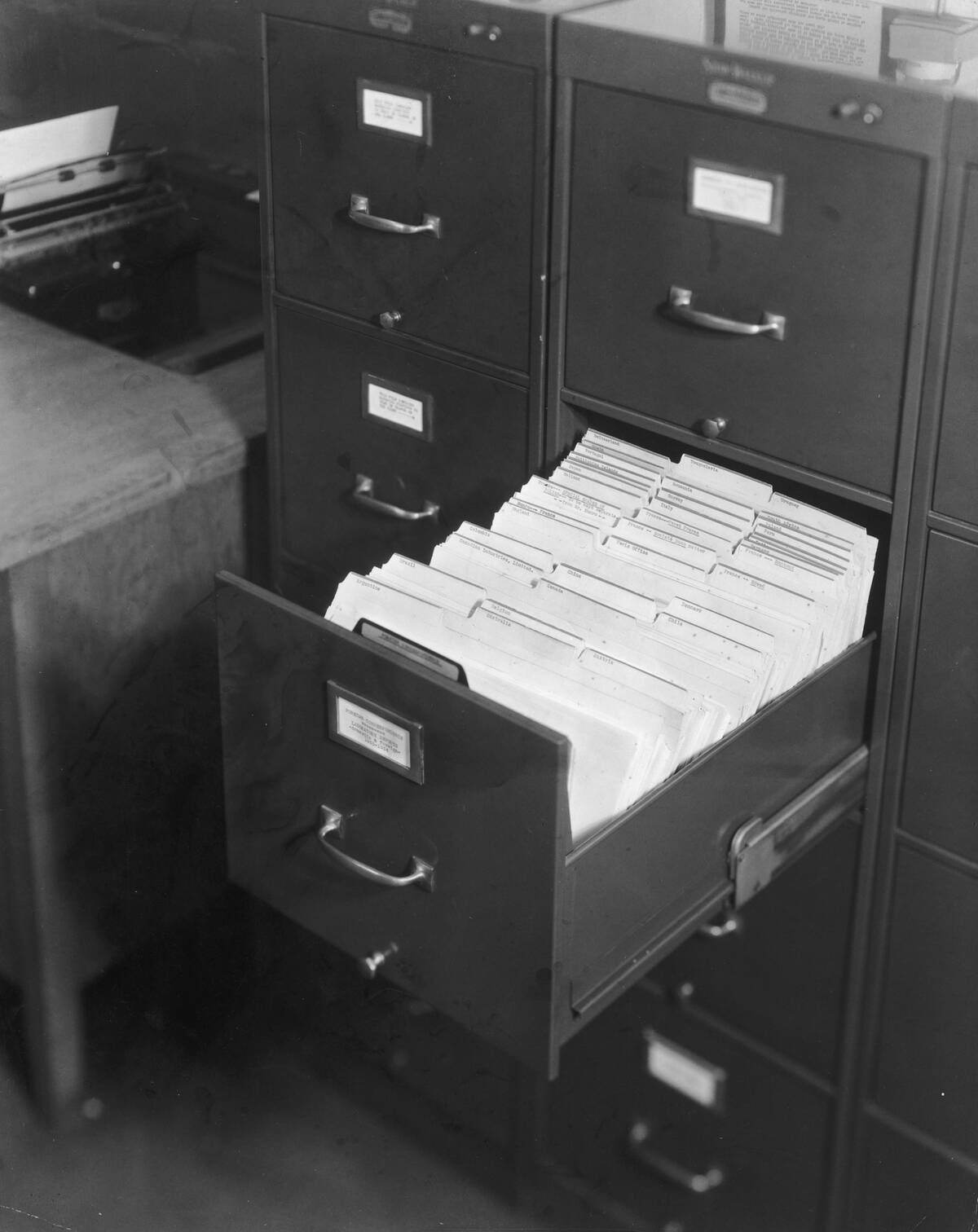
File folders and cabinets were the backbone of document storage, keeping important papers organized and accessible. Each folder was meticulously labeled, ensuring that documents could be retrieved quickly when needed.
Filing cabinets, often made of sturdy metal, were a common sight in offices, their drawers filled with the records of business operations. This system of organization was essential for maintaining order in a paper-heavy environment.
The Ashtray
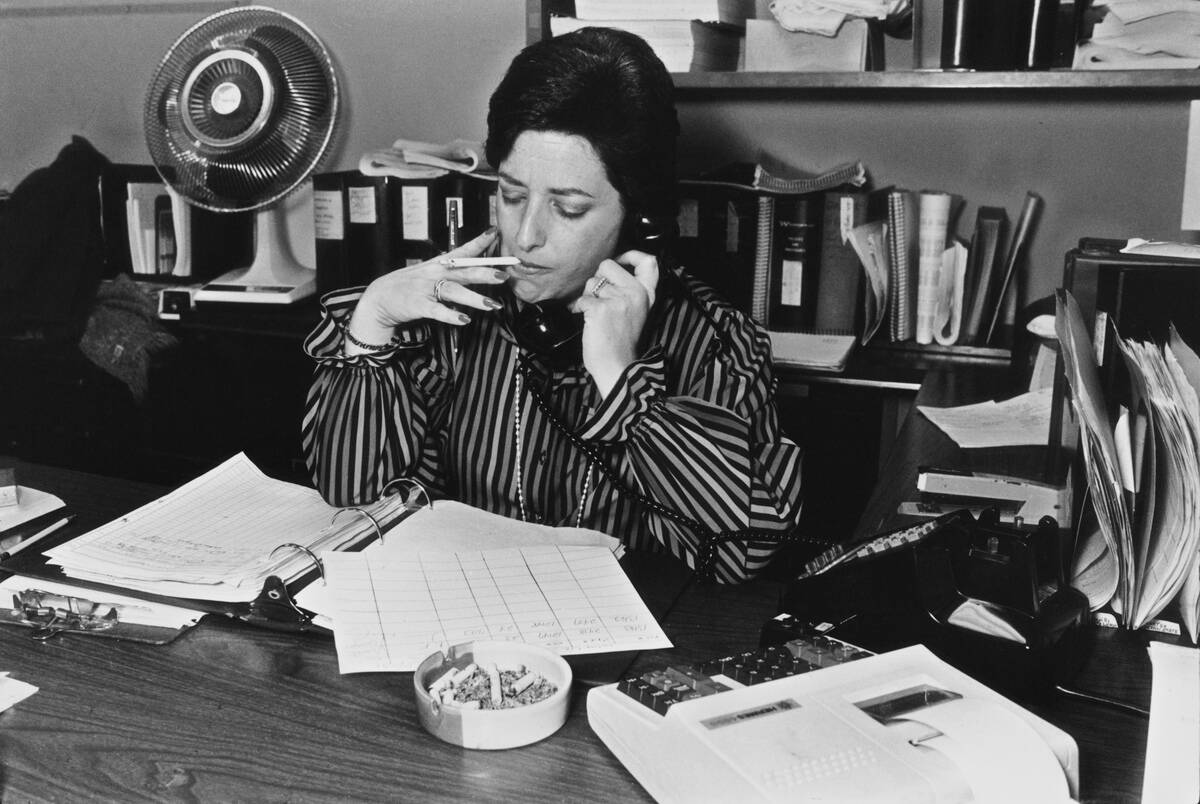
The ashtray was once a common fixture on office desks, a reminder of a time when smoking was an accepted part of workplace culture. Often made of glass or metal, they were used by employees who smoked at their desks, filling the air with a haze of tobacco smoke.
While now largely a relic of the past, ashtrays were a symbol of a bygone era, reflecting the changing attitudes towards smoking in the workplace.




