Car features that disappeared over time
Ah, the good old days of driving! When cars were more than just a mode of transportation—they were a statement. From the quirky to the iconic, each feature told a story.
Today, we take a leisurely drive down memory lane, revisiting the classic car features that once defined the automotive experience. Buckle up, because this trip is sure to stir up some nostalgia and maybe even a few laughs along the way.
Crank Windows: A Workout for Your Arms

Remember when rolling down the window meant turning a handle instead of pressing a button? Crank windows were a common feature in cars before power windows became widespread.
With a simple hand-operated mechanism, drivers and passengers could control airflow, though it required a little more effort than today’s electric systems. This manual feature reflected the straightforward design of older vehicles and remains a nostalgic reminder of earlier driving experiences.
Bench Seats: Cozy Up in the Front Row
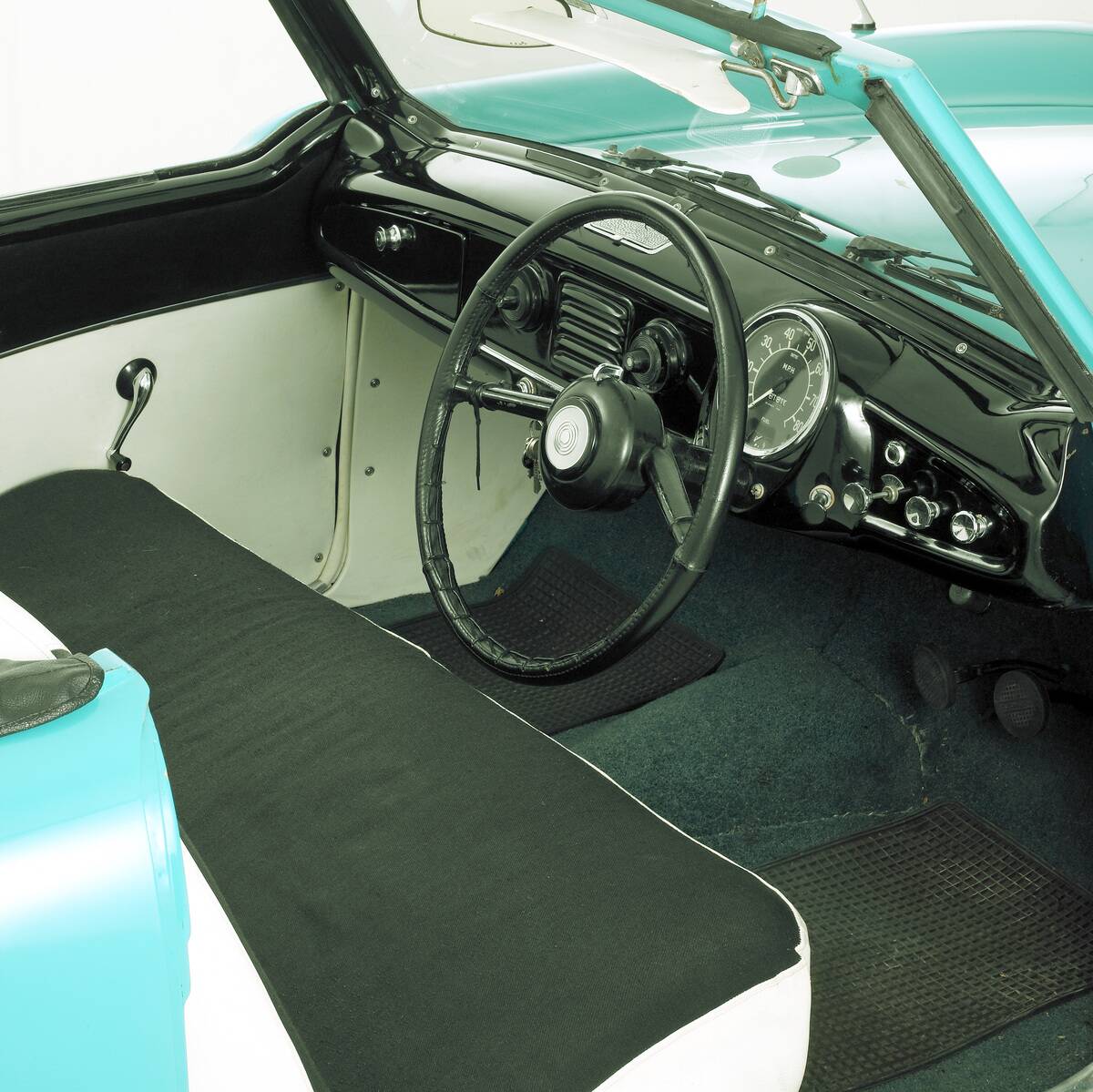
Bench seats were a defining feature of many classic cars, allowing up to three people to sit side by side in the front row. This design provided extra seating space and a more open cabin layout, making it popular for family vehicles and large sedans.
It also allowed passengers to move more easily across the front of the vehicle. While modern cars have largely shifted toward bucket seats for improved support and driver-focused design, bench seats remain a nostalgic symbol of earlier driving experiences.
Manual Chokes: The Art of Starting Your Engine
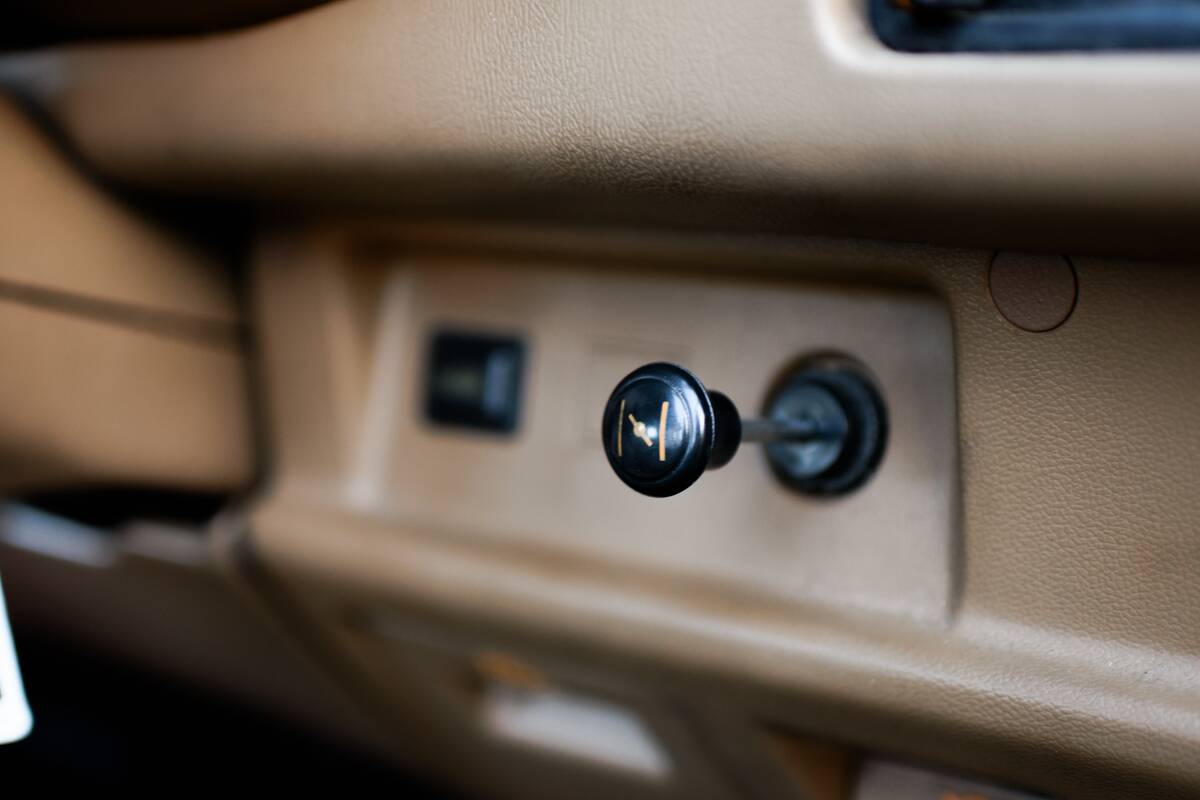
Starting a car with a manual choke was a skill that many drivers had to learn. Found on older carbureted vehicles, the choke allowed drivers to adjust airflow and create the richer fuel mixture needed for cold starts.
While it required practice and attention, it gave drivers a more hands-on connection with their vehicle. Today, electronic fuel injection has replaced manual chokes in modern cars, leaving them as a nostalgic reminder of an earlier era of driving.
Ashtrays and Lighters: Smoking on the Go
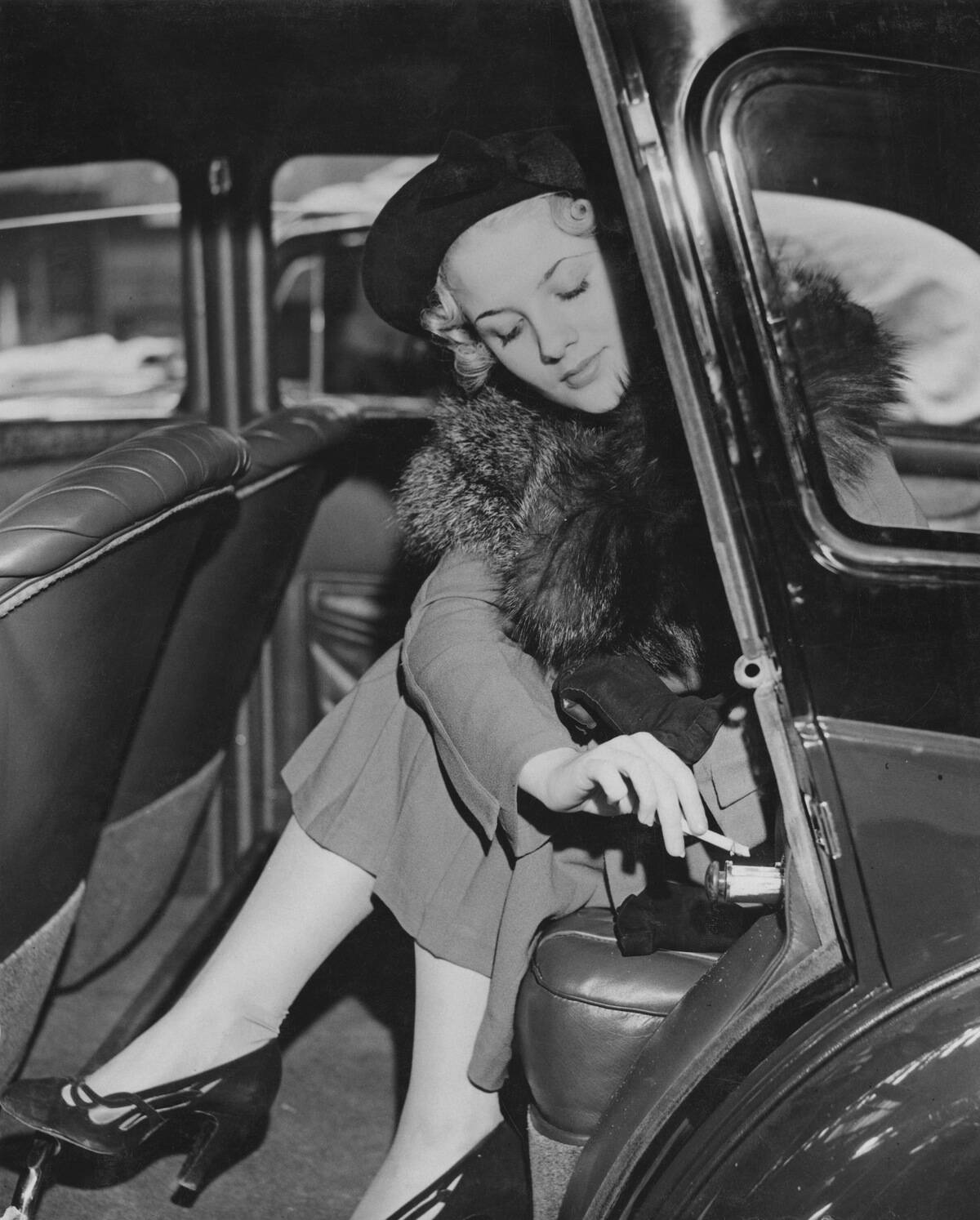
Back in the day, smoking was a common habit, and many cars were equipped with ashtrays and cigarette lighters for convenience. These features were widely available in vehicles throughout much of the 20th century, reflecting a time when smoking in cars was more socially accepted.
As health awareness and attitudes toward smoking changed, these features gradually disappeared from modern vehicles. Today, ashtrays and lighters in classic cars serve as reminders of a different era in automotive history.
Vent Windows: Nature’s Air Conditioning
Before air conditioning became a common feature, vent windows were a popular solution for improving airflow in cars. These small, triangular windows could be angled to direct fresh air into the cabin, providing ventilation on warm days.
They were also useful for helping defog windows and allowing airflow without the extra noise created by fully open windows. Vent windows remain a memorable feature of classic automobiles and are appreciated by many enthusiasts today.
Cassette Players: Mixtapes and Road Trips

The soundtrack of many road trips was often provided by a trusty cassette player. Whether it was a carefully curated mixtape or the latest album, cassette players became a defining part of in-car entertainment from the 1970s through the 1990s.
They offered drivers a personal way to enjoy music on the road before CDs and digital formats became dominant. Although cassette players have largely been replaced by newer technology, their role in shaping the driving experience of the past remains a memorable part of automotive history.
Hood Ornaments: The Car’s Crown Jewel
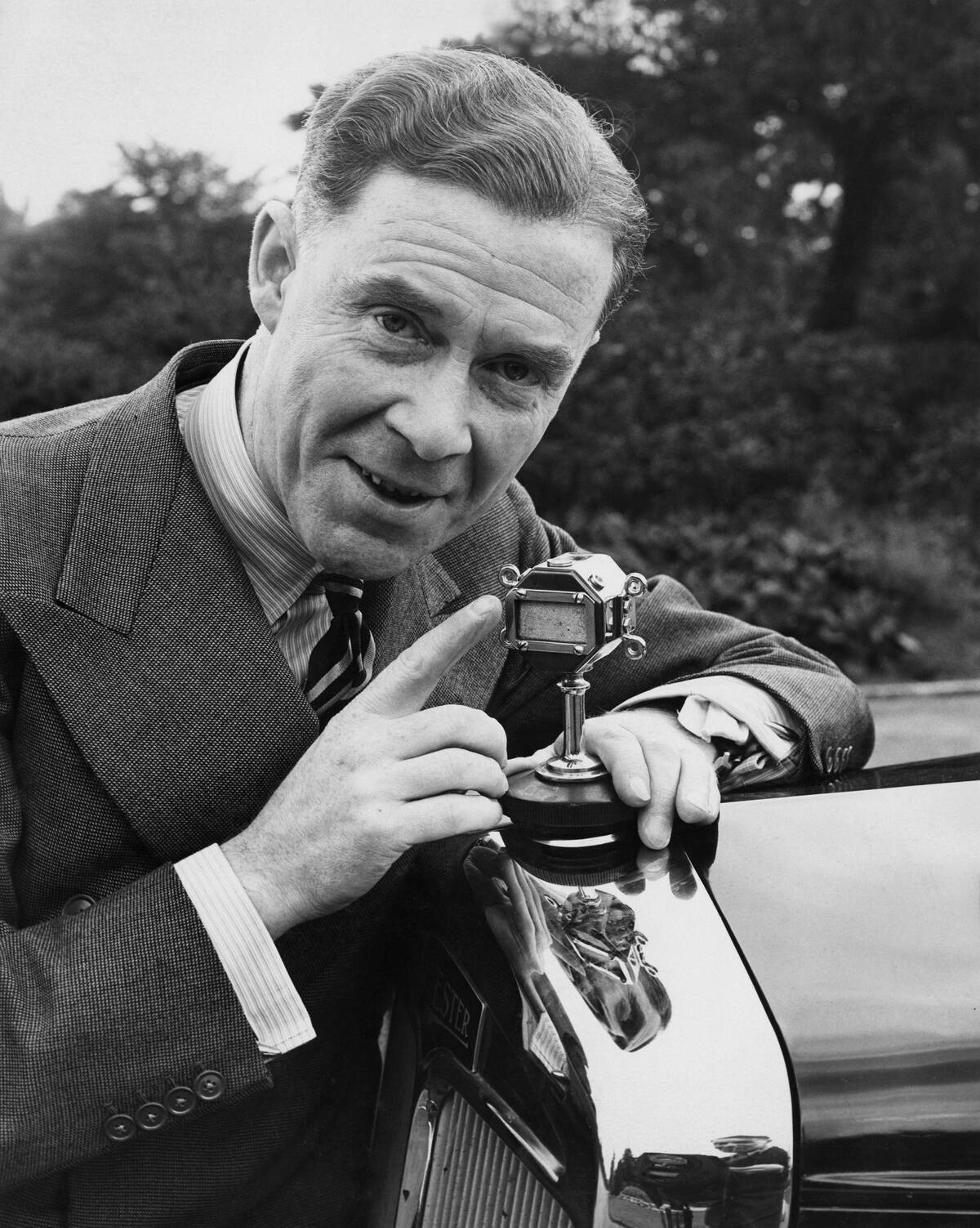
Hood ornaments were more than just decorative—they often served as symbols of prestige and automotive identity. From the iconic Spirit of Ecstasy on Rolls-Royce models to the leaping Jaguar mascot, these ornaments added a distinctive touch to many luxury vehicles.
As safety regulations and modern design trends changed, hood ornaments became less common, but they remain a beloved feature of classic car design and are still valued by collectors and enthusiasts.
Analog Dials: The Charm of Simplicity
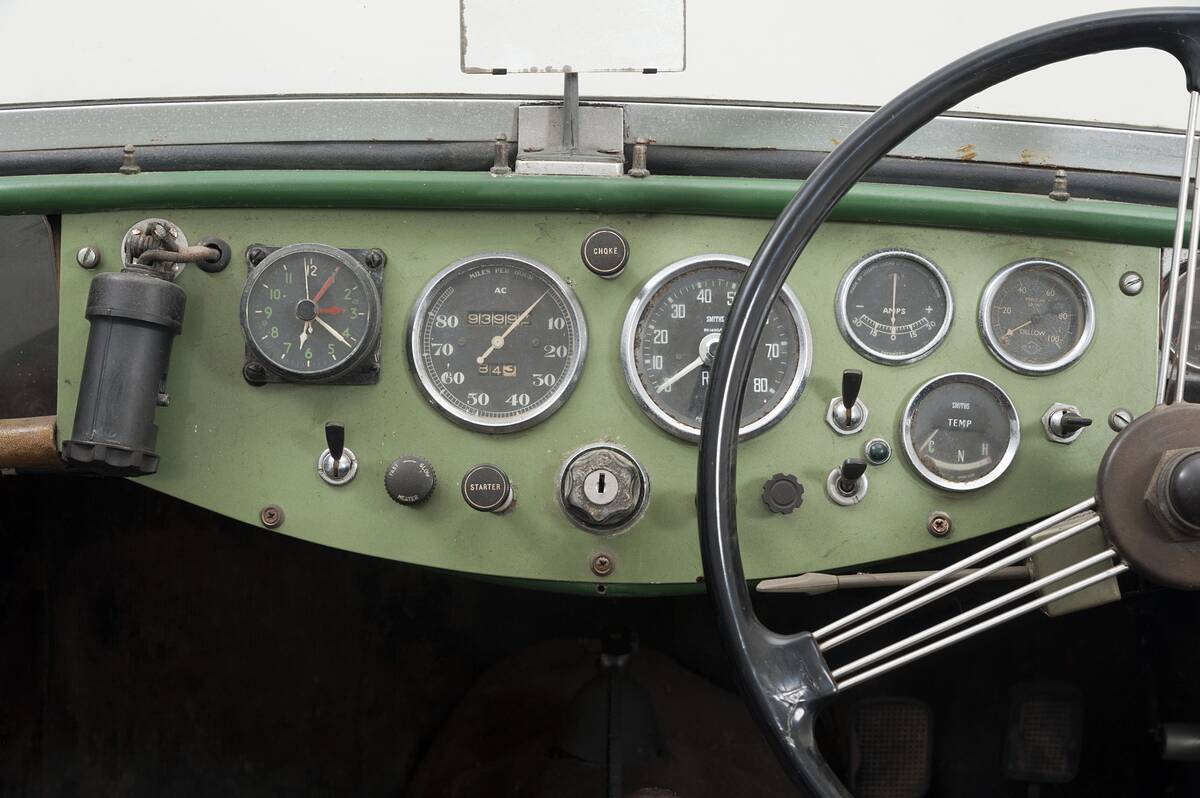
Analog dials were a hallmark of classic car dashboards, providing drivers with a simple way to monitor speed, fuel levels, engine temperature, and other important information. Their straightforward design and ease of use made them a defining feature of vehicles throughout much of the 20th century.
While many modern cars now feature digital displays and electronic instrument clusters, analog gauges remain a nostalgic symbol of classic automotive design.
Pop-Up Headlights: A Peek-a-Boo Feature
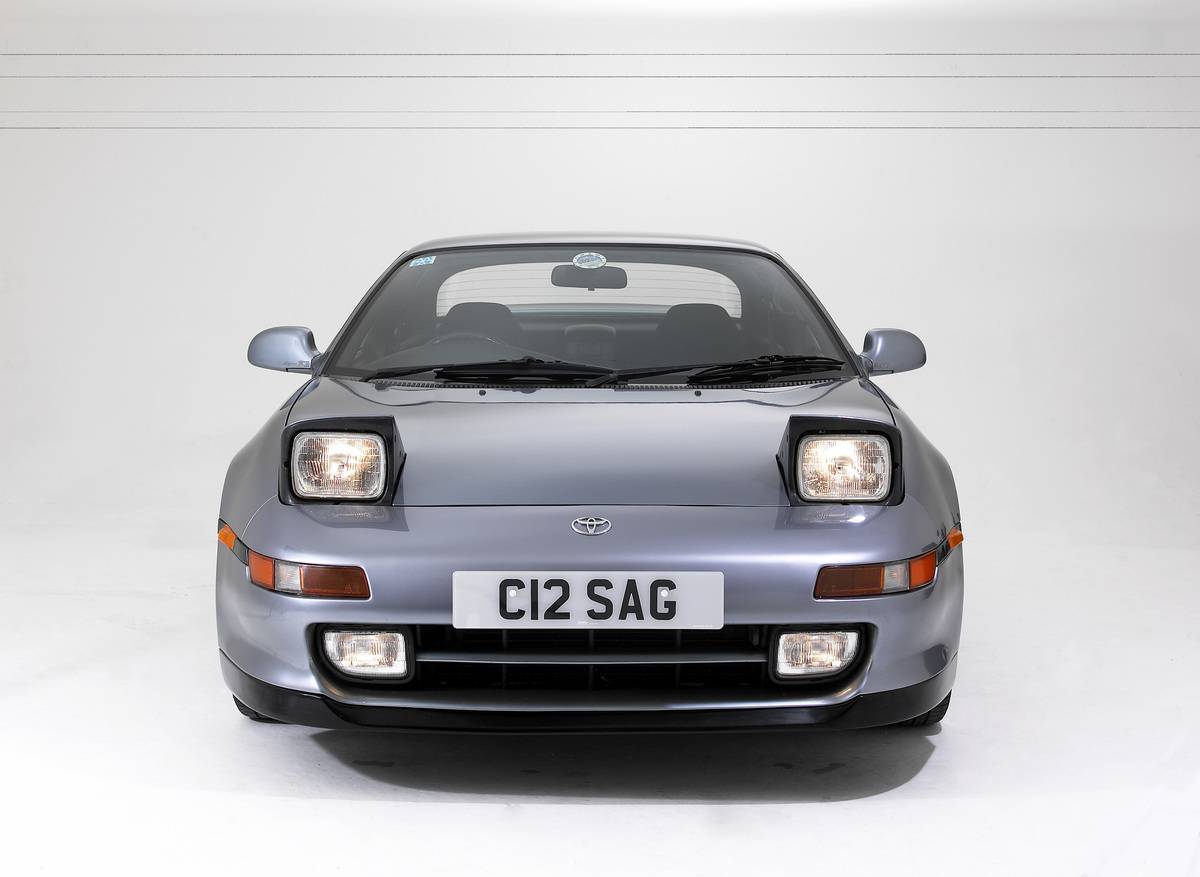
Pop-up headlights were a distinctive feature that added character to many sports cars. With the flick of a switch, these headlights would rise from the hood, creating a unique appearance while allowing for smoother front-end designs when retracted.
Popular from the 1970s through the 1990s, they became an iconic part of automotive styling. Although modern safety standards and design trends have largely phased them out, pop-up headlights remain a beloved quirk of automotive history.
Full-Size Spare Tires: Ready for Any Flat
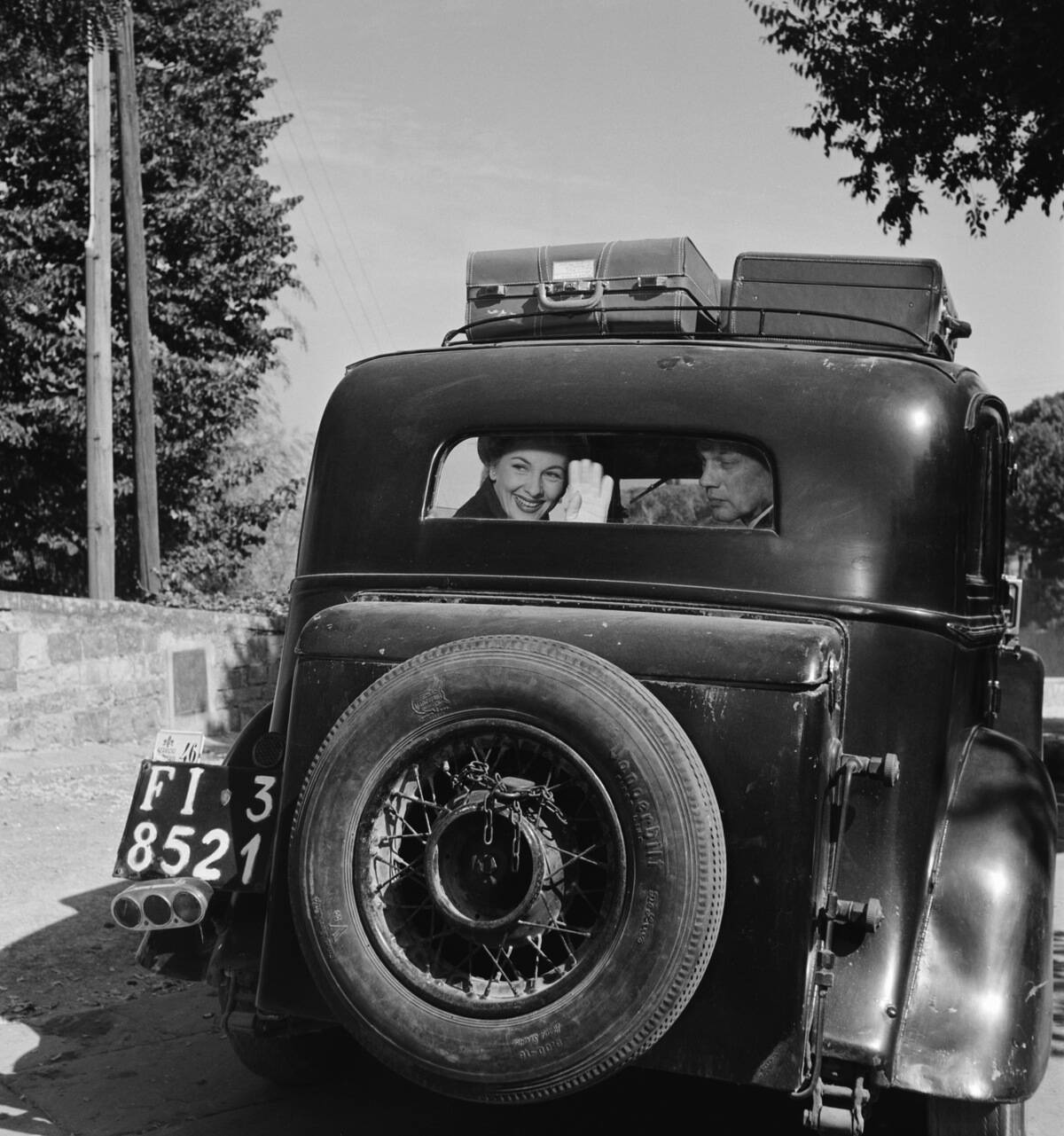
Having a full-size spare tire in the trunk was once a common feature in many vehicles, providing drivers with added confidence on the road. Unlike today’s compact spare tires found in many cars, a full-size spare matched the vehicle’s regular tires and allowed drivers to continue their journey without major limitations.
It was especially useful for long road trips and travel in remote areas. Although full-size spares required more trunk space, they remain a nostalgic reminder of the practical features found in older automobiles.
Carburetors: The Heart of the Engine
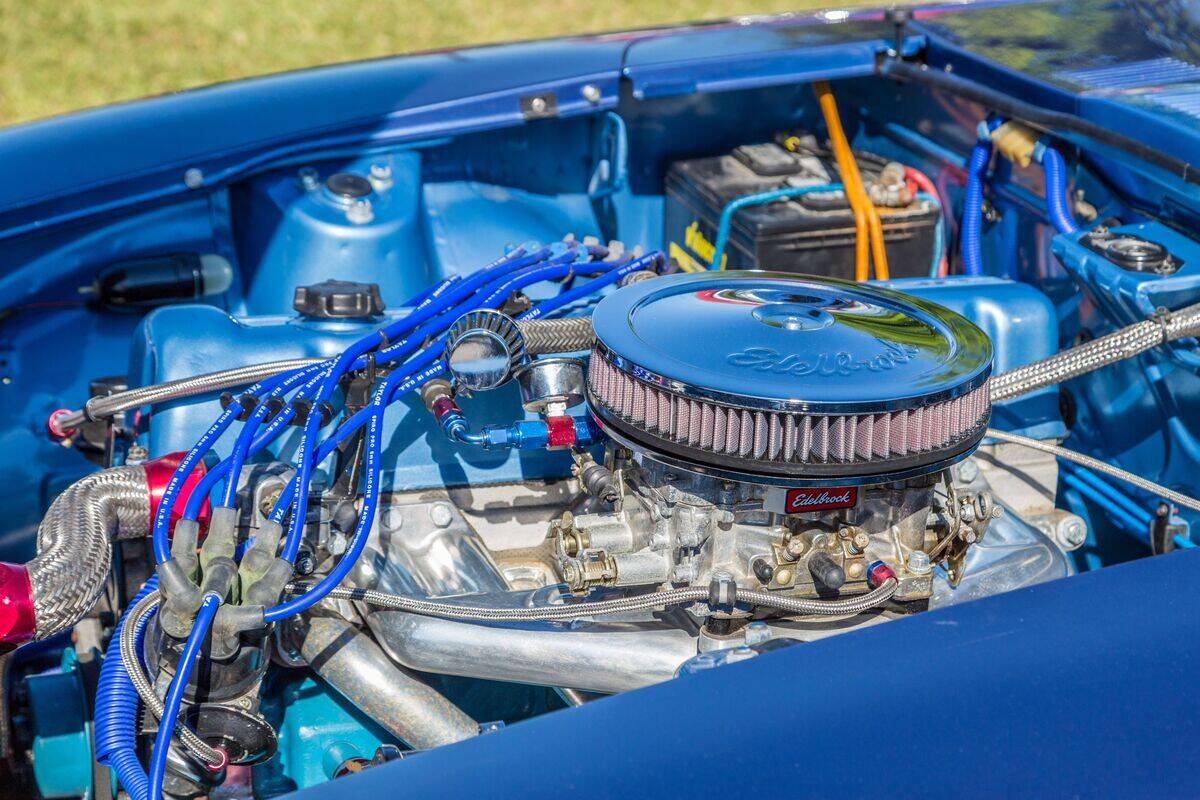
Carburetors were once a key part of gasoline engines, mixing air and fuel to create the combustion needed for power. They required regular tuning and maintenance, but their mechanical design allowed drivers and enthusiasts to have a more direct role in engine adjustments.
As fuel injection systems became more advanced, carburetors largely disappeared from modern passenger vehicles. However, they remain valued by many classic car enthusiasts who appreciate their mechanical design and the craftsmanship involved in maintaining them.
Four-Wheel Drum Brakes: Stopping with Style
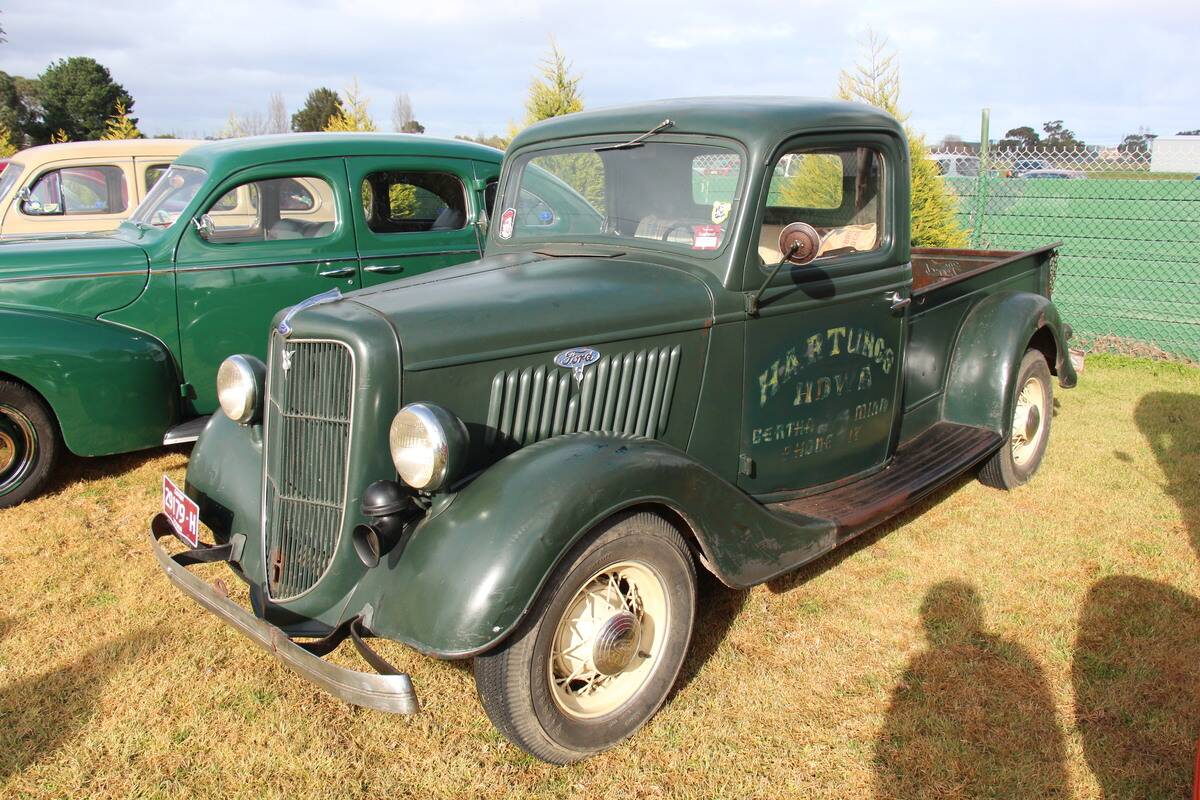
Before disc brakes became widespread, four-wheel drum brakes were a common braking system in automobiles. They provided effective stopping power for everyday driving but required regular maintenance and could experience brake fade during heavy use due to heat buildup.
Despite these limitations, drum brakes played an important role in automotive history and the evolution of vehicle safety technology. For many classic car enthusiasts, they remain a reminder of an earlier era of driving.
Tailfins: When Cars Took Flight
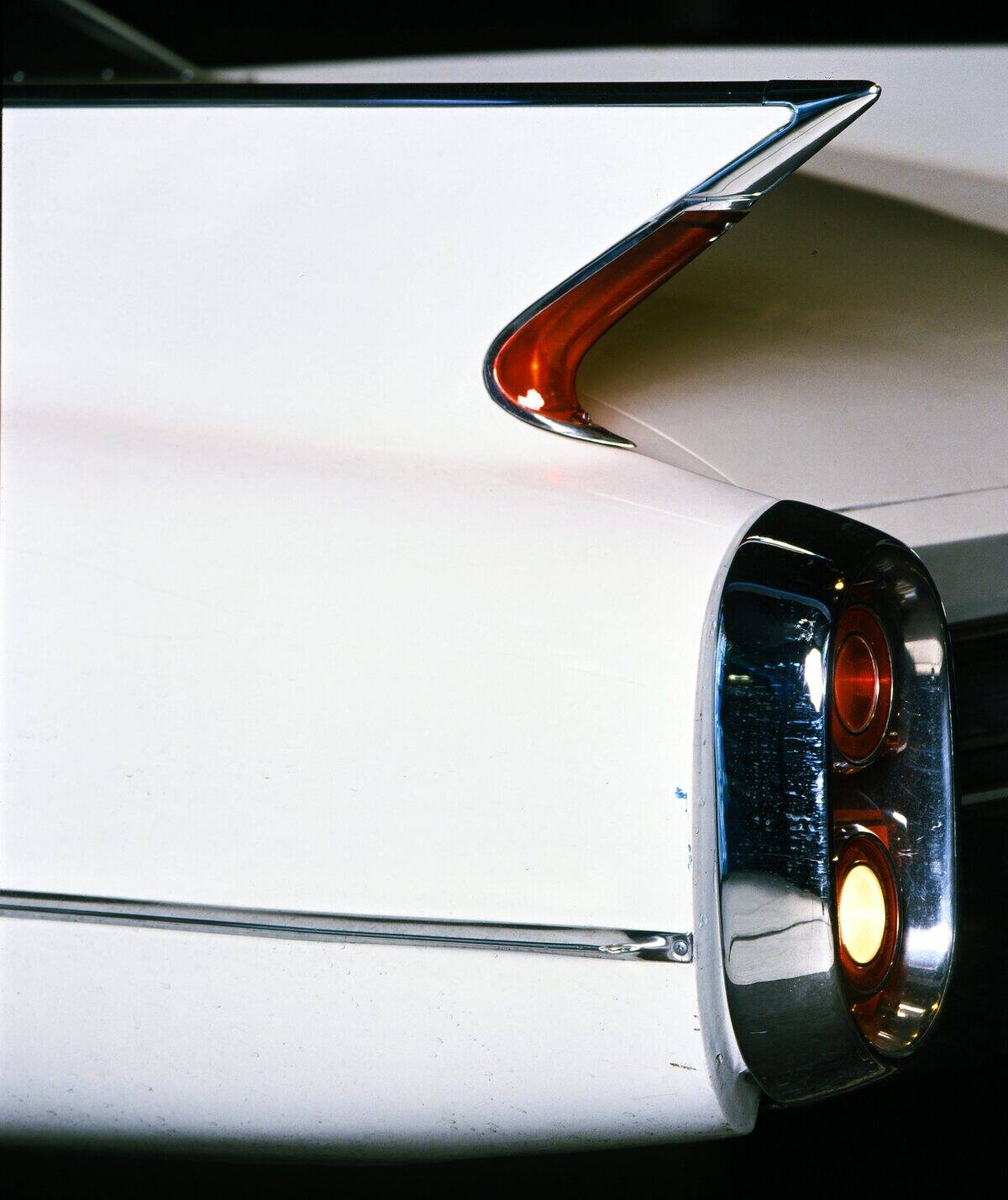
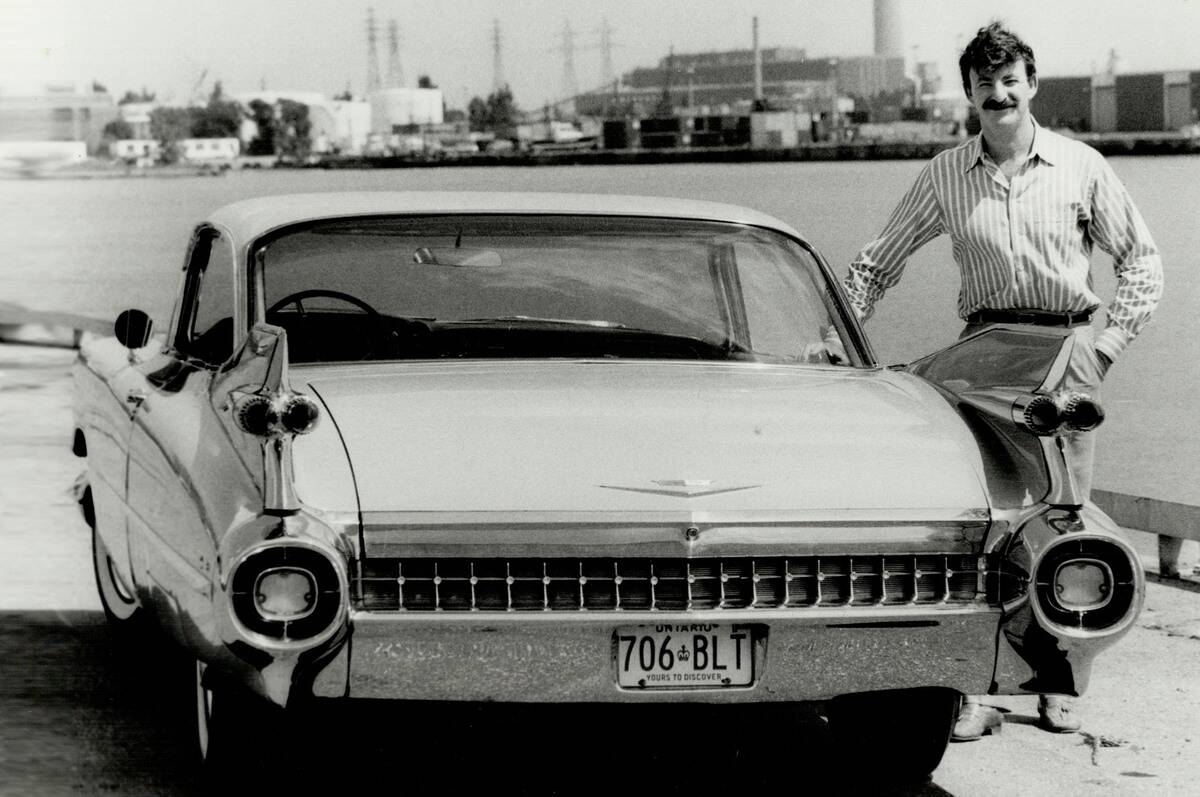
Tailfins were a defining feature of many cars in the 1950s and early 1960s, inspired by the growing fascination with aviation and the Space Age. These dramatic designs gave vehicles a futuristic appearance and reflected the optimism and technological ambitions of the era, though they were primarily a styling choice rather than a major aerodynamic feature.
While tailfins have largely disappeared from modern cars, their legacy continues through classic car shows and collections around the world.
Wire Spoke Wheels: A Touch of Elegance
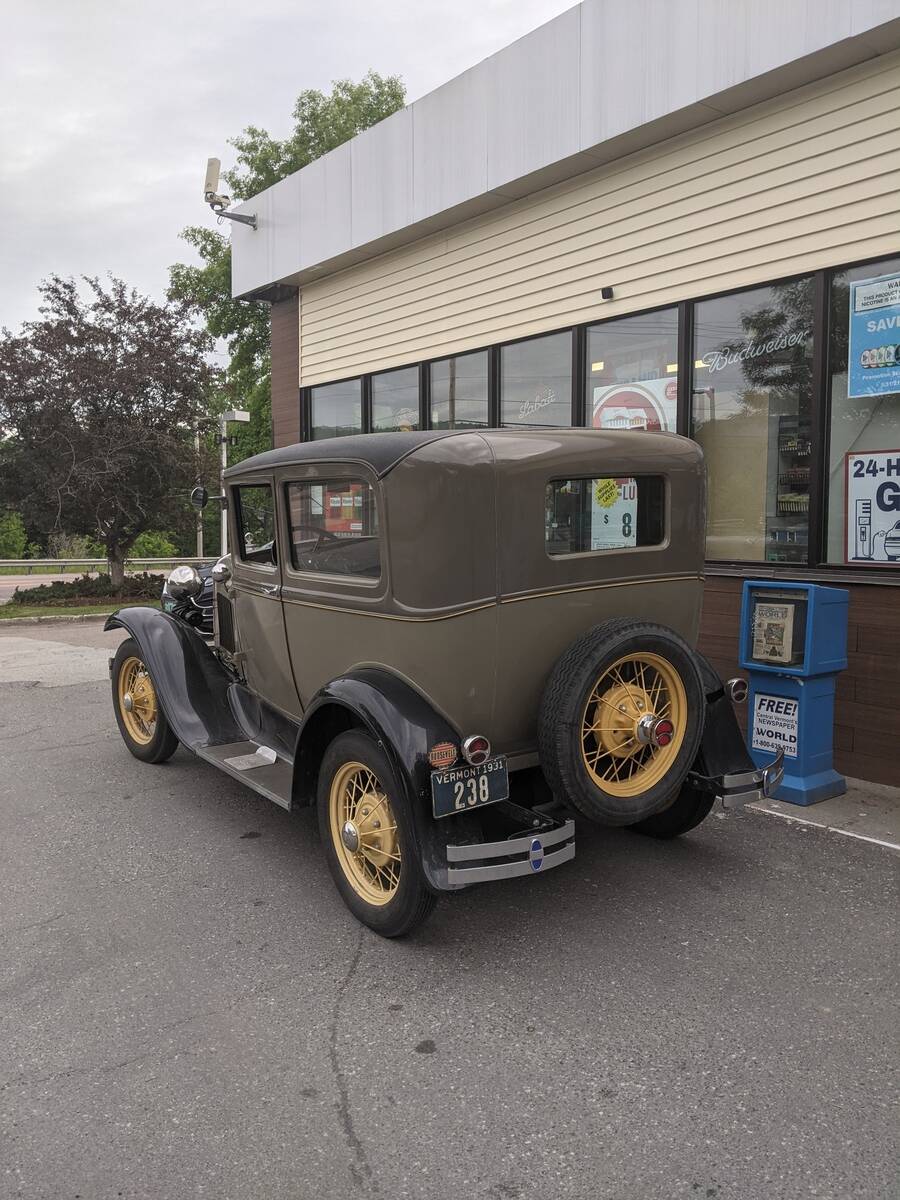
Wire spoke wheels were closely associated with elegance and style, often appearing on luxury vehicles and classic sports cars. Their intricate construction required careful craftsmanship and maintenance, while their distinctive appearance added a sophisticated touch to many automobiles.
Although they generally required more upkeep than modern alloy wheels, their classic design continues to attract collectors and enthusiasts who appreciate their timeless appeal.
Column Shifters: A Different Kind of Gear Change
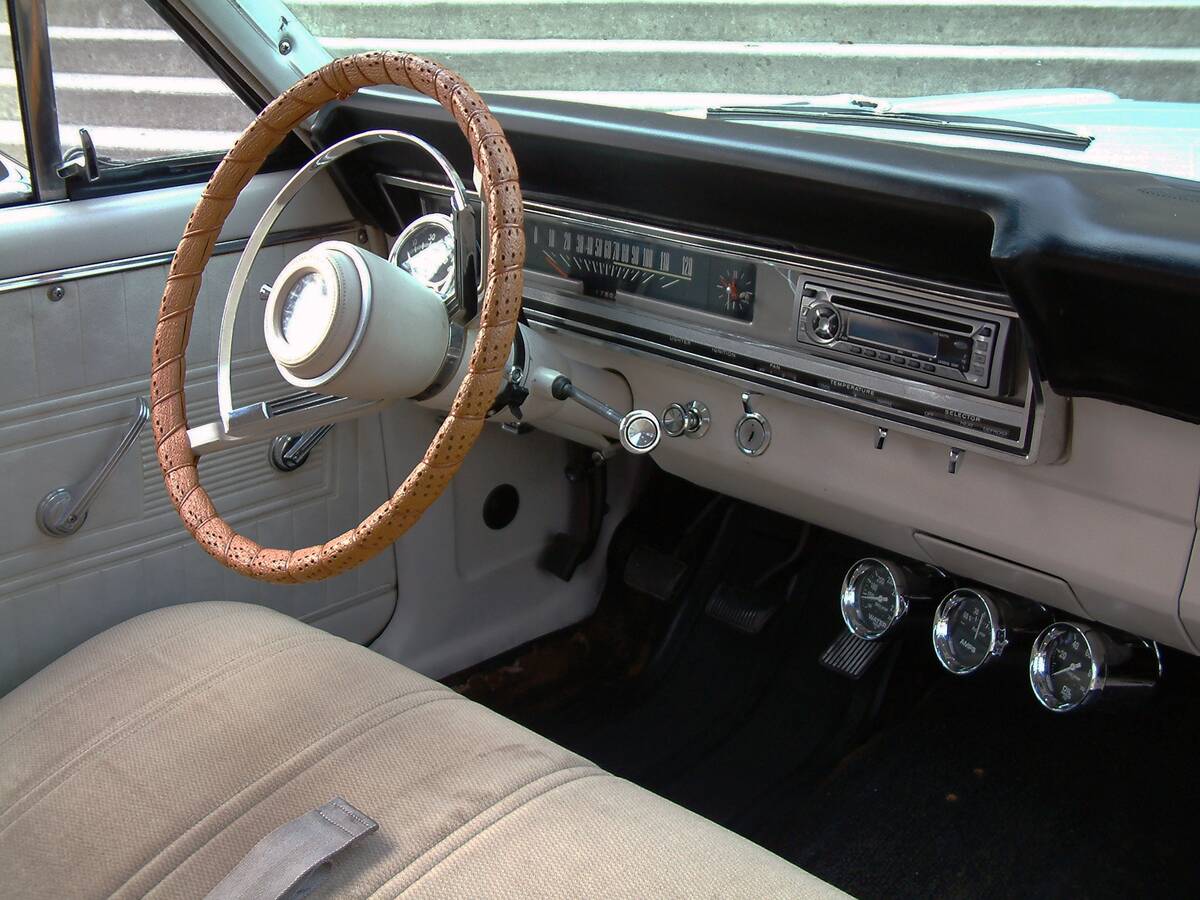
Column shifters were a common feature in many cars, providing a distinctive way to change gears. Mounted on the steering column, they helped maximize front-seat space and allowed manufacturers to use bench seats more easily.
Although many modern vehicles have shifted toward console-mounted shifters and electronic gear selectors, column shifters remain a nostalgic feature appreciated by classic car enthusiasts for their practicality and traditional design.
Mechanical Odometers: Counting Miles the Old-School Way
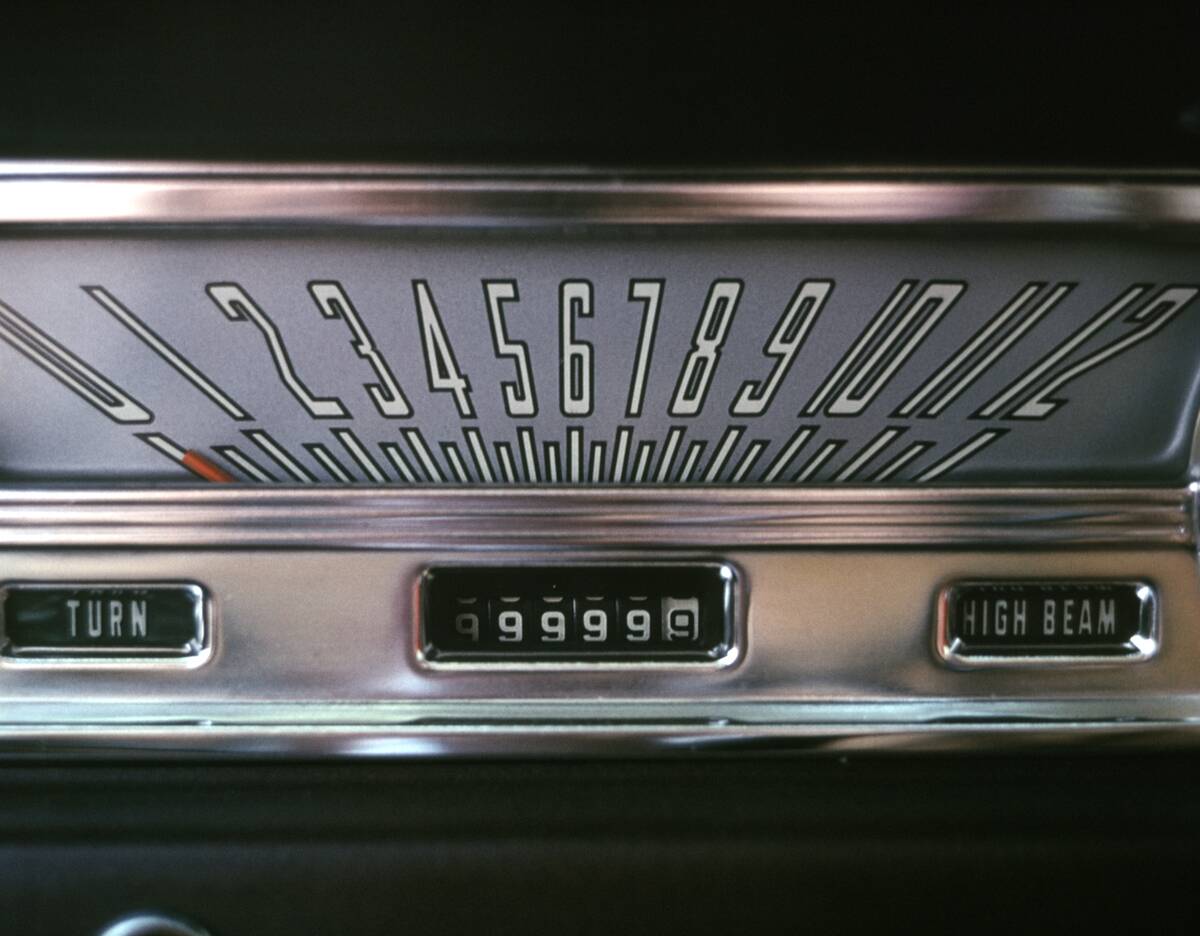
Mechanical odometers were once the standard for tracking vehicle mileage, using a system of gears and numbered wheels to display the distance traveled.
They were widely used in automobiles for decades and provided drivers with a simple, reliable way to monitor mileage. With the rise of digital odometers, mechanical versions have become a nostalgic feature of classic vehicles. For many enthusiasts, watching the numbers roll over remains a memorable part of automotive history.