These smart people predicted the invention of the internet decades ahead of time
In the ever-evolving digital age, it’s fascinating to look back at the visionaries who predicted the internet’s rise. These pioneers, with their minds ahead of their time, painted a picture of what was to come long before technology caught up.
They imagined a world interconnected, where information was at everyone’s fingertips. Their predictions were not just strokes of genius but blueprints that shaped our technological landscape. Tim Berners-Lee, a computer scientist, is credited with inventing the World Wide Web in 1989, but there were many forward thinkers who came before 1989.
Nikola Tesla: The Wireless World System
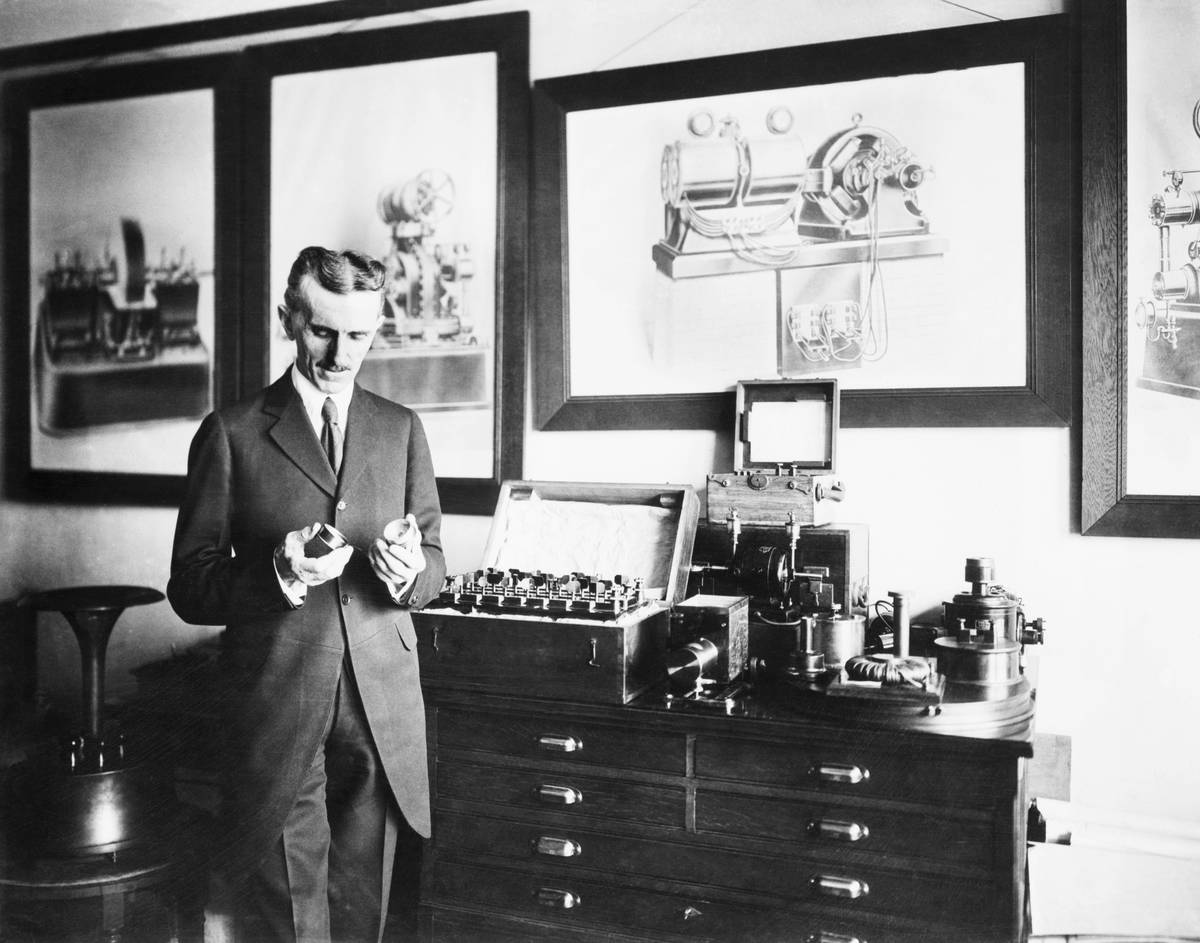
Nikola Tesla, renowned for his contributions to electricity and magnetism, envisioned a ‘Wireless World System’ in the early 20th century. Tesla dreamt of a global network of information sharing and communication, using his pioneering work in wireless technology.
He imagined people would be able to communicate instantly, regardless of distance. Although his vision didn’t materialize in his lifetime, Tesla’s ideas laid the groundwork for future wireless communication technologies.
Douglas Engelbart: The Mother of All Demos
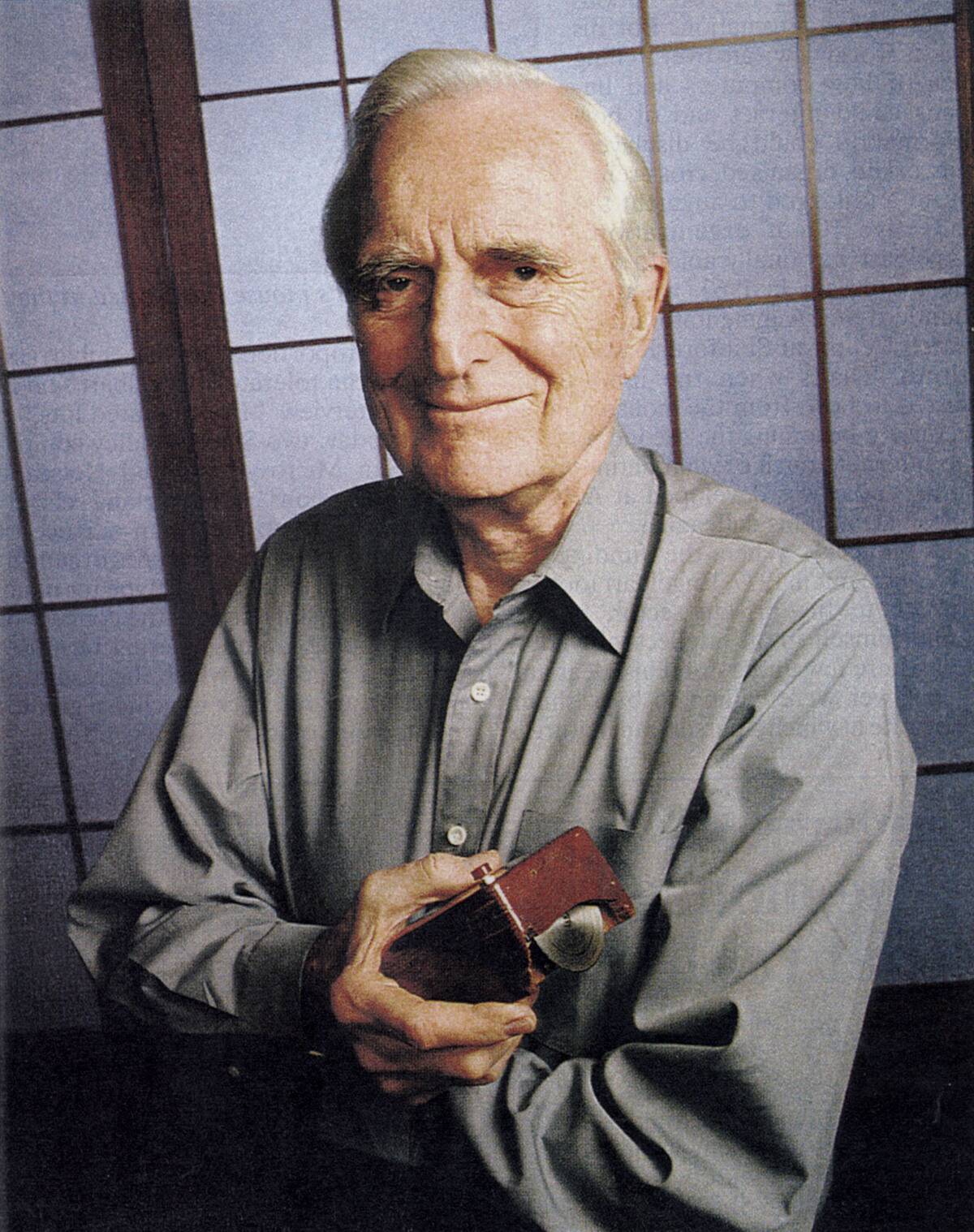
Douglas Engelbart, a computer engineer, is most famous for his 1968 presentation known as ‘The Mother of All Demos.’ In this demonstration, Engelbart showcased revolutionary computer technologies like the mouse, video conferencing, and hypertext.
His work highlighted the potential of computers to augment human intellect. Engelbart’s vision of interactive computing paved the way for modern user interfaces, leaving a lasting impact on personal computing and digital collaboration.
Vannevar Bush: Memex and the Idea of Hypertext
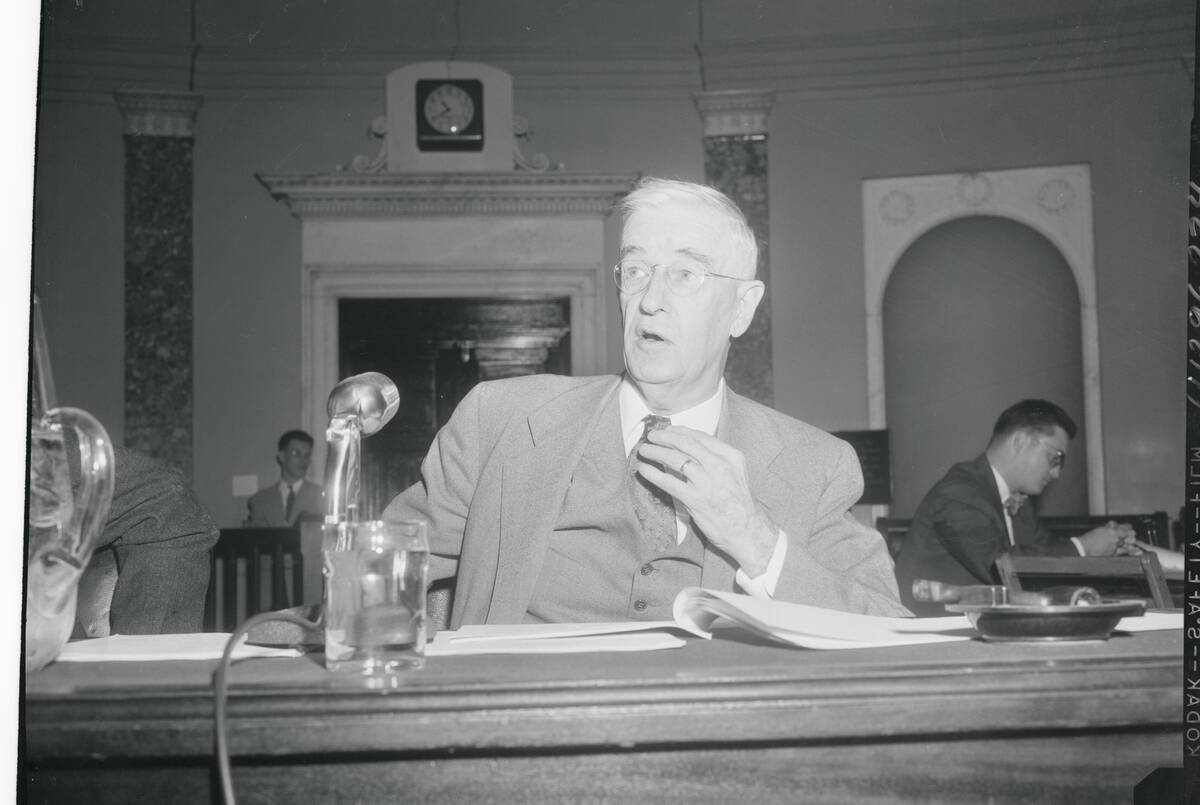
Vannevar Bush, an American engineer, introduced the concept of the ‘Memex’ in his 1945 article ‘As We May Think.’ Memex was envisioned as a device to store and retrieve information using a system of linked texts, a precursor to hypertext.
Bush’s ideas laid the groundwork for the development of the World Wide Web. His vision of interconnected data influenced future technologies, including the hypertext systems we use today in web browsers.
J.C.R. Licklider: The Intergalactic Computer Network
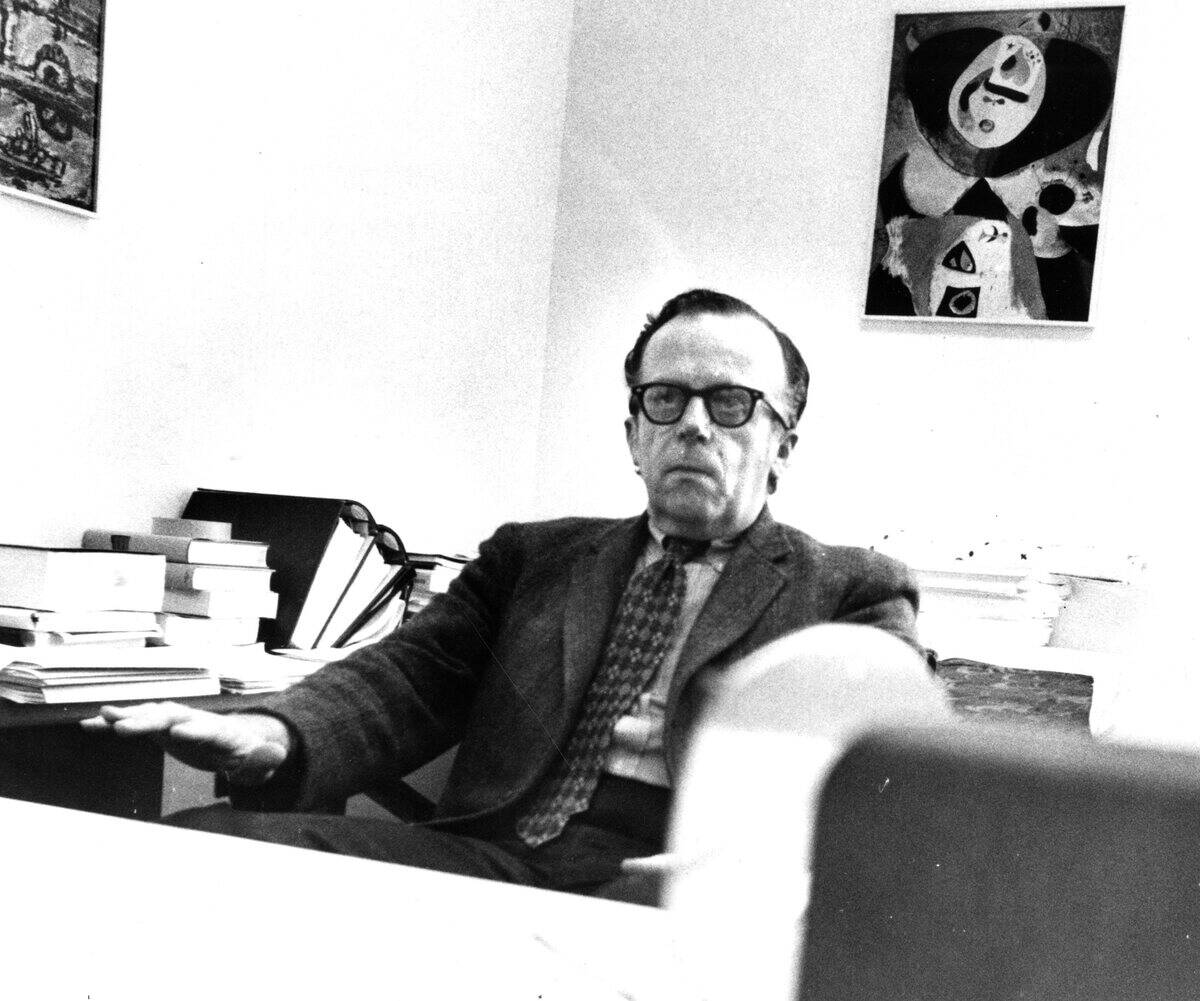
J.C.R. Licklider, a psychologist and computer scientist, foresaw a networked future he called the ‘Intergalactic Computer Network.’ In the 1960s, Licklider’s vision included the idea of computers connected globally, allowing users to share information seamlessly.
His ideas were instrumental in the development of ARPANET, the precursor to the internet. Licklider’s work helped usher in the era of digital communication and laid the foundation for today’s internet.
Alan Turing: The Foundation of Computer Science
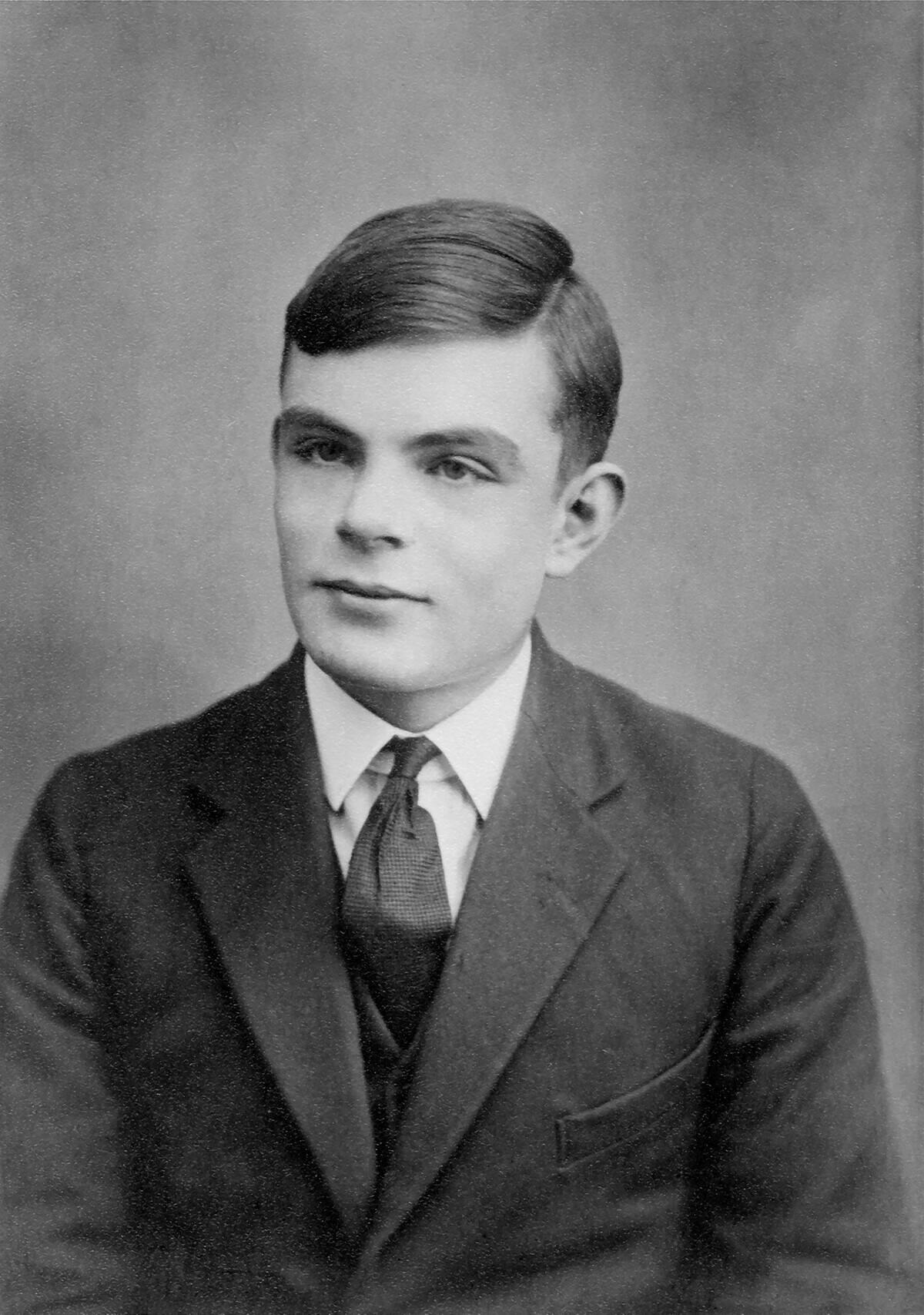
Alan Turing, a mathematician and logician, is often considered the father of computer science. His theoretical work on computation laid the foundation for modern computers. Turing’s concept of a ‘universal machine’ anticipated the programmable computers we use today.
His pioneering work in artificial intelligence and cryptography during World War II further cemented his legacy. Turing’s contributions were crucial in developing the digital age, influencing computing systems and technologies.
Arthur C. Clarke: The Global Satellite Network
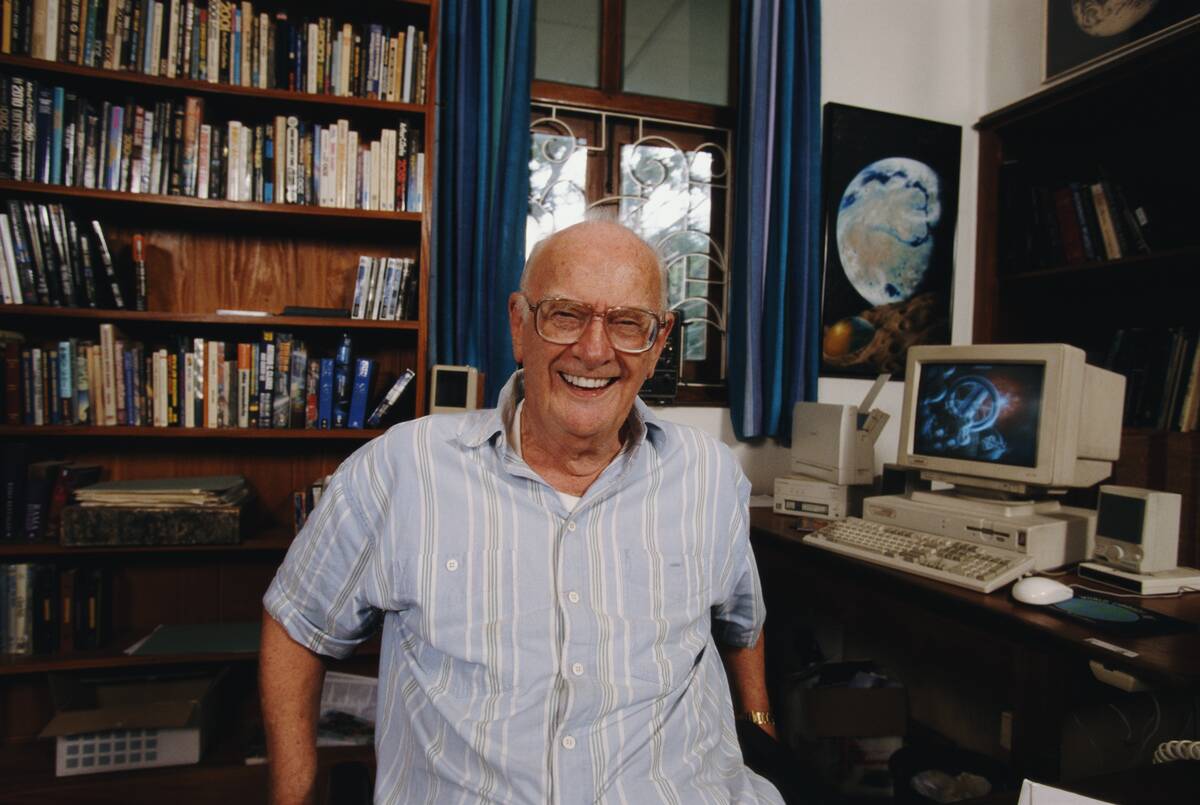
Arthur C. Clarke, a science fiction writer, is credited with the concept of a global satellite communication system. In a 1945 article, Clarke proposed using geostationary satellites to relay communications around the world.
This idea was revolutionary and led to the development of modern satellite communications. Clarke’s vision of a connected world through satellites has become a reality, facilitating instant communication across the globe and revolutionizing how we share information.
Ted Nelson: Project Xanadu and Hypertext
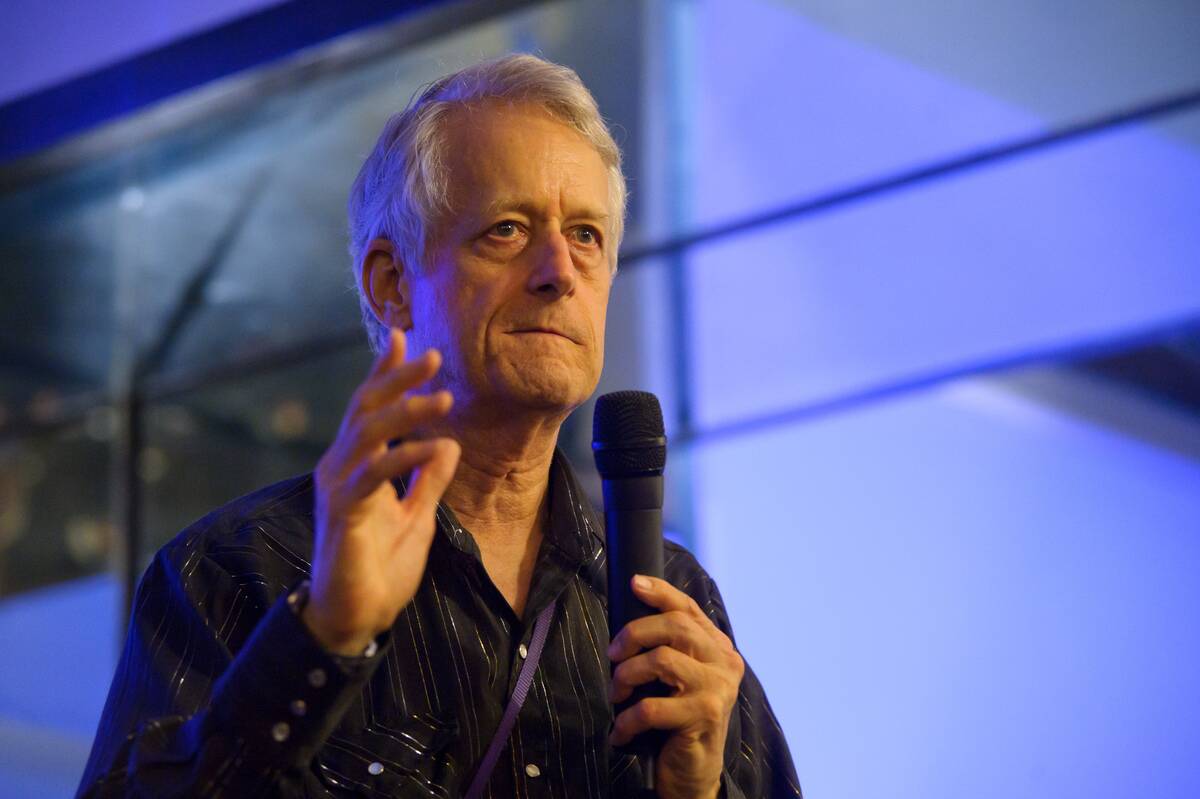
Ted Nelson, a pioneer of information technology, is credited with coining the term ‘hypertext.’ His Project Xanadu, started in 1960, aimed to create a global network of interconnected documents. Nelson’s vision was for a system where users could easily publish, share, and link content.
Although Project Xanadu never fully realized its potential, Nelson’s ideas were instrumental in developing the web’s hypertext systems. His contributions continue to influence how we navigate and utilize the internet.
H.G. Wells: The World Brain Concept
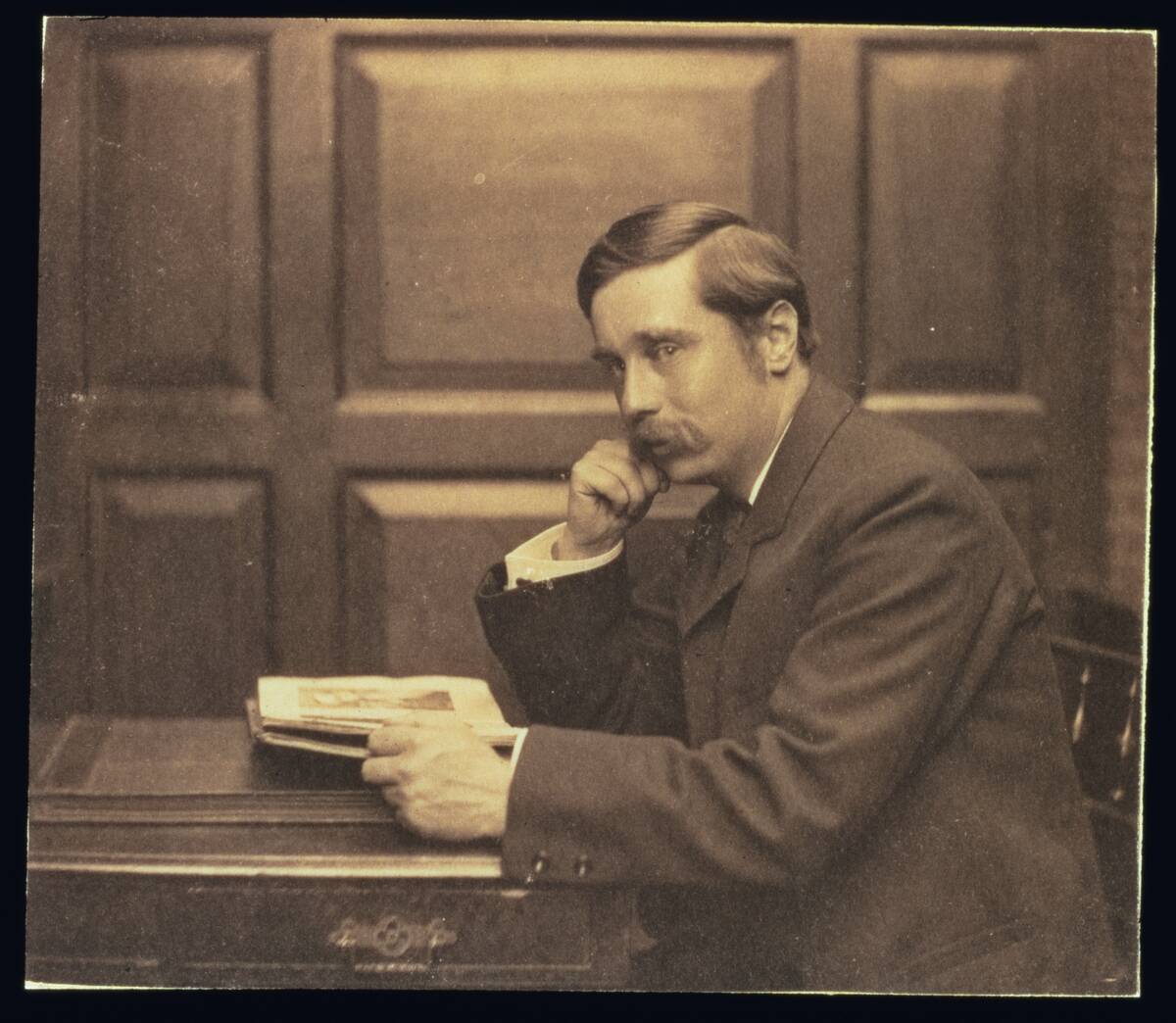
H.G. Wells, the famed science fiction writer, proposed the ‘World Brain’ concept, a vision of a global repository of knowledge. He believed this would be accessible to everyone, fostering a new era of education and enlightenment.
In his 1938 essay, Wells described a ‘permanent world encyclopaedia’ that would allow for universal access to information. This idea anticipated the internet’s role as a vast source of knowledge, accessible to millions around the globe.
Marshall McLuhan: The Global Village
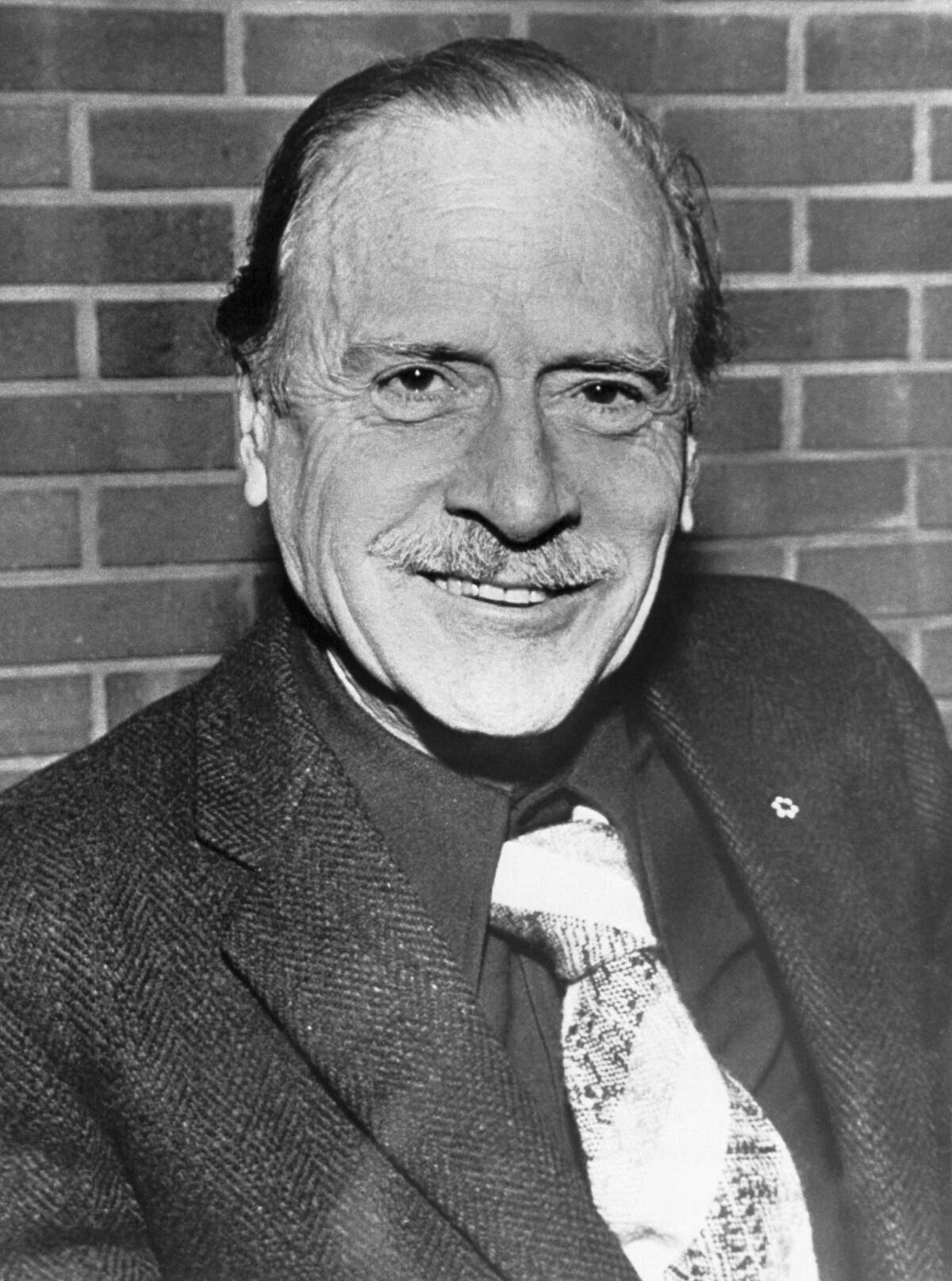
Marshall McLuhan, a Canadian philosopher, introduced the term Global Village to describe the world interconnected through electronic media. In his 1964 book Understanding Media, McLuhan predicted the internet’s ability to shrink distances and create a collective identity.
He foresaw a world where information could be shared instantaneously, impacting culture and society. His insights into media’s transformative power anticipate the interconnectedness of today’s digital world.
Paul Otlet: The Mundaneum and Early Thoughts of a Global Network
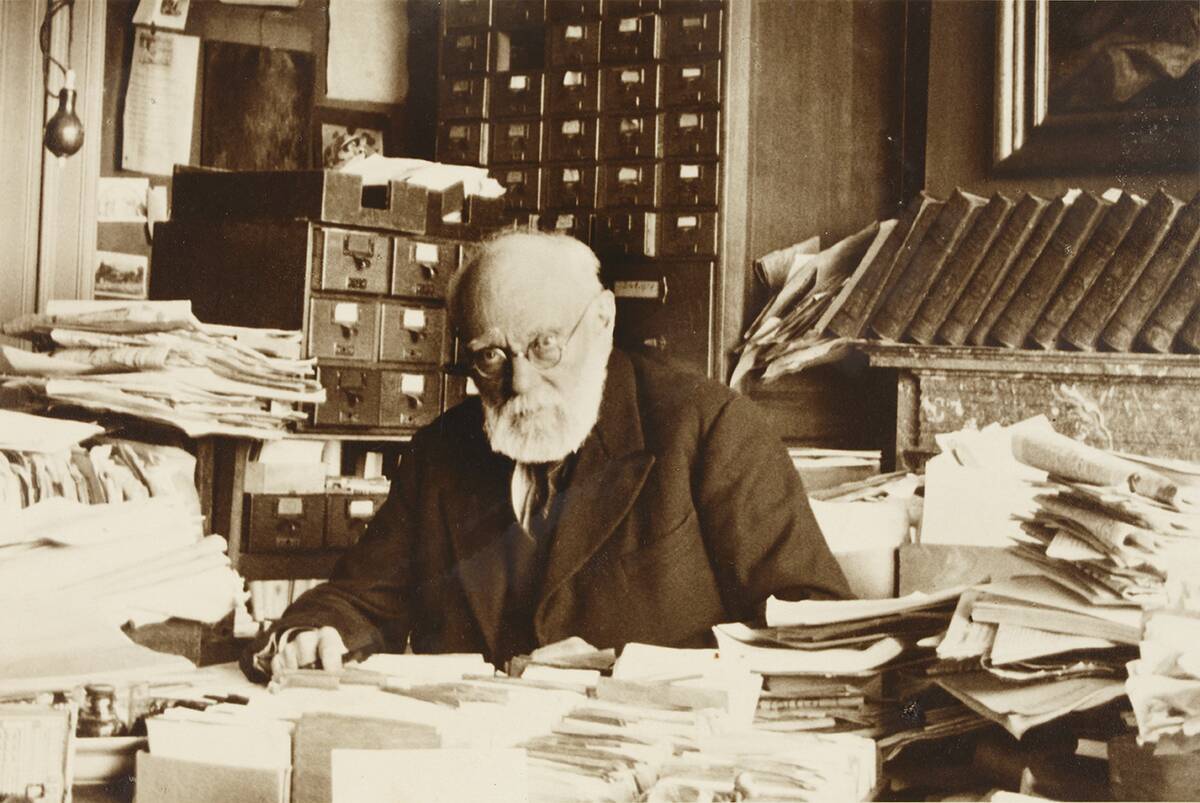
Paul Otlet, a Belgian bibliographer, is often credited with conceptualizing a global network of information. He imagined a ‘Mundaneum,’ an enormous collection of the world’s knowledge, accessible to anyone with a telephone.
In the early 20th century, Otlet detailed ideas for a ‘worldwide web’ of information, using telegraph and radio waves. His visions were an early attempt to network knowledge, predating the digital age but echoing the connectivity we see today.
Isaac Asimov: The Galactic Encyclopedia

Isaac Asimov, a prolific science fiction author, envisioned a ‘Galactic Encyclopedia’ in his Foundation series. This fictional repository contained the knowledge of a galaxy, accessible to all. Asimov’s idea mirrored the concept of a global information network, similar to the internet today.
His imaginative works highlighted the power of knowledge and its role in shaping civilizations. Asimov’s vision of a centralized knowledge system reflects the internet’s purpose as a vast repository of information.
William Gibson: The Birth of Cyberspace

William Gibson, a speculative fiction writer, introduced the concept of ‘cyberspace’ in his 1984 novel Neuromancer. Gibson’s depiction of a virtual reality space where information exists and is navigated like physical space was groundbreaking.
This idea captured the imagination of technologists and influenced the development of the internet. Gibson’s vision of cyberspace foresaw the virtual environments and online interactions that are now integral to our digital lives.
Alvin Toffler: The Third Wave and Information Economy

Alvin Toffler, a futurist, explored the impact of technological and social changes in his book The Third Wave. He predicted the rise of the information economy, where knowledge and data become key economic drivers.
Toffler’s insights into the transition from industrial to information societies predicted the digital economy’s emergence. His work highlighted the transformative power of technology and its ability to reshape economies and societies.
Tim Berners-Lee: The World Wide Web Vision

Tim Berners-Lee, a computer scientist, is credited with inventing the World Wide Web in 1989. His vision was to create a system for sharing information globally, accessible through web browsers.
Berners-Lee’s invention transformed how we access and share information, making the internet a part of daily life. His contributions laid the foundation for the digital age, enabling the vast, interconnected world we navigate today.




