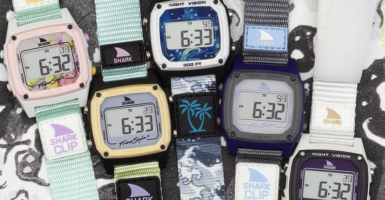
Strange things people once carried in their pockets
Pockets have always been more than just fabric compartments sewn into clothing. They tell stories of eras gone by and the peculiar items people deemed essential.
From the bizarre to the practical, the contents of pockets have evolved over time, reflecting societal changes and personal quirks.
The Evolution of Pockets: From Practical to Peculiar

Initially, pockets were purely functional, designed to hold necessities like coins and keys. However, as fashion evolved, so did the contents of these small spaces.
By the 18th century, pockets became a canvas for personal expression, housing items that were as much about status and style as they were about utility. This shift marked the beginning of pockets as a reflection of personal and cultural identity.
The Era of Snuff Boxes: A Must-Have for the Fashionable Gentleman
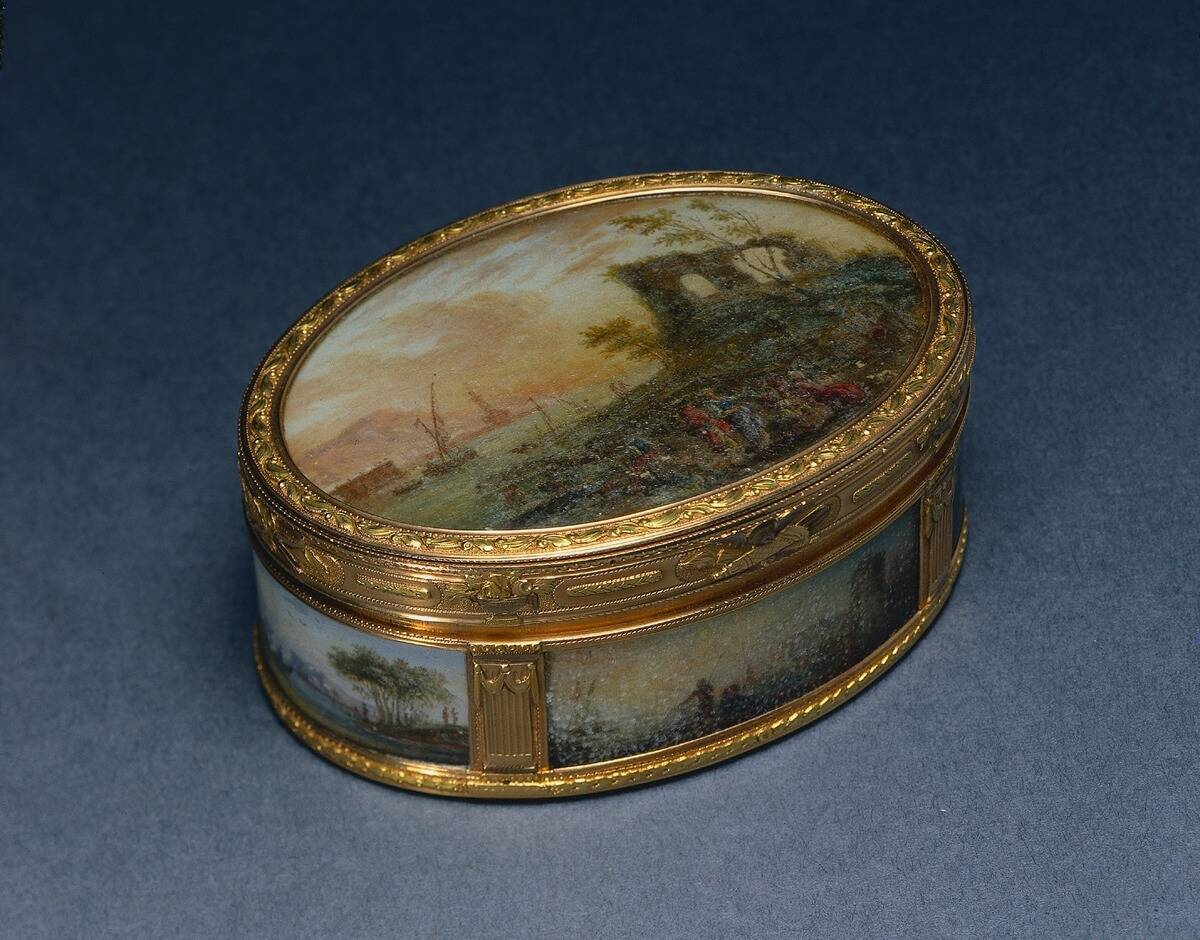
In the 18th and 19th centuries, snuff boxes were a staple in any gentleman’s pocket. These small, ornate containers held powdered tobacco, known as snuff, which was sniffed rather than smoked.
Snuff boxes were often made of precious metals and adorned with intricate designs, showcasing the owner’s wealth and taste. They were not just functional but also a status symbol, reflecting the social customs of the time.
Pocket Watches: The Original Timekeepers on the Go
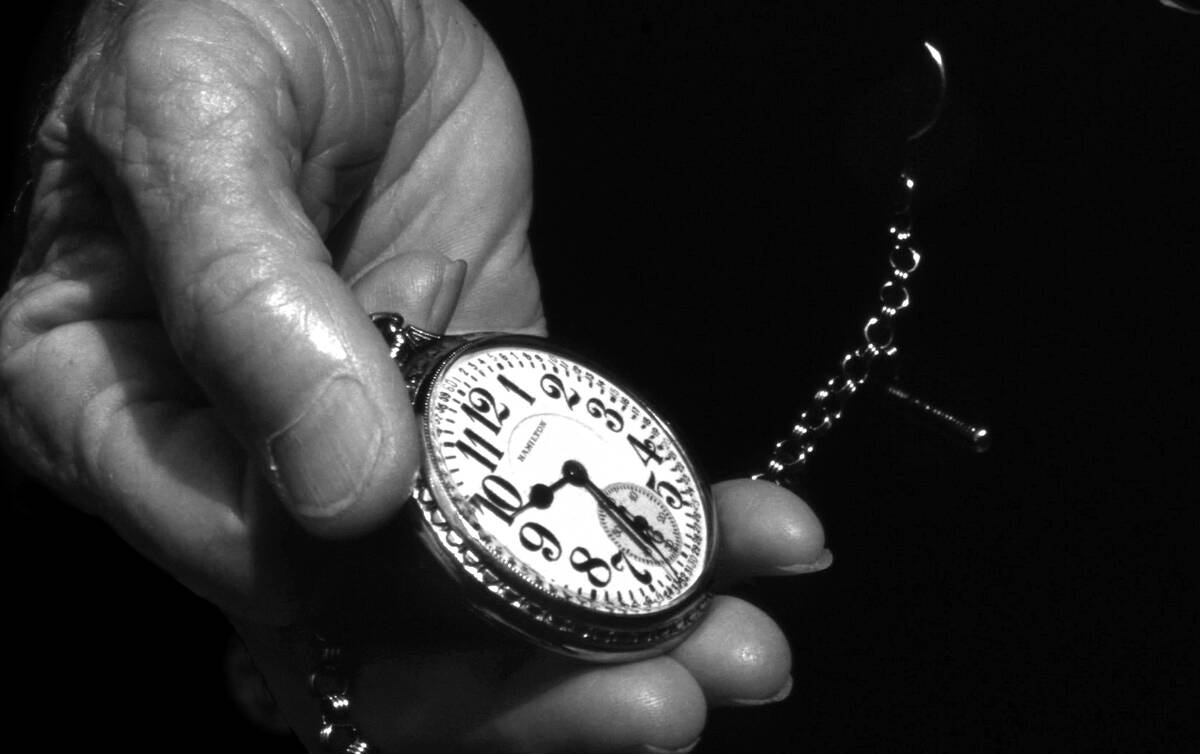
Before wristwatches became the norm, pocket watches were the go-to timekeeping devices. Introduced in the 16th century, they were initially bulky and expensive, reserved for the elite.
However, by the 19th century, advancements in manufacturing made them more accessible. Pocket watches were often attached to a chain and kept in a waistcoat pocket, symbolizing punctuality and sophistication.
Mysterious Monocles: More Than Meets the Eye

The monocle, a single lens used to correct or enhance vision, was a common sight in the 19th and early 20th centuries. Often associated with the upper class, monocles were not just practical but also a fashion statement.
They came in various styles, from simple wire frames to elaborate designs with gold rims. Despite their association with wealth, monocles were also used by those with vision in only one eye, making them a unique blend of necessity and style.
Love Tokens: Carrying Affection in Your Pocket
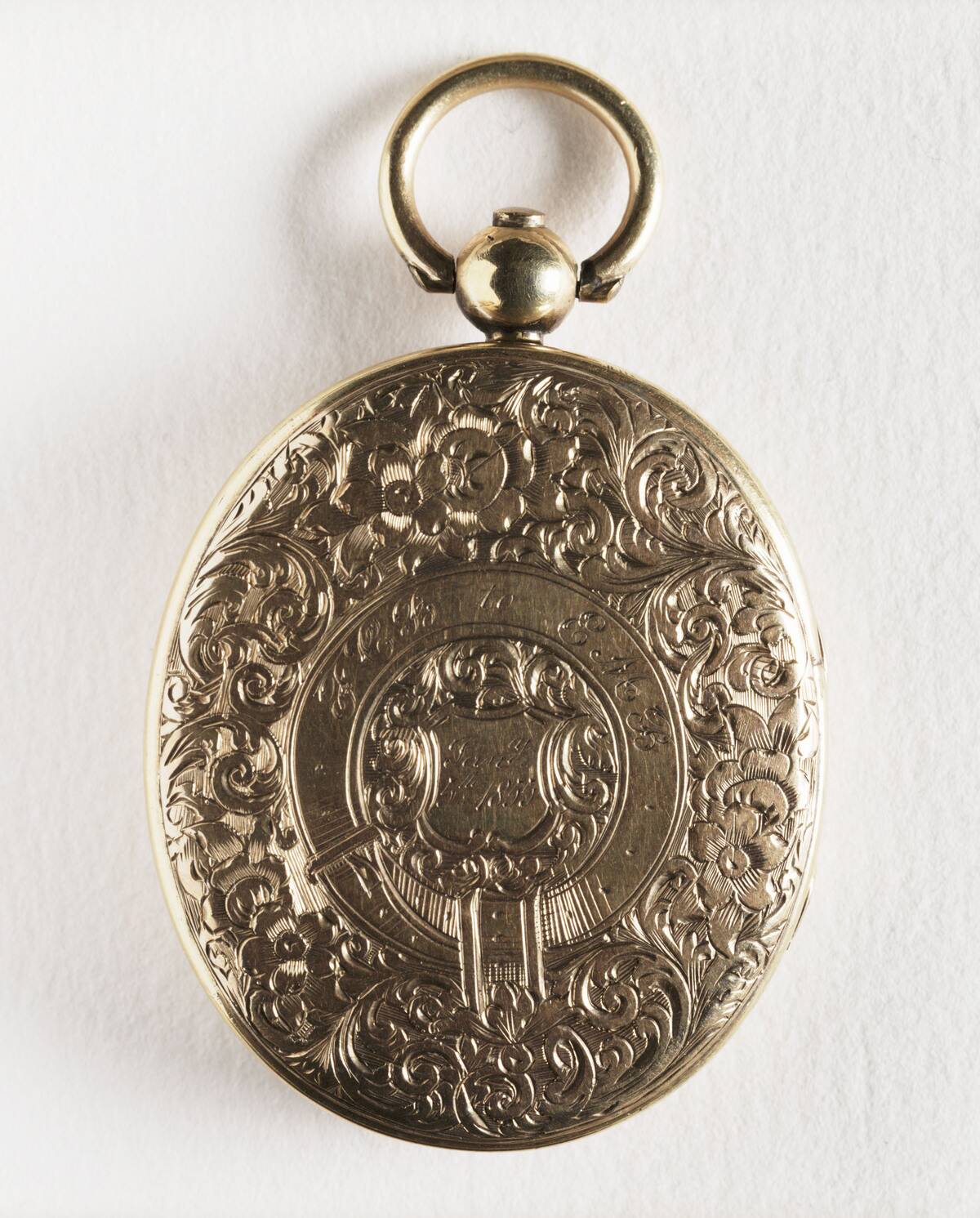
Love tokens, small coins or medallions engraved with messages of affection, were a popular pocket item in the 18th and 19th centuries. Often given as gifts between lovers or friends, these tokens were cherished keepsakes.
They were sometimes made from repurposed coins, with one side smoothed down for engraving. Carrying a love token was a way to keep a piece of a loved one close, a tradition that speaks to the timeless nature of sentimental keepsakes.
The Rise of Pocket-Sized Pets: From Frogs to Mice

Believe it or not, pocket-sized pets were once a trend among the Victorian elite. Frogs, mice, and even small birds were carried in pockets as a form of entertainment and companionship.
This peculiar practice was part of the broader Victorian fascination with nature and the exotic. While it might seem odd today, these tiny companions were a testament to the era’s unique blend of whimsy and wonder.
Miniature Books: Knowledge at Your Fingertips
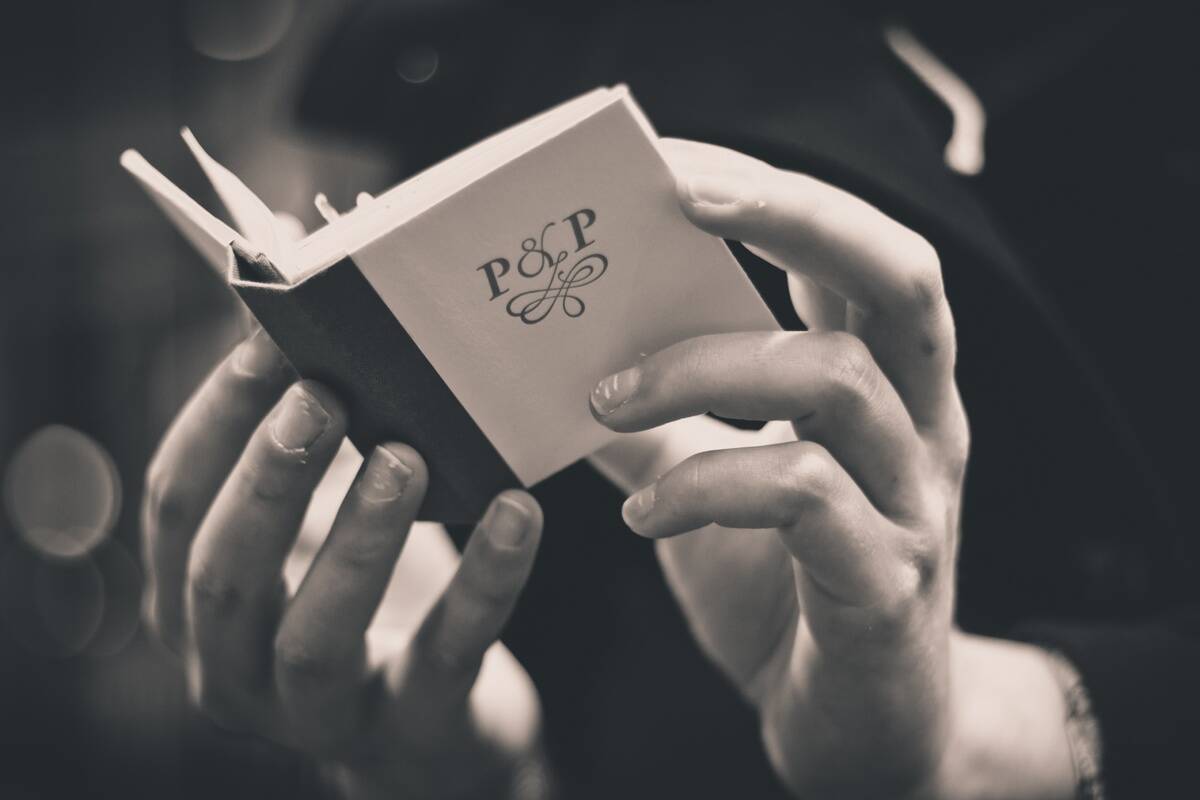
Miniature books, small enough to fit in a pocket, were popular in the 19th century. These tiny tomes covered a range of topics, from poetry to etiquette, and were prized for their portability. They allowed individuals to carry knowledge and culture wherever they went.
Often beautifully bound, miniature books were both practical and collectible, reflecting a time when the written word was a cherished commodity.
The Pocket Handkerchief: A Staple with a Twist

The handkerchief has been used for centuries as both a practical and decorative accessory. By the 19th century, handkerchiefs were often embroidered with initials, monograms, or decorative designs, adding a personal touch.
They served many purposes, from wiping away tears or the face to completing a fashionable outfit, and they could also carry sentimental or romantic associations. Their combination of usefulness and ornamentation made the handkerchief a popular personal accessory, bridging the gap between everyday utility and fashion.
Unusual Tools: Pocket-Sized Gadgets of the Past
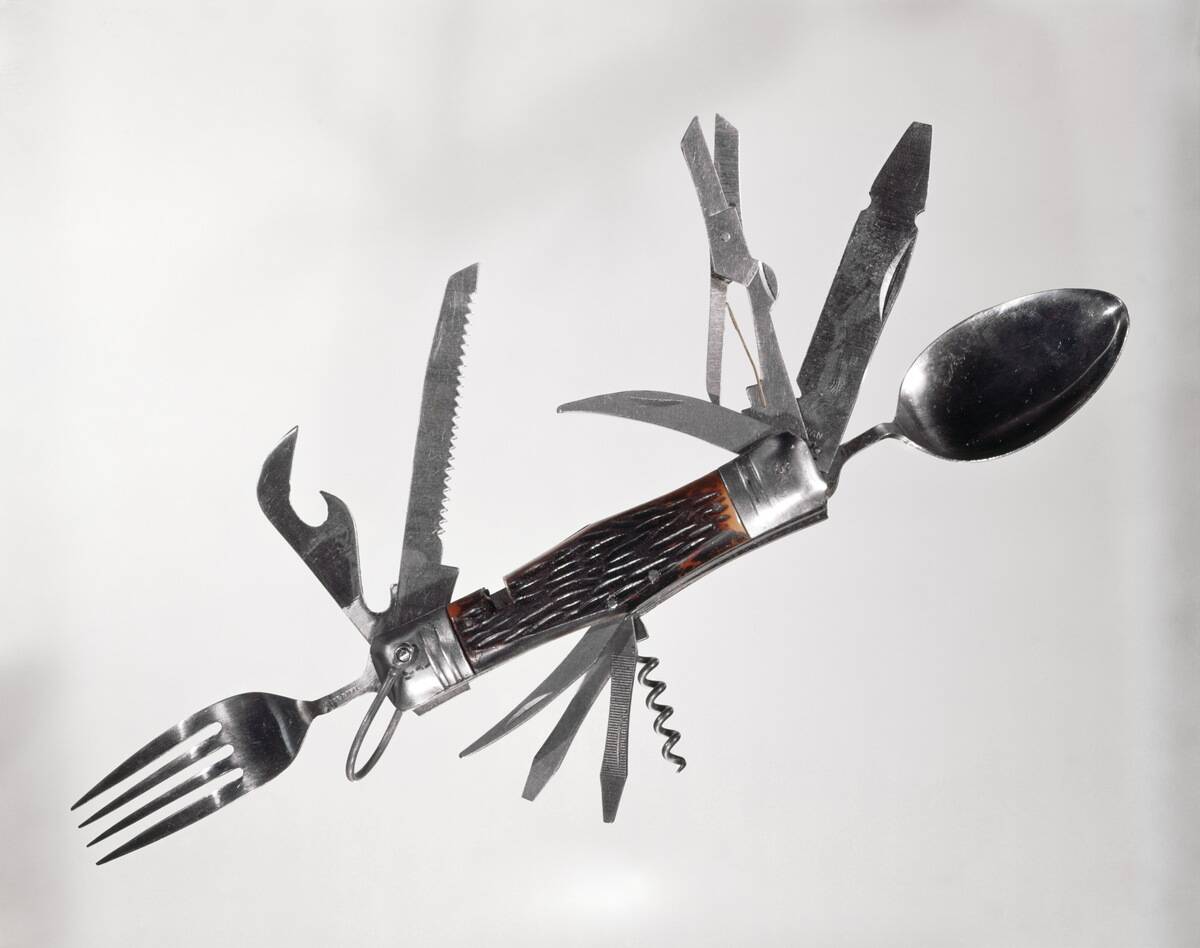
Pocket-sized tools have long been a part of everyday life, offering convenience and practicality. In the 19th century, gentlemen often carried multi-tools, which included items like corkscrews, knives, and screwdrivers.
These gadgets were the precursors to modern-day Swiss Army knives, reflecting a time when self-sufficiency and preparedness were highly valued. Such tools were not just practical but also a testament to human ingenuity.
The Curious Case of the Pocket Flask
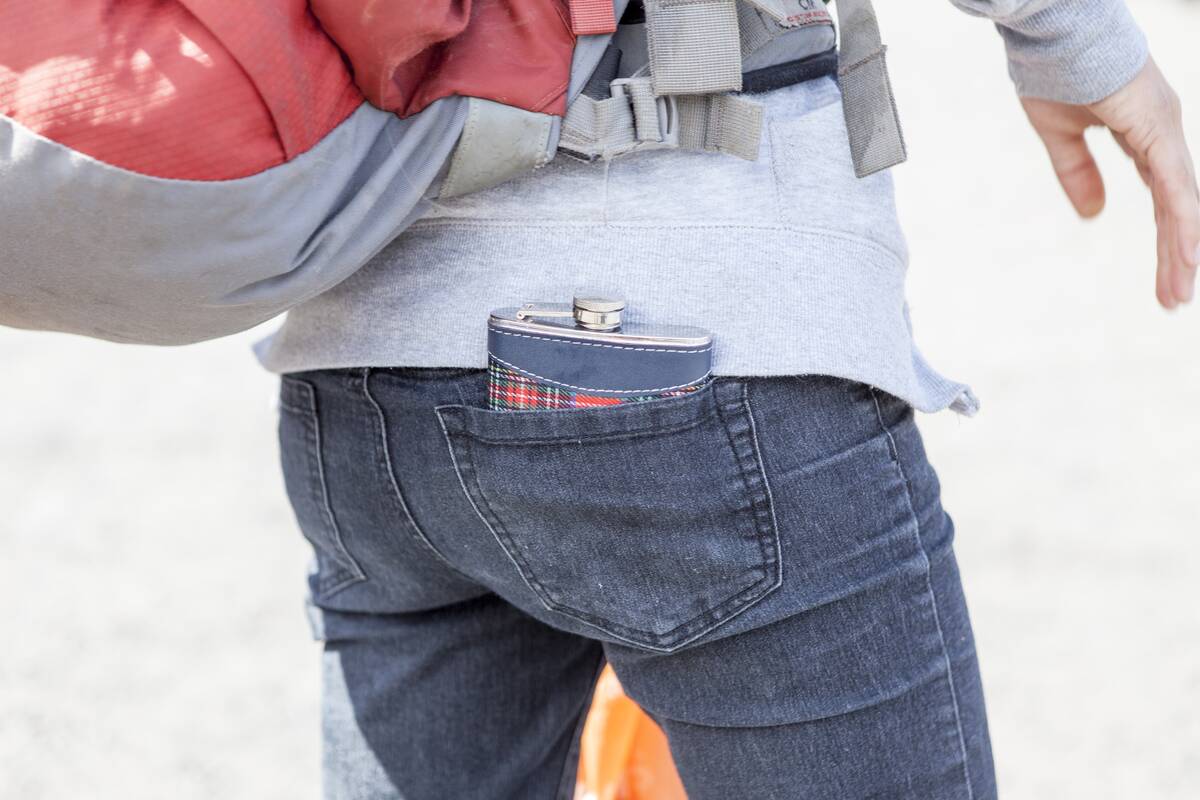
Pocket flasks, designed to discreetly carry liquor, became popular in the 18th century. These small, flat containers were often made of silver or pewter and slipped easily into a coat pocket.
They allowed individuals to enjoy a private sip of spirits, whether for warmth or pleasure. The pocket flask’s discreet nature made it a favorite among travelers and revelers alike, embodying a sense of adventure and rebellion.
Magical Amulets: Pocket-Sized Protection
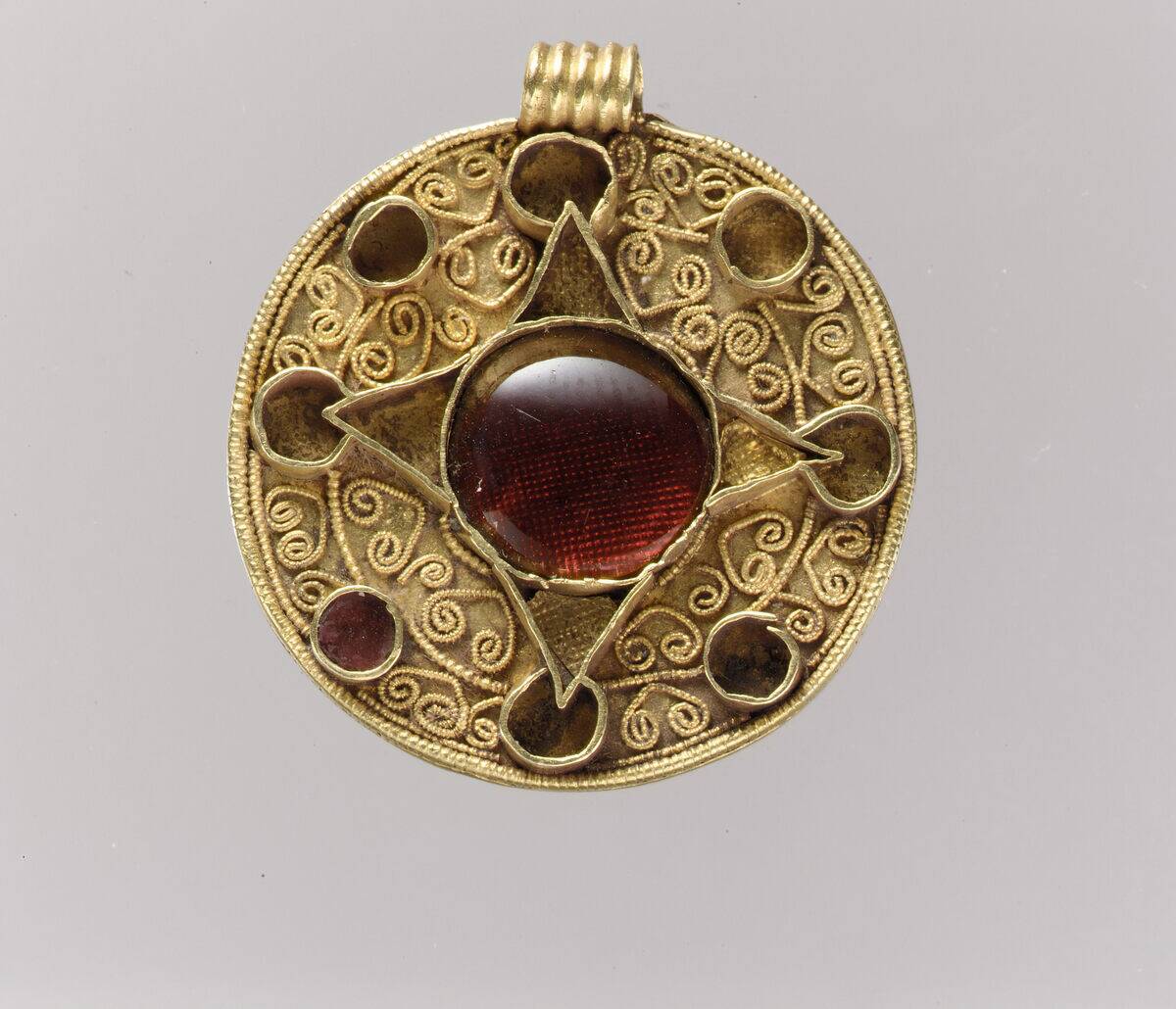
Throughout history, people have carried amulets in their pockets for protection and luck. These small charms, often inscribed with symbols or prayers, were believed to ward off evil and bring good fortune. In the Victorian era, amulets were sometimes made of precious stones or metals, adding an element of luxury to their mystical appeal.
Carrying an amulet was a way to keep a sense of security close at hand, blending superstition with personal belief.
The Art of Pocket-Sized Perfumes
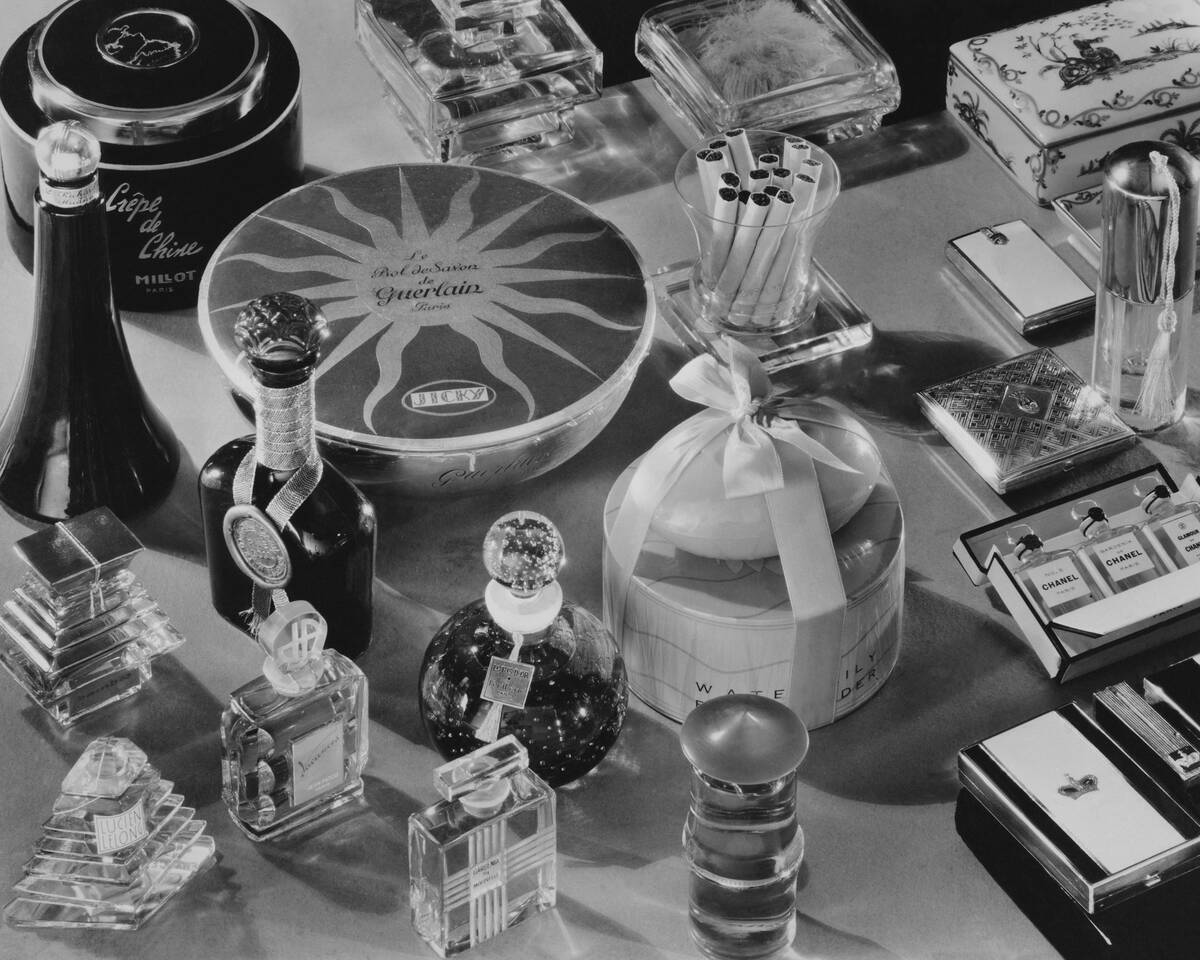
Pocket-sized perfume bottles were a fashionable accessory in the 19th century. These small, ornate containers allowed individuals to carry their favorite scents wherever they went. Often made of glass or porcelain, they were as much about aesthetics as they were about fragrance.
Pocket perfumes reflected the era’s emphasis on personal grooming and elegance, offering a convenient way to maintain one’s allure throughout the day.
Tobacco Pouches: A Smoky Companion
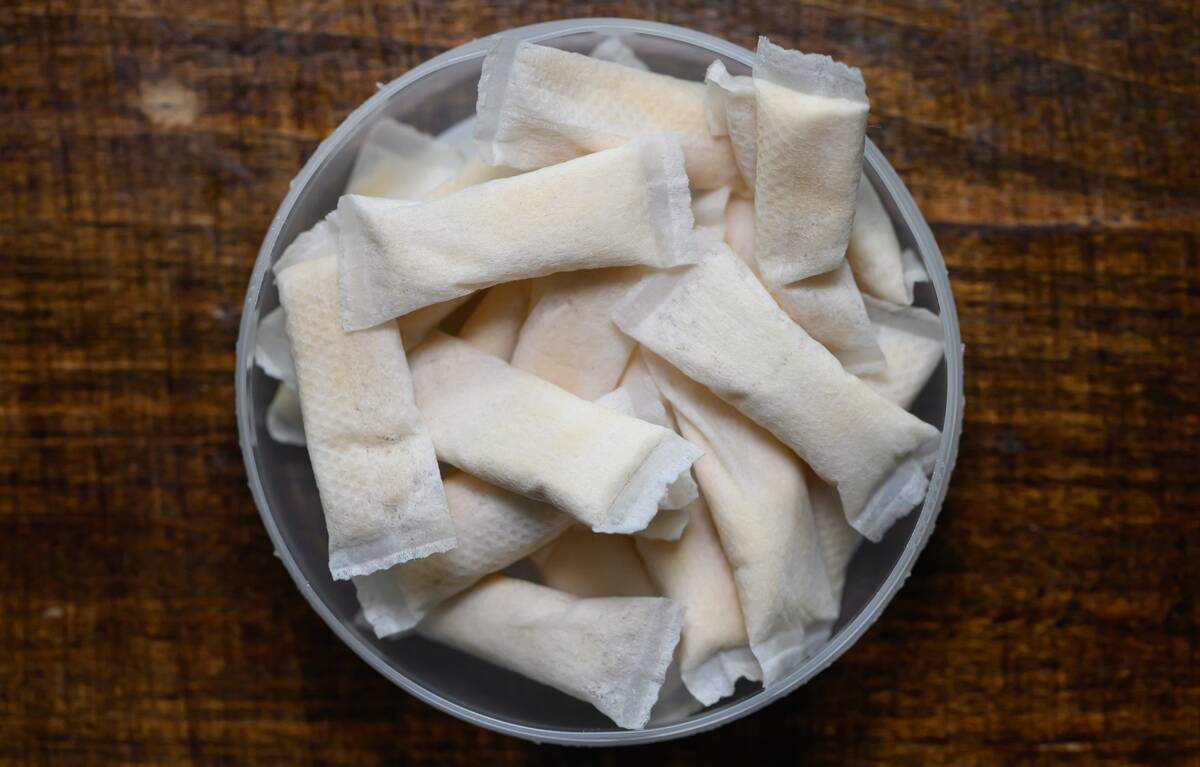
Tobacco pouches were a common pocket item in the 18th and 19th centuries, especially among men. These small leather or fabric bags were used to carry loose tobacco, making it easy to roll a cigarette or fill a pipe on the go.
The pouch’s portability and practicality made it an essential accessory for smokers, reflecting a time when tobacco was a prevalent part of social life and personal routine.
Pocket-Sized Games: Entertainment on the Go
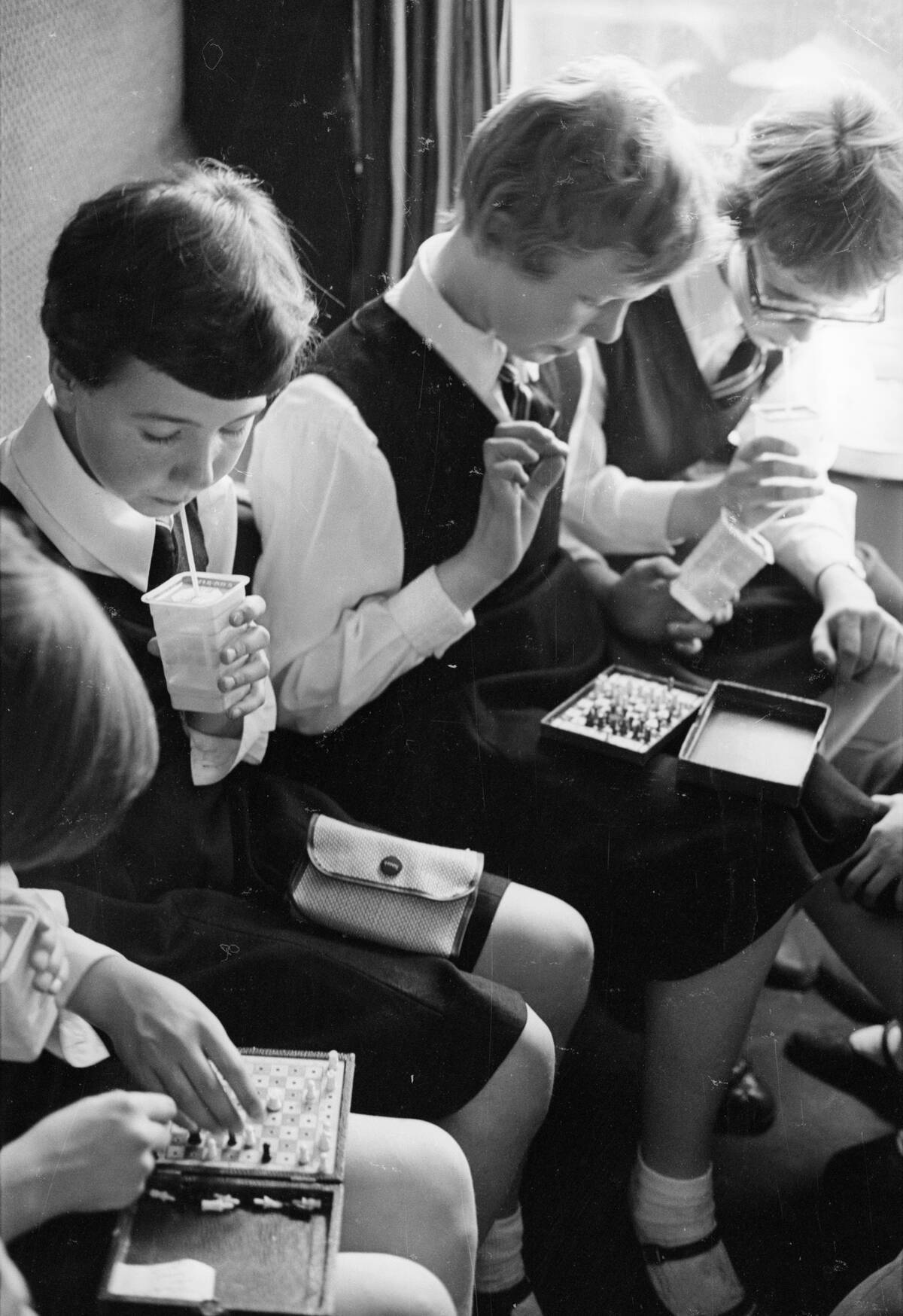
Pocket-sized games, such as travel chess or miniature playing cards, have long provided entertainment on the go. In the 19th century, these compact games were popular among travelers and soldiers, offering a welcome distraction during long journeys or downtime. T
hey were often beautifully crafted, with intricate designs that made them as much a pleasure to look at as to play. Such games highlight the timeless human desire for amusement and leisure.