How a 19th-century medicinal tonic became Coca-Cola
Coca-Cola, the world-renowned beverage, began its journey in a rather unexpected way. Originally concocted as a medicinal tonic, it was meant to cure a variety of ailments.
The origins of this fizzy drink are steeped in the rich history of the late 19th century, a time when elixirs and miracle cures were all the rage.
The Inventor: Meet John Stith Pemberton
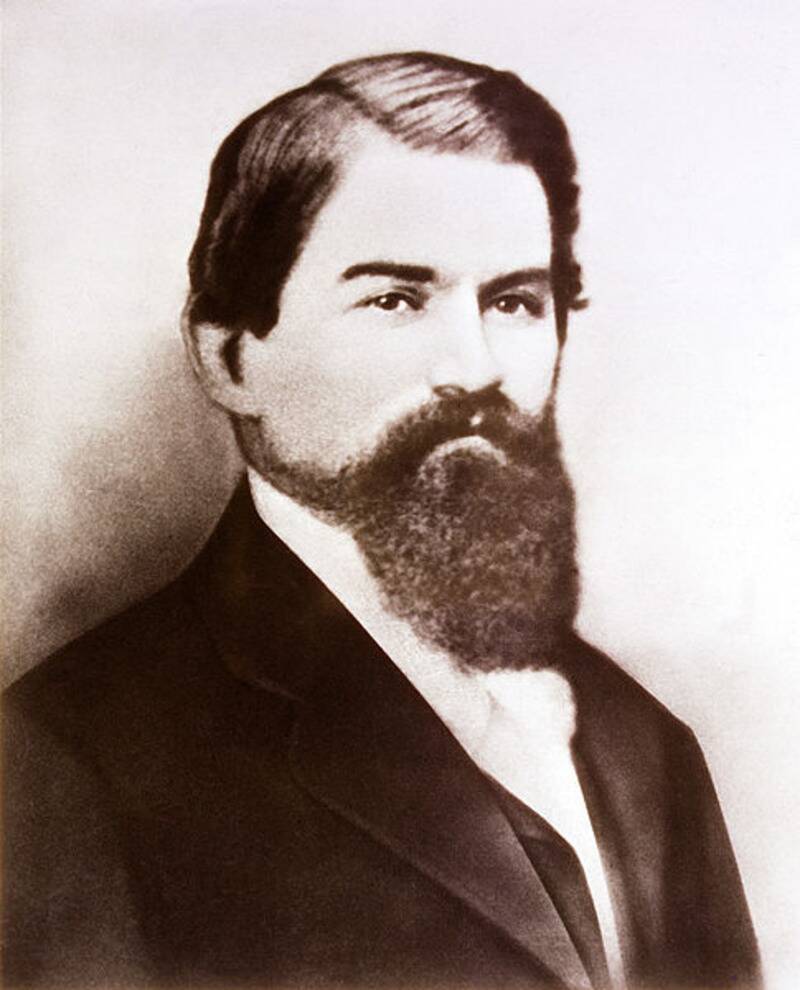
John Stith Pemberton, a pharmacist from Georgia, is the mastermind behind Coca-Cola. A veteran of the Civil War, Pemberton was searching for a way to alleviate his chronic pain.
His background in chemistry and medicine fueled his passion for creating a tonic that could offer relief. Pemberton’s innovative spirit and determination laid the groundwork for what would become one of the most successful beverages in history.
The 19th Century: A Time of Medicinal Curiosities
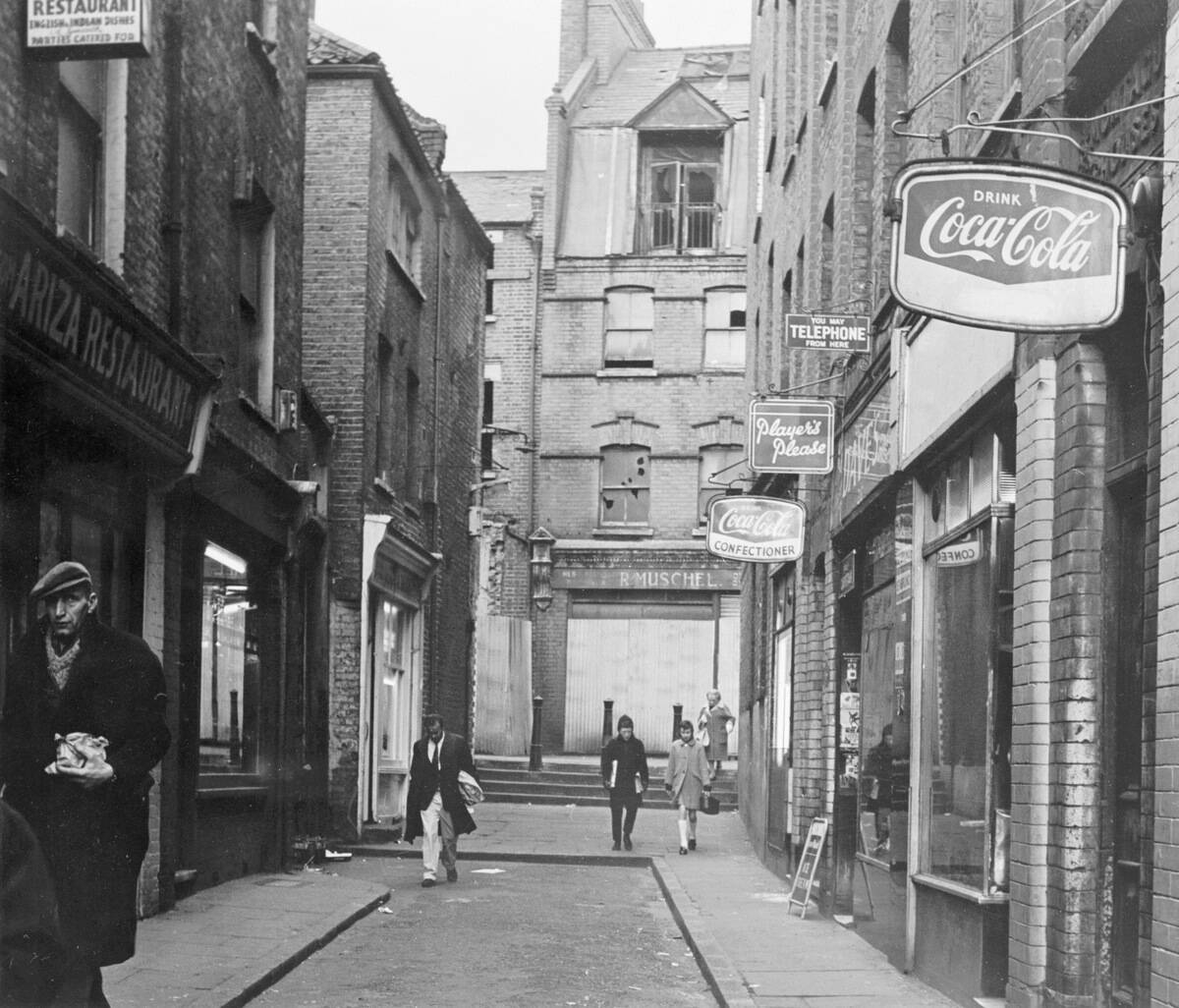
The 19th century was a period of great innovation and experimentation in medicine. People were eager to find remedies for common ailments, leading to a boom in patent medicines. These concoctions often contained exotic ingredients and promised miraculous cures.
It was in this environment of curiosity and exploration that Pemberton developed his original formula, hoping to create a product that would stand out among the many elixirs of the time.
Pemberton’s Quest: Creating a Cure-All Tonic
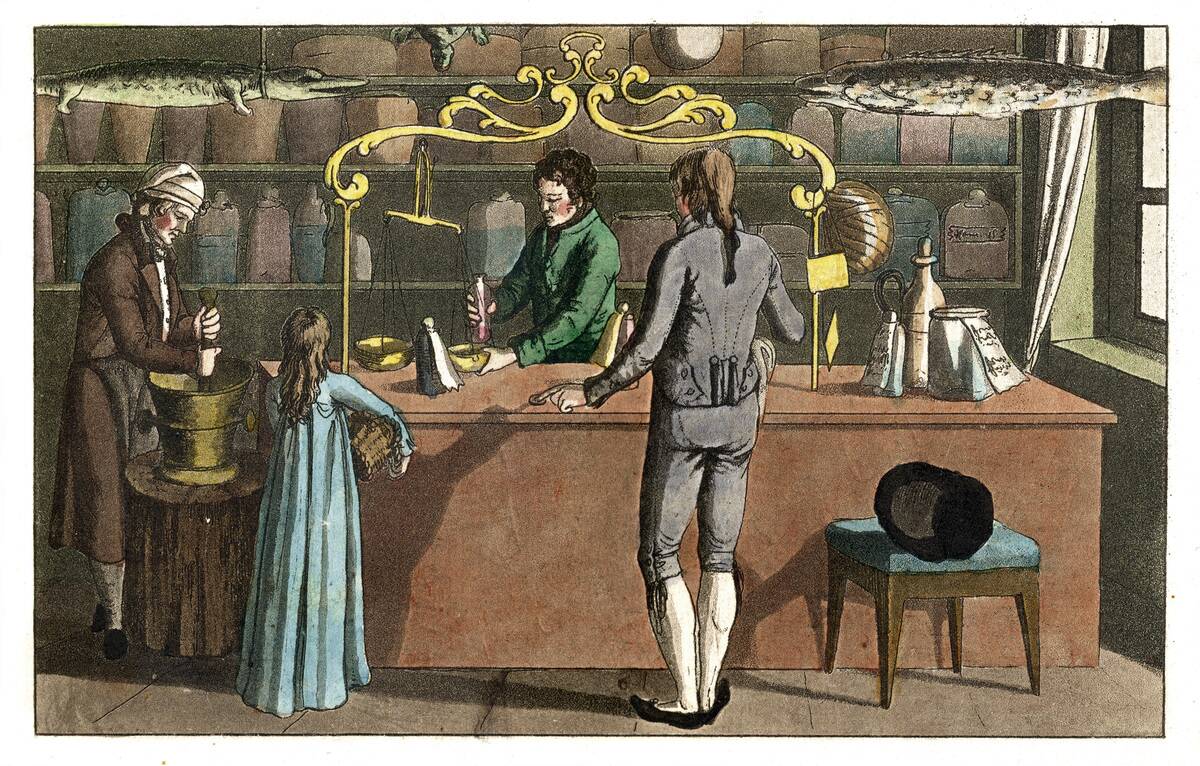
Pemberton’s quest to create a cure-all tonic was driven by both personal and professional motivations. As a pharmacist, he was keenly aware of the demand for effective treatments. His initial formula was designed to address a wide range of health issues, from headaches to nervous disorders.
Pemberton’s dedication to crafting a beneficial tonic was the first step in the evolution of Coca-Cola from a medicinal remedy to a beloved beverage.
The Original Recipe: A Peek into the Ingredients
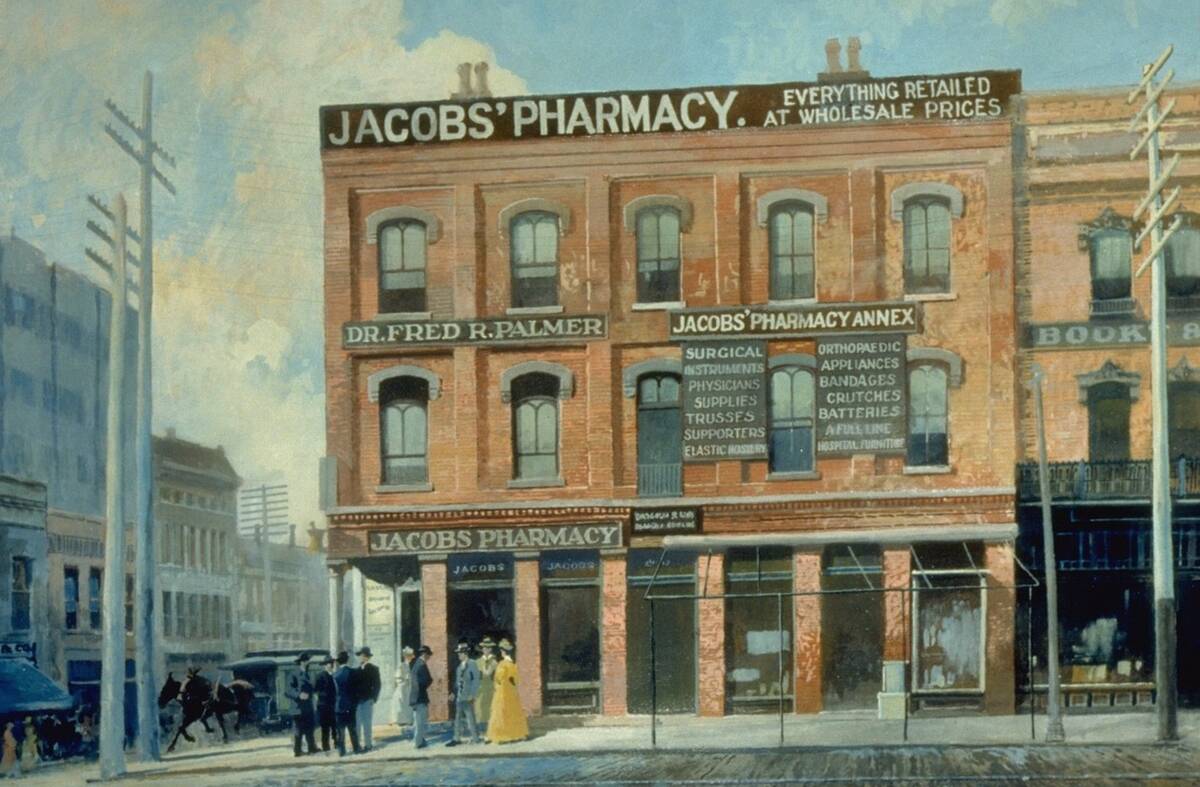
The original Coca-Cola recipe was a complex blend of ingredients, each chosen for its purported health benefits. Key components included coca leaves and kola nuts, which were believed to have stimulating properties.
Other ingredients like sugar and essential oils added flavor and appeal. This unique combination of elements gave the drink its distinctive taste and set it apart from other tonics of the era.
Coca-Cola’s First Name: Pemberton’s French Wine Coca
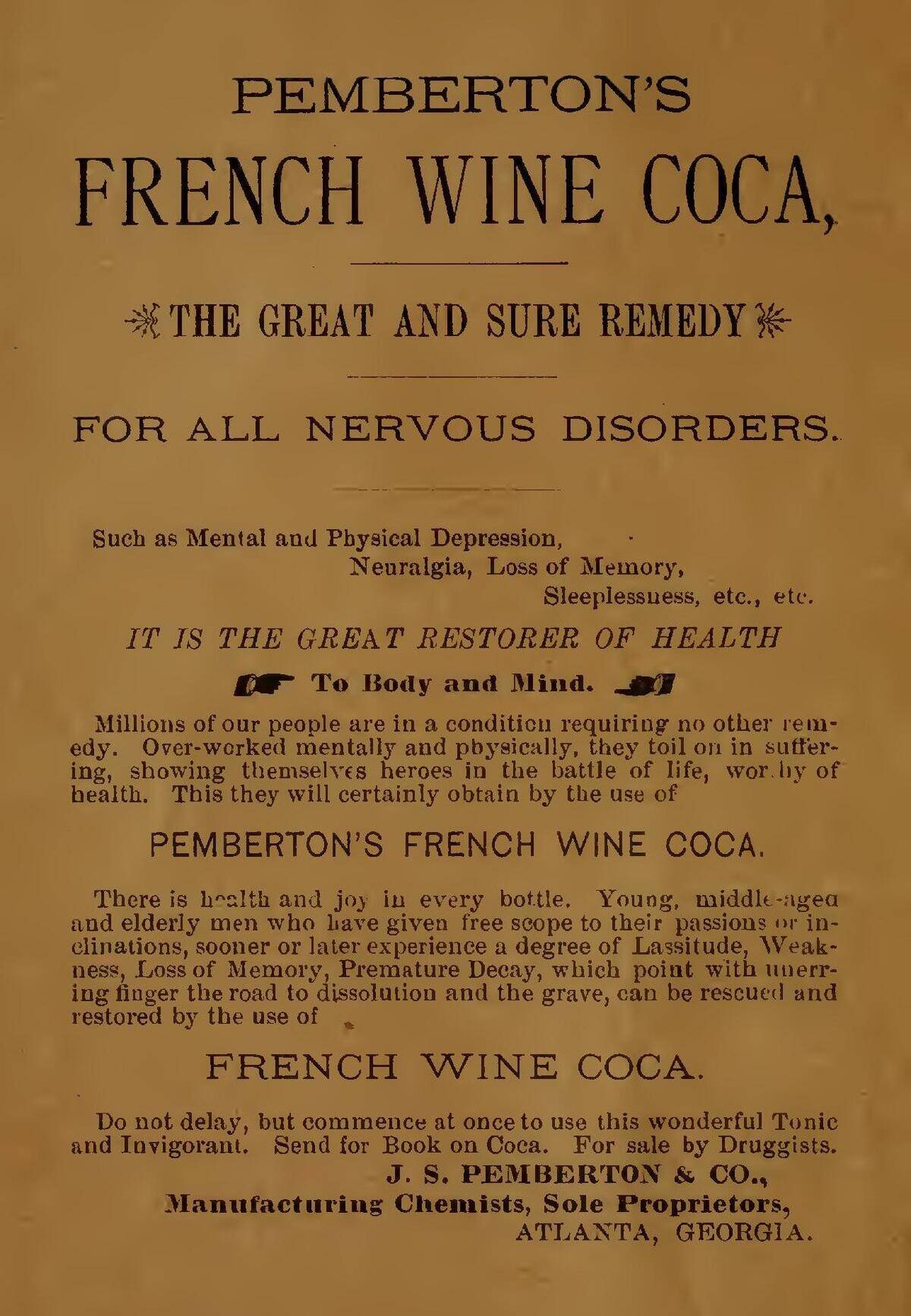
Before it became known as Coca-Cola, Pemberton’s creation was called “Pemberton’s French Wine Coca.” This original version was inspired by the popular European drink Vin Mariani, which combined wine xwith coca leaves.
Pemberton’s version was a nod to this trend, offering a similar blend with the addition of kola nuts. The name highlighted the drink’s exotic ingredients and hinted at its intended health benefits.
The Influence of Vin Mariani: A Popular Drug-Infused Wine
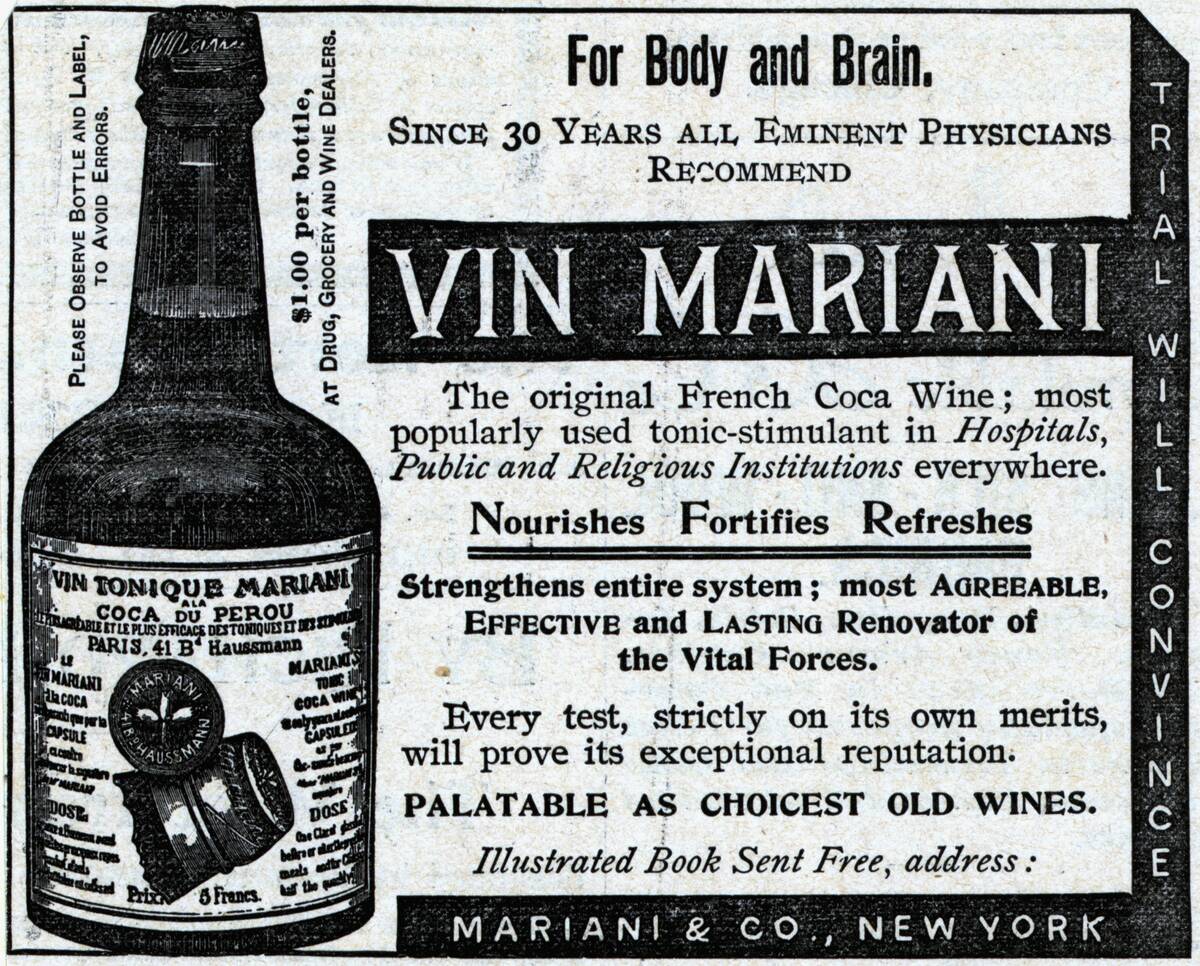
Vin Mariani was a sensation in the late 1800s, known for its invigorating effects due to its drug content. This wine was endorsed by celebrities and medical professionals alike, boosting its popularity.
Pemberton saw the success of Vin Mariani and was inspired to create his own version, hoping to capture the same market. The influence of this drink on Pemberton’s formula is a testament to the trends and preferences of the time.
The Temperance Movement
The temperance movement, which advocated for the reduction of alcohol consumption, played a significant role in Coca-Cola’s evolution. As public sentiment shifted away from alcoholic beverages, Pemberton saw an opportunity to adapt his formula.
By removing the wine and creating a non-alcoholic version, he was able to appeal to a broader audience. This change was crucial in transforming Coca-Cola from a niche tonic to a mainstream refreshment.
The Birth of Coca-Cola: A Non-Alcoholic Alternative
The birth of Coca-Cola as a non-alcoholic beverage marked a turning point in its history. By eliminating the wine, Pemberton created a drink that could be enjoyed by all, regardless of age or beliefs.
This new version retained the stimulating effects of coca leaves and kola nuts, making it a popular choice for those seeking an energizing refreshment. The shift to a non-alcoholic formula set the stage for Coca-Cola’s widespread success.
The Role of Coca Leaves: A Controversial Ingredient

Coca leaves were a key ingredient in the original Coca-Cola formula, valued for their stimulant properties. However, their use was not without controversy.
At the time, coca leaves were believed to offer health benefits, and their inclusion in the drink was seen as a positive feature. The eventual removal of coca leaves from the formula was a necessary step in Coca-Cola’s evolution.
Kola Nuts: The Source of the “Kola” in Coca-Cola

Kola nuts, native to West Africa, were another essential ingredient in Pemberton’s formula. Known for their caffeine content, they provided a natural source of energy and were believed to aid digestion.
The inclusion of kola nuts not only contributed to the drink’s name but also enhanced its reputation as a health tonic. Their stimulating effects made Coca-Cola a popular choice among those seeking a quick pick-me-up.
What Coca-Cola Was Supposed to Cure
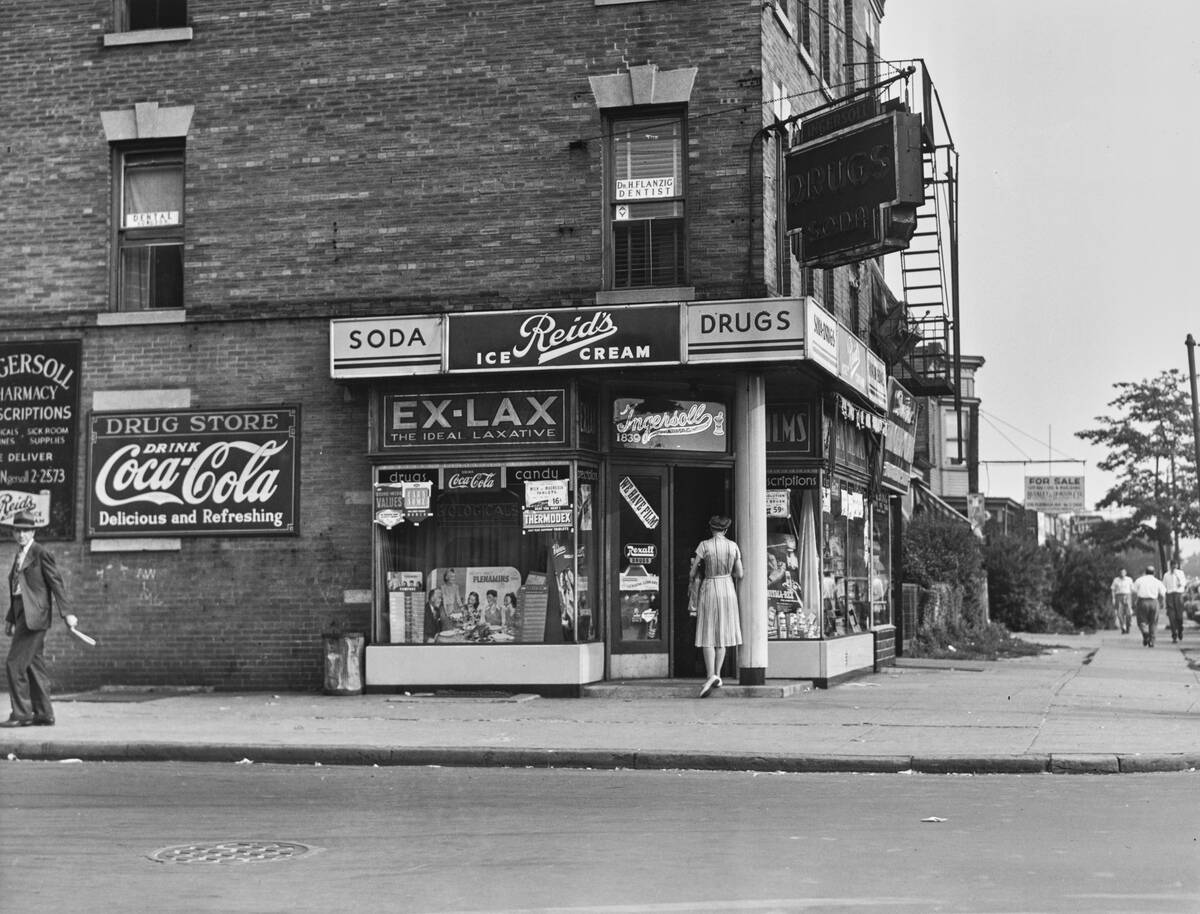
Coca-Cola was initially marketed as a medicinal tonic, with claims that it could cure a variety of ailments. From headaches to fatigue, the drink was touted as a remedy for common health issues.
These claims were supported by the inclusion of coca leaves and kola nuts, both believed to have therapeutic properties. While the medicinal benefits of Coca-Cola are no longer emphasized, its early reputation as a cure-all contributed to its initial popularity.
Selling Coca-Cola as a Health Tonic
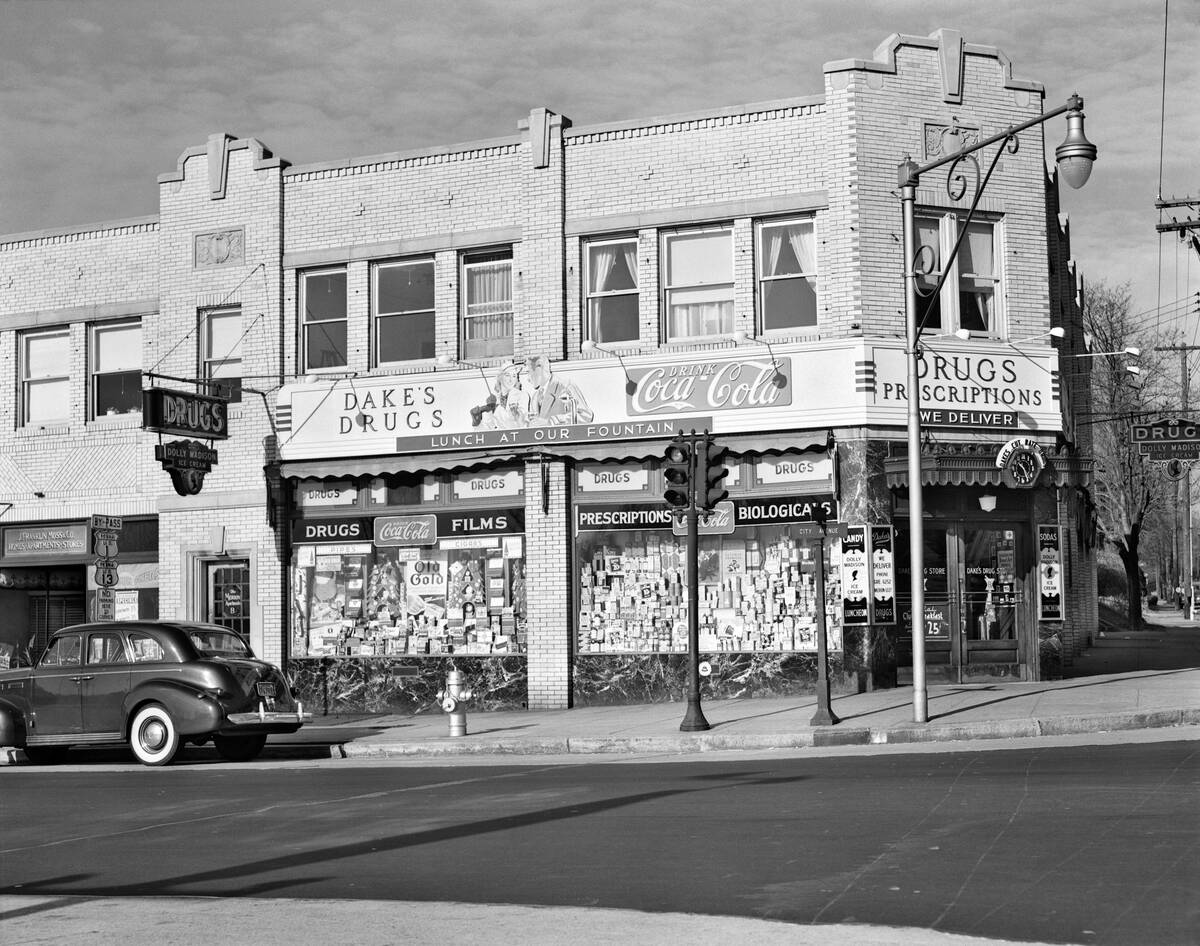
The marketing of Coca-Cola as a health tonic was a stroke of genius. Advertisements highlighted its supposed medicinal benefits, appealing to consumers seeking relief from everyday ailments.
This approach helped differentiate Coca-Cola from other beverages and established it as a trusted remedy. The clever marketing strategies employed by Pemberton and his successors played a crucial role in building the brand’s early success and enduring legacy.
A New Way to Consume Medicine
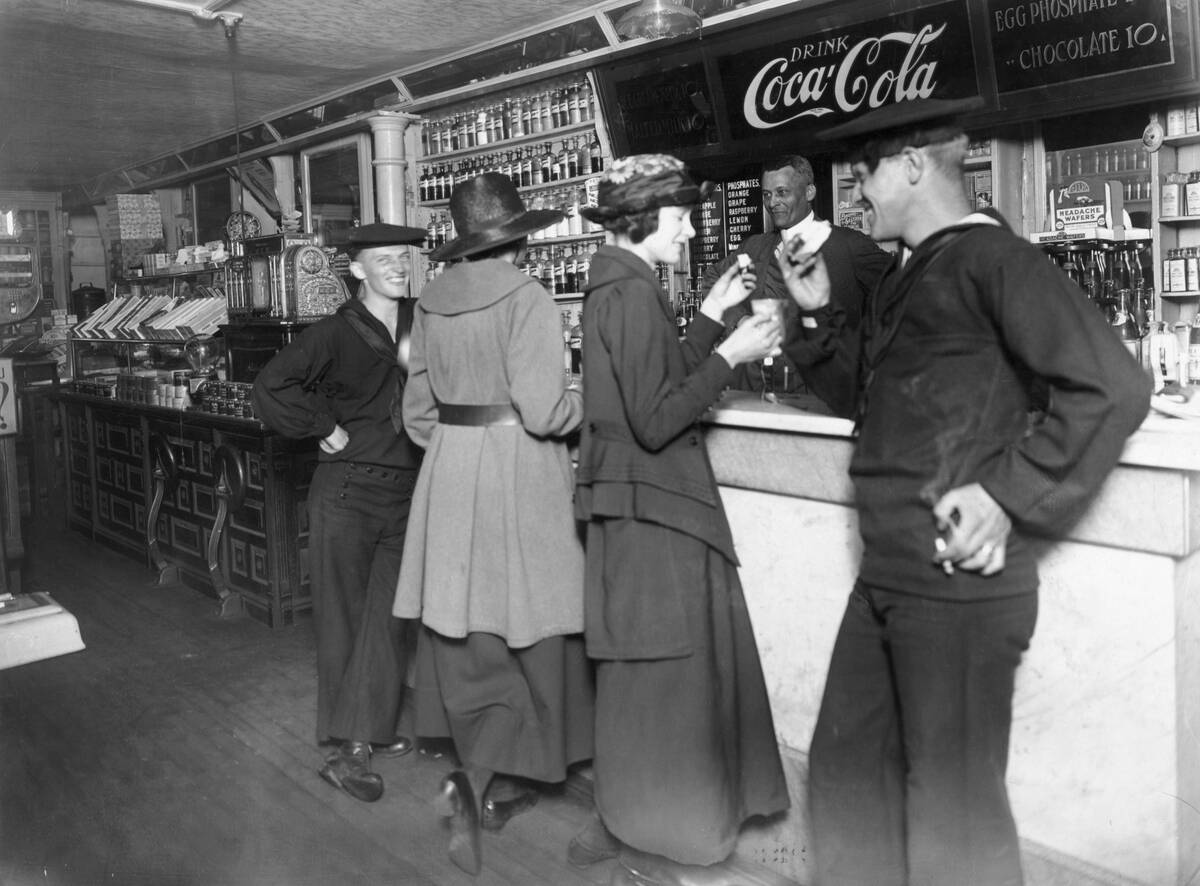
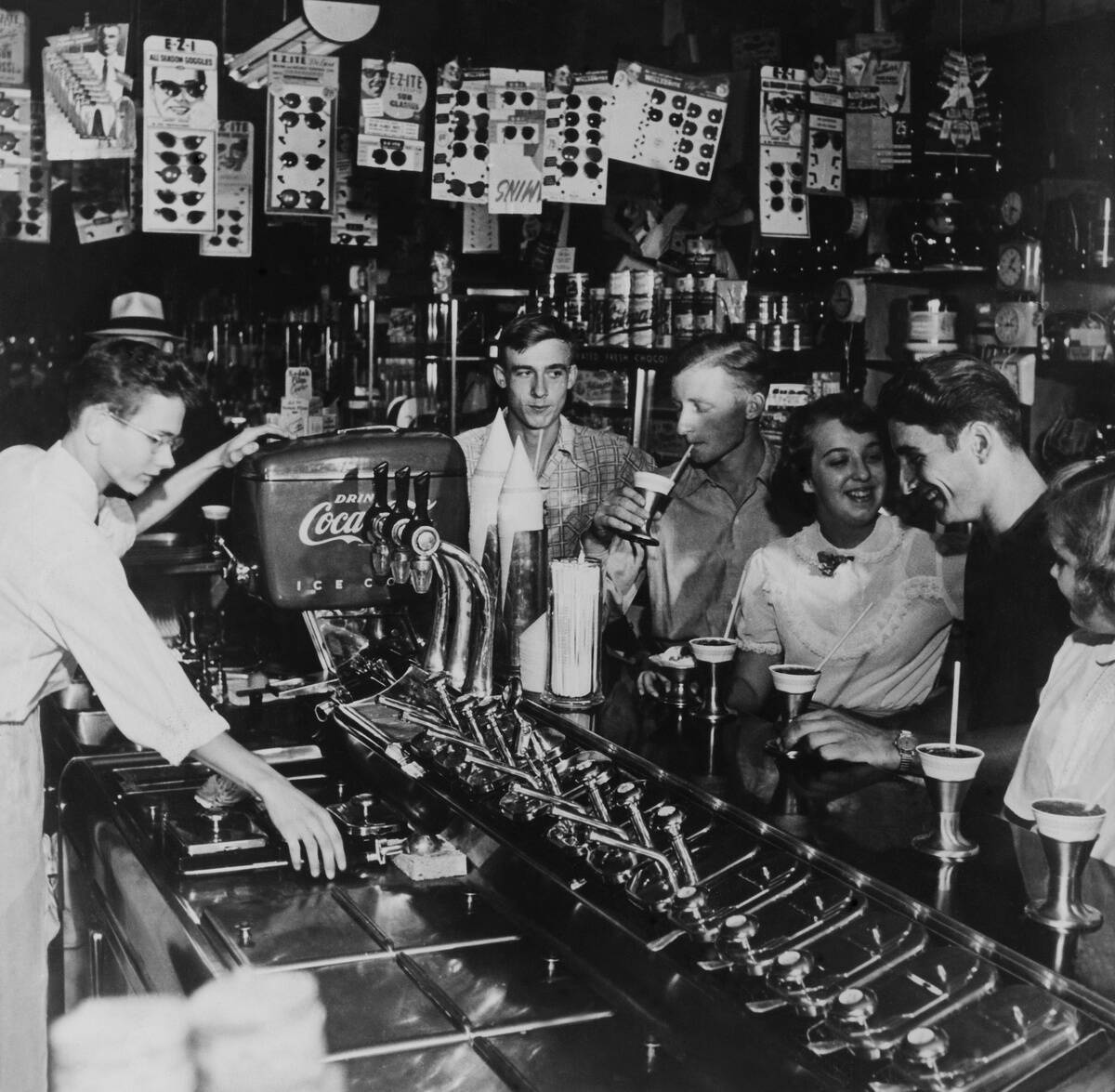
Soda fountains were a popular fixture in pharmacies during the late 19th century, providing a unique way to consume medicinal tonics. Coca-Cola quickly became a favorite at these establishments, where customers could enjoy the refreshing drink while socializing.
The soda fountain experience added an element of fun to the consumption of medicine, helping to cement Coca-Cola’s reputation as both a remedy and a treat. This trend contributed to the drink’s growing popularity.
The Transition From Medicine to Refreshing Beverage

The transition of Coca-Cola from a medicinal tonic to a refreshing beverage was a natural evolution. As the drink’s popularity grew, its reputation as a health remedy began to fade. Consumers increasingly enjoyed Coca-Cola for its taste and invigorating effects, rather than its supposed medicinal benefits.
This shift in perception helped establish Coca-Cola as a staple in the beverage industry, paving the way for its global success.
The Businessman Who Transformed Coca-Cola
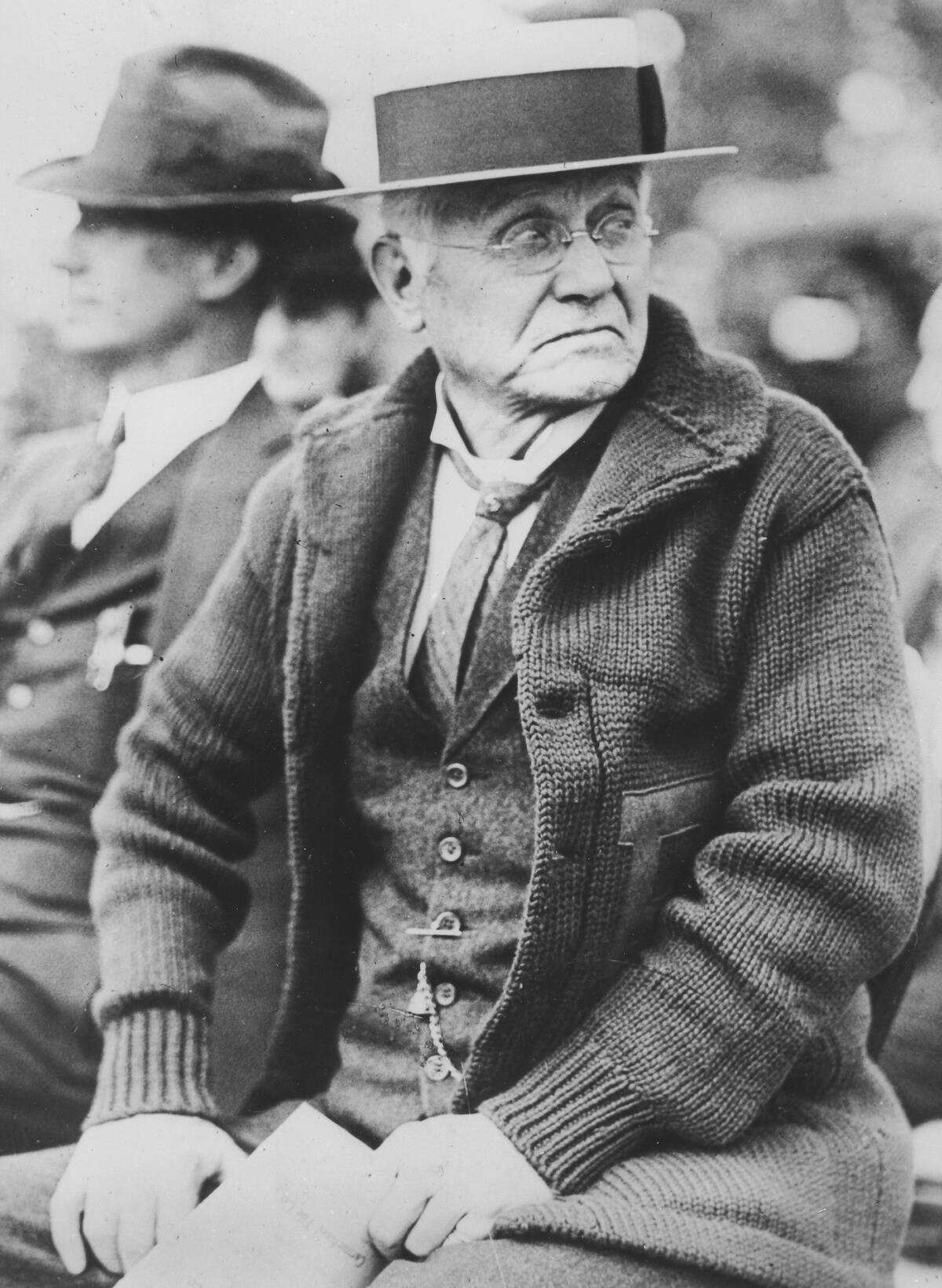
Asa Candler, a savvy businessman, played a pivotal role in transforming Coca-Cola into a household name. In 1888, Candler acquired the rights to the formula and set about expanding its reach. His innovative marketing strategies and aggressive business tactics helped propel Coca-Cola to new heights.
Candler’s vision and leadership were instrumental in turning the drink from a regional curiosity into a national sensation, laying the foundation for its future as a global icon.
Tidbits About Coca-Cola’s Early Days
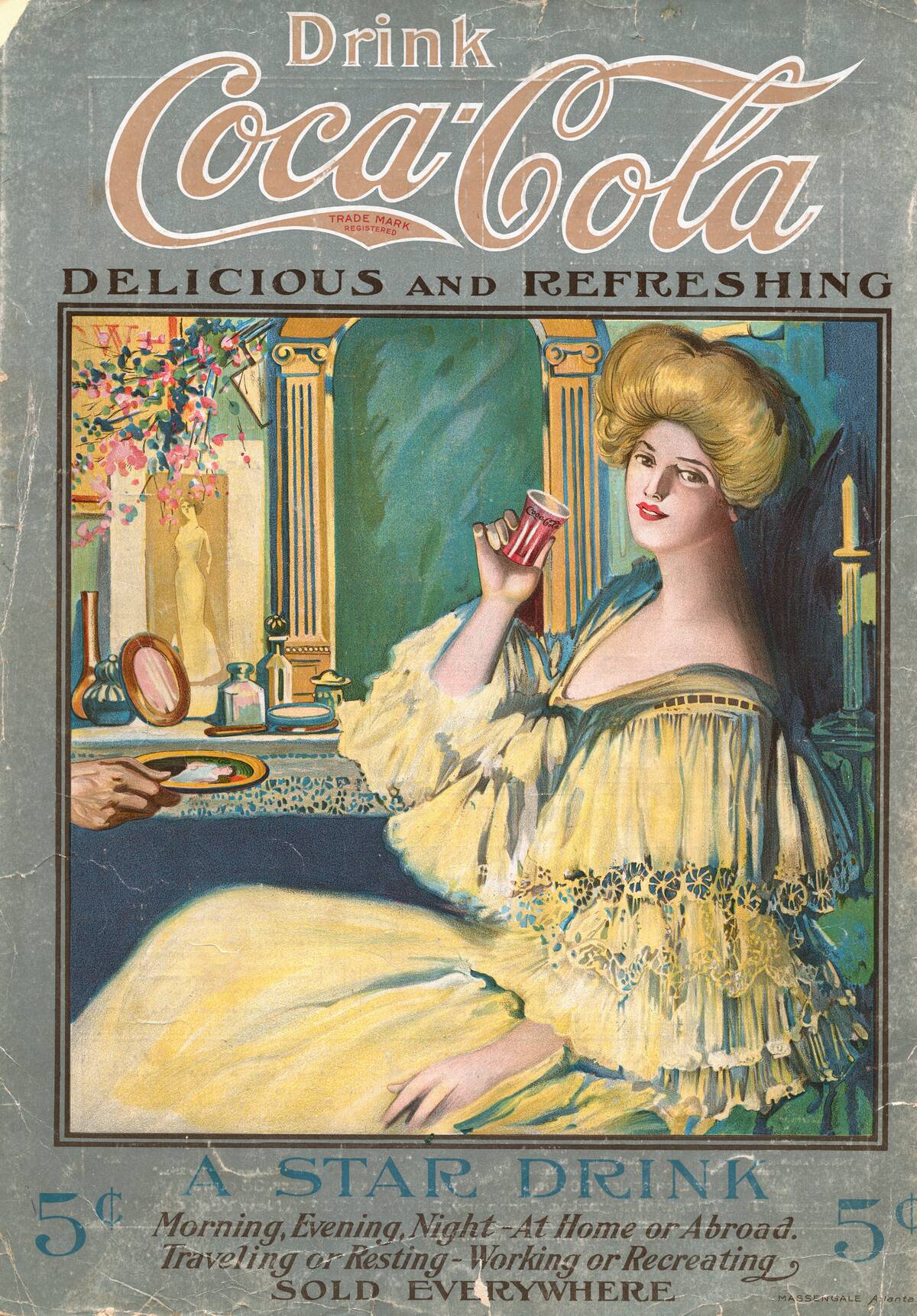
Coca-Cola’s early days are filled with quirky tidbits that add to its charm. Did you know that the first servings of Coca-Cola were sold for just five cents a glass? Or that the distinctive script logo was designed by Pemberton’s bookkeeper, Frank Mason Robinson?
These fun facts highlight the humble beginnings of a brand that would go on to achieve global fame. The rich history and unique anecdotes of Coca-Cola’s past continue to captivate fans and historians alike.