Popular entertainment formats that vanished
Entertainment formats have evolved dramatically over the years, with some rising to prominence only to fade away as new technologies and preferences emerged. From the golden days of radio to the digital age, each format has had its moment in the spotlight.
While some have adapted and survived, others have become nostalgic relics of the past.
The Golden Age of Radio Dramas
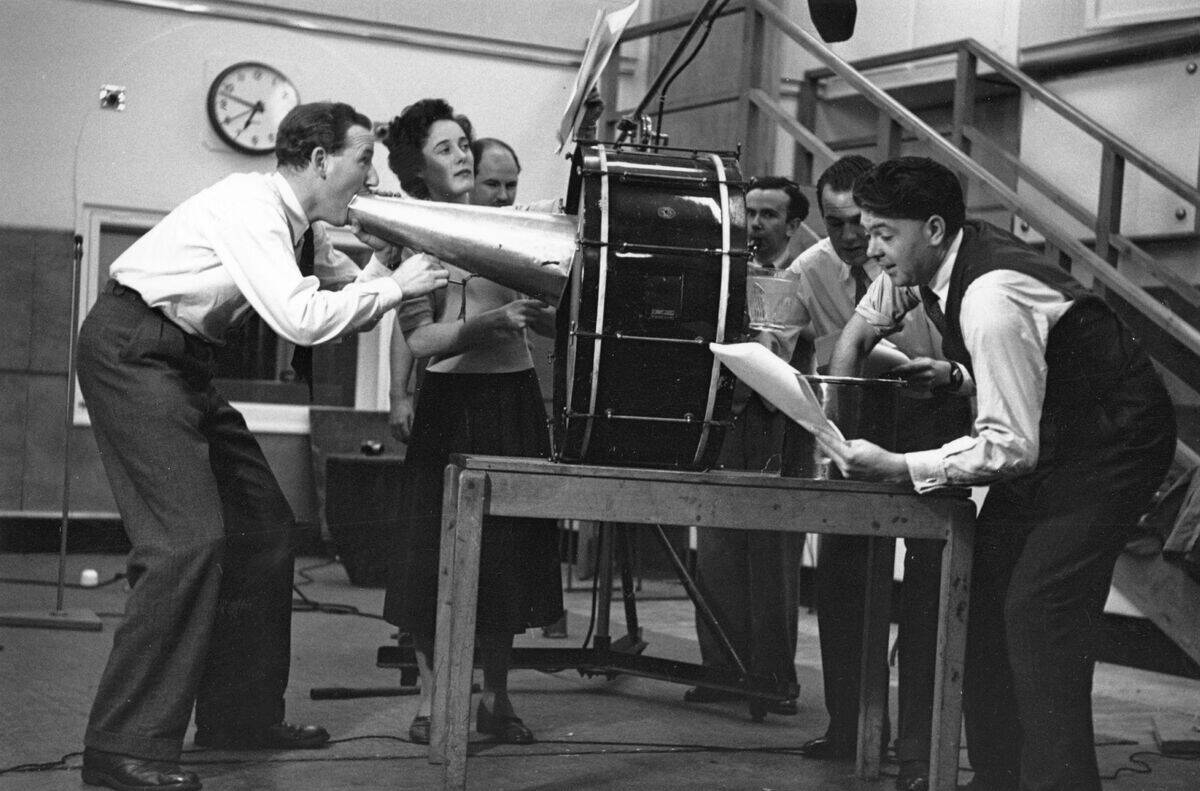
Radio dramas once captivated audiences with their immersive storytelling and sound effects. In the 1930s and 1940s, families would gather around the radio for popular shows like “The Shadow” and “War of the Worlds.”
These audio-only dramas allowed listeners to use their imagination, creating vivid mental images. However, the advent of television in the 1950s led to a decline in radio drama popularity as audiences shifted to visual entertainment.
The Decline of Variety Shows
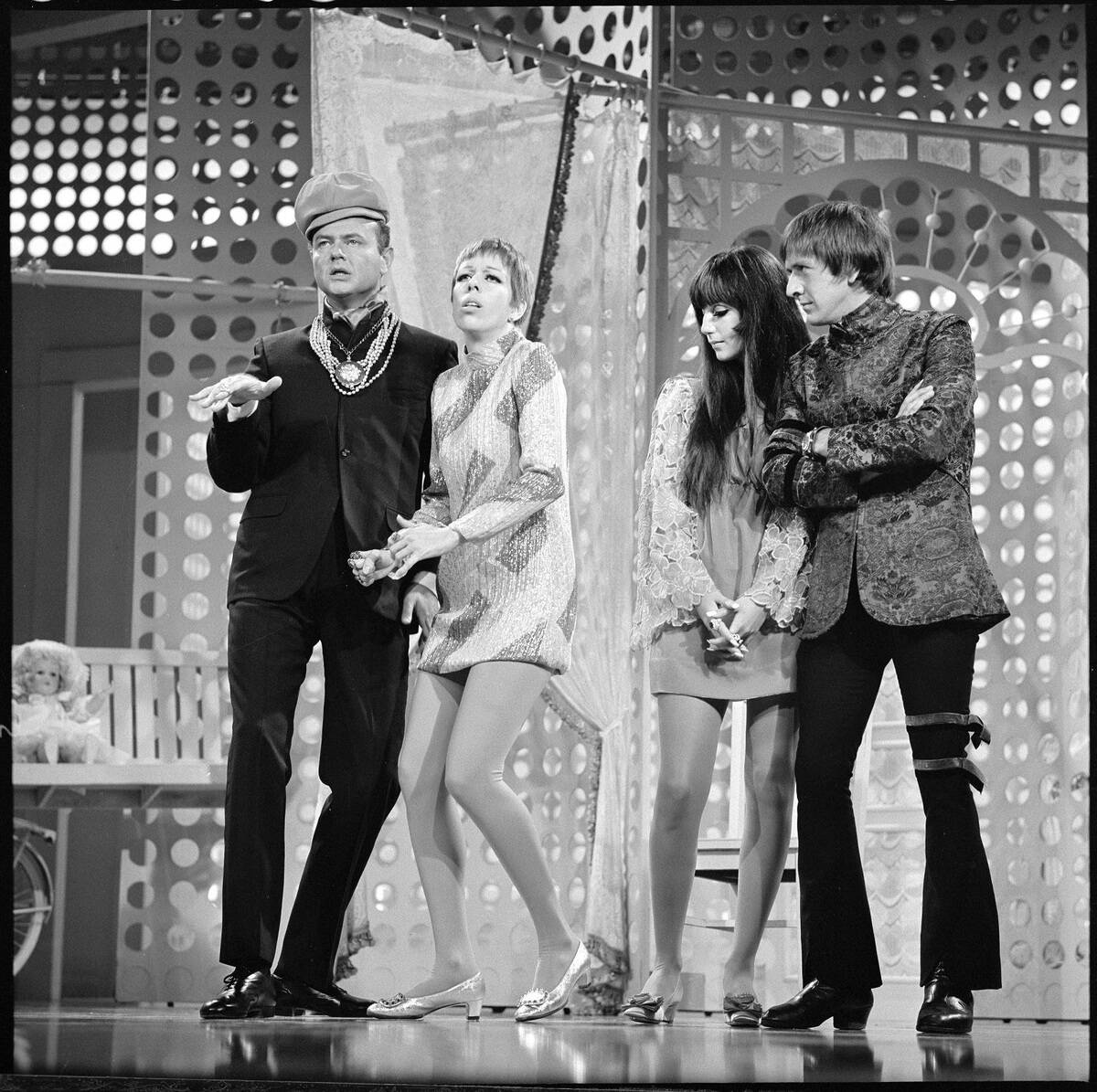
Variety shows were once a television staple, offering a mix of comedy, music, and dance. Programs like “The Ed Sullivan Show” and “The Carol Burnett Show” drew millions of viewers. However, as television evolved, the appeal of variety shows waned.
The rise of reality TV and niche programming in the 1980s and 1990s contributed to their decline, as audiences sought more specialized content tailored to their interests.
The Disappearance of Silent Films
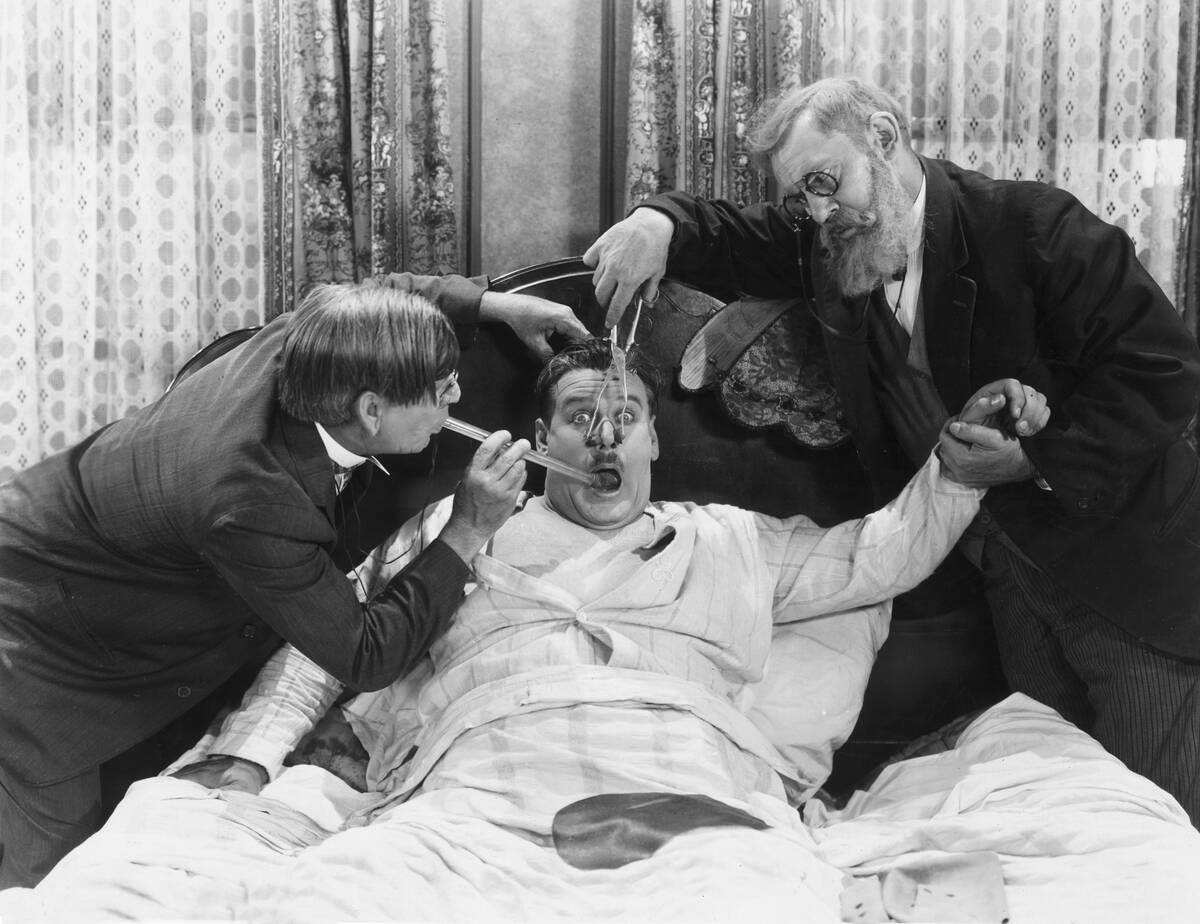
Silent films were the pioneers of cinema, with stars like Charlie Chaplin and Buster Keaton captivating audiences worldwide. These films relied on expressive acting and intertitles to convey stories.
However, the introduction of synchronized sound in the late 1920s, marked by “The Jazz Singer,” revolutionized the industry. Talkies quickly became the norm, and silent films faded into obscurity, leaving behind a legacy of early cinematic artistry.
The Fading Glory of Drive-In Theaters
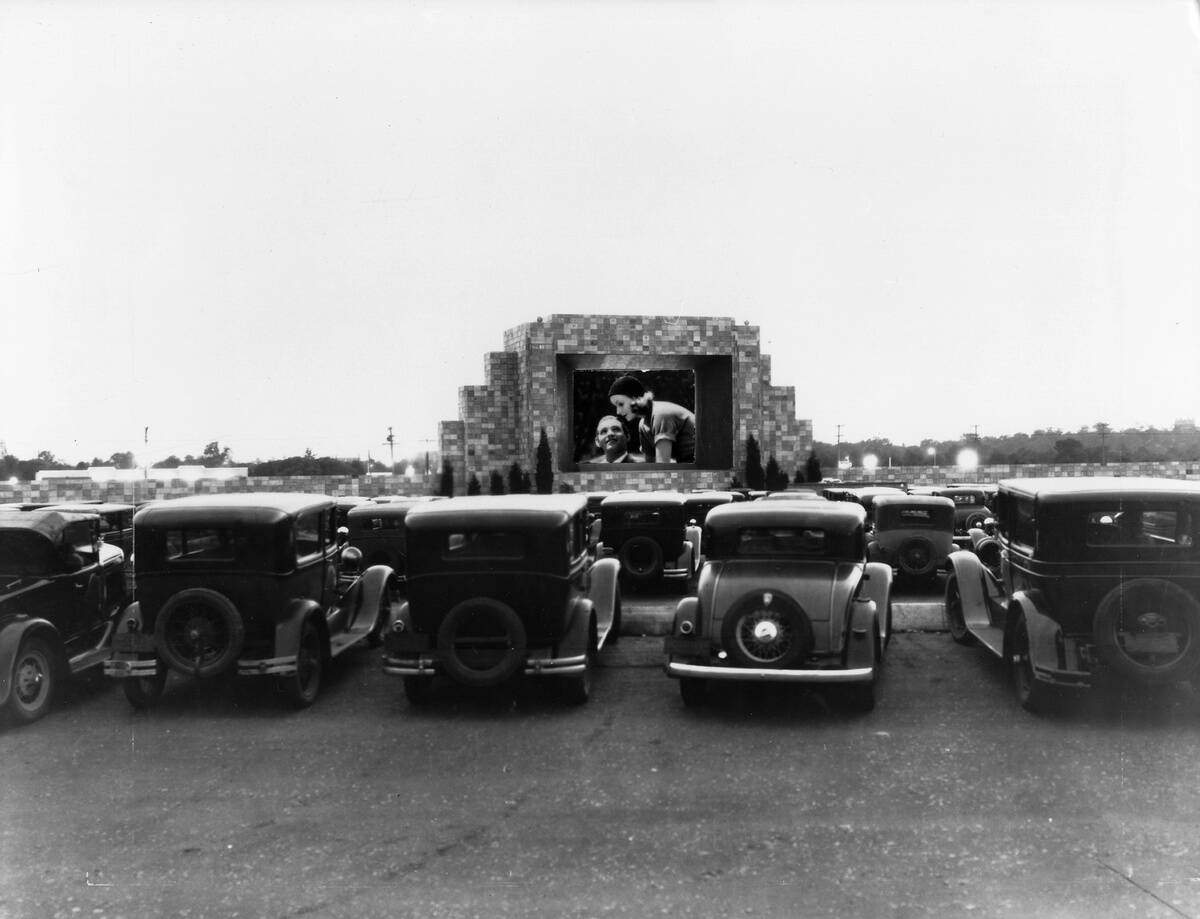
Drive-in theaters were once a quintessential part of American culture, offering a unique movie-going experience. At their peak in the 1950s and 1960s, there were over 4,000 drive-ins across the United States.
However, the rise of multiplex cinemas and home video led to their decline. Today, only a few hundred remain, cherished by nostalgic moviegoers seeking a slice of Americana and a reminder of simpler times.
The Vanishing Act of Vaudeville
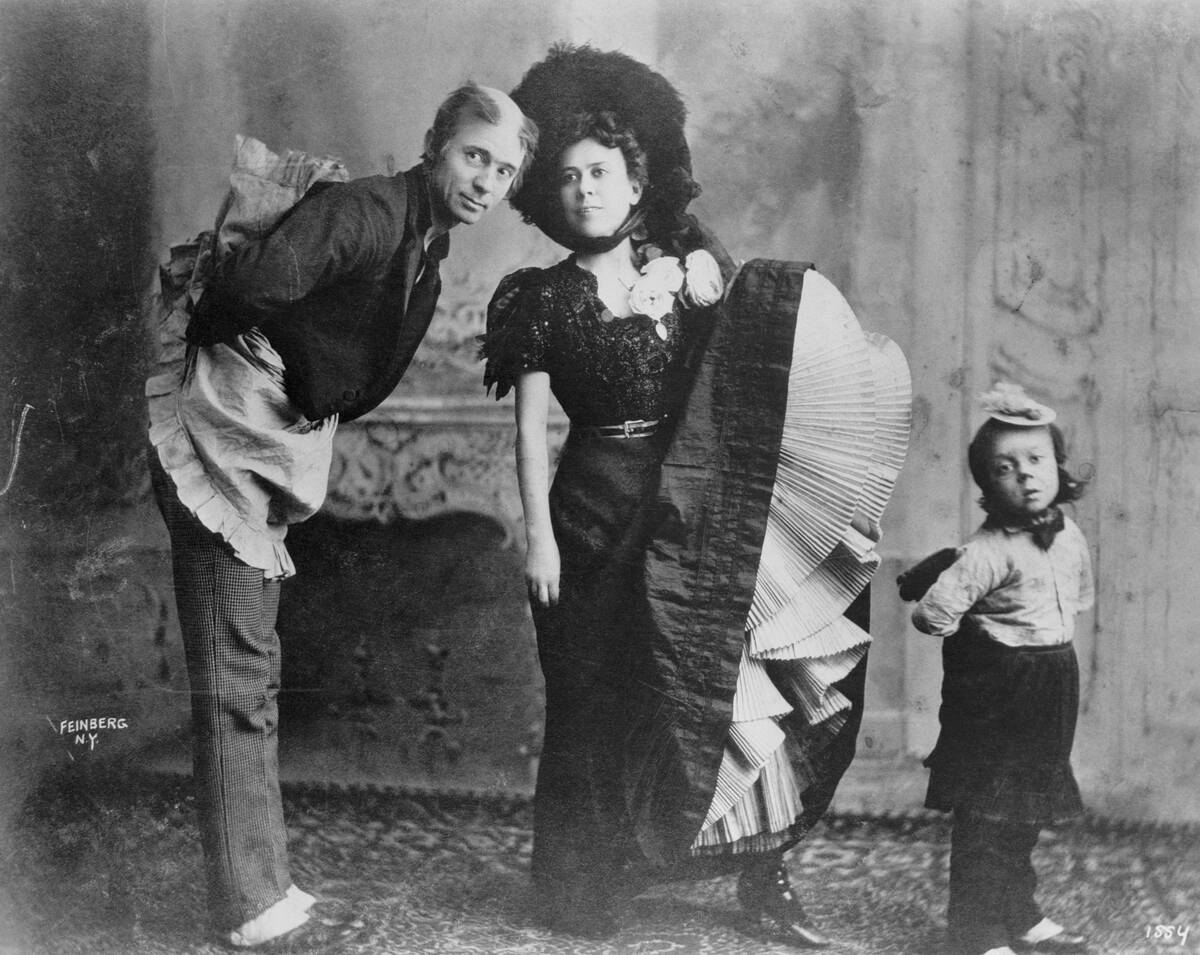
Vaudeville was a theatrical variety entertainment that thrived from the late 19th century to the early 20th century. It featured a mix of comedy, music, dance, and magic acts. Stars like Buster Keaton and Mae West got their start in vaudeville.
However, the rise of cinema and radio in the 1920s and 1930s led to its decline, as audiences preferred the new forms of entertainment that offered more spectacle and convenience.
The Short-Lived Era of 3D Television
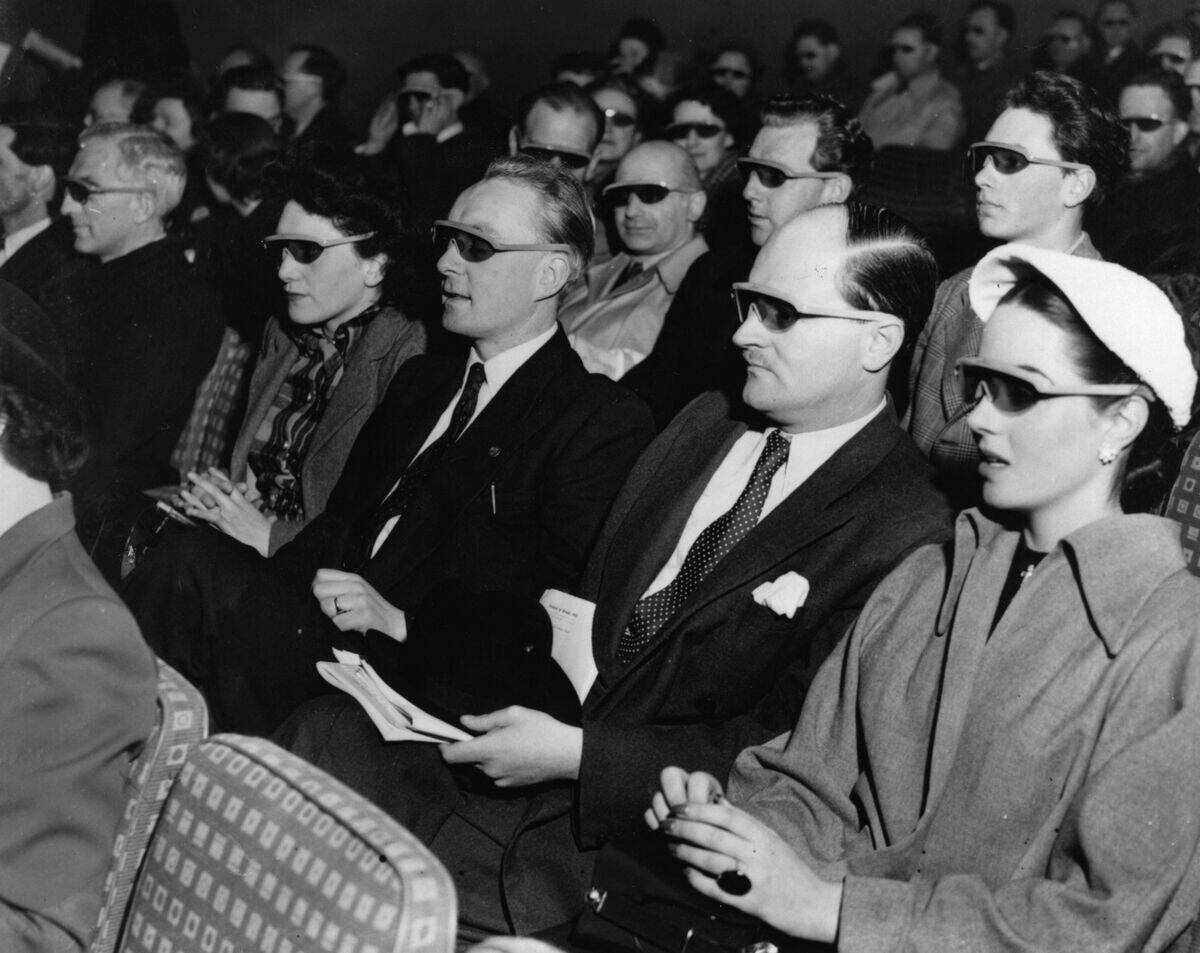
3D television promised to bring a new dimension to home entertainment, with major manufacturers launching 3D TVs in the early 2010s. However, the format struggled to gain traction due to high costs, limited content, and the inconvenience of wearing 3D glasses.
By the mid-2010s, most manufacturers had ceased production of 3D TVs, and the technology was largely abandoned, leaving it as a short-lived novelty in the history of home entertainment.
The Obsolescence of LaserDisc
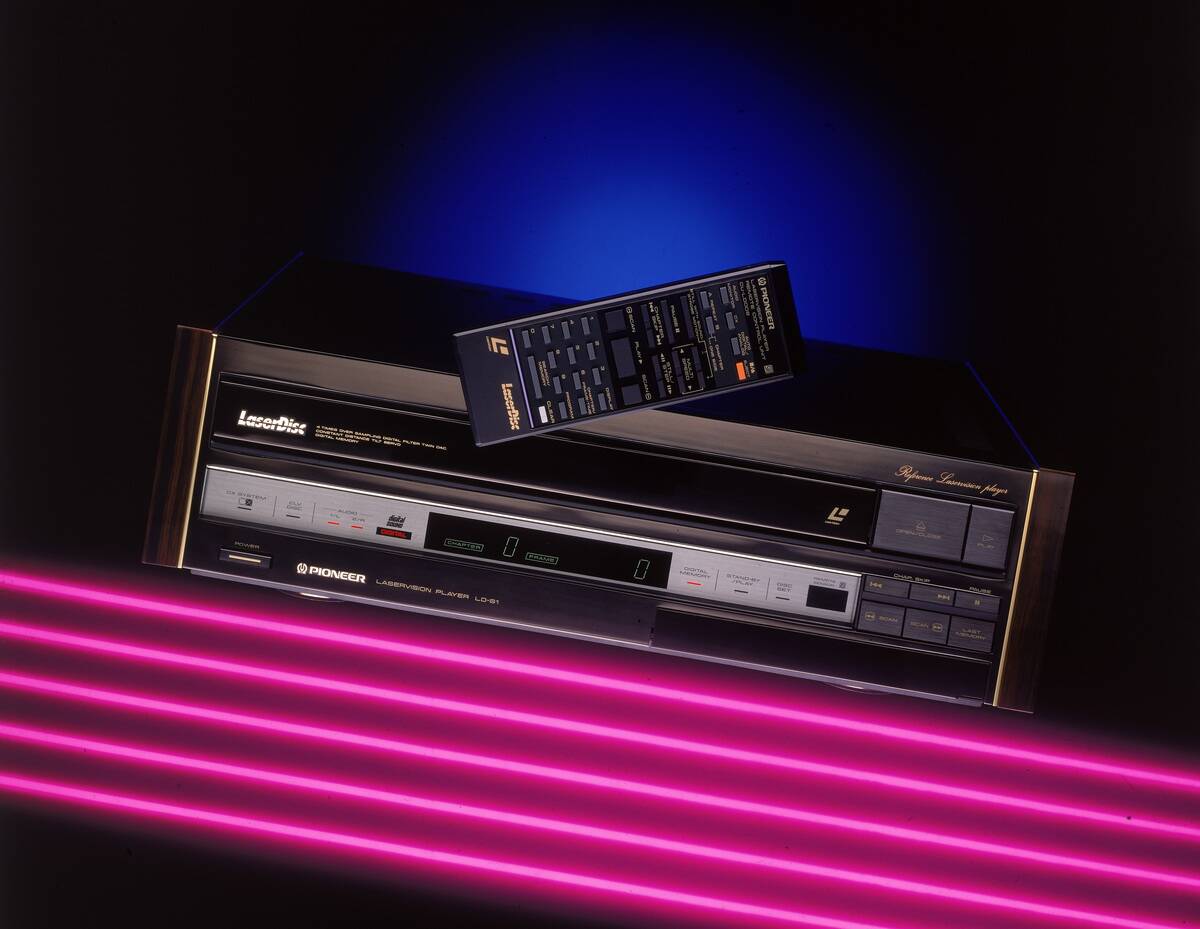
LaserDisc was a precursor to DVDs, offering superior video and audio quality compared to VHS tapes. Introduced in the late 1970s, it gained a niche following among cinephiles for its high-quality format.
However, its large size, high cost, and limited availability of titles hindered widespread adoption. The arrival of DVDs in the late 1990s, which offered similar quality in a more convenient format, rendered LaserDiscs obsolete.
The Fall of the Infomercial Empire
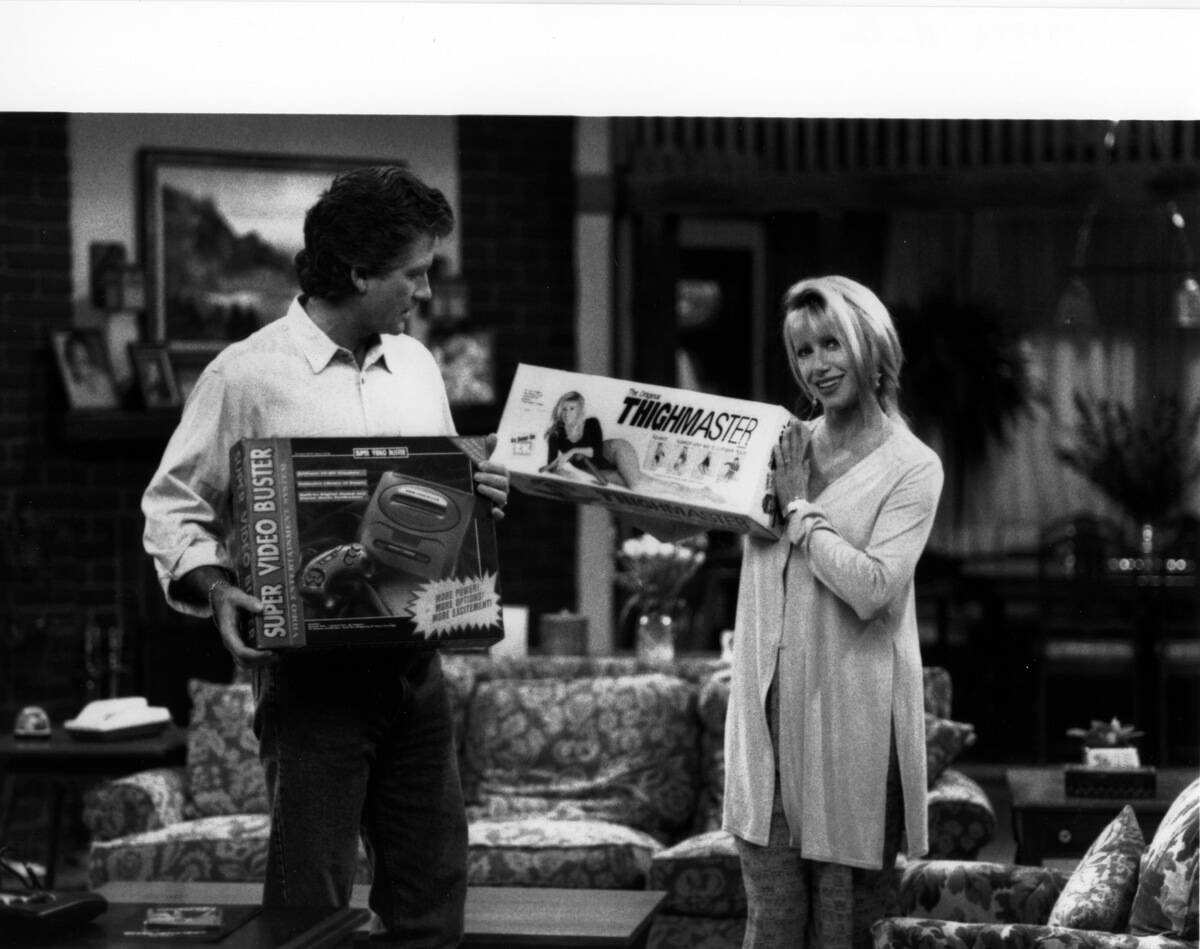
Infomercials once dominated late-night television, offering viewers a blend of entertainment and sales pitches. Products like the ThighMaster and the George Foreman Grill became household names through these long-form ads.
However, the rise of online shopping and streaming services reduced the need for infomercials. Consumers now have access to product information and reviews at their fingertips, making traditional infomercials less relevant in the digital age.
The Demise of Interactive TV Shows
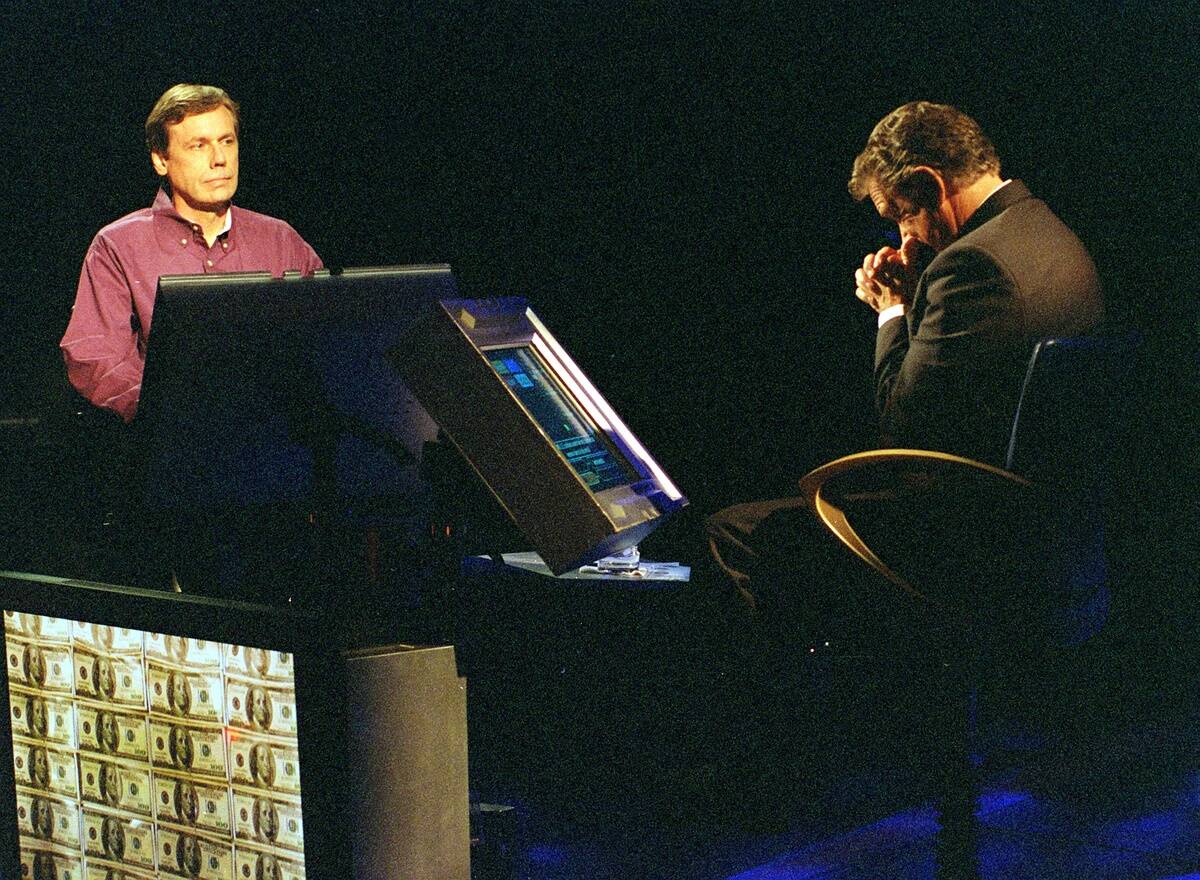
Interactive TV shows attempted to engage viewers by allowing them to influence the outcome of the program. Shows like “Who Wants to Be a Millionaire” incorporated audience participation through phone-ins and voting. However, the concept struggled to maintain interest as technology advanced.
The rise of social media and streaming platforms provided more interactive and engaging ways for audiences to participate, leading to the decline of traditional interactive TV formats.
The End of the Soap Opera Boom
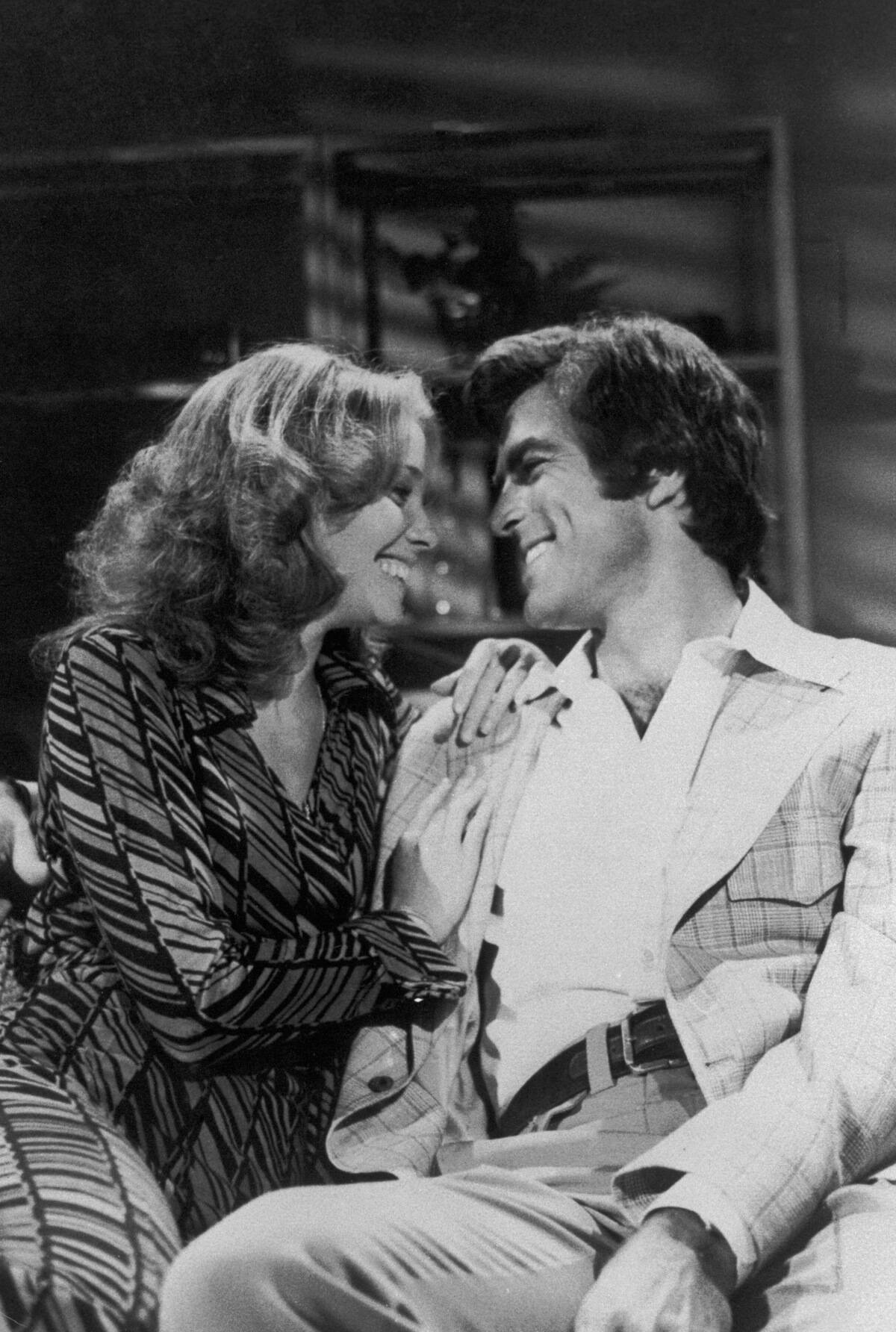
Soap operas were once a staple of daytime television, with shows like “General Hospital” and “The Young and the Restless” captivating audiences with their dramatic storylines. However, the genre has seen a decline in recent years, with many long-running shows being canceled.
The rise of reality TV and streaming services offering serialized dramas has contributed to the decline, as audiences seek more diverse and modern storytelling formats.
The Decline of Saturday Morning Cartoons
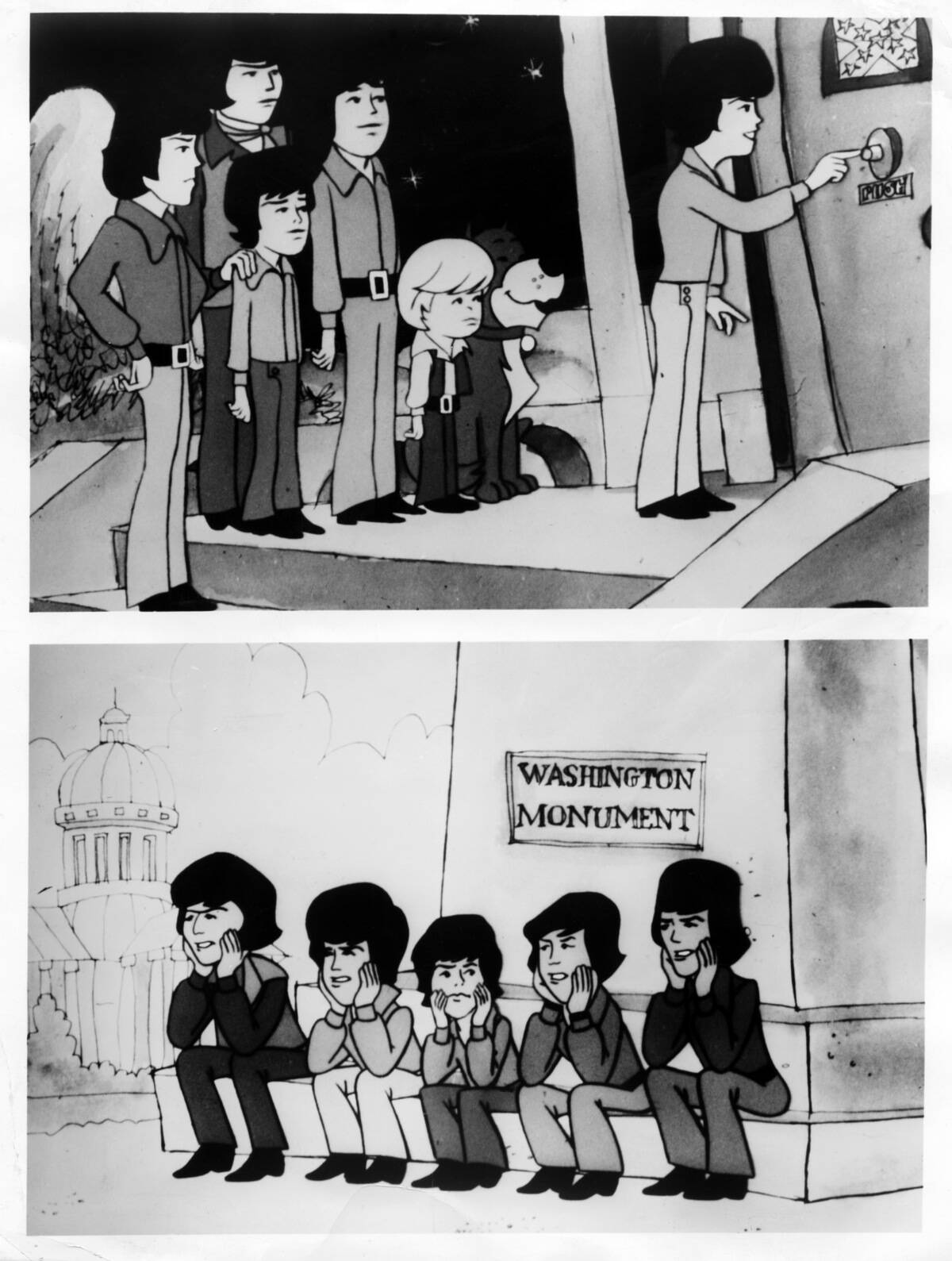
Saturday morning cartoons were a beloved ritual for children, offering a block of animated programming on major networks. Shows like “The Smurfs” and “Teenage Mutant Ninja Turtles” became cultural icons.
However, changes in advertising regulations and the rise of cable channels offering 24/7 children’s programming led to their decline. By the mid-2000s, the tradition of Saturday morning cartoons had largely disappeared, replaced by on-demand viewing options.
The Extinction of Video Rental Stores

Video rental stores like Blockbuster were once the go-to destination for movie lovers. At their peak in the 1990s, there were over 9,000 Blockbuster stores worldwide. However, the rise of streaming services like Netflix and digital downloads led to the rapid decline of physical rental stores.
By 2010, most had closed their doors, marking the end of an era for movie rentals and a shift towards digital consumption.
The Disappearance of Music Video Channels

Music video channels like MTV and VH1 once dominated the airwaves, providing a platform for artists to showcase their work. In the 1980s and 1990s, these channels were cultural touchstones, launching the careers of many musicians.
However, the rise of the internet and platforms like YouTube shifted music video consumption online. As a result, traditional music video channels have largely moved away from music programming, focusing instead on reality TV and other content.
The Obsolescence of Physical Magazines

Physical magazines were once a primary source of information and entertainment, covering topics from fashion to politics. Titles like “Time” and “Vogue” were widely read and influential.
However, the digital revolution and the rise of online content have led to a decline in print magazine circulation. Many publications have shifted to digital formats, offering interactive and up-to-date content, leaving physical magazines as a nostalgic reminder of a bygone era.
The Vanishing Variety of Game Shows

Game shows have been a staple of television for decades, with classics like “Jeopardy!” and “Wheel of Fortune” capturing audiences’ attention. However, the variety of game shows has diminished over time.
The rise of reality TV and streaming platforms offering diverse entertainment options has led to a decline in traditional game show formats. While some classics endure, the golden age of game shows with unique and varied formats has largely passed.
The End of the Golden Age of Comic Strips

Comic strips were once a beloved part of daily newspapers, with iconic characters like “Peanuts” and “Garfield” entertaining readers. The golden age of comic strips spanned from the early 20th century to the 1990s.
However, the decline of print newspapers and the rise of digital media have led to a decrease in comic strip readership. While some strips have transitioned online, the heyday of comic strips as a cultural phenomenon has ended.