Forgotten brands that once seemed too big to fail
In the ever-evolving world of business, some brands rise to iconic status only to face a dramatic fall. These companies often become household names, shaping industries and consumer habits.
Yet, despite their initial success, many fail to adapt to changing markets and technologies, leading to their decline. This article explores the stories of several such brands, examining the factors that contributed to their rise and eventual downfall.
Blockbuster: The Video Rental Giant That Couldn’t Keep Up

Blockbuster was once the king of video rentals, with over 9,000 stores worldwide at its peak. The blue and yellow logo was a beacon for movie lovers seeking the latest releases.
However, the rise of digital streaming services like Netflix spelled doom for the rental giant. Blockbuster’s failure to adapt to the digital revolution and its late entry into the streaming market led to its bankruptcy in 2010.
Kodak: The Film Company That Missed the Digital Revolution
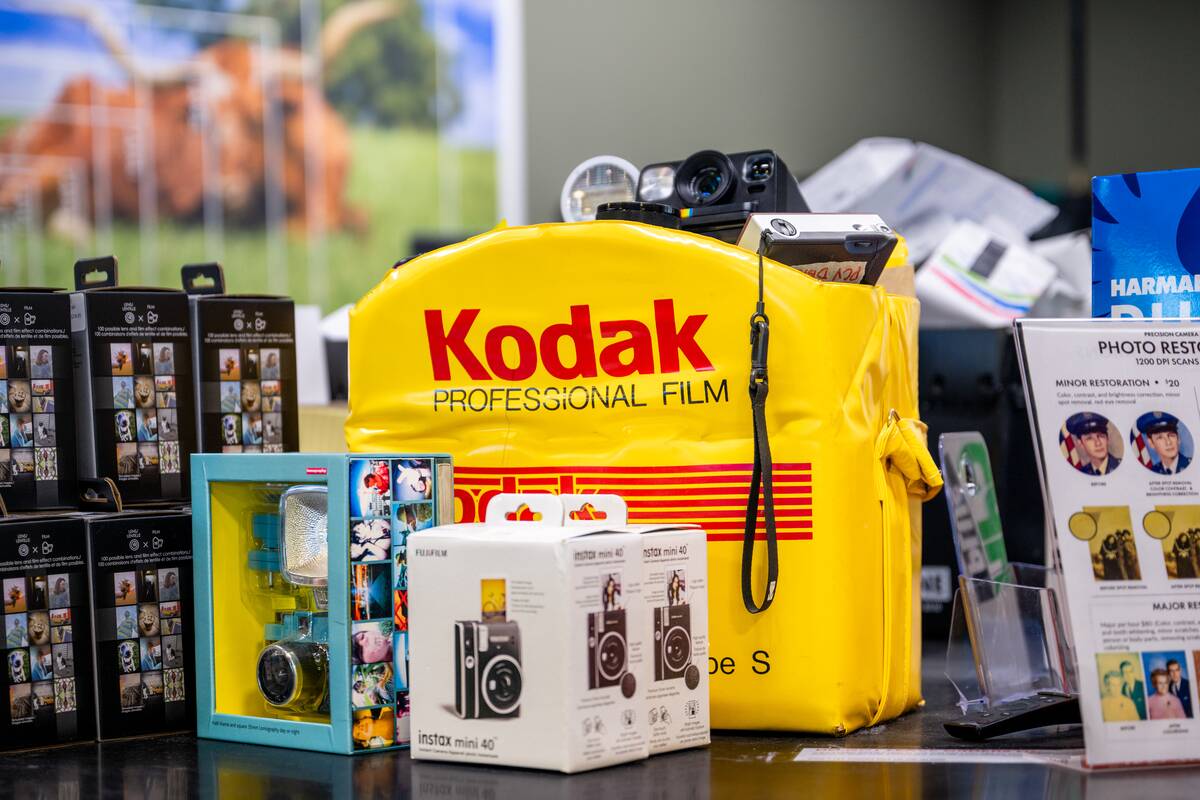
Kodak was synonymous with photography for much of the 20th century, dominating the film market. Ironically, Kodak invented the first digital camera in 1975 but shelved the technology to protect its film business.
This decision proved costly as digital photography took off, and competitors seized the opportunity. Kodak filed for bankruptcy in 2012, a cautionary tale of innovation stifled by complacency.
Toys “R” Us: The Toy Store That Lost Its Magic
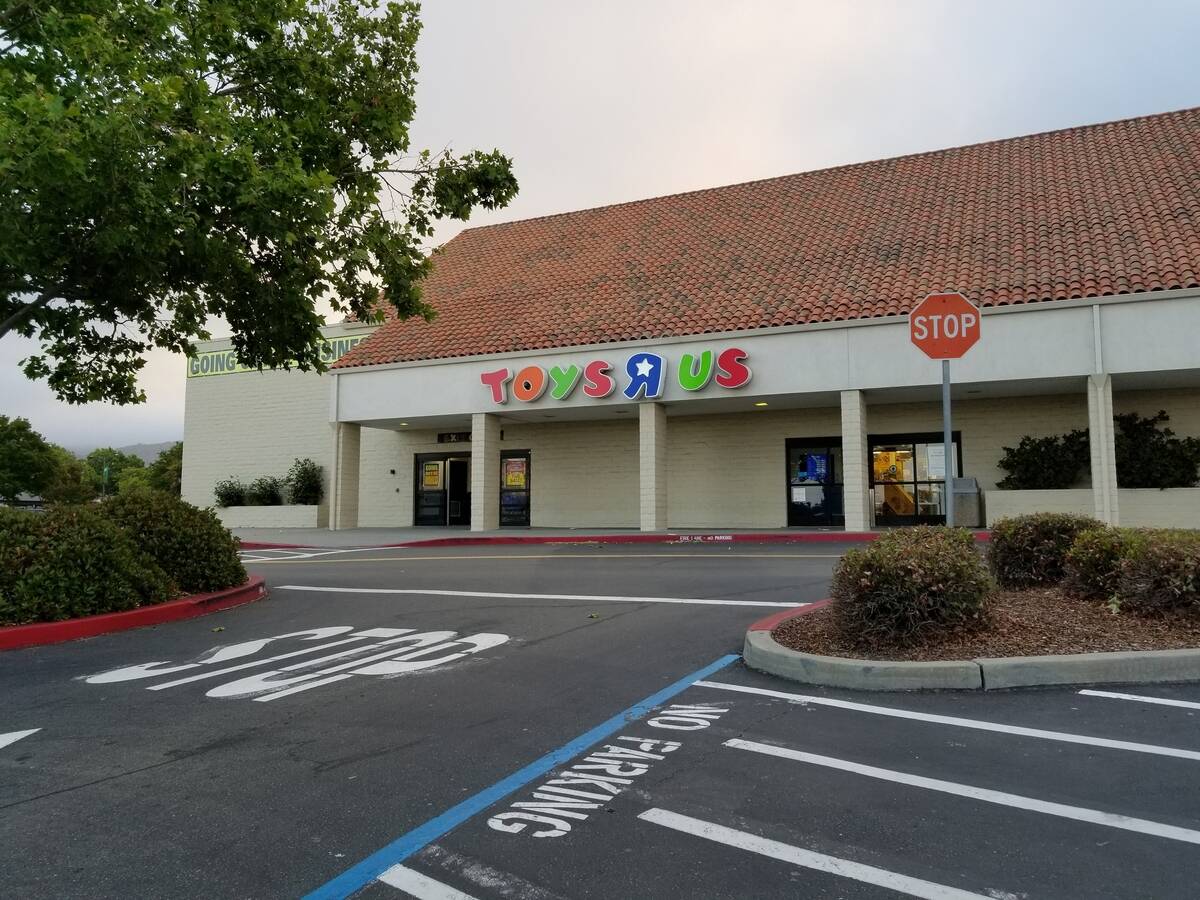
Toys “R” Us was a wonderland for children and a go-to destination for parents shopping for toys. Founded in 1948, it grew into a global retail powerhouse. However, mounting debt and the rise of online shopping giants like Amazon led to its downfall.
Despite efforts to revitalize the brand, Toys “R” Us filed for bankruptcy in 2017, closing its doors and leaving a void in the toy retail market.
MySpace: The Social Media Pioneer That Faded Away

MySpace was the social media platform of choice in the early 2000s, a place where users could customize profiles and connect with friends. It was the most visited website in the world in 2006.
However, the rise of Facebook, with its cleaner interface and broader appeal, led to MySpace’s decline. By 2011, MySpace had lost the social media battle, selling for a fraction of its former value.
Borders: The Bookstore Chain That Couldn’t Turn the Page

Borders was a beloved bookstore chain known for its vast selection and cozy reading nooks. Founded in 1971, it became a staple for book lovers. However, Borders struggled to compete with the rise of e-books and online retailers like Amazon.
Its reluctance to embrace digital sales and e-readers contributed to its bankruptcy in 2011, marking the end of an era for brick-and-mortar bookstores.
Pan Am: The Airline That Couldn’t Stay Afloat
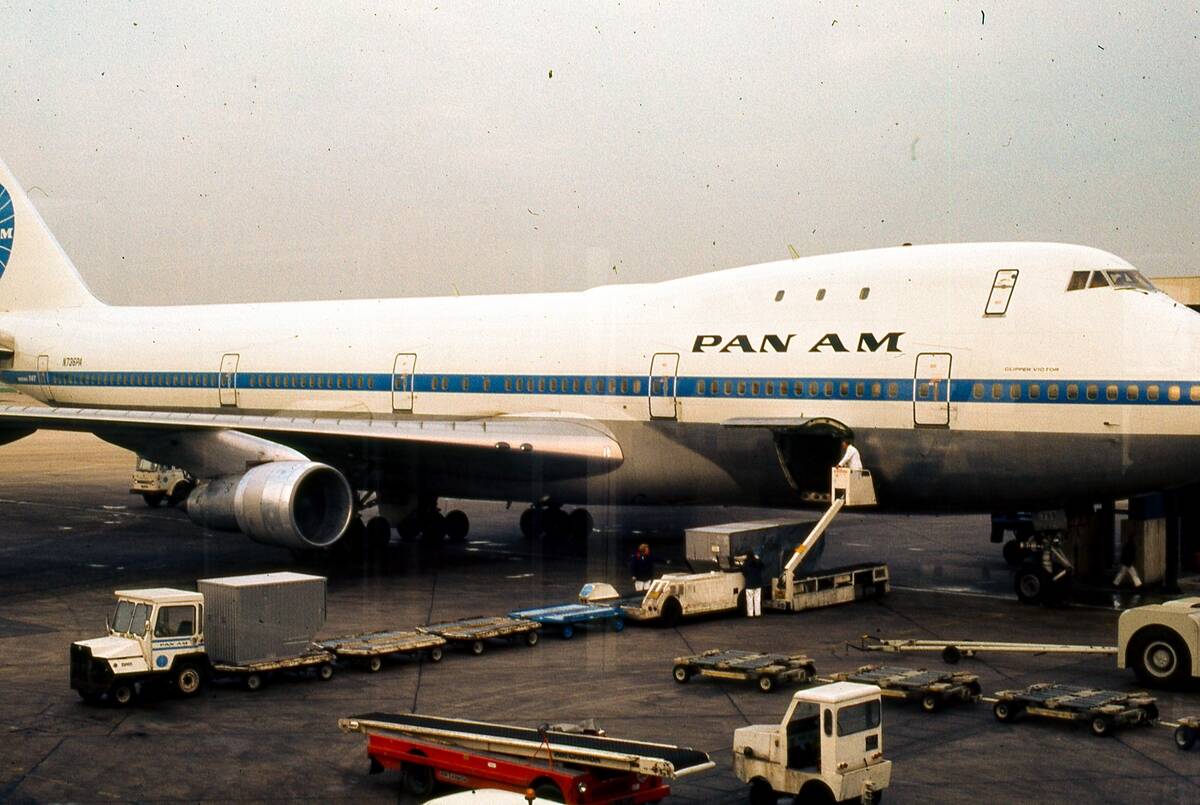
Pan Am was an iconic airline that symbolized the golden age of air travel, known for its luxurious service and global reach. Founded in 1927, it was a pioneer in international flights.
Its decline resulted from a combination of rising fuel costs after the 1973 oil crisis, airline deregulation, increased competition, heavy operating costs, strategic and financial difficulties, and later the damaging effects of the 1988 Lockerbie bombing. Pan Am filed for bankruptcy protection in January 1991 and ceased operations on December 4, 1991.
Circuit City: The Electronics Retailer That Short-Circuited

Circuit City was a major player in the electronics retail market, offering a wide range of products from TVs to computers. Founded in 1949, it expanded rapidly across the United States.
However, poor management decisions and the inability to compete with rivals like Best Buy and online retailers led to its decline. Circuit City filed for bankruptcy in 2008, closing its doors and leaving a gap in the electronics retail landscape.
Tower Records: The Music Store That Hit a Sour Note
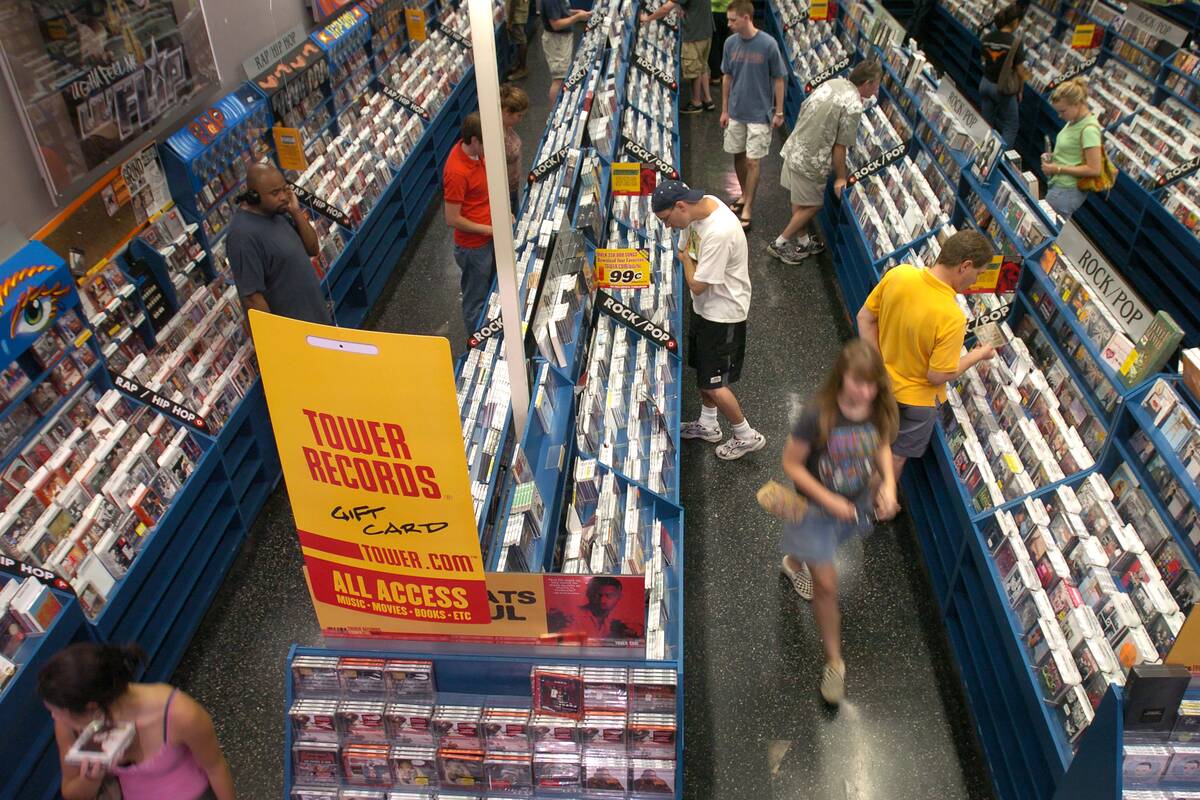
Tower Records was a haven for music lovers, offering an extensive selection of albums across all genres. Founded in 1960, it became a cultural icon. However, the rise of digital music and online downloads led to a sharp decline in physical album sales.
Tower Records filed for bankruptcy in 2006, unable to compete with the changing music industry landscape and the convenience of digital formats.
Compaq: The Computer Company That Couldn’t Compute
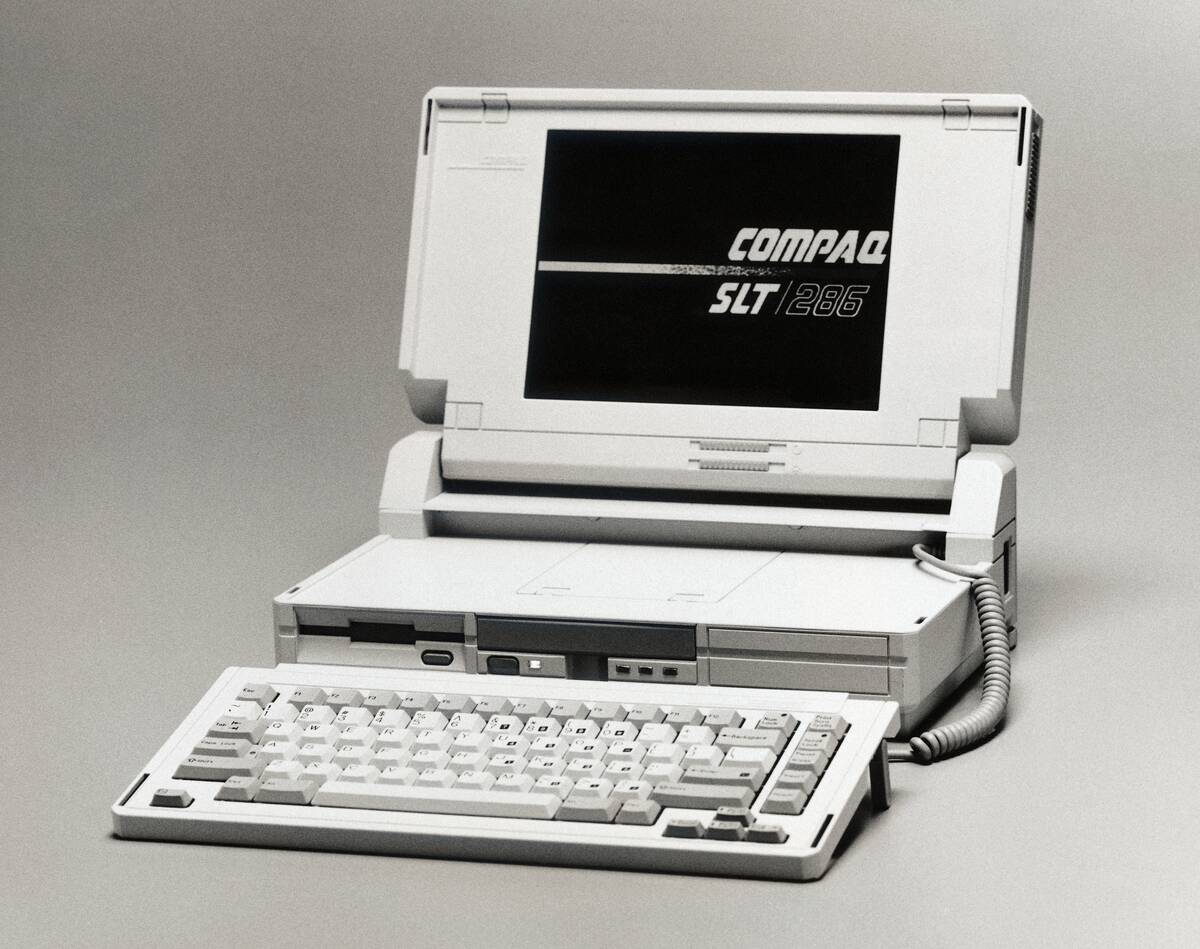
Compaq was a leading computer company known for its innovative and affordable PCs. Founded in 1982, it quickly became a major player in the tech industry.
However, intense competition from rivals like Dell and HP, coupled with strategic missteps, led to its decline. Compaq was eventually acquired by HP in 2002, marking the end of its independent operations and a significant shift in the computer market.
Polaroid: The Instant Photography Icon That Didn’t Develop

Polaroid was a pioneer in instant photography, allowing users to capture and print photos on the spot. Founded in 1937, it became a household name with its iconic instant cameras. However, the digital photography boom rendered its technology obsolete.
Despite attempts to reinvent itself, Polaroid filed for bankruptcy in 2001 and again in 2008, struggling to find its place in the digital age.
Sears: The Retail Titan That Couldn’t Keep Up with the Times
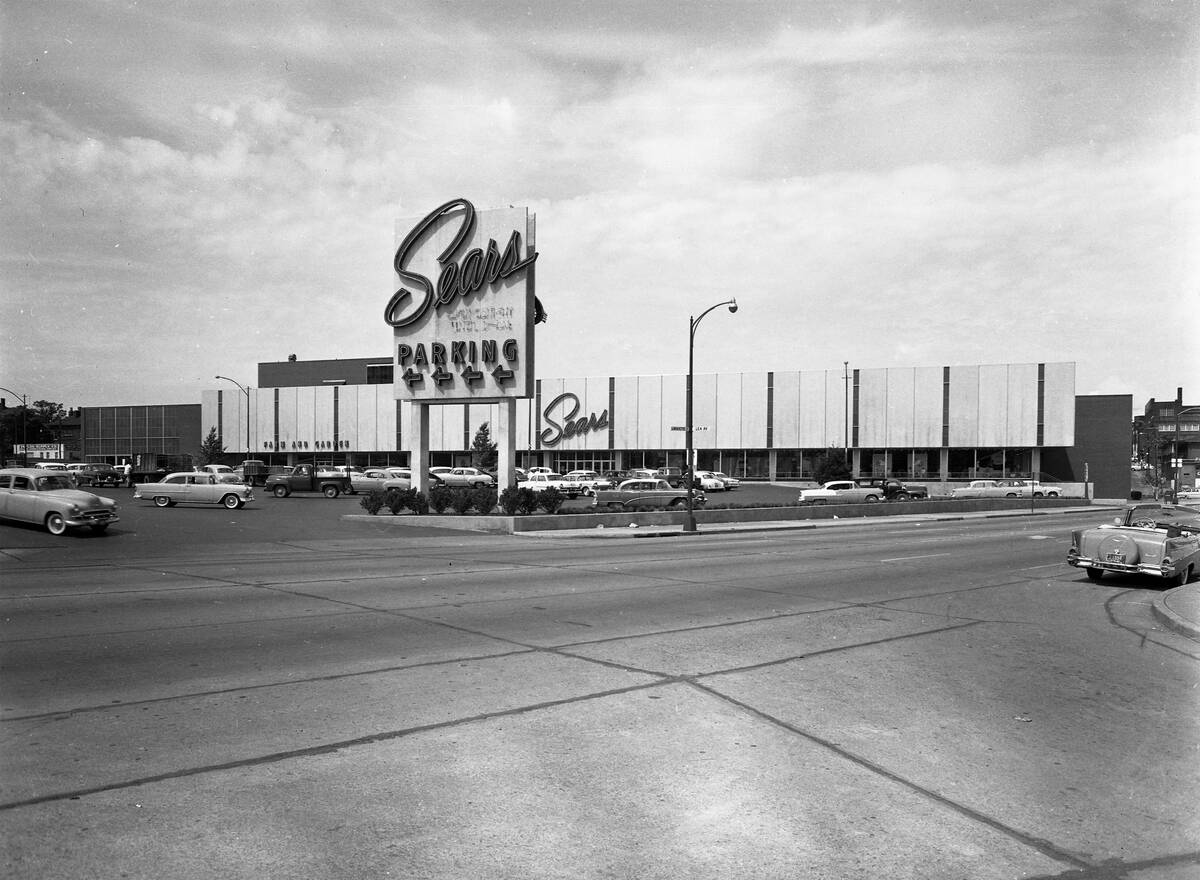
Sears was once the largest retailer in the United States, offering everything from appliances to apparel. Founded in 1892, it was a cornerstone of American shopping. However, changing consumer habits and increased competition from online retailers led to its decline.
Despite efforts to modernize, Sears filed for bankruptcy in 2018, closing many stores and marking the end of an era for the retail giant.
Yahoo!: The Internet Portal That Lost Its Way
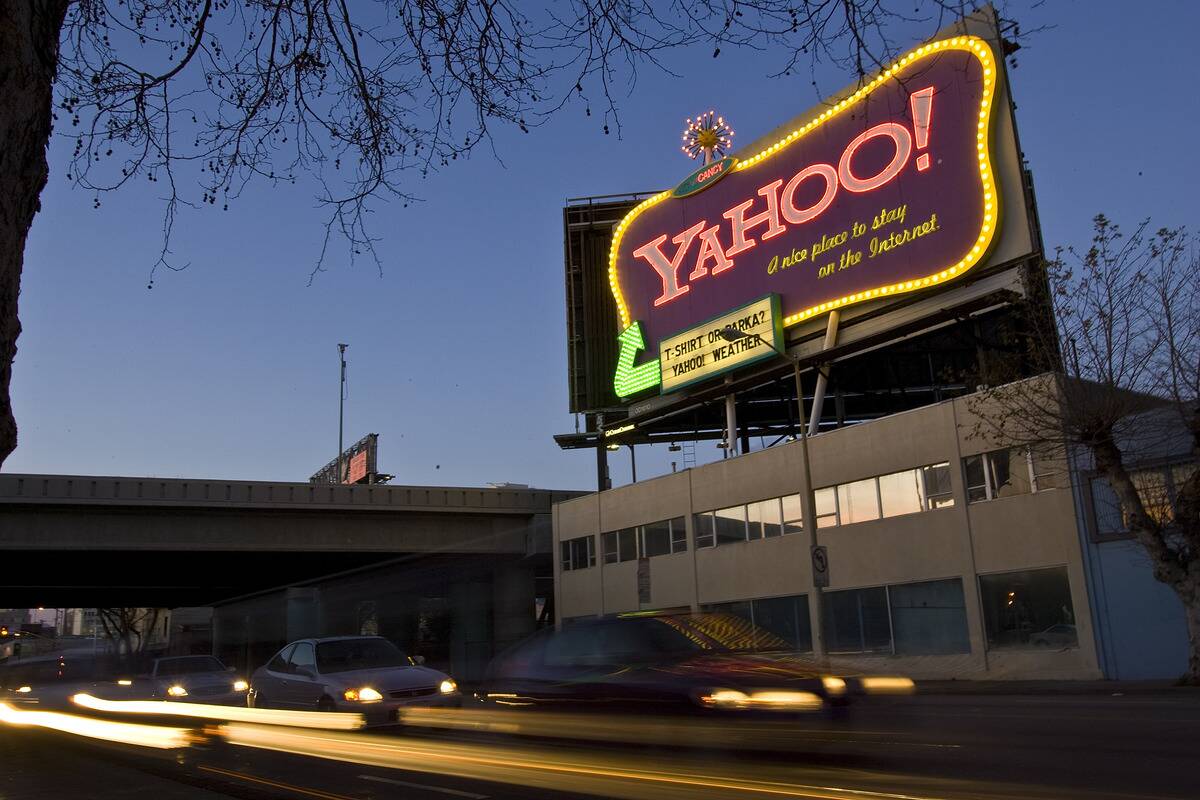
Yahoo! was a pioneer in the early days of the internet, offering a wide range of services from email to news. Founded in 1994, it was once the most popular website in the world. However, a series of strategic missteps and failed acquisitions led to its decline.
Yahoo! struggled to compete with Google and Facebook, eventually selling its core internet operations to Verizon in 2017.
RadioShack: The Electronics Store That Couldn’t Tune In

RadioShack was a go-to destination for electronics enthusiasts, offering a wide range of gadgets and components. Founded in 1921, it became a staple in American shopping malls.
However, the rise of online shopping and changing consumer preferences led to its decline. RadioShack filed for bankruptcy in 2015, closing many stores and struggling to find its place in the modern retail landscape.
BlackBerry: The Smartphone Innovator That Lost Its Grip

BlackBerry was a trailblazer in the smartphone industry, known for its secure messaging and iconic physical keyboard. In the mid-2000s, it was the device of choice for professionals.
However, the rise of touchscreen smartphones led by Apple and Android eroded its market share. BlackBerry’s failure to adapt quickly to changing consumer preferences resulted in its decline, with the company shifting focus to software and services.
Enron: The Energy Company That Burned Out
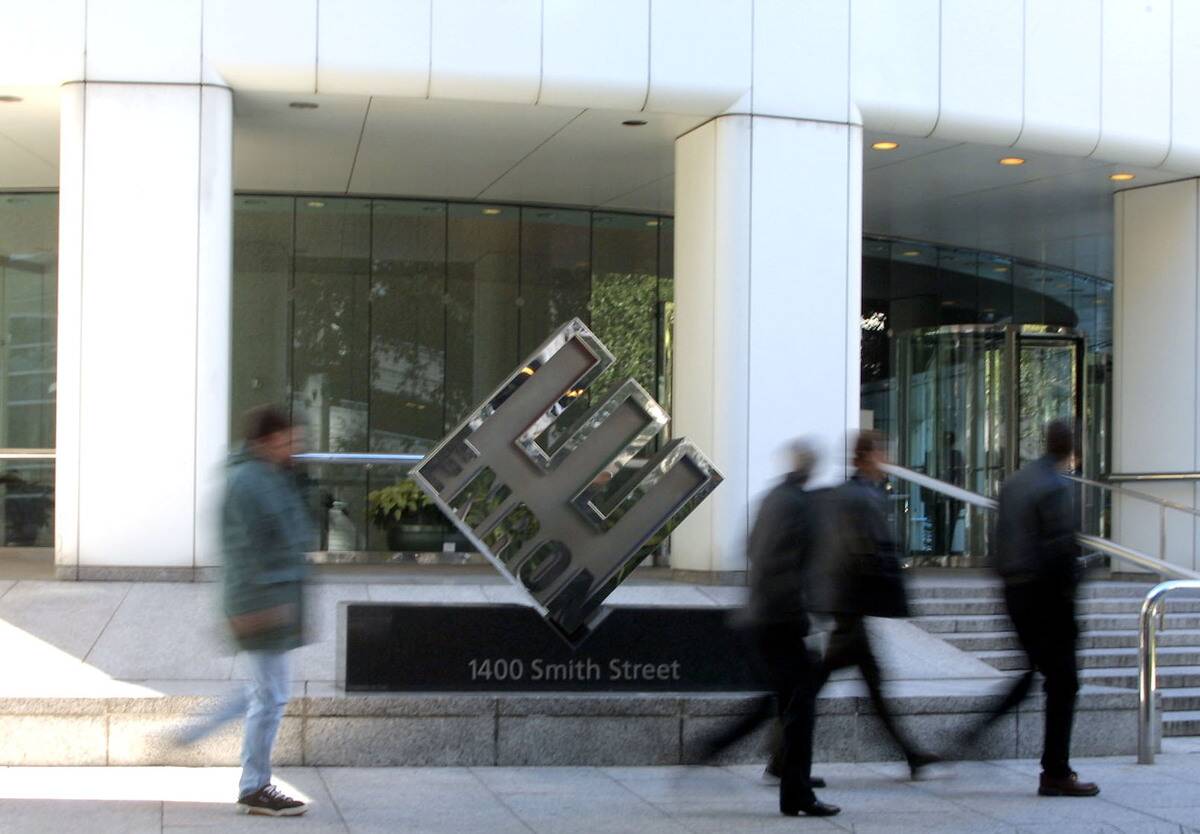
Enron was once a titan in the energy sector, known for its innovative trading strategies. Founded in 1985, it became one of the largest companies in the United States. However, accounting fraud and corporate malfeasance led to its collapse in 2001.
The Enron scandal resulted in significant financial losses and shook investor confidence, leading to the implementation of stricter regulations in the corporate world.
Woolworth: The Five-and-Dime Store That Couldn’t Survive
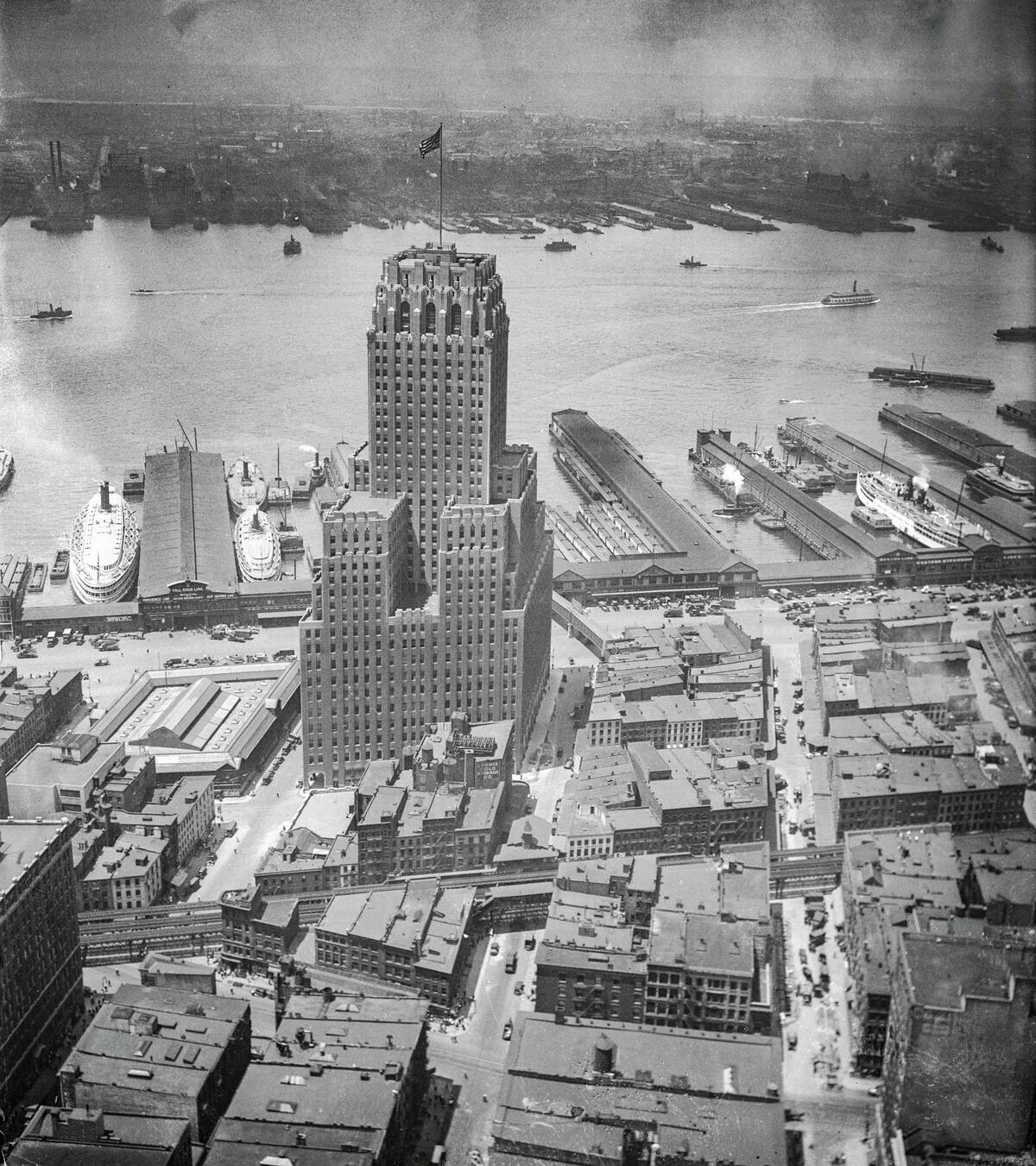
Woolworth was a pioneer in the retail industry, known for its five-and-dime stores offering affordable goods. Founded in 1879, it became a staple in American towns and cities. However, changing consumer preferences and increased competition from discount retailers led to its decline.
Woolworth closed its last stores in the United States in 1997, marking the end of an era for the iconic retail chain.




