The strangest objects discovered in space
The universe is a vast expanse filled with wonders that boggle the mind and ignite the imagination. From mysterious signals to celestial phenomena, there’s no shortage of cosmic curiosities to explore.
These fascinating occurrences not only challenge our understanding of the cosmos but also inspire us to keep looking up and asking questions.
The Mysterious Wow! Signal
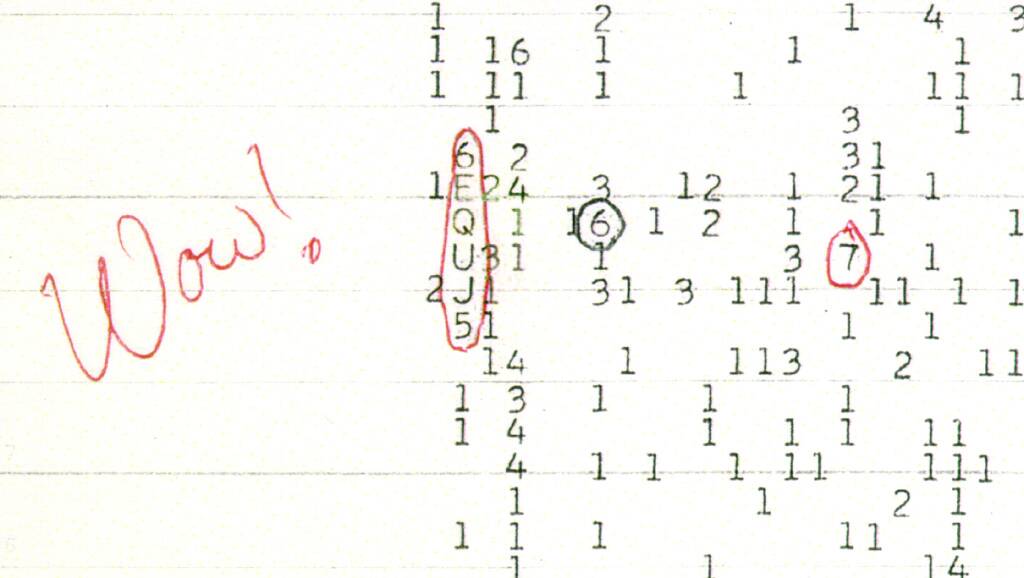
In 1977, a radio signal was detected by the Big Ear radio telescope at Ohio State University, lasting for 72 seconds. Dubbed the ‘Wow! Signal’ after astronomer Jerry Ehman scribbled ‘Wow!’ on the data printout, this signal has never been explained or repeated.
It originated from the direction of the Sagittarius constellation, leading to speculation about its extraterrestrial origins. Despite numerous attempts to trace its source, the Wow! Signal remains one of the greatest mysteries in the search for alien life.
Tabby’s Star: The Flickering Enigma
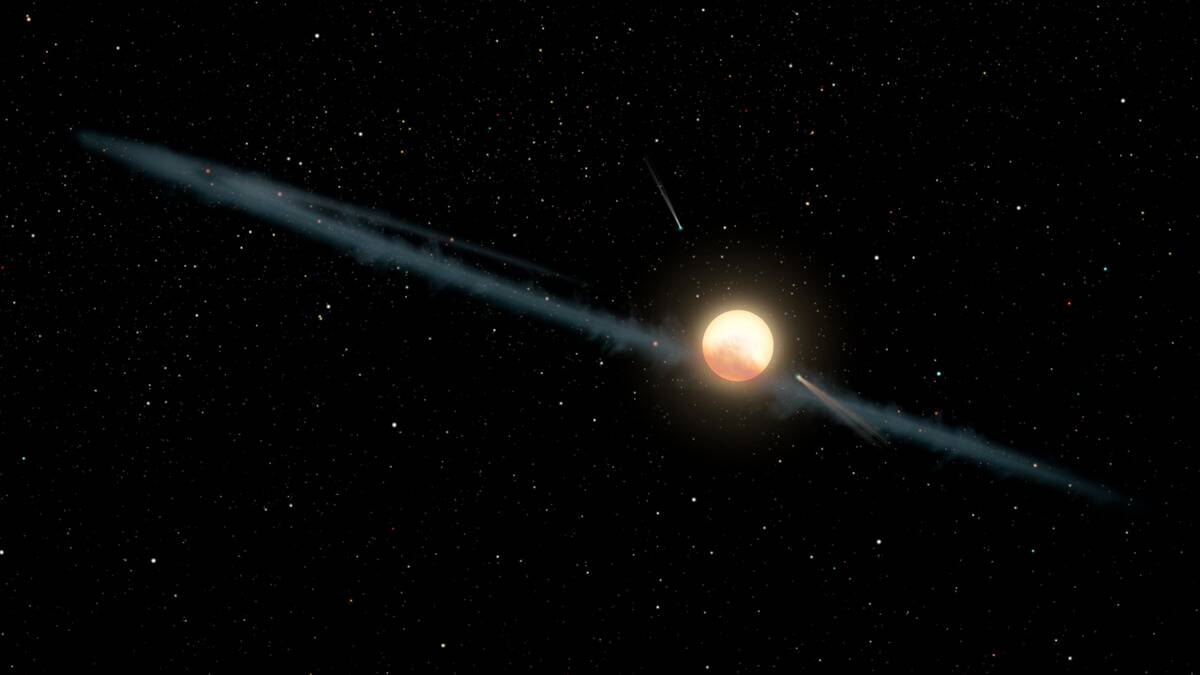
Tabby’s Star, officially known as KIC 8462852, captured the world’s attention with its unusual dimming patterns. Discovered by astronomer Tabetha Boyajian, this star’s light fluctuates in ways that defy explanation.
Some suggested it could be an alien megastructure, while others proposed more mundane explanations like dust clouds. Despite extensive research, the true cause of Tabby’s Star’s behavior remains elusive, keeping astronomers on their toes as they search for answers.
Oumuamua: The Interstellar Visitor
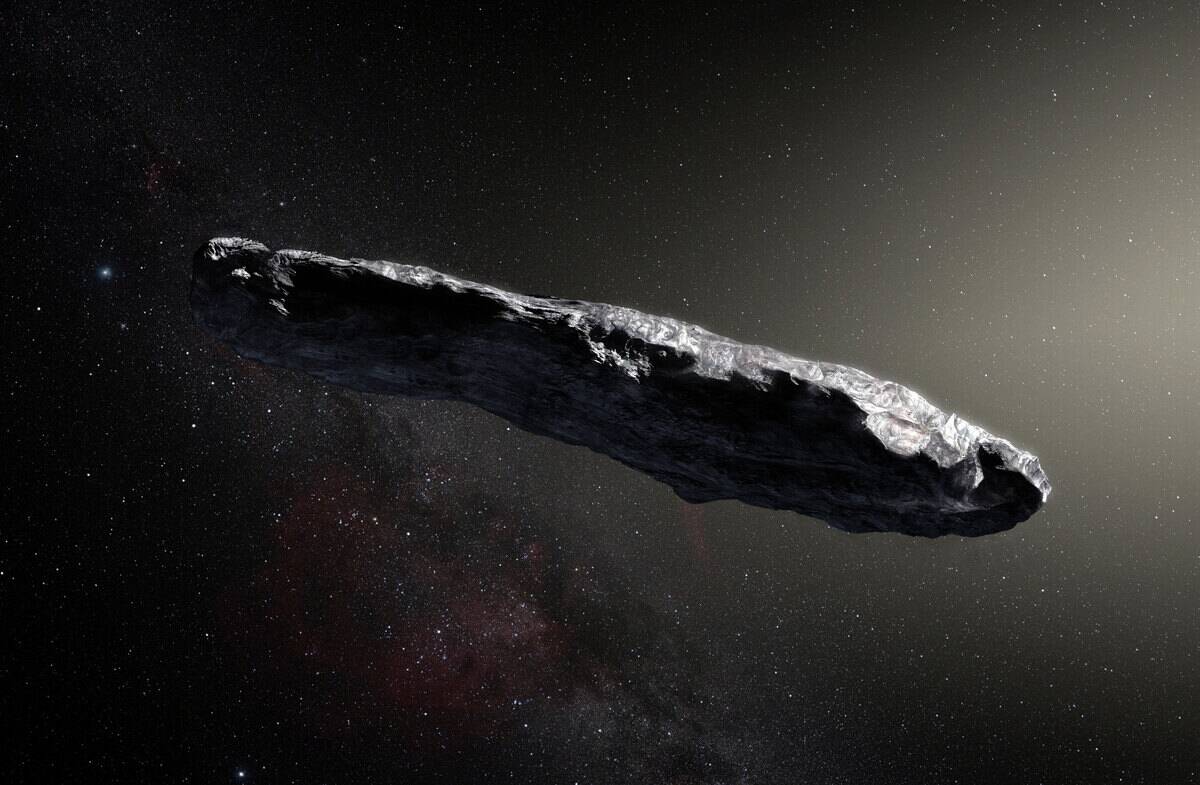
In 2017, astronomers spotted an object passing through our solar system that was unlike anything seen before. Named ‘Oumuamua, meaning ‘scout’ in Hawaiian, this elongated, cigar-shaped object was the first known interstellar visitor.
Its speed and trajectory suggested it came from outside our solar system, sparking debates about its nature. Some speculated it could be an alien probe, while others believed it was a peculiar asteroid or comet. ‘Oumuamua’s true identity remains a topic of scientific intrigue.
The Diamond Planet: 55 Cancri e
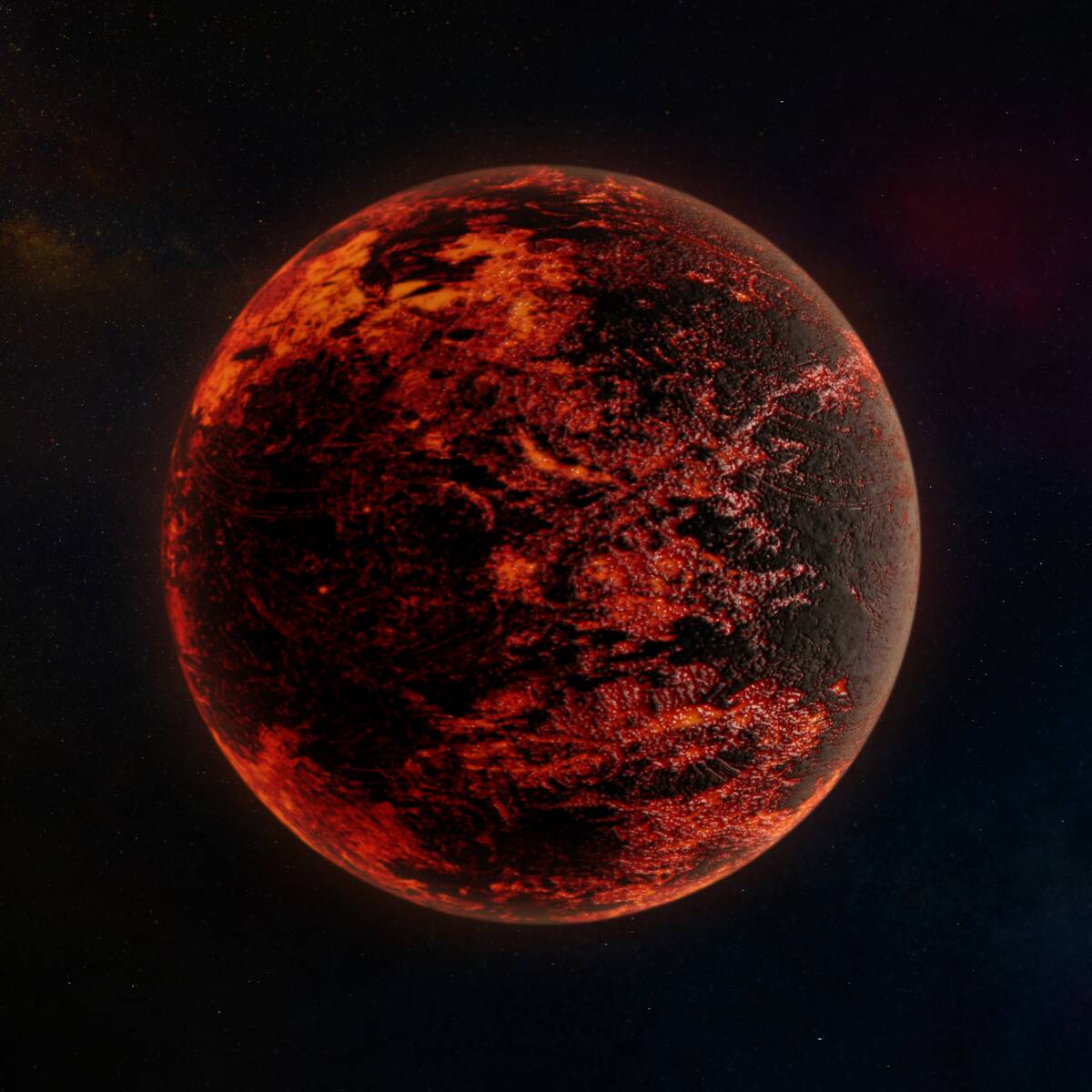
Imagine a planet made largely of diamond! That’s what scientists believe about 55 Cancri e, a super-Earth located 40 light-years away. This exoplanet orbits its star so closely that its surface temperatures soar to extreme levels.
Its carbon-rich composition suggests that it could be a diamond planet, a notion that has captured the imagination of many. While we can’t confirm its sparkling nature just yet, 55 Cancri e remains a dazzling topic for astronomers and dreamers alike.
The Boomerang Nebula: The Coldest Place in the Universe
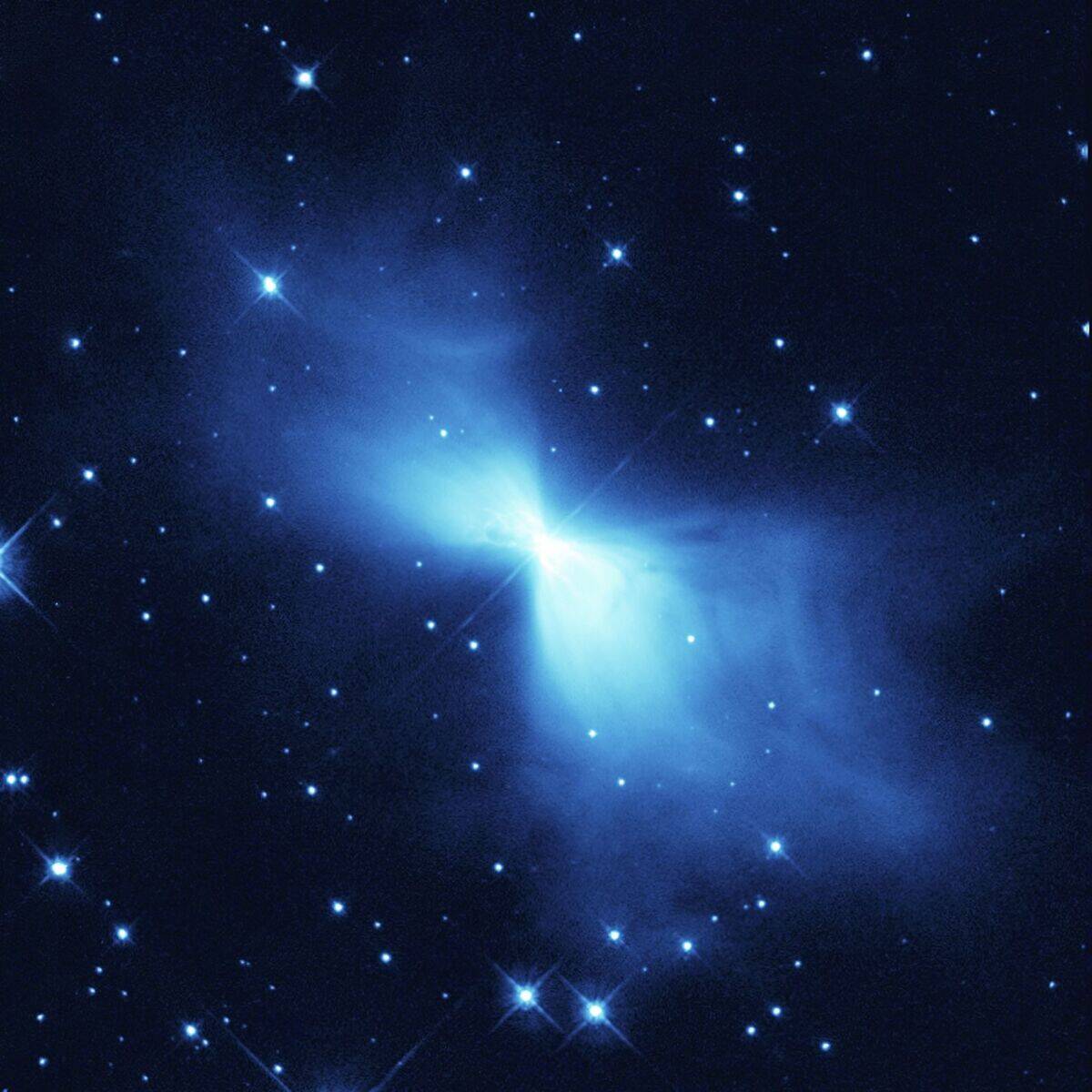
The Boomerang Nebula, located 5,000 light-years away in the Centaurus constellation, holds the record as the coldest known place in the universe. With temperatures dipping to a frigid -458 degrees Fahrenheit, it’s even colder than the cosmic microwave background.
This chilling phenomenon is due to the rapid expansion of gas ejected from a dying star at its center. The Boomerang Nebula’s icy nature continues to intrigue scientists as they study the processes that create such extreme cold.
The Cosmic Microwave Background Cold Spot
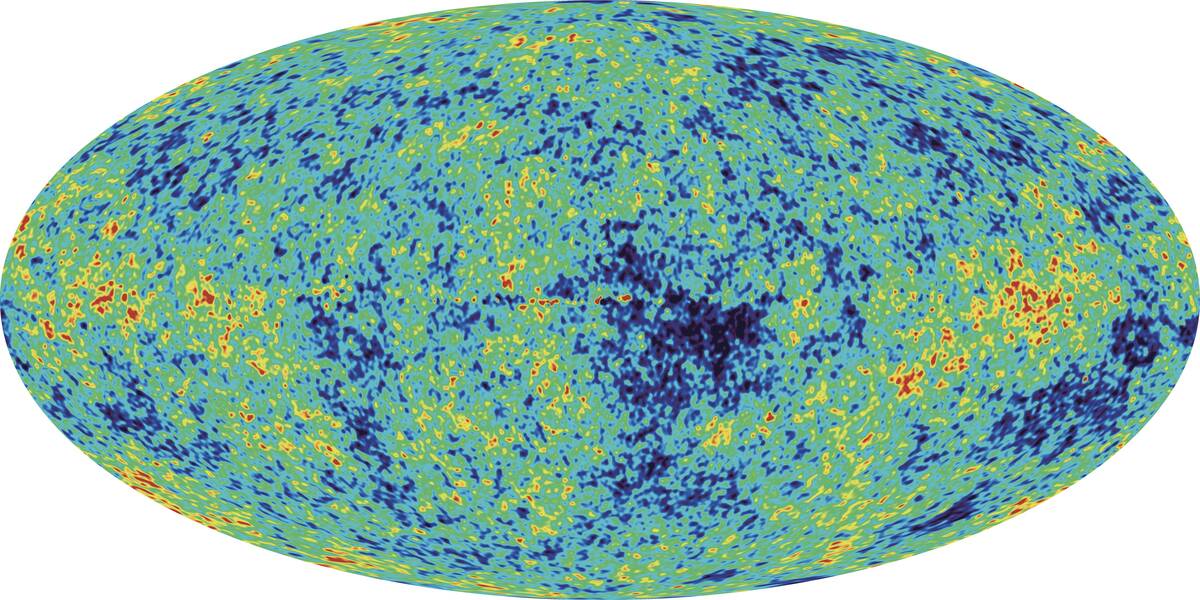
The Cosmic Microwave Background (CMB) is the afterglow of the Big Bang, but within it lies a puzzling feature known as the Cold Spot. This region is cooler than its surroundings, and its existence challenges our understanding of the universe’s early days.
Some theories suggest it could be a supervoid, while others propose more exotic explanations like a collision with another universe. The Cold Spot remains a tantalizing mystery, inviting astronomers to explore the fundamental nature of the cosmos.
The Great Attractor: The Gravitational Anomaly
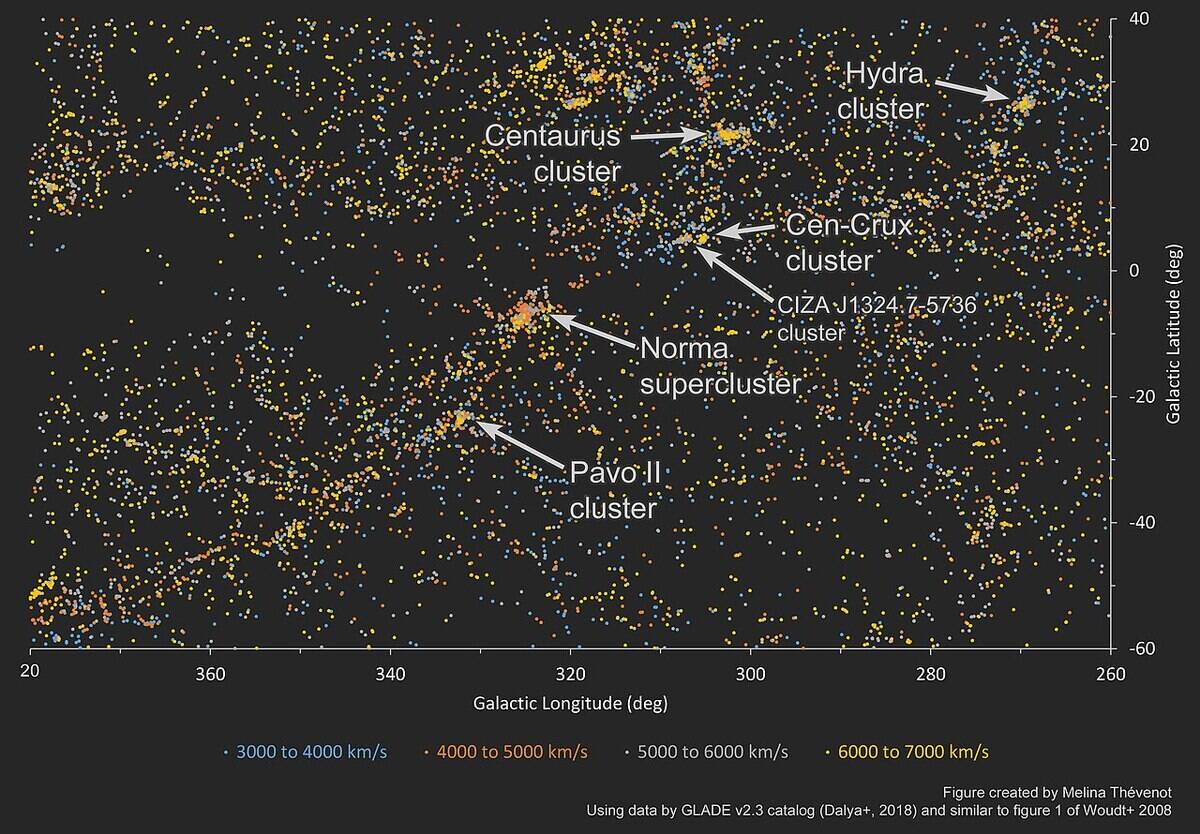
The Great Attractor is a gravitational anomaly that influences the motion of galaxies in our local universe. Located about 150 million light-years away, it pulls galaxies, including our own Milky Way, towards it with immense force.
Despite its significant impact, the Great Attractor is shrouded in mystery, hidden behind the Milky Way’s dense plane. Scientists are keen to uncover the nature of this enigmatic force, which continues to shape the cosmic landscape in ways we are only beginning to understand.
The Hexagon Storm on Saturn
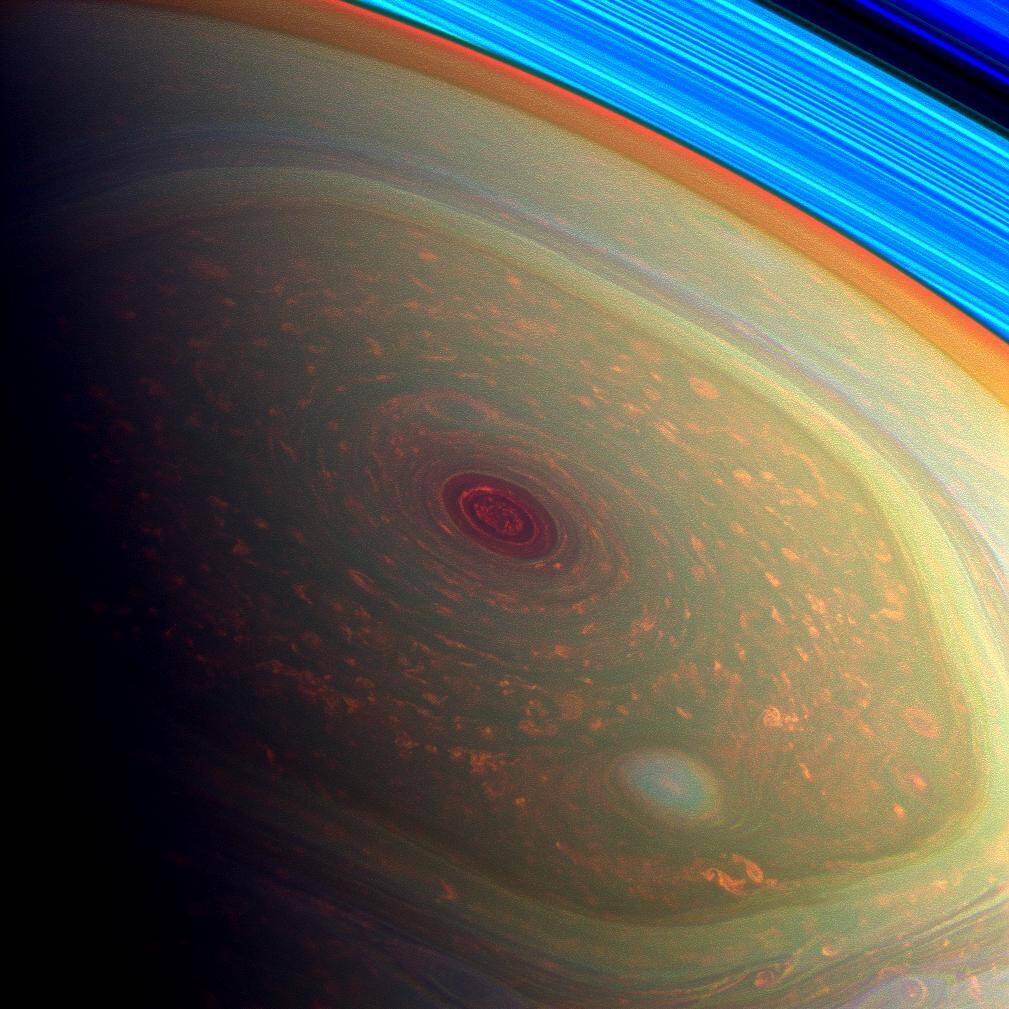
Saturn’s north pole is home to a bizarre weather phenomenon: a hexagon-shaped storm. Discovered by the Voyager spacecraft in the early 1980s, this geometric storm has puzzled scientists for decades. It’s a massive, persistent cyclone with winds reaching up to 200 miles per hour.
The hexagon’s precise formation remains a mystery, though researchers suggest it may be related to Saturn’s atmospheric dynamics. This captivating storm continues to be a focal point for planetary scientists studying the gas giant.
The Zombie Stars: White Dwarfs Reignited
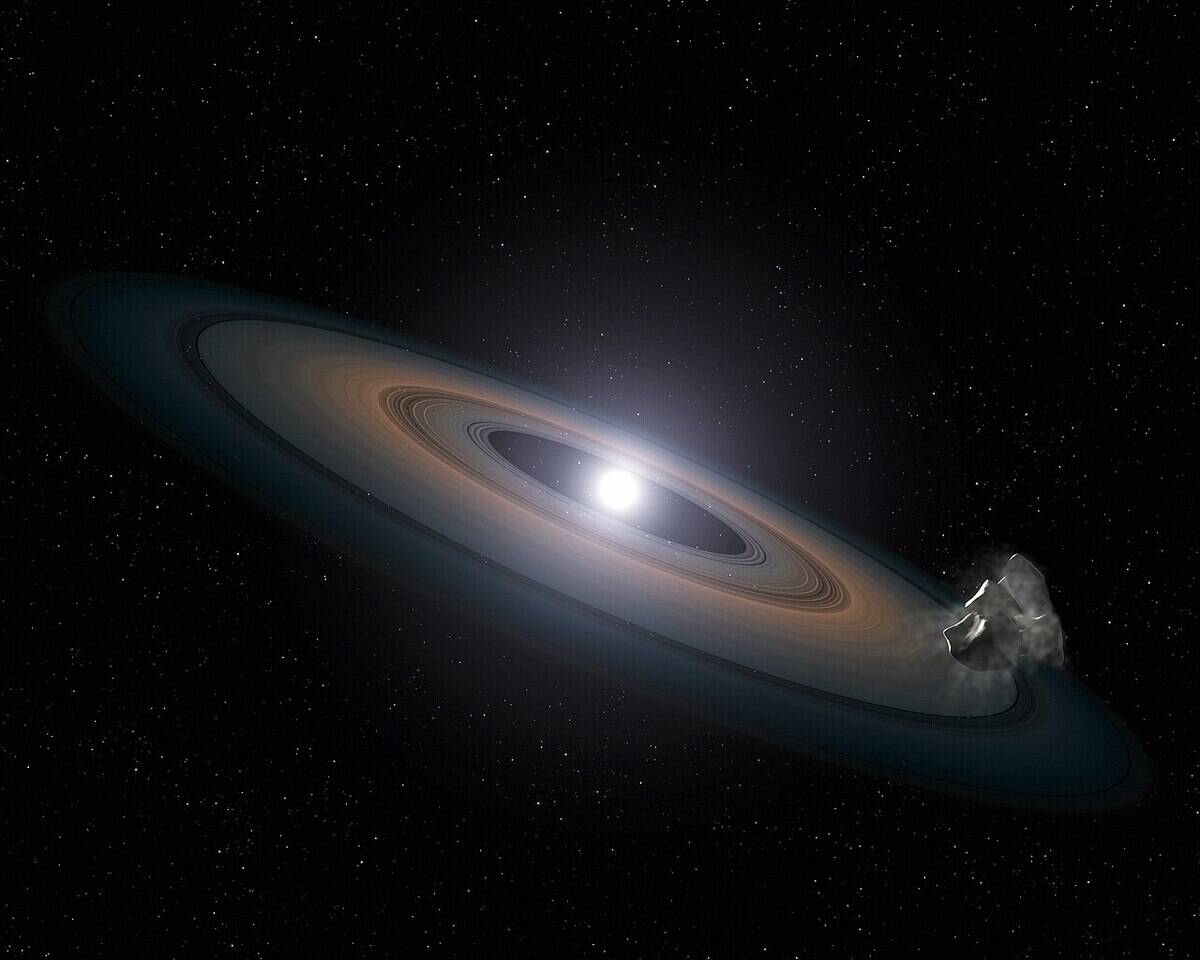
In the cosmic graveyard, some stars refuse to stay dead. White dwarfs, the remnants of stars that have exhausted their fuel, can sometimes reignite in a spectacular fashion. These ‘zombie stars’ occur when a white dwarf accretes material from a companion star, leading to a nova explosion.
This process can reignite nuclear fusion, temporarily reviving the star. Zombie stars offer a glimpse into the dynamic and sometimes unpredictable life cycles of stars, challenging our understanding of stellar evolution.
The Double Pulsar System: PSR J0737-3039
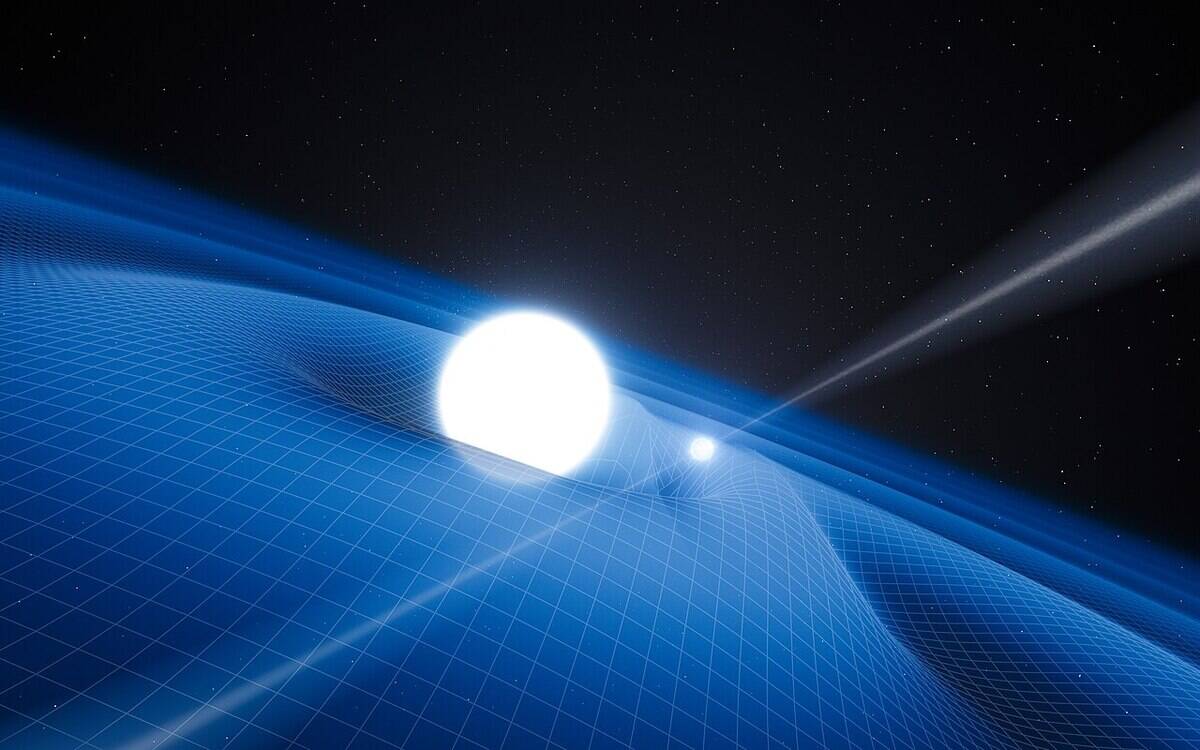
PSR J0737-3039 is a unique double pulsar system located about 2,400 light-years away. This system consists of two neutron stars orbiting each other, both emitting beams of radio waves. The discovery of this system has provided scientists with a natural laboratory for testing Einstein’s theory of general relativity.
The precise timing of the pulsars’ signals allows researchers to study gravitational effects with unprecedented accuracy. This remarkable system continues to be a source of valuable insights into the nature of gravity and the universe.
The Quasi-Star: Bigger Than a Galaxy
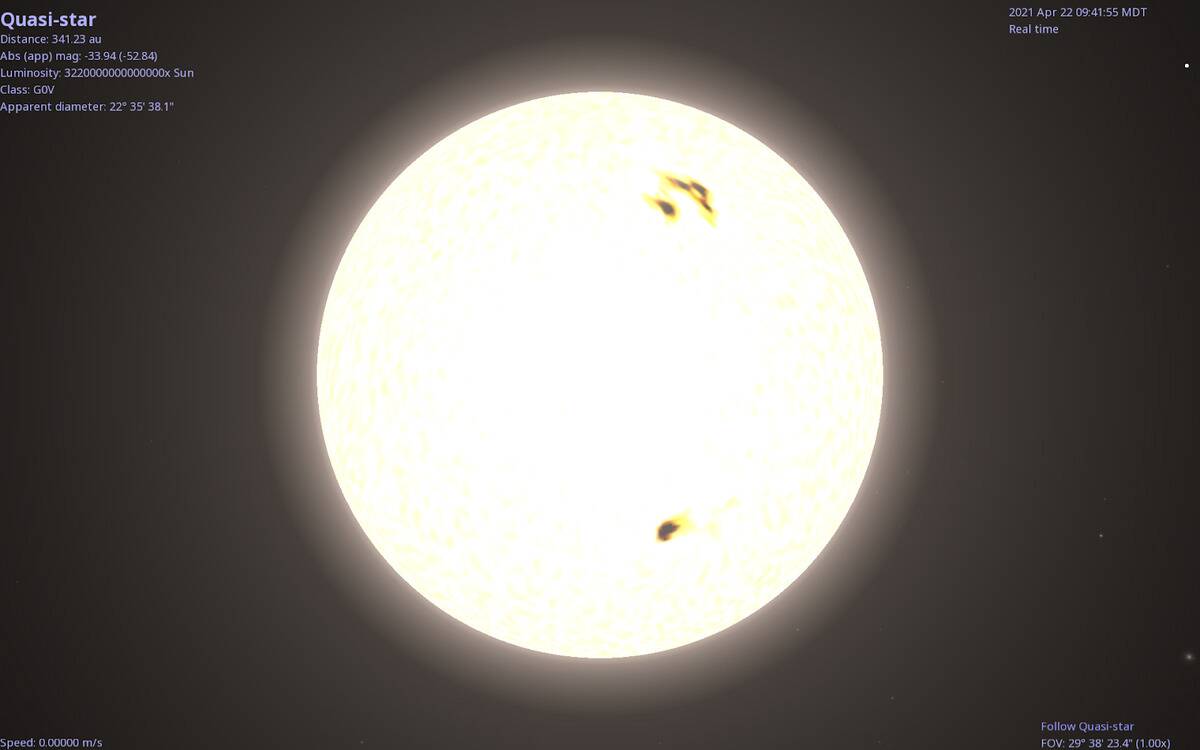
Quasi-stars are hypothetical massive stars that could have existed in the early universe. These colossal objects are thought to have been powered by a black hole at their core, allowing them to grow to enormous sizes.
With masses exceeding 1,000 times that of the Sun, quasi-stars could have been precursors to supermassive black holes found in the centers of galaxies. While no quasi-stars have been observed, their theoretical existence provides insight into the formation of the universe’s most massive structures.
The Magnetar: A Magnetic Powerhouse
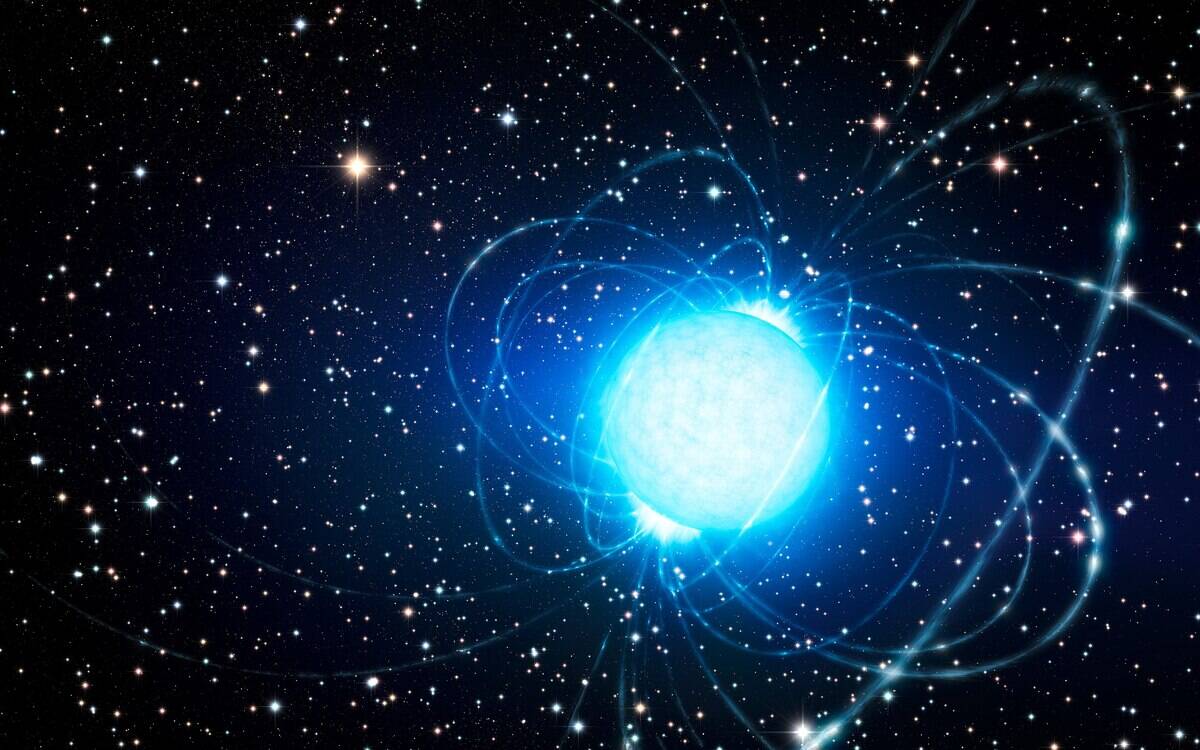
Magnetars are a type of neutron star with incredibly strong magnetic fields, billions of times stronger than Earth’s. These magnetic powerhouses are formed from the remnants of massive stars that have undergone supernova explosions.
The intense magnetic fields of magnetars can cause starquakes and emit bursts of high-energy radiation. Despite their rarity, magnetars offer a unique opportunity to study the extreme conditions of the universe and the behavior of matter under intense magnetic forces.
The Methuselah Star: Older Than the Universe?
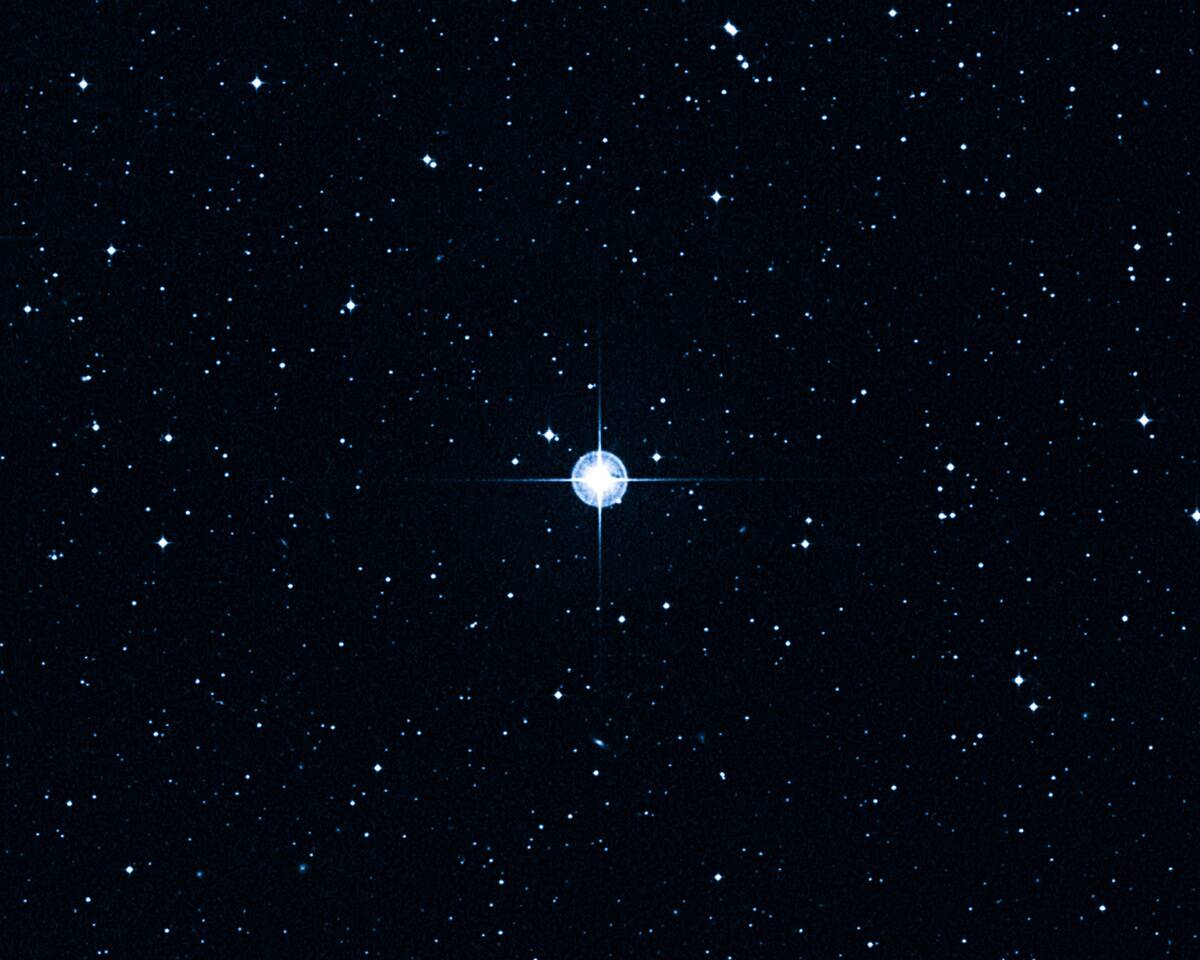
The Methuselah Star, also known as HD 140283, has puzzled astronomers with its apparent age. Estimates suggest it could be over 14 billion years old, seemingly older than the universe itself.
This paradox has led to debates about the star’s true age and the accuracy of cosmological measurements. While further research has refined its age to be slightly younger than the universe, the Methuselah Star remains a fascinating case study in the quest to understand the early universe and stellar evolution.
The Cosmic Web: The Universe’s Invisible Structure
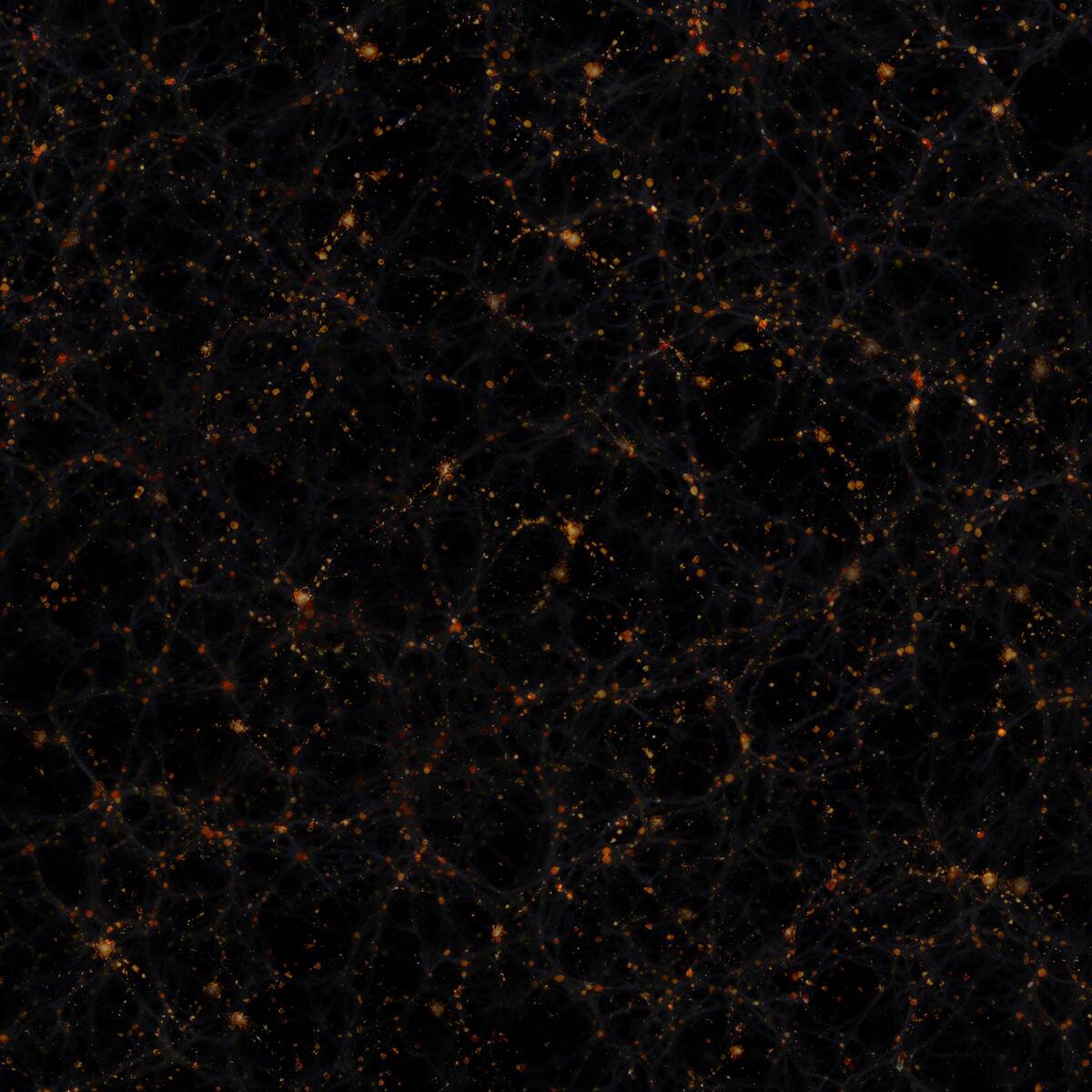
The Cosmic Web is the large-scale structure of the universe, consisting of vast filaments of galaxies and dark matter. This intricate network forms the backbone of the cosmos, connecting galaxy clusters across immense distances.
The Cosmic Web’s formation is driven by the gravitational pull of dark matter, shaping the distribution of galaxies over billions of years. Studying this invisible structure helps astronomers understand the universe’s evolution and the role of dark matter in cosmic architecture.




