Weird rules and customs that used to make perfect sense
Social norms are the unspoken rules that govern behavior in societies, and they have evolved significantly over time. These norms often reflect the values and beliefs of a particular era, and what might seem odd today was once perfectly normal.
By exploring these peculiar practices, we can gain insight into how societies functioned and why certain customs emerged. From fashion to hygiene, each practice tells a story about the people who adhered to it.
The Peculiar Practice of Wearing Powdered Wigs

In the 17th and 18th centuries, powdered wigs were all the rage among European aristocrats. These wigs, often made from horsehair, were not just a fashion statement but also a practical solution to head lice and hair loss.
The powder, usually made from starch and scented with lavender, helped to mask unpleasant odors. This trend was so influential that even King Louis XIV of France and England’s King Charles II were known for their elaborate wigs.
The Origin of the Tooth Fairy
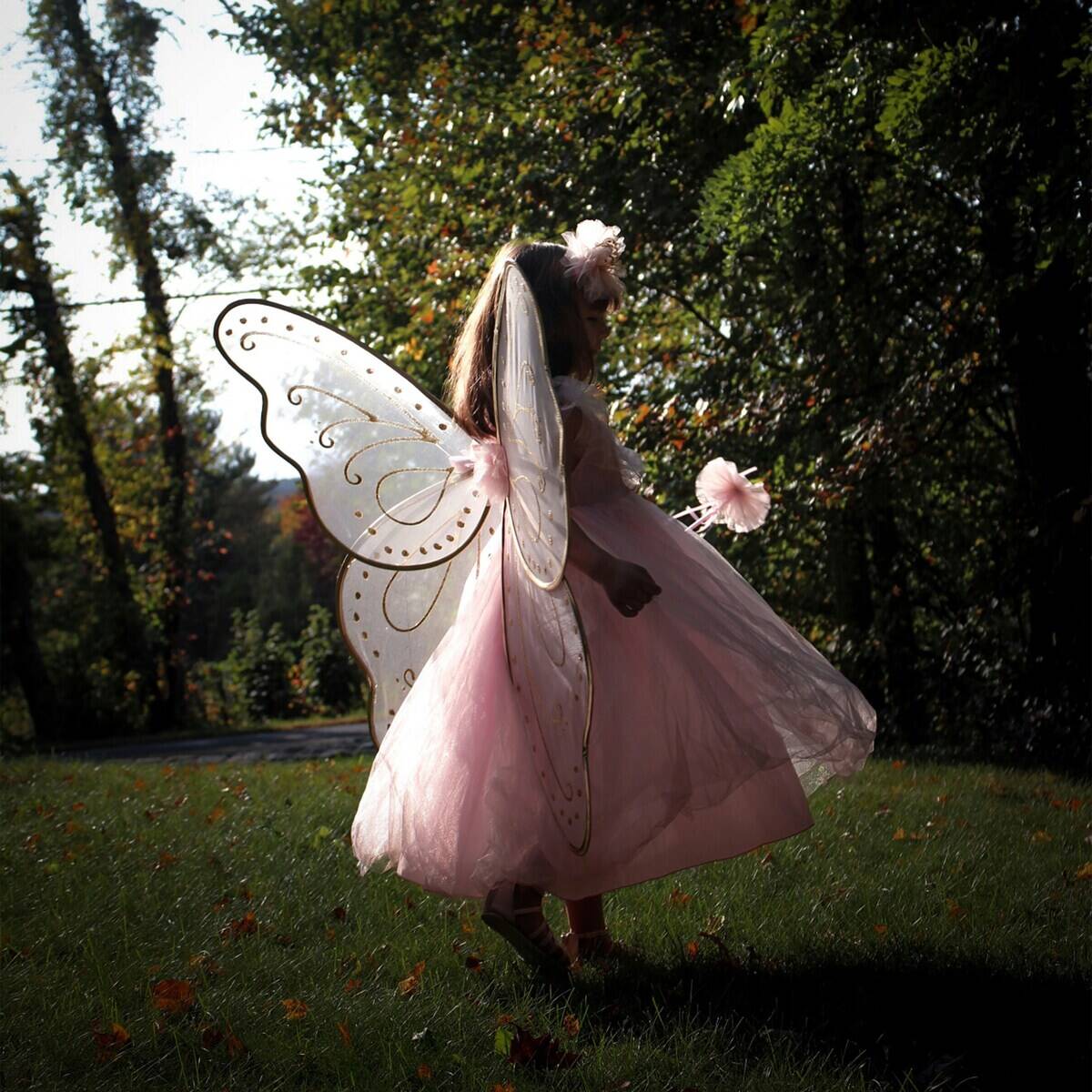
The tooth fairy tradition has roots in various cultures and dates back centuries. In Norse tradition, children received a “tand-fe” or tooth fee when they lost a tooth. This practice was believed to bring good luck in battle.
In Spain and Latin America, a similar figure known as “Ratoncito Pérez” collects teeth. The modern tooth fairy as we know it began to take shape in the early 20th century, blending these customs into the charming myth we share today.
The History of the Lobster as a Prison Food

Lobster, now a luxury food, was once considered the “cockroach of the sea” and fed to prisoners and servants in colonial America. These crustaceans were so plentiful that they would wash up on shore in piles, and eating them was seen as a mark of poverty.
In fact, some servants had clauses in their contracts to limit lobster meals. It wasn’t until the late 19th century, when canning and rail transport improved, that lobster’s reputation began to change.
The Left-Handed Stigma

Left-handedness has been historically stigmatized, with the word “sinister” deriving from the Latin for “left.” In many cultures, the left hand was associated with bad luck or evil. This bias was reflected in language, education, and even religious practices.
Despite this, approximately 10% of the population is left-handed. Today, the stigma has largely faded, and left-handedness is celebrated for its association with creativity and innovation.
The Tradition of Mummifying Cats in Ancient Egypt
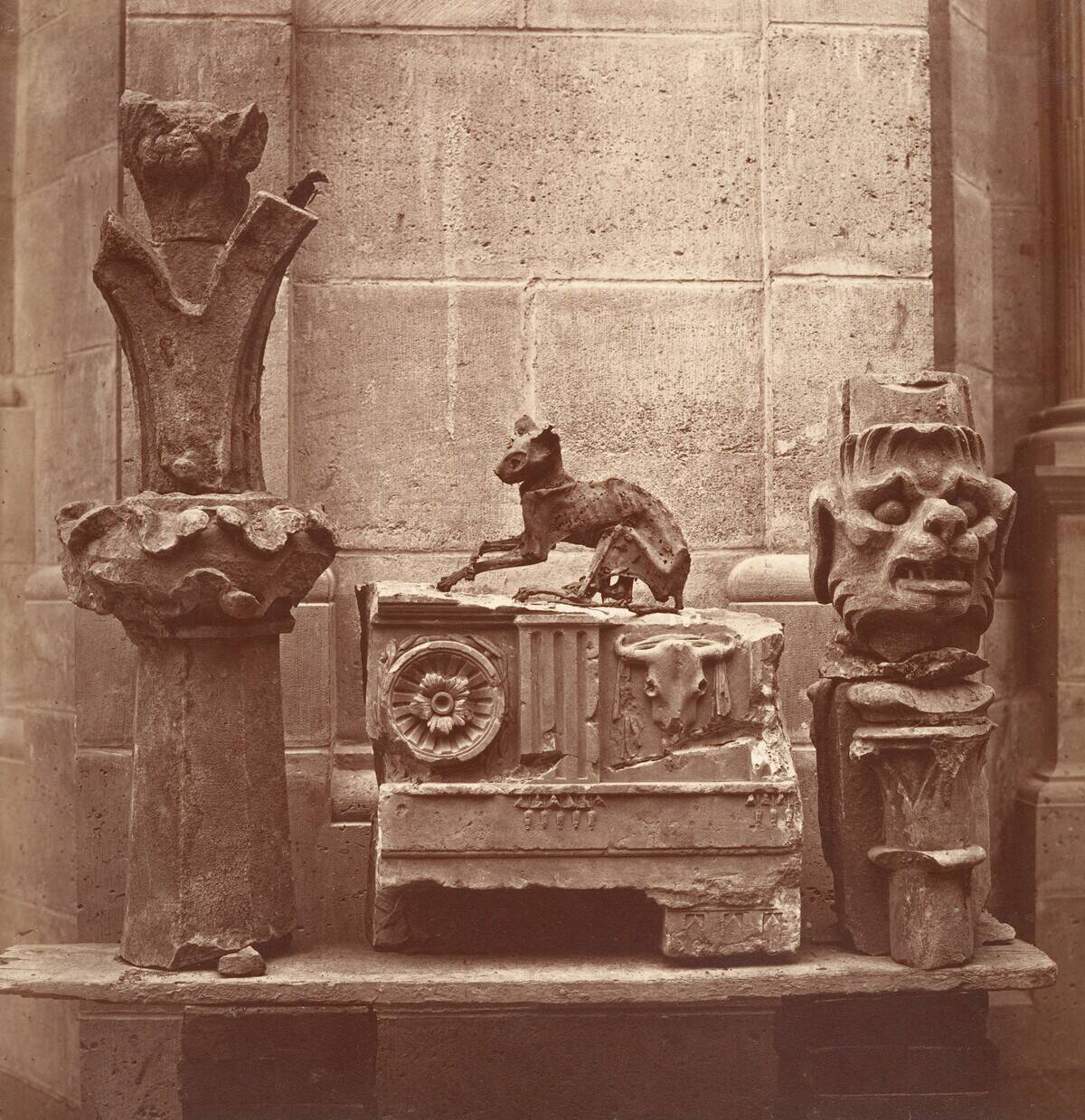
In ancient Egypt, cats were revered as sacred animals linked to the goddess Bastet, the deity of home and fertility. Mummifying cats was a way to honor them in the afterlife. These mummified cats were often buried with their owners or placed in temples as offerings.
Archaeologists have discovered thousands of cat mummies, highlighting their significance in Egyptian culture. This practice underscores the deep spiritual connection between Egyptians and their feline companions.
The Old Rule of Thumb for Measuring Liquor

The phrase “rule of thumb” is often mistakenly believed to have originated from an old law allowing men to beat their wives with a stick no thicker than their thumb. However, its true origin is more benign, referring to using one’s thumb to estimate measurements, particularly in brewing.
Brewers would use their thumbs to gauge the temperature of boiling wort. This practical method highlights the ingenuity of early brewing techniques and the importance of precision in crafting quality beverages.
The Odd Practice of Using Lead-Based Makeup
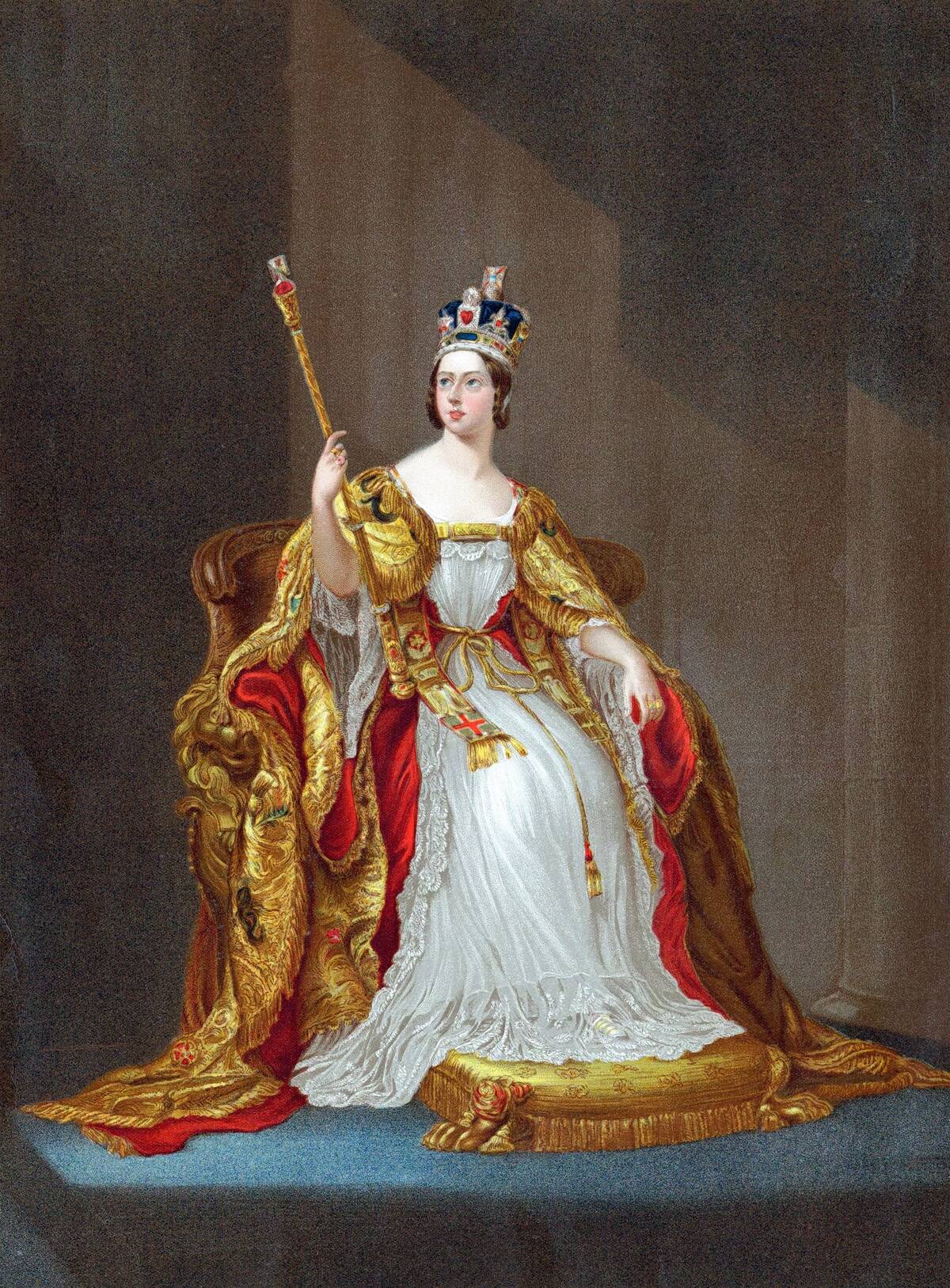
During the Renaissance, pale skin was considered a sign of nobility, leading many to use lead-based makeup to achieve this look. Known as Venetian ceruse, this toxic concoction was made from white lead and vinegar.
Despite its harmful effects, including skin damage and lead poisoning, it remained popular among European aristocrats. Queen Elizabeth I of England was known for her strikingly pale complexion, achieved through the use of such cosmetics.
The History of the Dance Card
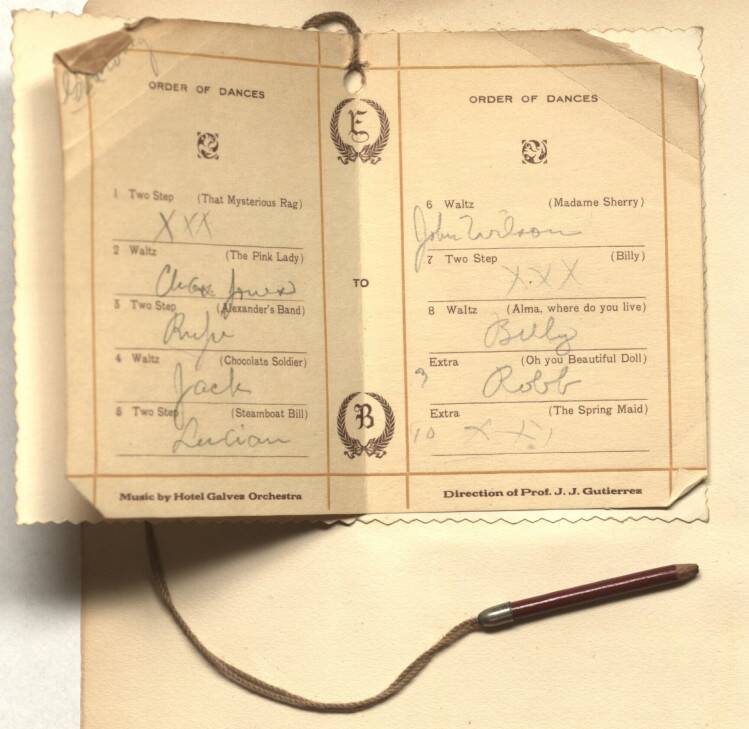
Dance cards were small booklets used by women in the 19th and early 20th centuries to record the names of their dance partners at formal balls. These cards were often elaborately decorated and served as both a social tool and a keepsake.
The practice of using dance cards reflects the structured nature of social events at the time, where etiquette and propriety were paramount. Today, dance cards are a charming relic of a bygone era.
The Reason Behind the Creation of Daylight Saving Time
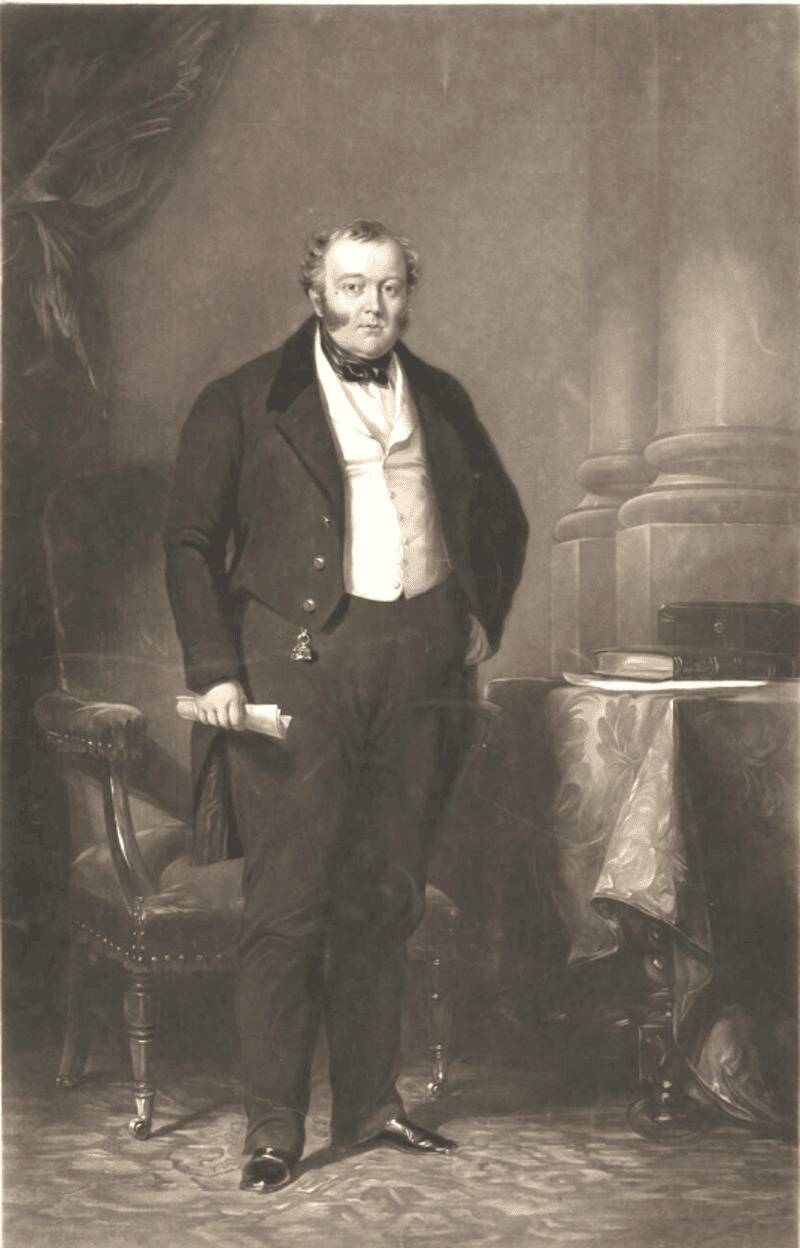
Daylight Saving Time was first proposed by George Hudson, an entomologist from New Zealand, in 1895. He wanted more daylight hours to collect insects.
The concept gained traction during World War I as a way to conserve energy by reducing the need for artificial lighting. While the practice remains controversial, with debates about its effectiveness and impact on health, it continues to be observed in many countries around the world.
The Once-Logical Rule of the Sun Never Setting on the British Empire

The phrase “the sun never sets on the British Empire” was coined during the 19th century when Britain’s colonial reach spanned the globe. With territories in every time zone, the empire was so vast that the sun was always shining on at least one of its colonies.
This dominance was a source of national pride and reflected Britain’s powerful influence. However, as colonies gained independence, the empire’s global presence gradually diminished.
The Unusual Custom of Tying Bells to Coffins
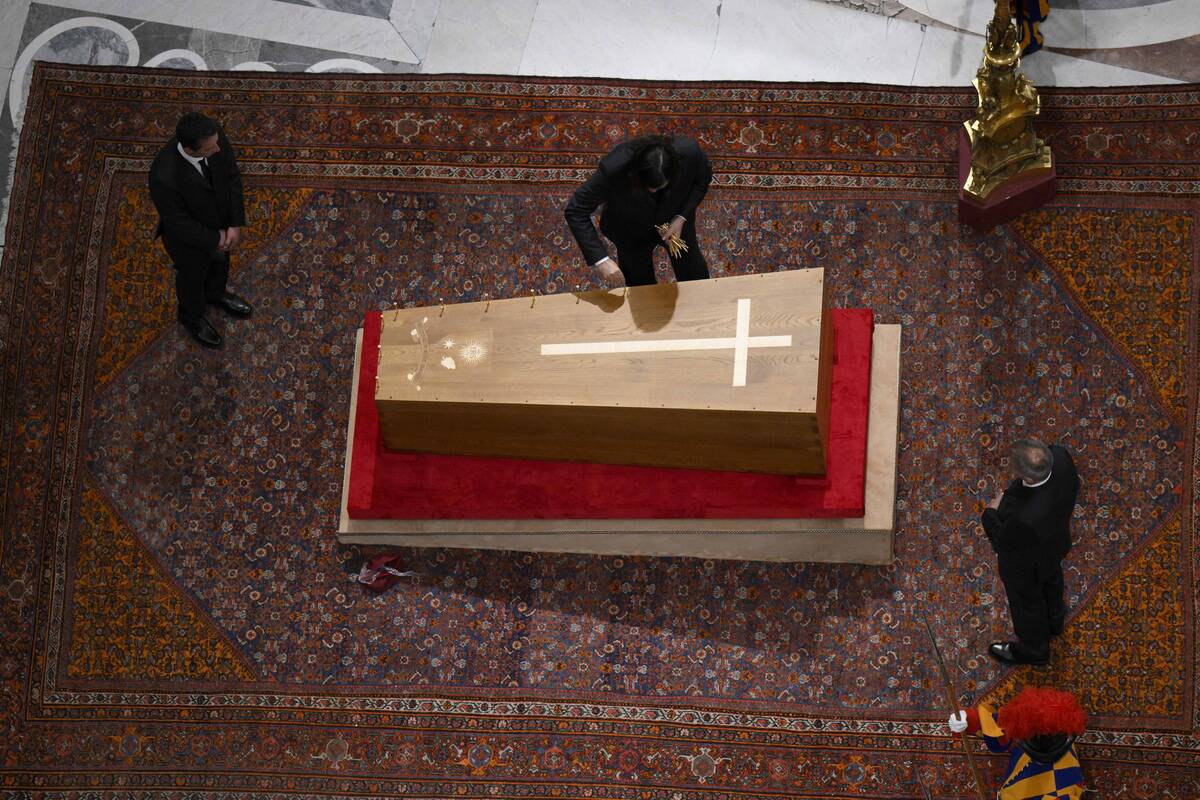
In the 18th and 19th centuries, a fear of being buried alive led to the invention of “safety coffins” equipped with bells. These contraptions allowed anyone prematurely buried to alert those above ground.
This fear was not unfounded, as medical knowledge was limited, and determining death could be challenging. While the practice of tying bells to coffins was rare, it highlights the anxieties of the time and the lengths people went to ensure peace of mind.
The Strange Custom of Foot Binding in Ancient China
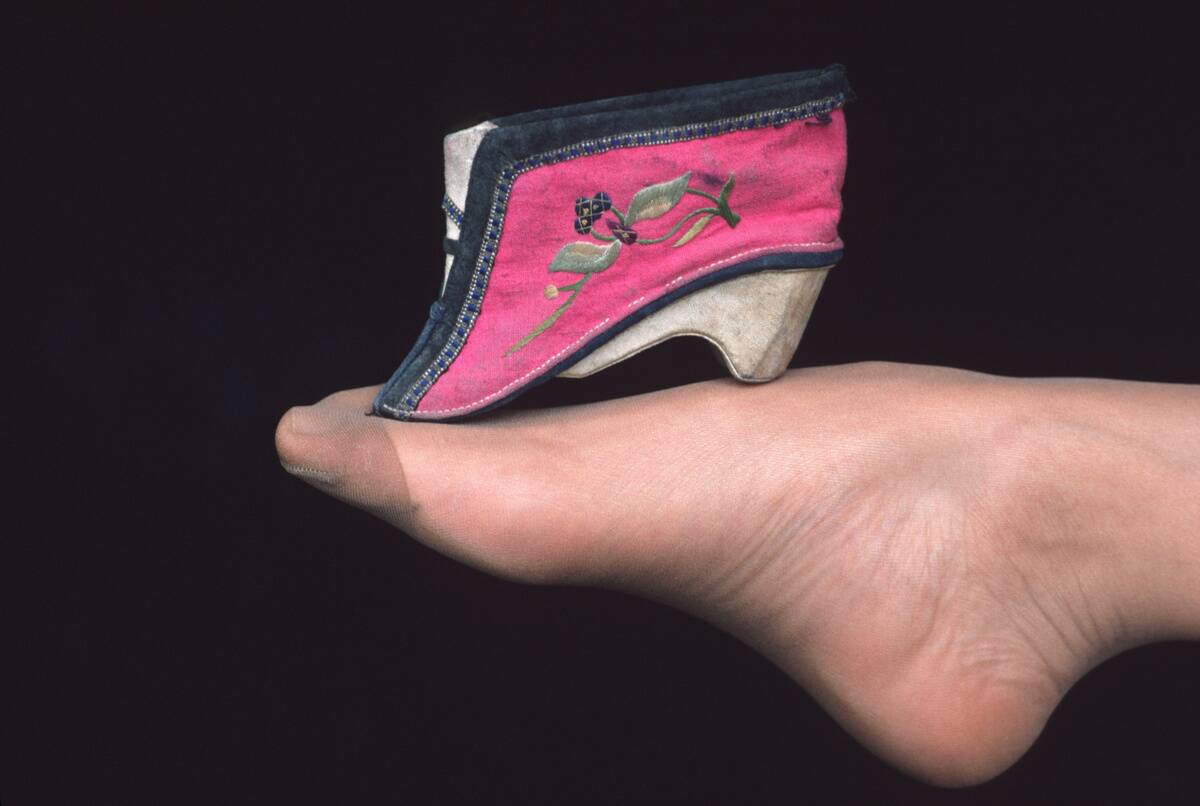
Foot binding was a practice in China that began in the 10th century and lasted until the early 20th century. It involved tightly wrapping young girls’ feet to alter their shape, resulting in the “lotus foot,” which was considered a status symbol and a mark of beauty.
This painful process was seen as a way to secure a good marriage, as small feet were highly prized. Despite its cultural significance, foot binding was banned in the early 1900s due to its harmful effects.
The Ritual of the Maypole Dance
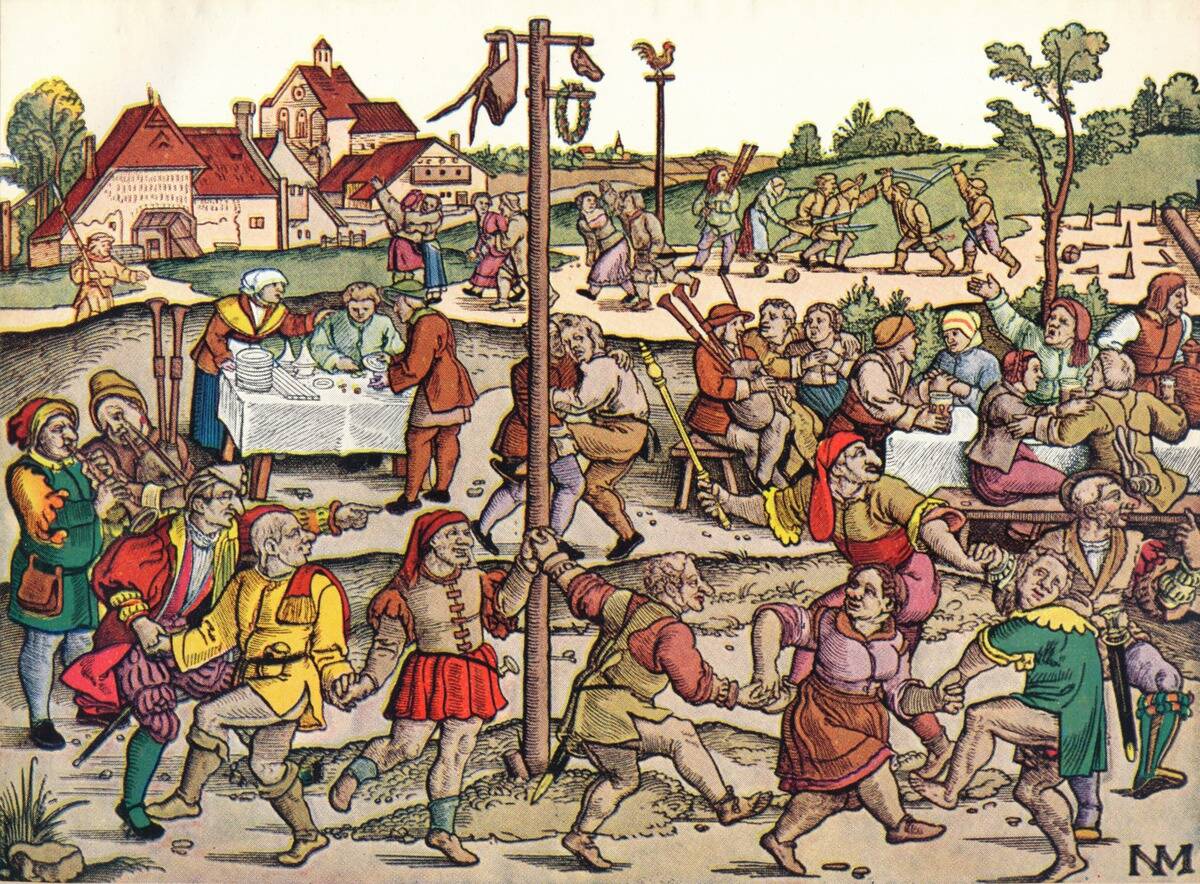
The Maypole dance is a traditional European folk dance performed around a tall pole decorated with ribbons and flowers. This ritual, often associated with May Day celebrations, has pagan roots and was originally a fertility rite.
Participants weave intricate patterns with ribbons as they dance around the pole. Despite its ancient origins, the Maypole dance remains a popular springtime activity in various cultures, symbolizing renewal and community spirit.
The Tradition of the Victorian Mourning Period
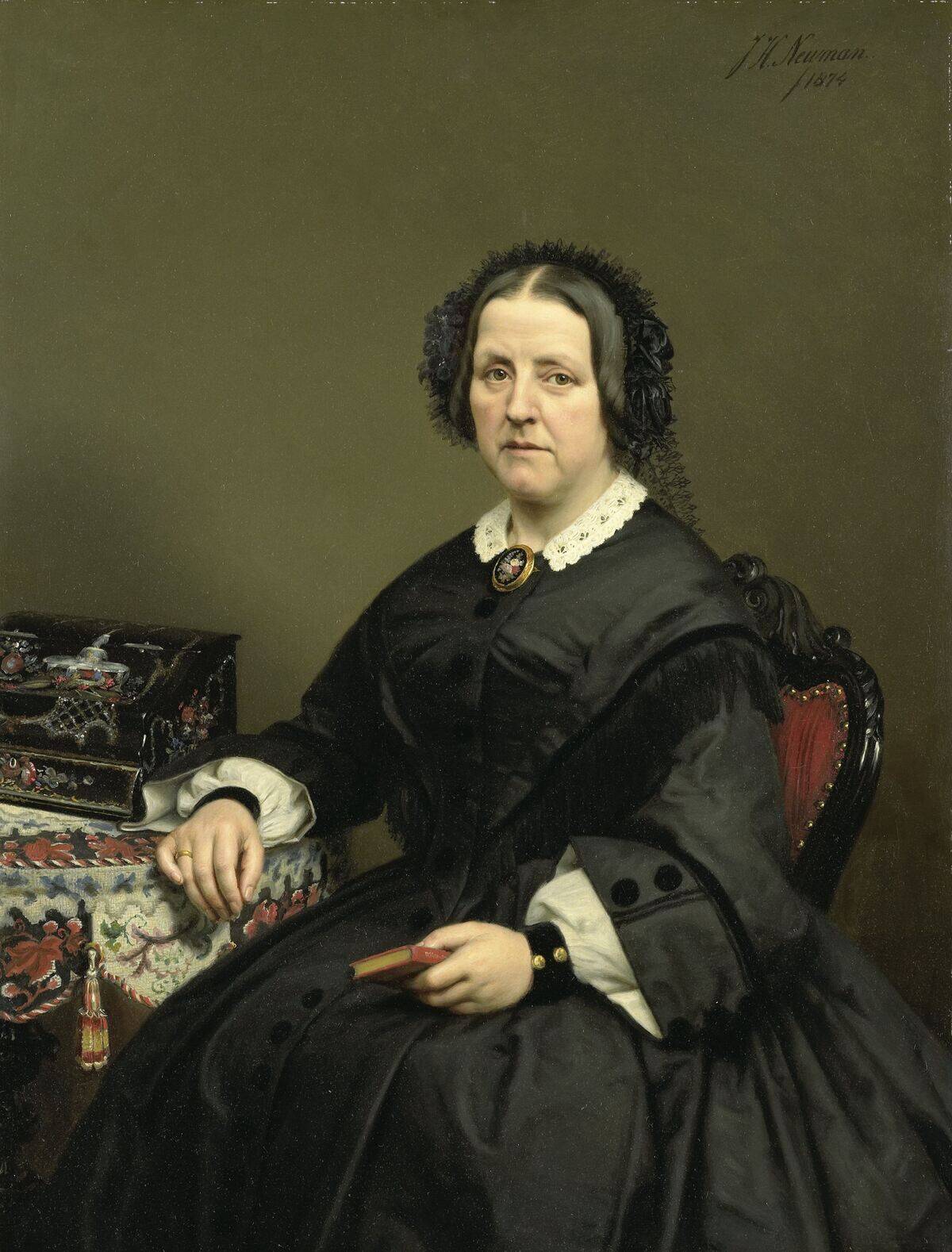
Victorian society had strict rules for mourning, with elaborate rituals and attire to match. Widows were expected to wear black for up to two years, gradually transitioning to lighter colors. Mourning jewelry, often made from jet or featuring the deceased’s hair, was a popular accessory.
These customs reflected the era’s fascination with death and the afterlife, as well as the social importance of displaying grief publicly. Mourning practices were both a personal expression and a societal obligation.
The Formerly Sensible Custom of Using Leech Therapy
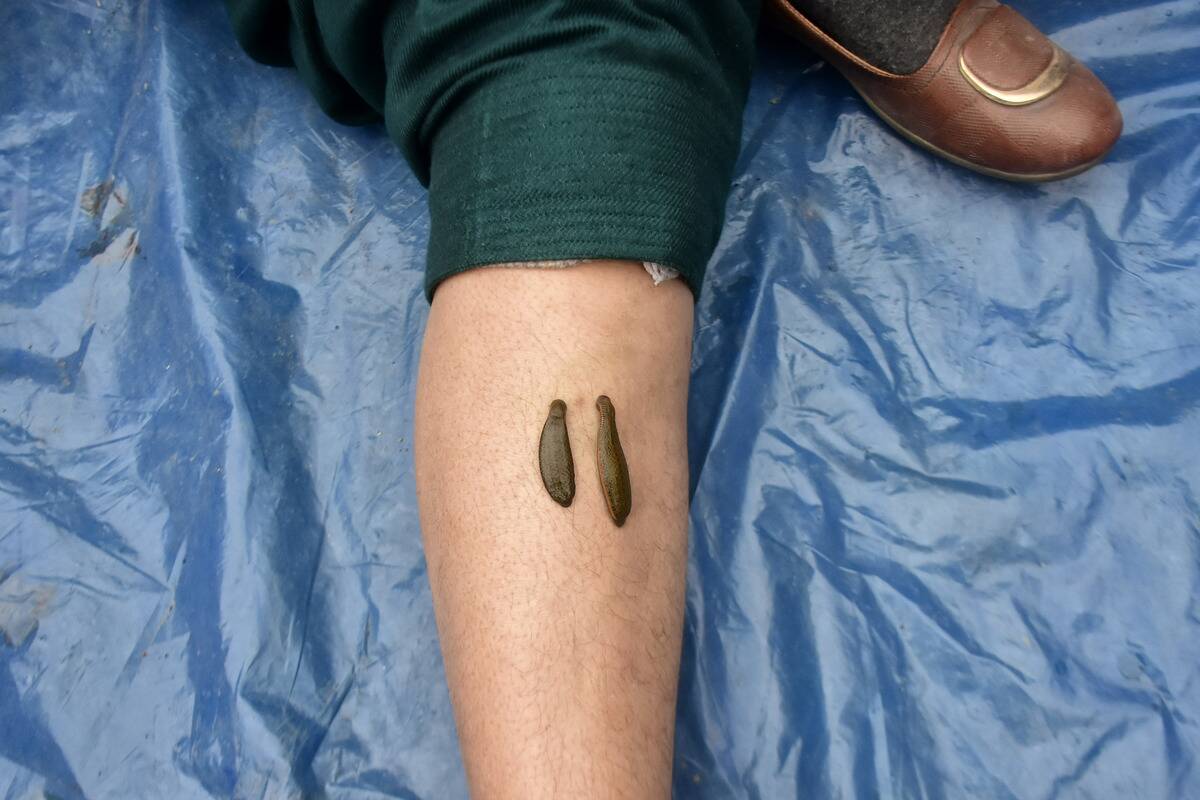
Leech therapy, or hirudotherapy, was a common medical practice from ancient times through the 19th century. Leeches were used to draw blood, believed to cure a variety of ailments by balancing the body’s humors.
While the practice fell out of favor with the advent of modern medicine, it has seen a resurgence in recent years for specific medical applications, such as improving blood flow in microsurgery. This enduring practice highlights the evolving nature of medical treatments.
The Unconventional Rule of Eating with Your Hands in Medieval Times
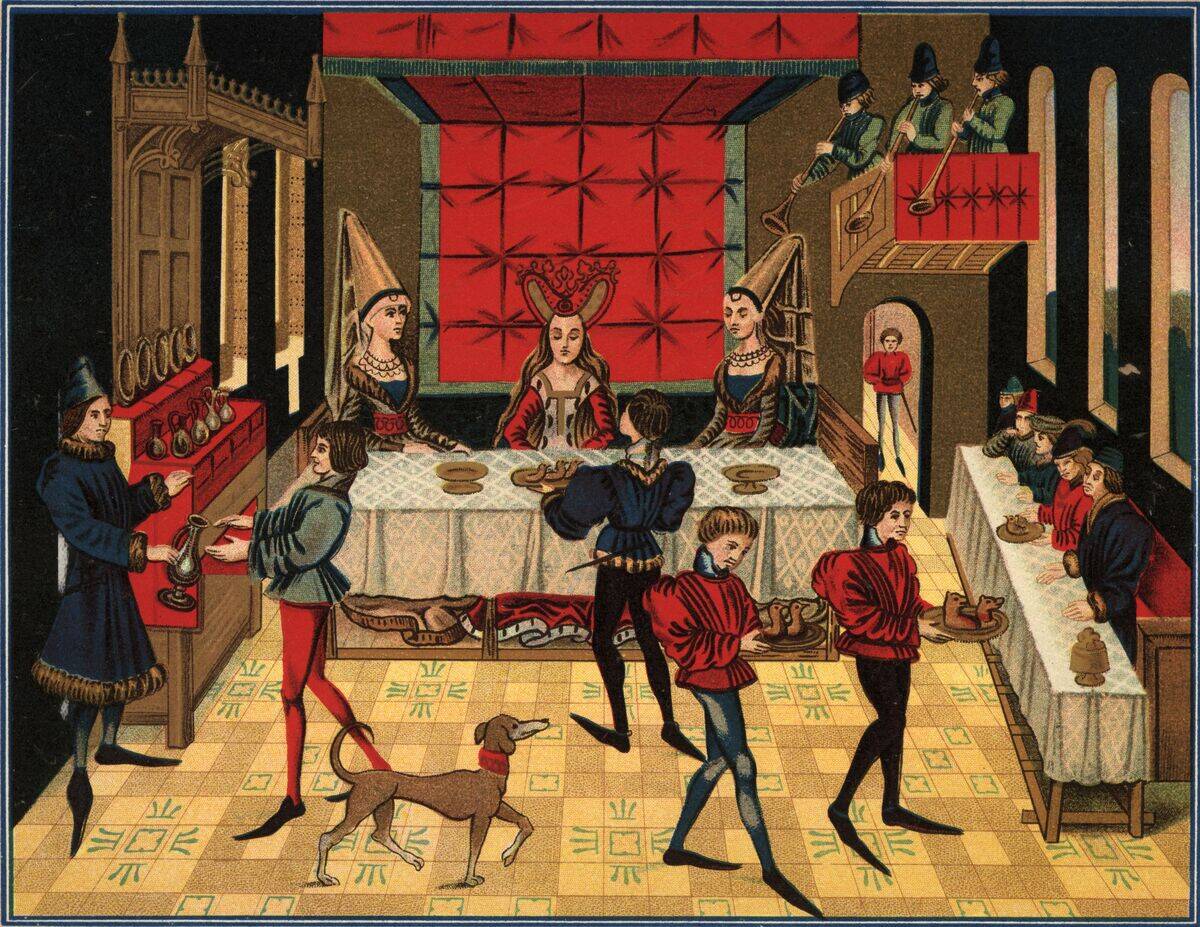
In medieval Europe, eating with one’s hands was the norm, as forks were not widely used until the late Middle Ages. Diners would use knives and spoons, but hands were essential for consuming food.
Etiquette dictated that only the first three fingers of the right hand be used, and washing hands before and after meals was crucial. This practice highlights the evolution of dining customs and the gradual shift towards the use of cutlery in Western culture.




