Uncover the secrets of the world’s oldest continuously inhabited cities
Journeying through the world’s oldest cities is like stepping into a living history book. These ancient metropolises have witnessed the rise and fall of empires, the birth of civilizations, and the evolution of human culture.
From the bustling streets of Damascus to the sacred ghats of Varanasi, each city offers a unique glimpse into the past, inviting us to explore their stories and uncover the secrets of bygone eras.
Damascus, Syria: A Living Museum of History
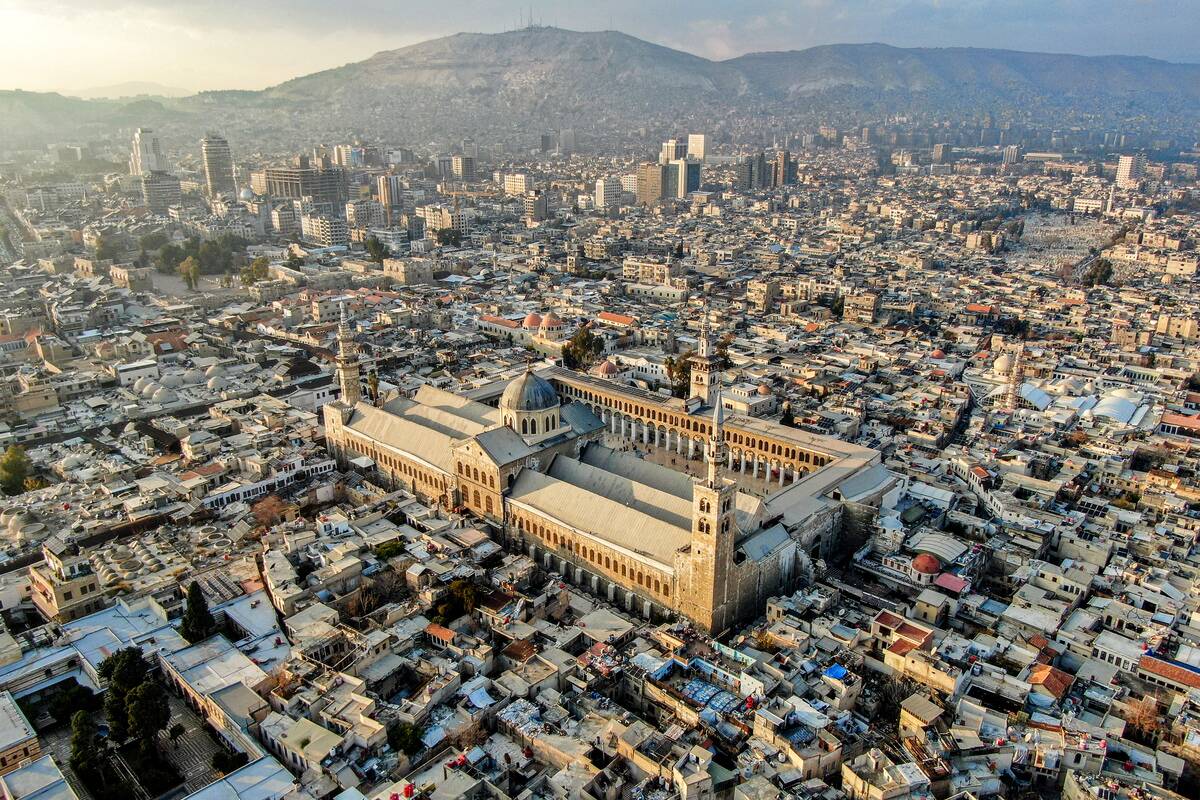
Damascus, often cited as one of the oldest continuously inhabited cities in the world, is a treasure trove of historical wonders. The city’s rich history is evident in its ancient architecture, from the Umayyad Mosque to the bustling souks.
As you wander through its narrow alleys, you can almost hear the echoes of traders and travelers who once passed through this vital crossroads of the ancient world.
Byblos, Lebanon: Where the Alphabet Was Born
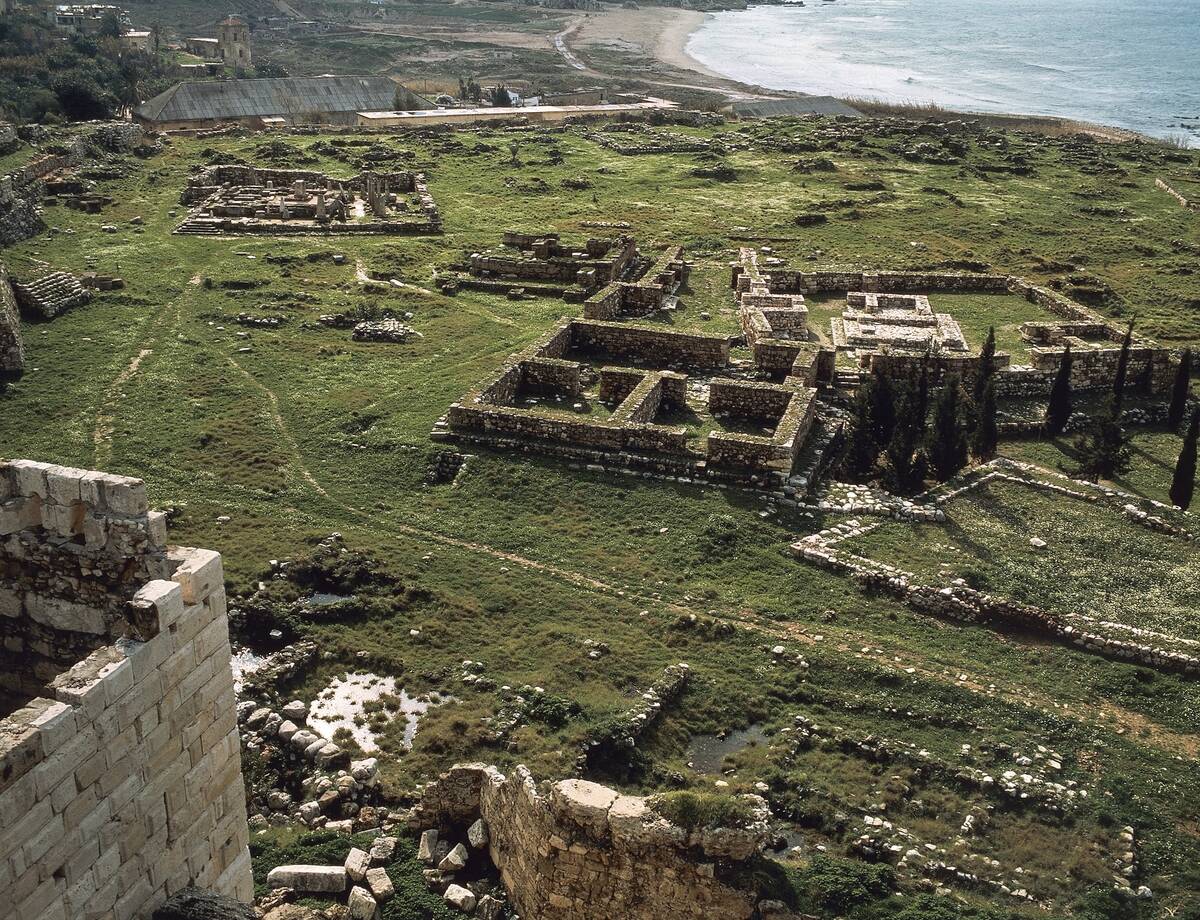
Byblos, a coastal city in Lebanon, holds a special place in history as the birthplace of the Phoenician alphabet, which laid the foundation for modern writing systems.
This ancient city, with its picturesque harbor and stunning archaeological sites, offers a fascinating glimpse into the Phoenician civilization. Visitors can explore ancient ruins, including temples and royal tombs, that tell the story of a city that has been inhabited for over 7,000 years.
Jericho, West Bank: The City of Palm Trees
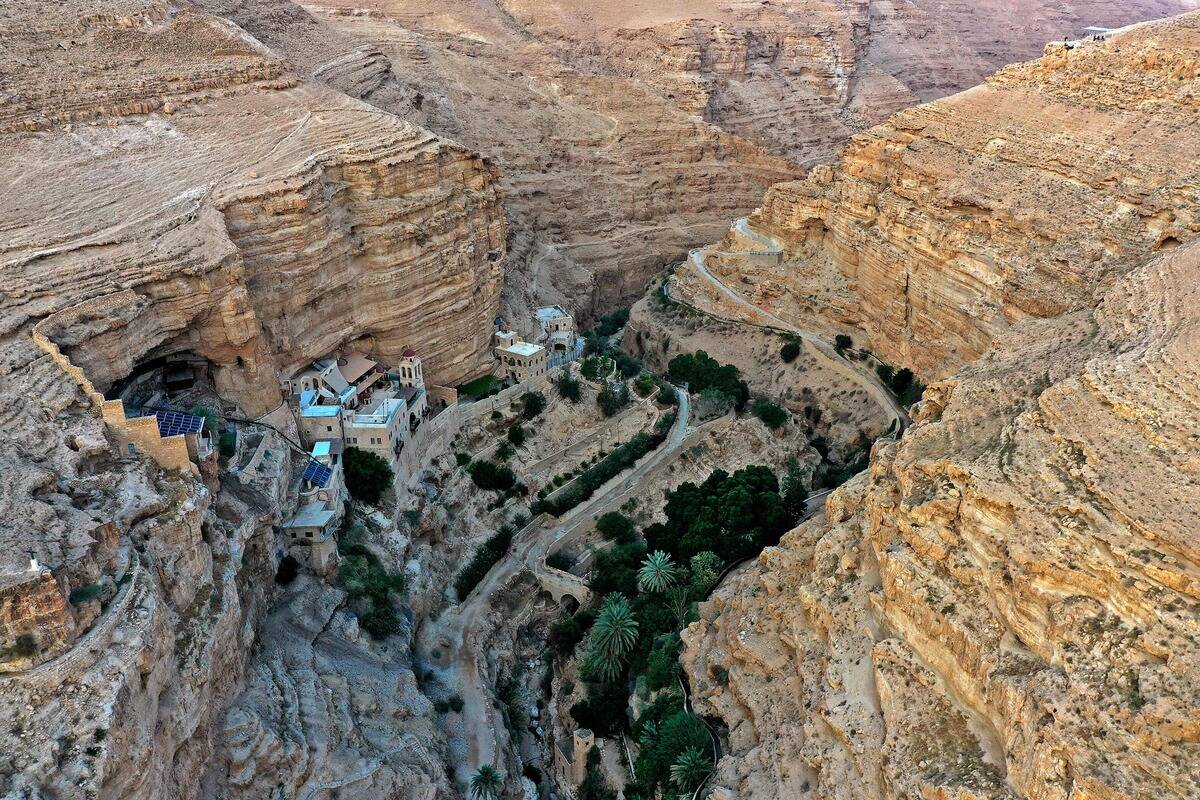
Jericho, located in the West Bank, is often referred to as the ‘City of Palm Trees’ due to its lush greenery and abundant date palms. This ancient city is one of the oldest in the world, with evidence of settlement dating back to 10,000 BCE.
Archaeological excavations have uncovered layers of history, revealing ancient fortifications and remnants of early human civilization, making Jericho a fascinating destination for history enthusiasts.
Plovdiv, Bulgaria: A Cultural Melting Pot
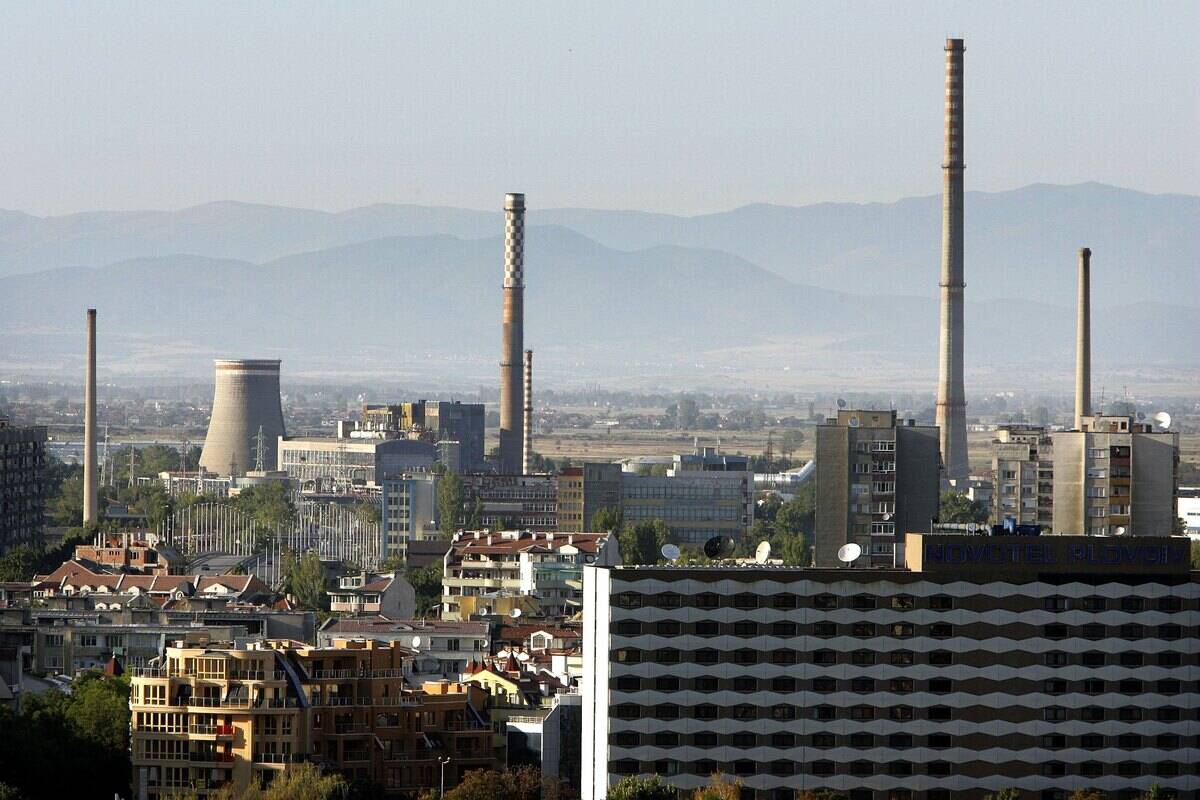
Plovdiv, Bulgaria’s second-largest city, is a vibrant cultural hub with a history that spans over 6,000 years. Known for its well-preserved Roman theater and charming Old Town, Plovdiv has been influenced by Thracians, Romans, Byzantines, and Ottomans.
This blend of cultures is reflected in its diverse architecture and thriving arts scene, making it a must-visit for those interested in the crossroads of history and modernity.
Varanasi, India: Spiritual Heartbeat of a Nation
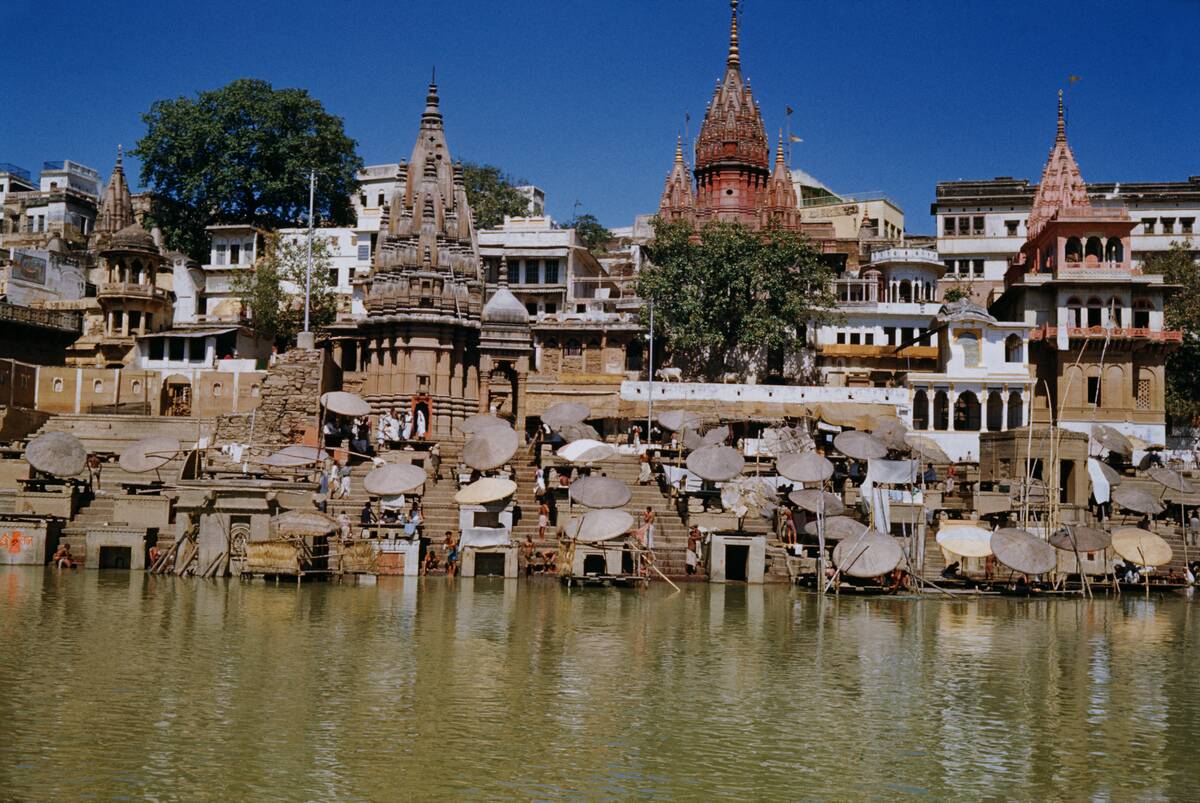
Varanasi, one of the holiest cities in India, is a spiritual epicenter for Hindus. Situated on the banks of the Ganges River, it is believed to be over 3,000 years old. Pilgrims flock to its ghats to perform rituals and seek blessings, while the city’s narrow lanes buzz with life and spirituality.
The timeless allure of Varanasi lies in its ability to offer a profound sense of peace and connection to the divine.
Athens, Greece: The Cradle of Western Civilization
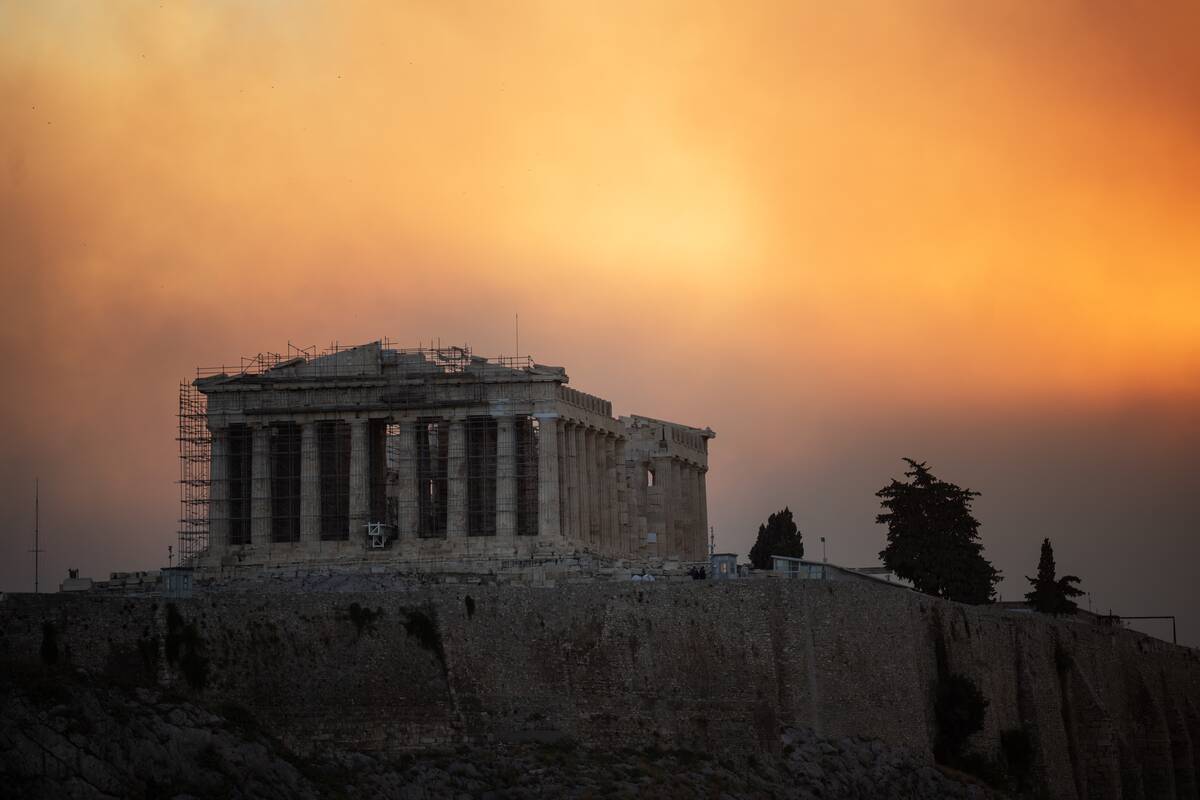
Athens, the capital of Greece, is often hailed as the cradle of Western civilization. Home to iconic landmarks like the Parthenon and the Acropolis, Athens has been a center of art, philosophy, and democracy since ancient times.
The city’s rich history is palpable as you stroll through its ancient ruins, offering a glimpse into the birthplace of ideas that have shaped the modern world.
Argos, Greece: A City of Myths and Legends
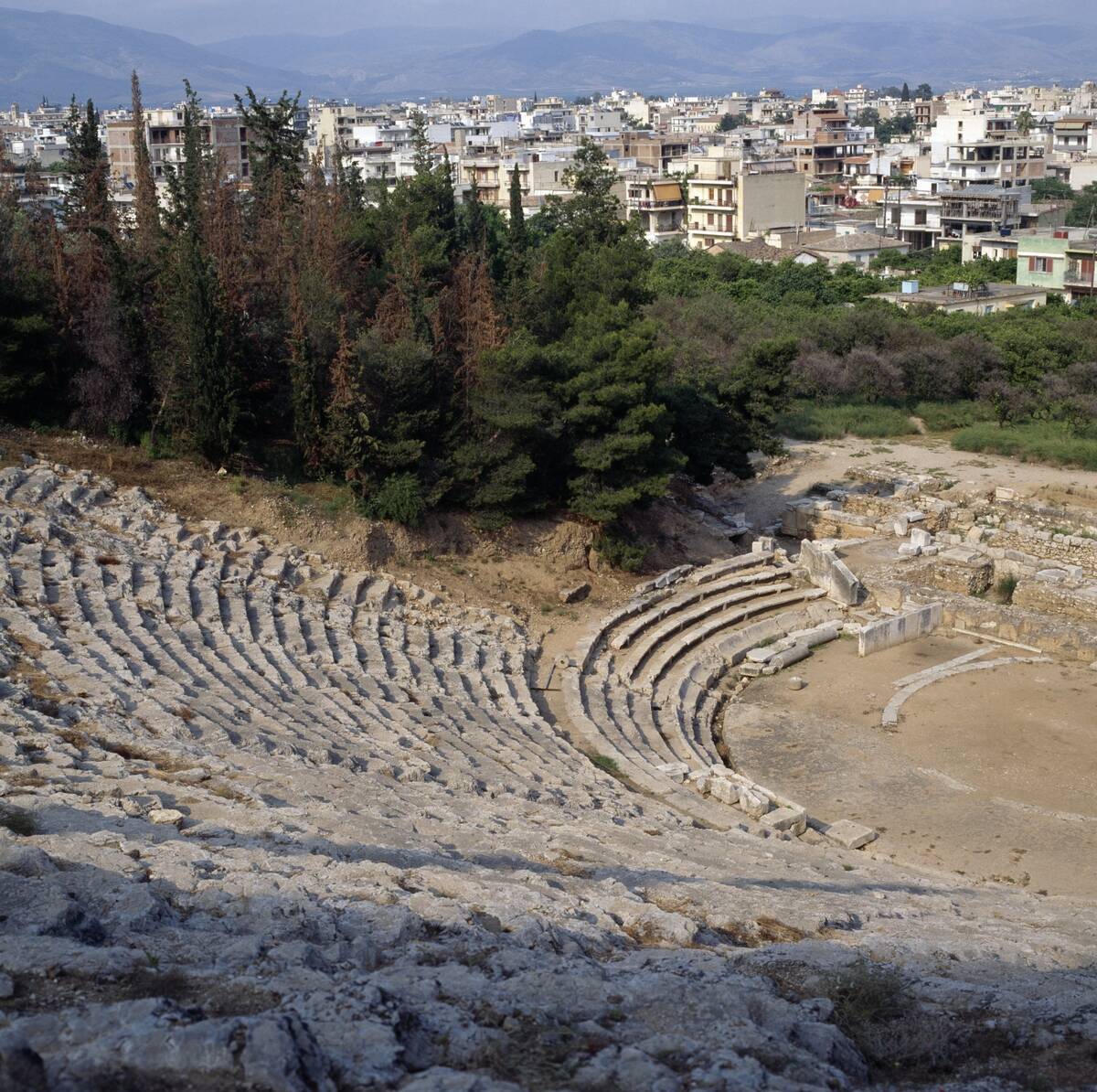
Argos, one of Greece’s oldest cities, is steeped in mythology and history. Known for its ancient ruins and archaeological sites, Argos was a major center during the Mycenaean period.
The city is often associated with legendary figures like Perseus and Hercules, and its historical significance is evident in the remnants of ancient theaters and temples that dot the landscape, inviting visitors to explore its storied past.
Susa, Iran: From Elamite Kings to Persian Empires
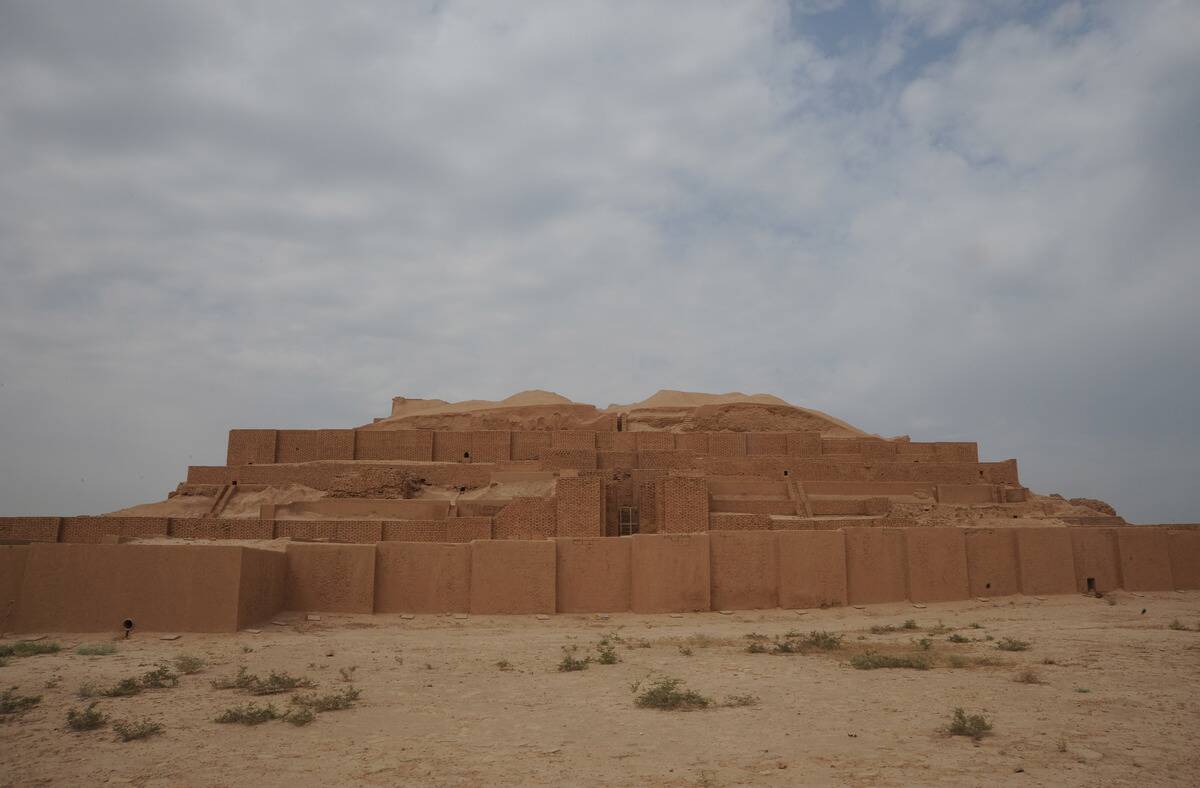
Susa, one of the oldest cities in the world, has a history that dates back to the Elamite period. This ancient city served as a capital for several empires, including the Persian Empire under Darius the Great.
The archaeological sites of Susa, such as the Apadana Palace and the Tomb of Daniel, offer a fascinating glimpse into the grandeur of ancient civilizations that once thrived in this region.
Sidon, Lebanon: A Port City of Phoenician Fame
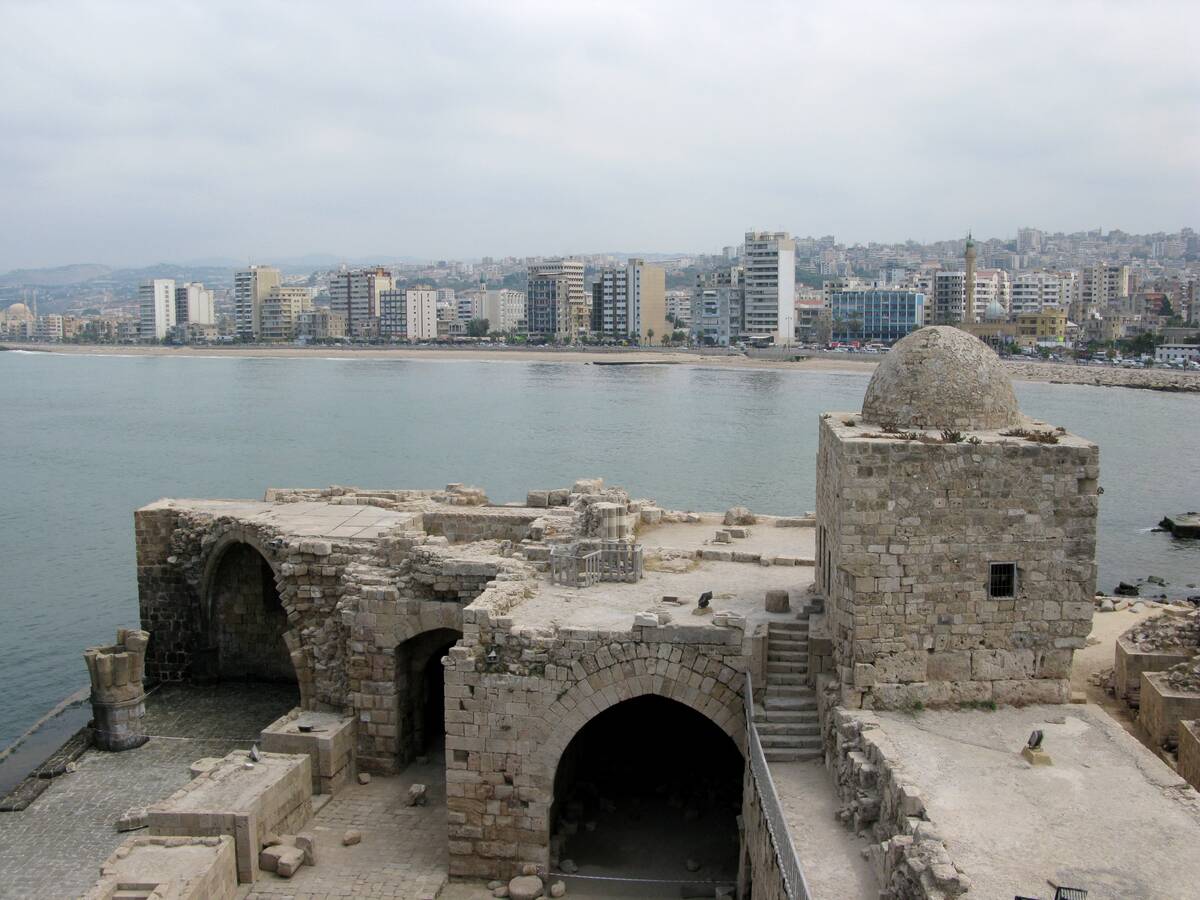
Sidon, an ancient Phoenician city in Lebanon, was once a thriving center of trade and commerce. Known for its glass production and purple dye, Sidon played a crucial role in the maritime activities of the Phoenicians.
Today, visitors can explore its ancient ruins, including the Sea Castle and the Temple of Eshmun, which stand as testaments to the city’s illustrious past and its enduring legacy in the Mediterranean world.
Faiyum, Egypt: Oasis of Ancient Wonders
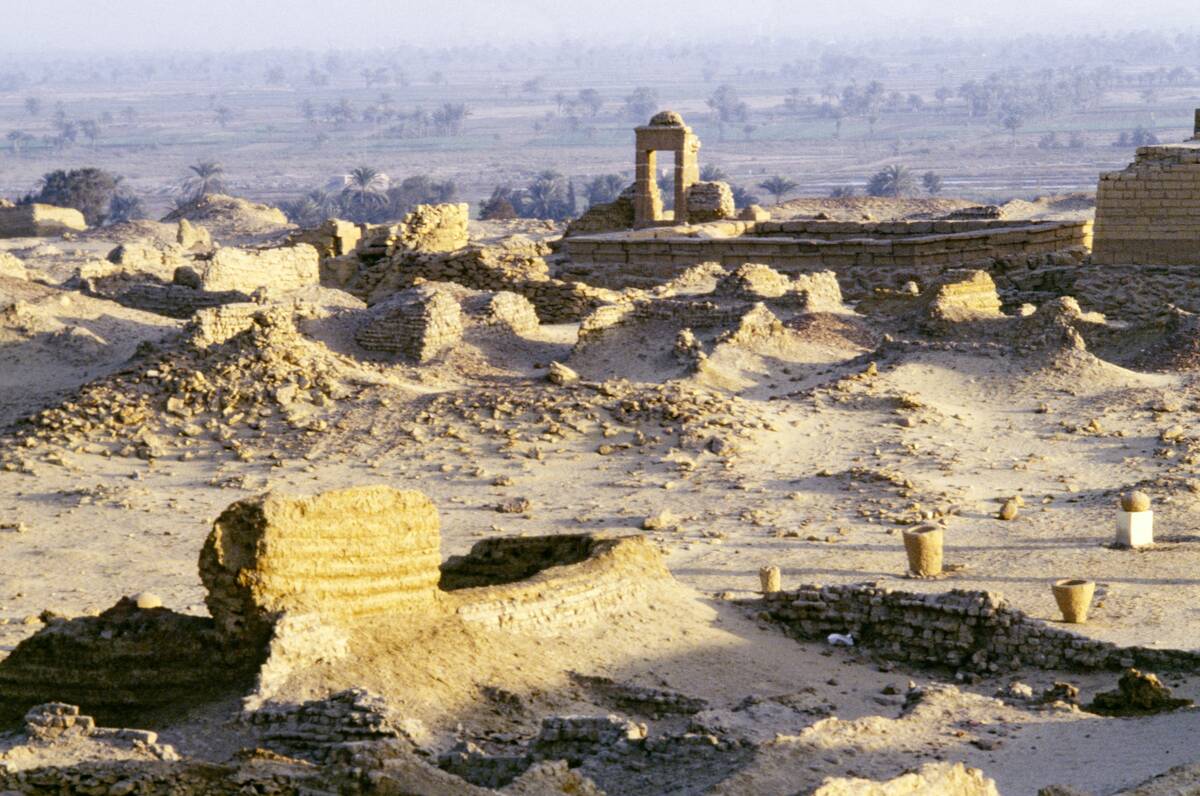
Faiyum, an oasis in Egypt, is a region rich in history and natural beauty. Known for its fertile land and abundant water supply, Faiyum has been inhabited since the Pharaonic era.
The area is home to several ancient sites, including the Pyramid of Hawara and the ruins of Karanis, offering a glimpse into the agricultural and cultural achievements of ancient Egyptian civilization.
Ray, Iran: A City of Many Names and Faces
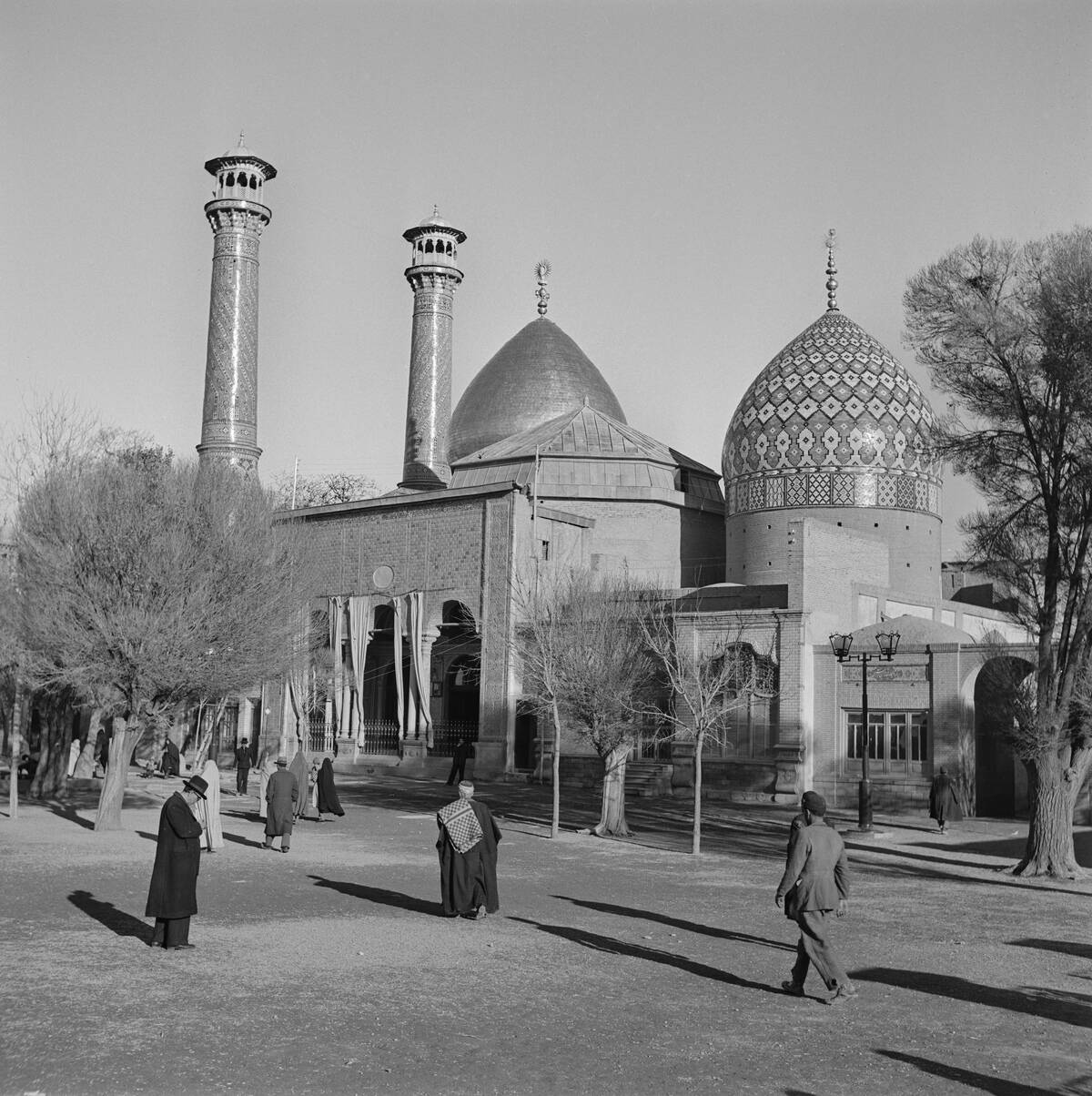
Ray, located near Tehran, Iran, is a city with a history that stretches back over 5,000 years. Known by various names throughout history, including Rhages and Raga, Ray was an important center of trade and culture.
The city’s historical significance is evident in its ancient ruins, such as the Gebri Castle and the Ray Bazaar, which offer insights into the diverse cultural influences that have shaped its identity over millennia.
Balkh, Afghanistan: The Mother of Cities
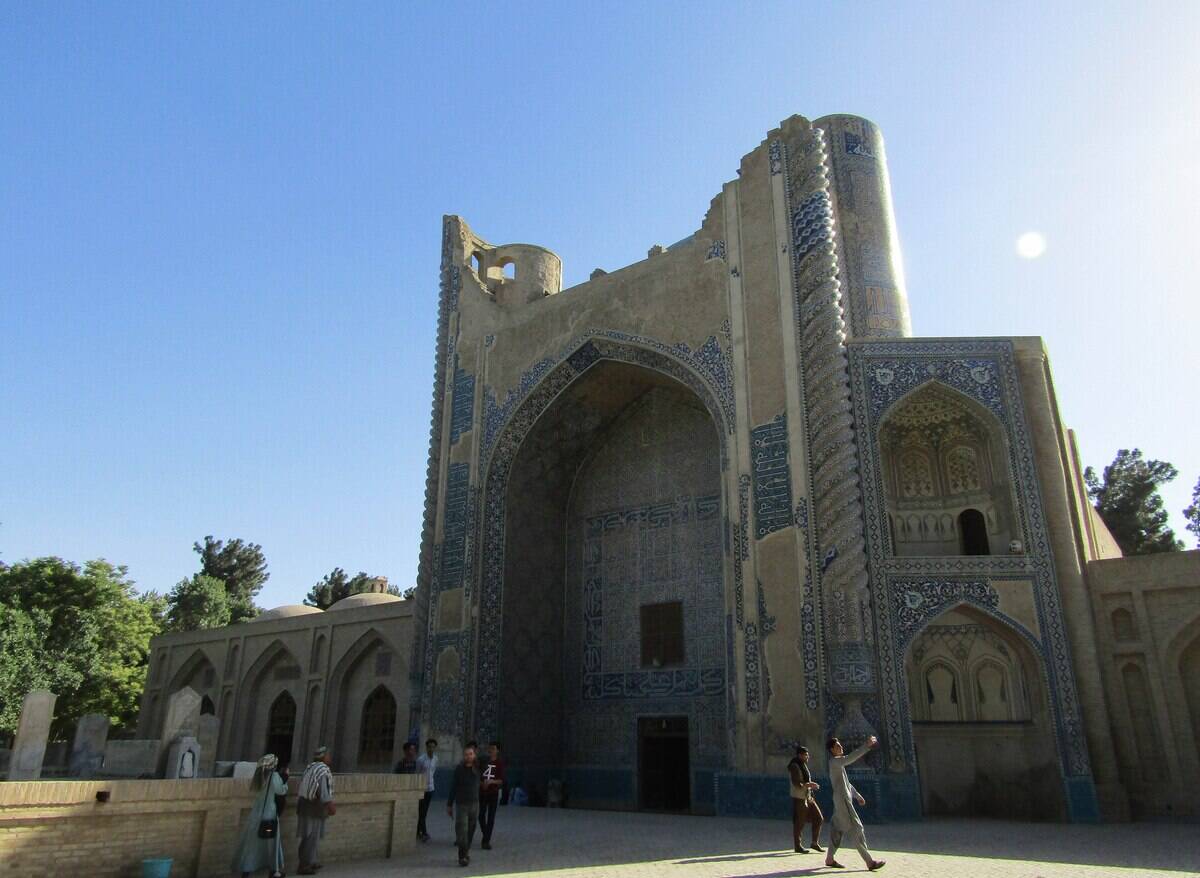
Balkh, often referred to as the ‘Mother of Cities,’ is one of the oldest cities in Afghanistan and the world. With a history that dates back to the 2nd millennium BCE, Balkh was once a major center of Zoroastrianism and Buddhism.
The city’s ancient ruins, including the Bala Hissar fortress and the remnants of the Buddhist monastery of Nava Vihara, offer a fascinating glimpse into its rich cultural and religious heritage.
Gaziantep, Turkey: A Culinary and Cultural Delight
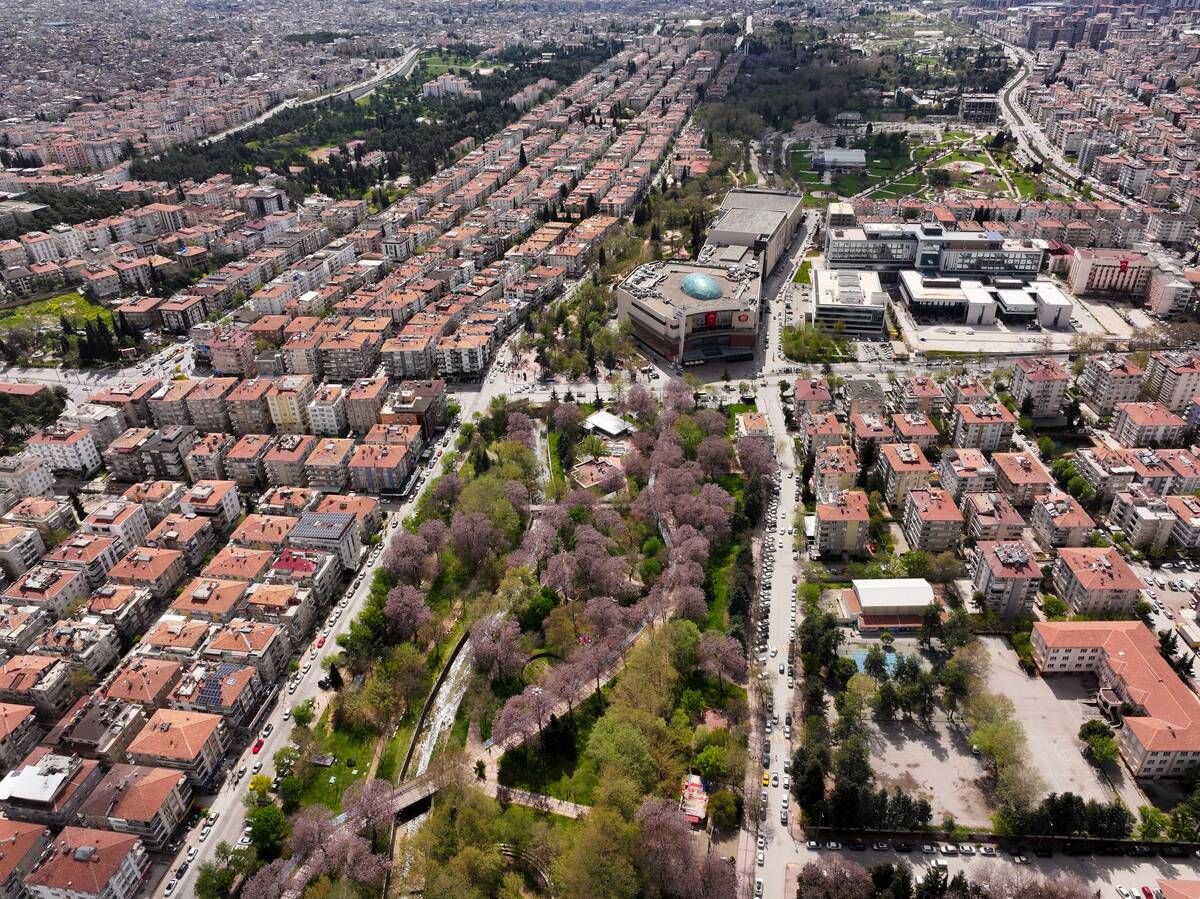
Gaziantep, a vibrant city in southeastern Turkey, is renowned for its rich culinary heritage and cultural attractions. Known as the culinary capital of Turkey, Gaziantep is famous for its delicious baklava and savory kebabs.
The city’s ancient roots are evident in its well-preserved Roman mosaics and the impressive Gaziantep Castle, making it a delightful destination for food lovers and history enthusiasts alike.
Luxor, Egypt: The World’s Greatest Open-Air Museum
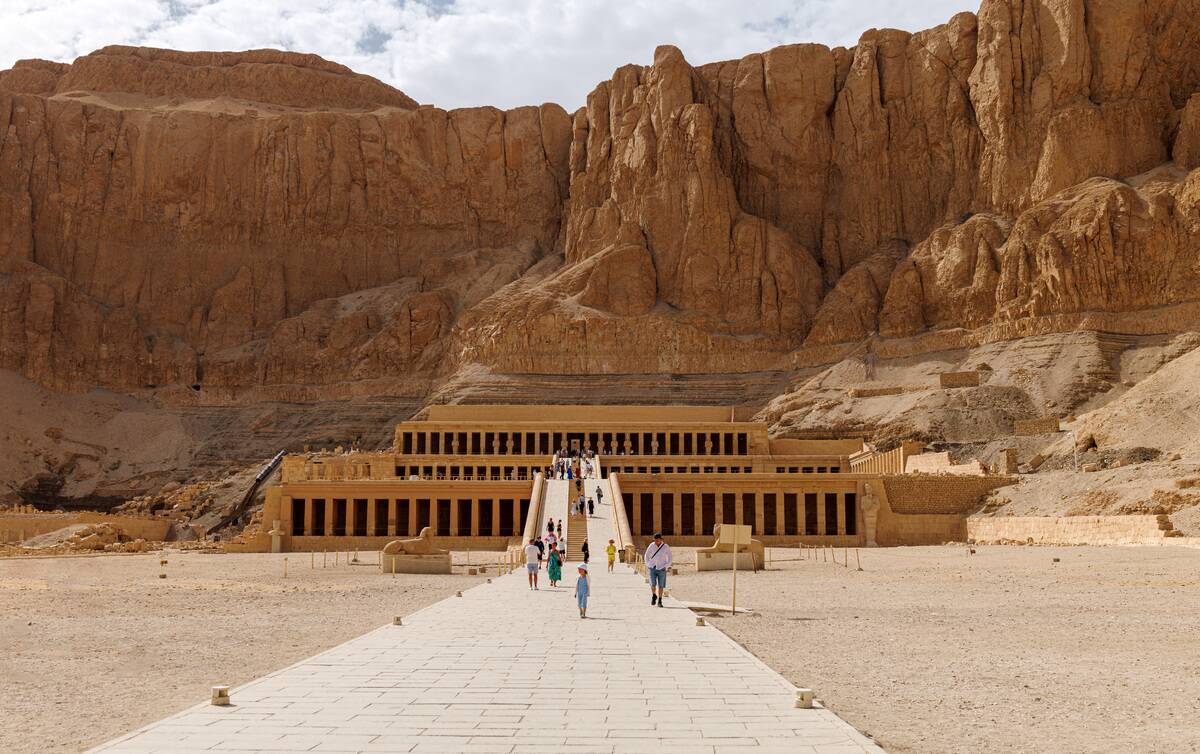
Luxor, often referred to as the world’s greatest open-air museum, is a city steeped in ancient history. Located on the east bank of the Nile River, Luxor is home to some of Egypt’s most iconic sites, including the Valley of the Kings and the Karnak Temple Complex.
The city’s rich archaeological heritage and stunning monuments offer a captivating journey into the world of the pharaohs, making it a must-visit for history buffs.




