Hollywood Homes of 1950s
The 1950s were a golden era for Hollywood, a time when glamour and style were reflected in the homes of its stars. These residences were not just places to live but symbols of status and success.
Nestled in the hills of Los Angeles, these homes boasted unique designs and luxurious features that captured the imagination of the public. They were the epitome of elegance, blending comfort with a touch of extravagance that defined the decade.
The Rise of Mid-Century Modern Architecture
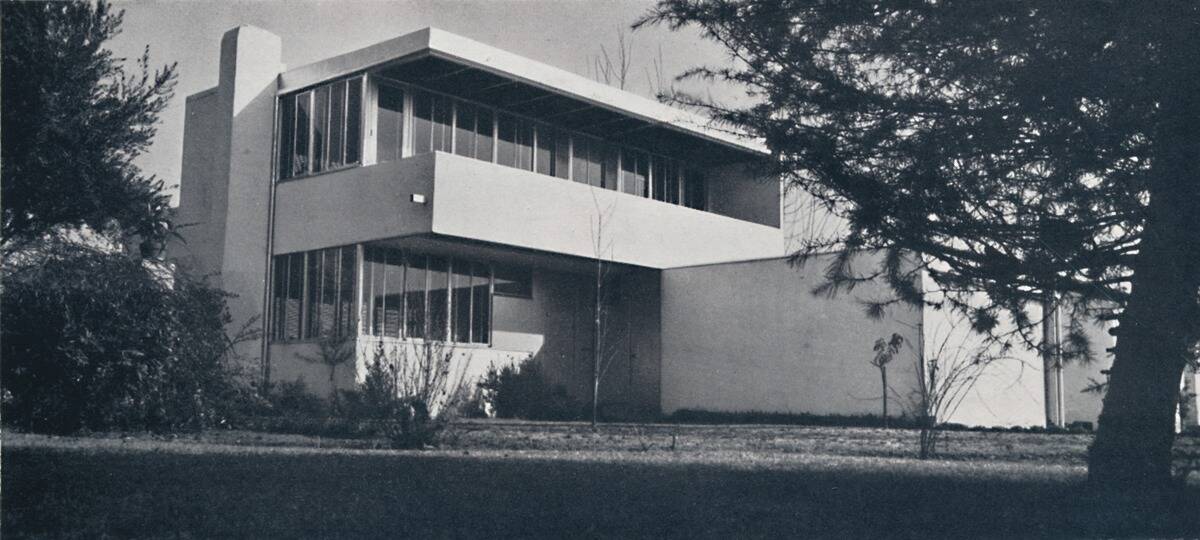
Mid-century modern architecture became closely associated with the 1950s, characterized by clean lines, large windows, open spaces, and a strong connection between indoor and outdoor environments. The style emphasized simplicity, functionality, and the use of materials such as glass, steel, and wood.
Architects like Richard Neutra and designers such as Charles and Ray Eames helped shape the movement, creating influential works that balanced practicality with modern aesthetics. The movement reflected the post-war desire for new beginnings and innovative approaches to everyday living.
Iconic Hollywood Neighborhoods of the 1950s
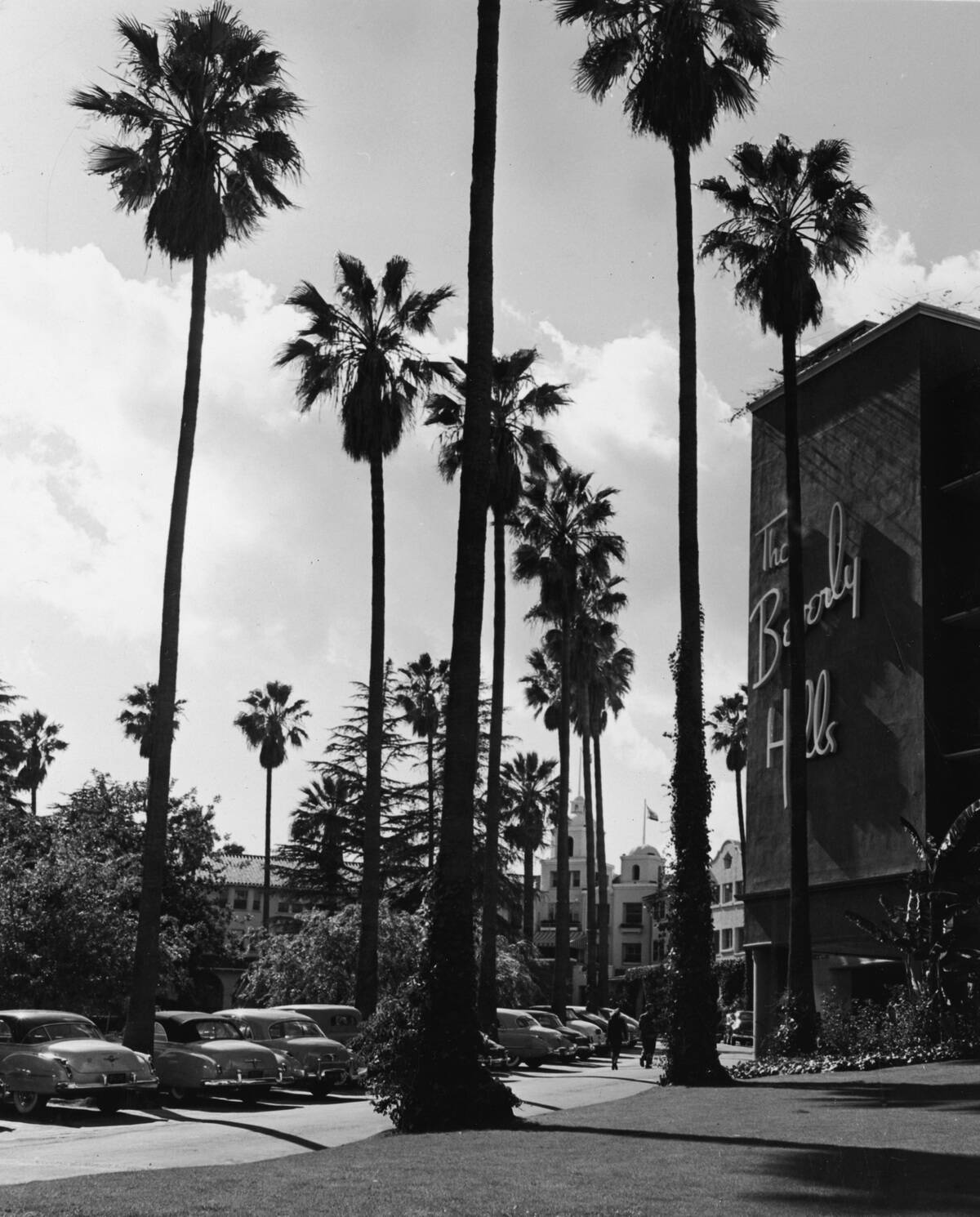
Neighborhoods like Beverly Hills, Bel Air, and the Hollywood Hills became closely associated with 1950s Hollywood glamour. These areas attracted wealthy residents and entertainment figures, offering privacy, luxurious homes, and sweeping views of Los Angeles.
Their exclusivity made them popular among stars seeking a retreat while remaining near the center of the film industry. The architectural diversity of these neighborhoods reflected the creativity and innovation of postwar designers.
Famous Architects Behind Hollywood’s 1950s Homes
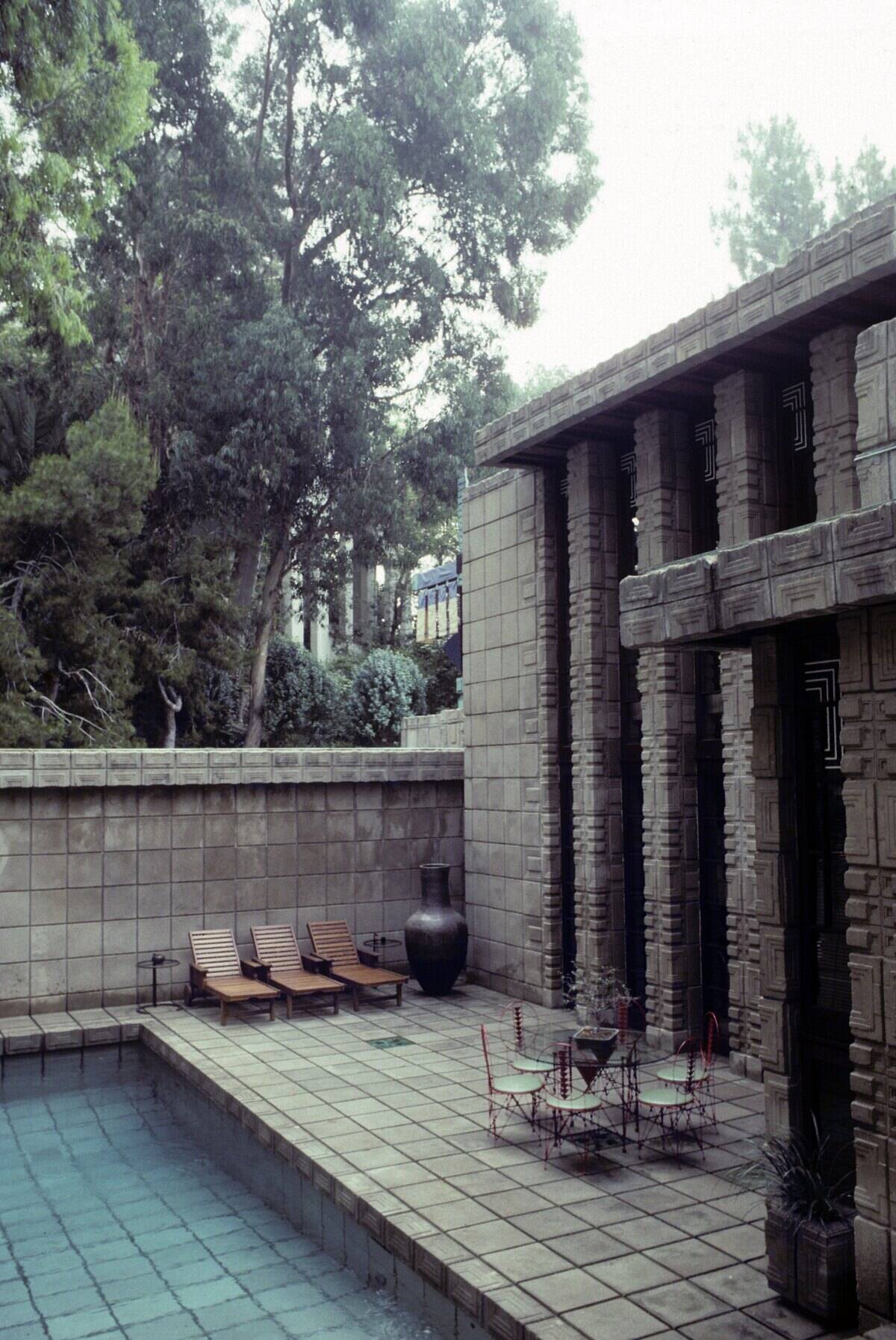
Architects like Frank Lloyd Wright and John Lautner left a lasting impact on Los Angeles’ residential landscape. Wright’s philosophy of organic architecture emphasized harmony between buildings and their surroundings, influencing generations of designers.
Lautner, who trained under Wright, became known for his futuristic homes featuring bold geometric forms and innovative materials. Their distinctive designs attracted notable clients, including figures from Hollywood, who valued homes that reflected individuality and modern creativity.
The Role of Celebrity Culture in Home Design
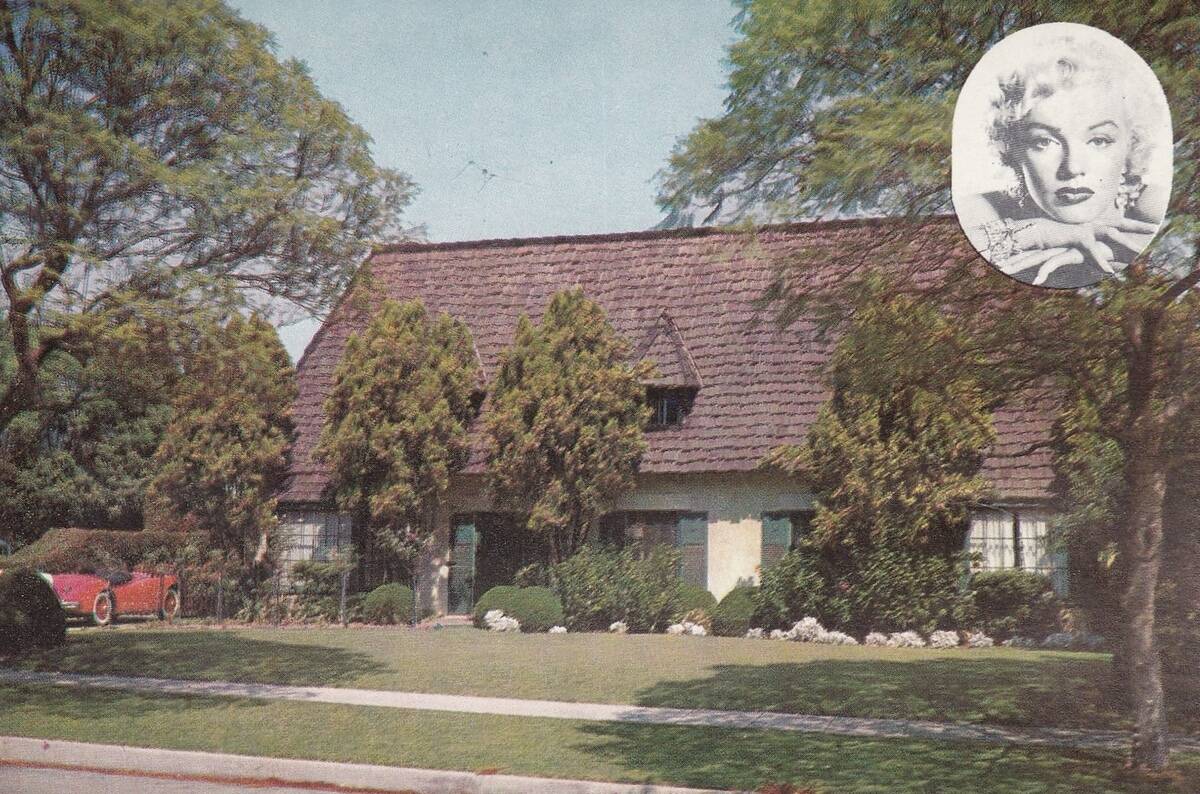
Celebrity culture influenced the perception of luxury and style in 1950s Hollywood homes. Stars like Marilyn Monroe and Frank Sinatra became symbols of glamour, and their residences reflected the era’s fascination with modern design and upscale living.
Celebrity homes were often featured in magazines, helping popularize trends in architecture, interiors, and lifestyle. Alongside postwar prosperity and advances in design, the appeal of Hollywood glamour contributed to the demand for homes that combined comfort, innovation, and sophistication.
Luxurious Features and Amenities of the Era
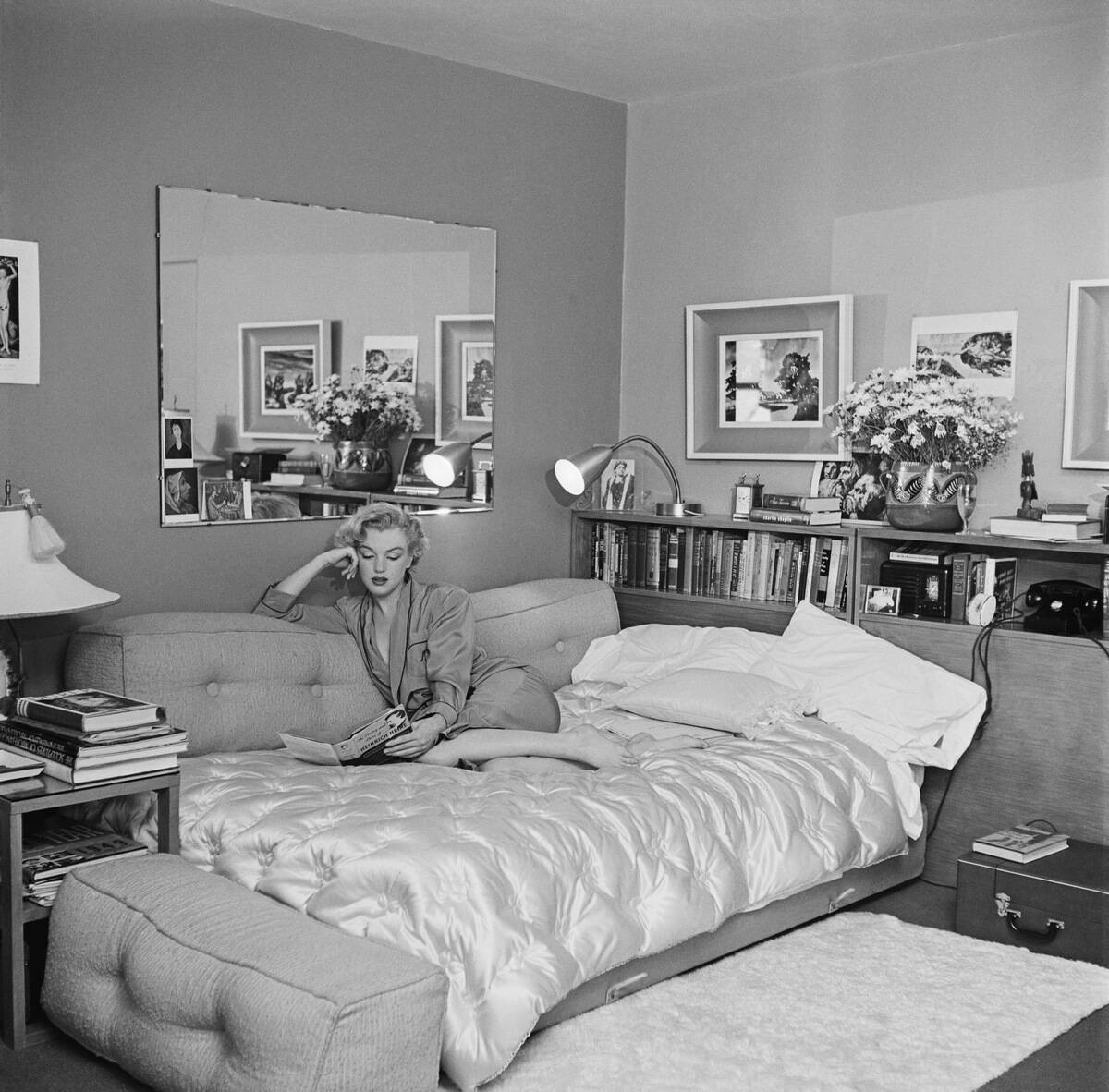
Homes in 1950s Hollywood increasingly featured modern amenities and luxury designs that reflected the affluent lifestyles of their owners. Upscale residences often included features such as open living spaces, entertainment areas, custom interiors, and, in some cases, private screening rooms.
These distinctive touches reflected the era’s fascination with glamour, comfort, and modern living, providing celebrities and wealthy homeowners with stylish retreats for both relaxation and entertaining.
The Outdoor Living Trend: Pools and Patios
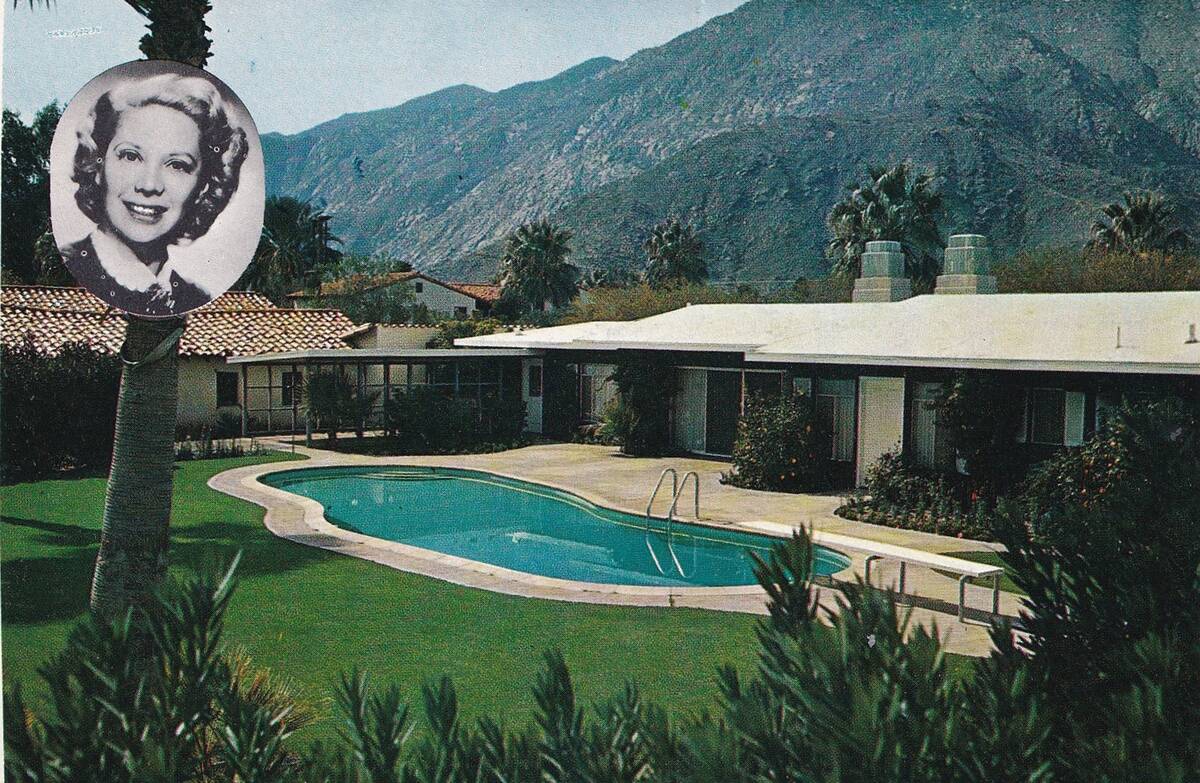
The 1950s saw a rise in the popularity of outdoor living spaces, with pools, patios, and landscaped areas becoming popular features of many upscale Hollywood homes. These spaces were designed for relaxation and entertaining, often incorporating stylish furniture and thoughtful landscaping.
Southern California’s mild climate encouraged year-round outdoor living, while Hollywood’s celebrity culture helped popularize glamorous poolside gatherings. The integration of indoor and outdoor spaces became a defining feature of mid-century modern design.
Inside the Homes of 1950s Hollywood Stars
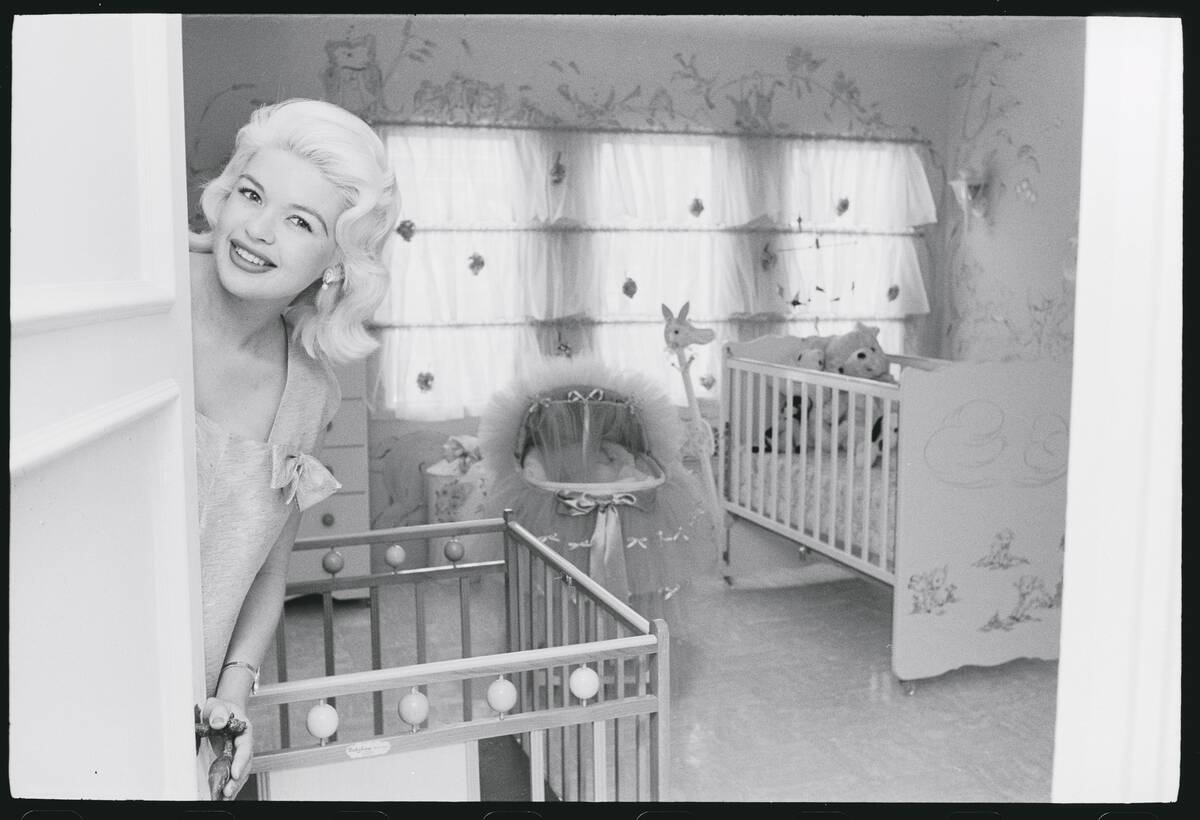
Step inside an upscale 1950s Hollywood home, and you would find a blend of elegance and modern innovation. Many architect-designed interiors featured open floor plans, creating a seamless flow between living spaces.
Natural materials like wood and stone added warmth, while iconic furniture pieces by designers such as Eero Saarinen and Florence Knoll helped define the era’s modern aesthetic. These residences reflected the growing influence of mid-century design, combining comfort, functionality, and sophisticated style.
The Importance of Privacy and Seclusion
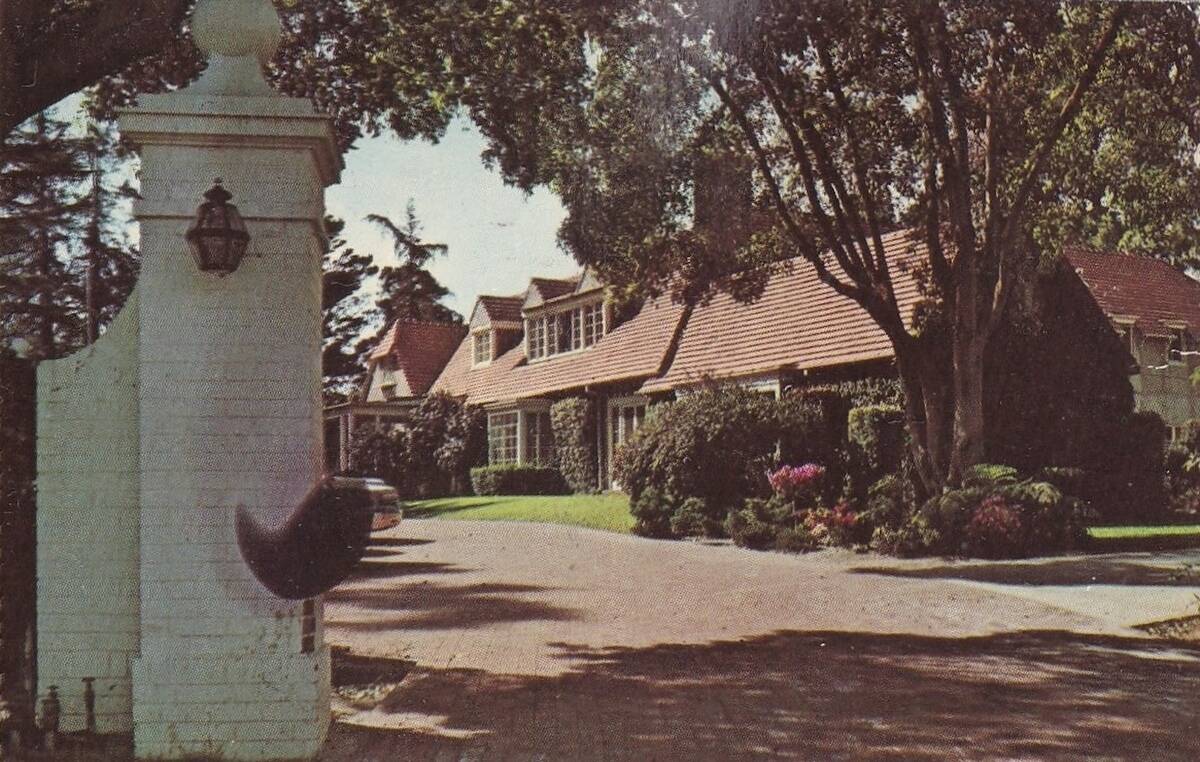
Privacy was a major priority for Hollywood’s elite, and many luxury homes were designed with seclusion and exclusivity in mind. Gated entrances, long driveways, walls, and carefully planned landscaping helped create separation from the outside world.
Many properties in areas such as Beverly Hills, Bel Air, and the Hollywood Hills featured large lots that offered residents greater privacy. These design choices reflected not only a desire to avoid public attention but also the appeal of having a private sanctuary away from the demands of celebrity life.
The Evolution of Interior Design Styles
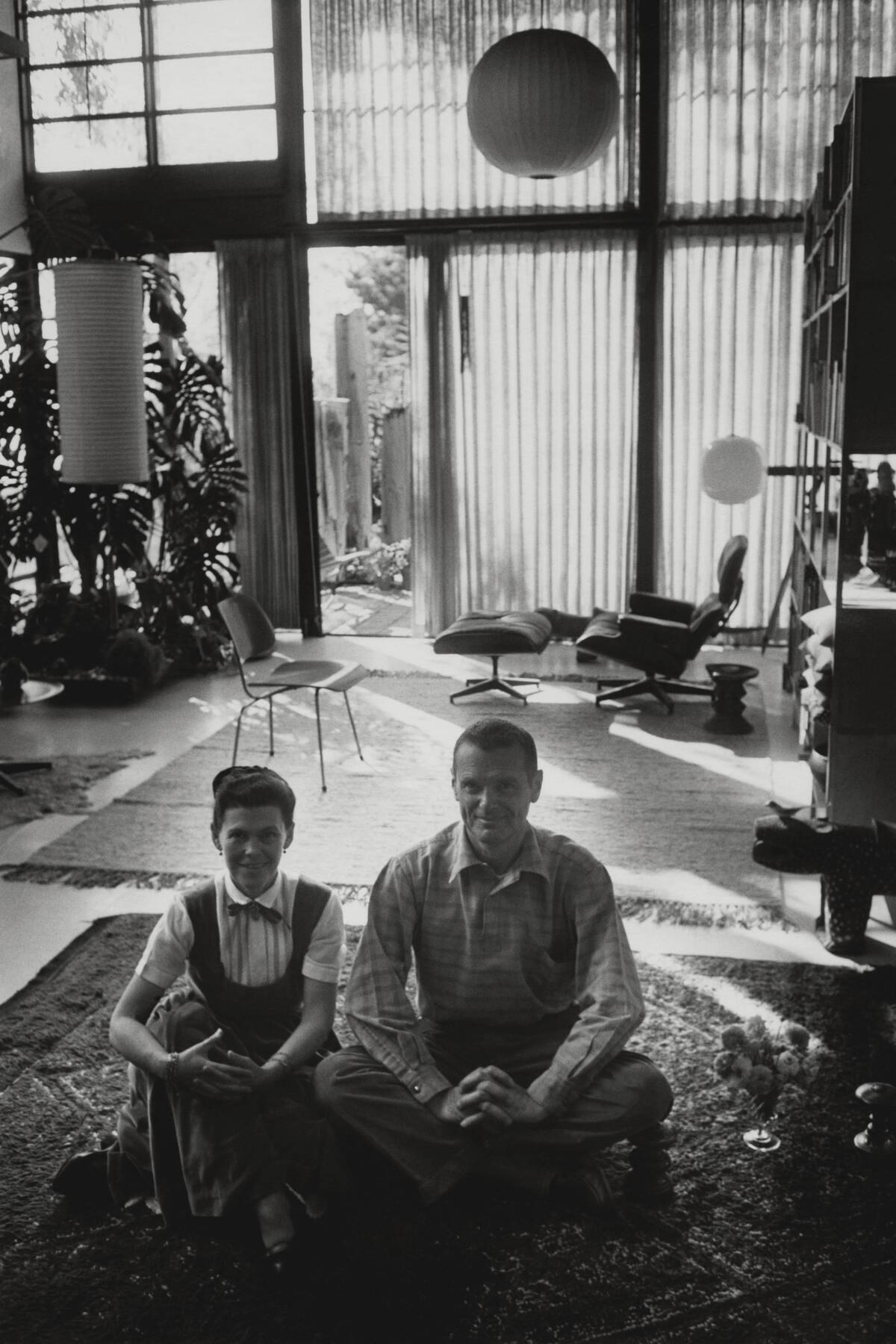
Interior design in the 1950s was marked by a shift towards modernism, with an emphasis on functionality and simplicity. Bold colors, geometric patterns, and innovative materials like fiberglass and plastic became popular.
Designers like Ray Eames and George Nelson introduced furniture that was both practical and stylish. This evolution reflected the changing tastes of homeowners who wanted interiors that complemented the architectural style of their homes and suited their modern lifestyles.
Notable 1950s Hollywood Homeowners
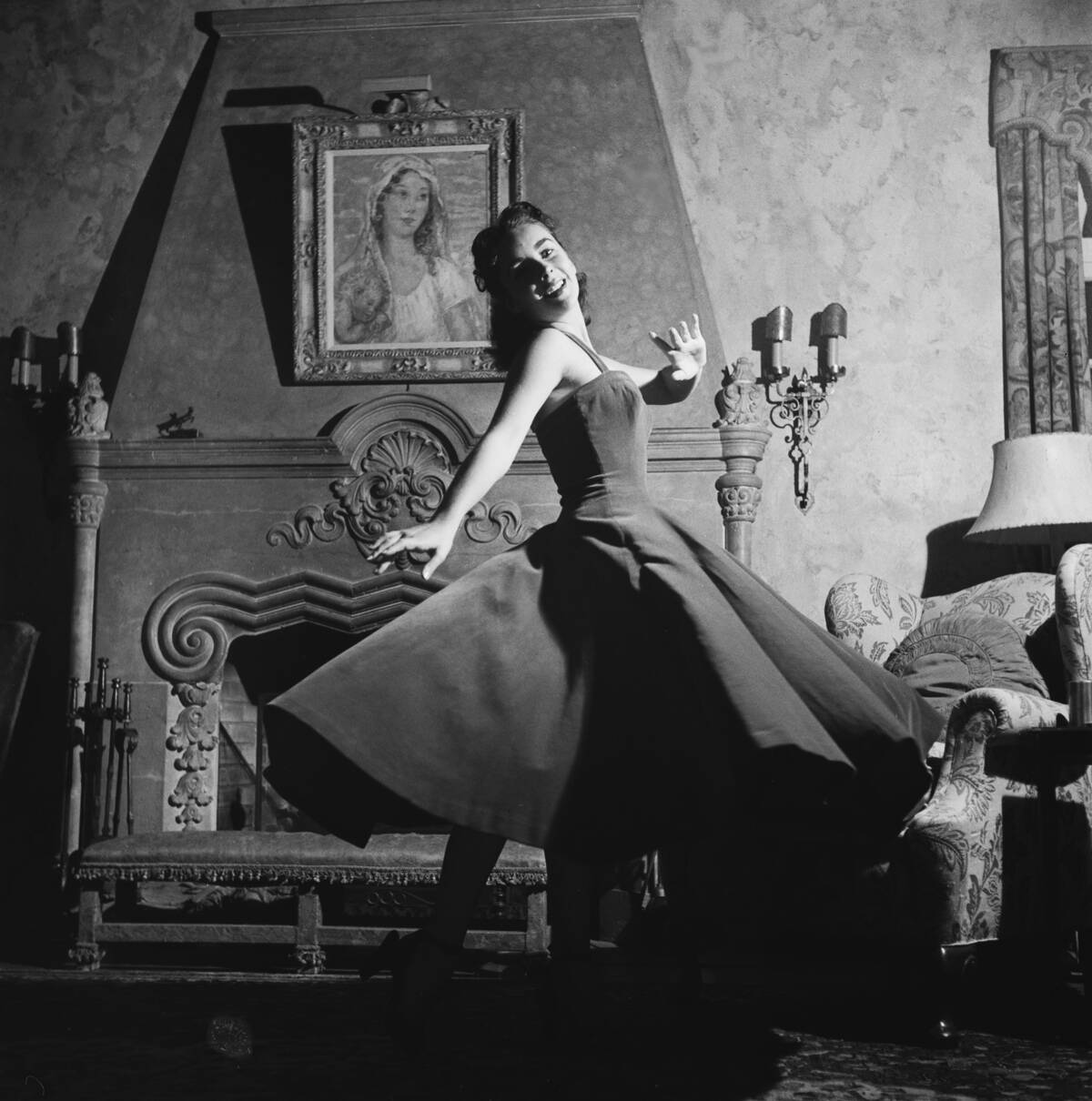
The 1950s saw many Hollywood legends living in distinctive homes that became associated with the glamour of the era. Stars like Elizabeth Taylor, Lucille Ball, and Cary Grant owned notable residences that reflected their lifestyles and status within the entertainment industry.
Some celebrity homes gained additional fame through magazine features, architectural recognition, or appearances in popular culture. The continued fascination with Hollywood history has helped make certain historic celebrity properties highly desirable among collectors and buyers.
Preservation and Restoration of 1950s Hollywood Homes
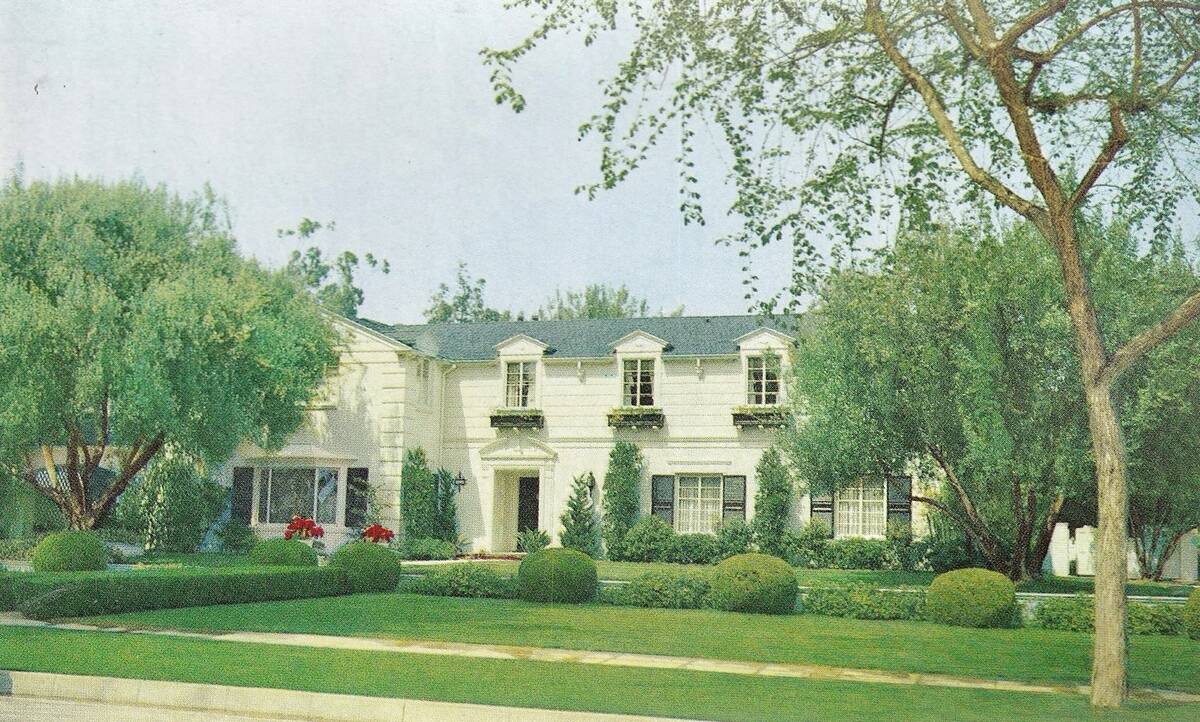
Preserving the architectural heritage of significant 1950s Hollywood homes has become an important effort among homeowners, historians, and preservation organizations. Restoration projects often aim to maintain original design elements while adapting residences for modern living.
This careful balance helps protect the character and historical value of these distinctive homes. Organizations focused on historic preservation work to safeguard important architectural landmarks, recognizing their role in the story of Los Angeles and Hollywood’s golden age.
The Legacy of 1950s Hollywood Homes in Today’s Market
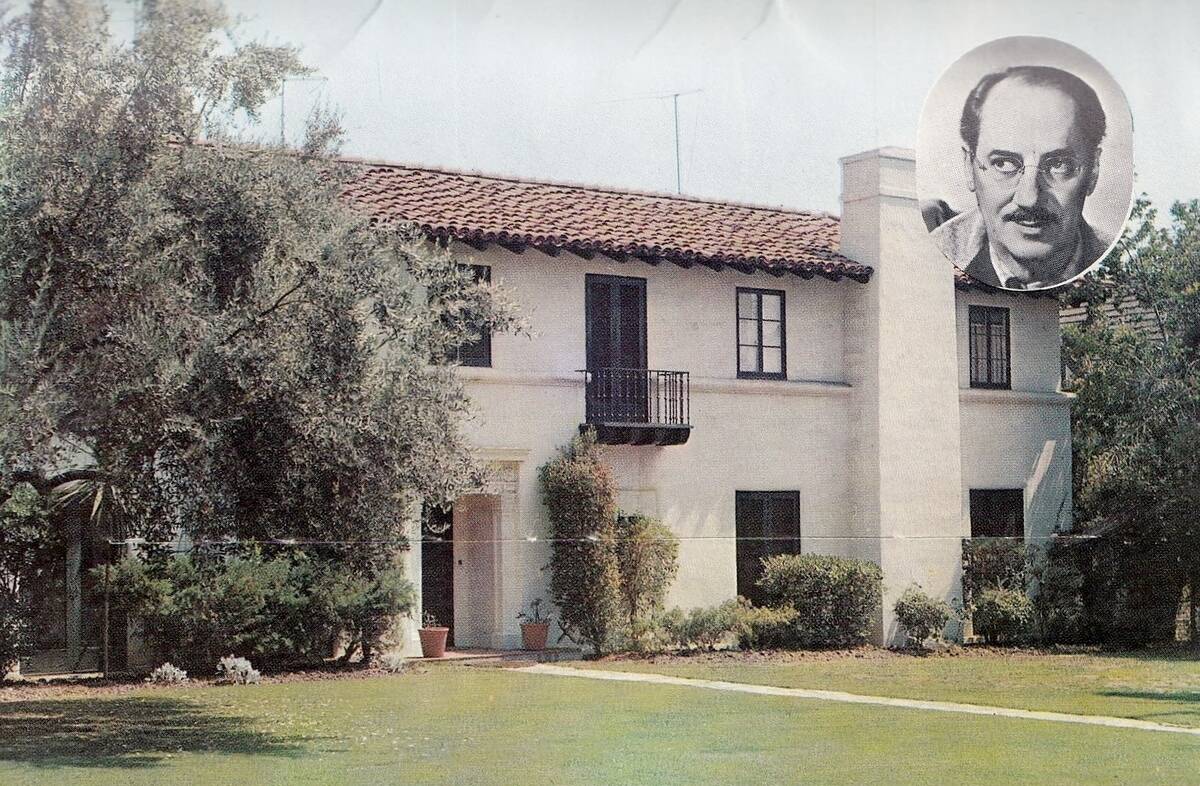
The legacy of 1950s Hollywood homes continues to influence the real estate market today. These properties are highly coveted for their architectural significance and historical value. Buyers are drawn to their unique designs and the glamour associated with their past owners.
As mid-century modern architecture experiences a resurgence in popularity, these homes are not only seen as investments but also as pieces of art that offer a glimpse into a bygone era of Hollywood elegance.




