Brands that used to be everywhere
Remember the days when Blockbuster was the go-to for Friday night movie rentals, or when Sears was the one-stop-shop for everything under the sun? Household brands have shaped our shopping habits and cultural experiences for decades.
These iconic names, once at the forefront of their industries, now evoke a sense of nostalgia.
Blockbuster: The King of Video Rentals
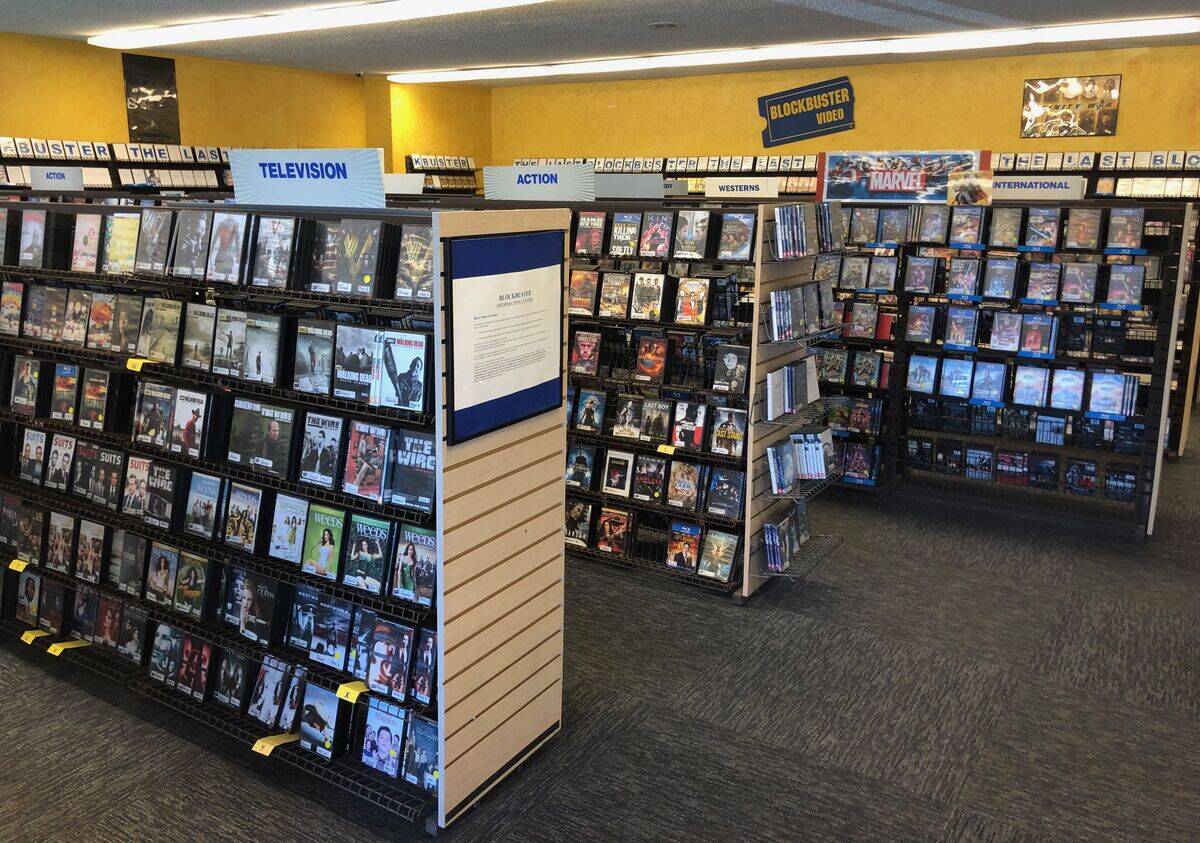
At its peak, Blockbuster had over 9,000 stores worldwide, making it one of the leading companies in video rentals. Many families visited their local Blockbuster to pick out the latest releases.
However, with the rise of streaming services like Netflix and changing consumer habits, Blockbuster’s business model declined, eventually leading to its bankruptcy and the closure of most of its stores.
Kodak: Capturing Memories Before Smartphones
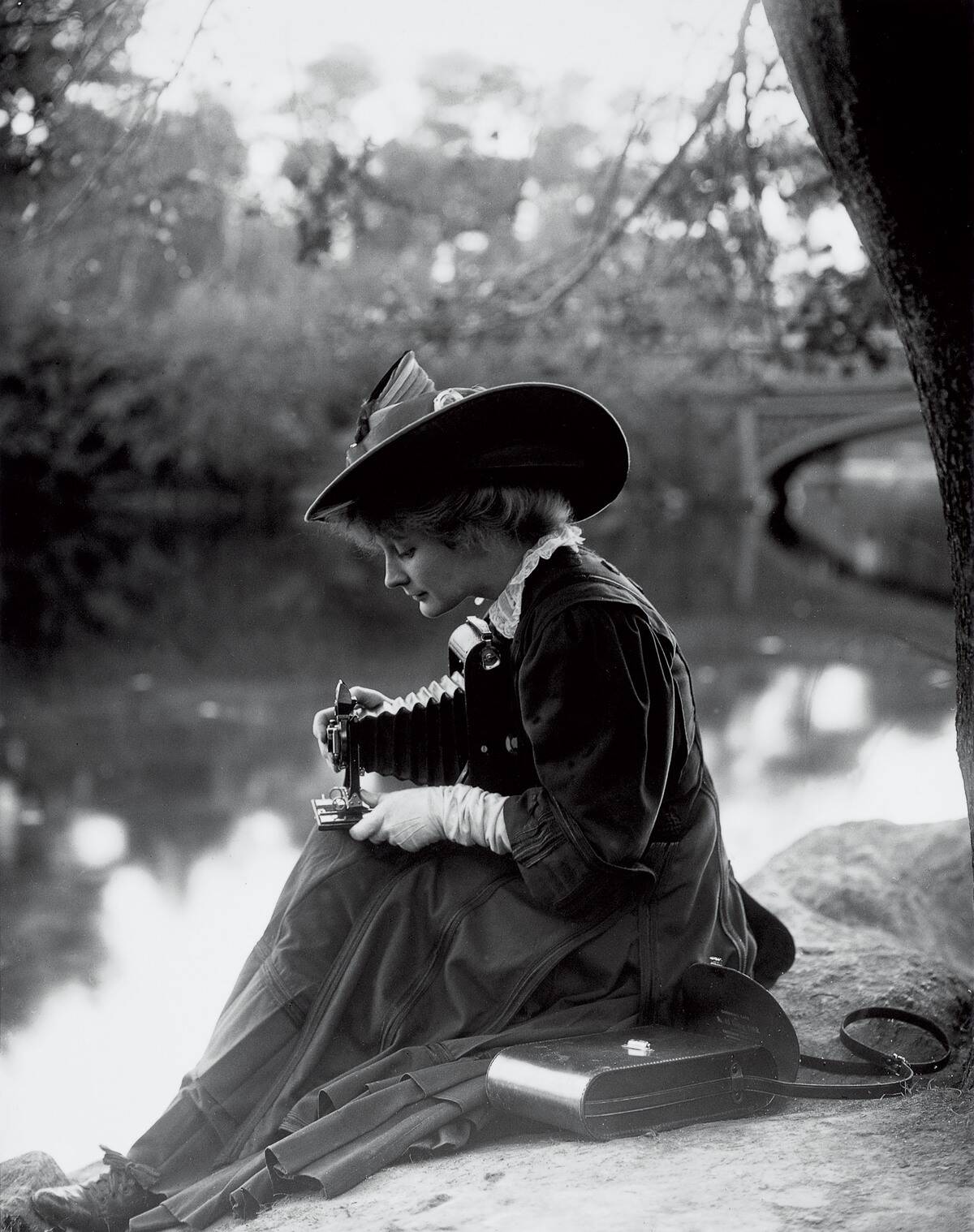
Kodak was synonymous with photography for much of the 20th century. The company’s slogan, “Kodak moment,” became a part of everyday language. Kodak’s easy-to-use film cameras helped make photography accessible to everyone.
However, the shift to digital photography disrupted Kodak’s traditional film business, and the company struggled to successfully transition its business model to the new technology.
RadioShack: The Gadget Lover’s Paradise
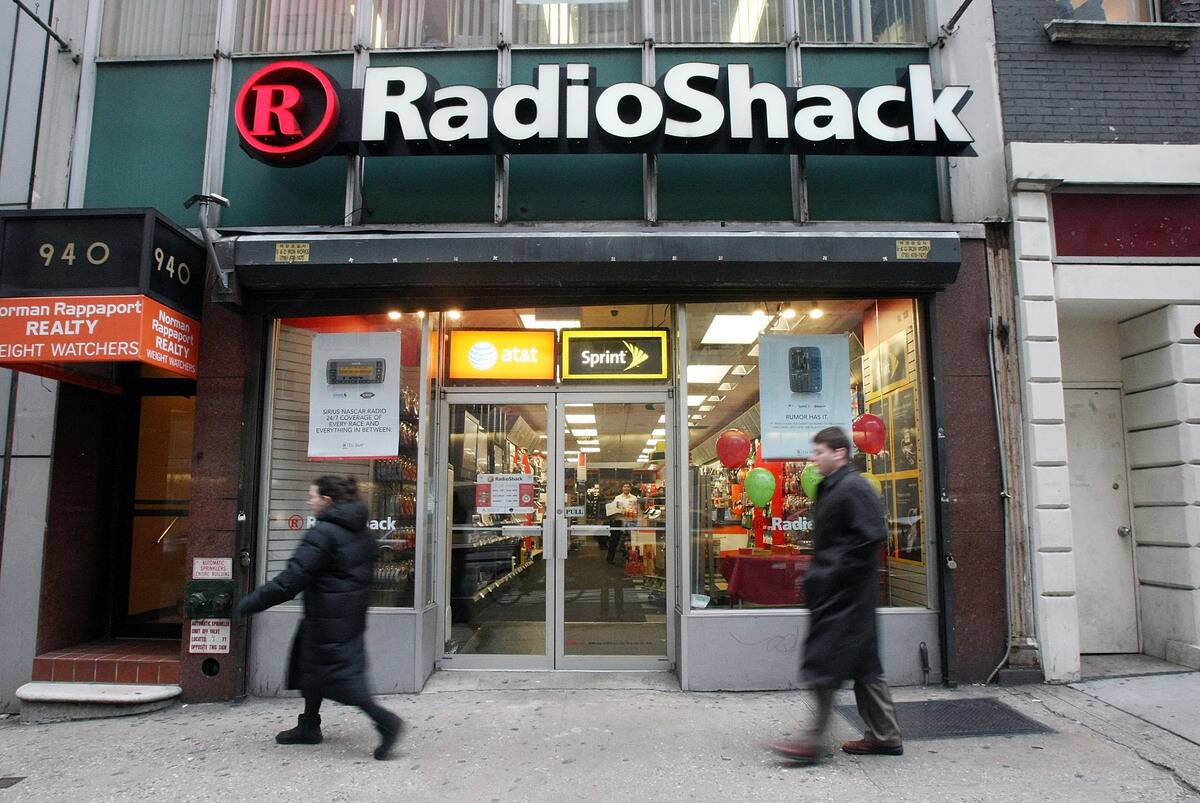
RadioShack was a popular destination for tech enthusiasts and DIYers. From electronic components to gadgets, RadioShack offered a wide range of products for hobbyists and consumers.
In the 1990s, the store was a familiar presence in malls and retail centers across America. However, with the rise of e-commerce, big-box retailers, and changing consumer habits, RadioShack’s relevance declined, leading to its eventual bankruptcy.
Toys “R” Us: The Ultimate Toyland Adventure
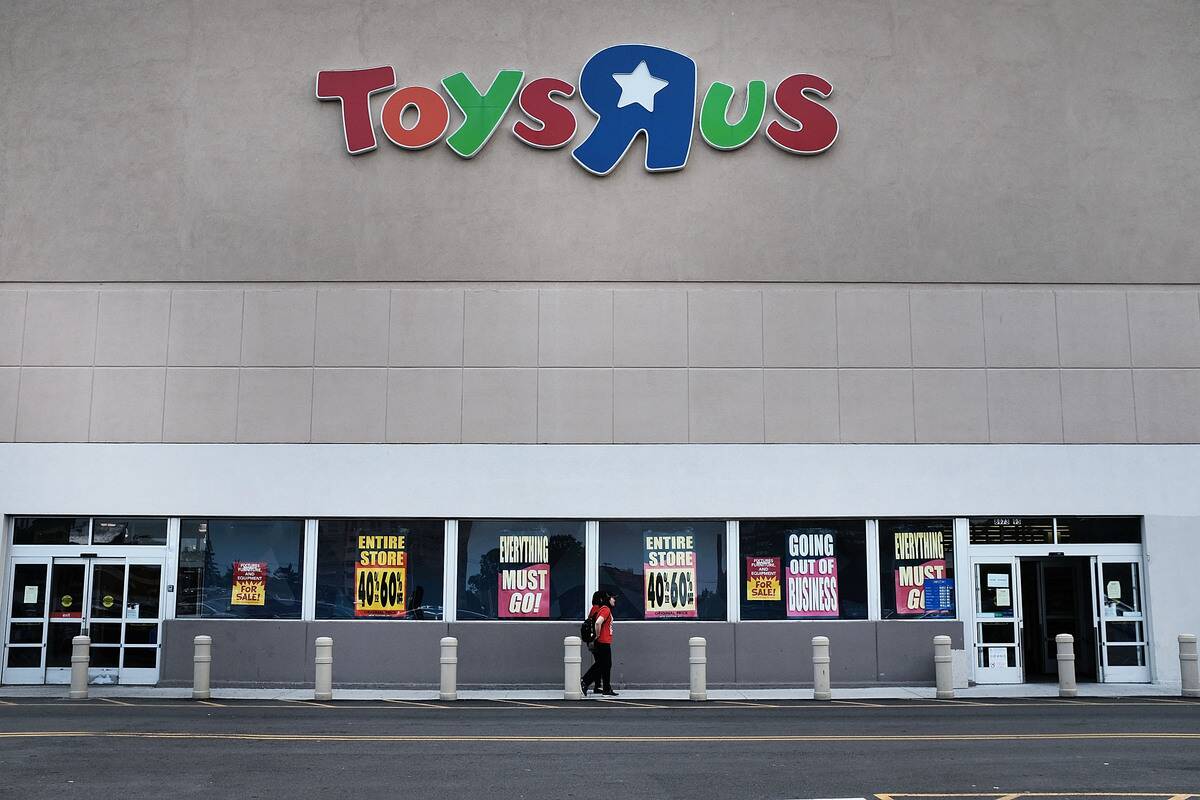
For children of the ’80s and ’90s, a trip to Toys “R” Us was a memorable experience. The store’s jingle, “I don’t want to grow up, I’m a Toys “R” Us kid,” captured the essence of childhood joy.
However, mounting debt and competition from online retailers and other major retailers contributed to the chain’s decline, leading to the closure of its U.S. stores in 2018.
Borders: The Bookstore That Was a Reader’s Haven
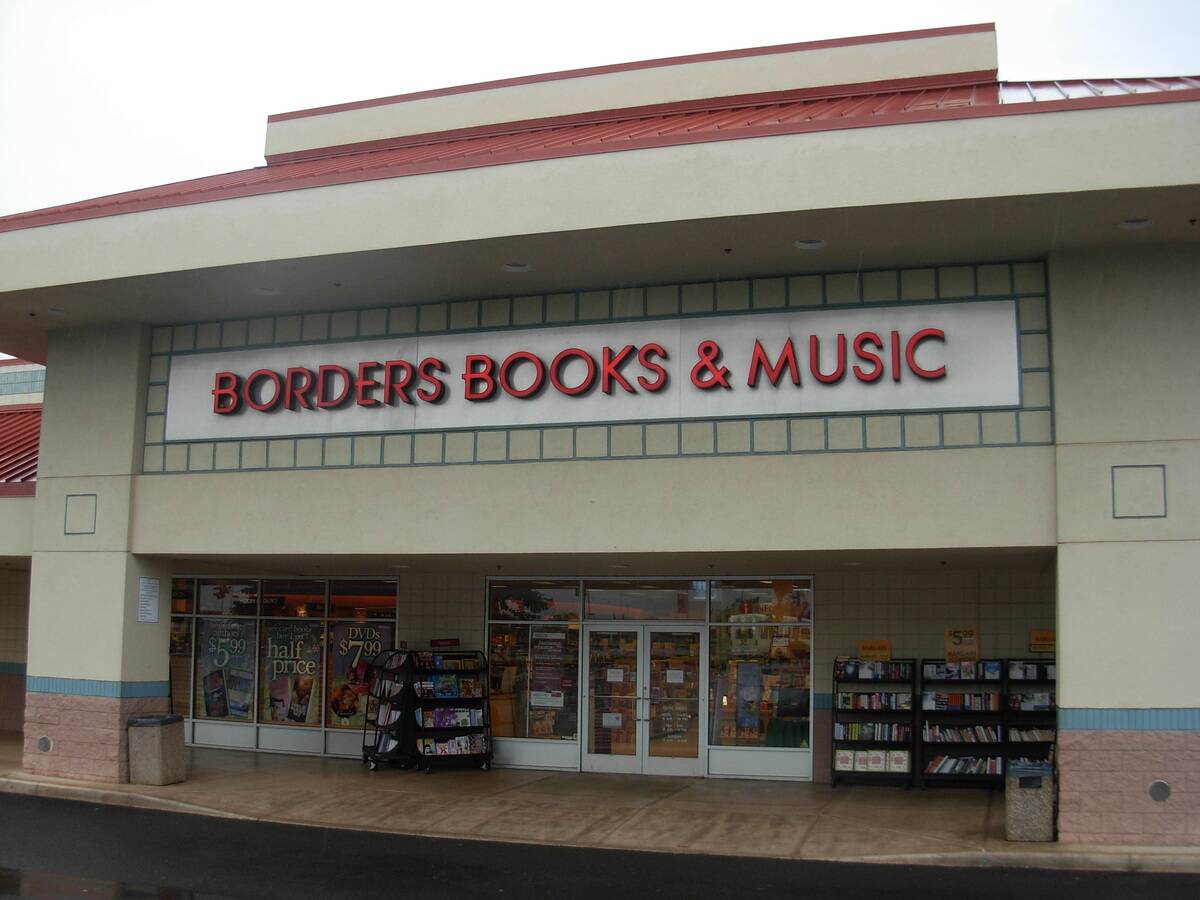
Borders was more than just a bookstore; it was a popular destination for many book lovers. With comfortable spaces and a vast selection of titles, Borders attracted readers across the country.
However, the rise of e-books, online shopping, and other business challenges contributed to its downfall, and the chain closed its remaining U.S. stores in 2011, ending an era for many readers.
Circuit City: The Electronics Giant
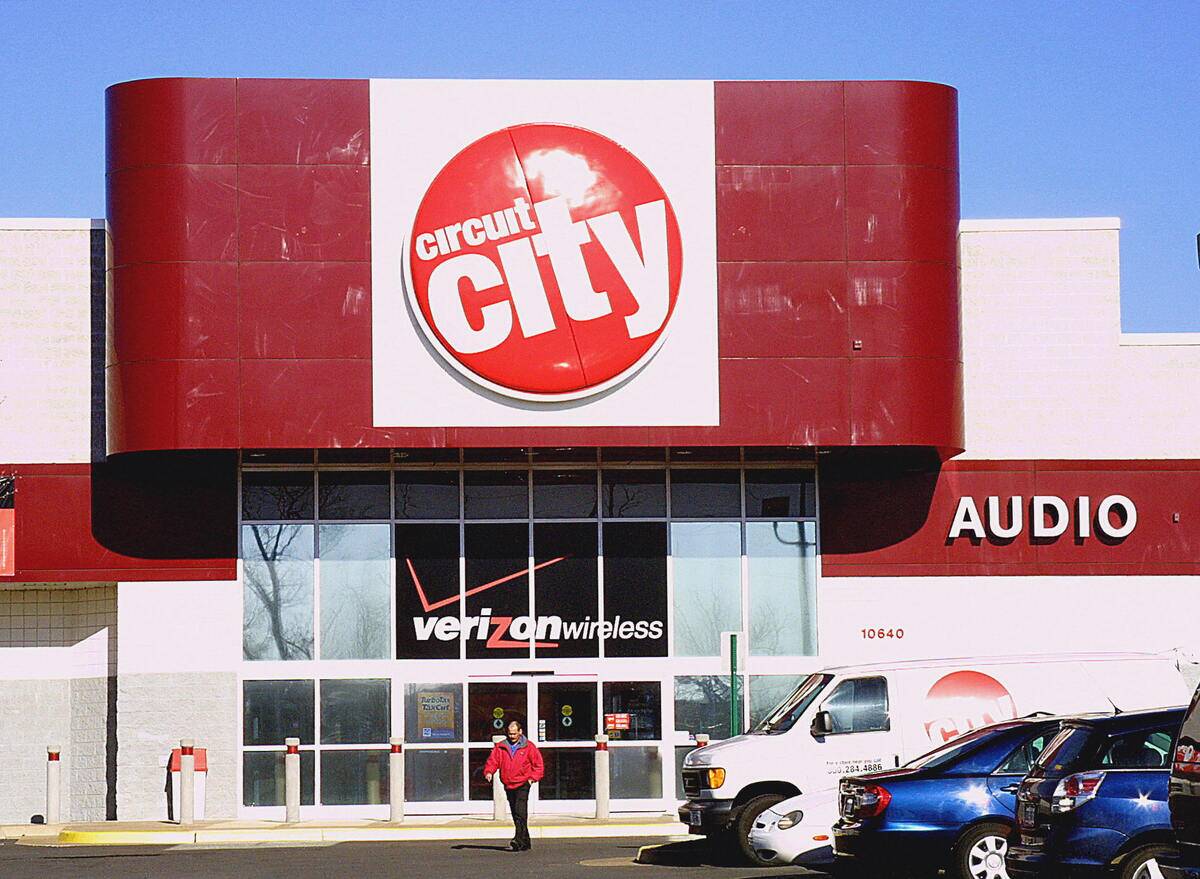
Circuit City was once a powerhouse in the electronics retail industry. Known for its wide range of products and sales staff, it was a major destination for electronics shoppers.
However, management challenges, competition from Best Buy and online retailers, and changing consumer habits contributed to its bankruptcy filing in 2008 and the closure of its stores in 2009.
Woolworth’s: The Original Five-and-Dime Store
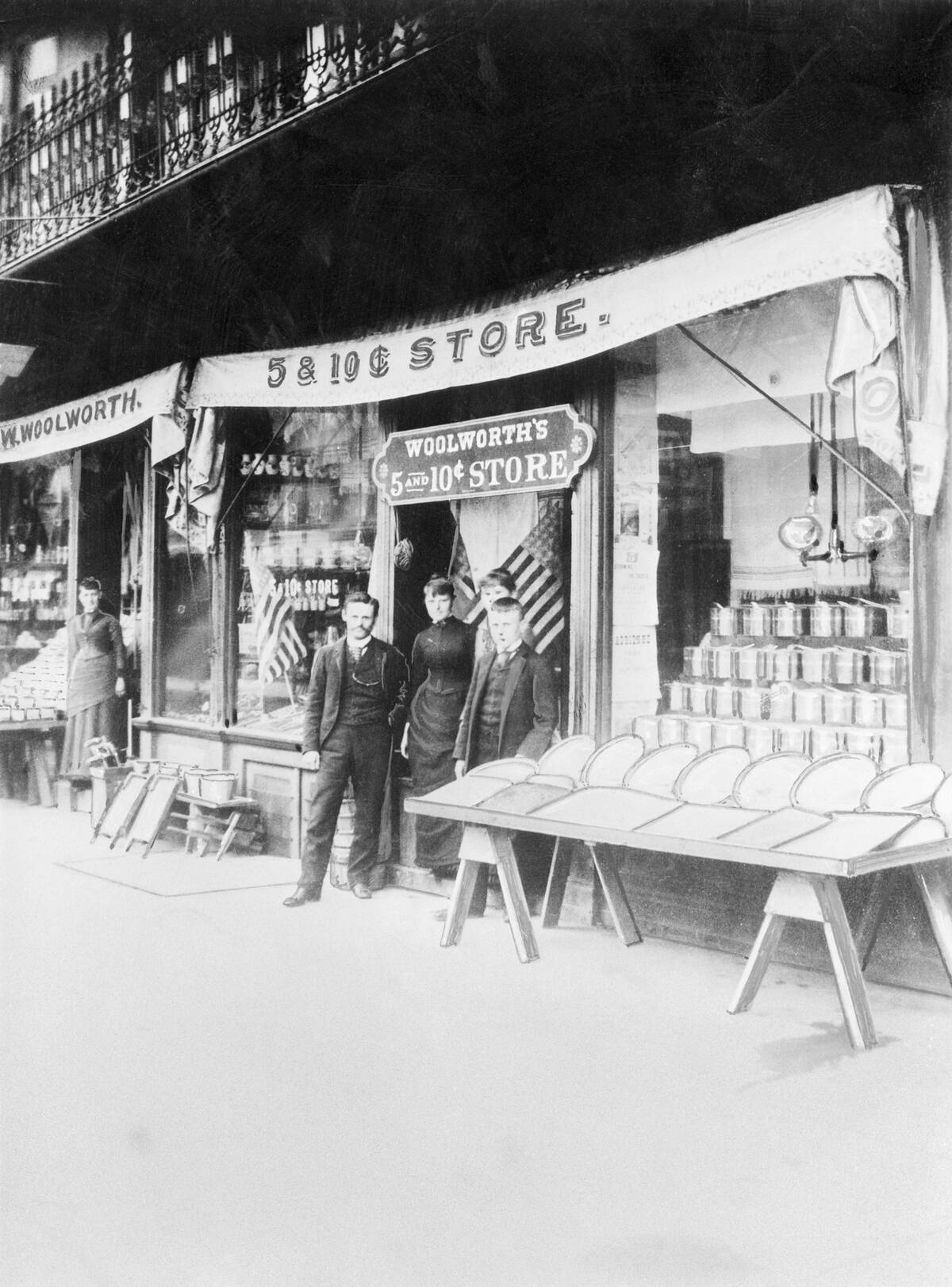
Woolworth’s was a pioneer in the retail industry, known for its “five-and-dime” stores that offered a wide variety of goods at affordable prices. Founded in 1879, Woolworth’s became a staple in American shopping culture.
However, changing consumer habits and increased competition led to its decline, and the last store closed in 1997.
Sears: The Department Store That Had It All
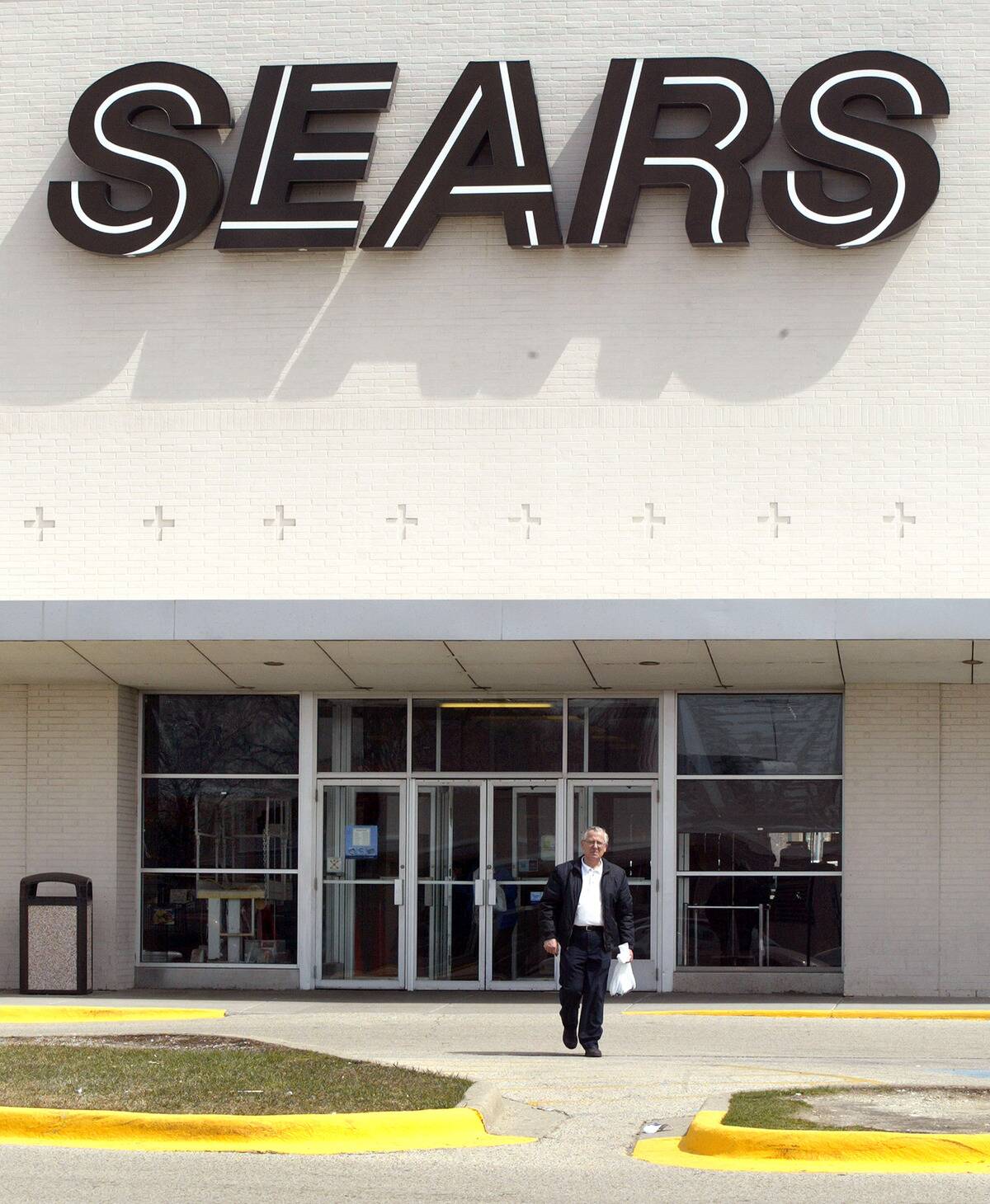
Sears was once one of the largest retailers in the United States, offering everything from clothing to appliances. Its iconic catalog was a fixture in American households for decades.
However, competition from retailers like Walmart, the rise of online shopping, and business challenges led to a steady decline, and Sears Holdings filed for bankruptcy in 2018.
Pan Am: The Airline That Defined Luxury Travel
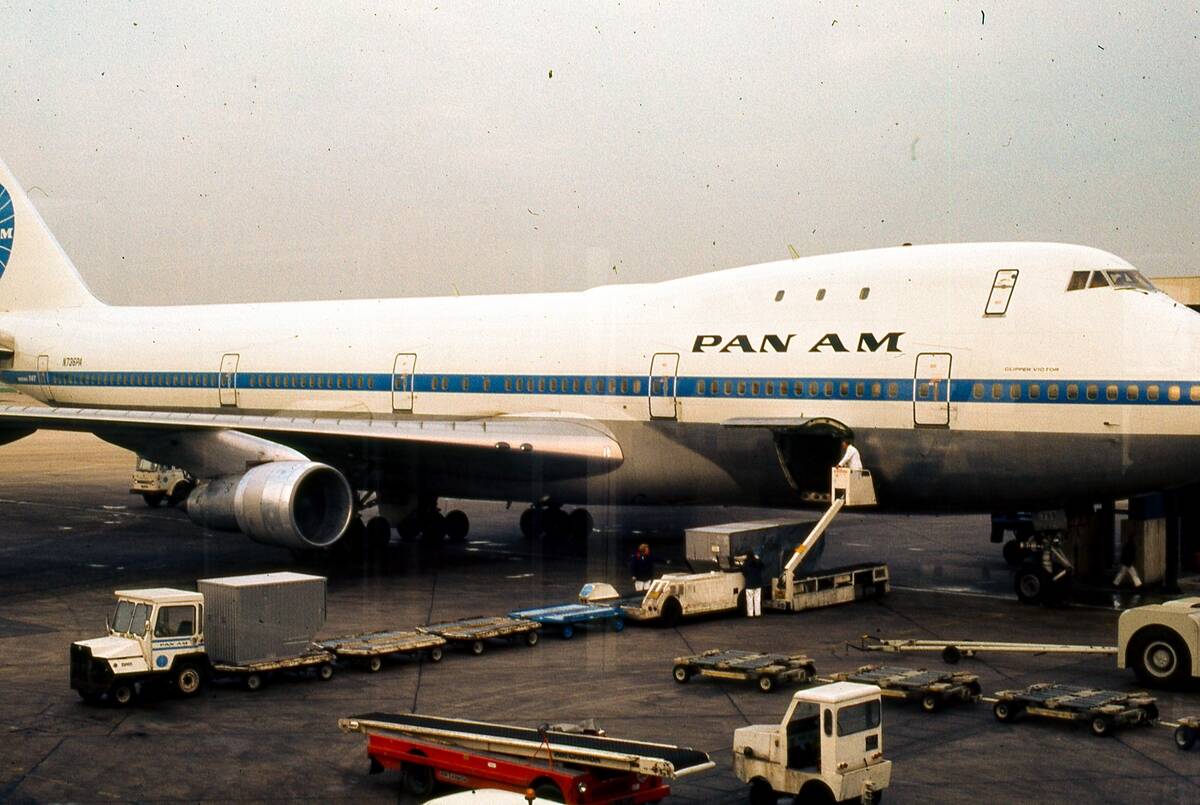
Pan Am was synonymous with international air travel in the mid-20th century. Known for its distinctive branding, highly trained flight attendants, and innovative services, Pan Am became one of the world’s most recognizable airlines.
However, financial difficulties, increased competition, and other industry challenges led to the airline ceasing operations in 1991, marking the end of an iconic era in aviation history.
Oldsmobile: The Classic American Car Brand
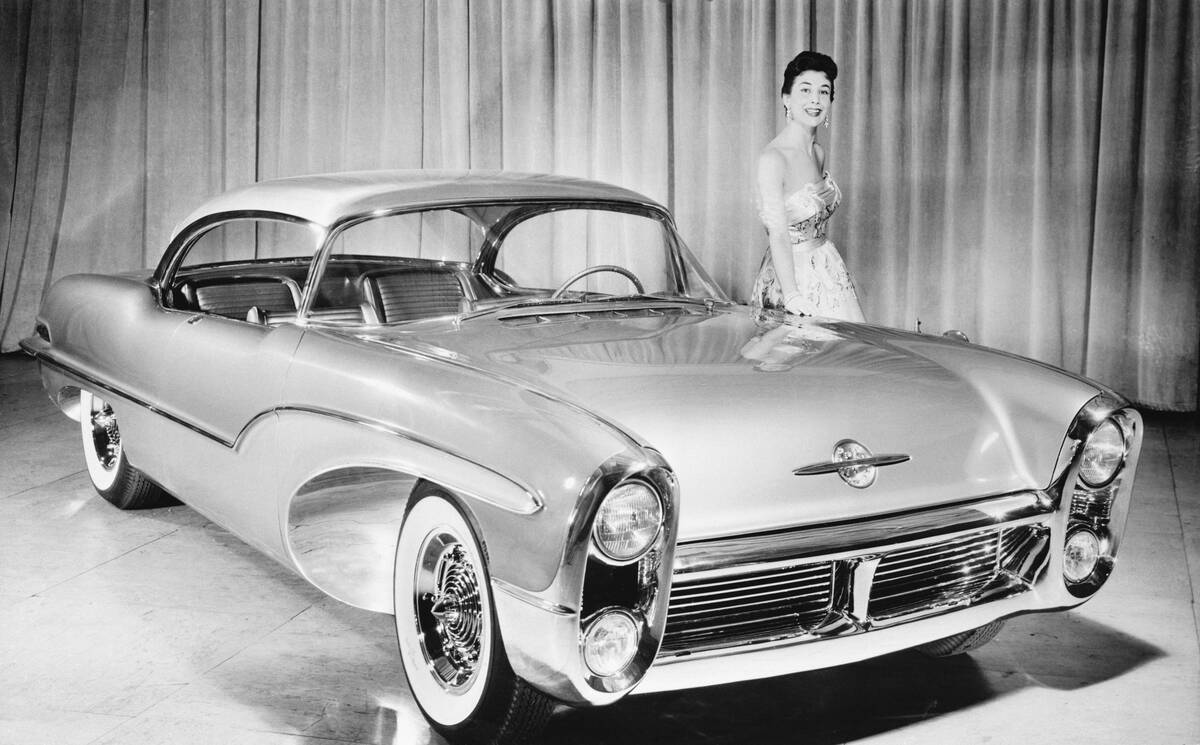
Oldsmobile was one of the oldest car brands in America, known for its innovation and style. Founded in 1897, Oldsmobile introduced several automotive firsts, including the Oldsmobile Curved Dash, widely considered the first mass-produced gasoline-powered automobile.
However, changing consumer preferences, declining sales, and challenges within General Motors led to the brand’s discontinuation in 2004, ending a 107-year legacy.
Polaroid: Instant Photography Magic
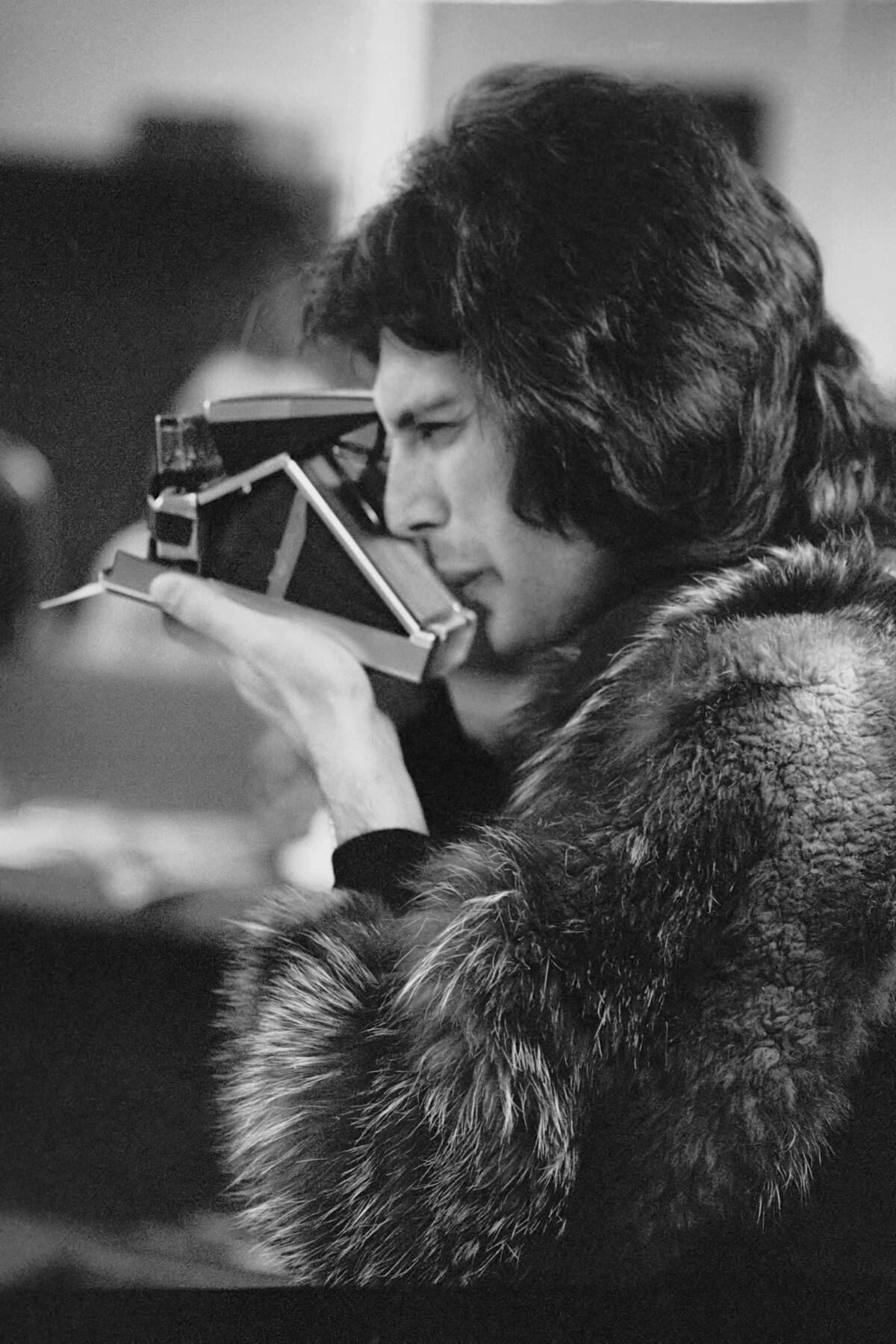
Polaroid revolutionized photography with its instant cameras, allowing users to see their photos within minutes. The brand became a cultural icon, with its cameras becoming closely associated with creativity and popular culture.
However, the rise of digital photography in the early 2000s reduced demand for instant cameras, and the original Polaroid Corporation filed for bankruptcy protection in 2001.
Tower Records: The Music Lover’s Mecca
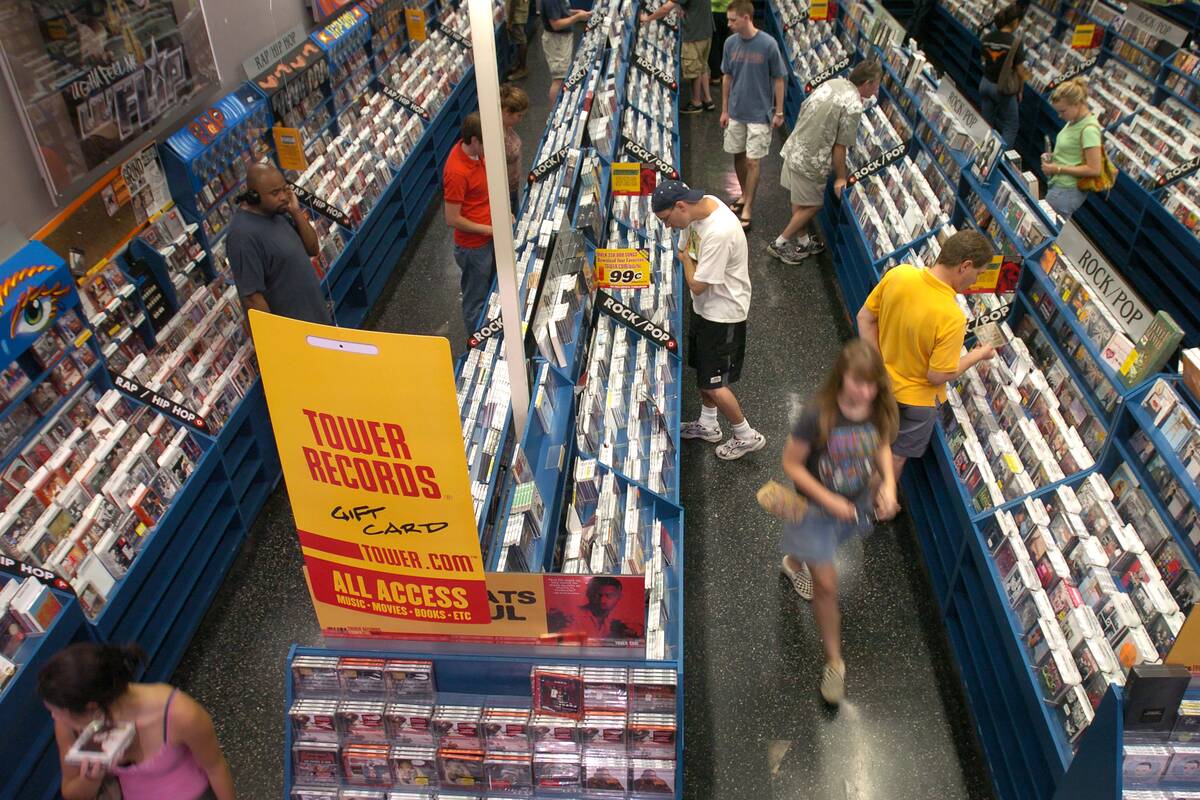
Tower Records was a popular destination for music lovers, offering a vast selection of albums across many genres.
Founded in 1960, Tower Records became a major music retailer, with stores in cities across the world. However, the rise of digital music, online sales, and financial challenges contributed to its decline, leading to its bankruptcy in 2004 and the closure of its U.S. stores in 2006.
Compaq: The Computer Brand of the 90s
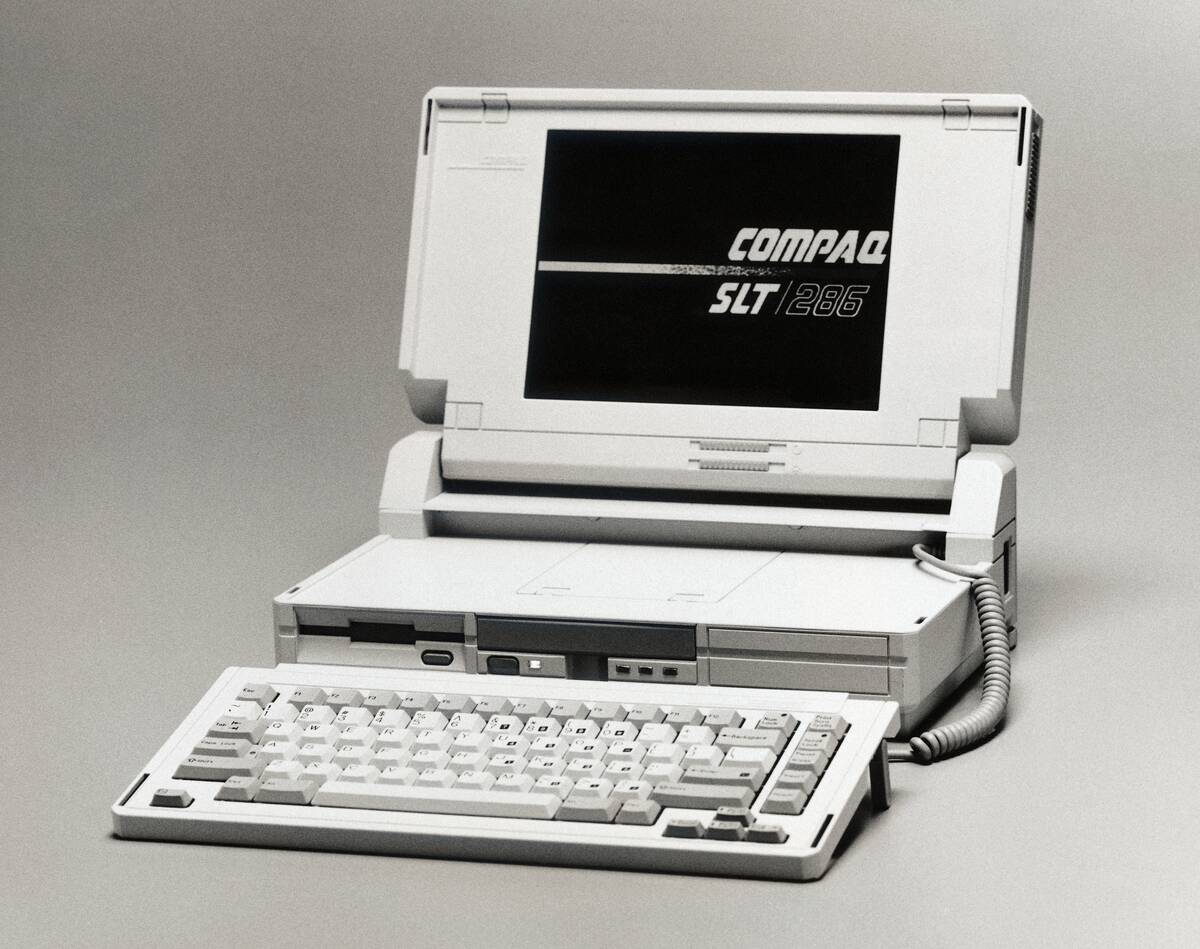
Compaq was a leading computer brand in the 1990s, known for its innovative designs and competitive pricing.
The company was one of the first to challenge IBM’s dominance in the PC market. However, intense competition and a series of strategic missteps led to its acquisition by Hewlett-Packard in 2002, ending its run as an independent brand.




