Normal things from 2006 that feel dated now
2006 doesn’t seem like it was all that long ago. After all, it wasn’t the stone age – we had the internet, cell phones, and cable TV. At the same time – brace yourself – 2006 was officially 20 years ago.
20 years. Two decades. Is that long enough a period of time to make it feel like the whole world has changed? The answer is easy: yes, yes it has – and if you remember this stuff first-hand, you just may be old.
Computer rooms
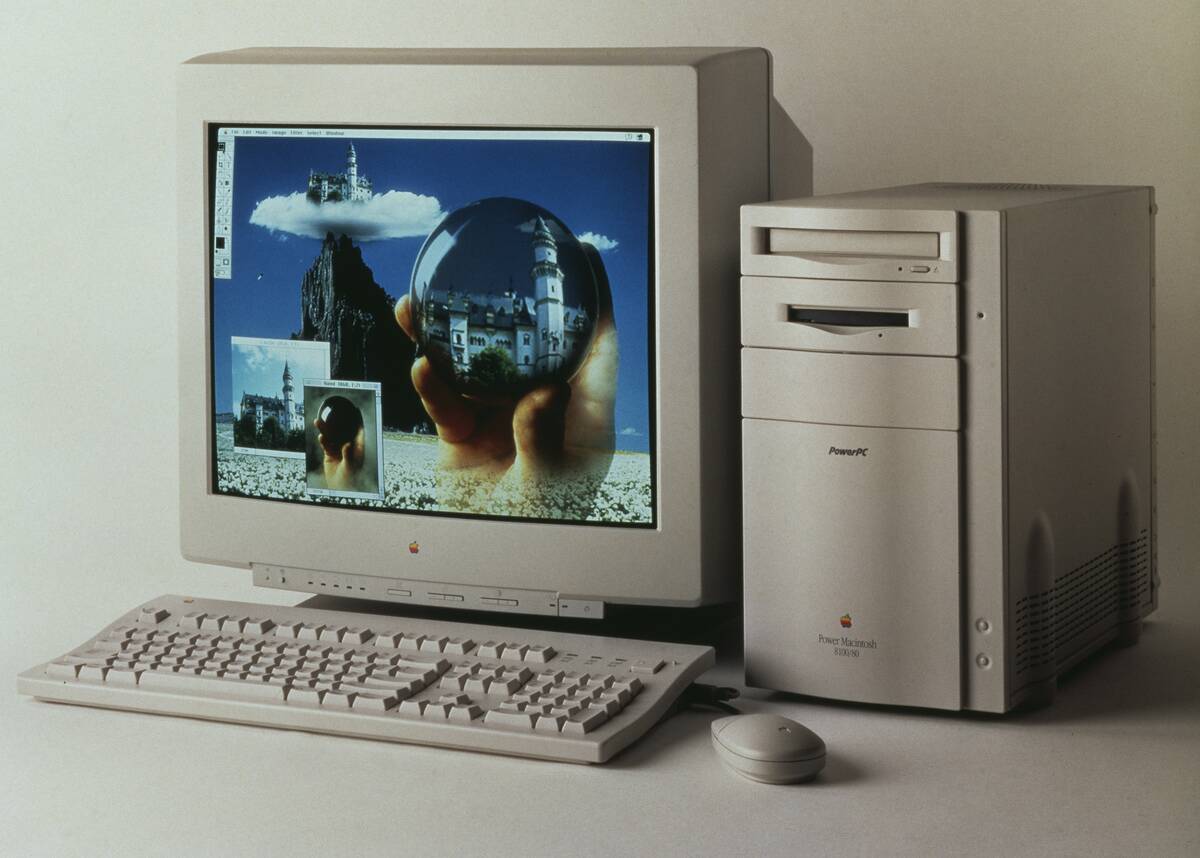
Before every device was connected, the online space only really existed within certain physical areas. Very few people in 2006 had phones that could access the internet, and the streaming era was still in its infancy.
Instead, people were generally restricted to using actual computers. For those who didn’t have laptops, a computer room – or at least, a computer space – was the best way to get online.
Waiting for free minutes

Cell phone plans came with limits, and every call counted. Many people watched the clock and waited until 9 PM because that was when free nights and weekends kicked in. A conversation that started at 8:58 might begin with two minutes of awkward small talk just to avoid wasting precious minutes.
Teenagers became experts at stretching every allowance dollar. Long chats with friends or crushes were carefully planned around carrier rules. Unlimited calling felt like a luxury that only arrived years later.
Custom ring tones

There was a time when hearing someone’s phone ring could instantly reveal their personality. Pop songs, TV themes, movie quotes, and novelty sounds blasted from pockets, purses, and belt clips everywhere you went.
People spent real money downloading ringtones and proudly assigning different songs to different contacts. Today, many phones stay on silent almost permanently, making the once-booming ringtone industry feel like a relic from another era.
Getting kicked off the internet when the phone was needed
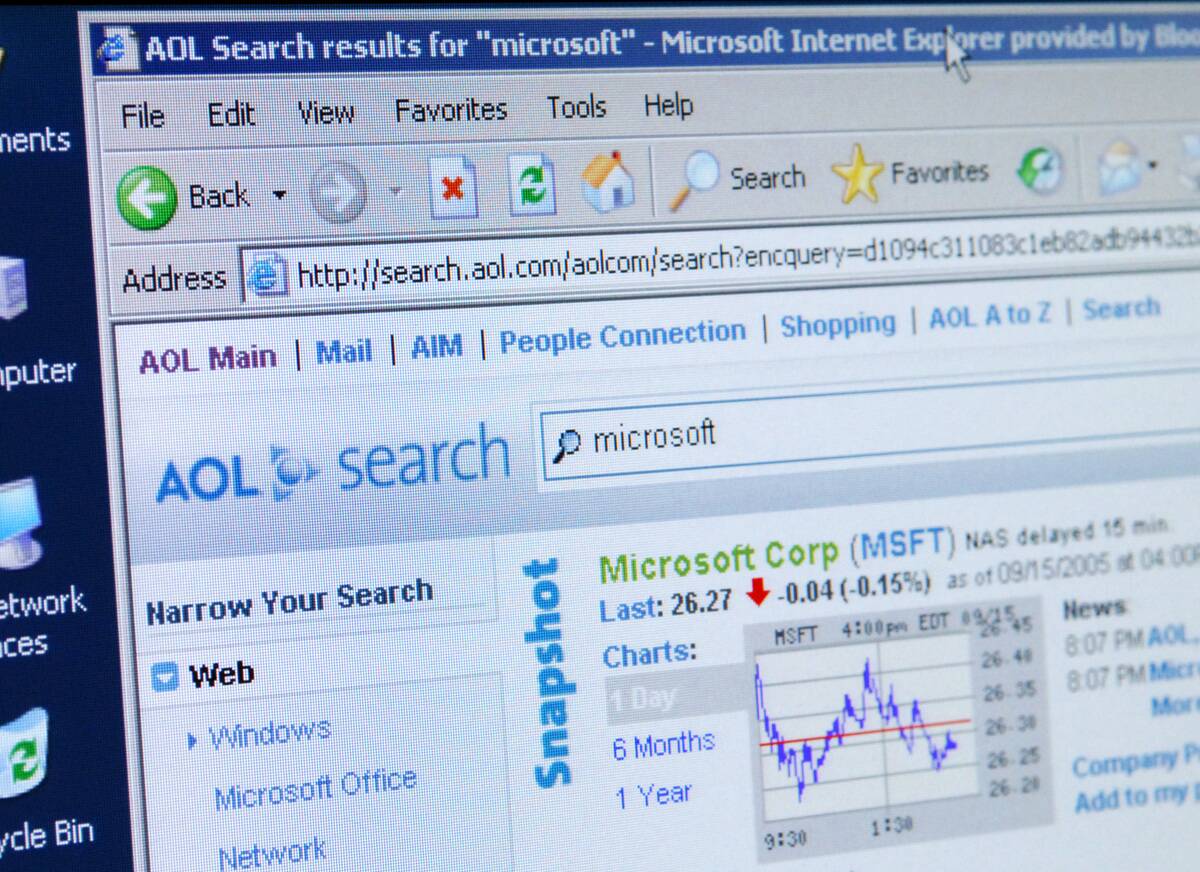
In homes with dial-up internet, the phone line and internet connection couldn’t be used at the same time. A family member might suddenly yell from another room that they needed to make a call, forcing your online session to come to an abrupt end.
Nothing was more frustrating than being disconnected halfway through a download or online game. It was such a common problem that entire households developed informal schedules for internet and phone use.
Waiting for Netflix via snail mail
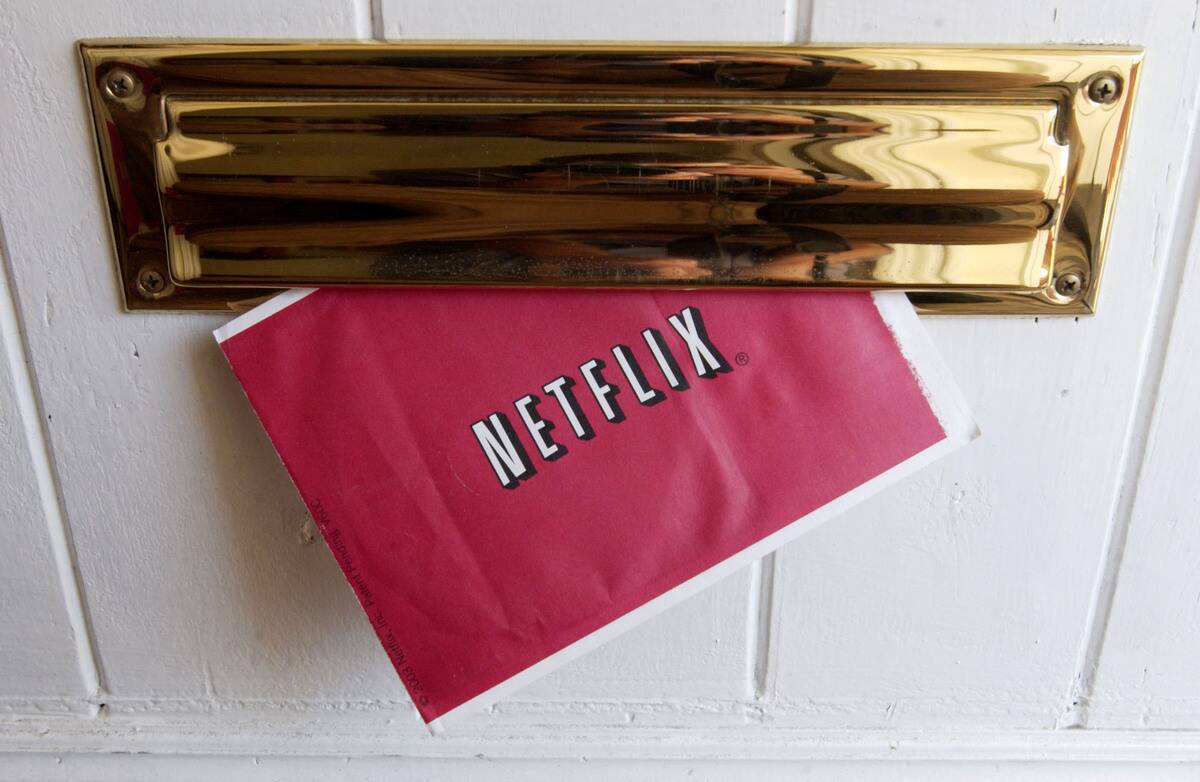
Before streaming became the company’s entire identity, Netflix mailed DVDs directly to customers. Adding movies to your queue was easy. The hard part was waiting days for that familiar red envelope to show up.
There was a certain excitement to checking the mailbox and seeing the next movie on your list. Looking back, it’s funny that millions of people once considered this an incredibly convenient alternative to driving to a video store.
Epic CD binders
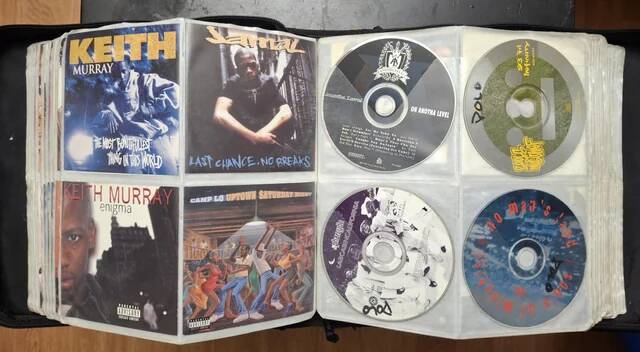
Music lovers often hauled around bulky binders packed with dozens of CDs. Whether it was for a road trip, school bus ride, or family vacation, having access to your favorite albums required some serious physical storage.
Those collections were carefully organized and fiercely protected. Losing a binder could mean losing years of purchases and burned mixes. Today, entire music libraries fit in a pocket, making those oversized binders feel almost prehistoric.
Looking up movie listings in the newspaper

Seeing a movie often started with opening the newspaper and scanning a page full of theater listings. Showtimes were printed in dense blocks of text that required a bit of patience to decipher.
Once you found the right theater and time, that information was final. There were no apps providing real-time updates, seat maps, or instant ticket purchases. It was a simple process, but one that has almost completely vanished in the smartphone era.
Smoking sections in (some) restaurants
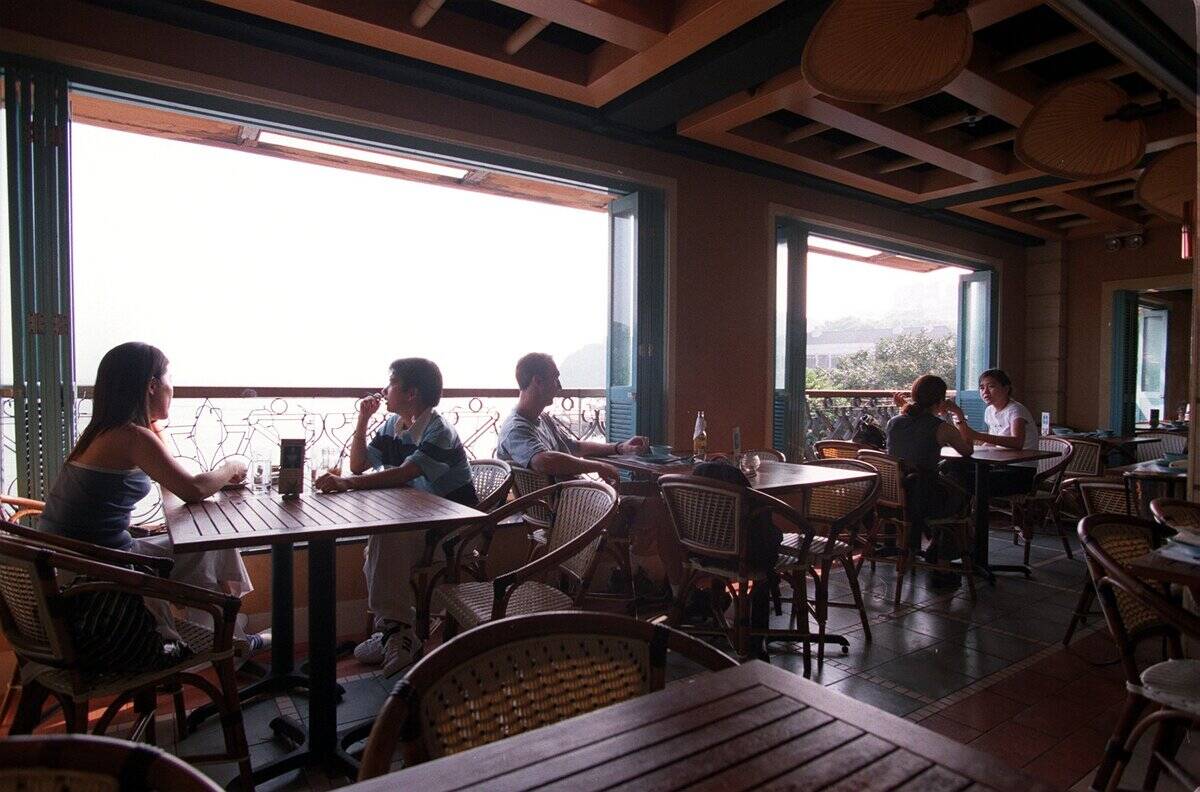
It wasn’t unusual to walk into a restaurant and hear a host ask whether you preferred smoking or non-smoking. The two sections were often separated by little more than a sign and a few feet of space.
As smoking bans expanded, the practice disappeared from most public dining spaces. Younger generations often find it hard to imagine enjoying dinner while cigarette smoke drifted across the room from the next table.
Being friends with Tom from MySpace
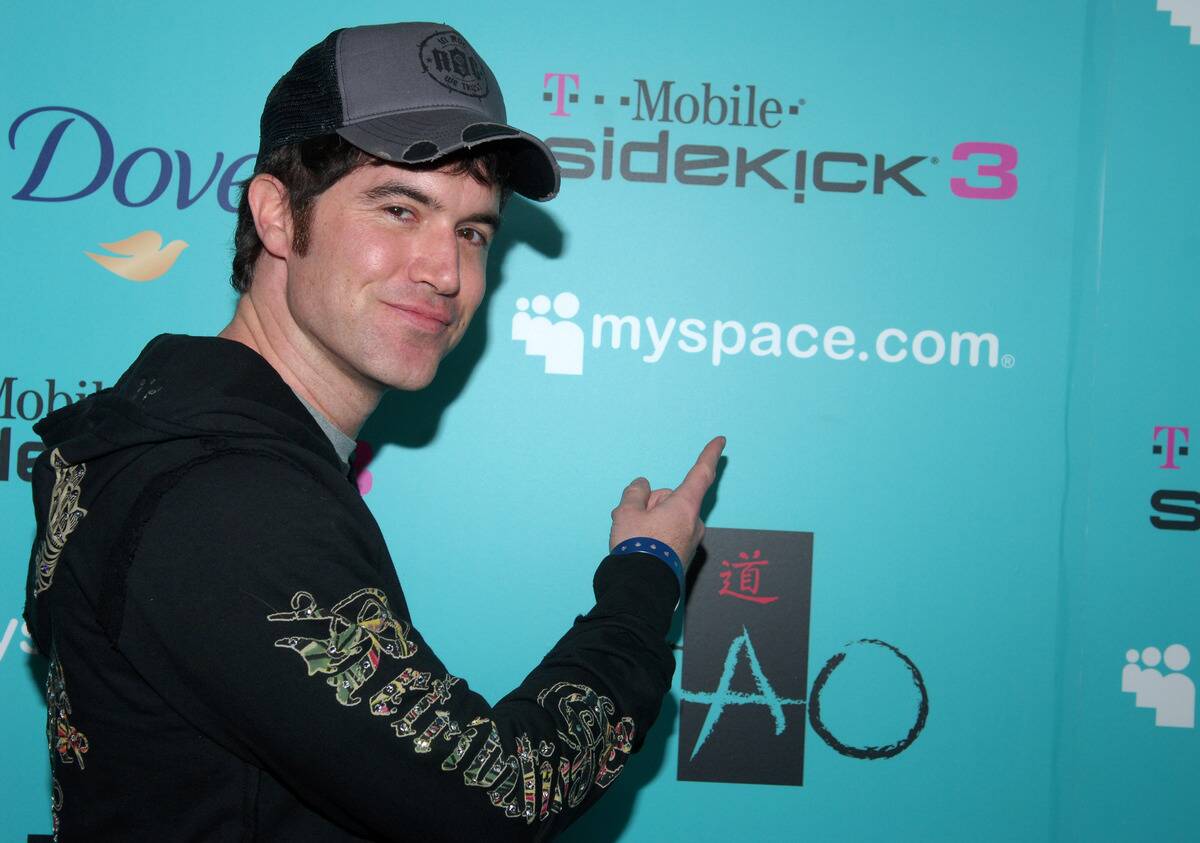
For millions of internet users, their very first social media friend was a smiling guy named Tom. Every new MySpace account automatically included him, making him one of the most recognizable faces on the early internet.
People rearranged their Top 8 friends, customized profile pages with glitter graphics, and spent hours tweaking layouts. MySpace eventually faded, but Tom remains one of the most memorable symbols of the social media world’s early days.
Not being able to pause live TV

If you needed a snack, a bathroom break, or answered the door while your favorite show was on, you risked missing something important. Television happened on its own schedule, and viewers had to adapt.
Digital video recorders eventually changed everything, but for decades nobody thought twice about planning their evening around a program’s airtime. Younger viewers raised on streaming platforms may never fully appreciate that level of commitment.
Serious stereos were big
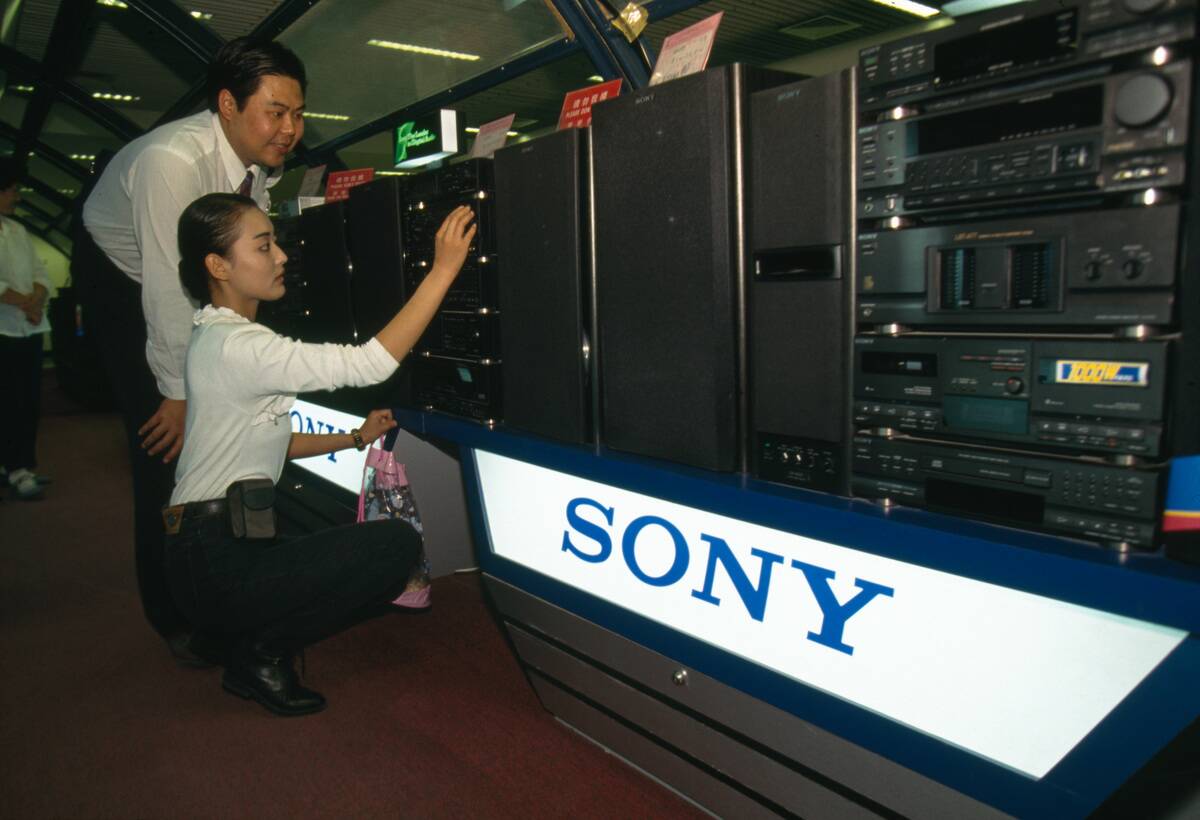
A serious music setup often took up an entire section of the living room. Large wooden cabinets housed receivers, CD players, cassette decks, equalizers, and towering speakers that could shake the walls.
These systems weren’t just for listening to music. They were often a source of pride, carefully assembled over many years. Today, a small wireless speaker can outperform equipment that once dominated an entire room.
The heyday of digital cameras

Cellphone cameras existed, but they weren’t good enough to replace a dedicated digital camera. Vacations, parties, graduations, and family gatherings usually involved someone carrying a separate device specifically for taking pictures.
The photos stayed trapped on memory cards until they were uploaded to a computer later. Sometimes weeks passed before anyone actually looked at them. Instant sharing simply wasn’t part of the experience yet.
Accidentally hearing someone else’s phone call
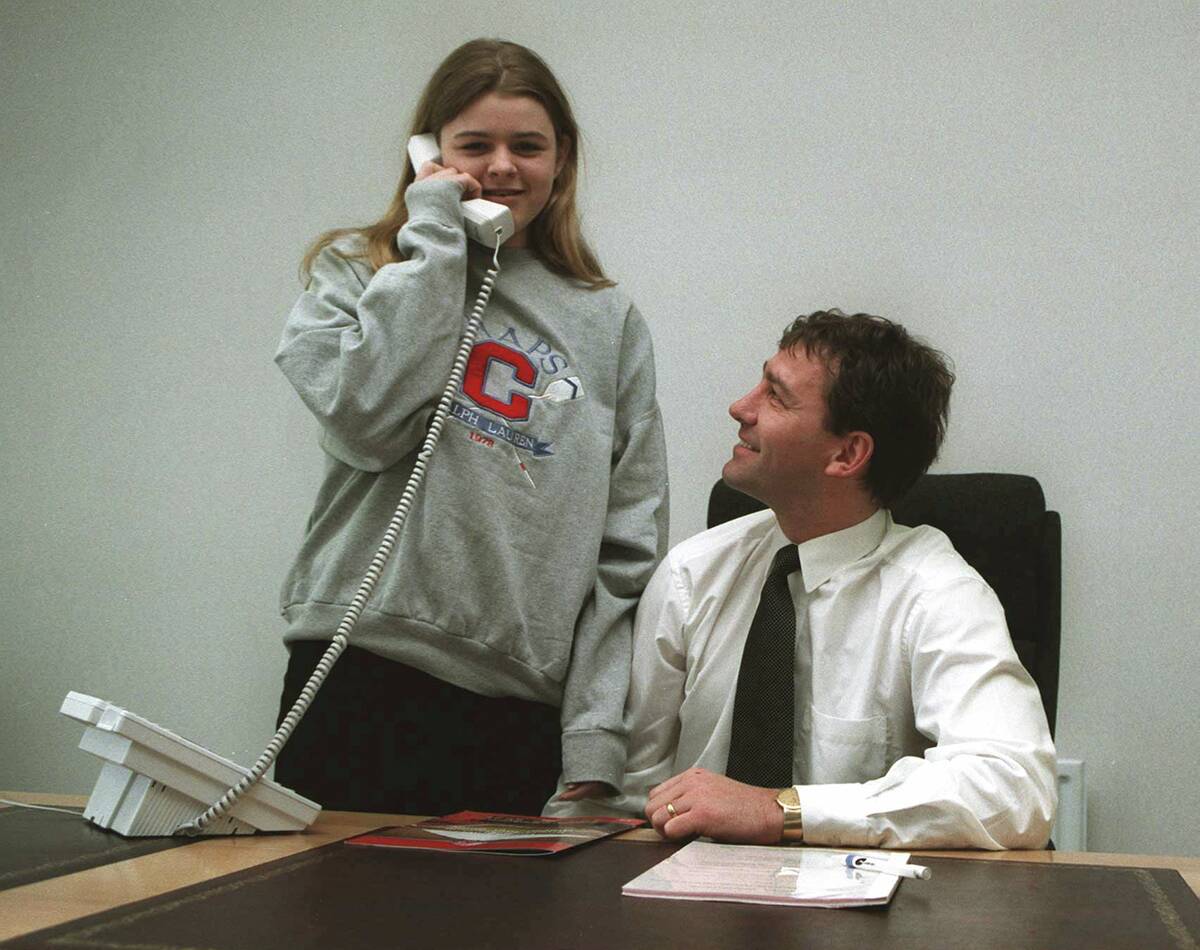
Homes with multiple cordless phones occasionally created awkward situations. You might pick up a handset in another room only to discover that a sibling, parent, or roommate was already deep into a conversation.
Most people immediately hung up, but not before hearing enough to feel slightly guilty. It was one of those everyday experiences that quietly disappeared once landlines stopped being the center of household communication.
Monthly texting limits
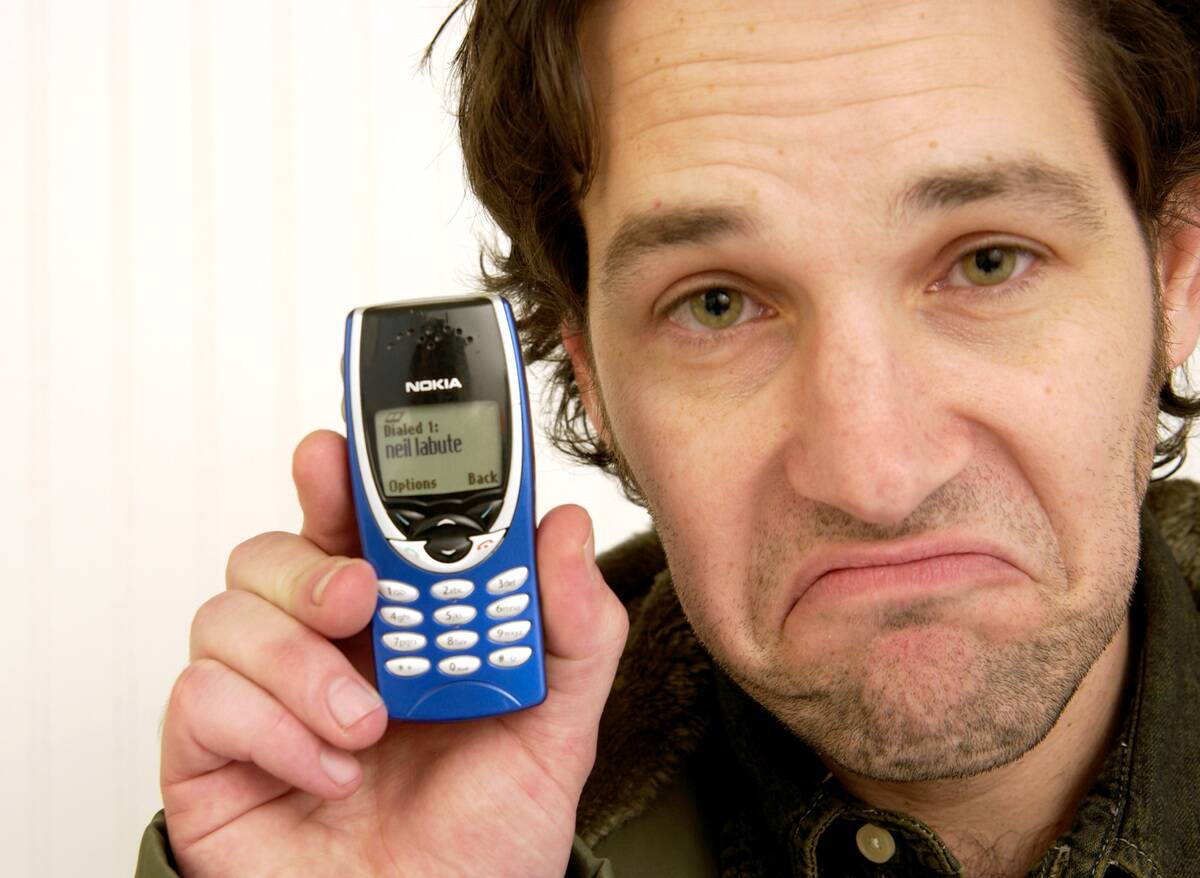
Sending text messages wasn’t always cheap. Many plans included a fixed number of texts each month, and every extra message added to the bill. Parents sometimes discovered the damage only after opening a surprisingly expensive statement.
That reality made texting feel different. Conversations were shorter, messages were carefully worded, and many people thought twice before sending something unnecessary. The idea of unlimited texting still felt fairly new in the mid-2000s.
Renting movies from Redbox
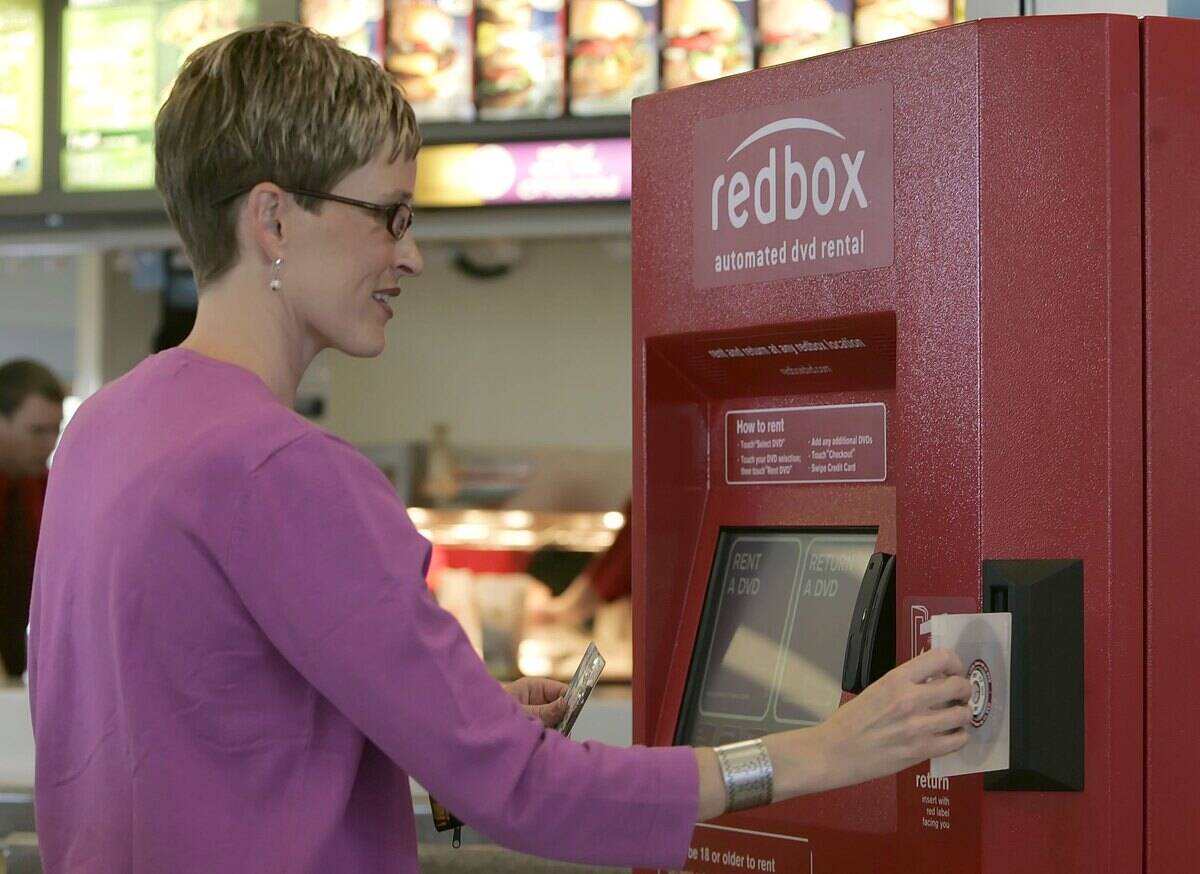
Friday nights often included a stop outside the grocery store or pharmacy to browse a glowing red kiosk filled with DVDs. For just a few dollars, you could rent the latest release without ever stepping into a traditional video store.
The machine felt futuristic at the time. Touchscreens were still relatively novel, and the idea of renting a movie from a vending machine seemed surprisingly advanced. Now, even Redbox feels like a snapshot from another era.
New game installations took hours
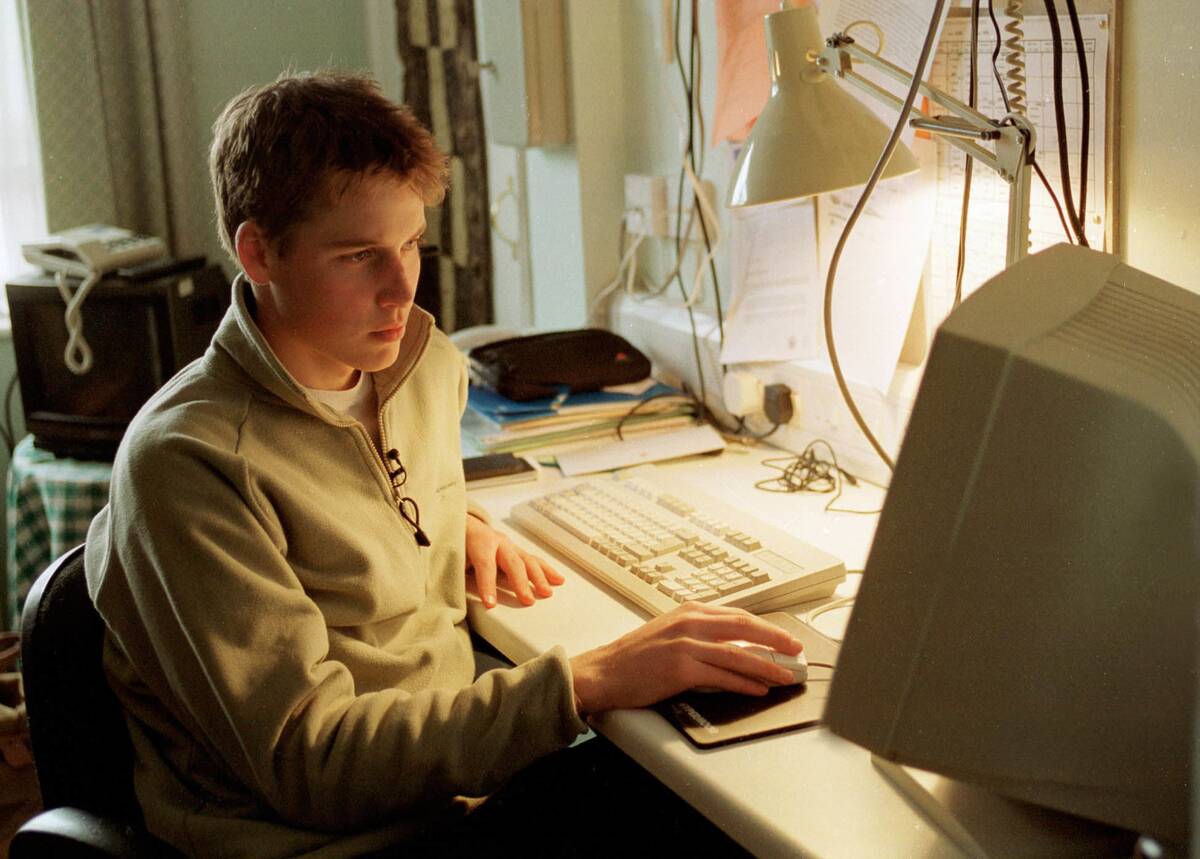
Buying a game didn’t mean playing it immediately. Many PC games arrived on multiple discs and required lengthy installation processes that seemed to take forever.
Players sat through loading screens, software updates, compatibility checks, and endless progress bars before reaching the main menu. The anticipation was part of the ritual, even if it tested everyone’s patience along the way.
Avoiding phone internet at all costs
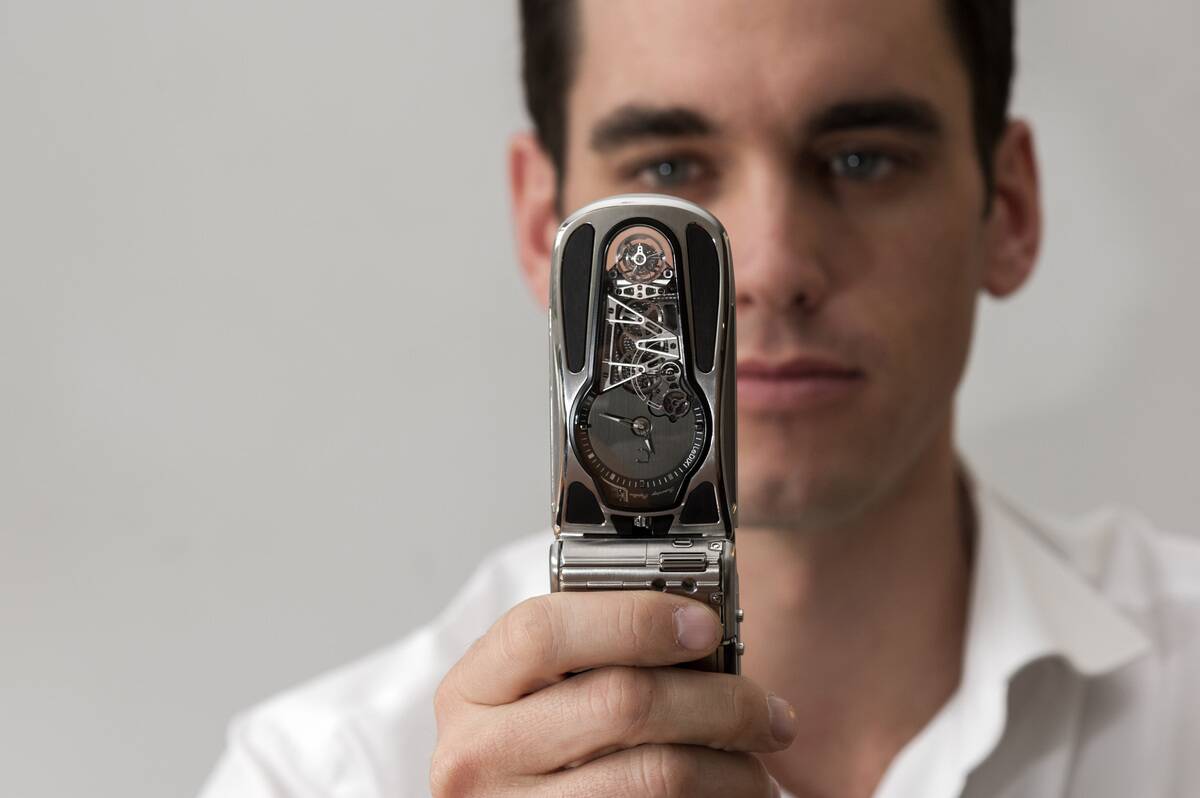
Modern smartphones encourage constant internet use, but early mobile web access was a different story. A wrong button press could launch the browser and immediately trigger worries about unexpected charges.
People often frantically mashed keys trying to close the page before any data loaded. The fear wasn’t irrational either. A brief accidental visit online sometimes showed up on the next bill in a very noticeable way.
Some plans entailed paying for each individual text
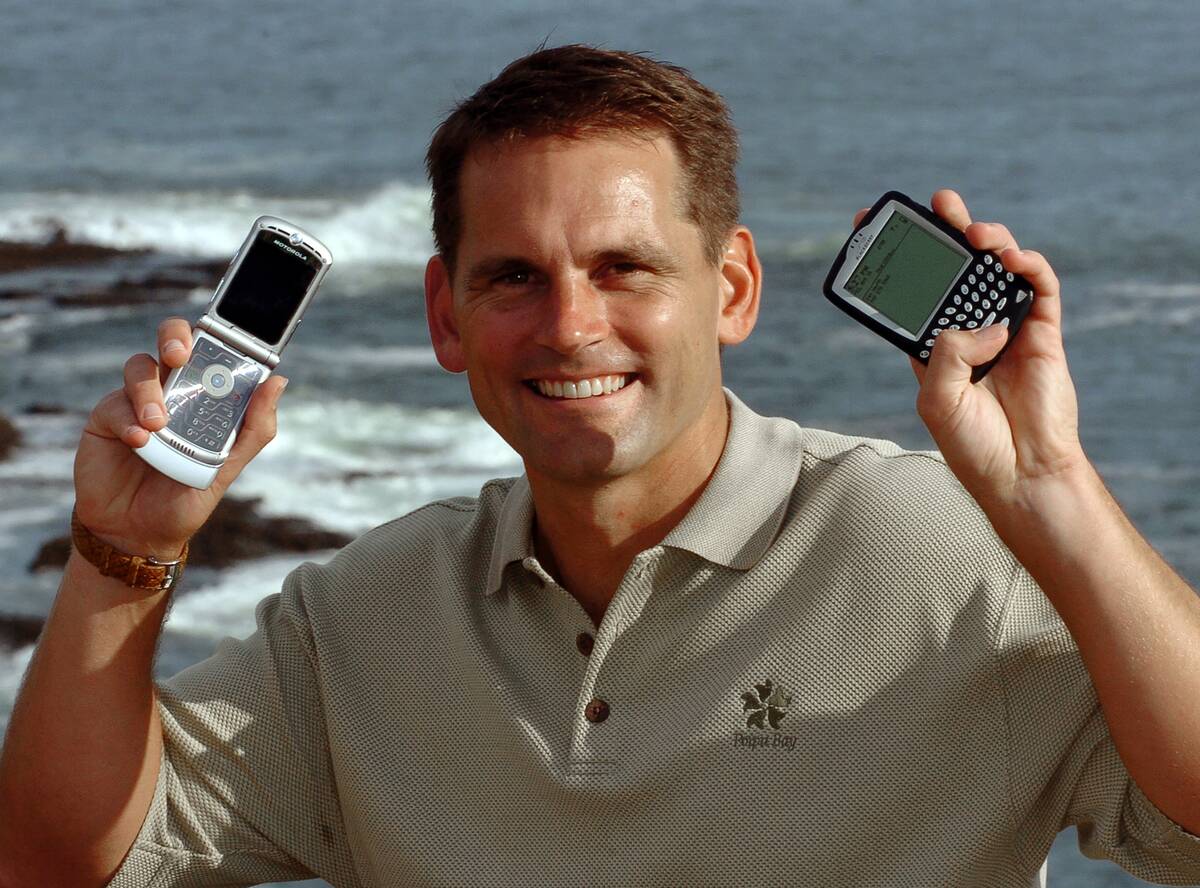
Even people with texting plans often had limits that made every message feel valuable. A quick conversation could suddenly seem expensive when each reply carried a small charge.
As a result, an entire generation became remarkably efficient communicators. Abbreviations, shortcuts, and text slang flourished because saving characters often meant saving money. Modern group chats would have been financial disasters back then.
Paying for ringtones

For a while, regular ringtones weren’t enough. Many people also paid for caller tunes, which replaced the standard ringing sound with a song or audio clip that callers heard while waiting.
Popular songs cycled through constantly as people updated their selections to match the latest trends. It seemed like a fun way to personalize a phone number, but the concept has largely faded from everyday life.
Printing out directions
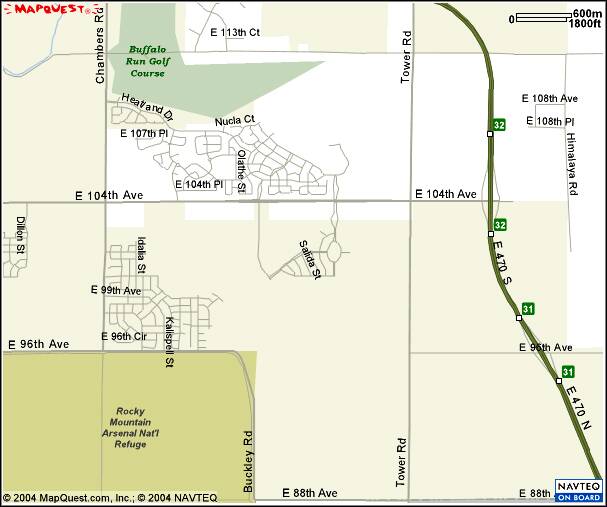
Road trips often began with a stack of printed directions folded in the passenger seat. Drivers carefully followed turn-by-turn instructions generated by MapQuest and hoped they didn’t miss an exit.
One wrong turn could create real problems. There was no friendly voice recalculating your route every few seconds. If things went badly enough, you might find yourself pulling into a gas station to ask for directions the old-fashioned way.
Carrying around a detachable car stereo faceplate
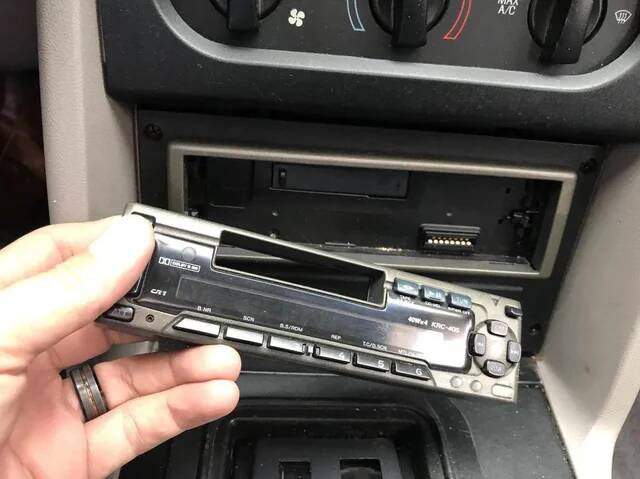
Car stereo theft was common enough that many drivers removed the faceplate from their radio whenever they parked. The detachable piece often went into a protective case before being carried into work, school, or the mall.
At the time, it felt completely normal. People got used to snapping the stereo in and out as part of their daily routine. Today, with factory-installed touchscreens built into dashboards, the sight of someone walking around with part of their car stereo would seem bizarre.
Using *69 for callbacks
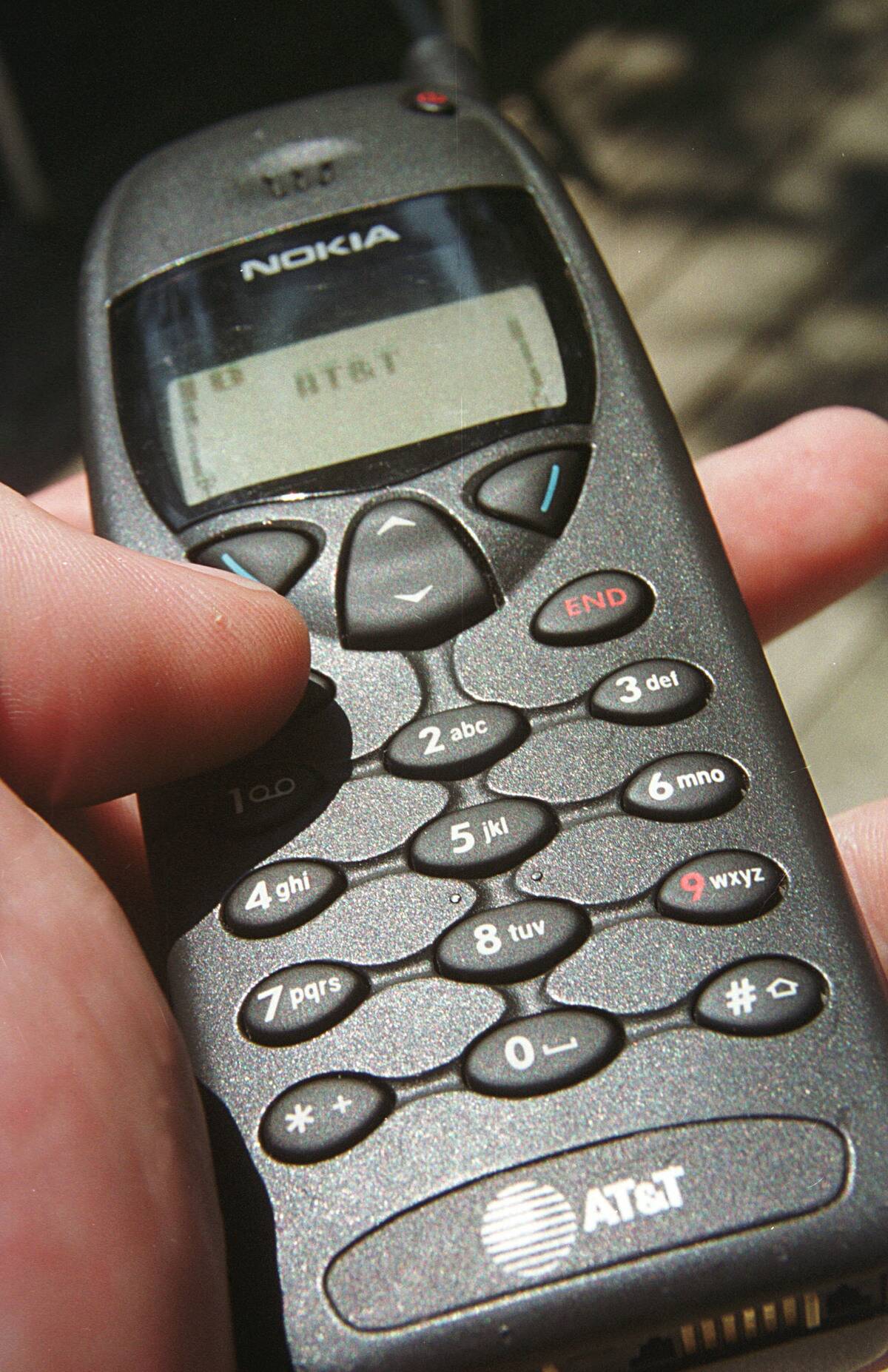
Making a phone call could require a little detective work. If you missed a call from an unknown number, *69 allowed you to find out who had called most recently and, in many cases, call them back.
Teenagers especially found creative uses for the service. Whether you were trying to identify a prank caller or work up the courage to contact a crush, those two numbers felt surprisingly powerful before caller ID became nearly universal.
Waiting for the next episode
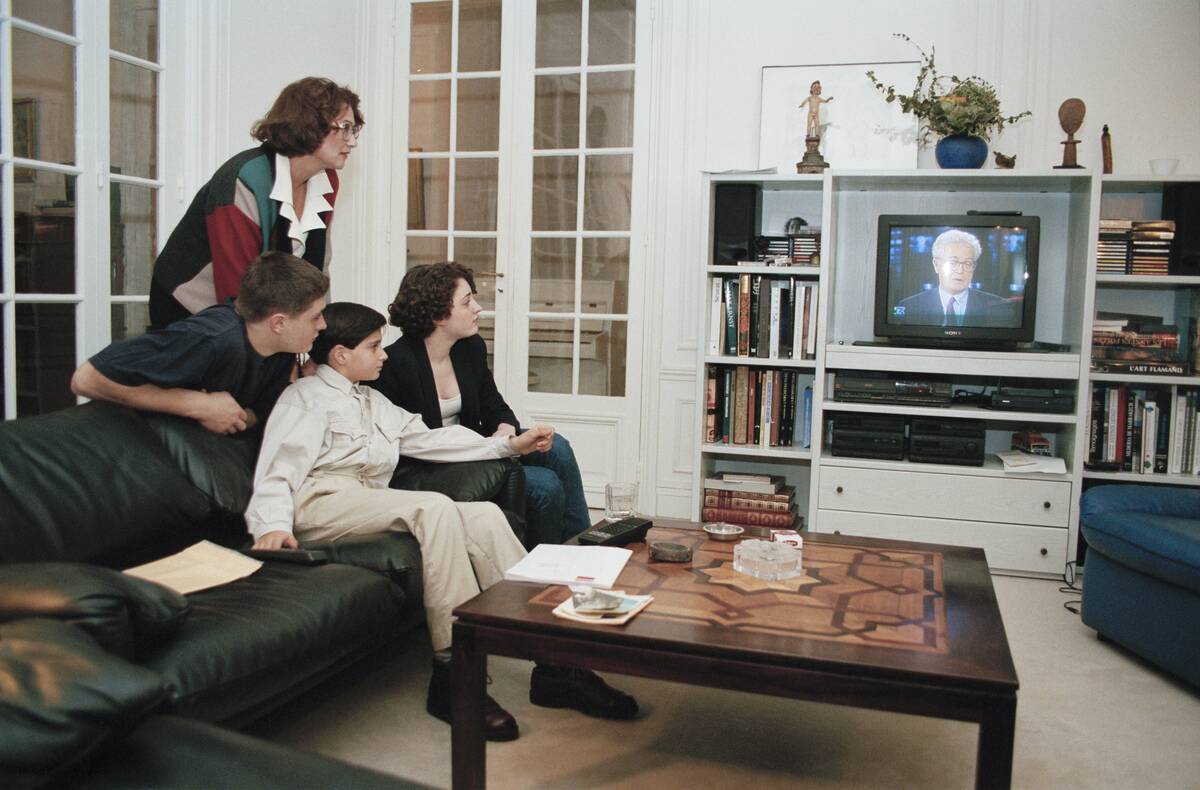
Television schedules ruled people’s lives. If your favorite show aired Thursday at 8 PM, that was when you watched it. Missing an episode often meant waiting for a rerun and hoping you got lucky.
Season finales could leave viewers hanging for months. Conversations around school, work, and family gatherings revolved around what happened last night and what might happen next week. Binge-watching an entire season in one weekend simply wasn’t an option.
Getting hit with Blockbuster late fees
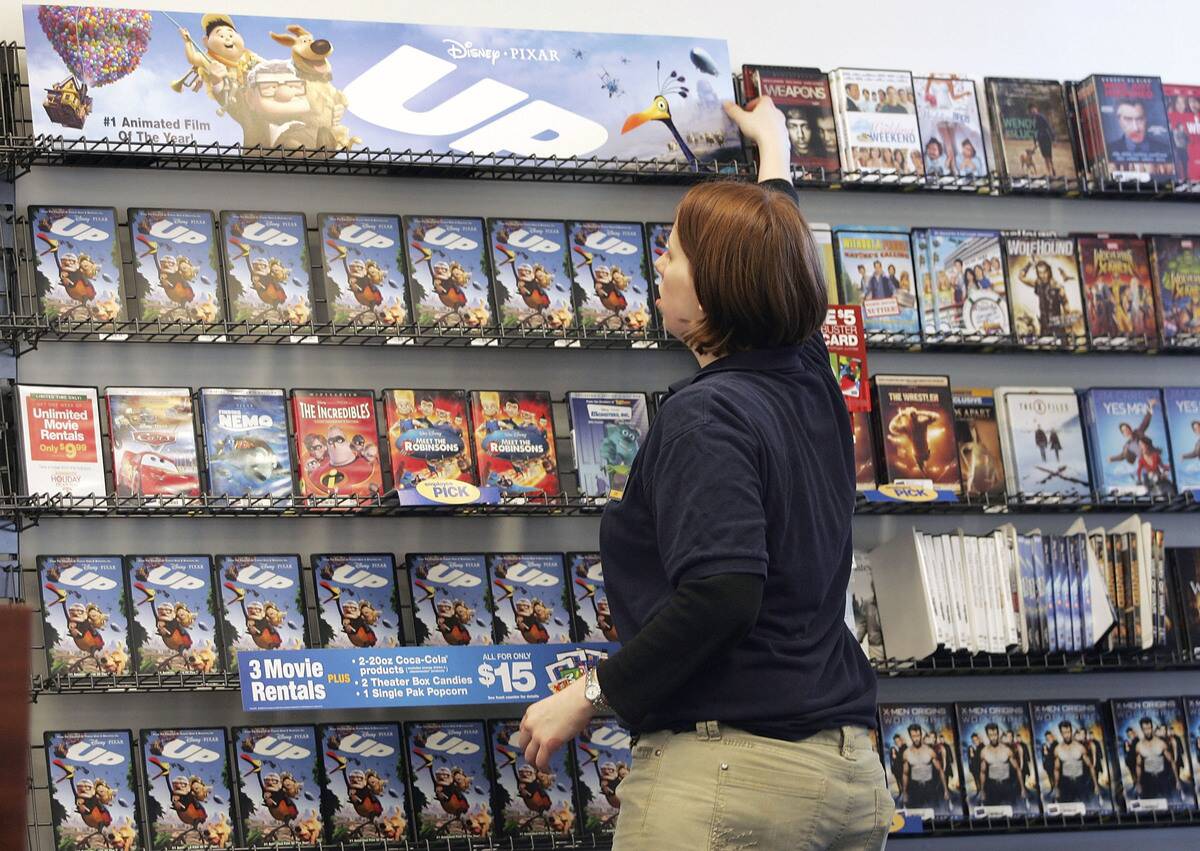
Renting a movie came with responsibility. If you forgot to return it on time, late fees could pile up surprisingly quickly and turn an inexpensive rental into an annoying expense.
Many people remember rushing to the store before closing time or making special trips just to avoid another day’s charge. The disappearance of late fees probably ranks among the least-mourned developments of the digital age.
Visiting internet cafes
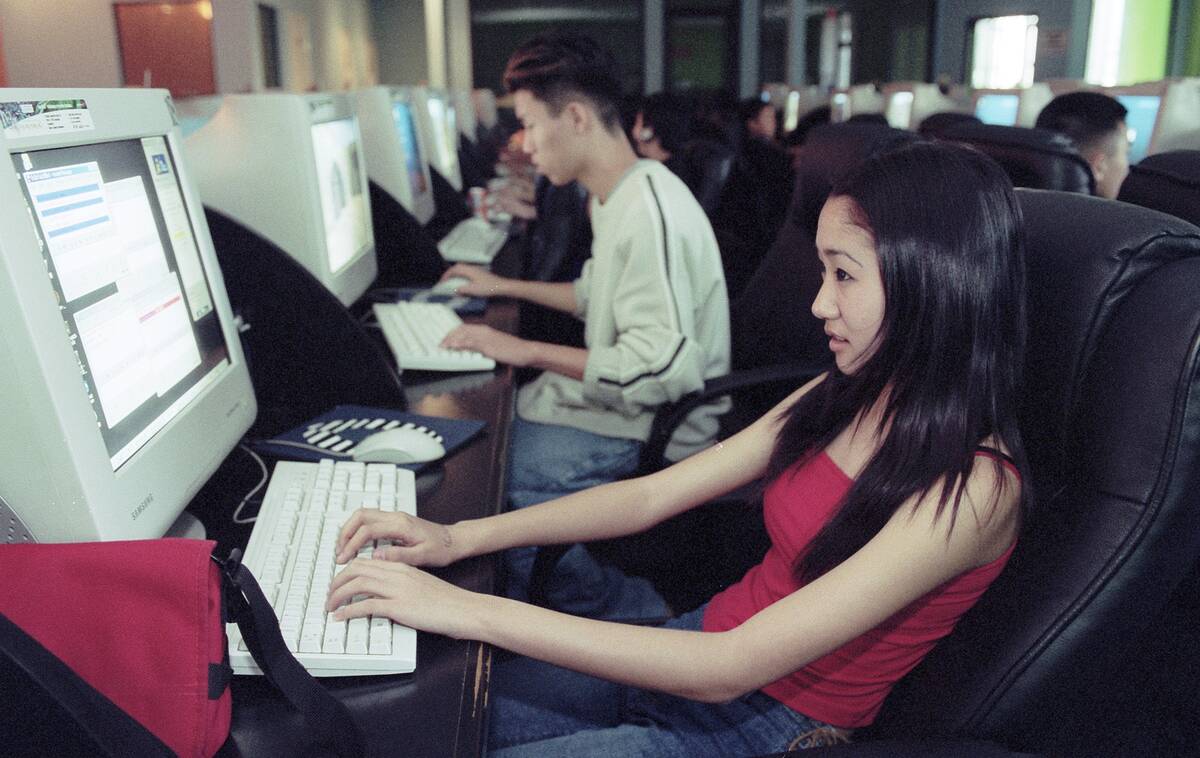
Not everyone had reliable internet access at home, and even those who did sometimes preferred faster connections available elsewhere. Internet cafes offered rows of computers where customers could browse the web, check email, or play games.
These businesses became gathering spots in many communities. Some stayed open around the clock, attracting students, travelers, and gamers. As home internet improved, the need for internet cafes gradually faded in many parts of the world.
Burning CDs for friends
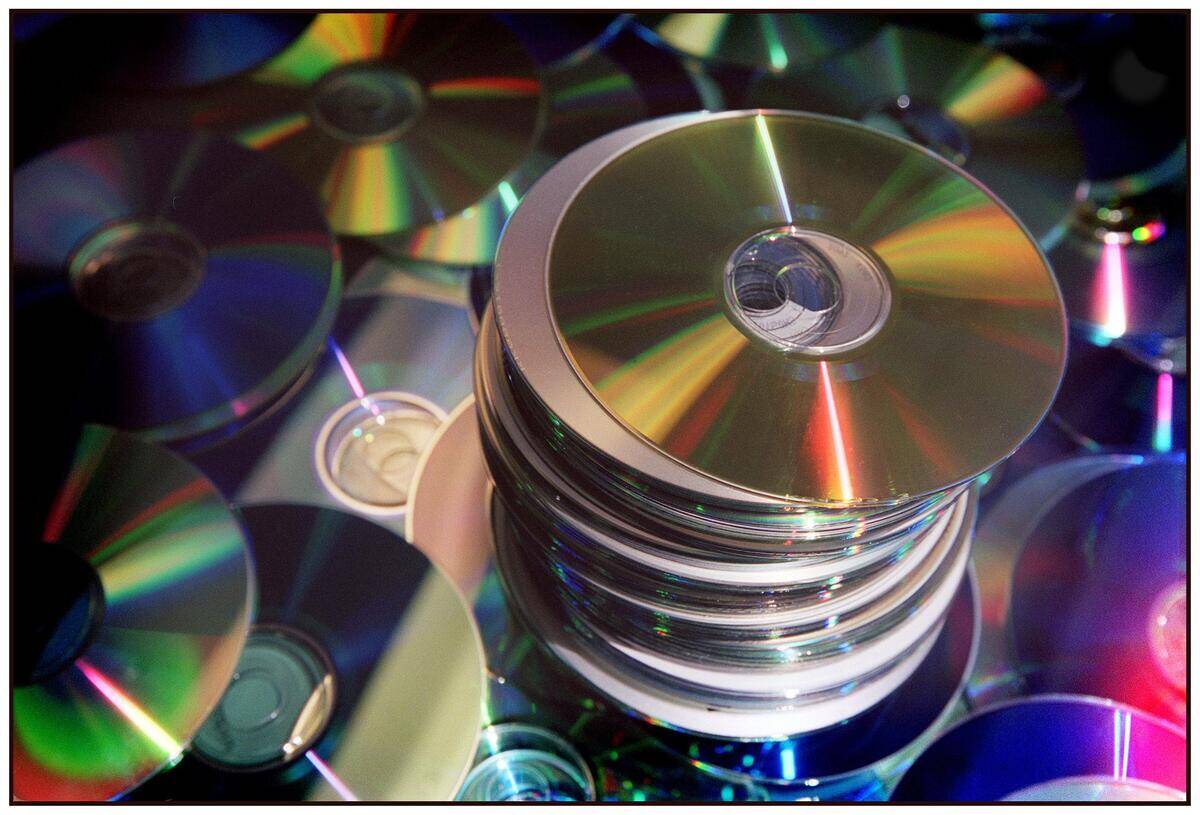
Creating the perfect mix CD was practically an art form. People spent hours selecting songs, arranging track orders, designing cover inserts, and carefully labeling discs with markers.
Receiving a burned CD felt personal because someone had taken the time to build it specifically for you. Playlists still exist, but they don’t quite capture the same feeling as handing someone a physical collection of songs.
Rewinding VHS rentals
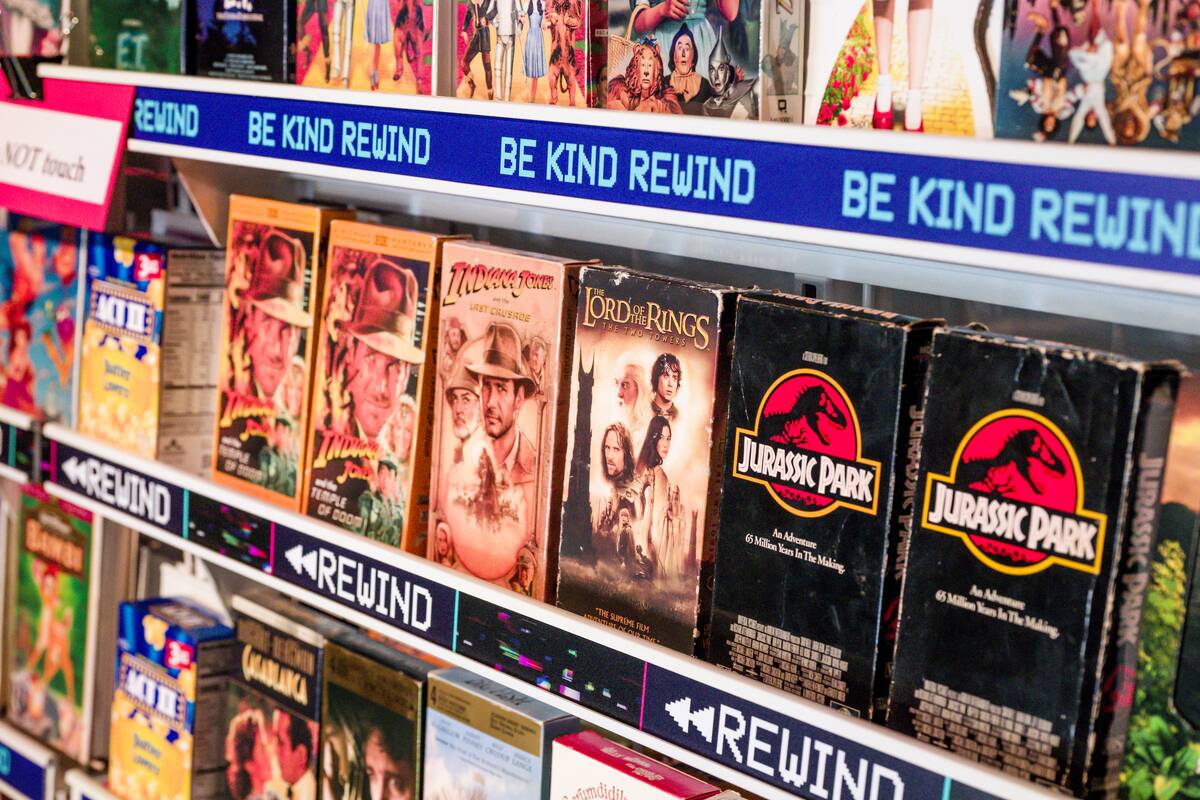
Video rental stores frequently reminded customers to “Be Kind, Rewind.” Returning a VHS tape without rewinding it was considered rude because the next renter would have to wait for the tape to spool back to the beginning.
The process sounds almost comical now. Entire machines existed solely to rewind tapes faster than VCRs could manage. Once DVDs took over, one more small but familiar ritual quietly disappeared.
Buying songs for 99 cents apiece
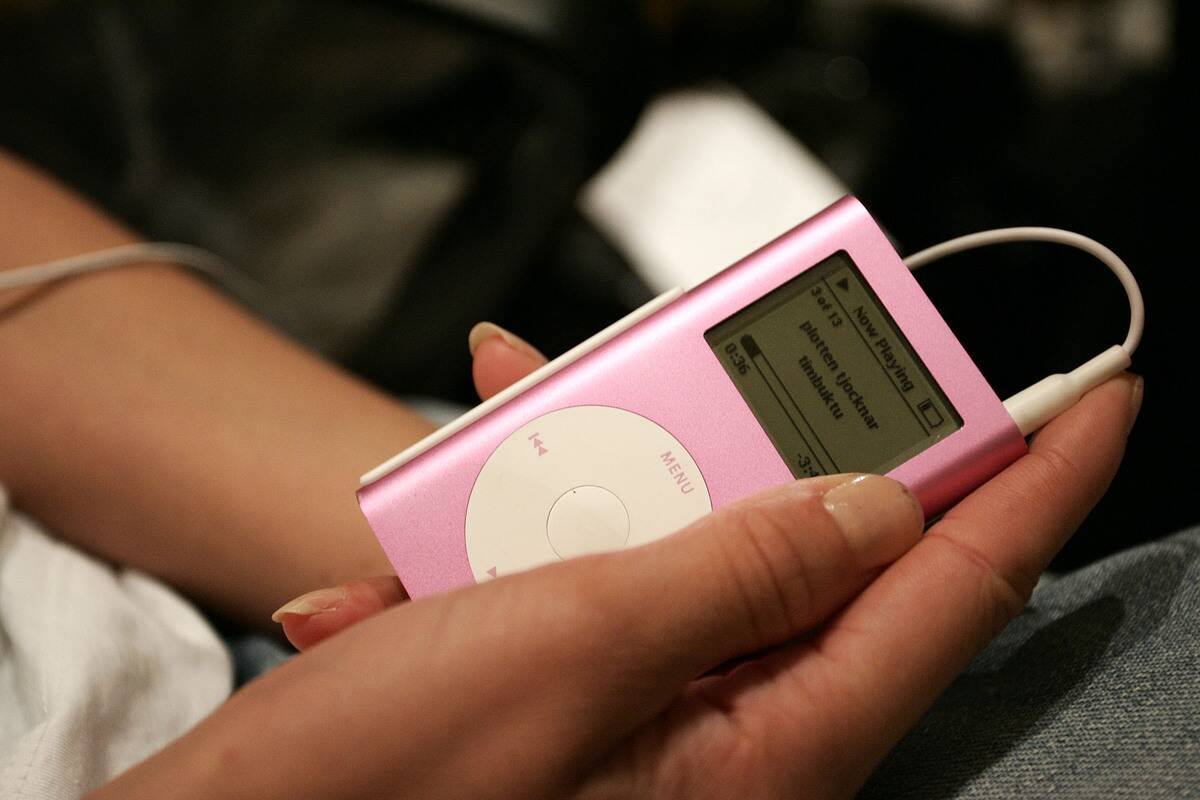
The idea of purchasing digital music felt revolutionary. Instead of buying an entire CD for one song you liked, you could spend 99 cents and download exactly what you wanted.
People carefully built libraries one track at a time, watching their collections grow over months and years. Streaming eventually changed the economics of music completely, but there was something satisfying about actually owning the songs stored on your computer.
Customizing your MySpace profile

A MySpace profile wasn’t just a page – it was a project. Users searched for background images, experimented with colors, added music players, and pasted mysterious bits of code that sometimes broke the entire layout.
Part of the appeal was making your profile look different from everyone else’s. The results were often chaotic, but they reflected a level of personal creativity that today’s much more standardized social media platforms rarely encourage.
Carrying around a flash drive
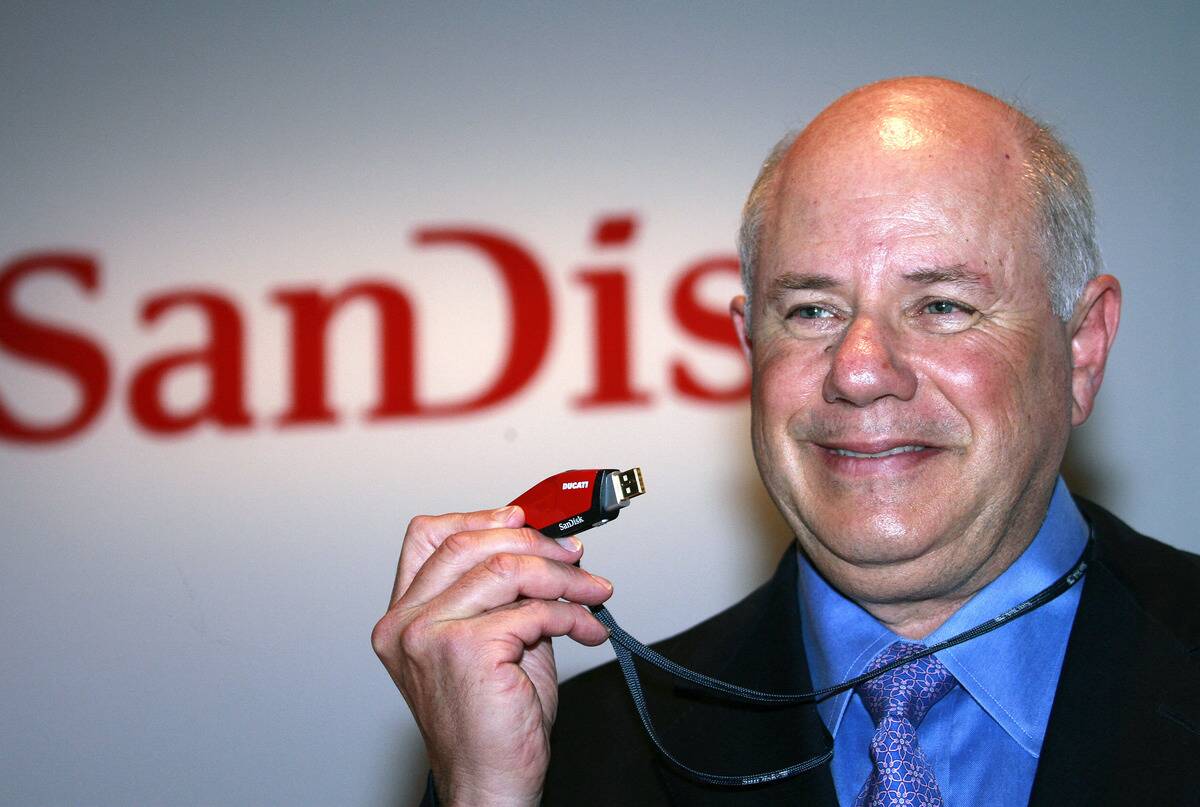
Flash drives were the ultimate problem-solver. School assignments, work presentations, photos, and music collections often traveled everywhere on a small plastic stick hanging from a keychain.
Cloud storage wasn’t yet a reliable option for most people, so forgetting your flash drive could ruin your day. Many users also learned the hard way that these tiny devices had an incredible talent for disappearing at the worst possible moment.
Recording shows to your DVR
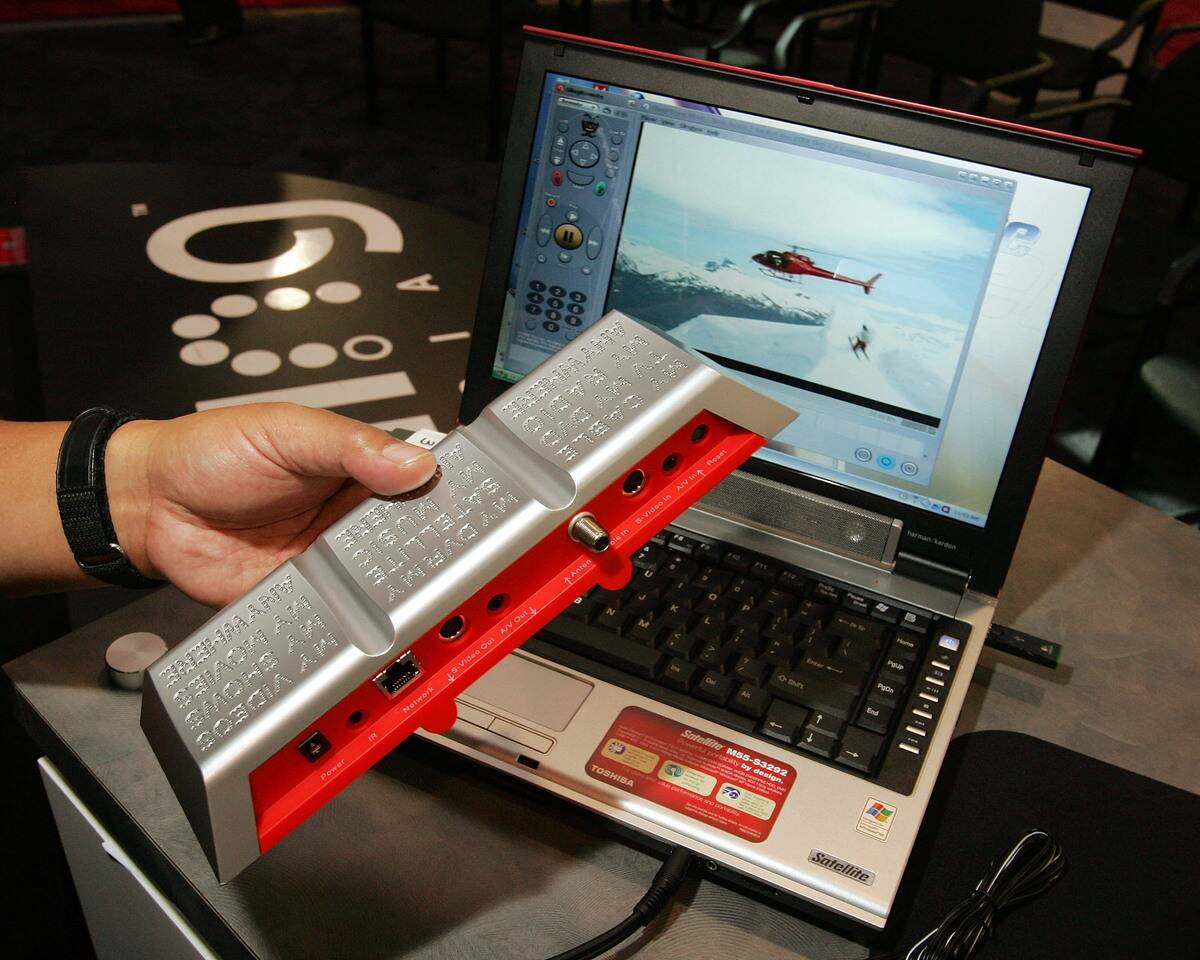
For a brief period, DVRs felt like the most advanced technology imaginable. Suddenly you could record multiple programs, skip commercials, and watch shows whenever you wanted.
People became surprisingly protective of their saved recordings. Entire libraries of favorite episodes accumulated on hard drives, and deleting something accidentally could feel like a genuine tragedy. Streaming eventually made DVRs less essential, but they changed television habits forever.
Using AIM away messages
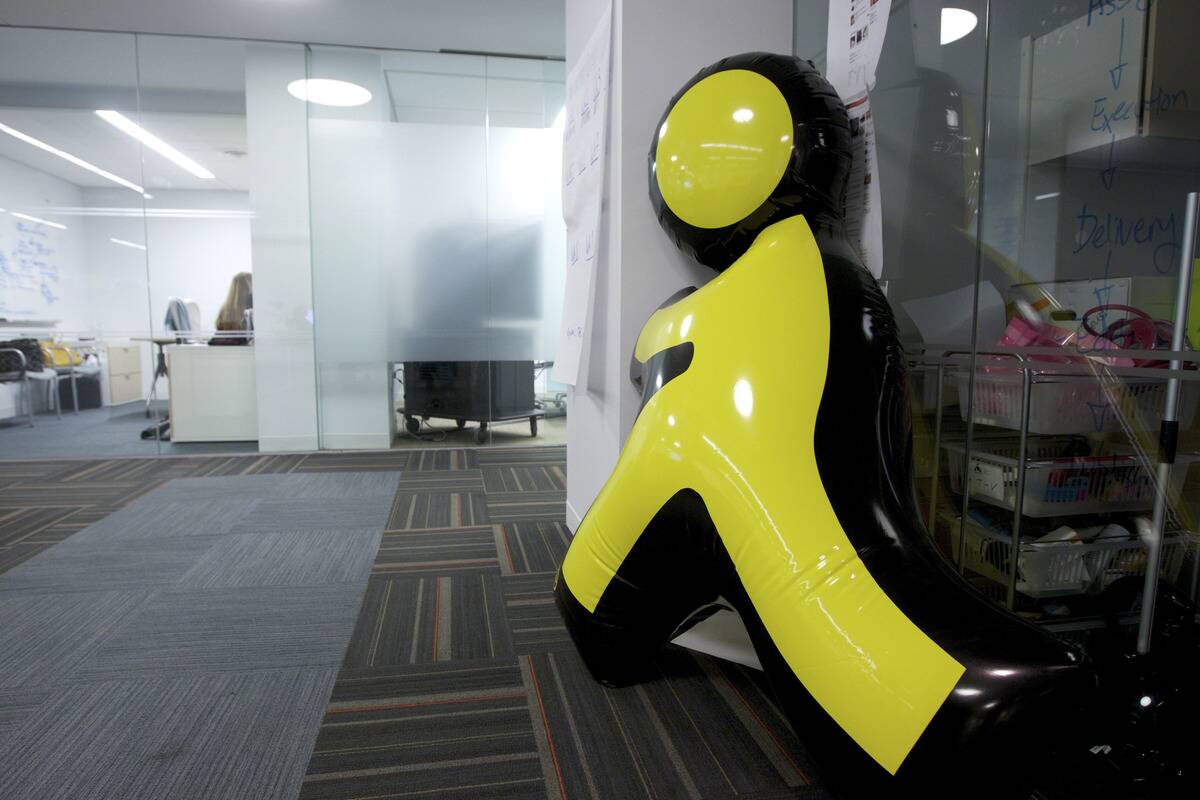
An away message wasn’t always about being away. Many people used them to post song lyrics, inside jokes, cryptic thoughts, or dramatic updates about their lives.
Friends often checked each other’s away messages almost like a primitive social media feed. Looking back, it was an early glimpse of the online status updates that would soon dominate the internet.
Keeping a separate GPS unit in your car
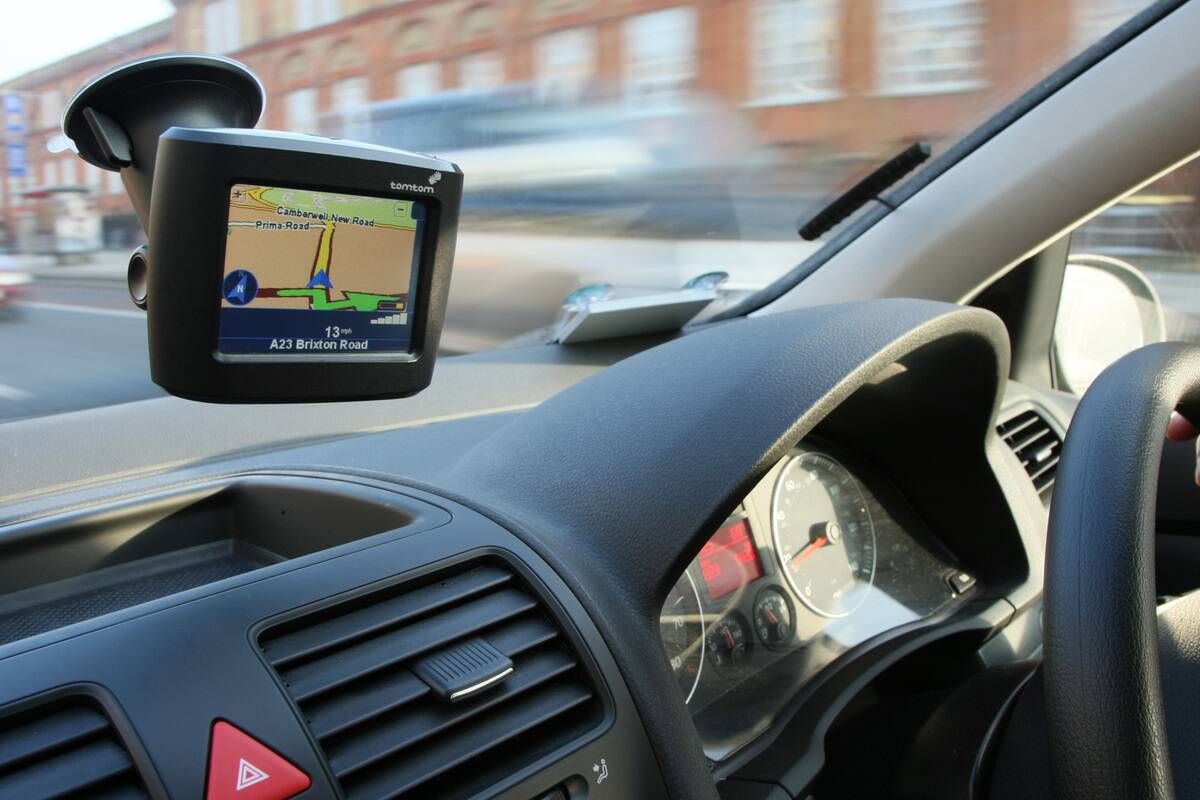
Before navigation apps took over, many drivers relied on dedicated GPS devices suction-cupped to the windshield. These gadgets felt incredibly futuristic compared to paper maps.
Hearing a robotic voice announce upcoming turns quickly became familiar. While smartphones eventually absorbed this function, there was a time when owning a standalone GPS unit felt like a major technological upgrade.
Buying TV Guide

Television guides were still a regular purchase for many households. They provided schedules, previews, interviews, and detailed listings that helped viewers decide what to watch during the week.
Families often kept a copy near the couch and highlighted programs they didn’t want to miss. Streaming services and on-screen guides gradually eliminated the need, but for decades TV listings were essential reading.
Waiting for photos to be developed
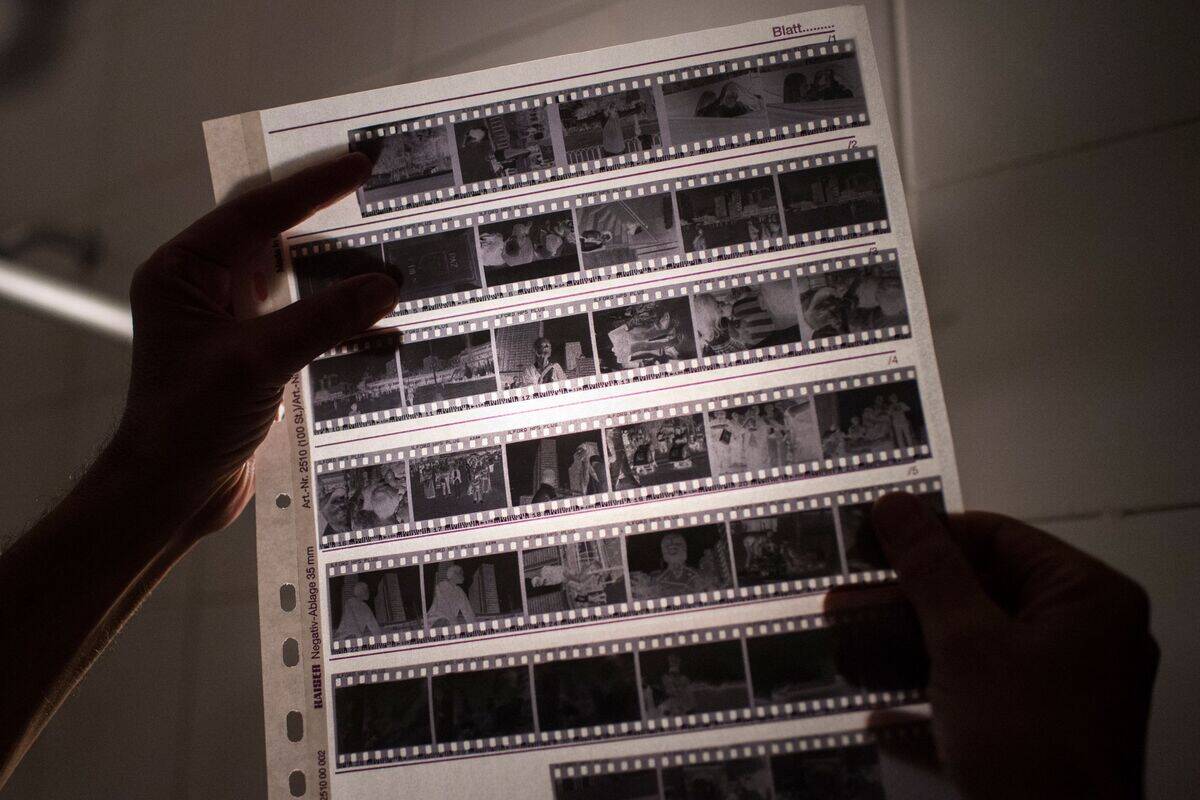
Taking pictures didn’t guarantee immediate results. After finishing a roll of film, people dropped it off at a pharmacy or photo center and waited days to see how the images turned out.
The delay created a different relationship with photography. Every shot mattered because film was limited, and nobody knew whether a picture was blurry until much later. Digital cameras quickly changed those expectations.
Renting games instead of buying them
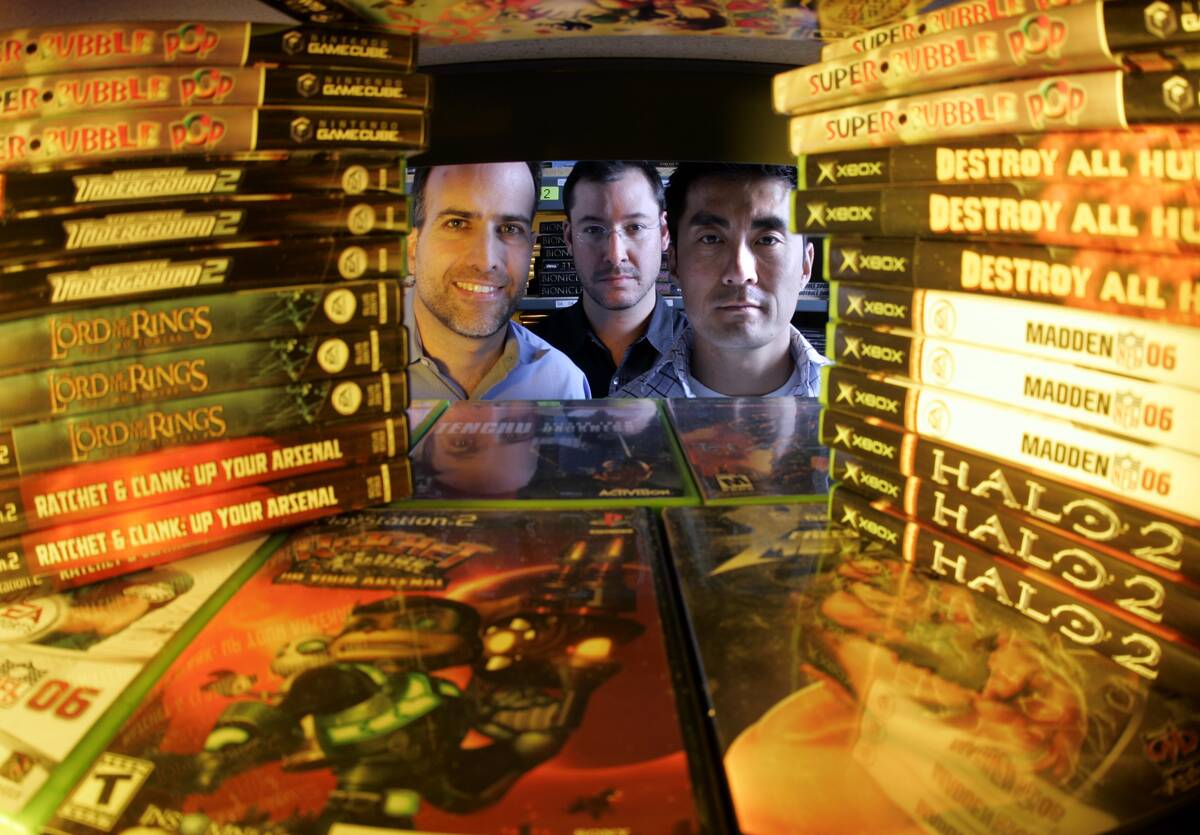
Not every family could afford every new game release. Rental stores allowed players to spend a weekend exploring the latest title before returning it and moving on to something else.
The pressure was intense. If you only had the game for a few days, every hour counted. Plenty of kids spent entire weekends trying to finish a game before it was due back on Monday.