Everyday things from the 1960s that feel unfamiliar today
The 1960s brought enormous cultural and technological changes, but everyday life still included objects and routines that would feel unfamiliar to many people today. Telephones had rotary dials, black-and-white televisions remained common, and entertainment didn’t require an internet connection or digital screen.
Fashion and dance crazes also gave the decade an unmistakable identity. From miniskirts and the Twist to View-Masters and hula hoops, these familiar sights and experiences bring back memories of what life during the 1960s looked and felt like.
Black-and-White TV
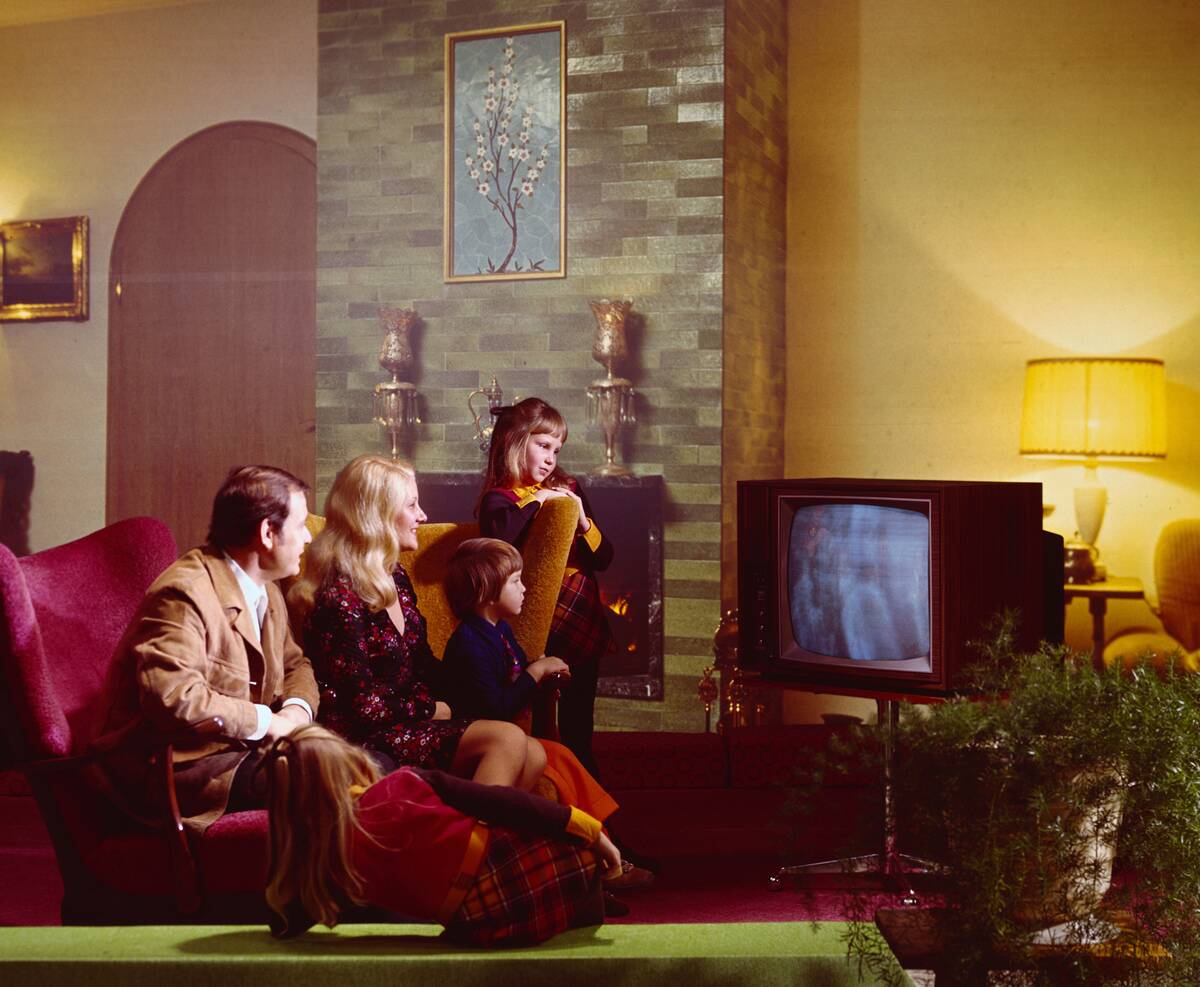
Television technology took a long time to get to our current standard. While a great many households in the 1960s had a TV set — sometimes even a color TV set — it’s safe to say that these older TVs were a different breed.
Besides the fact that they’d usually only receive a few (usually distorted) channels, 1960s TVs were small and generally showed black-and-white programming. Modern audiences who’ve been raised on 4K would scarcely be able to watch a show on these vintage televisions.
“Dialing” A Phone
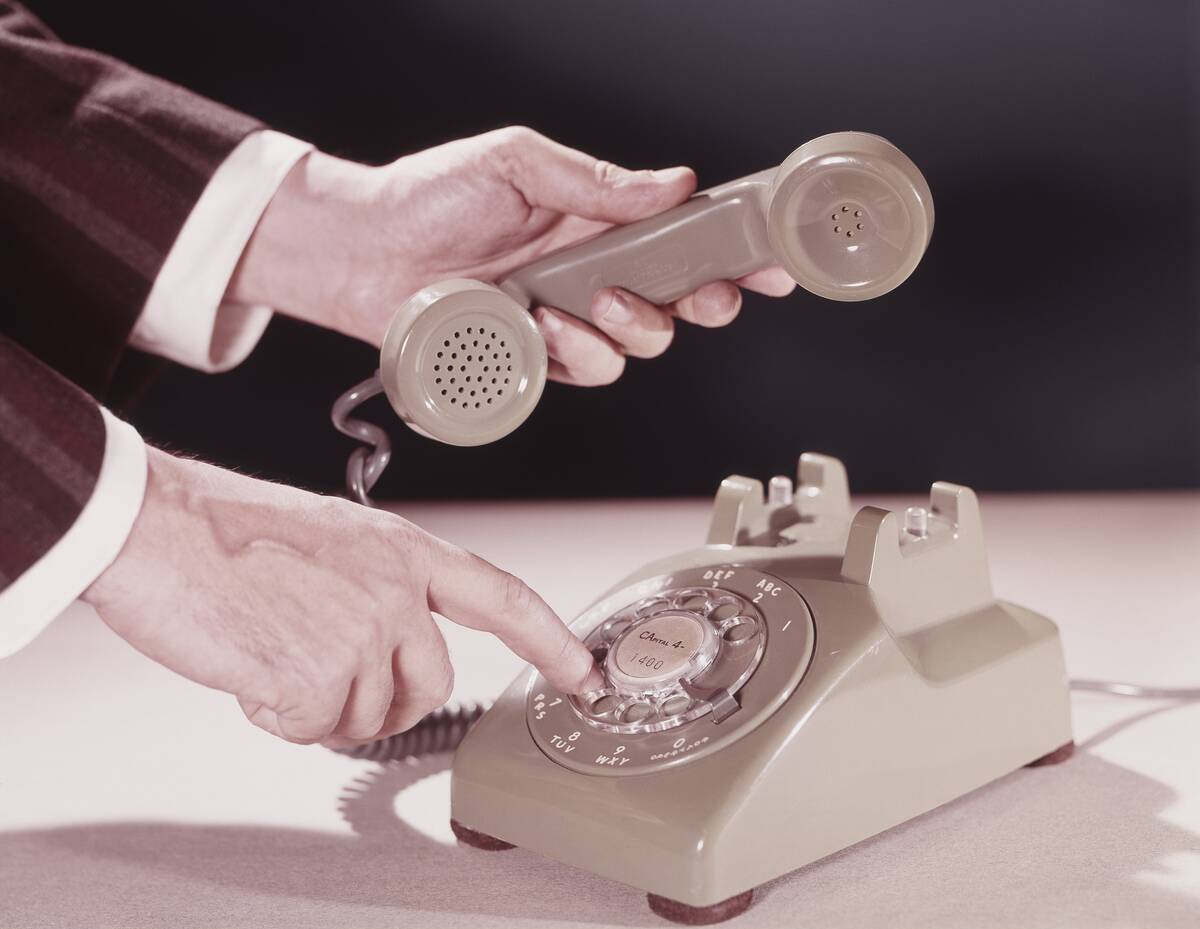
Phones have no doubt changed over the years, but one thing that’s remained true, whether using a smartphone or landline, is that a number has to be dialled in order to call someone.
Of course, we don’t think much of the origin of the word “dialled” — but this of course comes from rotary phones, which had a literal dial that had to be physically rotated. It was more time-consuming, but the act of dialling was actually satisfying, almost like an old-school fidget spinner.
Sock Hops
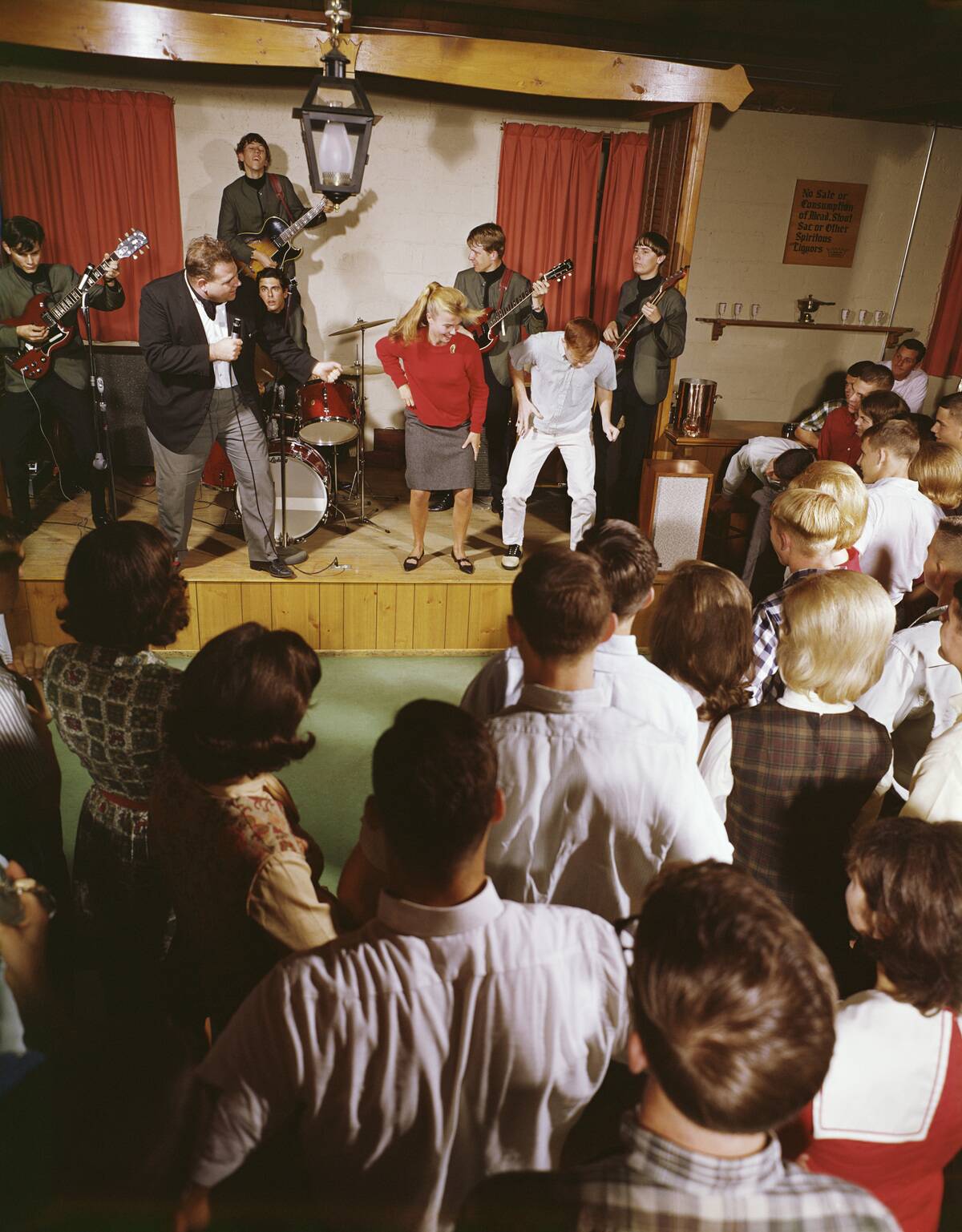
Teenagers of the 1960s (and 1950s) would congregate in school gyms for Sock Hops, which were named because dancers would remove their shoes to avoid damaging the floor.
The events would feature rock-and-roll music and represented an important social space for young people. High school dances have always been around, but the sock hops of the midcentury years had their own unique character.
The Hula Hoop Craze
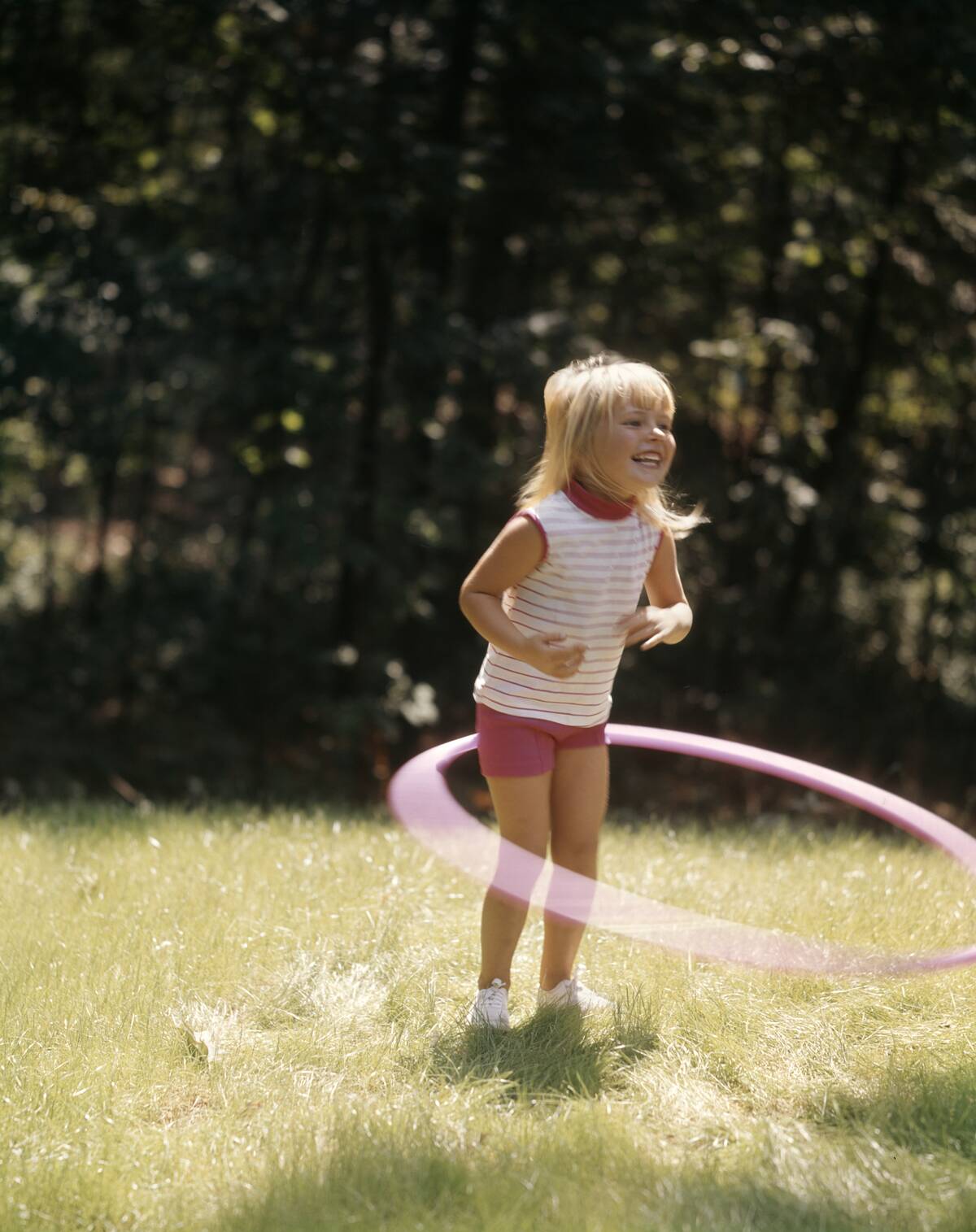
Hula hoops are still around today, of course, but they’re generally regarded as one more uninteresting children’s plaything. When these hoops were first introduced by Wham-O in 1958 and hit their peak popularity in the early ’60s, though, it was a different story.
The company sold millions of hula hoops, which became a must-have item for not just kids, but fitness-minded adults as well.
The Space Race
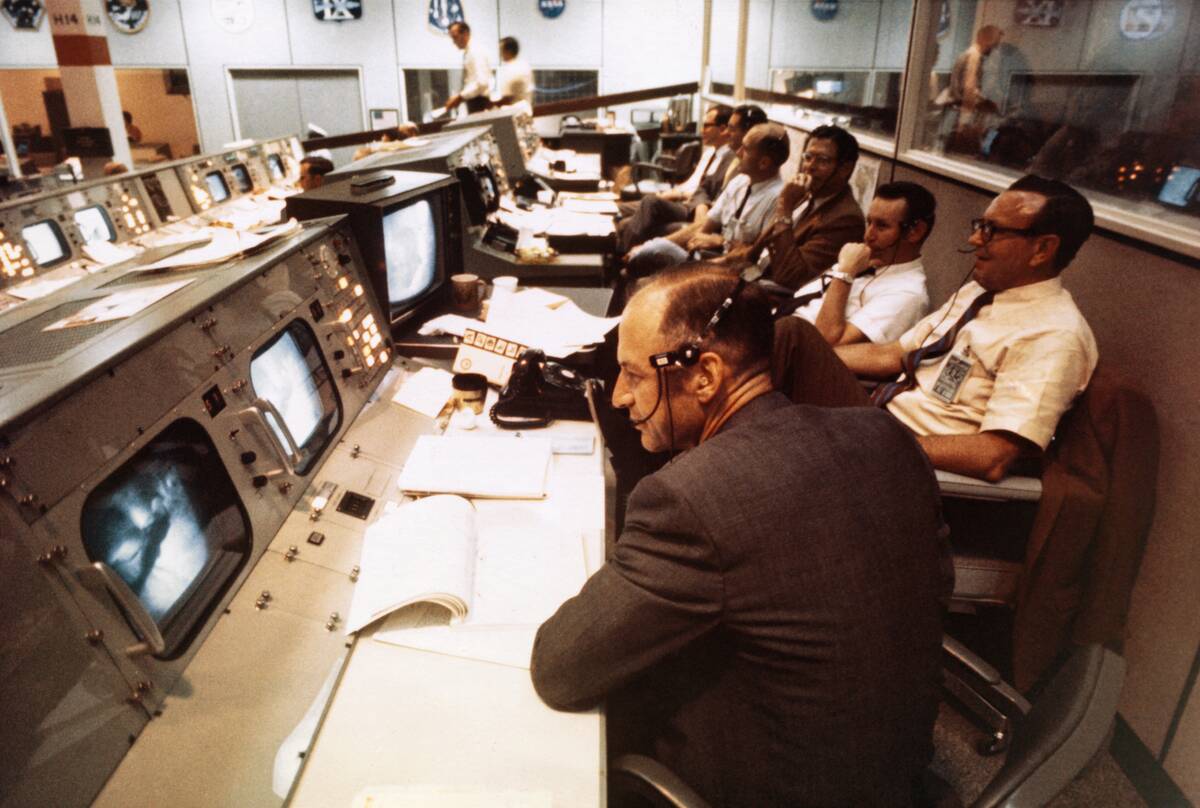
Modern space exploration is funded mainly by billionaires, and it’s been more than half a century since a human set foot on the moon. It’s almost hard to believe that, for most of the 1960s, advances in space travel were happening at a breakneck pace.
This was driven solely by the Cold War rivalry between the United States and Soviet Union. While it spurred technological advances, it was absurdly expensive — and starting in the 1970s, budgeting for space agencies was significantly reduced.
The View-Master
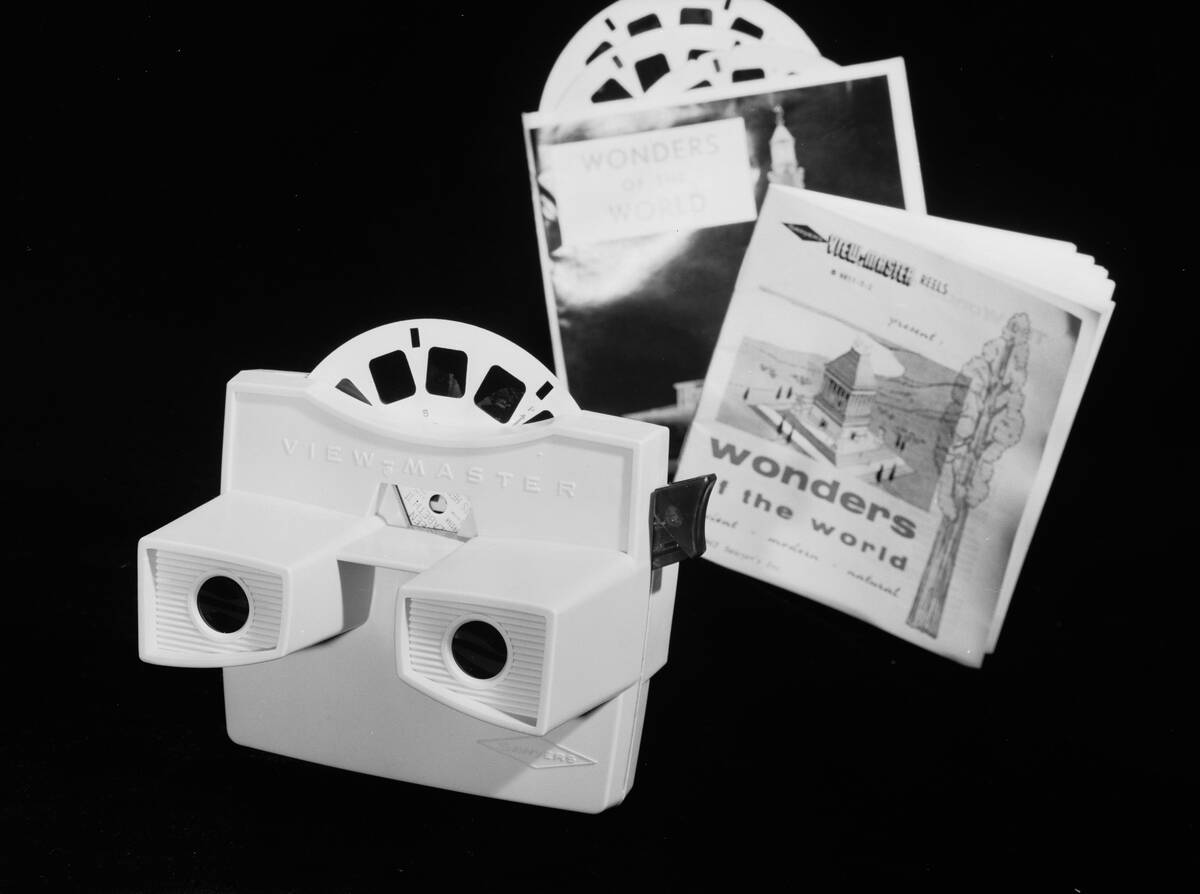
We live in a time where virtually every kid seems to have access to multiple entertainment devices, which offer a world of high-def entertainment options at the touch of a screen.
That’s why it might be hard for these kids to understand the popularity of the View-Master, a toy that resembled a pair of binoculars and could be loaded with round photographic reels. This may seem quaint by modern standards, but for kids of the ’60s who didn’t have a TV set, they were transformative.
Beatniks
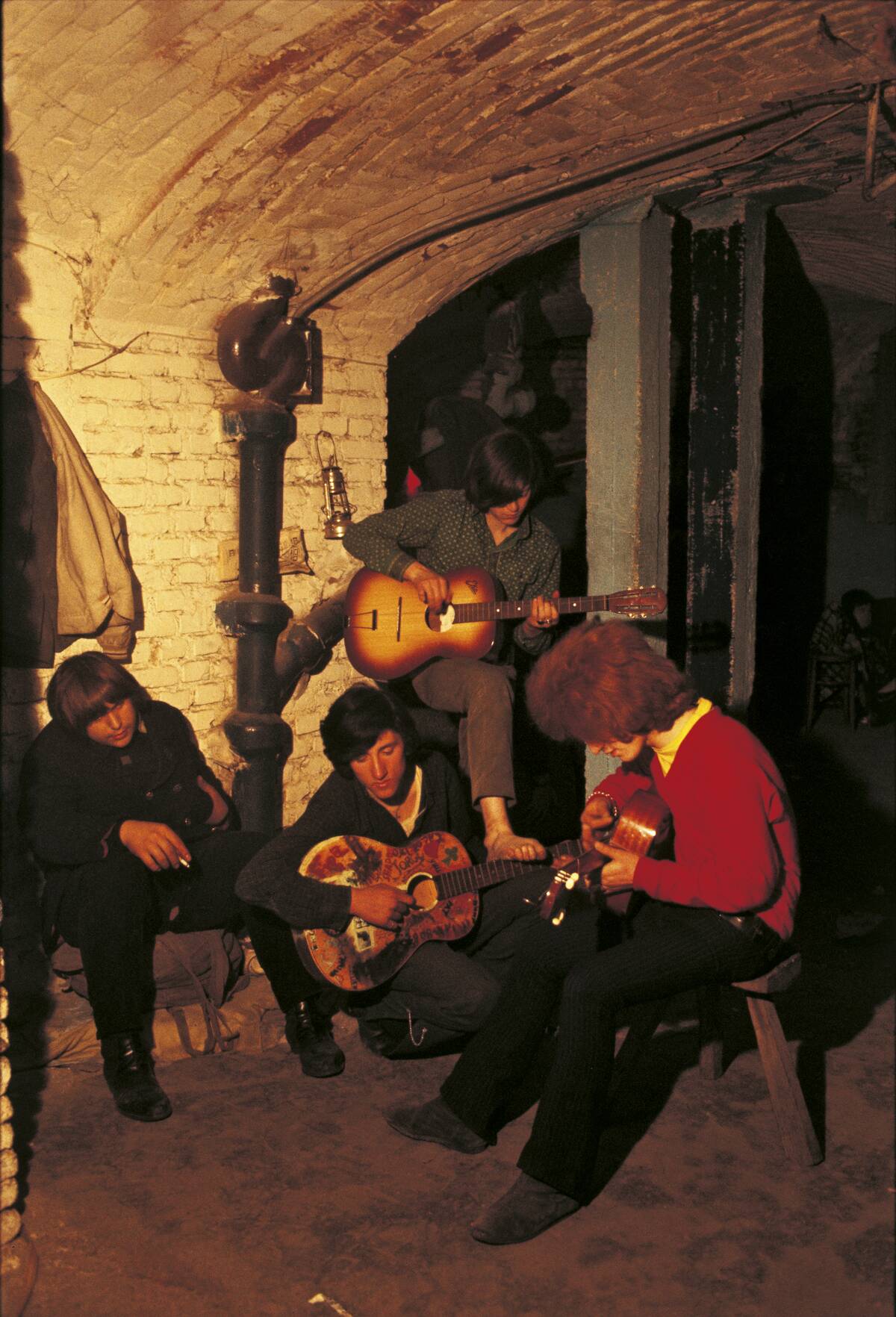
The 1960s spawned the hippie movement, which has existed to some degree ever since, but the forebear to the hippie — the beatnik — is virtually extinct today.
This subculture of artists, writers, and intellectuals emerged in the late 1950s and early ’60s and was characterized by its rejection of mainstream American values. Many who started out as beatniks morphed into hippies as the decade wore on.
The Twist
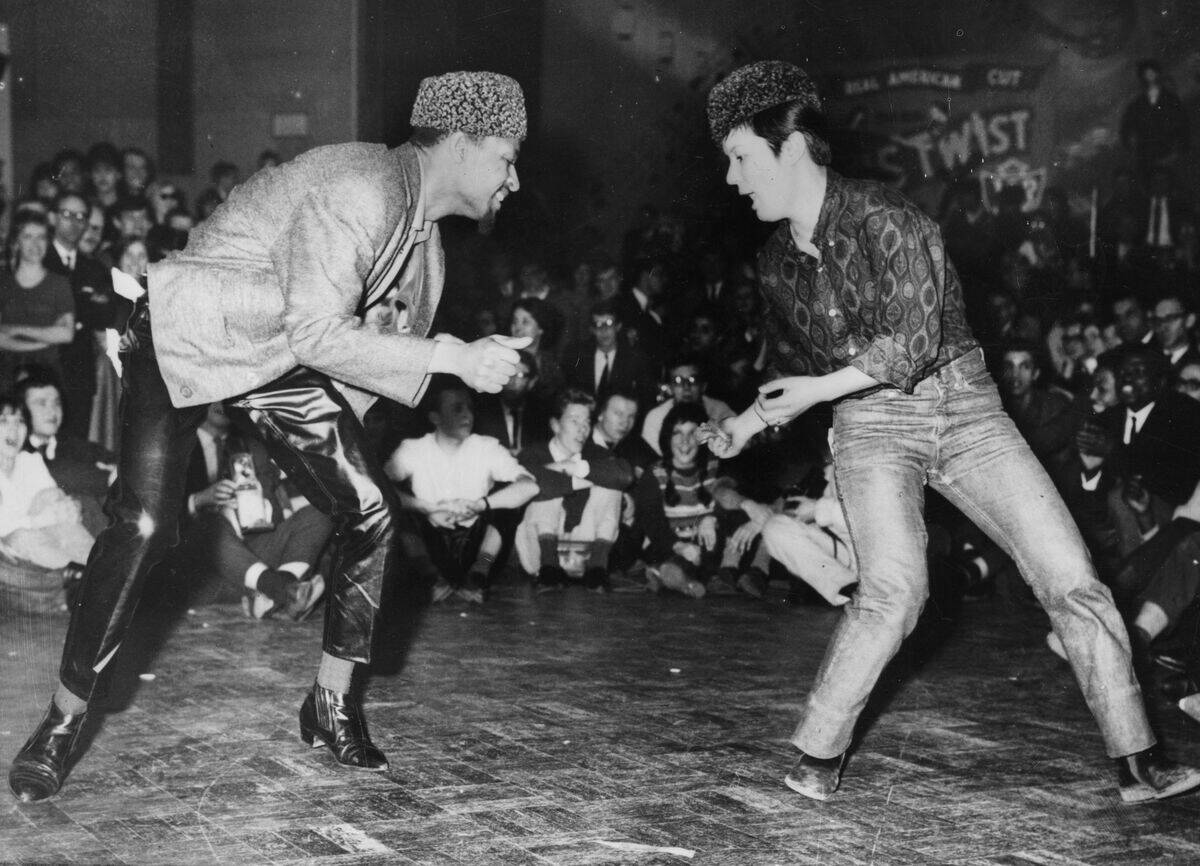
Dance crazes still pop up in modern times, but pop culture moves so quickly that they don’t tend to take root for long. The Twist, a simple dance that was propelled by Chubby Checker’s hit of the same name, became wildly popular in the early ’60s.
Part of the appeal of the dance was that virtually anyone could do it, as it only required the dancer to twist their hips and shoulders in rhythm with the music.
Fluorescent Lighting Everywhere
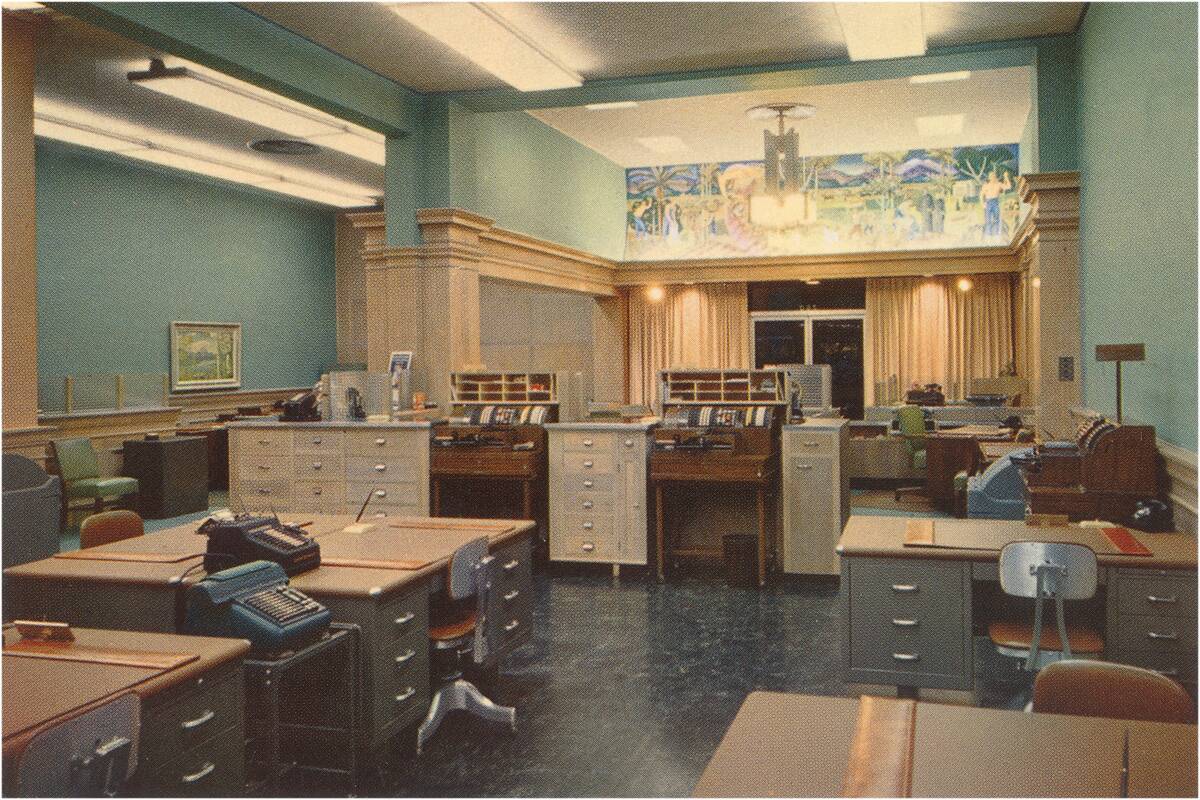
Fluorescent lighting emerged in the 1960s as a more energy-efficient way of lighting homes, offices, and schools than traditional incandescent bulbs. The convenience of fluorescent lighting led many people to ignore the annoying buzzing and harsh light that they brought.
While fluorescent lighting can still be found today, it’s generally been phased out of areas where people work or live, owing largely to its harsh buzzing sound.
Swinging London
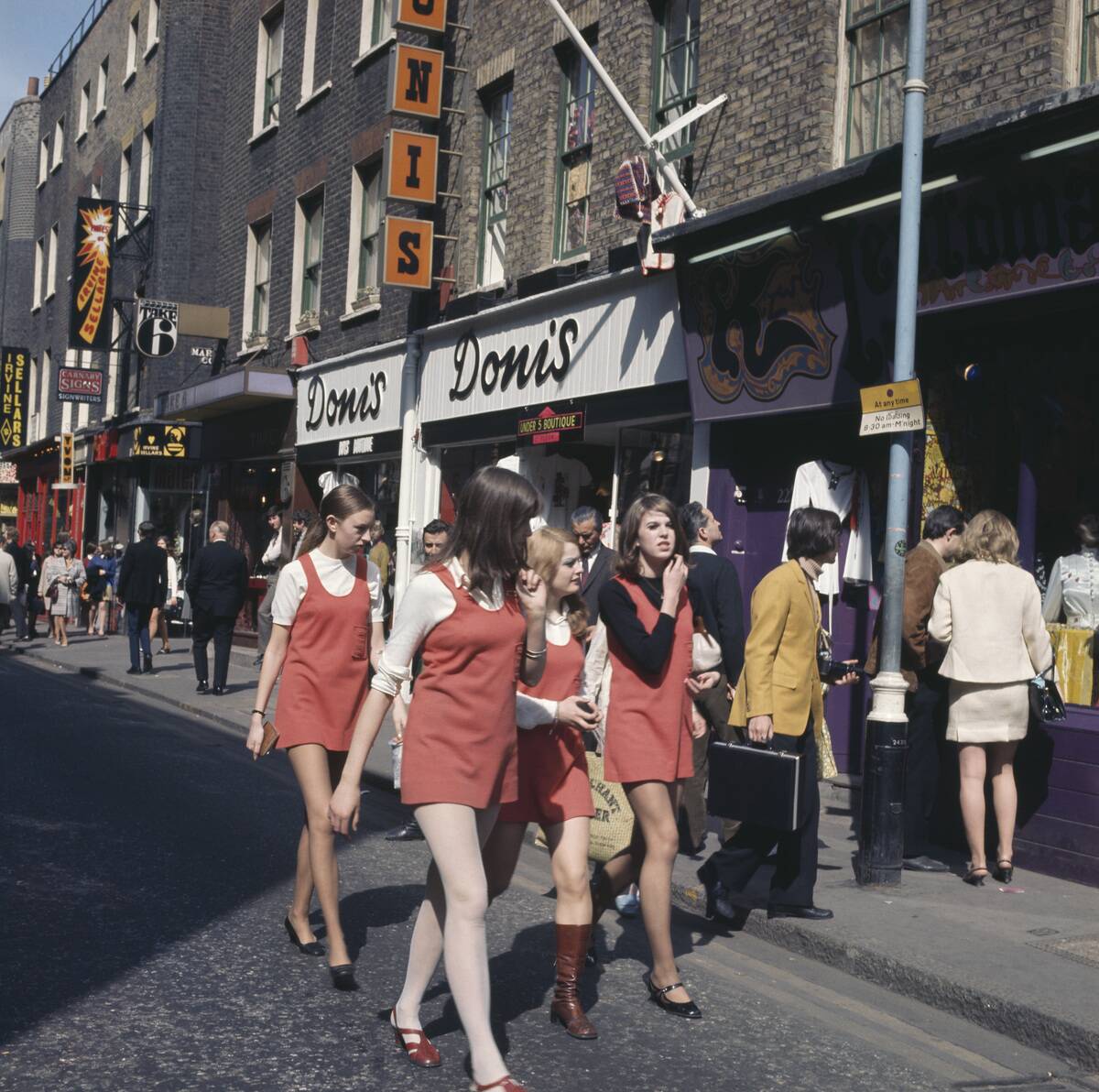
London has been one of the world’s most important cities for centuries, but its influence on pop culture has ebbed and flowed over the years. In the 1960s, though, London’s culture was at the forefront of fashion and music.
The “mod” movement, born on London’s Carnaby Street, embraced bold styles like tight suits, mini skirts, and psychedelic designs. Modern audiences are probably only familiar with this period of London’s history through the Austin Powers films.
Drive-In Theaters
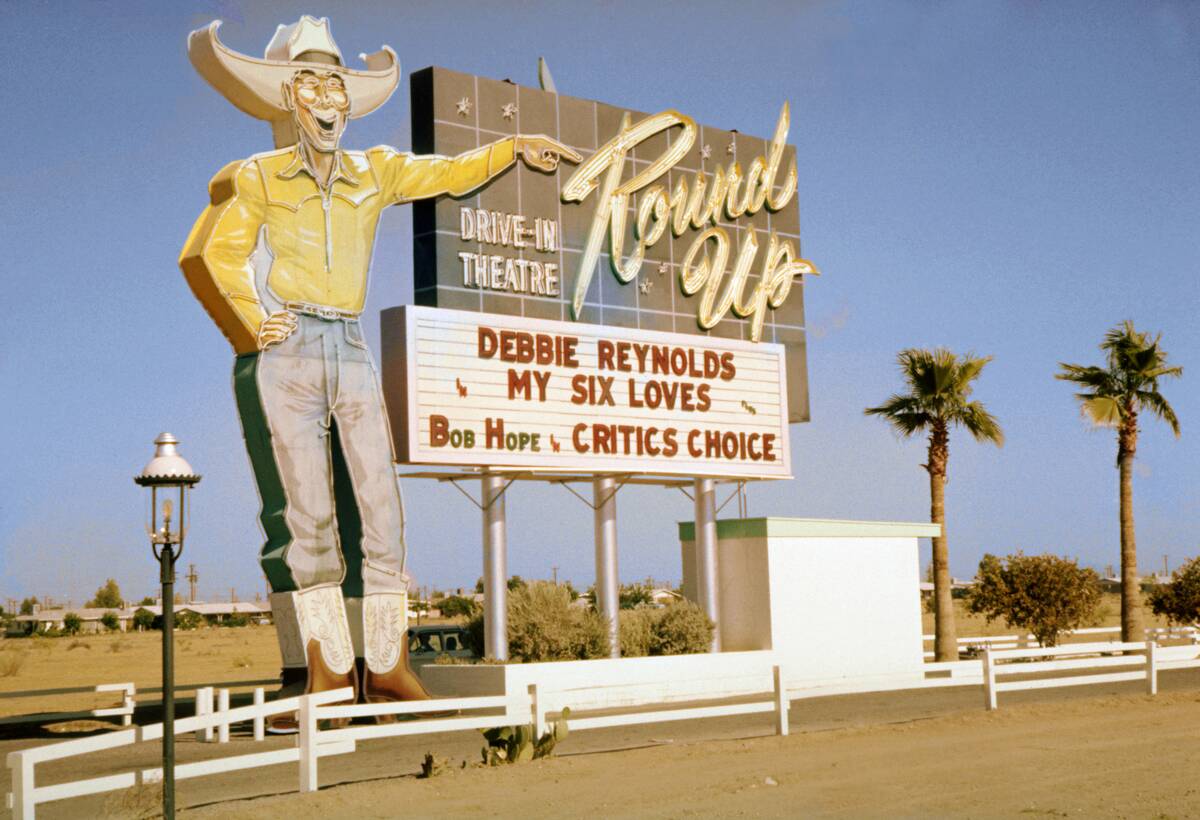
Movie theaters have taken a major hit from streaming services in recent years, but they’ve still managed to maintain a niche among consumers. The same can’t really be said for drive-in theaters.
These theaters, true to their name, allowed cars to drive into a lot and watch a movie on a big screen without leaving the comfort of their cars. It was a reflection of the growing car culture of the 1960s, and these theaters continued to stay in operation for a few decades to come.
Free Love
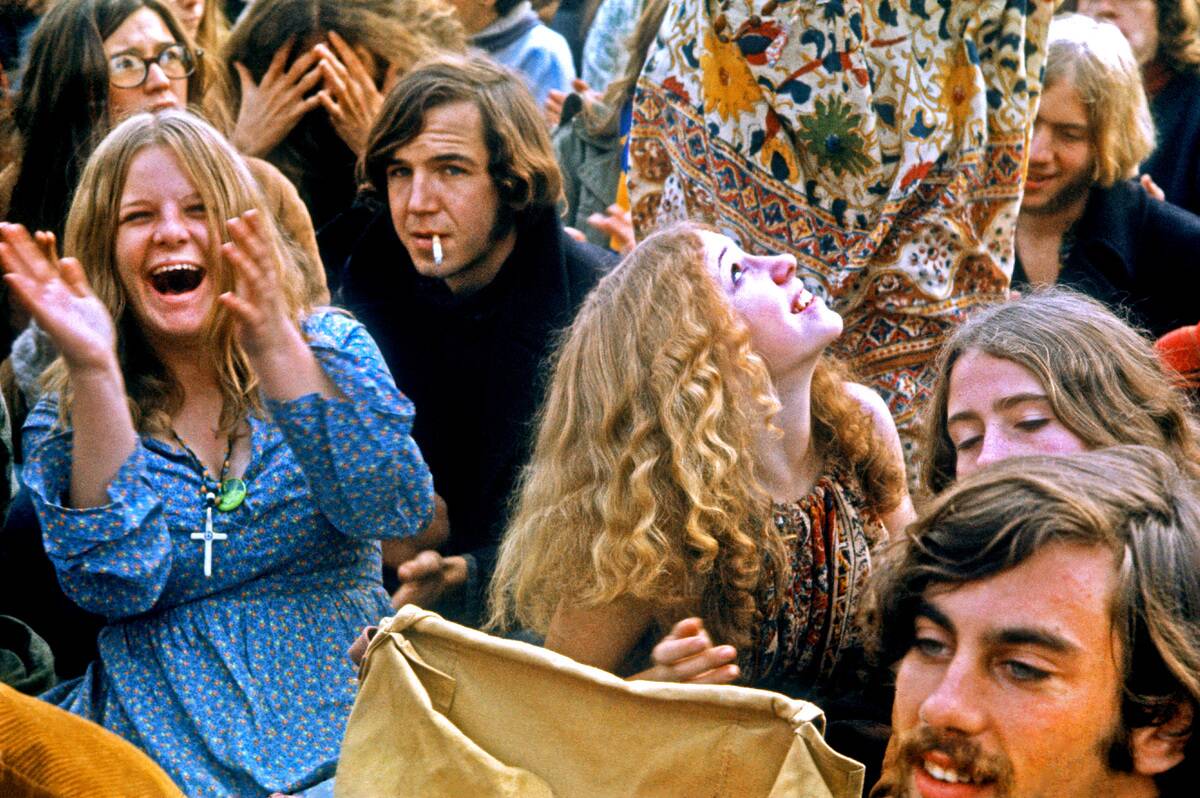
The “Free Love” movement that emerged during the 1960s as part of a broader countercultural revolution is perhaps the most iconic aspect of the hippie generation.
The movement advocated for romantic liberation and challenged traditional norms around relationships. While it did indeed push the broader culture to adopt more permissive attitudes, it also faded away almost as quickly as it emerged.




