The most extravagant palaces ever built
Palaces have long been the epitome of luxury and grandeur, serving as the residences of royalty and the settings for historical events. These architectural masterpieces not only reflect the opulence of their eras but also tell stories of power, art, and culture.
From Europe to Asia, each palace has its unique charm and history, inviting visitors to step back in time and experience the splendor of a bygone age.
The Opulent History of Versailles, France
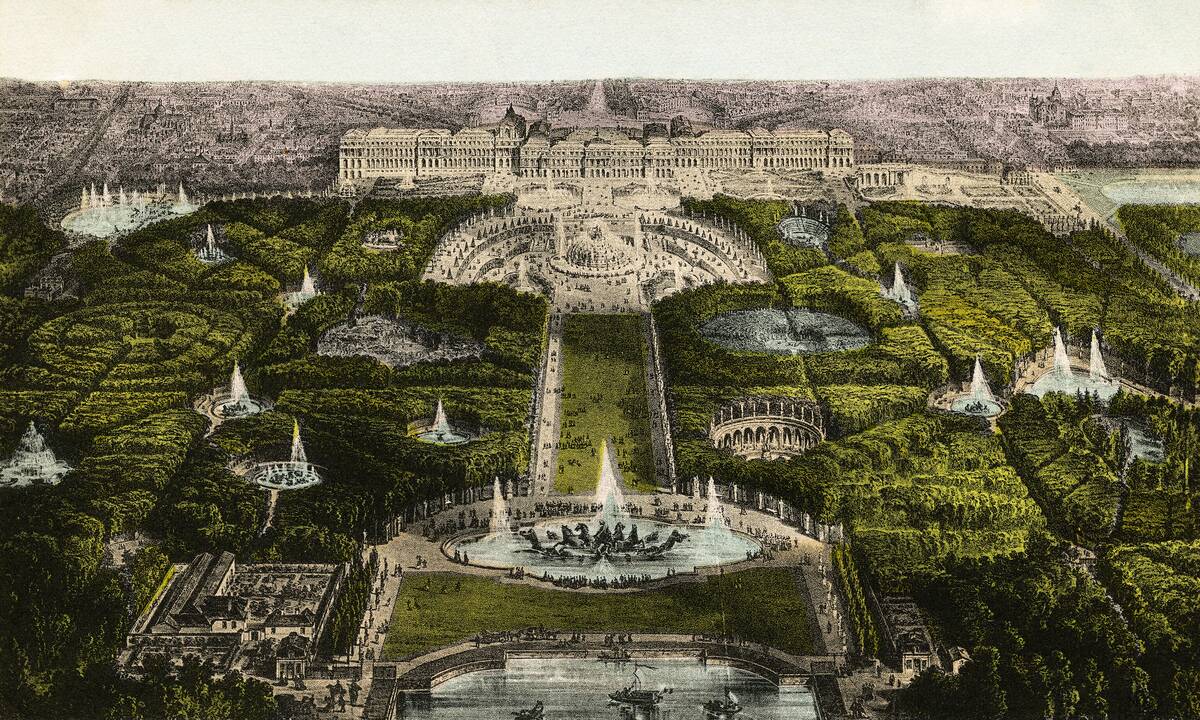
The Palace of Versailles, which began as a hunting lodge built for Louis XIII, was transformed by Louis XIV into a magnificent royal residence and a symbol of absolute monarchy. With its Hall of Mirrors and expansive gardens, it represents the grandeur of French Baroque architecture and design.
The Treaty of Versailles was signed in the Hall of Mirrors in 1919, establishing the postwar settlement after World War I and adding to the palace’s historical significance. Today, Versailles is a UNESCO World Heritage Site and attracts millions of visitors each year who come to experience its opulence and rich history.
The Majestic Grandeur of Buckingham Palace, England
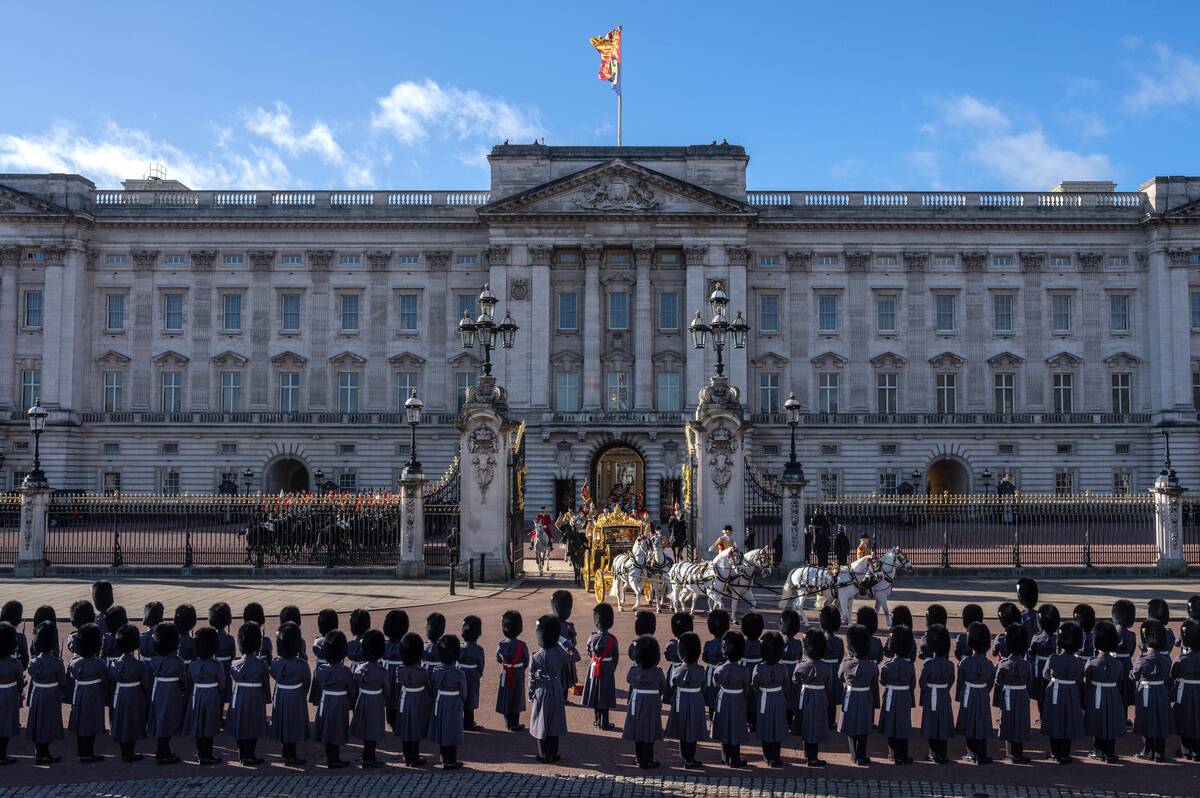
Buckingham Palace, the official London residence of the British monarch, is one of the United Kingdom’s most recognizable symbols. Originally built in 1703 as Buckingham House for the Duke of Buckingham, it was acquired by King George III and later transformed into a royal palace, becoming the monarch’s official residence under Queen Victoria in 1837.
The Changing of the Guard ceremony remains a popular attraction, showcasing centuries-old British military traditions. With 775 rooms, including the famous balcony used for royal appearances during major events, Buckingham Palace remains an important landmark in Britain’s history and culture.
The Lavish Splendor of the Winter Palace, Russia
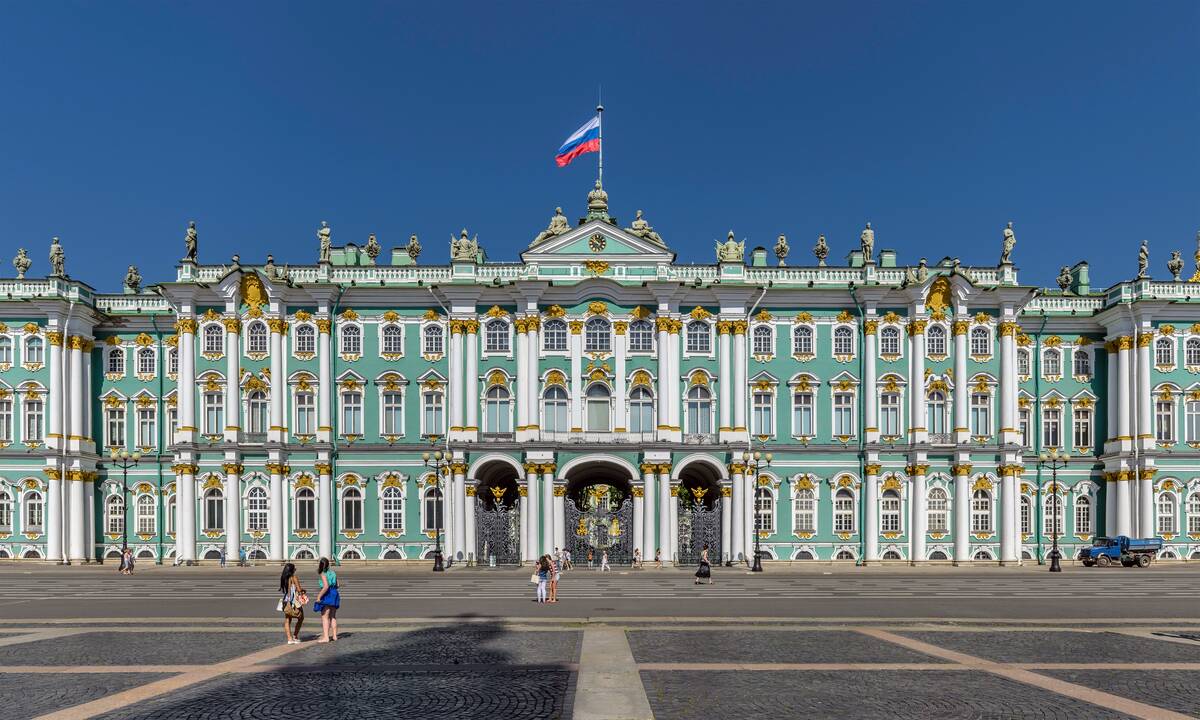
The Winter Palace in St. Petersburg served as the official residence of Russian emperors for over 150 years. Its stunning green-and-white Baroque facade is a testament to the opulence of the Russian Empire.
The palace now houses the Hermitage Museum, one of the largest and oldest museums in the world, featuring an extensive collection of art and antiquities. Visitors are captivated by its lavish interiors and the rich history that echoes through its halls.
The Architectural Marvel of the Forbidden City, China
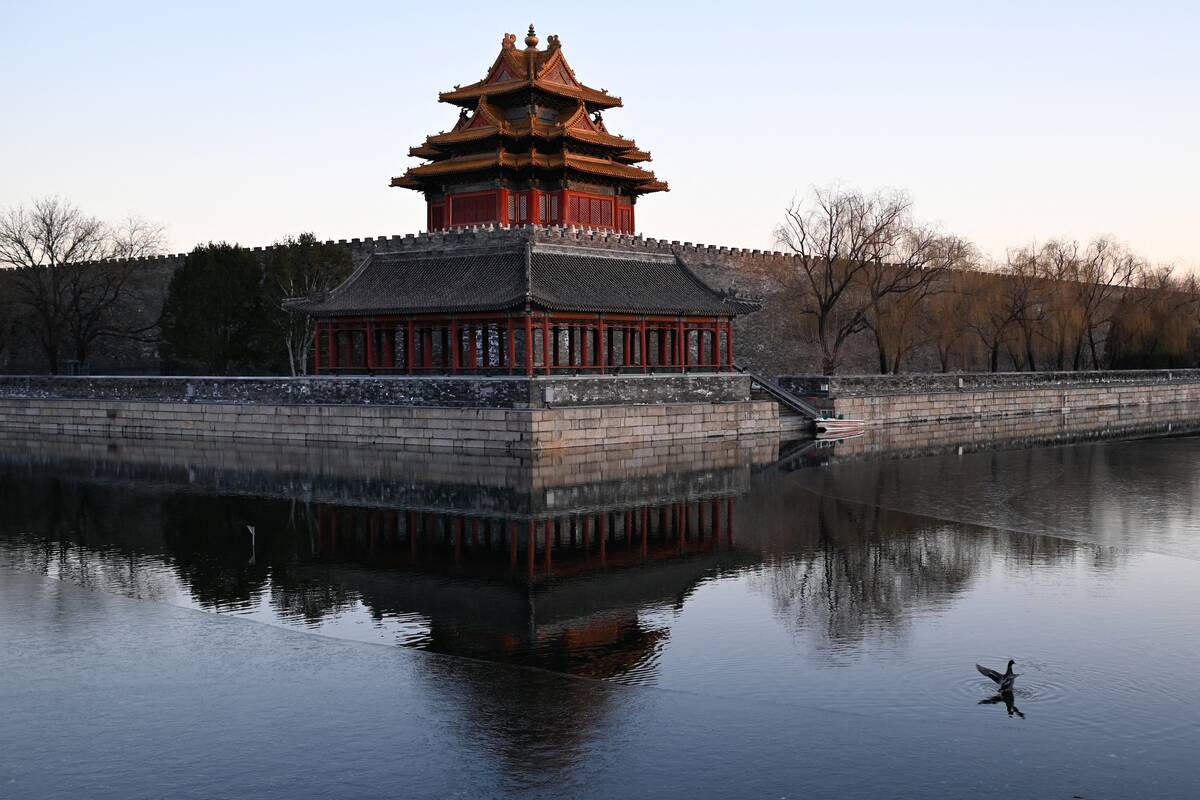
The Forbidden City in Beijing is a vast palace complex that served as the imperial residence of China’s Ming and Qing dynasties. With around 980 buildings and nearly 9,000 rooms, it is the world’s largest imperial palace complex and one of the finest examples of preserved ancient Chinese architecture. Its intricate designs, symbolic decorations, and vibrant colors reflect the traditions and values of imperial China.
Designated a UNESCO World Heritage Site, the Forbidden City offers a remarkable glimpse into China’s imperial past and remains one of the country’s most important cultural landmarks.
The Enchanting Beauty of Neuschwanstein Castle, Germany
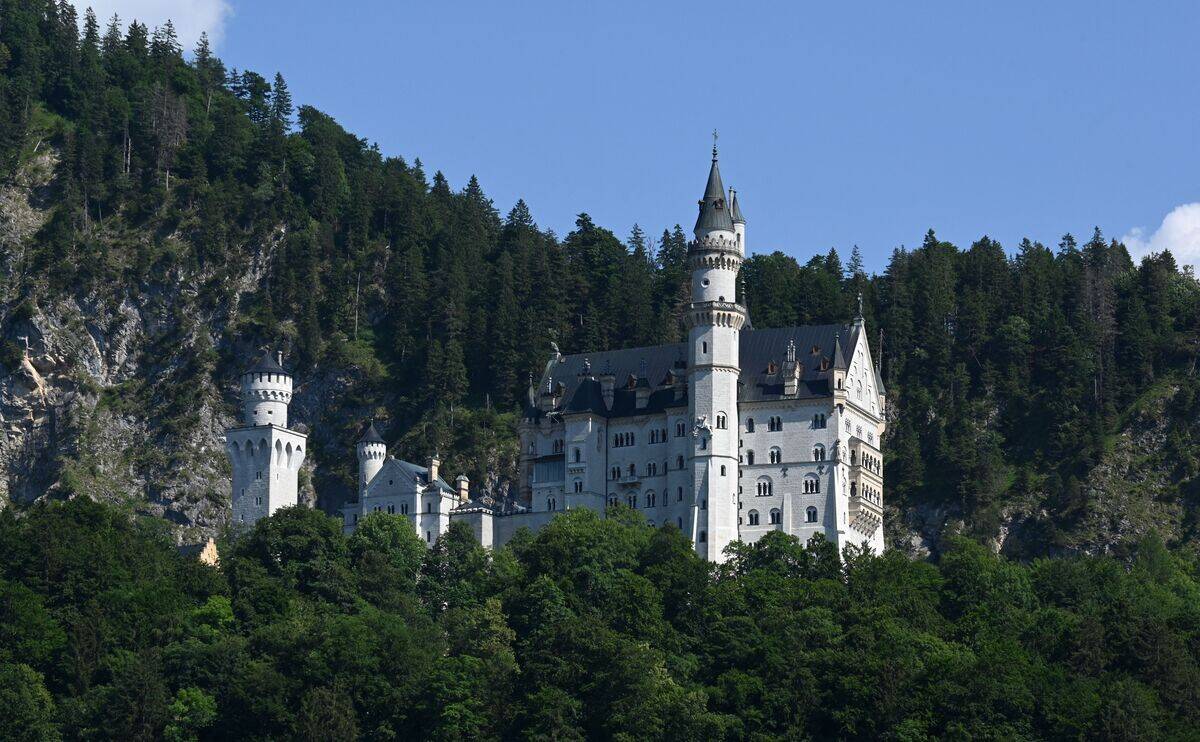
Neuschwanstein Castle, located in the Bavarian Alps, is widely regarded as one of the world’s most recognizable fairy-tale-style castles. Commissioned by King Ludwig II of Bavaria, the castle was inspired by medieval legends, German Romanticism, and the operas of Richard Wagner.
Its dramatic mountain setting and whimsical architecture have made it one of Germany’s most famous landmarks and a popular subject for photography. The castle is often associated with Disney’s Sleeping Beauty Castle, which drew inspiration from its appearance, helping cement Neuschwanstein’s place as a symbol of fantasy and romance.
The Regal Elegance of Schönbrunn Palace, Austria
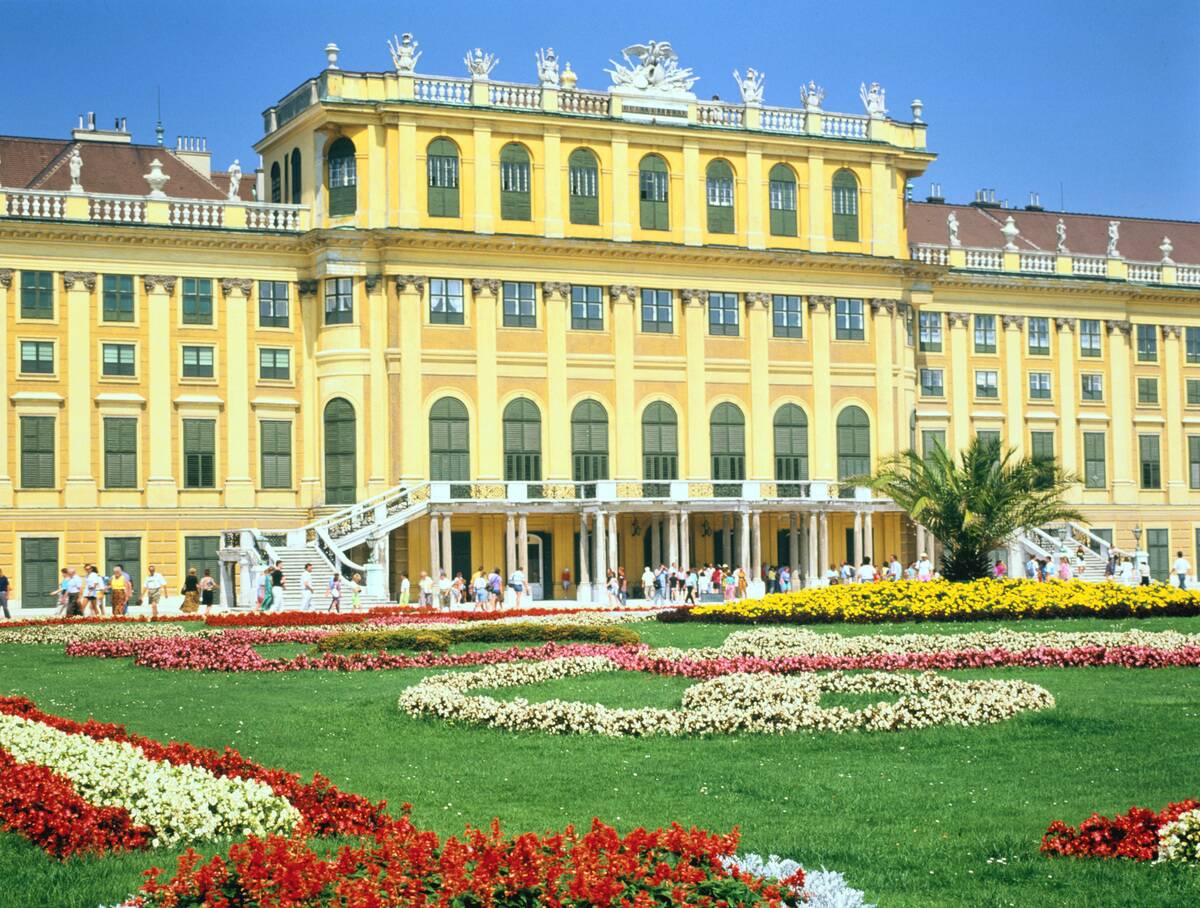
Schönbrunn Palace in Vienna was the summer residence of the Habsburg monarchs and one of the most important symbols of Austria’s imperial history. With its Rococo interiors, grand architecture, and expansive gardens, it reflects the wealth and artistic achievements of the Habsburg era.
The palace contains 1,441 rooms, including the magnificent Great Gallery and other lavishly decorated imperial apartments. Visitors can explore the landscaped gardens and Tiergarten Schönbrunn, the world’s oldest zoo still in operation, making it a unique combination of history, architecture, and leisure.
The Exotic Allure of Mysore Palace, India
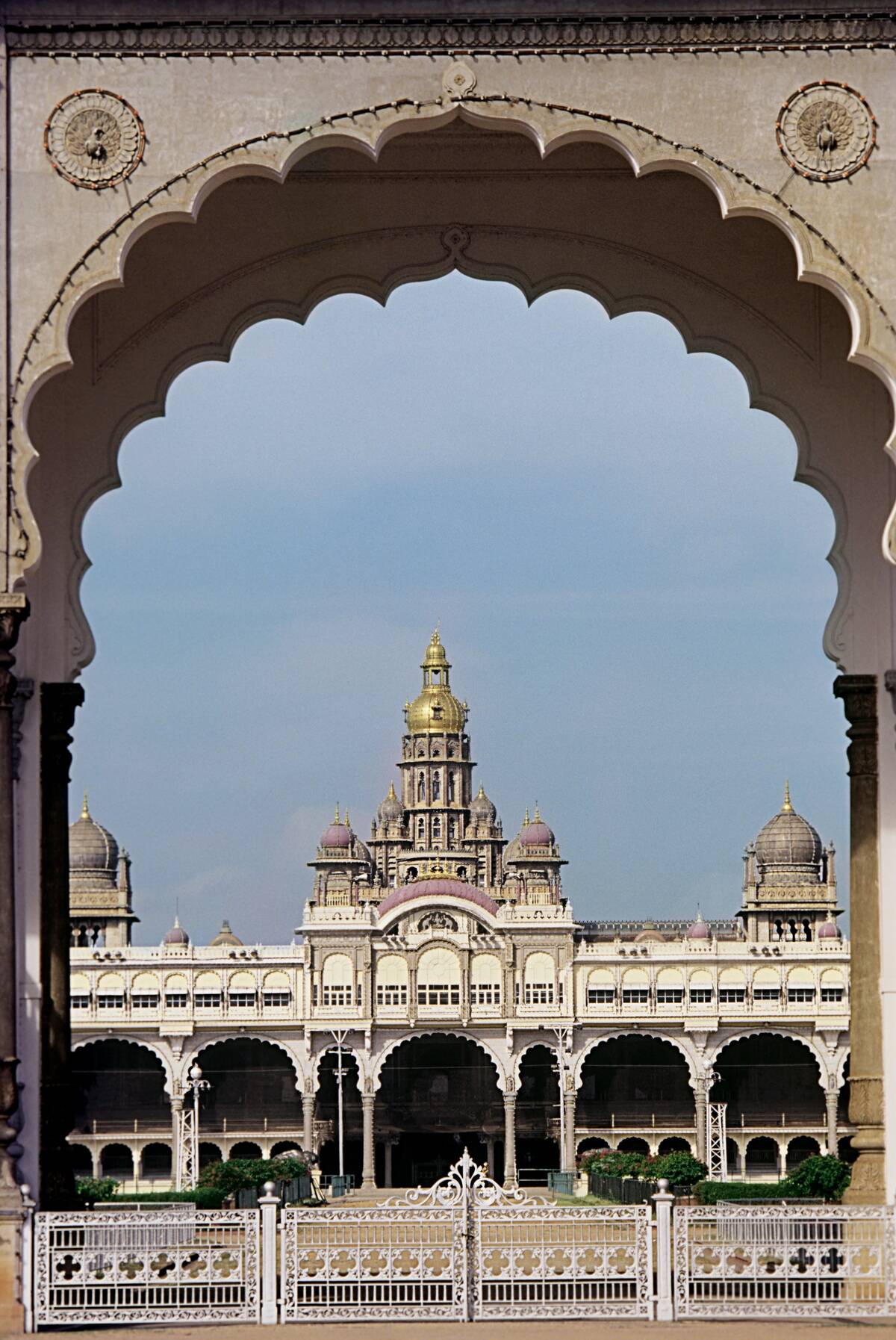
Mysore Palace, located in the city of Mysore, is a stunning example of Indo-Saracenic architecture. The palace is illuminated with nearly 100,000 lights during special occasions, creating a breathtaking spectacle.
It was the residence of the Wadiyar dynasty and is known for its intricate carvings and vibrant interiors. The annual Mysore Dasara festival, held here, attracts thousands of visitors who come to witness the grandeur and cultural richness of this Indian gem.
The Timeless Majesty of the Alhambra, Spain
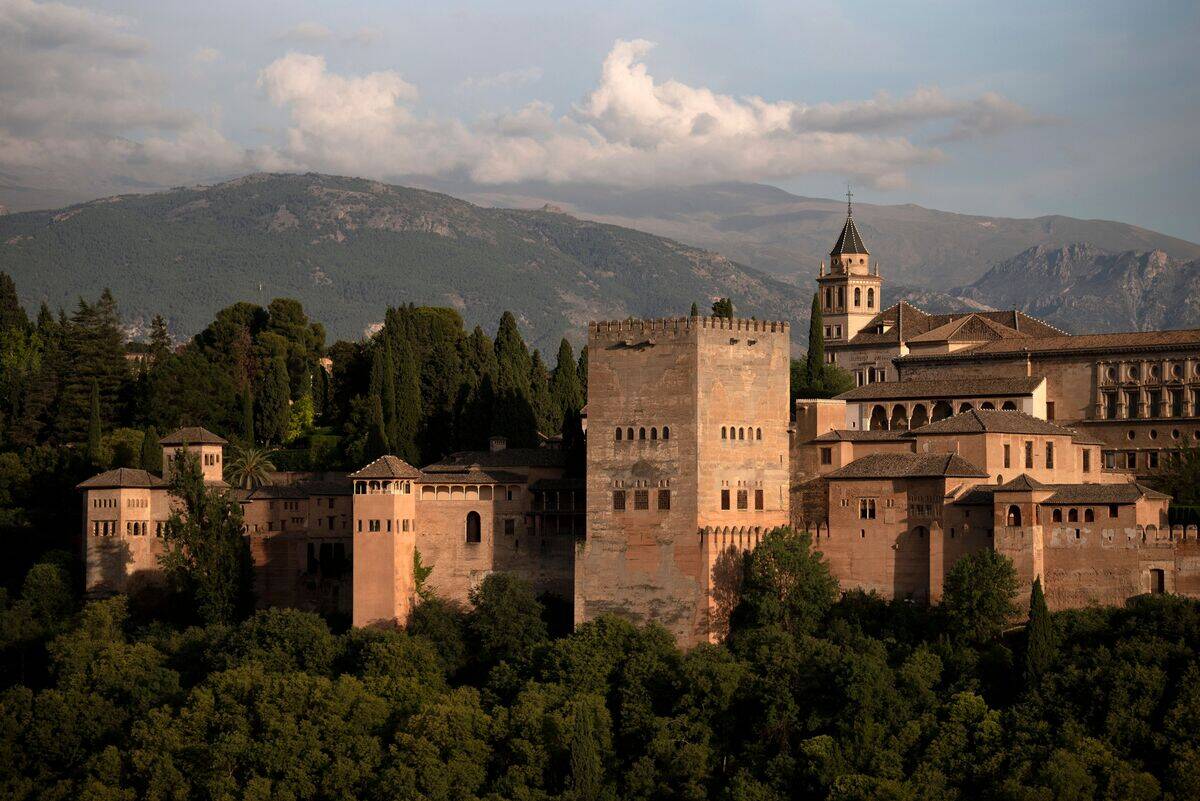
The Alhambra, perched on a hill overlooking Granada, is a masterpiece of Islamic architecture. Originally a fortress, it became a royal palace for the Nasrid dynasty.
Its intricate stucco work, serene courtyards, and stunning views of the Sierra Nevada mountains captivate visitors. The Alhambra is a UNESCO World Heritage site, celebrated for its harmonious blend of nature and architecture, and remains one of Spain’s most cherished cultural treasures.
The Dazzling Brilliance of Topkapi Palace, Turkey
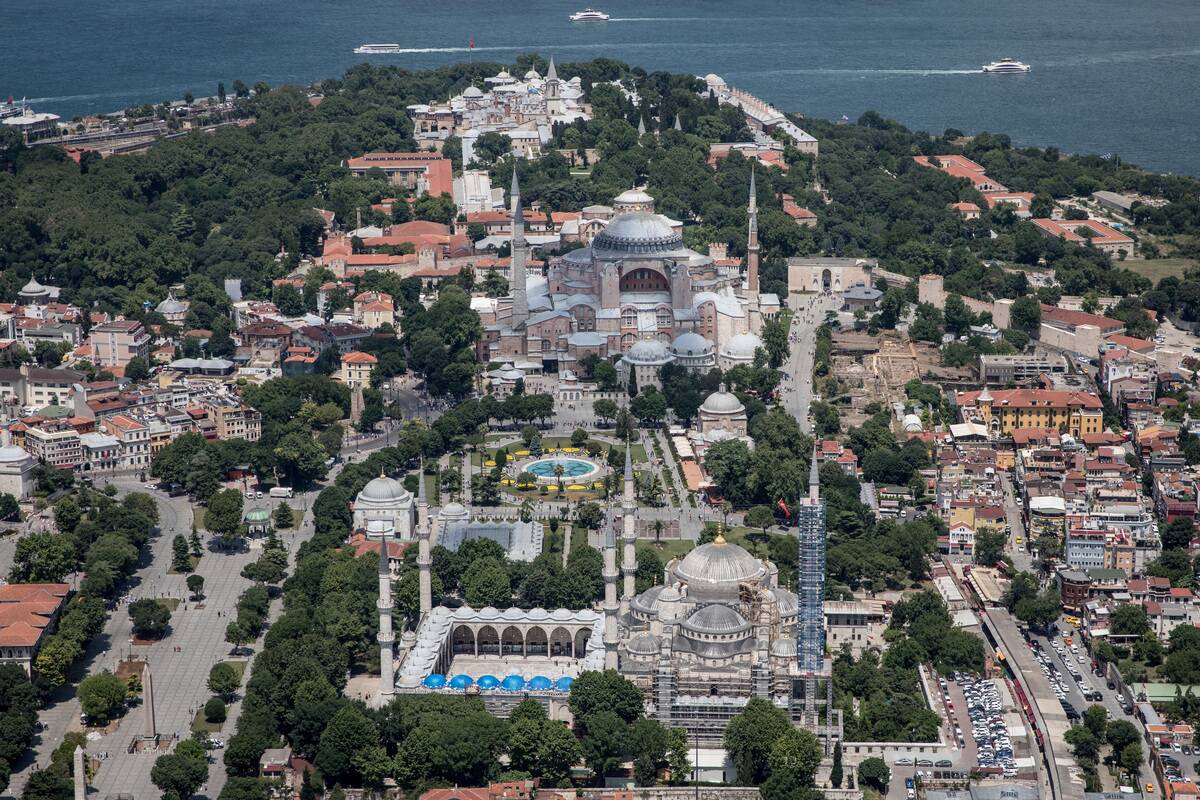
Topkapi Palace in Istanbul was the primary residence of Ottoman sultans for nearly 400 years. Overlooking the Bosphorus Strait, it offers breathtaking views and a glimpse into the opulent lifestyle of the Ottoman Empire.
The palace complex includes the Harem, the Imperial Treasury, and the Sacred Relics, each showcasing exquisite craftsmanship. Today, it is a museum, drawing visitors who are eager to explore its rich history and stunning architecture.
The Imperial Wonder of the Grand Palace, Thailand
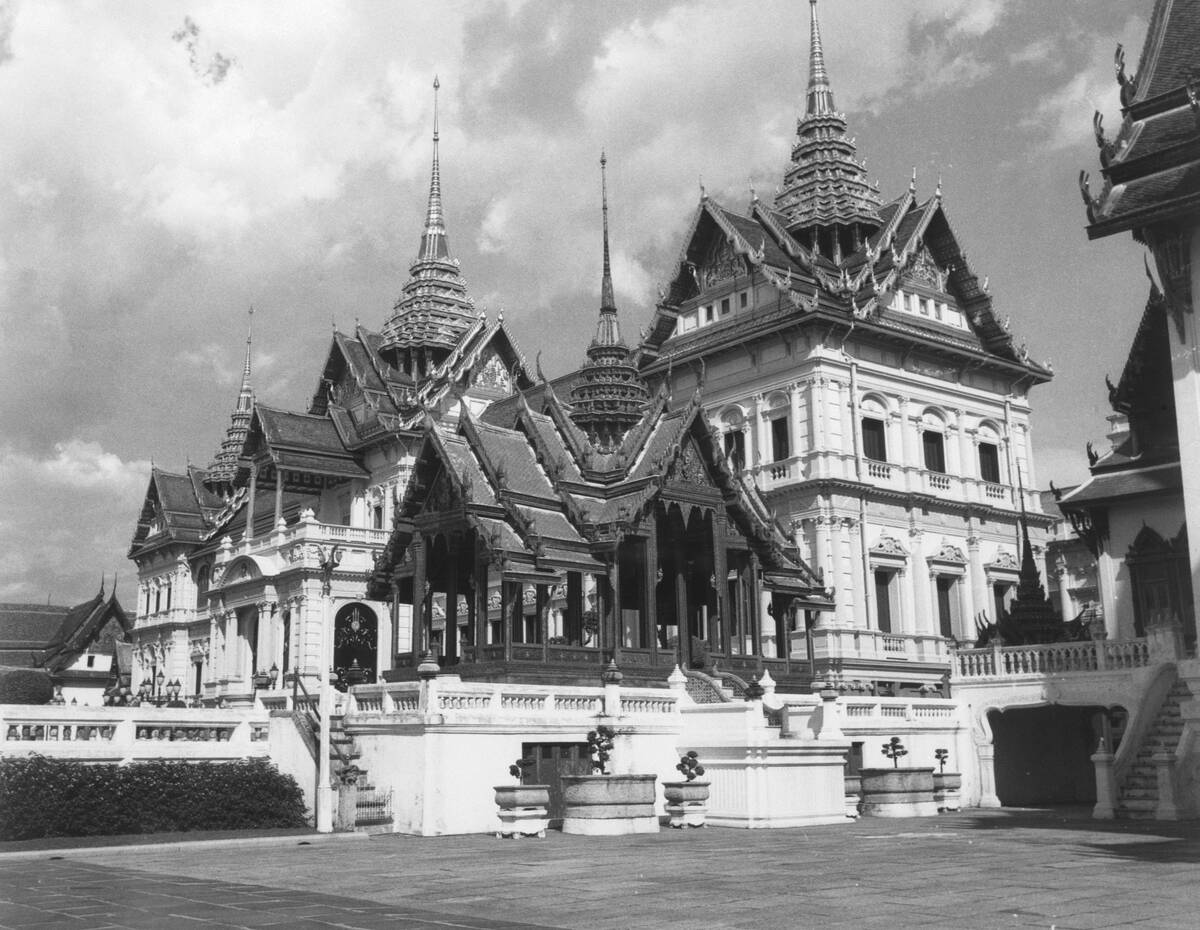
The Grand Palace in Bangkok is a dazzling complex of buildings that served as the official royal residence of Thai kings from 1782 until 1925. Built by King Rama I, it is renowned for its intricate architecture, gilded details, and vibrant colors.
The Temple of the Emerald Buddha (Wat Phra Kaew), located within the palace grounds, is one of Thailand’s most sacred sites. Today, the palace remains an important venue for royal ceremonies and attracts visitors from around the world who come to experience its grandeur and rich cultural heritage.
The Stunning Opulence of Peterhof Palace, Russia
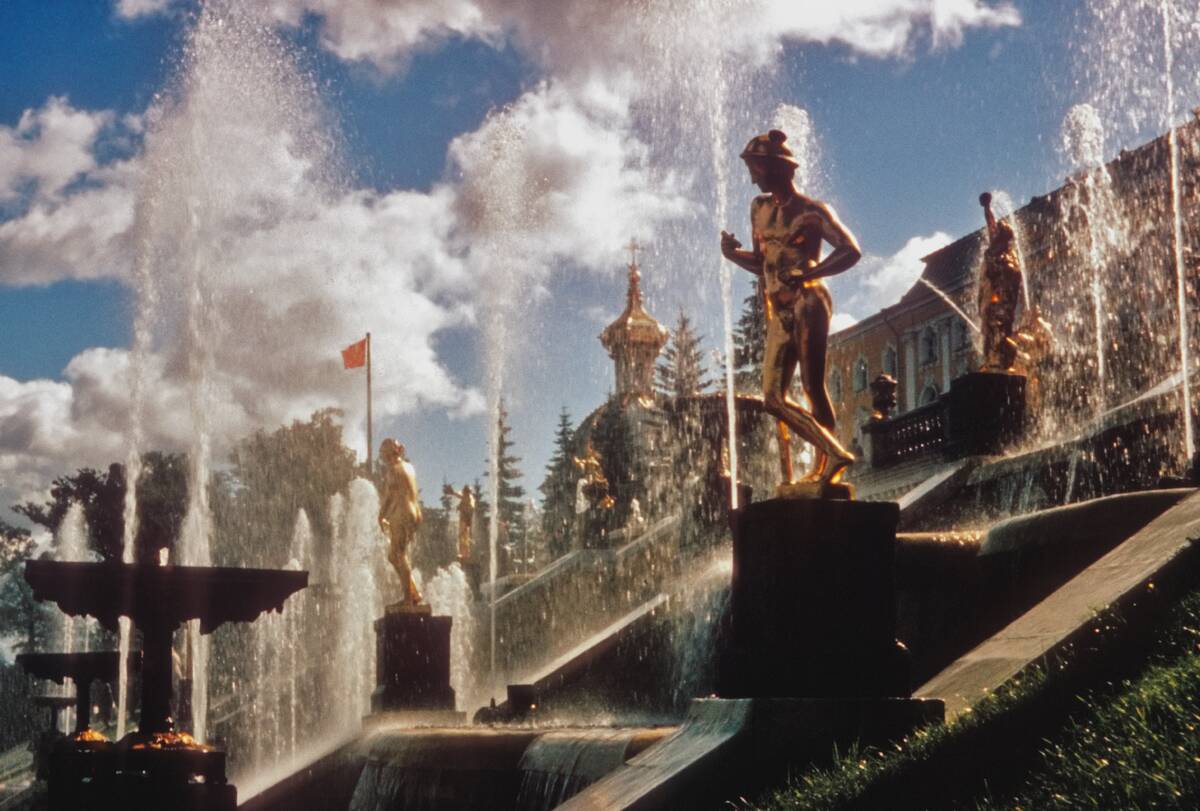
Often referred to as the ‘Russian Versailles,’ Peterhof Palace is a magnificent complex of palaces and gardens. Commissioned by Peter the Great, it is famous for its elaborate fountains and opulent interiors.
The Grand Cascade, a series of fountains and statues, is the centerpiece of the palace grounds. Located near St. Petersburg, Peterhof is a UNESCO World Heritage site and a testament to the grandeur of the Russian imperial era.
The Cultural Richness of the Royal Palace of Caserta, Italy
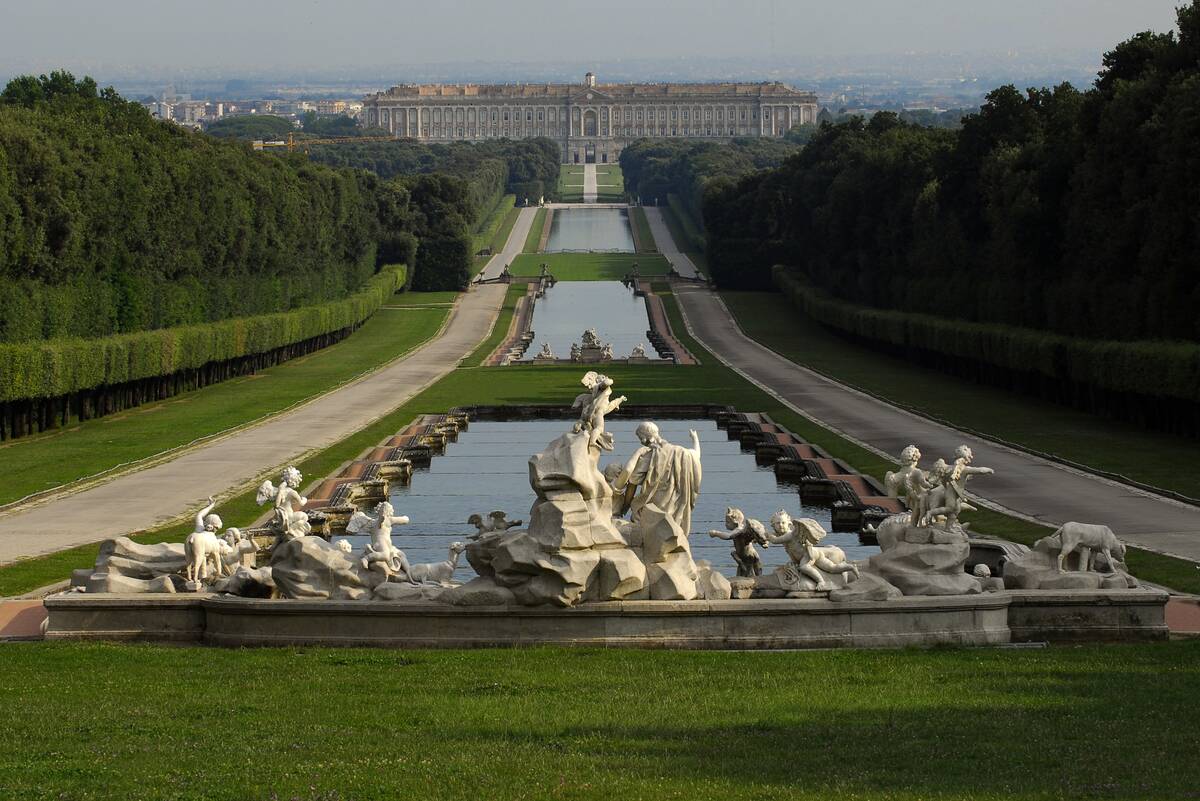
The Royal Palace of Caserta, near Naples, is one of the largest royal residences in the world. Designed by architect Luigi Vanvitelli, it features a stunning Baroque and Neoclassical design.
The palace’s vast park includes beautiful fountains, sculptures, and a grand waterfall. Recognized as a UNESCO World Heritage site, the Royal Palace of Caserta offers a glimpse into the opulence of the Bourbon kings and the rich cultural heritage of Italy.




