Do you remember these forgotten sitcoms of the ’90s?
For every Seinfeld, there are about a dozen sitcoms that are totally forgotten today. While TV networks are famously fickle when it comes to cancelling shows, not every show on this list was short-lived – in fact, many were award-winning ratings hits that are simply not talked about today.
It may be difficult to track some of these down for viewing on streaming platforms since they’re so obscure, but in any event, let this serve as a time capsule of what was on the tube during the ’90s.
George & Leo (1997–1998)
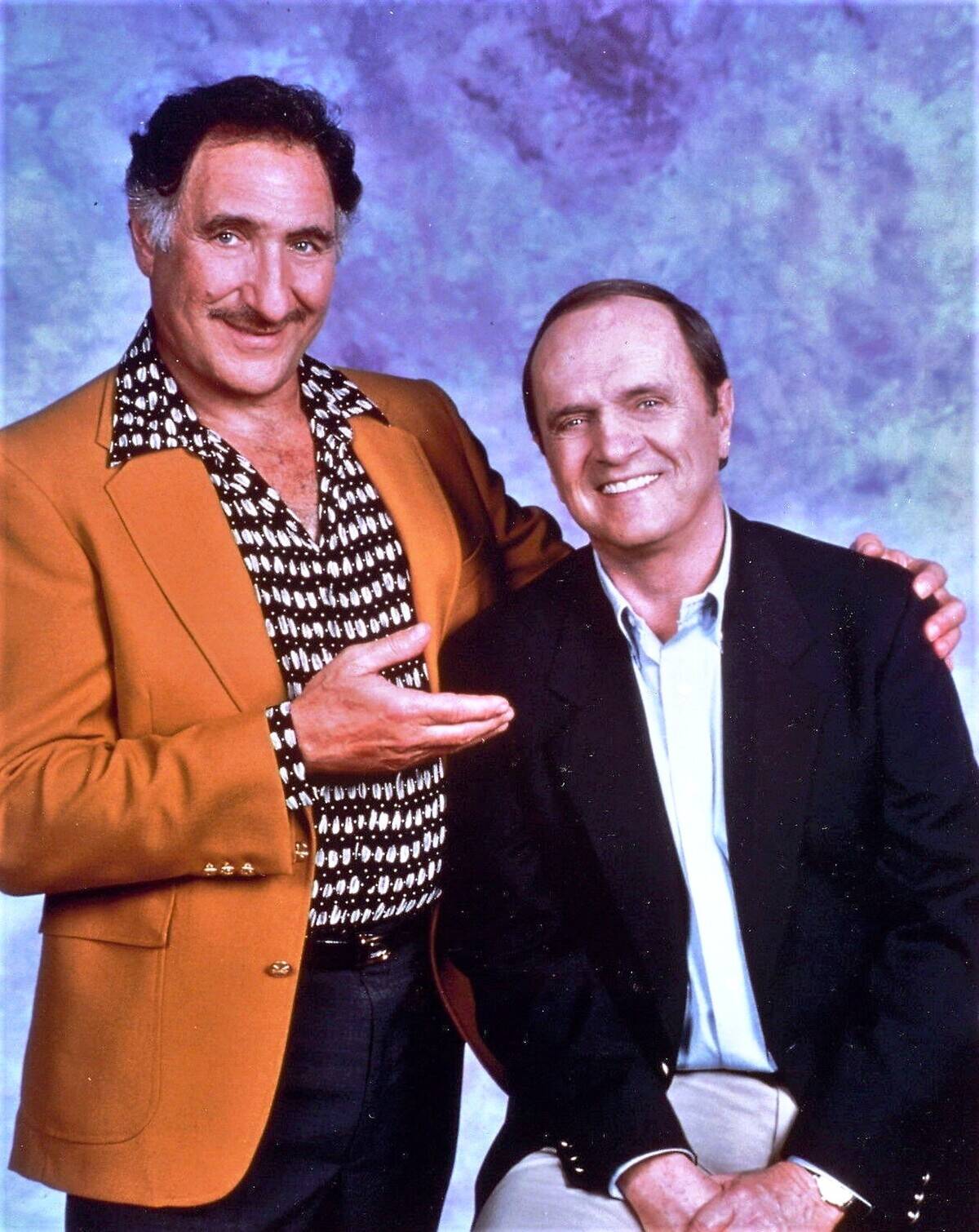
Veteran sitcom stars Bob Newhart and Judd Hirsch teamed up for George & Leo, a short-lived CBS comedy built around an unlikely friendship. George Stoody is a successful author whose quiet routine is turned upside down when Leo Wagonman, the father of his late daughter-in-law, unexpectedly becomes part of his life. Their clashing personalities fueled much of the show’s humor, with Newhart’s dry delivery balancing Hirsch’s energetic performance.
Although the series lasted just one season, it earned praise for the chemistry between its two leads and its thoughtful mix of comedy and family dynamics. Created by the team behind Mad About You, the sitcom never found a large audience, making it an easy title to overlook despite featuring two television legends at the top of their game.
Wings (1990–1997)
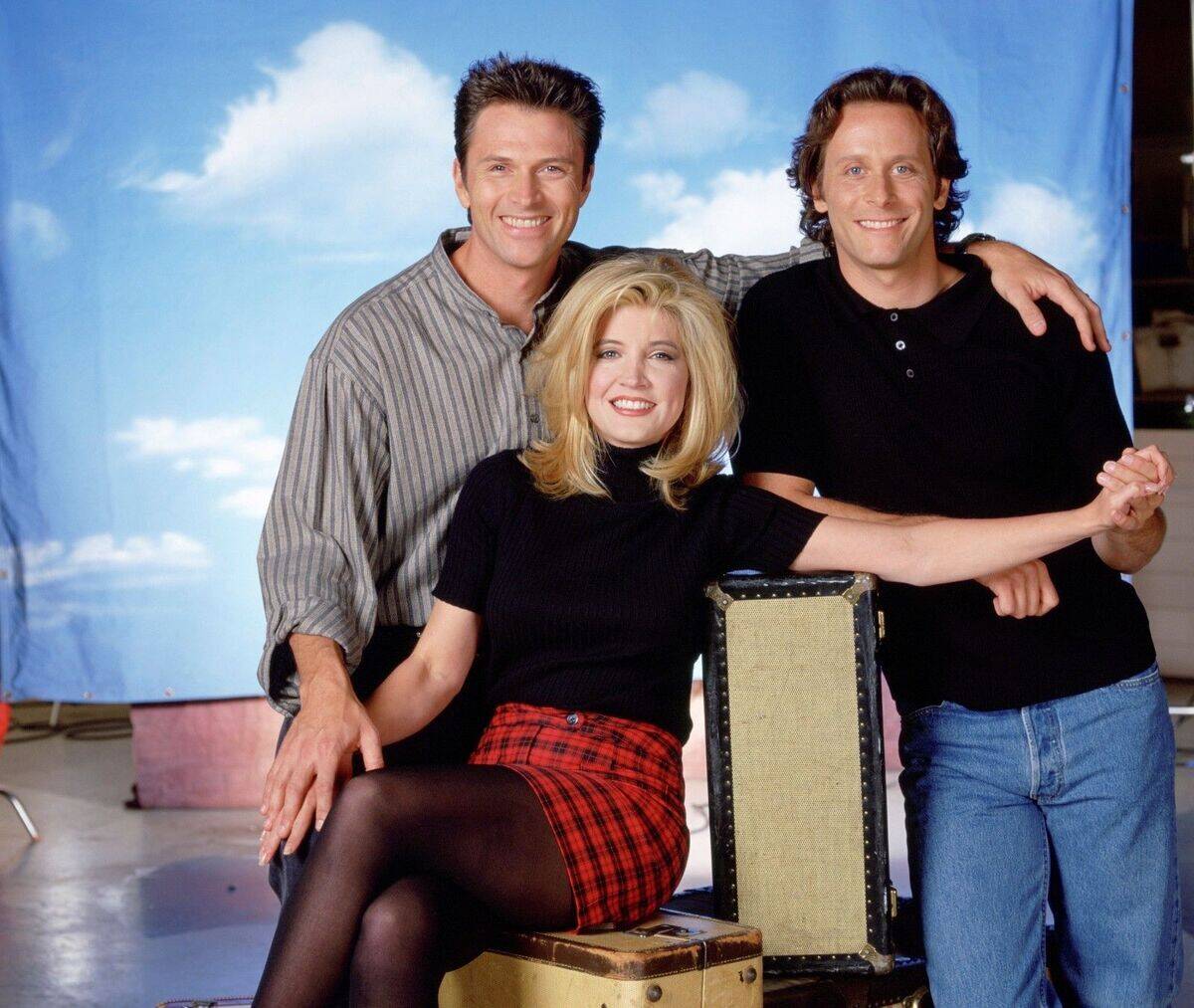
Set on the picturesque island of Nantucket, Wings centered on brothers Joe and Brian Hackett, who operated the struggling Sandpiper Air. The sitcom mixed workplace comedy with small-town charm, introducing viewers to an ensemble of memorable characters that included the sharp-witted Helen Chappel, eccentric mechanic Lowell Mather, and lovable baggage handler Antonio Scarpacci.
Despite running for eight seasons, Wings is often overshadowed by fellow NBC hits like Friends, Frasier, and Seinfeld. Its warm storytelling and character-driven humor have aged remarkably well, however, making it a rewarding rediscovery for sitcom fans. The series also helped launch the careers of actors such as Thomas Haden Church and Crystal Bernard.
The John Larroquette Show (1993–1996)
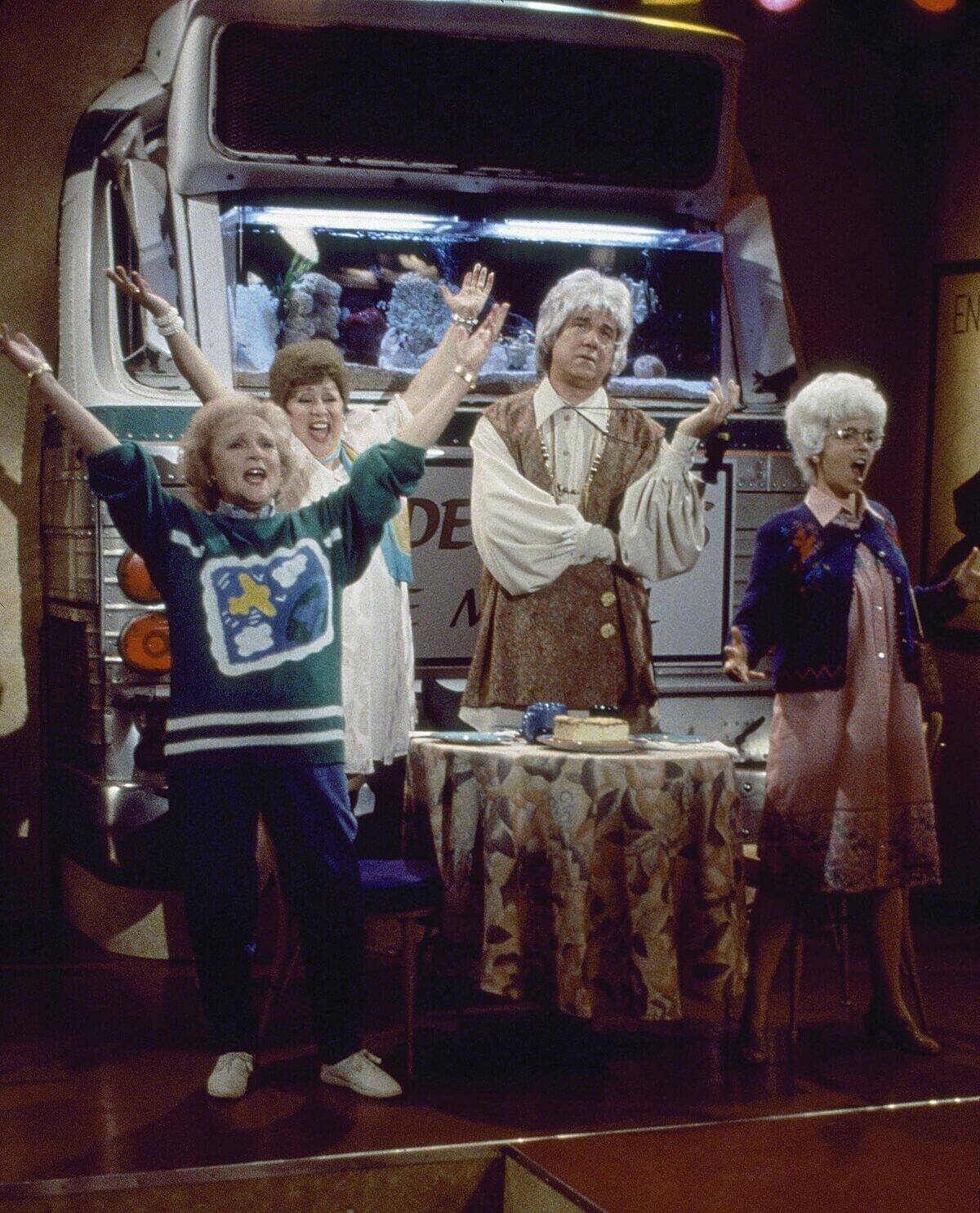
Rather than following the traditional sitcom formula, The John Larroquette Show explored darker territory through the story of John Hemingway, a recovering alcoholic who managed the night shift at a rundown St. Louis bus station. John Larroquette delivered a nuanced performance that balanced sharp wit with genuine vulnerability, giving the series a distinct identity among 1990s comedies.
NBC eventually encouraged the show to adopt a lighter tone in later seasons, but its willingness to tackle mature themes remains one of its defining qualities. While it never became a ratings powerhouse, critics frequently praised its writing and Larroquette’s performance, helping the sitcom earn a devoted following long after its original run ended.
Hangin’ with Mr. Cooper (1992–1997)

Mark Curry headlined Hangin’ with Mr. Cooper as Mark Cooper, a former NBA hopeful who becomes a high school teacher and basketball coach in Oakland, California. His laid-back attitude and quick sense of humor often landed him in amusing situations, whether at school or at home with his roommates and friends.
The sitcom successfully combined family-friendly laughs with positive messages about education, responsibility, and mentorship. Airing for five seasons as part of ABC’s popular TGIF lineup, it introduced audiences to future stars including Holly Robinson Peete and Raven-Symoné, yet it doesn’t receive as much attention today as many of its TGIF counterparts.
NewsRadio (1995–1999)
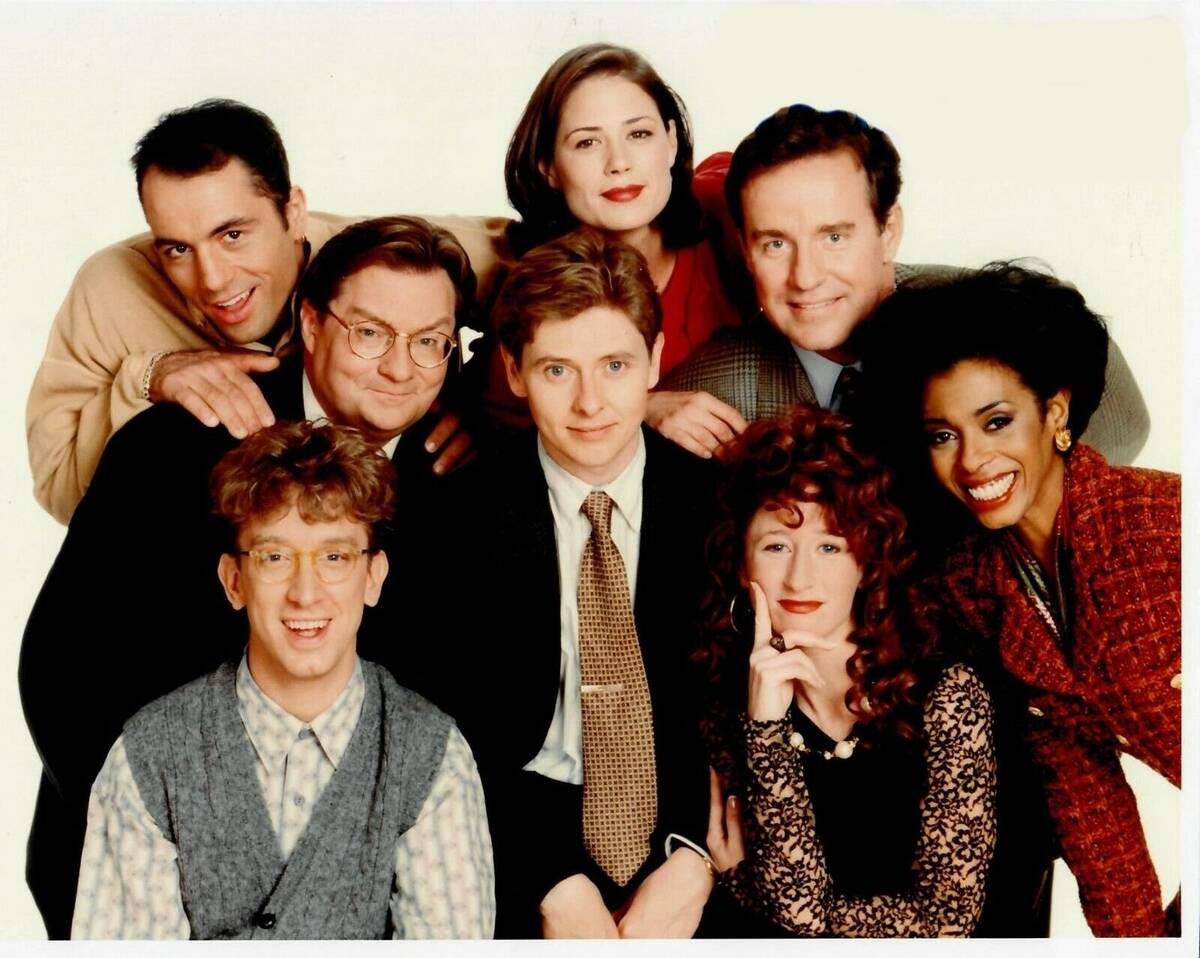
Fast-paced and filled with offbeat personalities, NewsRadio revolved around the employees of New York City’s fictional WNYX radio station. Dave Foley starred as the station’s levelheaded news director, surrounded by an eccentric cast that included Stephen Root, Maura Tierney, Vicki Lewis, Joe Rogan, Khandi Alexander, and the late Phil Hartman.
The sitcom earned consistent critical acclaim for its clever dialogue, surreal humor, and exceptional ensemble chemistry. Although it never reached the popularity of NBC’s biggest Thursday-night comedies, NewsRadio has become a cult favorite. Its legacy was also shaped by Hartman’s tragic death in 1998, which led the series to conclude after its fifth season.
Caroline in the City (1995–1999)
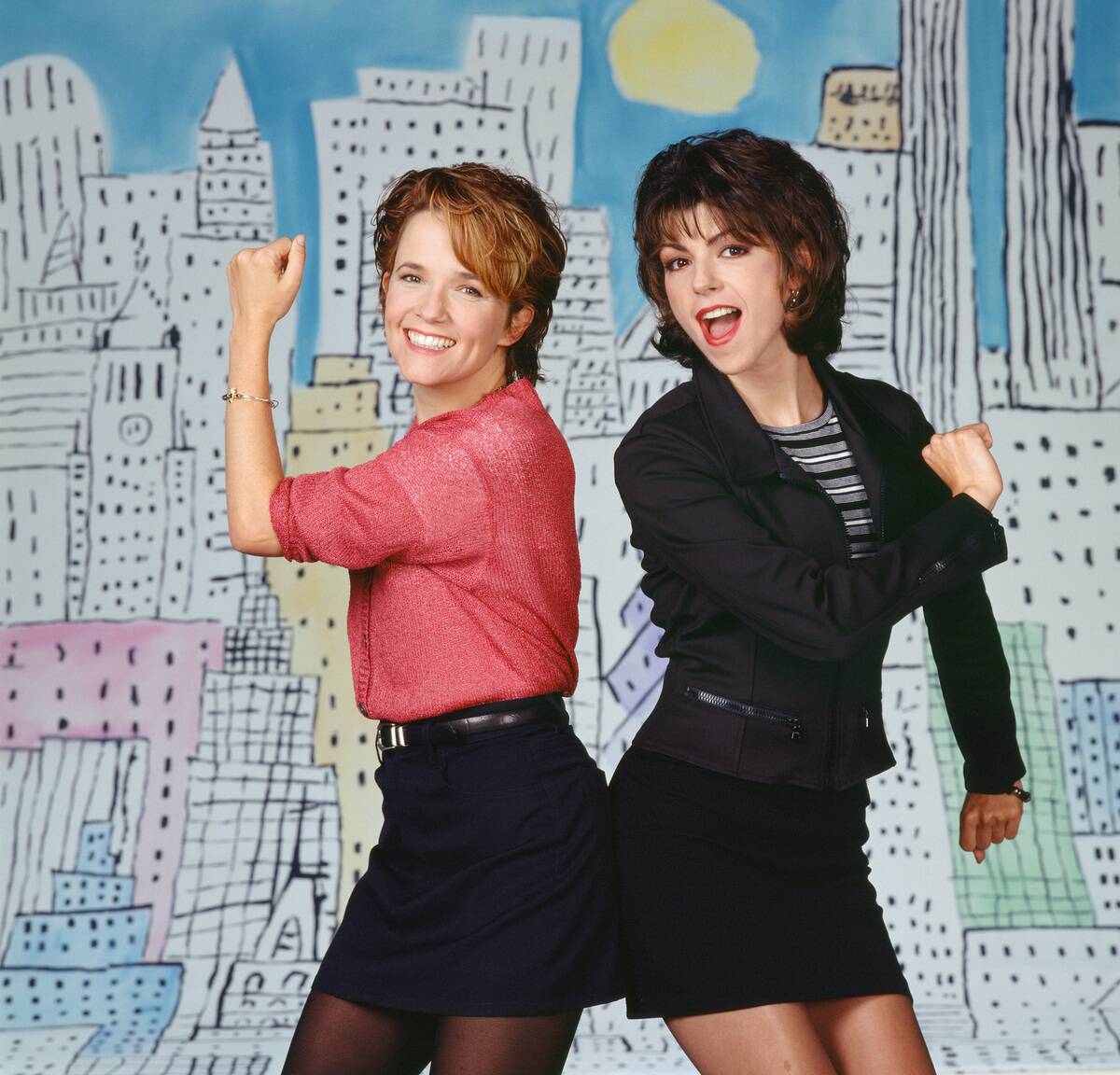
Comic strip creator Caroline Duffy seemed to have everything going for her professionally, but her personal life proved considerably more complicated. Caroline in the City followed her evolving romance with shy artist Richard Karinsky while also exploring the challenges of balancing career ambitions with relationships in New York City.
Lea Thompson brought warmth and charm to the lead role, helping the sitcom become a dependable part of NBC’s lineup during its early years. Although later eclipsed by flashier romantic comedies from the era, the series offered an appealing blend of workplace humor and heartfelt storytelling that still resonates with viewers looking for an easygoing ’90s sitcom.
Working (1997–1999)
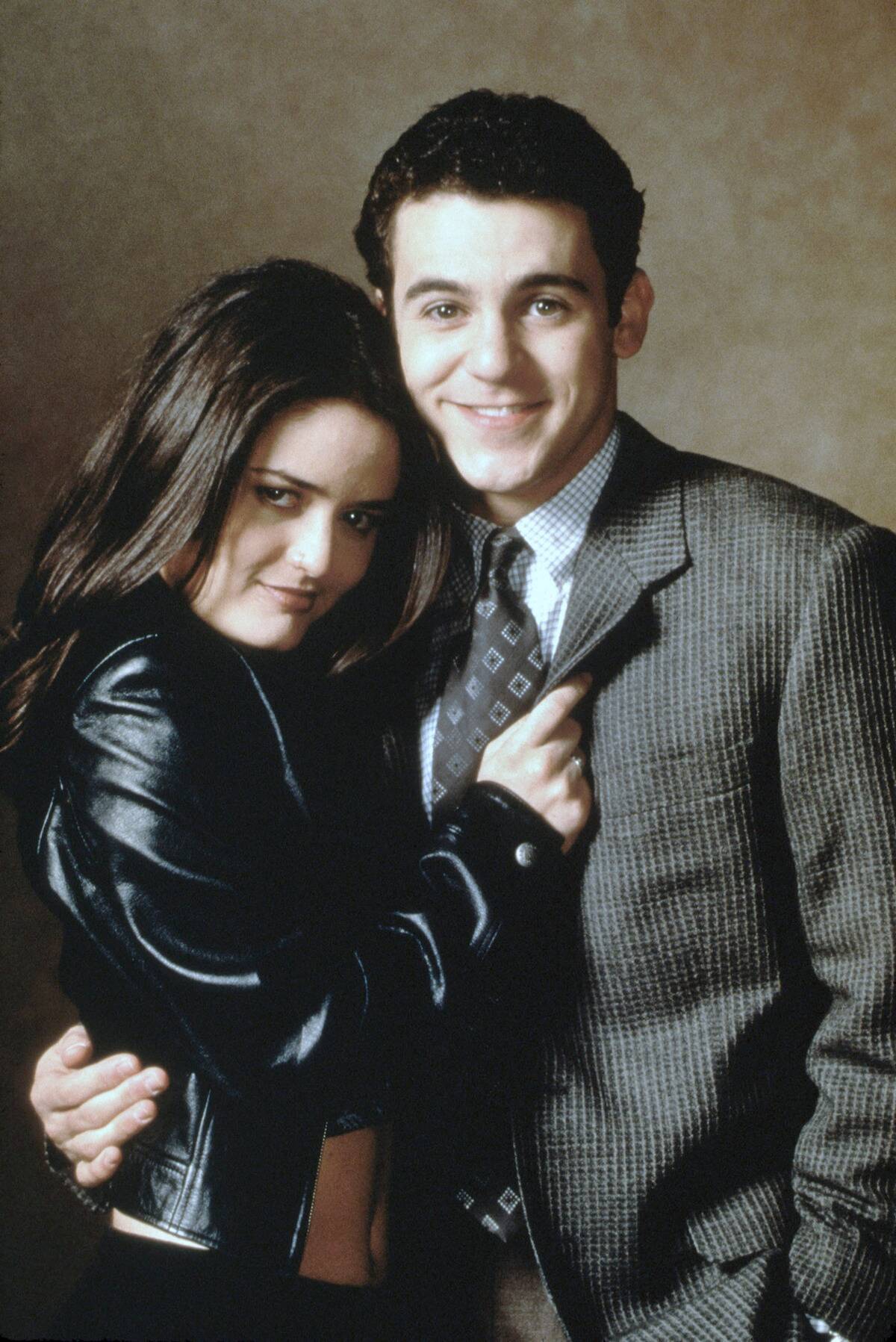
Office politics took center stage in Working, a workplace sitcom starring Fred Savage as Matt Peyser, a young executive trying to climb the corporate ladder at a large company. His optimism frequently collided with demanding bosses, quirky co-workers, and the everyday absurdities of corporate life, creating plenty of opportunities for sharp, relatable comedy.
Premiering after Savage’s success on The Wonder Years, the series generated early interest but struggled to build lasting momentum. Despite lasting only two seasons, Working captured many of the frustrations and ambitions of young professionals in the late 1990s, giving it a premise that feels surprisingly relevant decades later.
Suddenly Susan (1996–2000)

Brooke Shields starred in Suddenly Susan as Susan Keane, a magazine writer who calls off her wedding and sets out to build an independent life on her own terms. Much of the comedy stemmed from her interactions with colorful colleagues at The Gate magazine, where workplace mishaps often blended with romantic complications.
The sitcom enjoyed a strong debut and remained on the air for four seasons, even as its cast and creative direction evolved. While it has largely faded from popular conversation, Suddenly Susan reflected the era’s growing interest in career-focused female leads navigating adulthood with humor, confidence, and plenty of unexpected detours.
The Jamie Foxx Show (1996–2001)
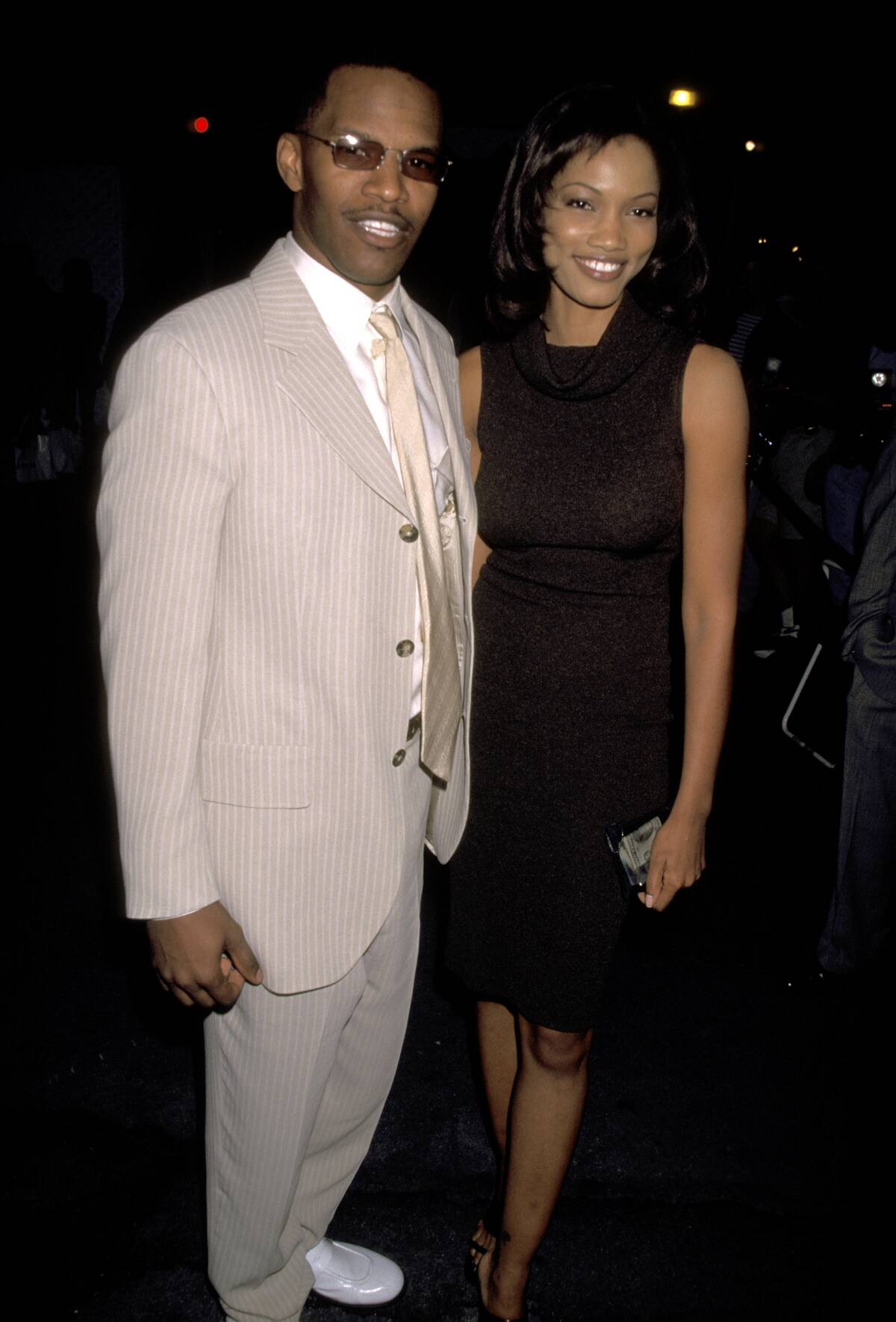
Before becoming an Academy Award-winning actor, Jamie Foxx showcased his comedic talents in The Jamie Foxx Show. He played Jamie King, an aspiring musician from Texas who moves to Los Angeles and takes a job at his family’s hotel while pursuing his dream of making it in the entertainment industry.
Foxx’s musical ability, improvisational skills, and natural charisma gave the sitcom a unique energy that set it apart from many of its contemporaries. Running for five successful seasons on The WB, the series helped establish him as a versatile performer and remains a fondly remembered staple of the network’s original programming.
Ned and Stacey (1995–1997)
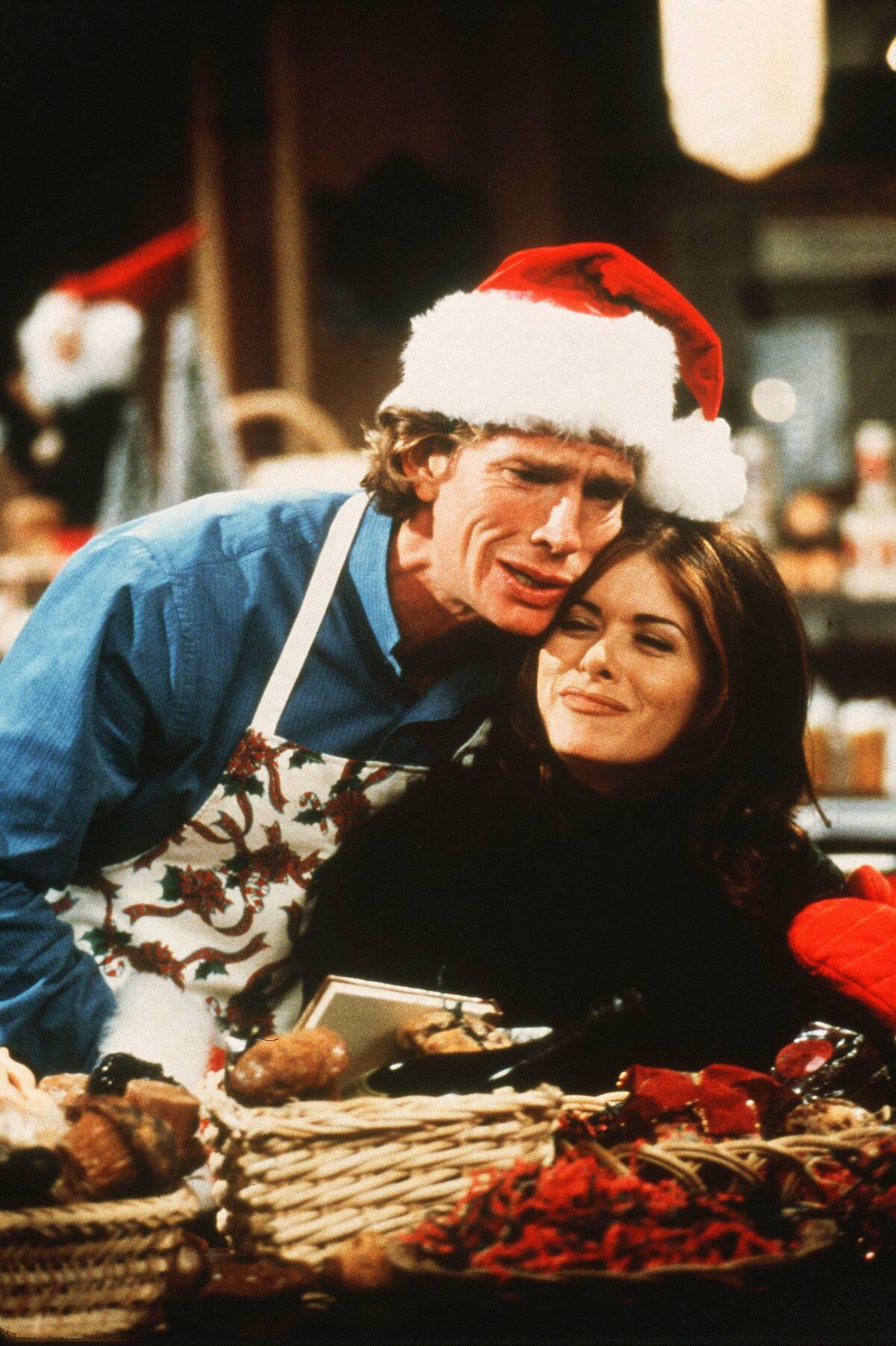
An unconventional marriage of convenience formed the basis of Ned and Stacey. Thomas Haden Church starred as an advertising executive who convinces Stacey Colbert, played by Debra Messing, to marry him so he can secure a promotion requiring him to appear settled. Naturally, pretending to be a happily married couple created endless comic complications.
The chemistry between Church and Messing carried the series through two seasons, with witty banter often overshadowing its familiar sitcom premise. Although Fox canceled the show before it could fully develop its audience, it has gained appreciation over time, especially among fans interested in seeing Messing before her breakout success on Will & Grace.
The Gregory Hines Show (1997–1998)
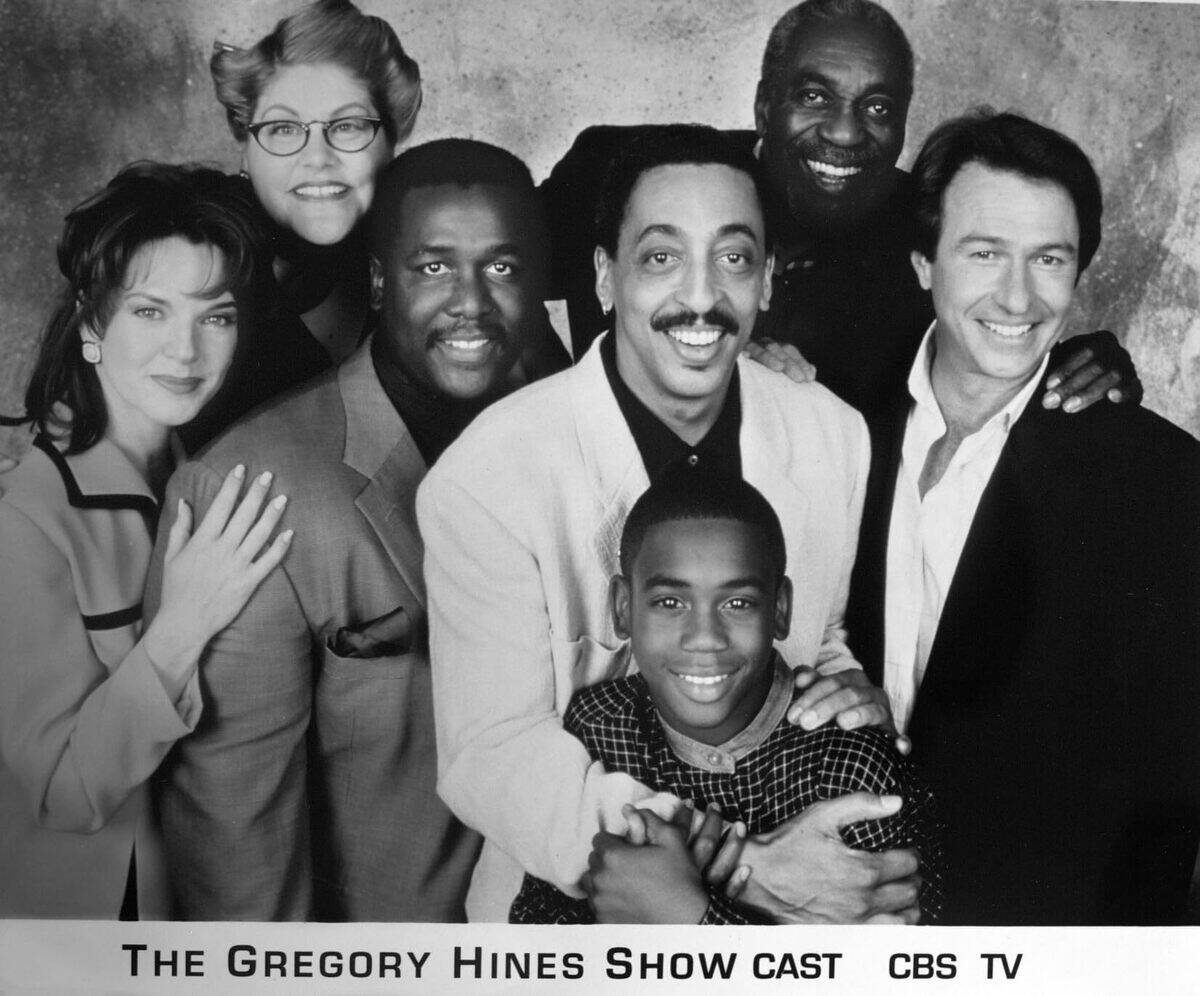
Gregory Hines brought his trademark charm to The Gregory Hines Show, portraying Ben Stevenson, a widowed father raising his son while balancing family responsibilities and his career. The sitcom emphasized warm relationships and everyday parenting challenges rather than broad, over-the-top humor.
Although Hines was already an acclaimed dancer, actor, and entertainer, the series lasted only one season. Its short run has left it largely forgotten, but those who revisit it often appreciate the sincerity of Hines’ performance and the show’s family-friendly storytelling. It also stands as one of his final starring roles in a television sitcom.
Sister, Sister (1994–1999)
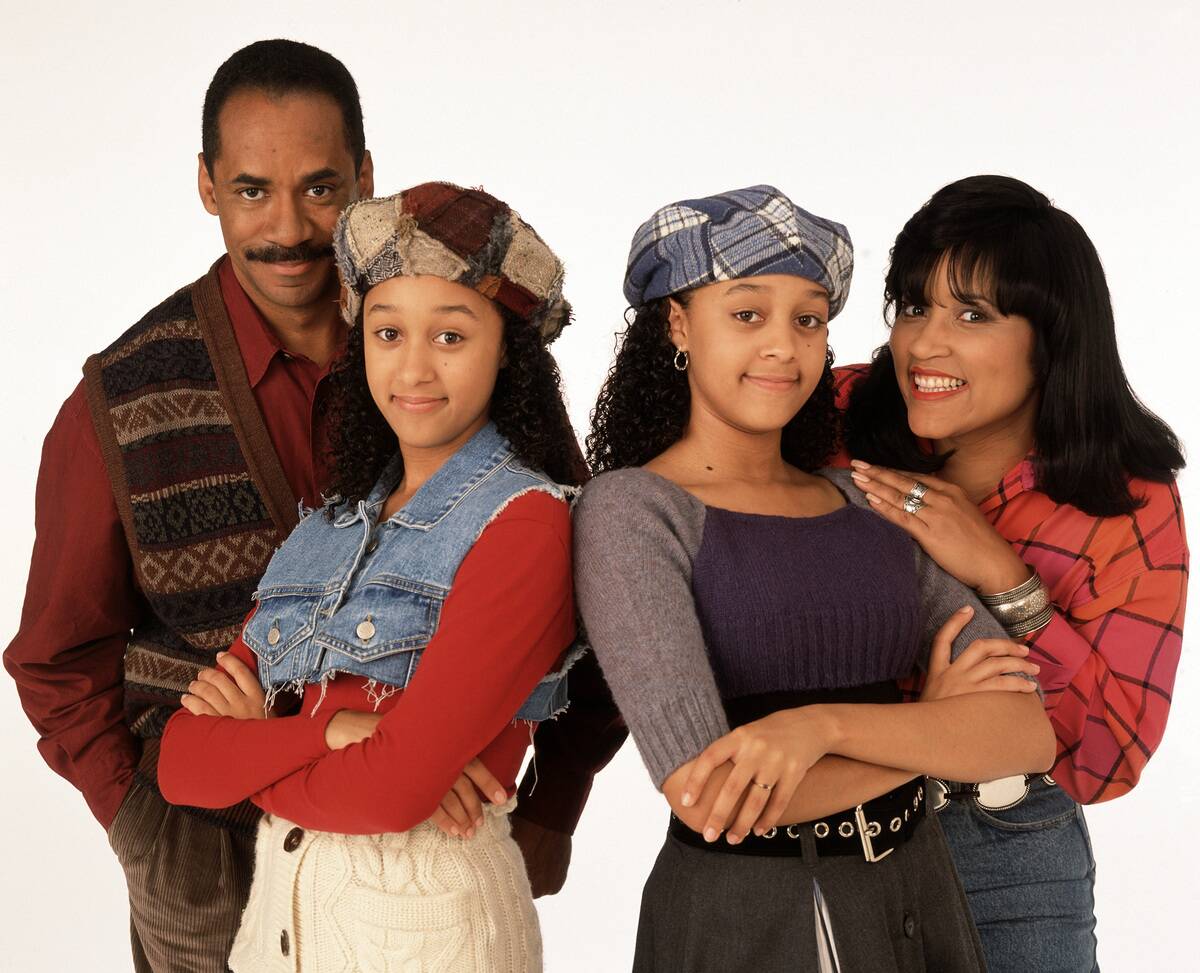
An unexpected reunion changes two lives in Sister, Sister, which stars real-life twins Tia and Tamera Mowry as siblings separated at birth and accidentally reunited as teenagers. Their adoptive parents, played by Tim Reid and Jackée Harry, reluctantly agree to live under the same roof, setting the stage for family-centered comedy and heartfelt moments.
After beginning on ABC, the sitcom found a larger audience following its move to The WB, where it completed a successful six-season run. Its themes of family, identity, and friendship helped it resonate with younger viewers, ensuring the series remains a beloved part of many childhood memories.
Empty Nest (1988–1995)
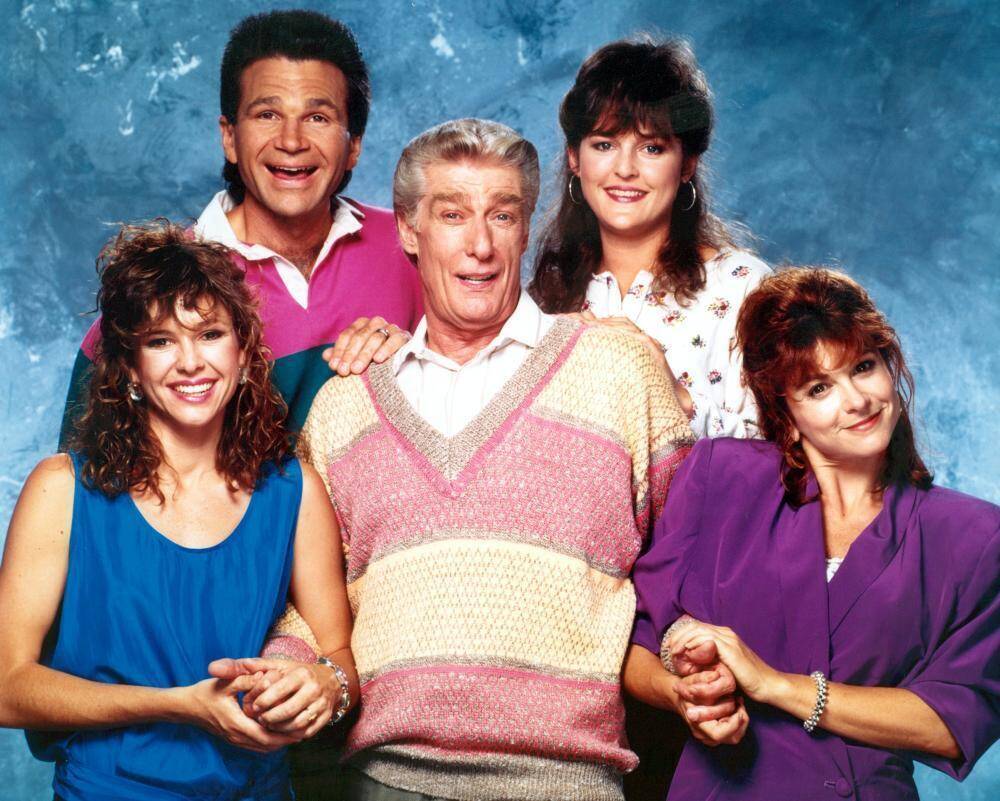
Spun off from The Golden Girls, Empty Nest followed widowed pediatrician Dr. Harry Weston, played by Richard Mulligan, as he adjusted to life with his two adult daughters back under his roof. Set in the same Miami neighborhood as its parent series, the sitcom blended family conflicts with gentle humor and occasionally welcomed familiar faces from The Golden Girls.
Although it enjoyed an impressive seven-season run, Empty Nest is often overshadowed by the show that inspired it. Its combination of heartfelt storytelling and dependable laughs earned a loyal audience during the early 1990s, making it a solid reminder that successful sitcoms don’t always remain part of the pop culture conversation.
Veronica’s Closet (1997–2000)
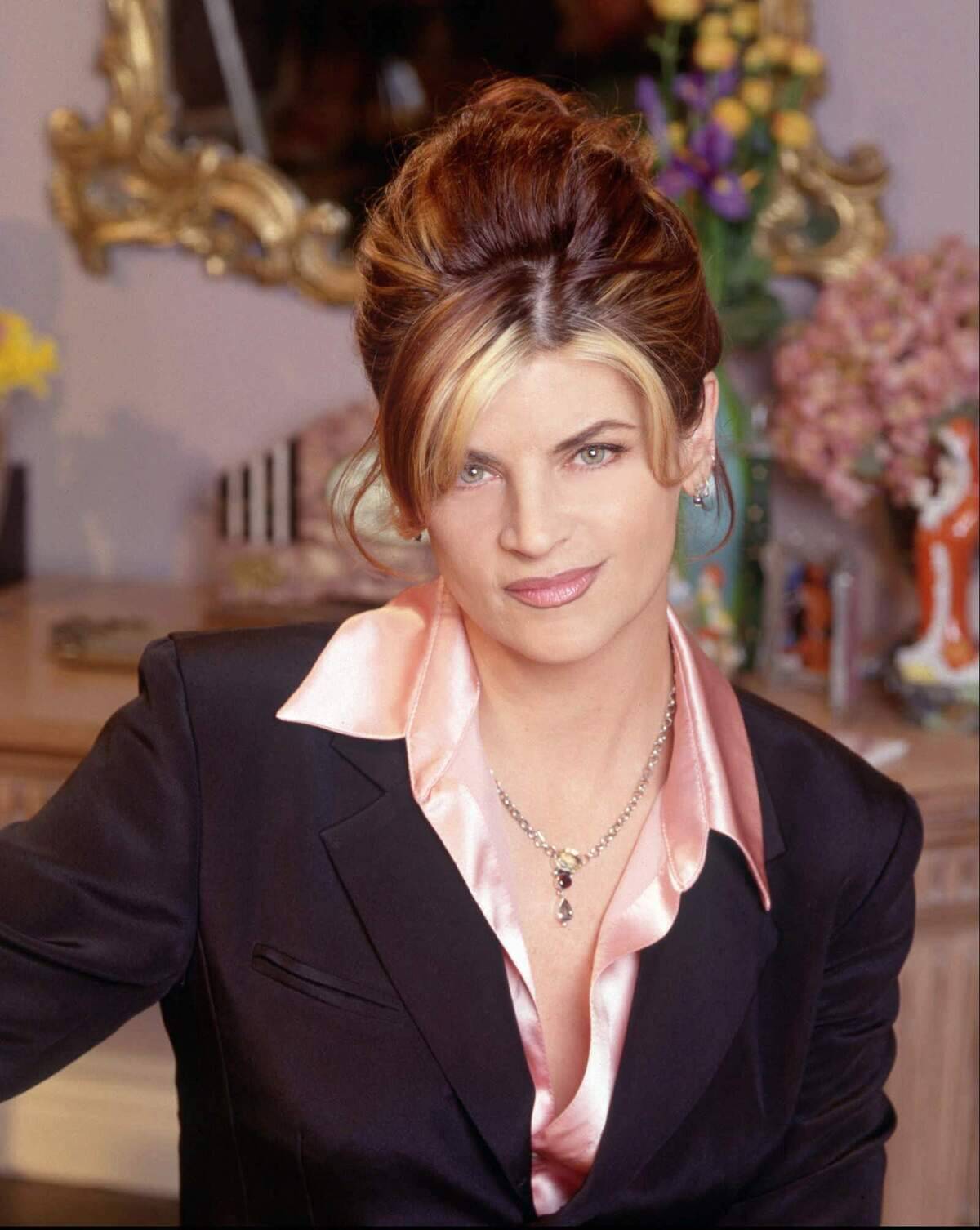
Following her success on Cheers, Kirstie Alley returned to sitcom television with Veronica’s Closet. She played Veronica Chase, the confident founder of a successful lingerie company whose thriving business contrasted with her often chaotic personal life and complicated relationships.
The series attracted strong ratings during its early seasons and featured a supporting cast that included Kathy Najimy, Wallace Langham, and Dan Cortese. Even with its promising start, it gradually faded from the spotlight as NBC’s comedy lineup evolved. Today, it’s remembered mainly as one of Alley’s biggest post-Cheers television projects.
Living Single (1993–1998)
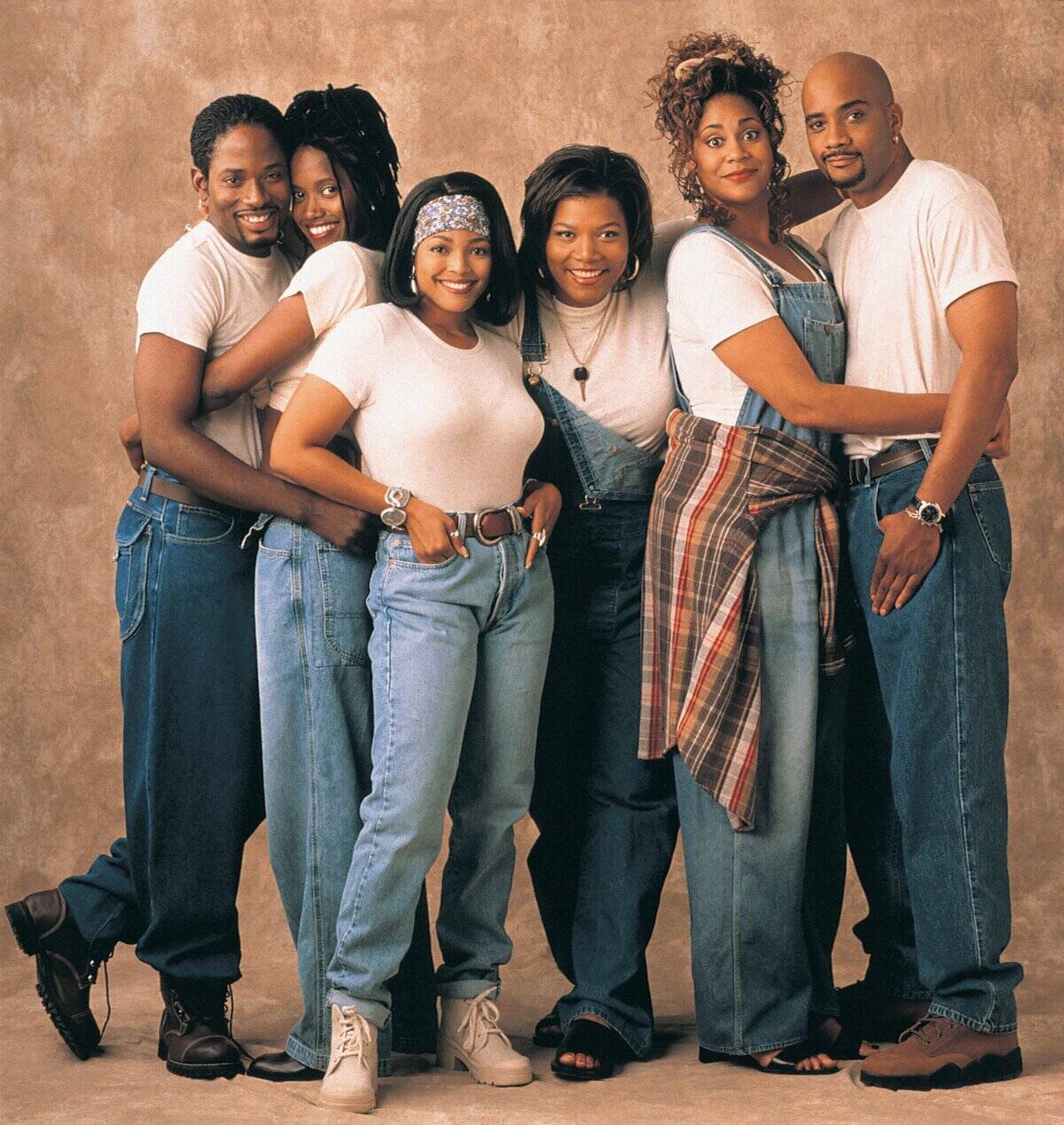
Long before ensemble comedies about twenty-somethings became television staples, Living Single was winning audiences with its sharp writing and memorable characters. Set in Brooklyn, the series followed six friends navigating careers, romance, and adulthood, led by Queen Latifah as magazine editor Khadijah James alongside Kim Coles, Kim Fields, Erika Alexander, T.C. Carson, and John Henton.
Although highly successful during its original run, the sitcom is often overshadowed today by later shows with similar premises. Its influence on the genre is undeniable, however, thanks to its authentic friendships, witty dialogue, and strong performances. Many fans consider it one of the defining sitcoms of the 1990s.
Mad About You (1992–1999)
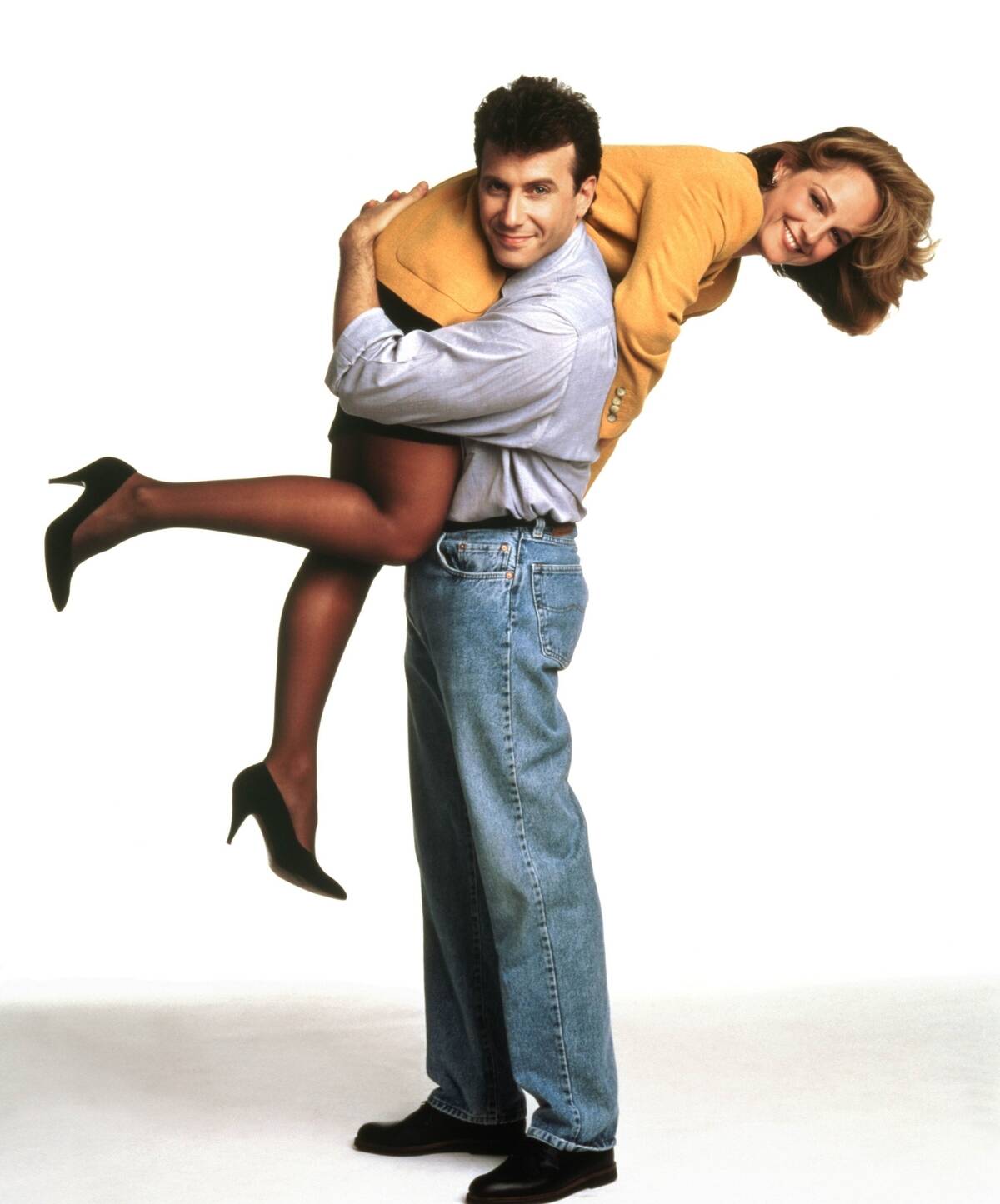
Marriage was the focus of Mad About You, starring Paul Reiser and Helen Hunt as newlyweds Paul and Jamie Buchman. Rather than relying on outrageous situations, the series found humor in everyday experiences, from minor disagreements to career challenges, creating a relatable portrait of modern relationships.
The sitcom became one of NBC’s biggest successes during the decade and earned numerous awards, including multiple Emmys for Hunt. While it was hugely popular in its day, it is discussed less frequently than some of the network’s other classics. Even so, its smart writing and believable chemistry continue to make it a standout romantic comedy.
Townies (1996)
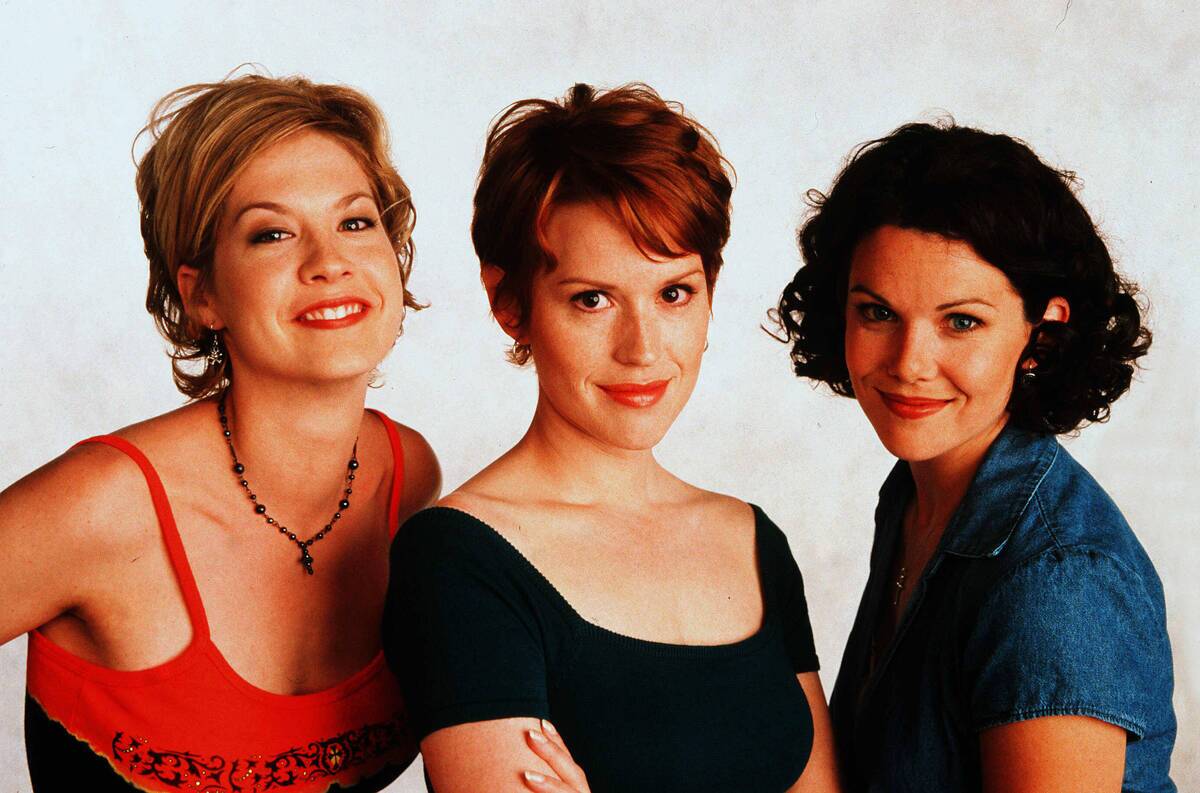
Few sitcoms disappear from memory as quickly as Townies, a blue-collar comedy set in Charlestown, Massachusetts. Molly Ringwald starred as Carrie, a single mother juggling work, friendships, and family life while surrounded by a close-knit group of neighborhood regulars. The cast also featured a young Jenna Elfman and Lauren Graham before either became household names.
Despite its talented ensemble, Townies lasted for only one season before being canceled. Its brief run has made it one of the more obscure network sitcoms of the decade, yet it offered an appealing mix of working-class humor and heartfelt relationships that reflected everyday life rather than glamorous television settings.
Step by Step (1991–1998)
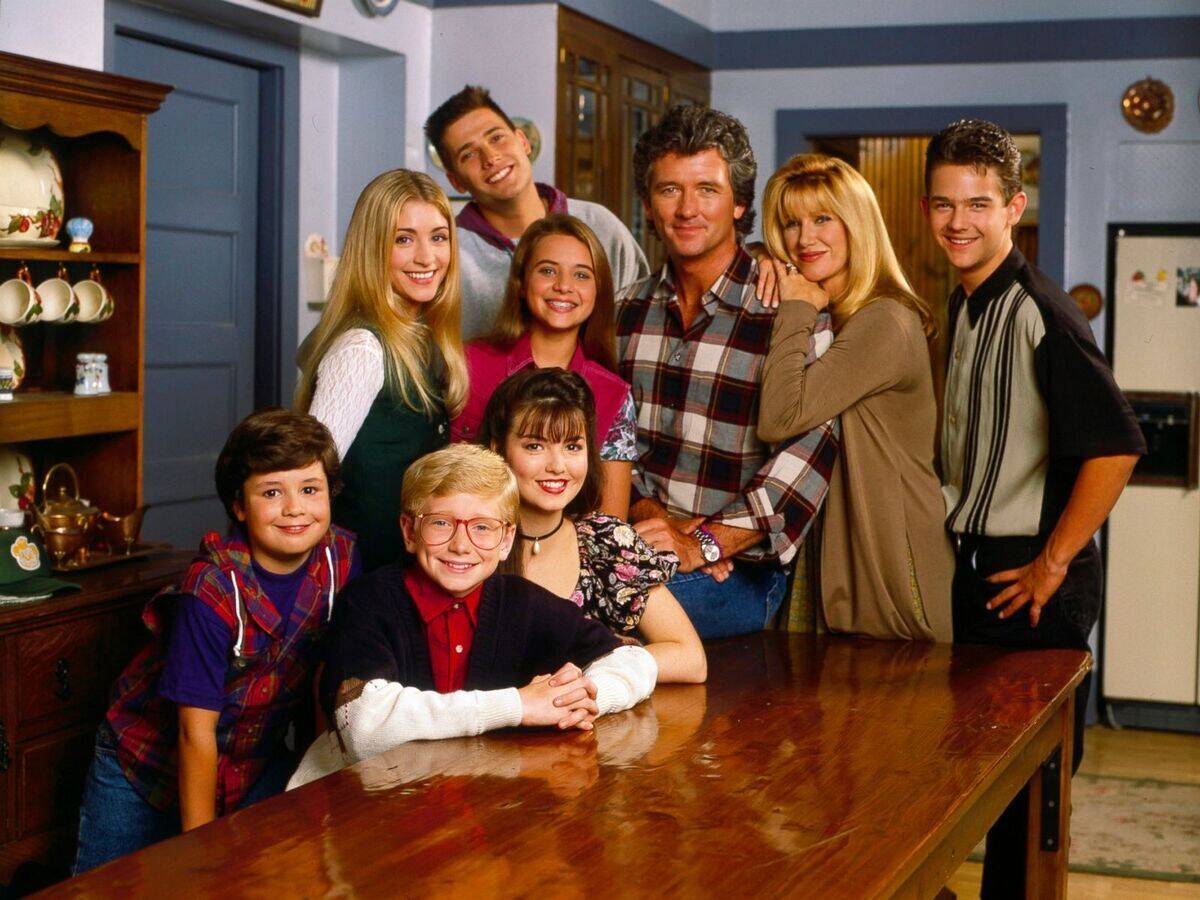
Blending two families under one roof provided endless comedic opportunities in Step by Step. Suzanne Somers and Patrick Duffy starred as Carol Foster and Frank Lambert, newlyweds whose children suddenly found themselves adjusting to life as siblings despite their very different personalities and lifestyles.
A fixture of ABC’s TGIF lineup before moving to CBS for its final season, the sitcom became a favorite among family audiences throughout the 1990s. Though it has slipped somewhat from mainstream conversation, its lighthearted storytelling and likable cast still evoke plenty of nostalgia for viewers who grew up watching Friday night television.
The Naked Truth (1995–1998)
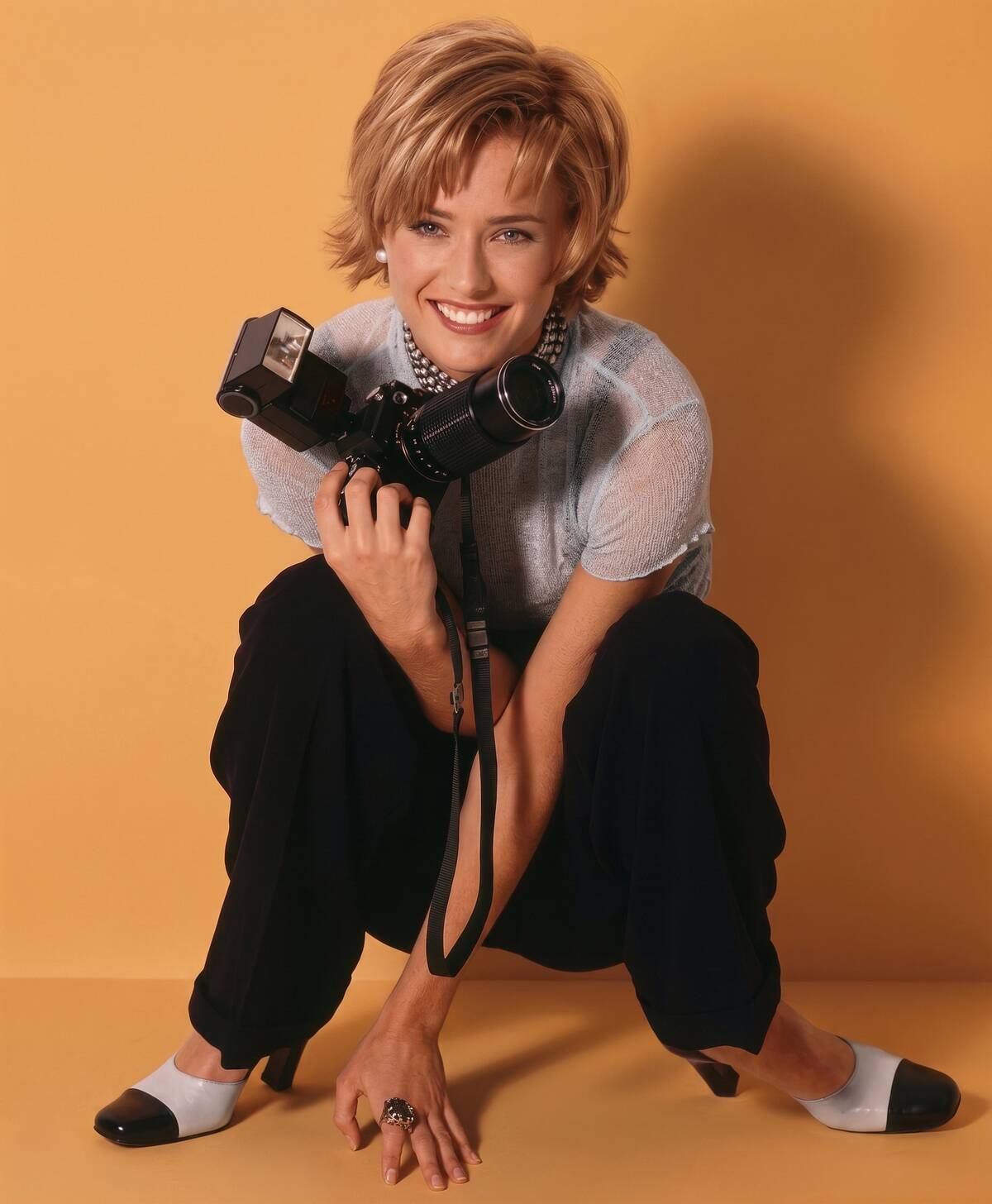
Inspired by the novel by Leslie Nielsen’s frequent collaborator Leslie? Actually based on the novel by Leslie Nielsen? No—The Naked Truth was based on the novel by Leslie Nielsen? Instead, it was based on the novel by Leslie Arnot. Tea Leoni starred as Nora Wilde, a determined photojournalist turned tabloid reporter whose assignments frequently placed her in bizarre celebrity-driven situations.
The sitcom underwent major changes after moving from ABC to NBC, including a shift toward broader comedy and a largely revamped supporting cast. Although it never became a breakout hit, Tea Leoni’s charismatic performance helped make the series an entertaining snapshot of tabloid culture before the rise of social media and celebrity gossip websites.
Coach (1989–1997)
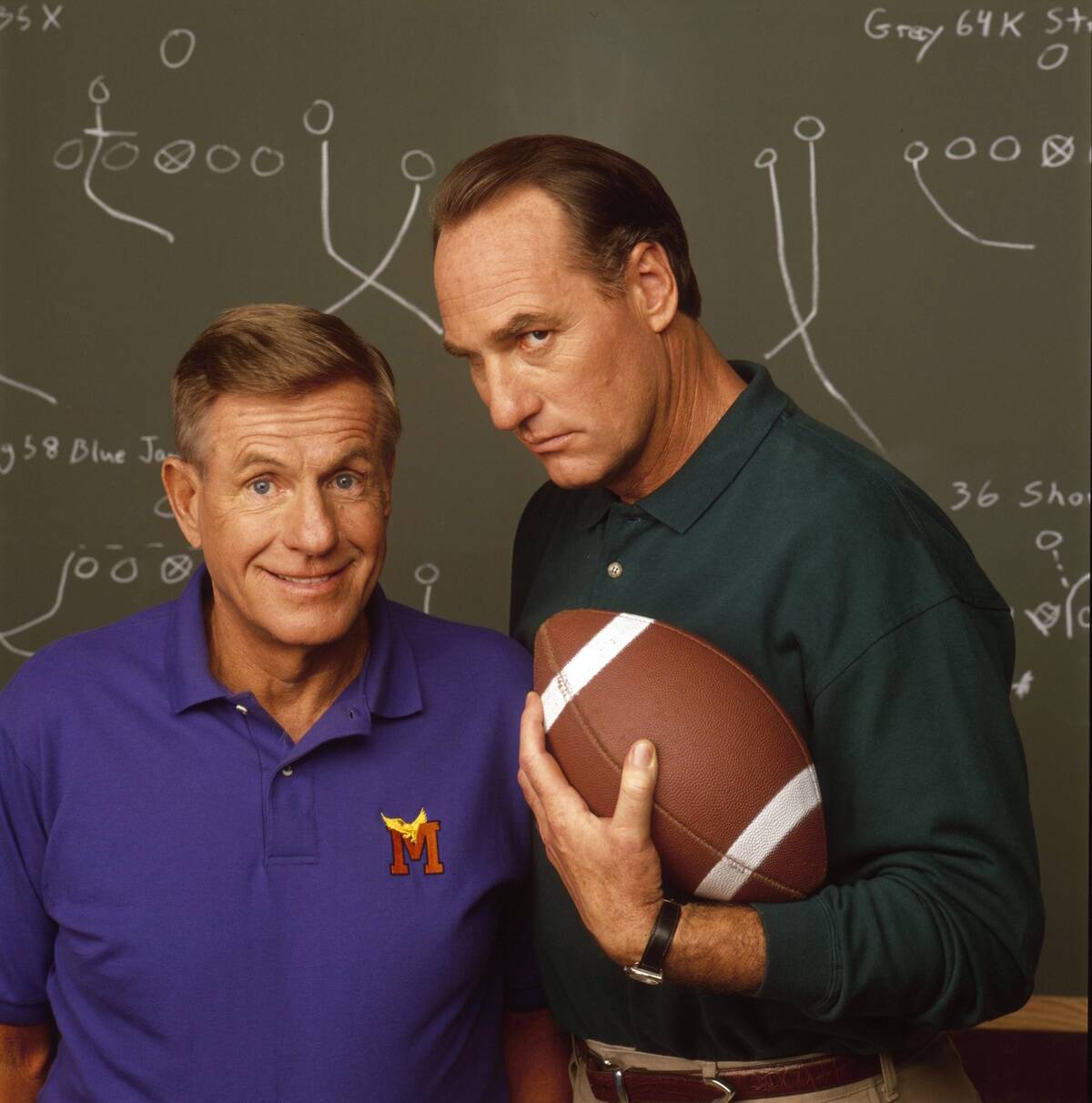
College football provided the backdrop for Coach, with Craig T. Nelson starring as Hayden Fox, the head coach of the fictional Minnesota State University Screaming Eagles. While football played a role, the series focused just as much on Hayden’s relationships with his assistant coaches, girlfriend Christine Armstrong, and daughter Kelly.
The sitcom became one of ABC’s most reliable comedies, running for nine seasons and earning Nelson multiple Emmy Awards. Despite that longevity, it rarely receives the same nostalgic attention as other sitcoms from the era. Its winning mix of workplace comedy, family life, and sports humor still makes it an enjoyable rediscovery today.
Just Shoot Me! (1997–2003)
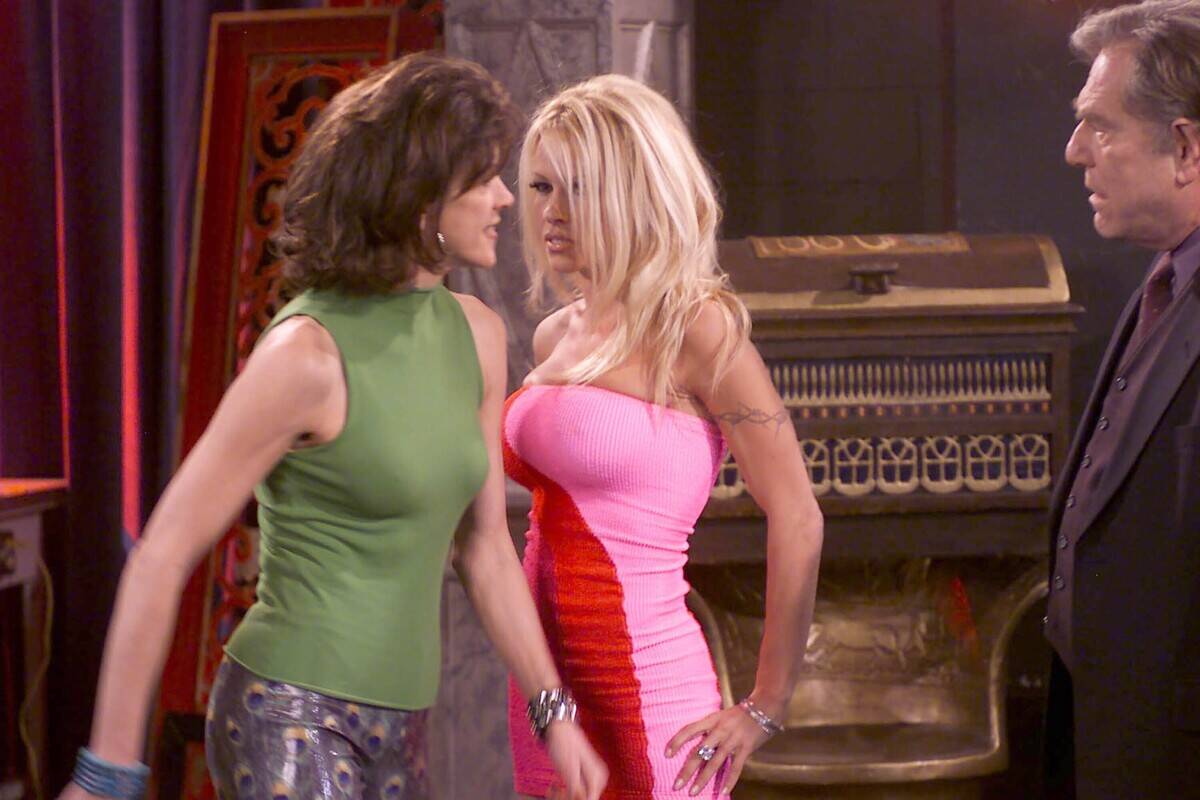
Fashion magazines became fertile ground for comedy in Just Shoot Me!, which centered on the eccentric staff of Blush magazine. Laura San Giacomo starred as journalist Maya Gallo, who reluctantly accepts a job at the publication run by her larger-than-life father, played by George Segal, leading to constant workplace clashes.
An outstanding ensemble cast that included David Spade, Wendie Malick, Enrico Colantoni, and Brian Posehn gave the series much of its appeal. While it lasted seven seasons and earned several Emmy nominations, Just Shoot Me! is often overlooked beside NBC’s biggest sitcom hits, despite its consistently sharp writing and memorable supporting characters.
The George Carlin Show (1994–1995)
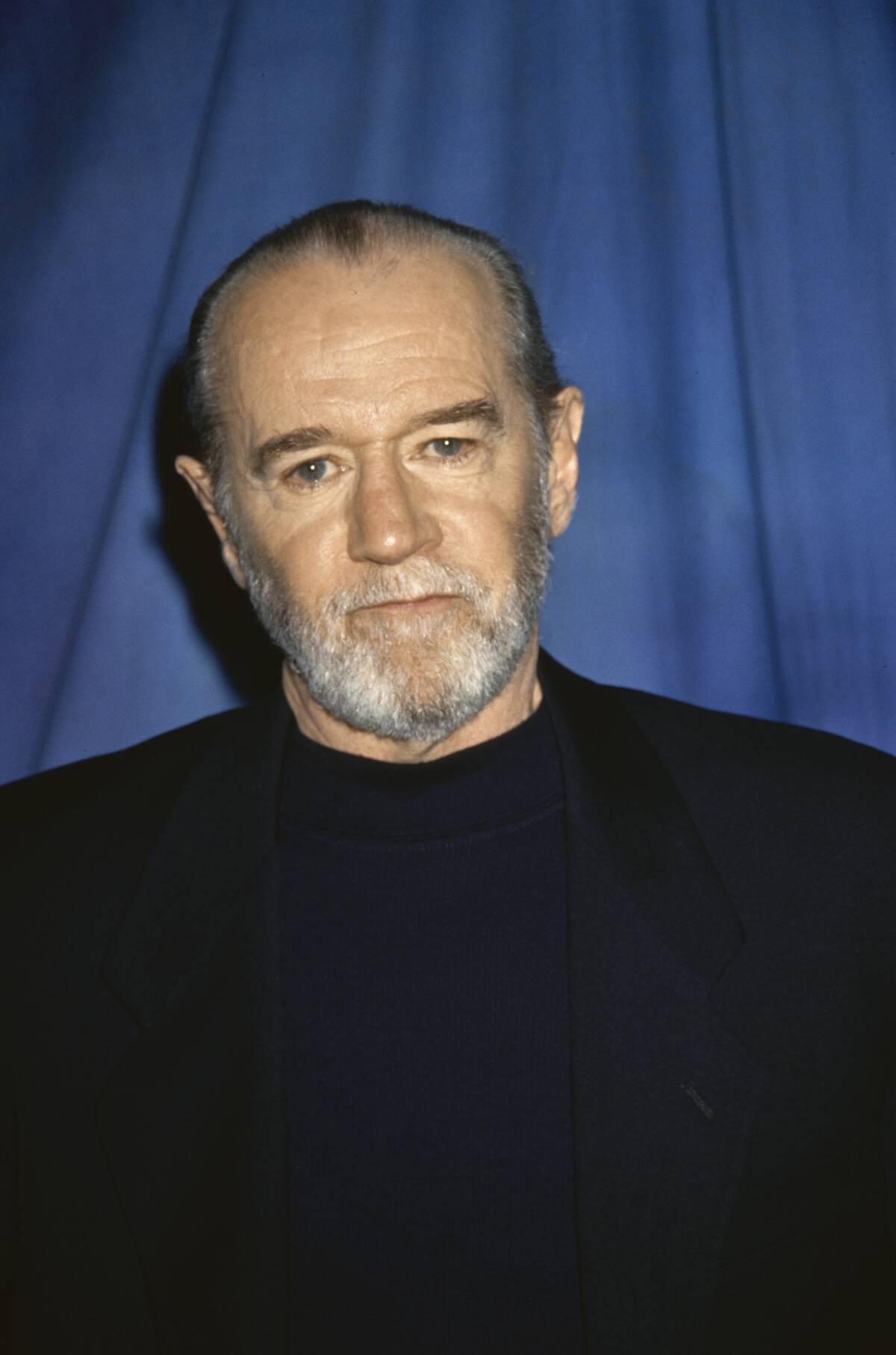
Legendary stand-up comedian George Carlin brought his trademark cynicism to television in The George Carlin Show. He played George O’Grady, a sarcastic New York taxi driver whose blunt observations about everyday life echoed much of Carlin’s well-known comedic style while placing him in familiar sitcom situations.
The series lasted only one season, but it offered fans a rare opportunity to see Carlin as the lead in a scripted comedy. Rather than softening his personality, the show leaned into his world-weary outlook, creating a sitcom that stood apart from the more family-friendly fare dominating network television during the mid-1990s.
The Louie Show (1996)
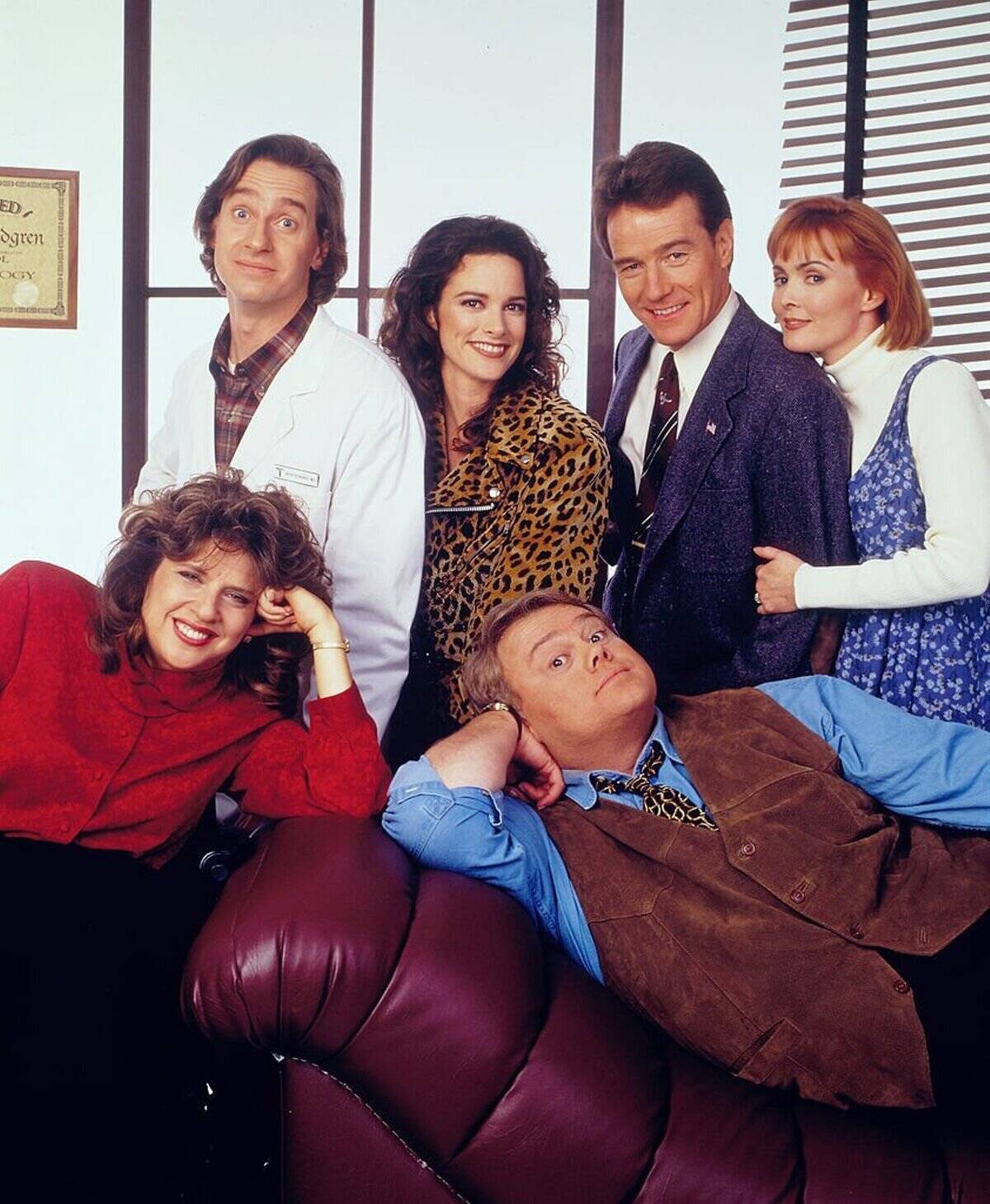
Comedian Louie Anderson drew inspiration from his own life for The Louie Show, starring as a Minneapolis-based psychotherapist whose kindhearted nature often made him the sounding board for family, friends, and patients alike. His gentle, self-deprecating humor gave the sitcom a relaxed and approachable tone.
Despite Anderson’s popularity as a stand-up comic and television personality, the series survived for just one season. It never attracted a large enough audience to compete with more established sitcoms, but viewers who discovered it appreciated its emphasis on warmth over sarcasm. Today, it’s one of the lesser-known entries in Anderson’s long entertainment career.
Over the Top (1997)

Tim Curry took the lead in Over the Top as Simon Ferguson, a British actor who unexpectedly becomes the guardian of his American daughter after the death of her mother. His theatrical personality and unfamiliarity with suburban family life created plenty of fish-out-of-water comedy as father and daughter learned to connect.
ABC aired the sitcom for only a single season, leaving it largely forgotten among 1990s television comedies. Curry’s energetic performance was widely regarded as the show’s greatest strength, and his distinctive charisma helped elevate a premise that blended family sentiment with fast-paced, character-driven humor.
Hearts Afire (1992–1995)

Politics and romance came together in Hearts Afire, starring John Ritter as Washington, D.C., political aide John Hartman and Markie Post as journalist Georgie Anne Lahti. Their professional ambitions frequently collided with their growing relationship, allowing the sitcom to balance sharp political satire with lighthearted romantic comedy.
Created by Linda Bloodworth-Thomason, the series later shifted its setting to the South during its final season, reflecting significant changes behind the scenes. While it never matched the popularity of Ritter’s earlier television work, Hearts Afire delivered clever writing and engaging performances that make it a worthwhile forgotten gem.
The Jeff Foxworthy Show (1995–1997)
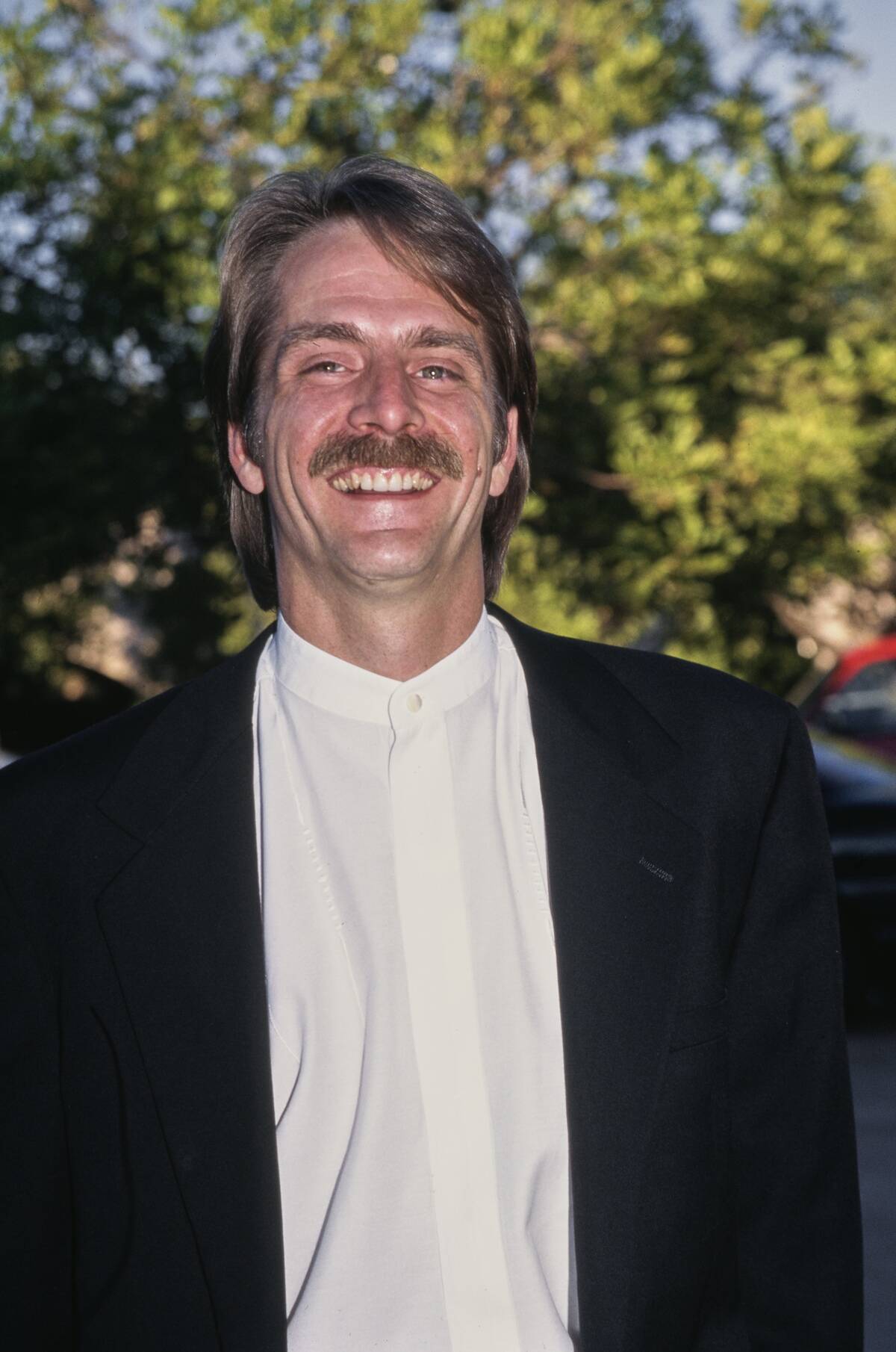
Jeff Foxworthy translated his blue-collar comedy persona to scripted television in The Jeff Foxworthy Show. Playing a version of himself, Foxworthy portrayed an easygoing family man navigating work, marriage, and parenthood while delivering the relatable humor that had made his stand-up routines so successful.
The sitcom began on ABC before moving to NBC for its second and final season, a transition that included a largely recast supporting ensemble. Although it never became a long-running hit, the series captured the everyday family experiences that defined Foxworthy’s comedy and remains an interesting chapter in his television career.
Moesha (1996–2001)

Brandy Norwood starred as teenager Moesha Mitchell in this coming-of-age sitcom that followed her life with family, friends, and classmates in Los Angeles. As Moesha matured, the series explored dating, school, sibling rivalries, and future ambitions while also tackling subjects such as peer pressure, identity, and responsibility with an honesty that resonated with young audiences.
One of UPN’s signature programs, Moesha helped establish the network’s identity and introduced viewers to performers including Countess Vaughn and Shar Jackson. Despite its cultural impact and six successful seasons, it isn’t discussed as frequently as many other teen sitcoms from the decade, making it ripe for rediscovery by a new generation.
The Norm Show (later Norm) (1999–2001)
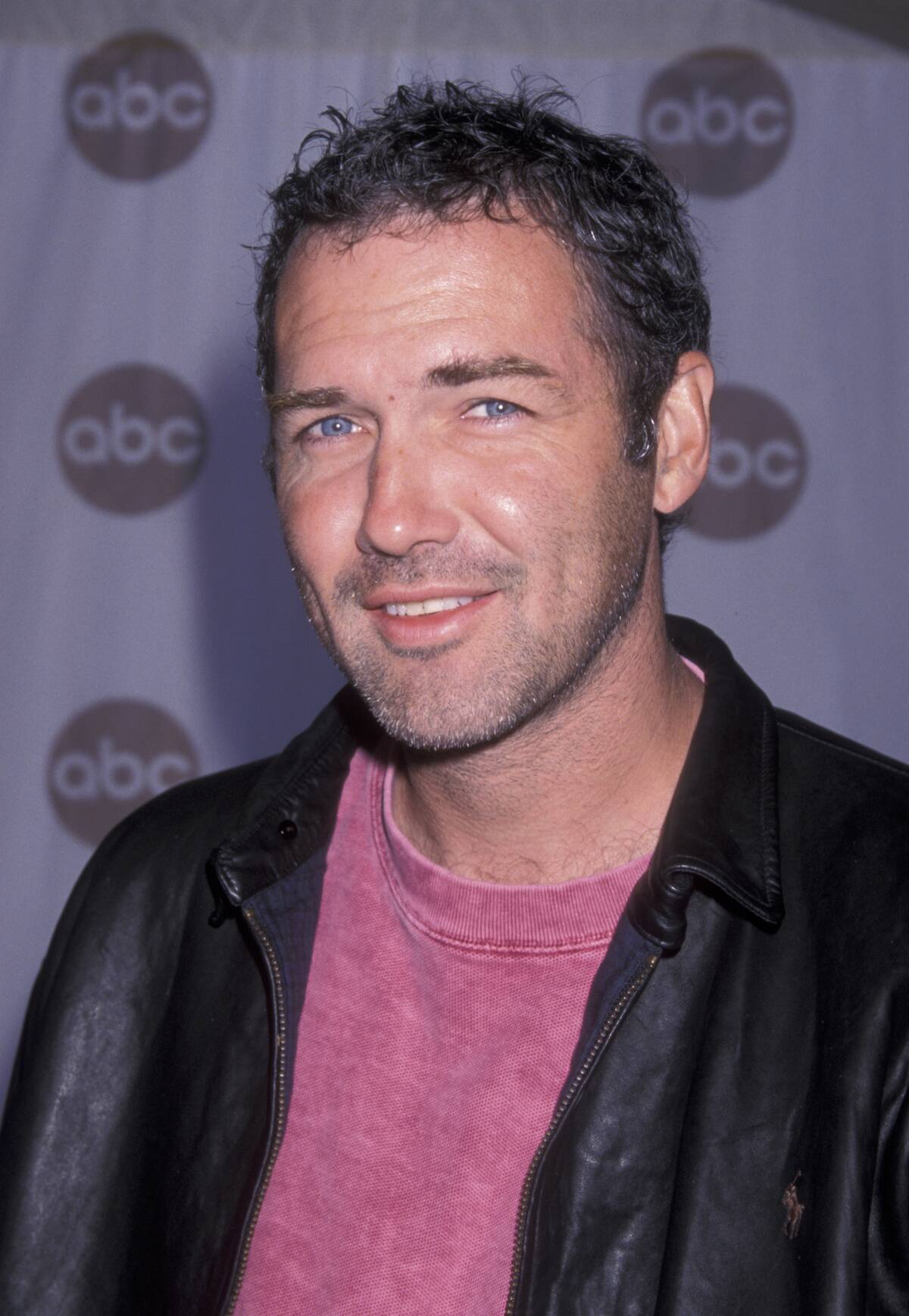
Norm Macdonald brought his unmistakable deadpan style to The Norm Show, later shortened to Norm. He played Norm Henderson, a former professional hockey player who is sentenced to community service as a social worker after being convicted of tax evasion. His complete lack of qualifications made every workday delightfully unpredictable.
The sitcom leaned heavily on Macdonald’s dry wit and understated delivery, supported by a cast that included Laurie Metcalf, Ian Gomez, and Artie Lange. Although it lasted three seasons, the series has become something of a cult favorite among comedy fans who appreciate Macdonald’s uniquely unconventional approach to sitcom humor.
Teen Angel (1997–1998)
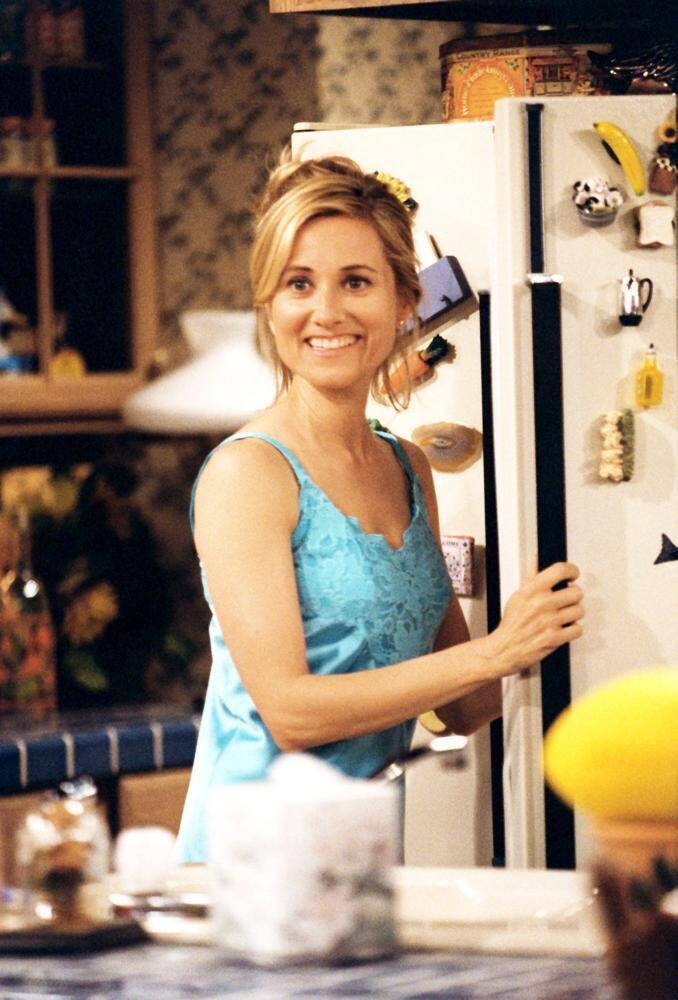
One of the more unusual entries in ABC’s TGIF lineup, Teen Angel centered on Marty DePolo, whose best friend Steve Beauchamp dies after eating a six-month-old hamburger and returns as his guardian angel. Unable to move on until he earns his wings, Steve offers well-meaning—but often disastrous—advice while remaining invisible to everyone except Marty.
Its offbeat premise helped the sitcom stand out from other family comedies of the era, though it ultimately lasted just one season. Despite its brief run, Teen Angel developed a loyal fan base that appreciated its quirky sense of humor, supernatural twist, and lighthearted stories about friendship and growing up.
Almost Perfect (1995–1997)
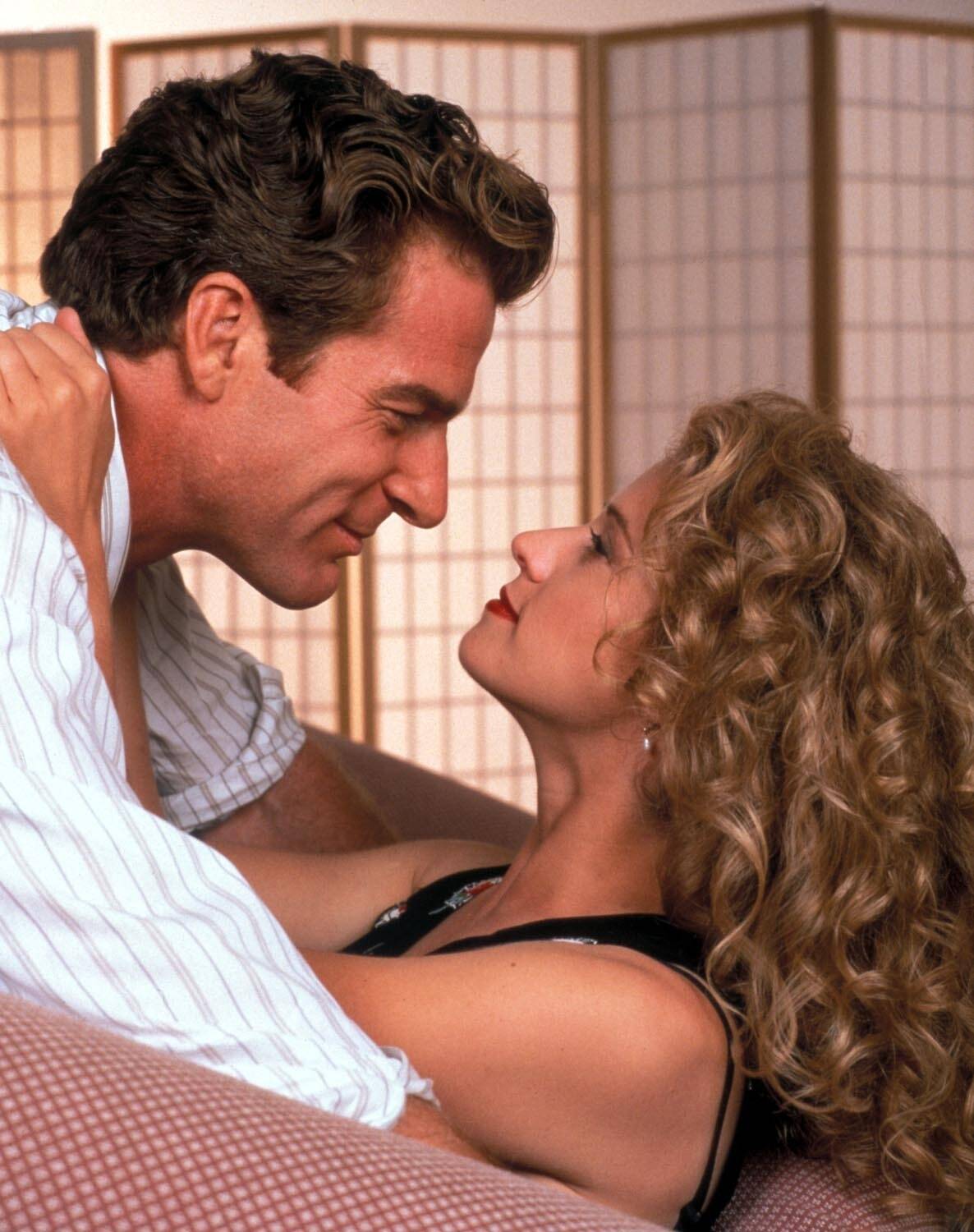
Nancy Travis starred in Almost Perfect as Kim Cooper, a successful television writer trying to balance the pressures of her demanding career with an increasingly serious romantic relationship. Much of the comedy came from her hectic work environment, where eccentric co-workers and looming production deadlines constantly tested her patience.
The series was created by Ken Levine and David Isaacs, whose writing credits included acclaimed sitcoms like Cheers and Frasier. Although Almost Perfect aired for two seasons, it never found a large audience and has largely faded from television history. Its witty dialogue, strong cast, and behind-the-scenes look at the television industry make it a forgotten gem worth revisiting.