Curious jobs that nobody has in today’s world, from ice cutting to leech collecting!
In today’s fast-paced world, it’s easy to forget that many jobs we now take for granted once didn’t exist. As technology and society evolved, so did the nature of work, leaving behind a trail of fascinating, albeit obsolete, occupations.
These jobs, though no longer necessary, played crucial roles in their time. Join us as we journey through history to explore some of these intriguing professions that have faded into obscurity.
The Knocker-Up: Human Alarm Clocks of the Past
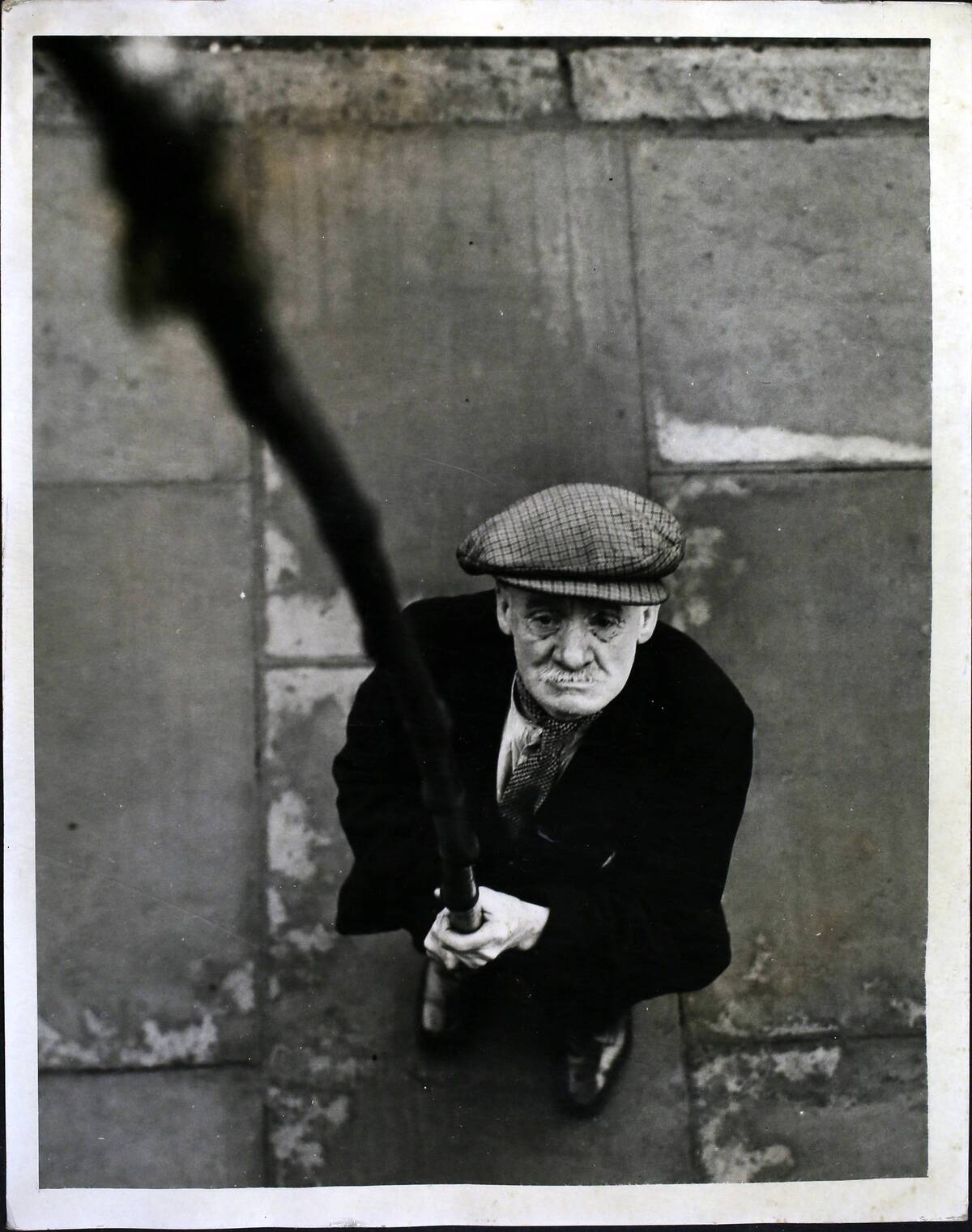
Before the invention of the alarm clock, people relied on ‘knocker-ups’ to wake them up. These human alarm clocks would use long sticks to tap on bedroom windows, ensuring their clients rose on time.
This profession was especially common in industrial towns in Britain during the 19th and early 20th centuries. Knocker-ups were paid a small fee for their services, and some even used pea shooters to reach higher windows. It was a job that required punctuality and a strong sense of responsibility.
The Pinsetter: Manual Labor in the Bowling Alleys
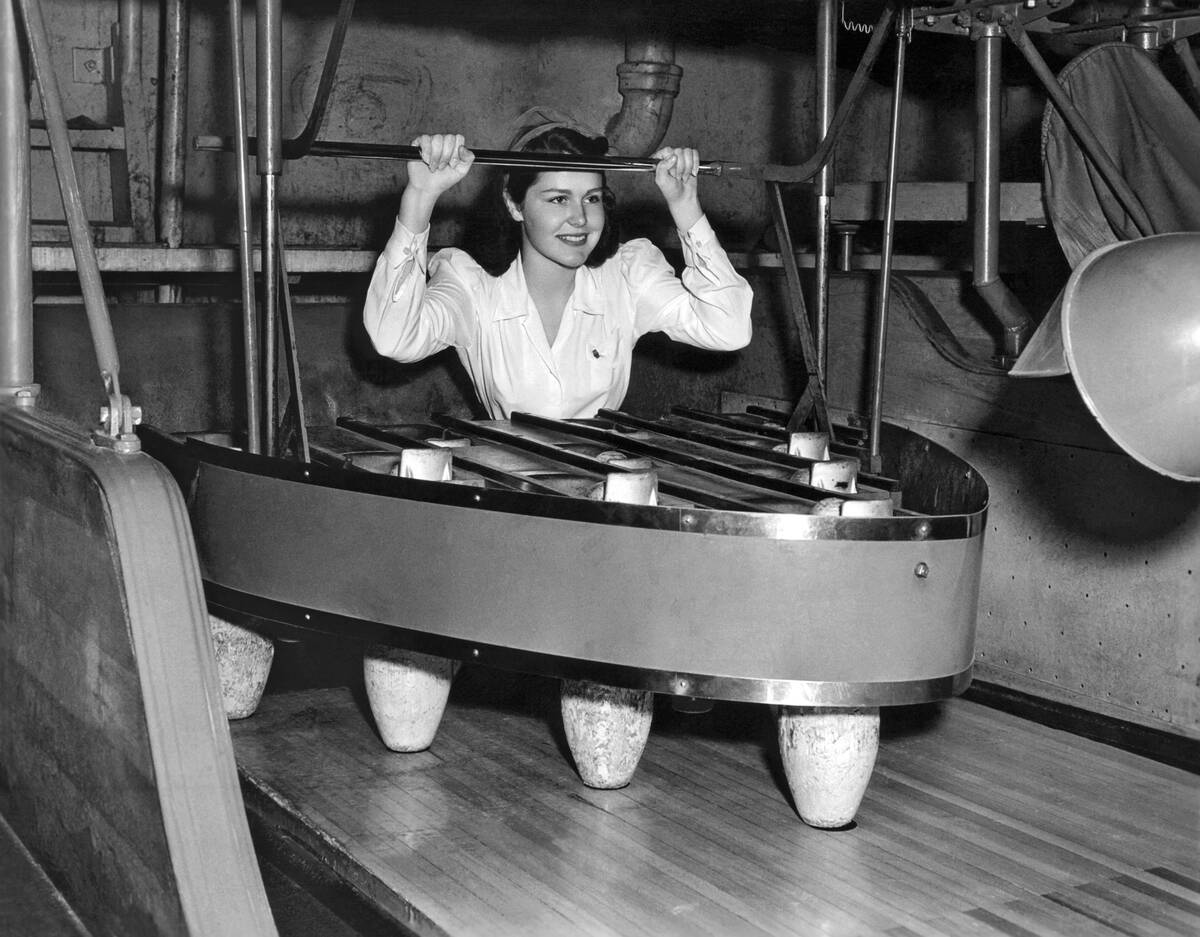
Before automated pinsetters, human pinsetters were employed in bowling alleys to reset pins and return balls. This job was physically demanding and required quick reflexes, as pinsetters had to dodge incoming balls while performing their duties.
Typically, young boys were hired for this work, which was often poorly paid. The introduction of automated pinsetting machines in the 1950s revolutionized the bowling industry, making the manual pinsetter obsolete but leaving behind a rich history of bowling culture.
The Ice Cutter: Harvesting Ice Before Refrigeration
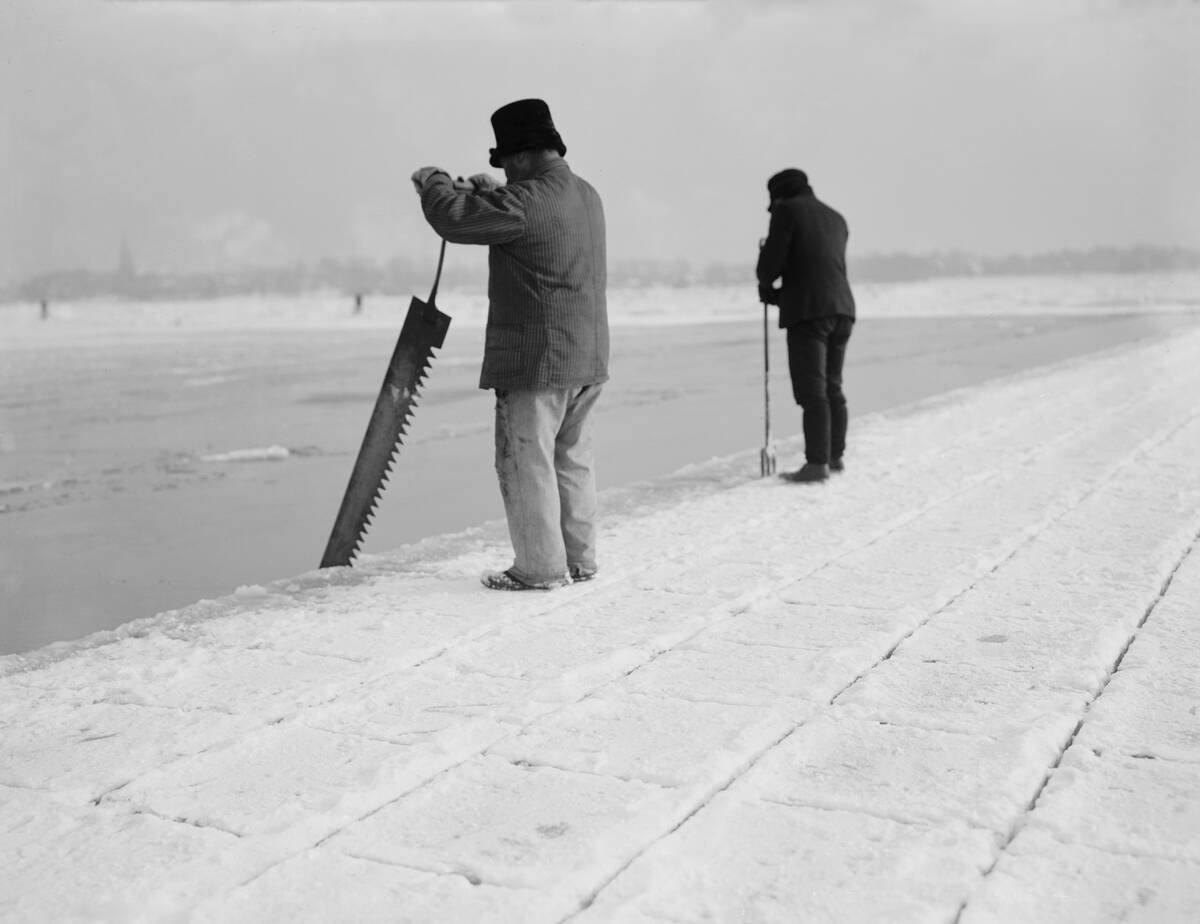
Before modern refrigeration, ice cutters played a crucial role in preserving food. During winter, they would venture onto frozen lakes and rivers to cut large blocks of ice, which were then stored in icehouses for use throughout the year.
This physically demanding job required skill and precision, as workers had to ensure the ice was cut cleanly and safely. The advent of electric refrigeration in the early 20th century rendered this occupation obsolete, but it remains a testament to human ingenuity in food preservation.
The Lamplighter: Illuminating the Streets Before Electricity
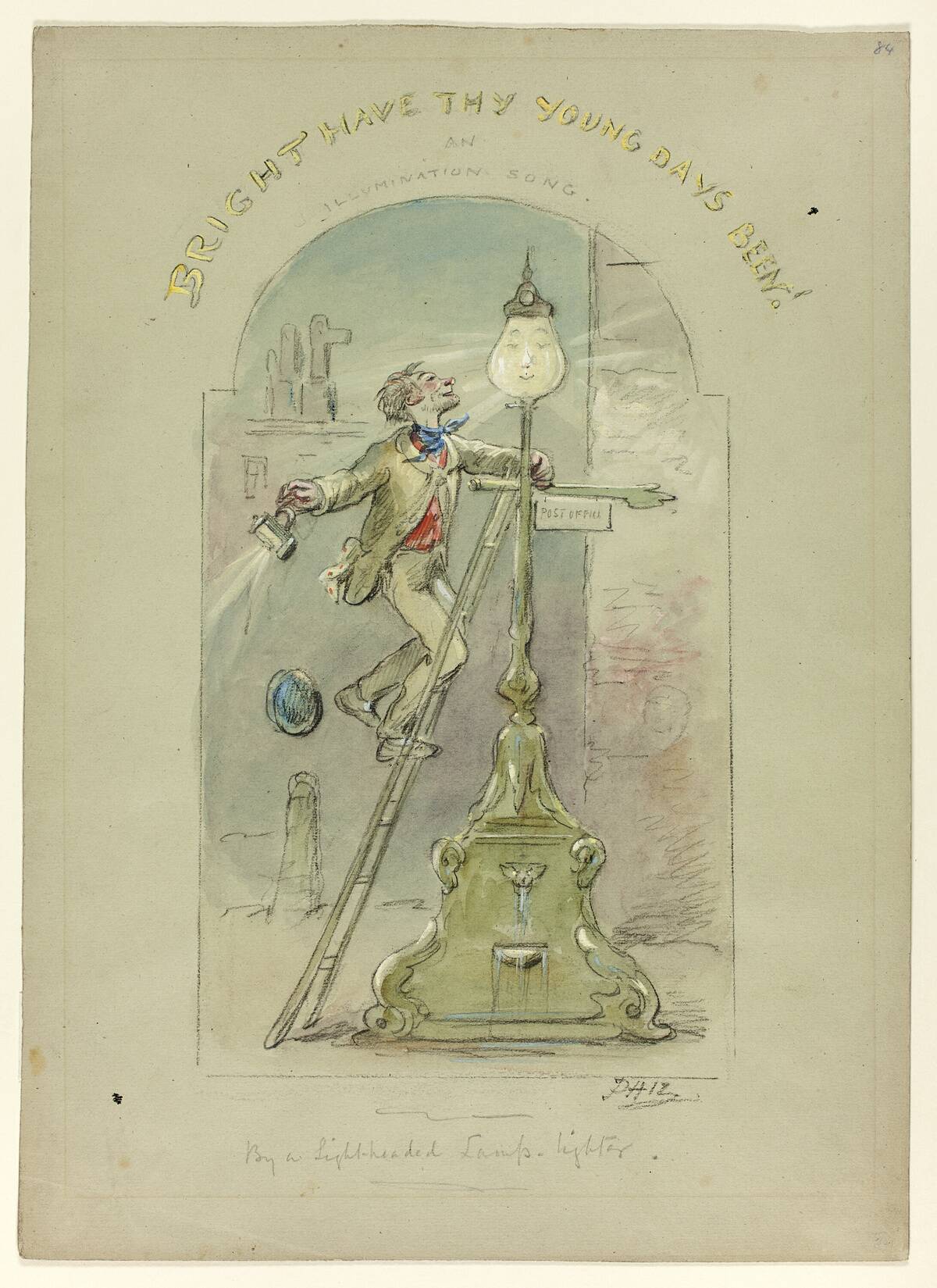
Before electric streetlights, lamplighters were responsible for lighting and extinguishing gas lamps. This job required them to walk the streets at dusk, using a long pole to ignite the lamps.
Lamplighters also performed maintenance, ensuring the lamps were clean and functional. In the 19th century, as cities grew, so did the demand for lamplighters. However, with the advent of electric lighting, this once-essential job gradually disappeared, leaving only the nostalgic image of a bygone era.
The Switchboard Operator: Connecting Calls in the Early Days of Telephony
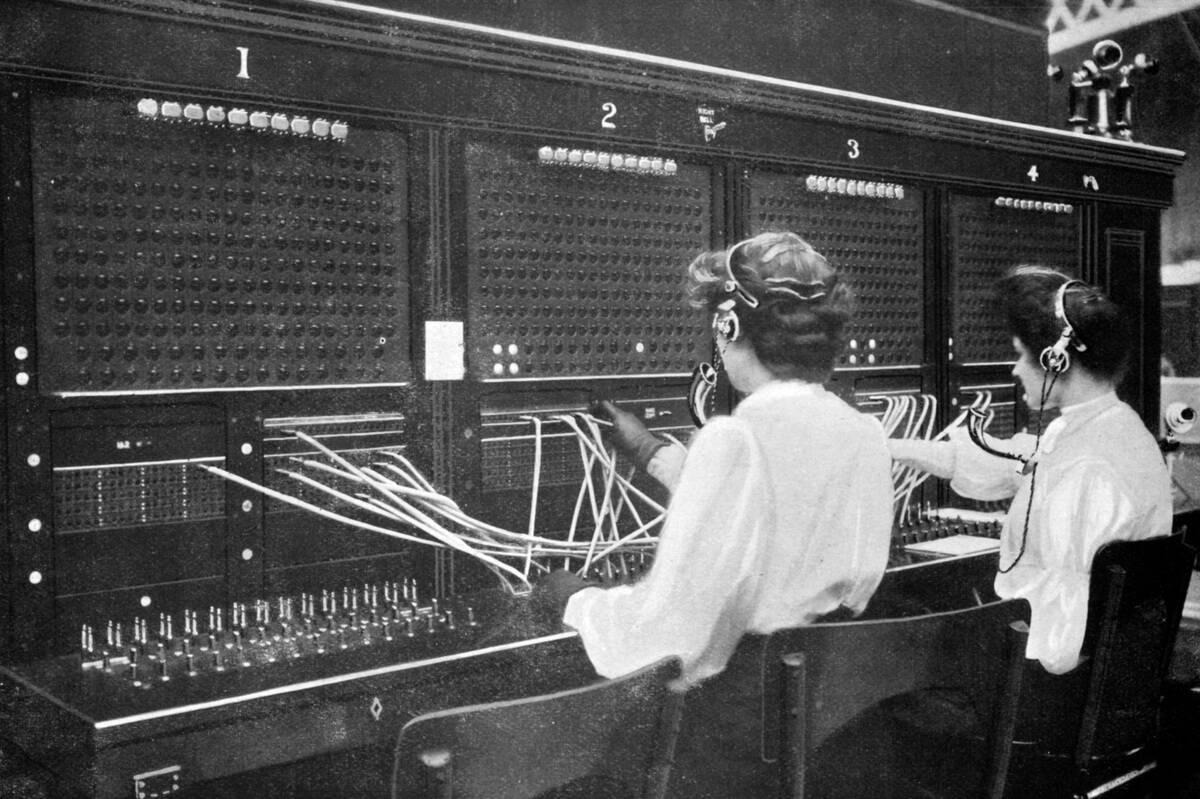
Switchboard operators were the backbone of early telephone systems, manually connecting calls by plugging wires into a switchboard. This job required quick thinking and excellent communication skills, as operators often had to manage multiple calls simultaneously.
Predominantly a female occupation, it offered many women a chance to work outside the home. However, with the rise of automated systems in the mid-20th century, the need for human operators dwindled, marking the end of an era in telecommunication.
The Rat Catcher: Keeping Cities Clean and Disease-Free
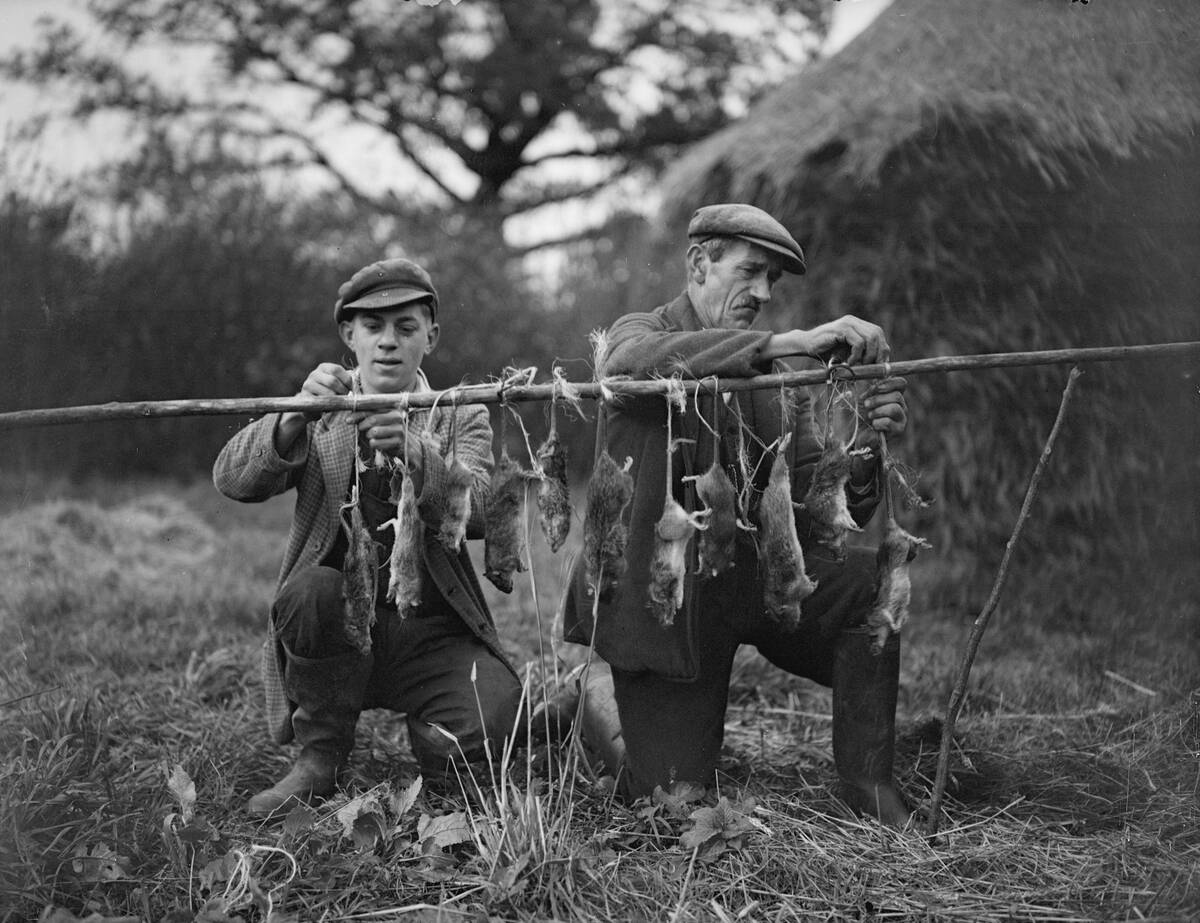
In the days before modern pest control, rat catchers were vital in maintaining public health. These individuals were tasked with capturing and disposing of rats, which were notorious for spreading diseases like the plague.
Rat catchers often used dogs and ferrets to help hunt down their prey. While the job was dangerous and dirty, it was crucial for keeping urban areas clean and safe. Advances in sanitation and pest control eventually made this occupation unnecessary, but its importance in history is undeniable.
The Milkman: Delivering Dairy Door-to-Door
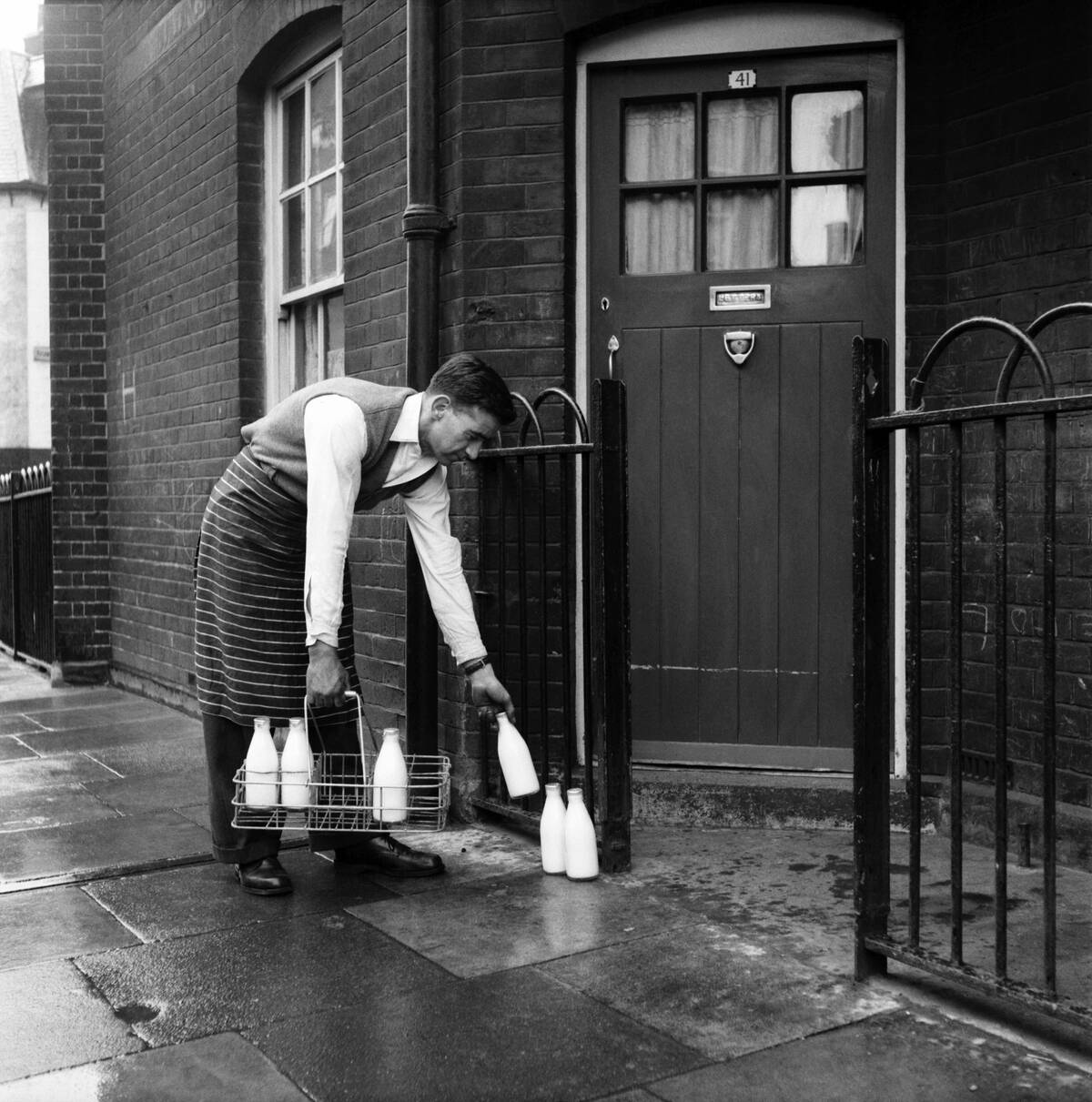
The milkman was a familiar sight in neighborhoods, delivering fresh milk directly to people’s doorsteps. This service was essential before the widespread availability of refrigeration, as milk needed to be consumed quickly to avoid spoilage.
Milkmen would often deliver other dairy products as well, such as cream and butter. With the advent of supermarkets and home refrigeration, the need for daily milk deliveries diminished, but the memory of the friendly milkman remains a cherished part of many people’s childhoods.
The Town Crier: Spreading News Before Newspapers
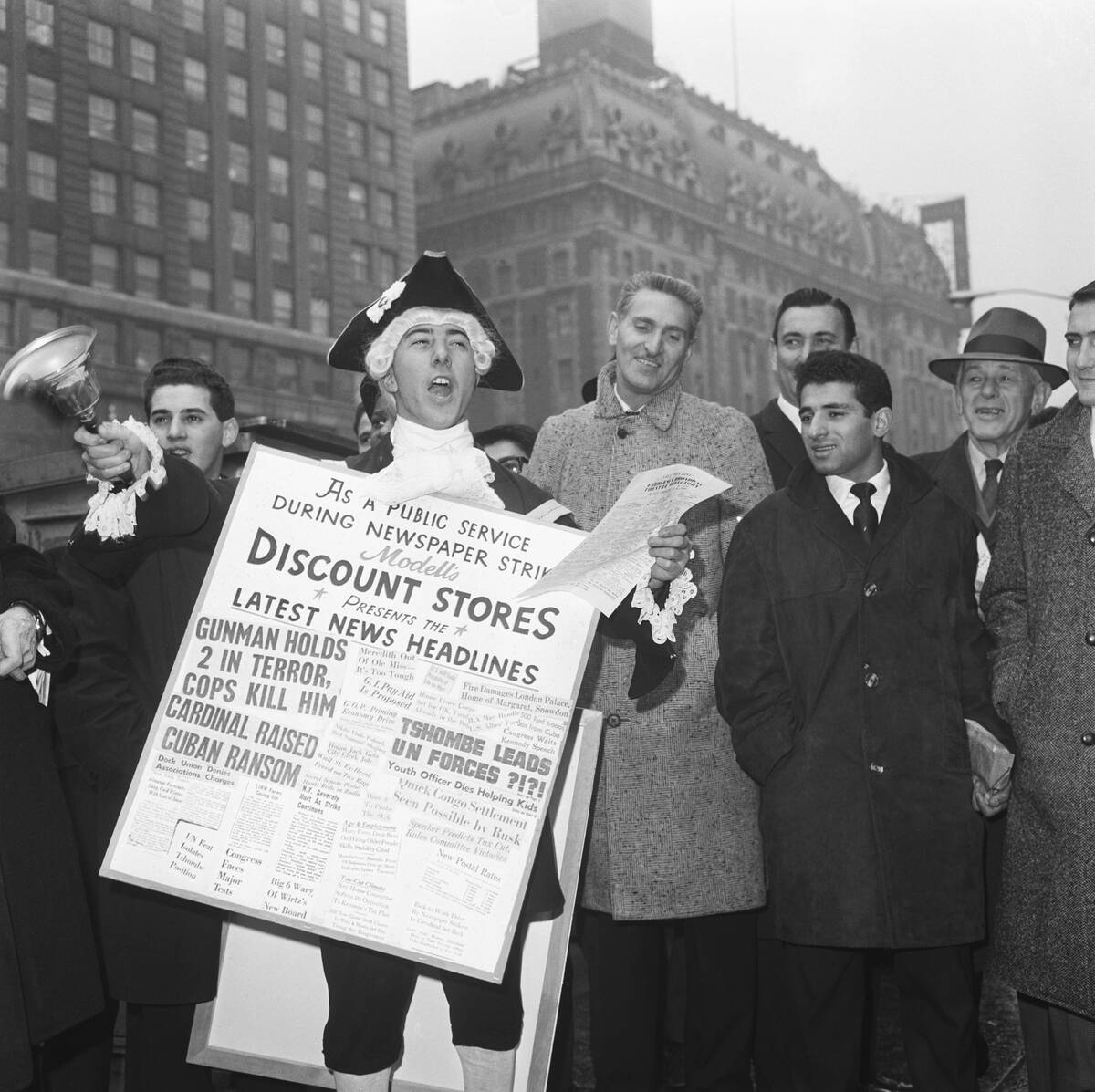
Before newspapers became commonplace, town criers were the primary source of news for many communities. These individuals would walk through the streets, ringing a bell to gather attention before announcing the latest news, proclamations, or events.
Town criers needed strong voices and a commanding presence to be heard over the hustle and bustle of daily life. Although this role has long since disappeared, it laid the groundwork for modern journalism and the dissemination of information.
The Leech Collector: Supplying Medical Leeches for Treatments
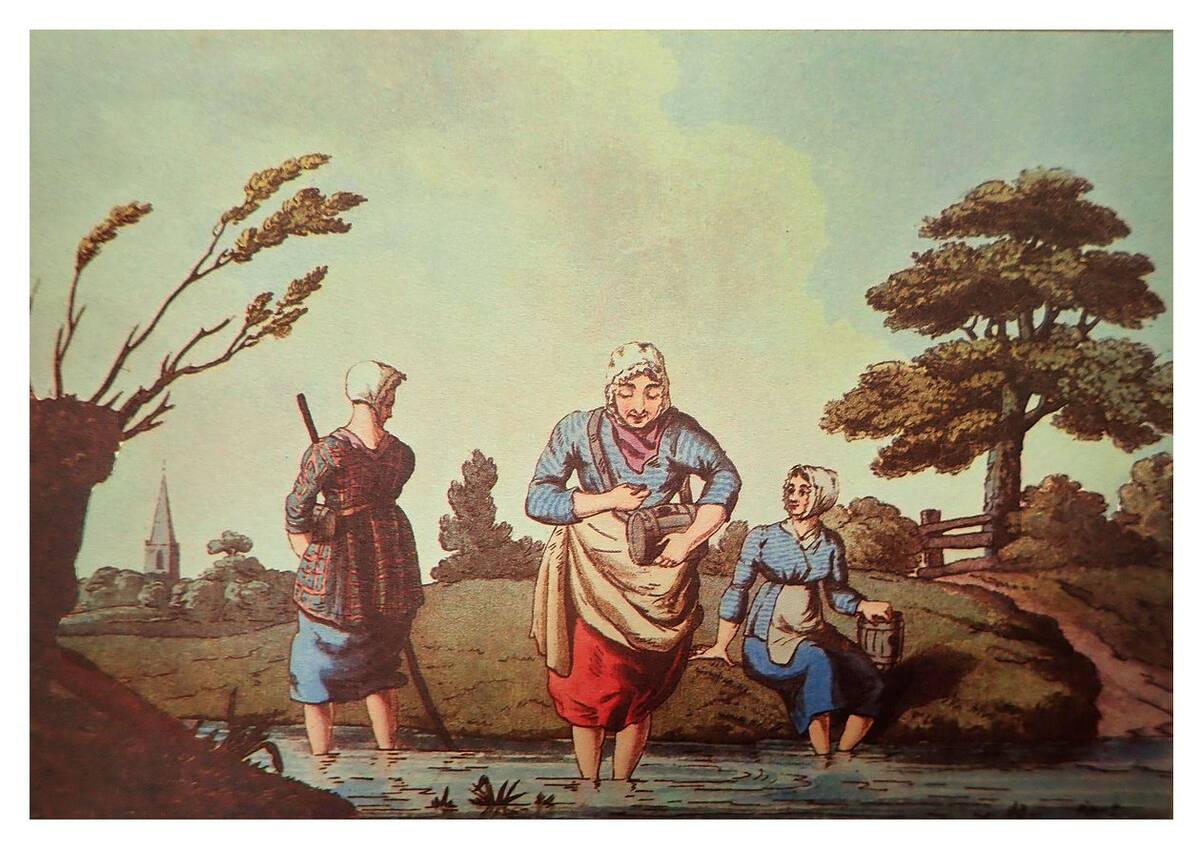
Leech collectors played a crucial role in 19th-century medicine, supplying leeches for bloodletting, a common treatment for various ailments. These individuals would wade into marshes and ponds to collect leeches, often using their own legs as bait.
Despite the unpleasant nature of the job, leeches were in high demand, and collectors could earn a decent living. With the decline of bloodletting and advances in medical science, the need for leech collectors vanished, but their contribution to medical history remains.
The Lector: Entertaining Factory Workers with Read-Aloud Stories
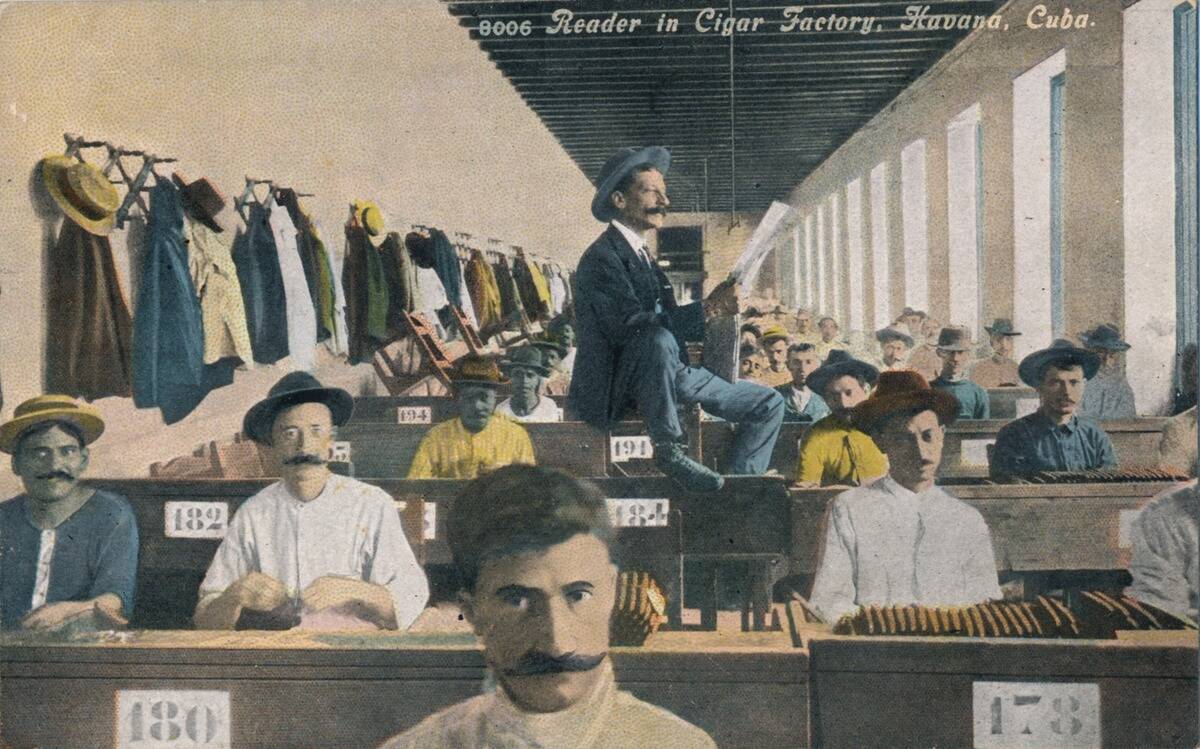
In cigar factories, lectors were employed to read aloud to workers, providing entertainment and education during long, monotonous hours. They would read newspapers, novels, and political texts, helping to keep workers informed and engaged.
This practice was particularly common in the late 19th and early 20th centuries, especially in Cuba and the United States. As technology advanced and radios became more prevalent, the role of the lector diminished, but they remain a symbol of the power of storytelling.
The Resurrectionist: Procuring Cadavers for Medical Research
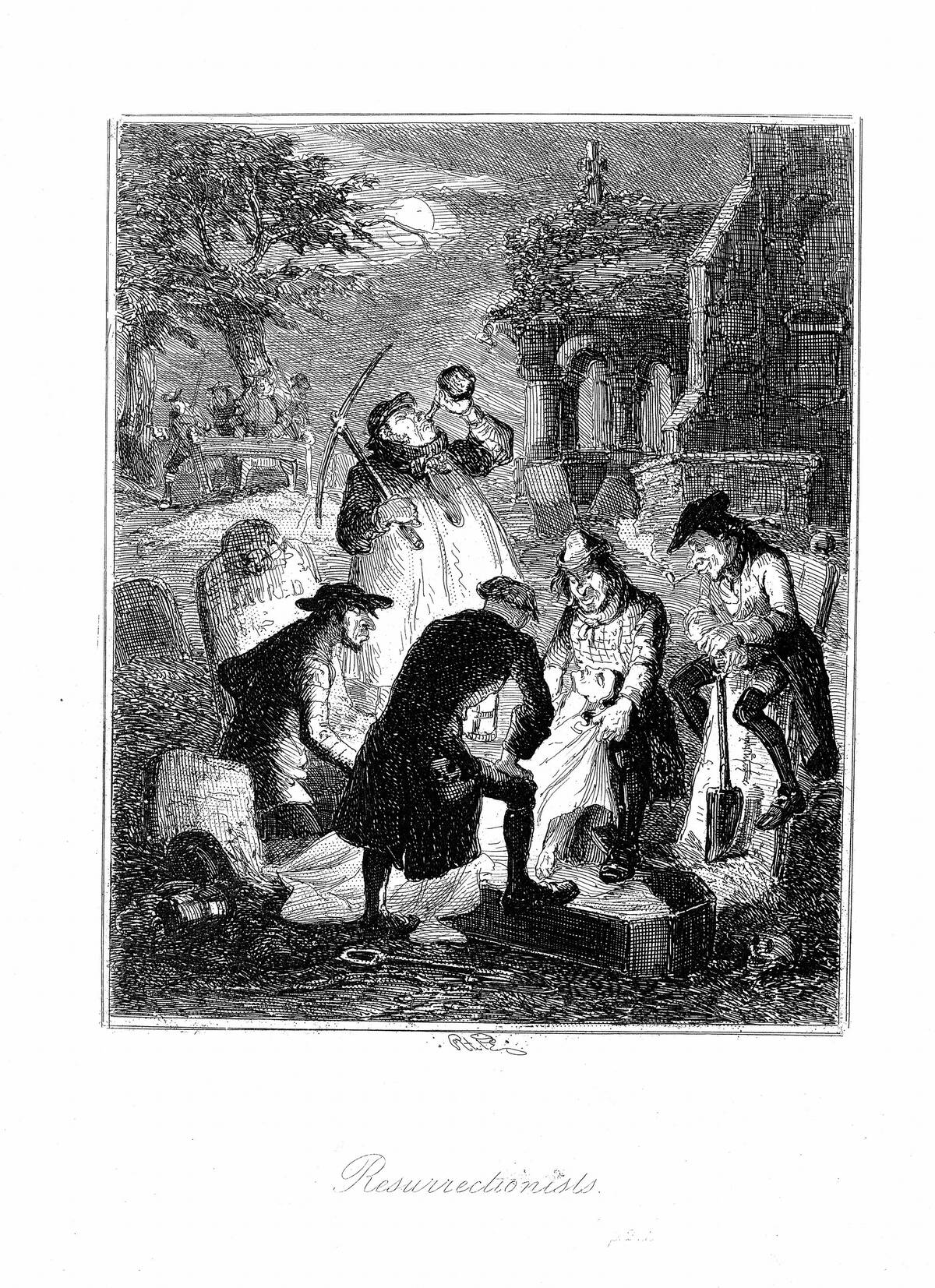
In the 18th and 19th centuries, resurrectionists, or “body snatchers,” supplied medical schools with cadavers for research and education. Due to legal restrictions on the use of bodies, these individuals often resorted to grave robbing to meet demand.
While the practice was illegal and controversial, it was essential for advancing medical knowledge. The Anatomy Act of 1832 in the UK eventually provided a legal means for obtaining bodies, reducing the need for resurrectionists and marking a turning point in medical history.
The Chimney Sweep: Clearing Soot in the Age of Coal
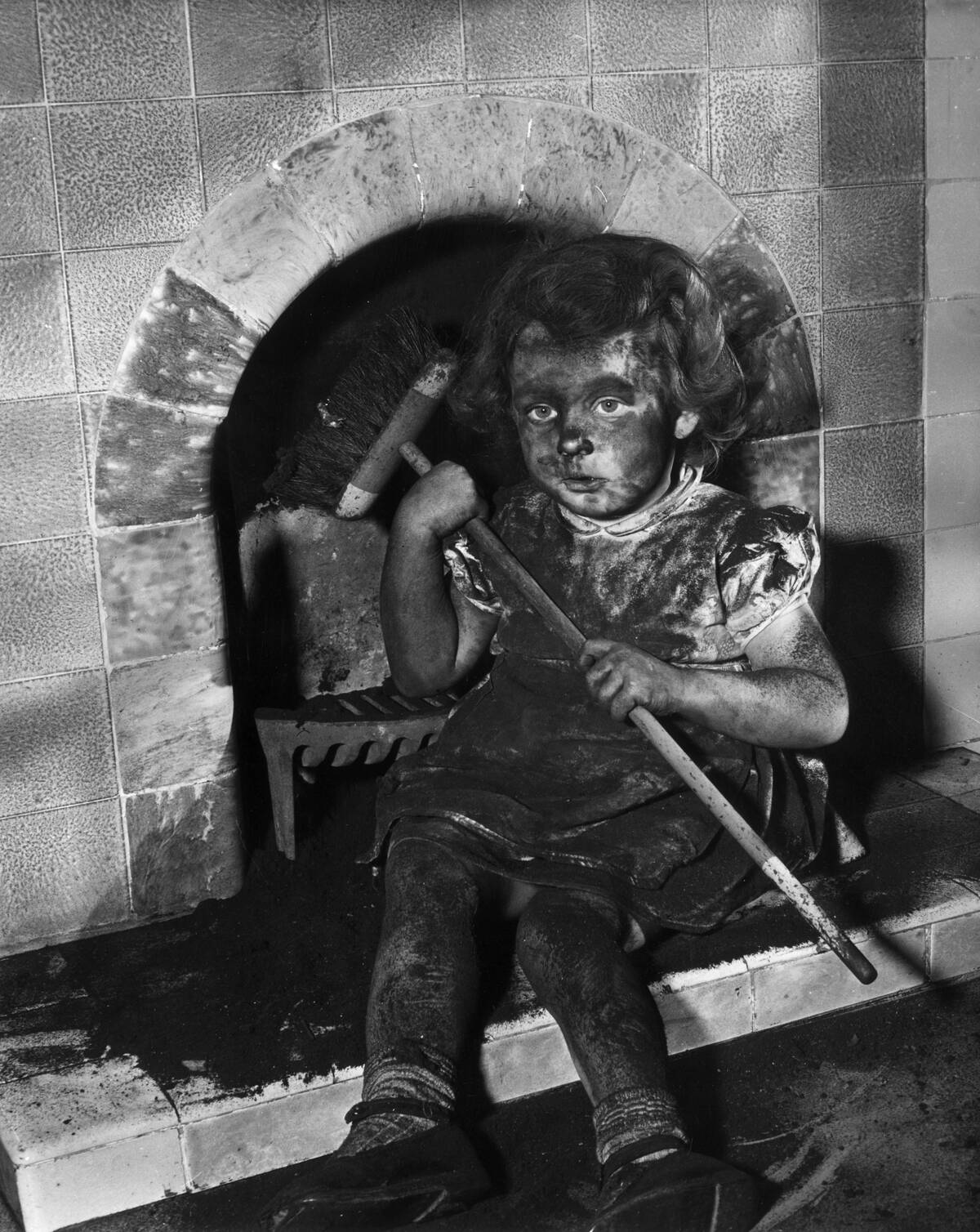
Chimney sweeps were essential in maintaining clean and safe chimneys during the age of coal heating. These workers, often young boys, would climb inside chimneys to remove soot and debris, preventing dangerous chimney fires.
The job was hazardous and poorly paid, leading to reforms in the 19th century that improved conditions and eventually phased out the use of child labor. With the decline of coal heating and the rise of modern heating systems, the need for chimney sweeps has largely disappeared.
The Daguerreotypist: Capturing Images Before Modern Photography
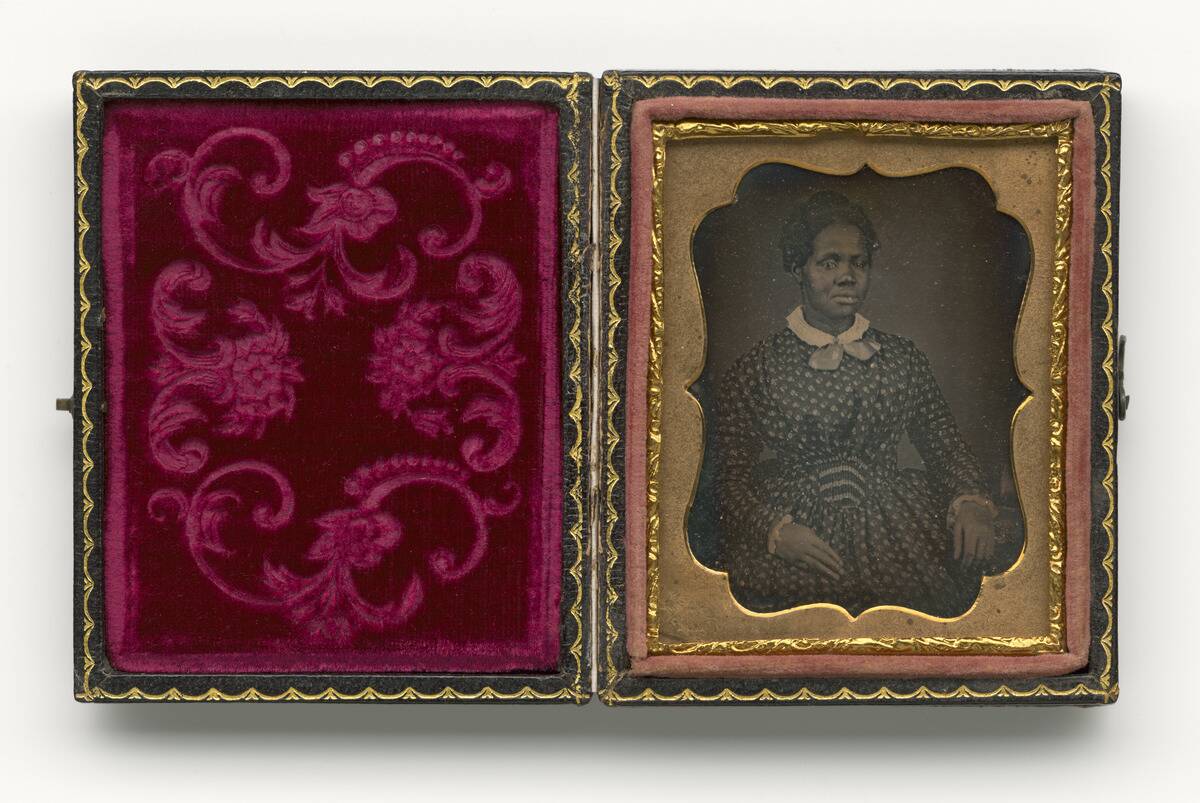
Daguerreotypists were the pioneers of photography, creating images using the daguerreotype process developed in the 1830s. This method involved exposing a silver-coated copper plate to light, producing a detailed and unique image.
Although the process was complex and time-consuming, daguerreotypes were highly valued for their clarity and realism. As photographic technology advanced, the daguerreotype was replaced by more efficient methods, but it remains a significant milestone in the history of photography.
The Log Driver: Guiding Timber Down Rivers
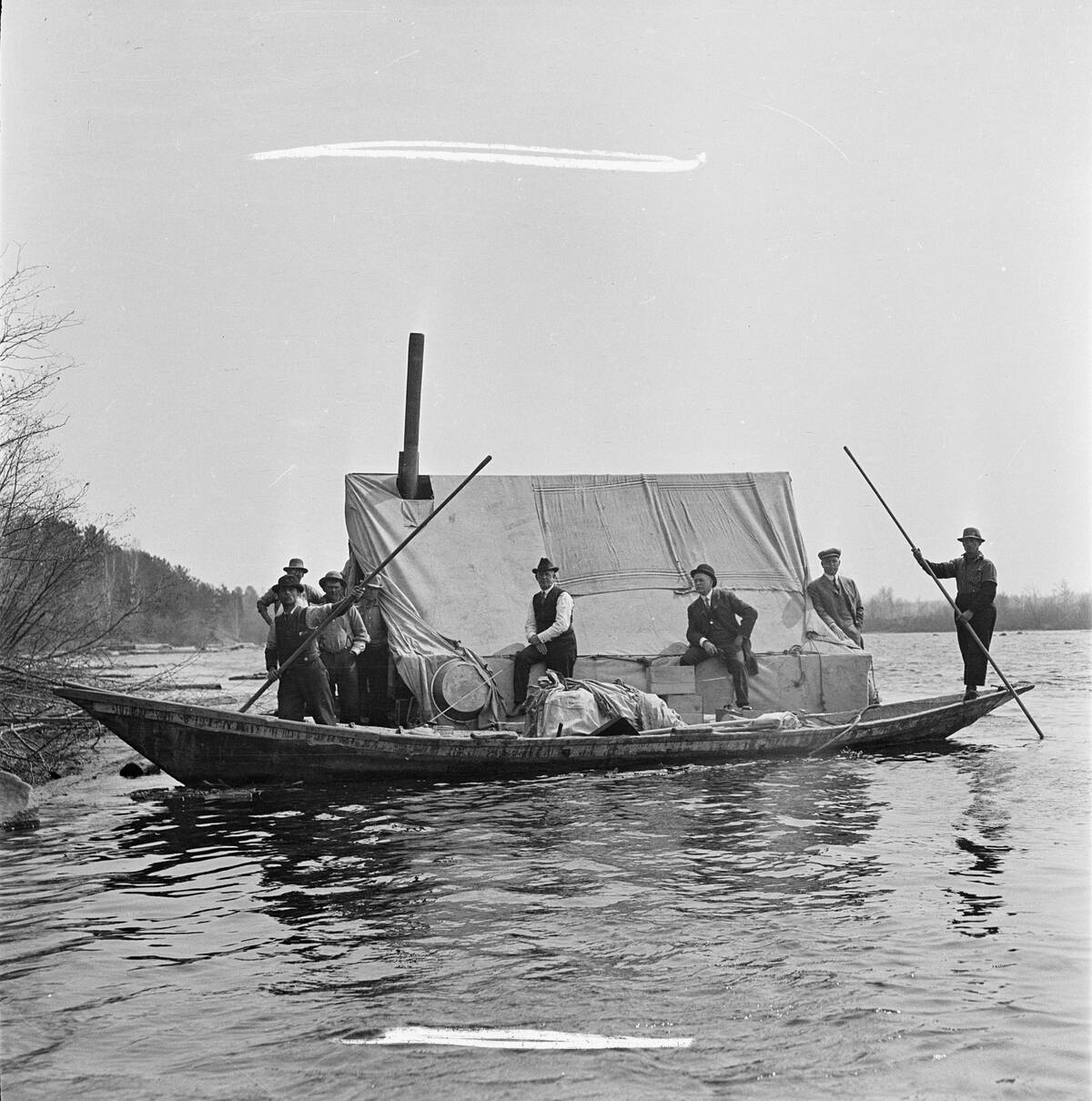
Log drivers, also known as “river pigs,” were responsible for guiding logs downstream to sawmills. This job required balance and agility, as workers had to navigate treacherous waters while standing on floating logs.
It was a dangerous occupation, with the constant risk of falling into the river or being crushed by logs. As railroads and trucks became the primary means of transporting timber, the need for log drivers diminished, but their daring exploits are still celebrated in folklore and song.
The Telegraphist: Sending Messages Across Distances
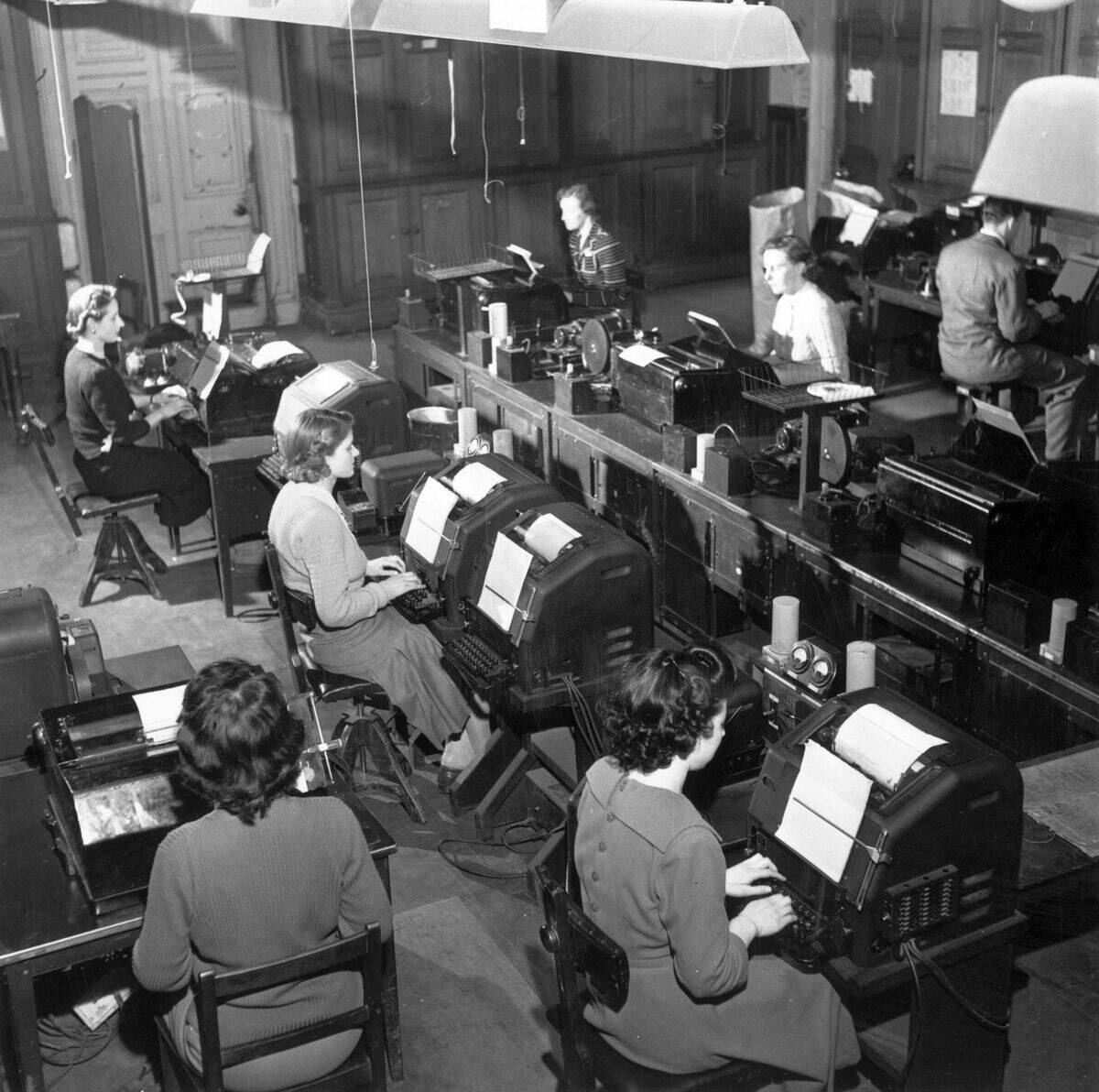
Telegraphists were the communication experts of the 19th and early 20th centuries, transmitting messages via Morse code over telegraph wires. This job required precision and speed, as operators had to encode and decode messages accurately.
The telegraph revolutionized communication, allowing information to travel quickly over long distances. However, with the advent of the telephone and later digital communication technologies, the role of the telegraphist declined, marking the end of an era in long-distance communication.
The Scribe: Documenting Information Before the Printing Press
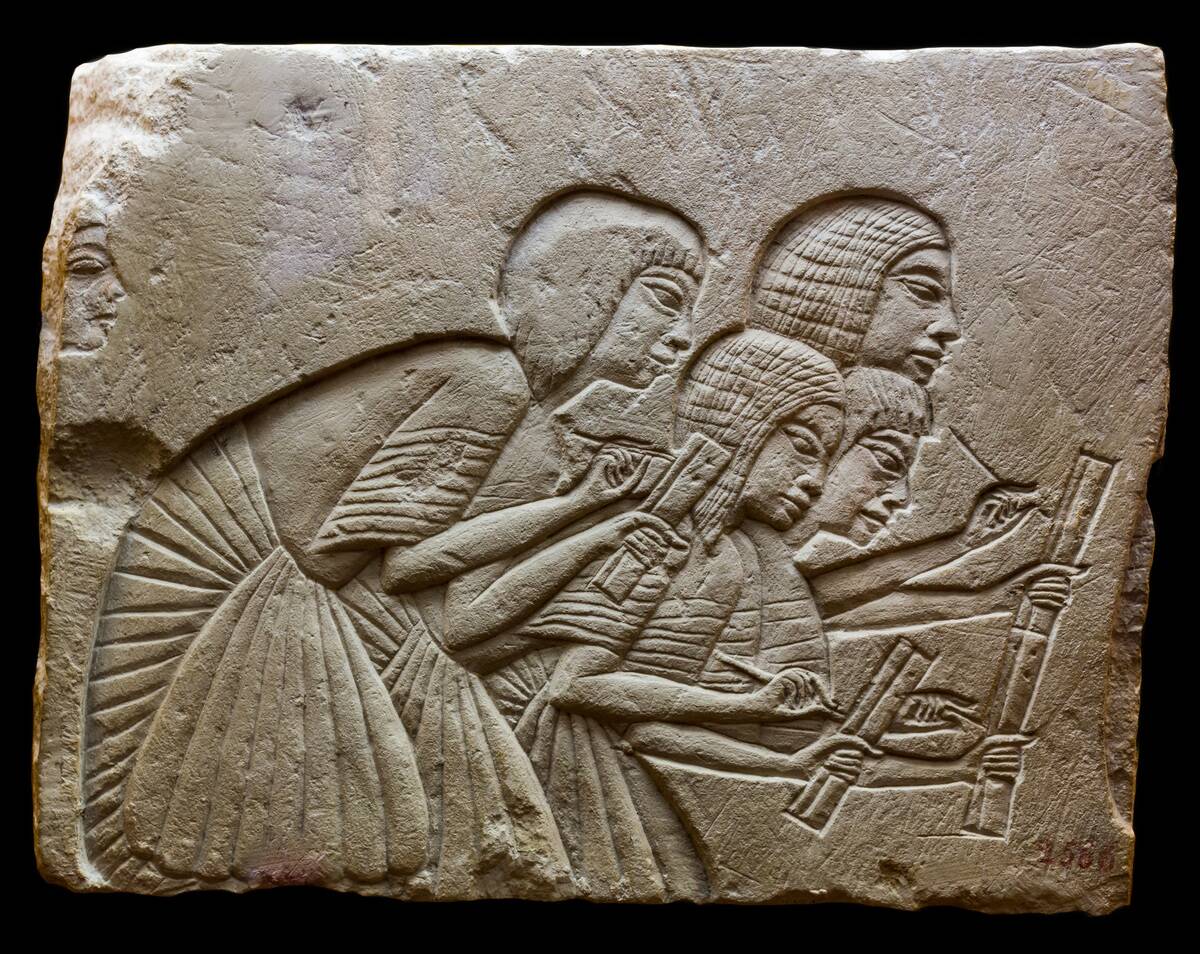
Scribes were the original record keepers, meticulously copying texts by hand before the invention of the printing press. They played a crucial role in preserving knowledge, transcribing everything from religious texts to legal documents.
This painstaking work required patience and attention to detail, as even a small error could alter the meaning of a text. With the advent of the printing press in the 15th century, the demand for scribes diminished, but their contribution to the preservation of history is invaluable.




