Popular myths that have been completely debunked
Welcome to a journey through some of the most persistent myths that have been passed down through generations. With a little help from science, we’ll debunk these misconceptions and uncover the truth.
From space to the animal kingdom, these myths have woven themselves into the fabric of our culture. But fear not, as we peel back the layers of these tales, you’ll find that reality is often just as fascinating as fiction.
The Great Wall of China: Visible from Space?

The idea that the Great Wall of China is visible from space is a popular myth. In reality, the wall is not easily seen by the naked eye from low Earth orbit.
Astronauts have confirmed that while the wall is long, its narrow width and natural color make it blend with the surrounding landscape. So, while it’s an impressive feat of engineering, it doesn’t quite stand out in the way many believe.
Sugar Rush: The Hyperactivity Myth

The idea that sugar causes hyperactivity in children is a widespread belief, yet scientific studies have found no direct link.
The myth likely persists due to the excitement of events where sugary treats are consumed, such as birthday parties. While excessive sugar isn’t great for overall health, it doesn’t cause the sugar-fueled frenzy many parents fear.
Lightning Never Strikes the Same Place Twice

The saying that lightning never strikes the same place twice is more poetic than factual. In reality, lightning can and does strike the same place multiple times, especially tall structures like skyscrapers and towers.
The Empire State Building, for example, is struck by lightning about 20 times a year. So, if you’re caught in a storm, it’s best to seek shelter, regardless of prior strikes.
The Penny Drop: Deadly from the Empire State Building?

Dropping a penny from the Empire State Building won’t lead to a deadly impact. Due to air resistance, a penny reaches a terminal velocity that isn’t fast enough to cause significant harm.
While it might sting if it hits someone, it’s unlikely to be lethal. So, while it’s best not to toss coins from great heights, the danger is more myth than reality.
Cracking Knuckles: A Recipe for Arthritis?

Cracking your knuckles might annoy those around you, but it’s unlikely to cause arthritis. The popping sound is due to bubbles bursting in the synovial fluid of the joints.
Studies have shown no significant link between knuckle cracking and the development of arthritis. However, habitual cracking might lead to reduced grip strength over time, so it’s wise to crack with caution.
Bats: Truly Blind as a Bat?
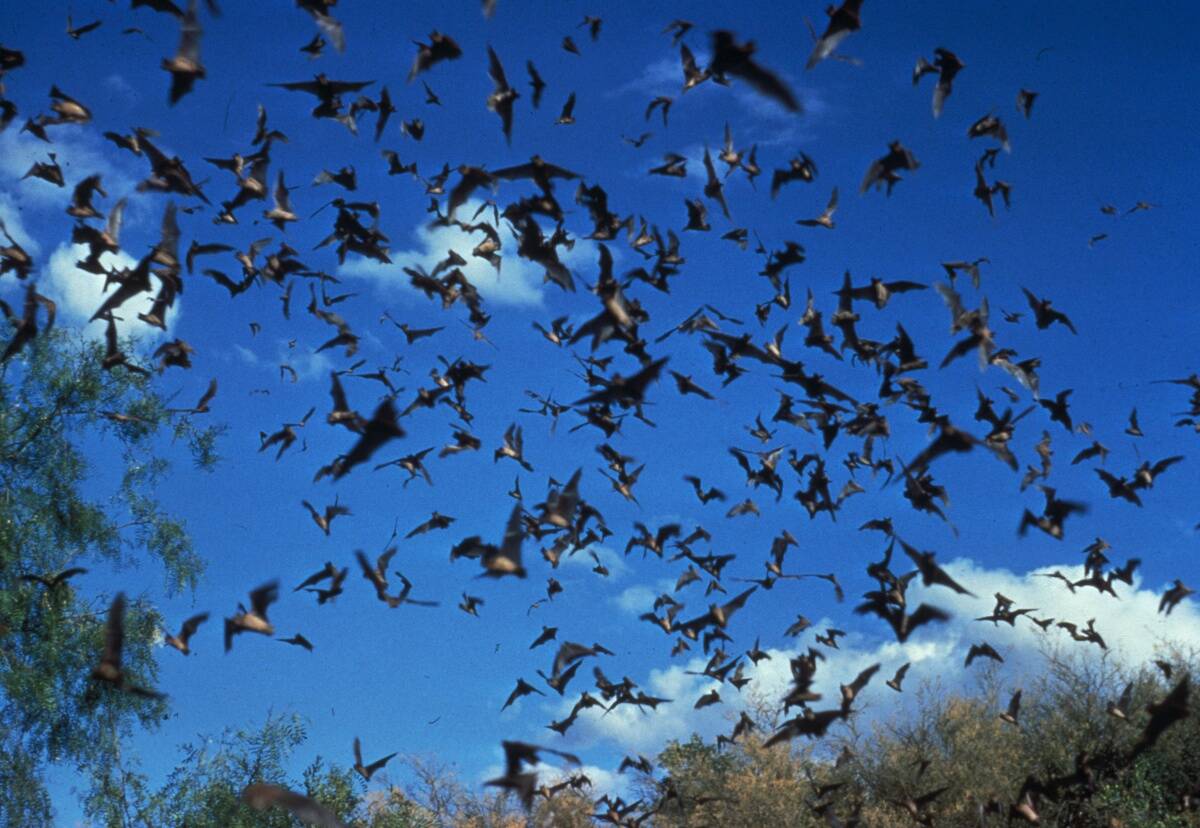
The phrase “blind as a bat” is misleading, as bats are not blind. Most species have good eyesight, particularly those that are active during the day.
Bats also use echolocation to navigate in the dark, emitting high-frequency sounds that bounce off objects and return to them, helping them “see” with sound. So, while they might not have 20/20 vision, bats are far from blind.
Goldfish Memory: A Mere Three Seconds?
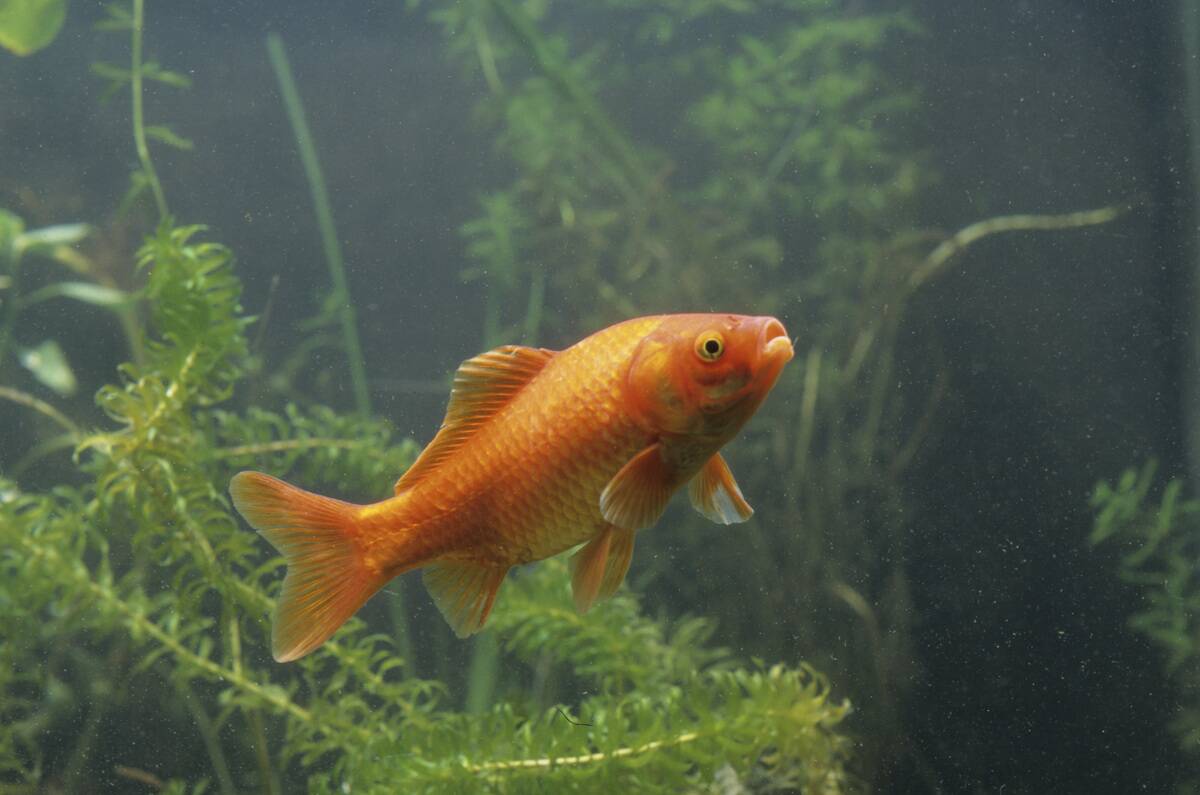
Goldfish often get a bad rap for having a memory span of just three seconds, but research has shown they can remember things for months.
Studies involving mazes and feeding times demonstrate that goldfish can learn and recall information over extended periods. So, next time you see a goldfish, remember it’s likely more cognizant than you might think.
Swallowed Gum: Sticking Around for Seven Years?

Swallowing gum won’t leave it stuck in your stomach for seven years. While it’s true that gum is indigestible, it passes through the digestive system relatively intact and is excreted like other waste.
The myth likely stems from the unusual nature of gum, but rest assured, it won’t linger in your system for years on end.
Bulls and the Color Red: A Misunderstood Rage

The belief that bulls become enraged by the color red is a misconception. Bulls are actually colorblind to red; it’s the movement of the matador’s cape that provokes them.
The red color is traditionally used in bullfighting for its dramatic effect, not because it incites the bull. So, next time you see a bull, remember it’s not the color that catches its eye.
The Five-Second Rule: Safe to Eat?

We’ve all heard of the five-second rule, but is it really safe to eat food that’s been on the floor for just a few seconds? Science says otherwise. Bacteria can transfer to food almost instantly upon contact with a surface.
Factors like the type of food and the cleanliness of the floor play a more significant role than the time it spends on the ground. So, it’s best to err on the side of caution.
The Human Brain: Only 10% in Use?

The myth that we only use 10% of our brains is a popular misconception. Neurological research shows that we use virtually every part of our brain, and most of it is active almost all the time.
Brain scans reveal that even simple tasks require widespread brain activity. So, while we might not always feel like we’re firing on all cylinders, our brains are constantly at work.
The Full Moon: A Cause of Madness?

The full moon has long been associated with madness and strange behavior, but scientific studies have found no correlation between lunar phases and human behavior.
The term “lunacy” itself is derived from the Latin word for moon, “luna,” but this connection is more historical than factual. Our fascination with the moon continues, but its influence on our minds remains mythical.
Hair and Shaving: Does it Grow Back Thicker?

Shaving hair doesn’t cause it to grow back thicker or darker. This myth arises because shaved hair has a blunt tip, making it feel coarser as it grows out.
The hair’s texture, color, and growth rate are determined by genetics, not shaving habits. So, rest assured that your grooming routine isn’t altering your hair’s natural characteristics.
The Chameleon: Master of Camouflage?
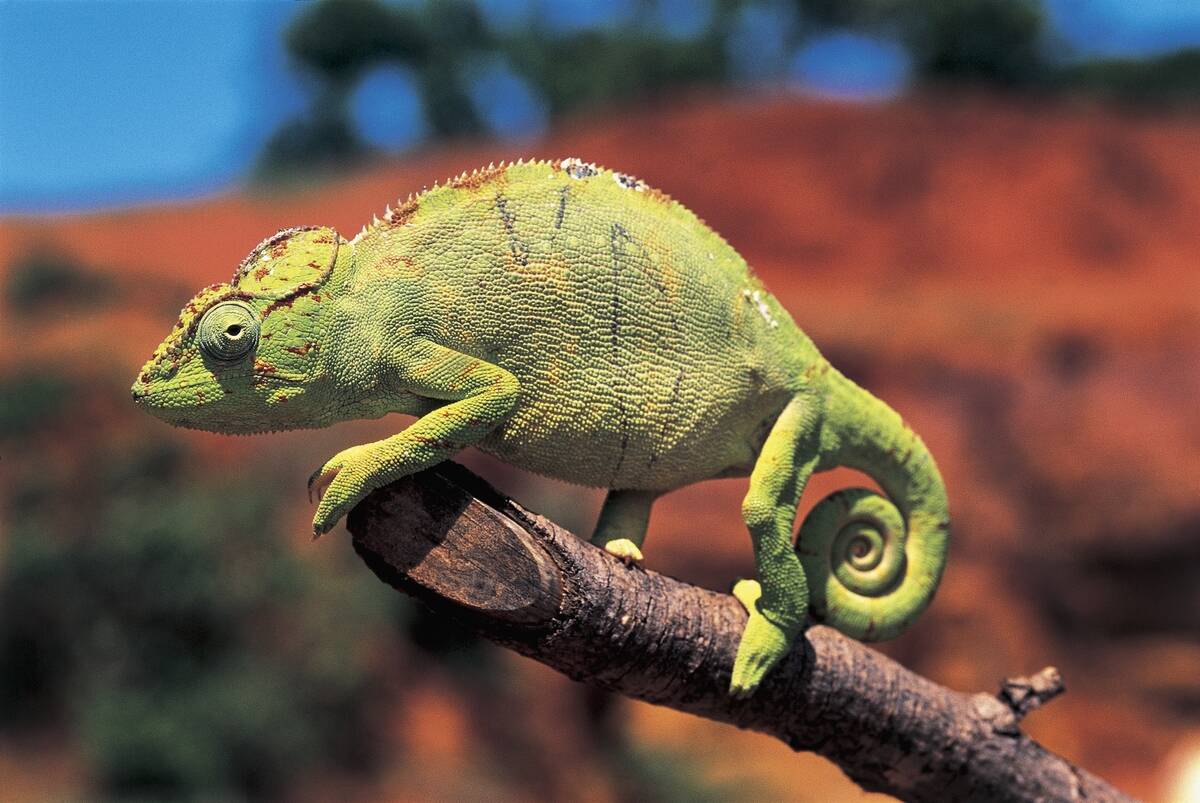
Chameleons are often thought to change color to blend into their surroundings, but this isn’t entirely accurate. While they do change color, it’s primarily for communication and temperature regulation.
Their color changes can indicate mood, mating readiness, or territorial signals. So, while they are fascinating creatures, their color-changing abilities serve more complex purposes than simple camouflage.




