Traditional foods that date back hundreds of years
Many of the foods people enjoy today have been part of local cultures for hundreds of years. Passed down through generations, these dishes often reflect the history, traditions, and ingredients of the regions where they originated.
From sushi in Japan to hummus in the Middle East, these traditional foods have stood the test of time and remain popular around the world.
The Ancient Art of Bread Making
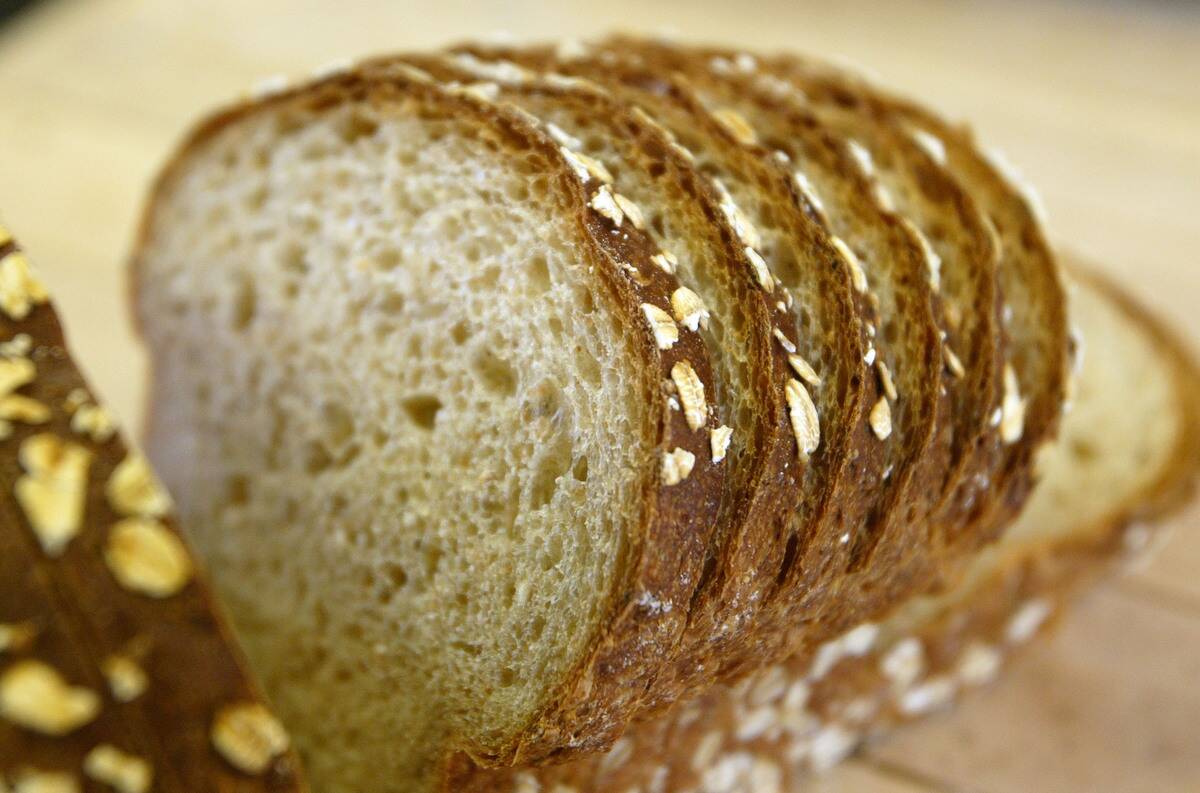
Bread, often referred to as the ‘staff of life,’ has been a staple in human diets for thousands of years. The earliest evidence of bread-making dates back to around 14,000 years ago in what is now Jordan.
Ancient Egyptians were pioneers in refining bread-making techniques, even inventing the first leavened bread. Today, bread remains a universal comfort food, with each culture adding its unique twist, from sourdough to flatbreads.
The Sweet History of Turkish Delight
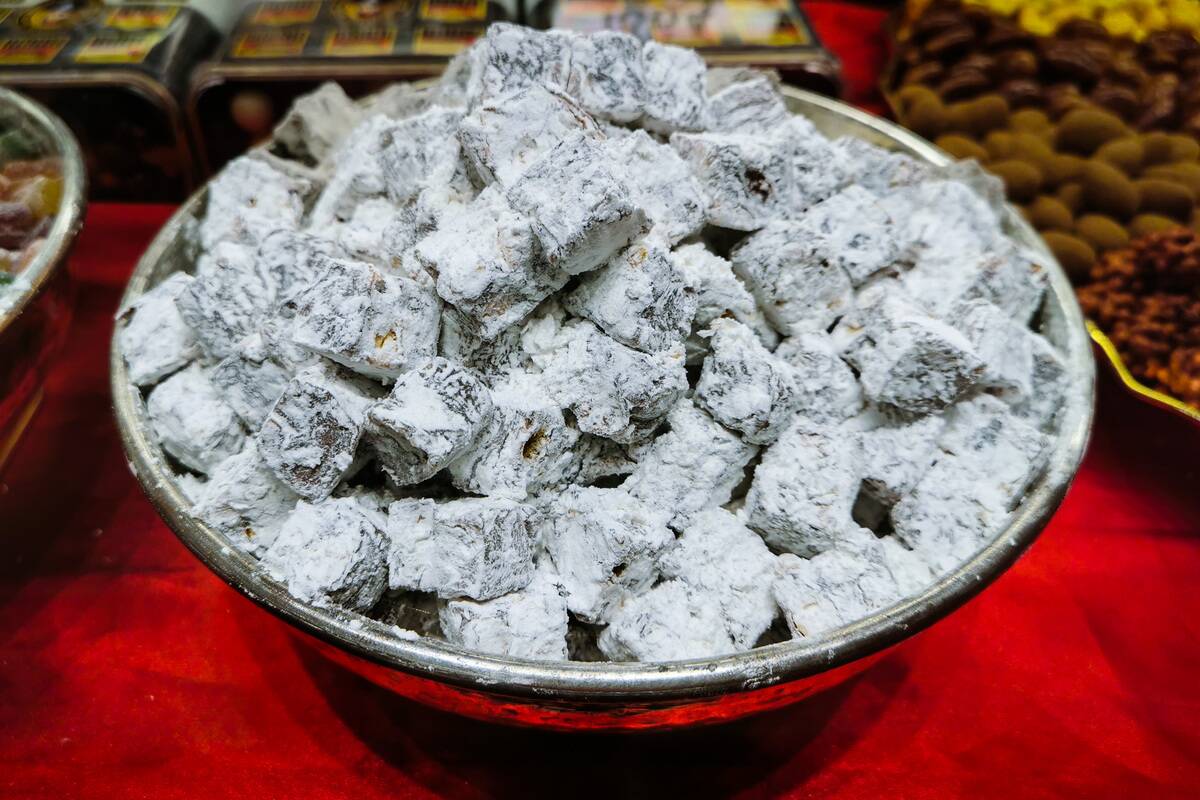
Turkish Delight, known as lokum, is a confectionery with a history as intriguing as its flavors. Originating in the Ottoman Empire in the late 18th century, it was crafted to satisfy the Sultan’s sweet tooth.
Made from sugar, starch, and various flavorings like rosewater and pistachios, Turkish Delight is a symbol of Turkish hospitality. Its chewy texture and delicate sweetness continue to enchant sweet lovers worldwide.
The Long-Standing Tradition of Russian Borscht
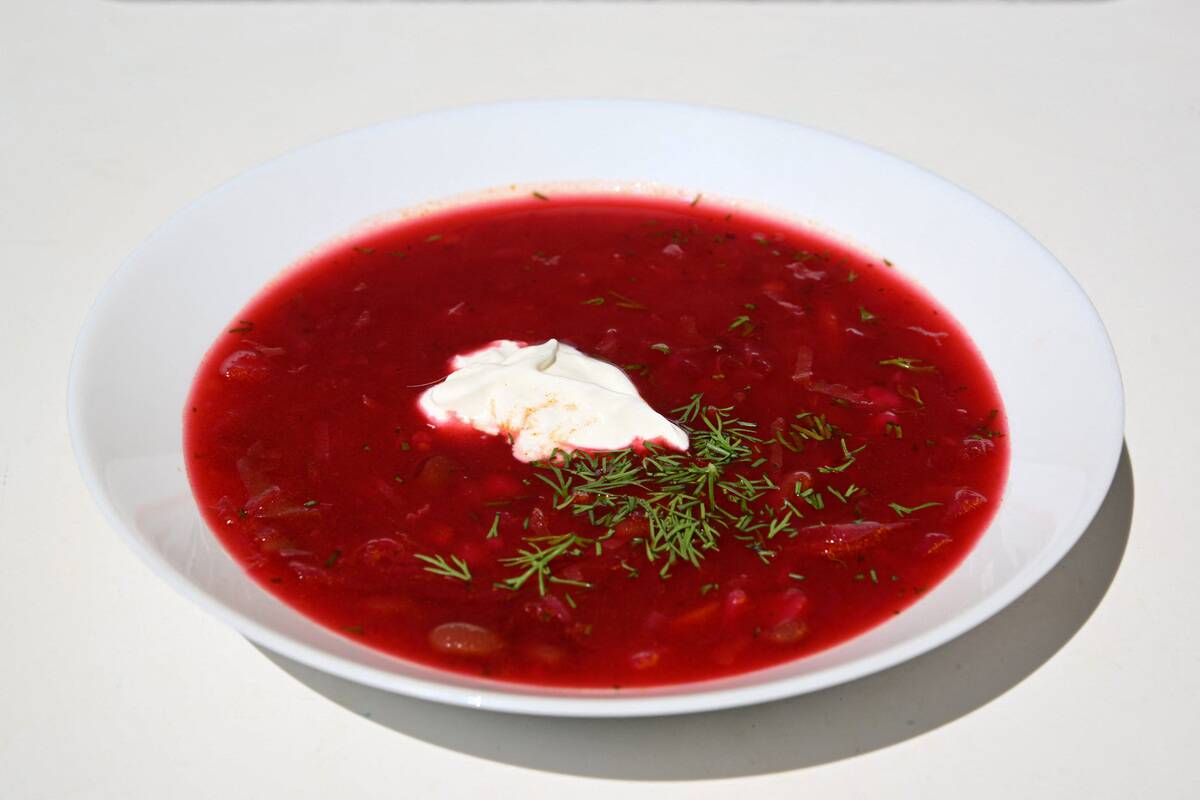
Borscht, a beetroot soup, is a cornerstone of Ukrainian and Eastern European cuisine. Its origins are debated, but it is believed to have been consumed since the 9th century. Borscht is known for its vibrant color and earthy flavors, often served with a dollop of sour cream.
This hearty soup is not only a comfort food but also a symbol of resilience, reflecting the agricultural traditions of the region.
The Timeless Allure of Spanish Paella
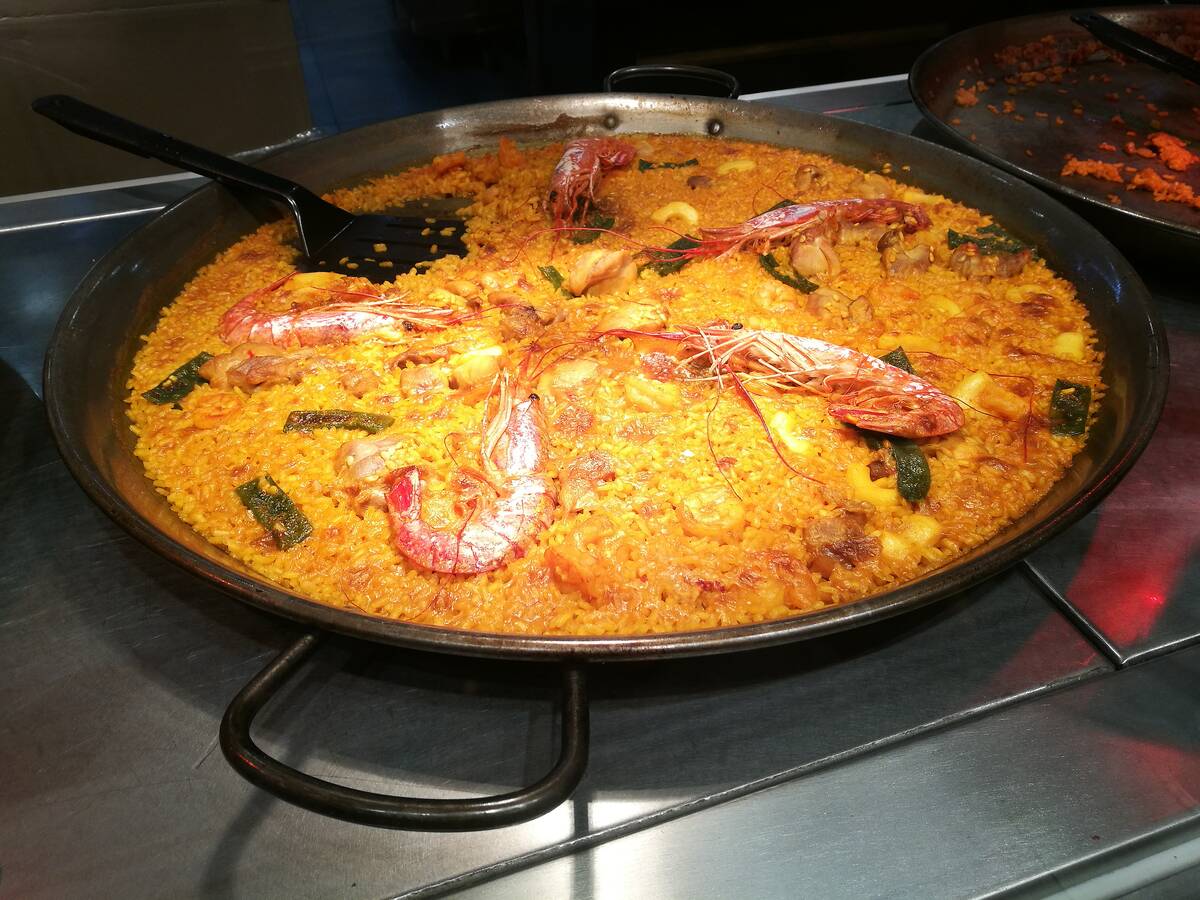
Paella, a vibrant rice dish, is a symbol of Spanish cuisine with roots in Valencia. Originally a humble meal for farmers, paella was cooked over an open fire with whatever ingredients were on hand.
The dish evolved over time, with seafood paella becoming a popular variation. Today, paella is celebrated for its rich flavors and communal dining experience, bringing people together to enjoy this quintessential Spanish dish.
Moroccan Couscous
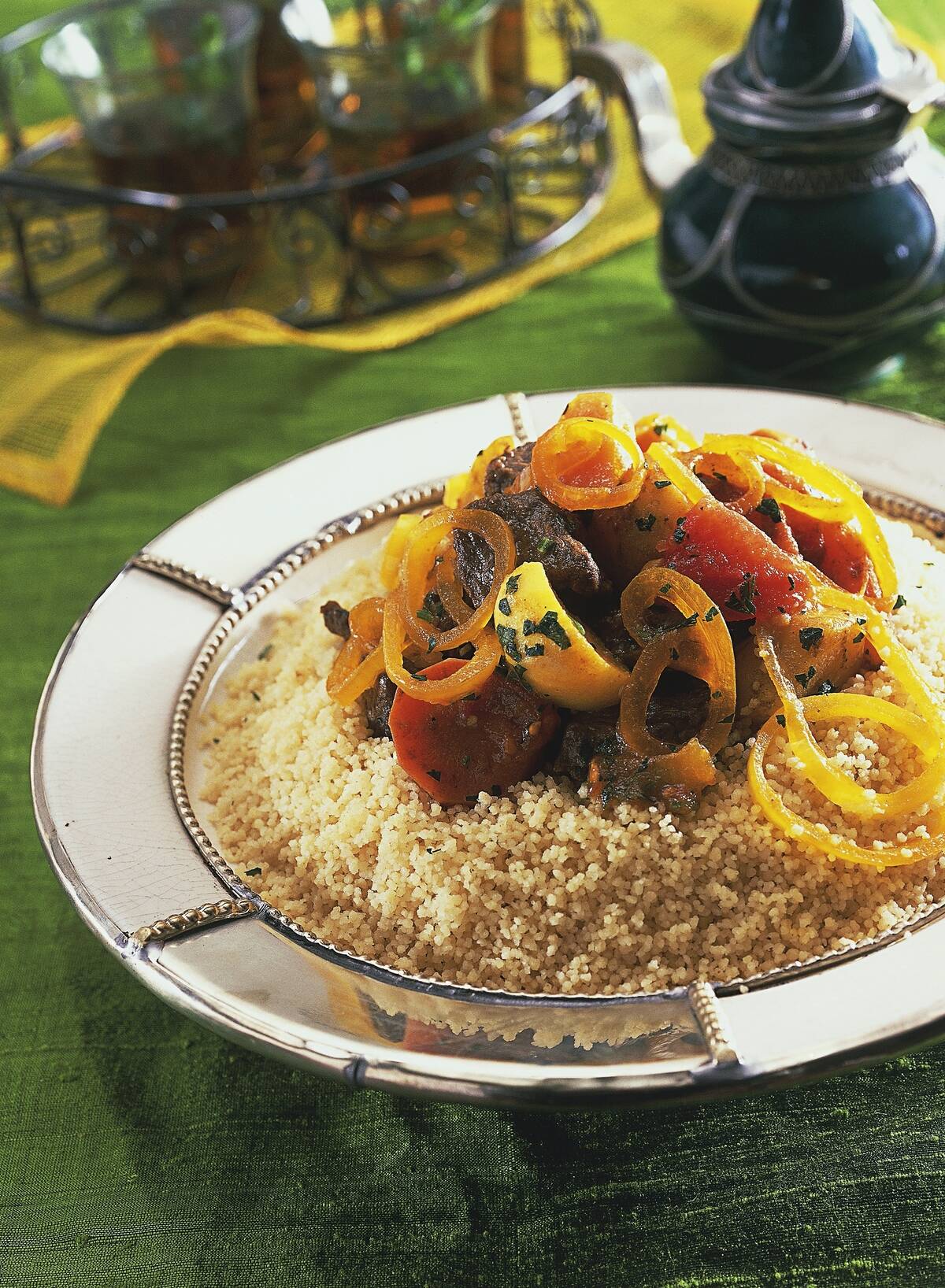
Couscous, a staple in North African cuisine, has been enjoyed for centuries. Made from semolina wheat, it is traditionally steamed and served with a variety of meats and vegetables.
In Morocco, couscous is often prepared for special occasions, symbolizing abundance and hospitality. Its versatility and ability to absorb flavors make it a favorite dish worldwide, reflecting the rich culinary heritage of the Maghreb region.
The Rich Legacy of Indian Curry
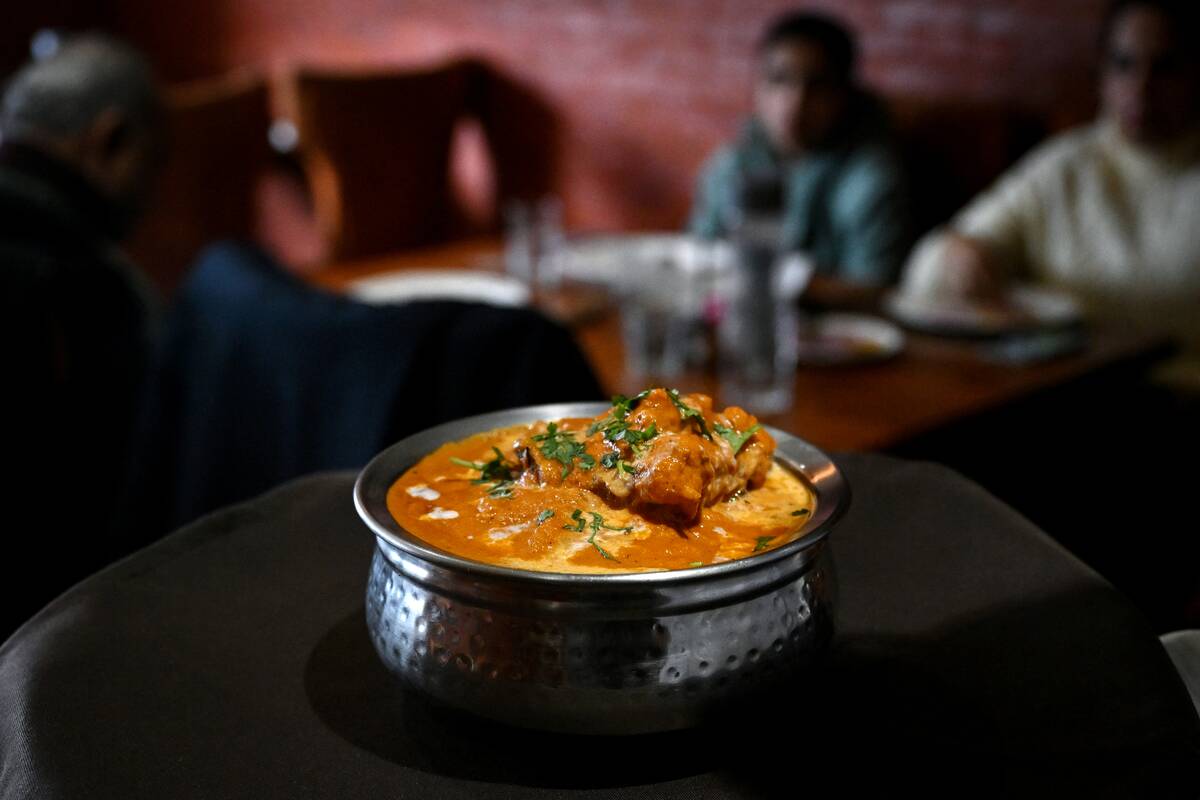
Curry, a dish synonymous with Indian cuisine, boasts a history as diverse as its flavors. TThe word ‘curry’ was popularized in English during British colonial involvement in South Asia, but it broadly refers to many different spiced dishes rather than one single dish.
Archaeological evidence suggests people in the Indus Valley used spices such as turmeric, ginger, and garlic thousands of years ago. Each region in India offers its unique take on curry, from the coconut-rich curries of the south to the spicy vindaloos of Goa, making it a versatile and beloved dish.
Chinese Dumplings
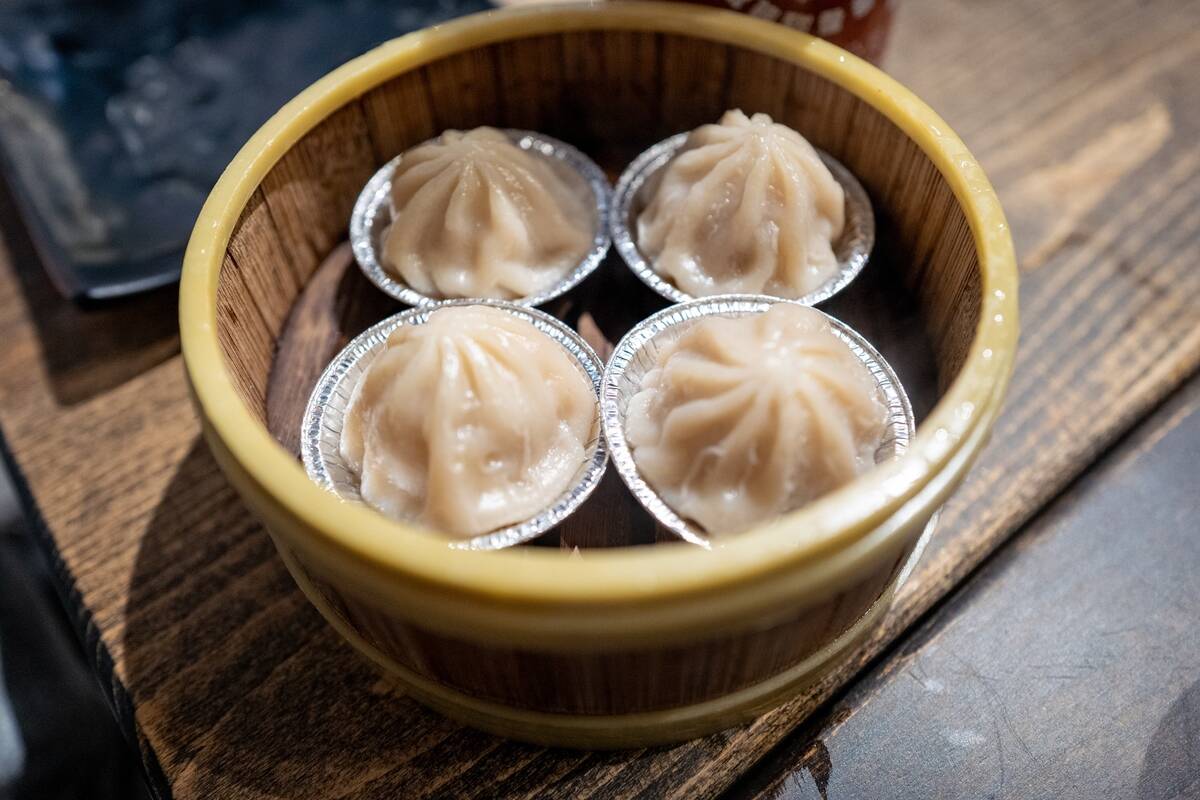
Dumplings, a staple in Chinese cuisine, have been enjoyed for over 1,800 years. Legend has it that they were invented by Zhang Zhongjing, a physician during the Eastern Han Dynasty, to help people combat frostbite.
Today, dumplings are a symbol of family and tradition, especially during Chinese New Year. Whether steamed, boiled, or fried, these bite-sized delights offer a taste of China’s rich culinary heritage.
Middle Eastern Hummus
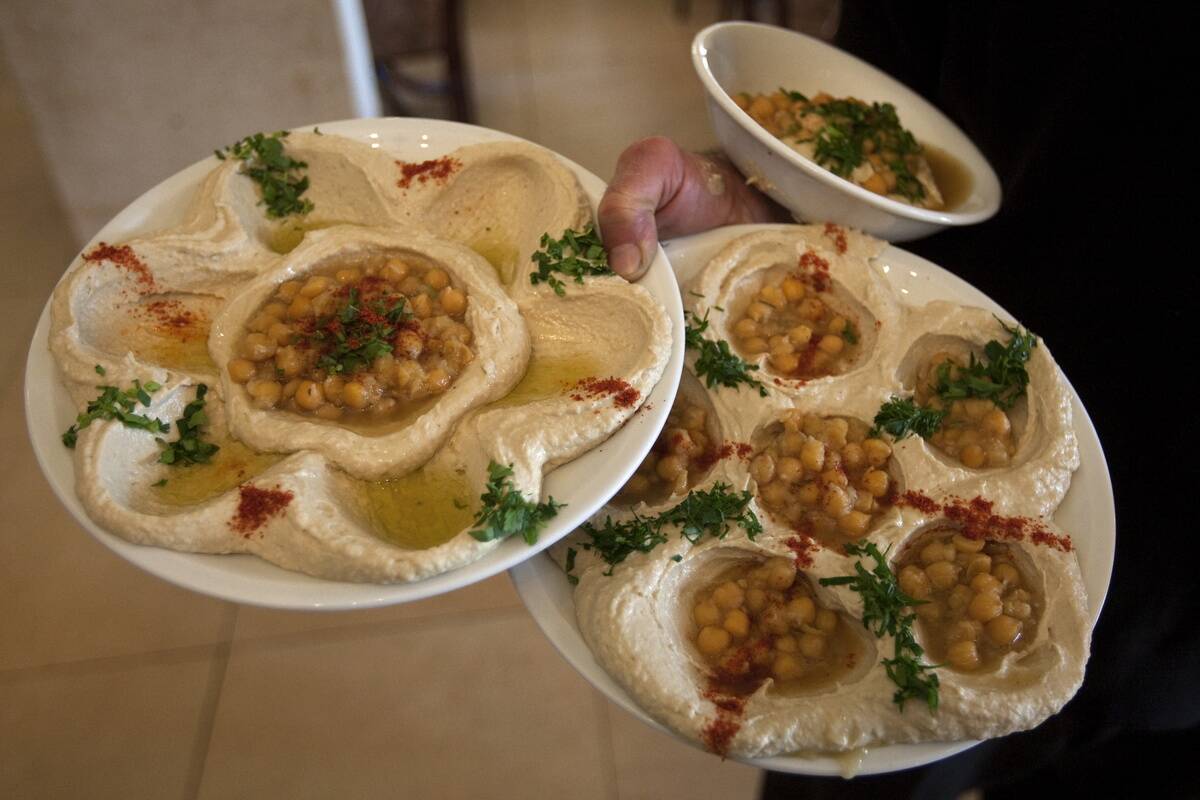
Hummus, a creamy blend of chickpeas, tahini, lemon, and garlic, has been a Middle Eastern staple for centuries. Its origins are debated, with records suggesting it dates back to the 13th century in Egypt.
This nutritious dip is not only a culinary delight but also a symbol of hospitality in the region. Today, hummus has gained international popularity, celebrated for its simplicity and versatility in dishes.
Ethiopian Injera
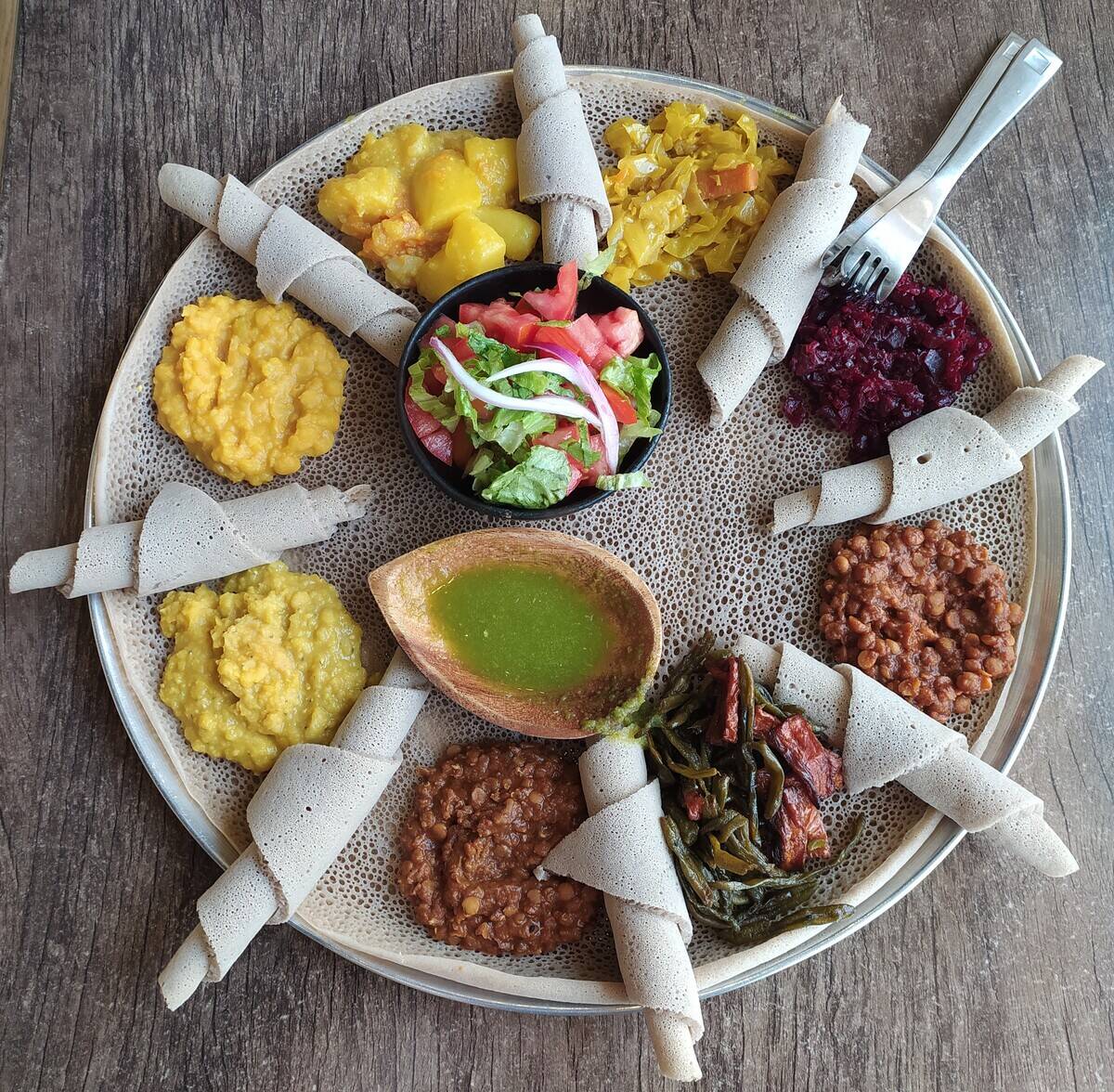
Injera, a sourdough flatbread, is a cornerstone of Ethiopian cuisine. Made from teff flour, injera serves as both a plate and utensil, soaking up the flavors of the stews it accompanies.
Its origins date back over 3,000 years, with teff being one of the earliest domesticated crops in Ethiopia. Injera’s unique taste and texture make it a beloved staple, reflecting the rich cultural tapestry of Ethiopia.
The Age-Old Tradition of Greek Olives
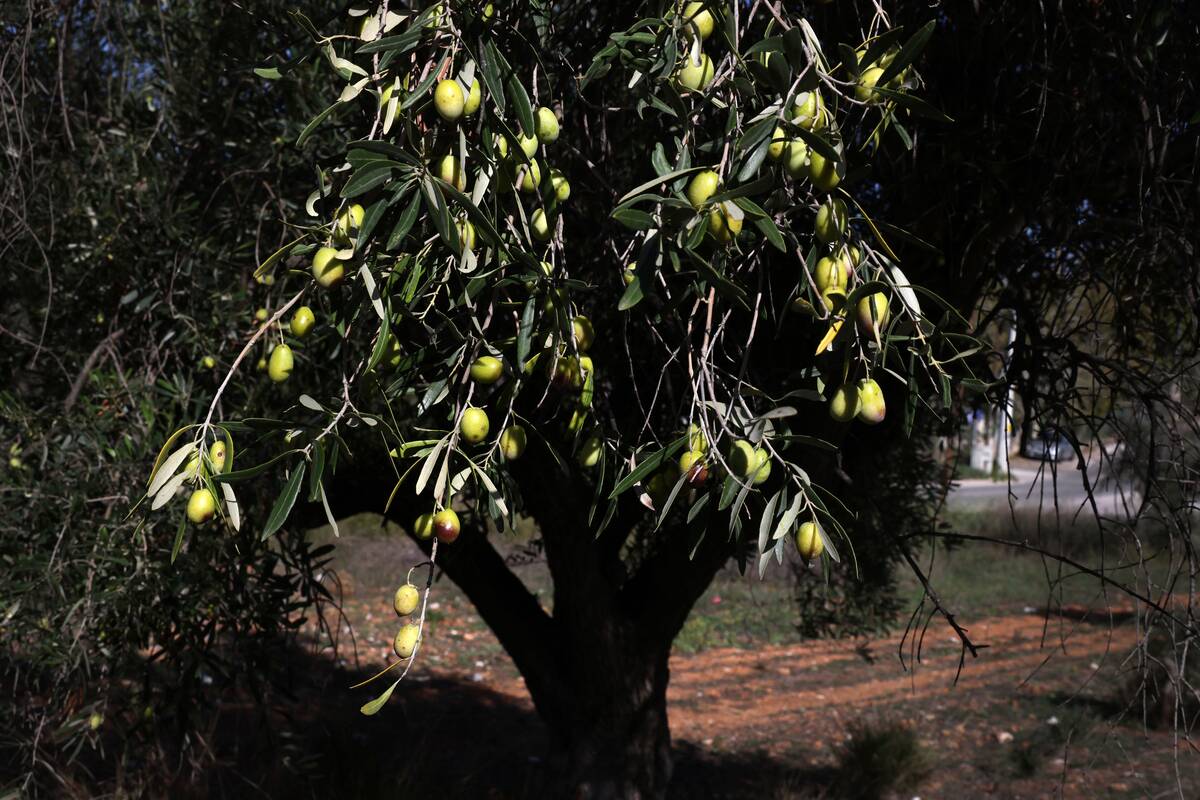
Olives, a symbol of peace and prosperity, have been cultivated in Greece for over 5,000 years. The ancient Greeks revered the olive tree, considering it sacred. Olive oil, derived from these fruits, was used not only in cooking but also in religious rituals and as a beauty treatment.
Today, Greek olives and olive oil are celebrated for their quality and flavor, continuing to play a vital role in Mediterranean cuisine.
The Nordic Tale of Pickled Herring
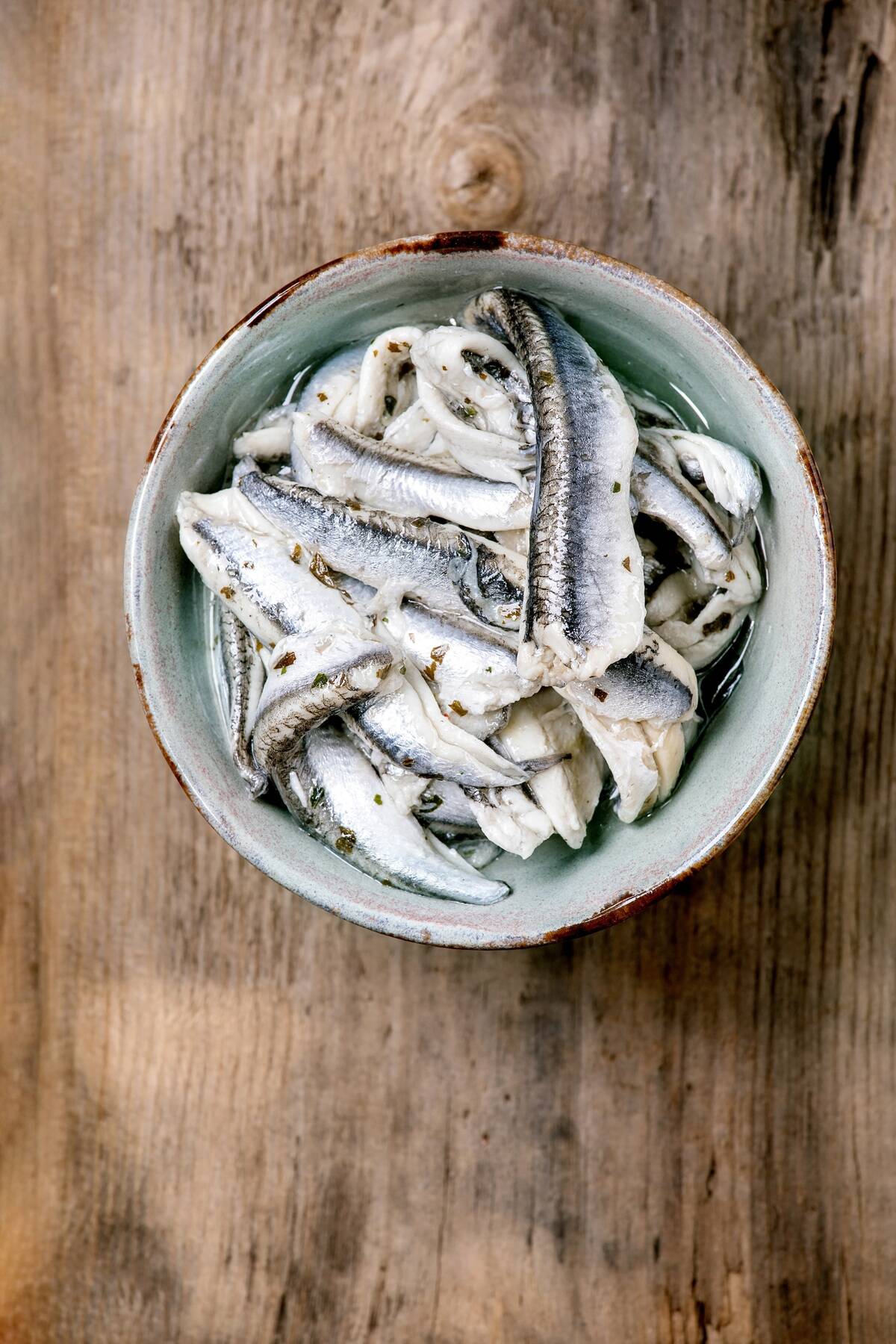
Pickled herring, a staple in Nordic diets, has been enjoyed for centuries. Its preservation method dates back to the Middle Ages, when salting and pickling were essential for survival in harsh climates.
Rich in omega-3 fatty acids, pickled herring is both nutritious and flavorful. Traditionally served during festive occasions, it remains a beloved dish in countries like Sweden and Denmark, reflecting the region’s maritime heritage.
Italian Pasta
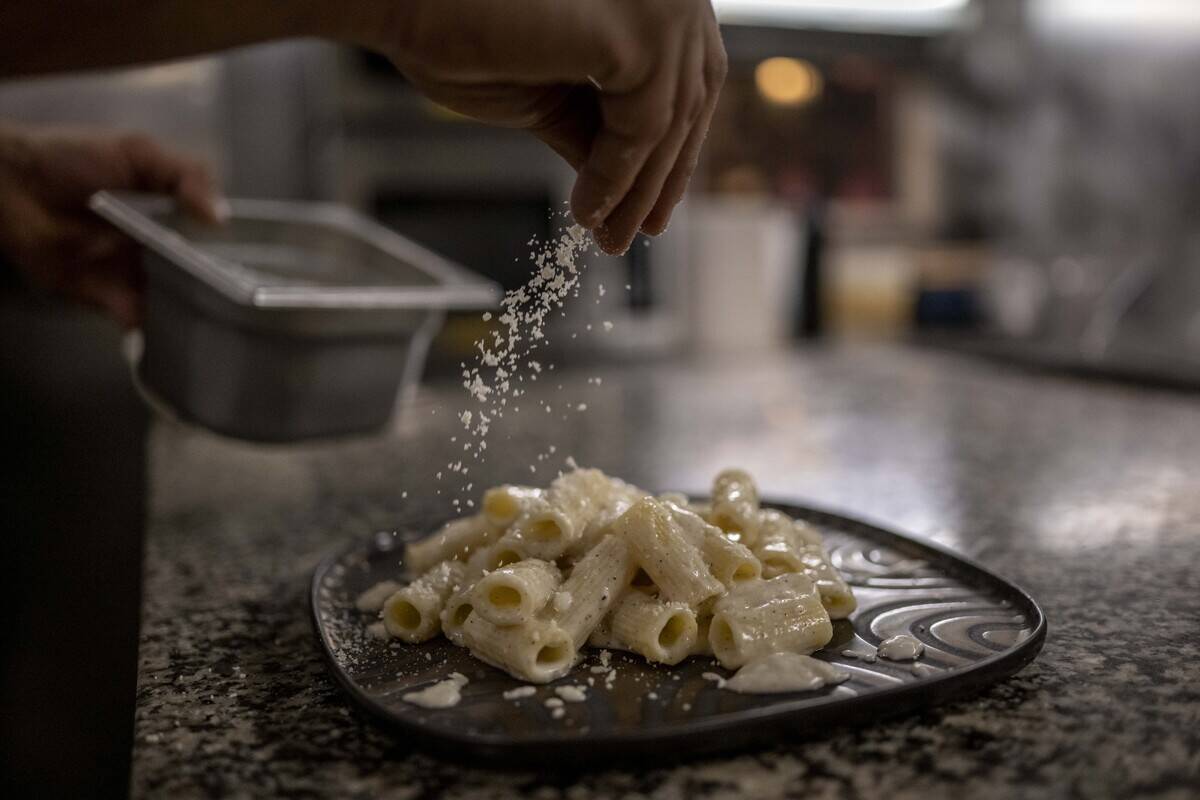
Pasta, synonymous with Italian cuisine, has a history as rich as its flavors. Pasta’s history is complex: dried pasta may have been influenced by Arab culinary traditions in Sicily, but pasta-like foods existed in different forms across the Mediterranean and beyond. Its development in Italy was gradual rather than the result of a single arrival
By the 13th century, pasta was a staple in Italy, with the first written reference appearing in Sicily. Today, Italy boasts over 600 pasta shapes, each pairing perfectly with its own sauce, making pasta a beloved dish globally.
Mexican Maize
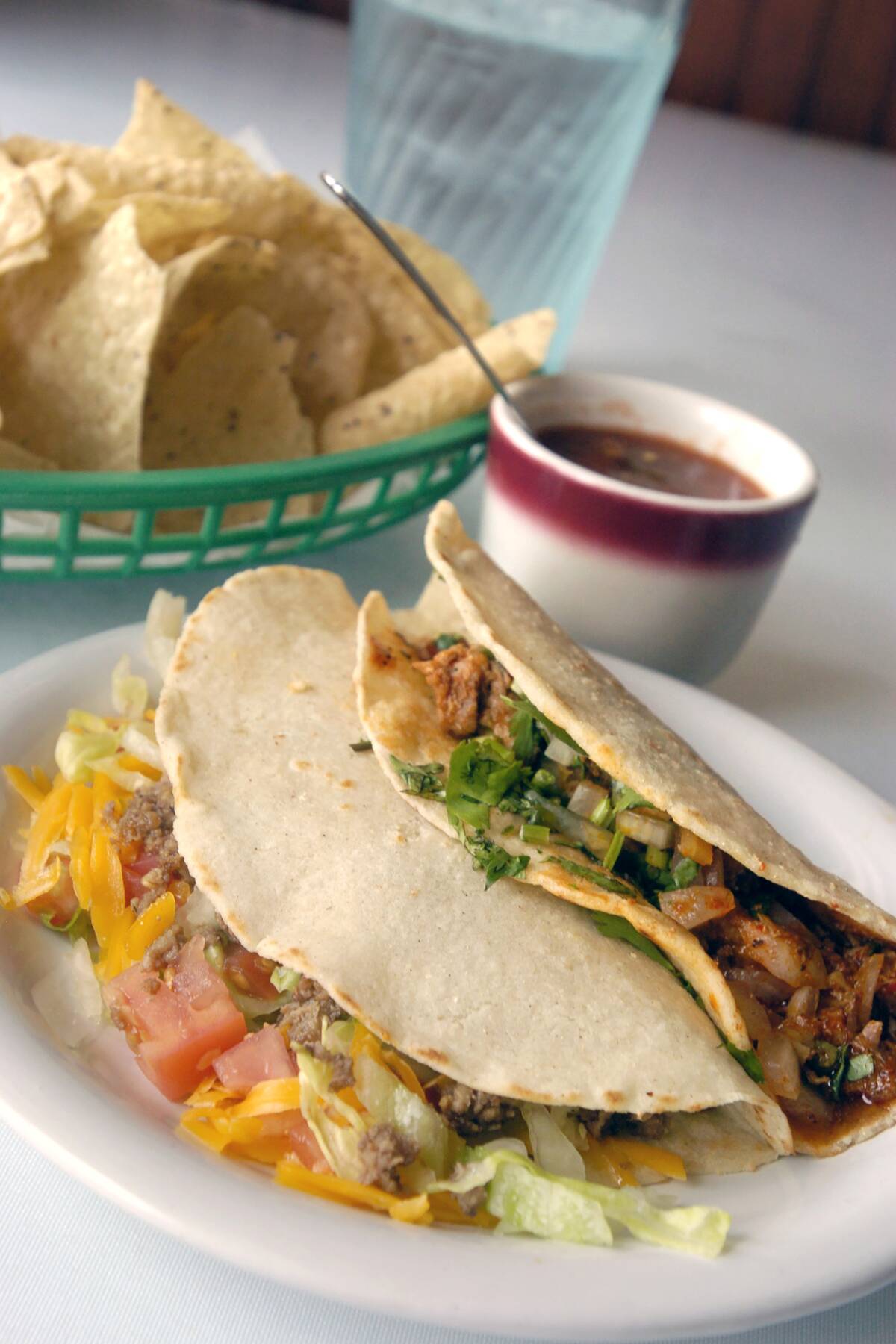
Tortillas, a cornerstone of Mexican cuisine, have been a staple for over 10,000 years. Made from maize, tortillas were central to the diet of ancient Mesoamerican civilizations like the Aztecs and Mayans.
The process of nixtamalization, where maize is soaked and cooked in an alkaline solution, enhances its nutritional value. Today, tortillas are enjoyed worldwide, serving as the base for tacos, enchiladas, and more.
French Cheese
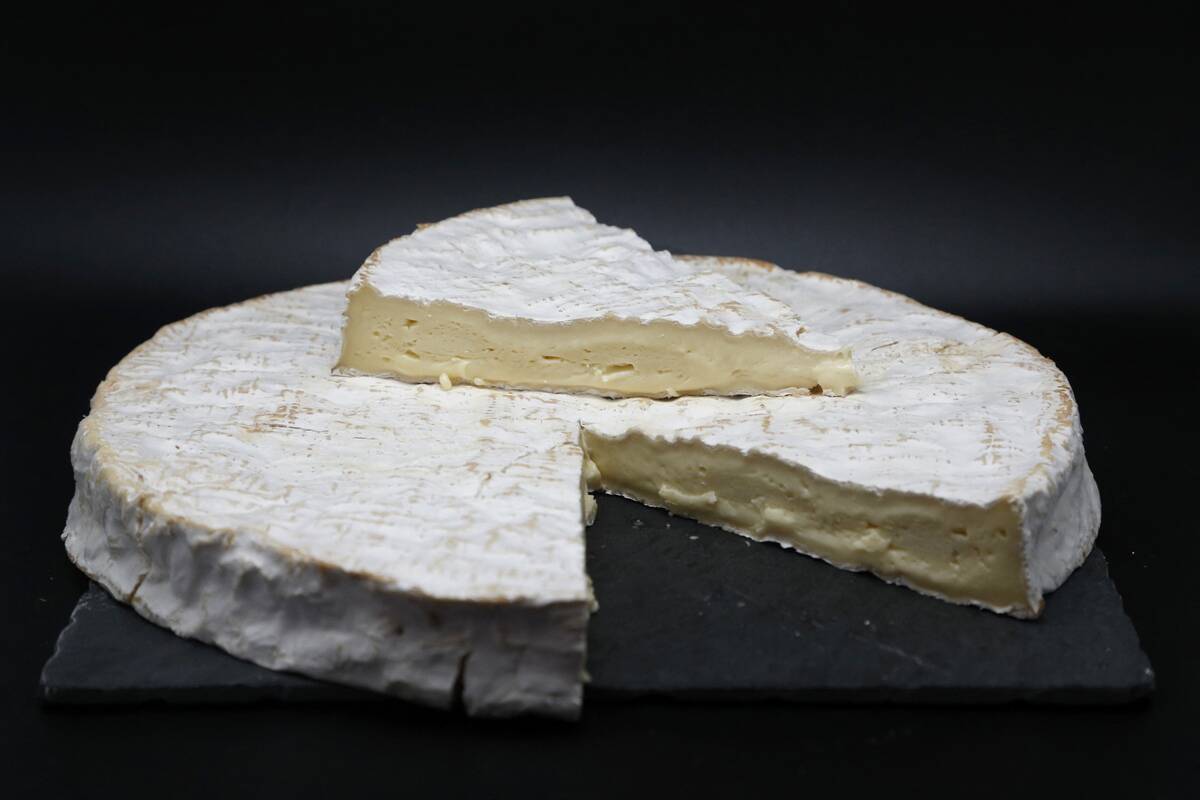
France, renowned for its culinary prowess, boasts a cheese-making tradition that dates back to Roman times. With over 1,000 varieties, French cheese is a testament to the country’s diverse terroir and rich history.
From the creamy Brie de Meaux to the pungent Roquefort, each cheese tells a story of its region. French cheese remains a symbol of cultural pride, celebrated in both local markets and gourmet kitchens worldwide.
The Appeal of British Pies

British pies, with their flaky crusts and savory fillings, have been a beloved part of British cuisine for centuries. The history of pies in Britain dates back to the medieval period, where they were used to preserve meats.
Over time, pies evolved into a versatile dish, with variations like steak and kidney pie becoming household favorites. Today, pies are enjoyed across the UK, celebrated for their comforting flavors and rich history.
Sushi
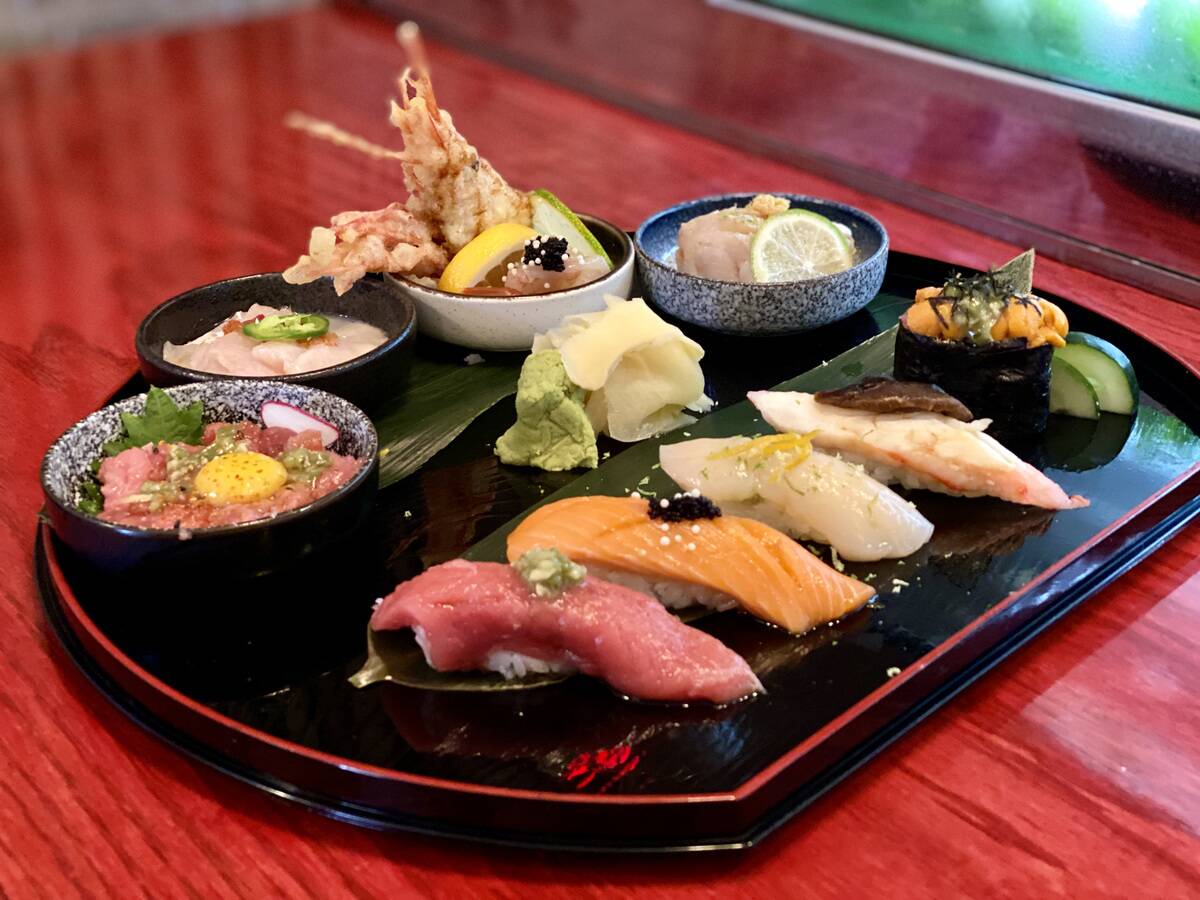
Sushi, a beloved Japanese delicacy, has origins that trace back to the 8th century. Initially, it was a method of preserving fish in fermented rice. Over time, sushi evolved into the art form we know today, with Edo-period Japan introducing nigiri sushi.
This transformation reflects Japan’s rich history and its people’s dedication to culinary precision. From maki rolls to nigiri, sushi continues to captivate palates worldwide.




