Iconic movie directors behind some of cinema’s most memorable films
Cinema is a magical realm where visionaries behind the camera bring stories to life, captivating audiences worldwide. These directors are the architects of imagination, crafting narratives that resonate with viewers.
From suspenseful thrillers to epic dramas, their unique styles and innovative techniques have left an indelible mark on the industry. Let’s embark on a journey to celebrate the creative geniuses who have shaped the cinematic landscape, each with their distinctive flair and storytelling prowess.
Alfred Hitchcock: The Master of Suspense
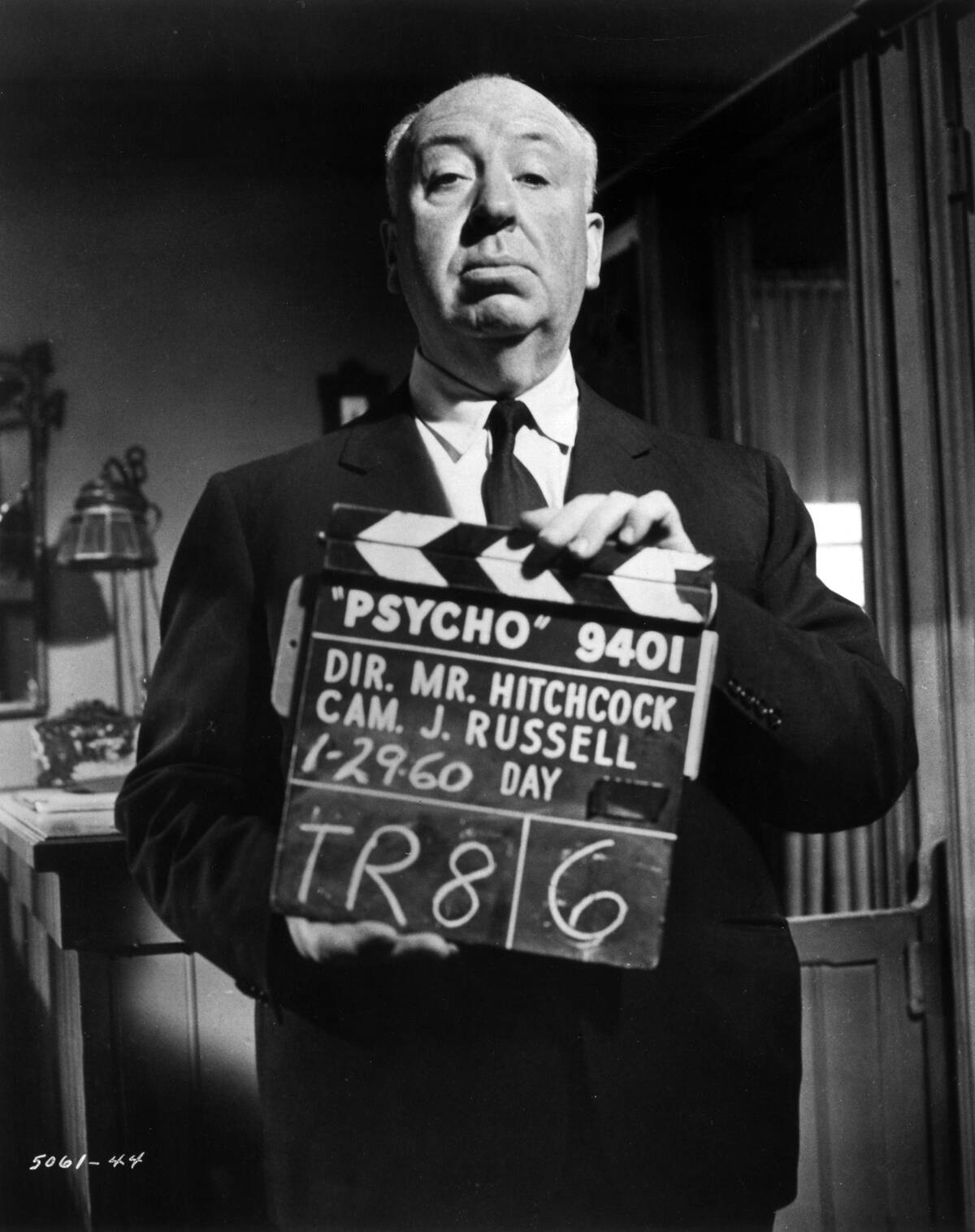
Alfred Hitchcock, often called the “Master of Suspense,” transformed the thriller genre through his meticulous filmmaking, innovative techniques, and psychological storytelling. His iconic film “Psycho” shocked audiences with its unexpected plot developments and groundbreaking shower scene, which remains one of cinema’s most studied moments.
Hitchcock’s ability to create tension and immerse viewers in suspense made him one of the most influential directors in film history. His techniques continue to inspire modern filmmakers who explore suspenseful and psychological storytelling.
Steven Spielberg: The King of Blockbusters
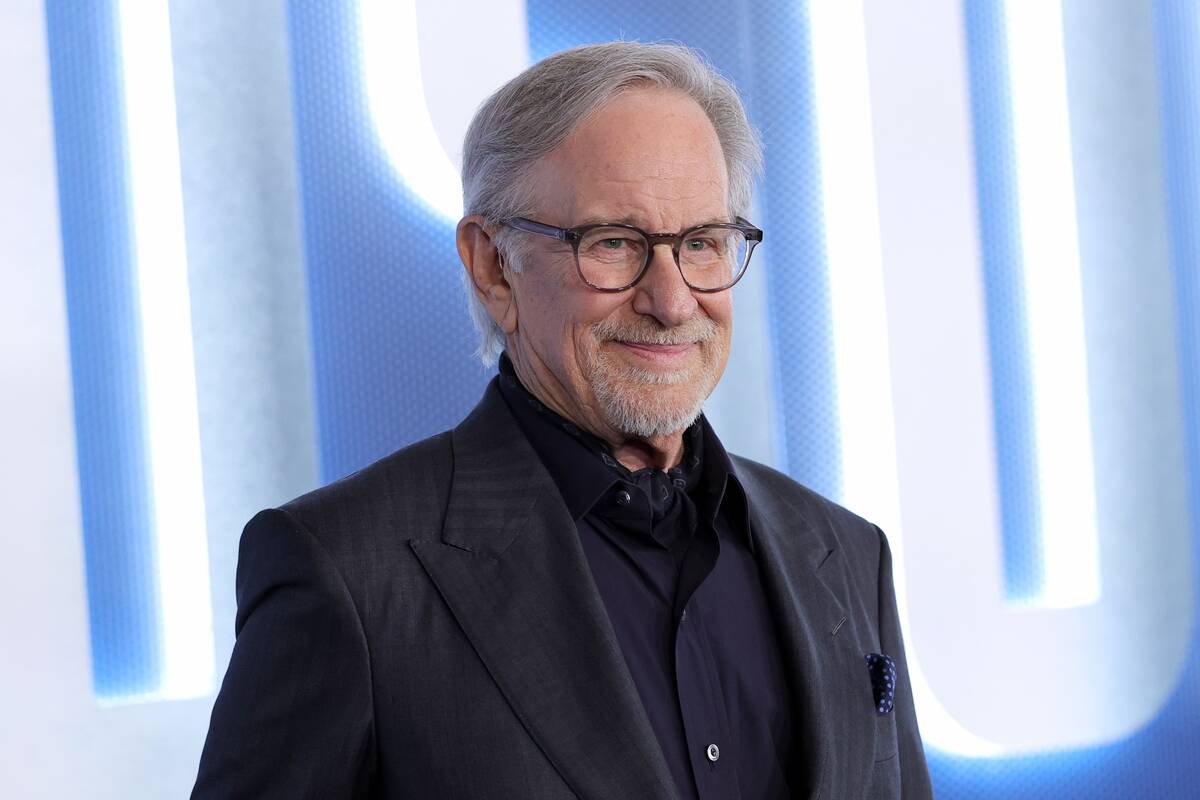
Steven Spielberg is synonymous with blockbuster cinema, having directed some of the highest-grossing films of all time. His 1975 classic ‘Jaws’ is credited with creating the summer blockbuster phenomenon, captivating audiences with its thrilling storyline and iconic score.
Spielberg’s versatility is evident in his diverse filmography, from the heartwarming ‘E.T. the Extra-Terrestrial’ to the gripping ‘Jurassic Park.’ His ability to blend compelling narratives with cutting-edge technology has cemented his legacy as one of Hollywood’s most influential directors.
Akira Kurosawa: The Japanese Cinematic Legend
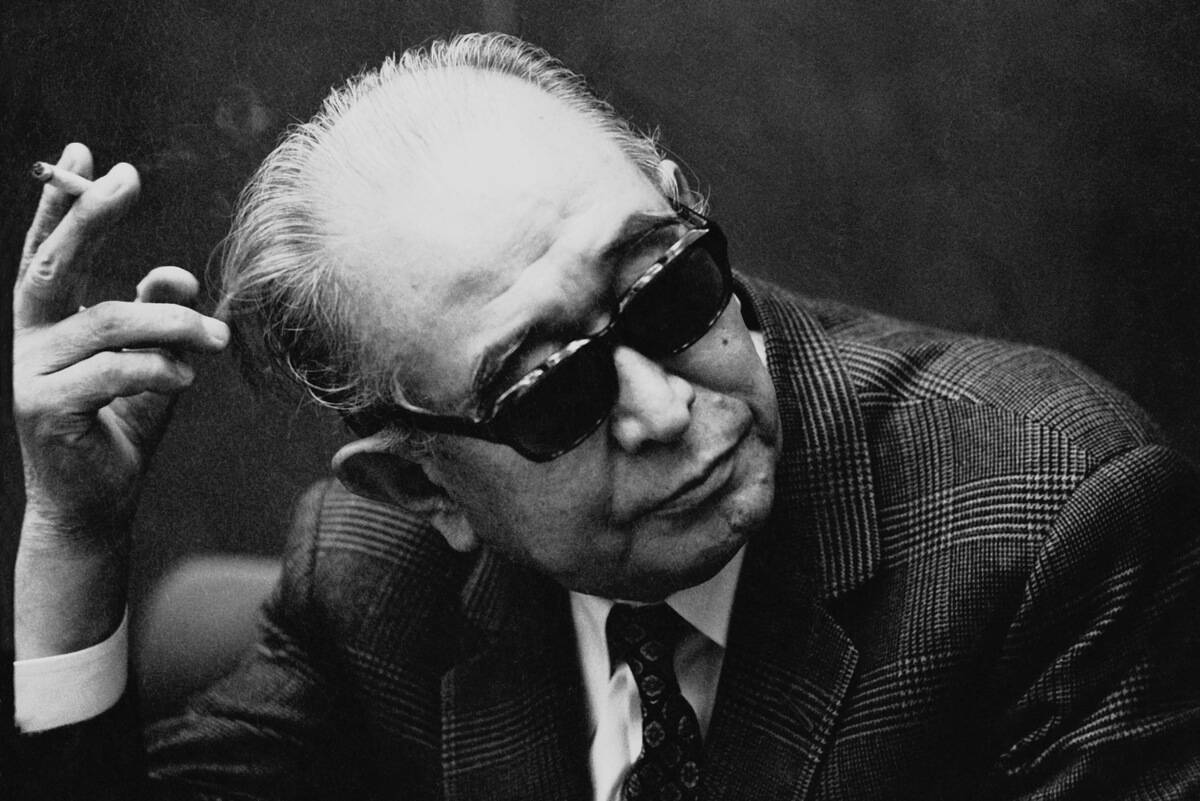
Akira Kurosawa is celebrated as one of Japan’s most influential filmmakers, known for his epic storytelling and masterful use of visual composition. His film ‘Seven Samurai’ is a classic of world cinema, inspiring countless remakes and adaptations.
Kurosawa’s ability to blend action with deep philosophical themes has left a lasting impact on filmmakers across the globe. His collaborations with actor Toshiro Mifune are legendary, showcasing a dynamic partnership that brought unforgettable characters to life on screen.
Kathryn Bigelow: The Trailblazer of Action and Suspense

Kathryn Bigelow is a trailblazing director known for her ability to craft intense and suspenseful narratives. Her film ‘The Hurt Locker’ earned her the distinction of being the first woman to win the Academy Award for Best Director.
Bigelow’s ability to capture the tension and adrenaline of action-packed scenes has made her a standout in the genre. Her dedication to authenticity and immersive storytelling continues to inspire a new generation of filmmakers, breaking barriers in a traditionally male-dominated industry.
Ridley Scott: The Visionary of Sci-Fi and Historical Epics
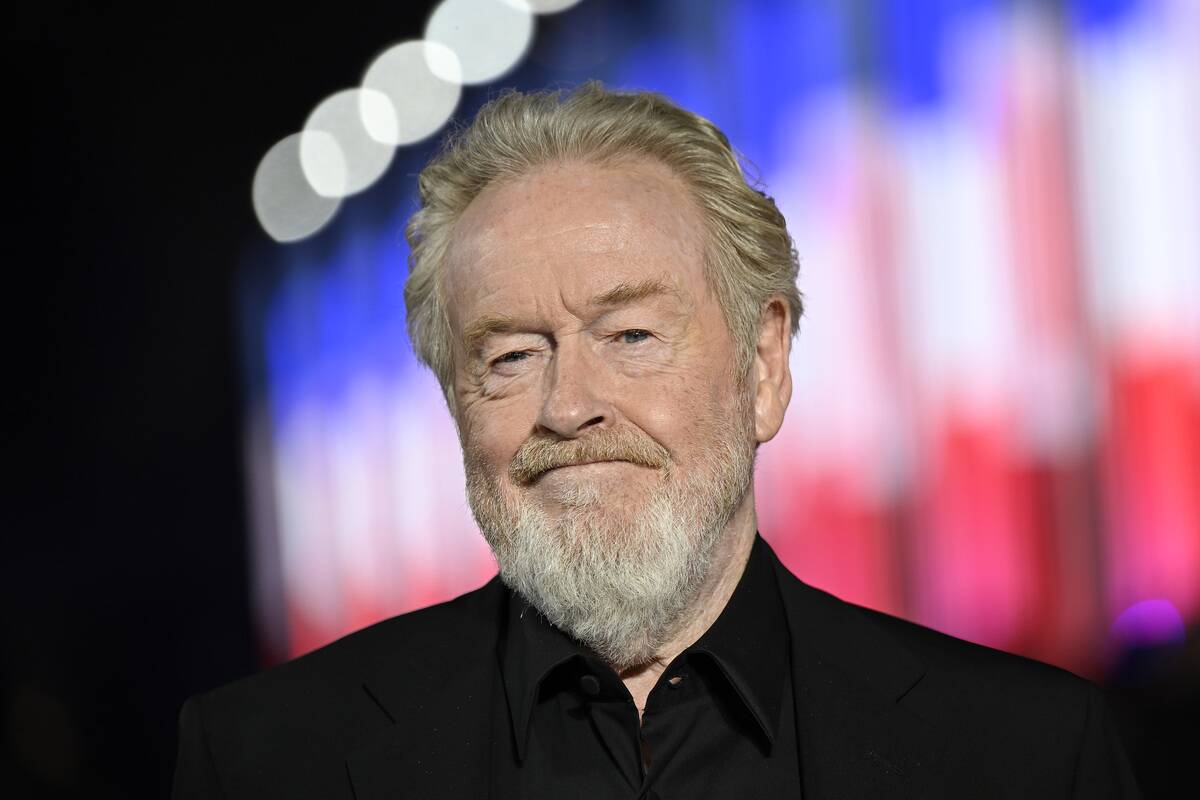
Ridley Scott is a director celebrated for his visionary approach to science fiction and historical epics. His film “Blade Runner” is considered a landmark in the sci-fi genre, known for its dystopian vision, striking visuals, and philosophical themes.
Scott’s ability to create immersive worlds and compelling narratives is evident in films like “Gladiator,” which won the Academy Award for Best Picture. His dedication to visual storytelling and attention to detail has made him one of the most respected figures in modern cinema.
Ingmar Bergman: The Philosopher of the Human Condition
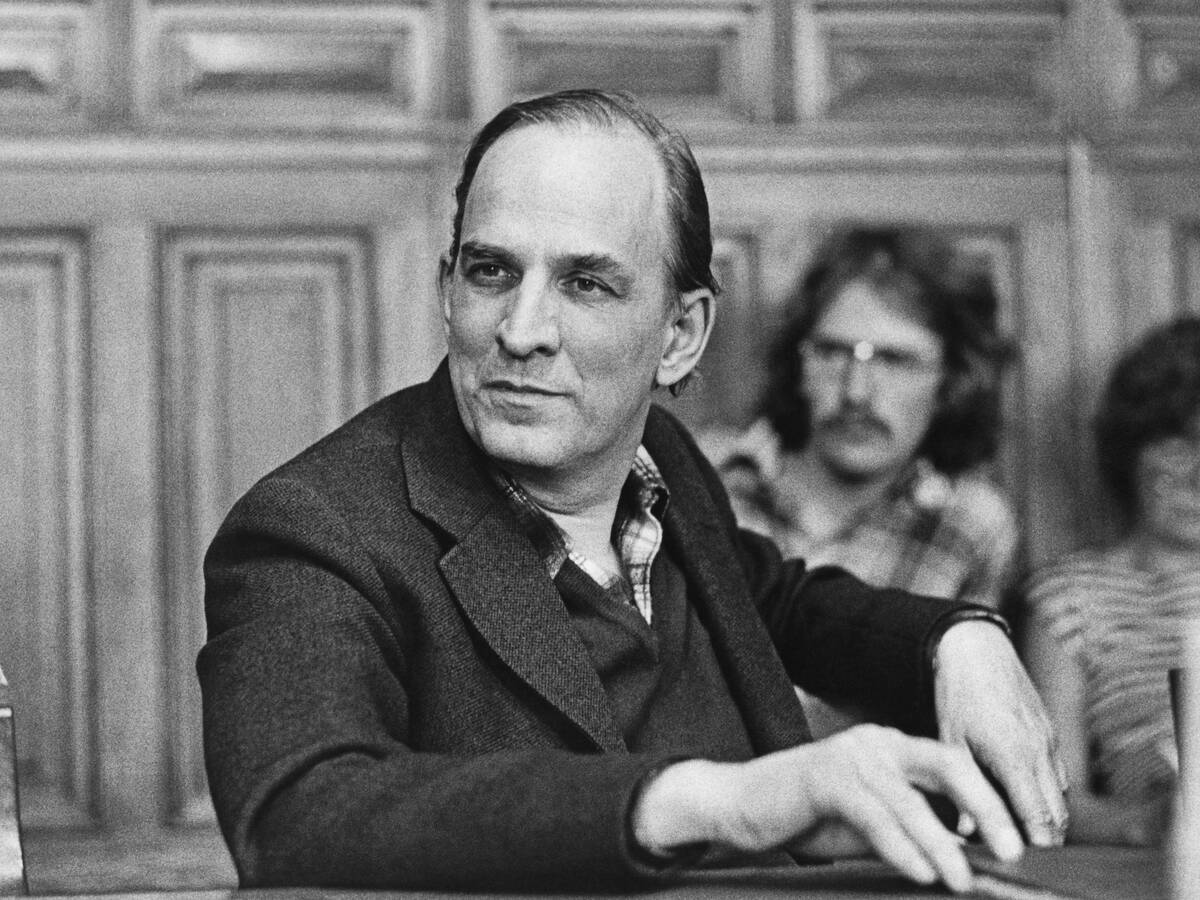
Ingmar Bergman was a Swedish director known for his profound exploration of the human condition, often delving into themes of existentialism and spirituality. His film ‘The Seventh Seal’ is a poignant meditation on life and death, featuring the iconic image of a knight playing chess with Death.
Bergman’s introspective and deeply philosophical approach to filmmaking has made him a revered figure in world cinema. His ability to capture the complexities of human emotions continues to resonate with audiences today.
Orson Welles: The Revolutionary Pioneer
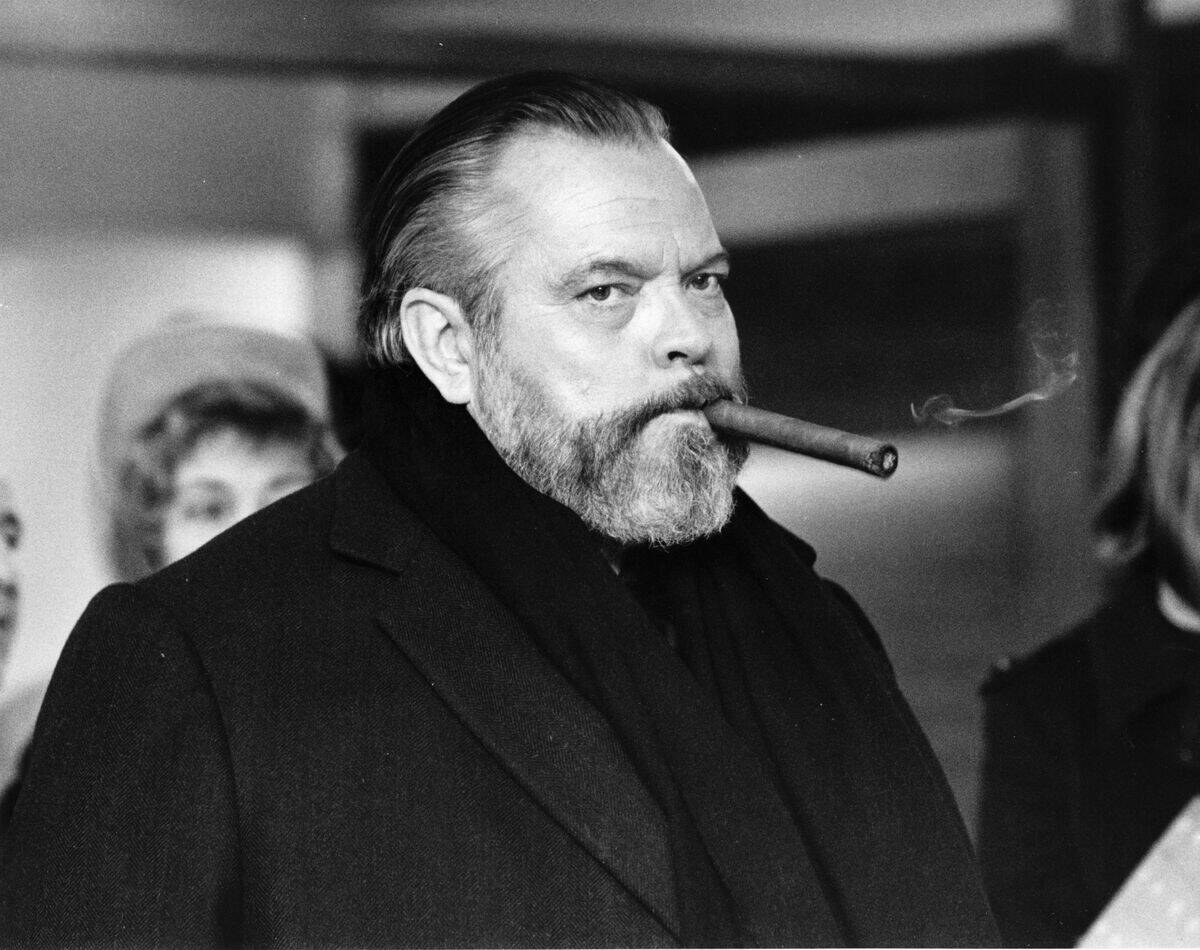
Orson Welles is a legendary figure in cinema, best known for his groundbreaking film ‘Citizen Kane.’ Welles revolutionized filmmaking with his innovative use of deep focus, non-linear storytelling, and complex character development.
‘Citizen Kane’ is often hailed as one of the greatest films ever made, showcasing Welles’ ability to push the boundaries of cinematic storytelling. His influence extends beyond directing, as he was also a talented actor, writer, and producer, leaving an indelible mark on the industry.
Francis Ford Coppola: The Godfather of Epic Drama
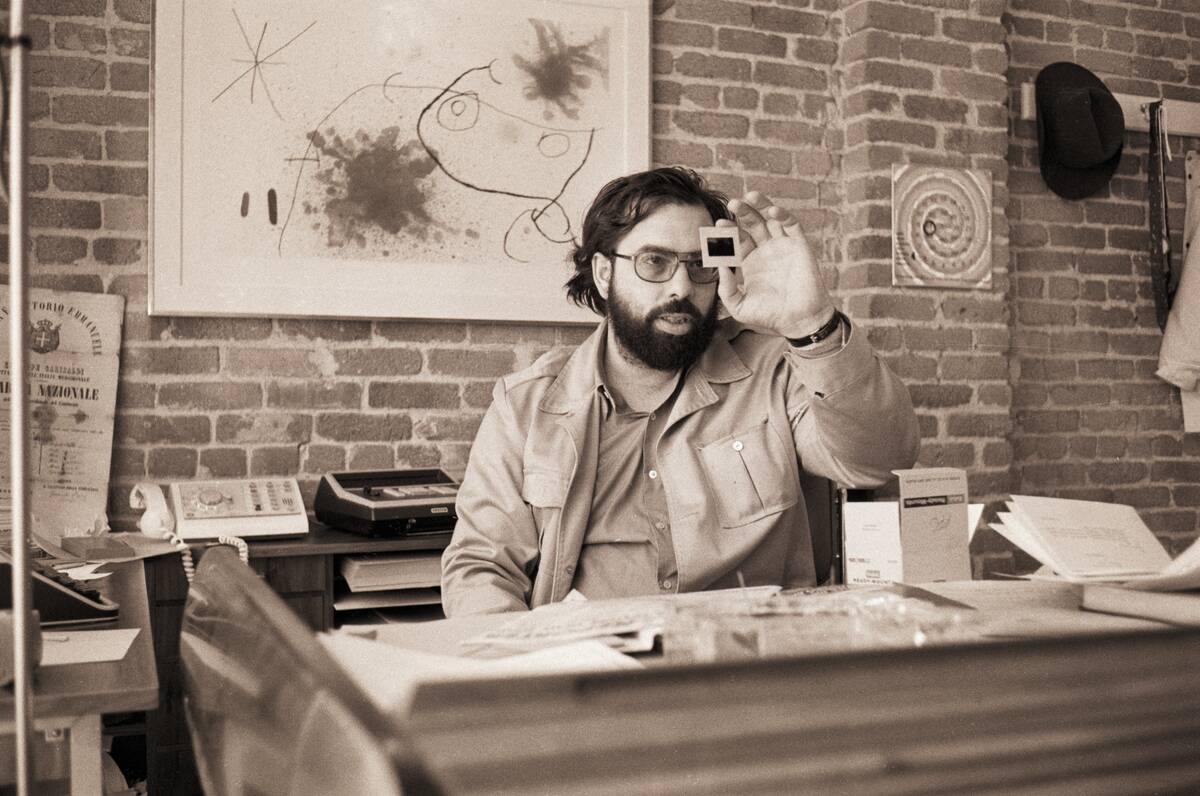
Francis Ford Coppola is a director renowned for his epic storytelling and ability to create compelling character-driven narratives. His film ‘The Godfather’ is a cornerstone of American cinema, celebrated for its intricate plot and powerful performances.
Coppola’s ability to capture the complexities of family dynamics and the underworld of organized crime has earned him critical acclaim. His work continues to influence filmmakers, as ‘The Godfather’ remains a timeless classic that resonates with audiences worldwide.
Federico Fellini: The Dreamlike Storyteller
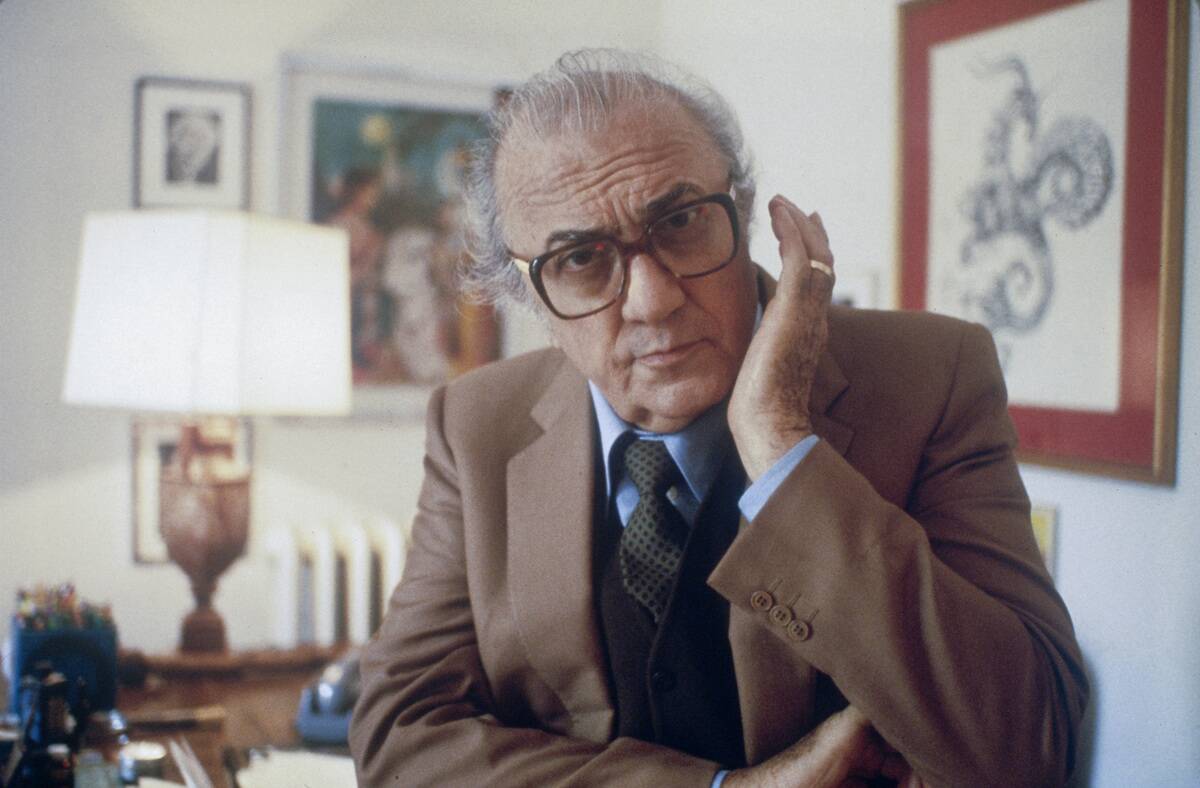
Federico Fellini was an Italian director known for his dreamlike and surreal approach to storytelling. His film ‘La Dolce Vita’ is a masterpiece that captures the essence of Italian society in the 1960s.
Fellini’s ability to blend fantasy with reality, creating visually stunning and emotionally resonant narratives, has made him a revered figure in world cinema. His unique vision and ability to explore the human condition through a fantastical lens continue to inspire filmmakers today.
Stanley Kubrick: The Perfectionist Innovator
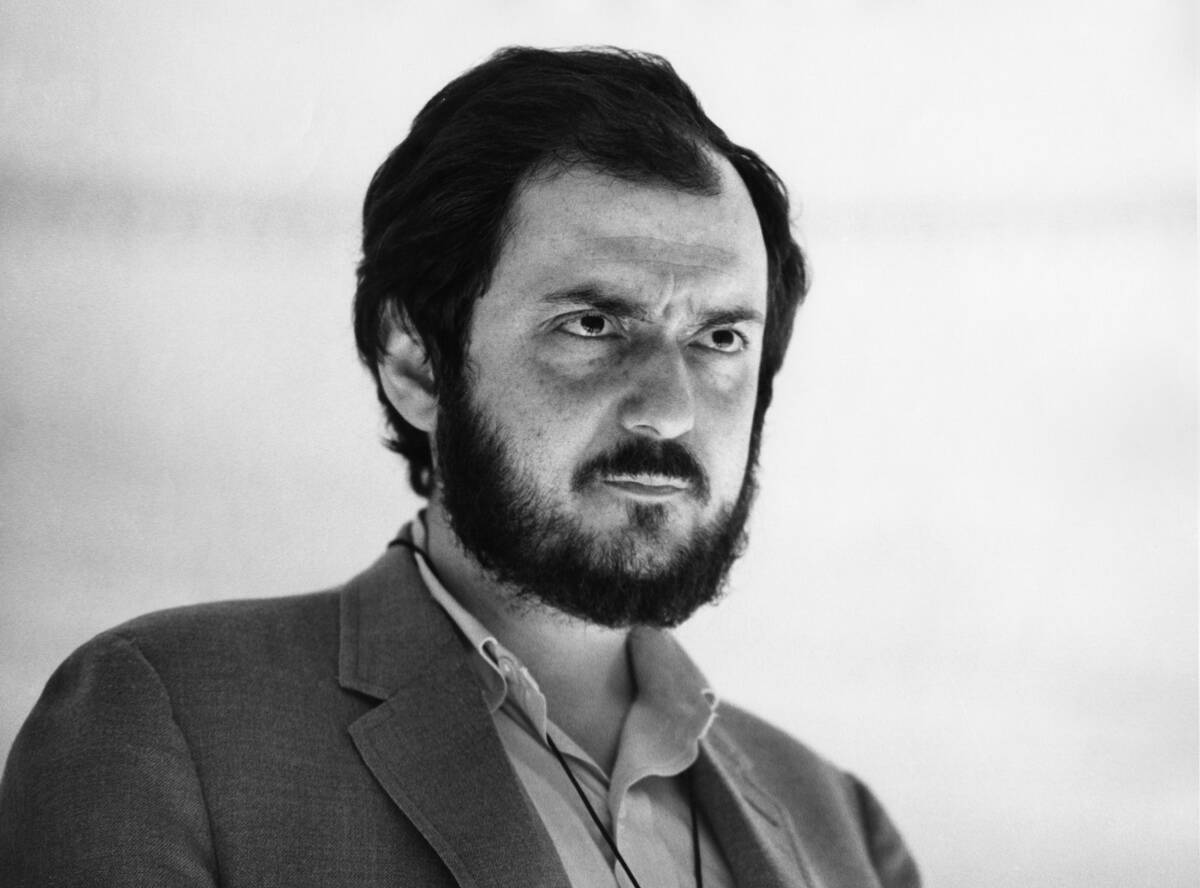
Stanley Kubrick was a visionary director known for his meticulous attention to detail and innovative approach to filmmaking. His film ‘2001: A Space Odyssey’ is hailed as a landmark in science fiction, with its groundbreaking special effects and philosophical depth.
Kubrick’s perfectionism extended to every aspect of his films, from the script to the set design, resulting in visually stunning and intellectually stimulating works. His influence can be seen in countless films, as directors continue to draw inspiration from his unique style.
Martin Scorsese: The Maestro of Gritty Realism
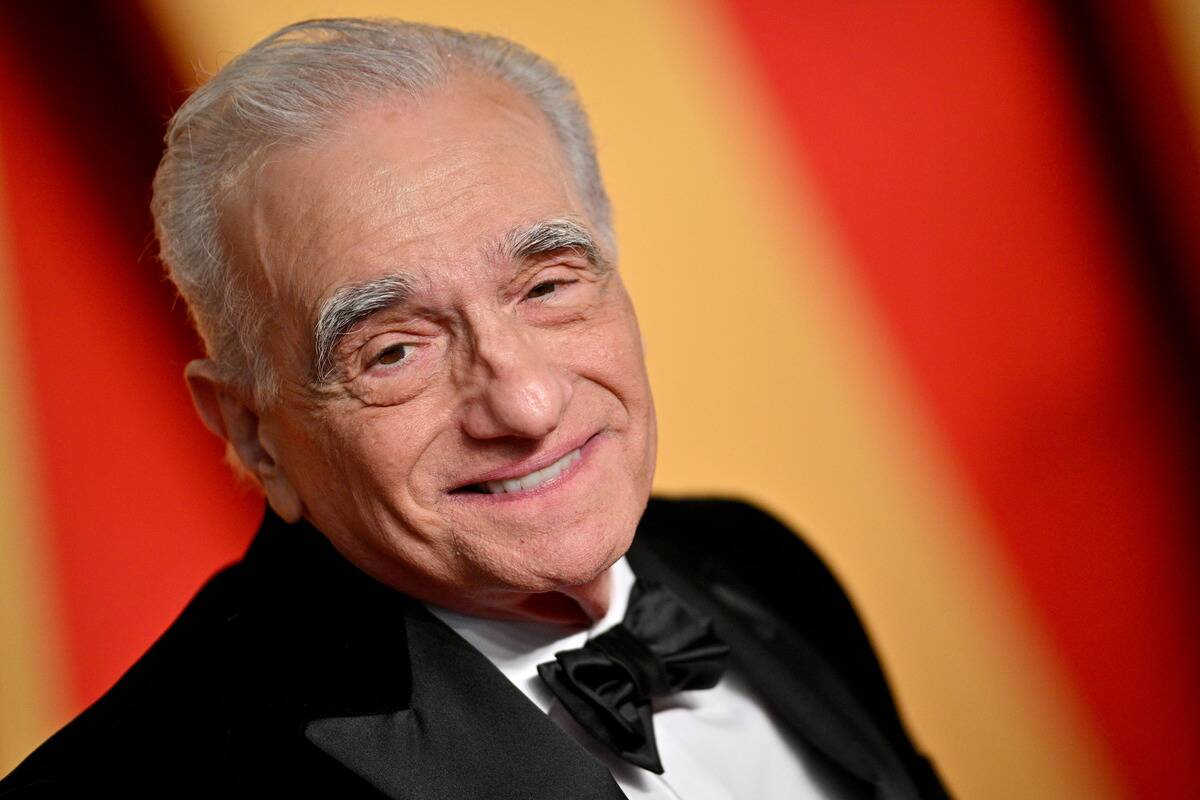
Martin Scorsese is renowned for his gritty and realistic portrayals of American life, often exploring themes of crime, redemption, and morality. His film ‘Taxi Driver’ is a quintessential example of his ability to delve into the psyche of his characters, offering a raw and unfiltered look at urban life.
Scorsese’s collaboration with actor Robert De Niro has resulted in some of cinema’s most memorable performances. His dedication to authenticity and storytelling has earned him a place among the greats of American cinema.
Hayao Miyazaki: The Enchanter of Animated Worlds

Hayao Miyazaki is a legendary animator and director known for his enchanting and imaginative films. His film ‘Spirited Away’ won the Academy Award for Best Animated Feature, captivating audiences with its rich storytelling and stunning animation.
Miyazaki’s ability to create fantastical worlds filled with memorable characters has made him a beloved figure in animation. His films often explore themes of environmentalism and the power of imagination, resonating with audiences of all ages around the globe.
Peter Jackson: The Magician of Middle-earth
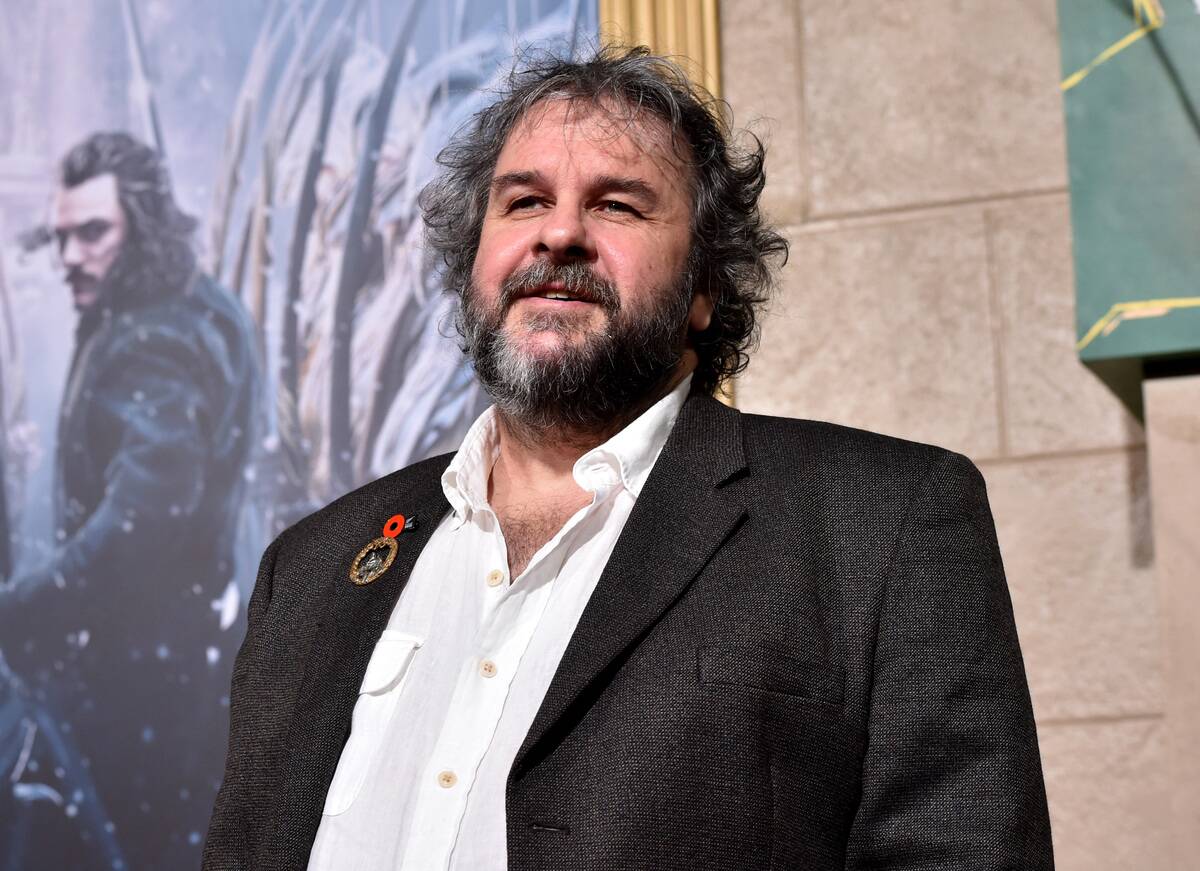
Peter Jackson is a director best known for bringing J.R.R. Tolkien’s Middle-earth to life with his “The Lord of the Rings” trilogy. His ability to create epic and visually impressive films has earned him critical acclaim and a devoted global fanbase.
Jackson’s dedication to practical effects, visual effects, and detailed world-building helped make the series a landmark achievement in fantasy cinema. His work continues to influence filmmakers, demonstrating how ambitious storytelling and technical innovation can combine to create memorable cinematic experiences.
Christopher Nolan: The Architect of Mind-Bending Narratives

Christopher Nolan is a contemporary director known for his intricate narratives and films that challenge audiences’ perceptions of reality. His film “Inception” is a notable example of his ability to combine complex storytelling with innovative visual effects and ambitious filmmaking techniques.
Nolan’s use of practical effects, large-scale production methods, and immersive storytelling has made him one of the most influential directors of modern cinema. His films often explore themes of time, memory, and identity, engaging audiences with thought-provoking stories and unique cinematic experiences.
Quentin Tarantino: The Auteur of Pop Culture
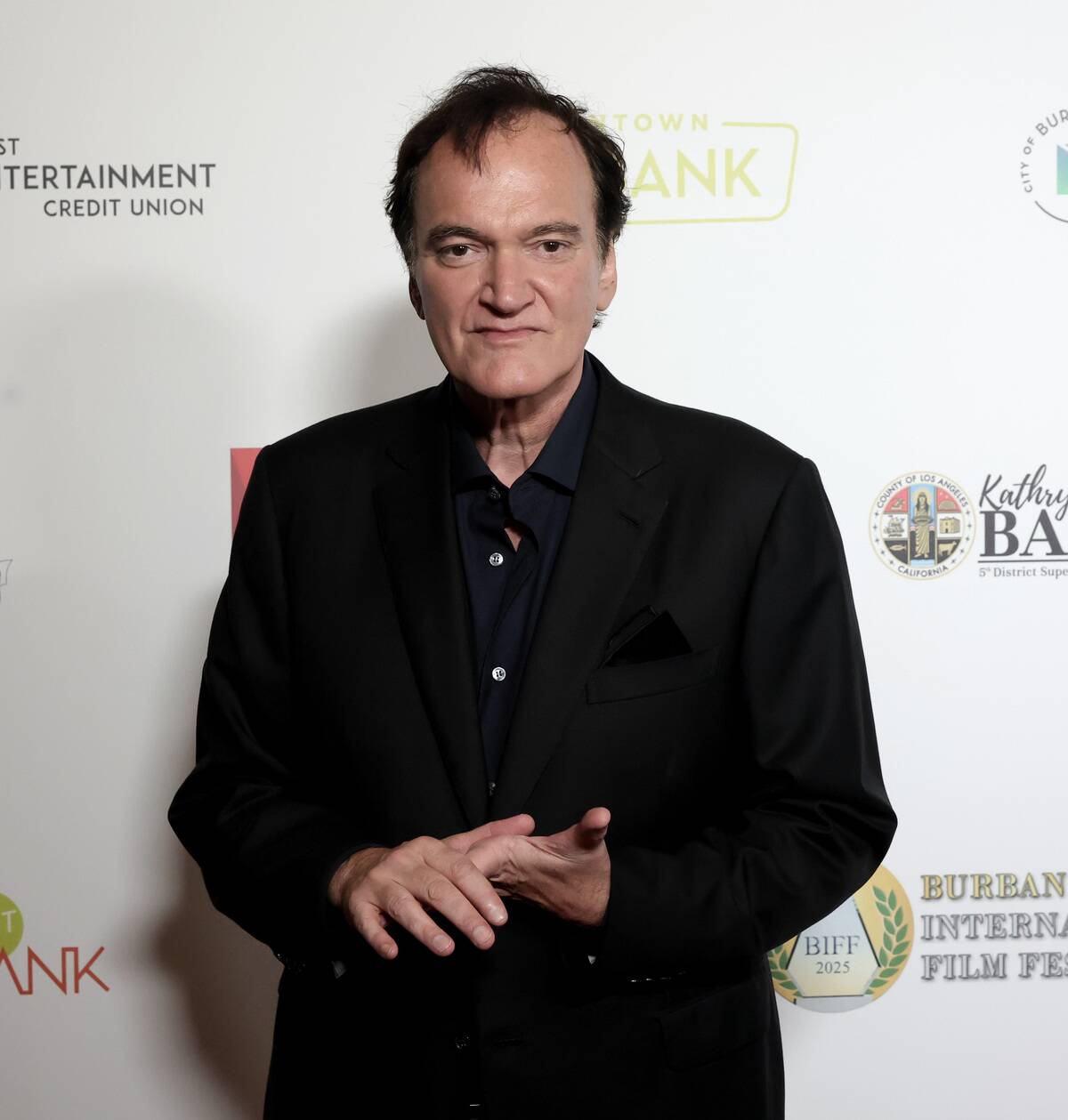
Quentin Tarantino is a filmmaker known for his distinctive style, characterized by sharp dialogue, nonlinear storytelling, and a deep appreciation for pop culture and film history. His film “Pulp Fiction” is considered a landmark of modern cinema, celebrated for its memorable script, unconventional structure, and eclectic soundtrack.
Tarantino’s ability to blend genres and draw inspiration from classic films while creating a unique cinematic voice has earned him a dedicated following among movie fans. His passion for cinema is evident throughout his work, which continues to reflect his distinctive approach to storytelling.
Wes Anderson: The Quirky Stylist with a Unique Flair

Wes Anderson is a director known for his distinctive visual style, characterized by symmetrical compositions, carefully crafted color palettes, and whimsical storytelling. His film “The Grand Budapest Hotel” showcases his ability to create visually striking and emotionally engaging narratives.
Anderson’s unique filmmaking approach has earned him a dedicated following, as he continues to create stories that combine charm, humor, and thoughtful observations of human relationships. His films often explore themes of family, nostalgia, and personal connections, making him one of the most recognizable voices in contemporary cinema.