27 household gadgets that once seemed revolutionary
Consider this a museum tour through 28 little legends that once felt essential, then slipped into yard sales and donation bins. These were the countertop celebrities, the catalog crushes, the TV infomercial darlings that promised to neaten our lives with a bright LED and a toggle switch. A few genuinely helped.
Many simply helped us spend Saturday afternoons.
From kitchen curiosities to living-room wonders, they all shared the same plot twist: technology moved on. Faster, smaller, smarter—and sometimes just better. Ready to revisit the greatest hits of household “why not?”
The Clapper: Clap on, clap off, clap back into obscurity
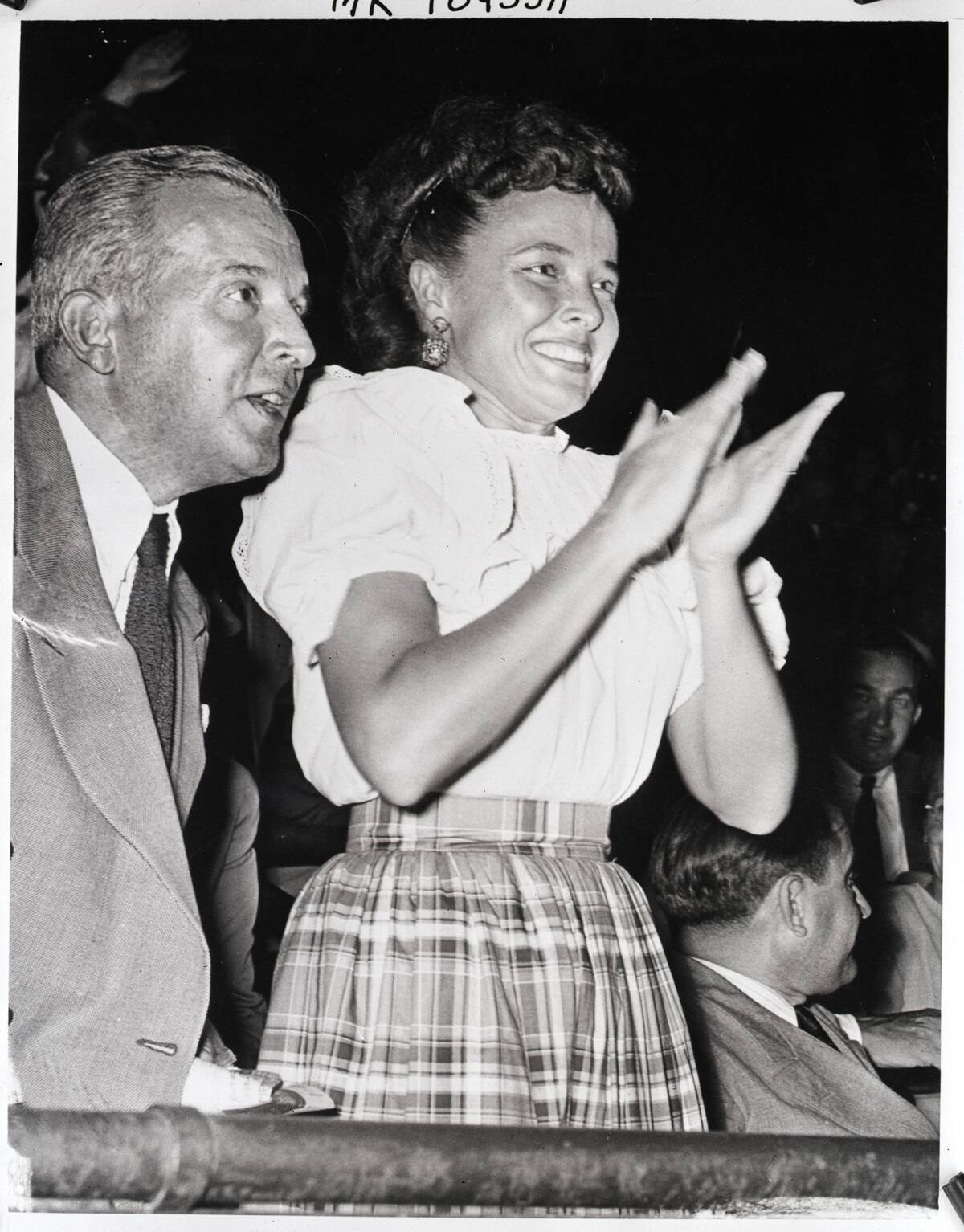
The Clapper, sold by Joseph Enterprises (the Chia Pet people), turned applause into electricity via a sound-activated relay. Its ads—“Clap on! Clap off!”—ran heavily in the late 1980s and 1990s, making it a pop-culture punchline and a stocking-stuffer staple.
Technically it listened for two or three quick spikes above a threshold, then toggled a plug-in lamp or TV.
Reality? A slammed door or excited sitcom audience could trigger it, and sensitivity dials were touchy. But for a lot of homes, it was a first taste of voice-free “smart” control—no app, just applause.
Under-Cabinet Can Opener: The kitchen status symbol no one asked for
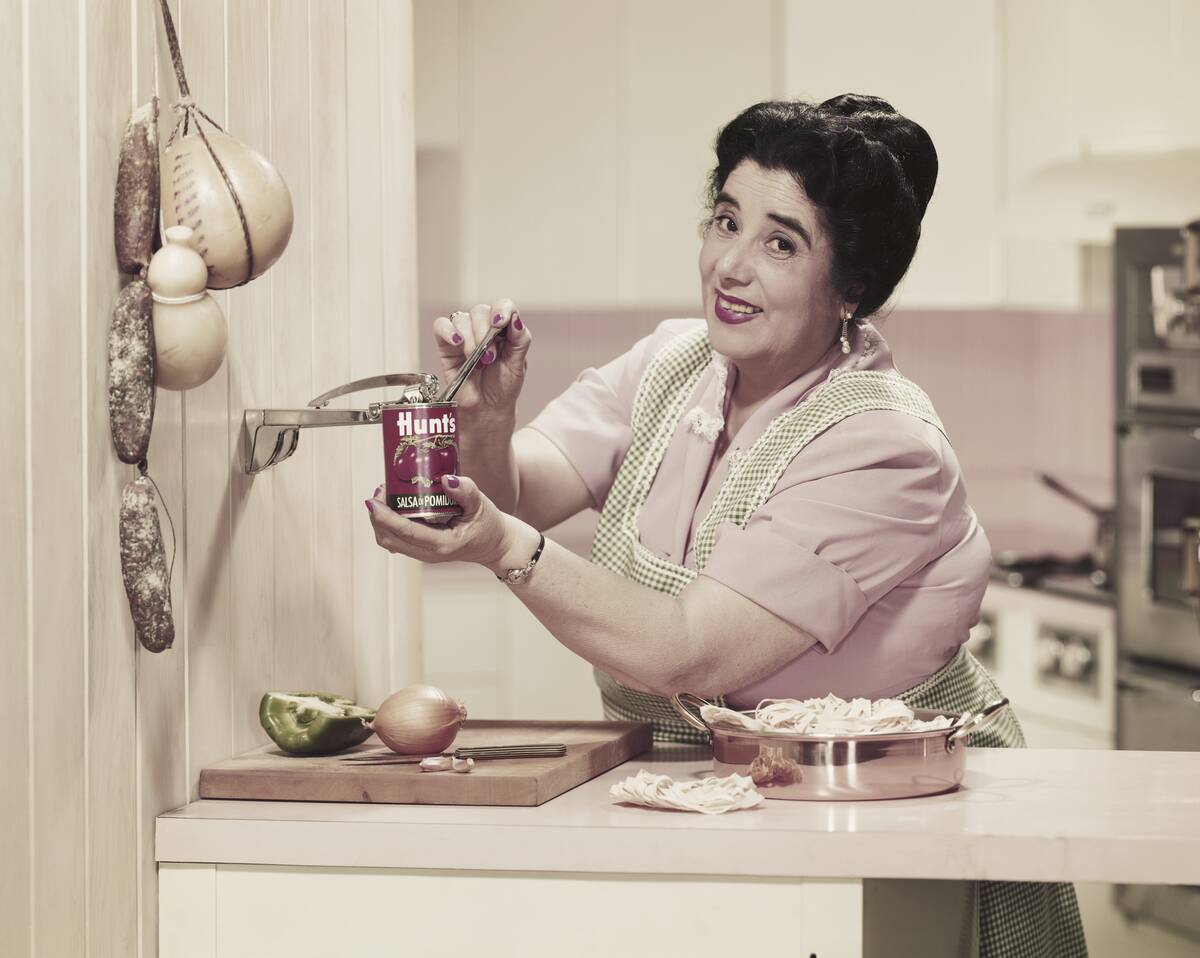
Black & Decker’s Spacemaker line helped popularize under-cabinet appliances in the 1980s–90s, and the mounted can opener was the showpiece. It freed counter space, often bundling in a bottle opener, knife sharpener, and bag cutter. Installation templates and wood screws made it semi-permanent—less gadget, more fixture.
It could slice through standard cans reliably, but oversized or odd-shaped tins sometimes stumped it. And like many mounted gadgets, it coveted prime real estate near outlets. When pull-tab cans and sleeker kitchens took over, the Spacemaker aura dimmed, and many units came down with the next backsplash upgrade.
Electric Carving Knife: Thanksgiving’s brief buzz-saw era
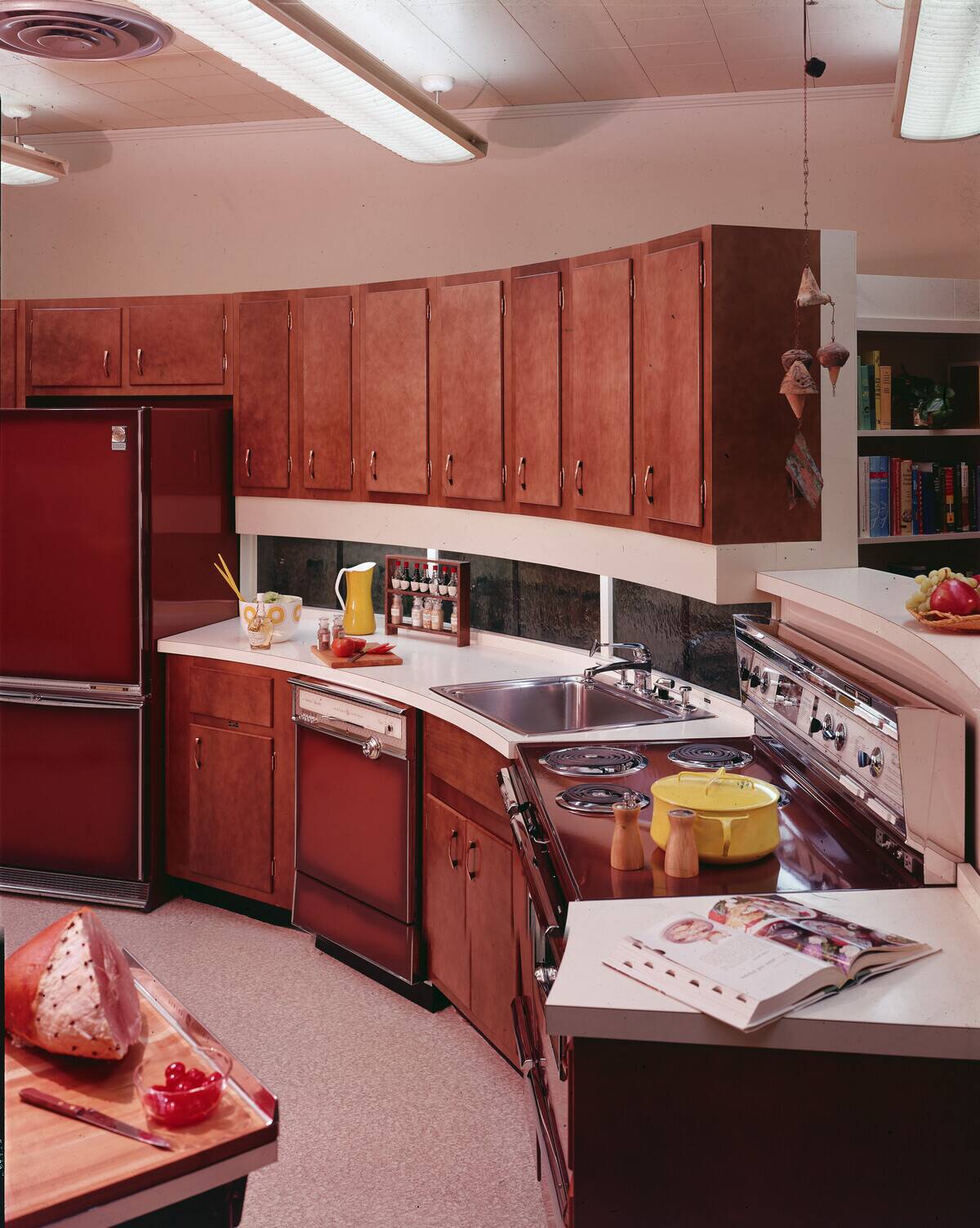
Electric carving knives surged in popularity in the mid-1960s, with brands like Sunbeam and Black & Decker selling reciprocating, serrated twin blades powered by compact motors. The design excelled at sawing through crusty roasts and dense breads, and it made even slices of a holiday turkey look almost professional.
In practice, they were louder than the oohs and ahhs they generated, cords got in the way, and hand sharpening a chef’s knife proved just as efficient. Still, for big gatherings or slicing piles of sandwich loaves, the gentle zip-zip had its day.
Salad Shooter: Veggies at velocity

National Presto Industries launched the SaladShooter to turn block cheese and veggies into instant shreds and slices, with color-coded cones that locked into a compact, whirring barrel. Counter cleanup was simple, and the parts were typically dishwasher-safe. It made quick work of tacos, pizzas, and coleslaw without dragging out a heavy food processor.
Of course, it wasn’t a slicer for everything—soft tomatoes and very hard roots challenged its small motor. But in 1990s kitchens, it was a catalog darling, making pre-dinner prep feel like a three-minute cooking show segment.
Ronco Rotisserie: Set it, forget it, eventually donate it
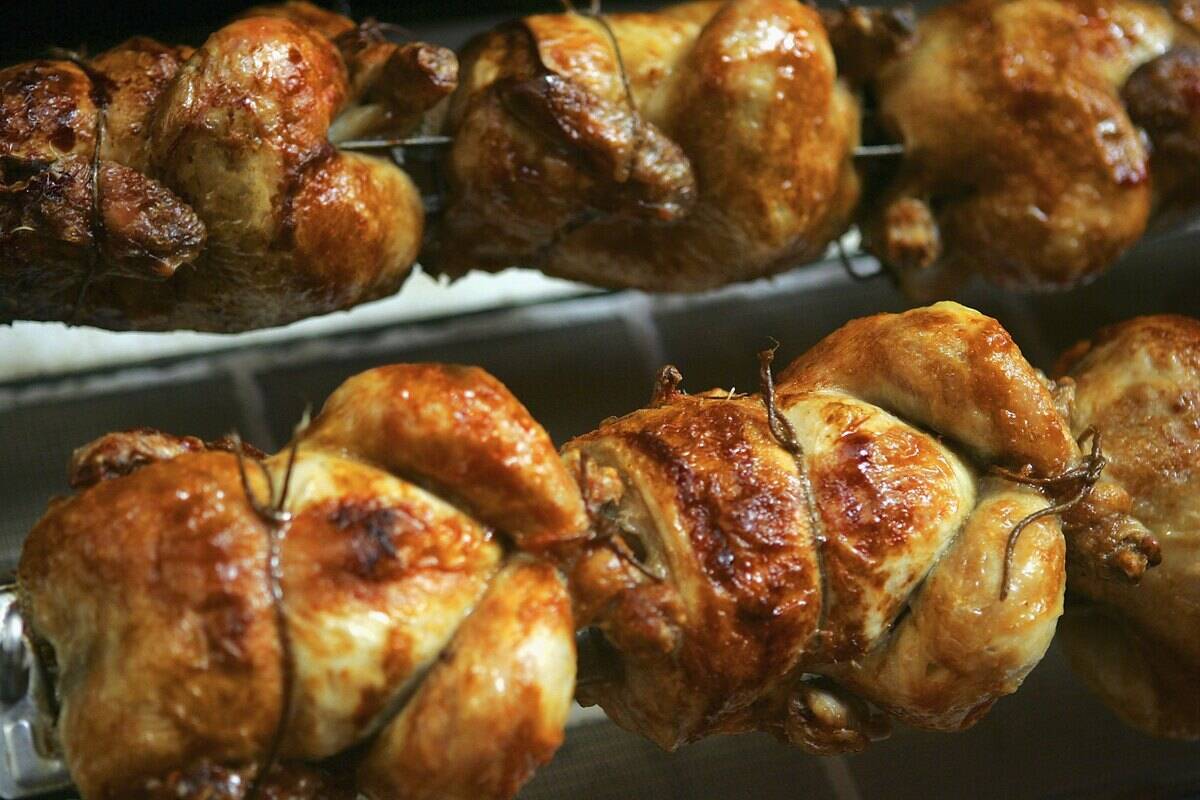
Ron Popeil’s Showtime Rotisserie turned late-night TV into a culinary pep rally. The drum rotated poultry or roasts under quartz heating elements while fat collected in a drip tray. The rallying cry—“Set it and forget it!”—became one of the most quoted infomercial lines of the 1990s, and the unit reportedly sold in the millions.
It could crank out juicy chickens with enviable, even browning. But it was bulky, a bear to store, and cleanup took longer than the demo implied. For many, its final resting place was a garage shelf—or the donation line at the local thrift.
Yogurt Makers: DIY dairy dreams that soured
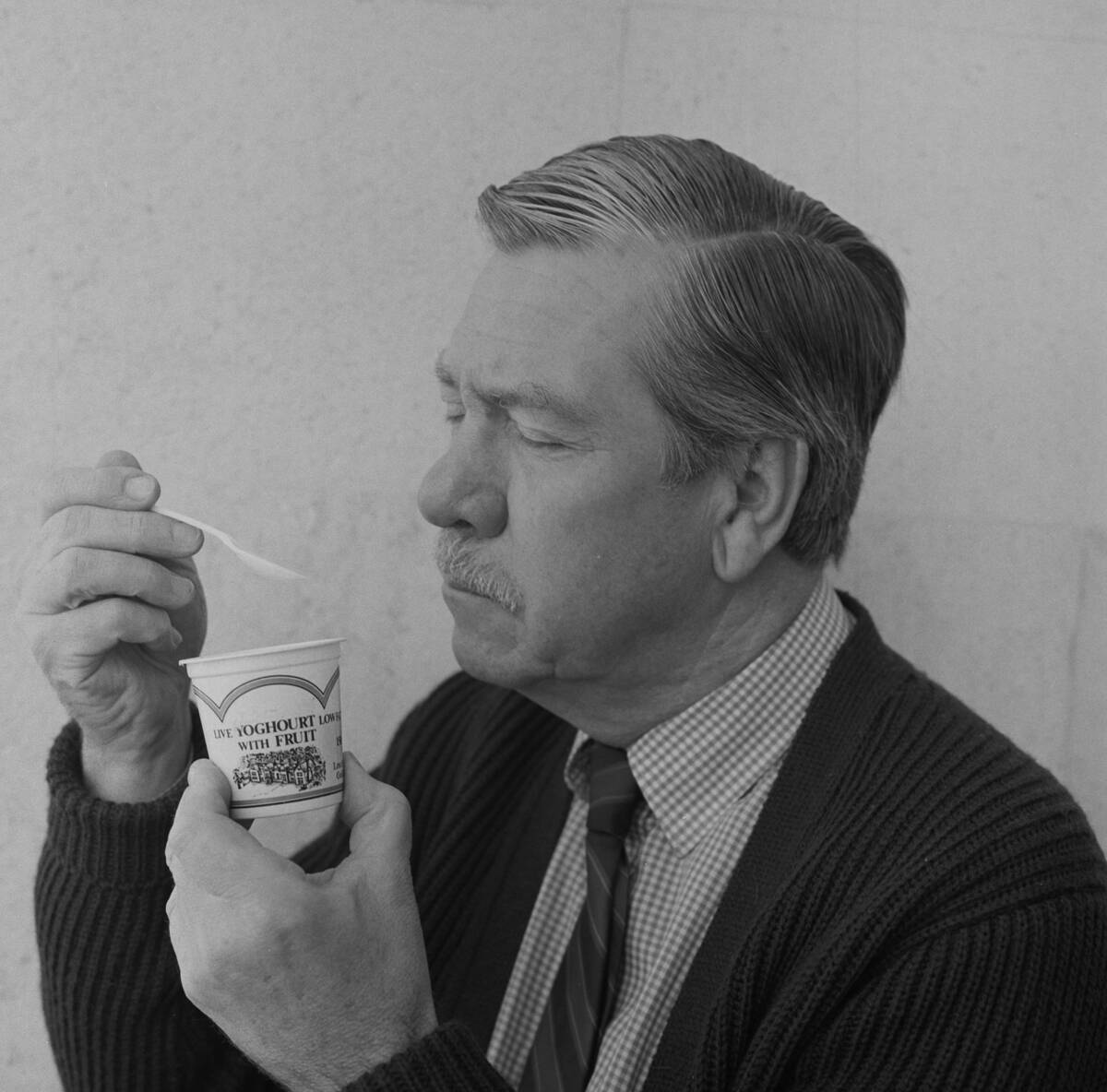
Countertop yogurt makers had a 1970s heyday and periodic revivals. Using gentle heat around 110°F, they incubated milk with starter cultures—Lactobacillus bulgaricus and Streptococcus thermophilus—inside neat little glass or plastic jars. Brands like Salton made tidy kits that looked scientific enough to feel foolproof.
The results were tangy and customizable—but required scalding milk, careful cooling, and 6–10 hours of patience. Inconsistent room temps, weak starters, or a joggled counter could undermine a batch. When supermarkets began stocking Greek, Icelandic, and every flavor under the sun, the thrill of home fermentation thinned.
Electric Woks: Stir-fry by extension cord
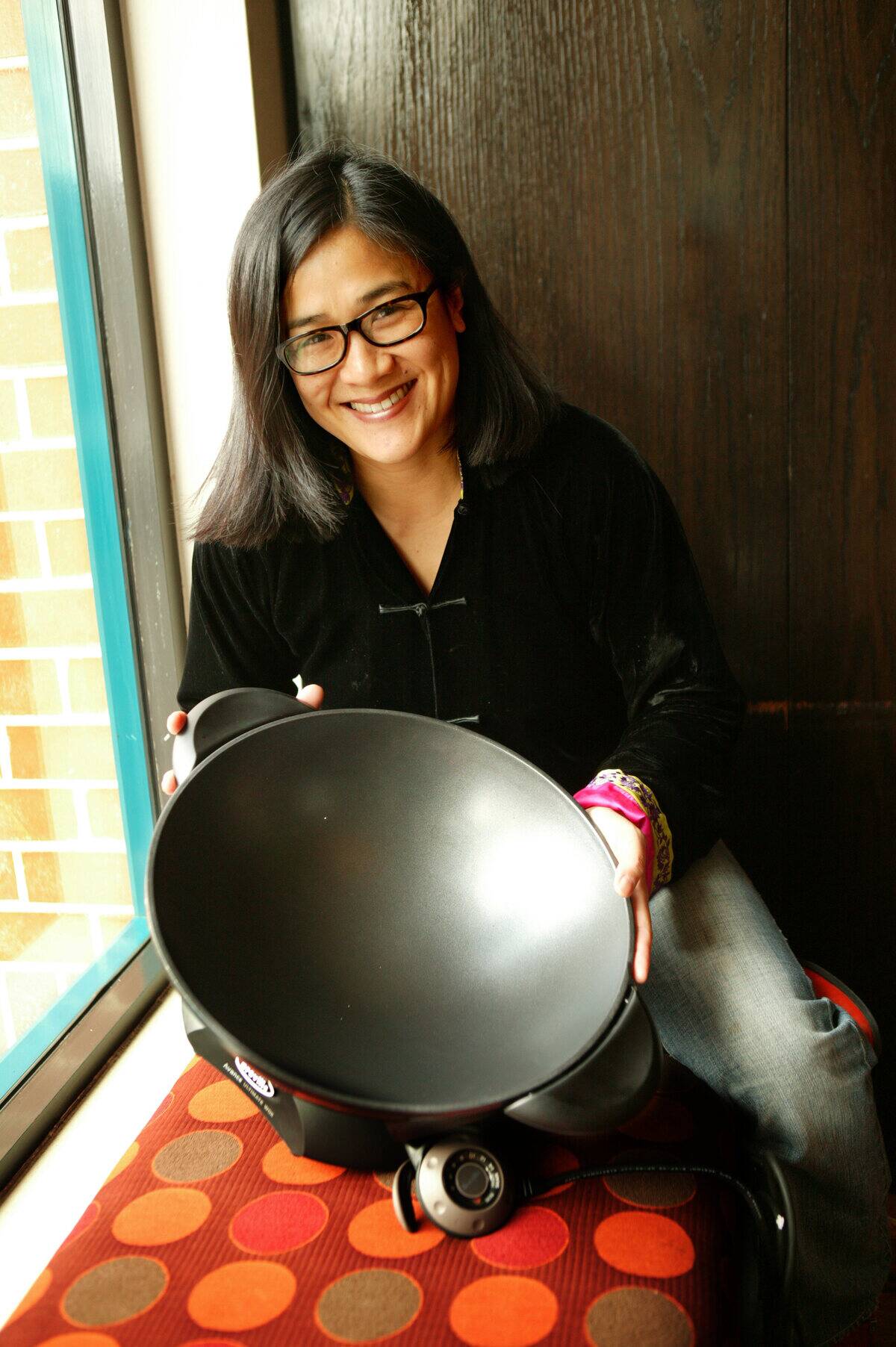
Electric woks promised wok cooking without a roaring gas flame. Most U.S. models run around 1,400–1,500 watts on 120 volts, with nonstick bowls and detachable thermostats. Brands like Presto and Breville sold versions with flat bases to sit safely on counters while mimicking a curved wok profile.
They could sauté and shallow-fry nicely, but true wok hei—the smoky, high-heat sear—was elusive without 20,000+ BTUs. Crowding the pan led to steaming, and nonstick coatings dislike metal spatulas. Still, for weeknight veggies in apartments without gas, they scratched the stir-fry itch.
Egg Cookers: Because boiling water felt like hard mode

Egg cookers turn doneness into a math problem you can’t fail: add a measured cap of water, pierce shells, press start. The unit steams until the water evaporates, triggering a buzzer or chime. Many include trays for poached cups or mini omelets, and they handle six to a dozen eggs at once.
Brands from West Bend to Dash embraced the formula. The big caveat is altitude and egg size can nudge results, but consistency beat guessing on a stovetop. For meal preppers and brunchers, painless peelability felt like a small miracle.
Electric Jar Openers: Hero to wrists, hogger of drawers
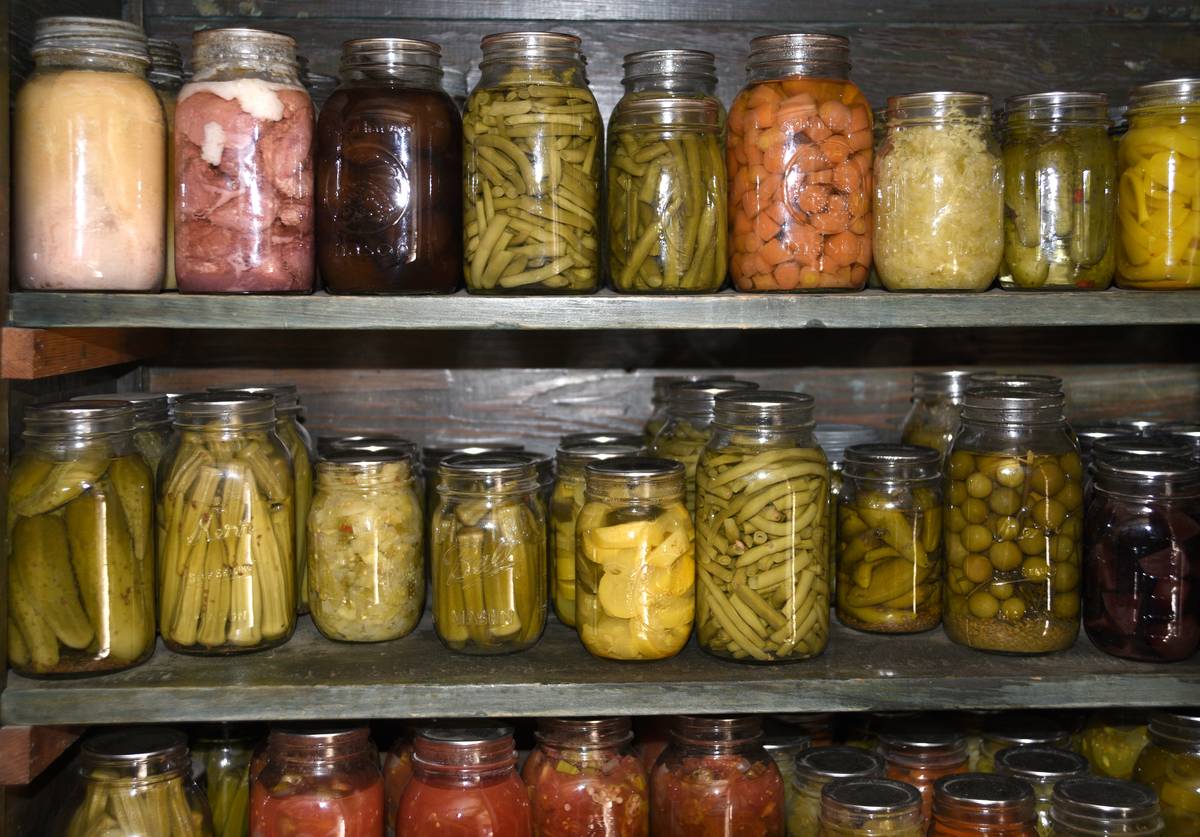
Early-2000s electric jar openers, like Black & Decker’s Lids Off, clamped and twisted stubborn lids with motorized jaws—lifesavers for arthritic hands. Smaller “one-touch” battery models gripped the cap and the jar body, then did a slow, triumphant turn that felt like a magic trick.
They worked, especially on vacuum-sealed supermarket jars with slick metal lids.
But they were bulky, noisy, and oddly single-purpose. For many kitchens, a grippy silicone pad or a tap on the counter reclaimed its crown. Still, for accessibility, these gadgets earned their keep.
Hot Dog Toasters: Two buns, two dogs, one wild idea
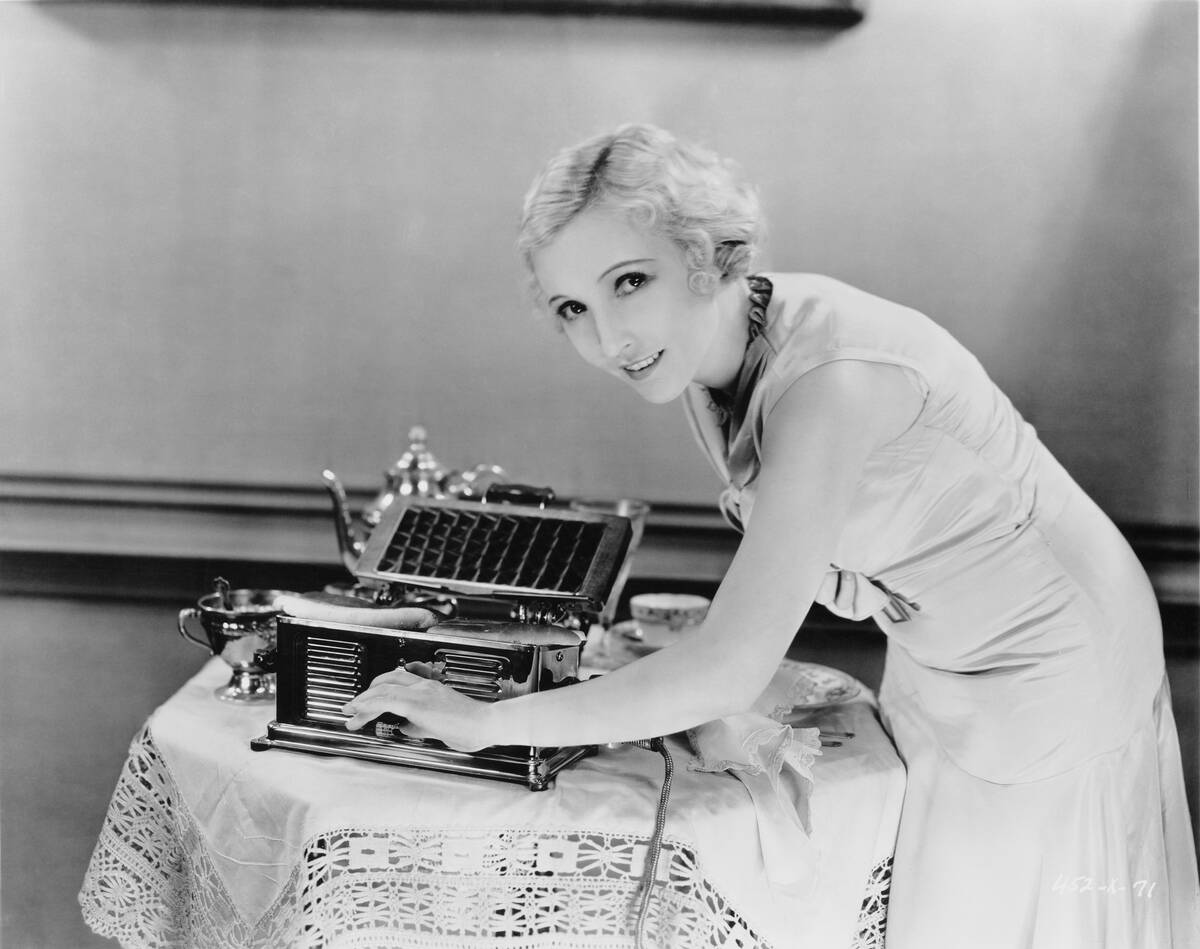
Hot dog toasters, popularized by brands like Nostalgia, toasted buns and heated dogs in parallel slots, then lifted them out via a chrome cage. They looked like retro bread toasters, complete with a crumb (and drip) tray and adjustable browning dials.
They solved a problem most of us didn’t have—stovetops and microwaves existed—yet delivered a fair stadium-style bite with minimal cleanup. The tradeoff was size limits (jumbo dogs didn’t fit) and uneven charring compared with an actual grill. For dorms and tiny apartments, though, it was equal parts lunch and conversation piece.
Air Popcorn Poppers: Movie night’s whoosh before the microwave
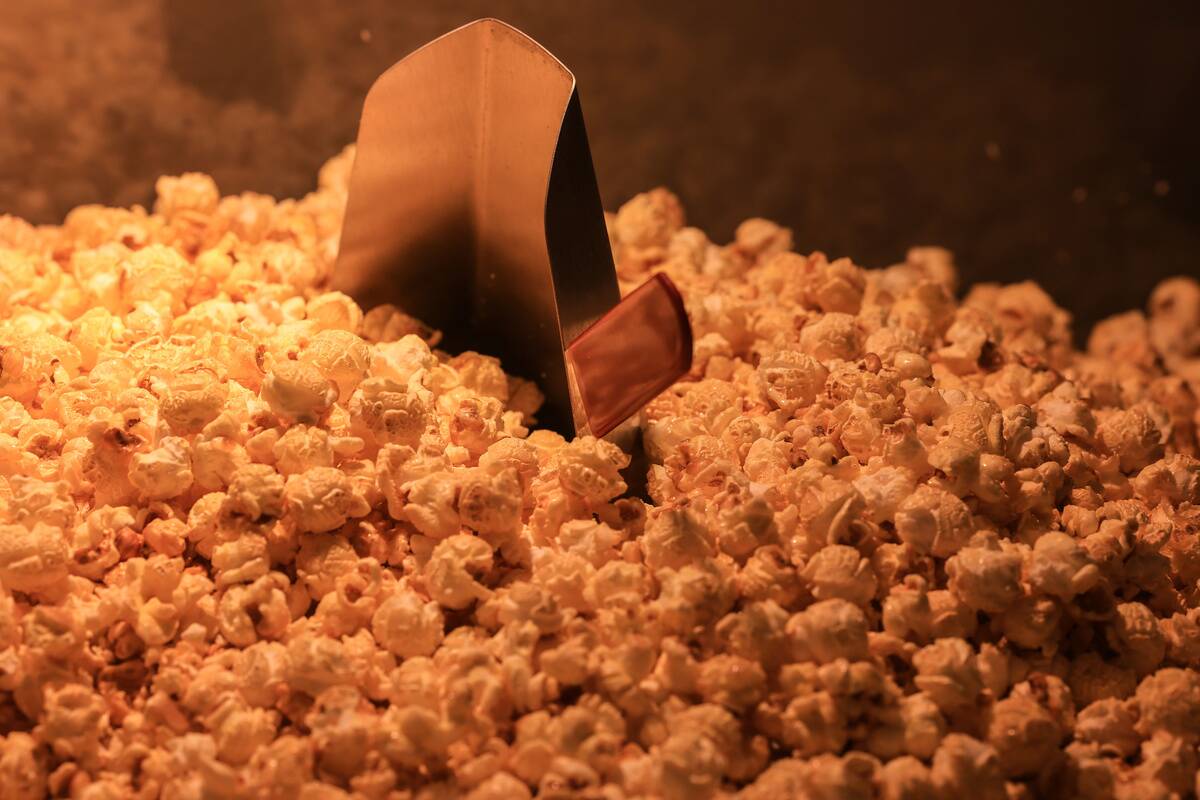
Hot-air poppers showed up in late-1970s kitchens, using a heated chamber and strong airflow to pop kernels without oil. Presto’s PopLite became a long-running favorite, routinely blasting out a bowl in a few minutes and sending unpopped “old maids” into a neat catch.
Then the microwave era surged.
By the early 1980s, microwave popcorn bags—pioneered by companies like Golden Valley Foods (the origins of Pop Secret)—turned whoosh into whirr. Air poppers still have fans for low-fat snacking and DIY seasonings, but their countertop claim faded when the microwave took over movie night.
Soda Siphons and Seltzer Bottles: Bubbles before the reboot
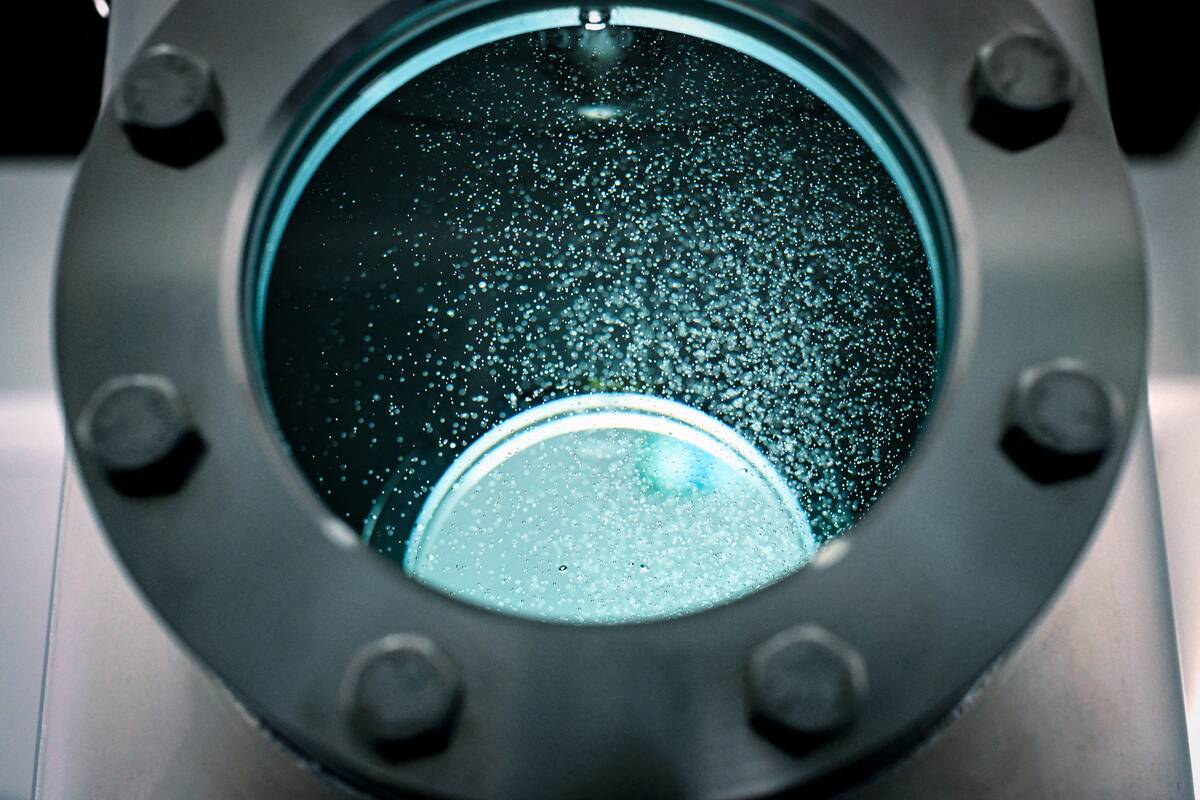
Classic soda siphons used small, 8‑gram CO2 chargers to carbonate water inside heavy glass or metal bottles—many wrapped in wire mesh to contain shatters. Bartenders loved them for spritzing highballs, and home cocktailers prized the ritual. Vintage models are now collectible barware.
The category rebooted with modern countertop carbonators. SodaStream traces back to a 1903 British invention and resurfaced globally in the 2000s with snap-in cylinders and reusable bottles. In 2018, PepsiCo bought SodaStream for about $3.2 billion, proving bubbles at home still have serious fizz.
Ionic Breeze Air Purifiers: Silent, stylish, scientifically shaky
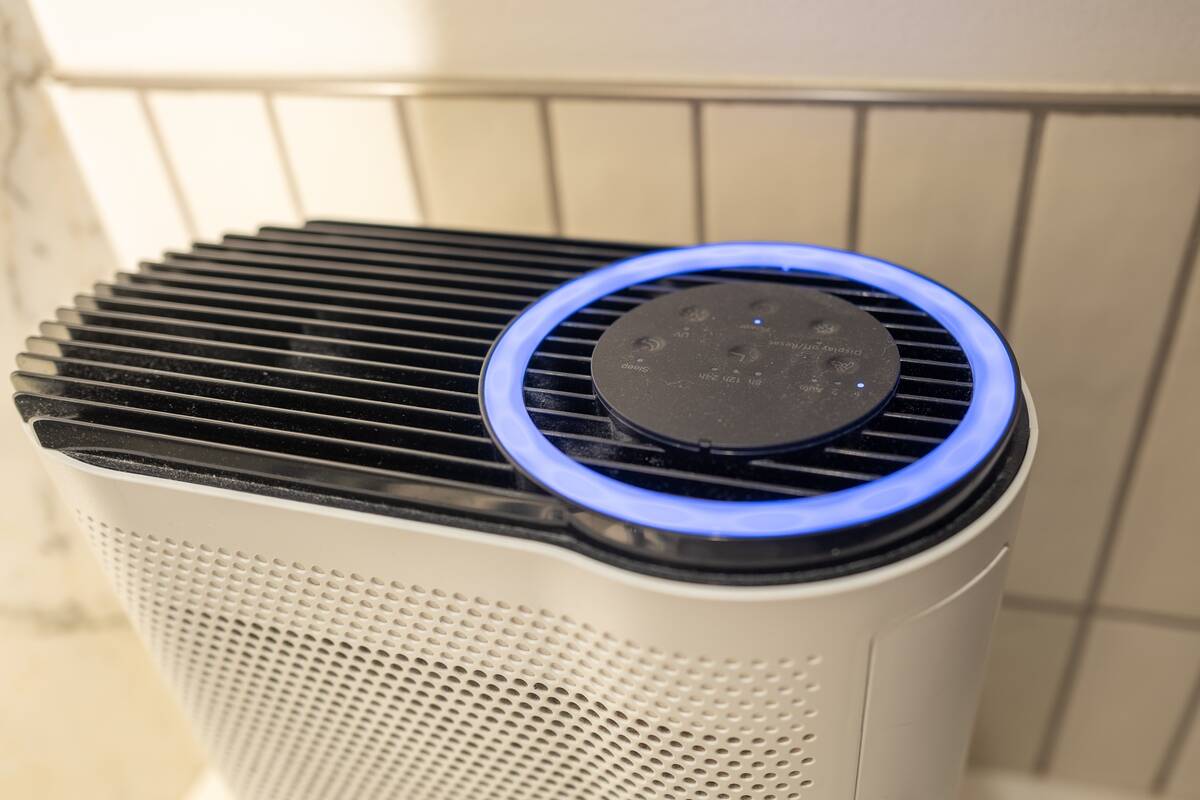
Sharper Image’s Ionic Breeze promised whisper-quiet purification by charging particles and collecting them on plates—no fan, no filter, just sleek columns glowing softly in living rooms everywhere. It looked like the future and hummed like a meditation app.
In 2004, Consumer Reports said the units underperformed on particle removal and could emit ozone, sparking controversy. Sharper Image sued; courts dismissed the case, and confidence never recovered. By 2008, the retailer filed for bankruptcy. Lesson learned: ambience is lovely, but clean air needs measurably clean results.
UV Toothbrush Sanitizers: Germ warfare on the vanity
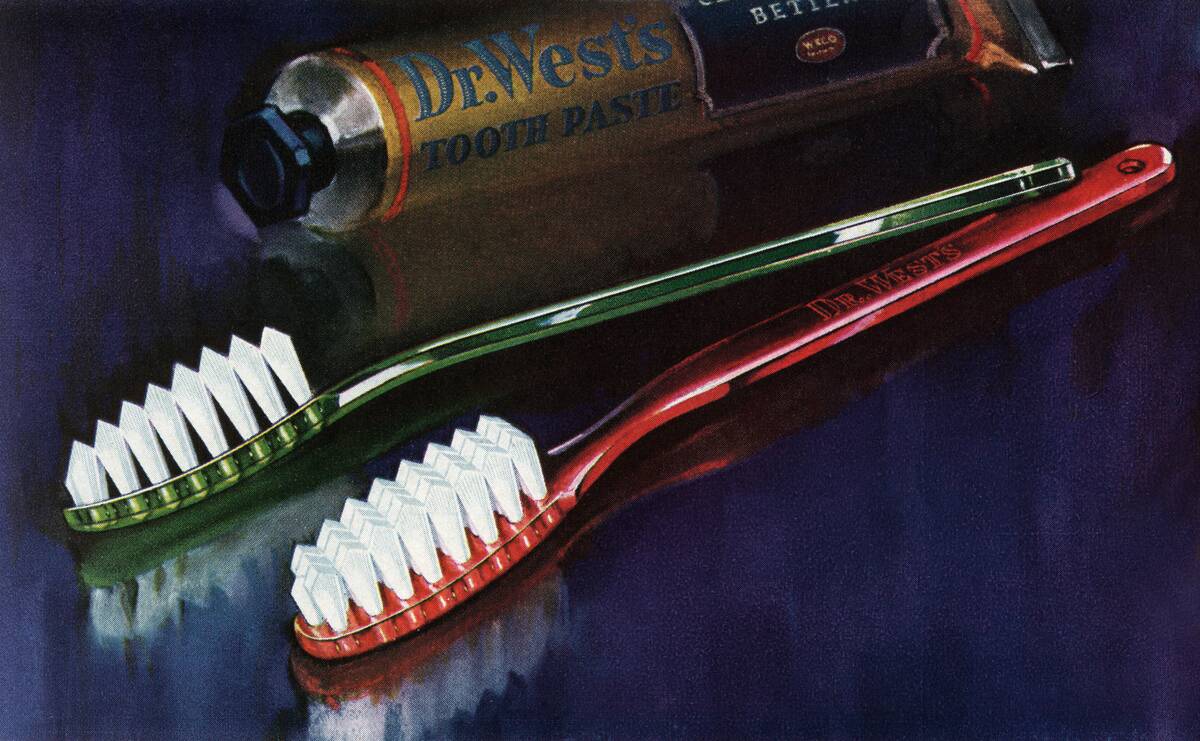
Countertop UV-C sanitizers promised to zap microbes on brush heads using short-wavelength light around 254 nm—the same germicidal zone used in labs and hospitals. Lab tests can show big reductions in common oral bacteria on bristles after a few minutes of exposure.
But experts note regular rinsing and air-drying already keep typical users safe. The ADA doesn’t require sanitizers, and the CDC doesn’t recommend routine disinfection beyond storing brushes upright to dry. They’re a neat extra, yet overkill for most—plus UV overexposure can age plastics and bristles.
Foot Bath Bubble Spas: At-home pedicures, lukewarm vibes
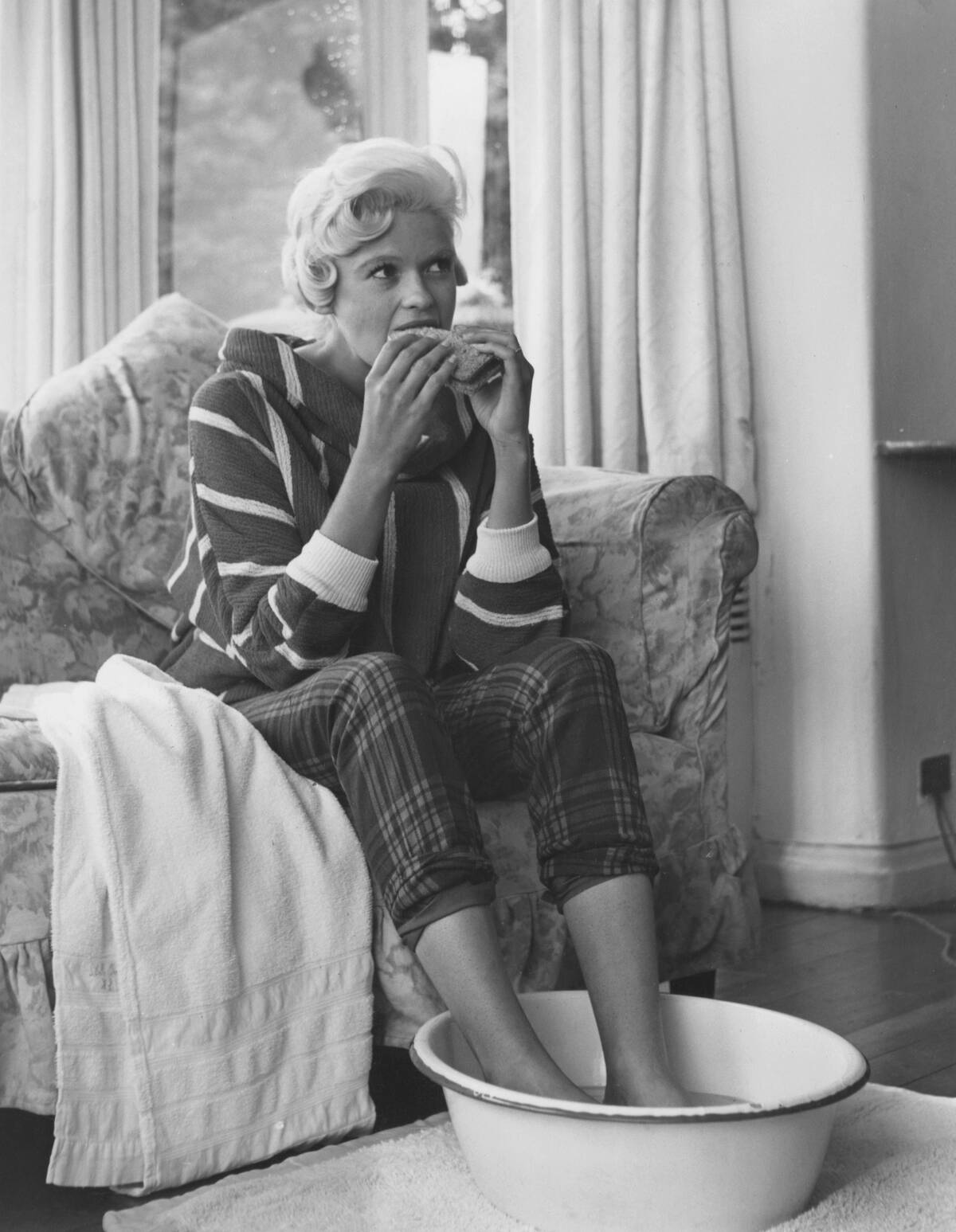
HoMedics and Conair made bubbly basins with massage nodes, rollers, and vibration. Manuals frequently clarified the fine print: they maintain water warmth but aren’t designed to heat cold water to hot.
Translation—start warm, or prepare for tepid toes.
Many models warned against salts or oils that could clog jets, and splashing guards only did so much. Still, after a long day, the gurgle-and-buzz combo felt indulgent. Professional pedicures deliver more, but for a rainy night with nail polish and a rom-com, these tubs earned their bubbles.
Hot Rollers: Big hair, bigger plastic case
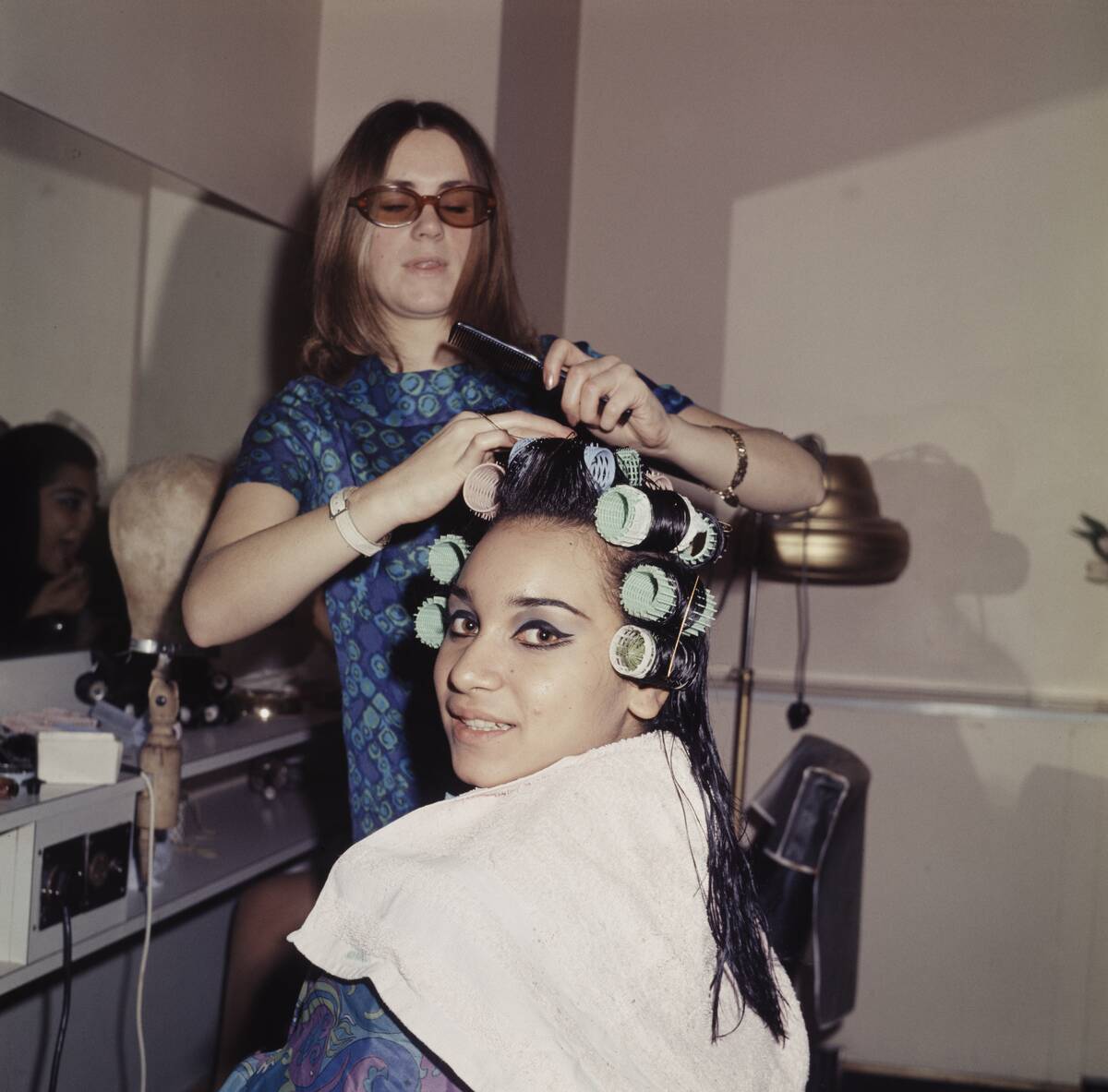
Hot rollers took off in the mid-1960s—Clairol’s Kindness set is a beauty-history landmark—and became an 1980s mainstay. Wax or ceramic cores soak up heat, then release it slowly as clips hold curls in place. Travel sets shrank the footprint; full kits came in suitcase-size cases.
They’re genuinely fast: plug in, roll hair, do makeup while heat sets. Unlike irons, they create uniform volume with less clamp damage. The tradeoff is bulk and a learning curve with clips. Today they’re niche—but for pageant volume or retro glam, still money.
The Flowbee: Vacuum haircuts and living-room bravery
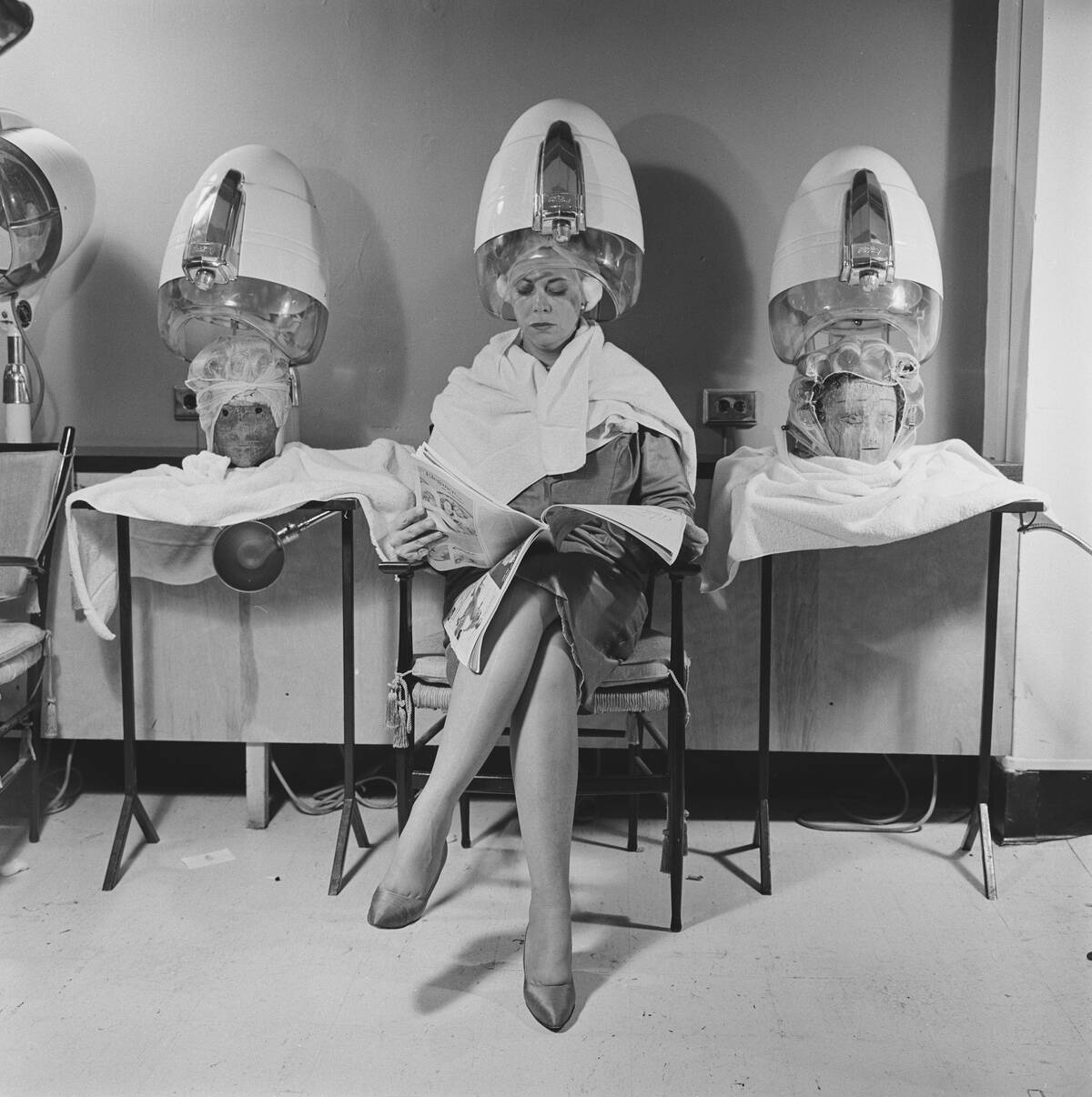
The Flowbee, first sold in 1988, combined clipper blades with a vacuum hose to whisk away cut hair while keeping lengths even via plastic spacers. It connected to a home vacuum or dedicated unit and promised neat, clog-free trims without sweeping.
It never really vanished—then 2020 happened.
With salons closed, sales spiked, and George Clooney told CBS Sunday Morning he’d used one for years, prompting a fresh wave of curiosity. It’s eccentric, yes, but for precise, mess-free buzzes, the concept holds up better than the jokes.
VHS Tape Rewinders: Be kind, rewind—faster
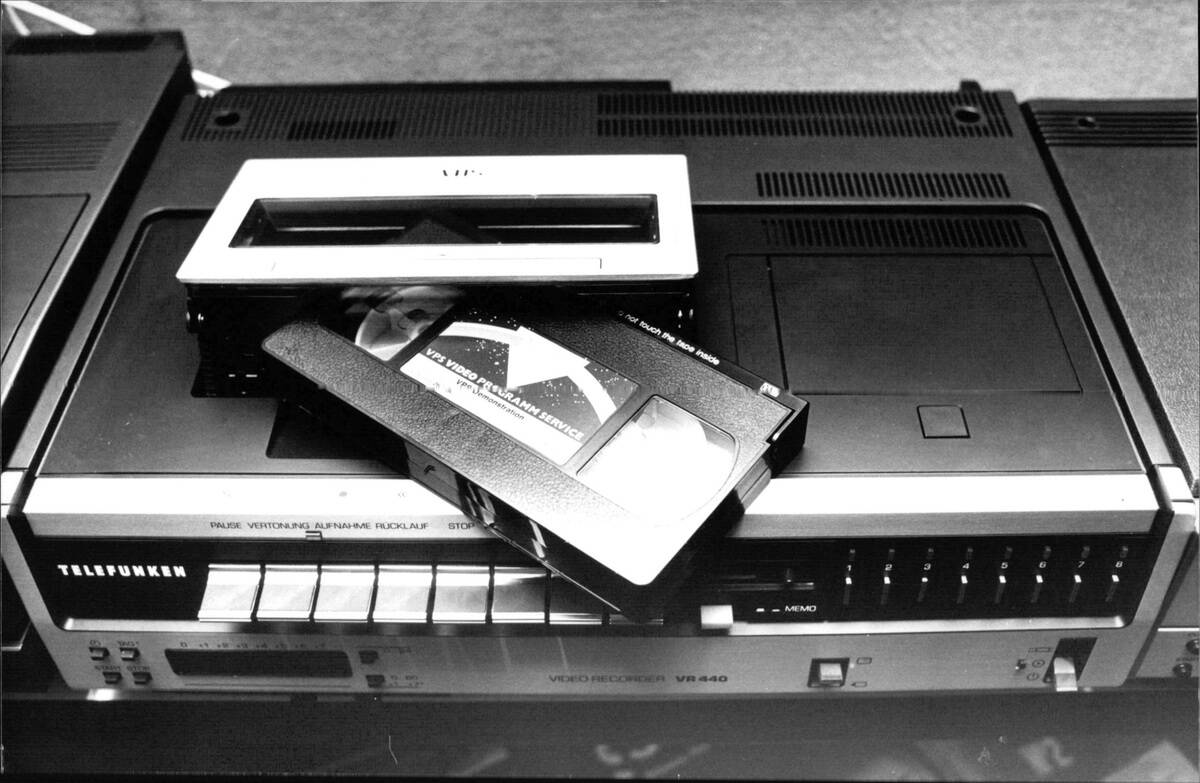
Dedicated rewinders spared VCR heads the wear of high-speed tape spooling and cut turnaround to a couple of minutes. Many came in whimsical shapes—sports cars, bricks of chrome—and auto-stopped at the leader tape to prevent spine-snapping.
In the rental era, Blockbuster and mom-and-pop shops posted signs: “Be kind, rewind,” with late-fee penalties for offenders. Standalone rewinders lived by the TV like little pit crews, then vanished as DVDs displaced tape. Today they’re pure nostalgia—tiny time machines for Friday-night double features.
Standalone Answering Machines: Voicemail with tiny tapes
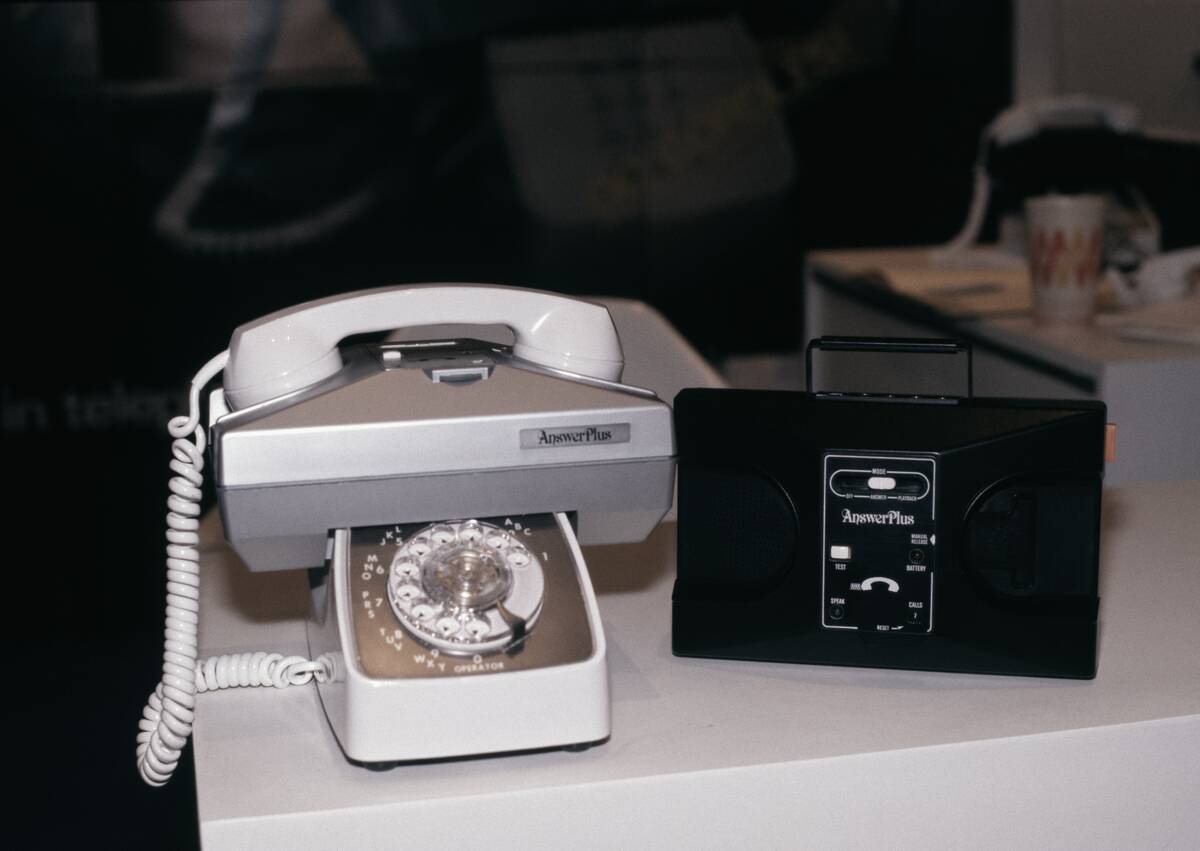
From the 1970s through the 1990s, telephone answering devices (TADs) graduated from full-size cassettes to microcassettes, then to solid-state memory. Dual-tape systems stored your outgoing message on one reel and incoming calls on another, with remote access codes to check messages from pay phones.
They offered real-time call screening—let it ring, listen to the caller start talking, then pick up. When phone companies rolled out centralized voicemail in the late 1990s and 2000s, boxes with blinking LEDs slowly disappeared, leaving behind the warm hiss of magnetic tape.
Caller ID Boxes: Who’s calling? The pre-smartphone reveal
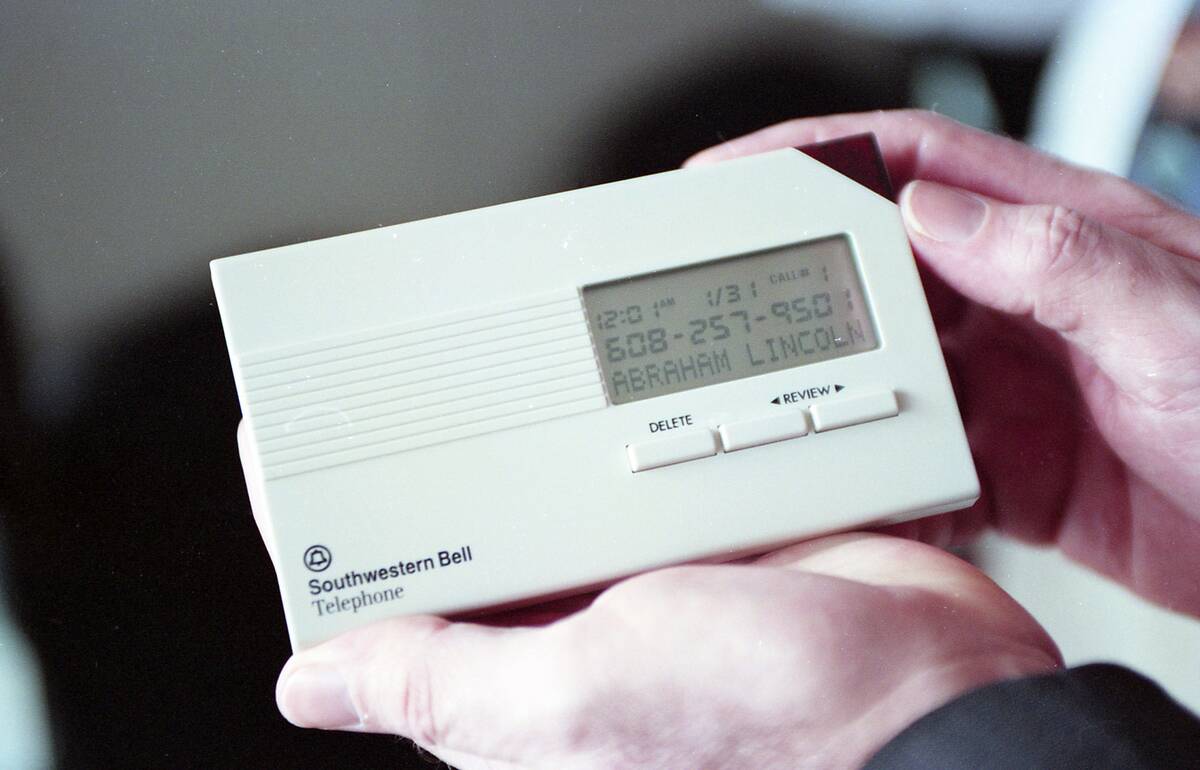
Caller ID rolled out in the U.S. around the late 1980s, with New Jersey Bell among the first to offer it commercially in 1989. Standalone boxes decoded FSK data sent between the first and second ring to display the incoming number; separate CNAM databases provided names.
Users could block their info with *67, and some boxes stored dozens of recent calls with timestamps. Then phones started bundling screens, and smartphones made the standalone displays redundant. For a brief, glorious window, though, seeing “Mom” before ring three felt futuristic.
Under-Cabinet Radio/CD Players: Cooking to the Top 40
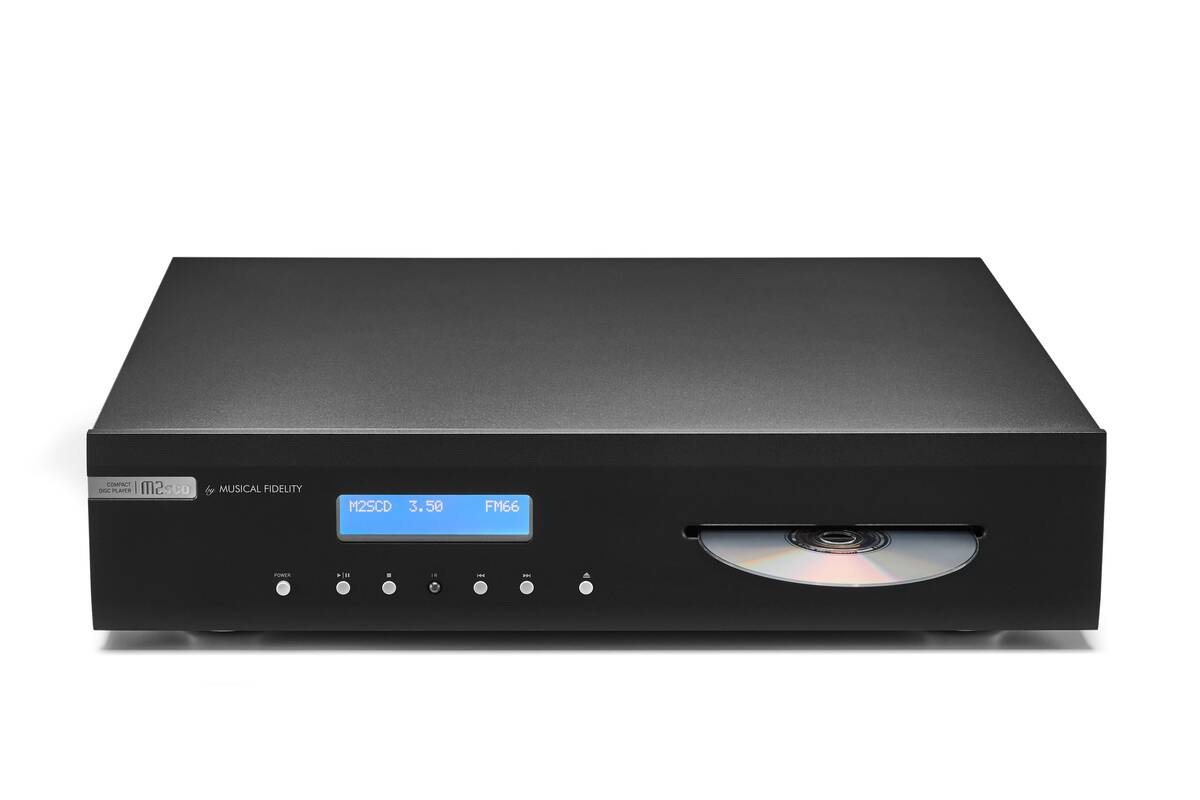
Sony, GE, and others mounted AM/FM/CD units under cabinets, freeing counters and keeping bacon grease away from buttons. Models like Sony’s ICF‑CD series added kitchen timers, alarms, and sometimes weather band, plus templates for drilling clean, aligned holes.
Sound quality beat a pocket radio, and integrated clocks made them everyday companions.
But CD doors disliked grease and steam, and swapping discs while stirring sauce was clumsy. As Bluetooth speakers and smart displays moved in, the under-cabinet genre quietly slid out with the tape deck.
Digital Photo Frames: Mantelpiece slideshows on loop
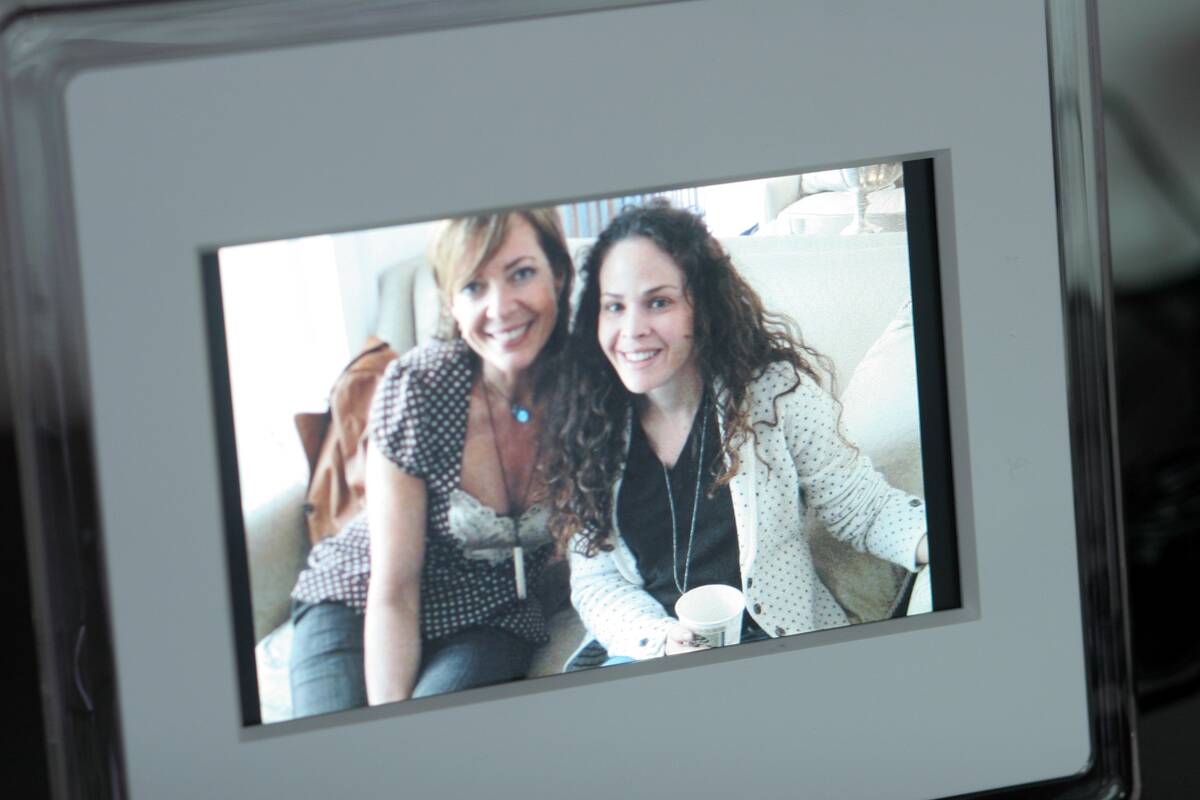
Mid-2000s frames turned SD cards and USB sticks into perpetual slideshows. Seven- to ten-inch LCDs, basic transitions, and auto-on schedules made them instant conversation starters. Brands like Kodak, Sony, and Philips pushed higher resolutions and better color as prices dropped.
Wi‑Fi models followed, pulling albums from email or online services. Then phones and tablets claimed our attention—and our photos. Today’s cloud-connected frames (think Nixplay, Aura) keep the category alive, but the early loop of vacation photos and pet candids played the living room long before Instagram did.
CD Towers and Binders: Organizing our Friday nights
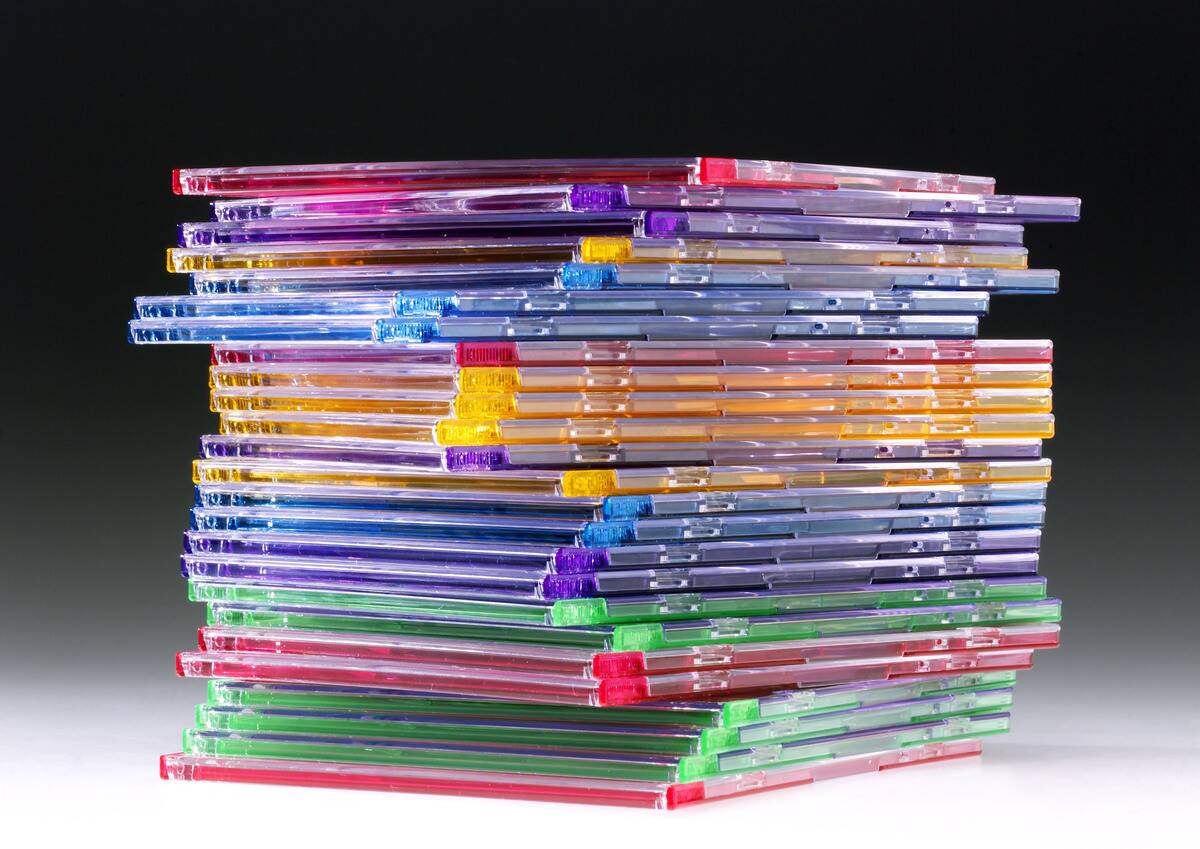
Before streaming, storage was furniture. IKEA’s Benno tower—once ubiquitous—held roughly 180–200 discs in a slim column, while media cabinets sprouted like forests in dens. Liner notes doubled as art; alphabetizing was a personality trait.
Case Logic binders moved collections to the car and dorm, trading jewel cases for zippered sleeves that swallowed 100–300 discs. They saved space but risked scuffs if grit snuck in. As MP3 players and later Spotify took over, these shrines to choice tracks became Craigslist regulars and garage-sale bargains.
CD Scratch Repair Machines: Buffing away bad decisions
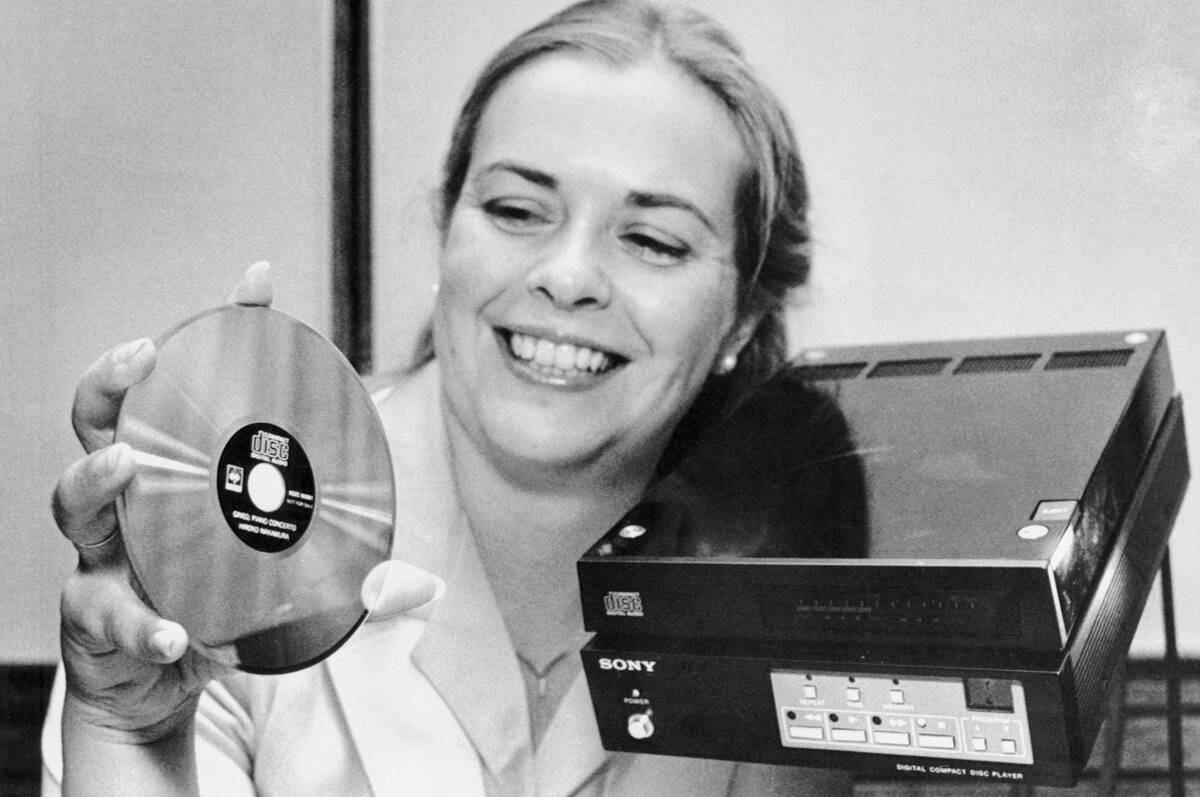
Machines like SkipDr and GameDr resurfaced discs with micro-abrasives, shaving microns off the clear polycarbonate to reduce light-scattering scratches. Circular damage near the outer rim was most fixable; gouges into the foil data layer were fatal. Many video stores offered professional polishing for a few bucks.
Error correction on audio CDs (CIRC) can mask small defects, so a light buff often turned skips into smooth play. Overdo it, though, and you thin the disc or create haze. As downloads and streaming rose, the whir of a repair wheel faded out.
VCR Plus+ Codes and Programmers: Recording TV by secret numbers
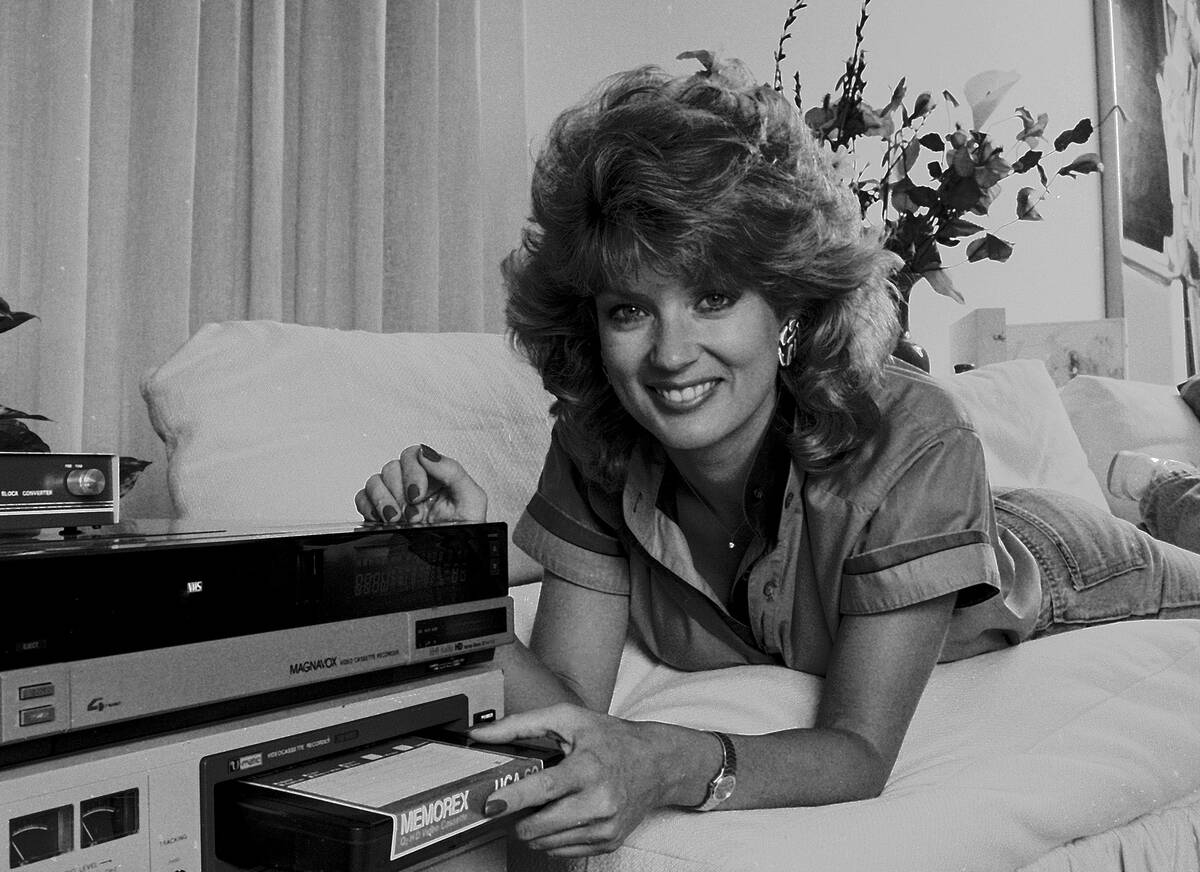
Gemstar’s VCR Plus+ (VideoPlus+ in Europe) debuted around 1990, converting a short code printed in TV listings into channel, date, and time. Enter five to eight digits on a compatible VCR or set-top, and the show would queue up—no fiddling with overlapping timers and daylight saving quirks.
The system spread widely, bundled into TVs and VCRs and licensed by TV Guide after corporate tie-ups. It worked, until DVRs and on-screen guides made recording a one-button affair. The magic numbers lost their mystique, and the red REC light went digital.
Rabbit Ears with Signal Boosters: Antennas with attitude
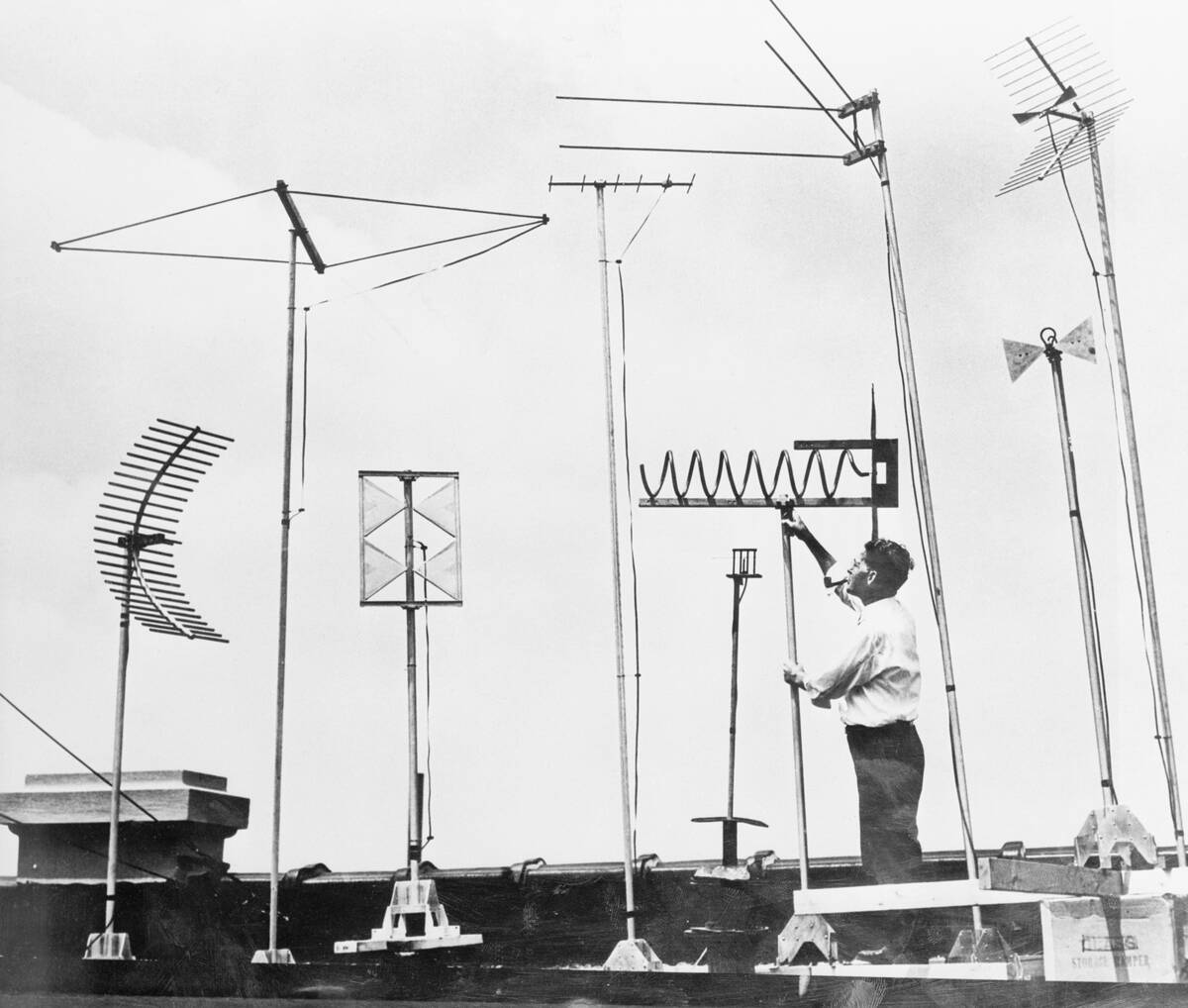
Indoor antennas paired telescoping VHF “ears” with a UHF loop, sometimes adding powered amplifiers that boasted 20–40 dB of gain. The amplifier couldn’t invent signal—only boost what was there, noise and all—but a careful aim often cleaned up ghosting on analog sets.
The 2009 U.S. digital TV transition swapped snow for stutter; you either locked an ATSC signal or you didn’t. Rabbit ears didn’t die—they became flatter and sleeker—but the ritual of twisting chrome rods during the weather report mostly ended with analog.
Lamp Timers and X10 Modules: Smart home before it was smart
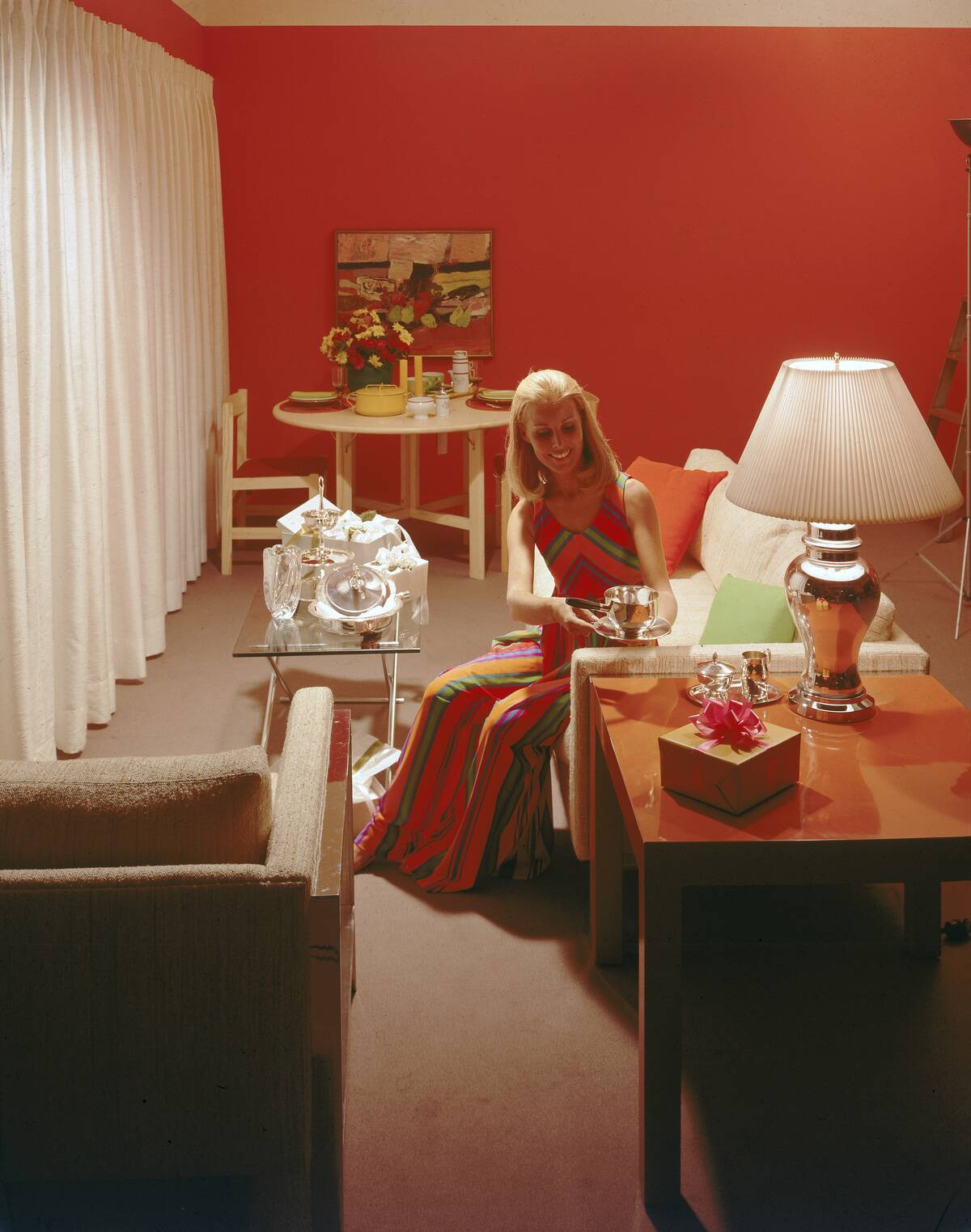
Mechanical lamp timers with 24-hour dials and clicky segments automated porch lights long before apps. Then came X10 in 1975, sending commands over household wiring at roughly 120 kHz. Addresses ran A–P and 1–16; commands were ON, OFF, DIM. BSR, RadioShack, and X10.com sold modules by the millions.
The system was ingenious but finicky—noise from appliances, split-phase wiring, and signal suckers meant homes needed filters or phase couplers. Still, scheduled lamps and remote Christmas trees felt like living in Tomorrowland, years before Wi‑Fi bulbs and voice assistants.