15 Ways of commuting before modern transit
Ah, the nostalgia of commuting through the ages! From steam-powered locomotives to the sleek subway cars of today, the history of commuting is a fascinating journey. It’s a tale of innovation, style, and the human desire to connect distant places.
As we dive into the past, let’s explore how each mode of transport has shaped our daily lives and left an indelible mark on our culture.
The Golden Age of Train Travel: All Aboard!
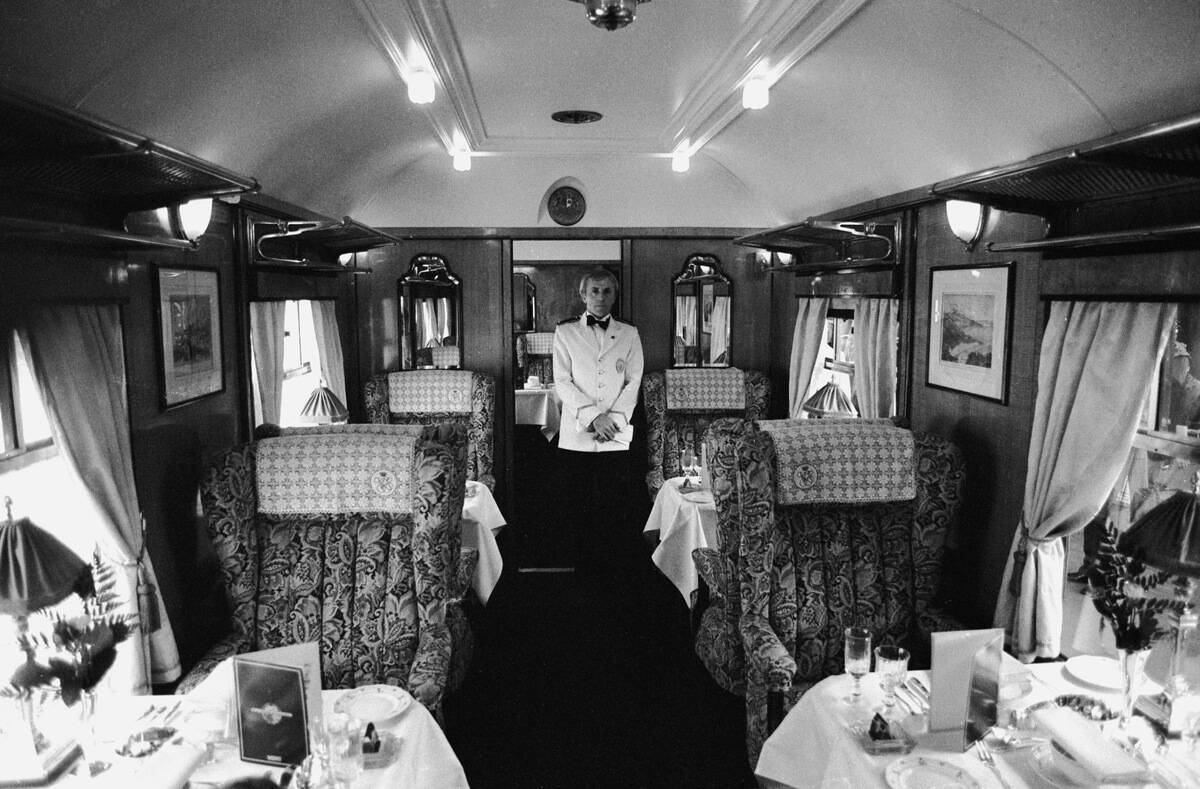
The golden age of train travel was a time when railroads were the backbone of long-distance travel. In the late 19th and early 20th centuries, luxurious trains like the Orient Express offered opulent dining cars and plush sleeping compartments.
Rail travel was not just about getting from point A to B; it was an experience. The rhythmic clatter of wheels on tracks and the whistle of the steam engine created a romantic allure that captured the imagination of travelers.
Vintage Buses: When Style Met Public Transport

Vintage buses were the epitome of style and function, with their art deco designs and bold colors. In the 1950s and 60s, buses like the iconic Routemaster in London became symbols of urban mobility.
These buses were not only practical but also a fashion statement, often featuring advertising panels that showcased the latest trends. Riding a bus was a communal experience, with passengers sharing stories and the occasional laugh as they journeyed through bustling city streets.
The Rise of the Automobile: A Personal Commuting Revolution
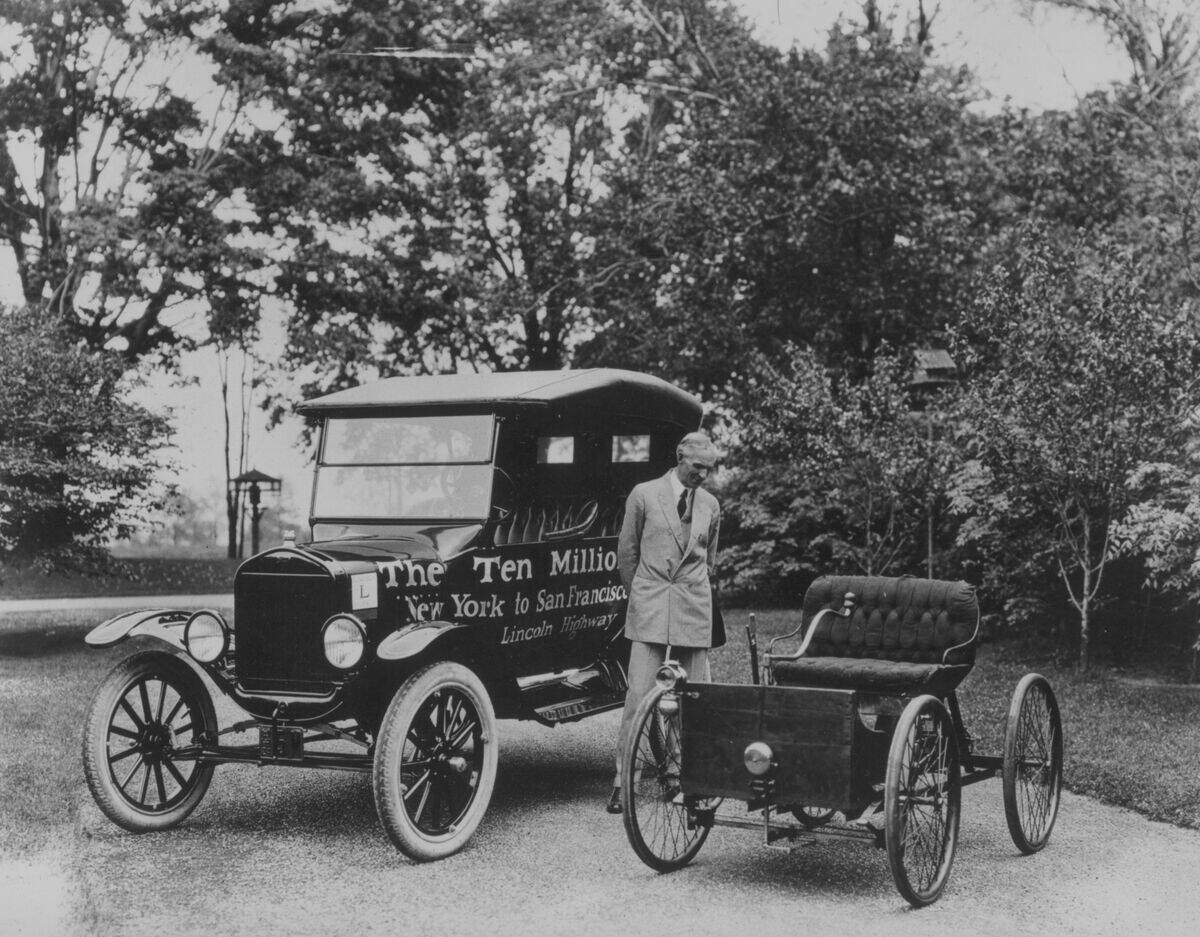
The automobile revolutionized personal commuting, offering unprecedented freedom and flexibility. The mass production of cars, spearheaded by Henry Ford’s Model T in the early 20th century, made automobiles accessible to the average person.
This shift allowed individuals to travel at their own pace, explore new destinations, and live farther from work. The car became a symbol of independence and a cornerstone of the American Dream, forever changing the landscape of commuting.
Bicycle Boom: Pedaling Through the Past
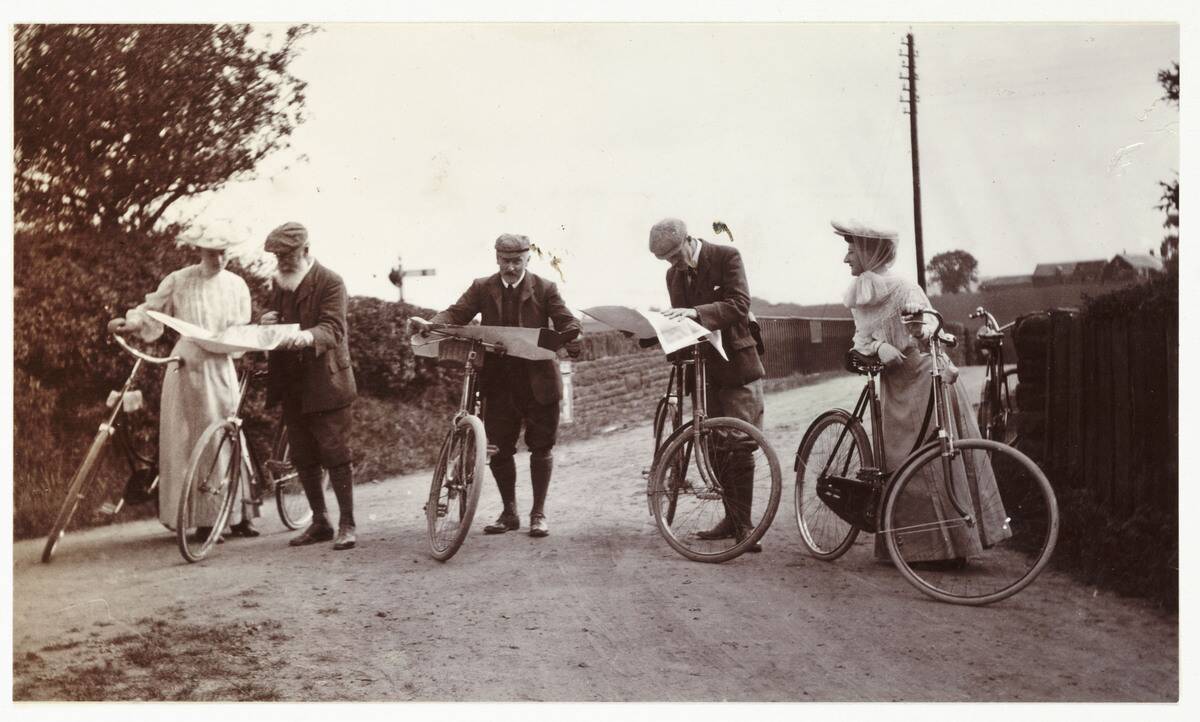
The bicycle boom of the late 19th century introduced a new era of personal transportation. With the invention of the safety bicycle, featuring equal-sized wheels and a chain drive, cycling became a popular pastime and a practical commuting option.
It offered an affordable and healthy way to travel, empowering people of all ages and backgrounds. The bicycle also played a role in social change, providing women with greater mobility and contributing to the suffrage movement.
The Streetcar Era: Clanging Through City Streets
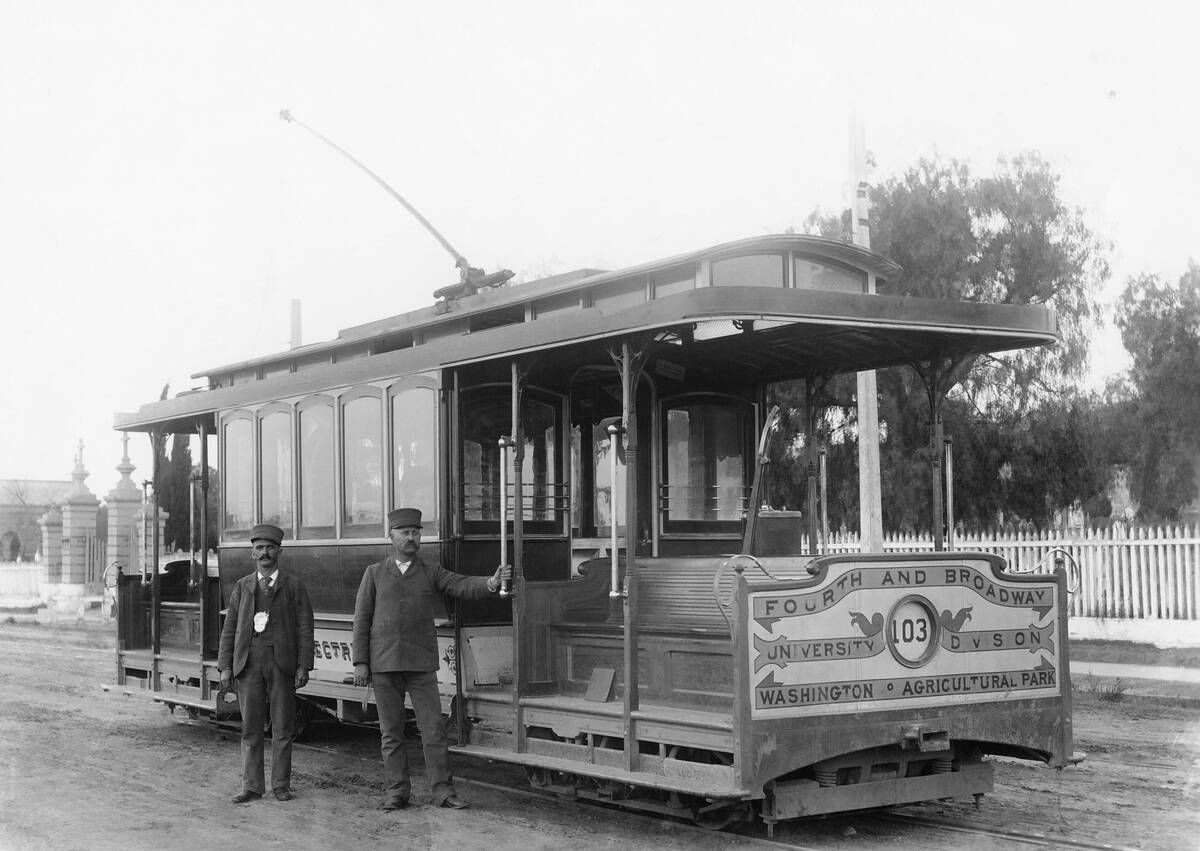
Streetcars, with their distinctive clang, were a staple of urban transit in the late 19th and early 20th centuries. Cities like San Francisco and New Orleans still celebrate their historic streetcar lines, which once crisscrossed the nation.
These electric-powered vehicles offered an efficient way to navigate crowded streets, connecting neighborhoods and fostering urban growth. The streetcar era was a time of expansion and innovation, as cities adapted to the needs of a growing population.
Subways: The Underground Marvels of Yesteryear
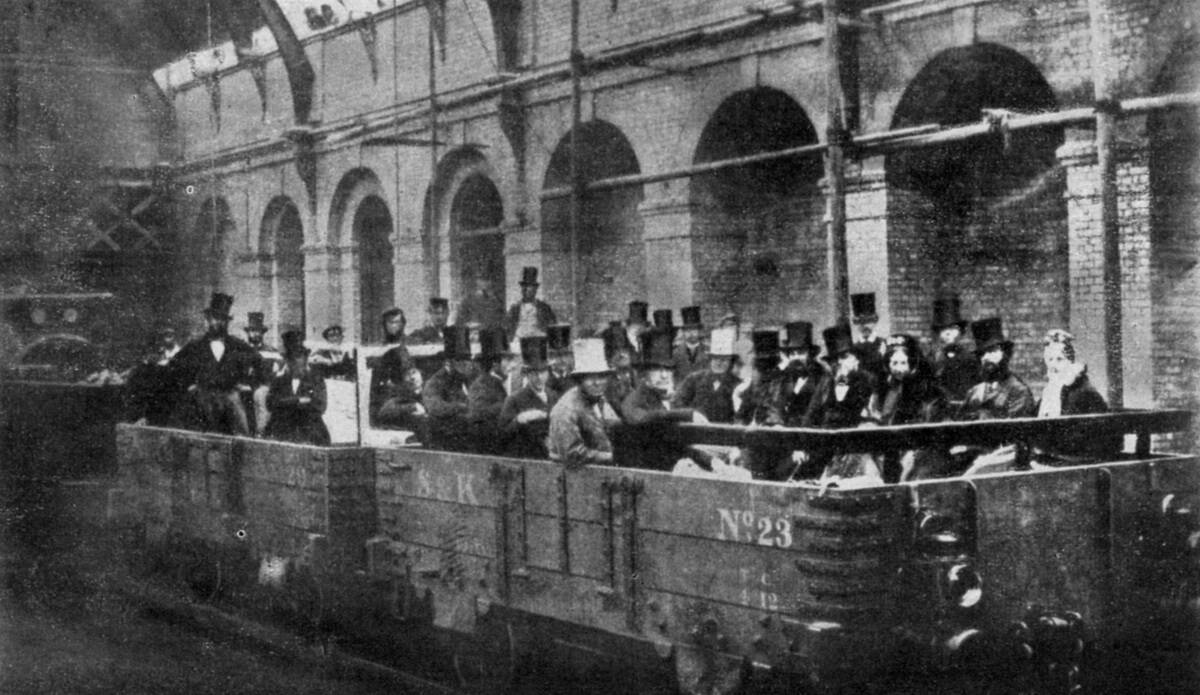
Subways, the underground marvels, transformed urban commuting by whisking passengers beneath the bustling cityscape. The London Underground, opened in 1863, was the world’s first subway system, setting the stage for others like New York City’s expansive network.
These subterranean railways offered a fast and reliable alternative to surface transport, reducing congestion and reshaping urban life. The subway became an integral part of the daily commute, providing a unique and often colorful backdrop for city dwellers.
Commuting in Style: Fashion Trends on the Go
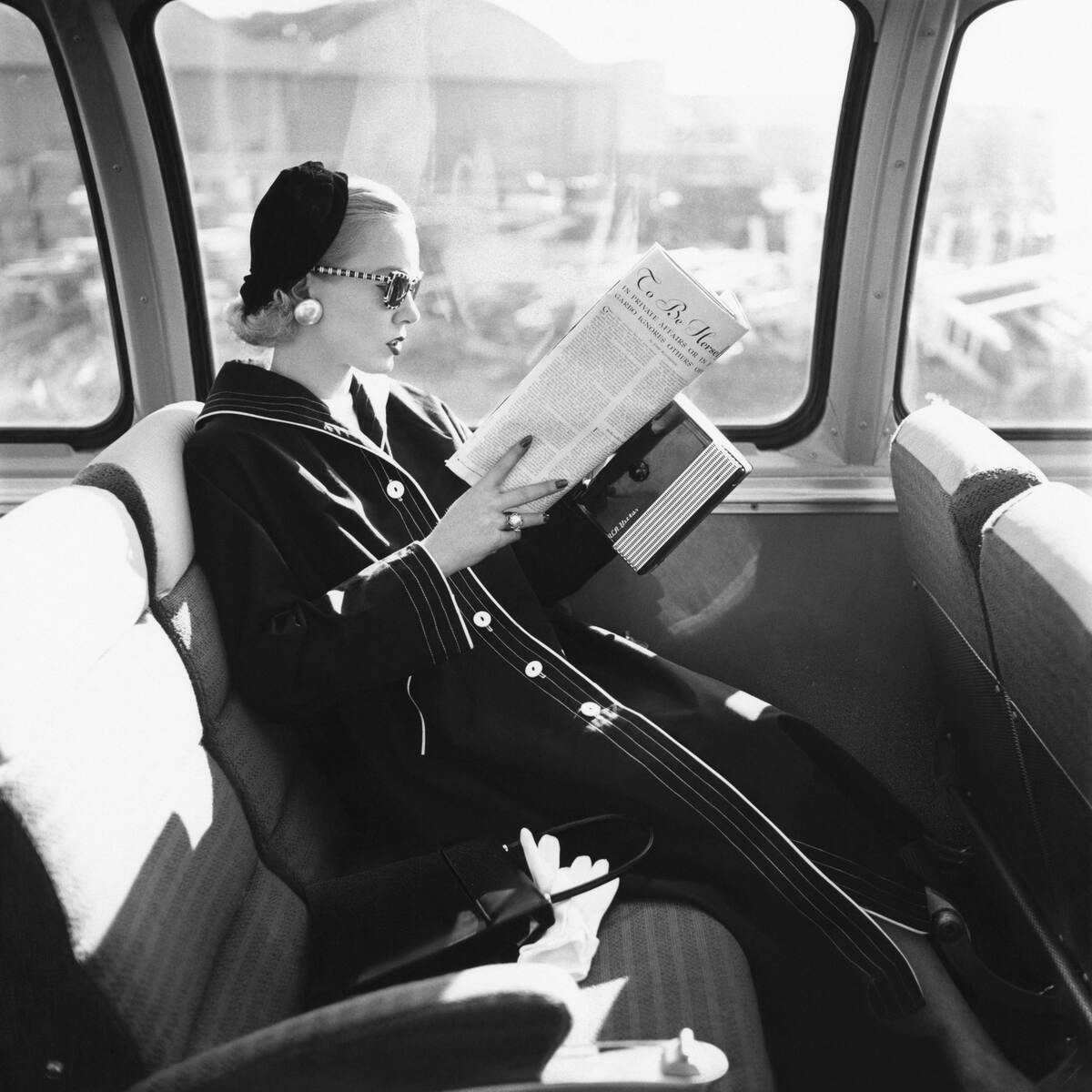
Commuting has always been a stage for fashion, with trends evolving alongside modes of transport. In the early 20th century, train travel saw passengers donning elegant attire, complete with hats and gloves.
The 1960s brought a more casual vibe to bus and subway riders, reflecting the era’s social changes. Today, commuters blend comfort with style, often sporting tech-friendly accessories like wireless earbuds and smartwatches. Fashion on the go is a reflection of the times, adapting to the needs and tastes of each generation.
Ticket Stubs and Tokens: The Currency of Commuting
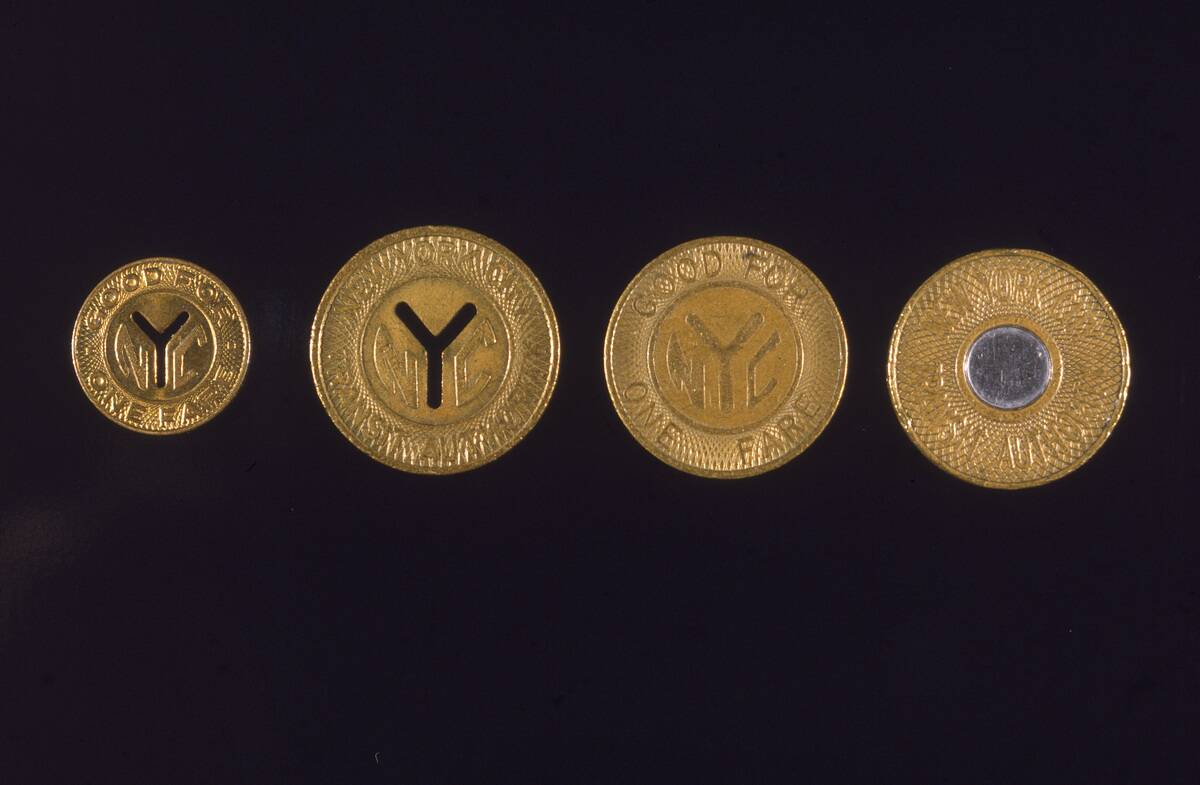
Ticket stubs and tokens were once the currency of commuting, each with its own unique design and charm. In the days before digital fare systems, passengers would collect colorful paper tickets or metallic tokens as souvenirs of their journeys.
These small artifacts told stories of daily routines and special trips, often becoming cherished keepsakes. The transition to electronic fare cards marked the end of an era, but the nostalgia for tangible tickets remains strong among collectors and enthusiasts.
The Role of Conductors and Ticket Inspectors
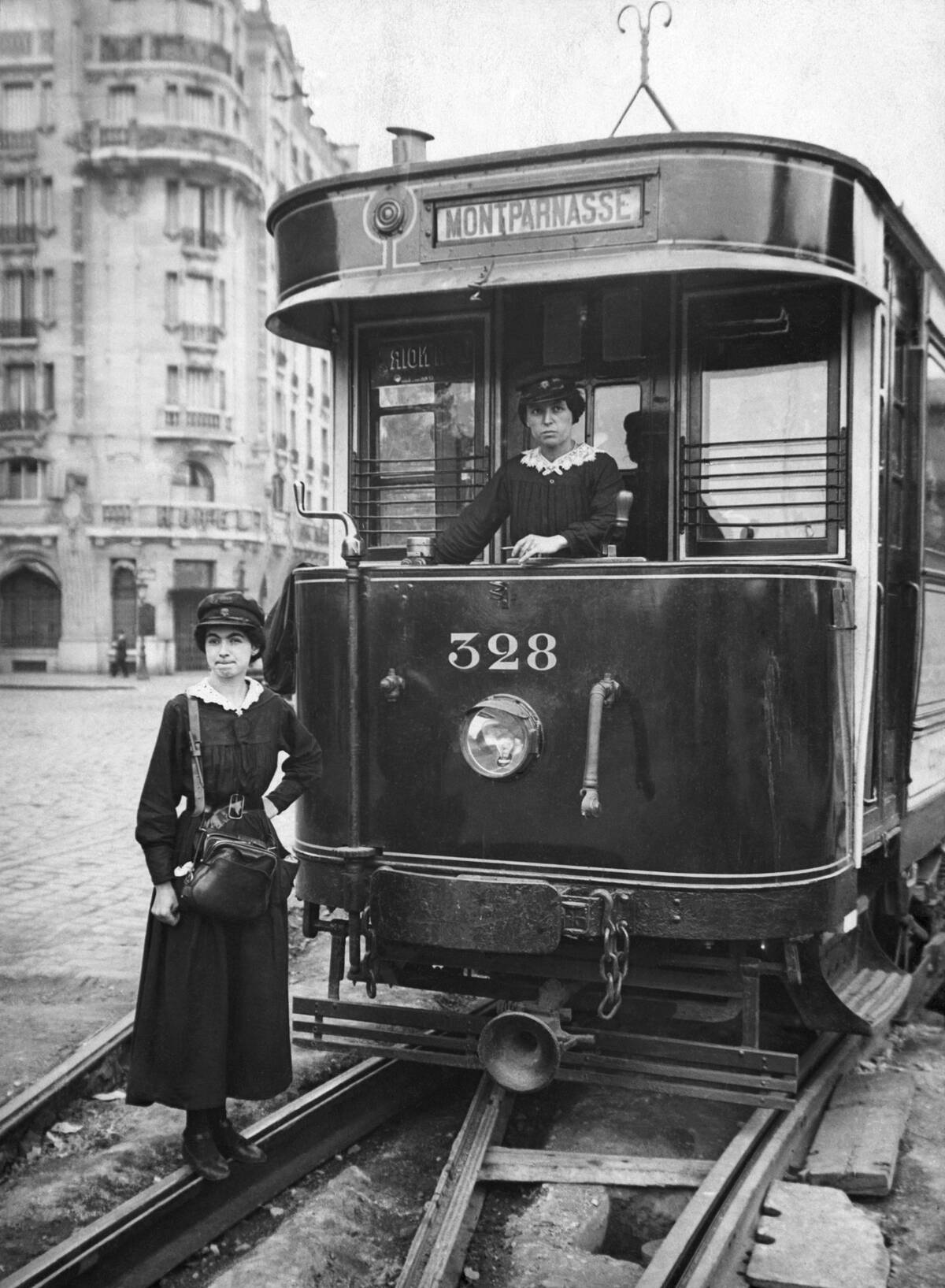
Conductors and ticket inspectors were the unsung heroes of public transport, ensuring smooth operations and passenger safety. With their distinctive uniforms and authoritative presence, they were a reassuring sight for commuters.
These professionals not only checked tickets but also provided information and assistance, creating a sense of community on board. As automated systems have taken over many of their duties, the personal touch of conductors and inspectors is fondly remembered by those who experienced it.
Waiting in Line: The Art of Patience
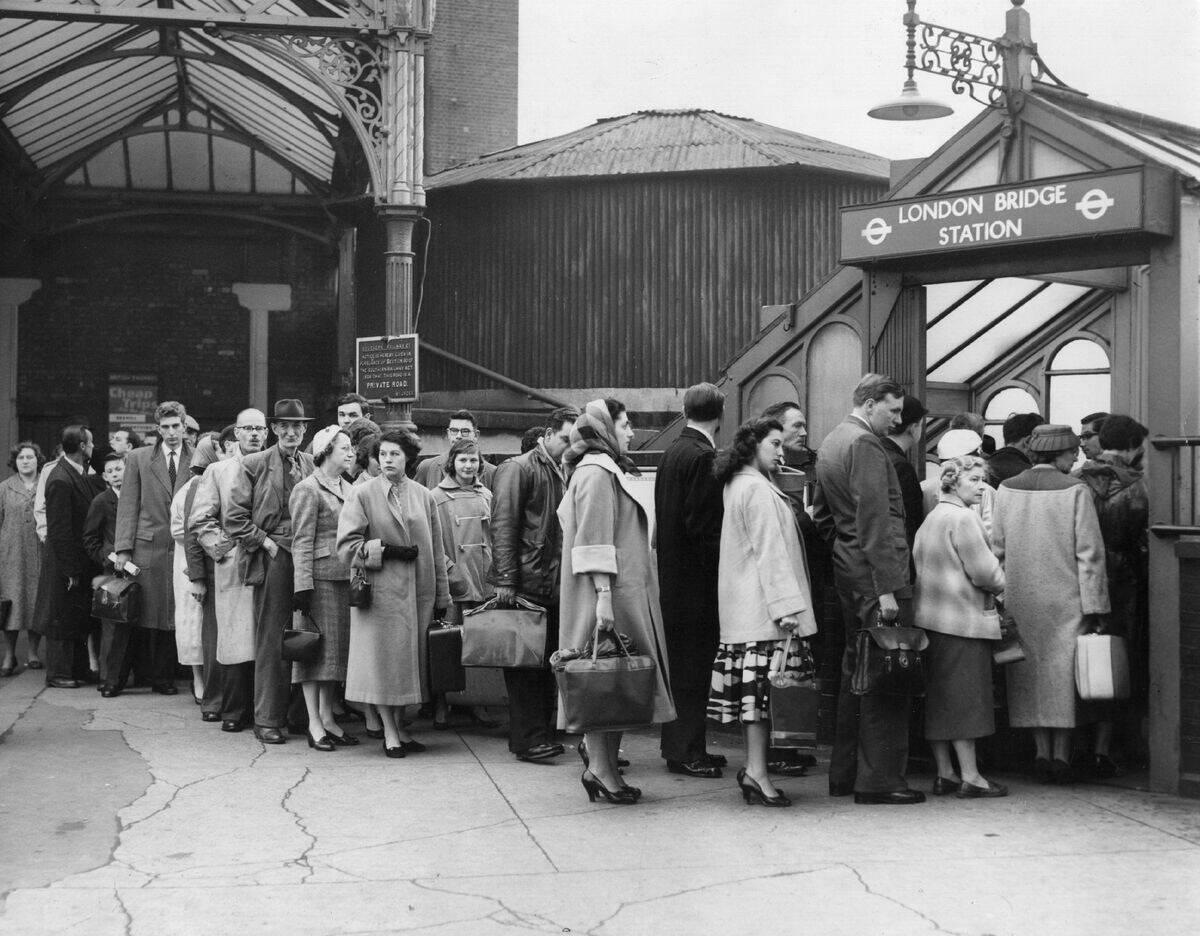
Waiting in line is an art form that every commuter has mastered at some point. Whether at a bus stop or train platform, patience is a virtue cultivated through countless hours of anticipation.
This shared experience often fosters camaraderie among strangers, as they exchange nods or chat about the weather. The wait can be a time for reflection or a chance to catch up on reading, turning a mundane routine into a moment of personal time.
Carpooling: Sharing Rides Before It Was Cool
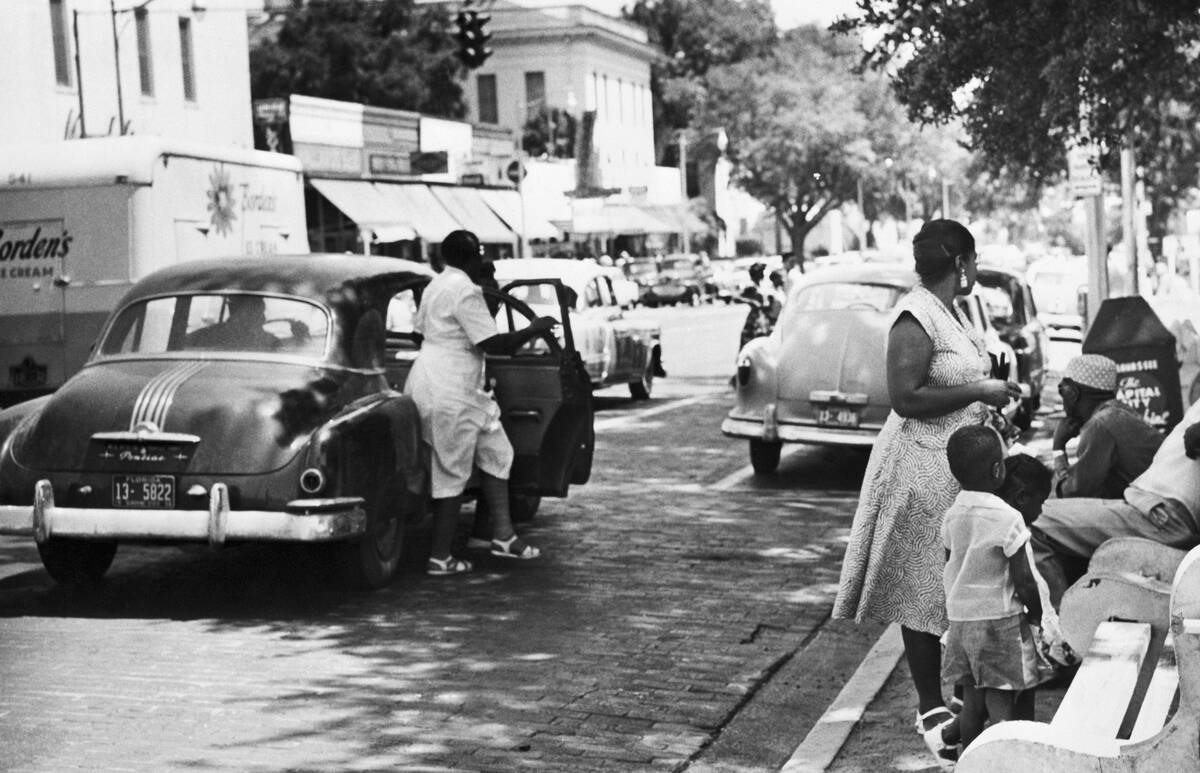
Carpooling, the practice of sharing rides, has long been a practical solution for reducing travel costs and easing traffic congestion. During World War II, carpooling campaigns encouraged citizens to conserve fuel and resources.
This eco-friendly commuting option has evolved with the advent of ridesharing apps, making it easier than ever to coordinate shared journeys. Carpooling not only benefits the environment but also fosters social connections, turning the daily commute into a collaborative experience.
The Evolution of Commuter Etiquette
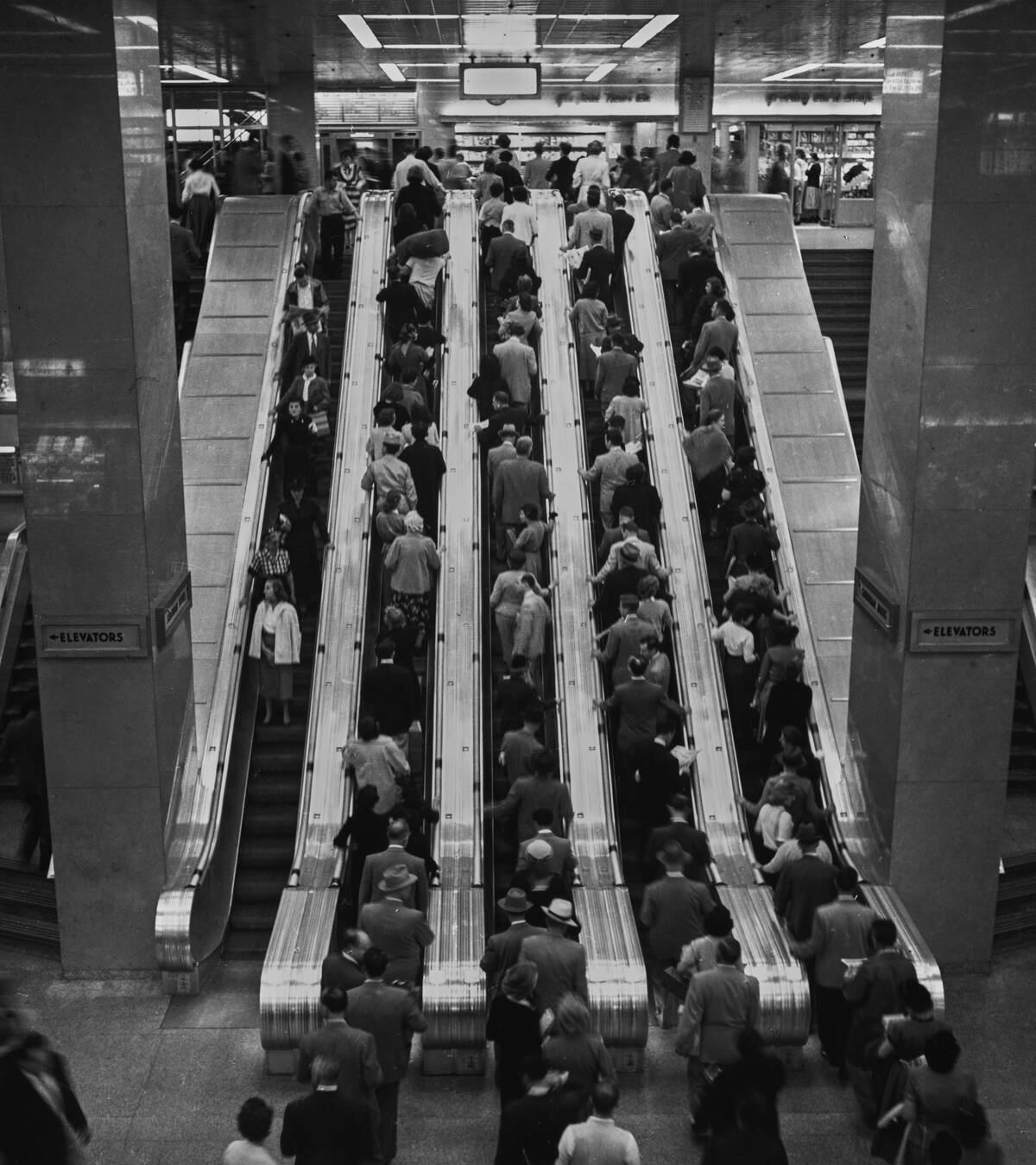
Commuter etiquette has evolved over the years, adapting to changes in transport modes and societal norms. In the past, giving up one’s seat for elders or women was a common courtesy on crowded trains and buses.
Today, etiquette extends to digital manners, like keeping phone conversations quiet and respecting personal space. As commuting continues to change, so too will the unwritten rules that guide our interactions, reflecting the ongoing balance between personal convenience and communal respect.
Advertising on Wheels: Vintage Transit Ads

Vintage transit ads were a staple of public transport, turning buses and trains into moving billboards. These colorful advertisements promoted everything from household products to vacation destinations, capturing the attention of captive audiences.
The artful designs and catchy slogans of yesteryear remain a source of fascination, offering a glimpse into the marketing trends of the past. Today, digital screens have replaced paper ads, but the tradition of advertising on wheels continues to thrive.
Rush Hour: A Look at the Hustle and Bustle
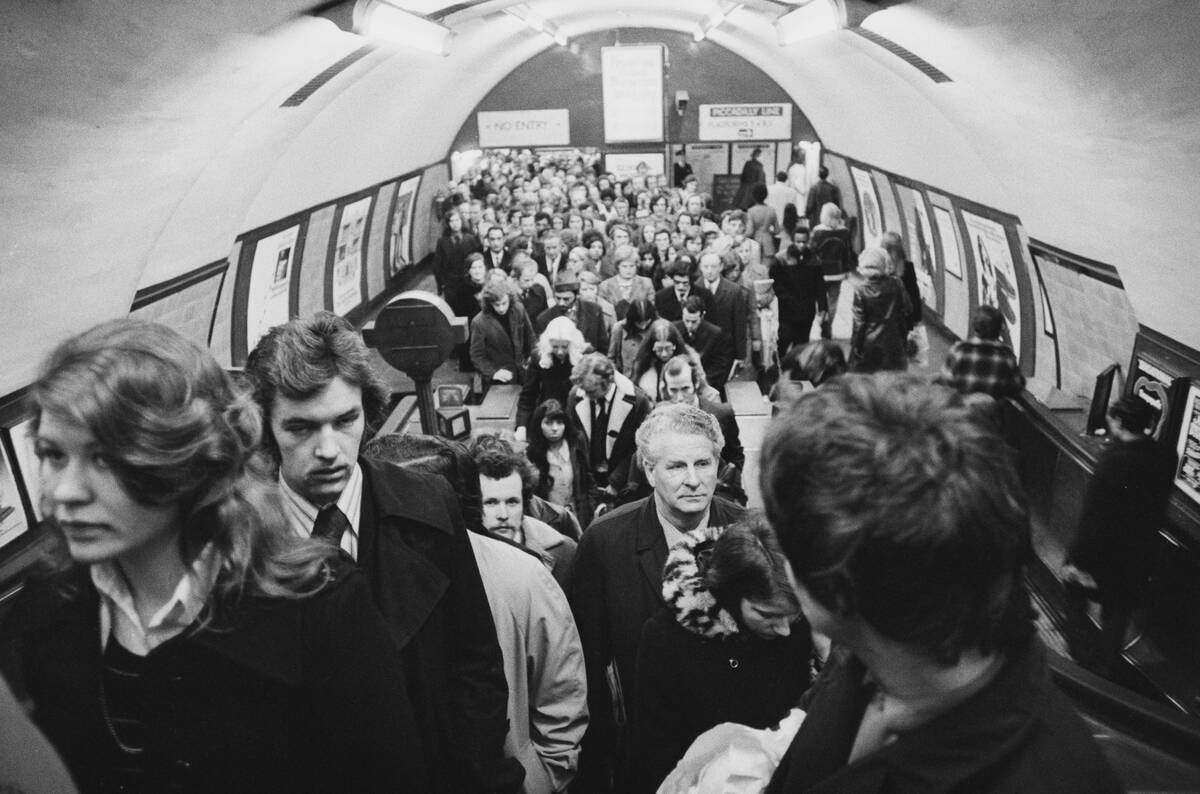
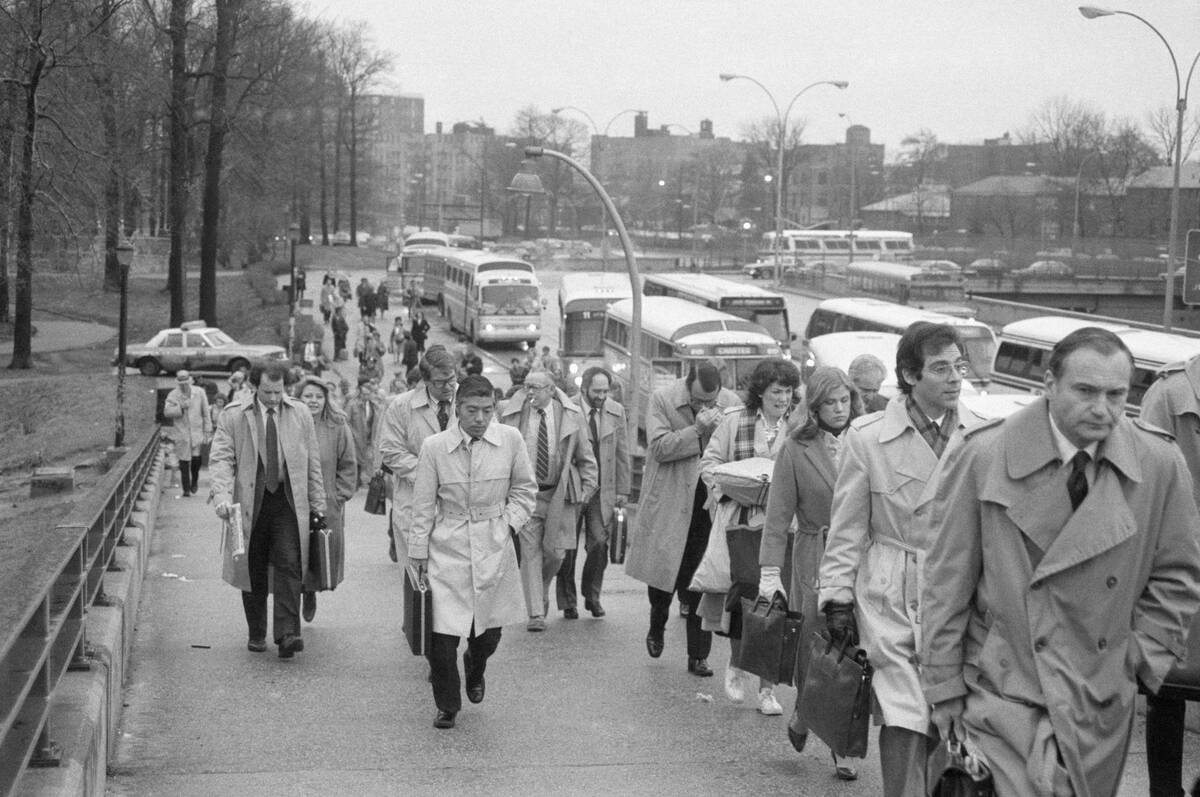
Rush hour is the quintessential representation of the hustle and bustle of city life. During these peak times, commuters flood transit systems, creating a dynamic and often chaotic atmosphere.
The ebb and flow of passengers reflect the rhythms of urban living, with everyone navigating their way to work or home. Despite the crowds and occasional delays, rush hour is a testament to the resilience and adaptability of city dwellers, who find ways to make the most of their daily journeys.
The Social Aspect: Conversations and Connections on the Commute
The daily commute offers a unique opportunity for social interaction, as people from diverse backgrounds come together in shared spaces. Conversations sparked by a shared destination or a mutual interest can lead to lasting friendships or business connections.
The commute provides a rare chance to disconnect from screens and engage with fellow travelers, fostering a sense of community. Whether it’s a brief chat or a profound discussion, these interactions enrich the commuting experience and remind us of our shared humanity.




