Things every household had in the 1970s
Ah, the 1970s—a decade of bold colors, funky designs, and unforgettable household items. It was a time when homes were filled with gadgets and decor that defined the era’s unique style.
From shag carpets to rotary phones, these essentials not only served practical purposes but also added a touch of character to every home. Join us as we take a trip down memory lane, exploring the iconic items that made the 70s a truly distinctive decade.
The Ubiquitous Rotary Dial Telephone
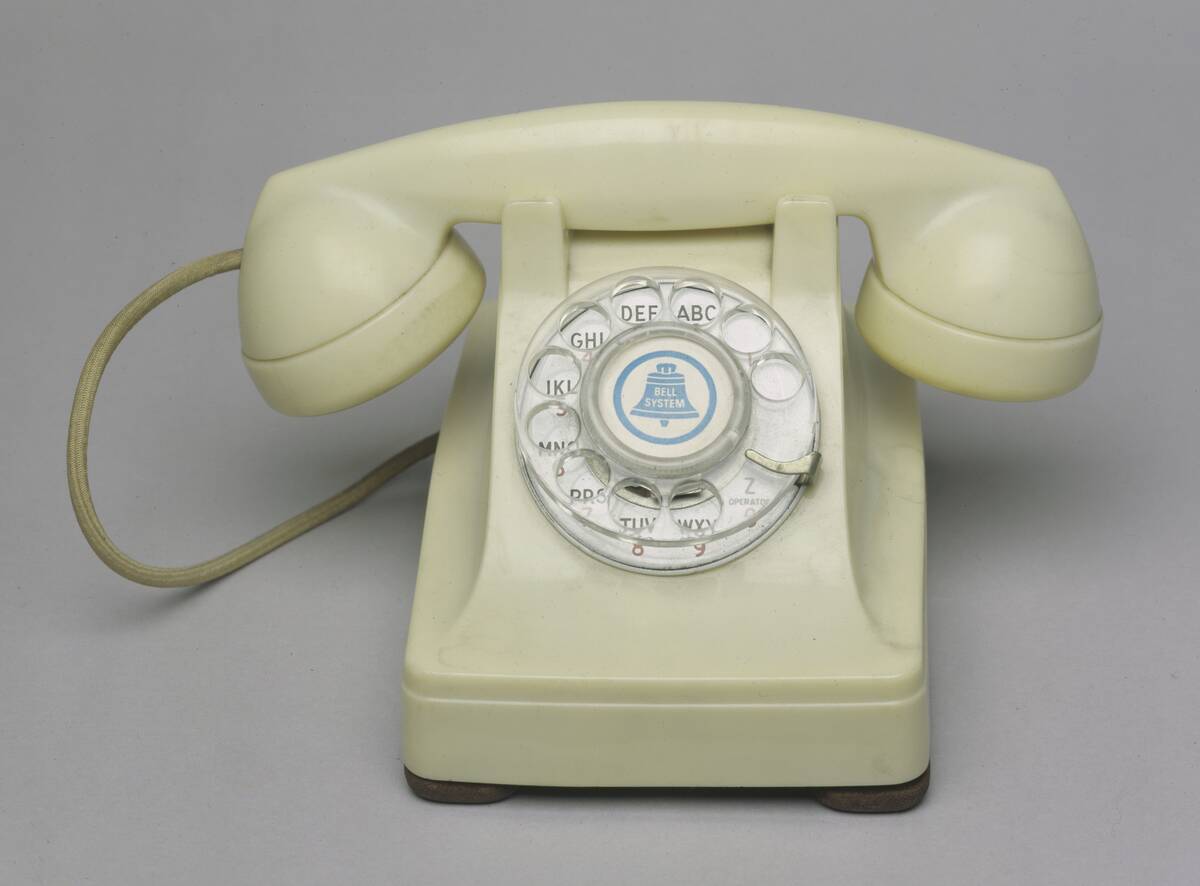
Before the era of smartphones, the rotary dial telephone was a fixture in every household. Its distinct clicking sound as you dialed each number was a familiar tune.
These phones were often found in a variety of colors, from classic black to pastel hues, adding a pop of color to the living room. Despite their simplicity, rotary phones were incredibly durable and served as the primary means of communication for millions of people.
Shag Carpeting: The Fuzzy Floor Staple
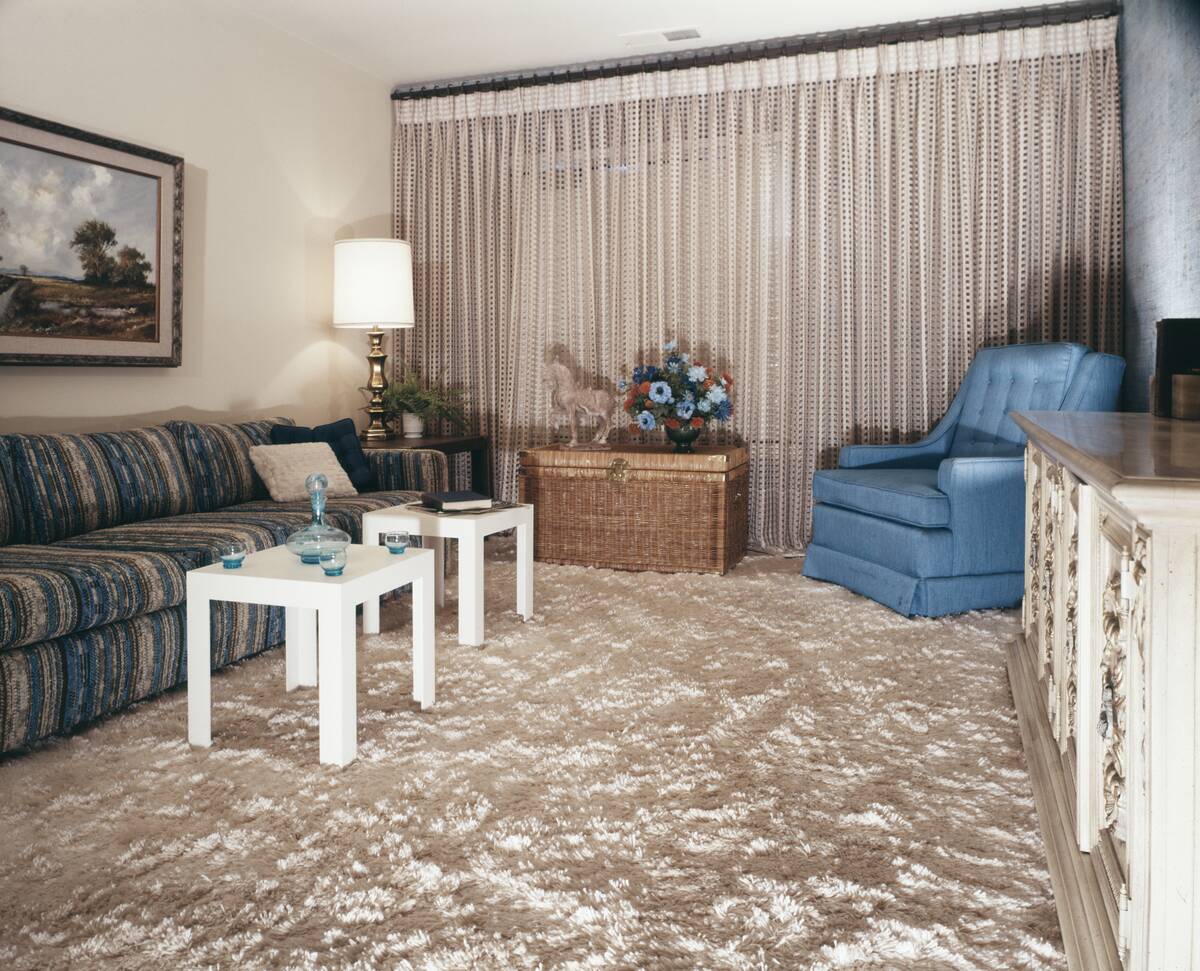
Shag carpeting was the epitome of 70s flooring, with its long, plush fibers creating a cozy atmosphere in homes. Available in a spectrum of vibrant colors, it was both a decorative and functional choice.
While it added warmth and comfort, shag carpeting was notoriously difficult to clean, often trapping dust and debris. Despite this, its popularity soared, and it became a symbol of the decade’s bold interior design trends.
Wood Paneling: The Quintessential Wall Decor
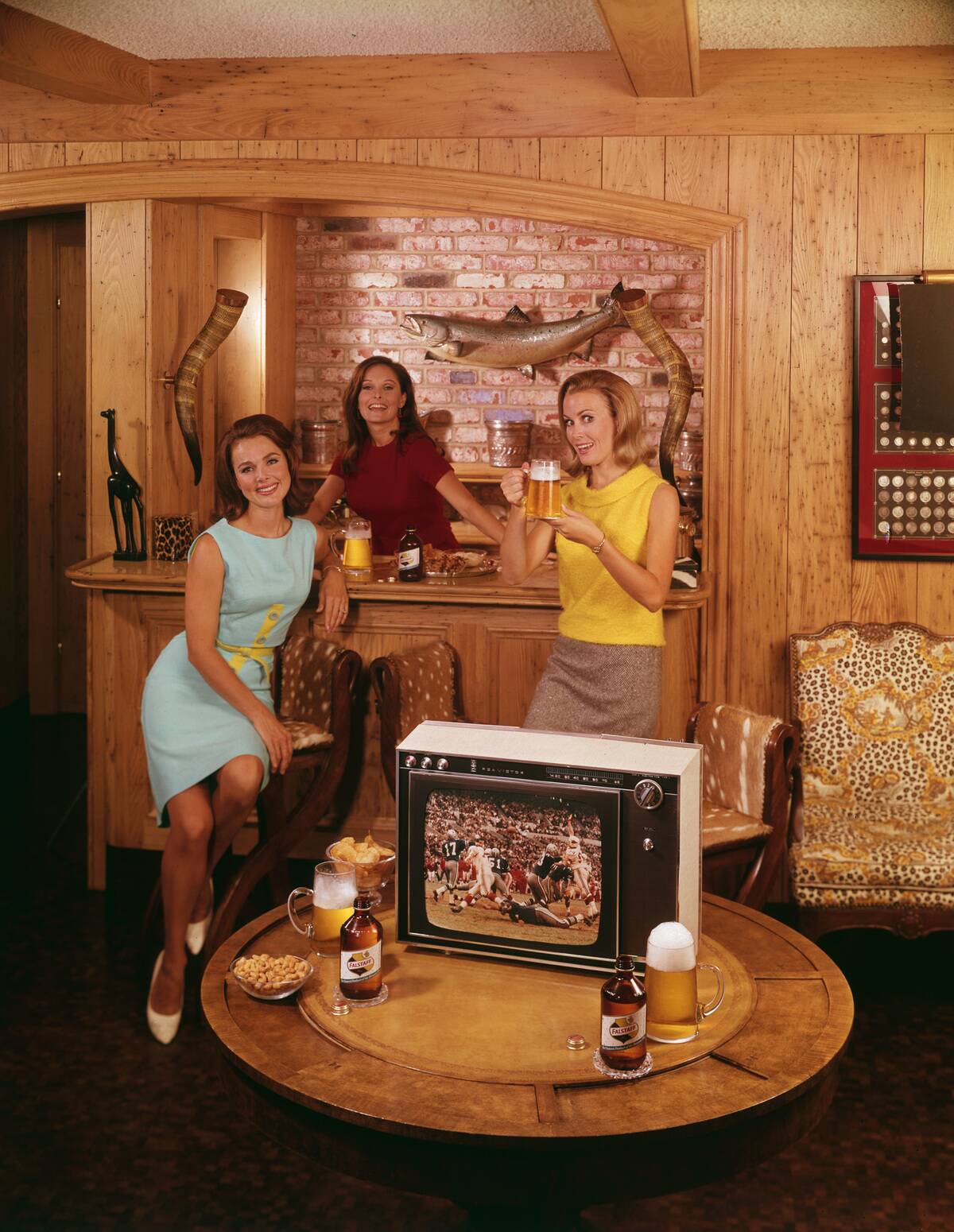
Wood paneling was a ubiquitous feature in 1970s homes, offering a warm and rustic aesthetic. It was an affordable way to cover walls and add texture to any room.
Often made from plywood or veneer, these panels came in various finishes, from dark mahogany to lighter oak. While some might recall it as a dated design choice, wood paneling was beloved for its easy installation and ability to transform a space.
Lava Lamps: Groovy Lighting for Every Room
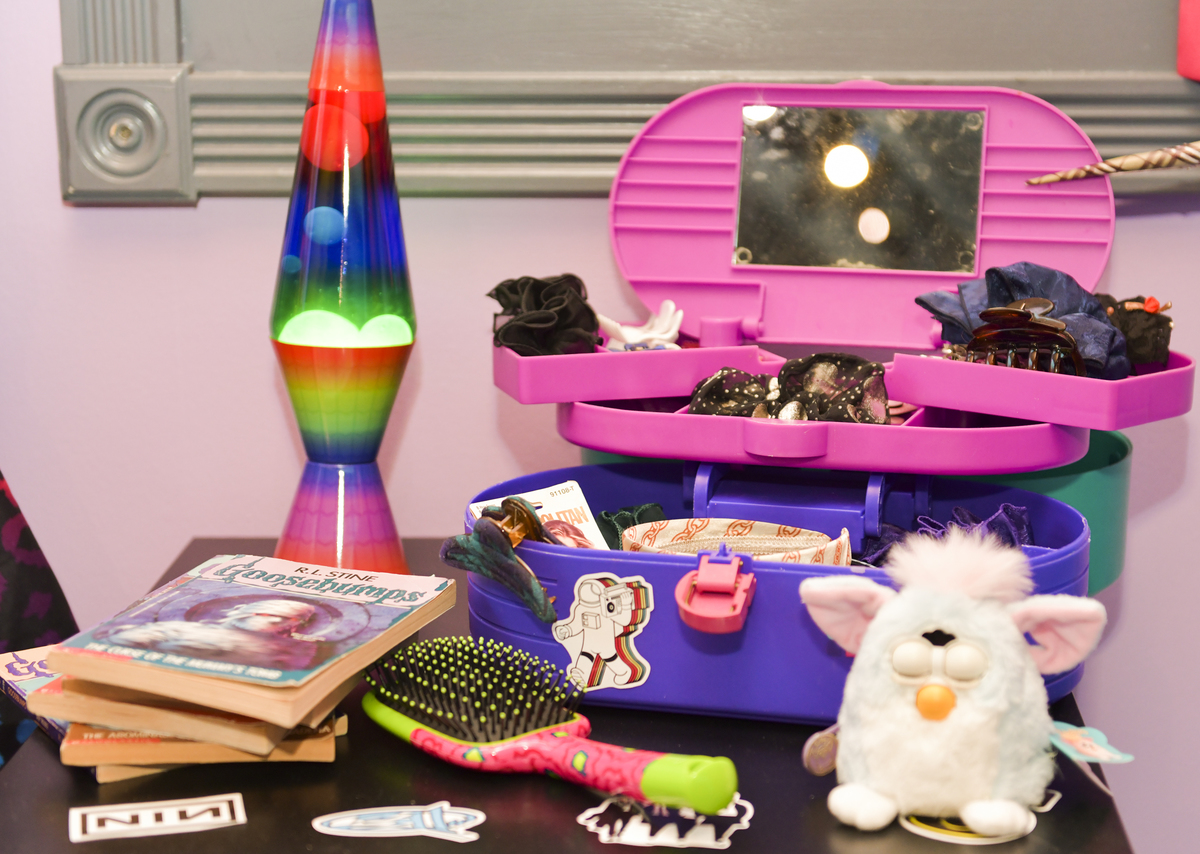
No 70s room was complete without a lava lamp, the mesmerizing light fixture that captivated both young and old. The lamp’s colorful, waxy blobs floated and shifted in a hypnotic dance, creating a soothing ambiance.
Invented in the 1960s, lava lamps gained widespread popularity in the 70s, becoming a symbol of the counterculture movement. Their unique design and calming effect made them a staple in bedrooms and living rooms alike.
The Console TV: Entertainment Centerpiece
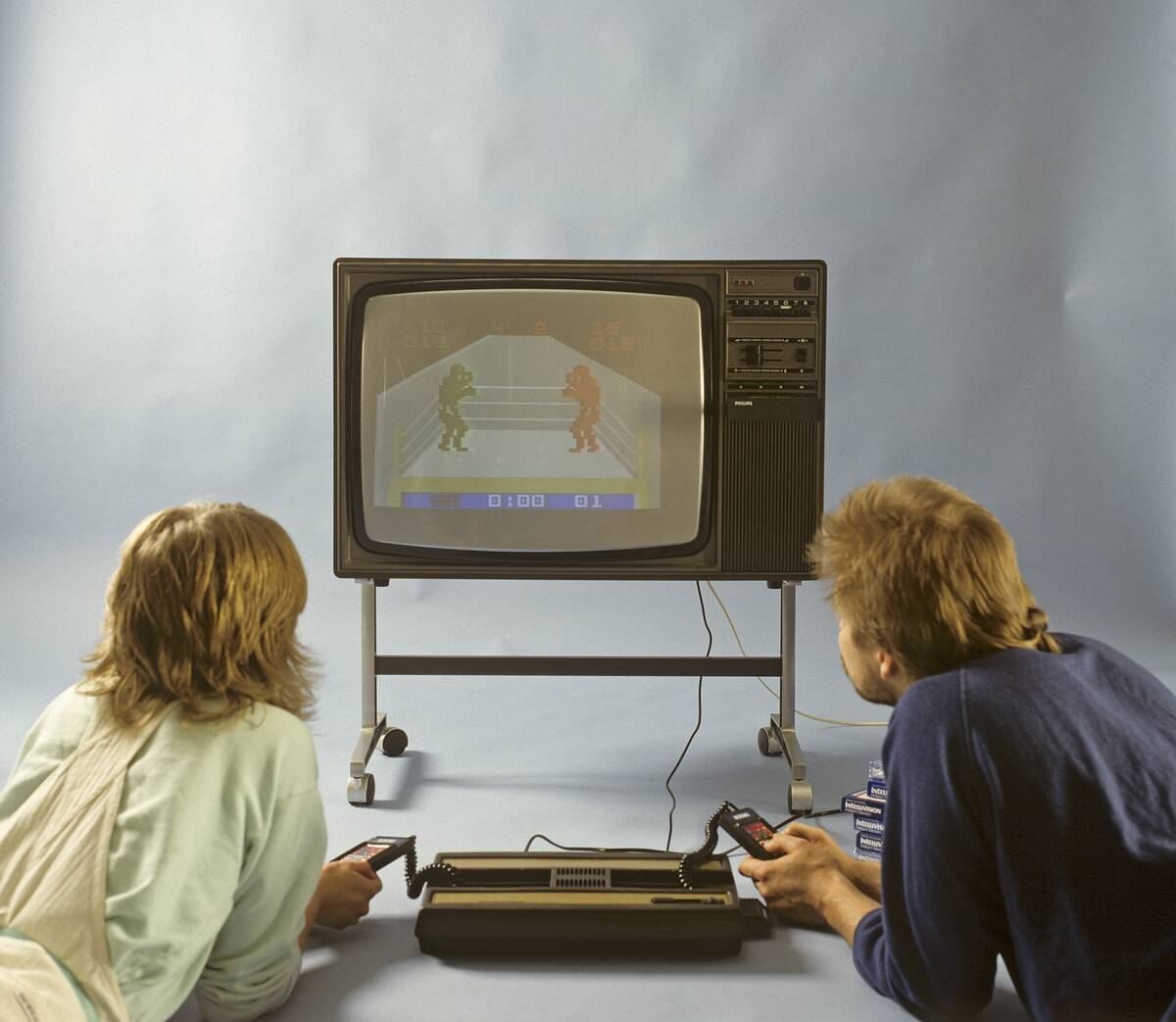
The console TV was more than just a television; it was a piece of furniture. These bulky units often featured wood cabinetry and served as the focal point of the living room.
Families would gather around to watch their favorite shows, from The Brady Bunch to M*A*S*H. With only a few channels to choose from, programming was limited, but the console TV brought families together for shared entertainment experiences.
Harvest Gold and Avocado Green Appliances
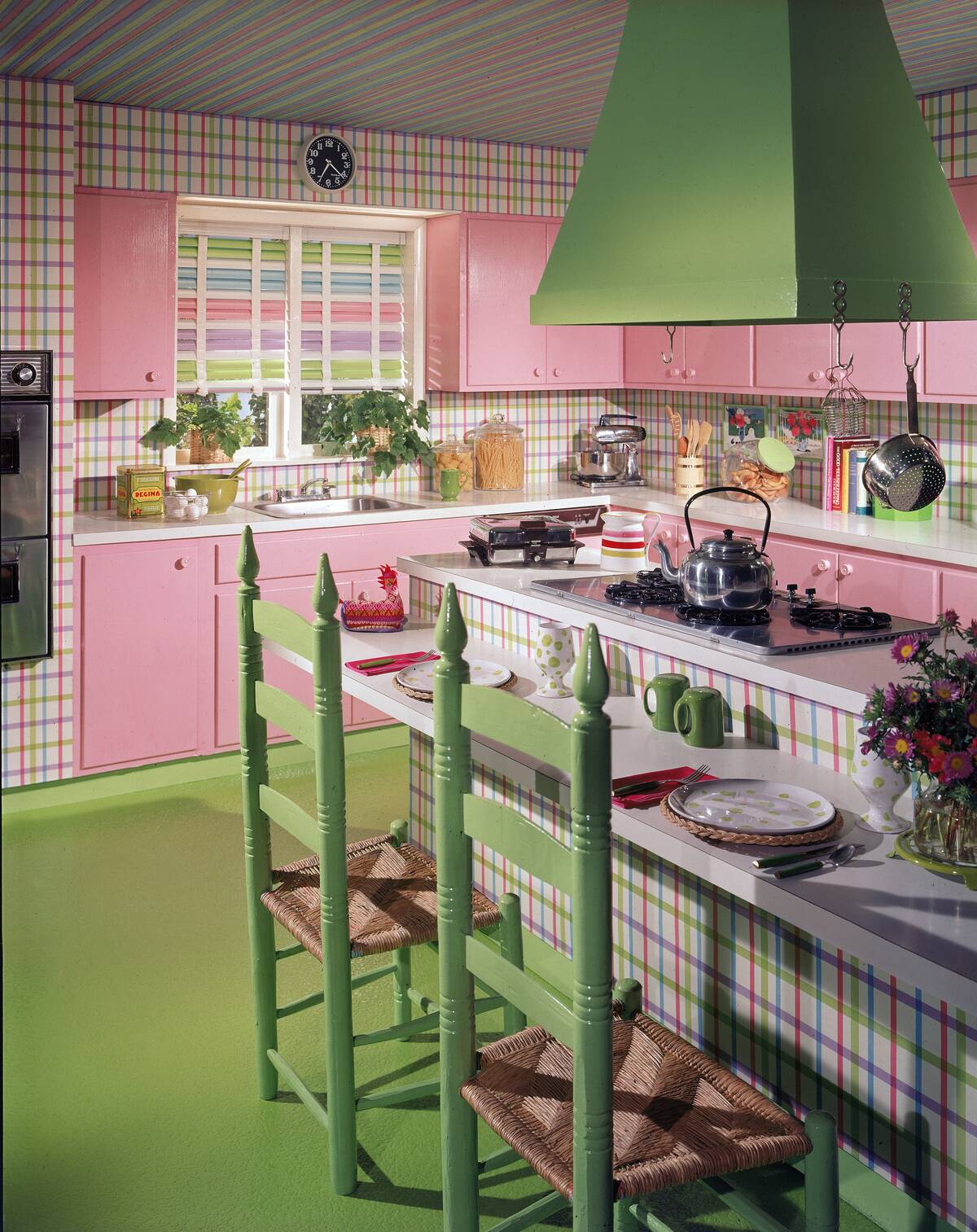
Kitchens in the 70s were a riot of color, thanks to the popularity of harvest gold and avocado green appliances. These bold hues adorned everything from refrigerators to ovens, bringing a cheerful vibe to the heart of the home.
While modern tastes have shifted towards more neutral palettes, these colors were the height of fashion in the 70s, reflecting the decade’s love for earthy tones and vibrant contrasts.
The Fondue Set: The Ultimate Party Must-Have
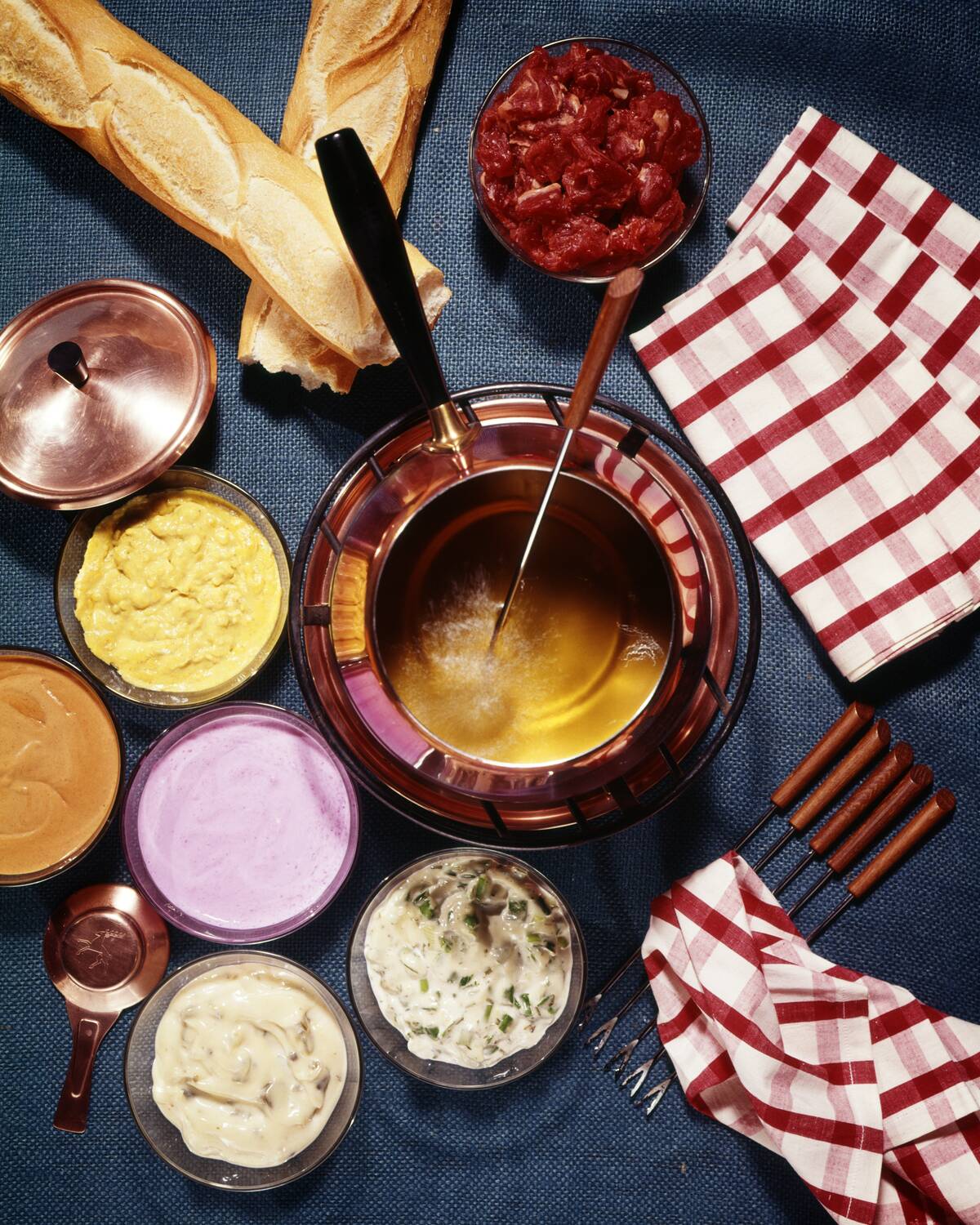
Fondue sets were the ultimate symbol of 70s social gatherings, bringing people together over melted cheese or chocolate. The communal nature of fondue made it perfect for parties, encouraging guests to dip and share.
Originating in Switzerland, fondue became a global sensation, with sets available in various styles and materials. Whether savory or sweet, fondue was a fun and interactive way to enjoy a meal with friends and family.
Vinyl Records and Turntables: The Soundtrack of the 70s
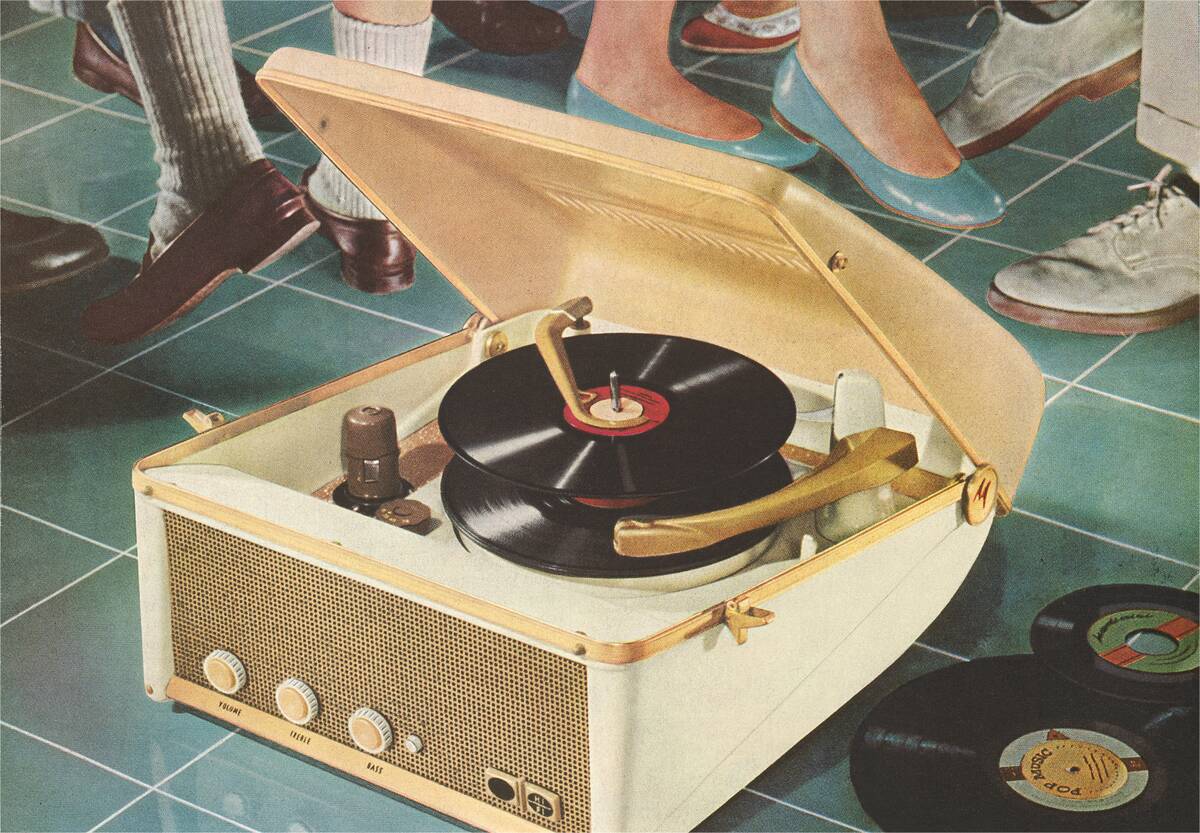
Vinyl records and turntables were at the heart of 70s music culture, offering a rich, analog sound that many still cherish today. From rock to disco, records spun on turntables provided the soundtrack to the decade.
Album cover art became an important aspect of music, with iconic designs that fans proudly displayed. Despite the rise of digital music, the tactile experience of playing a vinyl record remains unmatched for many enthusiasts.
Macramé Everything: From Plant Hangers to Wall Art
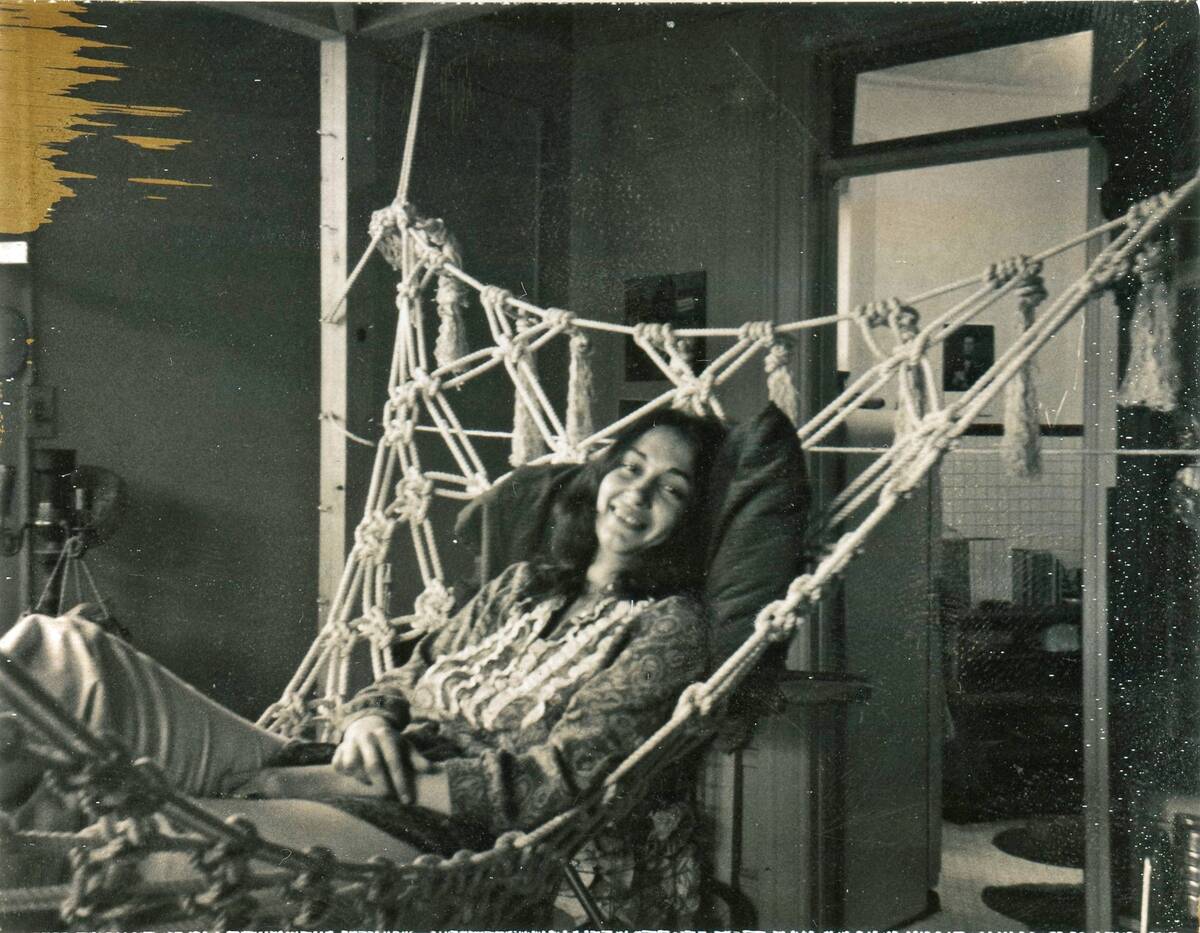
Macramé was the craft of choice in the 70s, with intricate knots creating everything from plant hangers to wall art. This DIY trend allowed for creativity and personalization, as people crafted unique pieces for their homes.
Often made from natural fibers like cotton or jute, macramé added a bohemian touch to any space. Its resurgence in recent years proves that the appeal of this versatile craft is truly timeless.
The Waterbed: A Sleep Revolution
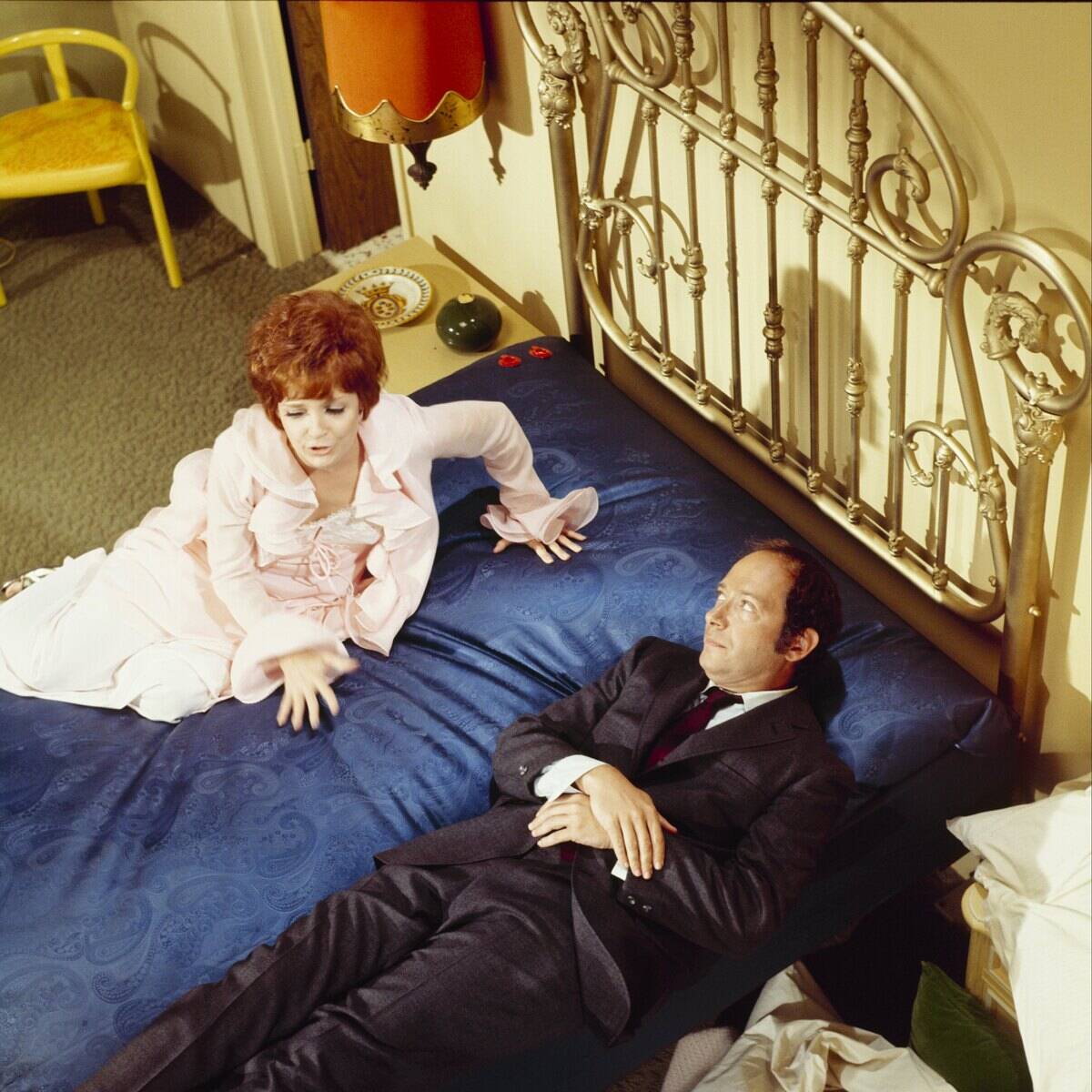
The waterbed was a revolutionary sleep innovation of the 70s, offering a unique and buoyant sleeping experience. Originally designed for medical therapy, waterbeds quickly became a symbol of luxury and modernity.
While they provided comfort and support, waterbeds also required regular maintenance, including filling and heating the water. Despite their decline in popularity, waterbeds remain a nostalgic reminder of the decade’s experimental spirit.
The Ubiquitous Bean Bag Chair
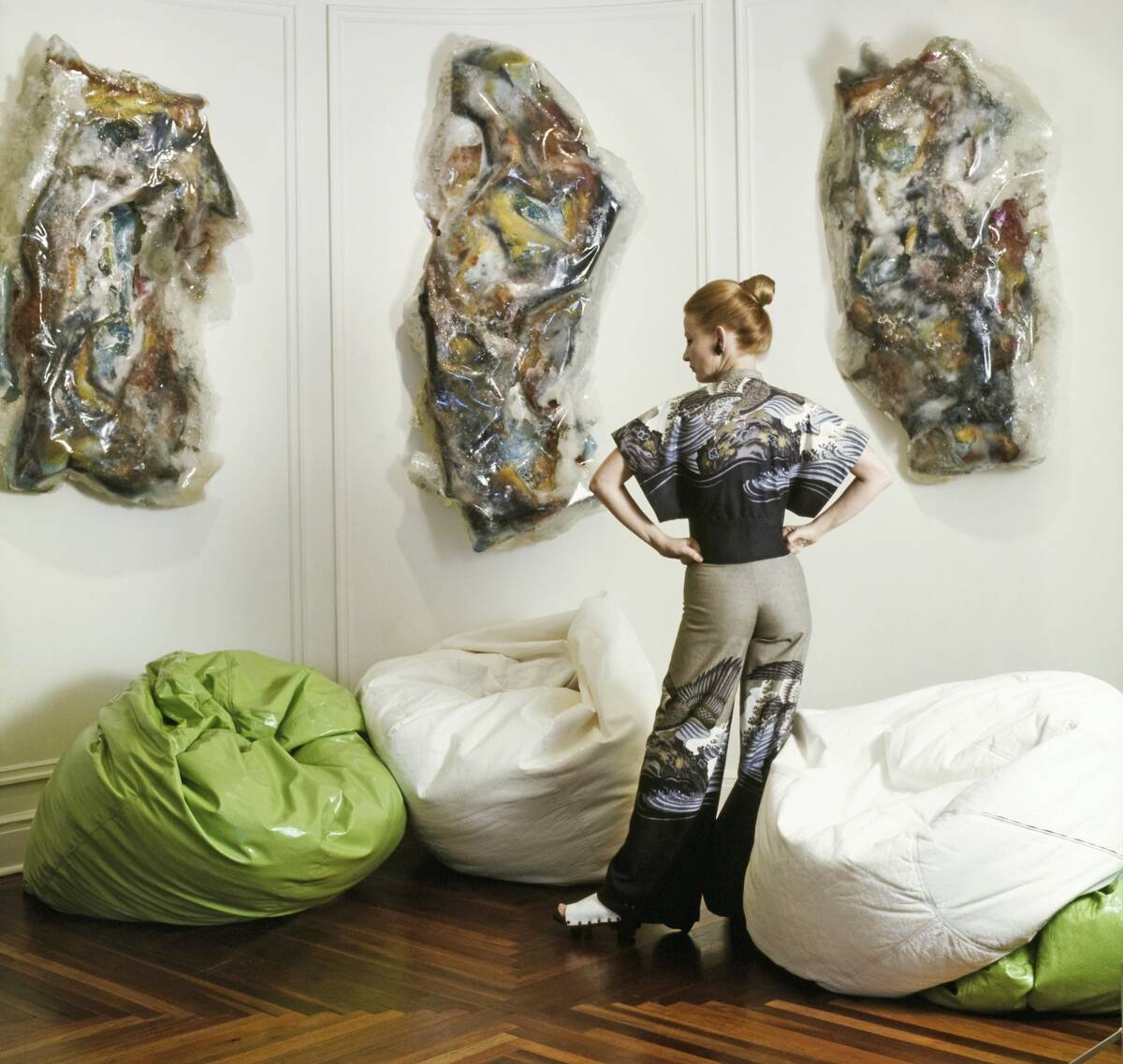
Bean bag chairs were a staple of 70s casual seating, offering a relaxed and informal vibe. Filled with polystyrene beads, these chairs molded to the body, providing comfort and flexibility.
Available in a variety of colors and fabrics, bean bag chairs were perfect for lounging and added a playful touch to any room. Their enduring appeal lies in their simplicity and adaptability, making them a favorite for both kids and adults.
Tupperware: The Colorful Kitchen Companion
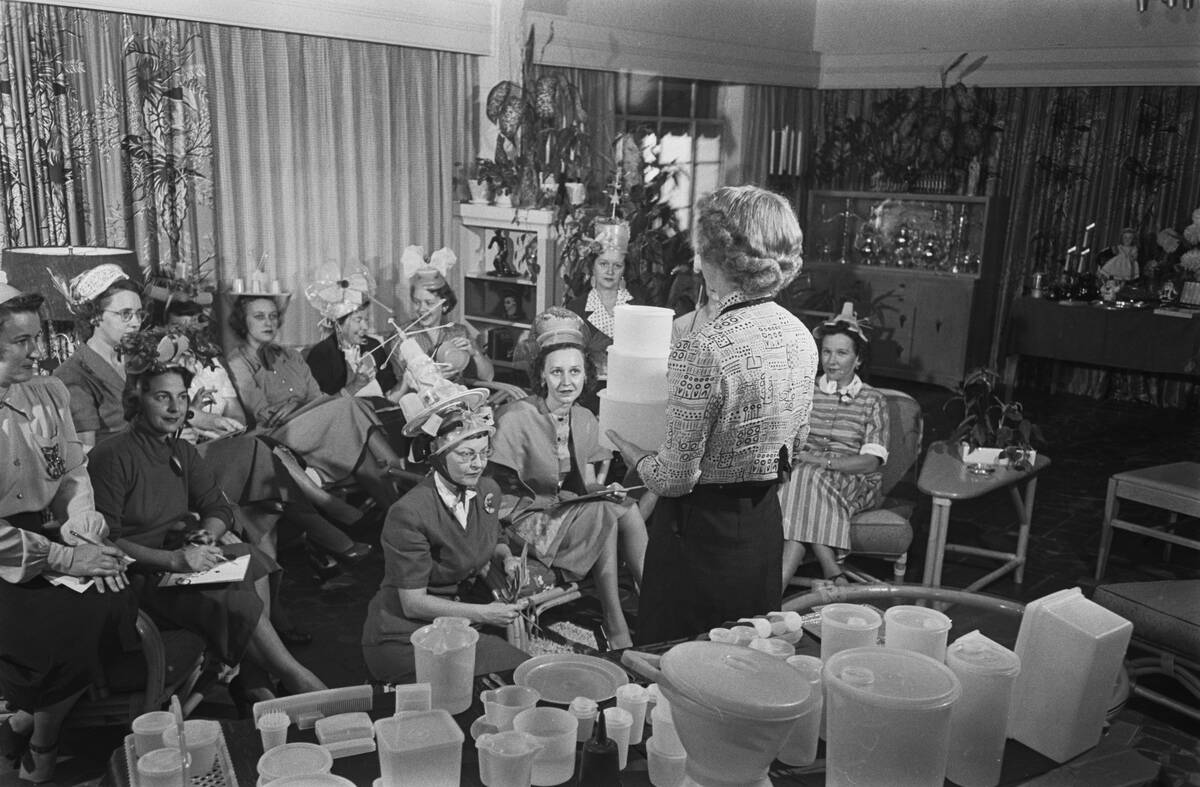
Tupperware was a kitchen revolution in the 70s, known for its durability and airtight seals. These colorful containers made food storage easy and efficient, preserving freshness and preventing spills.
Tupperware parties became a social phenomenon, where hosts demonstrated the product’s versatility and guests could purchase their favorite pieces. The brand’s legacy continues today, with vintage Tupperware items still sought after by collectors.
The Crock-Pot: Slow Cooking Sensation
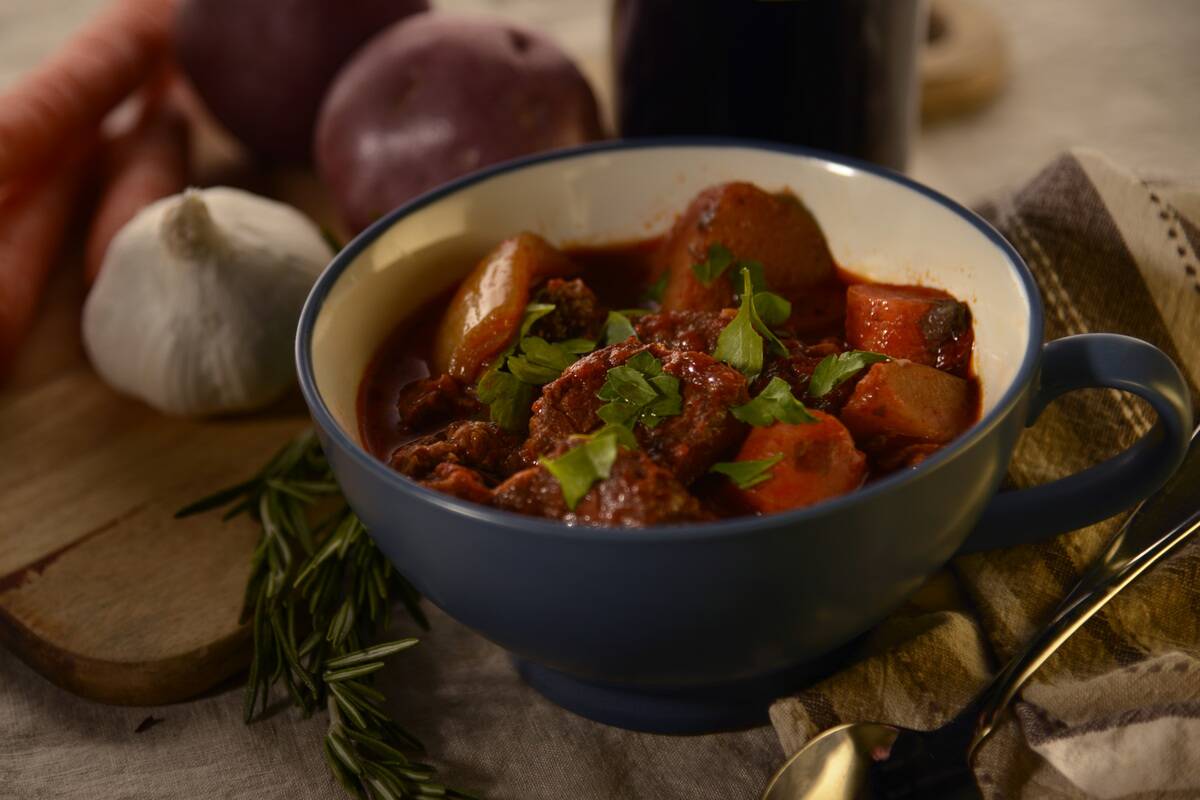
The Crock-Pot was a game-changer for home cooks in the 70s, offering a convenient way to prepare meals. This slow cooker allowed for hands-off cooking, perfect for busy families.
With its simple design and reliable performance, the Crock-Pot made it easy to create hearty stews, soups, and roasts. Its popularity endures, as modern versions continue to offer the same convenience and delicious results.
The 8-Track Tape Player: Music on the Move
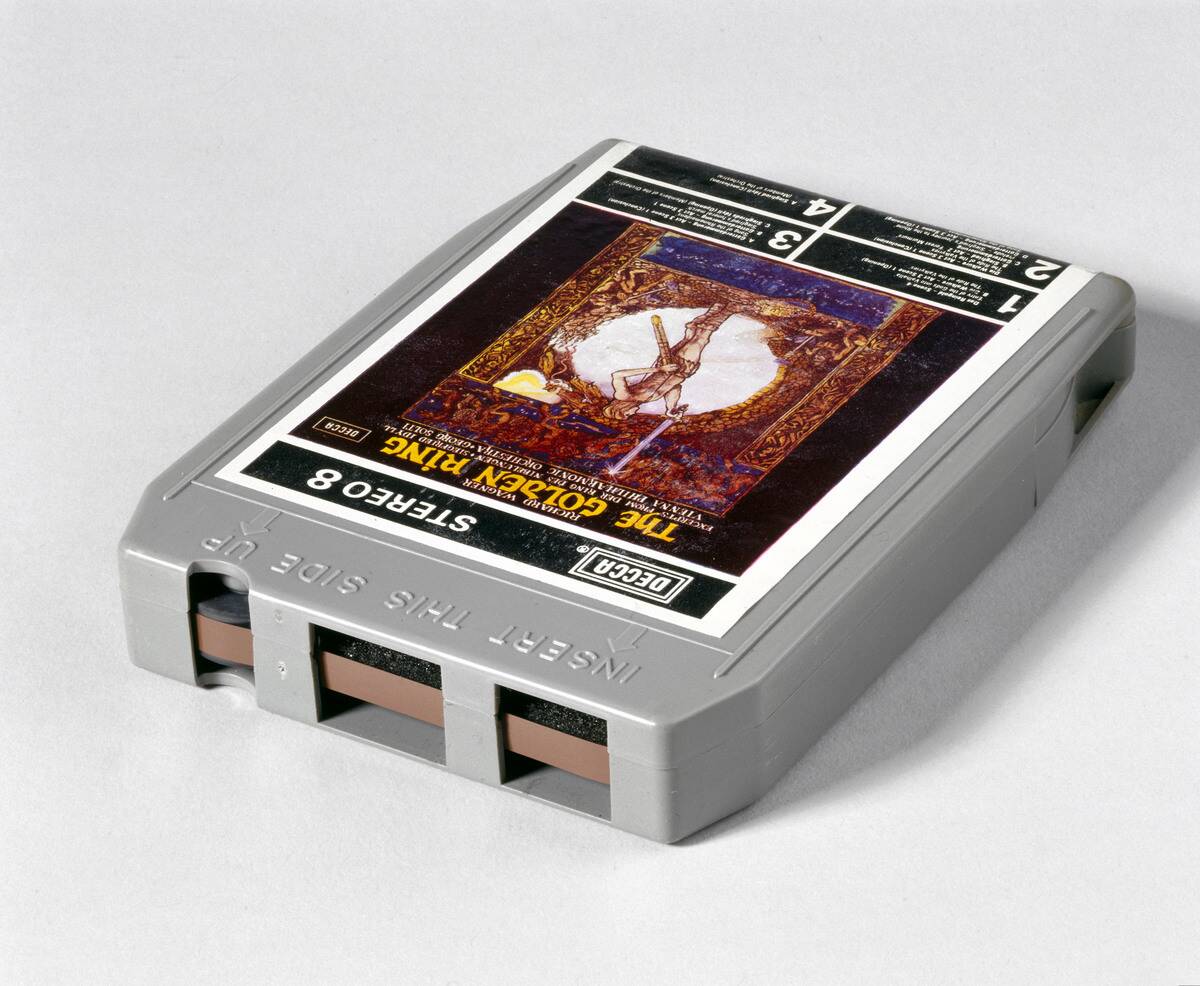
The 8-track tape player was a portable music revolution, allowing people to enjoy their favorite tunes on the go. Unlike vinyl records, 8-tracks were compact and durable, making them ideal for car stereos.
The format’s continuous loop design meant music played without interruption, a novel feature at the time. Although eventually overshadowed by cassette tapes, the 8-track player remains a nostalgic symbol of 70s music culture.
The Classic Station Wagon: Family Road Trip Essential
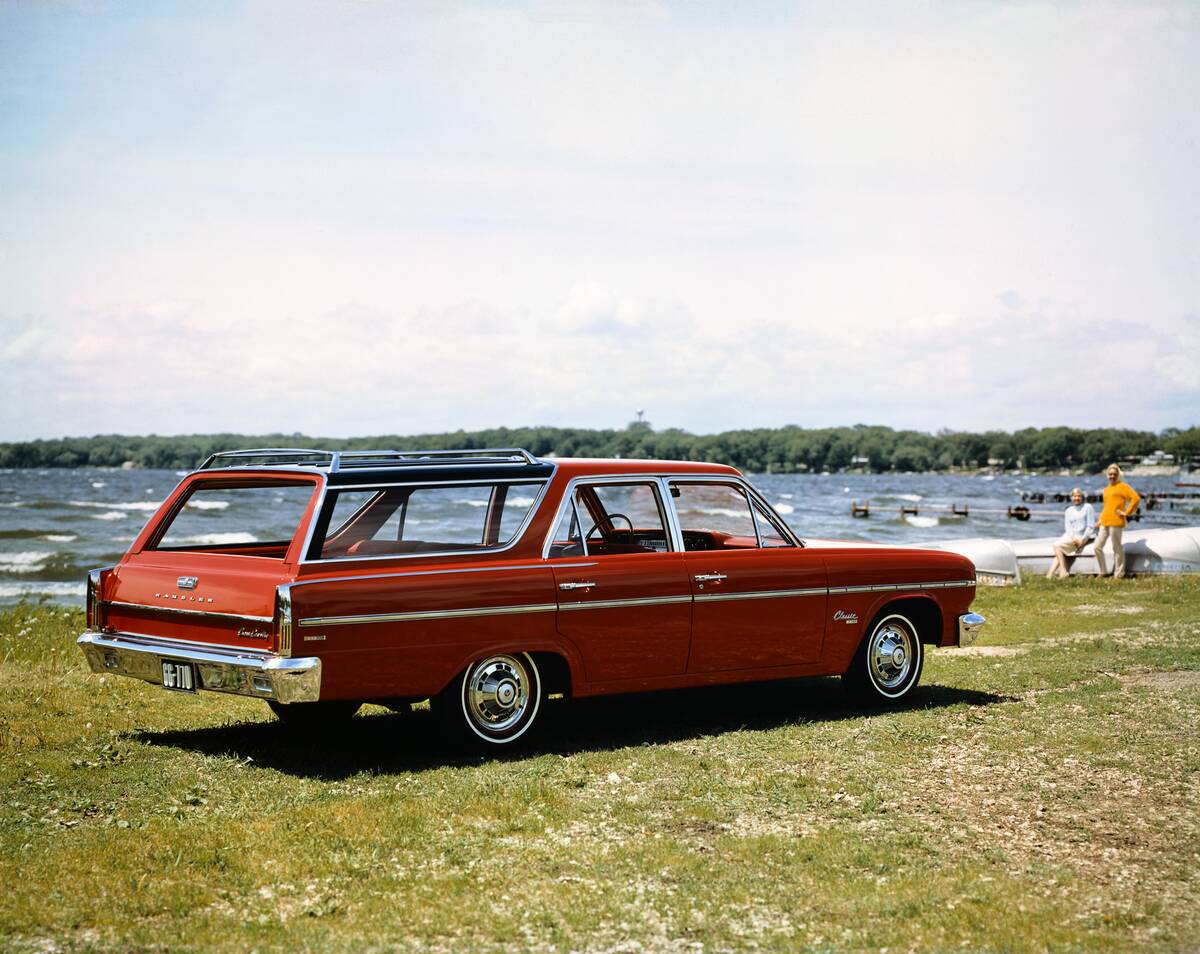
The station wagon was the quintessential family vehicle of the 70s, perfect for road trips and everyday errands. With its spacious interior and rear-facing seats, it accommodated large families and luggage with ease.
Station wagons often featured wood paneling on the sides, adding to their charm. While SUVs have largely replaced them, the station wagon remains a beloved icon of family adventures and simpler times.
The Polaroid Camera: Instant Memories
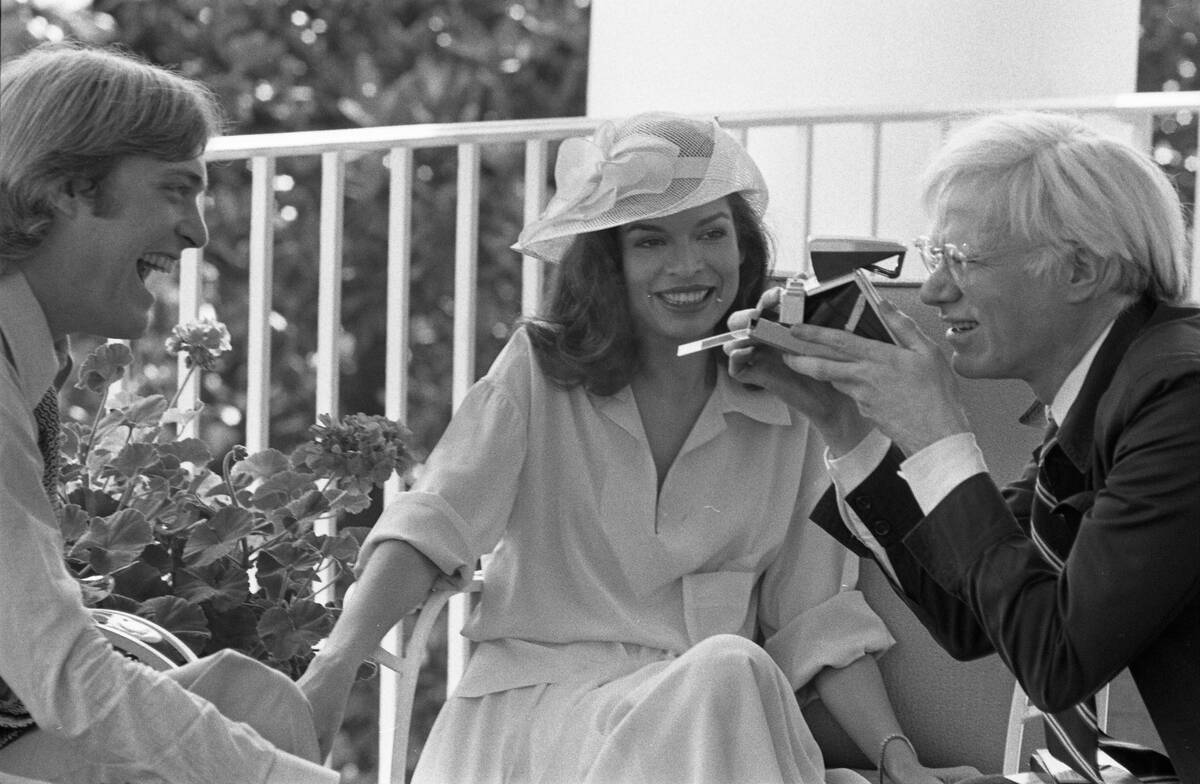
The Polaroid camera was a groundbreaking invention in the 70s, offering instant gratification with its self-developing film. Users could capture a moment and watch as the image appeared before their eyes.
This innovation made photography accessible and fun, leading to a surge in candid snapshots. The Polaroid’s charm endures, with modern versions and apps paying homage to the original’s iconic design and instant appeal.
The Iconic Jiffy Pop Popcorn
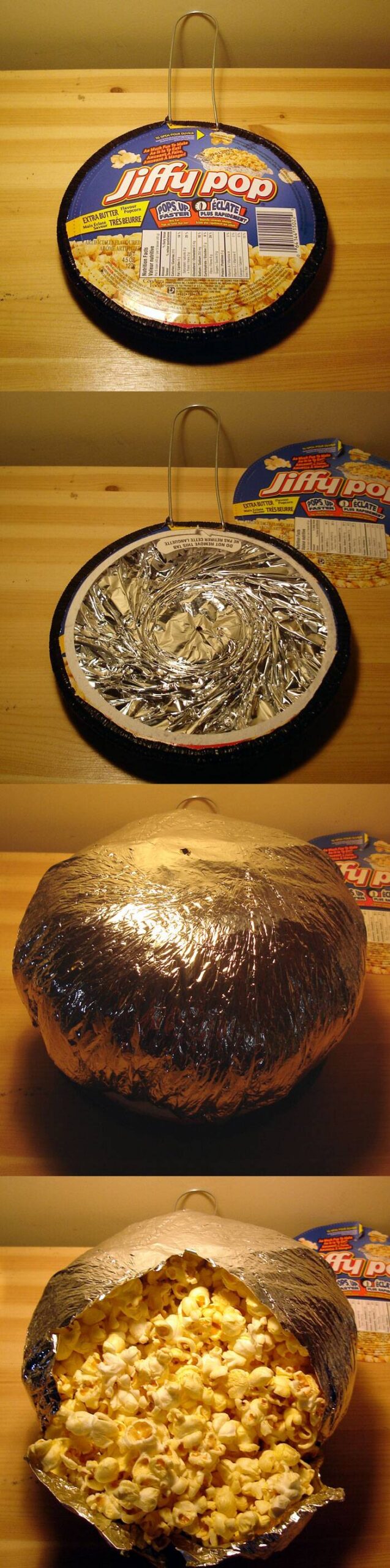
Jiffy Pop was the quintessential 70s snack, offering a fun and interactive way to make popcorn. Packaged in a foil pan with a wire handle, it expanded as the kernels popped, creating a dome of freshly made popcorn.
Jiffy Pop was a hit at parties and movie nights, providing entertainment and a tasty treat. Its enduring popularity is a testament to its simple yet ingenious design.
The Electric Can Opener: Convenience in the Kitchen
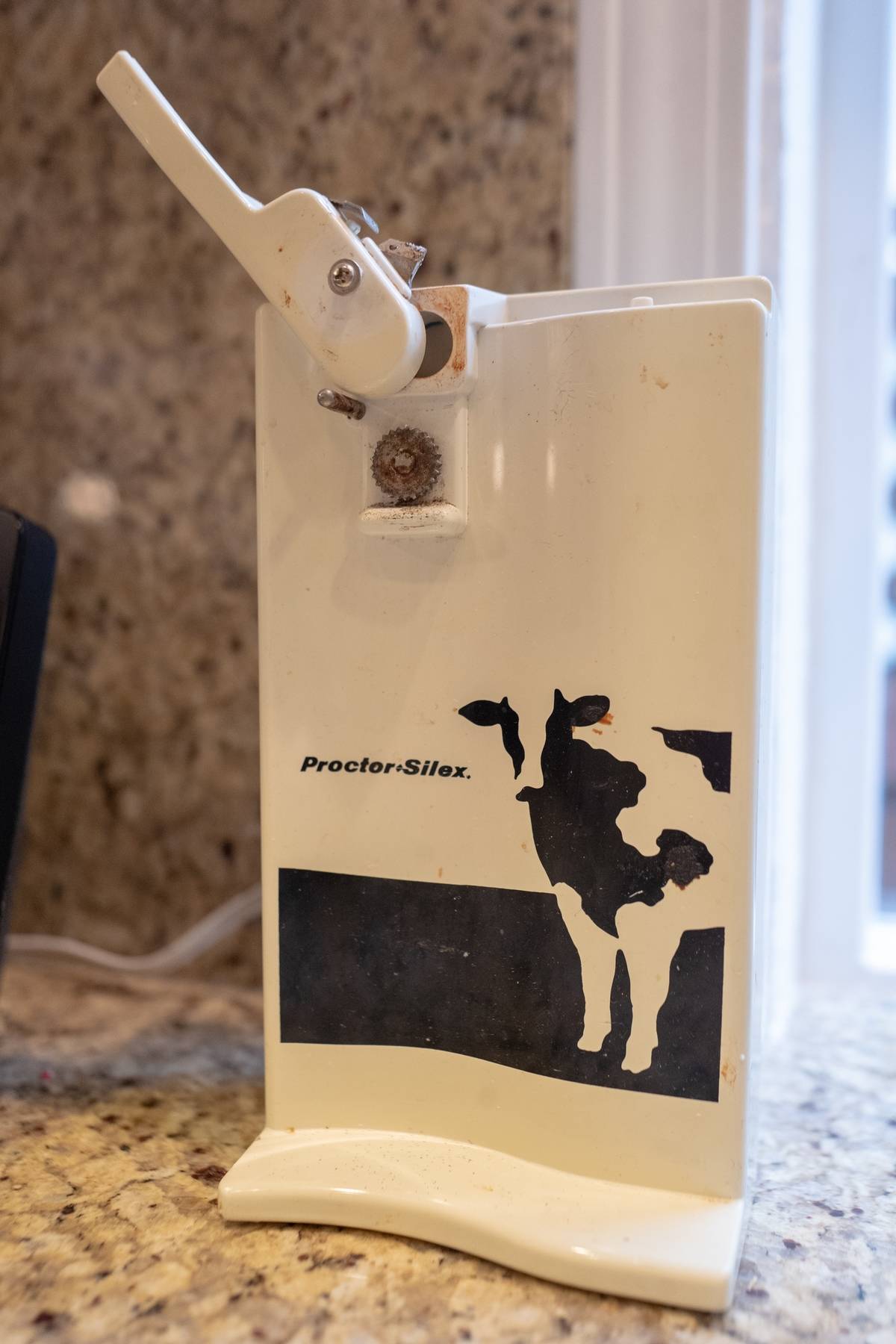
The electric can opener was a modern marvel in the 70s kitchen, making meal prep easier and more efficient. With a simple push of a button, it effortlessly opened cans, saving time and effort.
This handy gadget was especially beneficial for those with limited hand strength or dexterity. While manual can openers are still common, the electric version remains a symbol of convenience and innovation in kitchen appliances.




