What early video games actually looked like in the 1980s
Ah, the 1980s—a time when video games were pixelated masterpieces that captured the imaginations of millions. This era marked the golden age of gaming, where simple yet addictive gameplay kept players glued to their screens.
From arcades to living rooms, these games laid the foundation for the gaming industry we know today. Join us as we take a nostalgic dive into the iconic video games of the 1980s, exploring the titles that defined a generation.
The Birth of the Home Console: Atari 2600
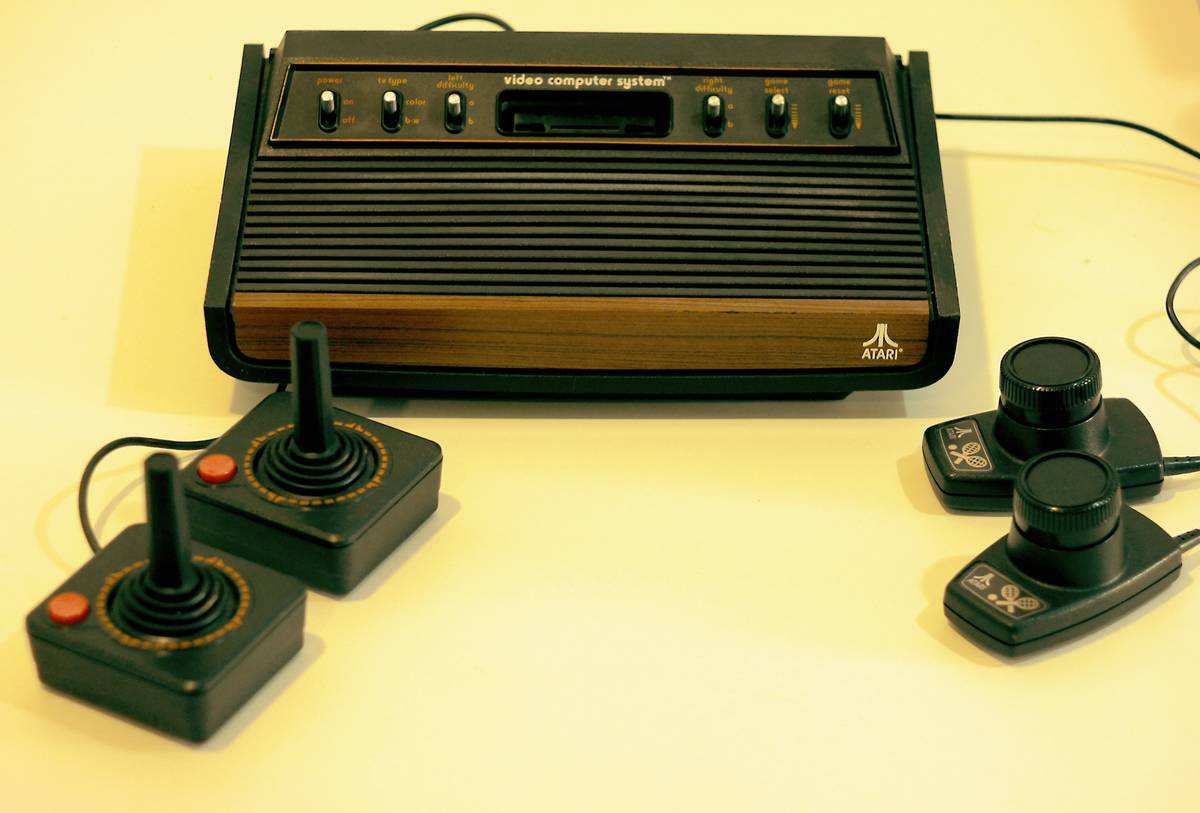
The Atari 2600 revolutionized home entertainment by bringing the arcade experience into the living room. Released in 1977, it gained massive popularity in the 1980s with games like “Pitfall!” and “Space Invaders.”
The console’s joystick and single-button controller became iconic, and its ability to swap cartridges set the standard for future consoles. With over 30 million units sold, the Atari 2600 was a trailblazer in home gaming.
Arcade Glory: The Reign of Pac-Man
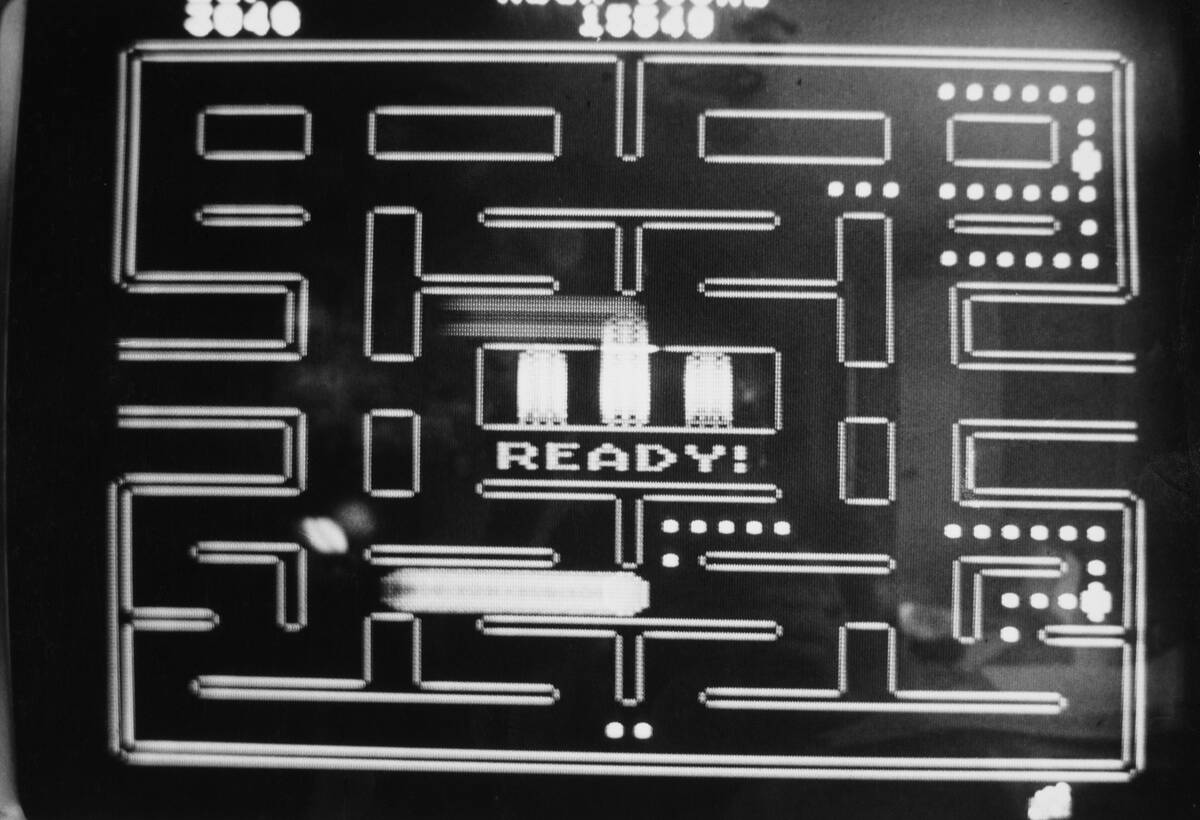
Pac-Man, created by Namco in 1980, became a cultural phenomenon and one of the most recognizable video games of all time. Its simple yet challenging gameplay, where players navigate a maze to eat pellets while avoiding ghosts, captivated audiences worldwide.
Pac-Man’s success led to a slew of merchandise, an animated TV series, and even a hit song. The game’s influence is still felt today, with its iconic character and design remaining popular.
The Pixelated Charm of Space Invaders
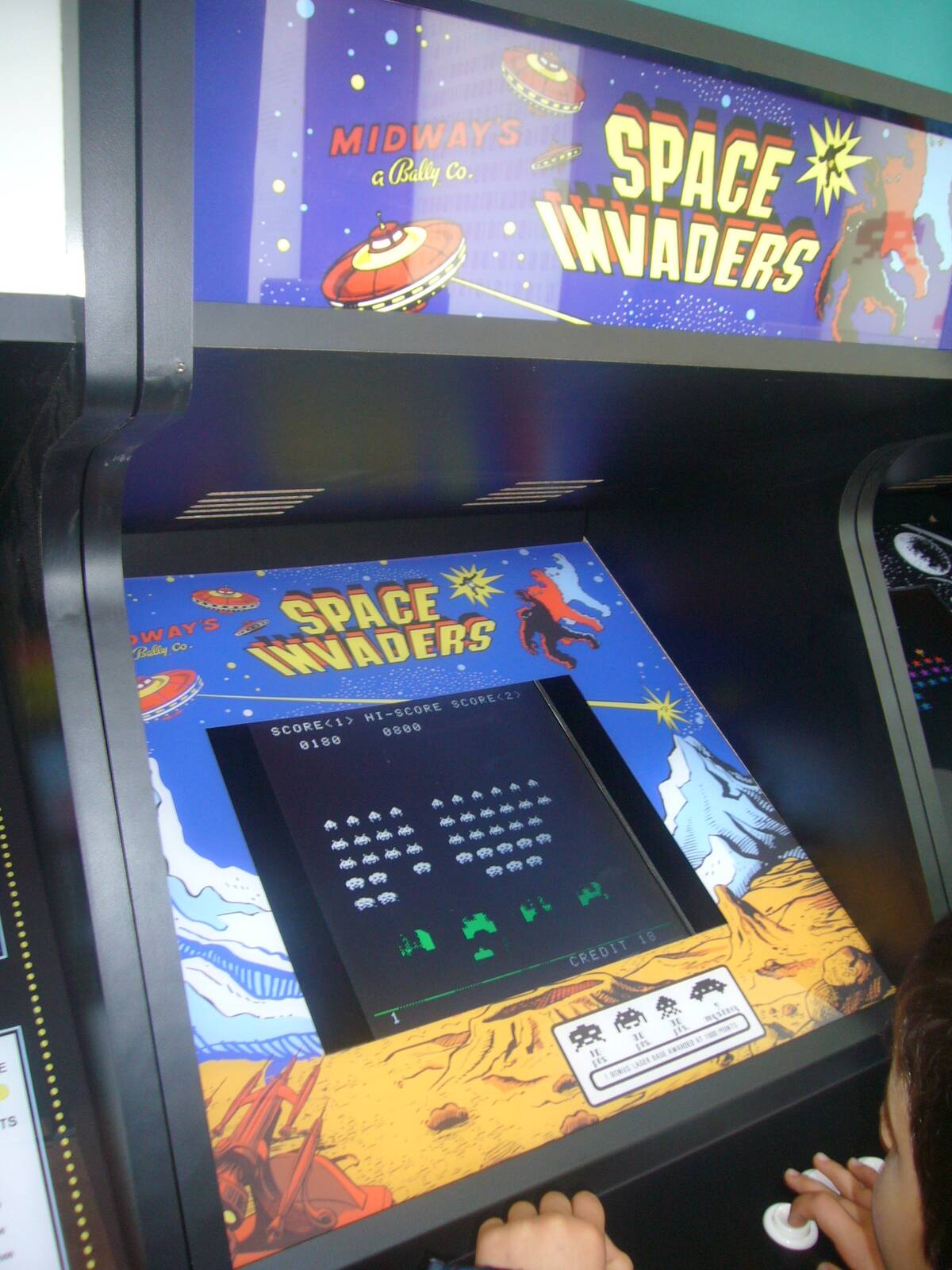
Space Invaders, released in 1978 by Taito, set the stage for the shoot ’em up genre and was a staple of 1980s arcades. The game’s premise was simple: defend the Earth from waves of descending aliens.
Its innovative use of sound and increasing difficulty created a sense of urgency that kept players coming back for more. Space Invaders’ success was so profound that it reportedly caused a shortage of 100-yen coins in Japan.
Donkey Kong: The Rise of a Jumping Plumber
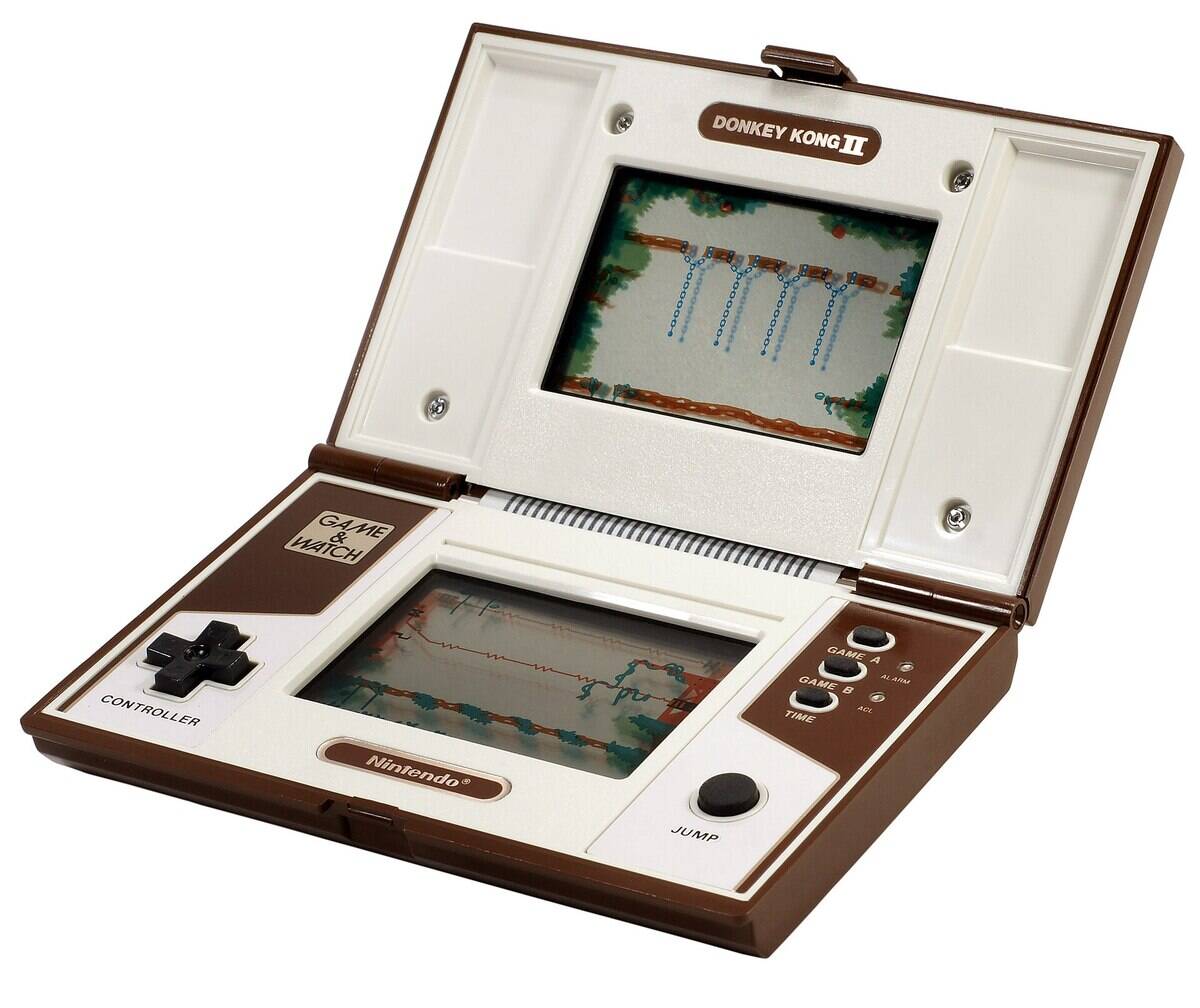
Before he was known as Mario, the mustachioed plumber made his debut in the 1981 arcade game Donkey Kong. Created by Nintendo, the game featured Mario as he climbed platforms to rescue a damsel in distress from the clutches of a giant ape.
Donkey Kong’s success was pivotal for Nintendo, establishing them as a major player in the gaming industry. The game also introduced the world to Mario, who would go on to become a gaming icon.
The Simplicity of Pong: Where It All Began
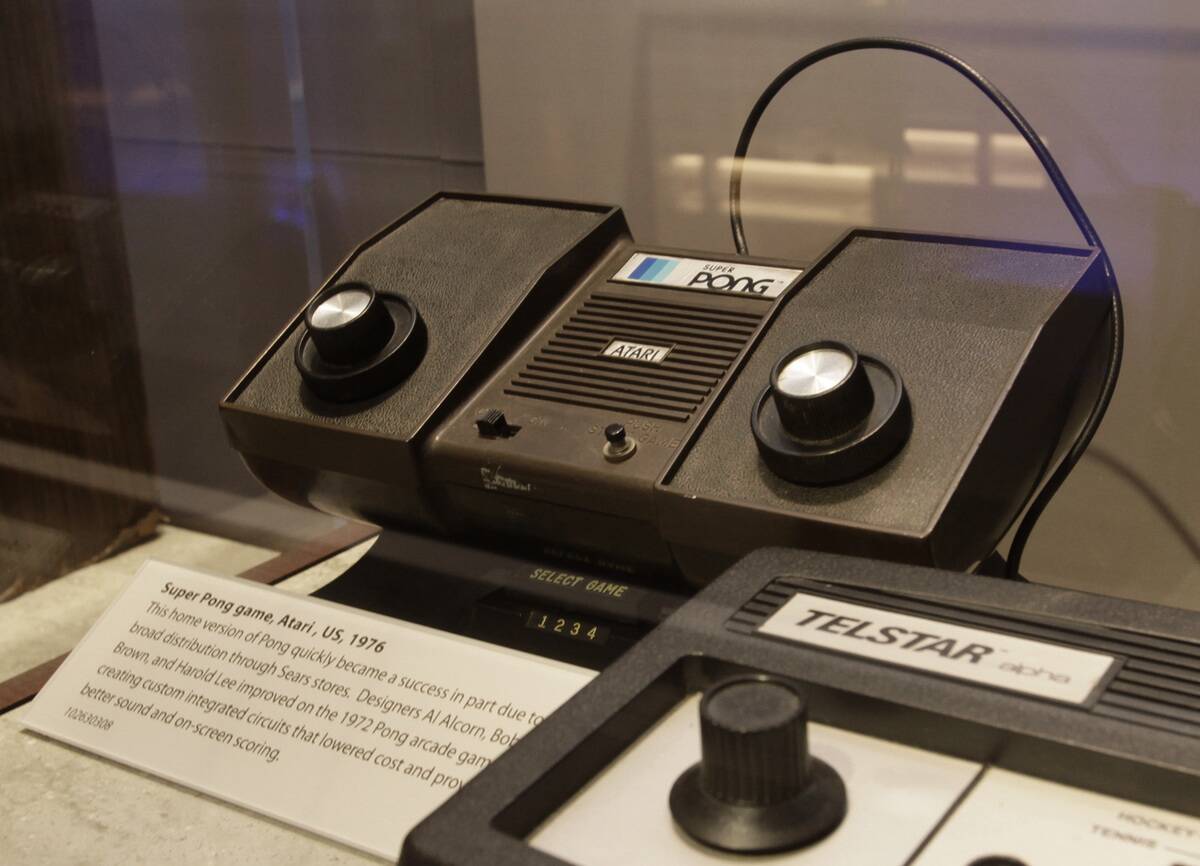
Pong, developed by Atari and released in 1972, is often credited as the first commercially successful video game. Its simple two-dimensional graphics and straightforward gameplay—essentially a digital version of table tennis—made it accessible to a wide audience.
Pong’s success in arcades laid the groundwork for the video game industry, proving that electronic games could be both entertaining and profitable.
The Colorful World of Q*bert
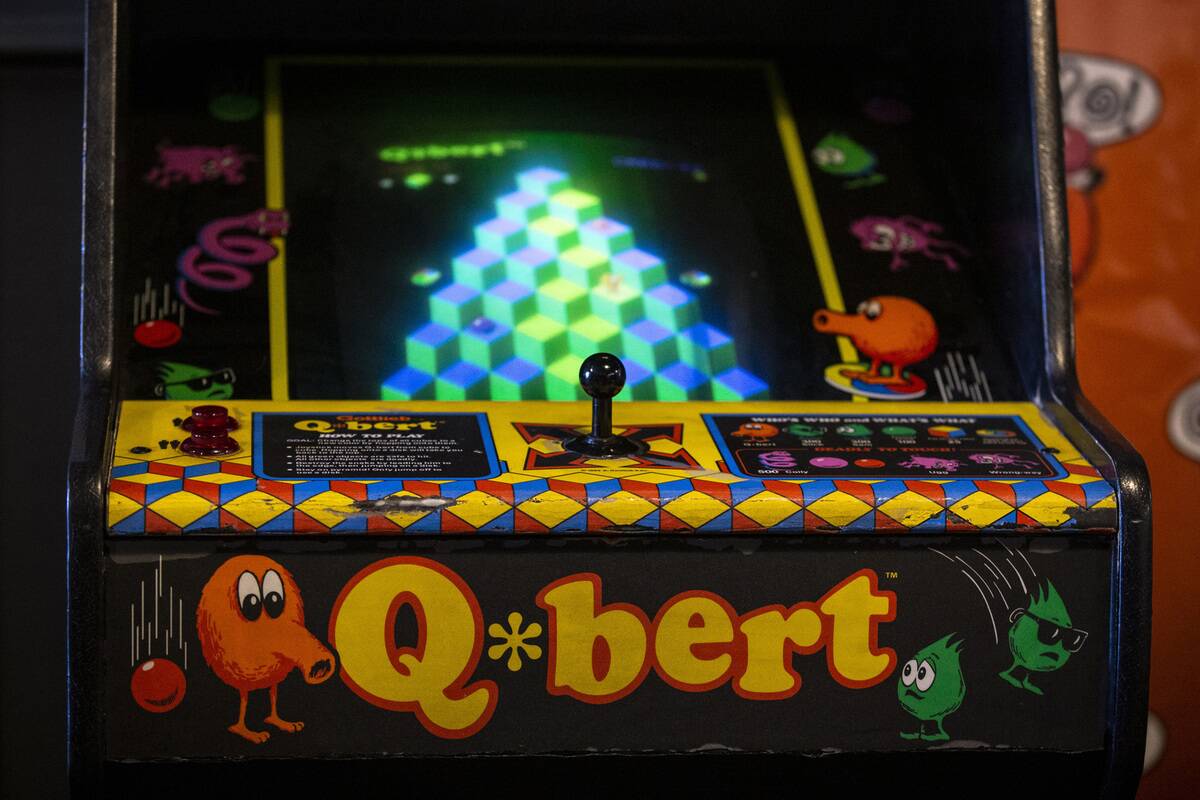
Q*bert, released by Gottlieb in 1982, stood out with its vibrant isometric graphics and quirky gameplay. Players controlled the titular character as he hopped around a pyramid of cubes, changing their colors while avoiding enemies.
Its unique visual style and catchy sound effects made Q*bert a hit in arcades. The game’s popularity led to appearances in various media, including cartoons and comic books, cementing its place in gaming history.
Frogger: Hopping Through Traffic
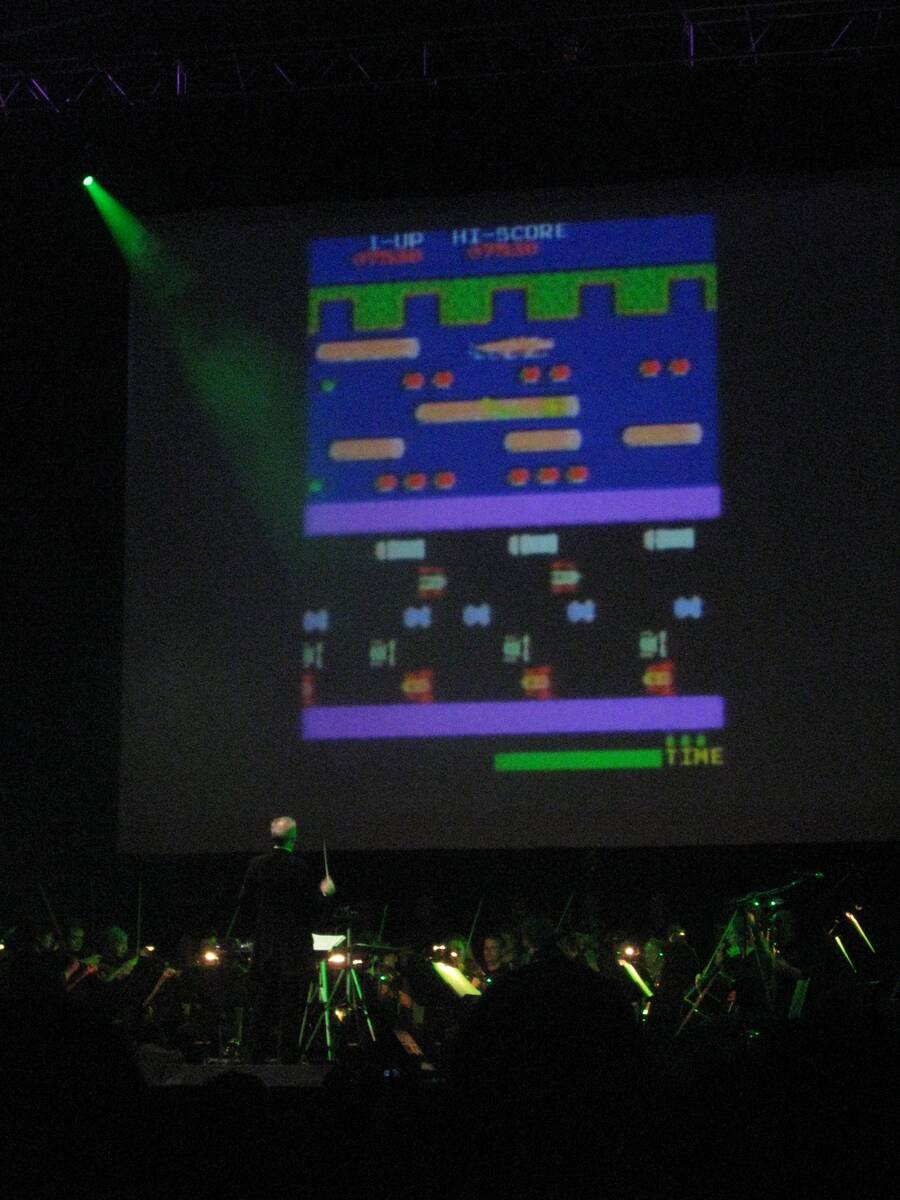
Frogger, developed by Konami and released in 1981, challenged players to guide a frog across a busy road and a treacherous river. Its engaging gameplay and catchy music made it an arcade favorite.
The game’s concept of navigating obstacles and timing jumps resonated with players, leading to numerous sequels and adaptations. Frogger’s enduring appeal has kept it alive in the gaming world, with modern versions still being released today.
The Maze Craze: Ms. Pac-Man Takes the Stage
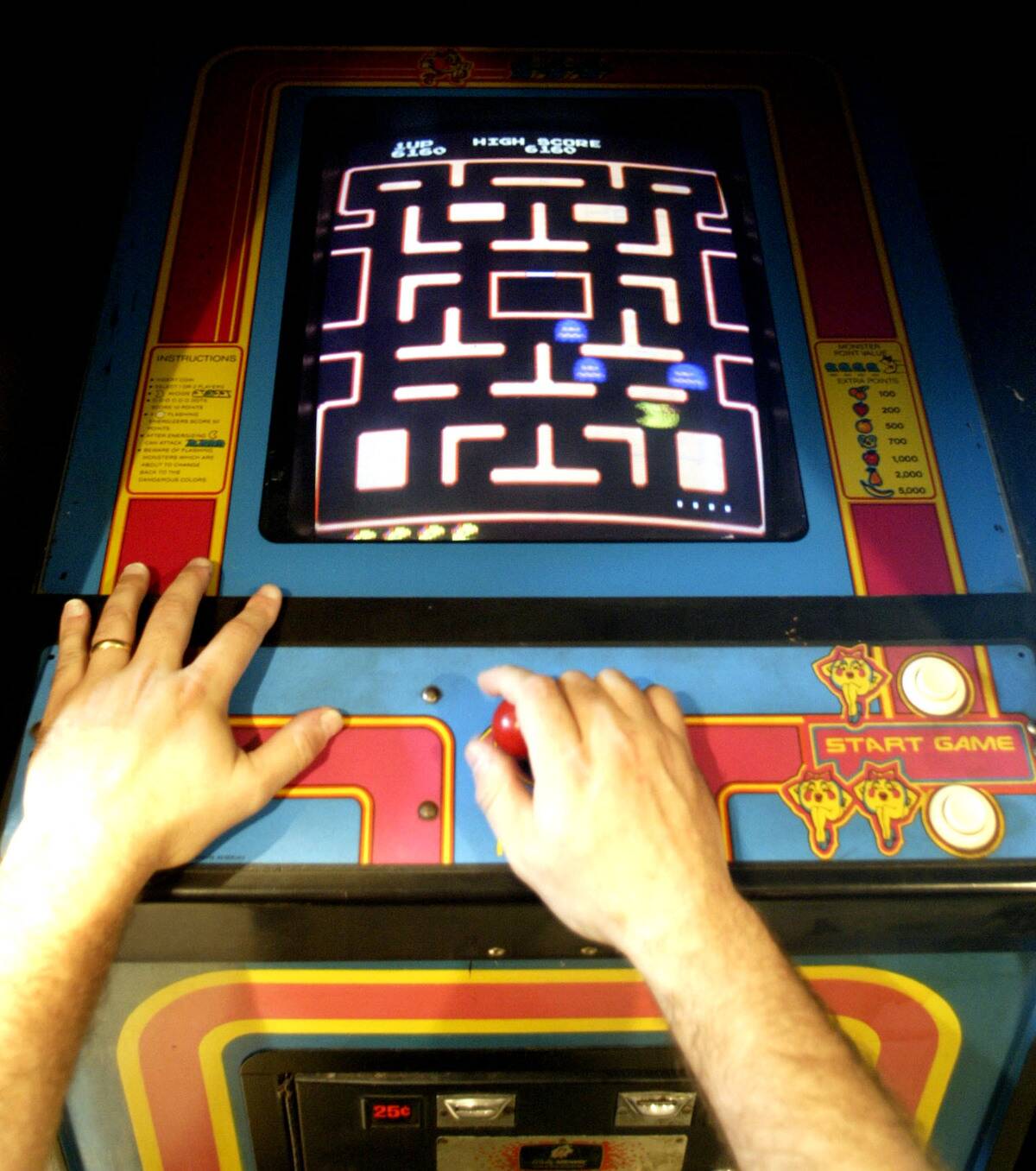
Ms. Pac-Man, released in 1982, was a sequel to the original Pac-Man and introduced new mazes, improved graphics, and smarter ghost AI. Developed by Midway, it quickly became one of the most successful arcade games of the 1980s.
Ms. Pac-Man’s engaging gameplay and charming character design made it a favorite among players, and it remains a beloved classic in the gaming community.
The Evolution of Graphics: From Blocks to Sprites
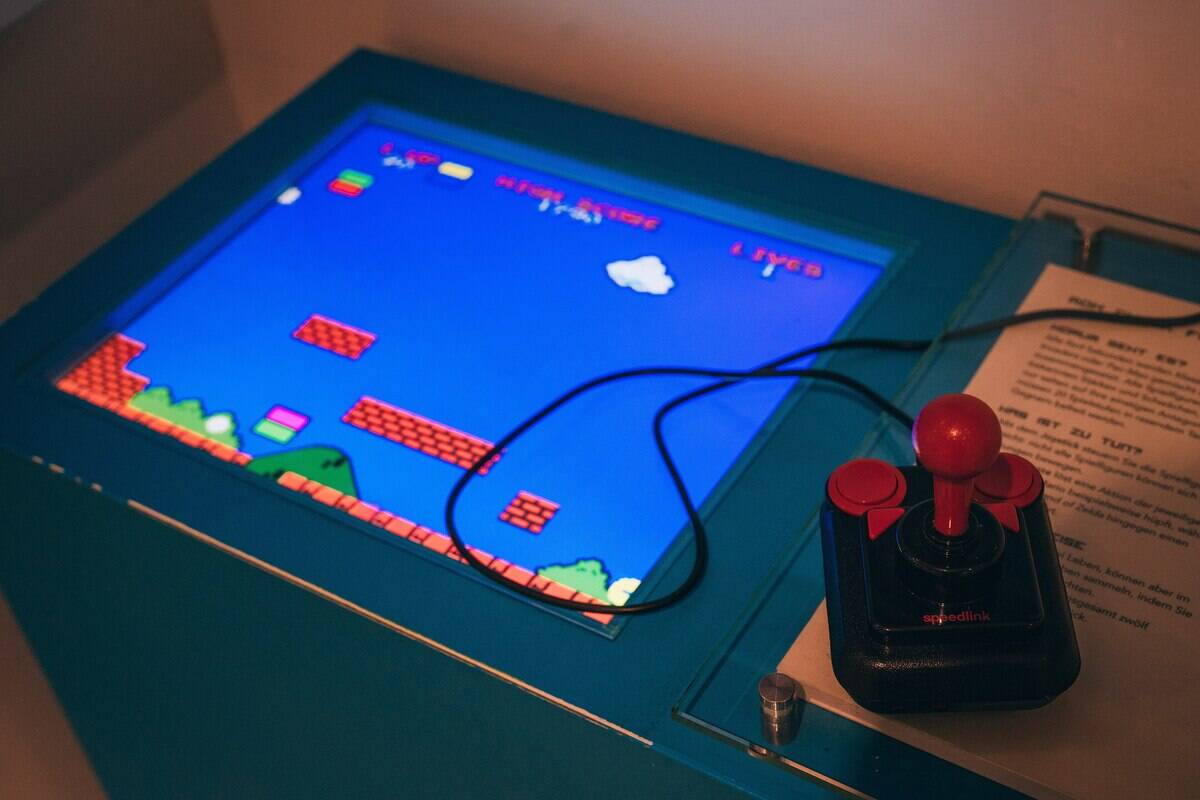
The 1980s saw a significant evolution in video game graphics, transitioning from simple blocky visuals to more detailed sprites. Games like Super Mario Bros. showcased this advancement with colorful, scrolling backgrounds and animated characters.
This era marked the beginning of more immersive gaming experiences, as developers pushed the limits of technology to create visually appealing worlds. The advancements in graphics set the stage for the future of gaming.
The Soundtrack of the 80s: Beeps and Boops

The music of 1980s video games, characterized by its distinctive beeps and boops, became an integral part of the gaming experience. Composers like Koji Kondo and Hirokazu Tanaka created memorable soundtracks for games like Super Mario Bros. and Metroid.
These catchy tunes not only enhanced gameplay but also became iconic in their own right. The 8-bit soundtracks of the 80s continue to influence modern game music, with many artists drawing inspiration from this era.
The Role of Handhelds: Game & Watch Series
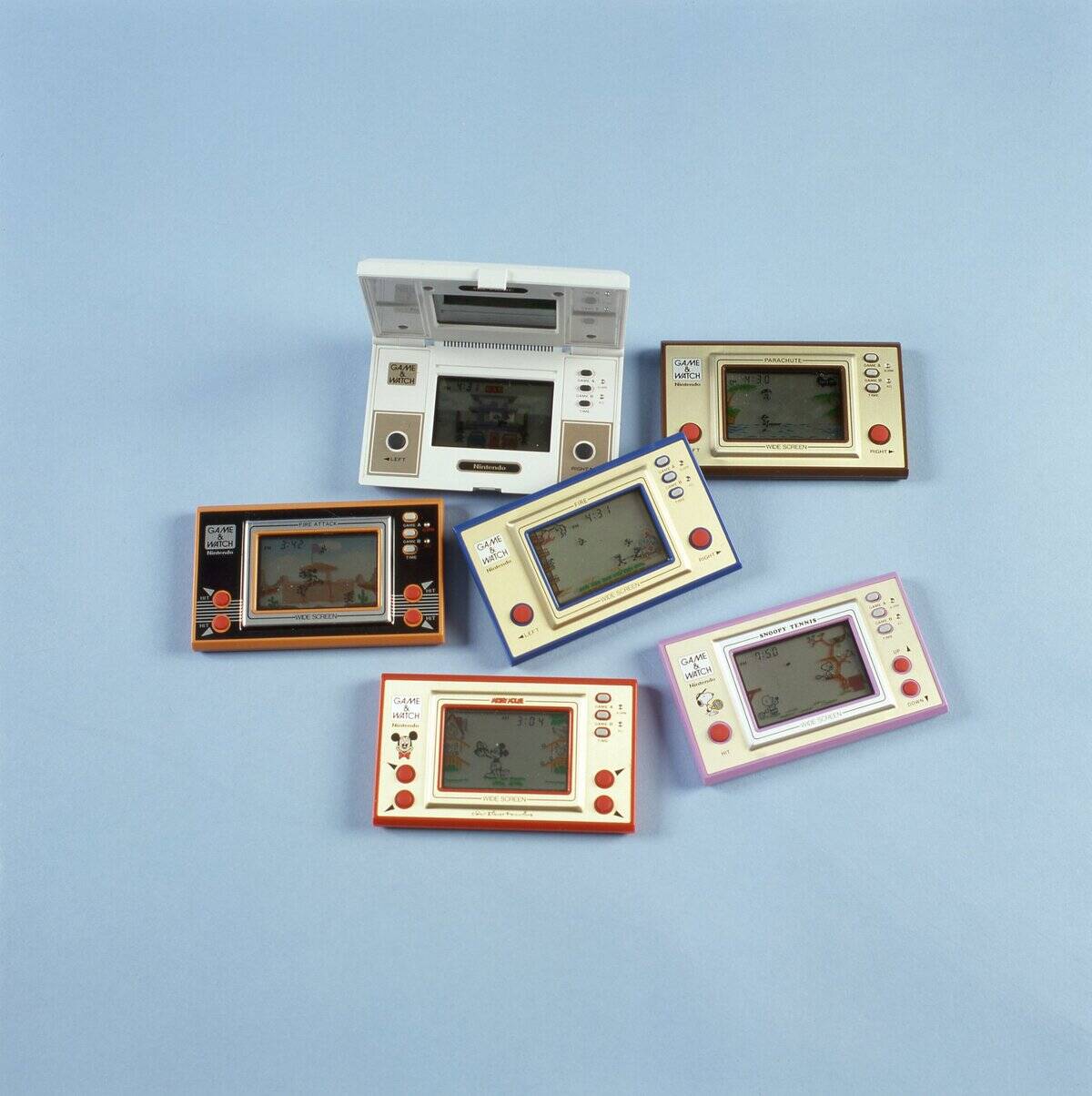
The Game & Watch series, created by Nintendo in 1980, brought portable gaming to the masses. These handheld devices featured simple LCD screens and were designed to be both a game and a watch.
With titles like “Ball” and “Donkey Kong,” the series introduced many players to gaming on the go. The success of Game & Watch paved the way for future handheld consoles, including the iconic Game Boy, which would dominate the market in the years to come.
The Influence of Japanese Developers: Nintendo and Sega
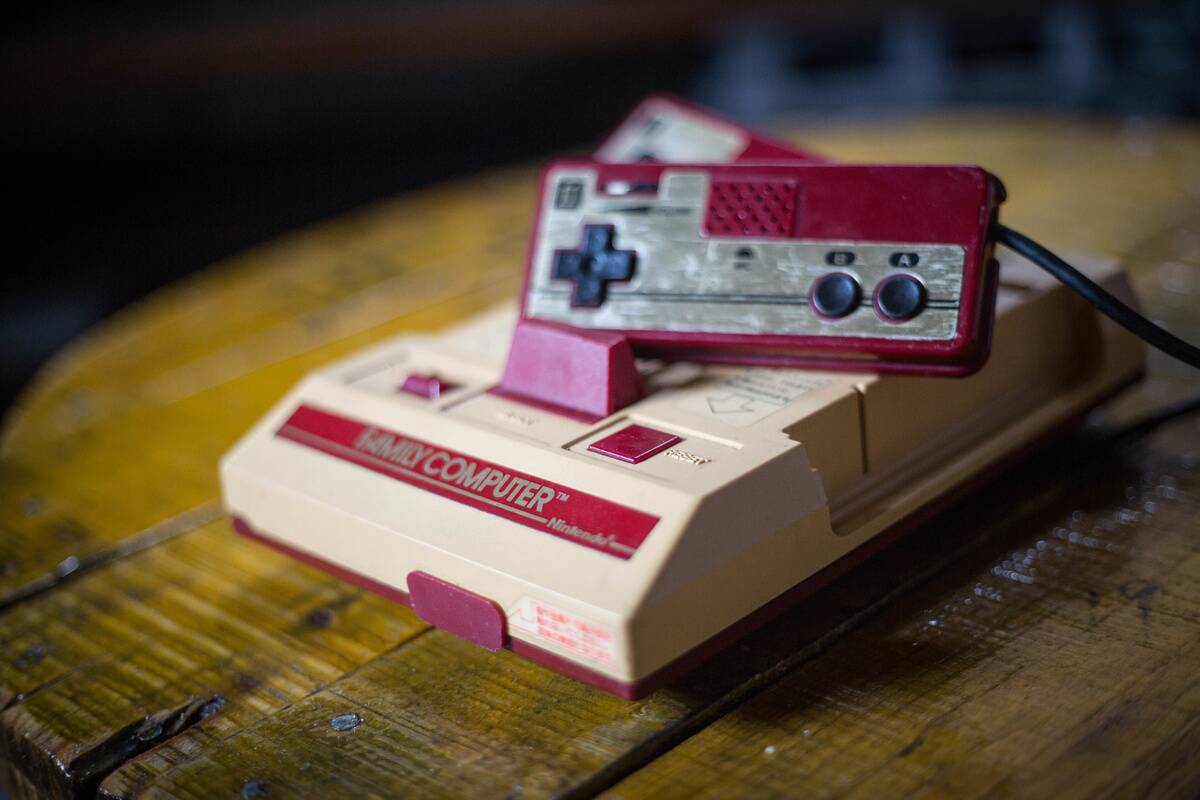
Japanese developers like Nintendo and Sega played a crucial role in shaping the video game industry during the 1980s. Nintendo’s release of the NES in 1985 revitalized the gaming market with classics like Super Mario Bros. and The Legend of Zelda. Sega, meanwhile, introduced the Master System and iconic games like Sonic the Hedgehog.
These companies not only produced groundbreaking games but also established themselves as leaders in the global gaming industry.
The Emergence of Adventure Games: King’s Quest
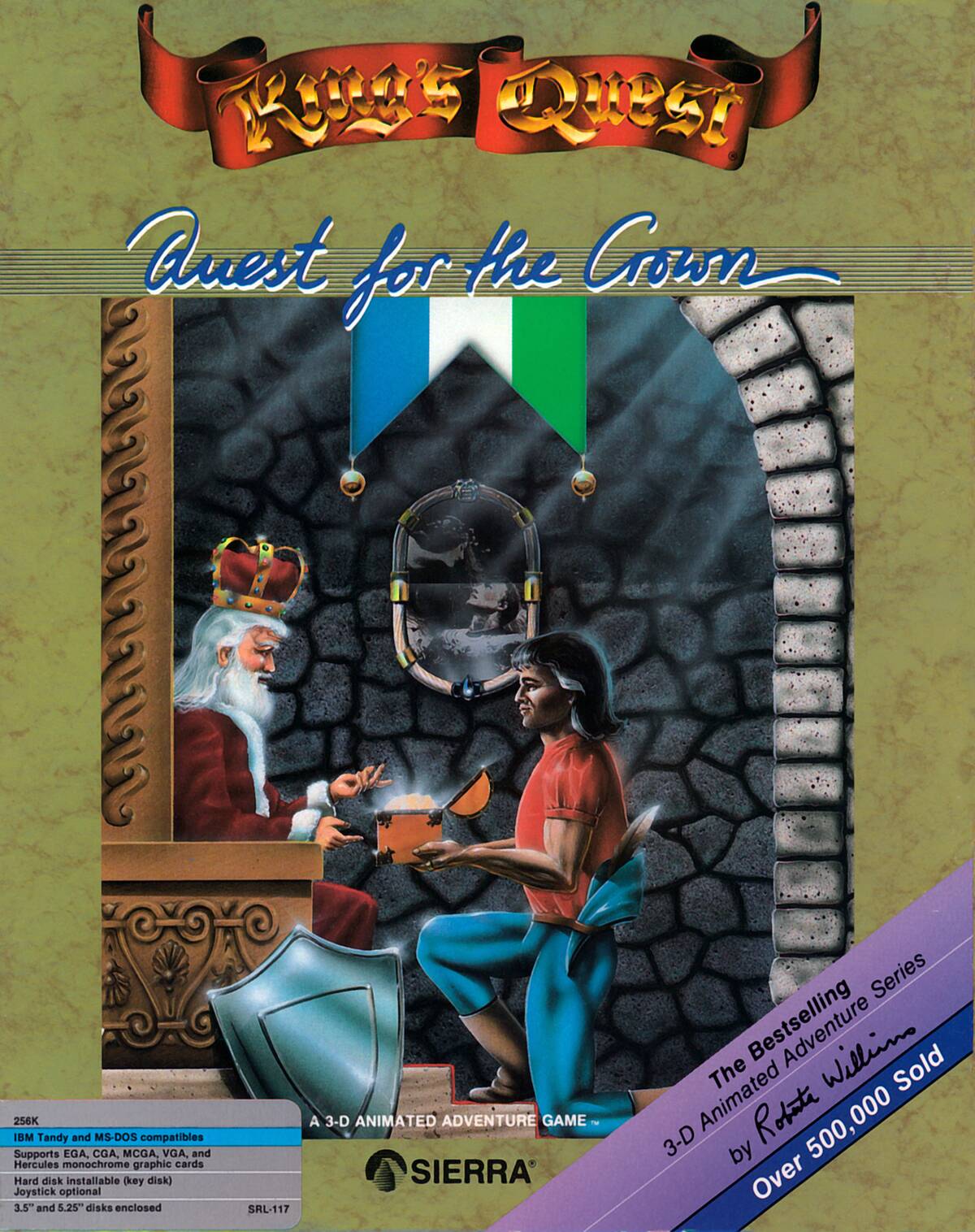
King’s Quest, developed by Sierra On-Line and released in 1984, was a pioneering title in the adventure game genre. It featured a rich narrative, puzzle-solving elements, and a vibrant fantasy world.
The game’s success led to a series of sequels, each expanding on the storytelling and gameplay mechanics. King’s Quest’s influence can be seen in modern adventure games, which continue to prioritize narrative depth and player engagement.
The Multiplayer Experience: Gauntlet and Beyond
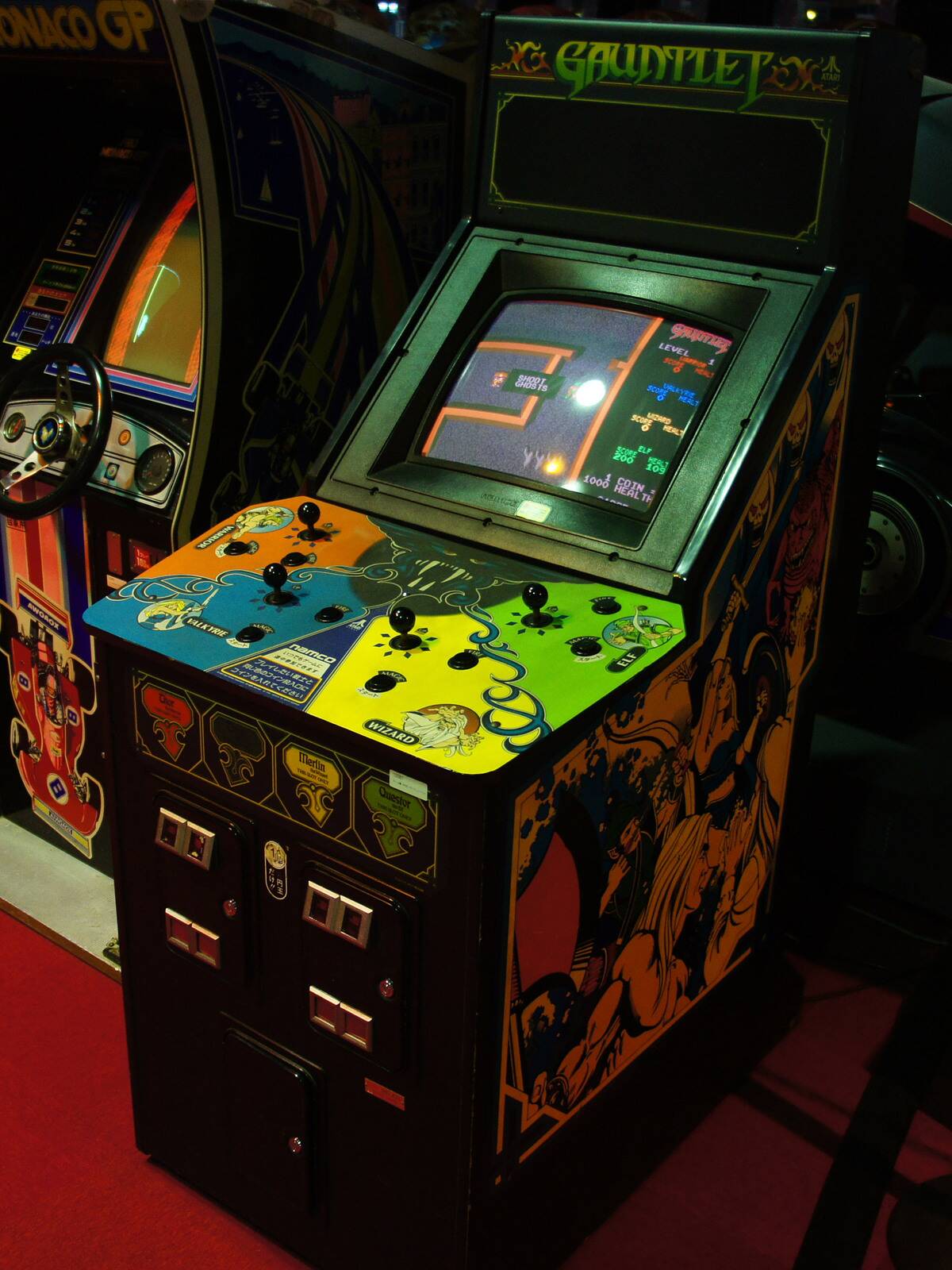
Gauntlet, released by Atari in 1985, was one of the first arcade games to offer a cooperative multiplayer experience. Players could choose from different characters, each with unique abilities, and work together to navigate dungeons and defeat enemies.
Gauntlet’s success paved the way for future multiplayer games, emphasizing teamwork and strategy. The game’s influence is evident in today’s multiplayer titles, which continue to build on the cooperative gameplay model.
The Cultural Impact: Video Games in Movies and TV
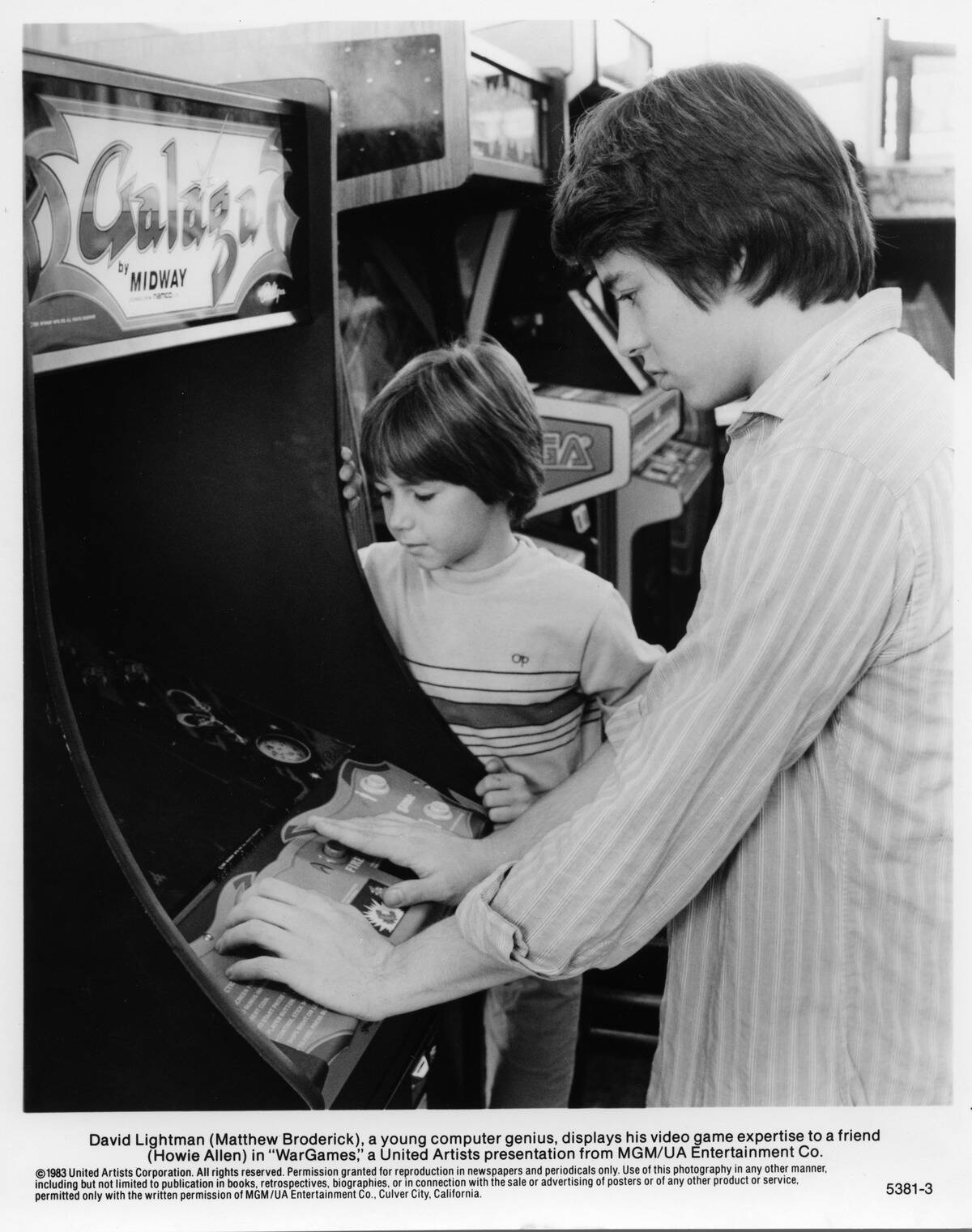
The 1980s saw video games become a significant part of popular culture, with their influence extending into movies and TV shows. Films like Tron and WarGames explored the intersection of technology and entertainment, while TV shows featured gaming segments and references.
This cultural crossover helped legitimize video games as a form of entertainment and art, contributing to their growing acceptance and popularity in mainstream media.
Collecting and Preserving: The Legacy of 1980s Games
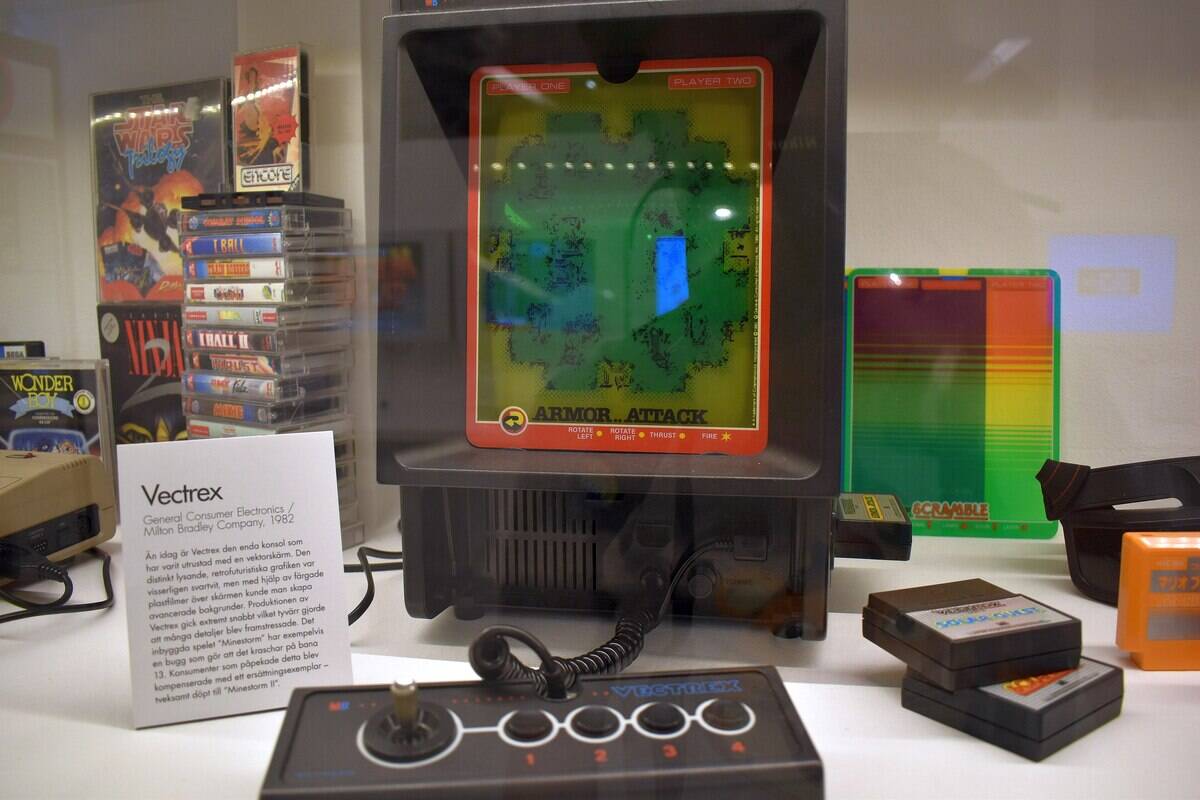
The legacy of 1980s video games lives on through the efforts of collectors and preservationists. Enthusiasts seek out rare cartridges, consoles, and memorabilia, often paying top dollar to own a piece of gaming history.
Organizations like the Video Game History Foundation work to preserve and document these classic games, ensuring that future generations can experience the magic of the 1980s gaming era. This dedication highlights the enduring impact and nostalgia associated with these pioneering titles.