Mysterious artifacts that still have no explanation
Unexplained artifacts have always captivated our imagination, offering tantalizing glimpses into the mysteries of the past. These objects often defy our understanding of ancient civilizations and their capabilities, leaving us with more questions than answers.
From intricate mechanisms to cryptic inscriptions, these artifacts challenge our perception of history and inspire endless speculation. Let’s embark on a journey through some of the most enigmatic artifacts that continue to baffle experts and enthusiasts alike.
The Puzzling Antikythera Mechanism
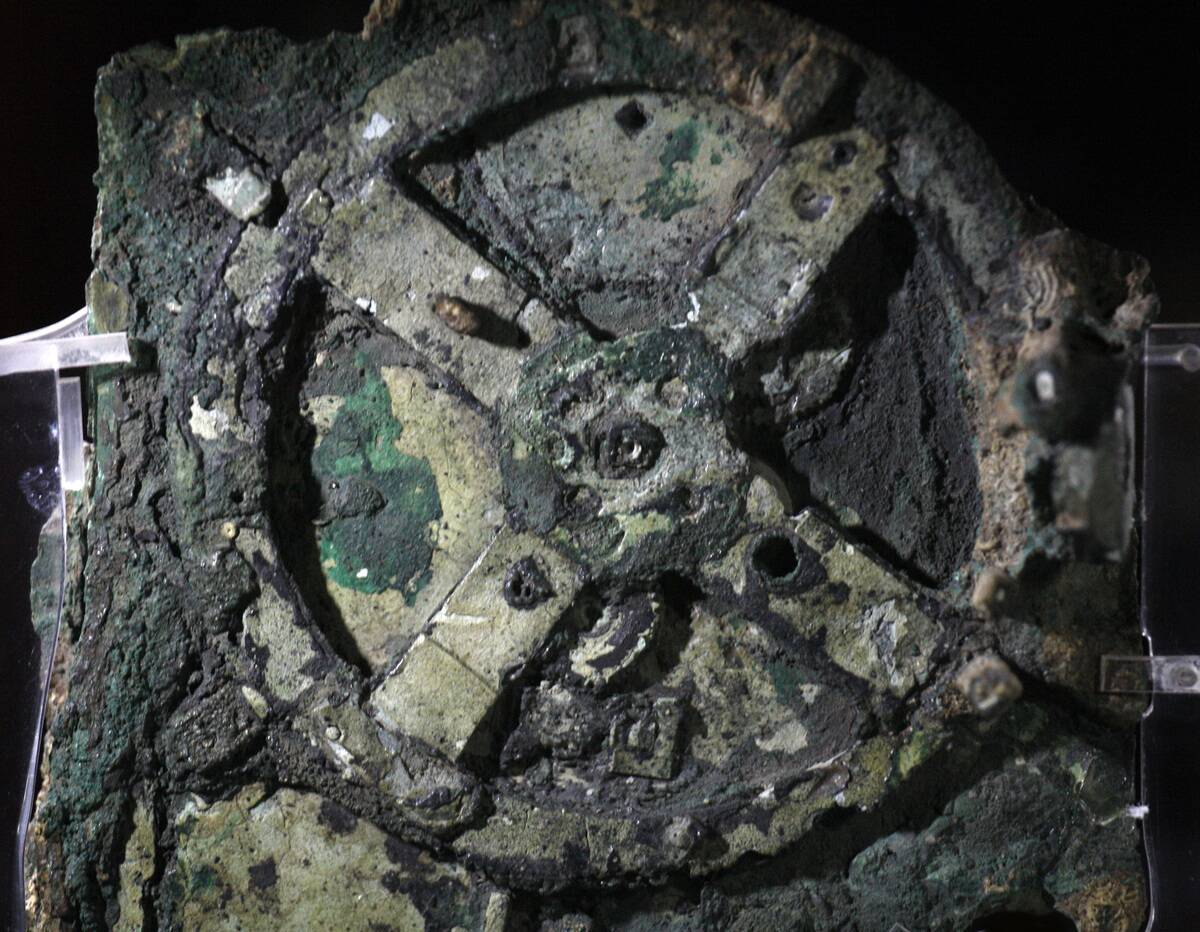
Discovered in a shipwreck off the coast of Greece in 1901, the Antikythera Mechanism is a marvel of ancient engineering. This complex device, often referred to as the world’s first analog computer, dates back to around 100 BCE.
It was used to predict astronomical positions and eclipses, showcasing a level of technological sophistication that was thought to be impossible for its time. The mechanism’s intricate gears and precise calculations continue to intrigue scientists, who are still unraveling its full capabilities.
The Enigmatic Voynich Manuscript
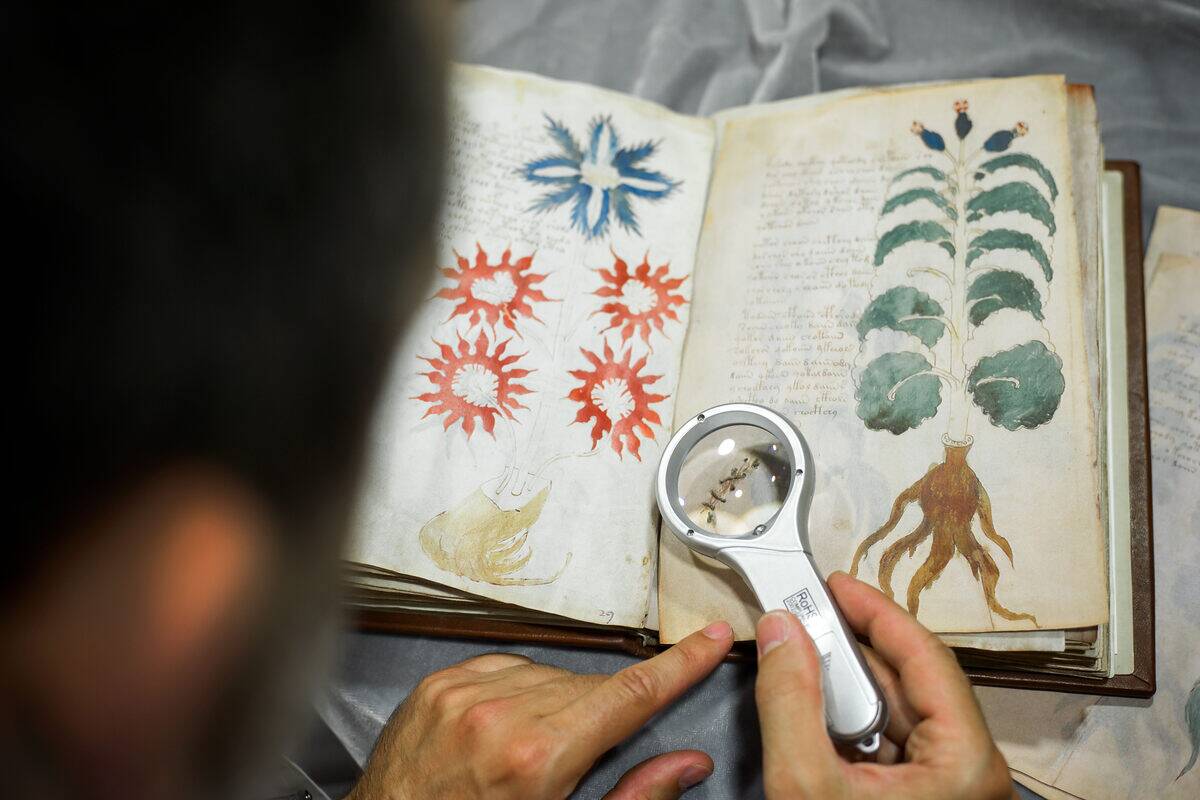
The Voynich Manuscript is a mysterious book filled with bizarre illustrations and written in an undeciphered script. Named after Wilfrid Voynich, the antiquarian who purchased it in 1912, the manuscript has puzzled cryptographers and linguists for over a century.
Radiocarbon dating suggests it was created in the early 15th century, but its purpose and origin remain unknown. The manuscript’s pages are adorned with strange plants, astrological diagrams, and nude figures, adding to its mystique and fueling numerous theories about its meaning.
The Unsolved Mystery of the Phaistos Disc
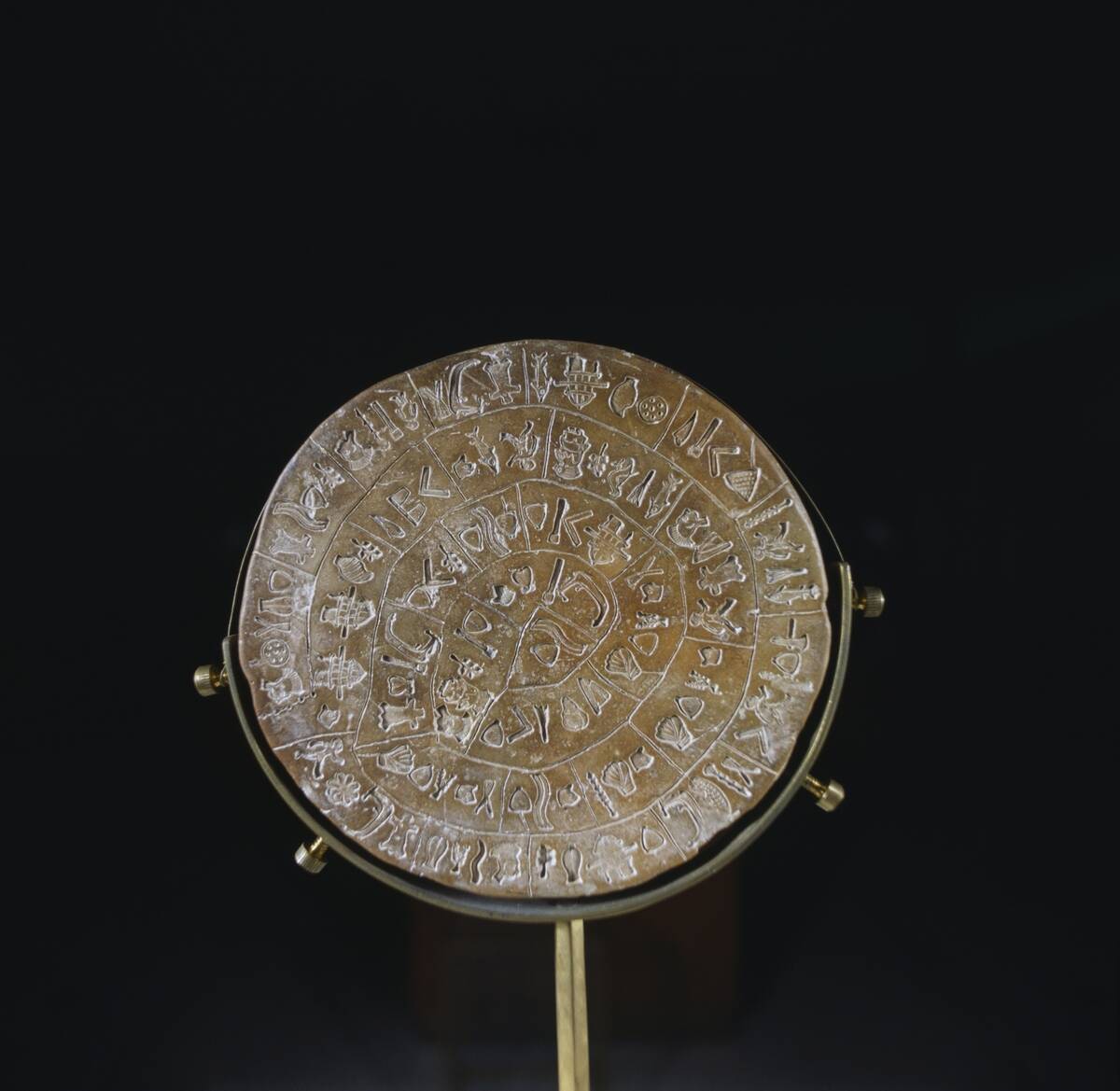
Unearthed in 1908 on the island of Crete, the Phaistos Disc is a circular clay tablet inscribed with mysterious symbols. Dating back to the Minoan civilization, it features 241 distinct signs arranged in a spiral pattern.
Despite extensive research, the disc’s purpose and the meaning of its symbols remain elusive. Some scholars believe it could be a form of writing or a religious artifact, while others speculate it might be an ancient board game. The Phaistos Disc continues to be one of archaeology’s most intriguing puzzles.
The Intriguing Baghdad Batteries
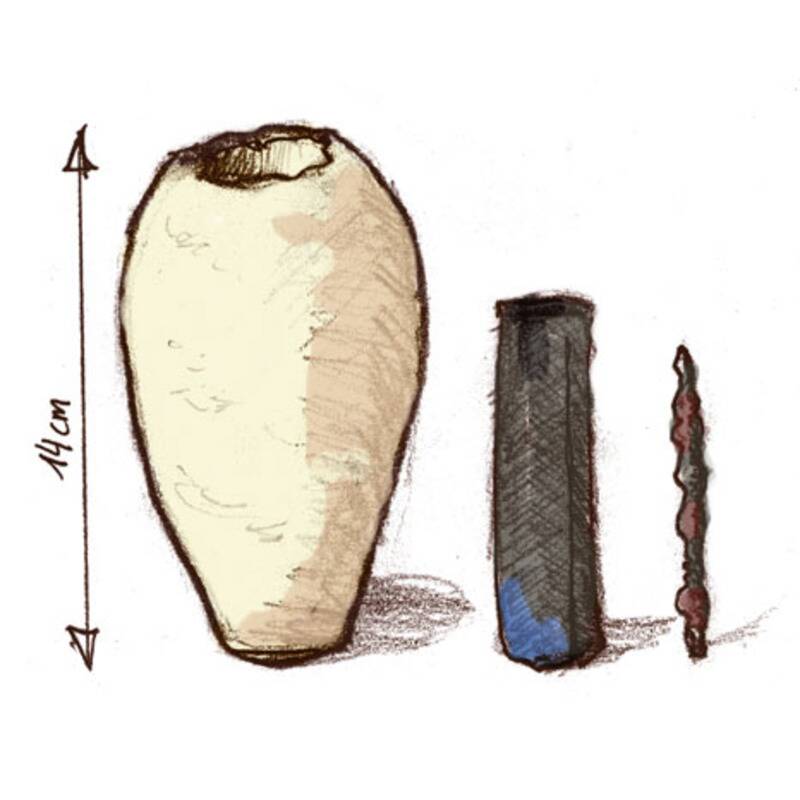
The Baghdad Batteries, discovered in the 1930s near Baghdad, Iraq, are a set of clay jars with copper cylinders and iron rods inside. Dating back to around 250 BCE, these artifacts have sparked debate about their purpose.
Some researchers suggest they could have been used as primitive batteries, possibly for electroplating or medical purposes. However, others argue that they might have served a more mundane function, such as storage for scrolls. The true use of the Baghdad Batteries remains a topic of speculation and debate.
The Cryptic Rongorongo Tablets of Easter Island
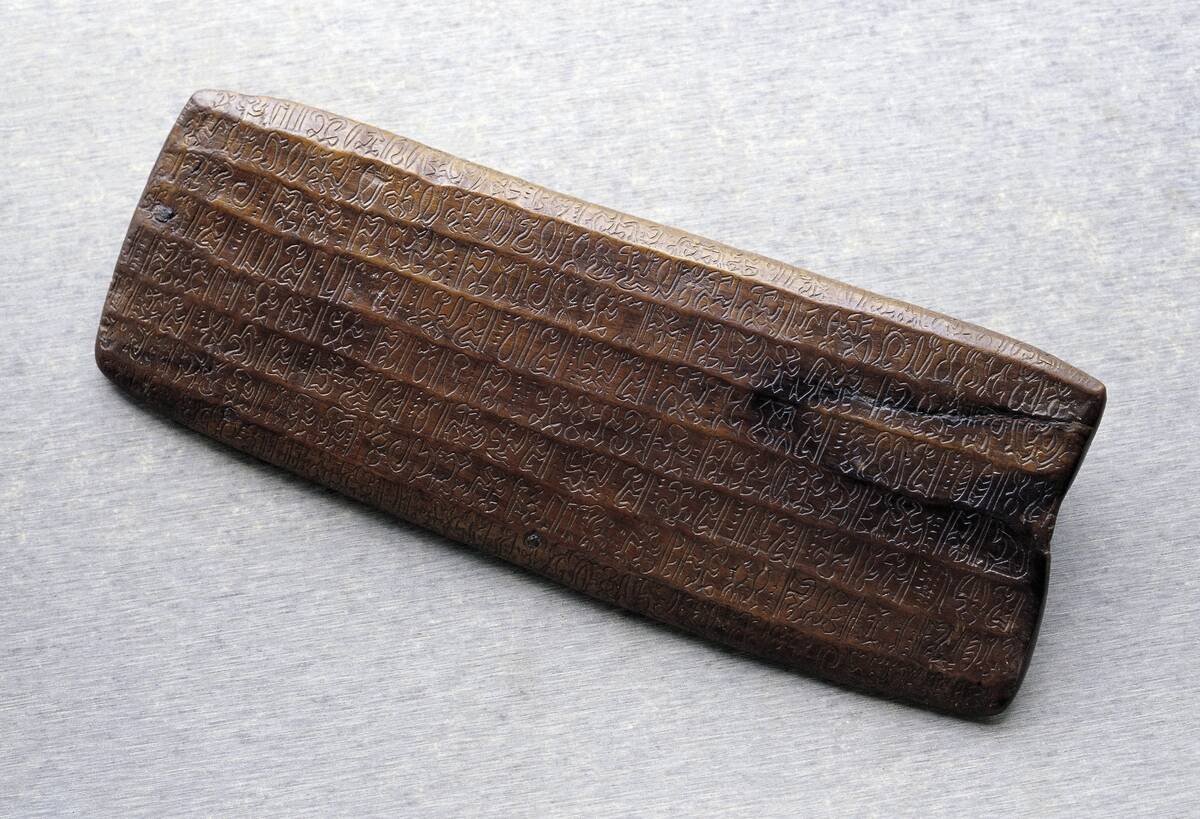
The Rongorongo Tablets are wooden artifacts from Easter Island, inscribed with a unique and undeciphered script. These tablets are believed to date back to the 19th century, but their exact age and purpose are still uncertain.
The script, which consists of glyphs resembling humans, animals, and geometric shapes, has resisted all attempts at translation. Some researchers believe it could be a form of proto-writing or a mnemonic device. The mystery of the Rongorongo Tablets adds to the enigmatic allure of Easter Island’s ancient culture.
The Baffling Stone Spheres of Costa Rica
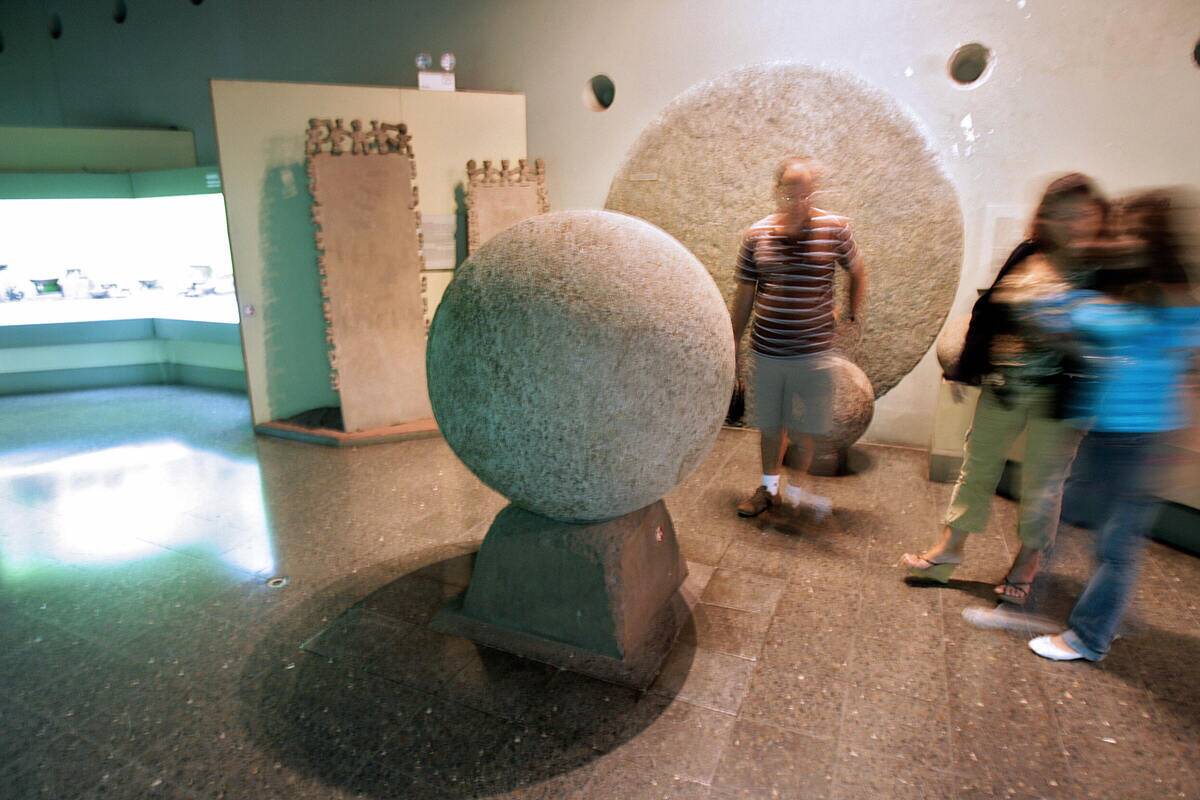
Scattered across the Diquís Delta in Costa Rica, the stone spheres are a collection of over 300 perfectly round stones. Ranging in size from a few centimeters to over two meters in diameter, these spheres were created by the Diquís culture between 600 and 1000 CE.
Their purpose and method of construction remain unknown, though some theories suggest they were used for astronomical or ceremonial purposes. The stone spheres continue to intrigue archaeologists and tourists alike, standing as a testament to the ingenuity of ancient civilizations.
The Unfathomable Nazca Lines
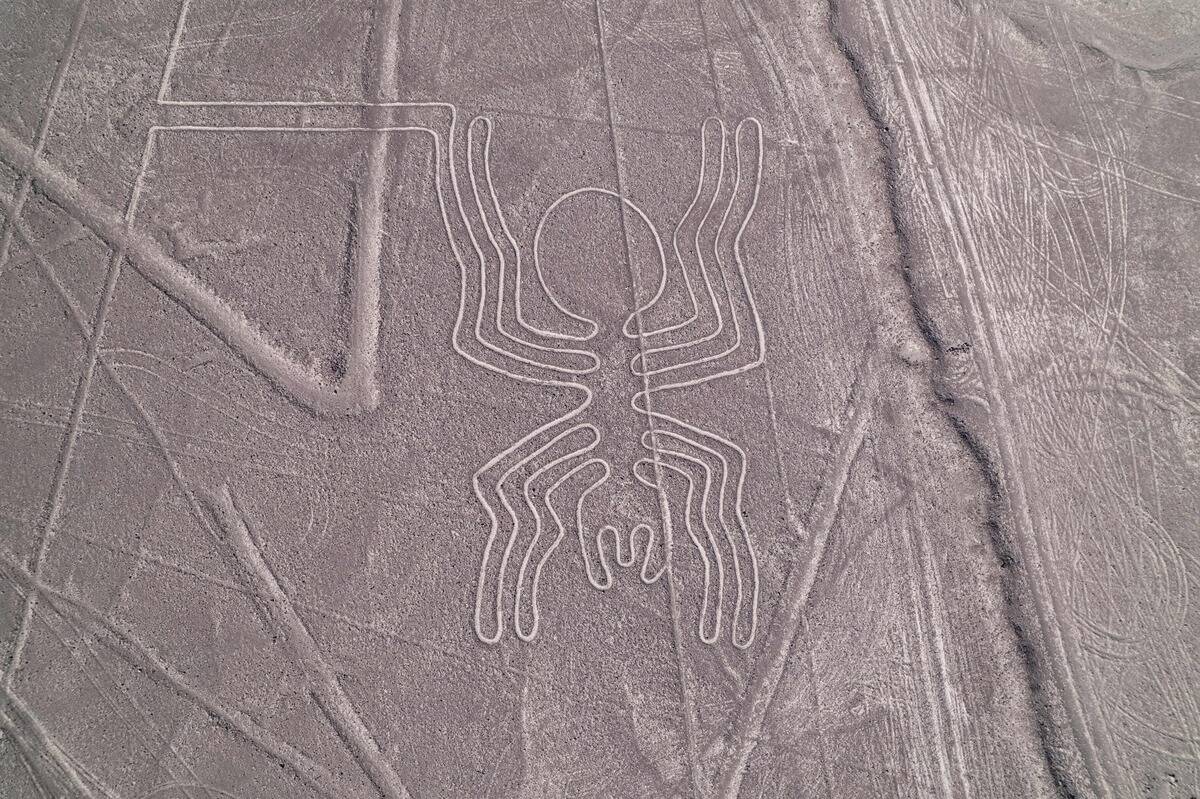
Etched into the arid plains of southern Peru, the Nazca Lines are a series of massive geoglyphs depicting animals, plants, and geometric shapes. Created by the Nazca culture between 500 BCE and 500 CE, these lines can only be fully appreciated from the air.
The purpose of the Nazca Lines remains a mystery, with theories ranging from astronomical calendars to religious rituals. Despite numerous studies, the true meaning behind these monumental designs continues to elude researchers and captivate the imagination of visitors.
The Curious Case of the Ubaid Lizardmen

The Ubaid Lizardmen are a series of prehistoric figurines discovered in the Ubaid archaeological site in Iraq. Dating back to around 4000 BCE, these figurines depict humanoid figures with reptilian features.
Their purpose and significance are unknown, leading to various interpretations, including religious symbolism or representations of mythical beings. The Ubaid Lizardmen challenge our understanding of early Mesopotamian cultures and continue to spark debate among archaeologists and enthusiasts.
The Unexplained Saqqara Bird
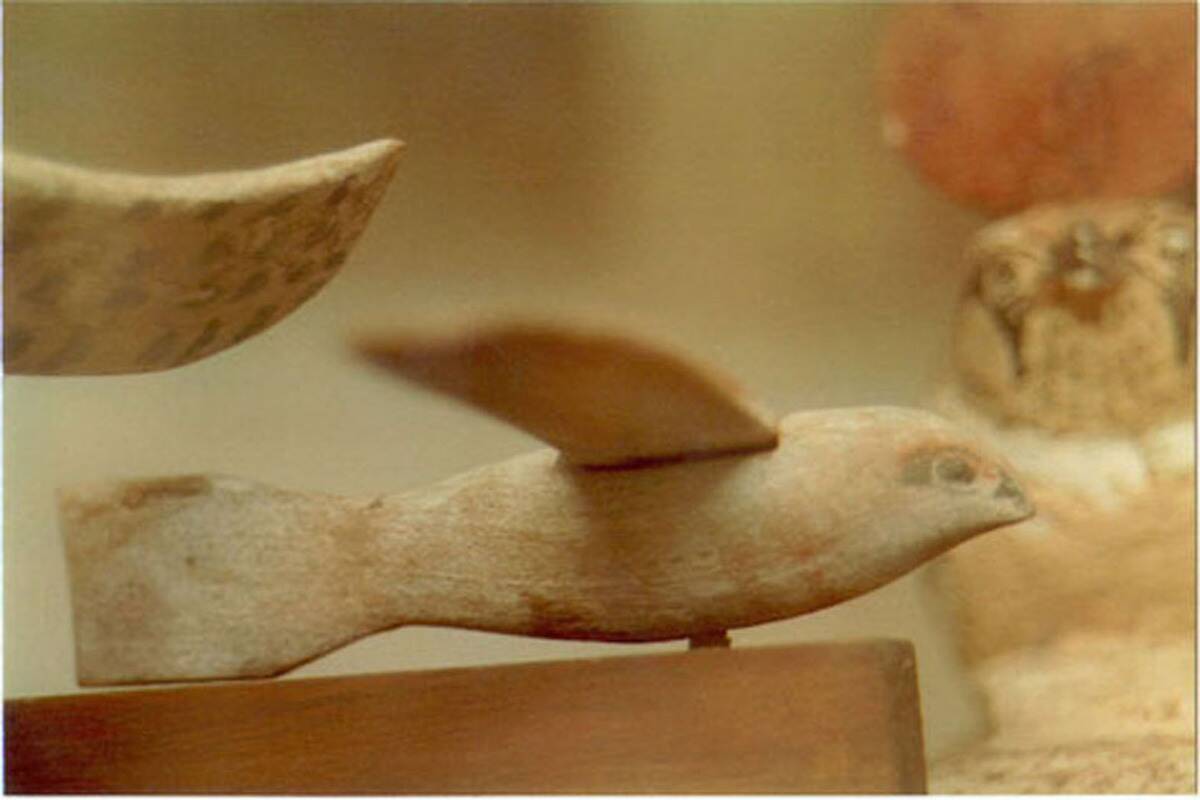
The Saqqara Bird is a small wooden artifact discovered in an ancient Egyptian tomb in 1898. Shaped like a bird, it features aerodynamic qualities that have led some to speculate it might be an early model of a glider.
Dating back to around 200 BCE, the Saqqara Bird’s purpose is still debated, with theories ranging from a child’s toy to a ceremonial object. Its design and construction continue to intrigue researchers, offering a glimpse into the innovative spirit of ancient Egyptian culture.
The Mysterious Dropa Stones
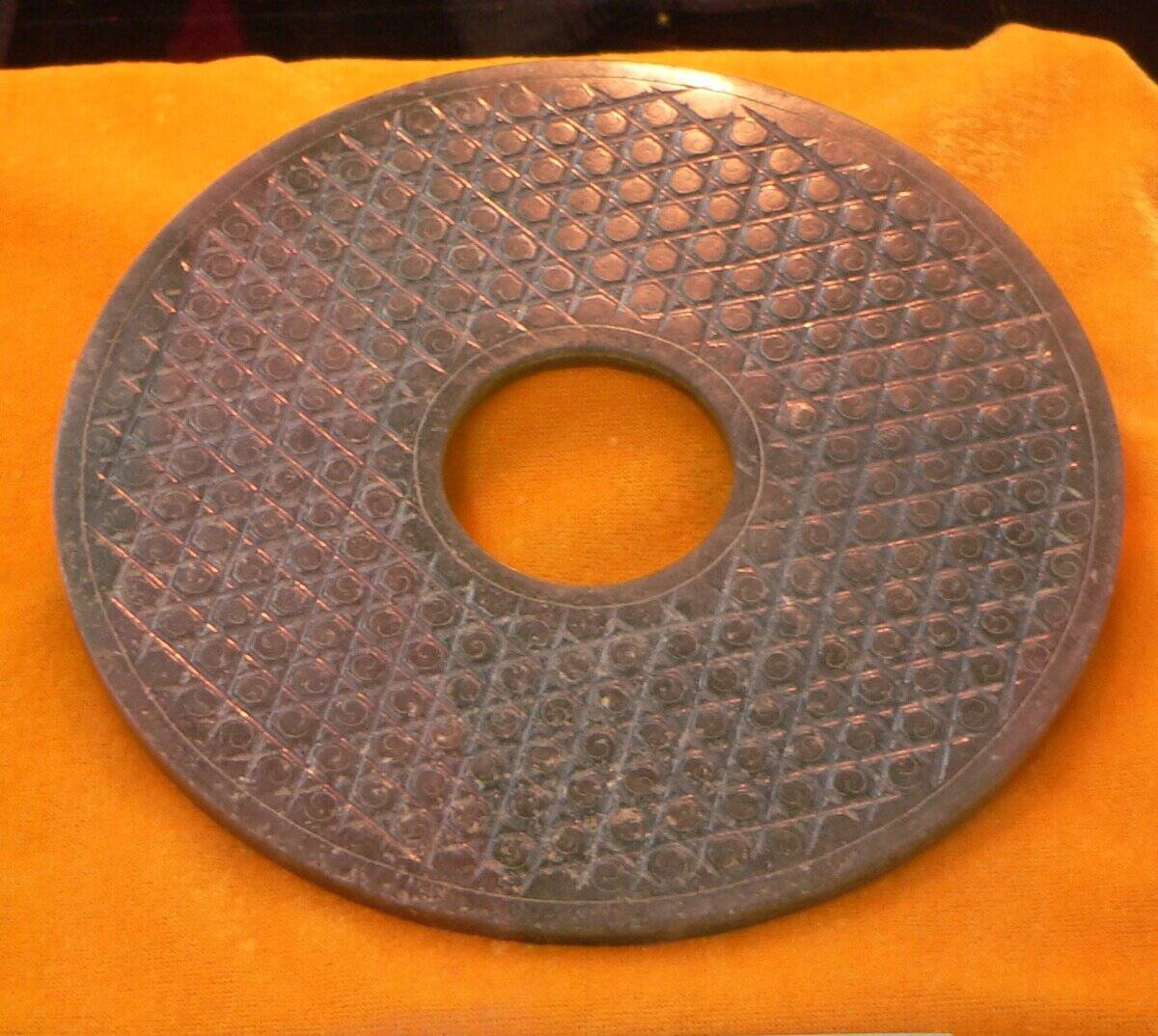
The Dropa Stones are a collection of stone discs allegedly discovered in the Bayan Har Mountains of China in 1938. These discs, inscribed with tiny hieroglyphs, are said to date back to 12,000 years ago.
The story of their discovery and the translation of the inscriptions, which supposedly tell of extraterrestrial visitors, have been met with skepticism. Many researchers question the authenticity of the Dropa Stones, but the legend surrounding them continues to capture the imagination of those fascinated by ancient mysteries.
The Confounding Shroud of Turin
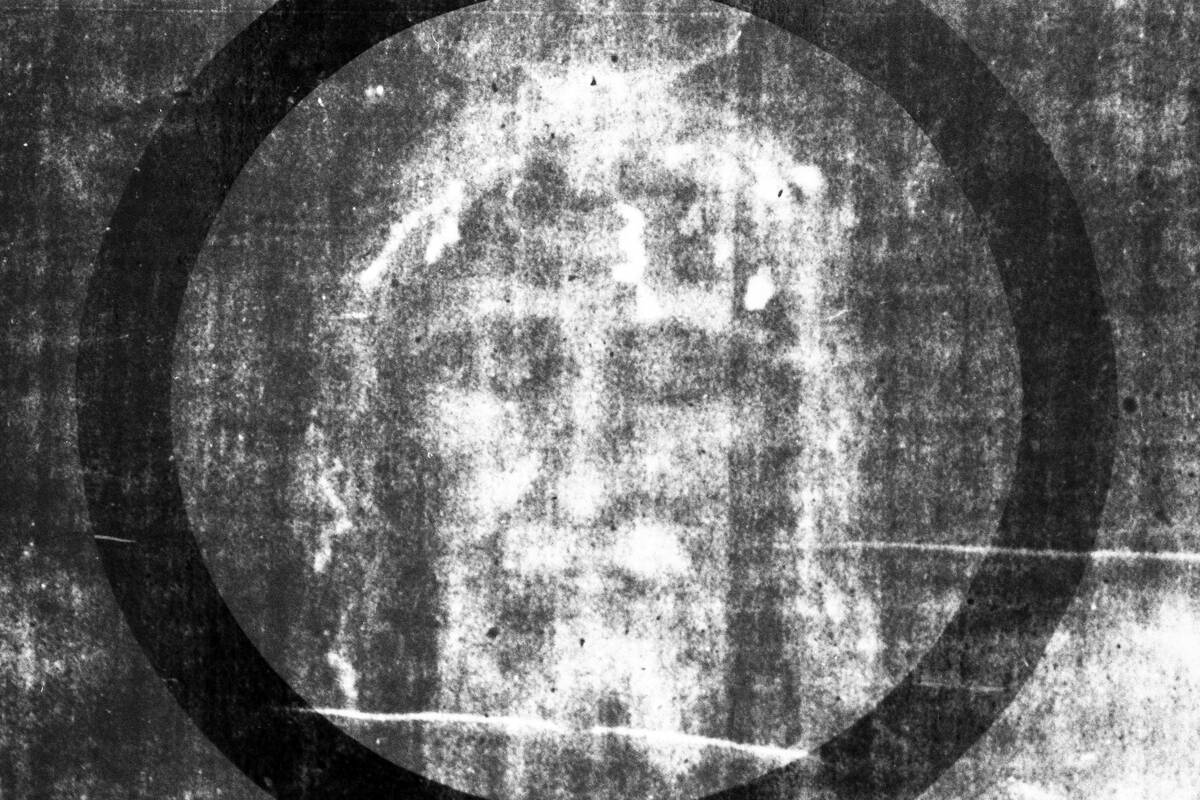
The Shroud of Turin is a linen cloth bearing the faint image of a man, believed by some to be Jesus of Nazareth. Housed in the Cathedral of Saint John the Baptist in Turin, Italy, the shroud has been the subject of intense scientific scrutiny and religious debate.
Radiocarbon dating suggests it dates to the Middle Ages, but questions about the image’s formation remain unanswered. The Shroud of Turin continues to be a powerful symbol of faith and a source of intrigue for both believers and skeptics.
The Unaccounted-for Maine Penny
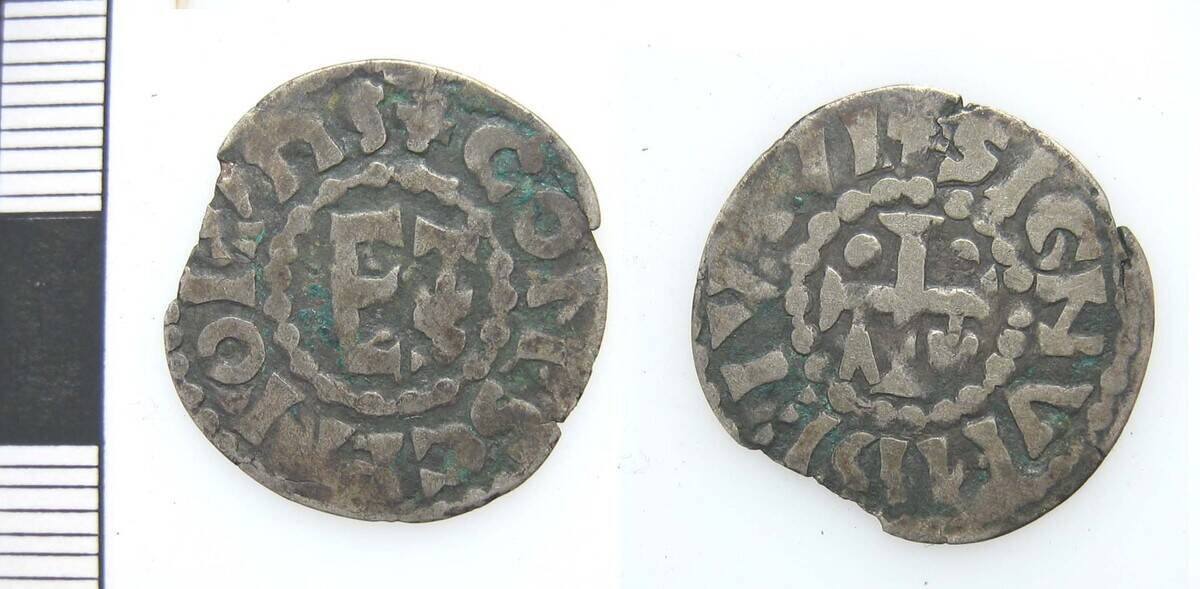
The Maine Penny, also known as the Goddard coin, is a Norse silver coin discovered in a Native American archaeological site in Maine in 1957. Dating back to the reign of King Olaf III of Norway (1067-1093 CE), its presence in North America is puzzling.
The coin suggests possible pre-Columbian contact between Norse explorers and Native Americans, but its isolated discovery leaves many questions unanswered. The Maine Penny remains a tantalizing clue in the ongoing exploration of early transatlantic connections.
The Astonishingly Advanced Sacsayhuamán Walls
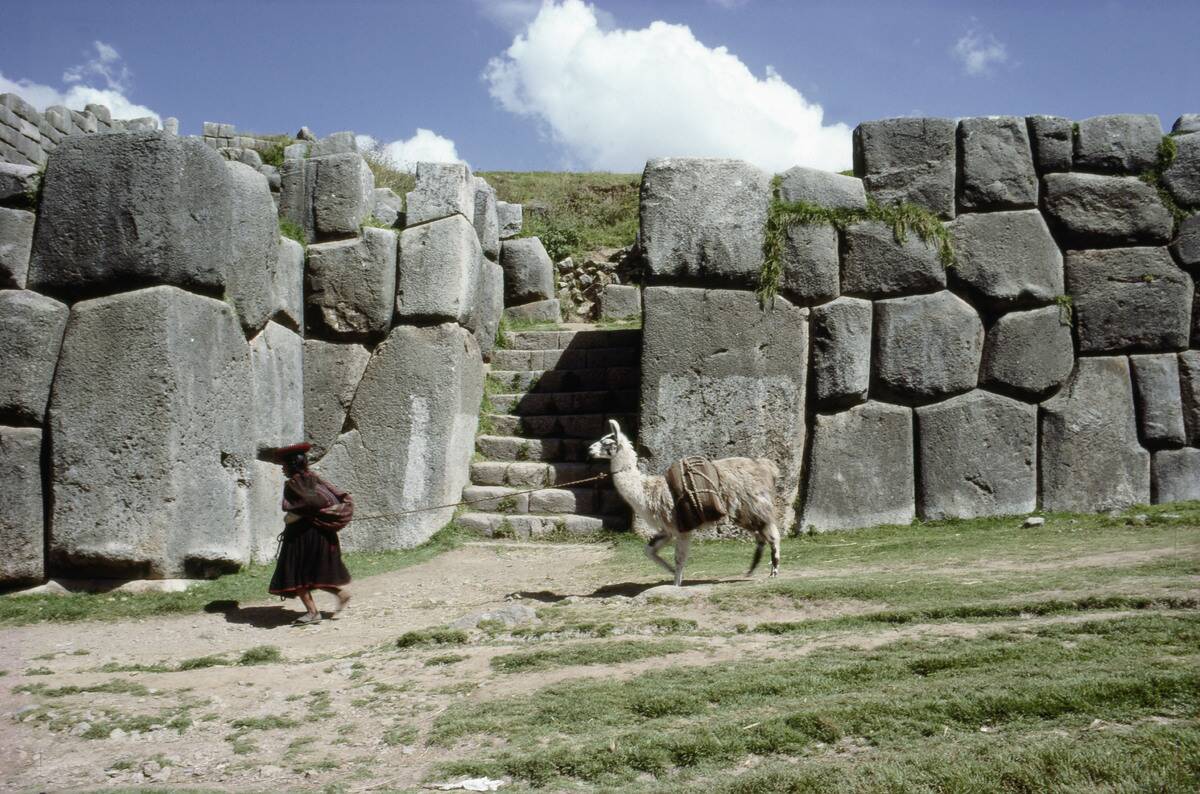
The Sacsayhuamán Walls are a series of massive stone structures located near Cusco, Peru. Built by the Inca civilization in the 15th century, these walls are composed of precisely cut stones that fit together without mortar.
The construction techniques used to move and shape the stones, some weighing over 100 tons, remain a mystery. The Sacsayhuamán Walls are a testament to the engineering prowess of the Inca and continue to awe visitors with their scale and precision.
The Perplexing Cochno Stone
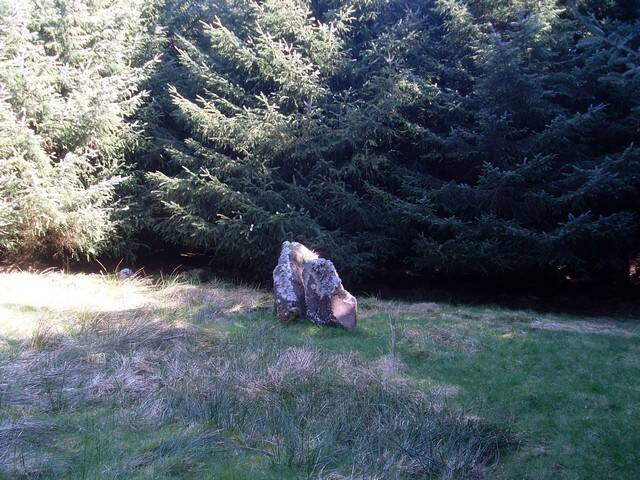
The Cochno Stone is a large sandstone slab located in West Dunbartonshire, Scotland, covered with intricate carvings of spirals, circles, and geometric patterns. Discovered in 1887, the stone dates back to around 3000 BCE.
The purpose and meaning of the carvings are unknown, with theories ranging from astronomical maps to ceremonial symbols. The Cochno Stone was buried in 1965 to protect it from vandalism, but it remains a subject of fascination for archaeologists and historians.
The Unidentified Fuente Magna Bowl
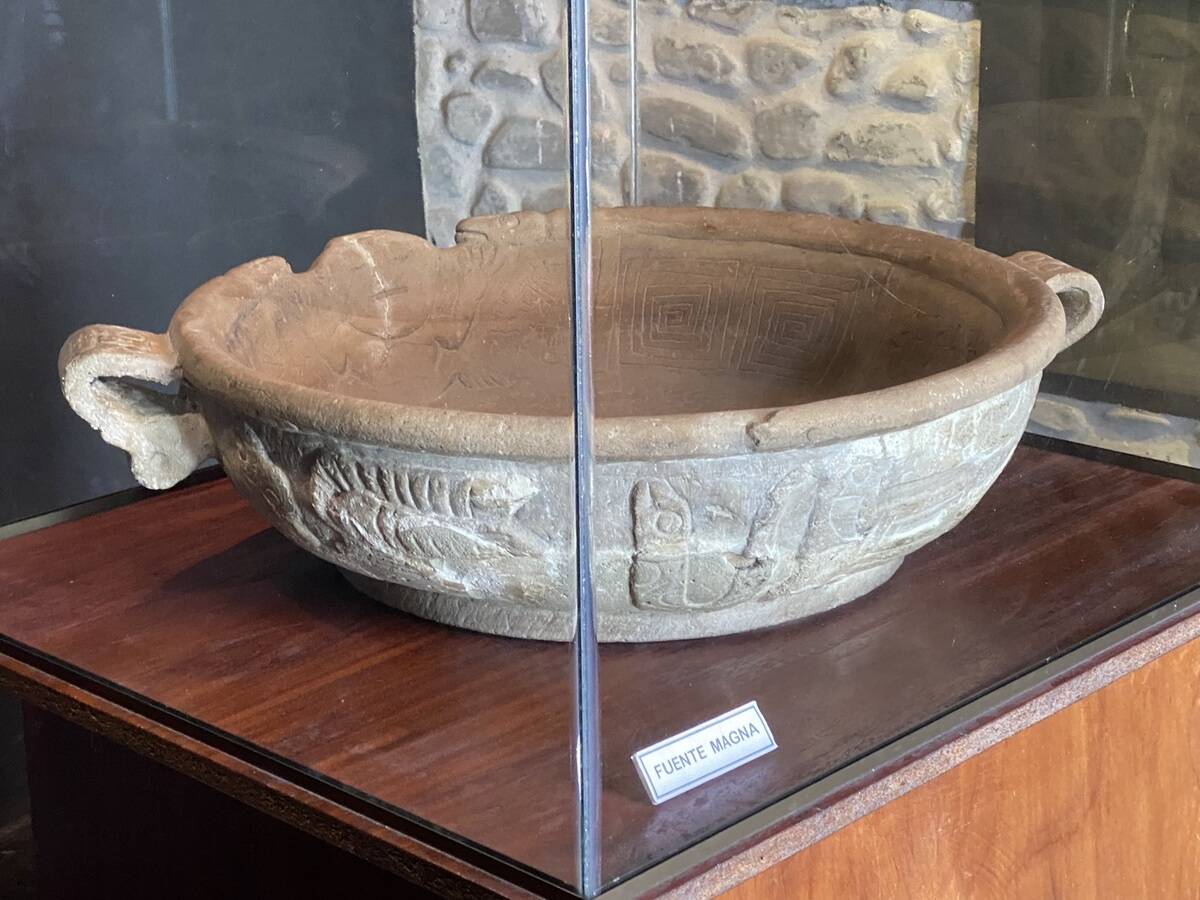
The Fuente Magna Bowl is a large stone vessel discovered near Lake Titicaca in Bolivia, inscribed with Sumerian cuneiform and Proto-Sumerian script. Its authenticity and origins are hotly debated, with some suggesting it points to ancient transoceanic contact.
The bowl’s inscriptions, if genuine, could imply a connection between ancient Mesopotamian and Andean cultures. Despite the controversy, the Fuente Magna Bowl remains a captivating artifact that challenges conventional historical narratives.
The Unresolved Mystery of the Georgia Guidestones
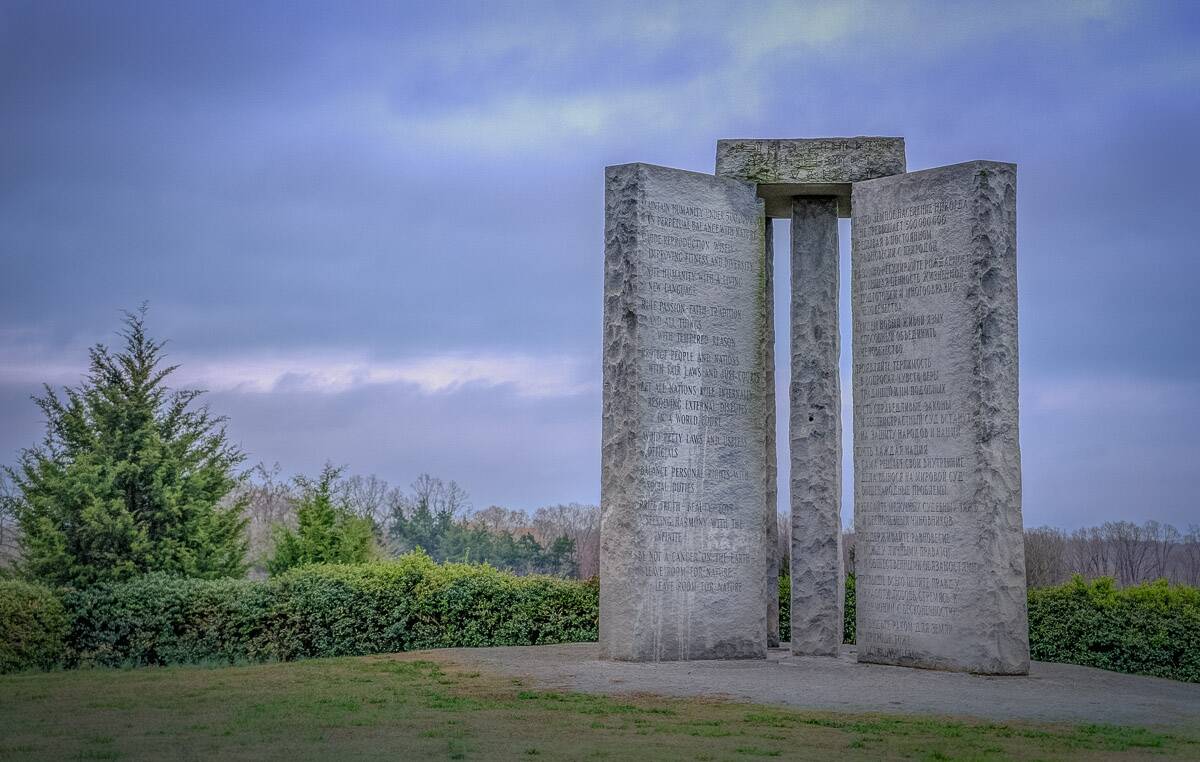
The Georgia Guidestones, erected in 1980 in Elbert County, Georgia, are a set of granite monuments inscribed with guidelines for humanity in multiple languages. Commissioned by a mysterious individual known as R.C. Christian, the stones’ purpose and message have sparked conspiracy theories and debate.
The guidelines advocate for population control, environmental conservation, and global governance, leading to speculation about the stones’ origins and intentions. The Georgia Guidestones continue to intrigue and provoke discussion about their enigmatic message.




