Cult classic albums that transformed music
Cult classic albums often exist in a paradoxical space where they initially fail to capture mainstream attention but gradually gain a dedicated following. These albums, despite their early struggles, find a second life through passionate fanbases.
The allure of a cult classic lies in its ability to resonate deeply with a niche audience, often becoming more influential over time than their initial sales would suggest. This phenomenon is a testament to the enduring power of music to connect with listeners in unexpected ways.
Defining a Cult Classic in the Music World

In the music world, a cult classic album is one that achieves a significant level of reverence despite not being a commercial success upon release. These albums often possess unique qualities or innovative sounds that set them apart from mainstream offerings.
A cult classic can influence entire genres and inspire future musicians, even if it never tops the charts. The term ‘cult classic’ implies a special connection with its audience, often leading to a resurgence in popularity years after its initial release.
The Impact of Poor Sales on Album Legacy

Poor sales can paradoxically enhance an album’s legacy, as the lack of initial commercial success often adds to its mystique. Albums that might have been overlooked by the masses can become hidden gems for music aficionados to discover and champion.
This underdog status can foster a sense of ownership among fans, who feel they are part of an exclusive club. Over time, these albums can gain recognition for their artistic merit, sometimes leading to critical reevaluation and newfound appreciation.
Velvet Underground & Nico: The Album That Launched a Thousand Bands
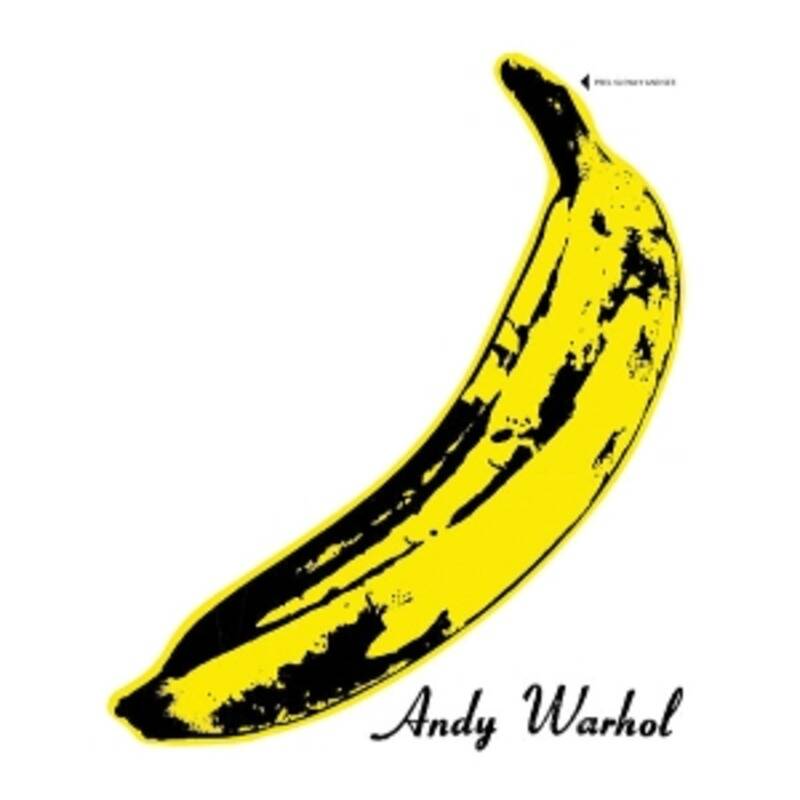
The Velvet Underground & Nico, released in 1967, is often cited as one of the most influential albums of all time, despite its initial commercial failure. With its avant-garde sound and provocative themes, it laid the groundwork for genres like punk and alternative rock.
The album’s raw energy and lyrical depth resonated with future musicians, inspiring countless bands to explore new creative avenues. Its iconic banana cover, designed by Andy Warhol, has become a symbol of artistic rebellion.
Big Star’s #1 Record: The Birth of Power Pop
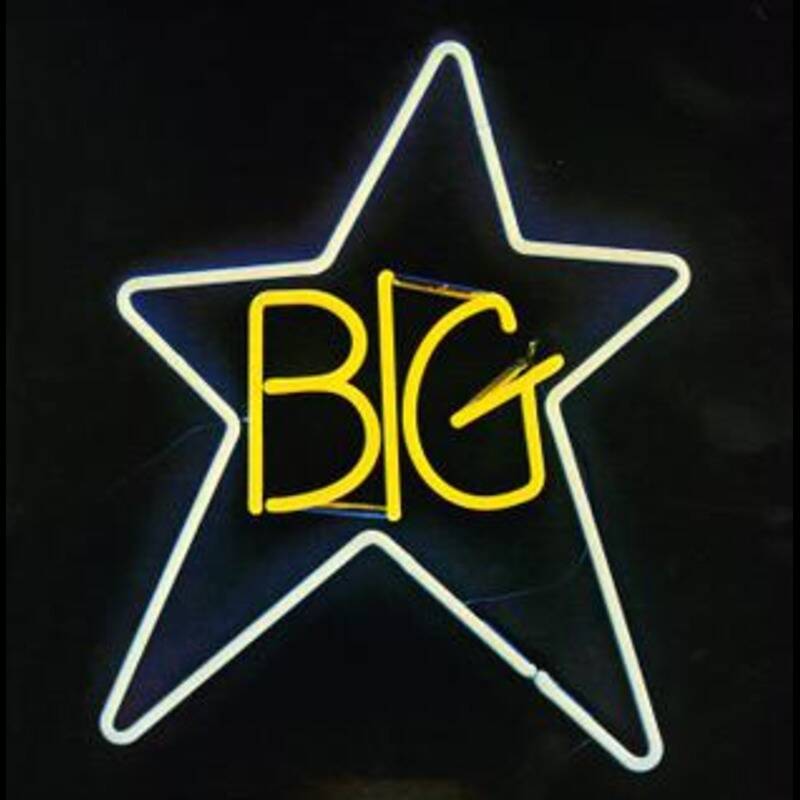
Big Star’s debut album, #1 Record, released in 1972, is a quintessential example of a cult classic. Despite its lack of commercial success, the album’s blend of jangly guitars and melodic hooks laid the foundation for the power pop genre.
Critics have praised its craftsmanship, and it has influenced artists ranging from R.E.M. to Teenage Fanclub. The album’s enduring appeal lies in its timeless sound and the heartfelt songwriting of Alex Chilton and Chris Bell.
Nick Drake’s Pink Moon: The Quiet Revolution
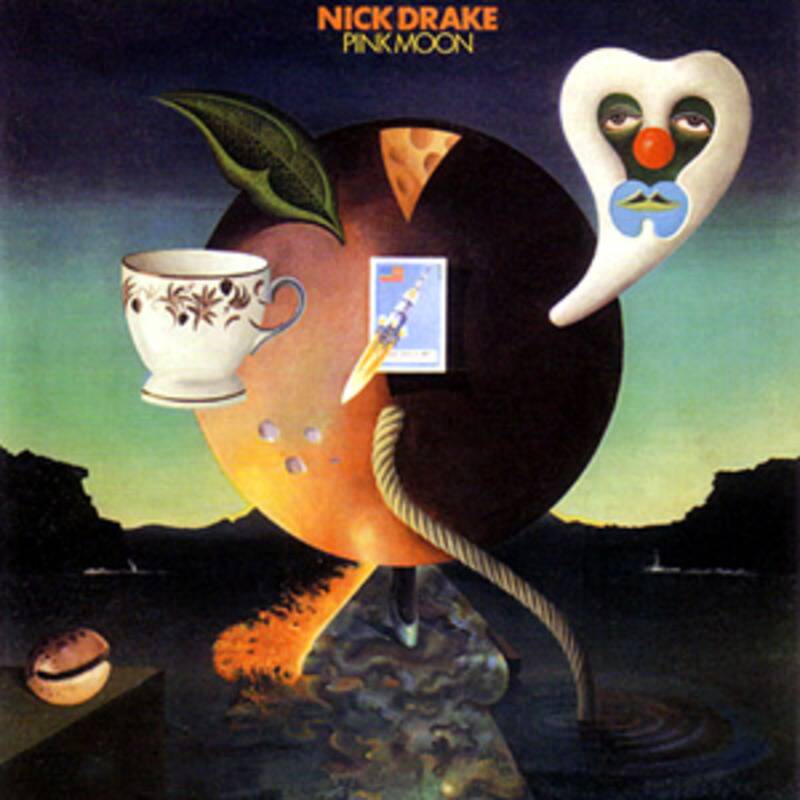
Nick Drake’s Pink Moon, released in 1972, is a hauntingly beautiful album that went largely unnoticed during his lifetime. Its minimalist acoustic arrangements and introspective lyrics have since captivated listeners, earning it a revered status.
The album’s quiet intensity and emotional depth have influenced a generation of singer-songwriters. Pink Moon’s posthumous success highlights the enduring power of Drake’s music to touch the hearts of those who discover it.
The Stooges’ Fun House: Proto-Punk’s Loud Arrival
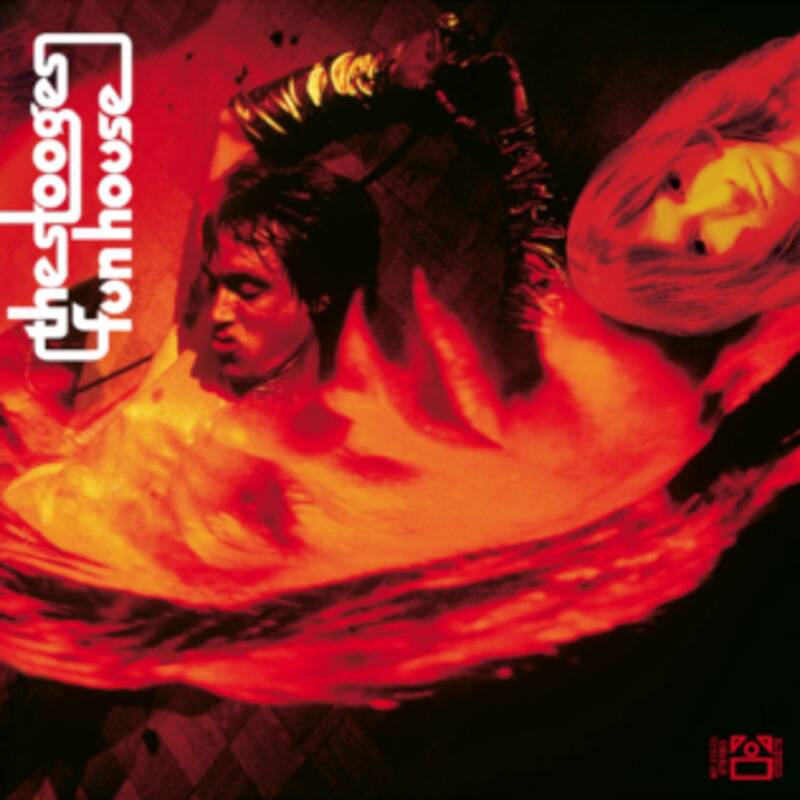
The Stooges’ Fun House, released in 1970, is a sonic assault that helped pave the way for punk rock. Its raw energy and primal sound were initially too abrasive for mainstream audiences, but it has since been recognized as a seminal work.
The album’s influence can be heard in the music of countless punk and garage bands that followed. Iggy Pop’s wild stage presence and the band’s unrelenting intensity have cemented Fun House as a cornerstone of proto-punk.
Captain Beefheart’s Trout Mask Replica: Avant-Garde’s Anthem

Trout Mask Replica by Captain Beefheart & His Magic Band, released in 1969, is a challenging yet groundbreaking album that defies conventional musical norms. Its avant-garde composition and surreal lyrics create a unique listening experience that has baffled and intrigued audiences.
The album’s complexity and innovation have earned it a place in the annals of music history, influencing artists across genres. Its status as a cult classic is a testament to its daring artistic vision.
The Influence of The Zombies’ Odessey and Oracle
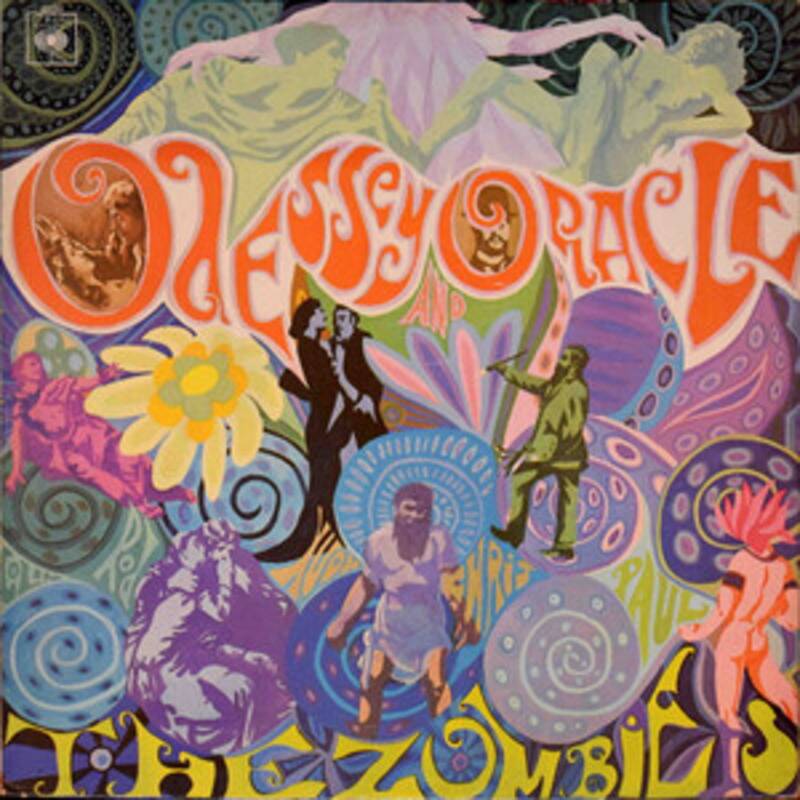
The Zombies’ Odessey and Oracle, released in 1968, is a baroque pop masterpiece that initially struggled to find an audience. Over time, its lush arrangements and intricate harmonies have been celebrated as some of the finest in pop music.
The album’s standout track, “Time of the Season,” eventually became a hit, contributing to its cult status. Odessey and Oracle’s influence can be seen in the work of artists like Paul Weller and The Beach Boys.
The Misfits’ Static Age: Punk’s Undead Legacy
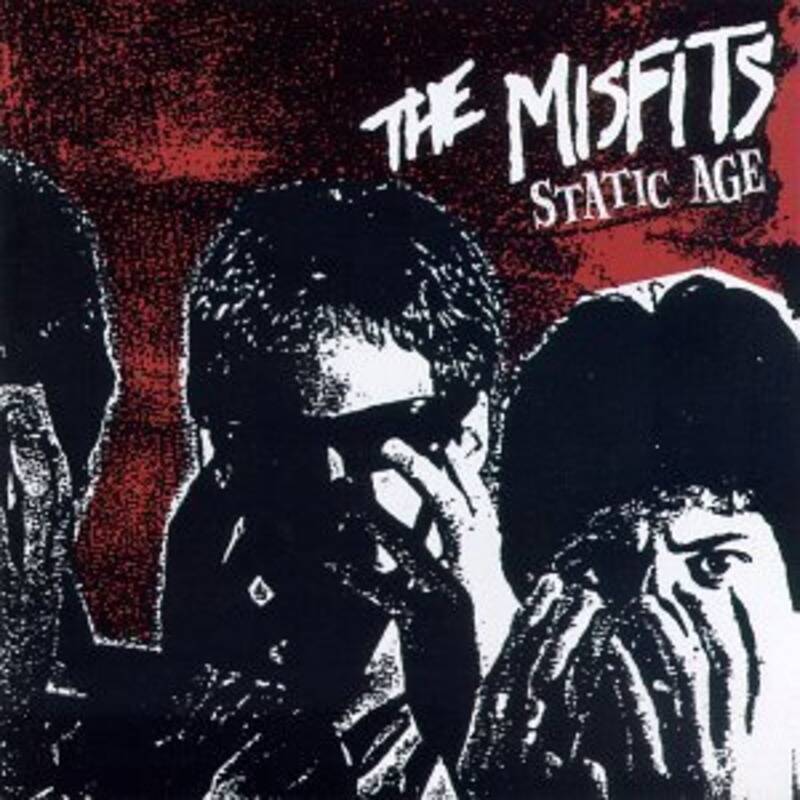
Static Age by The Misfits, recorded in 1978 but not fully released until 1996, is a cornerstone of horror punk. Its blend of raw punk energy and macabre themes has resonated with fans, establishing the Misfits as cult icons.
The album’s lo-fi production and catchy hooks have influenced a wide range of punk and metal bands. Static Age’s enduring appeal lies in its ability to capture the rebellious spirit of punk while embracing a theatrical, horror-inspired aesthetic.
Can’s Tago Mago: Krautrock’s Experimental Blueprint
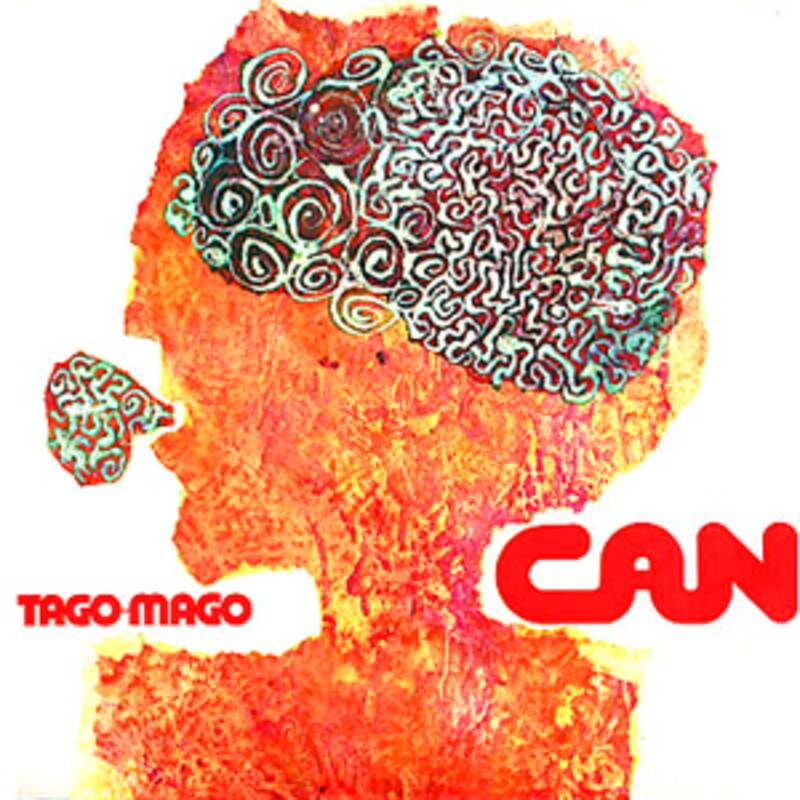
Can’s Tago Mago, released in 1971, is a pioneering work of the krautrock genre, known for its experimental soundscapes and innovative use of electronics. The album’s sprawling tracks and hypnotic rhythms have inspired countless musicians, from Radiohead to Sonic Youth.
Tago Mago’s influence extends beyond krautrock, impacting genres like post-punk and electronic music. Its status as a cult classic is a testament to its boundary-pushing creativity and lasting impact on the music world.
The Shaggs’ Philosophy of the World: Outsider Music’s Unlikely Hero
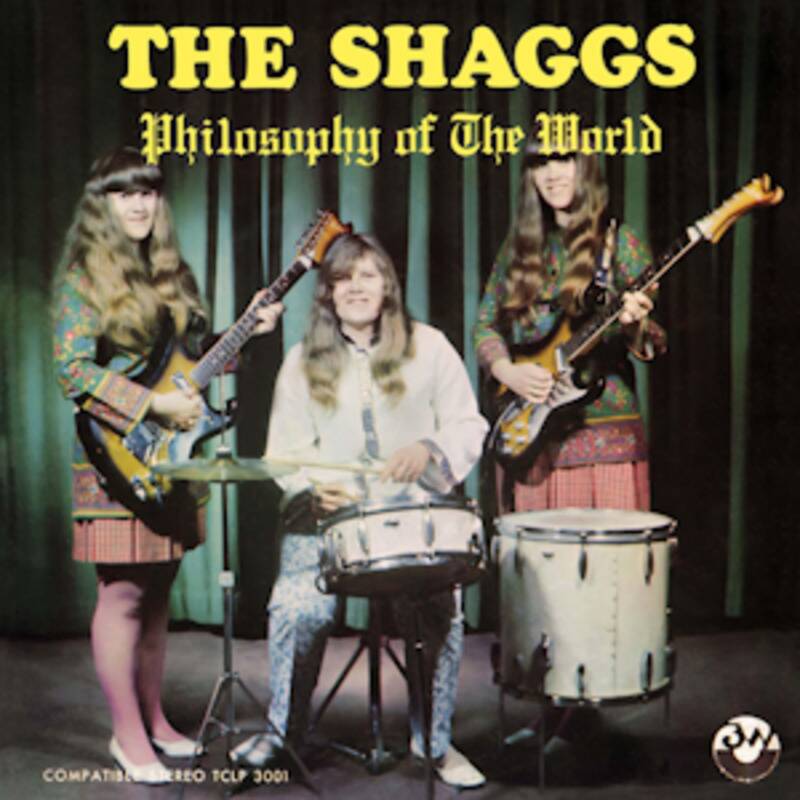
The Shaggs’ Philosophy of the World, released in 1969, is often cited as a quintessential example of outsider music. Its unpolished sound and unconventional songwriting have baffled listeners, yet it has gained a cult following for its raw authenticity.
The album’s charm lies in its earnestness and the unique perspective of the Wiggin sisters. Despite its initial obscurity, Philosophy of the World has influenced artists who embrace a DIY ethos and challenge traditional musical norms.
The Rebirth of Failure: How Streaming Resurrected Cult Classics

The advent of streaming services has played a significant role in resurrecting cult classic albums. Platforms like Spotify and Apple Music have made it easier for listeners to discover and share obscure gems.
This accessibility has allowed cult classics to reach new audiences, sometimes decades after their initial release. The digital age has democratized music discovery, giving overlooked albums a second chance to shine and proving that great art can transcend time and trends.
The Role of Fan Communities in Cult Classic Revival

Fan communities play a vital role in the revival and continued appreciation of cult classic albums. These passionate groups often organize events, create online forums, and share their love for these albums, helping to keep their legacy alive.
The sense of camaraderie and shared enthusiasm among fans can drive renewed interest and bring attention to overlooked works. By championing these albums, fan communities ensure that cult classics remain relevant and celebrated for generations to come.