20 Household items that disappeared over time
Remember the days when a home was filled with gadgets that now seem like relics of the past? It’s a nostalgic journey to revisit those household items that once were staples in our daily lives.
These objects not only served practical purposes but also carried a unique charm that modern technology sometimes lacks. Let’s take a trip down memory lane and explore these vanished items that once defined our homes.
Rotary Dial Telephones: The Original Home Communication Hub

Rotary dial telephones were the centerpiece of home communication, with their distinctive circular dials and satisfying clicks. Invented in the early 20th century, these phones required users to turn a numbered wheel to dial each digit of a phone number.
Despite their cumbersome nature, they were incredibly durable and could last for decades. The tactile experience of using a rotary phone is something that touchscreens today simply can’t replicate.
VCRs and VHS Tapes: Rewinding to Movie Nights of the Past
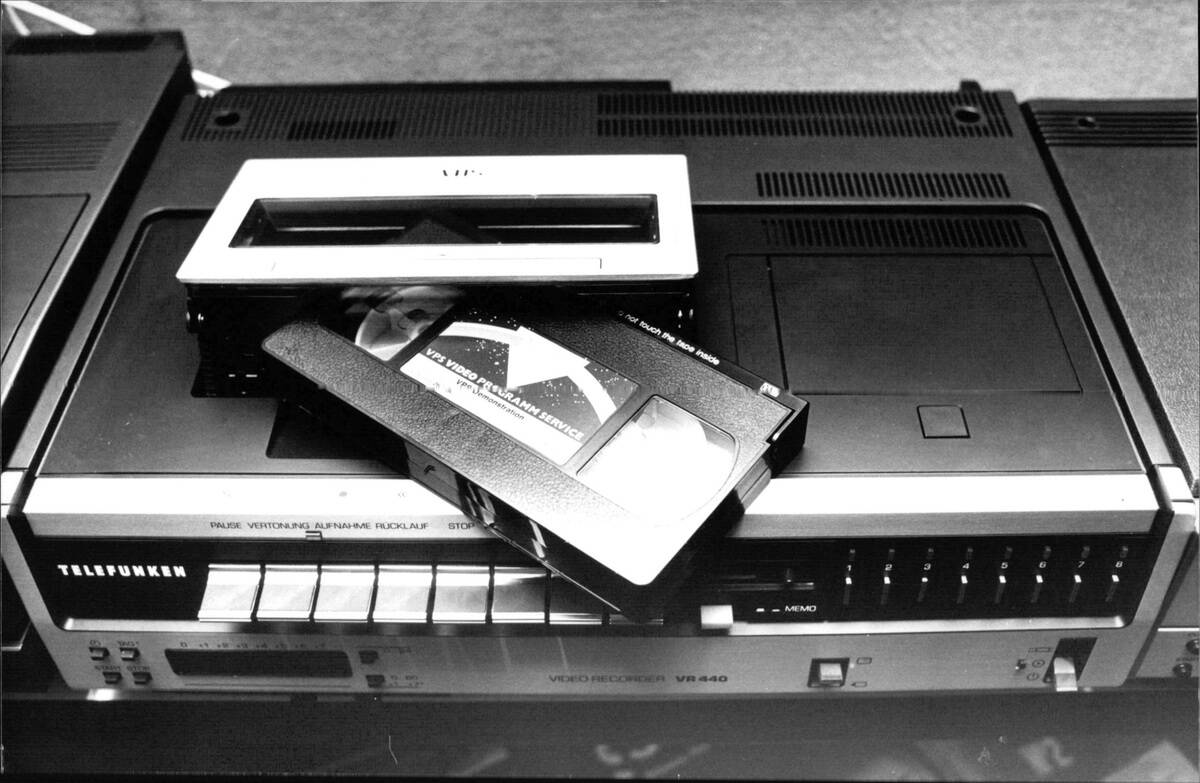
Before streaming services, VCRs and VHS tapes were the gateway to home entertainment. Introduced in the 1970s, VHS tapes allowed families to record and watch their favorite shows and movies at their convenience.
The iconic ‘be kind, rewind’ reminder was a staple of video rental stores. Despite their bulky size, these tapes were a beloved part of family movie nights, offering a tangible connection to the films we loved.
Cassette Players and Tapes: The Soundtrack of Yesteryears
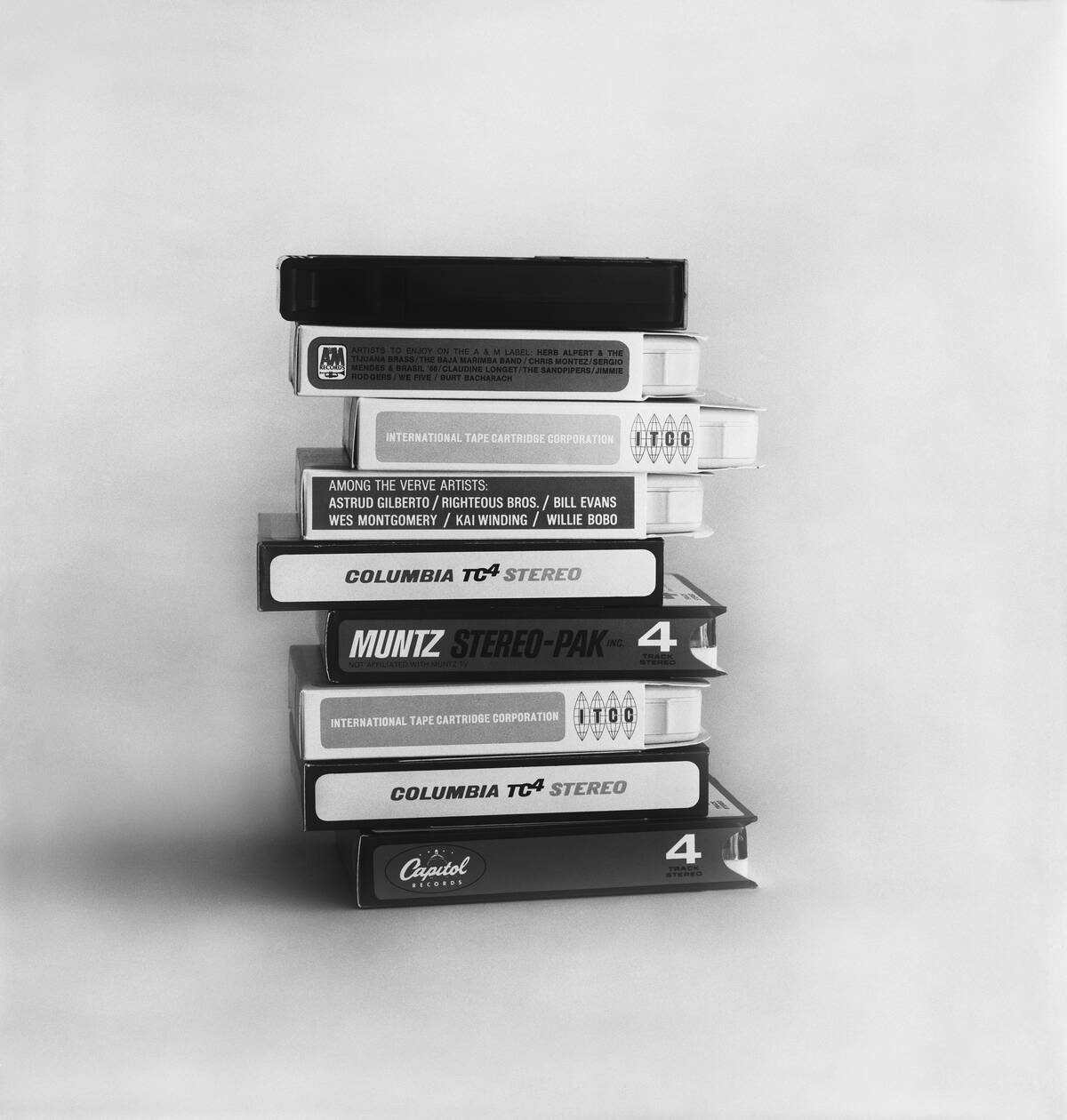
Cassette players and tapes brought music into our lives in a portable and personal way. First introduced in the 1960s, they allowed us to create mixtapes and share our favorite tunes with friends.
The satisfying click of inserting a tape and the anticipation of waiting for a favorite song to play are memories that many hold dear. Although they were eventually replaced by CDs and digital music, cassettes still hold a special place in music history.
Encyclopedias: The Pre-Internet Knowledge Vault
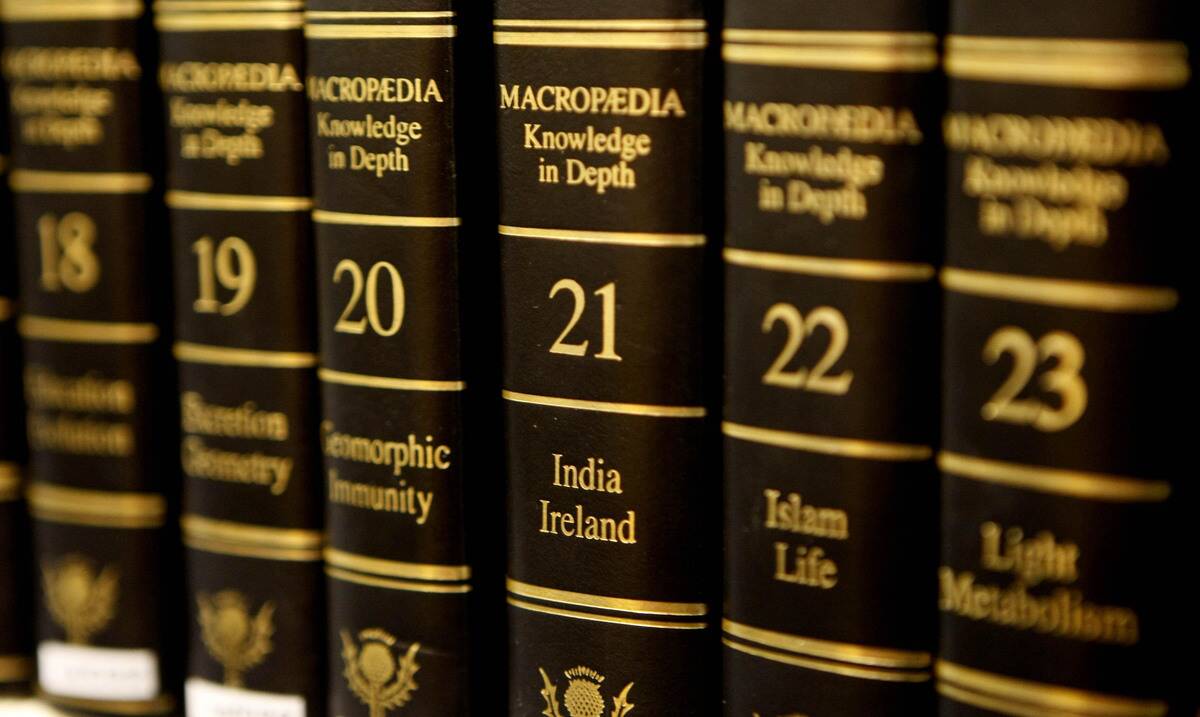
Encyclopedias were once the go-to source for information before the internet took over. These hefty volumes covered a wide range of topics, providing detailed articles and illustrations.
Families often invested in complete sets, which occupied significant shelf space in living rooms and studies. While they may seem outdated now, encyclopedias represented a commitment to learning and curiosity, serving as a tangible testament to the pursuit of knowledge.
Film Cameras: Capturing Memories Before the Digital Age
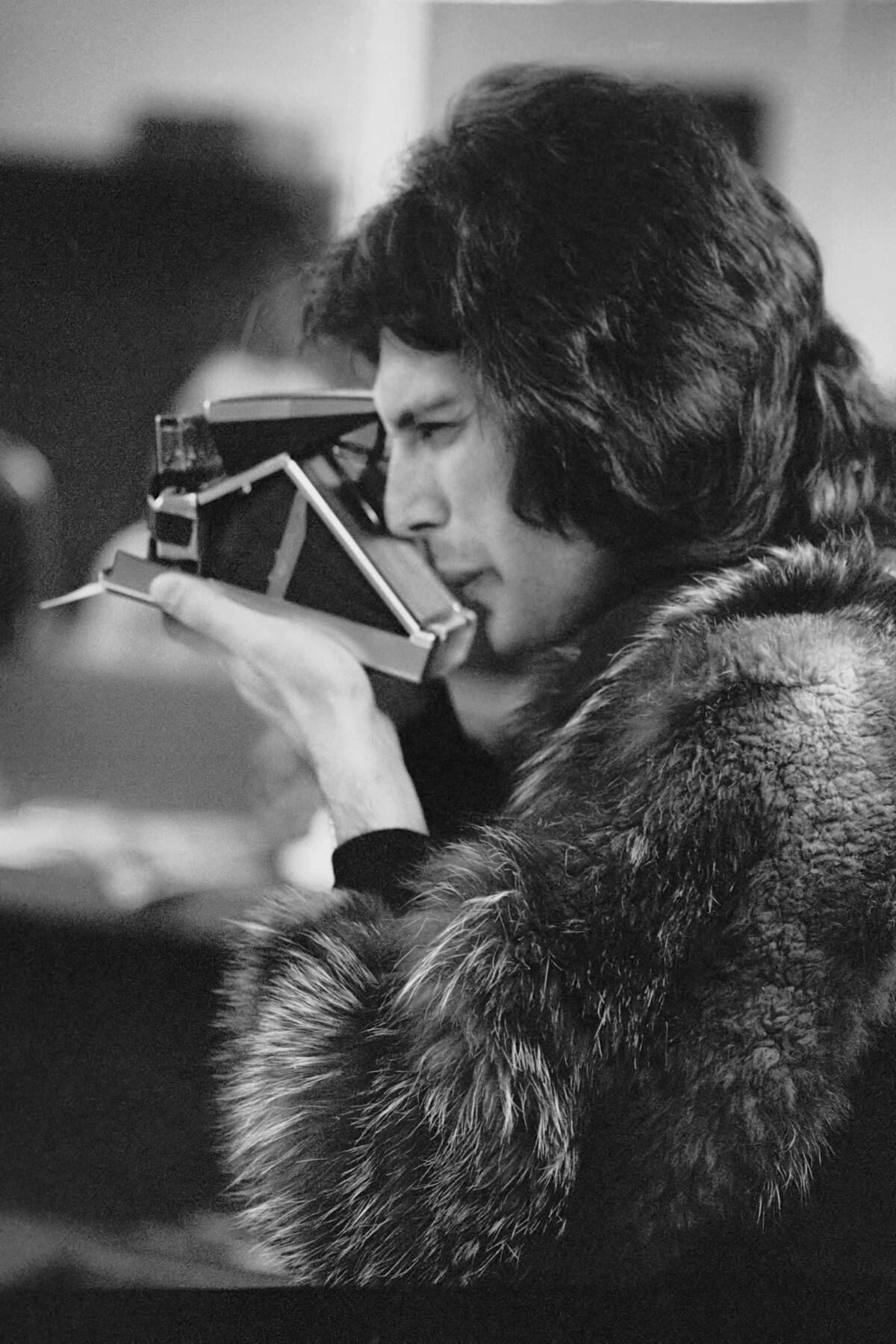
Film cameras were the tools of choice for capturing life’s precious moments before digital cameras became ubiquitous. From the iconic Polaroid to the classic 35mm, these cameras required skill and patience, as each shot counted.
The excitement of developing film and the anticipation of seeing photos for the first time added a magical element to photography. Film cameras taught us the value of capturing the perfect moment with care and intention.
Typewriters: The Click-Clack of Classic Correspondence
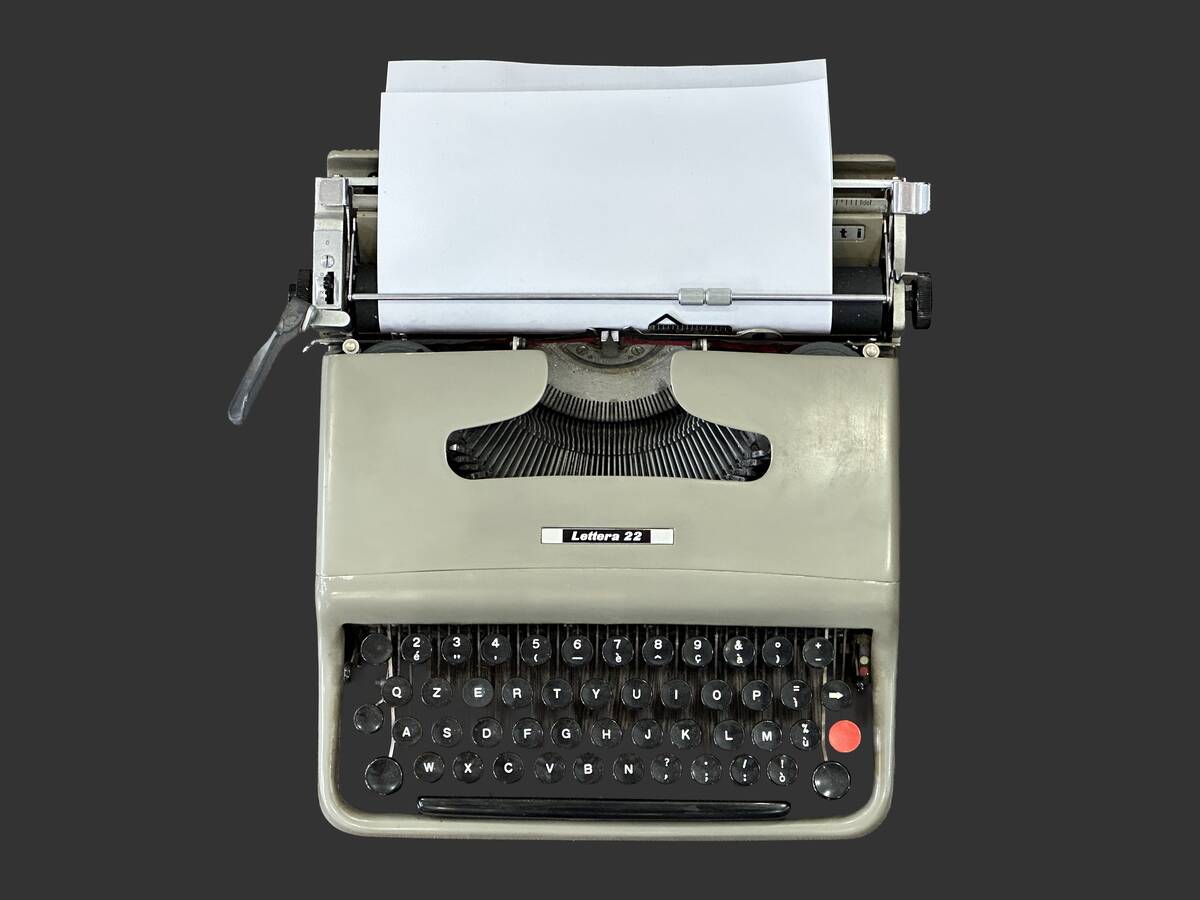
Typewriters were the quintessential writing tool for authors, journalists, and office workers alike. Known for their distinctive click-clack sound, typewriters required a certain finesse and accuracy to operate.
The tactile feedback of each keystroke and the satisfying ding of reaching the end of a line made typing a unique experience. While computers have replaced them in most settings, typewriters remain a symbol of classic correspondence and creativity.
Rolodexes: The Analog Contact List

Before digital contact lists, the Rolodex was the ultimate tool for organizing personal and professional connections. Featuring a rotating wheel of index cards, it allowed users to flip through contacts quickly.
Introduced in the 1950s, the Rolodex became a staple on office desks, symbolizing networking and business acumen. Despite its simplicity, it was an efficient way to manage contacts and is still fondly remembered by those who used it.
Cathode Ray Tube (CRT) Televisions: The Bulky Entertainment Center
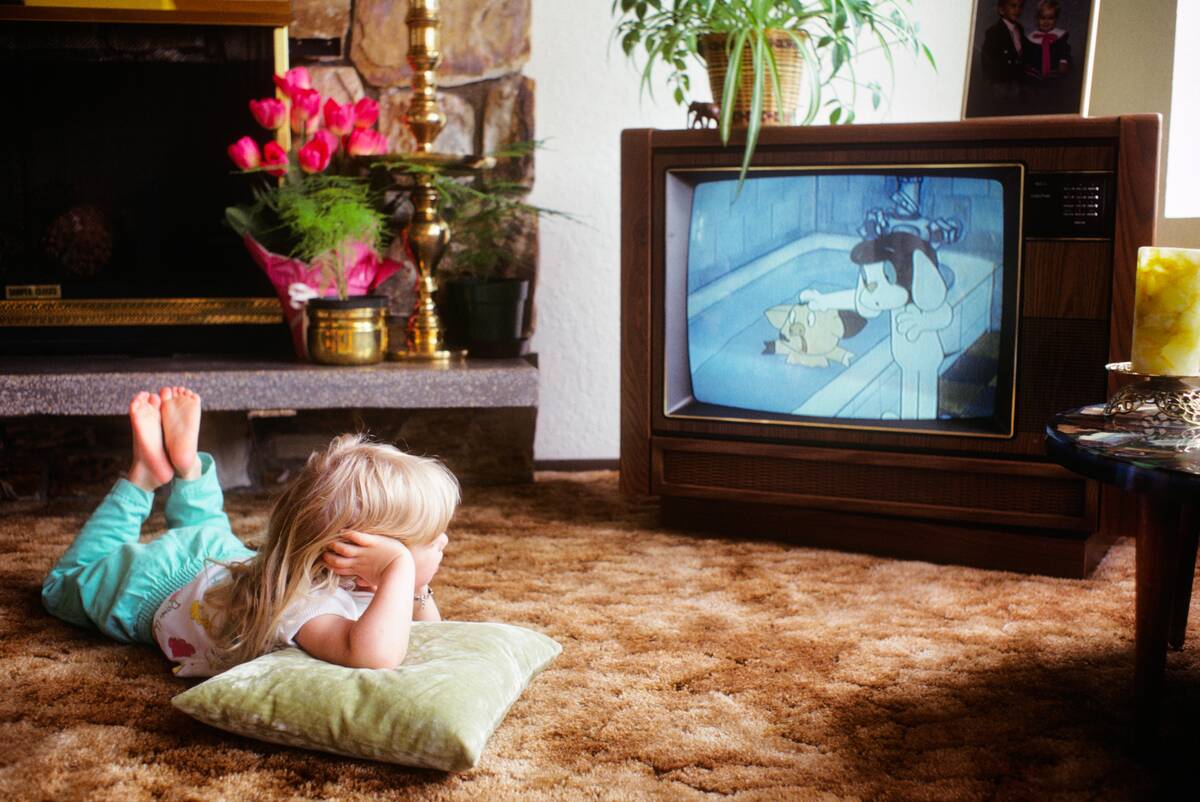
CRT televisions were once the centerpiece of home entertainment, with their bulky frames and curved screens. These TVs dominated living rooms from the mid-20th century until the early 2000s.
Known for their deep color and contrast, CRTs provided a viewing experience that was unmatched at the time. Despite their size and weight, they were a beloved part of family gatherings and TV marathons, offering a window into the world of entertainment.
Floppy Disks: The Early Days of Digital Storage
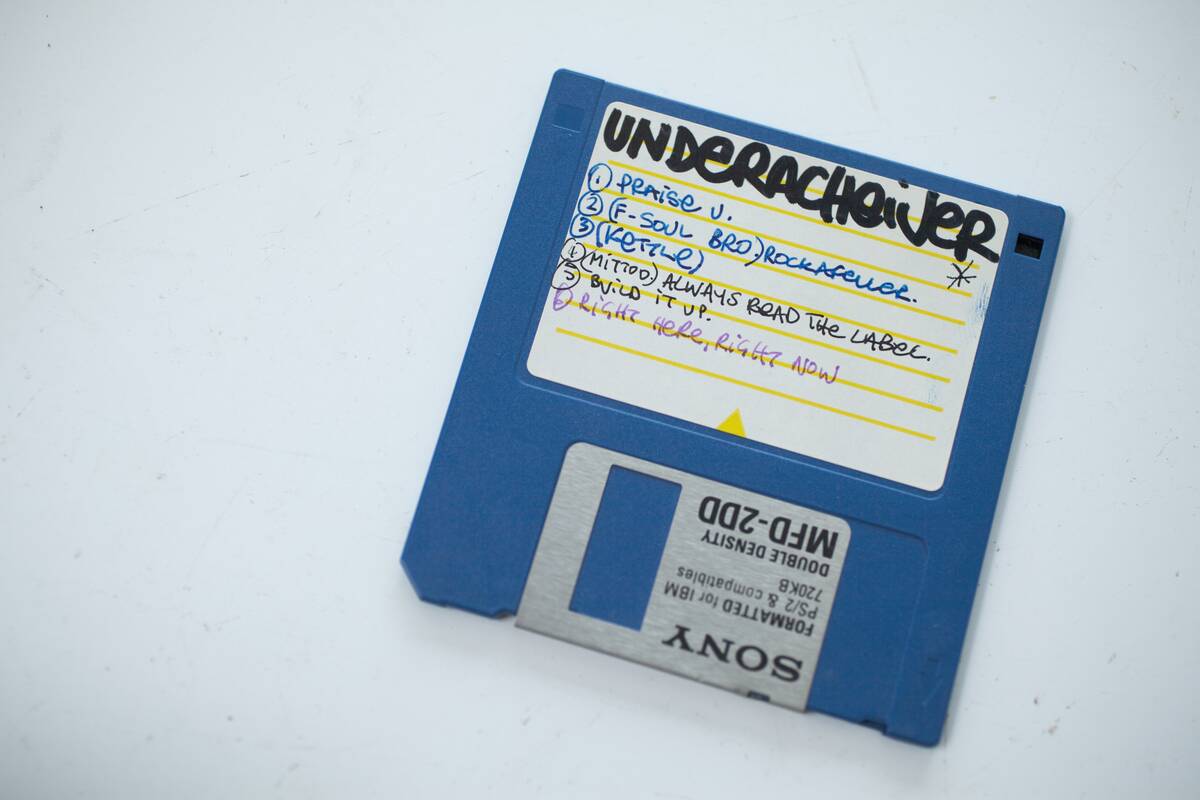
Floppy disks were the pioneers of digital storage, offering a portable way to save and transfer data. First introduced in the 1970s, these disks came in various sizes, with the 3.5-inch version becoming the most popular.
With a storage capacity of just 1.44 MB, they seem minuscule by today’s standards. Despite their limitations, floppy disks were a crucial step in the evolution of personal computing, paving the way for modern storage solutions.
Fax Machines: The Original Instant Document Senders
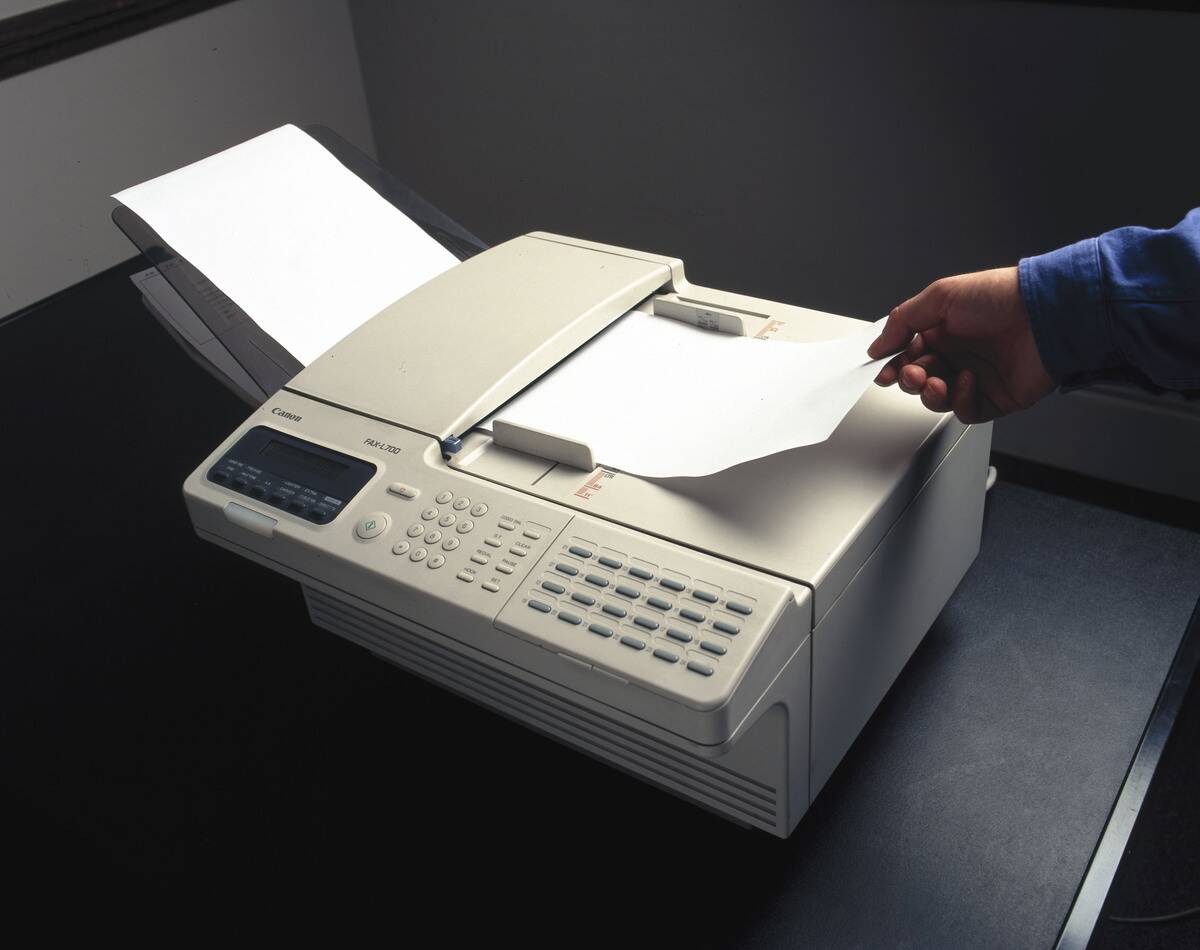
Fax machines revolutionized the way documents were sent and received, providing a fast alternative to postal mail. First patented in 1843, fax technology became widely used in the 1980s and 1990s.
By scanning and transmitting documents over phone lines, fax machines allowed for near-instantaneous communication. Though largely replaced by email and digital communication, fax machines remain a testament to the ingenuity of early document sharing.
Landline Phones: The Fixed Line of Communication
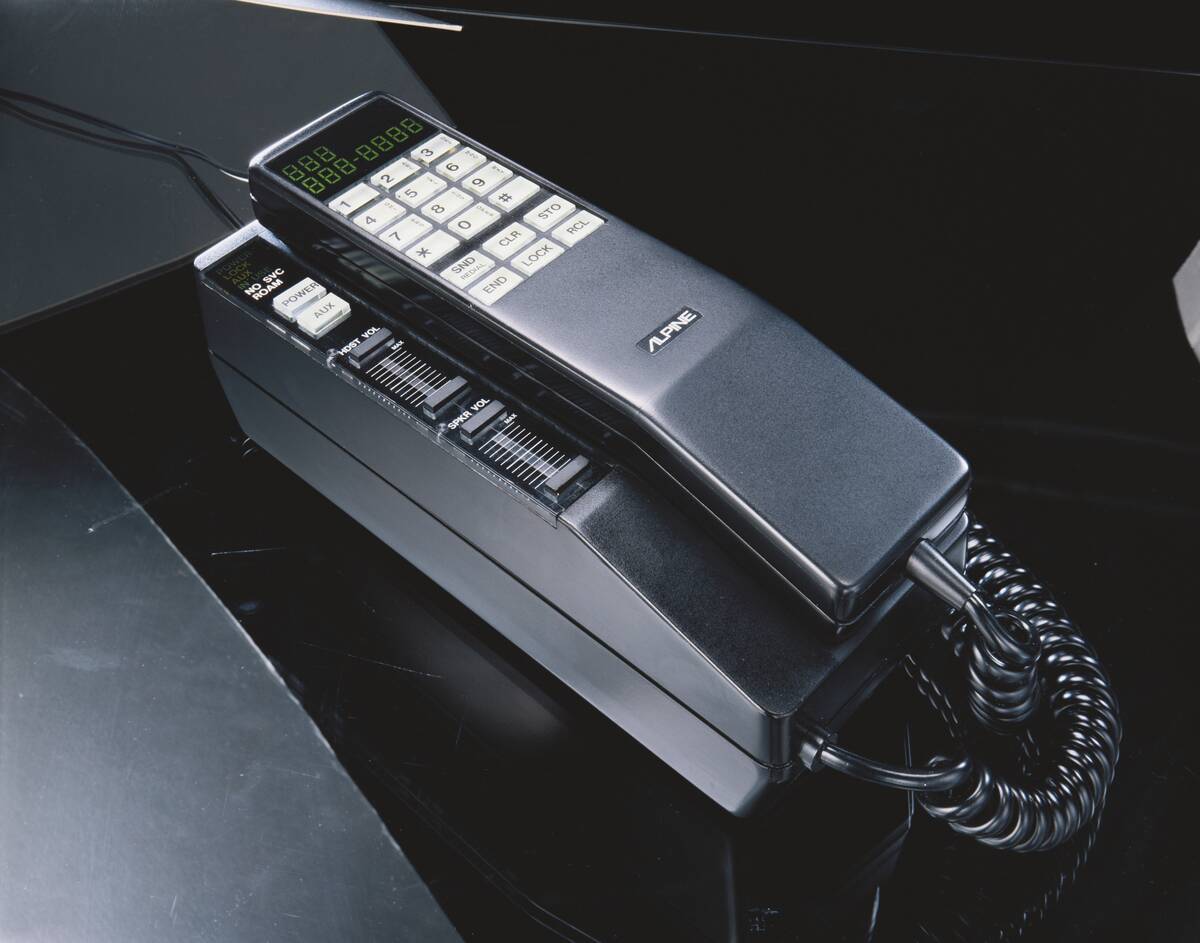
Landline phones were once the primary means of voice communication, connecting homes and businesses across the globe. With their reliable connections and clear sound quality, landlines were essential for staying in touch.
The introduction of cordless models in the 1980s offered newfound mobility within the home. Despite the rise of mobile phones, landlines continue to be used in many households, offering a dependable link to the past.
Transistor Radios: Portable Tunes Before Streaming
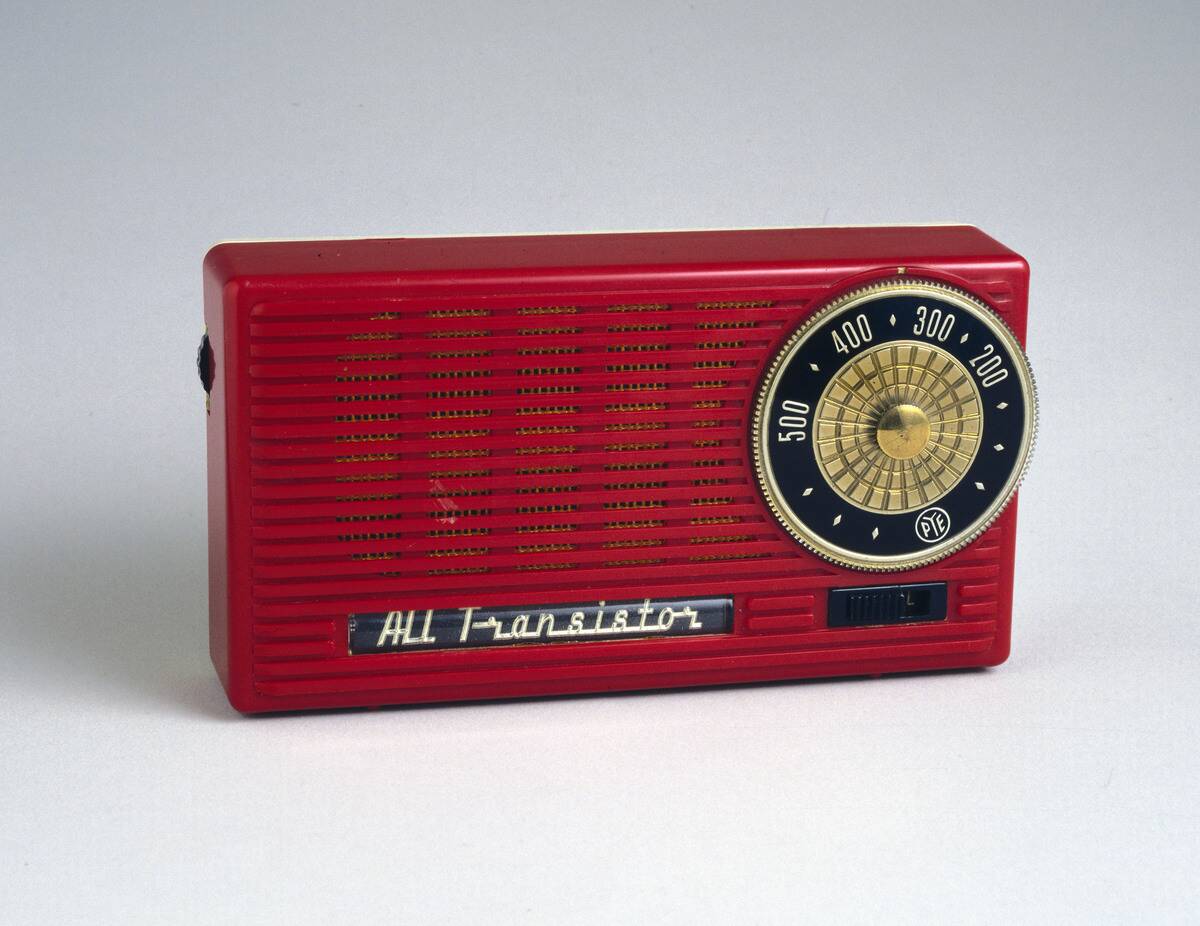
Transistor radios brought music and news into our lives in a compact and portable form. First introduced in the 1950s, these radios used transistors to amplify sound, making them smaller and more energy-efficient than their predecessors.
They became a symbol of teenage rebellion and freedom, allowing users to listen to their favorite stations on the go. Even in the age of streaming, transistor radios hold a nostalgic charm for those who grew up with them.
Record Players: Spinning Vinyl Before It Was Cool Again
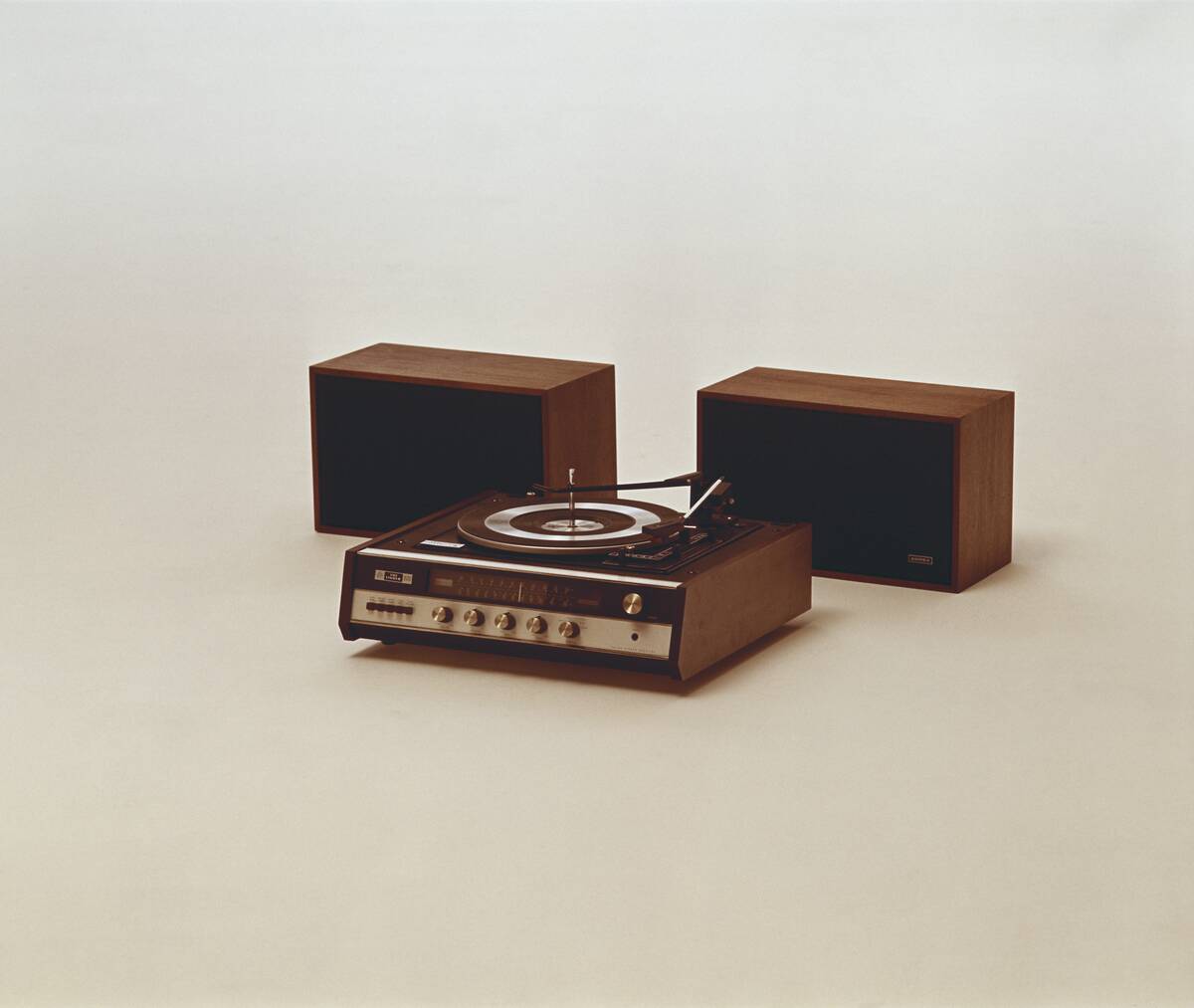
Record players, or turntables, were the go-to devices for music lovers before the digital era. These players offered a rich, warm sound that many audiophiles still prefer today. Vinyl records, with their large artwork and liner notes, provided a tactile and immersive music experience.
The resurgence of vinyl in recent years is a testament to the enduring appeal of record players, as they continue to captivate new generations of listeners.
Manual Coffee Grinders: Brewing Before the Electric Age
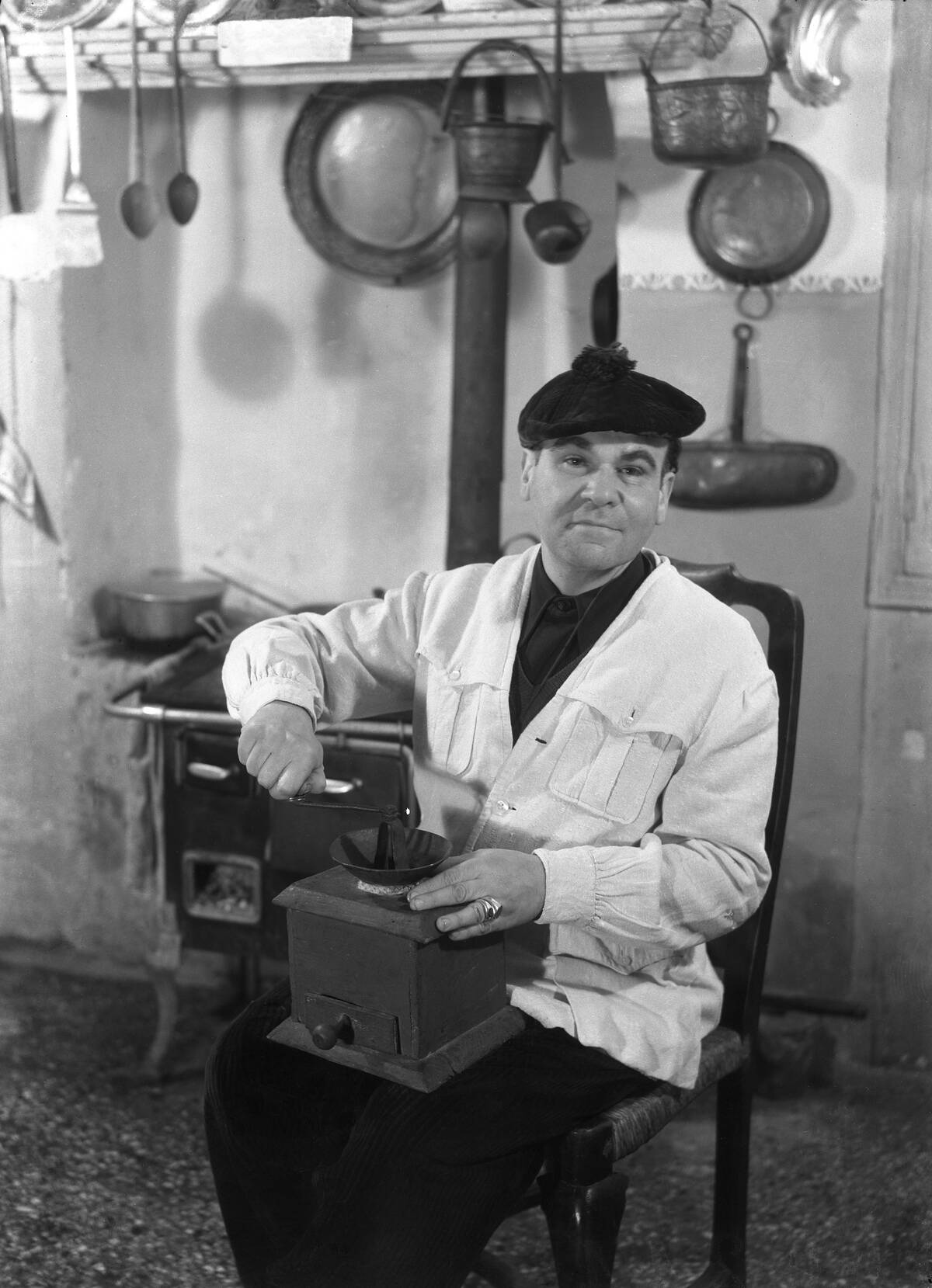
Manual coffee grinders were the tools of choice for coffee enthusiasts before electric grinders became commonplace. These hand-cranked devices allowed users to control the coarseness of their grind, resulting in a personalized brewing experience.
The ritual of grinding beans by hand added a meditative quality to the morning routine. While electric grinders offer convenience, manual grinders remain a beloved option for those who appreciate the art of coffee making.
Sewing Machines: Stitching Stories of Home Crafting
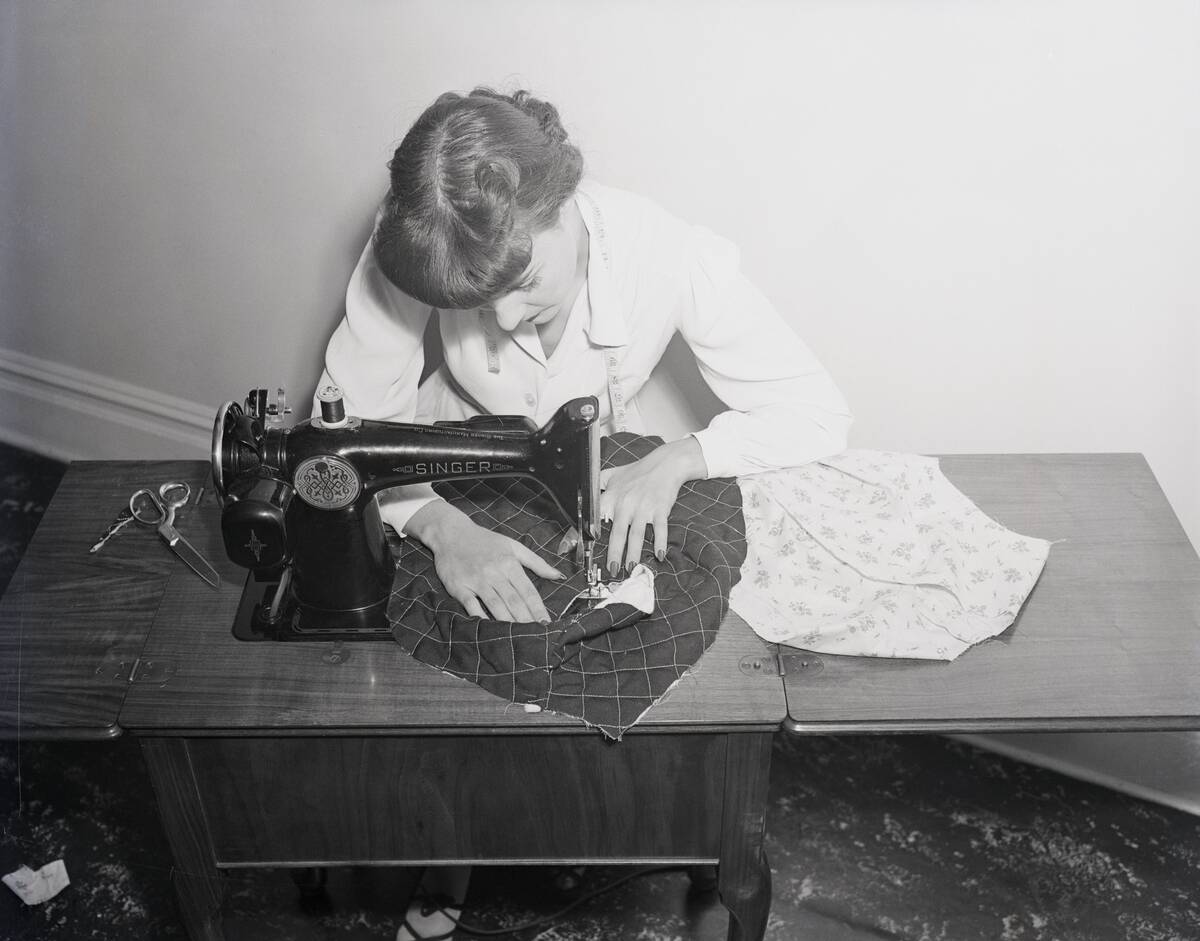
Sewing machines have long been a staple in homes, enabling creativity and self-sufficiency. Invented in the early 19th century, these machines revolutionized garment production and home crafting.
From mending clothes to creating custom designs, sewing machines empowered individuals to express their style. While the rise of fast fashion has changed the landscape, sewing machines continue to be cherished by hobbyists and professionals alike, preserving the art of stitching.
Compact Discs (CDs): The Shiny Discs of Digital Music
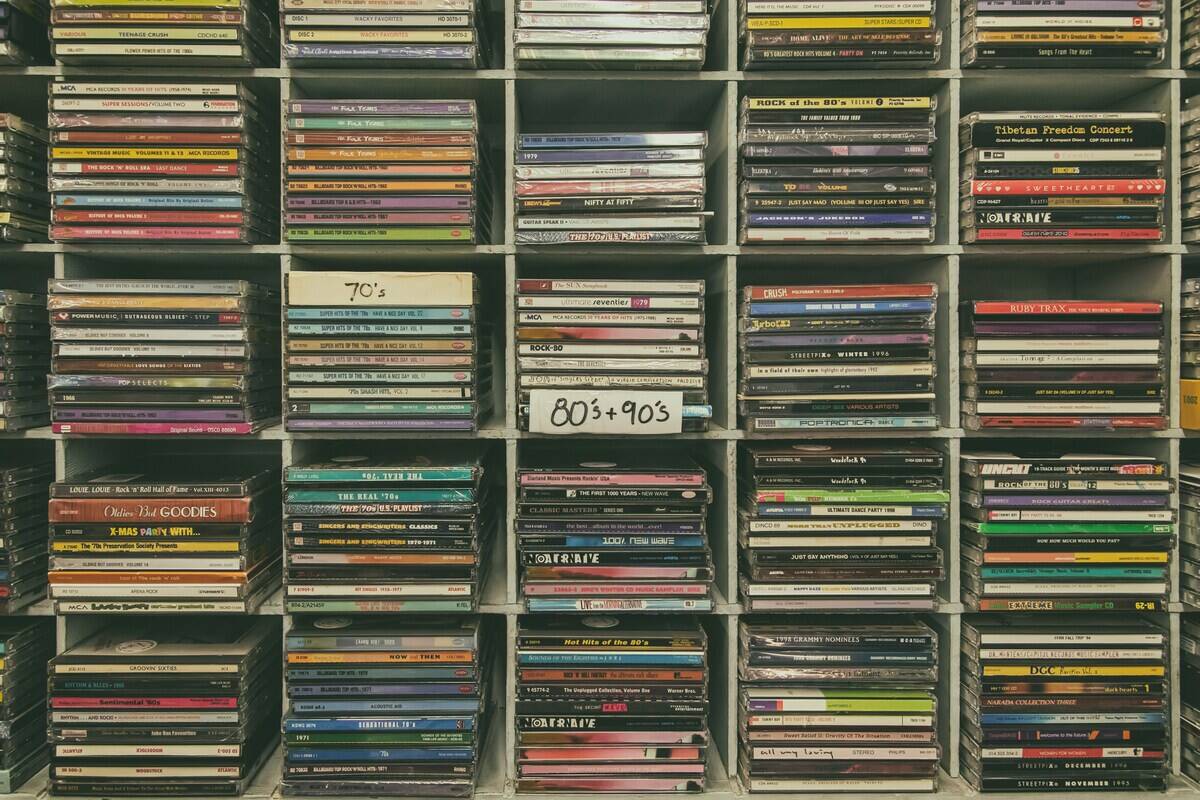
Compact discs, or CDs, were a revolutionary step in the digital music era, offering high-quality sound in a portable format. Introduced in the 1980s, CDs quickly became the preferred medium for music distribution, replacing vinyl and cassette tapes.
With their shiny surfaces and durable cases, CDs provided a reliable way to enjoy music without the hiss of tapes or the pops of vinyl. Though digital downloads and streaming have taken over, CDs remain a nostalgic symbol of the digital music revolution.
Answering Machines: The Original Voicemail
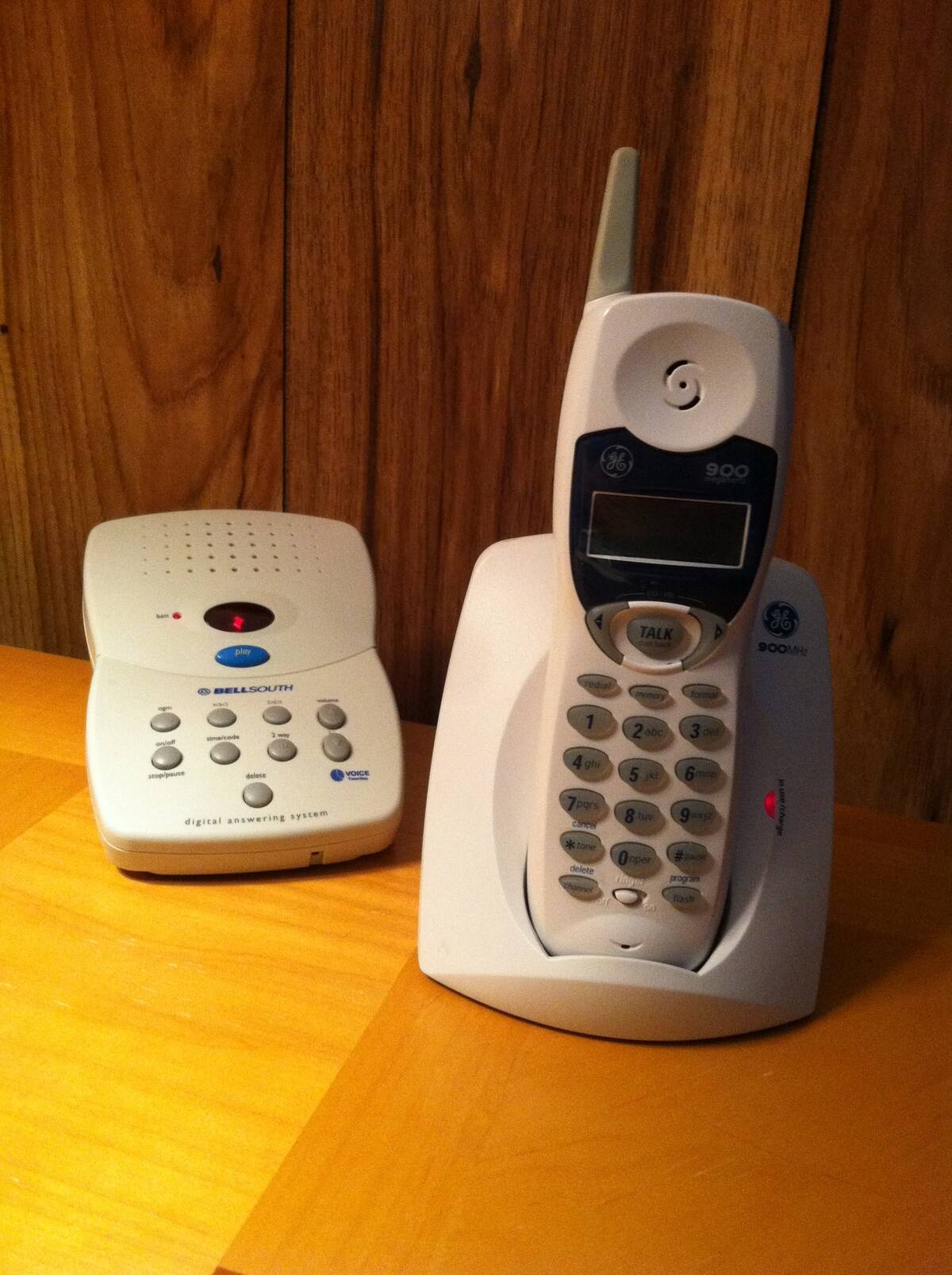
Answering machines were the precursor to voicemail, allowing people to leave messages when no one was available to take a call. First introduced in the 1960s, these devices used cassette tapes to record messages, providing a tangible way to catch up on missed calls.
The blinking light indicating new messages became a familiar sight in homes and offices. While voicemail has largely replaced them, answering machines were a crucial step in the evolution of communication technology.
Film Projectors: Home Cinemas of the Past
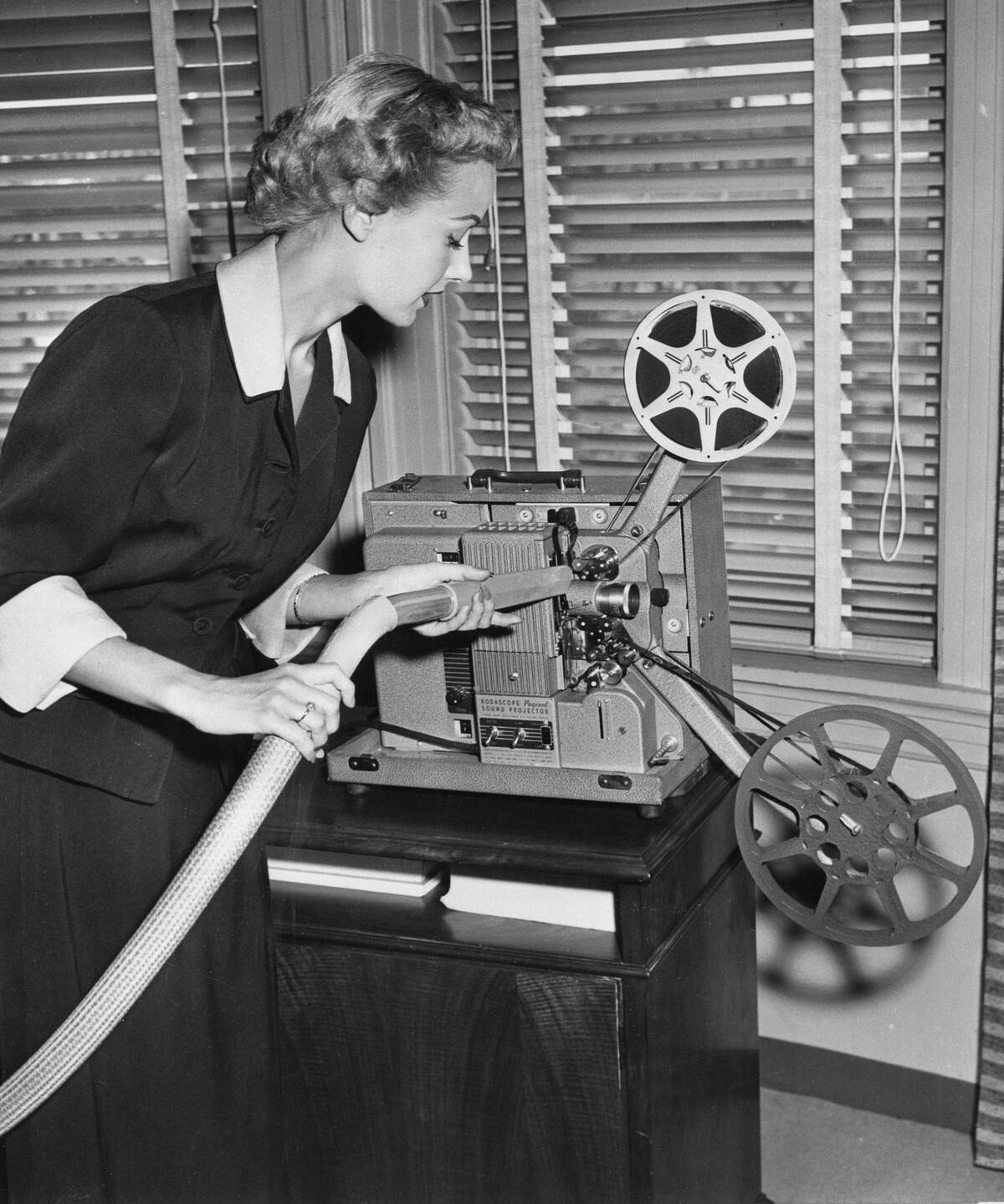
Film projectors brought the magic of cinema into homes, allowing families to watch movies on the big screen. These devices used reels of film to project images onto a screen, creating an immersive viewing experience.
From home movies to Hollywood classics, film projectors were a cherished part of family entertainment. Despite being replaced by digital projectors and home theaters, they remain a nostalgic reminder of the golden age of cinema.
Carbon Paper: The Copying Tool of Office and Home
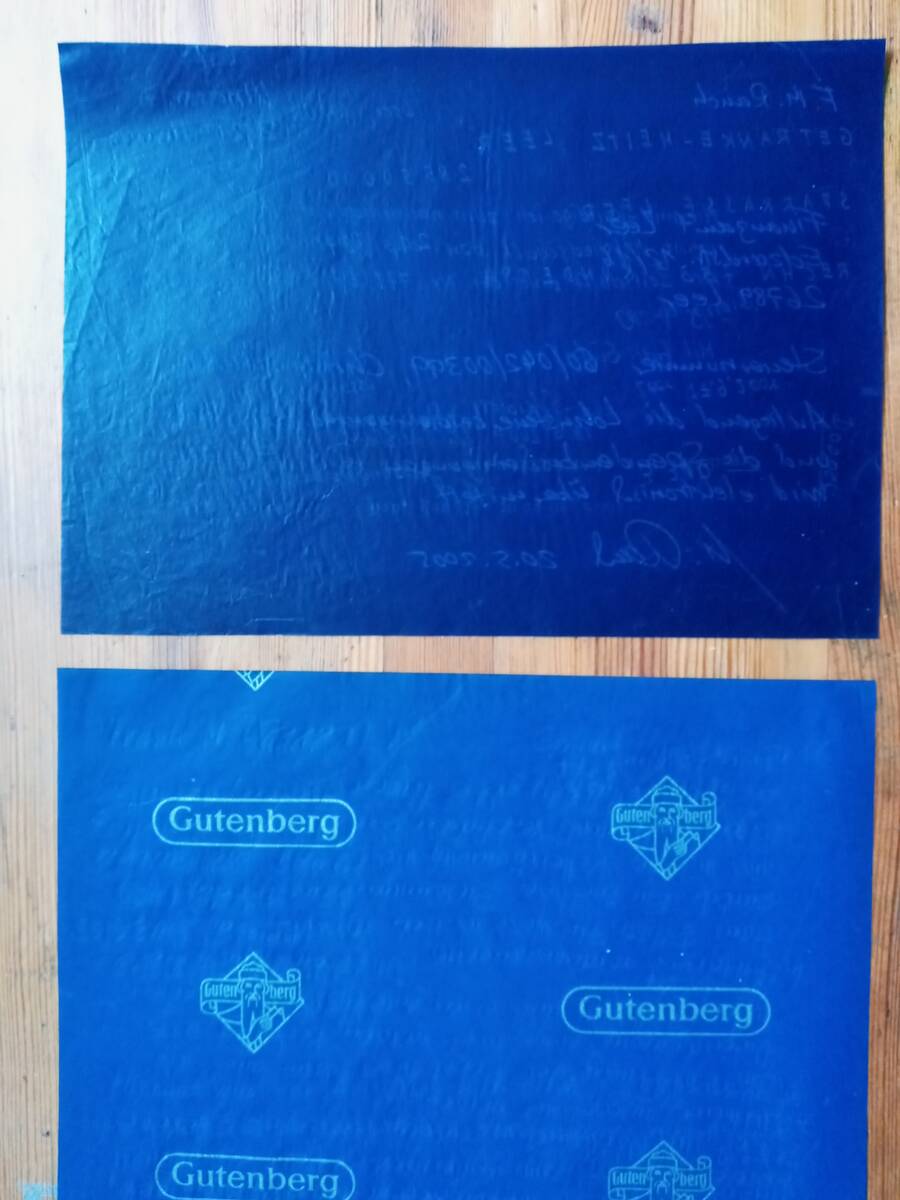
Carbon paper was a simple yet effective tool for creating duplicates of handwritten or typed documents. By placing a sheet of carbon paper between two sheets of paper, users could produce a copy as they wrote or typed.
Widely used in offices and homes, carbon paper was an essential tool for record-keeping and correspondence. Though largely replaced by photocopiers and digital technology, it remains a symbol of the ingenuity of pre-digital copying methods.
Slide Projectors: Family Photo Nights on the Big Screen
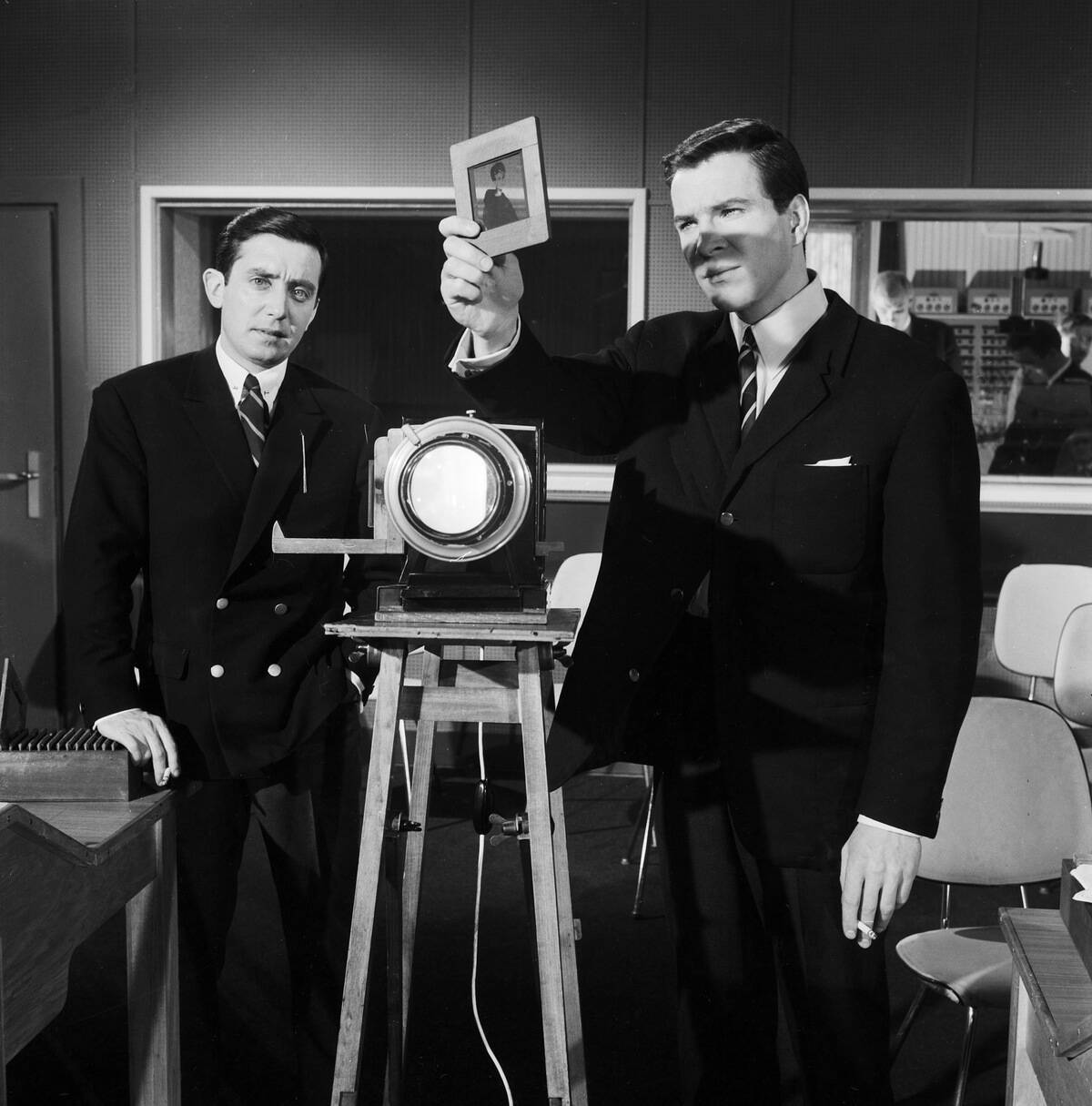
Slide projectors were the go-to devices for sharing family photos and vacation memories on the big screen. These projectors used small, transparent slides to display images, creating a communal viewing experience.
Family photo nights often involved gathering around the projector, reliving cherished moments with loved ones. While digital photo frames and online albums have taken over, slide projectors remain a nostalgic reminder of the joy of sharing memories in a tangible way.