14 Wars that began over minor conflicts
History is filled with grand battles, but sometimes the most peculiar conflicts arise from the tiniest sparks. These quirky quarrels often start over seemingly insignificant issues, yet they escalate into full-blown confrontations.
From severed ears to stray dogs, these disputes remind us that even the smallest incidents can have far-reaching consequences. So, buckle up as we delve into tales of wars fought over pigs, pastries, and even a wooden bucket!
The War of Jenkins’ Ear: A Tale of Severed Appendages

In 1739, a severed ear became the unlikely catalyst for war between Britain and Spain. The conflict erupted when British captain Robert Jenkins presented his ear, allegedly cut off by Spanish coast guards, to the British Parliament.
This gory exhibit stirred national outrage, leading to a conflict that lasted until 1748. While the war had broader economic and territorial motivations, Jenkins’ ear remains its most memorable symbol.
The Pig War: How a Stray Hog Almost Changed Borders
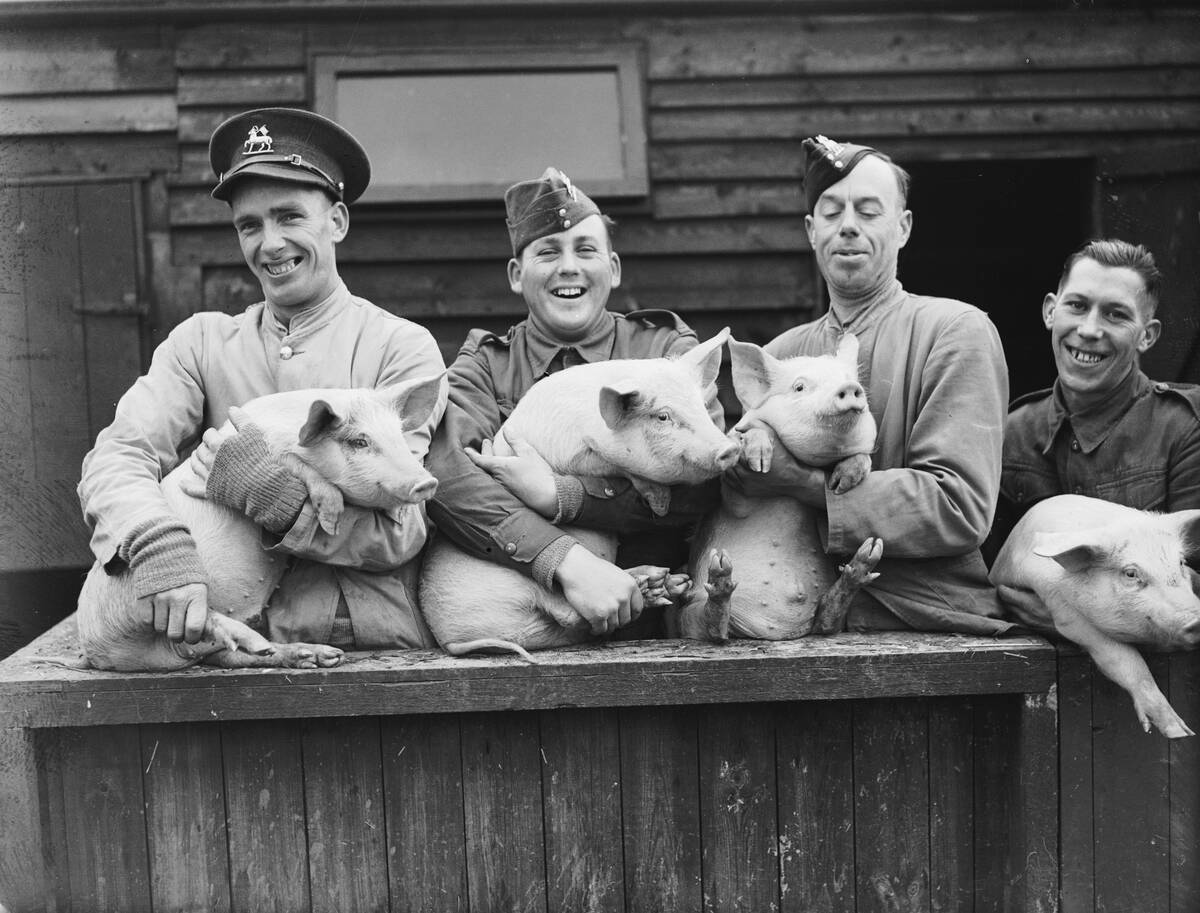
In 1859, a pig’s ill-fated decision to wander into an American farmer’s potato patch on San Juan Island nearly sparked a war between the United States and Britain. The incident led to a tense standoff, with both nations deploying troops to the island.
Fortunately, cooler heads prevailed, and the only casualty remained the unfortunate pig. The peaceful resolution eventually led to the island becoming part of the U.S.
The Football War: When Soccer Scores Led to Skirmishes

The Football War of 1969 was a brief conflict between El Salvador and Honduras, triggered by a series of heated World Cup qualifying matches. Tensions between the two countries were already high due to immigration issues, and the matches acted as a spark.
The war lasted only 100 hours but resulted in significant casualties and highlighted the volatile mix of sports and politics.
The Pastry War: A Confectioner’s Complaint Turns Combative

In 1838, a French pastry chef in Mexico claimed his shop was looted by Mexican officers, demanding compensation. When Mexico refused, France seized the opportunity to demand payment for other claims as well.
This led to the Pastry War, where French forces blockaded Mexican ports. The conflict ended with Mexico agreeing to pay 600,000 pesos, a hefty price for a pastry-related dispute.
The Bucket War: A Wooden Bucket Sparks a Battle

The War of the Bucket, fought between Modena and Bologna in 1325, began over a stolen wooden bucket. Modenese soldiers took the bucket from a Bolognese well, igniting a fierce battle.
Despite the seemingly trivial cause, the conflict resulted in significant casualties. Modena emerged victorious, and the bucket remains a symbol of their triumph, displayed in the Torre della Ghirlandina.
The War of the Stray Dog: A Canine Incident with Consequences
In 1925, a Greek soldier’s pursuit of his stray dog across the Bulgarian border led to the War of the Stray Dog. The incident escalated quickly, resulting in Greek troops invading Bulgaria.
The League of Nations intervened, demanding a ceasefire and compensation from Greece. This odd conflict illustrates how even a dog’s misadventure can lead to international tensions.
The Toledo War: A Border Dispute Over a Sliver of Land
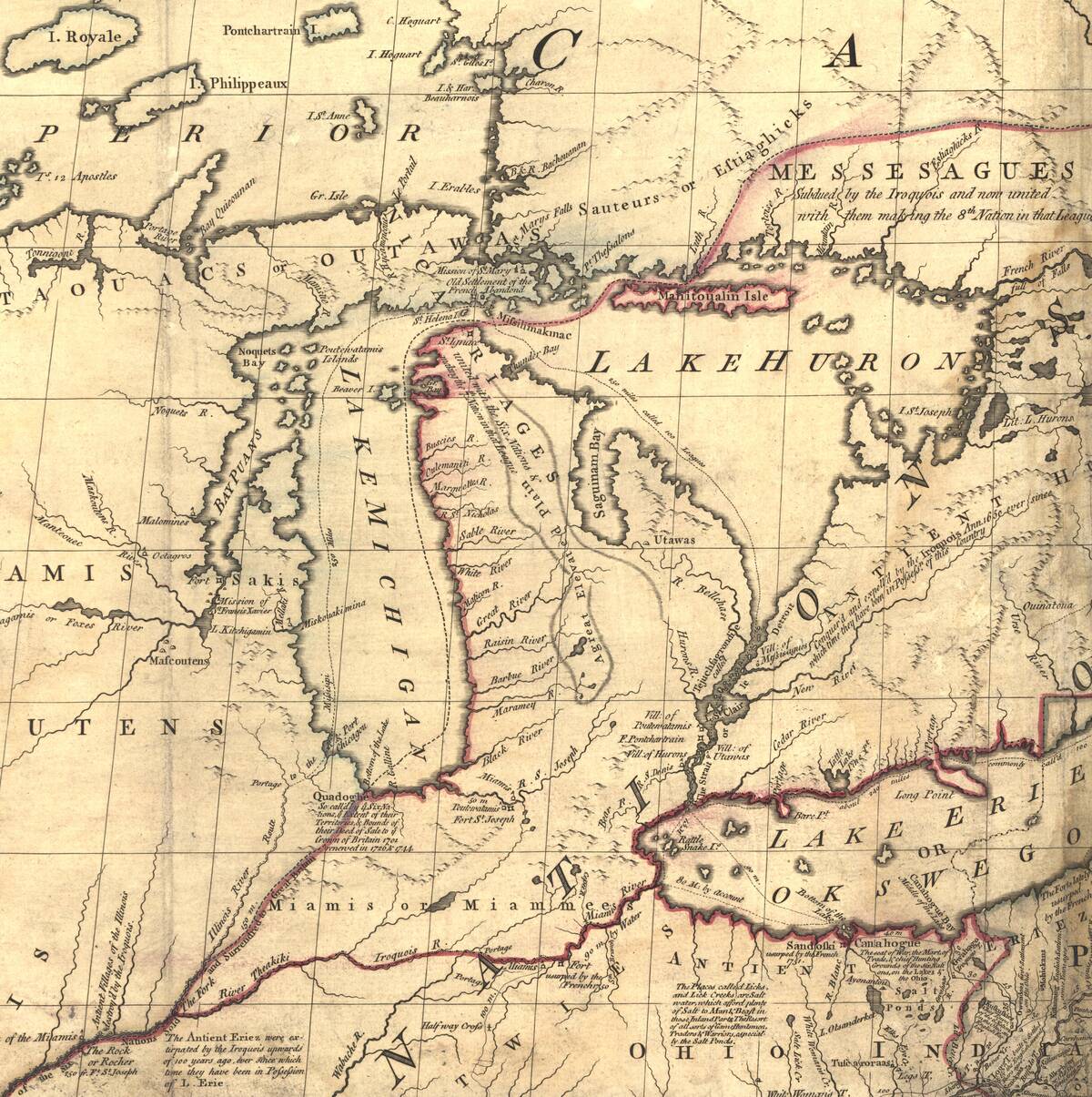
The Toledo War of 1835 was a boundary dispute between Ohio and the Michigan Territory over a strip of land known as the Toledo Strip. Both sides mobilized militias, but the conflict remained bloodless.
Eventually, the U.S. Congress intervened, granting the disputed land to Ohio while compensating Michigan with the Upper Peninsula. The resolution paved the way for Michigan’s statehood.
The Cod Wars: Fishy Business Between Nations
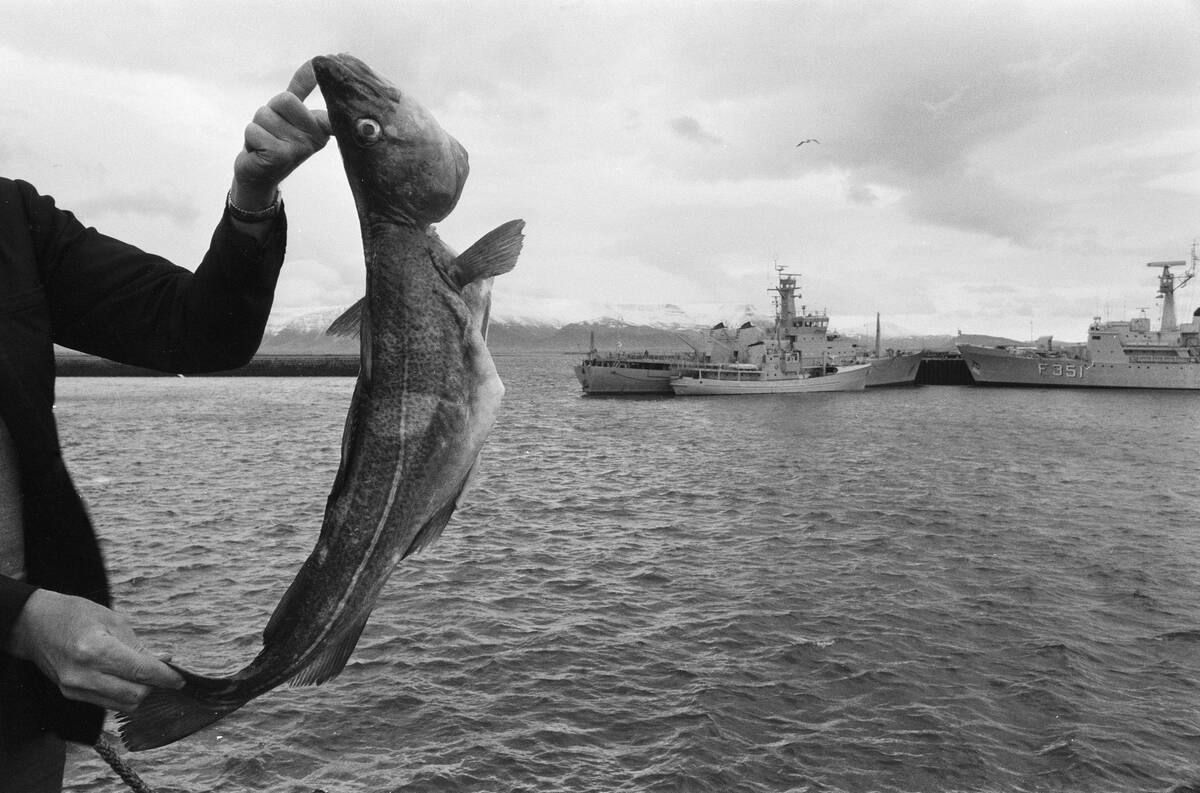
The Cod Wars were a series of confrontations between the United Kingdom and Iceland over fishing rights in the North Atlantic. Spanning from the 1950s to the 1970s, these disputes arose as Iceland extended its territorial waters, impacting British fishing fleets.
The conflicts, marked by naval skirmishes, ultimately led to Iceland’s victory and the expansion of its exclusive fishing zone.
The Emu War: When Birds Became the Enemy
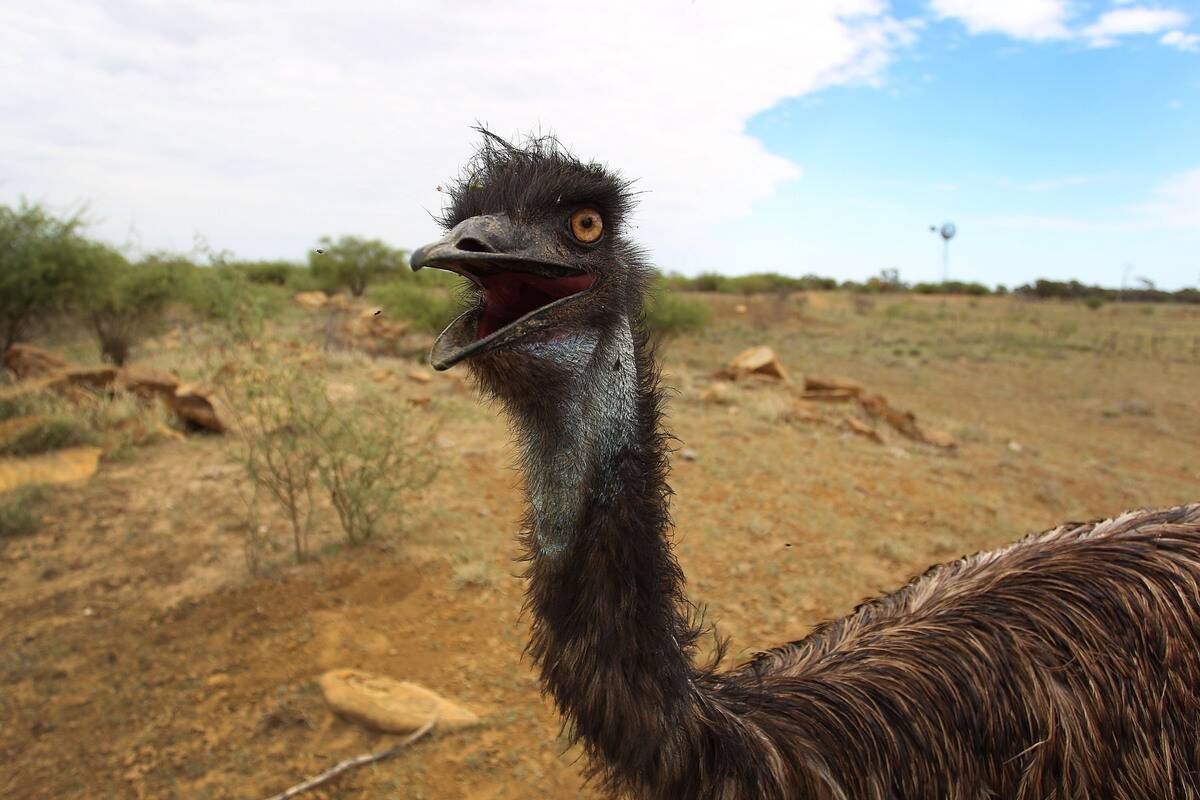
Australia’s Emu War of 1932 was an unusual military operation against flightless birds. Farmers in Western Australia, struggling with emu invasions of their crops, sought military assistance.
Armed soldiers attempted to curb the emu population, but the birds proved elusive. The operation ended in failure, with the emus emerging victorious, leaving a quirky chapter in military history.
The Aroostook War: A Logging Dispute in the Wilderness
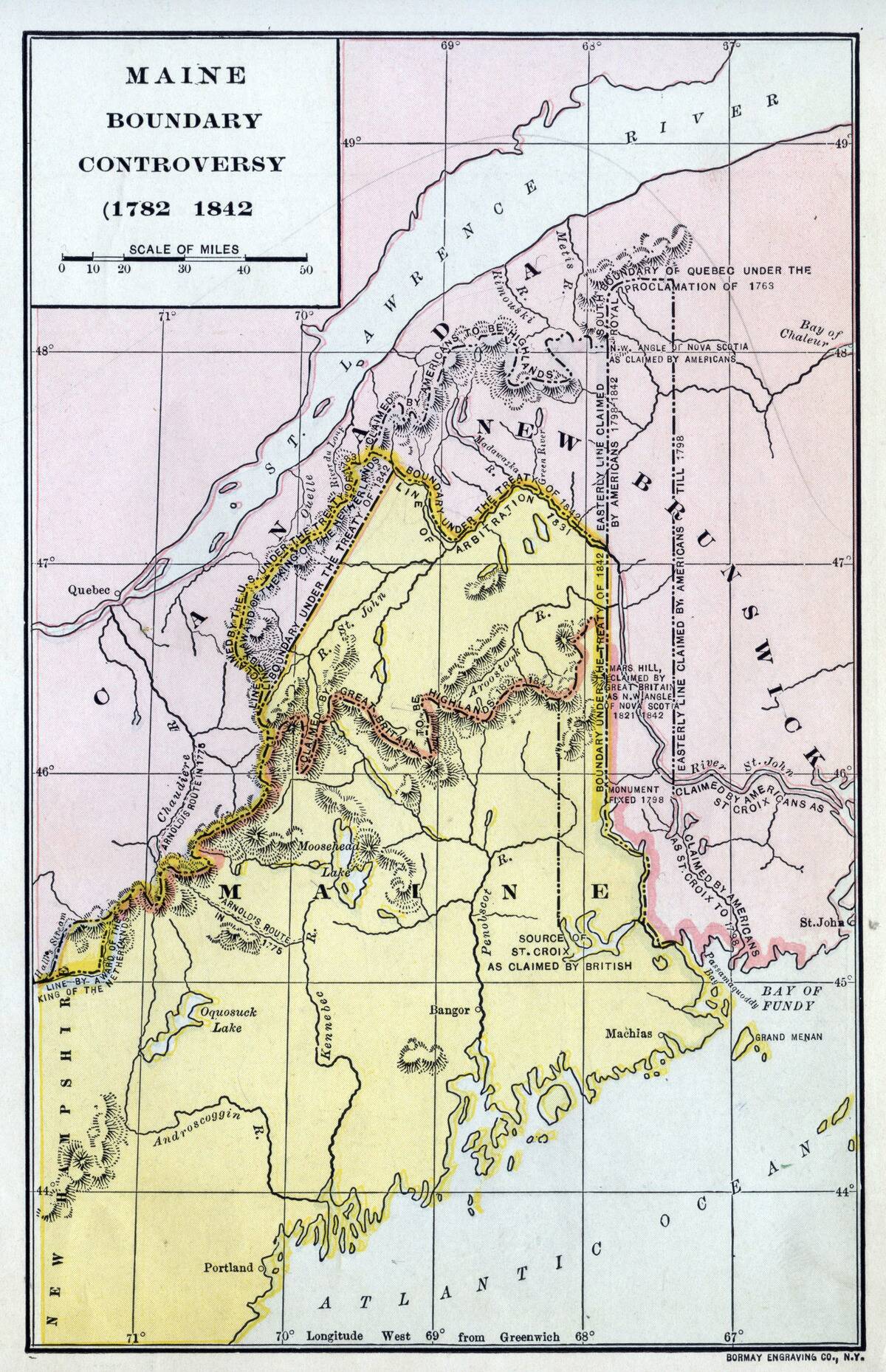
The Aroostook War of 1838-1839 was a border dispute between the United States and British North America (now Canada) over the boundary between Maine and New Brunswick.
The conflict, primarily involving lumberjacks and militiamen, was resolved diplomatically with the Webster-Ashburton Treaty. This bloodless war highlights the importance of diplomacy in resolving territorial disputes.
The Moldovan-Transnistrian Conflict: A Tale of Flags and Symbols
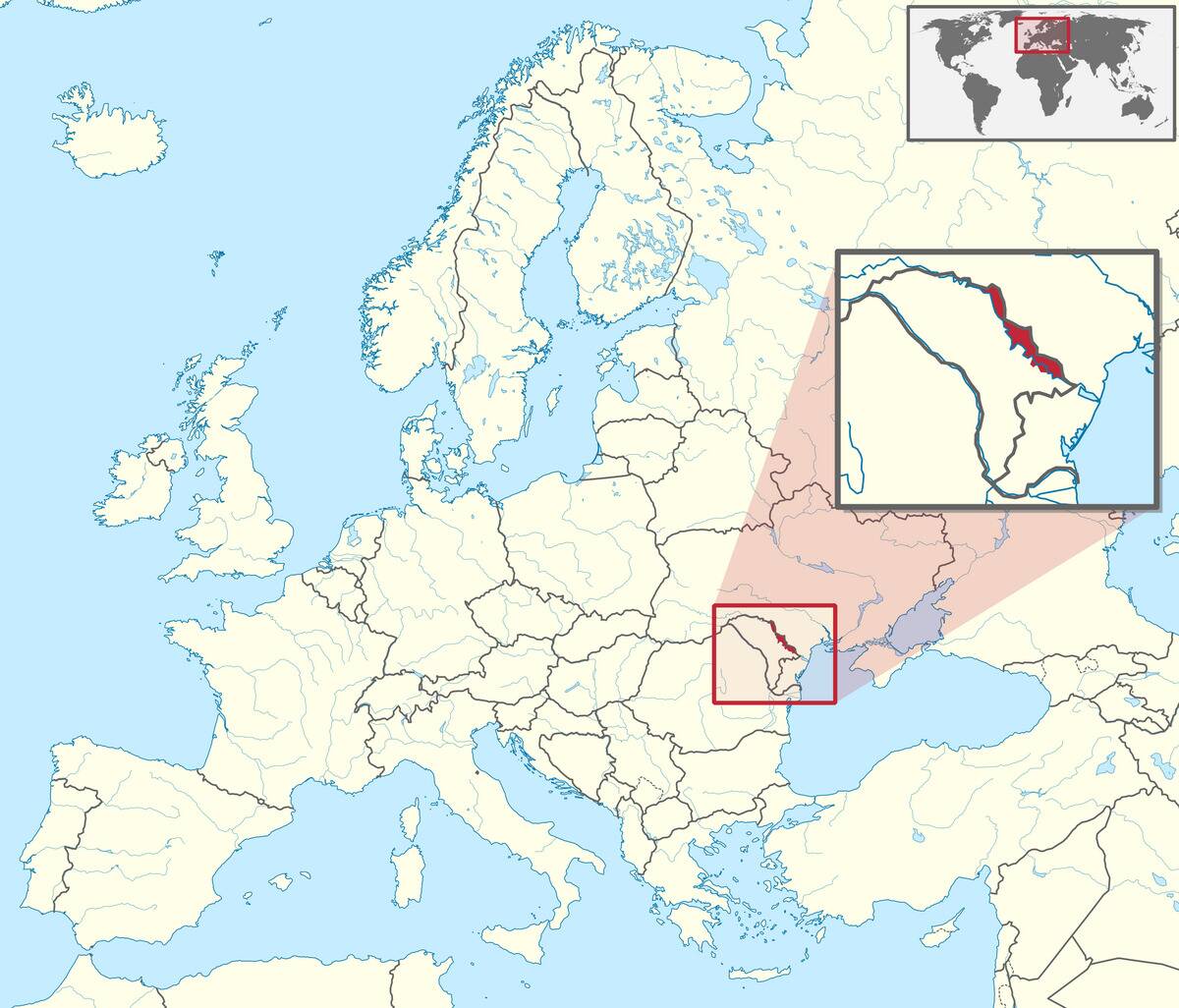
The Moldovan-Transnistrian conflict began in 1990 when Transnistria declared independence from Moldova, leading to a brief war. The conflict was fueled by ethnic tensions and differing national identities.
Although a ceasefire was reached in 1992, Transnistria remains a self-declared republic, unrecognized internationally. This ongoing dispute underscores the complexities of post-Soviet statehood.
The Lijar War: A Declaration Over a Diplomatic Slight
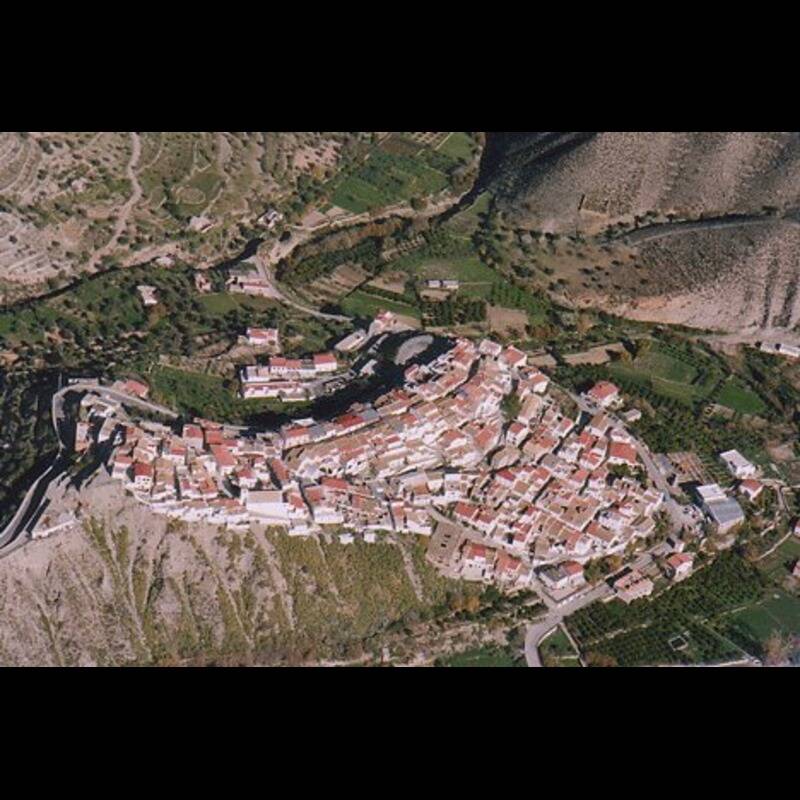
In 1883, the small Spanish village of Líjar declared war on France after their king, Alfonso XII, was allegedly insulted during a visit to Paris. Despite the declaration, no shots were fired, and the war remained symbolic.
The conflict officially ended in 1981 when Líjar’s mayor declared peace. This whimsical war is a testament to the pride and humor of small communities.
The Honey War: When Bees and Boundaries Collide
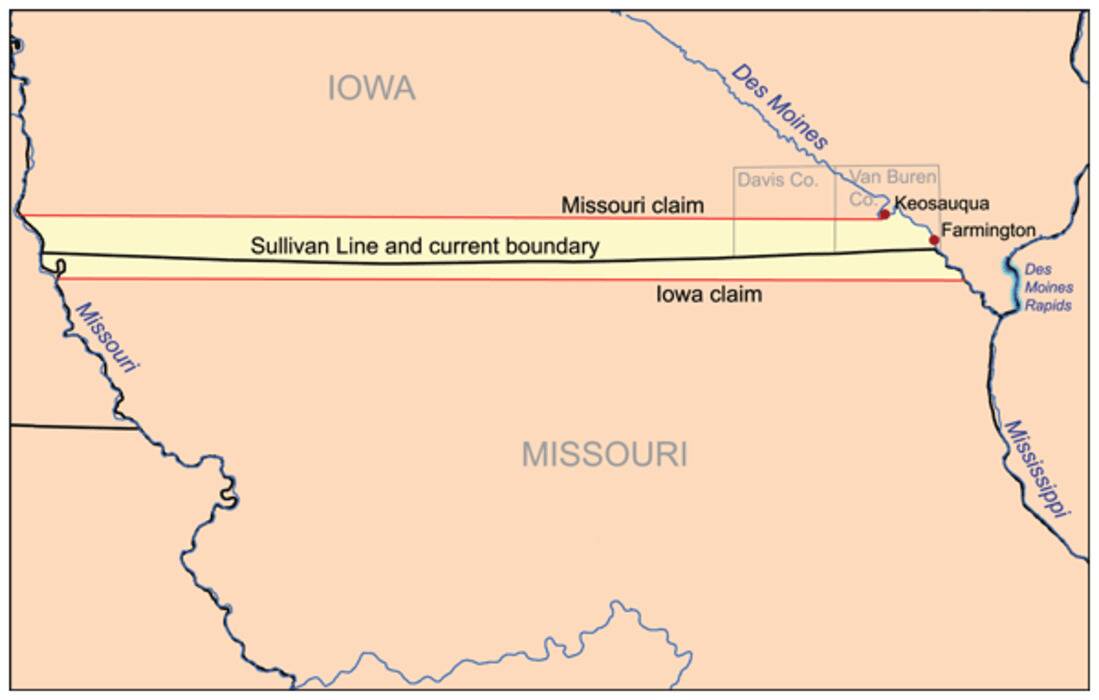
The Honey War of 1839 was a boundary dispute between Iowa Territory and Missouri over a strip of land known as the Sullivan Line. Tensions escalated when Missouri tax collectors cut down three honeybee trees, claiming them as state property.
The conflict was resolved without violence, with the U.S. Supreme Court eventually ruling in favor of Iowa. This sweet dispute highlights the quirks of early American territorial expansion.
The Lobster War: Crustaceans at the Center of Conflict
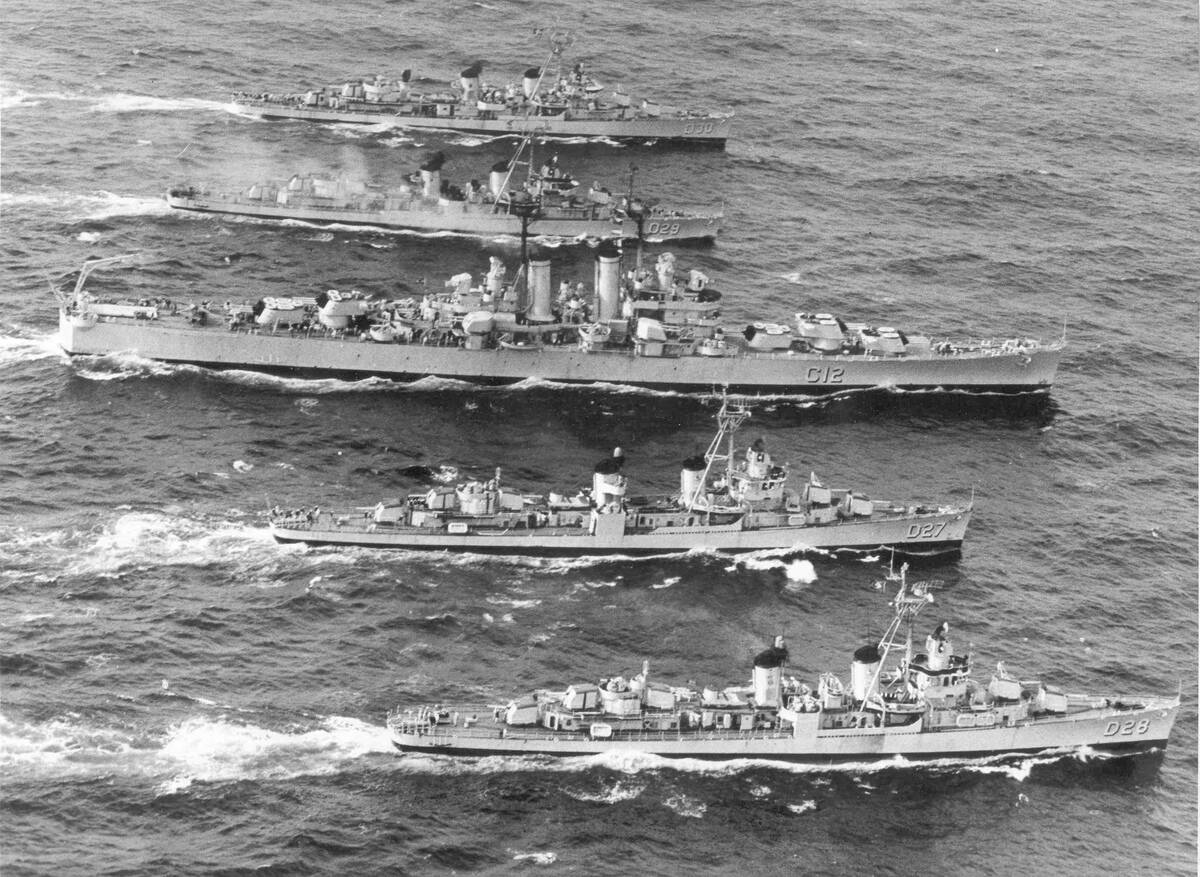
The Lobster War was a diplomatic dispute between France and Brazil in the early 1960s over lobster fishing rights off the Brazilian coast. France claimed that lobsters, being mobile, were akin to fish, thus falling under international waters.
Brazil argued they were sedentary, like shellfish, and subject to national jurisdiction. The conflict ended with Brazil’s victory, asserting its rights over the lucrative crustacean catch.




