21 historical myths that misled generations
Brains love shortcuts. The stickier a story is, the more likely it is to lodge in memory—especially if there’s a vivid image (a horned helmet! a flaming fiddle!) or a tidy moral. Add Victorian-era textbook writers and sensational 19th‑century newspapers, and you’ve got a recipe for myths that sound right even when they aren’t. Confirmation bias helps too: if a tale fits what we already think—tyrants are theatrical, pirates are flashy—we rarely pause to cross‑check the footnotes.
And once a catchy yarn hits classrooms, postcards, and costume departments, it snowballs. Repetition creates authority, so a caricature in a famous cartoon or an offhand line in a classic novel can outweigh dusty primary sources. That’s how 25 durable “facts” keep strolling through pop culture. The good news? They’re fun to fact‑check. The better news? The truth is usually more interesting, more human, and far less pointy‑helmeted than the myth.
Napoleon wasn’t actually short (and where the pocket-sized legend began)

Napoleon’s height was recorded as 5 pieds 2 pouces in French inches, which translates to roughly 1.68 meters—about 5 feet 6 to 5 feet 7 in modern terms. That was average for early 19th‑century French men. The confusion comes from mixing French and British measurement systems and from the affectionate nickname “le petit caporal,” which referred to camaraderie, not stature. British cartoonists like James Gillray gleefully shrank him in prints to belittle a geopolitical rival.
Portraits painted during his lifetime don’t depict a tiny general, and eyewitness accounts don’t single him out as unusually short when standing among fellow officers. He often appeared beside the towering, bearskin‑hatted Imperial Guard, which would make anyone look smaller. Combine propaganda with unit conversion errors, and you get a legend that’s lingered far longer than the French Empire itself.
Vikings and their nonexistent horned helmets

No archaeological Viking-Age helmet with horns has ever been found. The only near-complete Viking helmet discovered, the Gjermundbu helmet from Norway (10th century), is a practical, rounded iron cap—no horns or antlers. The horned design became popular in the 19th century when Carl Emil Doepler created theatrical helmets for Wagner’s Ring cycle (1876) to signify “barbarian.”
Earlier Scandinavian horned ritual helmets exist but predate the Viking Age by centuries and were not used in combat. Horns would have been dangerous in battle, catching weapons or shields. Victorian illustrators, opera designers, and later Hollywood amplified the image, cementing a myth that misrepresents otherwise practical Viking warriors.
No, medieval folks didn’t think the Earth was flat

Educated Europeans had accepted a spherical Earth since antiquity. Medieval scholars inherited that from the Greeks—think Aristotle’s observations and Ptolemy’s Geography—and kept teaching it. The Venerable Bede (8th century) and Thomas Aquinas (13th century) treated Earth’s roundness as standard knowledge. Dante’s Divine Comedy even uses a spherical Earth as a plot device, with travelers moving through antipodes.
Columbus’s 1492 voyage didn’t settle roundness; it gambled on distance. He underestimated Earth’s circumference and overestimated the size of Asia, arguing he could reach it quickly by sailing west. His critics mostly said the trip was too far, not that he’d fall off an edge. The “flat Middle Ages” caricature largely grew in the 19th century from polemical writers seeking to portray earlier periods as benighted.
Marie Antoinette never said “Let them eat cake”
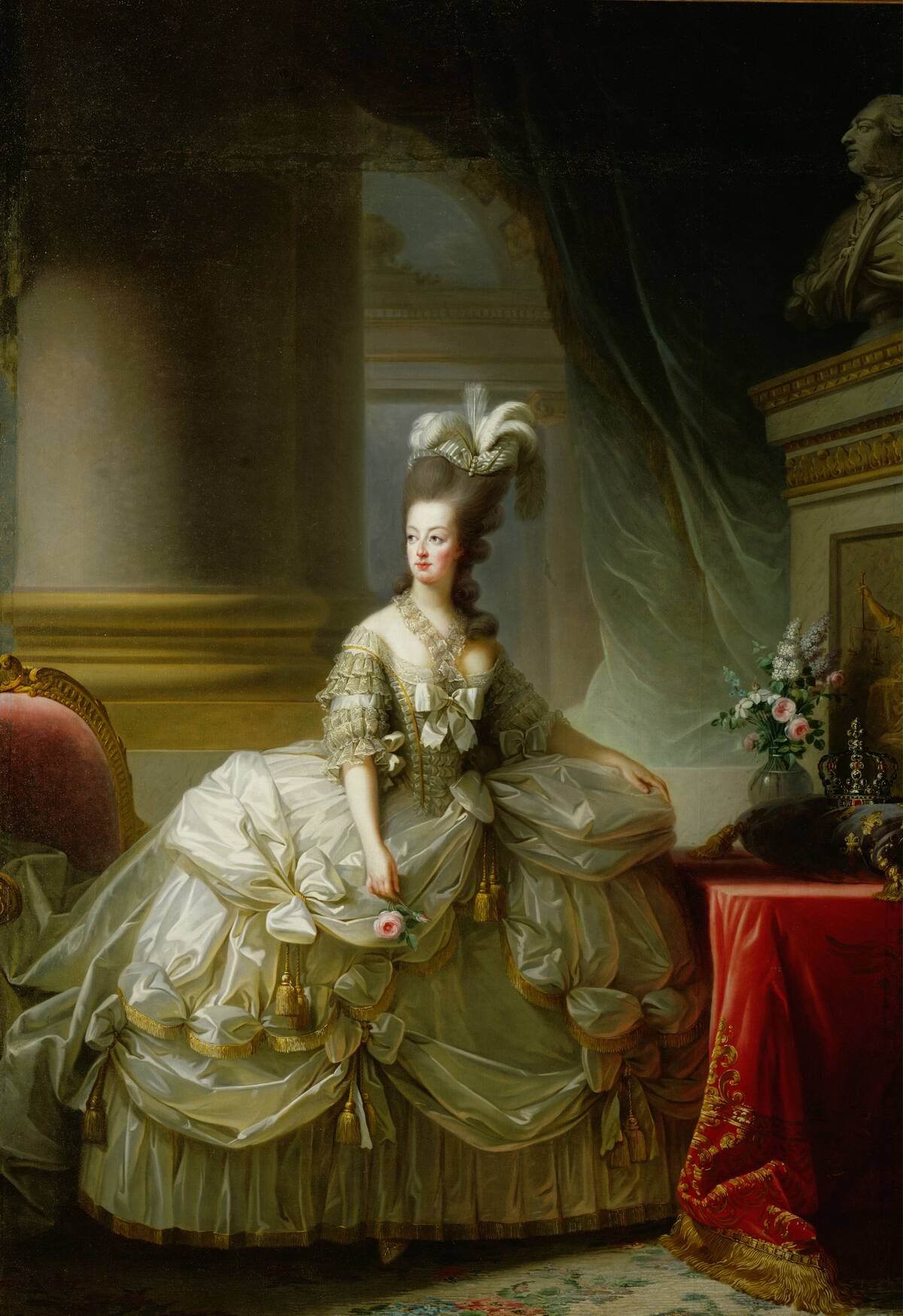
The line appears in Jean‑Jacques Rousseau’s Confessions, written in the 1760s and published in 1782—years before the French Revolution hit full swing—and he attributes it vaguely to “a great princess,” not Marie Antoinette. She was a teenager in Austria at the time Rousseau wrote the anecdote. No contemporary royal correspondence or court memoir ties the quote to her.
The phrase in French—“Qu’ils mangent de la brioche”—was a stock cliché about clueless aristocrats, and revolutionaries later stapled it to Antoinette to symbolize excess. In reality, records show she made charitable donations during bread shortages. The legend stuck because it served a tidy narrative: a fashionable foreign queen, a starving public, and a line too deliciously cruel to fact‑check.
George Washington’s cherry tree confession that never was
![[redacted], Portrait](https://media.tellmebest.com/wp-content/uploads/2020/10/507014168-89486.jpg)
The story of young George chopping a cherry tree and declaring “I cannot tell a lie” debuted in Parson Mason Locke Weems’s bestselling biography, The Life of Washington. It appeared in later editions after Washington’s death—famously the fifth edition in 1806—and has no basis in contemporary letters or family recollections.
Weems wrote moral fables to model virtue for American youth, not to report verified childhood incidents.
Historians who combed Mount Vernon papers found no trace of the tale. Still, schoolbooks repeated it for generations because it wrapped honesty, patriotism, and a hatchet into an irresistible package. Washington did value personal integrity, but the cherry tree anecdote is literature, not ledger.
The Great Wall of China isn’t visible from space with the naked eye

Astronauts routinely report that the Great Wall is difficult to see without optical aid because it’s narrow, built of materials that blend with the landscape, and often follows terrain. China’s first astronaut, Yang Liwei, said he couldn’t spot it with the naked eye from low Earth orbit. NASA has echoed this: under normal conditions, it’s not a standout line from space.
That doesn’t mean no photo exists. With telephoto lenses, favorable lighting, or dusting of snow, segments have been imaged from orbit. But as a bragging‑rights test for eyeballs alone, highways, airports, and cities are far easier to pick out than a stone ribbon hugging hills.
“Vomitoriums” weren’t Roman puke rooms
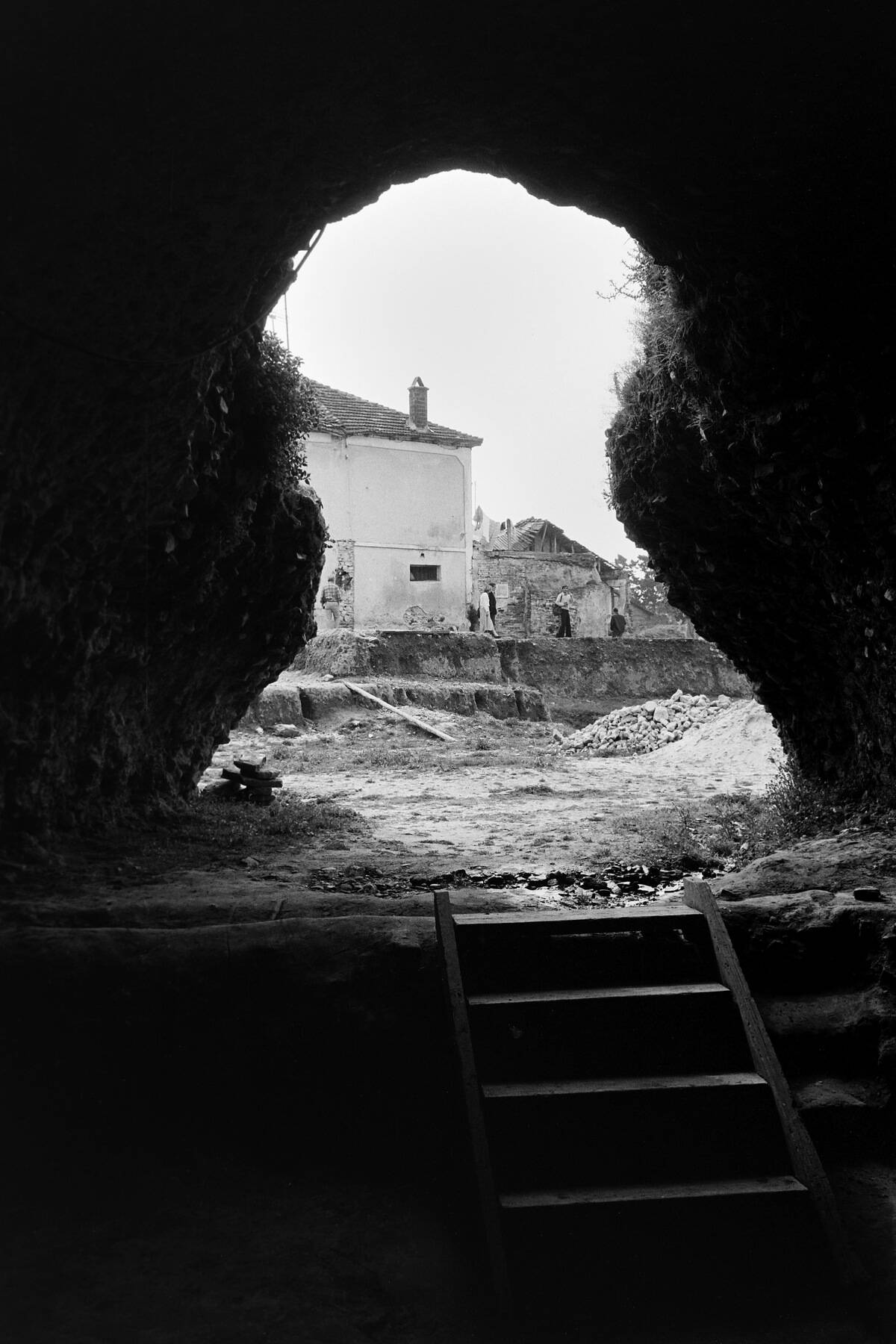
In Roman architecture, a vomitorium was a passageway in amphitheaters and stadiums designed to let crowds “spew forth” quickly—hence the Latin vomere, to discharge. The Colosseum’s vomitoria allowed tens of thousands of spectators to enter and exit efficiently. It wasn’t a special chamber for post‑banquet purging.
Ancient authors did criticize elite overindulgence—Seneca grumbles about diners who “vomit” to keep eating—but that’s a behavior, not a room assignment. The architectural term reappears in Renaissance and later writings with its stadium meaning intact; the modern foodie gross‑out twist arrived much later.
Gladiators didn’t always fight to the death
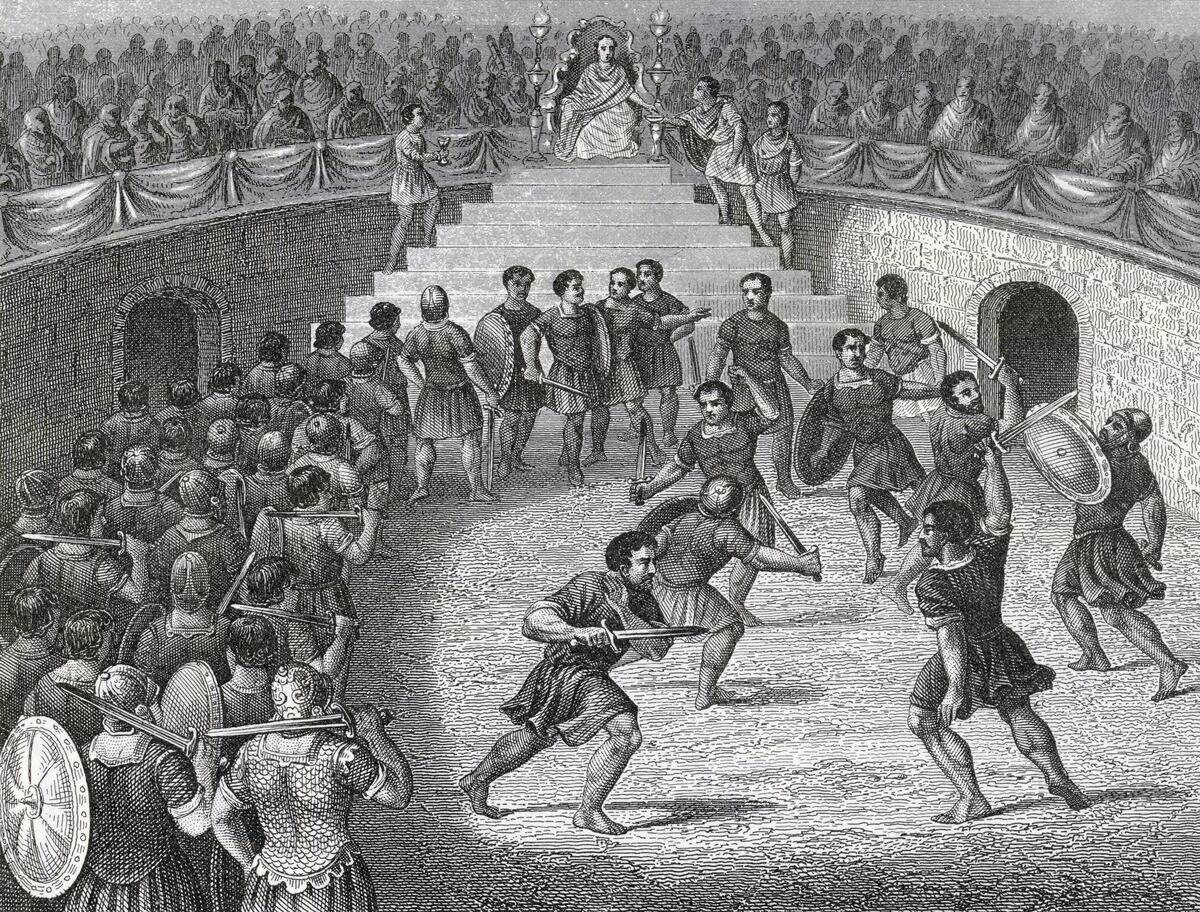
Gladiators were investments. Training at schools (ludi) was expensive, and owners expected returns, not a body count every bout. Evidence from inscriptions, graffiti, and literary sources shows referees, rules, and outcomes short of a kill—surrender, draw, or victory decided by skill. Many fighters had stage names and fan followings because they fought repeatedly.
Skeletal analyses from known gladiator cemeteries suggest significant trauma but not universal fatality. Estimates of death rates per match vary, often in the 10–20% range, depending on era and event type. Public executions did happen in arenas, but they weren’t the norm for professional gladiatorial contests.
Cleopatra wasn’t ethnically Egyptian (but was very much a power player)
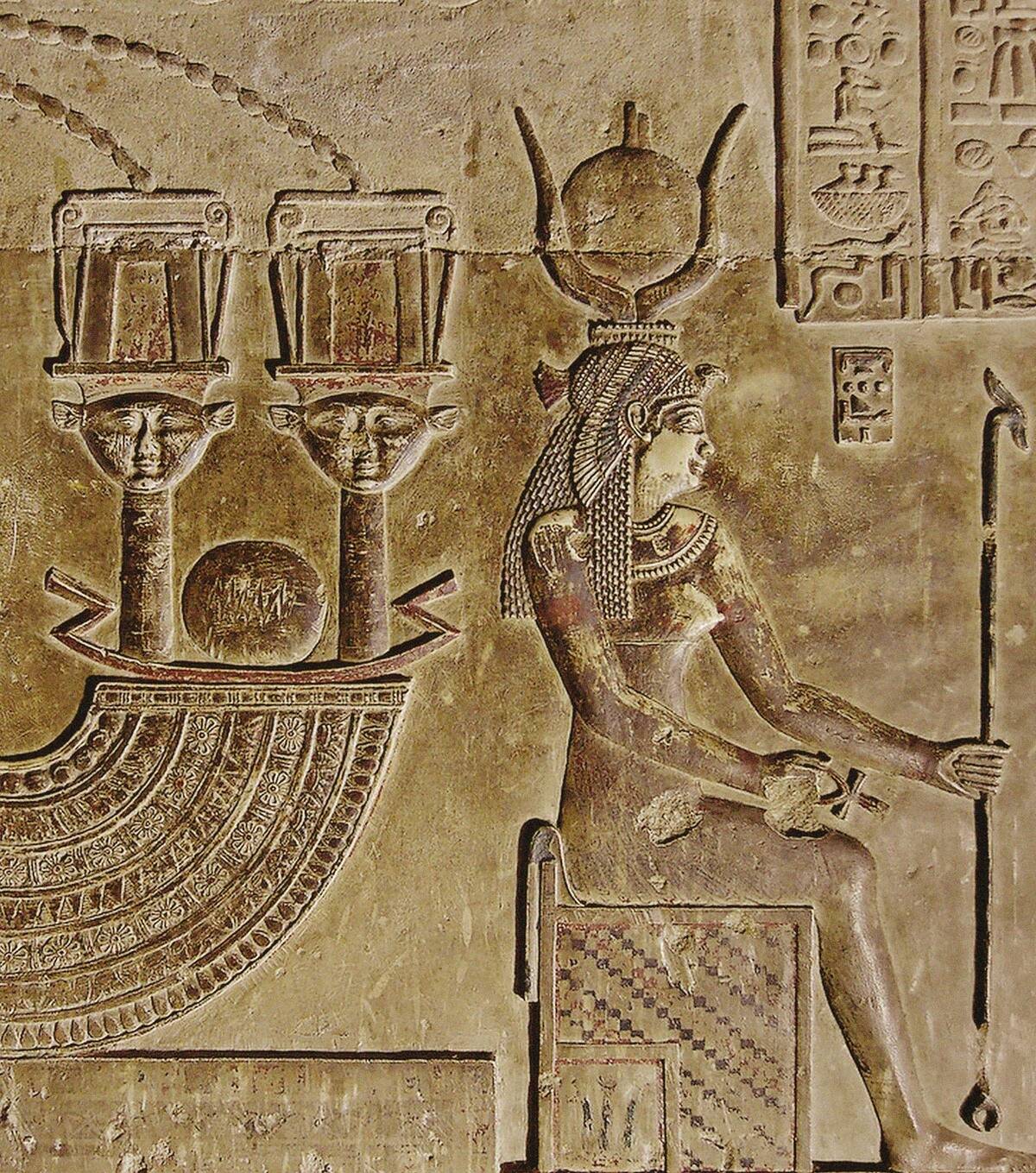
Cleopatra VII belonged to the Ptolemaic dynasty, Macedonian Greeks who ruled Egypt after Alexander the Great. Her family typically married within their Hellenistic line, so her ancestry was primarily Greek. The identity of her maternal grandmother is unknown, so minor local admixture is possible, though no evidence indicates she was ethnically Egyptian.
Culturally, Cleopatra was adept: she learned Egyptian (unlike many Ptolemies), styled herself as the goddess Isis, and ruled from Alexandria. She forged alliances with Julius Caesar and later Mark Antony, issued coinage with her image, and deftly navigated Roman power politics until Octavian’s victory in 31–30 BCE ended her reign.
The “Dark Ages” weren’t all that dark
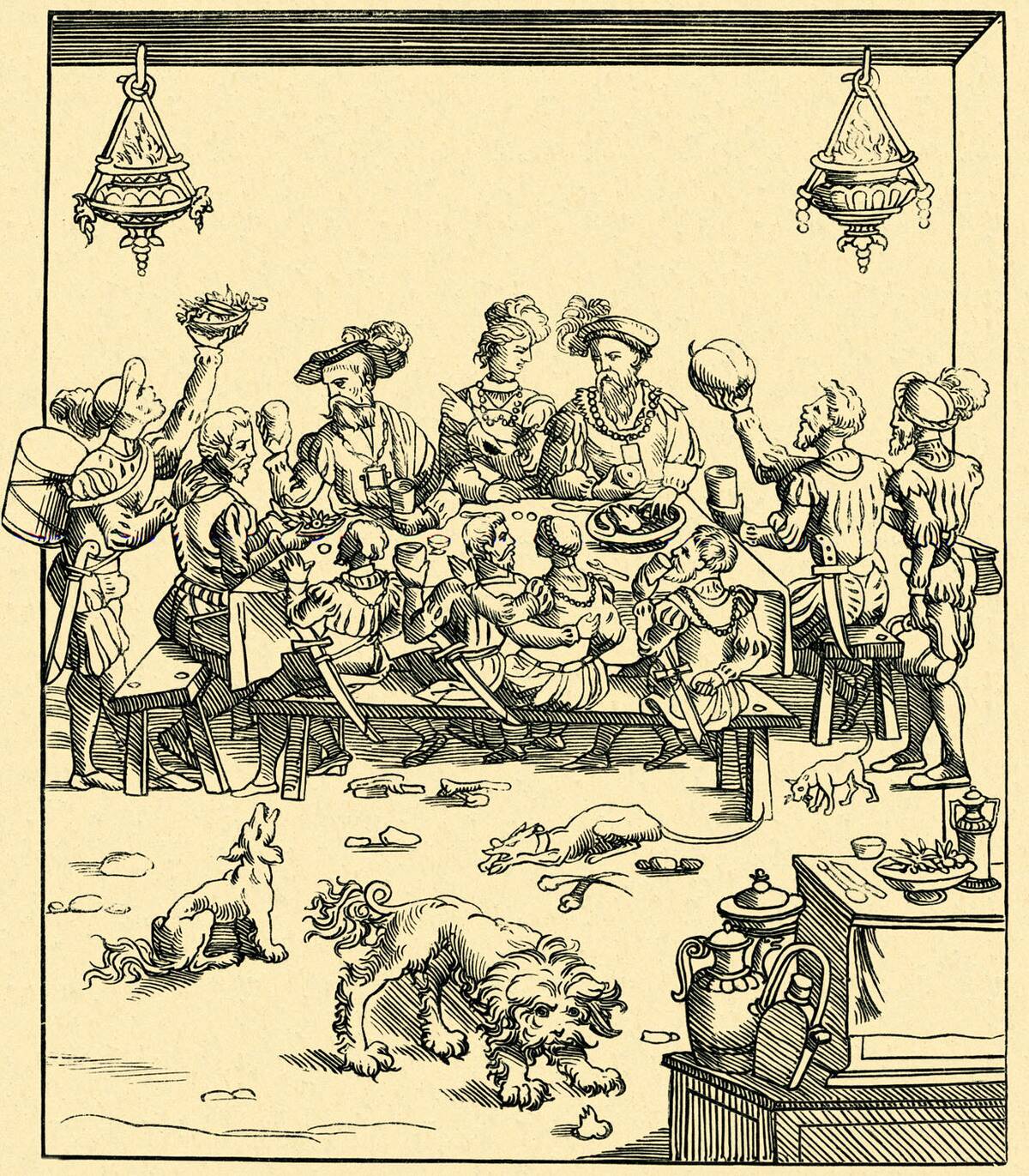
The label “Dark Ages” comes from Renaissance writers like Petrarch casting earlier centuries as ignorant to flatter their own era. Modern historians prefer “Early Middle Ages,” noting regional variation. While Western Roman institutions shrank, there were bright spots: the Carolingian Renaissance standardized scripts (Caroline minuscule) and promoted learning; monasteries copied texts; new agricultural techniques like the heavy plow and three‑field rotation expanded yields in northern Europe.
By the High Middle Ages, Europe founded universities—Bologna (1088), Oxford (by 1096), and Paris (c. 1200). Romanesque gave way to Gothic architecture with flying buttresses and stained glass. Trade networks thickened, cities grew, and intellectual life revived well before any “rebirth” marketing campaign.
Medieval chastity belts: mostly a later hoax
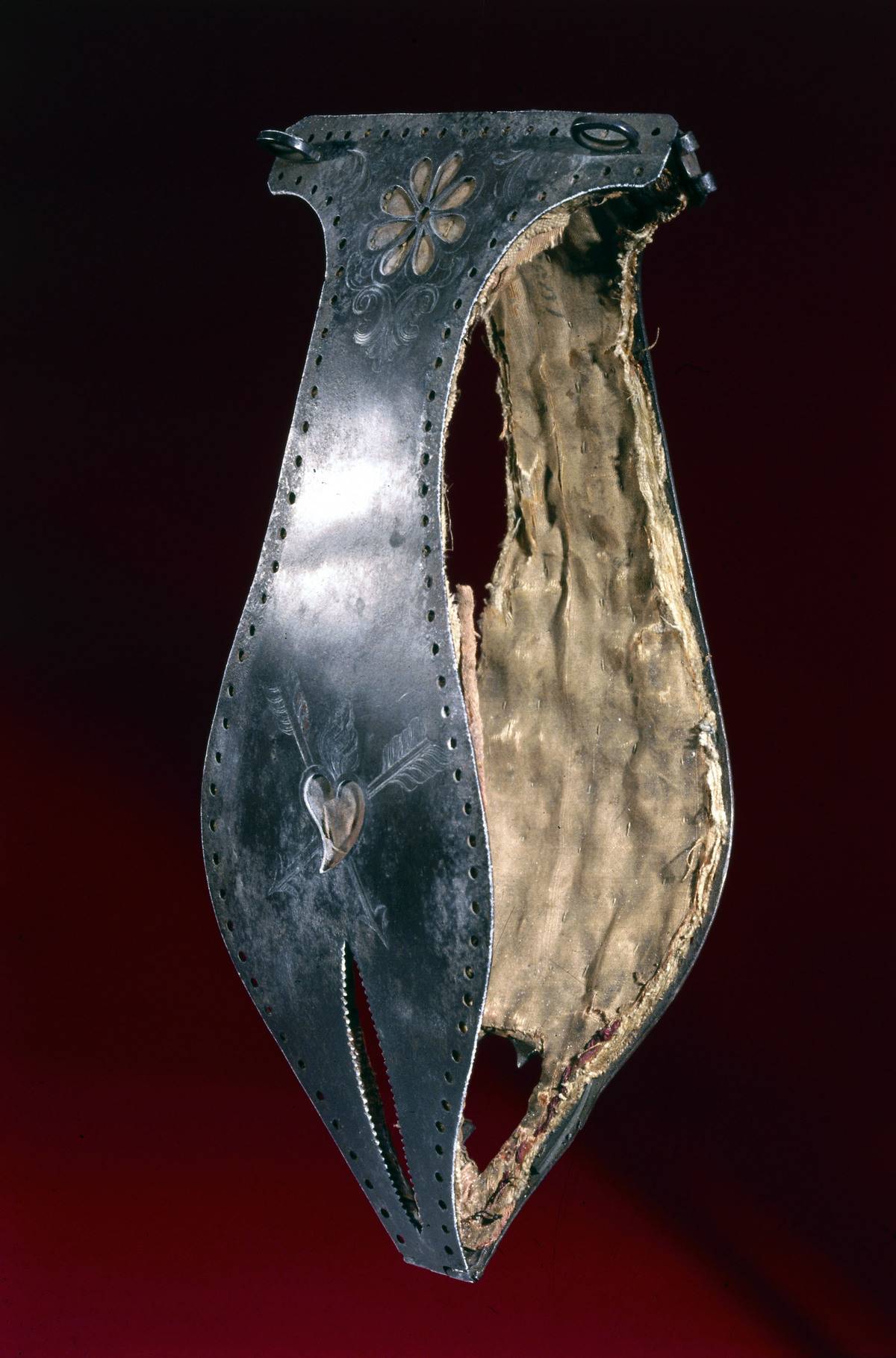
Those spiky contraptions in museums? Many are 19th‑century fabrications or “souvenirs” assembled from older metalwork. The earliest textual mentions, like Konrad Kyeser’s early‑1400s Bellifortis, are satirical or fantastical, not instruction manuals. Practical use would have posed serious hygiene and medical problems, making widespread medieval deployment unlikely.
Some genuine devices from the 18th–19th centuries exist, but they’re typically anti‑masturbation or moral‑reform gadgets, not knight‑goes‑to‑Crusade locks. When curators re‑examined provenance in the 20th century, many display pieces were quietly relabeled as later inventions—proof that a riveting story can outrun rust tests.
Salem “witches” weren’t burned at the stake
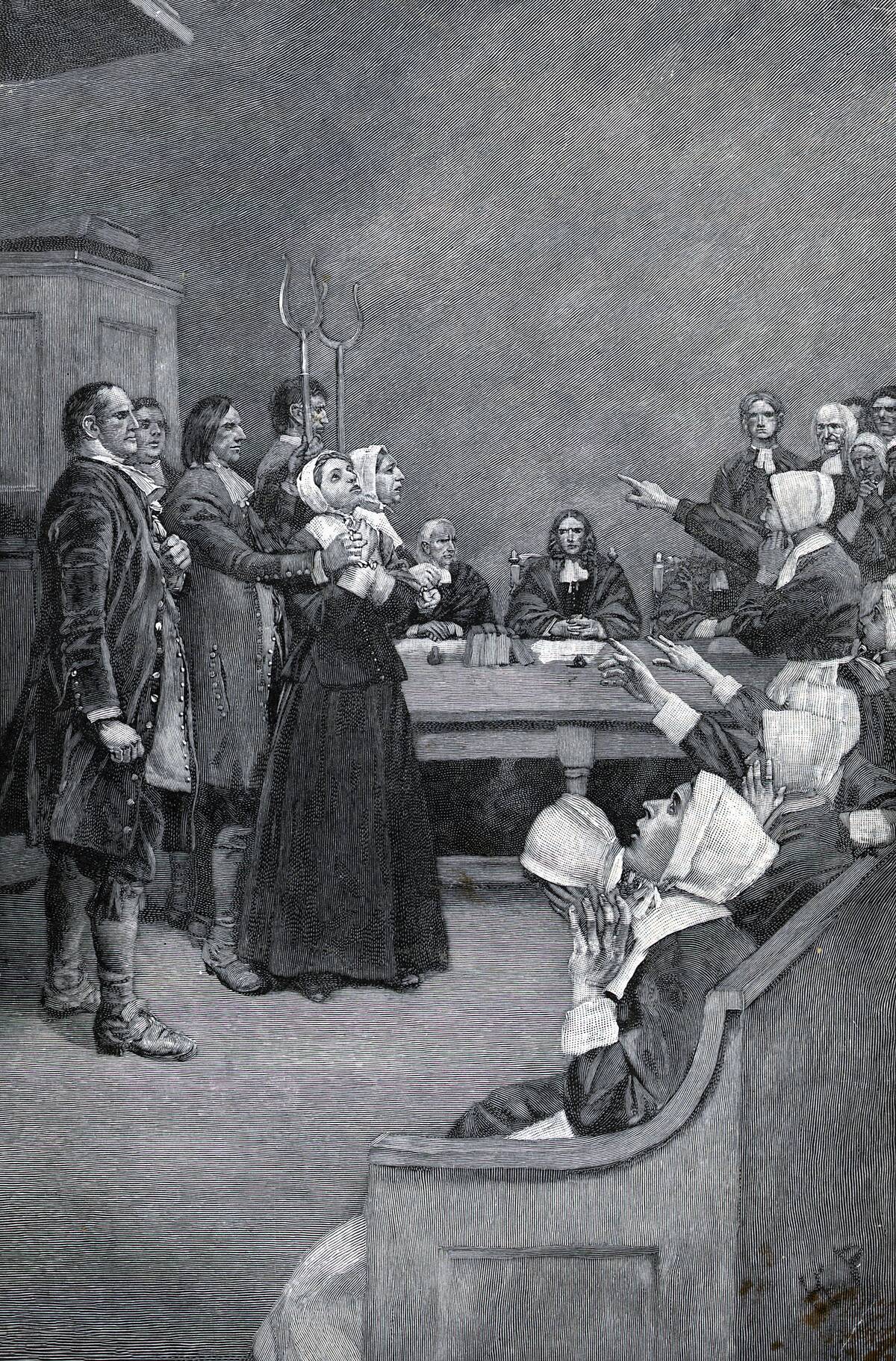
During the 1692–1693 Salem witch trials in Massachusetts, nineteen people were executed by hanging, and Giles Corey was pressed to death with stones after refusing to plead. Several others died in jail. No one was burned. Burning was more common in parts of Europe; English colonial law in New England prescribed hanging for witchcraft.
The trials ended amid public doubt, spectral‑evidence backlash, and official repentance. In later years, courts reversed many convictions and compensated families. The fire associated with Salem belongs to stagecraft, not to the gallows yard where the real tragedies occurred.
Einstein did not fail math in school
![[redacted], German-Swiss-American mathematician and physicist.](https://media.tellmebest.com/wp-content/uploads/2023/09/albert-einstein-german-swiss-american-mathematician-and-physicist-68210.jpeg)
Einstein excelled at mathematics from a young age. He taught himself portions of calculus in his early teens and scored top marks in math and physics on the 1895 entrance exam for the Zurich Polytechnic (he failed the overall exam due to weaker subjects like French). In a 1935 letter, he wrote plainly, “I never failed in mathematics.”
The myth partly stems from confusion over Swiss grading scales that reversed high/low numbers in different years and from a broader “genius was a bad student” trope. His academic detours were about rigid schooling styles, not inability to handle numbers.
Nero didn’t fiddle while Rome burned
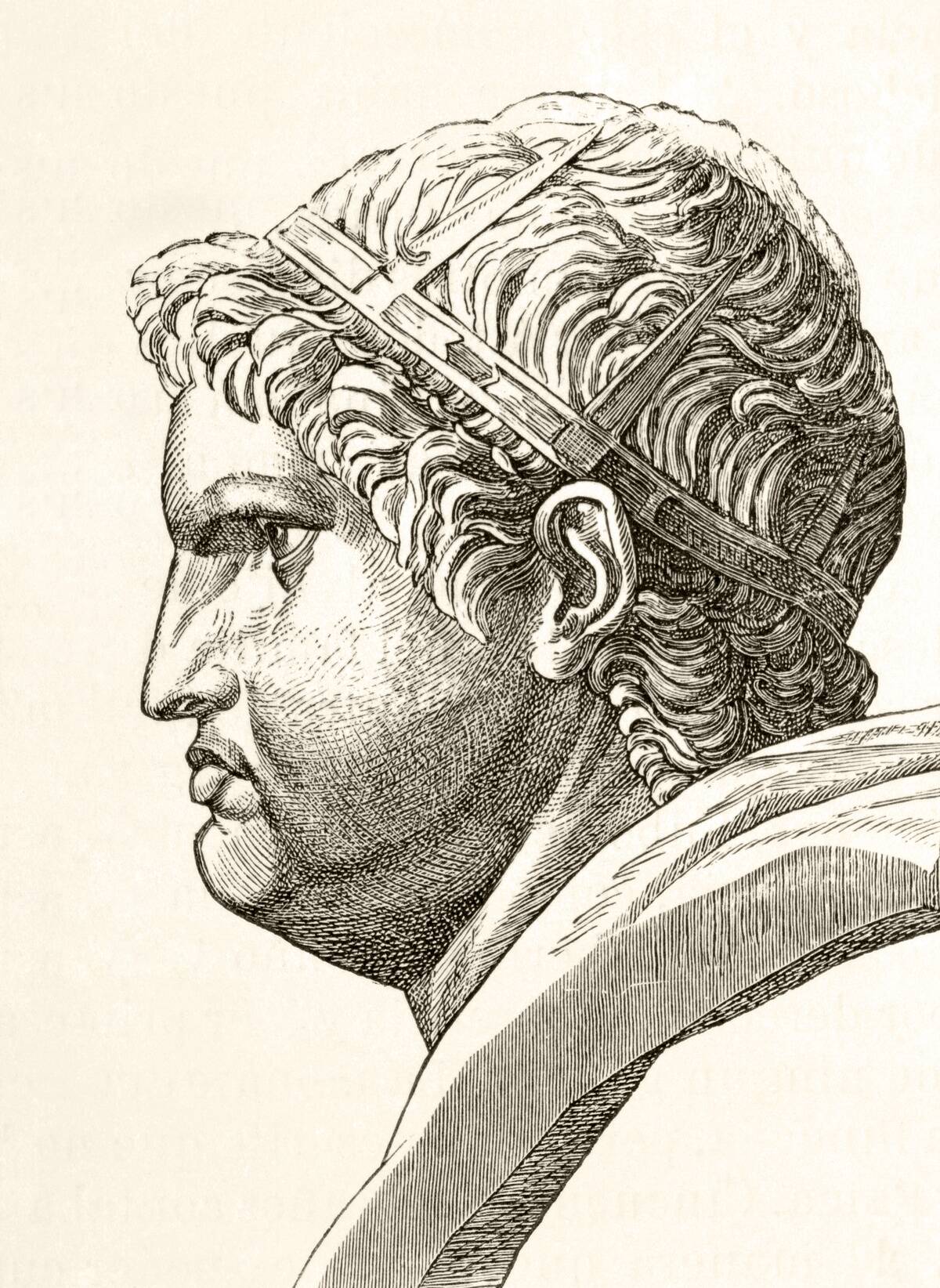
When the Great Fire struck Rome in 64 CE, the violin didn’t exist. Tacitus reports Nero was at his villa in Antium when the fire began and returned to oversee relief, opening public buildings for shelter and arranging food supplies. Suetonius and Cassius Dio mention rumors that he performed a song or played the cithara about Troy amid the disaster, but these accounts are political gossip layered over crisis.
Nero did later build the lavish Domus Aurea, which didn’t help his reputation. He also blamed Christians for the fire, launching brutal persecutions. The “fiddle” image is an anachronism that turned complex imperial spin into a single damning riff.
The Library of Alexandria didn’t vanish in one dramatic blaze
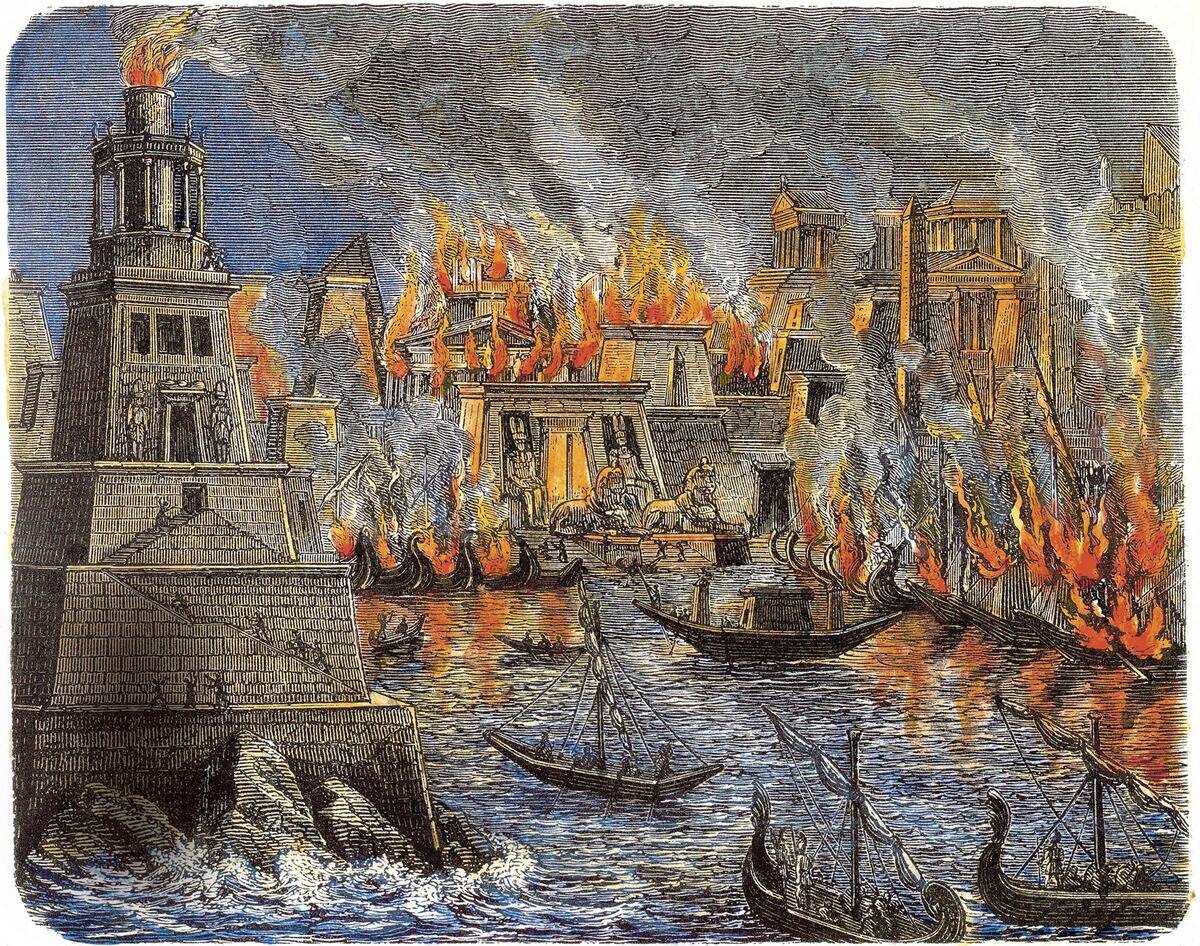
Alexandria’s scholarly complex lasted centuries and suffered multiple blows. During Julius Caesar’s Alexandrian War (48–47 BCE), fires from burning ships spread, reportedly damaging book stores and warehouses. In the 3rd century CE, fighting under Emperor Aurelian ravaged the Brucheion district. In 391 CE, the Serapeum—home to a daughter library—was destroyed amid religious conflict after imperial edicts against pagan temples.
A tale that Arab conquerors burned the remaining books in 642 CE appears in much later sources and is widely doubted. Rather than a single inferno, think attrition: politics, budget cuts, urban combat, and shifting priorities slowly erased a research institution.
Van Gogh didn’t lop off his whole ear
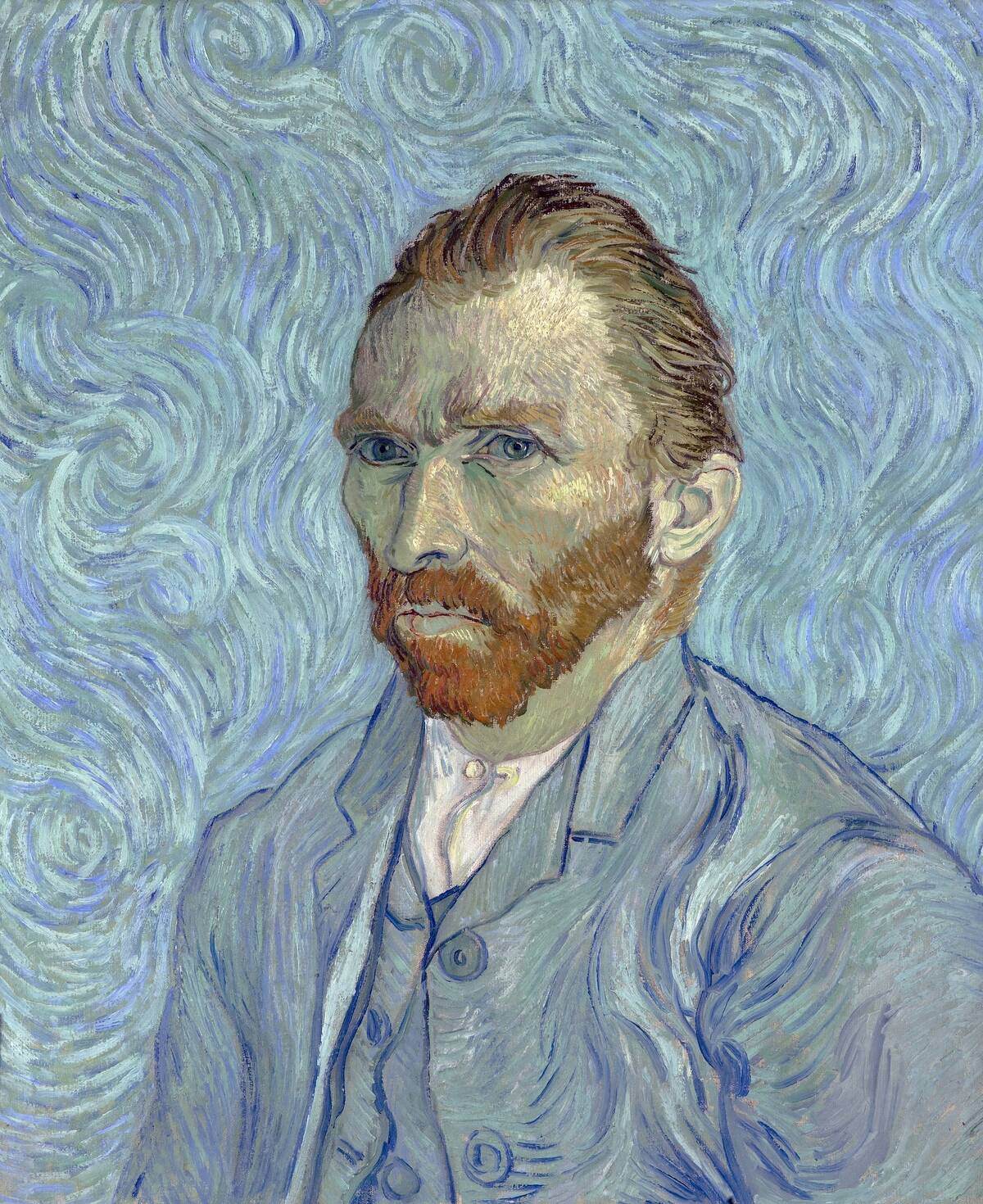
In December 1888, after a volatile argument with Paul Gauguin in Arles, Vincent van Gogh severed part of his left ear—likely most of the outer ear (pinna), not the entire ear to the skull. He wrapped the piece and reportedly delivered it to a woman at a nearby brothel. Doctor Félix Rey treated him, and Van Gogh later depicted himself with a bandaged ear in self‑portraits.
The incident prefigured severe mental health crises, including hospitalizations. A forensic study of accounts and sketches supports a partial amputation. The myth of a fully detached ear persists because “artist sacrifices entire ear” is stickier than “artist sustains disfiguring but partial injury.”
Thomas Edison didn’t single-handedly invent the light bulb
![[redacted] Exhibits First Successful Incandescent Lamp](https://media.tellmebest.com/wp-content/uploads/2023/01/thomas-edison-exhibits-first-successful-incandescent-lamp.-24215.jpeg)
Edison’s 1879 breakthrough built on decades of work: Humphry Davy demonstrated electric light in 1802, and inventors like Warren de la Rue and Joseph Swan made early incandescent lamps. Edison’s contribution was a durable carbon filament, a high‑resistance design suitable for household voltages, a screw socket, and—crucially—the full system: generators, wiring, and distribution.
He secured U.S. Patent 223,898 in 1880.
In Britain, Swan and Edison eventually merged interests as Edison & Swan United Electric. So no lone wizard; more like a relentless systems engineer who turned a concept into a commercially viable network.
Spartans tossing weak babies off cliffs: more myth than rule
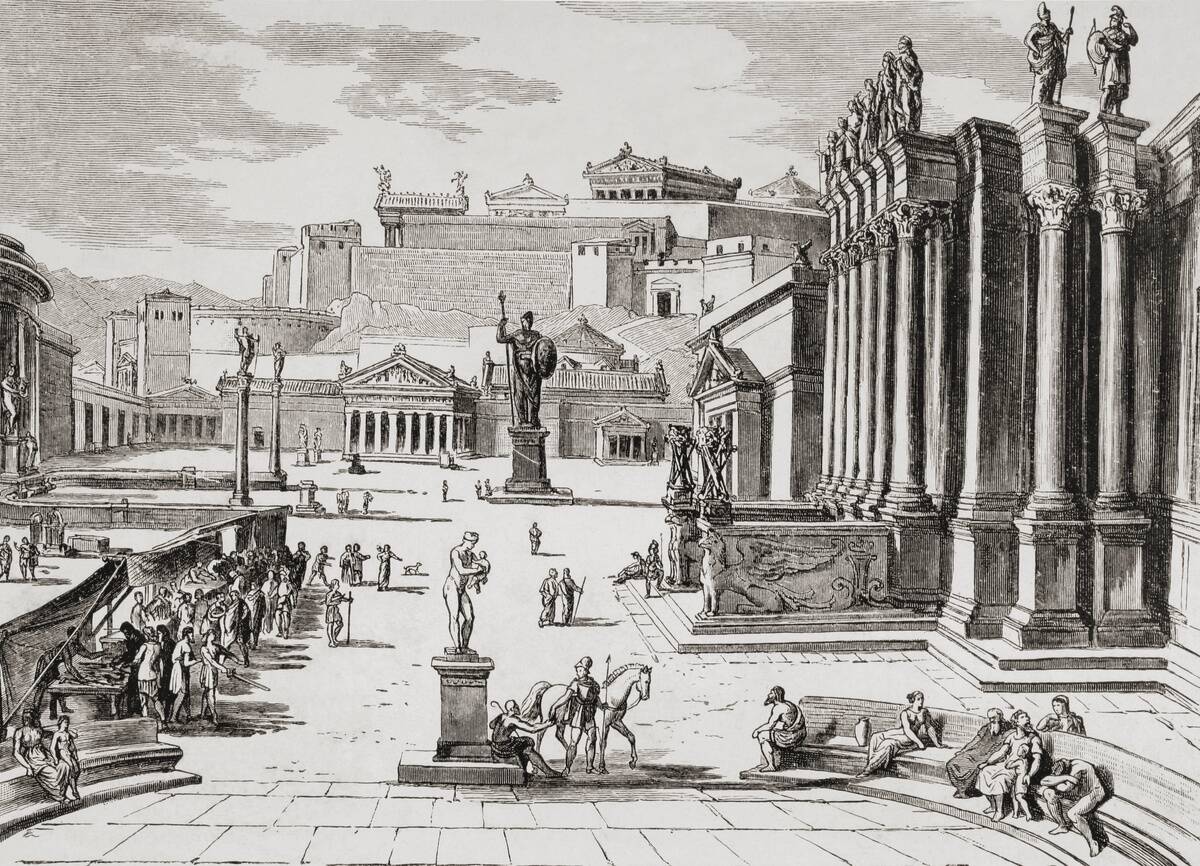
Ancient writer Plutarch, working centuries after classical Sparta, describes infant inspections and a place called the Apothetae near Mount Taygetus. While exposure existed in the ancient world, archaeological surveys haven’t found piles of infant remains at the chasm known as Kaiadas, which more likely held executed adults.
The neat story of routine cliff‑tossing oversimplifies fragmentary evidence.
Sparta did prize physical fitness and state oversight, but daily life was more bureaucratic than cinematic. Plutarch relied on earlier sources and moralizing themes, and later retellings amplified the harshest details to fit a warrior‑culture stereotype.
Tulip Mania didn’t wreck the Dutch economy

The 1636–1637 tulip craze sent prices for rare bulbs like Semper Augustus soaring in winter tavern markets, but most trades were futures contracts, not cash‑on‑the‑barrel bulbs. When prices collapsed in February 1637, many deals were simply not honored. The Dutch Republic’s broader economy—shipping, finance, and textiles—kept humming.
Contemporary court records show disputes over contracts, not mass bankruptcy. Economists now view Tulip Mania as a narrow speculative episode in a wealthy society, later inflated by moralizing pamphlets and 19th‑century retellings into a cautionary fable of national ruin.
“Ring Around the Rosie” wasn’t written about the Black Death

The earliest printed versions of “Ring a Ring o’ Roses” date to the late 19th century (e.g., 1881 in Kate Greenaway’s collection), long after medieval or early modern plague waves. Lyrics and gestures vary widely by region, and the familiar “ashes, ashes” line is a later variant, not a fixed, ancient refrain.
Scholars who track folklore origins find no evidence linking the rhyme to specific plague symptoms. The Victorian habit of back‑projecting sinister meanings onto nursery rhymes did the rest, turning a playground circle into a medical allegory retroactively.
The Roman Empire didn’t fall in a single day (and not everywhere at once)
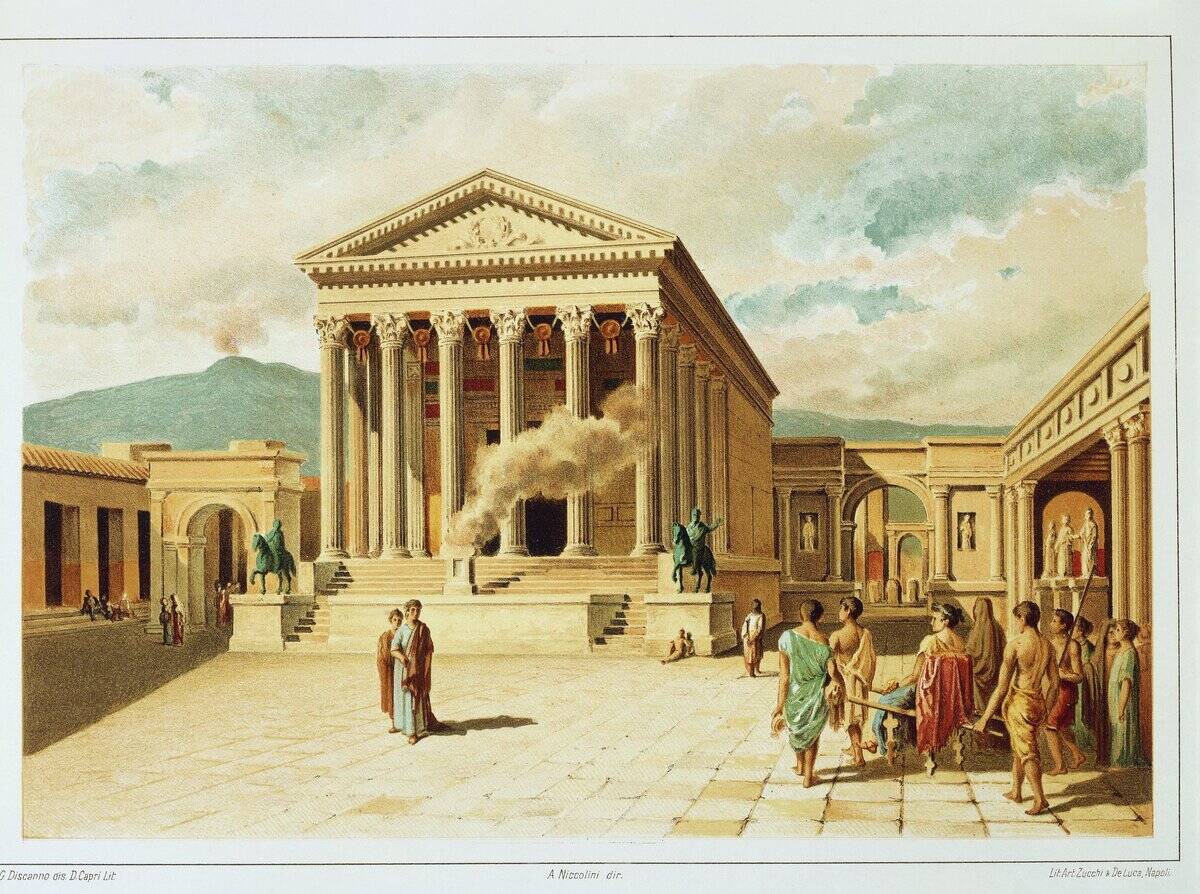
The famous “fall” date, 476 CE, marks when the Germanic leader Odoacer deposed Romulus Augustulus in the West. But Roman institutions had been morphing for decades, and the Eastern Roman Empire—today called Byzantine—continued for nearly a thousand more years until 1453.
In many western regions, Roman law, taxes, and city life faded unevenly, not with a calendar flip.
Former provinces saw successor kingdoms blend Roman and local customs. People still called themselves Romans (Romanoi) in Constantinople, minting coins, holding councils, and dispatching diplomats while Latin slowly ceded to Greek in administration.