19 historic rivals who secretly respected each other
Some of history’s fiercest face-offs hid a surprising soft spot. Knights on opposing sides sent each other fruit and doctors in the 1190s. Two naturalists quietly arranged a joint presentation in London in 1858 so neither would be shortchanged. Decades later, two basketball icons turned a 1979 college title game into an NBA-era friendship, even filming a shoe commercial on a driveway in French Lick, Indiana.
Scientists traded zingers at the 1927 Solvay Conference, then posed arm-in-arm for photos. Tech titans sparred in the 1980s, only to share a stage in 1997 with a $150 million olive branch. In the desert in 1942, opposing generals assessed each other’s brilliance as keenly as they studied supply lines. Across centuries and fields, rivalry didn’t cancel respect—it powered it.
Saladin and Richard the Lionheart: Chivalry across enemy lines
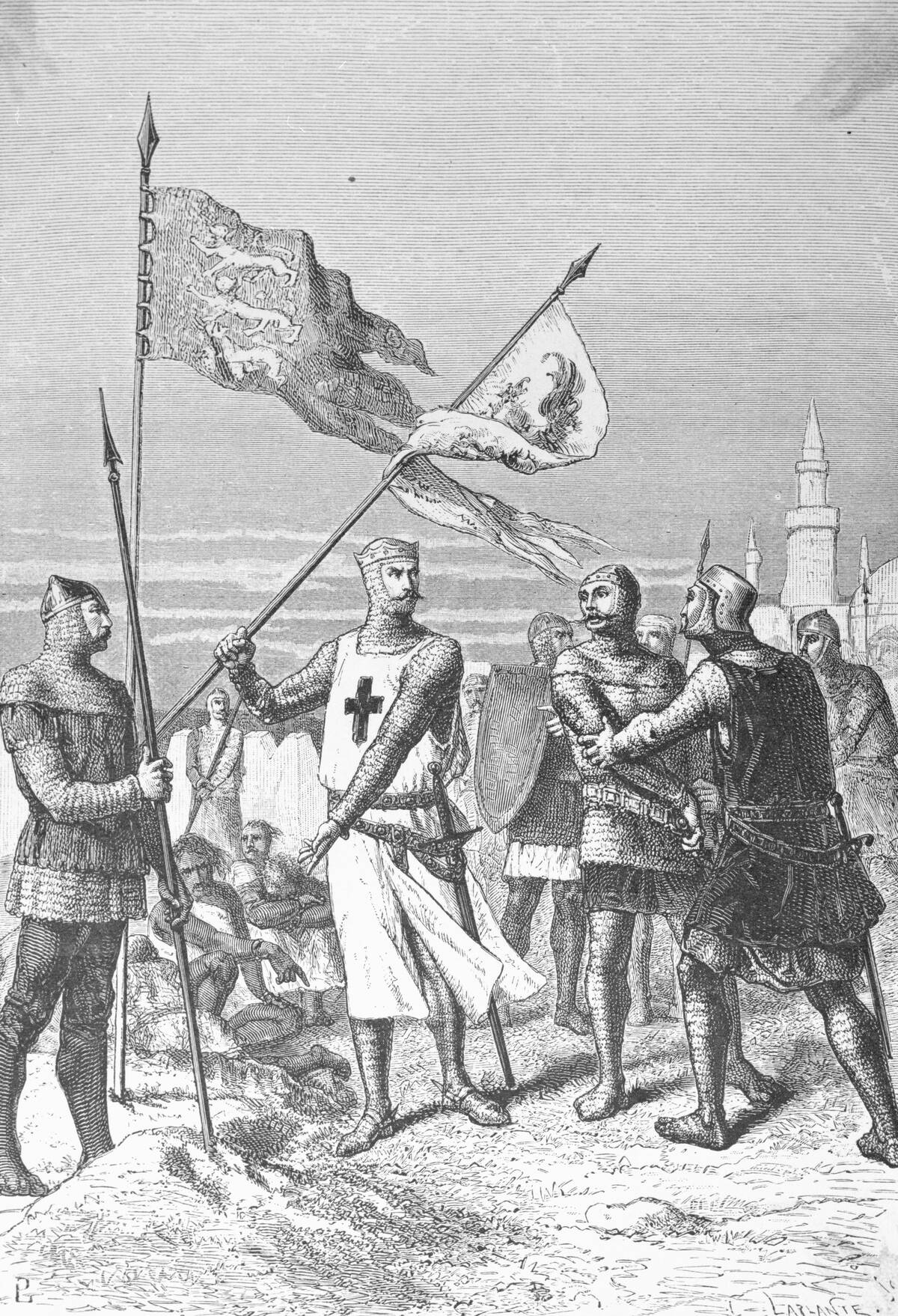
During the Third Crusade (1189–1192), Saladin and Richard I never met face-to-face, yet their courteous exchanges became legend. When Richard fell ill in 1192, Saladin sent him fruit, ice to cool fevers, and even his own physician—Acts recorded by the chronicler Baha ad-Din. The two commanders swapped gifts and negotiated prisoner exchanges while contesting ports like Acre and Jaffa with relentless energy.
Their diplomacy culminated in the Treaty of Jaffa (September 1192), which kept Jerusalem under Muslim control but guaranteed safe passage for Christian pilgrims.
Richard returned to Europe without retaking the Holy City, but not without acknowledging Saladin’s honor. Saladin, for his part, allowed Christian access to holy sites—an agreement that outlived both men and proved that iron discipline and courteous restraint could ride in the same army.
Thomas Jefferson and John Adams: Campaign bruises, lifelong admiration
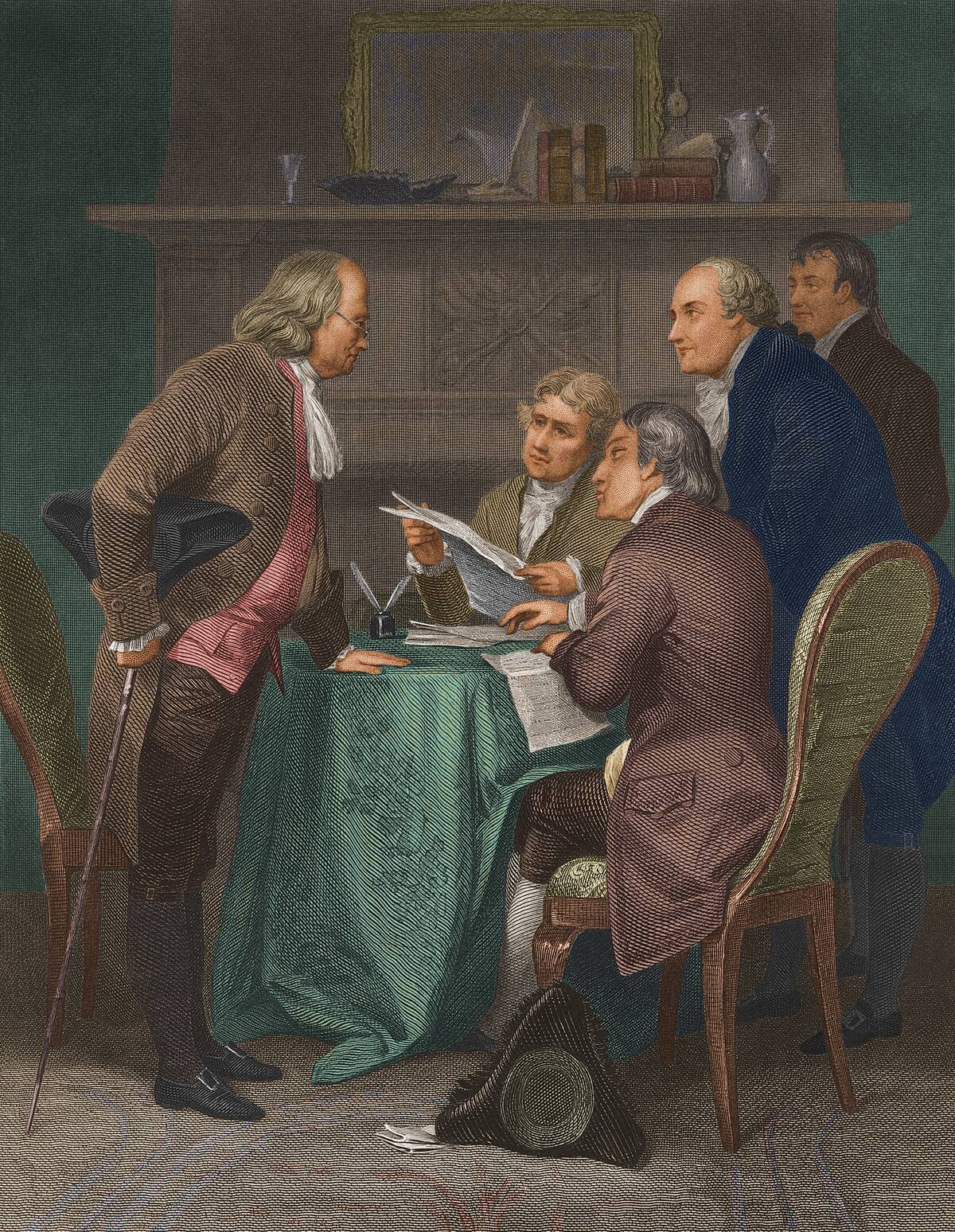
Adams and Jefferson helped birth a nation together in 1776, then pummeled each other in the elections of 1796 and 1800. The 1800 campaign got so nasty that surrogates branded Adams a monarchist and Jefferson an atheist. After years of frost, Benjamin Rush nudged them back into correspondence in 1812. From then on, they traded 158 letters spanning philosophy, botany, and revolution.
They closed the circle in perfect historical symmetry: both died on July 4, 1826, the Declaration’s 50th anniversary. Adams’s last words reportedly included, “Thomas Jefferson survives,” unaware Jefferson had passed earlier that day. Through quarrels over banks, treaties, and parties, each still valued the other’s mind—proof that bruising politics can end in something sturdier than grudges.
Napoleon Bonaparte and the Duke of Wellington: Foes who knew genius when they saw it
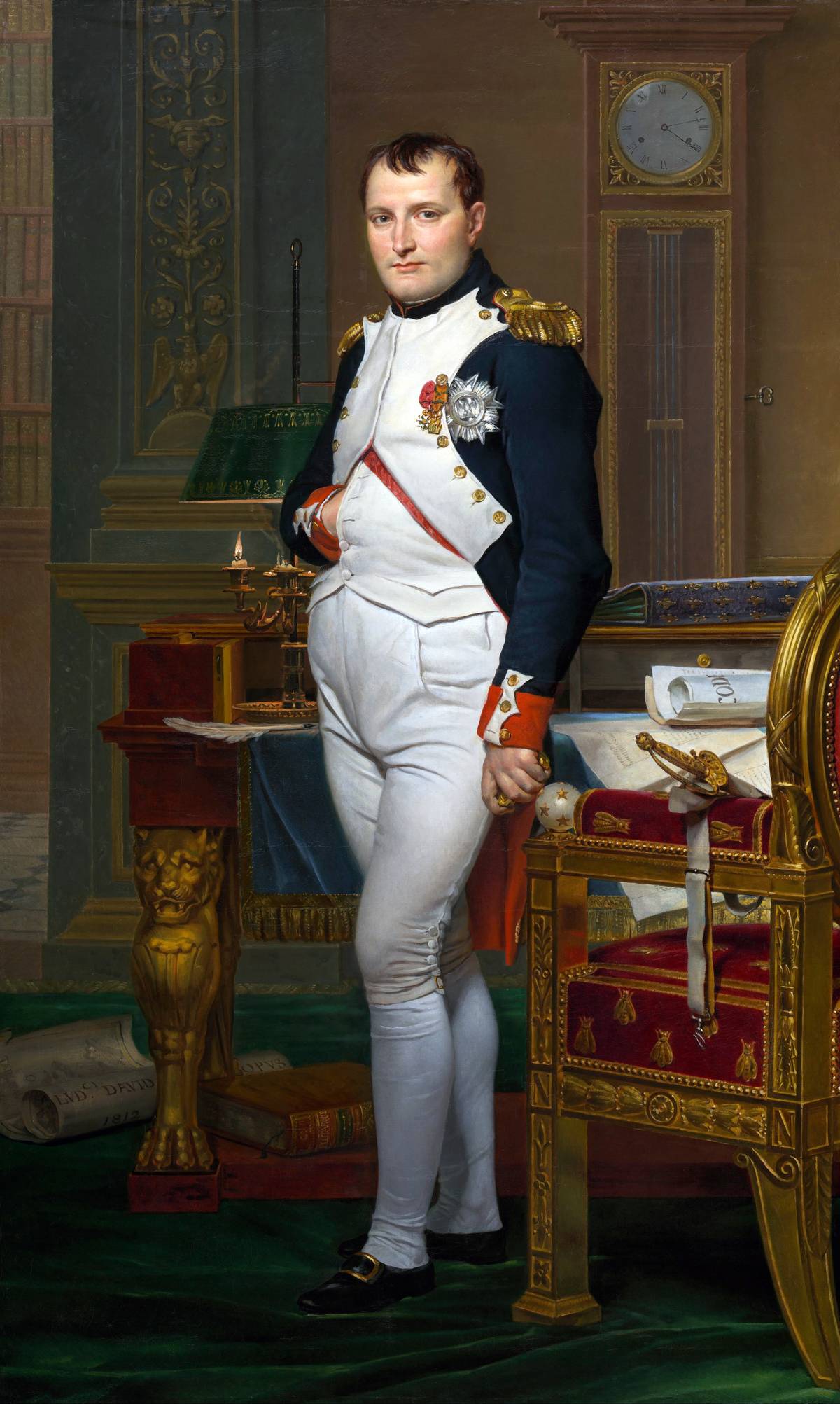
Napoleon and Wellington tangled directly only once—Waterloo, June 18, 1815—yet each studied the other with forensic intensity. Wellington’s army held the ridge at Mont‑Saint‑Jean until Gebhard von Blücher’s Prussians arrived, turning the tide. Wellington later called Waterloo “the nearest-run thing you ever saw,” and he is often quoted as saying Napoleon’s presence on a battlefield was “worth forty thousand men,” a nod to the Frenchman’s galvanizing aura.
From exile on St. Helena, Napoleon praised the steadiness of British infantry and the defensive acumen arrayed against him. Wellington, for his part, dissected Napoleon’s campaigns to teach future officers, treating his adversary as a masterclass rather than a monster. One battle decided Europe’s map, but the professional appraisal each extended the other echoed long after the smoke cleared.
Ulysses S. Grant and Robert E. Lee: Courteous surrender, enduring regard
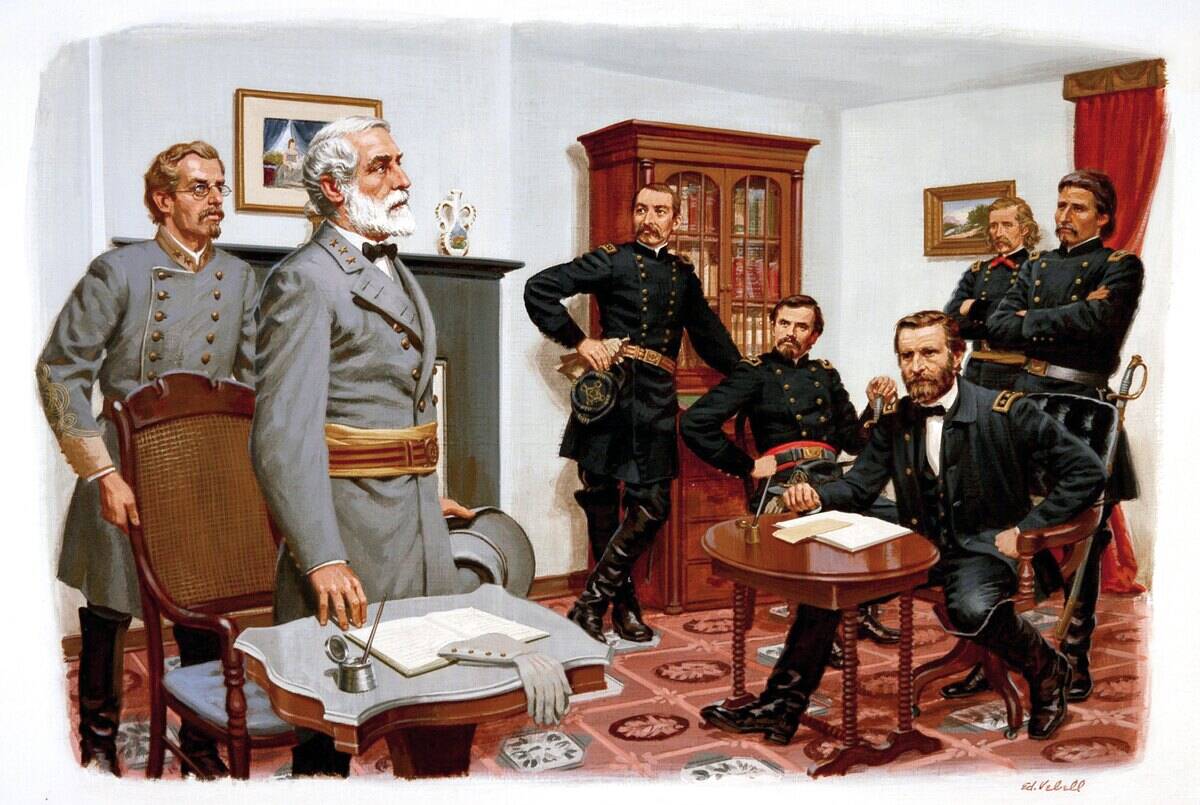
On April 9, 1865, at Appomattox Court House, Grant offered Lee generous terms: Confederate officers could keep sidearms, and enlisted men could take horses home for spring planting. When Union troops began to cheer, Grant ordered silence, writing later, “I felt like anything rather than rejoicing at the downfall of a foe.” It was a careful close to a brutal war that had seen both men rise from Mexican War veterans to national symbols.
Lee urged reconciliation soon after, telling former Confederates to return to peaceful pursuits. Grant, as president (1869–1877), pressed for Reconstruction and civil rights enforcement while resisting calls for vengeance. They had met mostly as opponents, but they parted as gentlemen—an example of how restrained leadership can help a wounded nation start knitting itself back together.
Erwin Rommel and Bernard Montgomery: Desert duel with gentlemanly nods
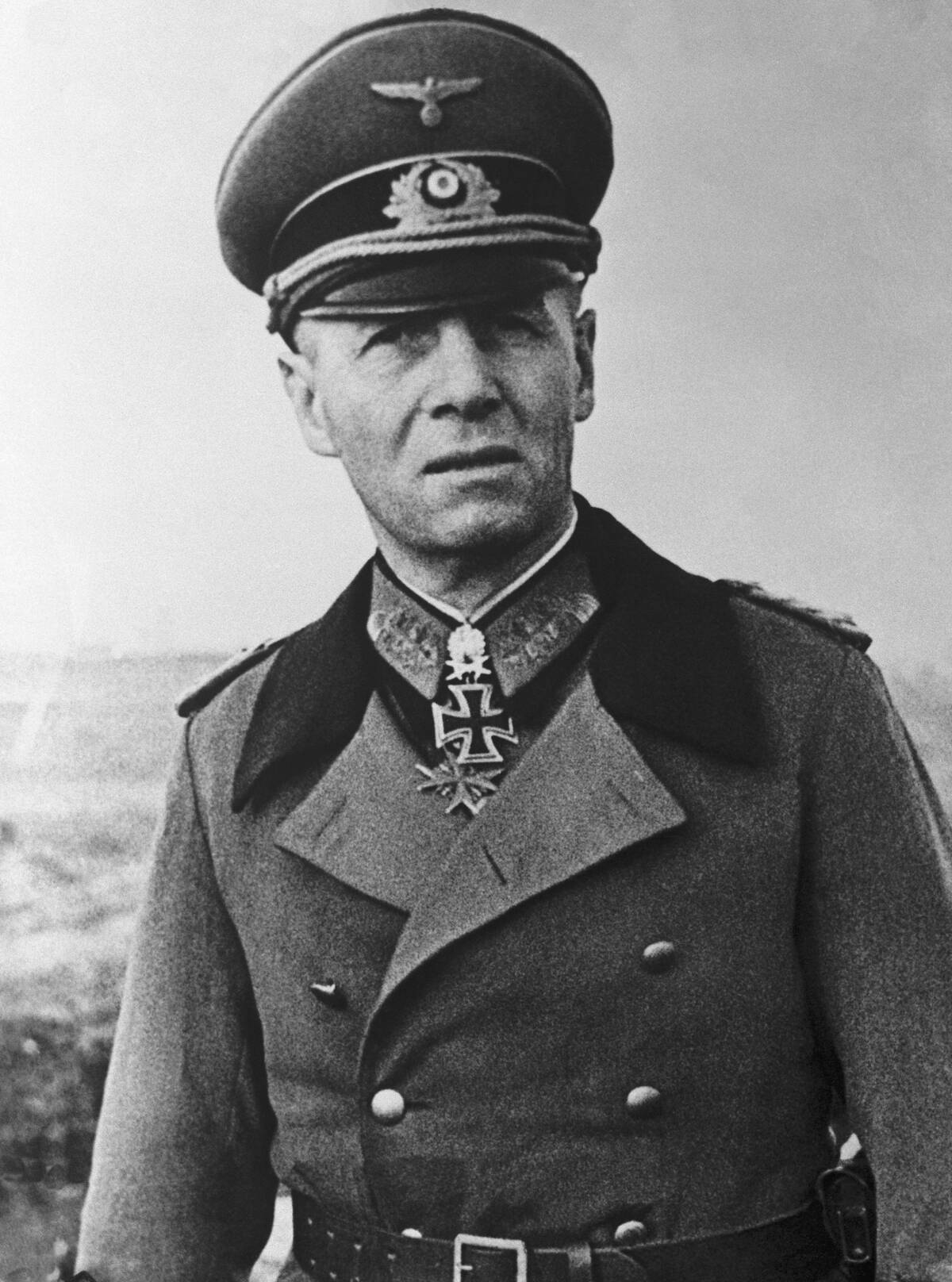
In North Africa, 1942 was a chessboard of sand. Rommel, the “Desert Fox,” led the Afrika Korps in lightning maneuvers; Montgomery, newly in command of the Eighth Army, slowed the tempo, built supplies, and struck hard at El Alamein. Monty publicly warned his staff against belittling Rommel, calling him a skillful opponent. Rommel, for his part, noted the British Army’s improving coordination and air superiority in his papers.
Their reputations outlasted the campaign. Montgomery’s October–November 1942 victory at El Alamein marked a turning point, while Rommel’s later refusal to carry out Hitler’s scorched-earth orders and his treatment of POWs burnished his image. After the war, Monty praised Rommel in print—testimony that even the harshest theaters can produce professional respect alongside operational lessons.
Abraham Lincoln and Stephen A. Douglas: Hard-fought debates, high mutual esteem
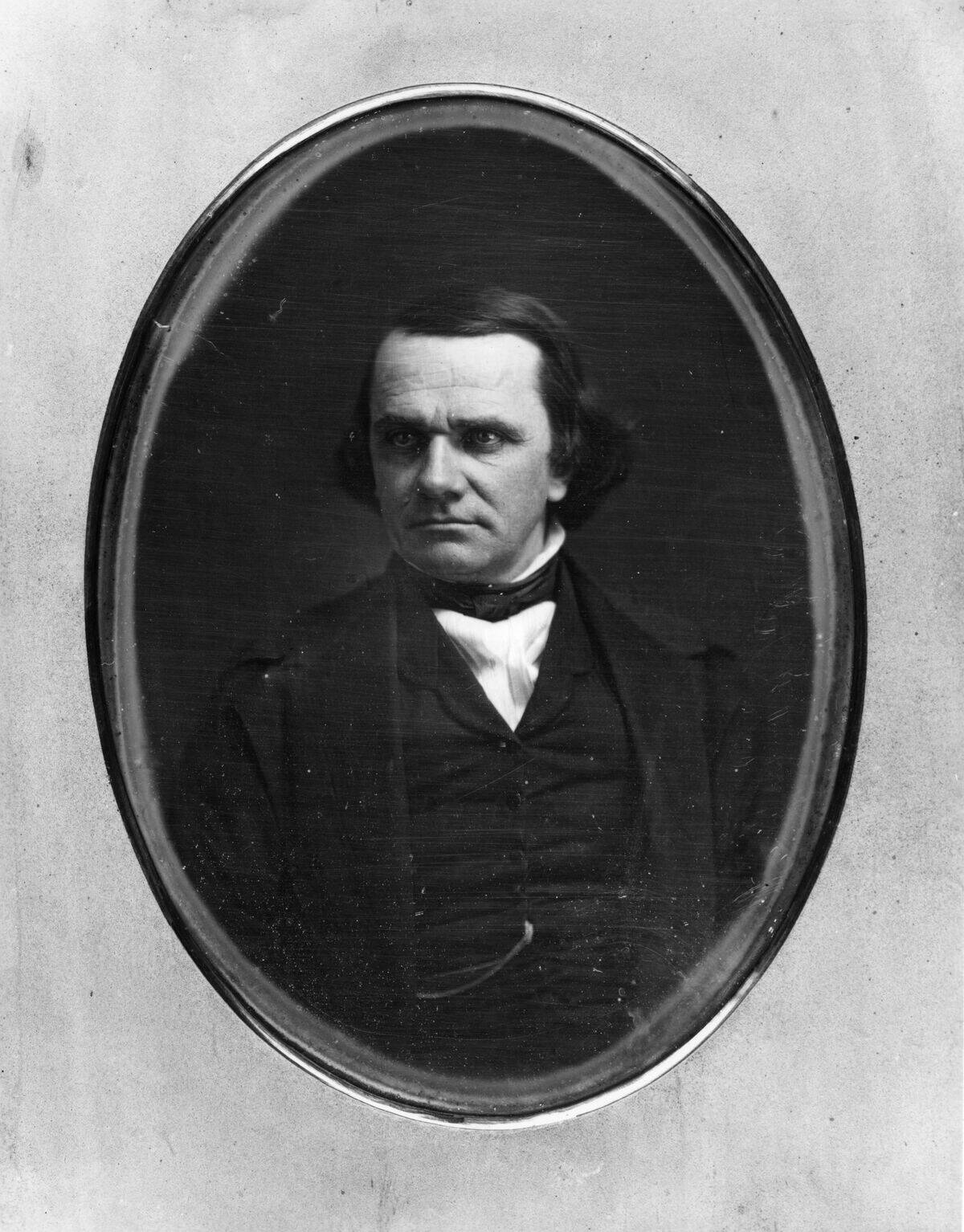
Illinois, 1858: seven three-hour debates, thousands in the crowd, and newspapers relaying every barb by telegraph. Douglas kept his Senate seat; Lincoln gained a national audience with lines like “a house divided against itself cannot stand.” They clashed on popular sovereignty and slavery’s expansion, yet their rivalry steered the country toward its defining election two years later.
After Lincoln won the presidency in 1860, Douglas chose country over party. He crisscrossed the North in early 1861, urging support for the Union after Fort Sumter fell. When Douglas died that June, Lincoln publicly honored his rival’s service. The two had fought with ferocity, but when survival trumped slogans, their shared devotion to the Union showed through.
Albert Einstein and Niels Bohr: Quantum sparring partners with deep respect
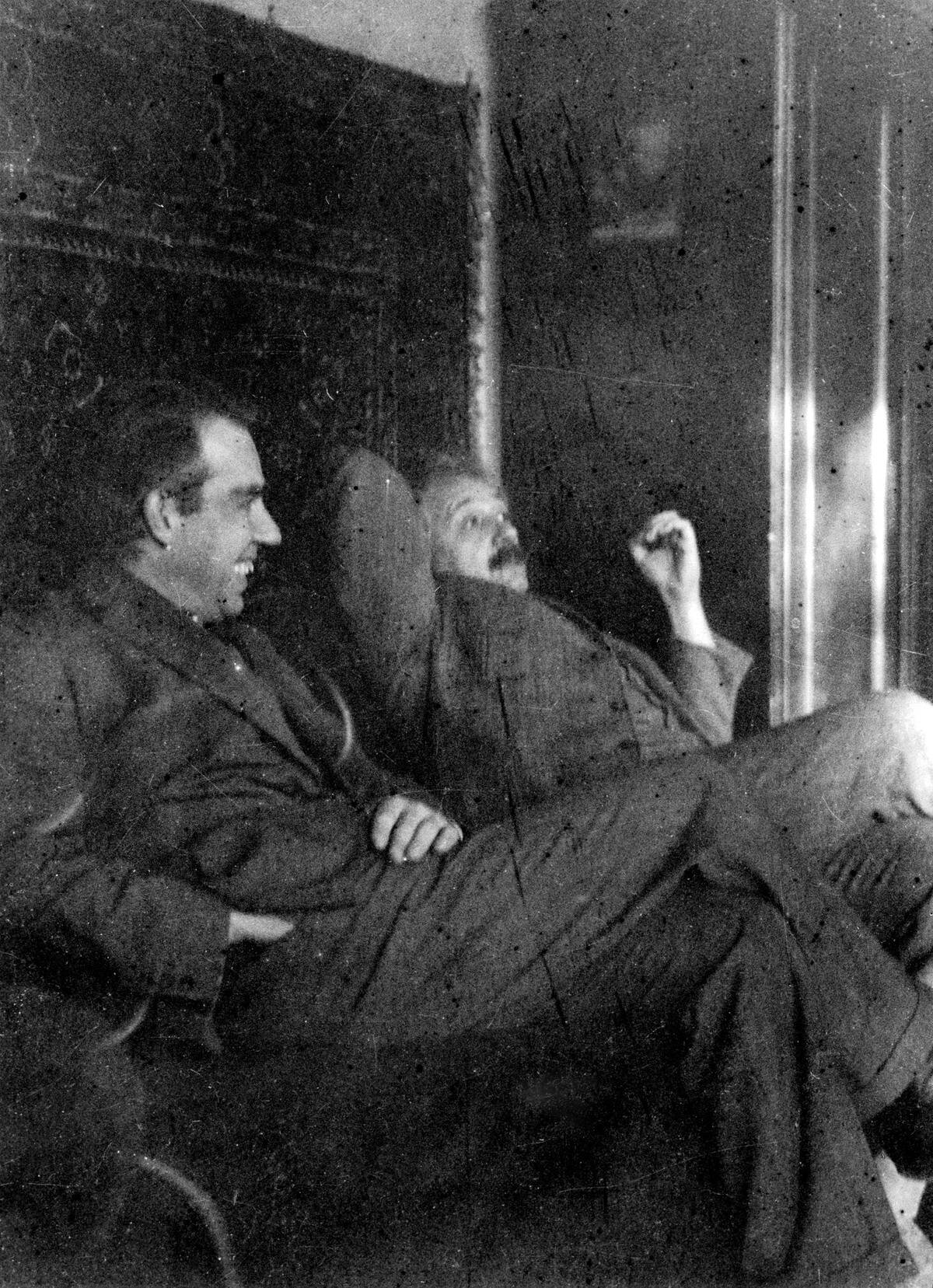
At the 1927 Solvay Conference in Brussels, Einstein launched thought experiments to probe quantum strangeness; Bohr parried each thrust with patient logic and a chalkboard full of inequalities. Einstein’s “God does not play dice” line met Bohr’s tart rejoinders, and the debates rolled on to 1930 and into journals.
Both were Nobel laureates—Einstein (1921) for the photoelectric effect, Bohr (1922) for his atomic model—bringing heavyweight gravitas to every exchange.
Their intellectual wrestling birthed classics: Einstein, Podolsky, and Rosen’s 1935 paper on entanglement; Bohr’s meticulous response the same year. Photos show them smiling together at Solvay, and their correspondence stayed cordial even as interpretations diverged. The most famous arguments in physics read less like a feud than a seminar where each speaker somehow made the other sharper.
Charles Darwin and Alfred Russel Wallace: Evolution’s co-discoverers, not-so-secret mutual praise
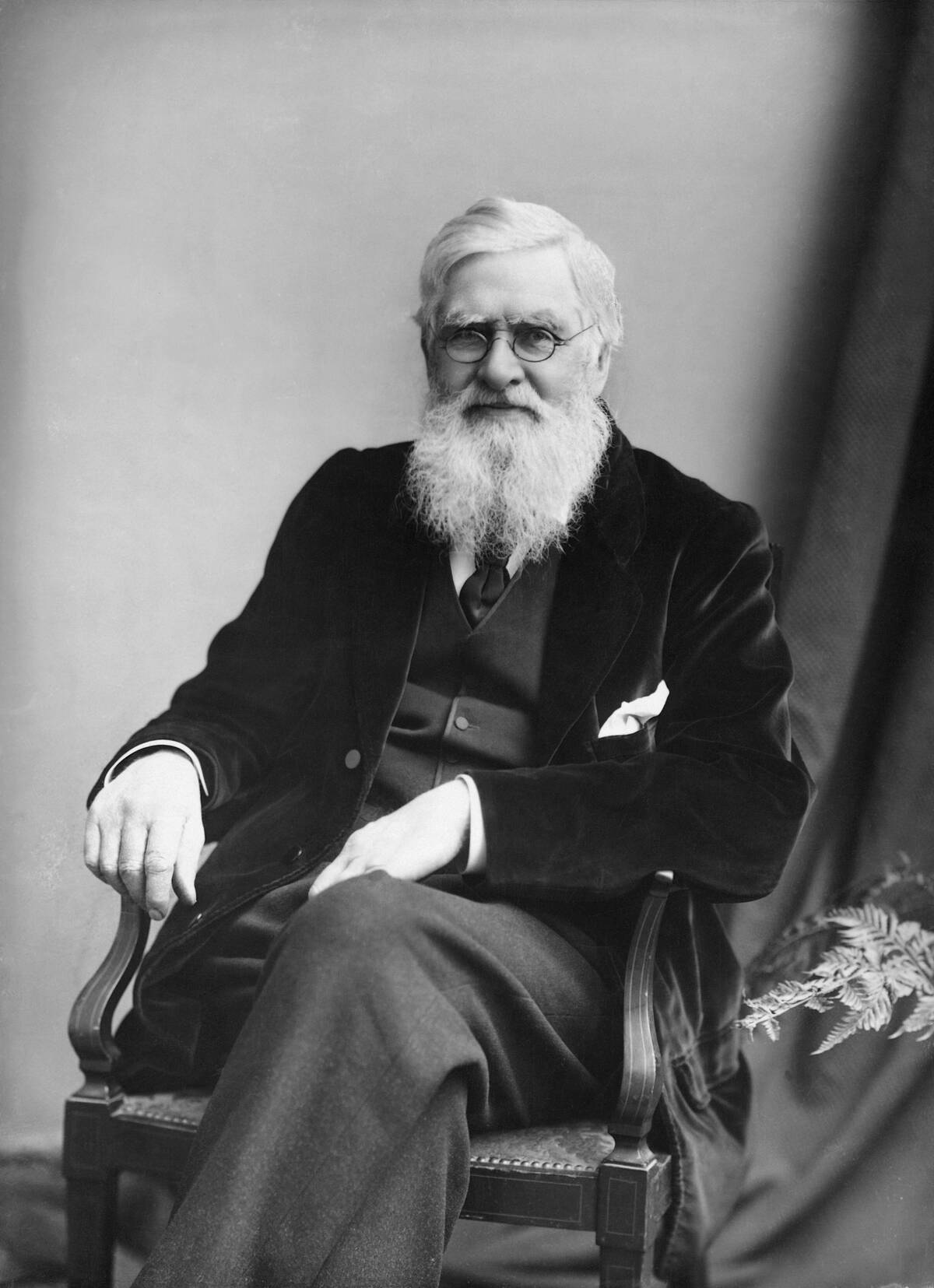
In 1858, Wallace mailed Darwin an essay from the Malay Archipelago outlining natural selection. Alarmed and impressed, Darwin turned to Charles Lyell and Joseph Hooker, who arranged a joint reading at the Linnean Society on July 1, 1858. A year later, Darwin published On the Origin of Species, crediting Wallace prominently. Far from resentful, Wallace kept cheering Darwin’s synthesis from the field.
Wallace later popularized “Darwinism” in his 1889 book, and Darwin used his influence to help secure Wallace a civil pension in 1881. Their letters brim with data—from island biogeography to beetles—plus a steady hum of admiration. Two minds caught the same current; rather than crash, they decided to row in the same direction and let the science lead.
Pablo Picasso and Henri Matisse: Brushstroke rivals who inspired each other
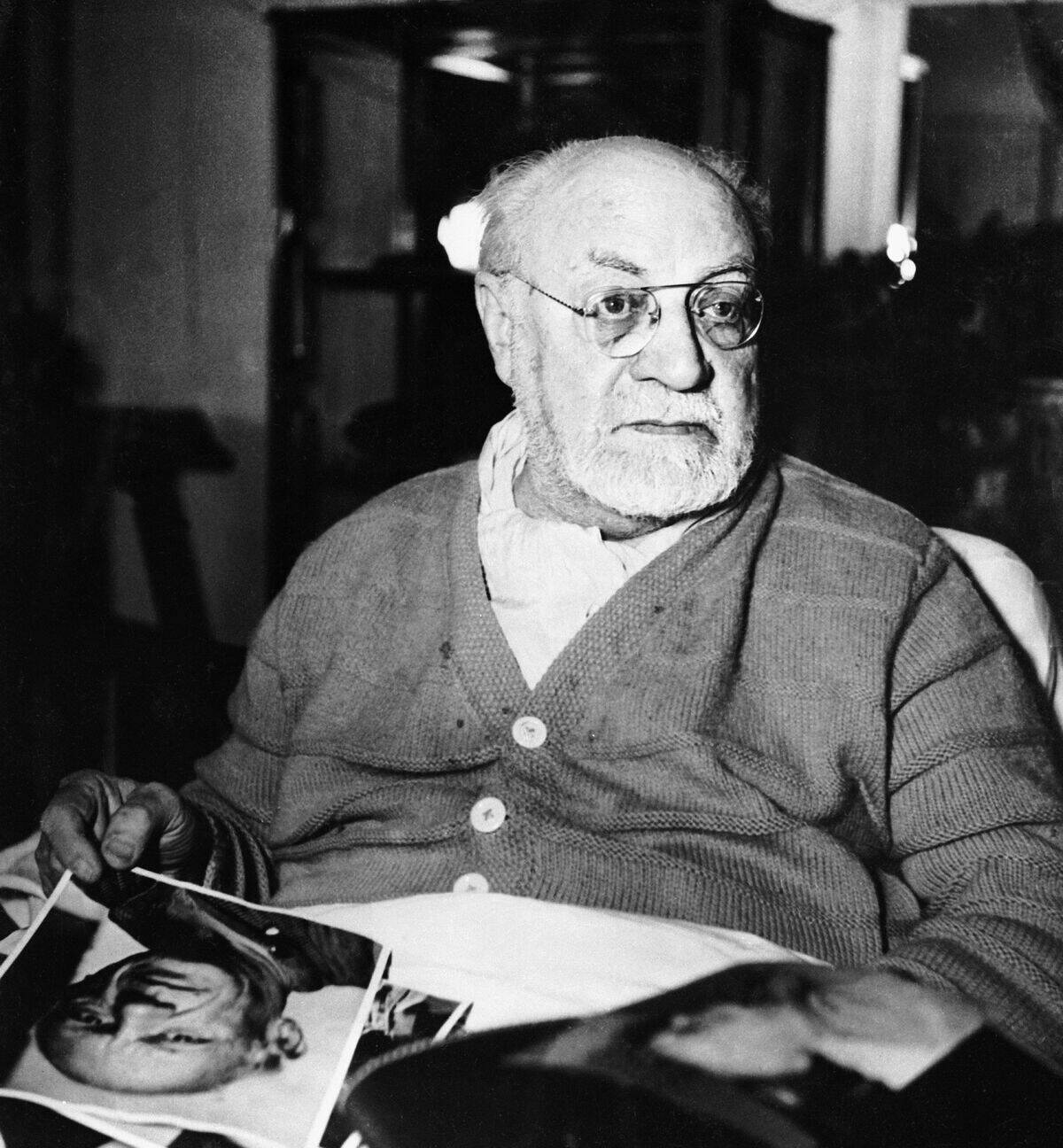
Picasso and Matisse first met in Paris around 1906, then spent decades trading visual thunderbolts—Fauvism’s wild color here, Cubism’s fractured planes there. Each kept an eye on the other’s studio and exhibitions. Picasso once quipped, “No one has ever looked at Matisse’s paintings more carefully than I; and no one has looked at mine more carefully than he.” Friendly visits with Gertrude Stein and shared patrons only heightened the creative crossfire.
As their styles evolved, so did the dialogue: Matisse’s 1940s cut-outs loosened color and space; Picasso’s late works answered with audacious line and speed. They exchanged works, commented frankly, and admitted the other’s greatness in interviews. When Matisse died in 1954, Picasso’s output surged in restless tribute, a final nod to the partner who kept him honest.
Wolfgang Amadeus Mozart and Antonio Salieri: Beyond the myth, professional courtesy
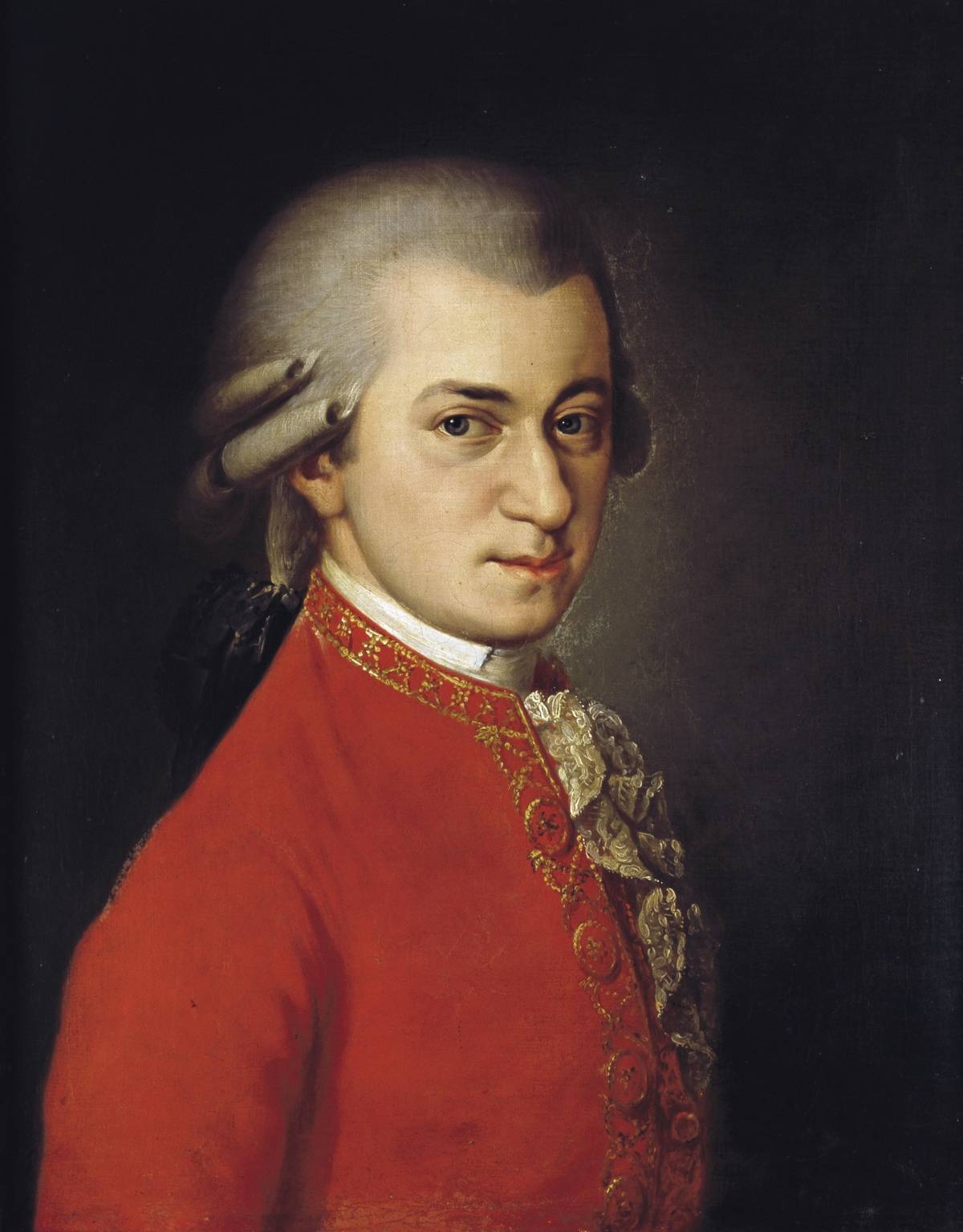
Forget the poison plot. Vienna’s archives tell a calmer story: in 1785, Mozart and Salieri even contributed to the same celebratory cantata, “Per la ricuperata salute di Ofelia,” a lost score rediscovered in 2015. Salieri later taught Mozart’s younger son, Franz Xaver, and conducted performances of Mozart’s operas in Vienna as they circulated through the repertoire. Rivals? Certainly. Saboteurs? The paperwork doesn’t back it up.
Salieri’s pupils included Beethoven, Schubert, and Liszt, and Mozart openly admired Italian vocal craft that Salieri embodied. Reports suggest Salieri attended The Magic Flute and praised it enthusiastically. The “Amadeus” myth gave us drama; the ledger books give us colleagues who shared stages, singers, and—when needed—a helping hand.
Bill Gates and Steve Jobs: Silicon shootout with grudging admiration
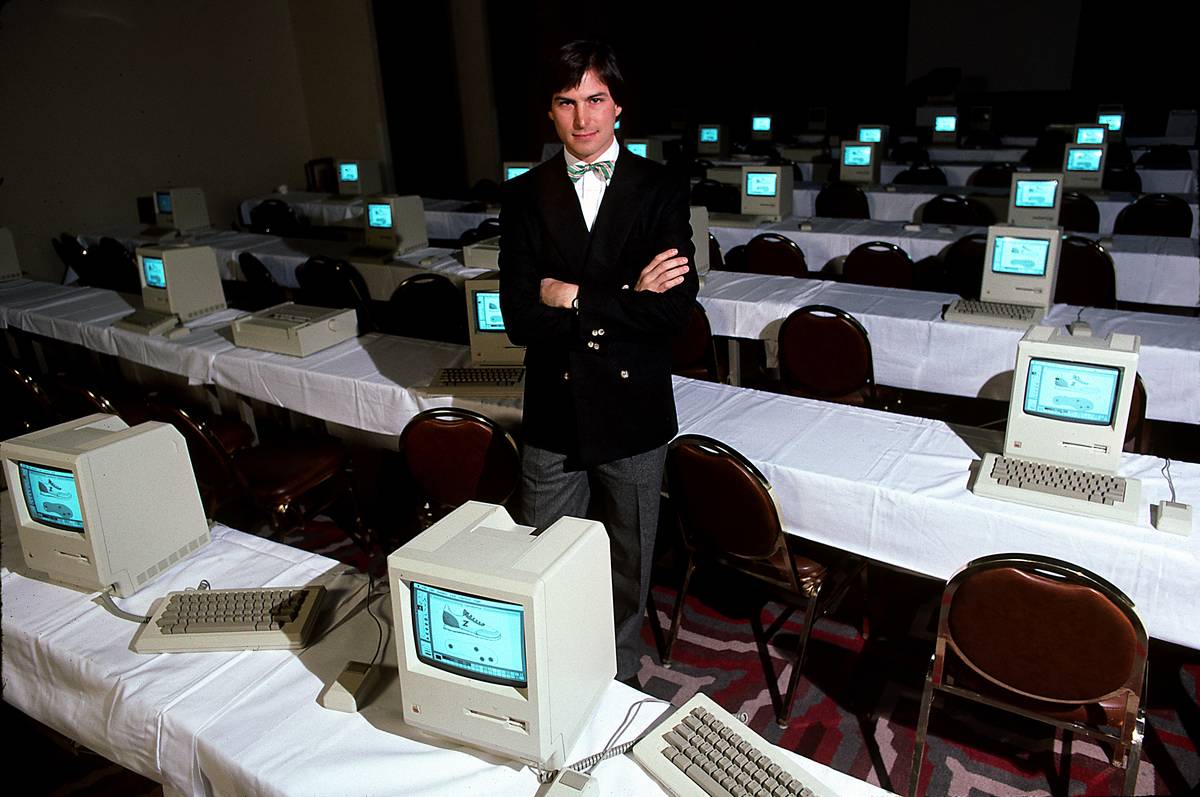
In the late 1970s, Microsoft wrote BASIC for the Apple II; by 1984, Microsoft was also building apps for the Macintosh while developing Windows. Lawsuits flew—Apple sued Microsoft over the Windows “look and feel” in 1988 and largely lost by 1993—but the relationship never snapped. In 1997, with Jobs back at Apple, Gates appeared by satellite at Macworld to announce a $150 million Microsoft investment and a multi‑year Office for Mac commitment.
The détente cleared the way for parallel empires: Apple’s iMac-to-iPhone rocket ride; Microsoft’s dominance in PC software. In 2007, Jobs and Gates shared the D5 stage for a surprisingly warm joint interview, swapping stories from the Homebrew era onward. They needled each other for decades, but they also recognized that each had pulled off a category-defining act.
Magic Johnson and Larry Bird: Coast-to-coast competition, lifelong camaraderie
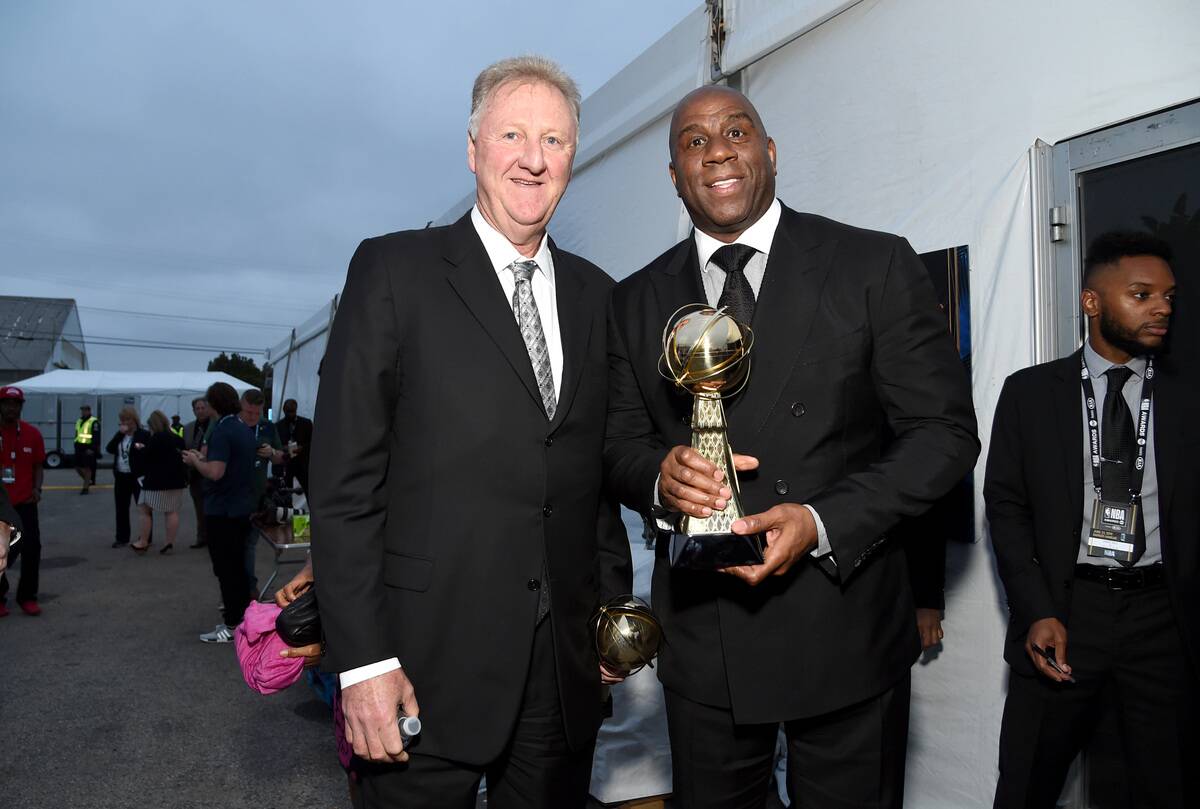
It started with the 1979 NCAA title game—Michigan State’s Magic vs. Indiana State’s Bird, the most-watched college final ever at the time. In the NBA, they met in the Finals three times: 1984 (Celtics), 1985 (Lakers), and 1987 (Lakers). Each won three MVP awards; Bird’s came consecutively (1984–1986), a rare feat.
The rivalry reinvigorated Celtics–Lakers and supercharged the league’s 1980s boom.
A 1985 Converse commercial shot at Bird’s home in French Lick thawed their frosty distance into friendship. When Magic announced his HIV diagnosis in 1991, Bird stood squarely with him. They later joined the 1992 “Dream Team,” a gold medal capstone to a saga that started in campus gyms. Trash talk made the highlight reels; mutual loyalty made the legacy.
Martina Navratilova and Chris Evert: Fierce on court, friends off it
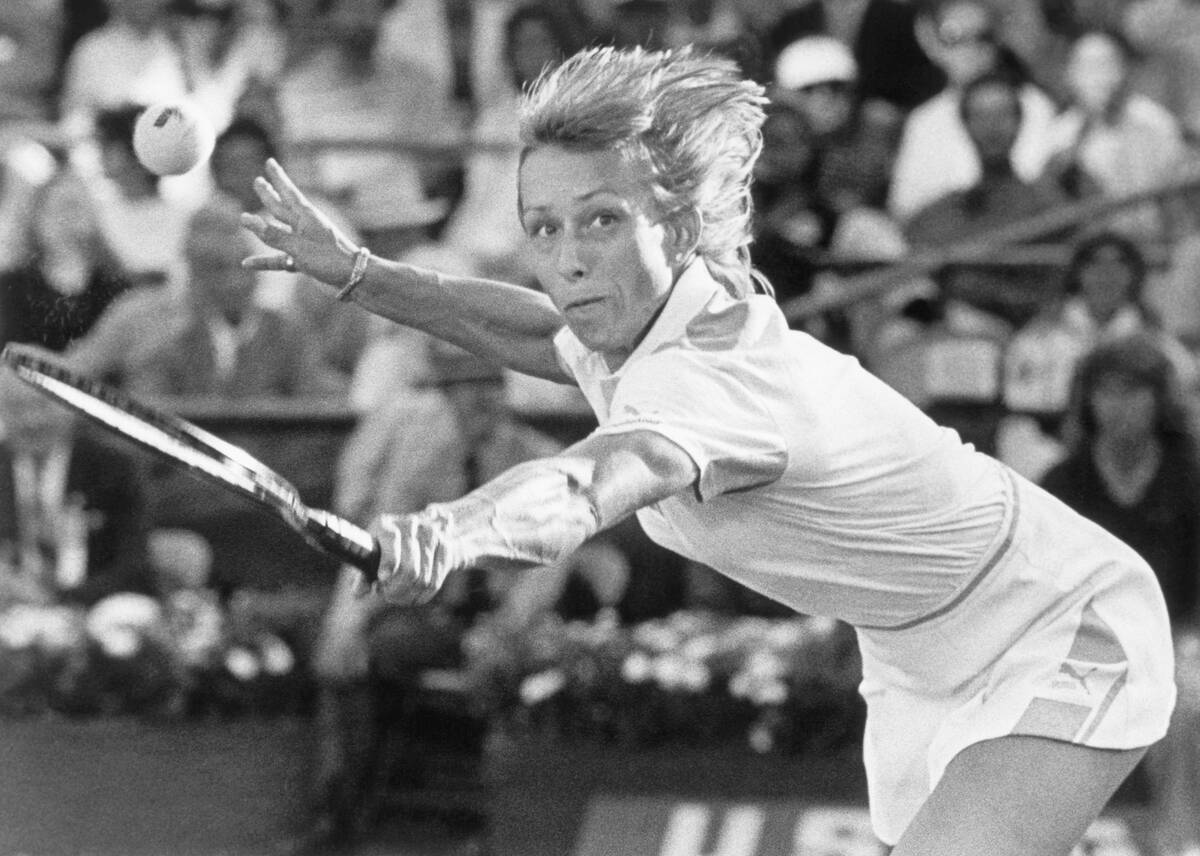
Evert vs. Navratilova is tennis’s gold standard: 80 matches from 1973 to 1988, with Navratilova edging the series 43–37. They met in 14 major finals, a staggering concentration of elite showdowns across clay, grass, and hard courts.
Both retired with 18 Grand Slam singles titles, and both spent years at world No. 1 while dragging the sport into prime-time viewership.
Off court, they shared practice courts, TV booths, and, over time, deep friendship. Their 1985 French Open final (Evert in three sets) and the 1987 Wimbledon final (Navratilova in straight sets) remain textbook studies in contrast—topspin patience vs. attacking net rush. Their on-court ferocity made the trophies; the off-court bond made the story stick.
Björn Borg and John McEnroe: Fire and ice with mutual respect
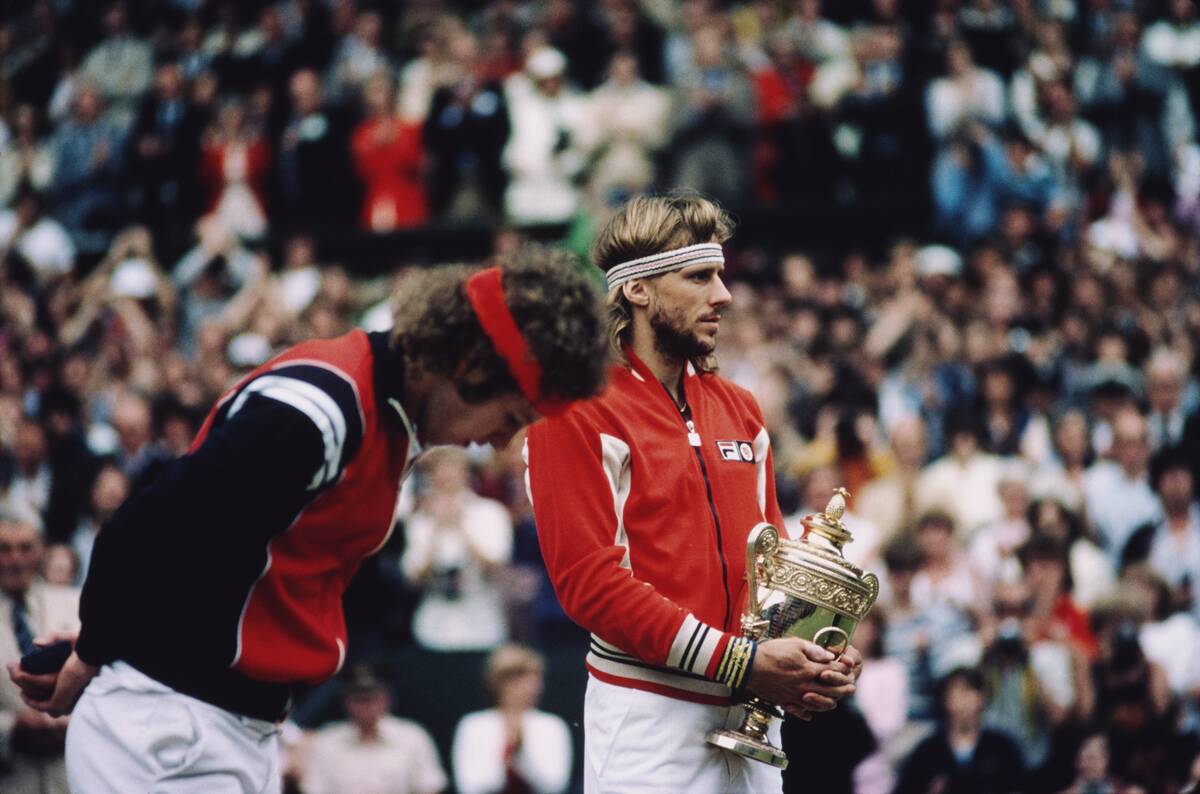
Borg’s ice-cool baseline met McEnroe’s combustible artistry in one of sport’s great style clashes. Their 1980 Wimbledon final delivered the 18–16 tiebreak in set four—McEnroe saved five match points—before Borg finally prevailed in the fifth. A year later, McEnroe turned the tables, winning Wimbledon 1981 and the US Open, after their US Open 1980 classic had already tilted his way.
Borg retired in 1983 at just 26 with 11 majors; McEnroe finished with seven singles Slams and a doubles haul to match. Decades on, they captained rival Laver Cup teams and swapped praise in documentaries, emphasizing how each forced the other to evolve. The tantrums and the tranquility were real—but so was the handshake that came after.
Ayrton Senna and Alain Prost: Rivalry, redemption, and reverence
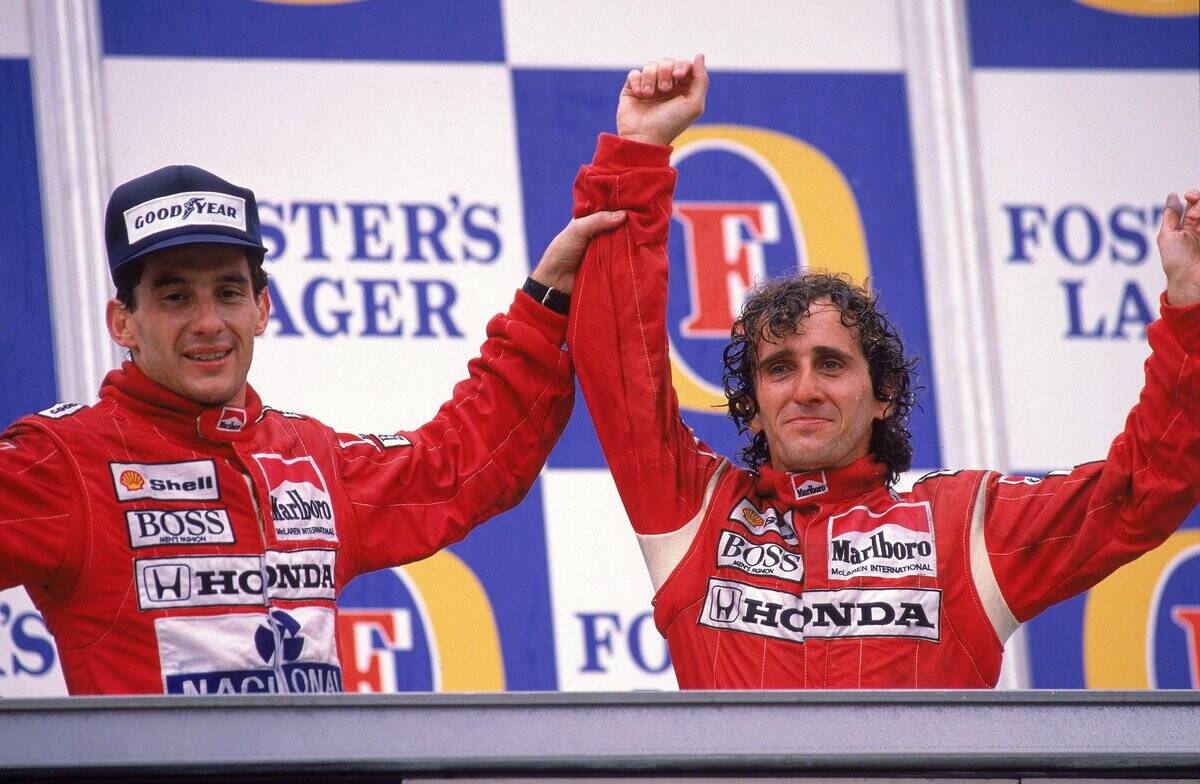
Teammates turned antagonists at McLaren, Senna and Prost split the 1988–1989 titles amid collisions and controversy. Suzuka wrote two famous chapters: their 1989 clash decided the championship for Prost after a chicane tangle; in 1990, first-corner contact handed it to Senna. Prost moved to Ferrari, Senna stayed at McLaren, and their duel became the sport’s moral center—a debate about risk, rules, and razor-thin margins.
By 1993, the ice melted. Senna’s final F1 win at Adelaide ended with a heartfelt podium gesture inviting retired Prost to join the celebration. After Senna’s fatal crash at Imola in 1994, Prost served as a pallbearer at his funeral in São Paulo. The headlines had loved the feud; the paddock remembered the respect.
Garry Kasparov and Anatoly Karpov: Chess cold war, warm respect
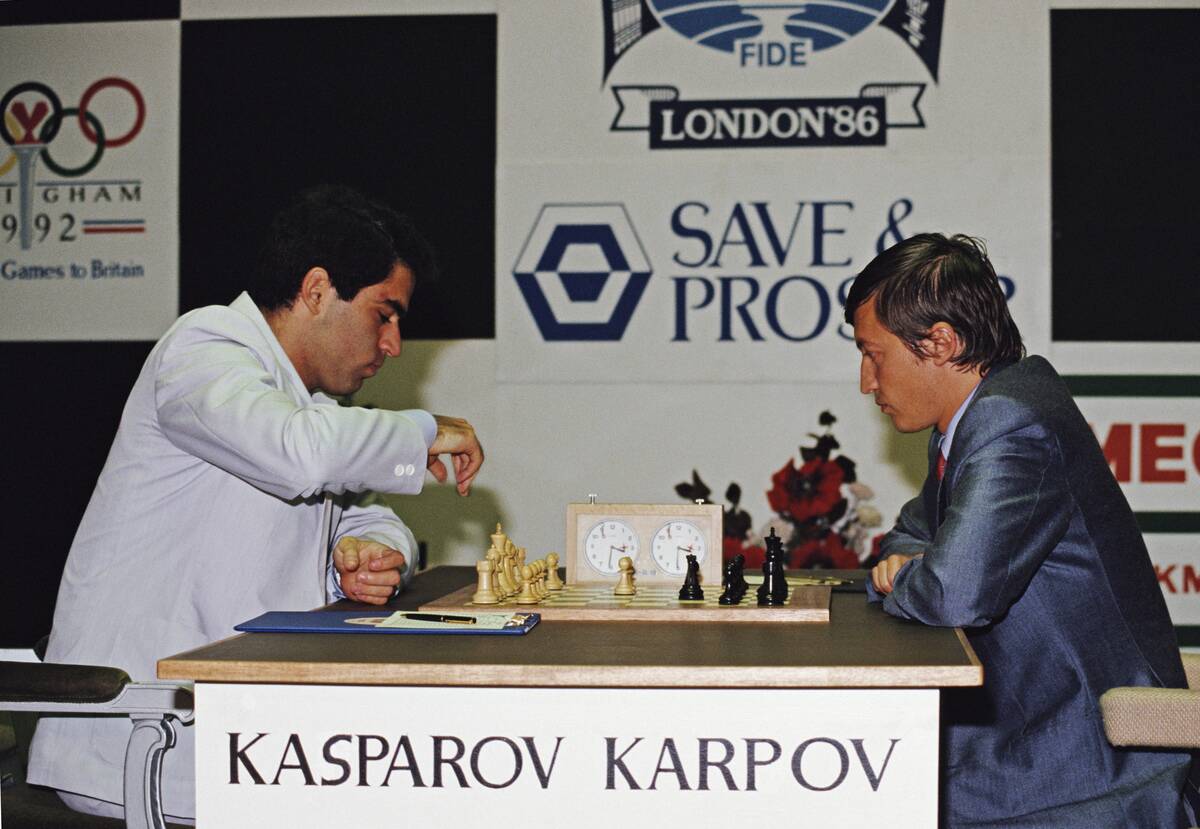
Their 1984 World Championship match in Moscow stretched to 48 games over five months before FIDE halted it with no winner—an unprecedented decision. Kasparov took the rematch in 1985, then defended against Karpov in 1986, 1987, and 1990. Across those title bouts, they played 144 championship games, with theory-shaping novelties from the King’s Indian to the Queen’s Gambit.
Press framed it as youth vs. establishment, glasnost vs. apparatus, but over time the caricatures softened. They later faced off in exhibitions, including Valencia in 2009, and appeared together at chess events that celebrated the depth of their battles. The line between rival and co-author blurred; their games became a shared encyclopedia for generations of players.
Muhammad Ali and Joe Frazier: Brutal trilogy, complex admiration
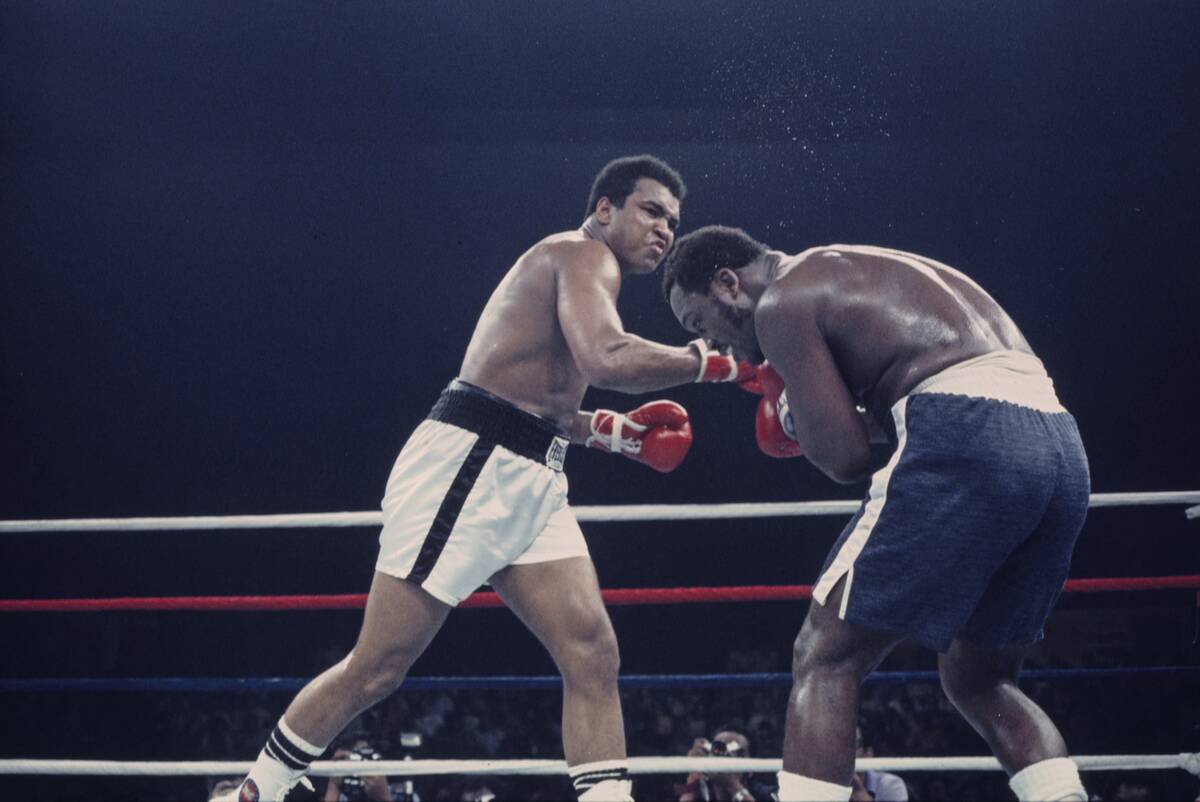
The 1971 “Fight of the Century” at Madison Square Garden delivered 15 rounds of thunder—Frazier’s left hook dropped Ali in the 15th en route to a unanimous decision. Ali won their 1974 rematch, setting up 1975’s “Thrilla in Manila,” a bout so punishing that Ali called it “the closest thing to dying.”
Their records glittered—both Olympic gold medalists, both heavyweight champions—and their styles clashed in symphonic violence.
Ali’s taunts—calling Frazier a “gorilla”—left scars, yet he later expressed regret for the cruelty. Despite public barbs that lingered, they found moments of warmth, sharing talk-show couches and private reconciliations. The trilogy didn’t just crown a champion; it forged two legacies that, even in rivalry, kept circling back to respect.
Roger Federer and Rafael Nadal: Tennis titans with textbook sportsmanship
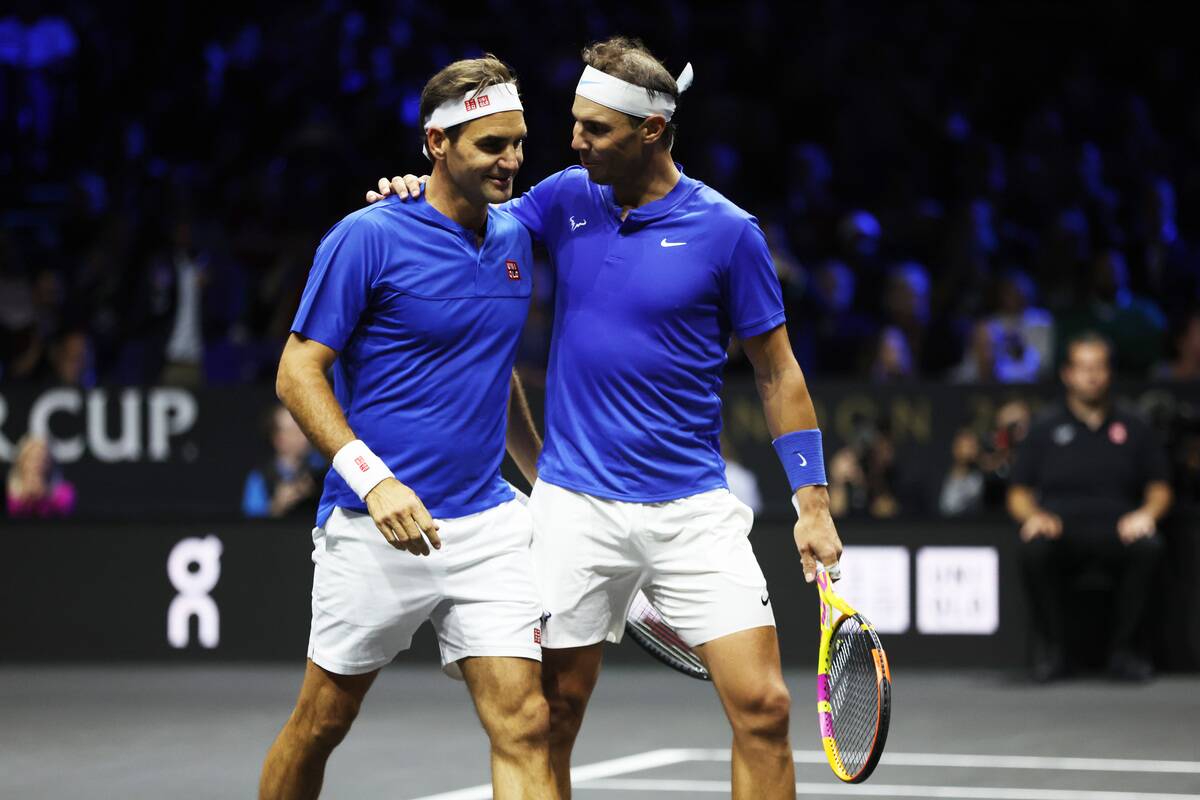
From Miami 2004 to Laver Cup 2022, Federer–Nadal delivered 40 matches and nine Grand Slam finals, with Nadal leading the head-to-head 24–16. Their 2008 Wimbledon final—five sets, encroaching dusk—still tops many all-time lists. Federer’s 2017 Australian Open comeback win over Nadal added a late masterpiece; Nadal’s 2009 Australian Open victory featured an emotional trophy ceremony that showcased their mutual regard.
They practiced together, praised each other’s foundations, and even played doubles as teammates at the Laver Cup. When Federer retired in 2022, Nadal stood beside him in London, both in tears after a final doubles match. One wielded a painter’s brush, the other a sculptor’s chisel; both signed every handshake line as if sportsmanship were part of the score.
Lionel Messi and Cristiano Ronaldo: Goal-for-goal rivals, public praise
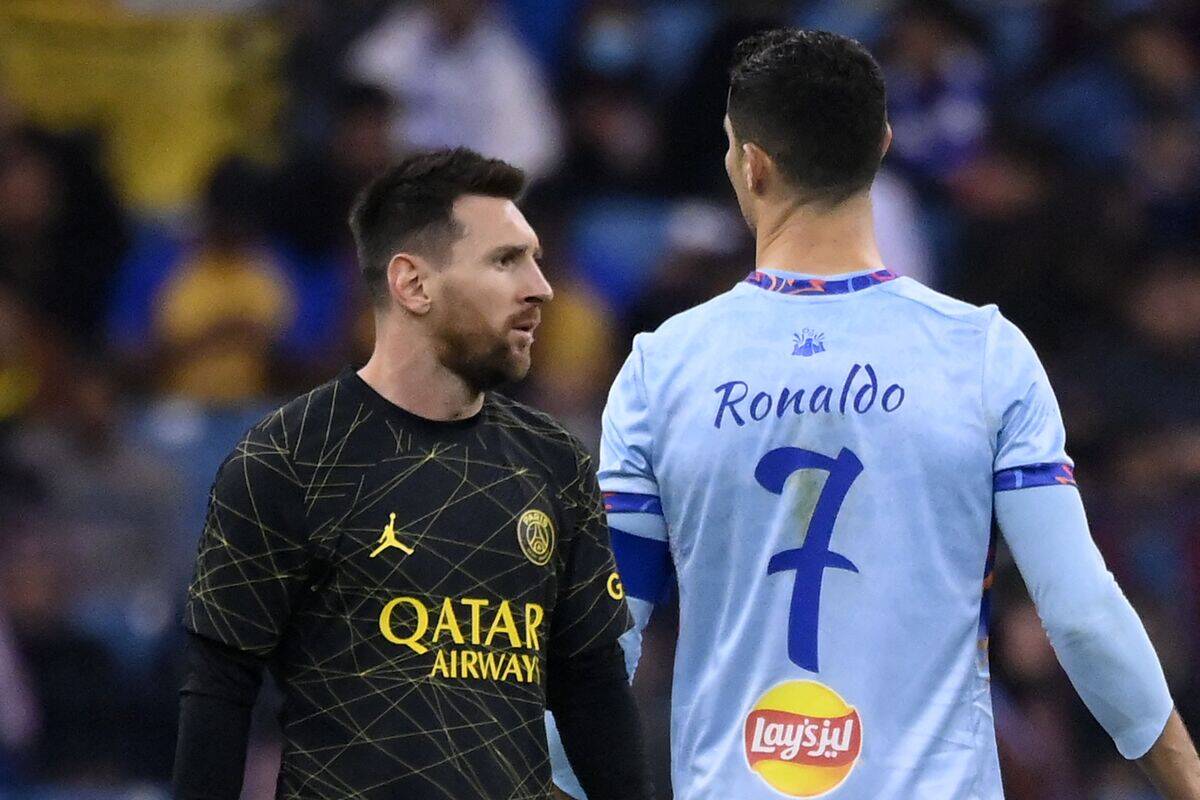
For over a decade, La Liga Sundays meant a rolling referendum on greatness. Messi lifted Ballons d’Or in 2009, 2010, 2011, 2012, 2015, 2019, 2021, and 2023; Ronaldo answered with 2008, 2013, 2014, 2016, and 2017. Ronaldo owns five Champions League titles; Messi has four. One became men’s all‑time leading international scorer with well over 120 goals; the other captained Argentina to the 2022 World Cup after Copa América 2021.
They traded El Clásico daggers—Messi is the fixture’s top scorer—and later, traded compliments on award stages. A 2022 Louis Vuitton photo shoot captured them coolly contemplating a chessboard, a metaphor as tidy as their goal tallies were messy. Different leagues, different styles, same gravitational pull: each kept the other’s bar set almost impossibly high.




