25 photos of everyday habits from 100 years ago
Step onto a 1920s sidewalk and you’d spot routines that feel quaint today: coal smoke in the air, a streetcar bell, and neighbors lingering on porches. Electricity reached many cities but left large rural pockets in the dark, so kerosene lamps and wood stoves still ruled plenty of rooms. Radio was just arriving—KDKA broadcast election results in 1920—and Prohibition reshaped social stops, steering crowds to soda fountains and church basements.
It’s a different pace, but the rhythms were steady and familiar.
We’re peeking at 26 everyday habits that framed mornings, errands, and evenings. People rose earlier, cooked from scratch, and paid cash at the counter. Newspapers landed twice a day in many towns, the iceman knew every block, and milk bottles stood on stoops before sunrise. Phones worked with operators and party lines, letters moved fast with two daily city deliveries, and weekend dances filled grange halls. The details vary, but the routines stitched communities together.
Rising with the sun and turning in early
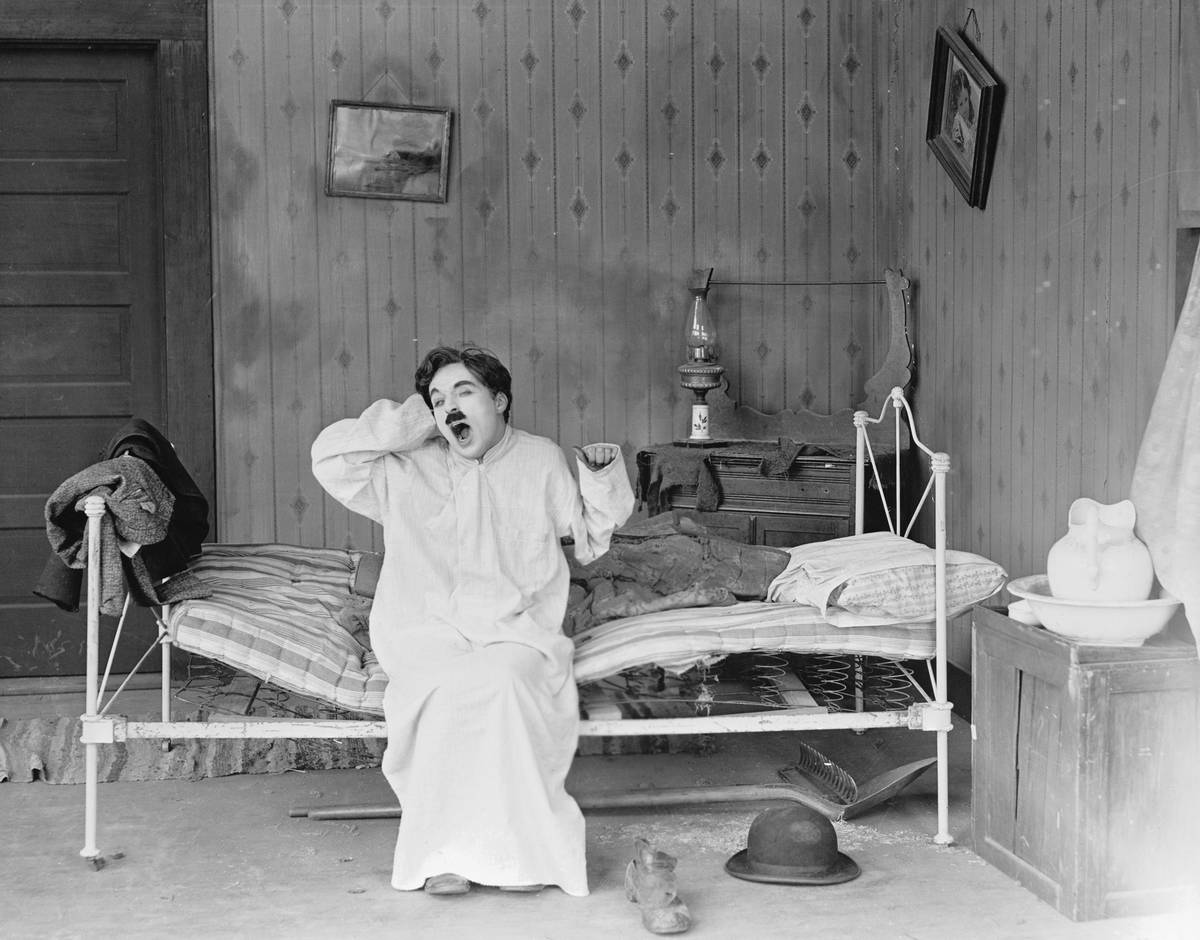
Without universal electrification, the day often followed daylight. In 1920, most American farms still lacked power, and even in towns, dim bulbs or gas fixtures encouraged earlier bedtimes. Wind‑up alarm clocks set the pace—loud metal bells, no snooze. Families cracked windows for cool night air, then pulled quilts tight when coal fires waned. Curtains couldn’t fully beat sunrise, and roosters were perfectly punctual. Morning chores—stoves to light, fires to stoke—nudged everyone up before the sun had cleared the trees.
Evenings were shorter because light was dear. Kerosene lamps were bright enough for reading but drank fuel and required trimming wicks and cleaning chimneys. Urban homes with electric bulbs still found tasks slowed after dusk—no dishwashers, few appliances, and laundry saved for daylight. Neighborhoods quieted early, especially on weeknights. Churches and lodges might stretch a Thursday later, but most beds creaked before 10. The night sky, uncluttered by neon, did its own convincing.
Hats, gloves, and “dressed to be seen”
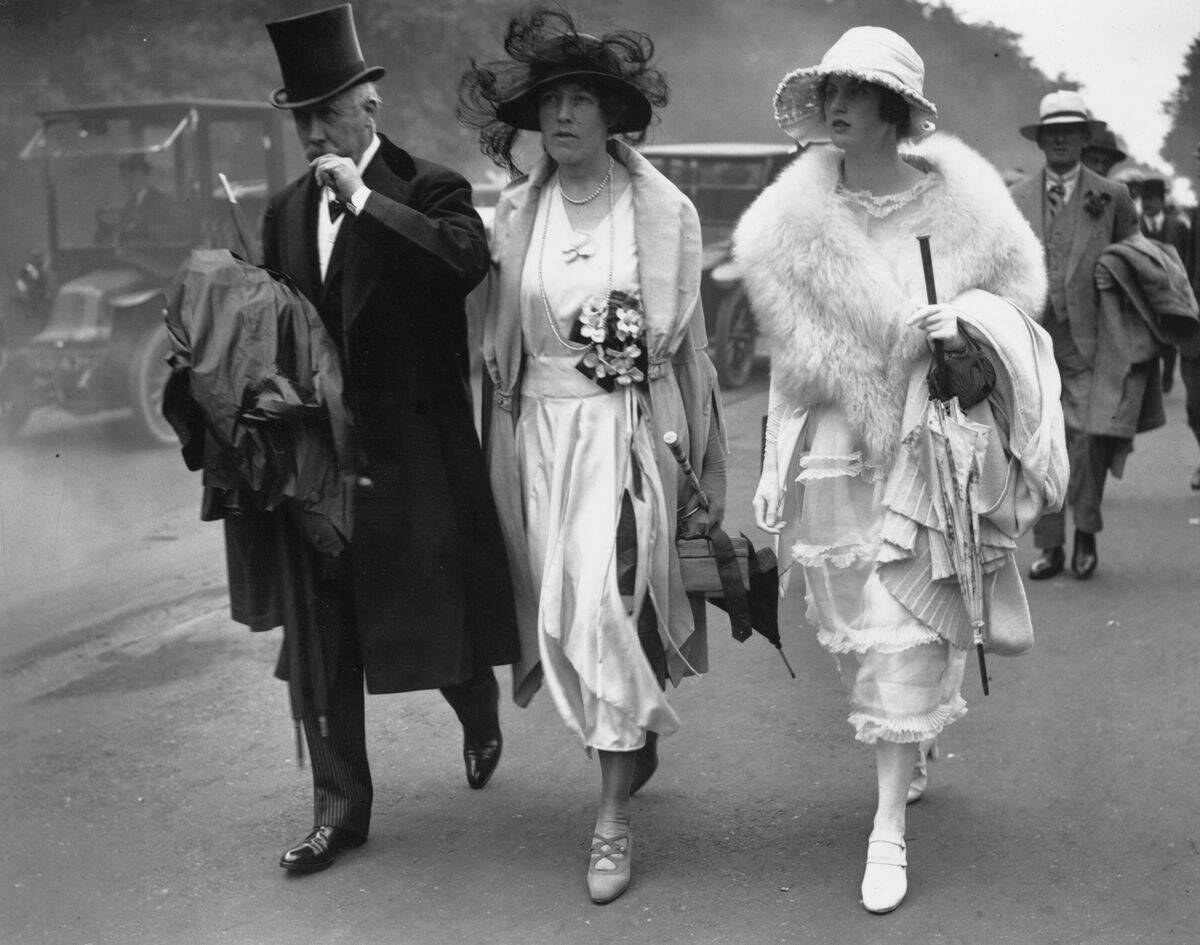
Stepping out meant a hat, nearly without exception. Men favored fedoras or straw boaters in summer; a Stetson could go from street to streetcar. Women’s cloches hugged close to bobbed hair in the mid‑1920s, and gloves were common accessories—often cotton or kid leather by day, sometimes elbow‑length for dressy evenings. Coats had real weight: wool overcoats, fur collars, and rain capes that buttoned stoutly. Shoes were polished, stockings darned, and hems tidy, because sidewalks doubled as social stages as much as transportation. Etiquette traveled with the outfit.
Men often tipped hats to acquaintances and removed them indoors, though practices varied; gloves were sometimes removed for handshakes and meals. Clothing often reflected activity or setting—aprons for kitchens, school uniforms in some classrooms, and best suits for church—but this varied by region and social class. Ready-to-wear expanded choices—mail-order catalogs and department stores sold sizes off the rack—yet tailoring kept garments sharp. Handkerchiefs were a common accessory, though lint brushes were not universally standard.
Hearty breakfasts cooked from scratch
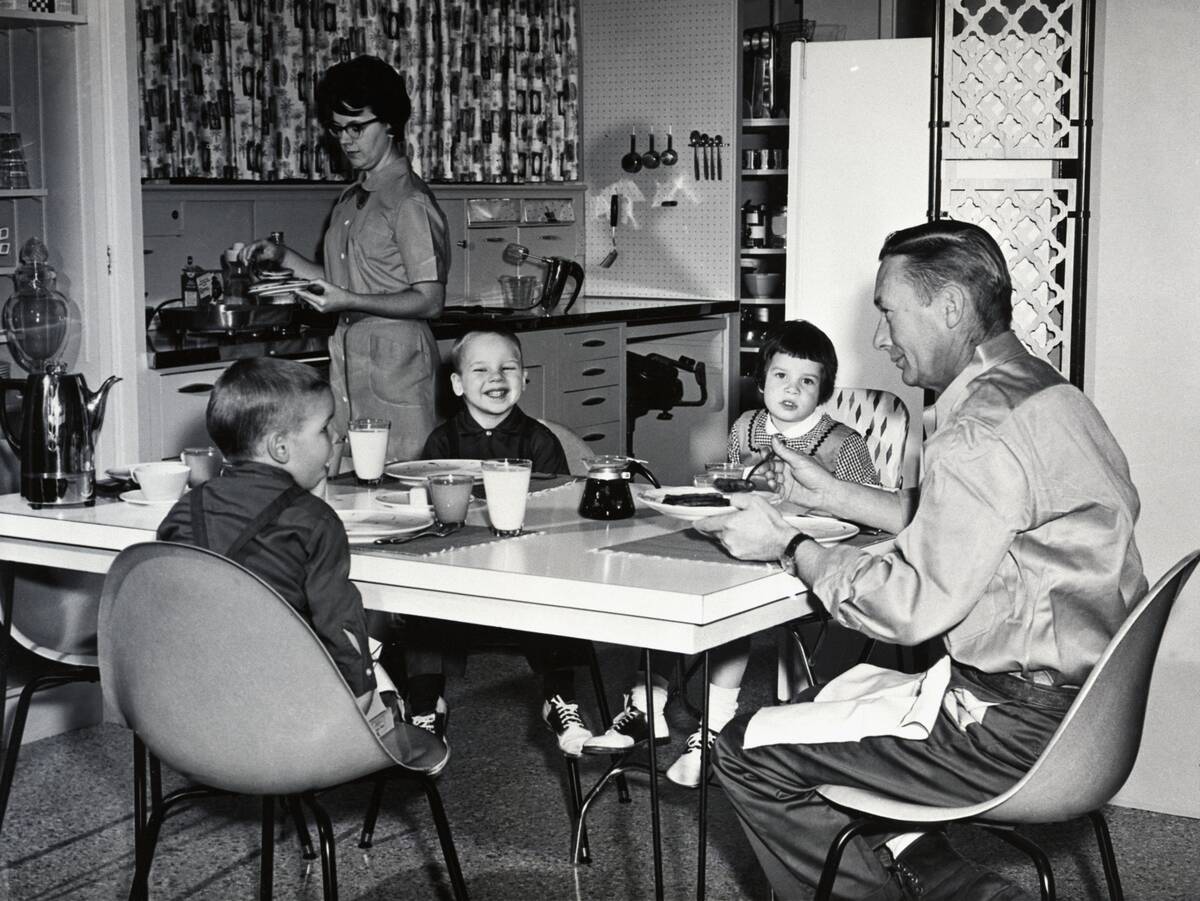
Breakfast meant fuel for work. Eggs, fried potatoes, ham or bacon, and hot biscuits or toast were common on farm tables. Oatmeal bubbled often—Quaker had been rolling oats for decades—and Cream of Wheat warmed chilly kitchens. Coffee perked on the stove; tea was there for those who preferred it. Packaged cereals existed—Kellogg’s Corn Flakes debuted in 1906—but most households still cooked. Butter and jams came from the pantry, sometimes the backyard cow or the berries canned last summer.
Orange juice arrived when grocers had Florida or California shipments, not every week. Pancakes leaned on buttermilk and a hot griddle, and syrup might be real maple in the Northeast or cane syrup elsewhere. Leftovers from Sunday’s roast reappeared as hash, crisped in cast iron. Kids gulped a glass of milk—pasteurization was spreading steadily under new public‑health rules—and grabbed a slice of toast if the school bell loomed. Dishes waited for whoever drew cleanup duty.
The morning paper (and often an evening edition)
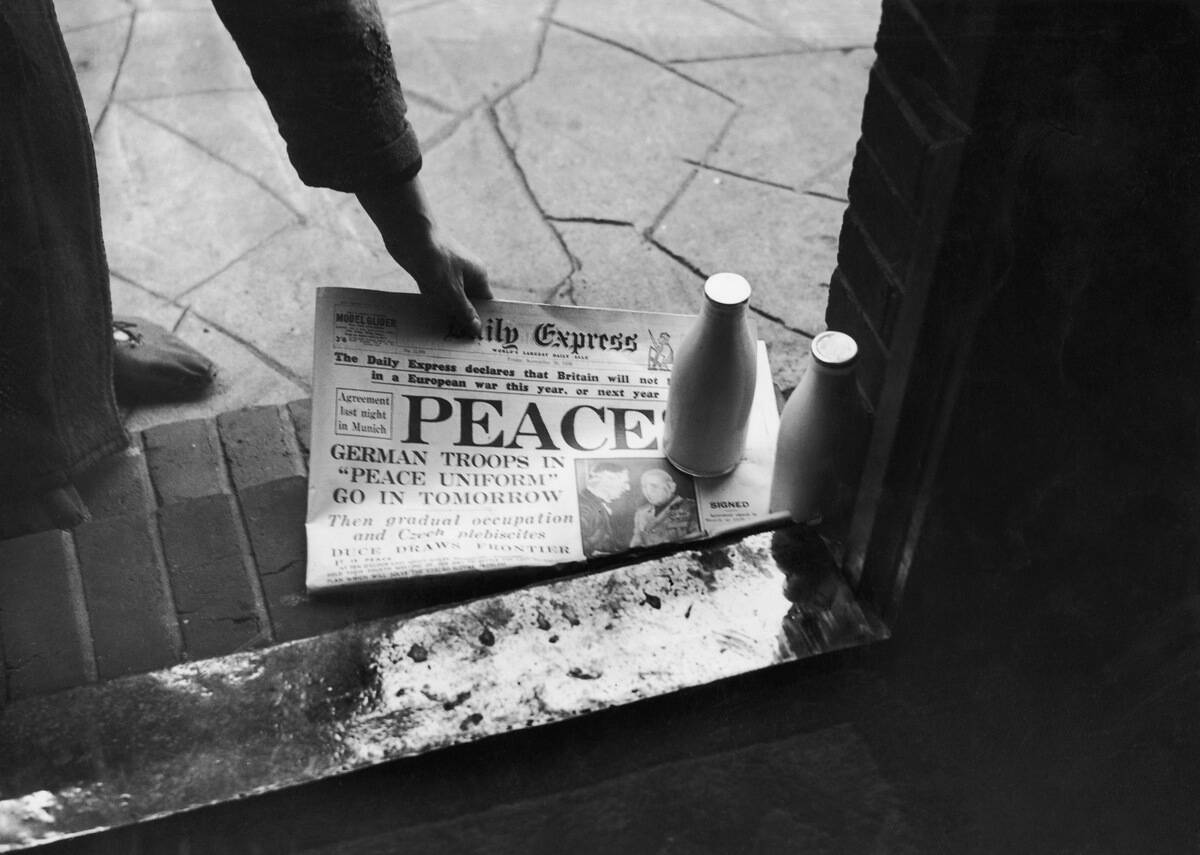
City stoops sprouted headlines. Paper routes ran before dawn, and in many towns another edition hit porches after work. Big cities had multiple dailies, each chasing scoops and cultivating loyal readers. Comics brightened even grim news—Little Orphan Annie started in 1924, and Popeye would muscle into strips by 1929. Stock tables, grain prices, and baseball box scores shared space with serial fiction. Ads hawked patent tonics, new radios, and a dress on sale three floors up at the emporium.
Reading was strategic.
The morning paper delivered markets, weather, and civic squabbles; the evening edition wrapped late sports, crime, and city hall maneuvers. Offices ran clippings across desks, and barbershops stacked day‑old bundles for waiting chairs. Ink smudged fingers, so a dish of blotting sand or a rag lived near the breakfast table. Sunday editions swelled with rotogravure photo sections and department‑store inserts—the thick kind you could spend an hour skimming with a second cup of coffee.
Walking, bicycles, and streetcars to get around
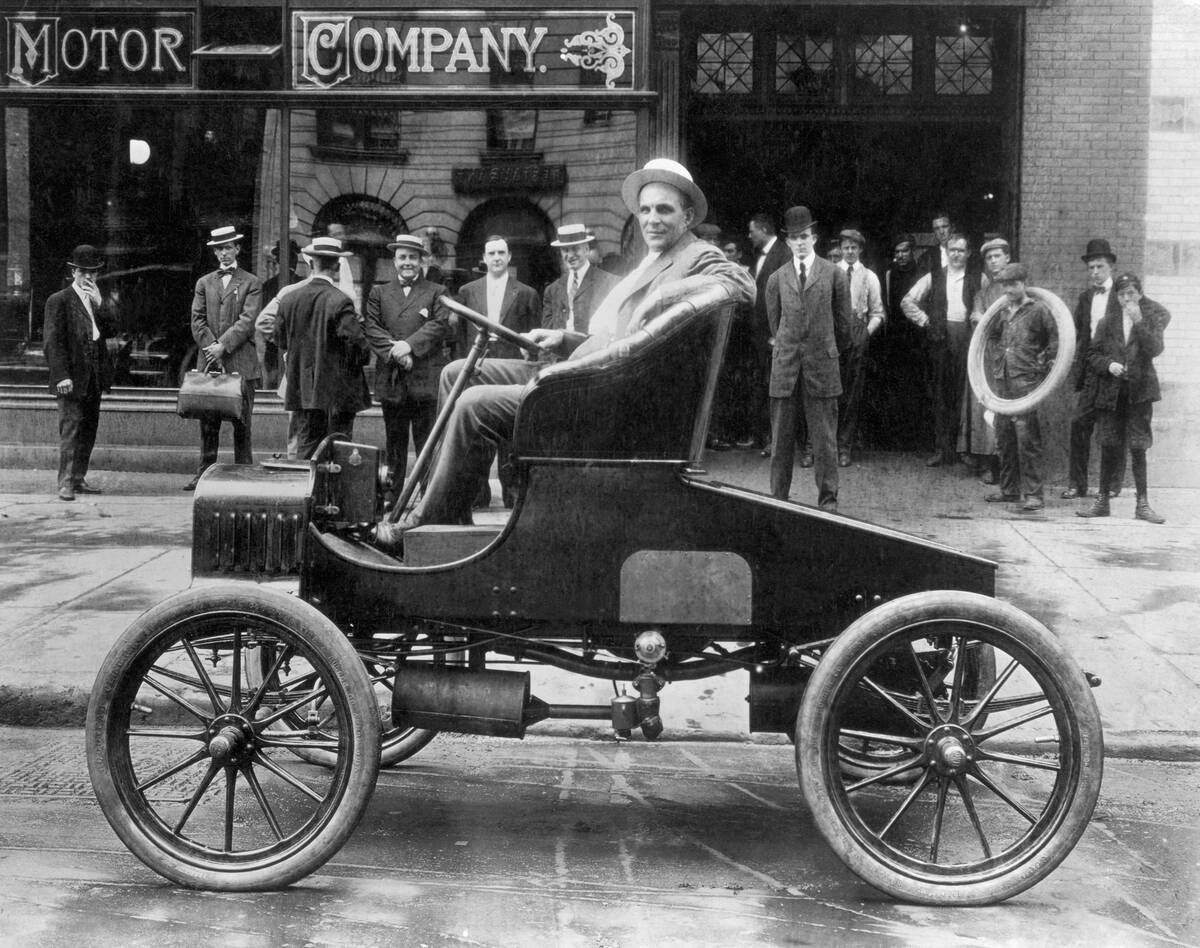
Feet did the first miles. Errands clustered near home—school, grocer, church—and sidewalks were crowded at opening bells. Bicycles stretched a radius; chain guards and skirt guards kept clothes clean, and a hand pump waited back home. For longer hauls, electric streetcars stitched cities together. Nearly every large American city ran them, their overhead wires singing, cars clanging across switches. A nickel fare was common for years, edging up in some places but still cheap compared with a horse and carriage earlier.
Autos were coming fast, but not universal. Ford’s Model T set a price many families could afford, and by the time Ford ended production in 1927, more than 15 million Ts had been built. Even so, downtown trips often went by trolley to dodge parking headaches. Interurbans—fast electric lines between towns—carried shoppers and students. Conductors punched tickets, heaters rattled in winter, and open‑air cars cooled summer nights. Transfers were paper slips, watched carefully so you didn’t pay twice.
Coal and wood stoves: tending the daily fire
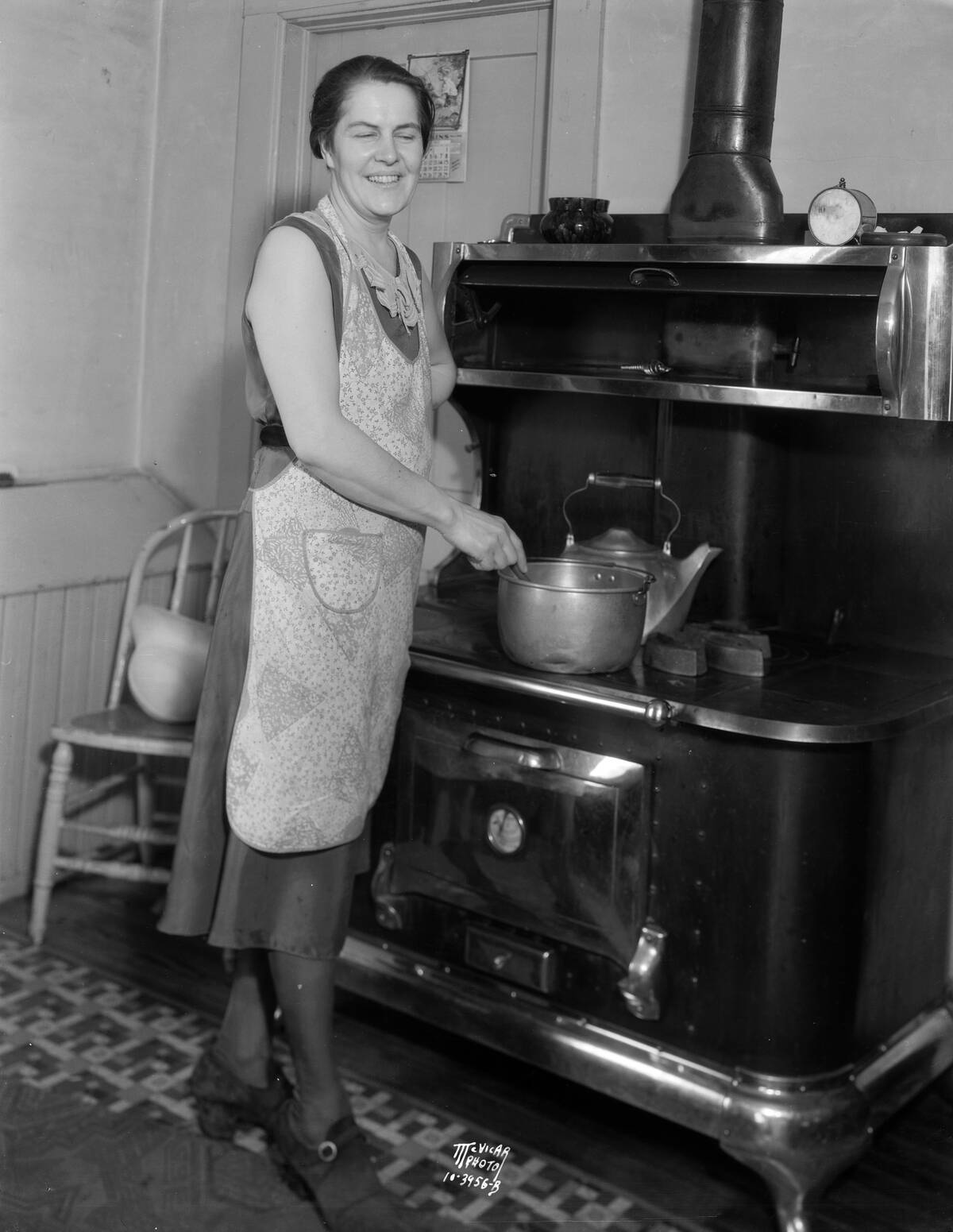
Warmth didn’t arrive with a switch. Someone shook down ashes at dawn, opened dampers, and fed the firebox with kindling before adding coal or split wood. Anthracite burned hot and clean in the Northeast; soft coal and cordwood were typical elsewhere. A scuttle sat by the hearth, a shovel leaned by the ash pail, and stovepipe elbows got regular brushing. Home cooks learned to read the stove’s heat—where to set the kettle, when biscuits browned, how to keep soup at a slow bubble.
Coal came by the ton, sometimes slid down chutes into cellars, leaving dust on clothes. Chimneys demanded sweeping to prevent fires, and ashes went out to barrels—sometimes onto icy steps for traction. Summer heat made cooking a sweaty business, nudging some homes to move canning to porches or summer kitchens. Stove polish kept iron from rusting, pot lifters spared fingers, and adjusting the draft could move a room from chilly to toasty.
Iceboxes and the iceman’s regular route
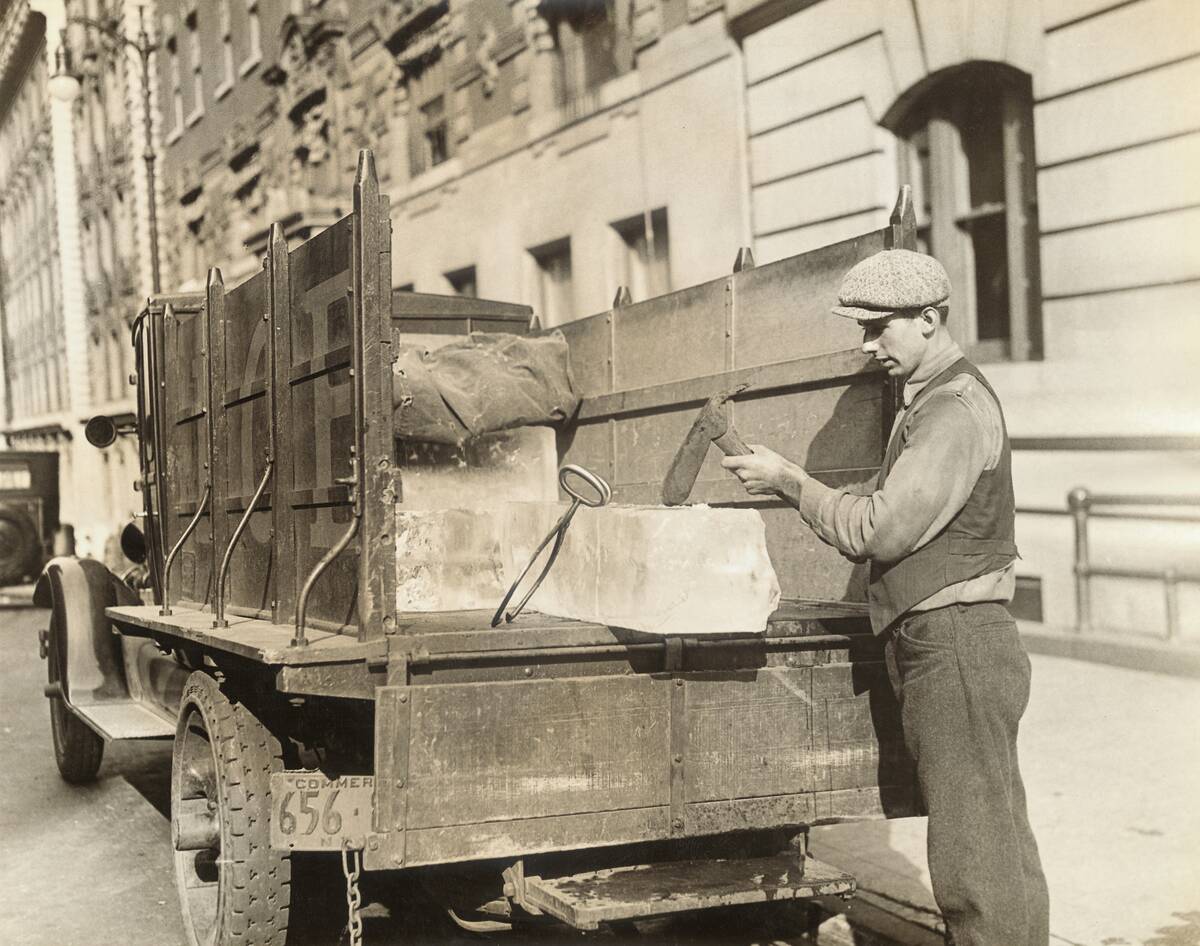
Before refrigerators were common, the icebox reigned: a wooden cabinet lined with zinc or porcelain, with a metal drip pan to catch melt. Households flipped an “ice card” in the window—25, 50, 75, or 100 pounds up top—so the iceman knew what to carry. He lugged blocks with iron tongs on a burlap pad over his shoulder, chipping to fit with a pick. Sawdust insulated warehouse ice; deliveries ran like clockwork, early, so milk and meat started the day cold.
Electric refrigerators did exist—Frigidaire began selling in 1918—but adoption was slow and expensive. By 1930, only a modest share of households had one, so most people learned the icebox’s quirks: keep the butter up high, don’t dawdle with the door, empty the drip pan before it sloshes. Children darted out for slivers on hot days. Grocers kept their own ice lockers, and fishmongers displayed catches on crushed ice, glittering in the window like proof against summer.
Milk bottles on the stoop and other doorstep deliveries
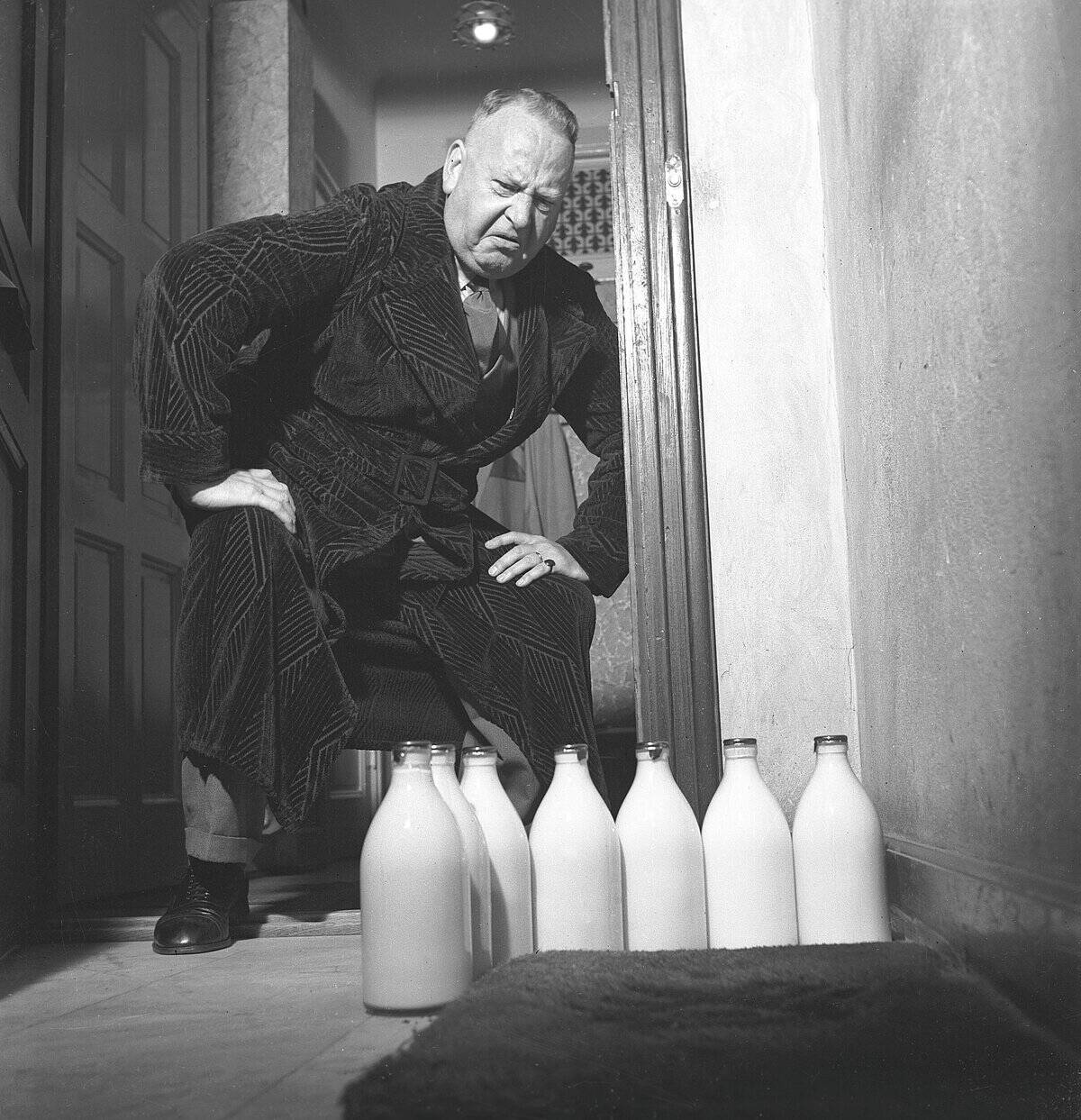
Dawn brought clinking glass. Milkmen slid reusable bottles onto stoops, often with paper or foil caps. Customers rinsed empties, set them out with a note, and later collected the cream‑lined milk. Pasteurization spread in the 1910s and 1920s under public-health initiatives, and cities tightened inspections for dairies. Horses pulled many wagons well into the decade, and the animals knew the route as well as the driver. In winter, cream could rise in a frozen plug, pushing the cap up like a little hat.
Milk wasn’t alone—bakeries delivered loaves, and dry-goods stores sent clerks with parcels. Coal men remembered basements, and the iceman never missed his turn. Deposits encouraged bottle returns long before recycling had a name. Families sometimes left a token or used a tally book for the driver to mark. On holidays, small envelopes might appear as thanks, and in neighborhoods with close porches, lines of bottles often signaled the rhythm of daily life.
Party-line telephones and operator-assisted calls
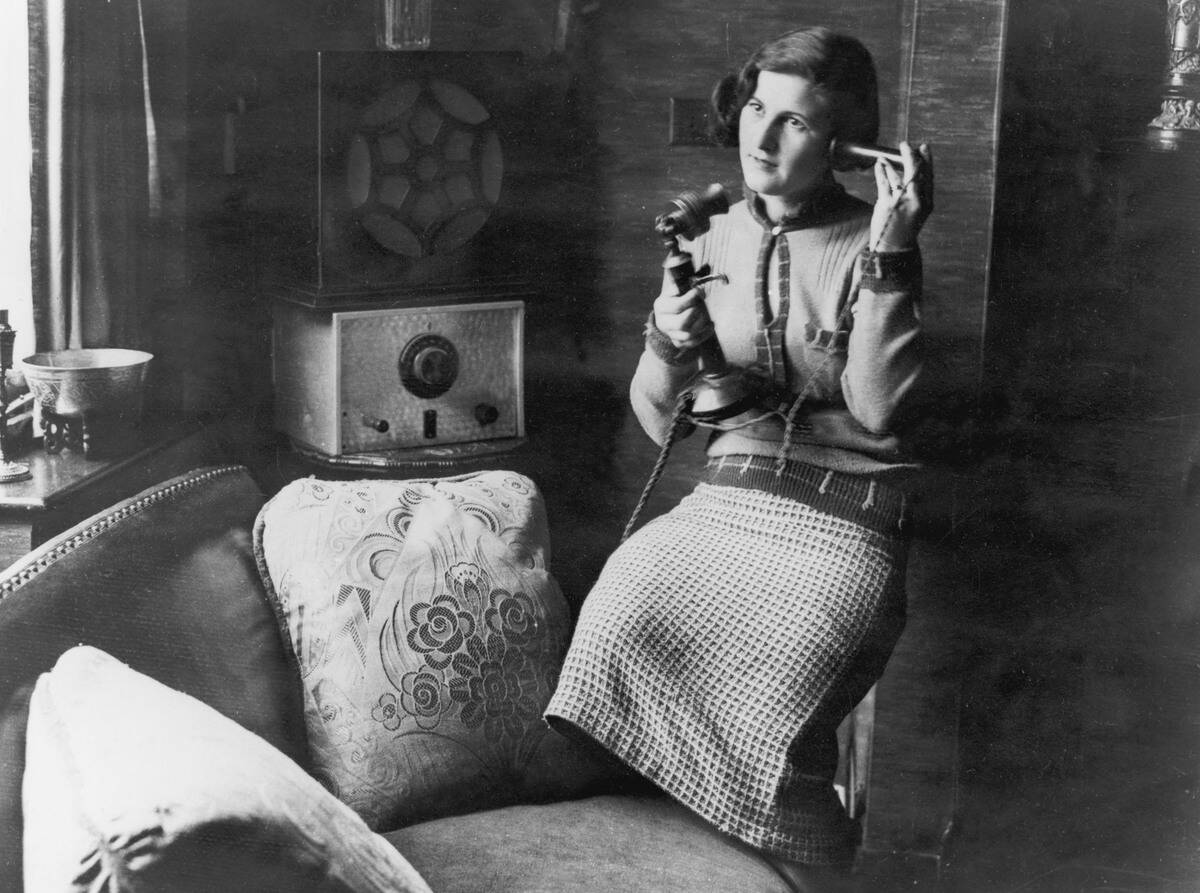
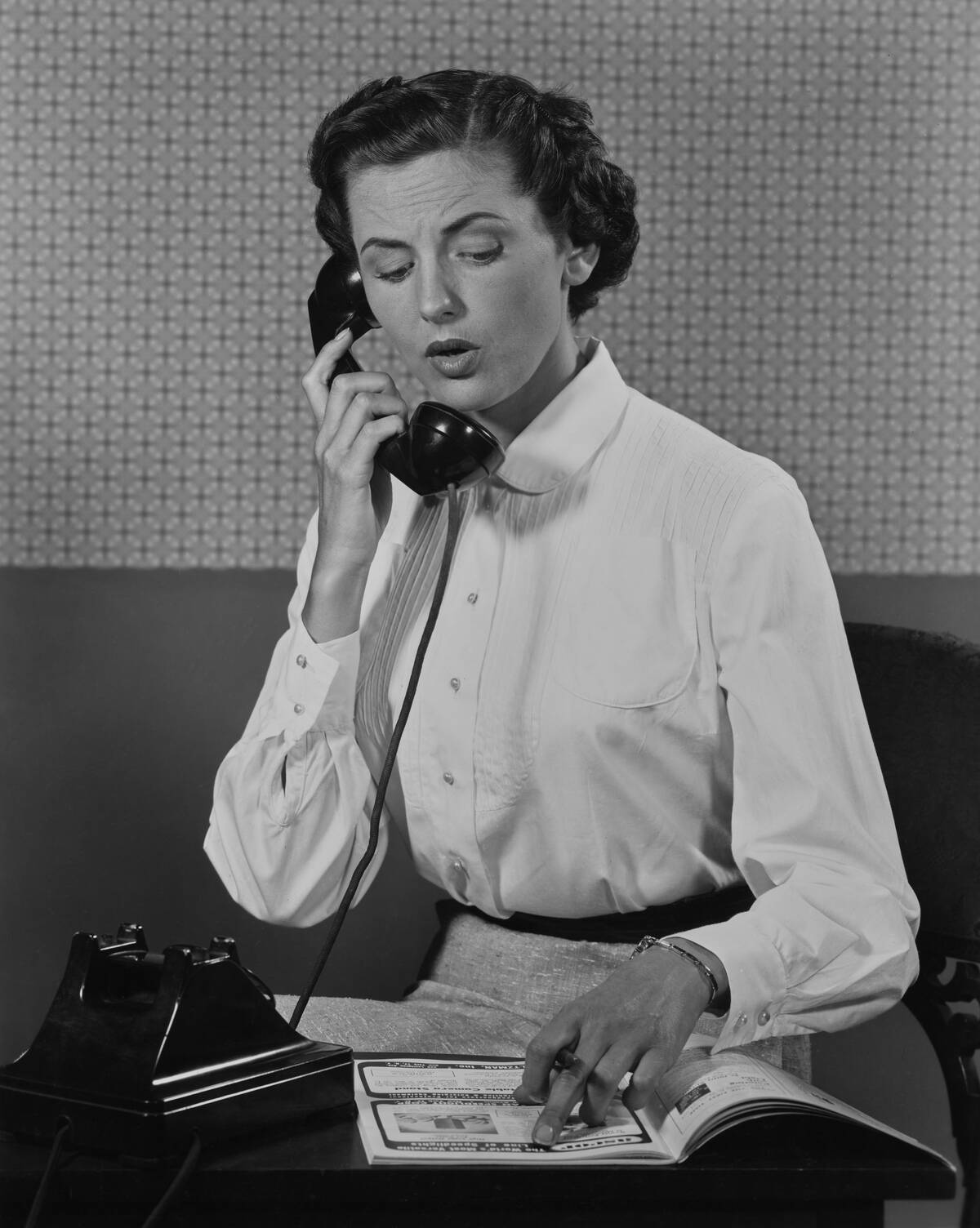
A single wire served several homes, which meant shared rings and carefully trained ears. Each household had a pattern—two short, one long—and most folks swore they didn’t listen in. Long‑distance calls often needed an operator: you lifted the receiver, waited for “Number, please,” and asked to be connected through patch panels. Candlestick phones perched on tables; later, desk sets arrived with integrated receivers. Phone books were slim compared with today, but the exchange names—like MElrose or HUdson—had real local flavor.
In 1915, a transcontinental line linked New York and San Francisco, but it still ran through operators. Rural party lines lingered into the 1950s in many places, affordable but nosy. Etiquette evolved around the limits: keep it brief, don’t tie up the line at supper, and signal emergencies with repeated rings. Businesses had switchboards and a person in a smart headset to route calls. Static crackled in storms, bells startled at night, and gossip sometimes traveled faster than the wires.
Letters, postcards, and hand-written thank-yous
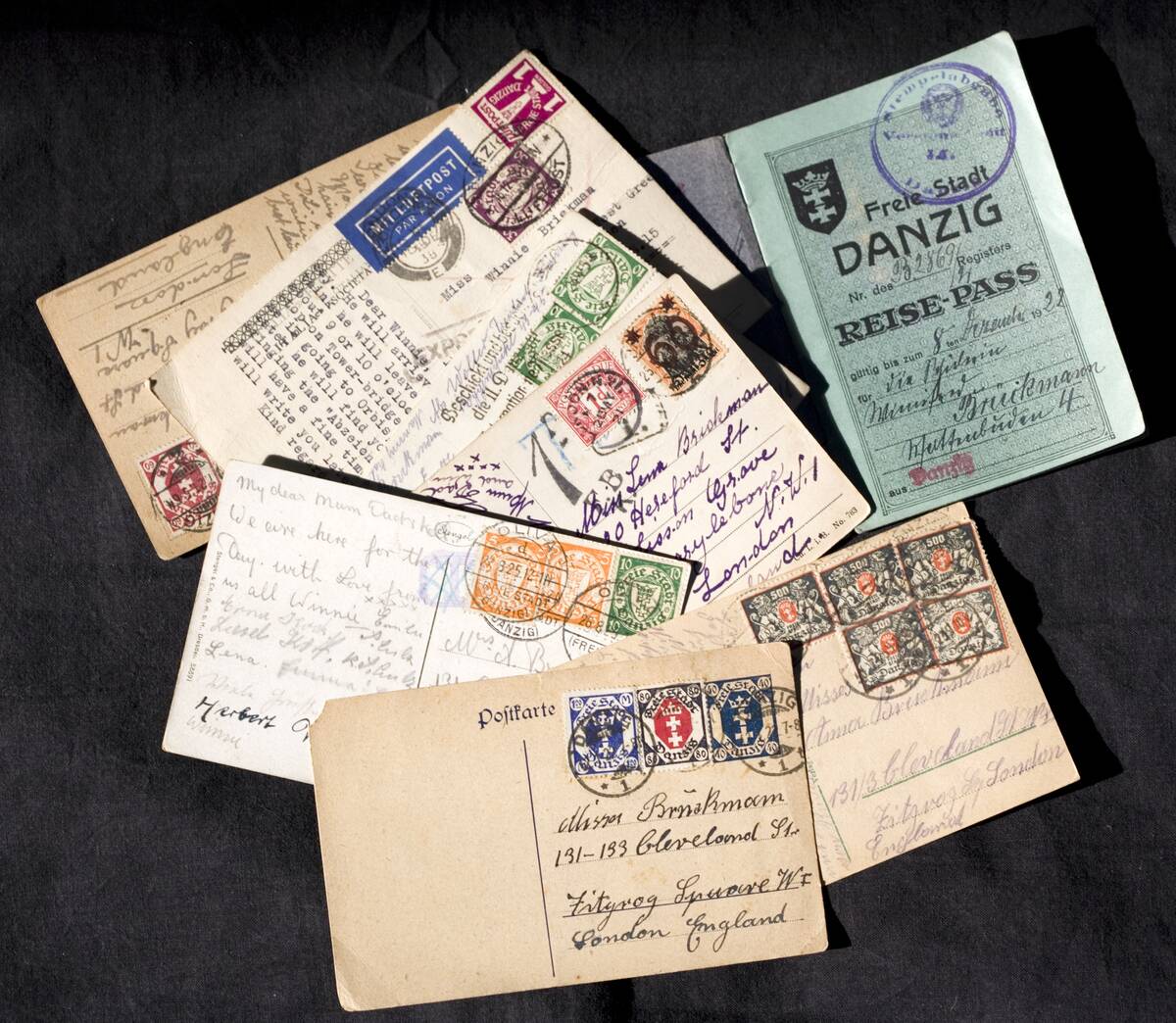
The post office moved news almost as fast as the grapevine. In many cities, carriers made two weekday deliveries, so a morning note could bring an afternoon reply. A first‑class letter stamp commonly cost just a couple of cents in the 1920s, and penny postcards were a staple—vacationers mailed views as soon as they found a mailbox. Stationery boxes held monogrammed sheets; fountain pens reigned with bottles of ink and a blotter. Envelopes licked shut, sometimes helped along by a dab from a sponge.
Thank‑you notes weren’t optional; they were proof of good manners. Wedding invitations, sympathy cards, and congratulations traveled in elegant script. Rural families leaned on Rural Free Delivery, which had been expanded since the late 19th century, to keep far‑flung kin close. Money orders carried cash safely across miles, and parcel slips meant the catalog order had arrived. Outgoing mail dropped into blue boxes at corners, and postmarks became tiny time capsules of where you’d been and when.
Family radio time gathered around the set
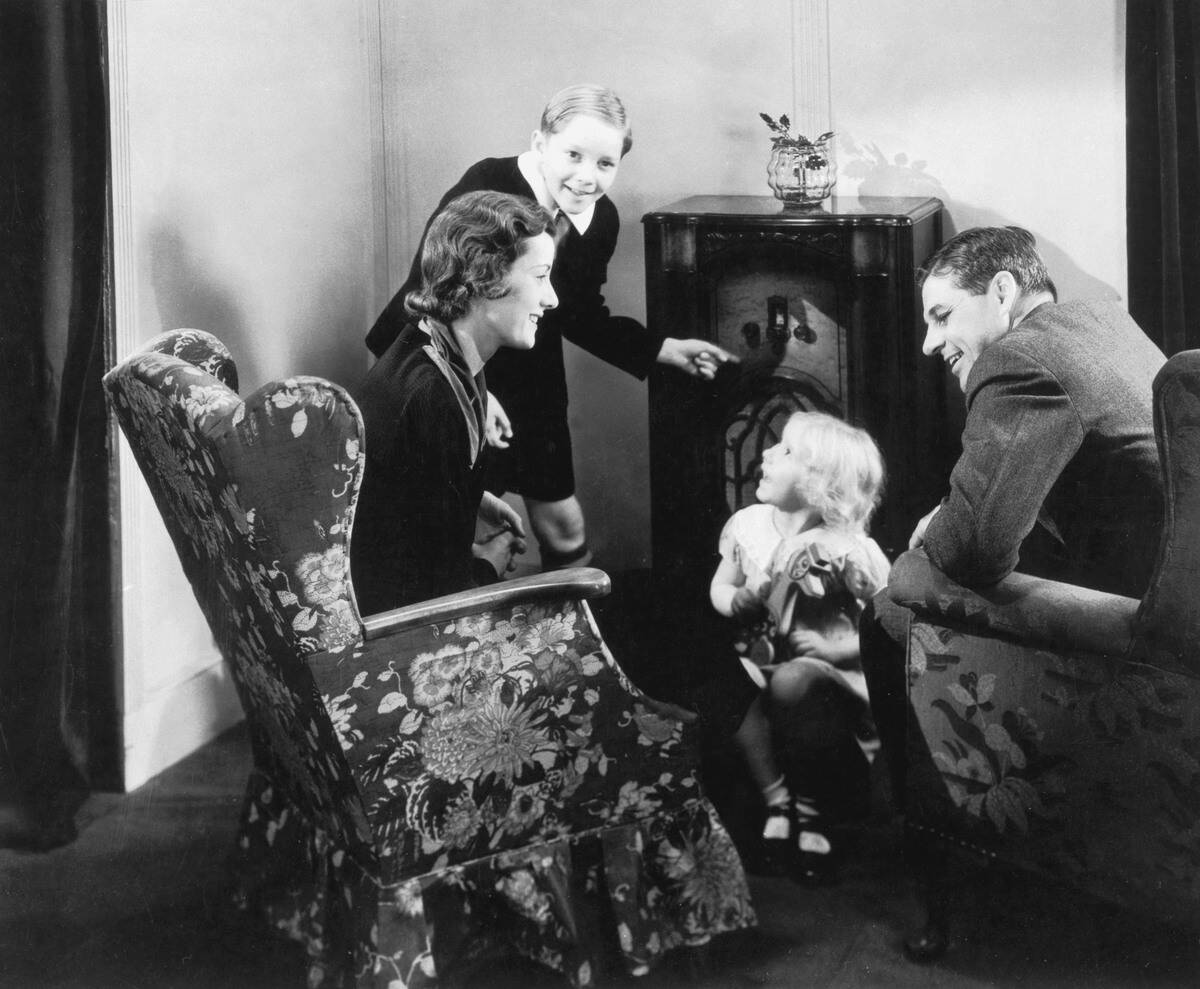
Radio burst in with static, vacuum tubes, and wonder. KDKA’s 1920 election coverage is often cited as a starting pistol for broadcasting, and within a few years families huddled around tabletop or console sets to catch music, news, and stories. Early crystal sets didn’t need power but required patient tuning; tube sets glowed warm and pulled in distant stations on winter nights. Sponsors sang their jingles, and announcers carried a whole room on the lift of a voice.
Programs became appointment listening.
Comedy duos, serialized adventures, and dance bands set schedules—Amos ’n’ Andy debuted in 1928 and drew huge nightly audiences. By the early 1930s, a solid share of American households owned a radio, and neighbors without one might drop by for favorite shows. Families learned to “listen between” the static, adjust antennas strung along attics, and negotiate who got the dial. When the news grew serious, even kids paused, hearing history carried on the ether.
Porch-sitting, neighborly drop-ins, and gossip chains
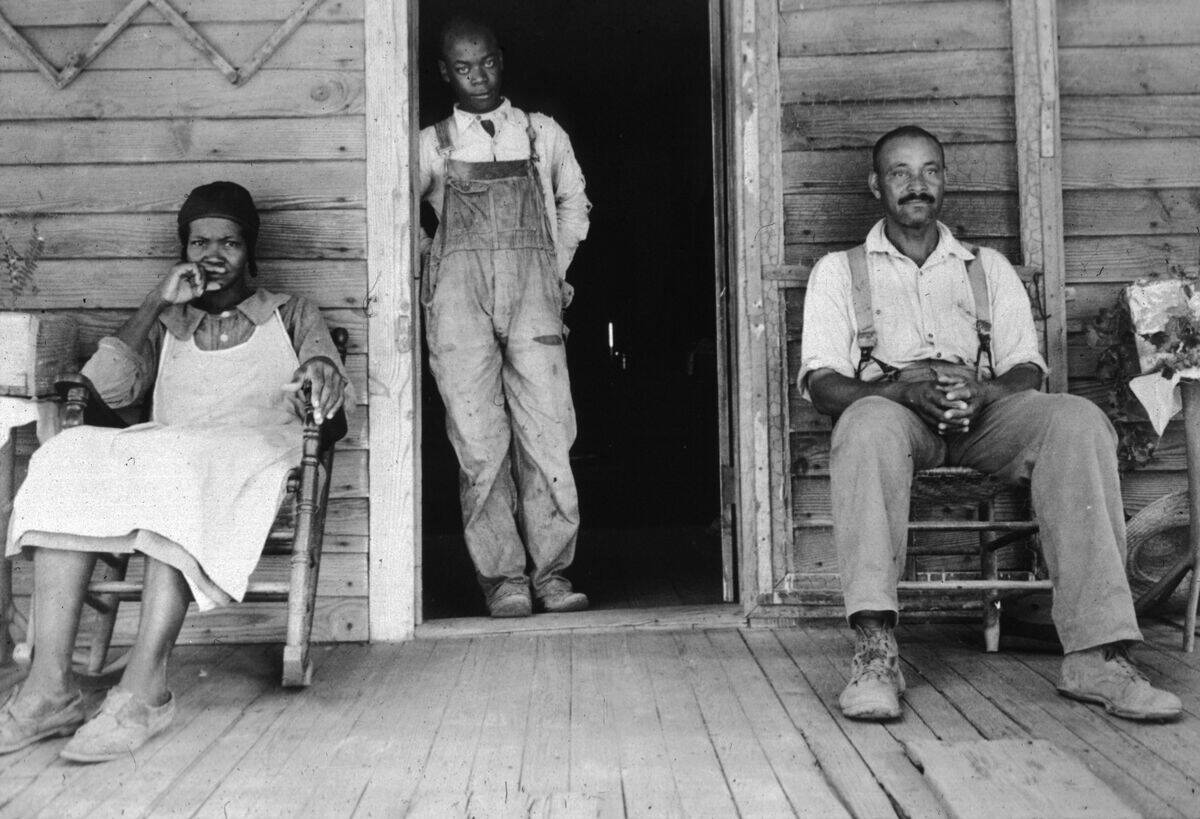
Front porches were living rooms with a breeze. Summer evenings stretched on cane chairs with iced tea sweating on the rail. Hand fans, often bearing a funeral home’s ad, fluttered at church and came home in pockets. Screen doors creaked in rhythm as neighbors waved and strolled. Without air‑conditioning, shade and a whisper of wind made porches prime real estate. A basket of mending might appear, a radio might drift from inside, and kids played tag between stoops till the streetlights blinked.
Drop‑ins were normal—no text, no call, just a gentle knock and “You decent?” Gossip traveled in courteous leaps: the grocer, the barber, the postman, and the choir loft each added a detail. Porch swings squeaked through weather forecasts and wedding news. Block parties, ice‑cream socials, and church picnics stitched faces to names. When someone fell ill, casseroles stacked fast on kitchen tables, each dish announced before the caller settled for a quick sit and a shorter goodbye.
Canning, pickling, and pantry pride
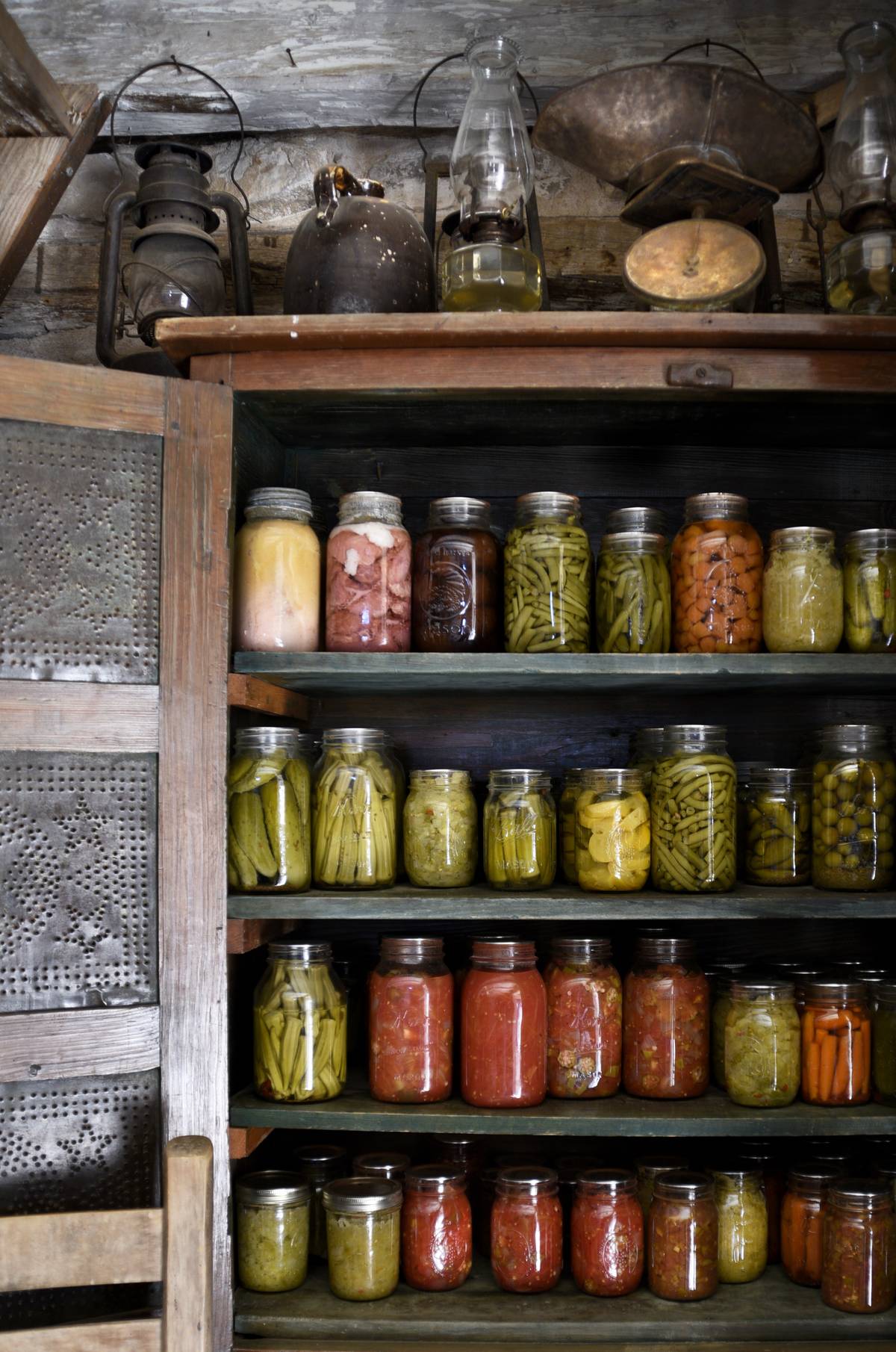
Before freezers, jars were insurance. The Mason jar’s threaded lid and rubber ring, introduced back in the 19th century, let home cooks put up tomatoes, beans, peaches, and jam. Low‑acid vegetables demanded pressure canners—public‑health bulletins pressed the point—while jams and jellies could seal under paraffin wax. The Ball Blue Book became a go‑to reference, and kitchen tables turned into production lines during harvest. Basements and pantries filled with neat rows that glowed like stained glass: amber pears, red beets, and green pickles.
Pickling saved scraps and made sides sing. Cabbage became kraut in crocks, cucumbers bathed in brine, and eggs sat like moons in vinegar jars. Victory‑garden know‑how from World War I lingered, and extension agents taught safe methods at grange halls. Labeling mattered—date, contents, and sometimes the garden row. When winter storms shut roads, supper came off the shelf without panic. The pride ran deep: a pantry measured not just thrift, but skill and a family’s tastes.
Laundry day: washboards, wringers, and clotheslines
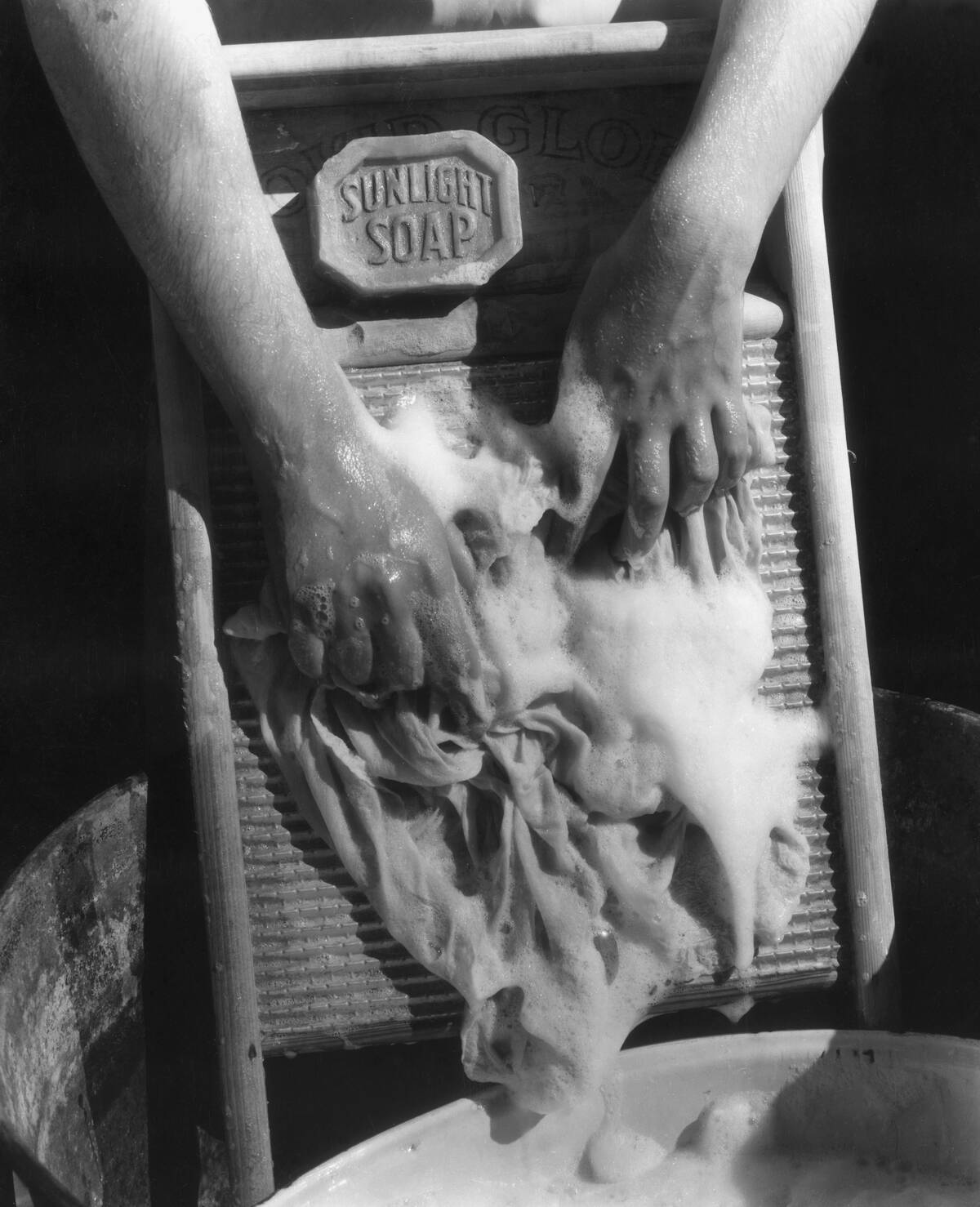
Monday was washday in many homes, and it took muscle. Water heated on the stove, bluing brightened whites, and lye or homemade soap tackled collars. A galvanized tub and a washboard set the rhythm—scrub, rinse, wring. Early electric washers existed in some houses, but many families relied on hand power and a good crank wringer. Laundry baskets headed to lines strung in yards or tenement alleys, with wooden pins ready. If rain surprised, everything came back in to drip over chairs.
Starch stiffened shirts and aprons, while detachable collars—meant to be laundered hard—snapped back onto banded shirts. Ironing used heavy “sad irons” heated on a stove; two irons alternated so one stayed hot. Steam meant spitting cloth unless someone remembered a sprinkle bottle. Clotheslines ran clean and high; etiquette said don’t hang unmentionables upfront. Line poles propped sagging rows, and neighbors swapped weather hopes over the fence. By evening, the house smelled like soap, sun, and hot metal.
Darning socks, mending hems, and making do
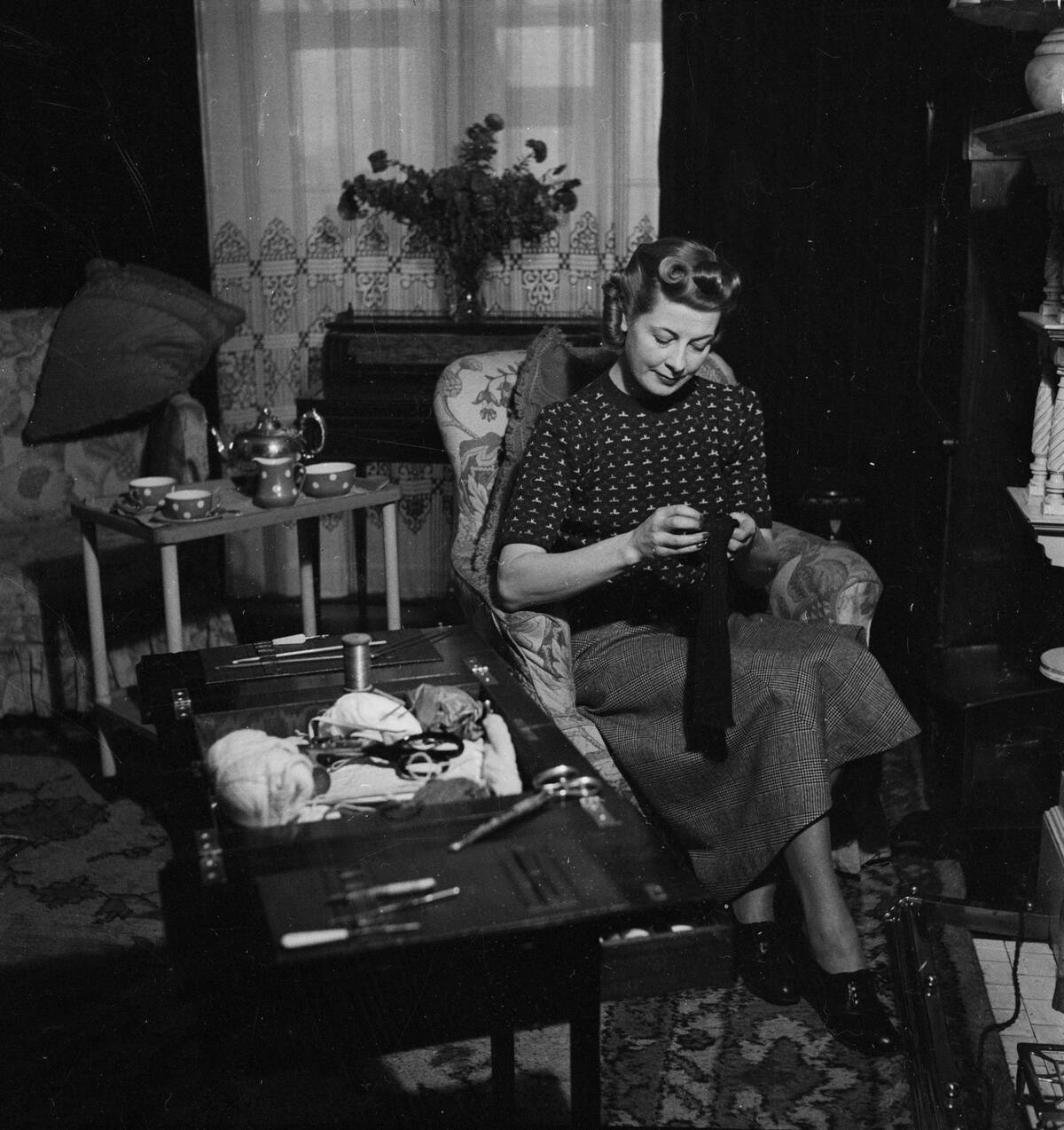
Clothing lived a long life. A darning egg slipped into heels and toes, and a rhythm of needle over yarn filled thin spots. Hemlines rose and fell with styles, but families saved buttons in tins to refresh tired cuffs. Singer machines hummed across kitchen tables; paper patterns—Butterick had been selling them since the 19th century—guided home seamstresses through dresses and school shirts. Patches weren’t just for elbows; they decorated overalls into maps of past scrapes and proud, thrifty fixes.
Mending circled the seasons. Winter coats got new linings, and sweaters met darning needles by the fire. When budgets tightened in the early 1930s, “make do and mend” became more than a slogan—it was strategy. Curtains became aprons, and flour sacks with printed designs turned into children’s clothes. Cobblers resoled sturdy shoes, and shoelaces were saved from pairs beyond saving. A tidy workbasket sat ready: pins, thimbles, chalk, beeswax, and a tape measure curling like a friendly snake.
Home remedies, tonics, and the medicine cabinet
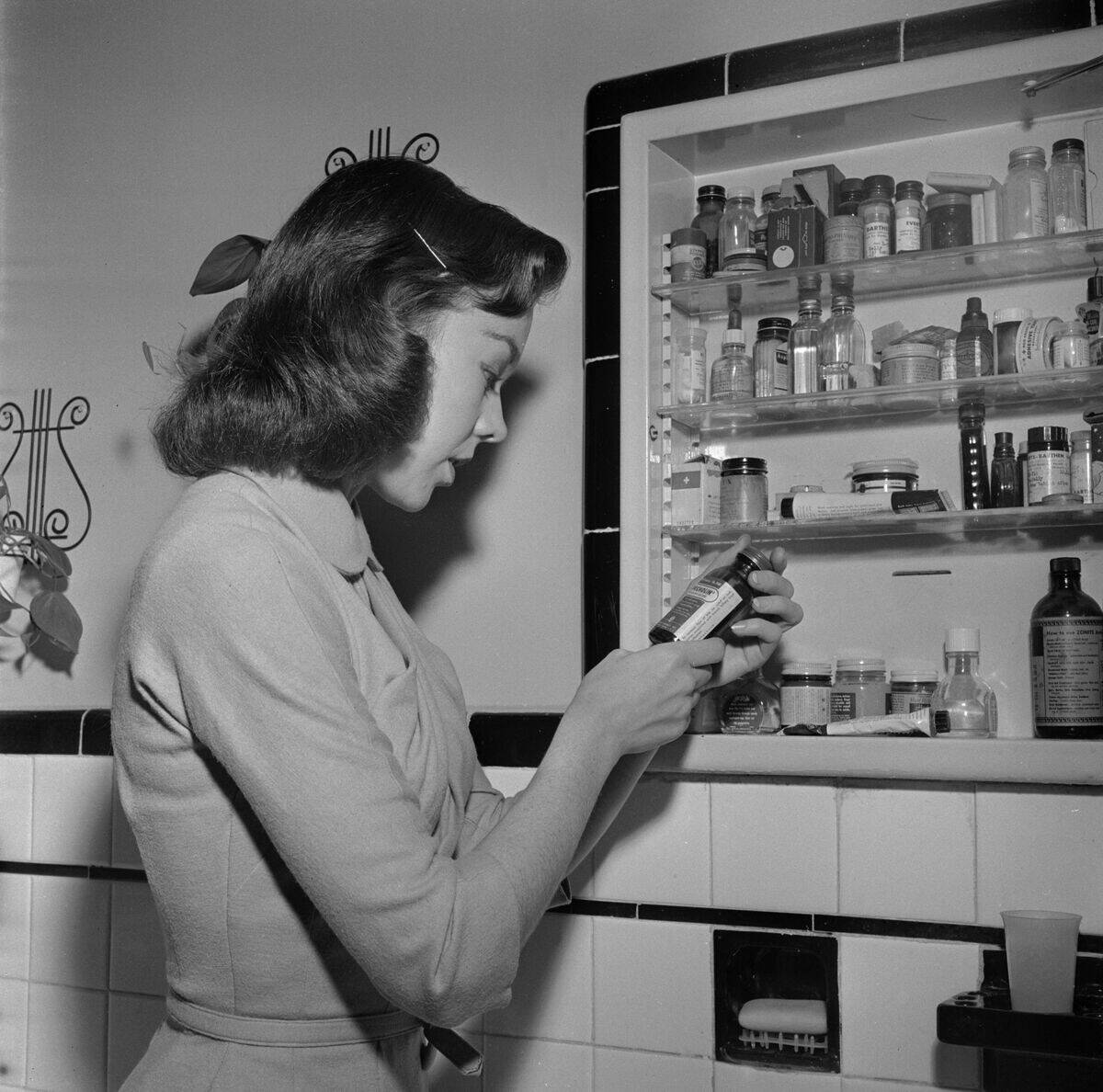
A small cupboard held a household formulary. Tincture of iodine colored skinned knees, Epsom salts answered aches, and castor oil made unwelcome rounds. Vicks VapoRub, marketed since 1911, perfumed sickrooms, and mustard plasters warmed stubborn chests. Aspirin—once a Bayer trademark—went generic in the United States after World War I and lived in many tins. Patent medicines still lined drugstore shelves, though the 1906 Pure Food and Drug Act had already pushed labels toward honesty and away from wild, secret-ingredient claims.
Grandmas swore by honey and lemon for coughs, onion poultices for colds, and a splash of cod‑liver oil against winter. Liniments rubbed into backs promised farm‑work relief. Thermometers were slim glass and fragile; hot water bottles doubled as foot warmers under quilts. Doctors made house calls when needed, but families tried the cabinet first, listening for improvement before spending on a visit. The line between folk wisdom and pharmacy was narrower, and often the comfort helped as much as the cure.
Soda fountains, drugstores, and a social sweet tooth
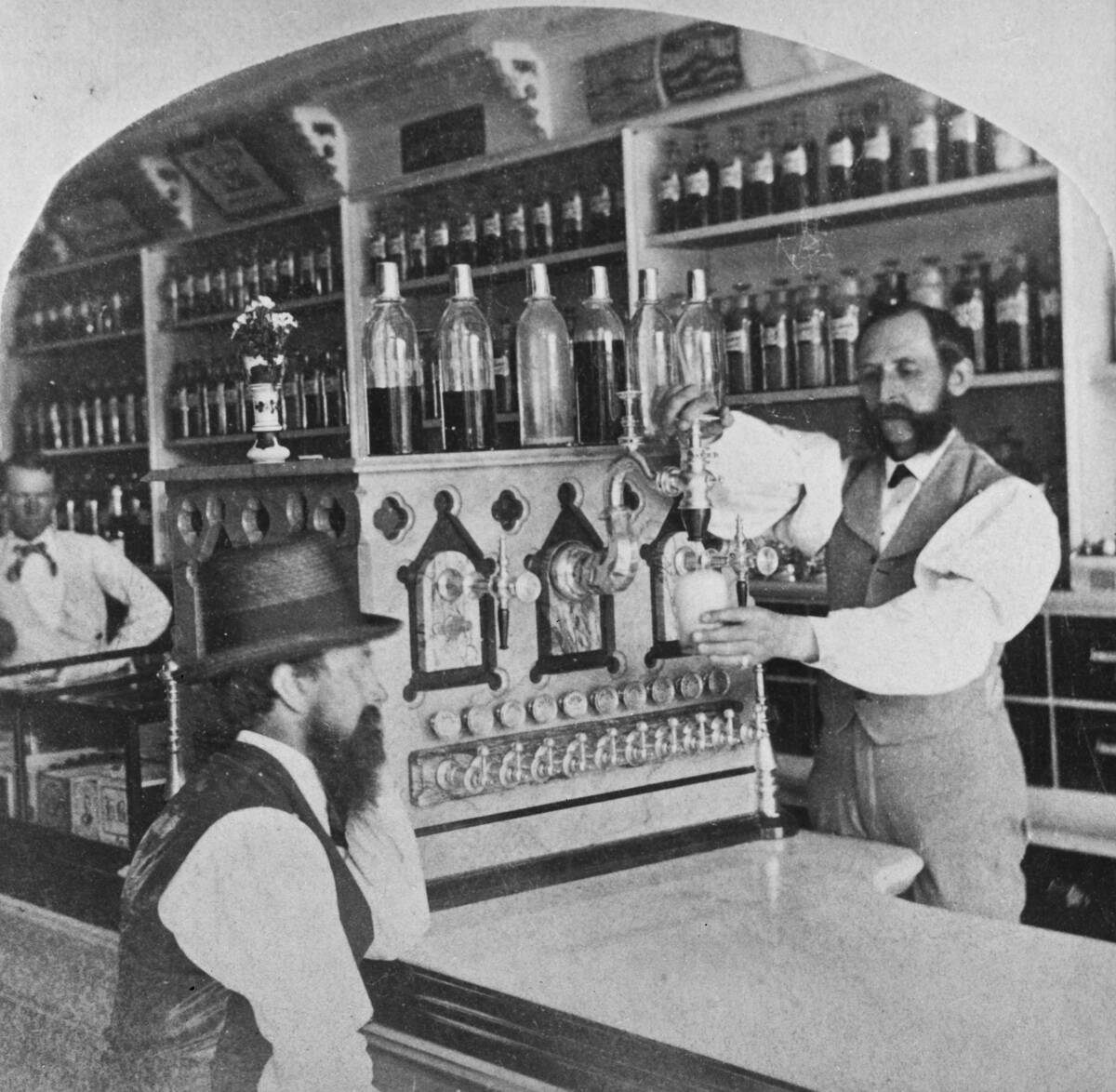
With saloons shuttered under Prohibition (1920–1933), soda fountains flourished as community hubs. Marble counters, chrome spigots, and wire‑back stools invited lingering. Phosphates fizzed with tart syrups, root beer came icy in frosted mugs, and egg creams confused tourists by lacking eggs. The malted milkshake—credited in part to enterprising druggists—spread fast; chains like Walgreens expanded rapidly in the 1920s and made a show of theirs. Nickel‑and‑dime prices kept treats accessible, and a quick cone soothed a long afternoon.
The pharmacist stood behind the counter like a minor magician. Pills were counted by hand, capsules filled, and powders weighed on neat brass scales. Prescriptions shared space with sundries: postcards, hairpins, and penny candy in glass jars. Teenagers gathered after school, swapped notes, and eyed the jukebox when it finally came along in the 1930s. A good soda jerk knew names and favorite flavors, sculpted perfect ice‑cream swirls, and sometimes the day’s news traveled faster than the afternoon edition.
Barbershop shaves and beauty parlor waves
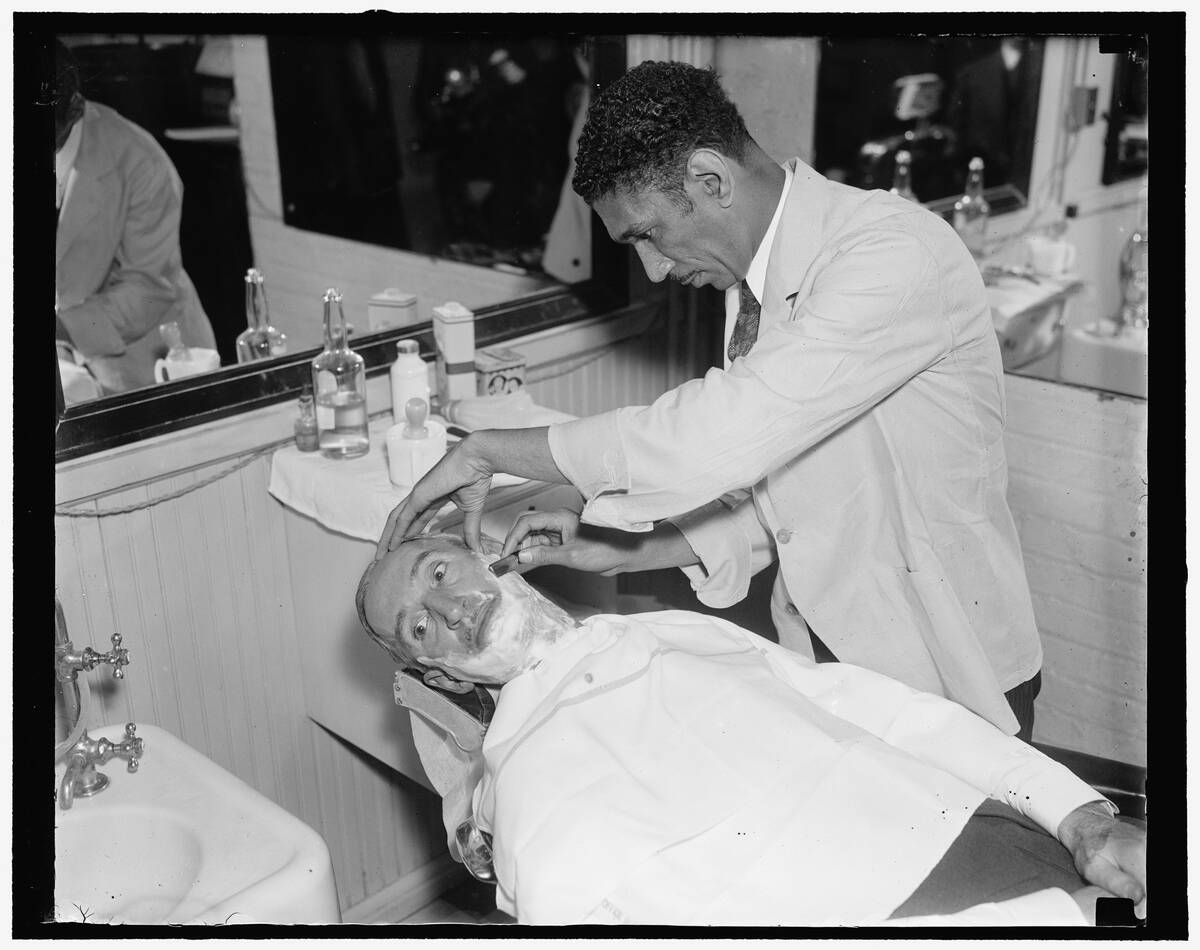
A red‑and‑white pole meant hot towels and steady hands. Barbers stropped straight razors on leather, worked warm lather with a brush, and finished with a sting of bay rum. Safety razors, popular after Gillette’s early‑1900s designs, shifted daily shaving homeward, but a Saturday chair still felt like a reset. Men swapped box scores and town rumors while the clippers hummed. Shoe shiners sometimes set up at the front, ready to send customers back to the sidewalk gleaming.
Across the street, beauty parlors made waves—literally. Marcel irons created glossy S‑curves, and finger waves defined the 1920s silhouette. Permanent‑wave machines, with their forest of clamps and heater coils, delivered curls with a whiff of drama. Manicures added shine, and cold cream cut the dust of a streetcar ride. A bob signaled modernity; hats fit neater, and mornings sped up. Both spaces were social as much as service: a news ticker in conversation, with polish and pomade as punctuation.
Church, lodges, and community dances
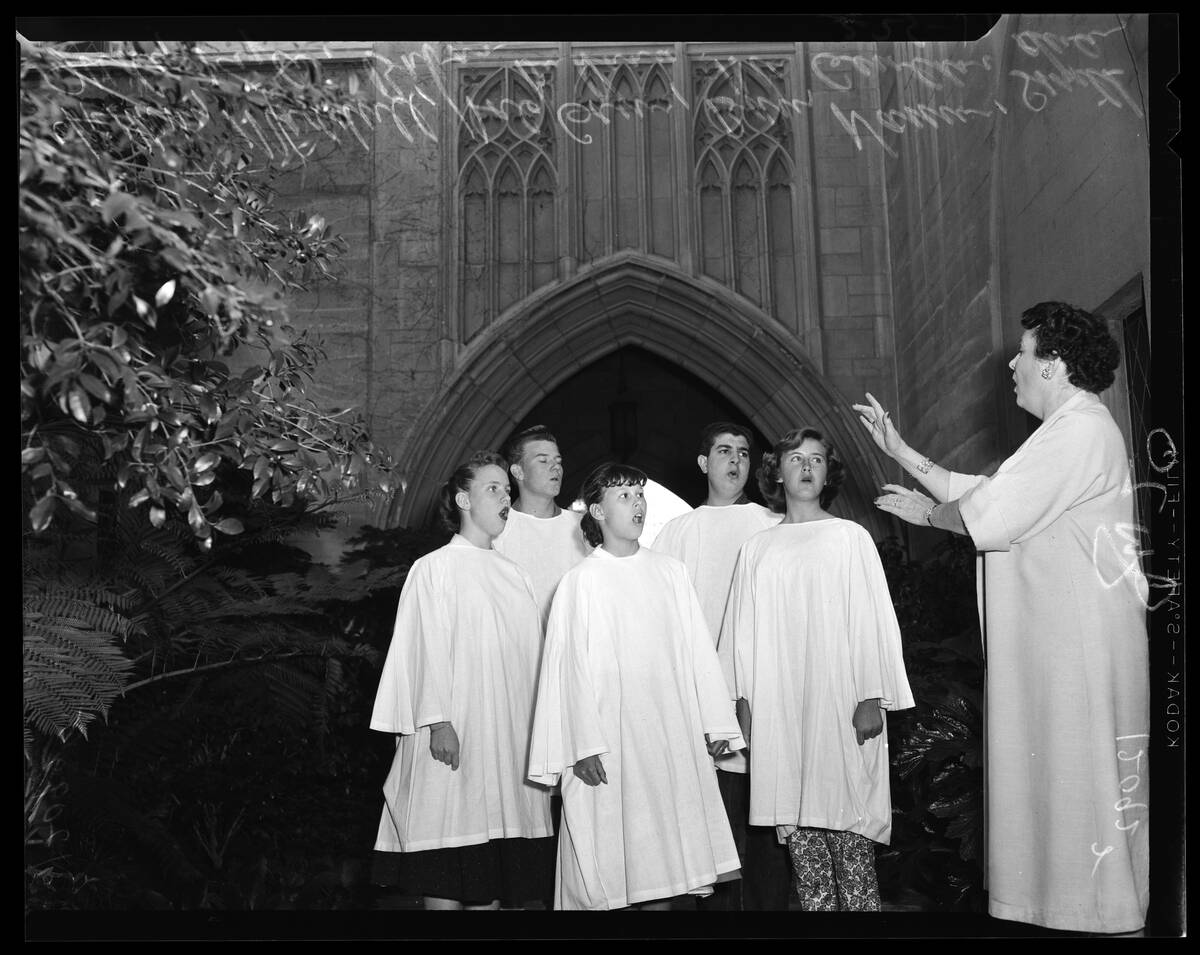
Sunday wasn’t just for sermons; it was the week’s anchor. Services, Sunday school, and potlucks threaded neighbors together, with choir practice spilling into weeknights. Fraternal orders—Rotary (founded 1905), Lions (1917), Masons, Elks, and the Grange—organized charity drives, lectures, and lively banquets. Meeting halls hosted debates on roads, schools, and bond issues that shaped the town’s future. Calendars filled quickly, and a good hall could be booked out months ahead for suppers and scholarship raffles.
Dances lifted dust from gym floors and grange halls.
Square dances, waltzes, and the foxtrot pulled generations onto the same boards. Traveling Chautauqua circuits, popular through the 1910s and into the 1920s, mixed music with lectures, then local groups kept the bill going. A fiddle, a piano, and a caller could fill a night. Lemonade, church coffee, and plate‑slice cakes stood in neat rows. Couples counted steps; chaperones counted minutes, and small‑town headlines counted funds raised by dawn.
Kids’ chores, outdoor play, and free-range fun
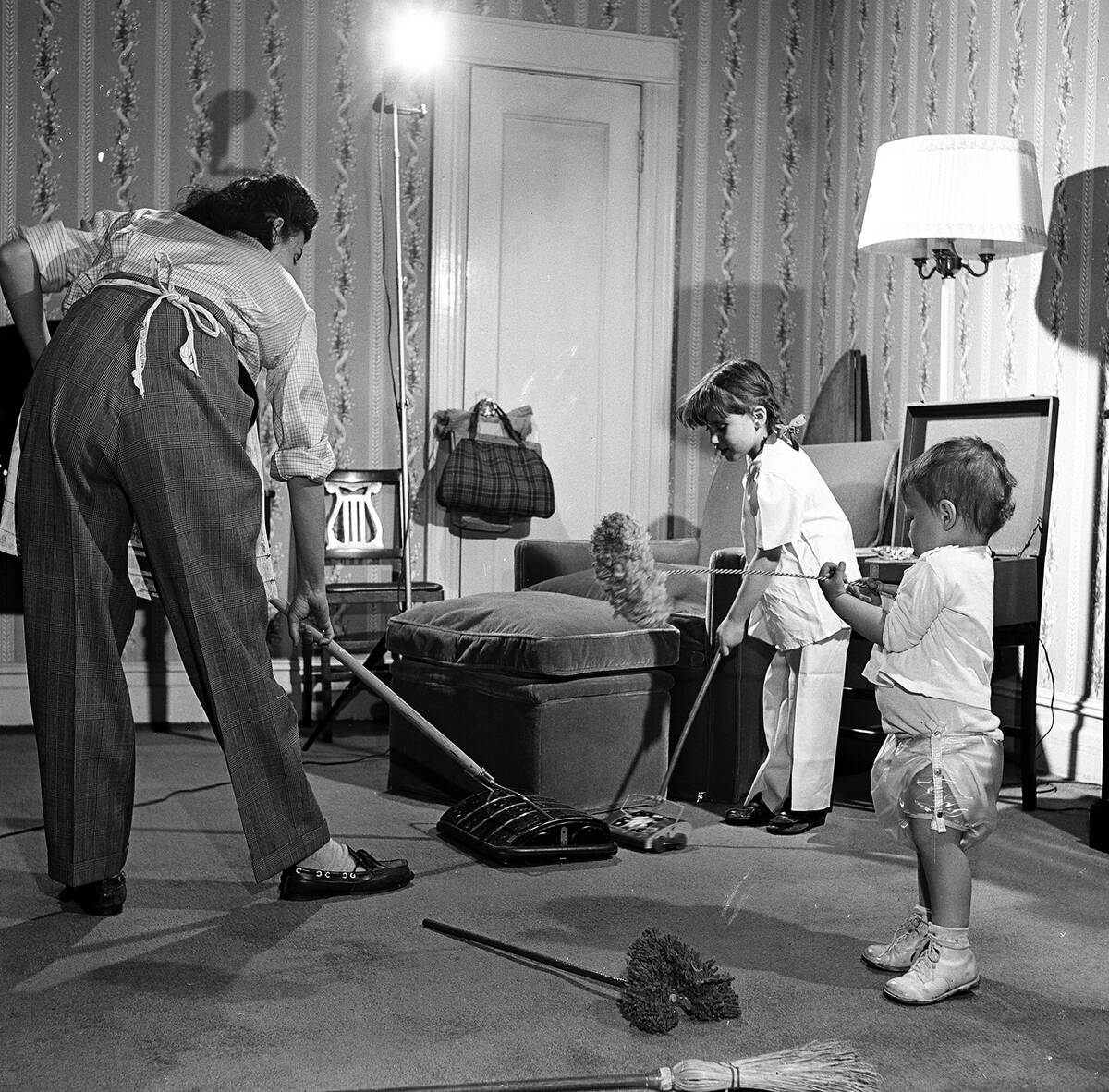
Chores came first: eggs to gather, coal to carry, woodboxes to fill, and kindling to split with careful hands. City kids ran errands with baskets, returned library books, and grabbed the evening paper bundle from the corner. After school, they minded younger siblings, fed pets, and swept stoops. Allowances were earned, not assumed, and a paper route or odd job at the grocer taught sums. Saturday mornings meant scrubbing shoes and cleaning rooms before the whistle blew for play.
Play spilled outdoors. Marbles clacked in chalked rings, stickball and sandlot baseball filled lots, and jump ropes slapped sidewalks in singsong. Tinkertoy (1914), Erector sets (1913), and Lincoln Logs (1916) built towers on rainy days. Scouts—Boy Scouts founded 1910, Girl Scouts 1912—hiked, tied knots, and learned first aid. Fewer cars on side streets meant a wider field, though everyone knew to be home by the church bell or the first streetlight. Knees skinned, stories grew, and bedtime came honest.
Cash on the barrelhead, layaway, and the general store
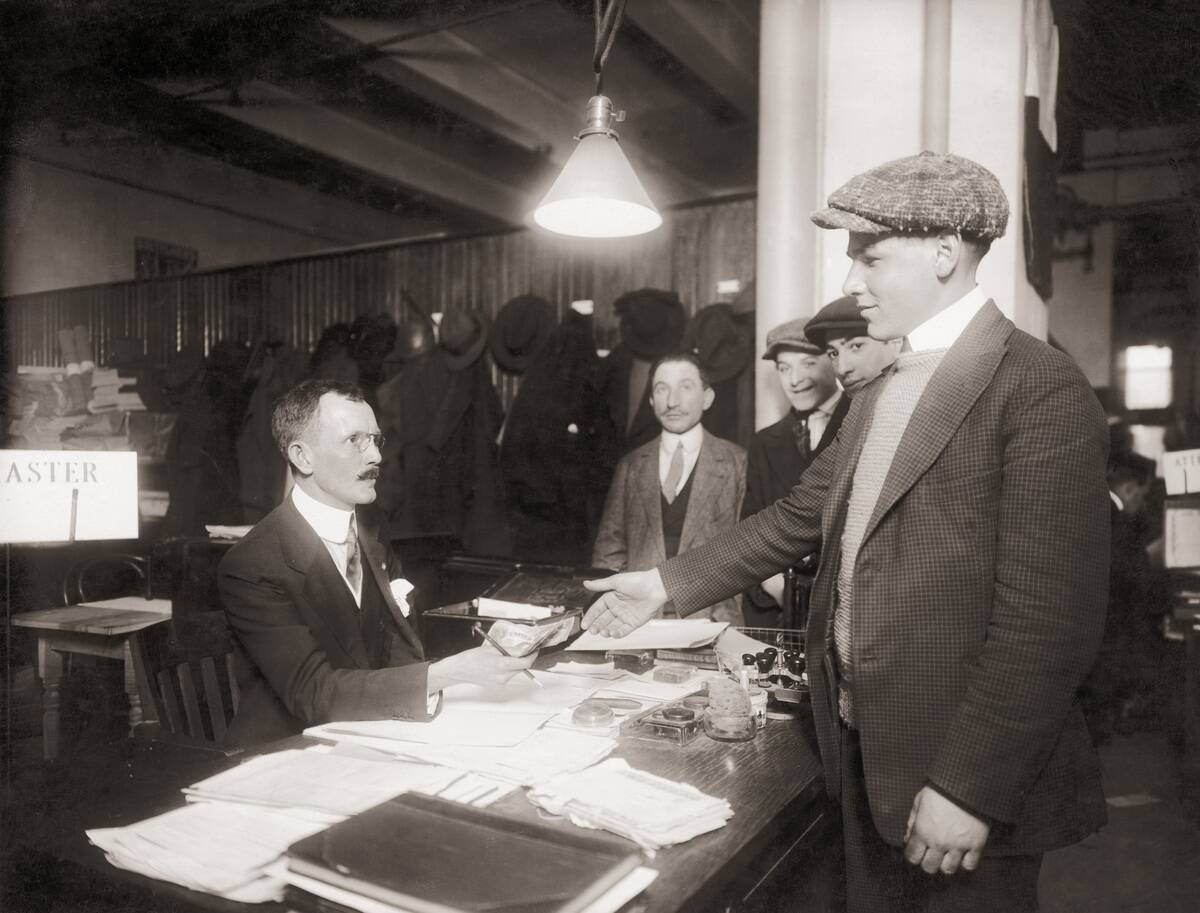
Cash ruled many counters. “On the barrelhead” meant payment now, not later—a comfort to shopkeepers balancing ledgers by lamplight. Brass National Cash Register tills chimed with each sale, and ledgers captured the rare tab for familiar families. General stores scooped crackers from barrels, cut cheese by the wedge, and measured nails by the pound. A potbellied stove held a ring of chairs where weather, crops, and baseball were argued with friendly conviction and a candy stick.
Layaway appeared as a bridge between want and wallet, gaining steam in the 1920s and surging during the lean early 1930s. A small deposit held a dress or radio; weekly payments freed the package by Christmas. No interest if you kept your promises. Clerks tied parcels with string from a counter spool that seemed never to end. Scales balanced with brass weights, and a thumb on the paper bag kept sugar or beans from leaping loose on the walk home.
Catalog shopping and parcels by post
The Sears, Roebuck and Montgomery Ward catalogs were wish books thick as a brick. Rural Free Delivery and the 1913 launch of Parcel Post made big packages practical, and mail‑order turned farmhouses into showrooms for everything from overalls to organs. Day‑old chicks traveled legally by mail, cheeping right through the post office window, while bolts of cloth and new tools arrived wrapped in stout paper and twine.
Browsing a hundred pages was an evening entertainment all by itself.
Catalogs didn’t stop at shirts and shears—they sold houses. Sears kit homes shipped by rail with pre‑cut lumber and instructions, then rolled from depot to lot by wagon. Money orders made payment secure, and the postmaster’s handshake sealed many deals. Parcels left telltale trails: twine saved in balls, paper folded flat for another use, and shipping labels pasted into scrapbooks. When the bell rang and a canvas sack landed, a small crowd tended to form.
Shoe shining, starched linens, and weekly polishing
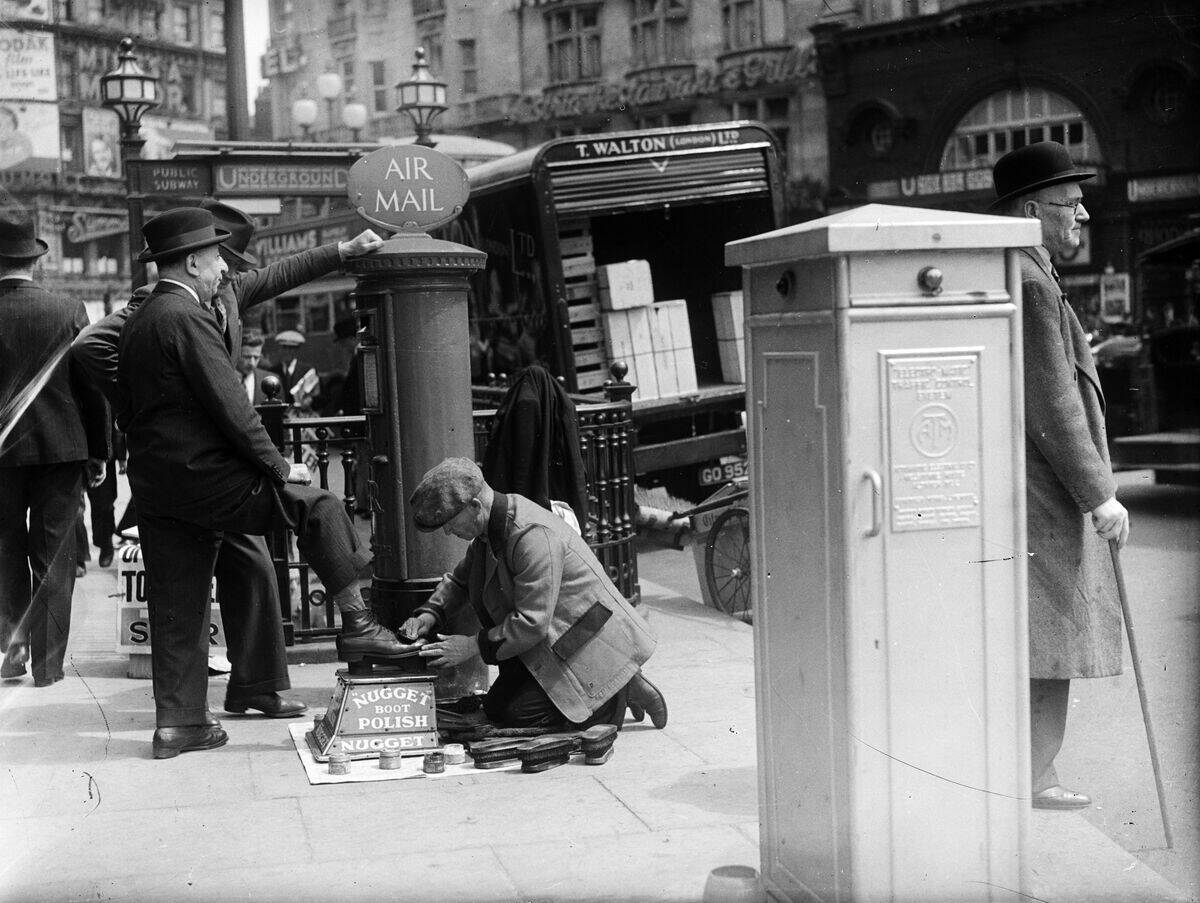
Shiny shoes were a calling card. Tins of polish—black, brown, and cordovan—lived by the door with a dauber and a horsehair brush. Boys earned nickels as bootblacks outside barbershops, snapping towels and buffing to mirror gleam. Rain got a wipe at once; salt stains met vinegar and elbow grease. Leather was an investment, and a resole stretched a good pair for seasons. At home, a wooden shoe last helped keep shape while families circled Saturday chores.
Linens stood crisp thanks to starch and hot irons. Detachable collars and cuffs were starched stiff, then snapped onto laundered shirts that felt properly formal. Tablecloths and napkins got a weekly polish of their own—washing, pressing, and folding into tidy stacks. Silver service met rag and paste on a regular schedule, lemon oil brightened furniture, and a feather duster launched sneezes. The ritual wasn’t only vanity; it was maintenance, keeping precious household goods working hard and looking like you meant it.
Calling cards, calling hours, and careful manners
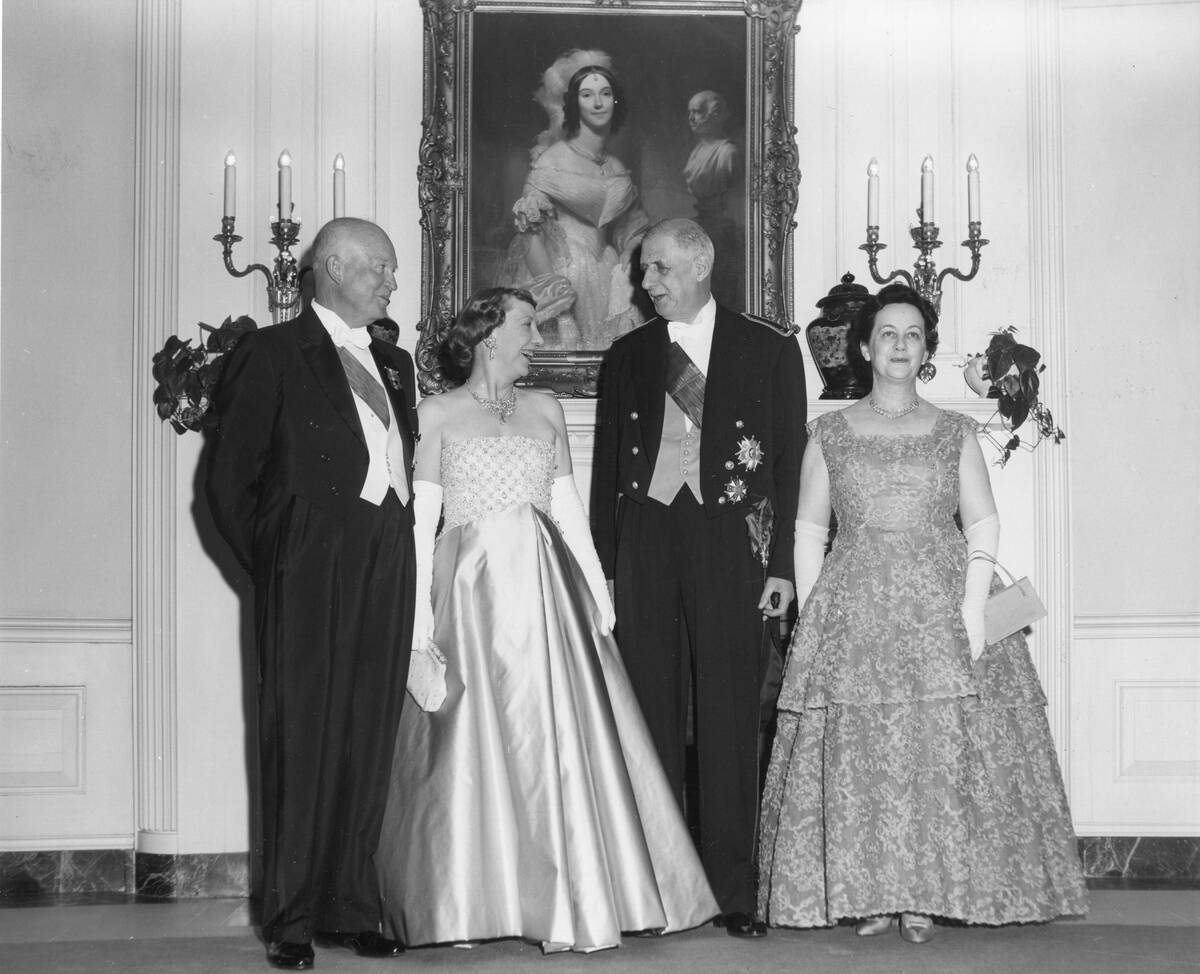
Formal visits ran on rules. Calling cards—plain, with a name in a neat script—announced arrivals, sometimes with a corner turned to show the caller came in person. Afternoons were the polite window for social calls; mornings were for work, and evenings for family. Hosts kept silver trays by the door to collect cards like a gentle roll sheet. If no one was home, a card left behind still counted as contact, and a return visit balanced the ledger.
Manners had guides, and Emily Post’s “Etiquette,” first published in 1922, became a household advisor.
Thank‑you notes followed dinners, condolences came swiftly and simply, and introductions had an order. Men removed hats indoors; women removed gloves when shaking hands. Children were coached in “yes, ma’am” and “no, sir,” and adults softened refusals with courtesy. The structure wasn’t just fuss—without quick texts or email, clear expectations kept friendships warm and calendars from turning into accidental snubs.
Reading by lamplight where electrification lagged
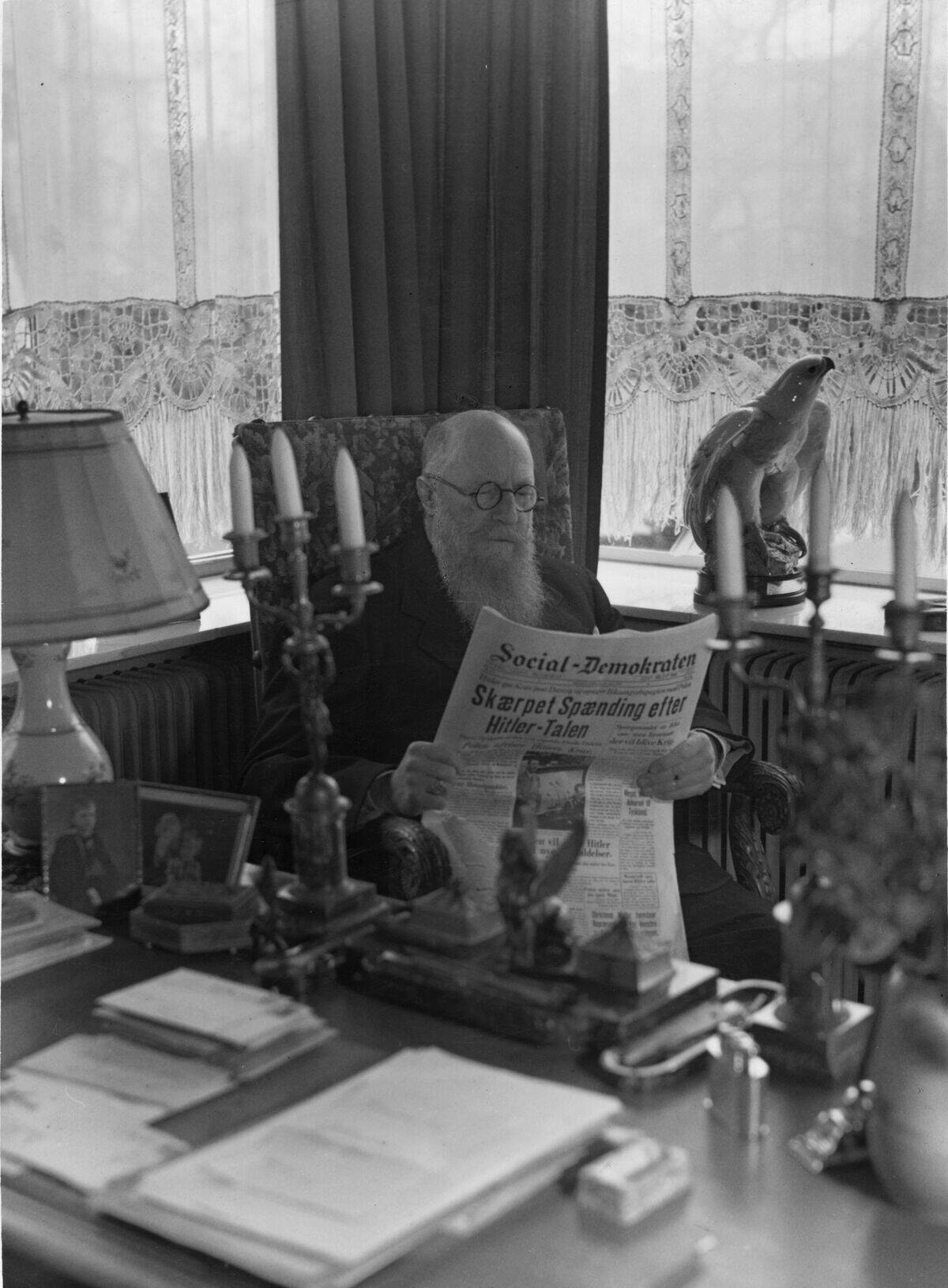
Rural electrification lagged well into the 1930s, so kerosene lamps made night possible. Glass chimneys needed regular washing, wicks wanted scissors, and soot collected if a flame burned too high. Aladdin‑style mantle lamps, introduced in the early 1900s, threw a brighter white light that readers prized. Families clustered chairs close, a single pool of light washing over a book, a mending basket, and a child’s homework. The lamp’s hiss and the faint oil smell became part of bedtime lore.
Eyes grew tired sooner under dim glow, sending bedtimes earlier than in cities with bright bulbs. Newspapers folded to the most urgent columns, and novels advanced a chapter at a time. The federal push that would change it—the Rural Electrification Administration—arrived in 1935, but a century ago many farmhouses still tuned daylight like a clock. Candles filled gaps during storms, and a kerosene can in the pantry was as essential as flour. Quiet, warm, and brief: that was evening.