16 of the most bizarre trials in history
History is filled with trials that are as bizarre as they are fascinating. From the Middle Ages to modern times, these legal proceedings have captured the public’s imagination and left a lasting impact on society.
In this article, we’ll explore some of the most unusual trials in history, each with its own unique story and significance. So, buckle up for a journey through time as we delve into the courtroom dramas that have shaped our world.
The Cadaver Synod: When a Dead Pope Was Put on Trial
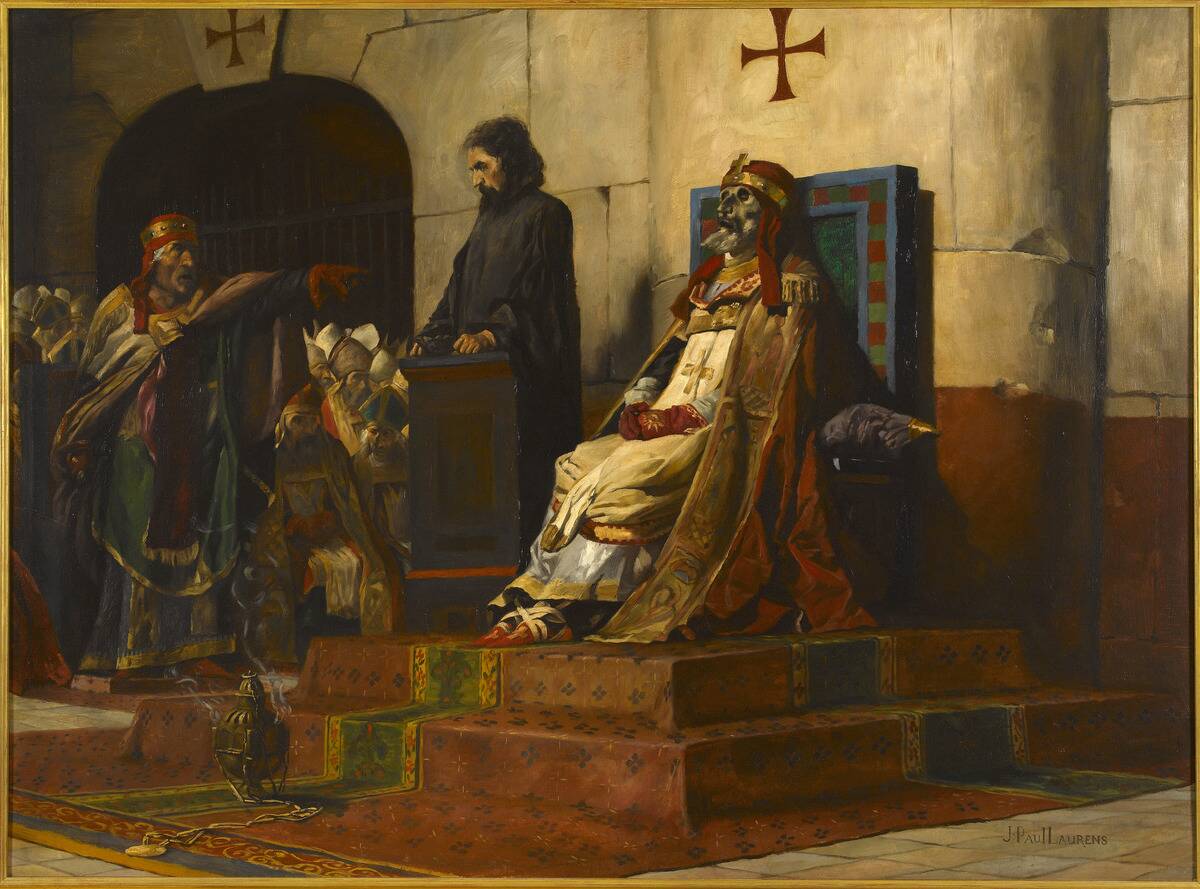
In 897 AD, the Catholic Church held one of its most bizarre trials, known as the Cadaver Synod. Pope Formosus, who had died nine months earlier, was exhumed and put on trial by his successor, Pope Stephen VI.
The deceased pope was propped up on a throne while a deacon answered questions on his behalf. This macabre spectacle ended with Formosus being found guilty of perjury and other crimes, leading to the annulment of his papacy and the desecration of his body.
The Trial of the Pyx: Testing the Royal Mint’s Coins
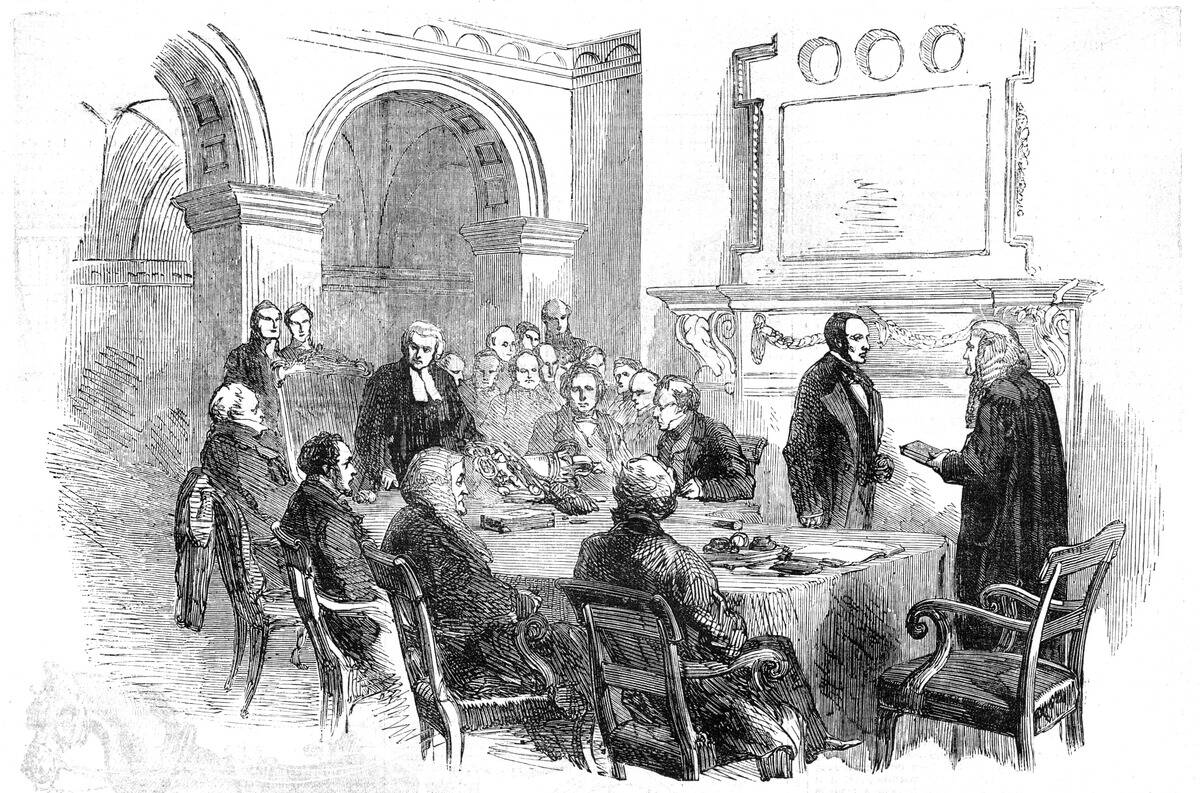
Dating back to the 12th century, the Trial of the Pyx is an annual event in the United Kingdom where the coins produced by the Royal Mint are tested for quality and weight. Named after the box, or ‘pyx,’ that holds the coins, this trial ensures that the currency meets the required standards.
The ceremony is steeped in tradition, with a jury of assayers and goldsmiths conducting the tests, and it continues to be an important part of maintaining public trust in the nation’s currency.
The Animal Trials of the Middle Ages: When Animals Faced Justice
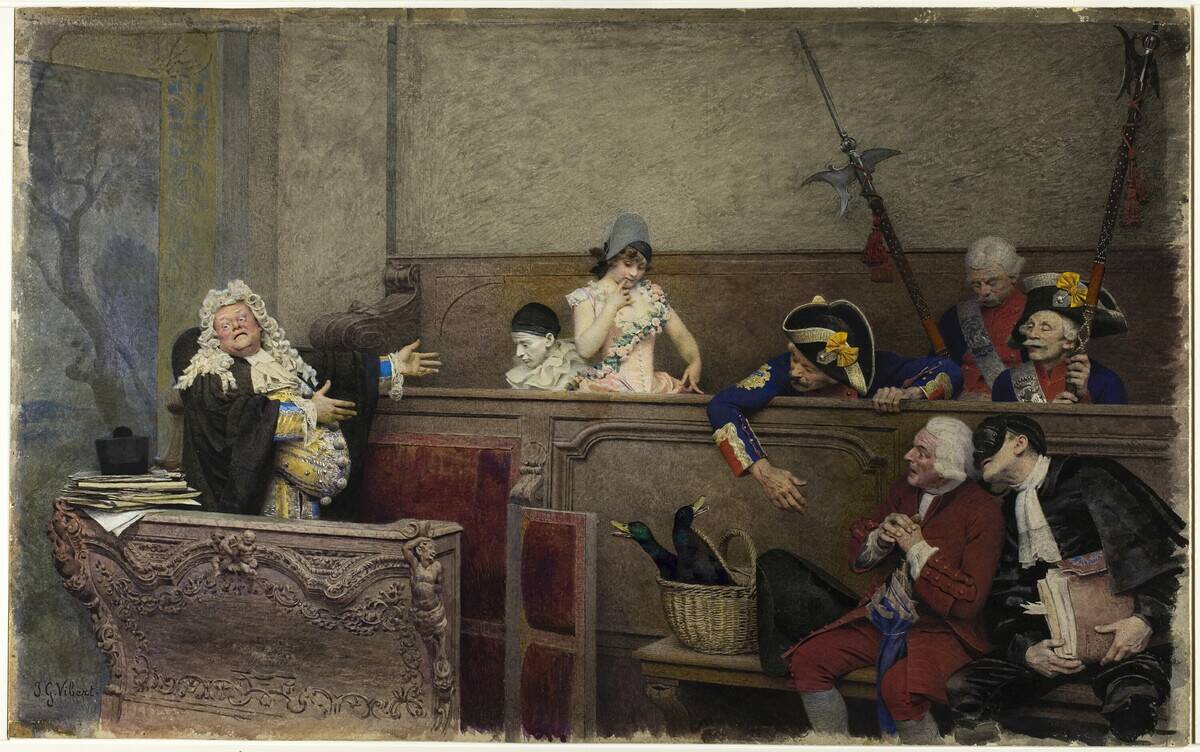
In the Middle Ages, animals were sometimes put on trial for crimes ranging from theft to murder. These trials were conducted with surprising seriousness, complete with legal representation for the accused animals.
Pigs were the most common defendants, often tried for attacking humans. In one famous case, a sow and her piglets were tried for killing a child, with the sow being found guilty and executed. These trials reflected the era’s belief in the moral accountability of all creatures.
The Salem Witch Trials: A Dark Chapter of Mass Hysteria
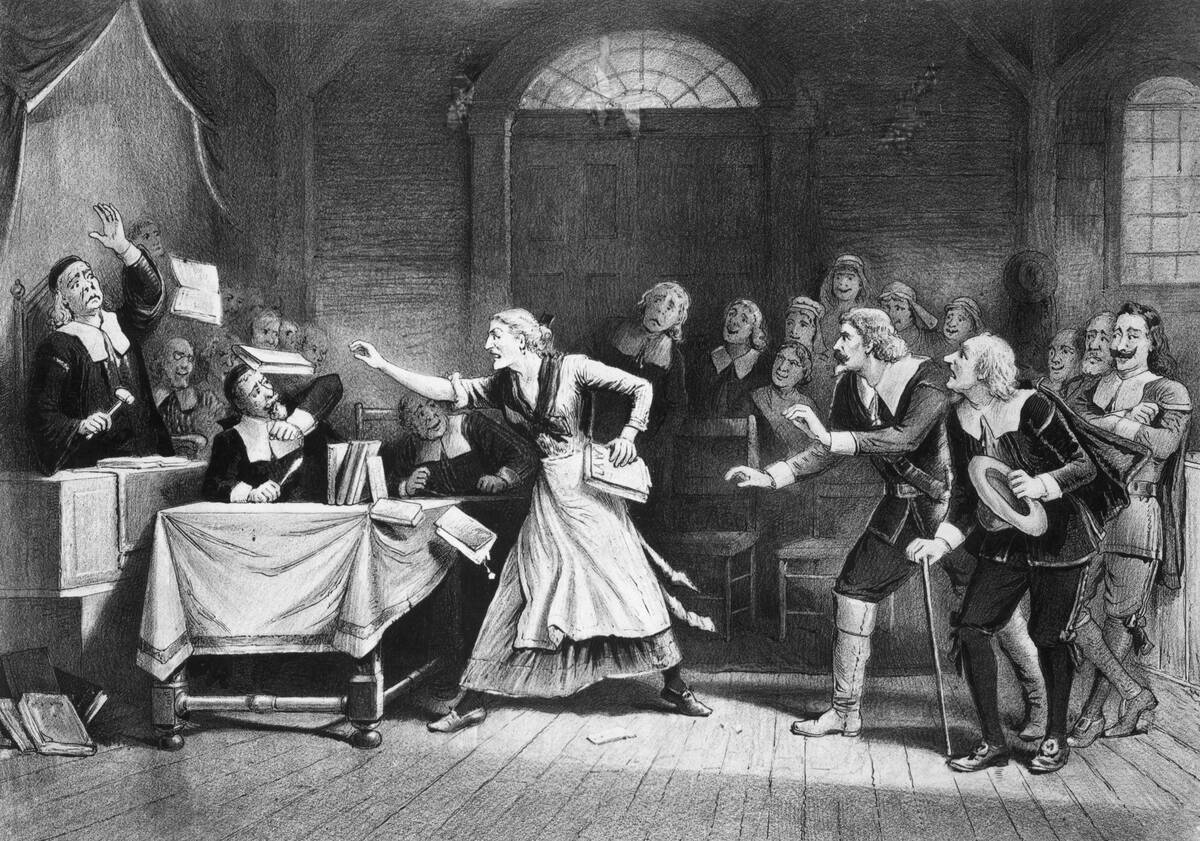
The Salem Witch Trials of 1692 are a notorious example of mass hysteria and injustice. In the Puritan village of Salem, Massachusetts, a series of accusations led to the arrest of over 200 people, with 20 executed for witchcraft.
The trials were fueled by superstition, fear, and personal vendettas, with ‘spectral evidence’—testimony based on dreams and visions—being used in court. The events of Salem serve as a cautionary tale about the dangers of scapegoating and the importance of due process.
The Trial of the Chicago Seven: A Political Circus
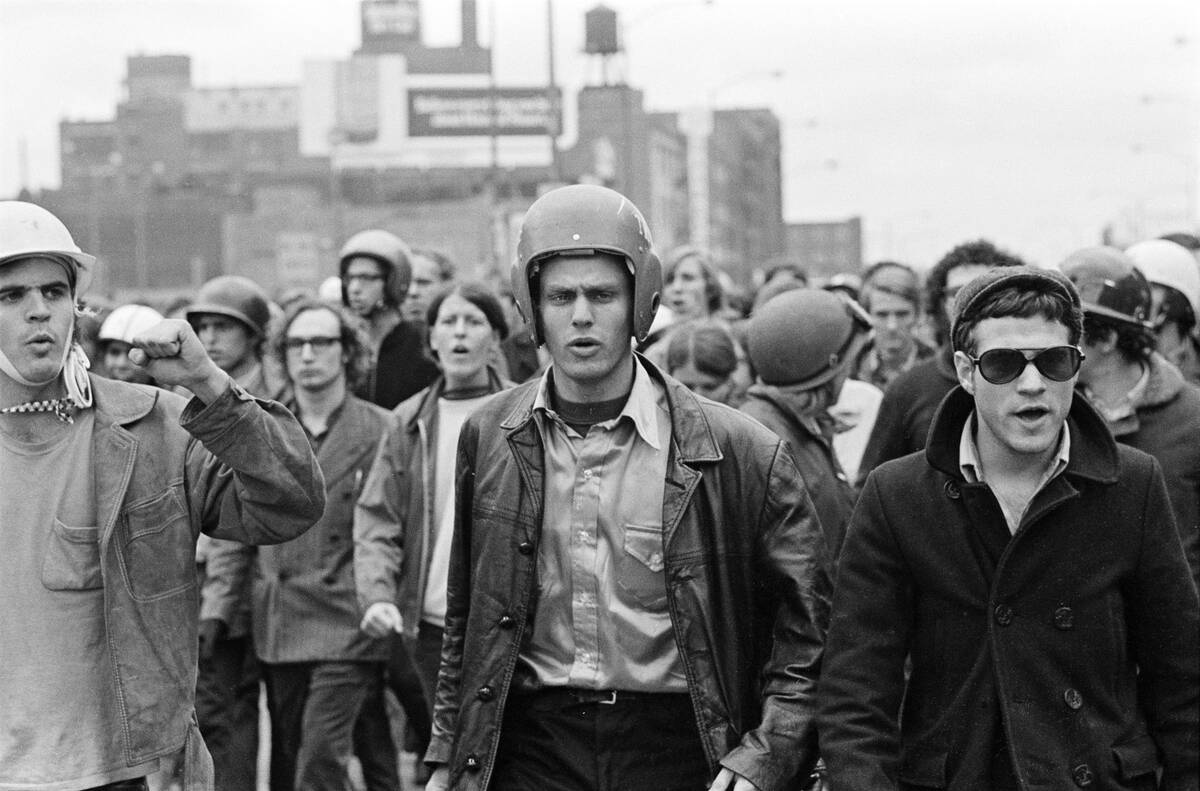
The Trial of the Chicago Seven in 1969 was a highly publicized legal battle stemming from protests at the 1968 Democratic National Convention. The defendants, including prominent activists like Abbie Hoffman and Tom Hayden, were charged with conspiracy and inciting a riot.
The trial became a symbol of the cultural and political clashes of the era, with theatrical courtroom antics and heated exchanges. Ultimately, the convictions were overturned on appeal, but the trial remains a landmark in the history of American protest.
The Trial of Joan of Arc: A Saint’s Martyrdom
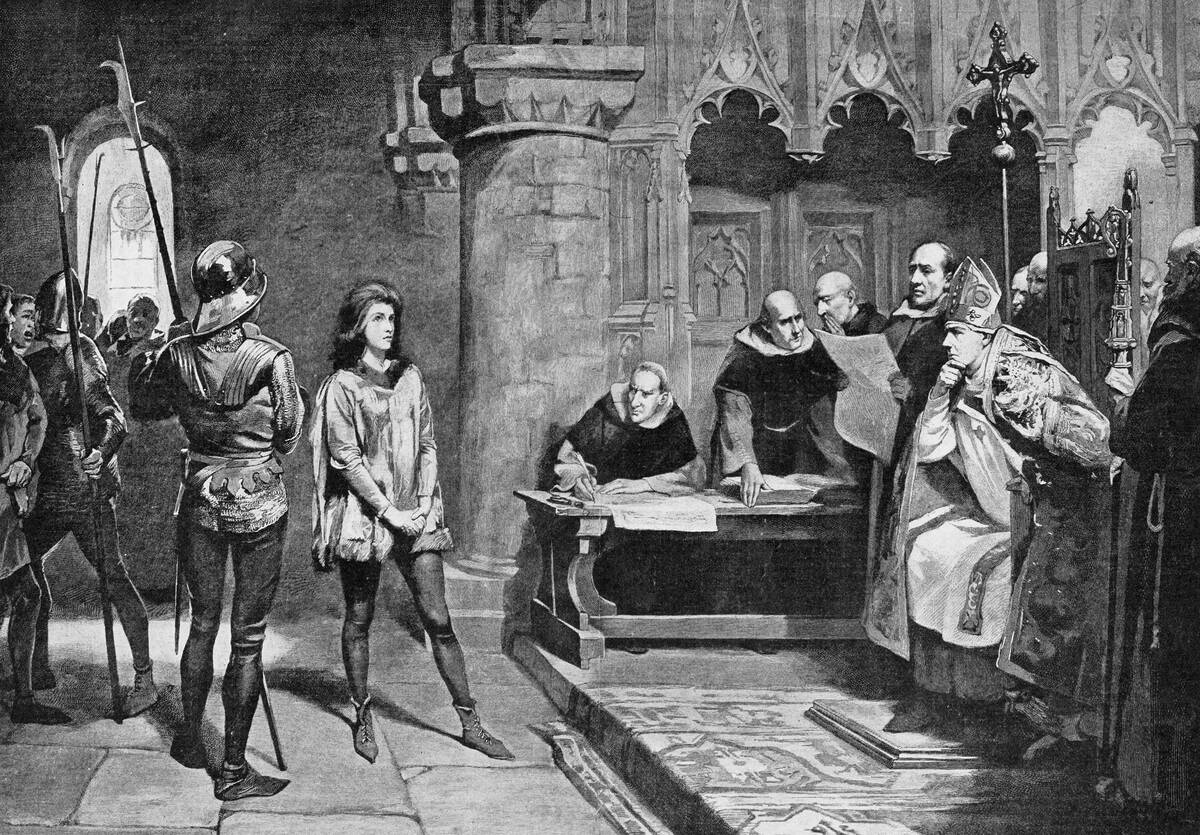
The trial of Joan of Arc in 1431 was a politically motivated prosecution that led to her execution. Captured by the English during the Hundred Years’ War, Joan was charged with heresy for claiming divine guidance in her military campaigns.
The trial was marked by procedural irregularities and a predetermined verdict. Despite her conviction and subsequent burning at the stake, Joan’s legacy endured, and she was canonized as a saint in 1920, recognized for her courage and faith.
The Dreyfus Affair: A Scandal that Shook France
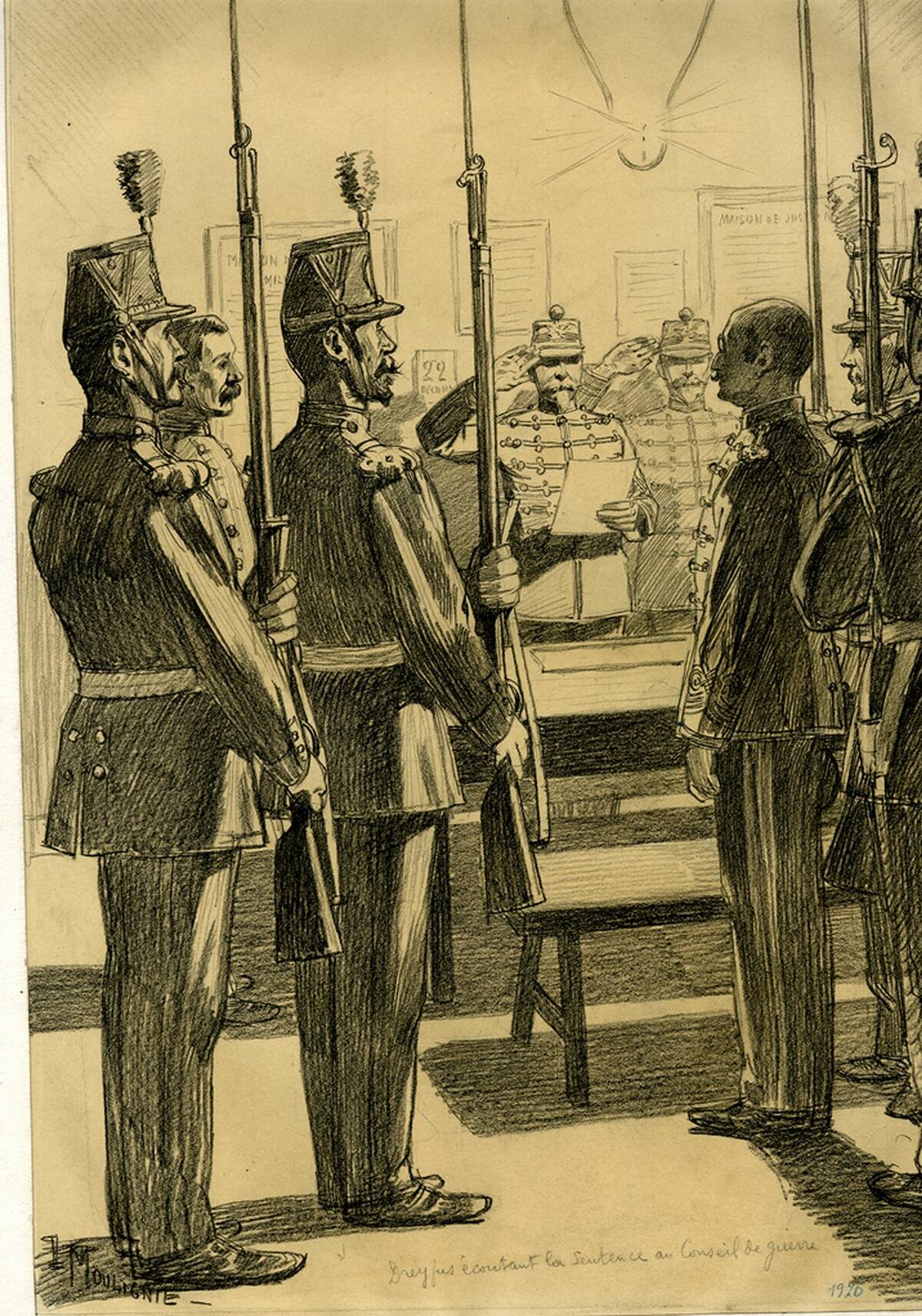
The Dreyfus Affair was a political scandal that divided France in the late 19th century. In 1894, Captain Alfred Dreyfus, a Jewish officer in the French army, was wrongfully convicted of treason based on forged evidence.
The case exposed deep-seated anti-Semitism and corruption within the French military and government. Public outcry and the efforts of intellectuals like Émile Zola eventually led to Dreyfus’s exoneration. The affair had a lasting impact on French society and the fight against injustice.
The Trial of Galileo: Science vs. Religion
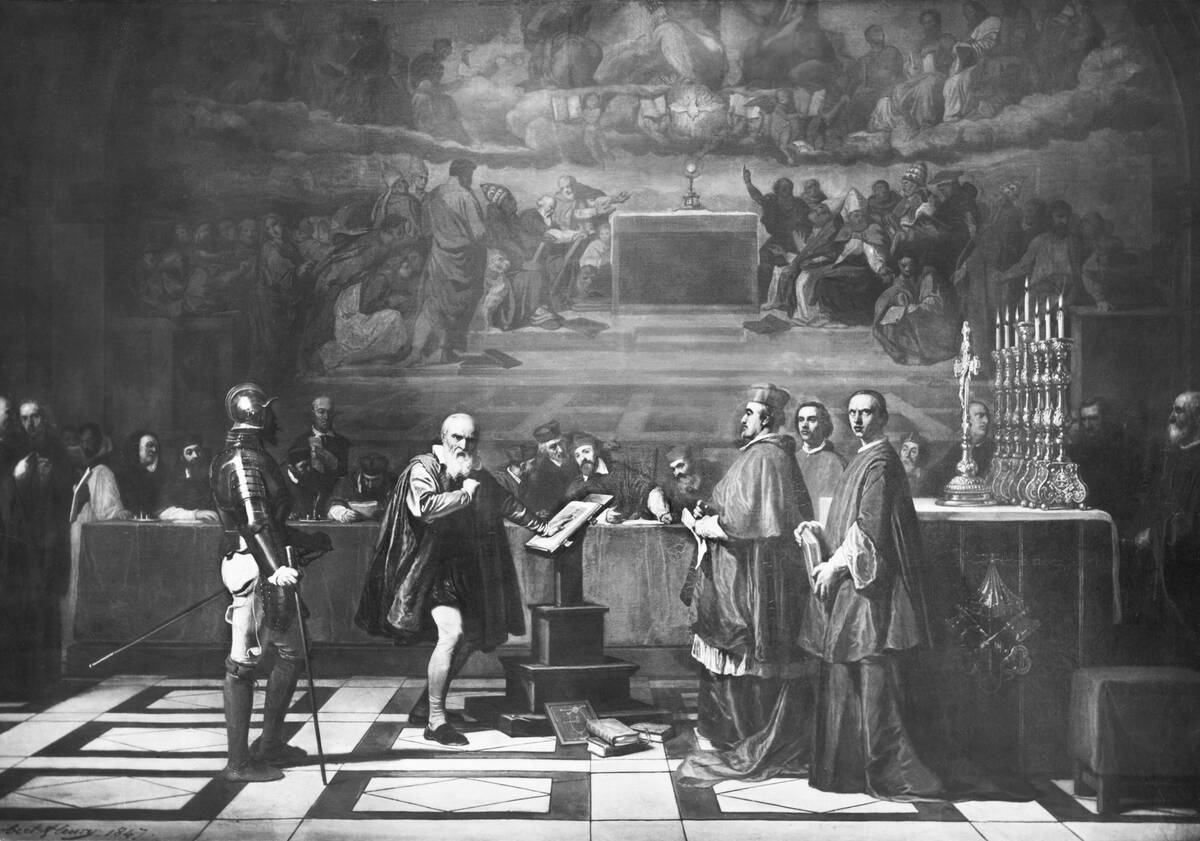
In 1633, the trial of Galileo Galilei marked a pivotal moment in the conflict between science and religion. Galileo was accused of heresy for supporting the heliocentric model of the solar system, which contradicted the Catholic Church’s geocentric teachings.
Despite his evidence and arguments, Galileo was found guilty and placed under house arrest for the remainder of his life. The trial highlighted the tension between scientific progress and religious doctrine, a theme that continues to resonate today.
The Nuremberg Trials: Justice After Atrocity
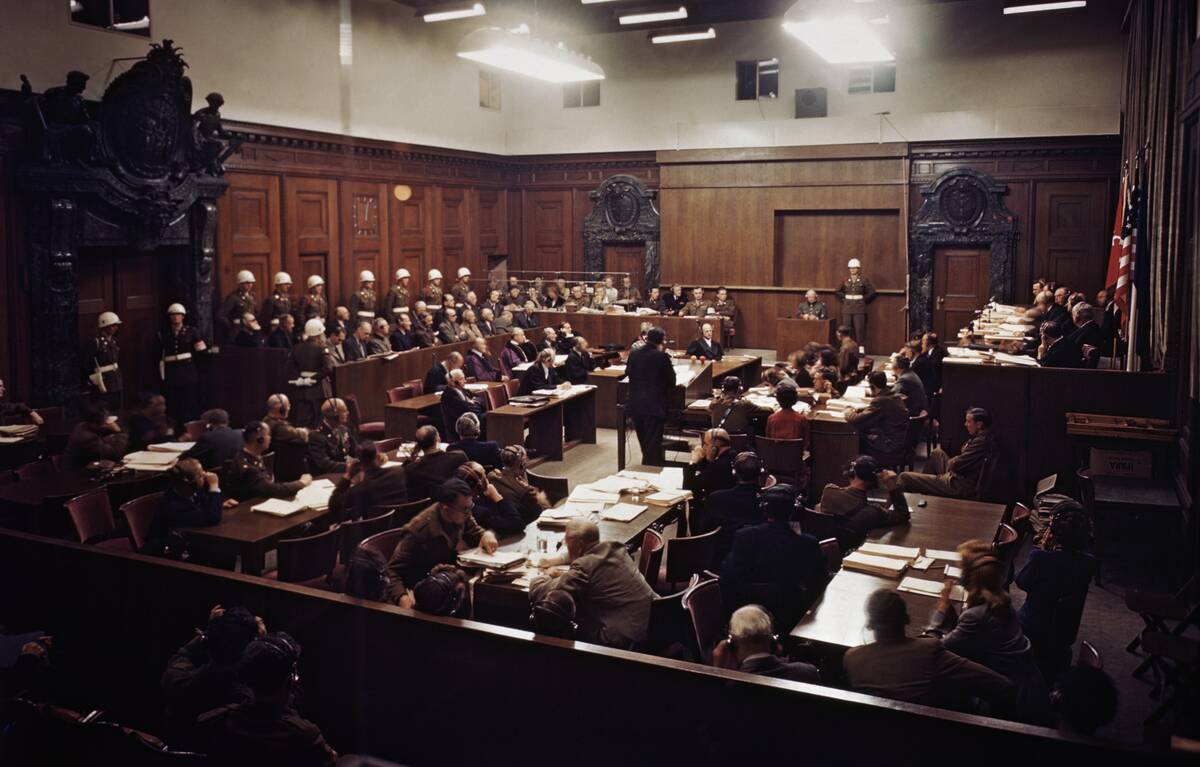
The Nuremberg Trials, held from 1945 to 1946, were a series of military tribunals that brought Nazi war criminals to justice after World War II. These trials were unprecedented in scope and significance, establishing the principles of international law and accountability for crimes against humanity.
Key figures of the Nazi regime were tried for their roles in the Holocaust and other atrocities, with several receiving the death penalty. The Nuremberg Trials set a precedent for future war crimes prosecutions.
The Trial of Socrates: Philosophy on Trial
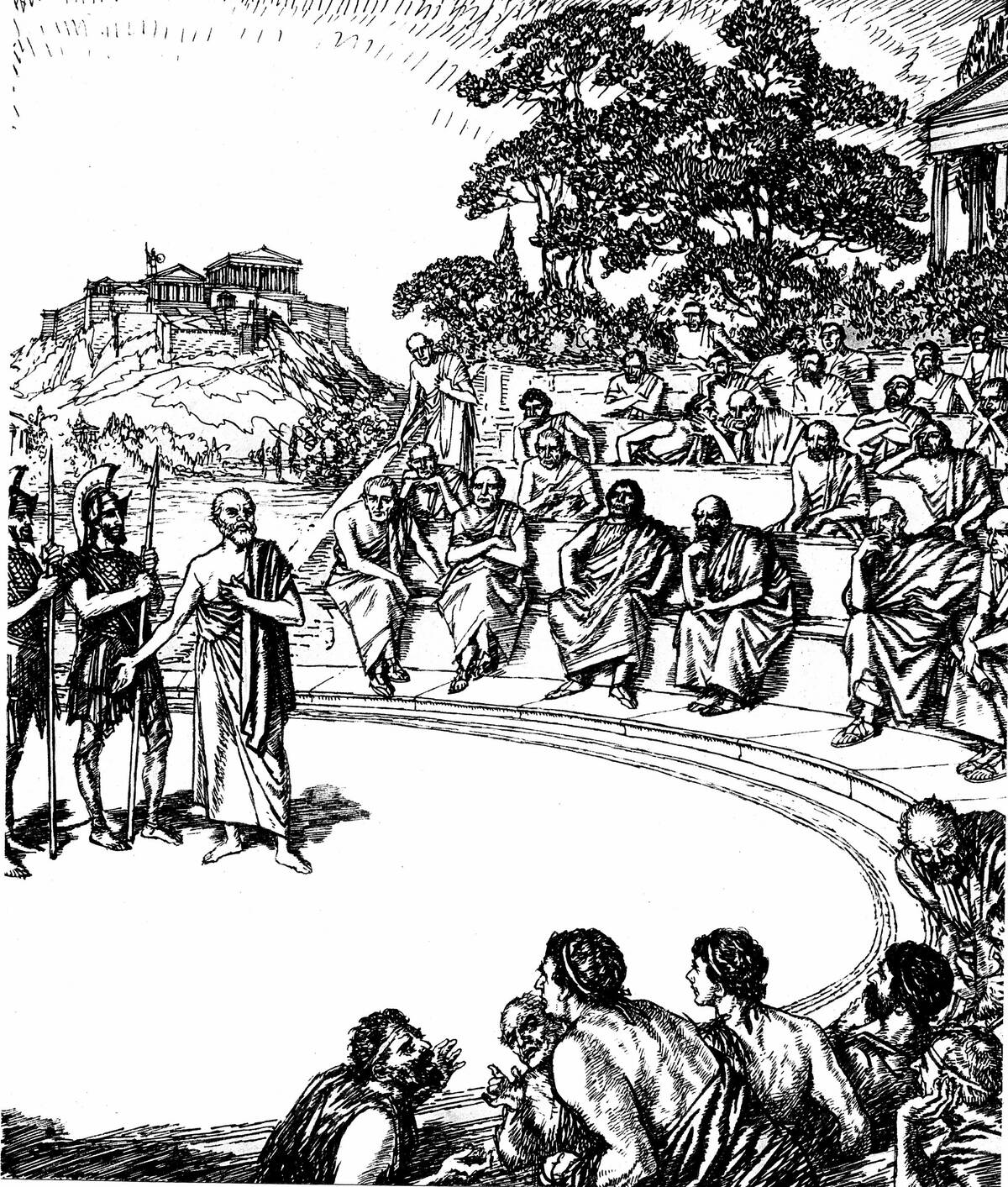
In 399 BC, the trial of Socrates was a defining moment in ancient Greek history. Charged with impiety and corrupting the youth of Athens, Socrates defended his pursuit of truth and philosophical inquiry.
Despite his eloquent defense, he was found guilty and sentenced to death by drinking hemlock. Socrates’s trial and execution have been immortalized as a symbol of the conflict between individual conscience and state power, influencing generations of thinkers and the development of Western philosophy.
The Trial of Oscar Wilde: Art, Love, and Scandal
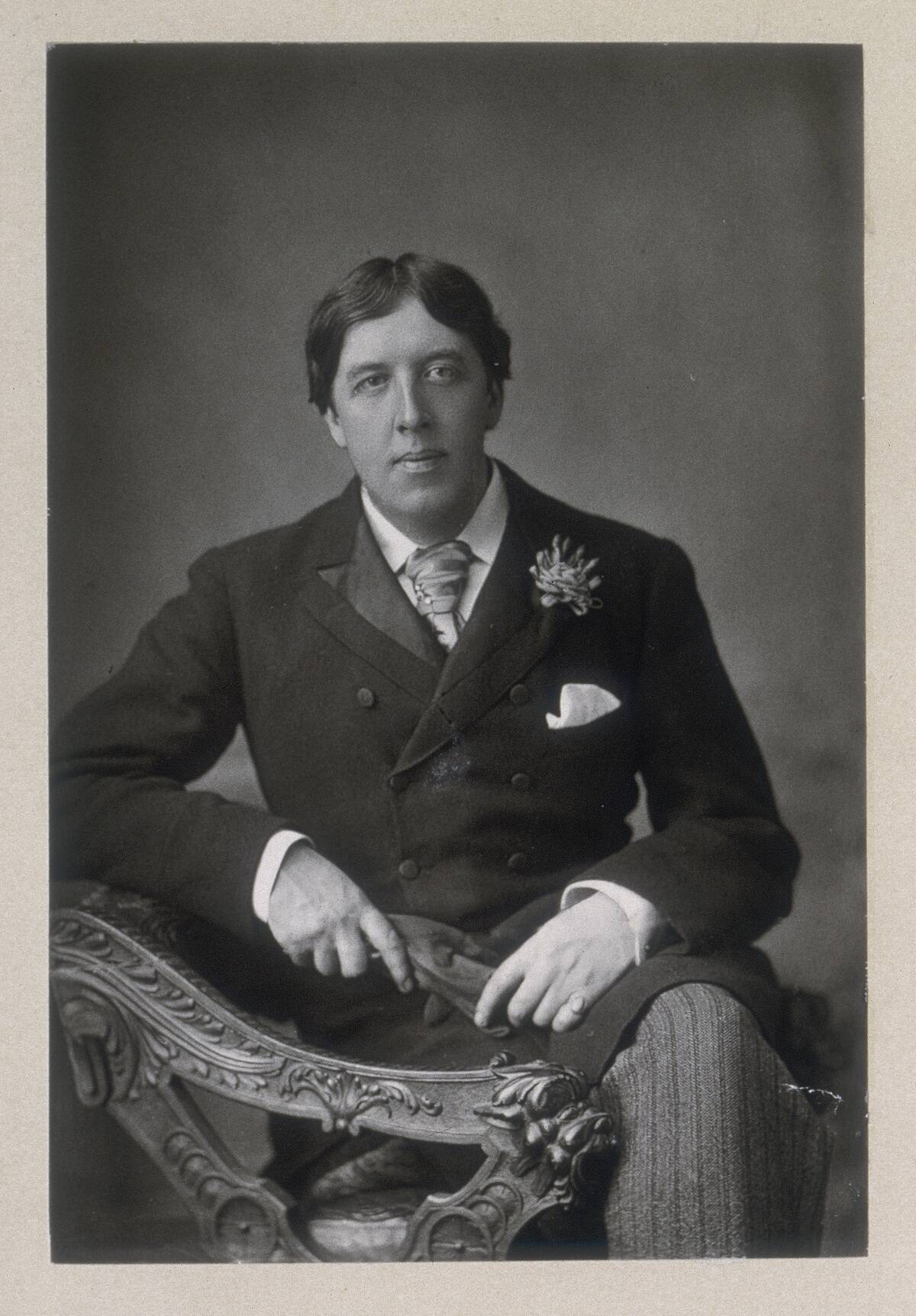
The trial of Oscar Wilde in 1895 was a sensational affair that captivated Victorian England. The celebrated playwright and poet was charged with ‘gross indecency’ due to his homosexual relationships, which were illegal at the time.
Wilde’s wit and eloquence were on full display during the trial, but the jury found him guilty, resulting in a two-year prison sentence. The trial not only ruined Wilde’s career but also highlighted the repressive attitudes towards sexuality in the 19th century.
The Trial of the Pendle Witches: Fear in Lancashire
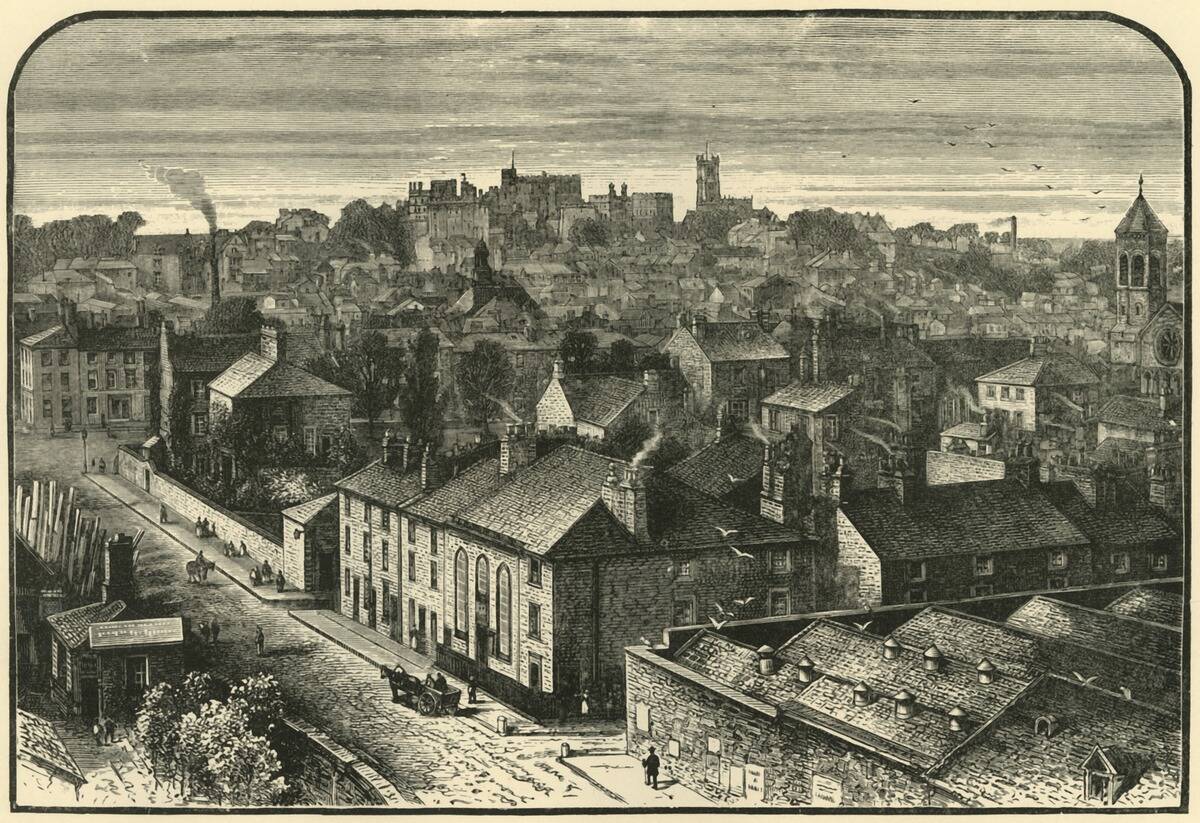
The Pendle Witch Trials of 1612 were among the most famous witchcraft trials in England. Twelve people from the Pendle Hill area in Lancashire were accused of witchcraft, mostly based on local rivalries and superstitions.
The trial resulted in ten executions, with the accused being hanged for their supposed crimes. The Pendle Witch Trials reflect the widespread fear and paranoia about witchcraft during the period, as well as the harsh realities of the English legal system at the time.
The Trial of the Century: O.J. Simpson’s Courtroom Drama
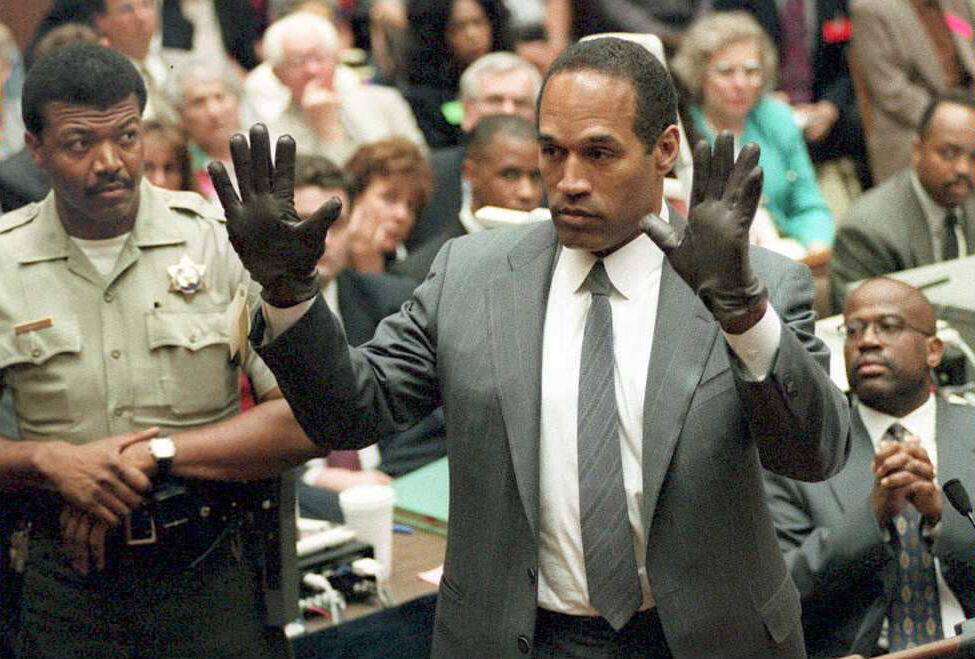
Dubbed the ‘Trial of the Century,’ the O.J. Simpson trial in 1995 was a media spectacle that captivated the world. The former football star was accused of the murders of his ex-wife Nicole Brown Simpson and her friend Ron Goldman.
The trial featured dramatic courtroom moments, celebrity lawyers, and a racially charged atmosphere. Ultimately, Simpson was acquitted, but the trial raised important questions about race, media influence, and the American justice system, leaving a lasting impact on public consciousness.
The Trial of Lizzie Borden: Did She Really Take an Axe?
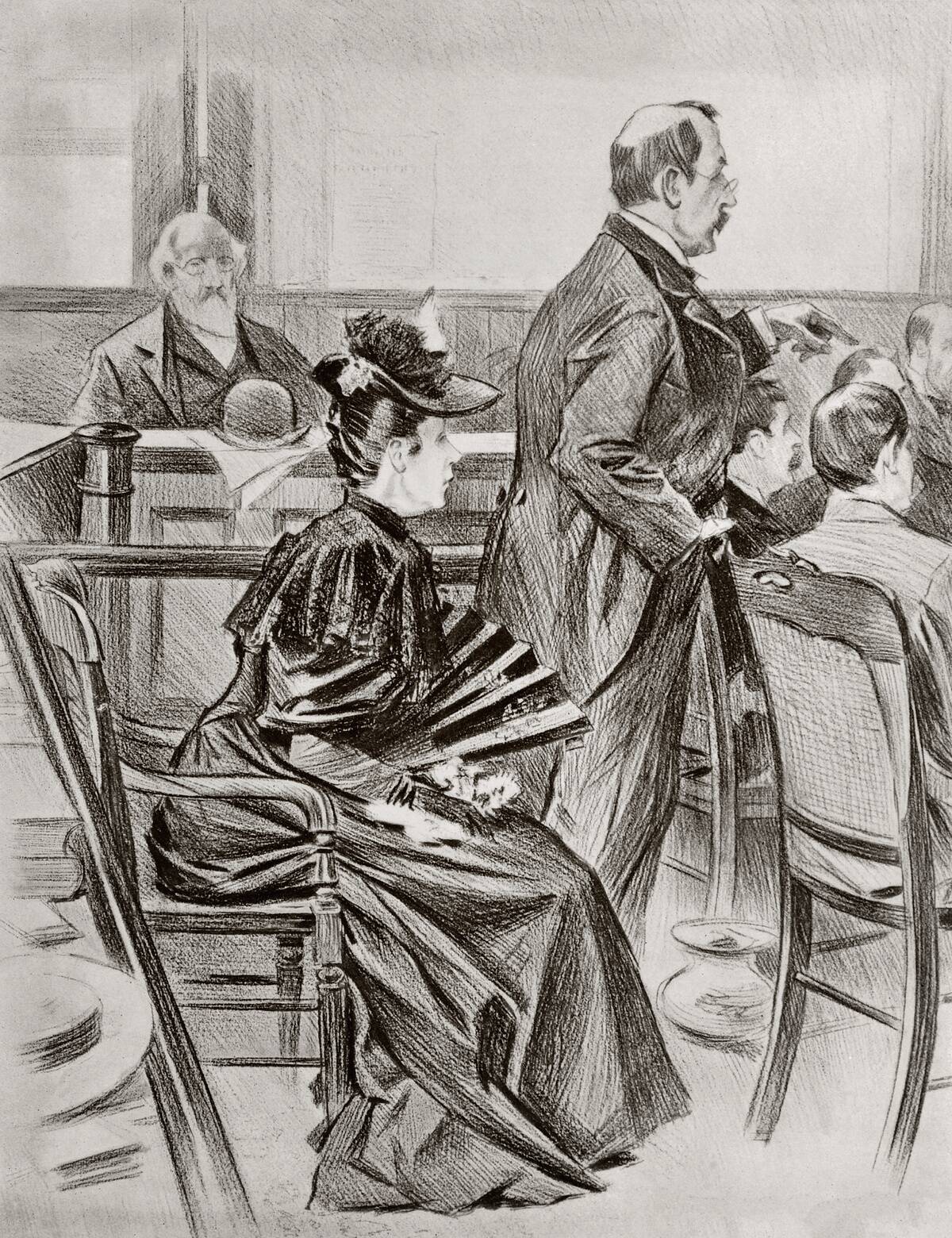
The trial of Lizzie Borden in 1893 remains one of America’s most enduring murder mysteries. Accused of brutally murdering her father and stepmother with an axe, Borden’s trial was a media sensation.
Despite the gruesome nature of the crime and circumstantial evidence, she was acquitted, leaving the question of her guilt unresolved. The case has inspired countless books, films, and even a nursery rhyme, cementing Lizzie Borden’s place in the annals of American folklore.
The Trial of the Templars: Knights Under Fire
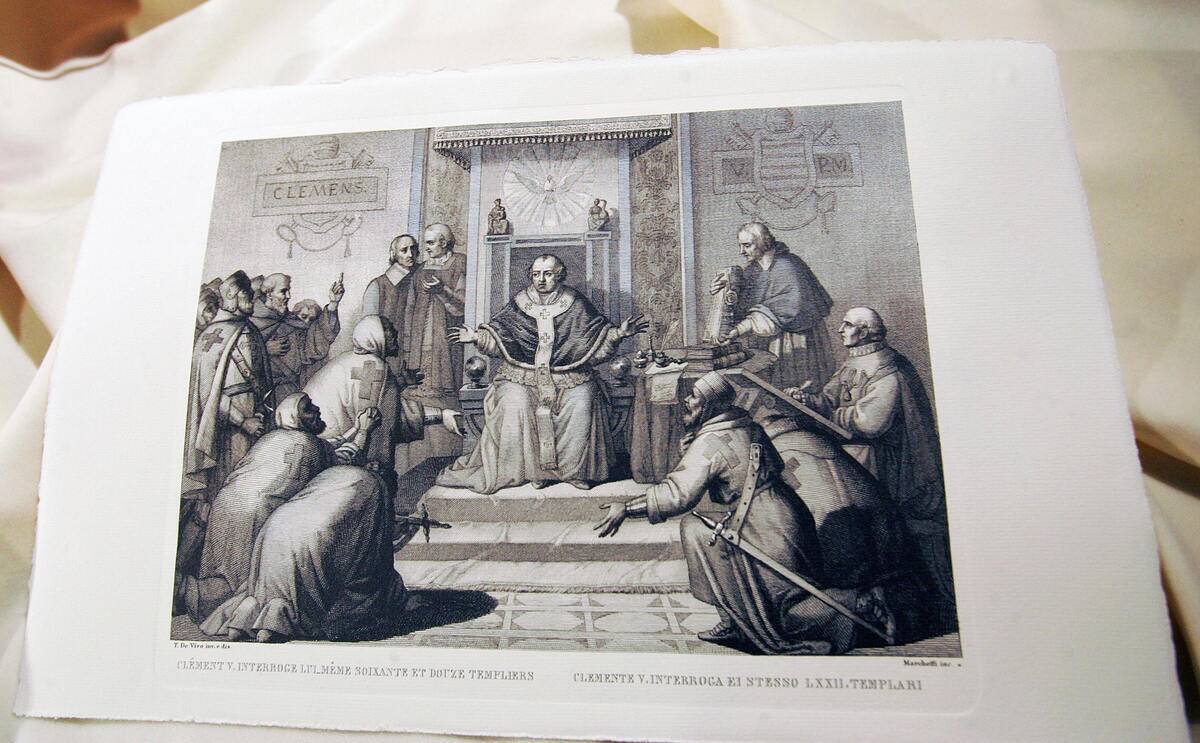
The trial of the Knights Templar in the early 14th century was a dramatic and politically charged affair. Once a powerful and wealthy military order, the Templars were accused of heresy, blasphemy, and other crimes by King Philip IV of France.
The trials were marked by coerced confessions and brutal interrogations, leading to the dissolution of the order and the execution of many knights. The Templar trials remain a subject of intrigue and speculation, with theories about hidden treasures and secret knowledge.
The Trial of the Red Scare: McCarthyism at its Peak
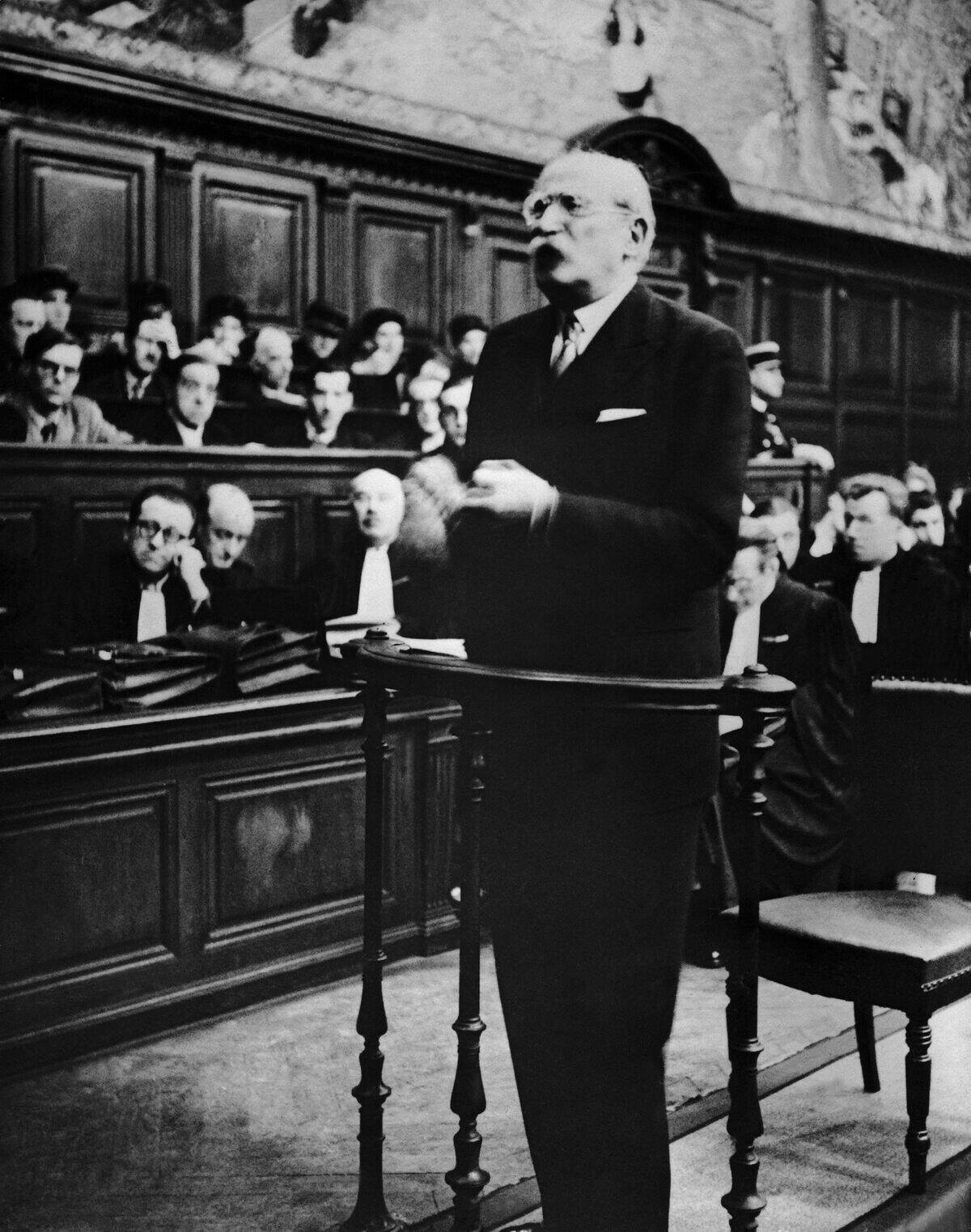
During the 1950s, the United States was gripped by the Red Scare, a period of intense fear of communism. Senator Joseph McCarthy led a series of investigations and trials aimed at rooting out communist influence in American institutions.
These proceedings, characterized by aggressive questioning and dubious evidence, resulted in ruined careers and lives. The era of McCarthyism is now seen as a cautionary tale about the dangers of political paranoia and the erosion of civil liberties in the name of national security.