Popular websites everyone used that are now gone
Ah, the internet of yesteryears! It was a time when dial-up tones were music to our ears, and websites were as colorful as they were clunky. The digital landscape was a wild frontier, full of promise and experimentation.
Many platforms emerged, each with its own unique charm and purpose. While some left a lasting impact, others faded into the digital ether, leaving behind fond memories and lessons learned.
The Rise and Fall of GeoCities: The Original Web Neighborhood
GeoCities was the place to be if you wanted to create your own little corner of the internet. Launched in 1994, it allowed users to build personal web pages, complete with flashy graphics and animated GIFs.
At its peak, GeoCities was the third most visited site on the web. However, as the internet evolved, GeoCities couldn’t keep up with the demand for more sophisticated design tools and social networking features, leading to its closure in 2009.
MySpace: The Social Media Pioneer That Lost Its Space

Before Facebook took over the world, MySpace was the reigning king of social media. Launched in 2003, it allowed users to customize their profiles with music, photos, and even HTML code.
MySpace became a cultural phenomenon, especially among musicians. However, the platform’s cluttered design and inability to innovate led to its decline. By 2008, Facebook had surpassed MySpace in popularity, and the once-dominant platform struggled to regain its footing.
Friendster: The Social Networking Trailblazer That Fizzled Out

Friendster was one of the first social networking sites, launching in 2002. It quickly gained popularity, especially in Asia, by allowing users to connect with friends and share content.
Despite its early success, technical issues and a lack of innovation led to its decline. By 2011, Friendster had pivoted to a gaming site before eventually shutting down in 2015. Its legacy, however, lives on as a pioneer in the social networking space.
Napster: The Revolutionary Music Sharing Platform That Rocked the Industry
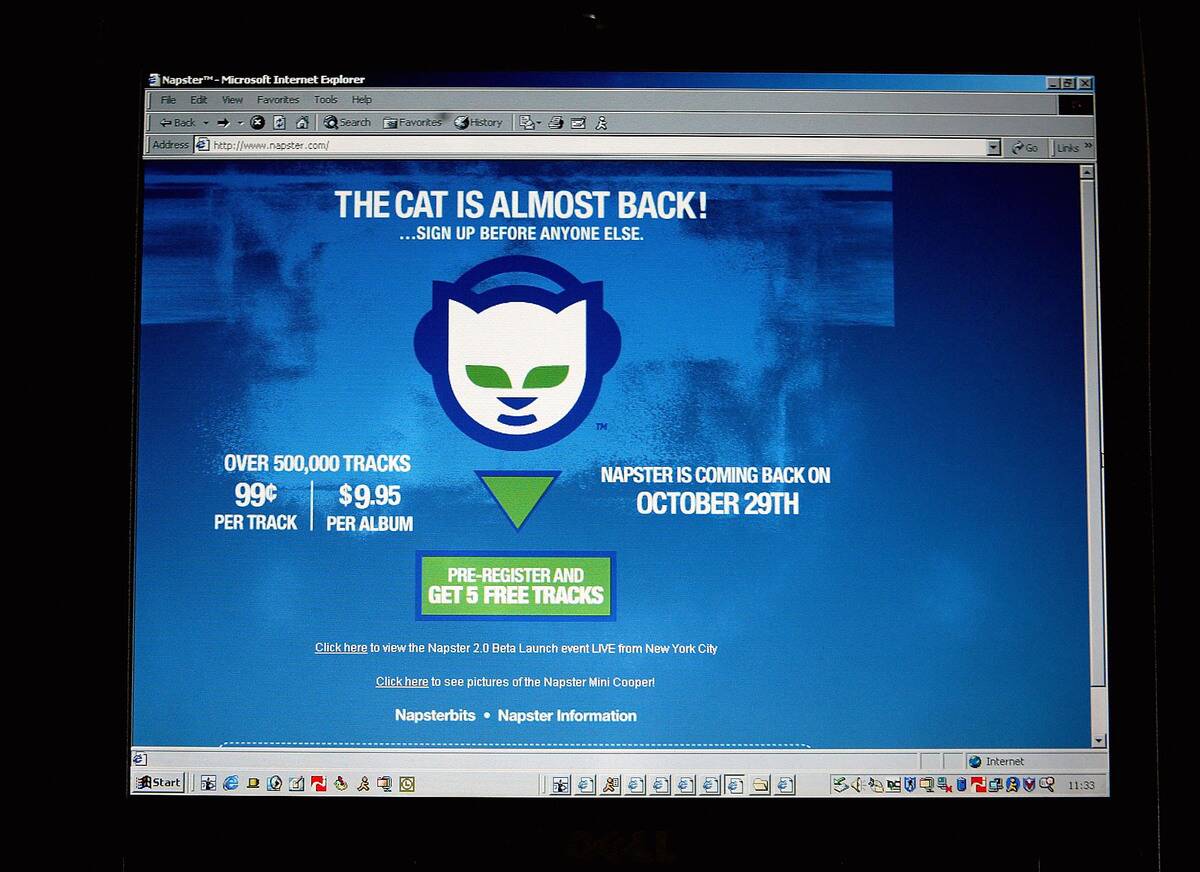
Napster changed the music industry forever when it launched in 1999. It allowed users to share and download music files for free, sparking a revolution in how people accessed music.
The platform’s popularity soared, but it also faced legal challenges from the recording industry. In 2001, Napster was forced to shut down, but its impact was undeniable. It paved the way for the development of legal streaming services that dominate the music landscape today.
AltaVista: The Search Engine Giant That Couldn’t Keep Up
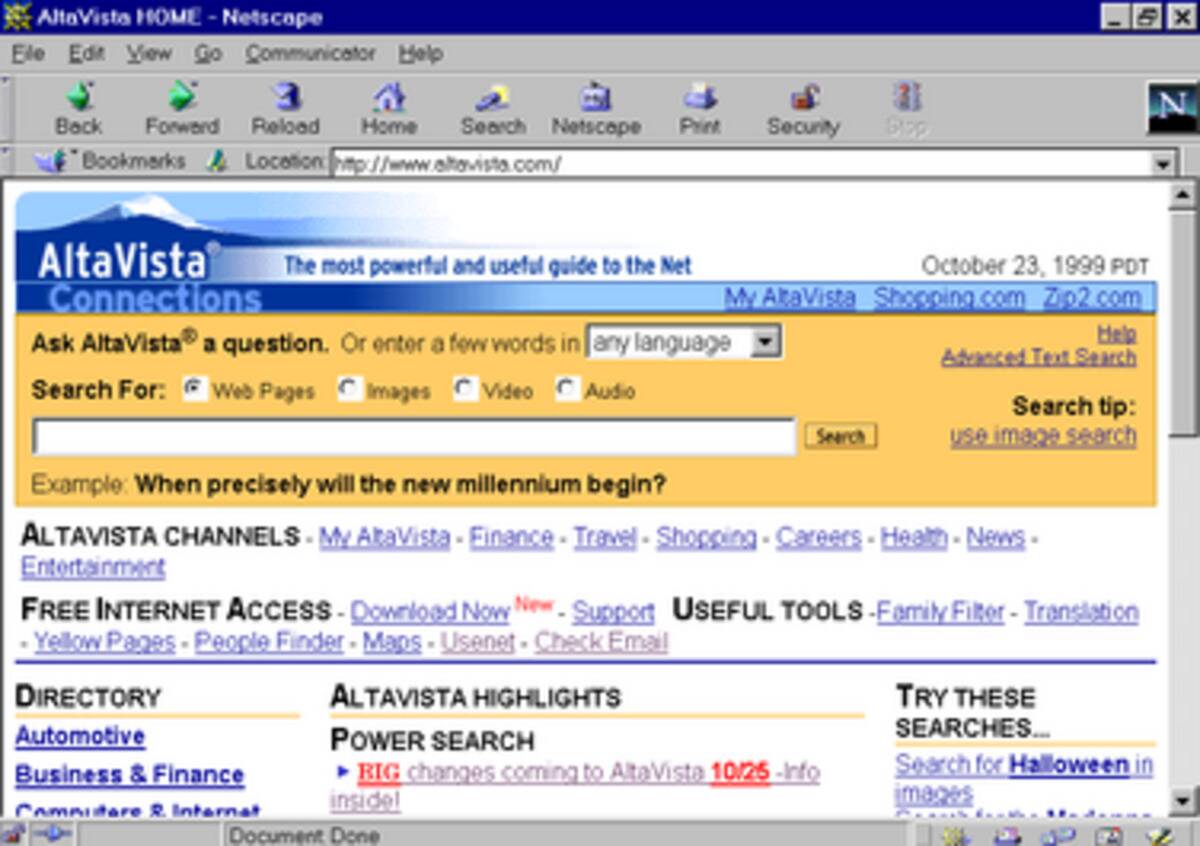
In the early days of the internet, AltaVista was the go-to search engine for many users. Launched in 1995, it was known for its fast search capabilities and comprehensive index.
However, as competitors like Google entered the scene with more advanced algorithms, AltaVista struggled to maintain its dominance. By 2003, it had been acquired by Yahoo and eventually shut down in 2013. AltaVista’s legacy remains as a pioneer in the search engine world.
Ask Jeeves: The Polite Search Butler That Lost His Job

Ask Jeeves, launched in 1996, offered a unique approach to search engines by allowing users to ask questions in natural language. The friendly butler, Jeeves, became an iconic figure, helping users navigate the web with ease.
Despite its initial success, Ask Jeeves couldn’t compete with the precision and speed of Google. In 2006, the company rebranded as Ask.com, dropping the Jeeves persona, but it never regained its former glory.
Vine: The Six-Second Video Sensation That Couldn’t Loop Forever

Vine burst onto the scene in 2013, captivating users with its six-second looping videos. It quickly became a platform for creativity and humor, launching the careers of many internet personalities.
However, Vine struggled to monetize its content and faced stiff competition from Instagram and Snapchat. By 2017, Twitter, which had acquired Vine, announced its shutdown. Despite its short life, Vine’s influence on video content and internet culture is still felt today.
Orkut: Google’s Foray into Social Networking That Didn’t Last
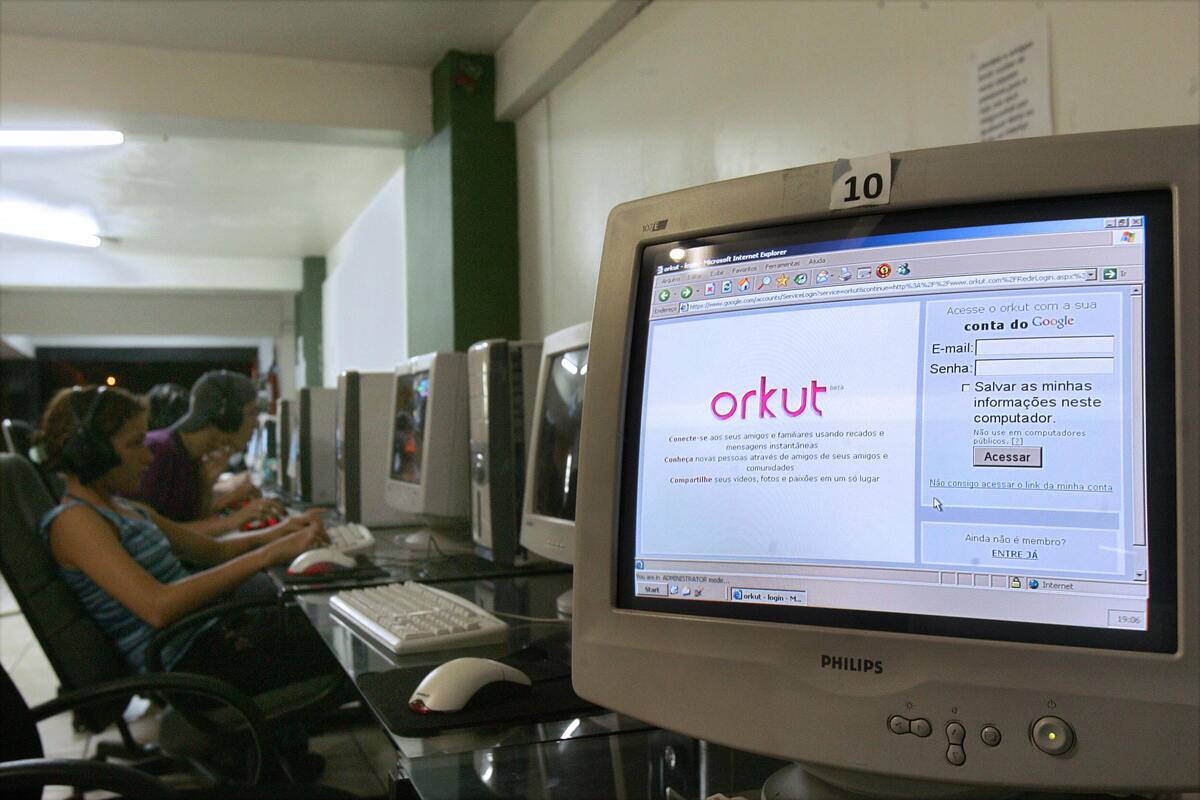
Orkut was Google’s first attempt at social networking, launched in 2004. It gained a significant following in countries like Brazil and India, where users connected through communities and shared interests.
However, Orkut struggled to expand its user base globally and faced competition from Facebook. By 2014, Google decided to shut down Orkut to focus on other projects, marking the end of its decade-long run in the social networking arena.
Yahoo Messenger: The Instant Messaging Service That Went Silent

Yahoo Messenger was a staple of online communication in the late ’90s and early 2000s. Launched in 1998, it offered features like voice chat, file sharing, and customizable avatars. It was a popular choice for staying connected with friends and family.
However, as new messaging platforms emerged, Yahoo Messenger struggled to keep up with changing user preferences. In 2018, Yahoo announced the service’s discontinuation, marking the end of an era for instant messaging.
DailyBooth: The Photo Sharing Site That Snapped Out of Existence
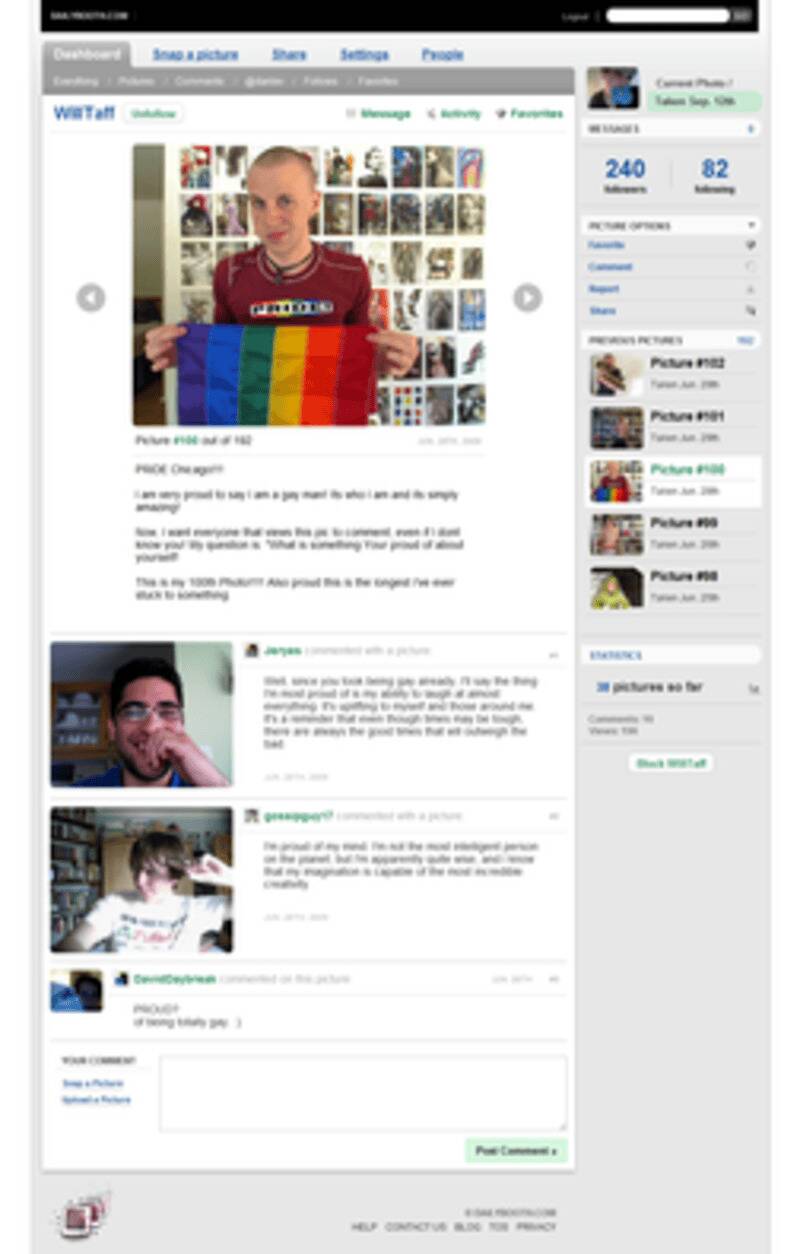
DailyBooth was an innovative photo-sharing platform that encouraged users to post daily selfies and engage with others. Launched in 2009, it quickly gained popularity, especially among younger users.
However, as Instagram and other photo-sharing apps emerged, DailyBooth couldn’t compete. By 2012, the platform had shut down, leaving behind a community that had embraced the concept of visual storytelling. Its impact on the evolution of social media photography remains notable.
Google Reader: The Beloved RSS Feed Aggregator That Was Shelved

Google Reader was a beloved tool for aggregating RSS feeds, launched in 2005. It allowed users to easily keep up with their favorite websites and blogs in one place.
Despite its popularity among tech enthusiasts and avid readers, Google decided to discontinue the service in 2013, citing declining usage. The decision sparked an outcry from loyal users, many of whom still reminisce about the convenience and simplicity Google Reader provided.
Meebo: The Chat Aggregator That Merged into Oblivion
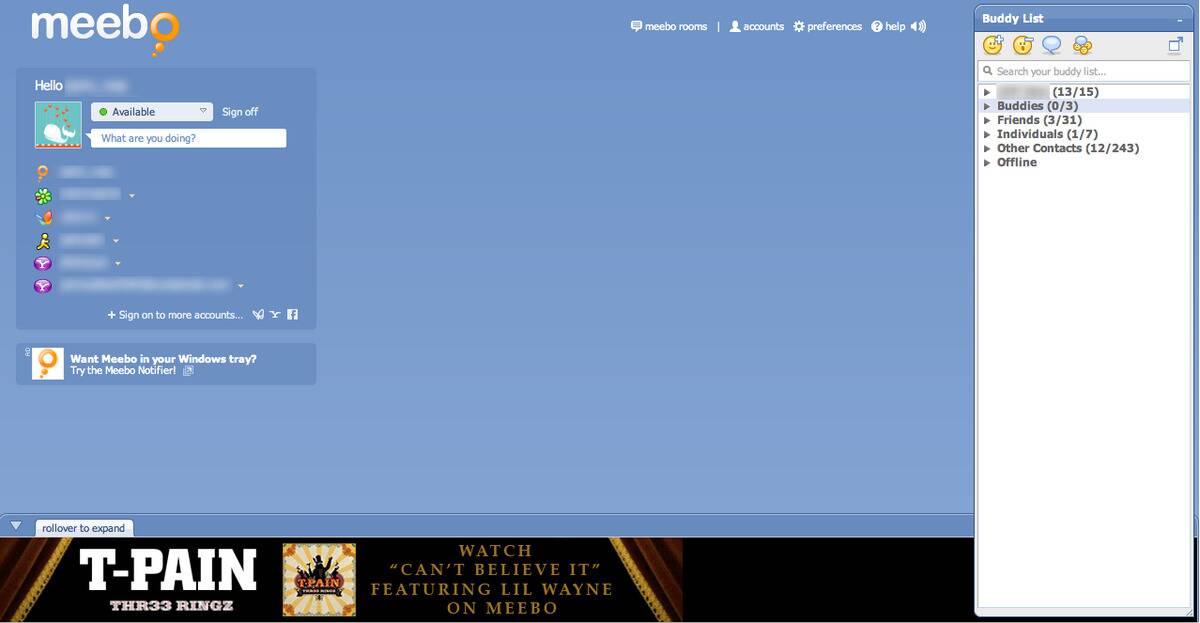
Meebo was a chat aggregator that allowed users to access multiple messaging services from one platform. Launched in 2005, it quickly became a favorite for those juggling various chat accounts.
In 2012, Google acquired Meebo, integrating its technology into Google+ and subsequently shutting down the standalone service. While Meebo’s name may have faded, its concept of unified communication lives on in today’s messaging apps.




