Popular American businesses that quietly disappeared
The American business landscape has seen its fair share of iconic brands rise to prominence, only to later fade into obscurity. These companies, once household names, played significant roles in shaping consumer culture.
Their stories offer valuable lessons on adaptability, market trends, and the importance of innovation. As we explore the journeys of these businesses, we’ll uncover the factors that led to their decline and the nostalgic memories they left behind.
Blockbuster: From Movie Rental Giant to Nostalgic Memory
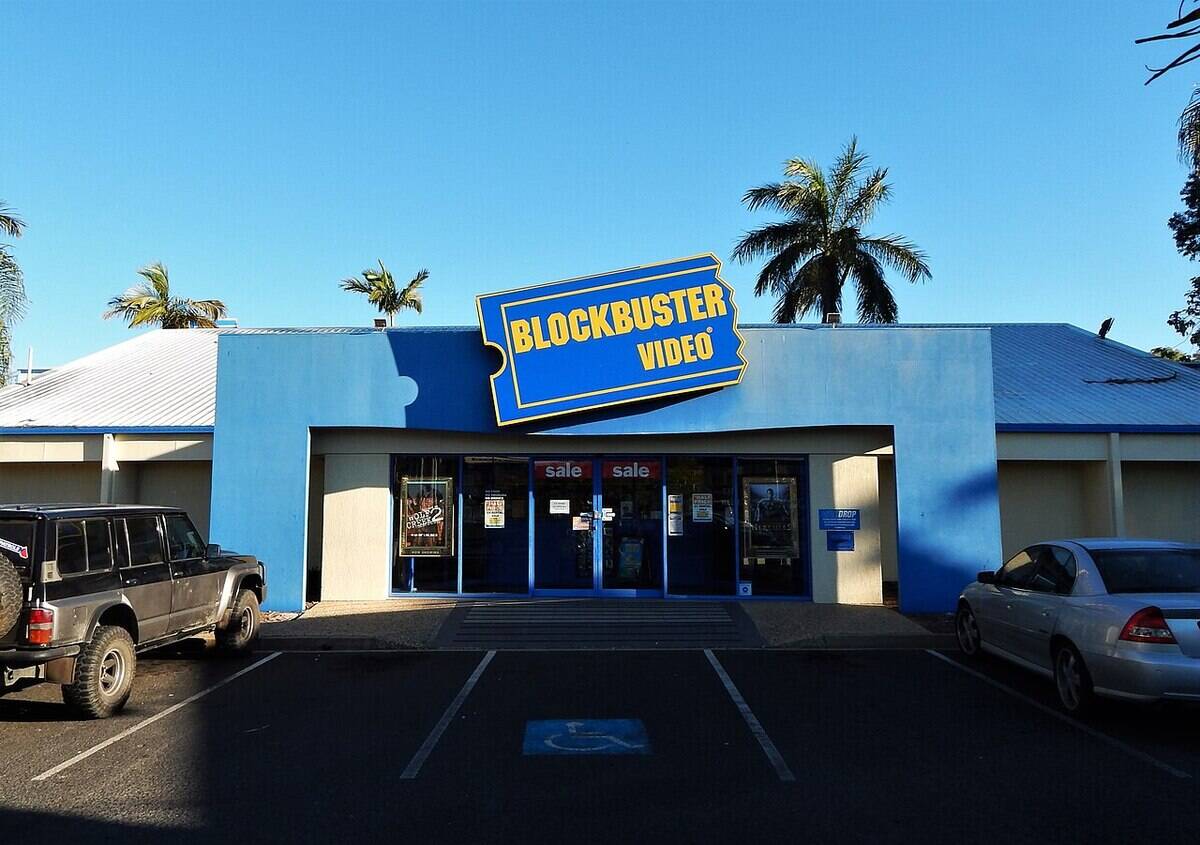
Blockbuster was once the king of video rentals, with over 9,000 stores worldwide at its peak in 2004. The convenience of renting a movie from a physical store was unmatched until streaming services like Netflix changed the game.
Blockbuster’s failure to adapt to the digital revolution led to its downfall, leaving just one store remaining in Bend, Oregon, a nostalgic reminder of Friday night movie marathons.
Toys “R” Us: The End of a Childhood Wonderland
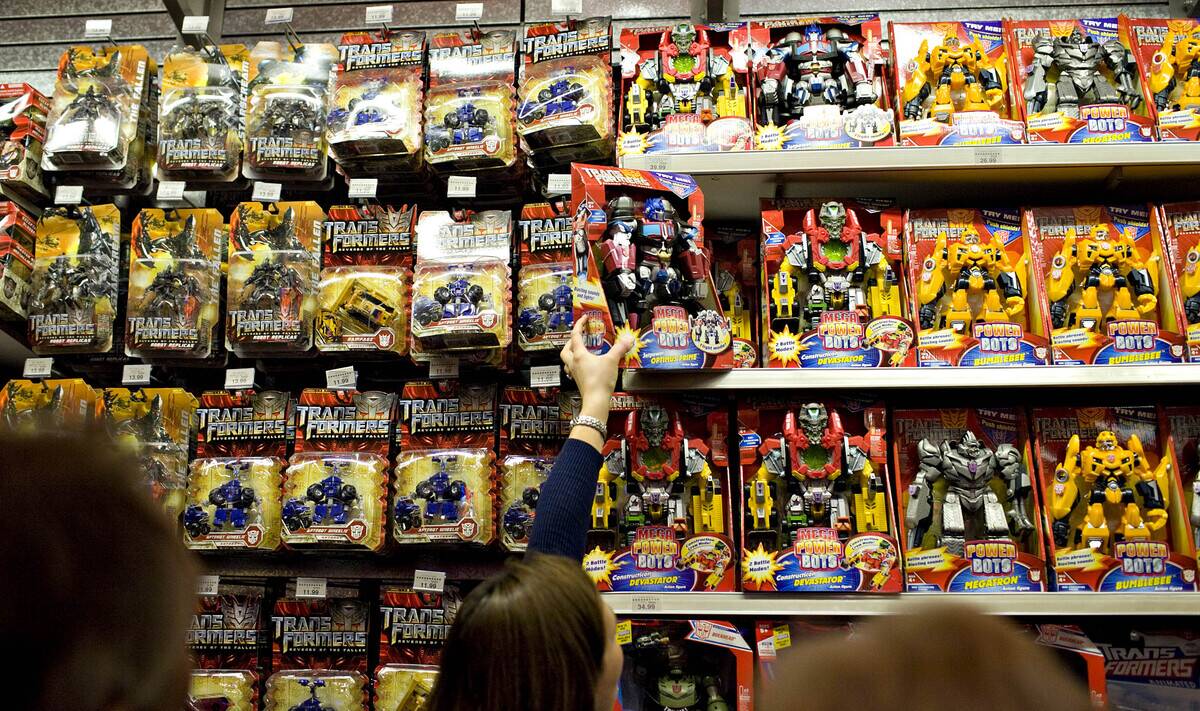
Toys “R” Us was a magical wonderland for children, with aisles filled with toys that sparked imagination. At its height, the company operated over 1,500 stores globally. However, the rise of online shopping and a hefty debt burden led to its bankruptcy in 2017.
While attempts to revive the brand continue, the original stores remain a cherished memory for many who grew up in the ’80s and ’90s.
Borders: The Bookstore That Couldn’t Keep Up

Borders was once a beloved bookstore chain, offering a vast selection of books and a cozy atmosphere. At its peak, it operated over 500 stores in the U.S. However, the rise of e-books and online retailers like Amazon left Borders struggling to compete.
The company filed for bankruptcy in 2011, marking the end of an era for book lovers who cherished browsing its shelves.
Circuit City: The Electronics Retailer That Short-Circuited

Circuit City was a go-to destination for electronics enthusiasts, offering everything from TVs to computers. Founded in 1949, it grew to become the second-largest electronics retailer in the U.S.
However, poor management decisions and increased competition from Best Buy and online retailers led to its liquidation in 2009. Its demise serves as a cautionary tale about the importance of staying ahead in a rapidly changing market.
Pan American World Airways: The Airline That Once Ruled the Skies
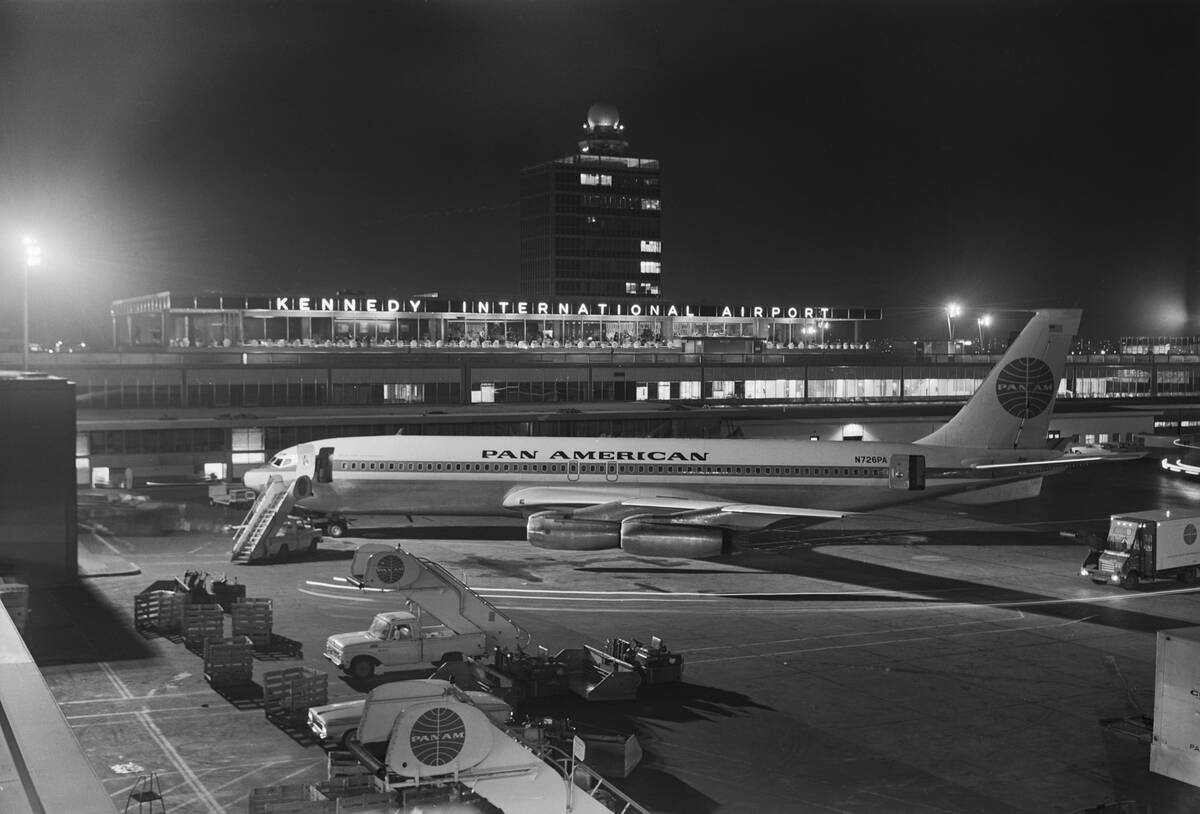
Pan Am was synonymous with luxury air travel, pioneering transatlantic flights and the use of jumbo jets. Founded in 1927, it was a symbol of American innovation and global reach.
However, deregulation of the airline industry and rising fuel costs in the 1980s led to financial struggles. Pan Am ceased operations in 1991, but its legacy lives on in popular culture and the nostalgia of the golden age of flying.
RadioShack: The Electronics Store That Lost Its Signal
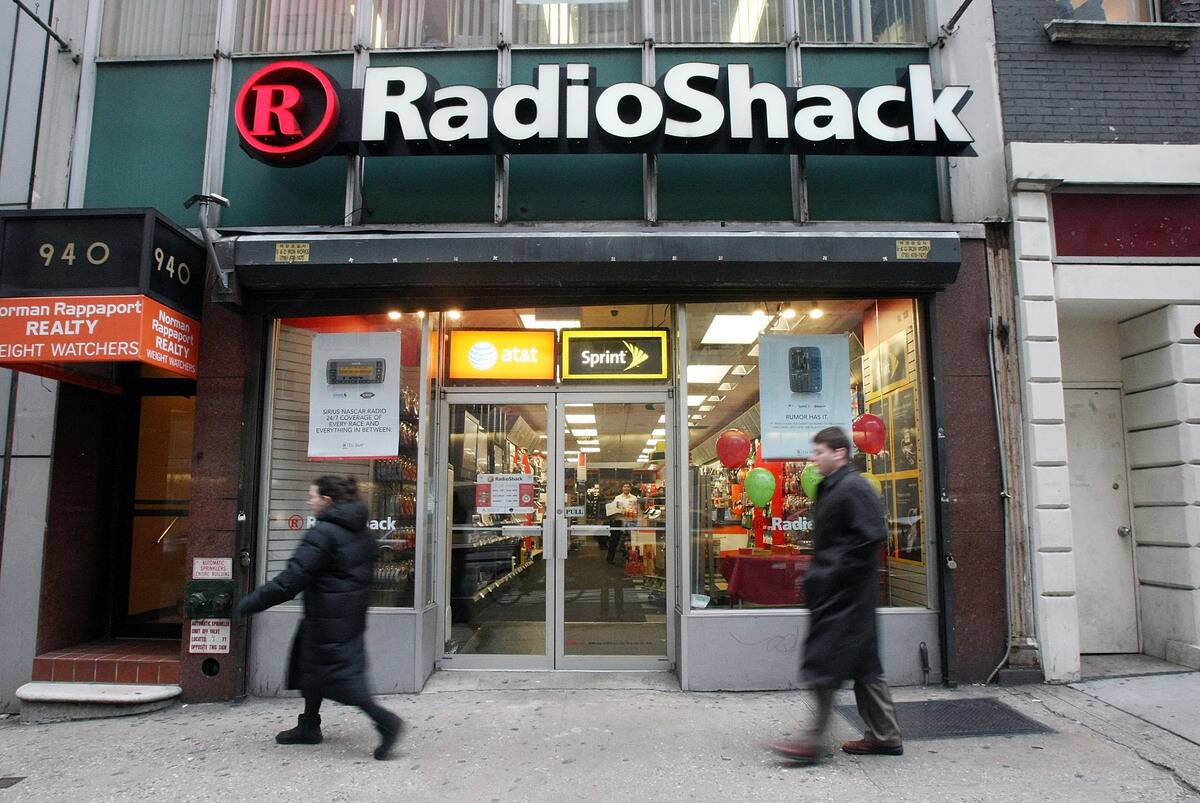
RadioShack was a haven for tech enthusiasts, offering a wide range of electronic components and gadgets. Founded in 1921, it once boasted over 7,000 stores worldwide. However, the shift towards online shopping and a lack of innovation led to its decline.
Despite multiple attempts to revive the brand, RadioShack filed for bankruptcy twice, in 2015 and 2017, leaving behind a legacy of DIY projects and early tech exploration.
Sears: The Retail Titan That Couldn’t Adapt

Sears was a retail giant, known for its catalog and department stores that offered everything from clothing to appliances. Founded in 1892, it was once the largest retailer in the U.S.
However, failure to modernize and adapt to changing consumer preferences led to its decline. The company filed for bankruptcy in 2018, marking the end of an era for a brand that was once a cornerstone of American retail.
Kodak: The Photography Pioneer That Missed the Digital Wave

Kodak was a trailblazer in photography, with its film products dominating the market for decades. The company’s “Kodak moment” became synonymous with capturing life’s memories.
However, its reluctance to embrace digital technology led to its downfall. Despite inventing the first digital camera in 1975, Kodak failed to capitalize on the digital revolution, ultimately filing for bankruptcy in 2012. Today, it serves as a reminder of the importance of innovation.
Tower Records: The Music Store That Couldn’t Survive the Digital Era
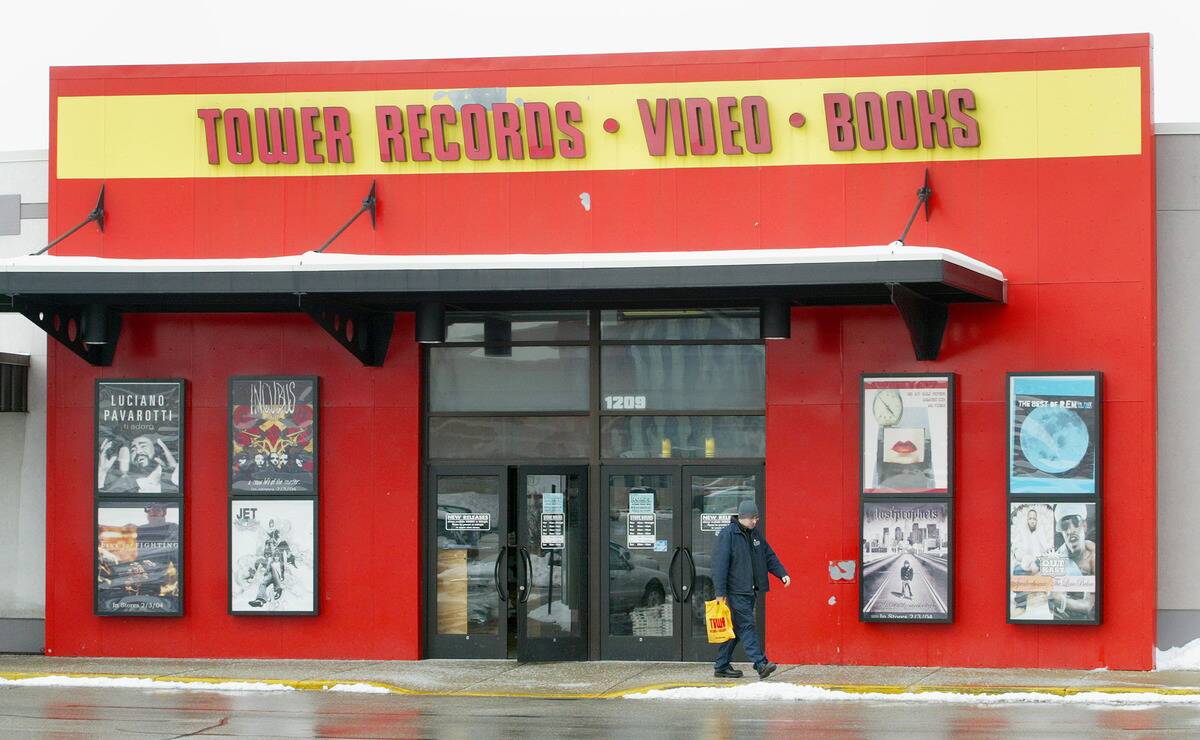
Tower Records was a mecca for music lovers, offering a vast selection of albums and a vibrant in-store experience. Founded in 1960, it expanded globally, becoming a cultural icon. However, the rise of digital music and online streaming services led to its decline.
Tower Records filed for bankruptcy in 2006, but its legacy lives on in documentaries and the hearts of those who cherished browsing its aisles for the latest hits.
Woolworth’s: The Five-and-Dime Store That Faded Away
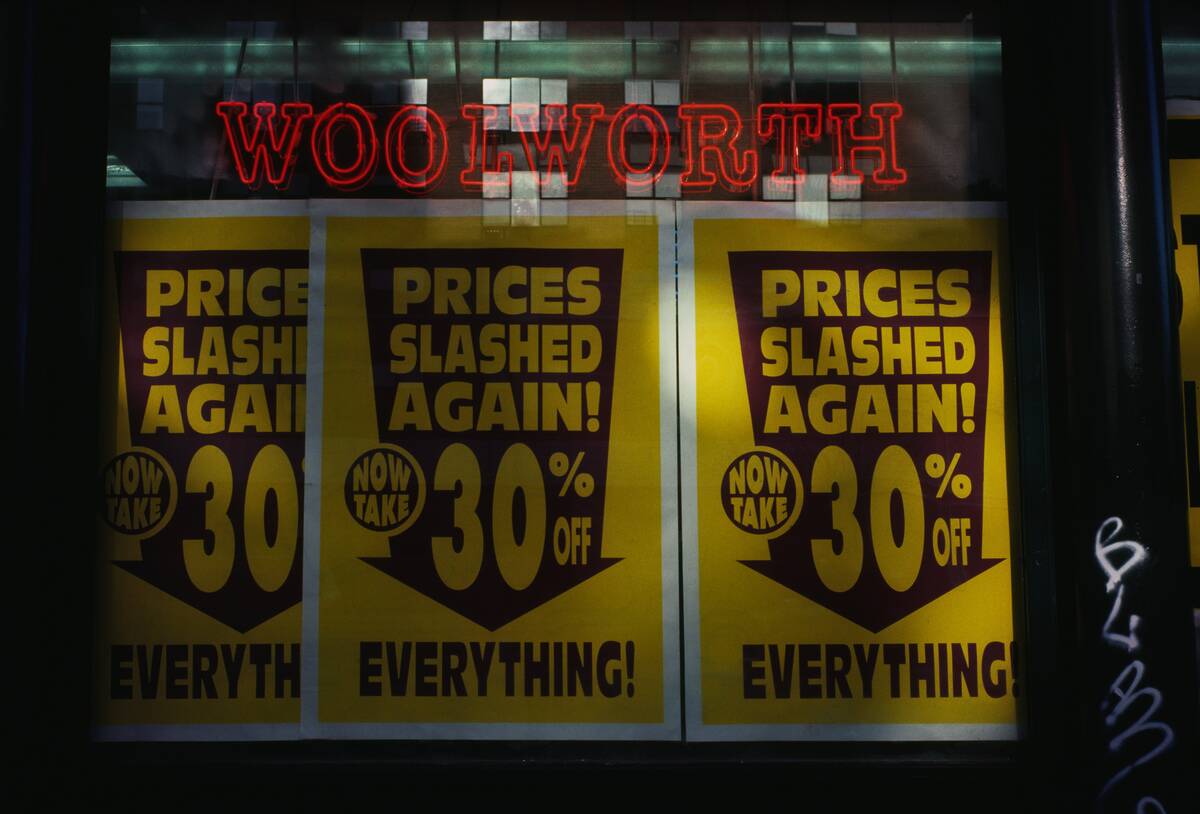
Woolworth’s was a pioneer of the five-and-dime store concept, offering affordable goods in a convenient setting. Founded in 1879, it became a staple of American retail, with thousands of stores across the country.
However, changing consumer habits and the rise of discount retailers led to its decline. The last Woolworth’s store closed in 1997, but its impact on retail history remains significant, paving the way for modern discount chains.
Blockbuster’s Competitor: Hollywood Video’s Quiet Exit
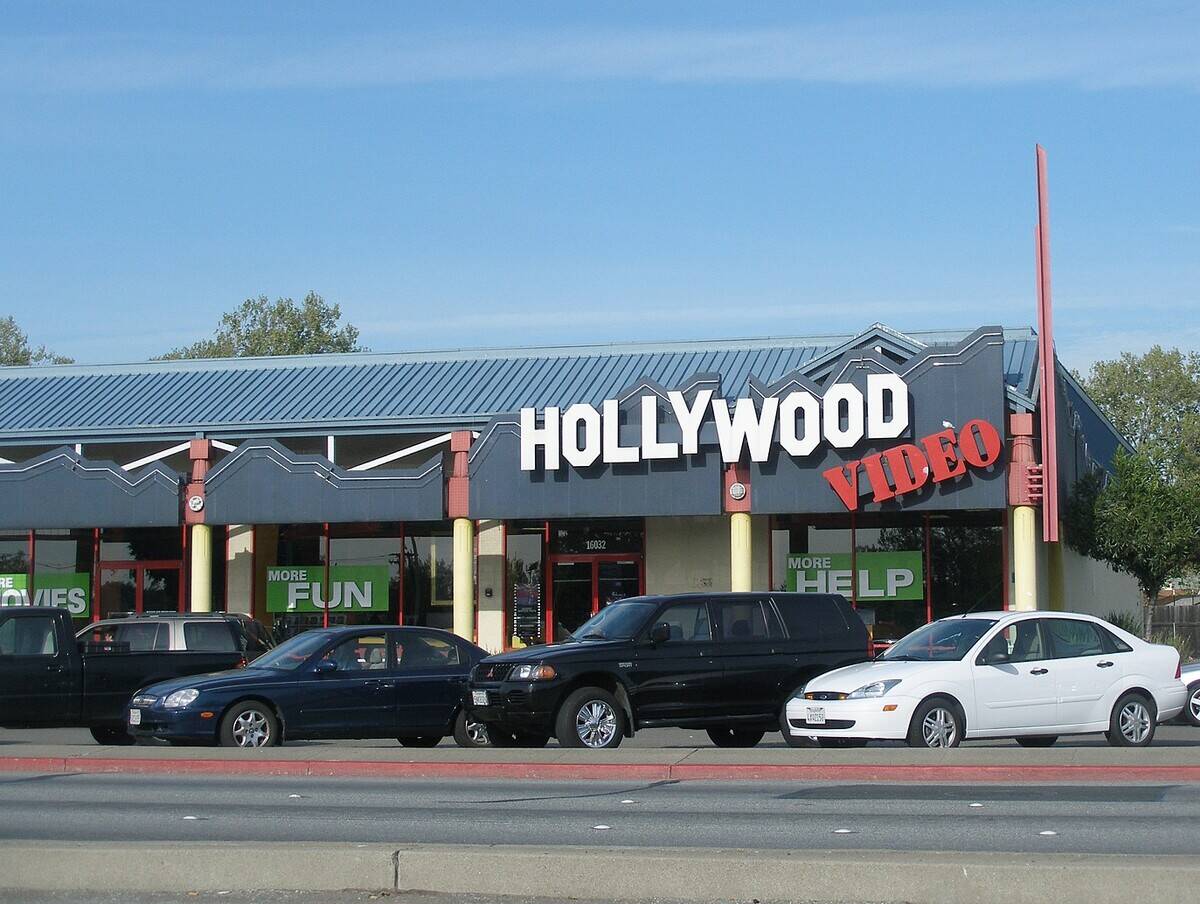
Hollywood Video was a major competitor to Blockbuster, offering movie rentals across the U.S. Founded in 1988, it grew to become the second-largest video rental chain. However, like Blockbuster, it struggled with the decline of physical video rentals, competition from Netflix’s DVD-by-mail model, digital downloads, rental kiosks, and changing consumer habits.
Hollywood Video filed for bankruptcy in 2010, quietly exiting the scene and leaving behind memories of browsing its shelves for the latest releases on a Saturday night.
Compaq: The Computer Company That Couldn’t Compete
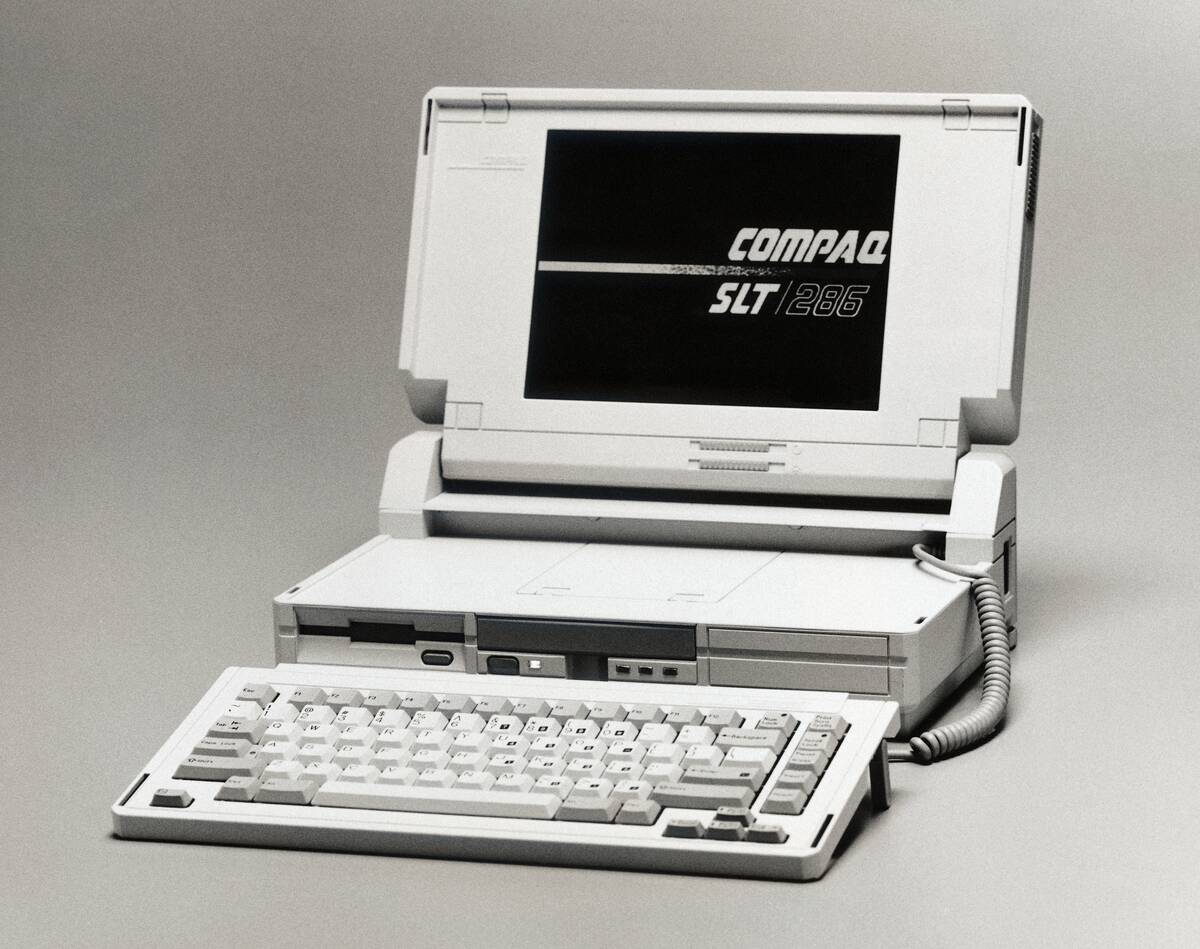
Compaq was a trailblazer in the computer industry, known for its innovative portable computers. Founded in 1982, it quickly became a leading PC manufacturer. However, intense competition and a merger with Hewlett-Packard in 2002 led to its brand being phased out.
Despite its disappearance, Compaq’s contributions to the development of personal computing remain significant, marking a pivotal chapter in the tech industry’s history.
Polaroid: Instant Photography’s Rise and Fall
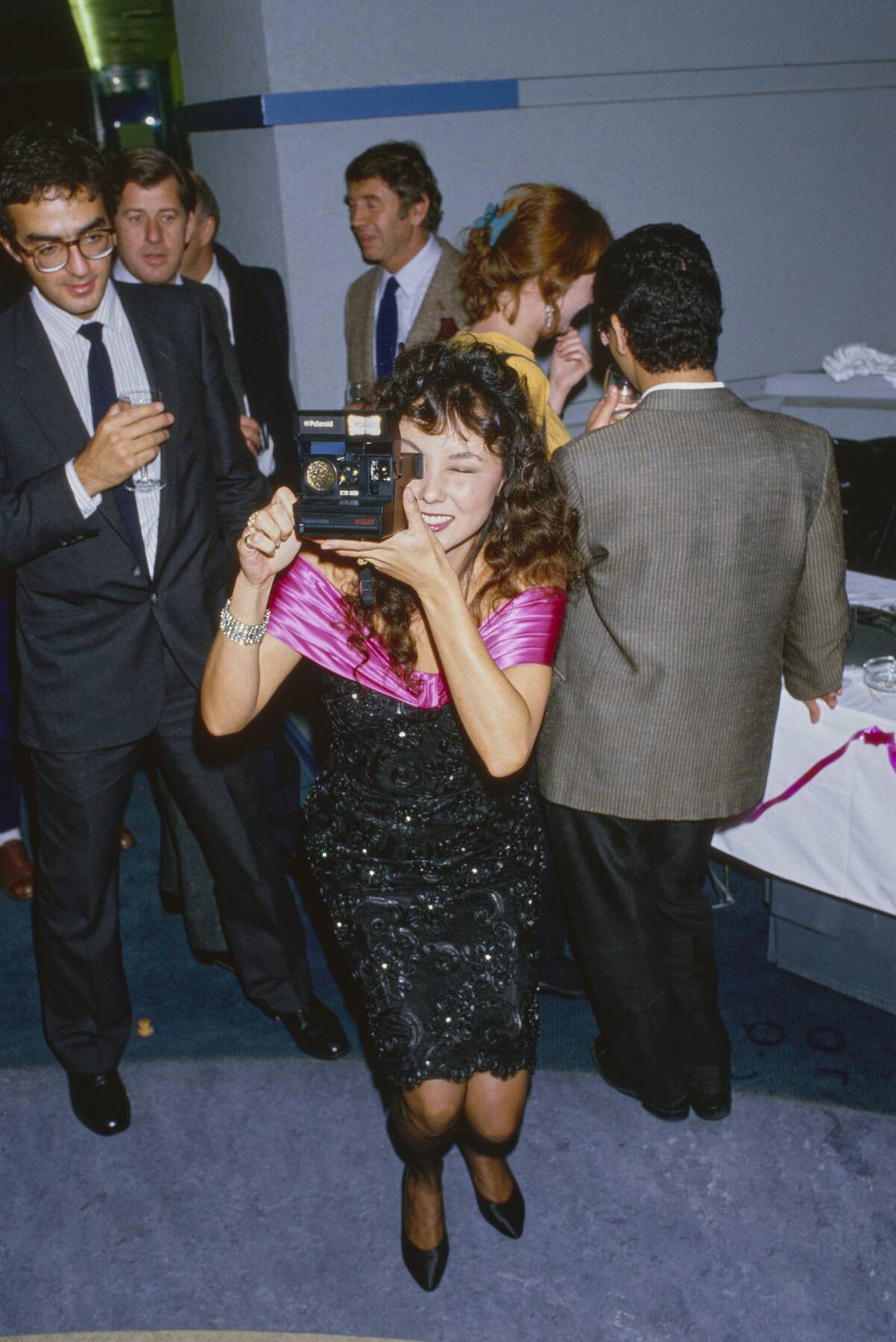
Polaroid revolutionized photography with its instant cameras, allowing users to capture and print photos on the spot. Founded in 1937, it became a cultural icon, with its cameras becoming a staple at parties and family gatherings.
However, the digital photography boom led to a decline in demand for instant film. Polaroid filed for bankruptcy in 2001, but its brand has seen a resurgence in recent years, with new products catering to nostalgia.
Payless ShoeSource: The Affordable Footwear Chain That Stumbled

Payless ShoeSource was a go-to destination for budget-conscious shoppers seeking affordable footwear. Founded in 1956, it expanded to over 4,000 stores worldwide. However, the rise of e-commerce and shifts in consumer preferences led to its struggles.
Payless filed for bankruptcy twice, in 2017 and 2019, leading to the closure of its U.S. stores. Despite its challenges, Payless remains a nostalgic memory for those who sought stylish shoes on a budget.
American Apparel: The Trendy Brand That Went Out of Style

American Apparel was known for its trendy, made-in-USA clothing and provocative advertising. Founded in 1989, it gained a cult following among young consumers. However, controversies surrounding its founder and financial mismanagement led to its decline.
The company filed for bankruptcy twice, in 2015 and 2016, ultimately closing its stores. While the brand has attempted a comeback online, its original stores remain a relic of early 2000s fashion culture.




