Photos of everyday office life before computers took over
Before the digital revolution transformed our workplaces, offices were bustling hubs of activity defined by the rhythmic clatter of typewriters and the scent of freshly printed paper.
Employees navigated a landscape filled with physical documents, rotary phones, and the ever-present hum of photocopiers. It was a time when communication was more tactile, and every desk was a mini command center of its own.
The Art of Typewriting: Clackety-Clack Symphony
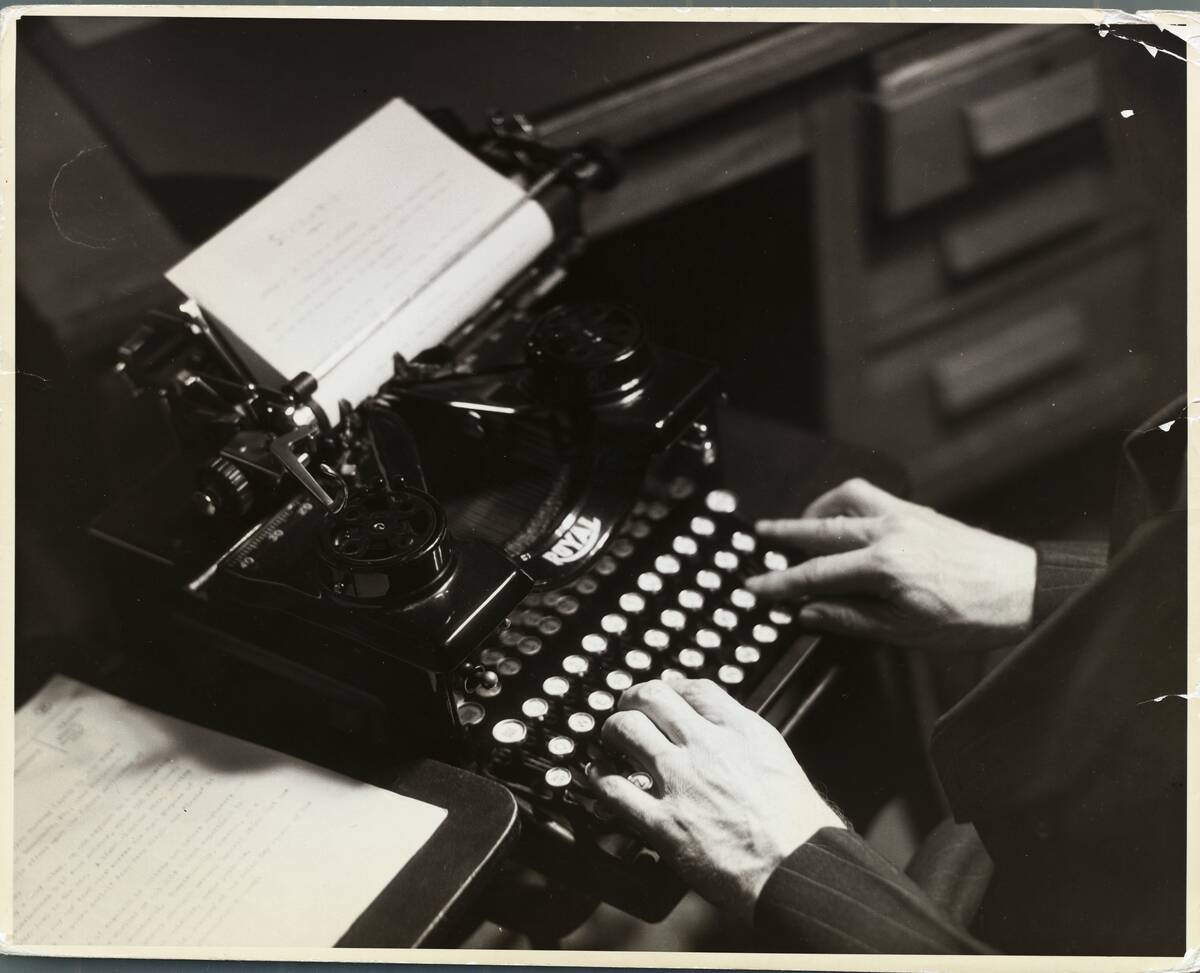
Typewriters were mechanical writing devices widely used in offices and homes before the adoption of personal computers. They produced printed text by striking inked type elements against paper through mechanical action.
The QWERTY keyboard layout was developed for early typewriters and became widely adopted on later keyboards. Corrections to typed documents were often made using correction tape, correction fluid, or by retyping pages, depending on the period and equipment used.
Filing Cabinets: The Guardians of Information
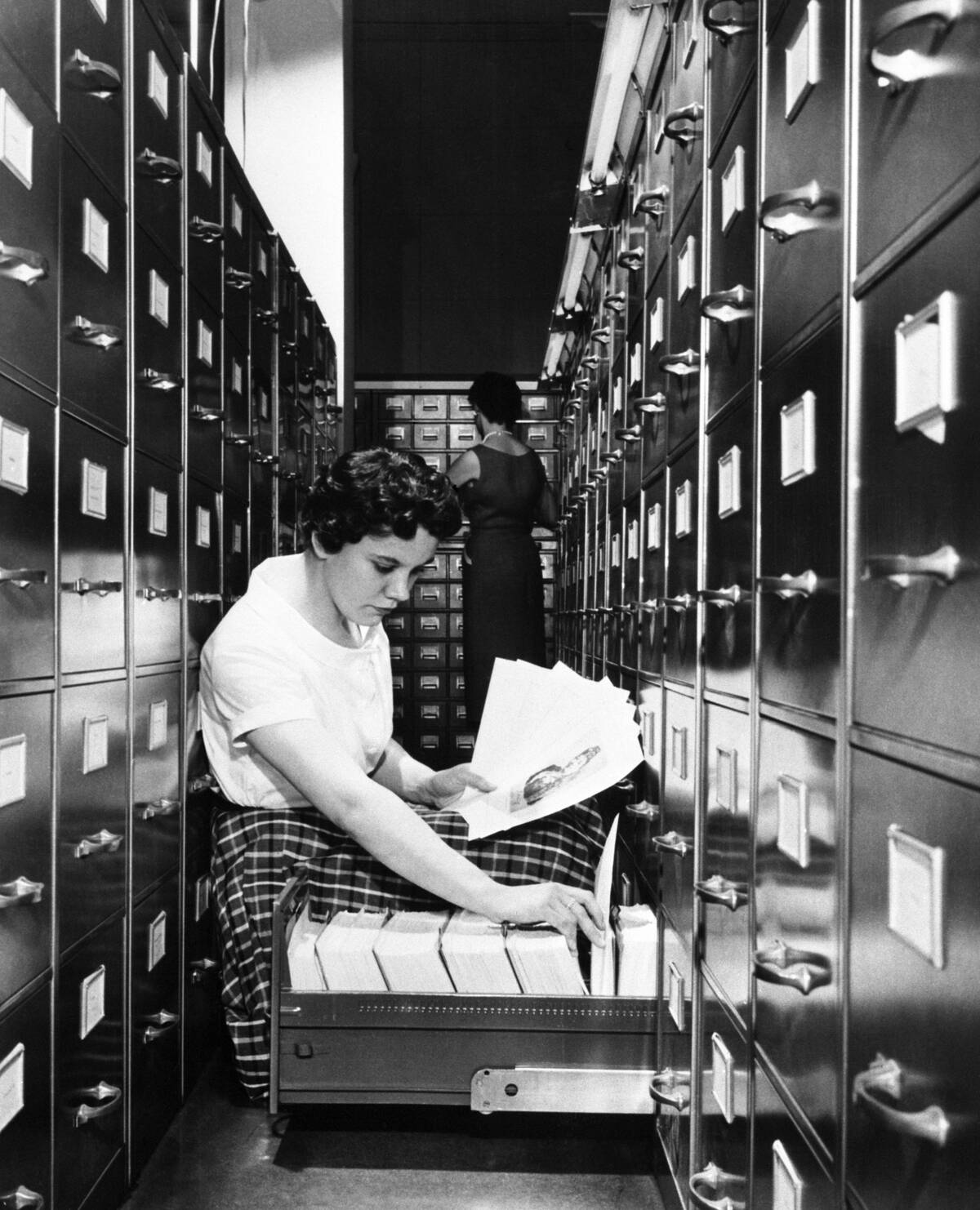
Filing cabinets were the silent sentinels of the office, safeguarding vital information within their metal drawers.
These sturdy structures held everything from client records to financial reports, organized meticulously by color-coded tabs and alphabetical order. The act of filing was both an art and a science, requiring a keen eye for detail.
The Office Phone: A Tangled Web of Communication
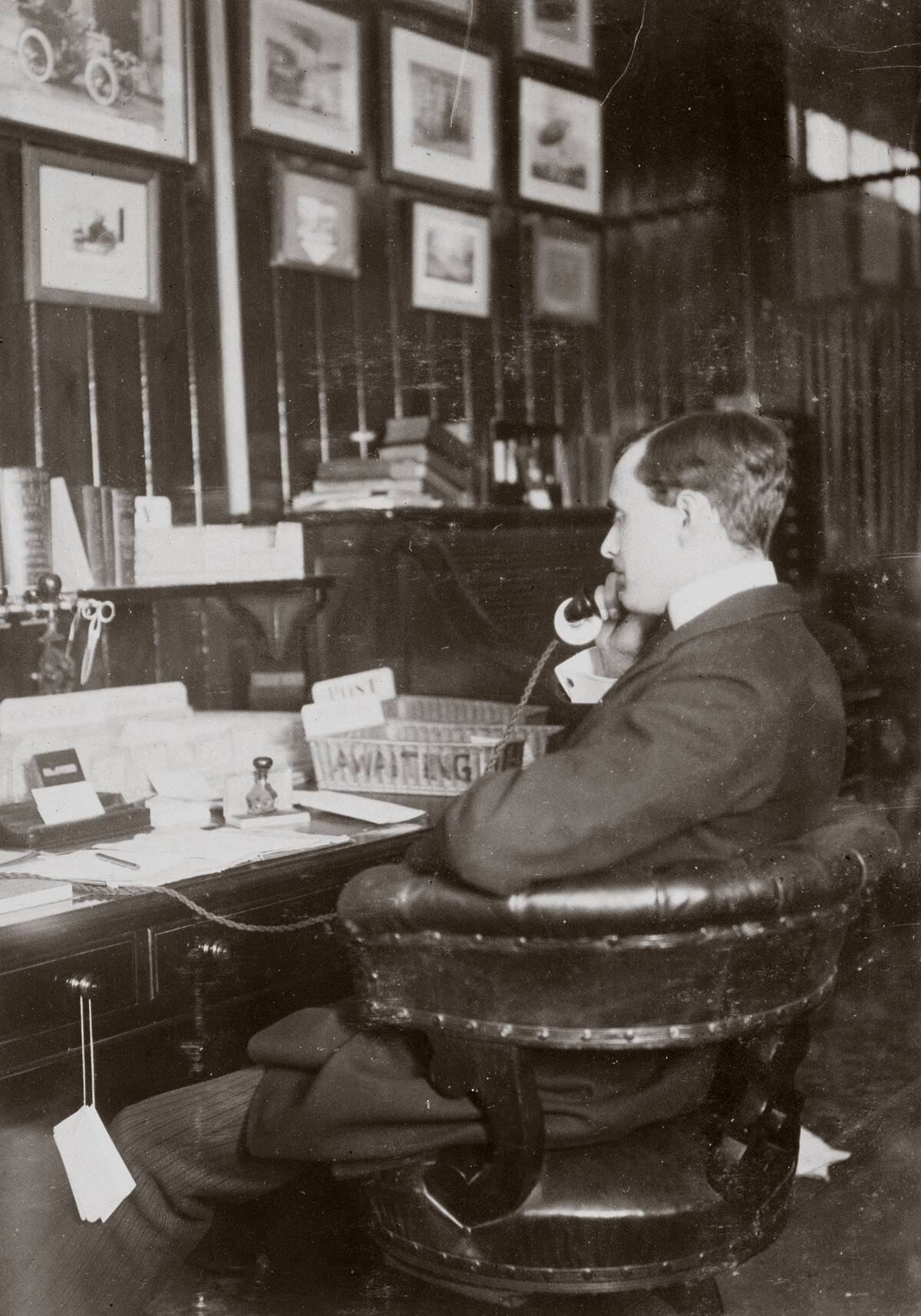
The office phone was a lifeline for communication, with rotary dials and coiled cords that seemed to have a mind of their own.
Mastering the art of dialing without tangling the cord was a skill in itself. In the days before direct lines, switchboard operators connected calls, adding a human touch to every conversation. Conference calls were a feat of coordination, requiring multiple parties to gather around a single speakerphone, amplifying the importance of clear enunciation.
Paper Everywhere: The Reign of the Photocopier
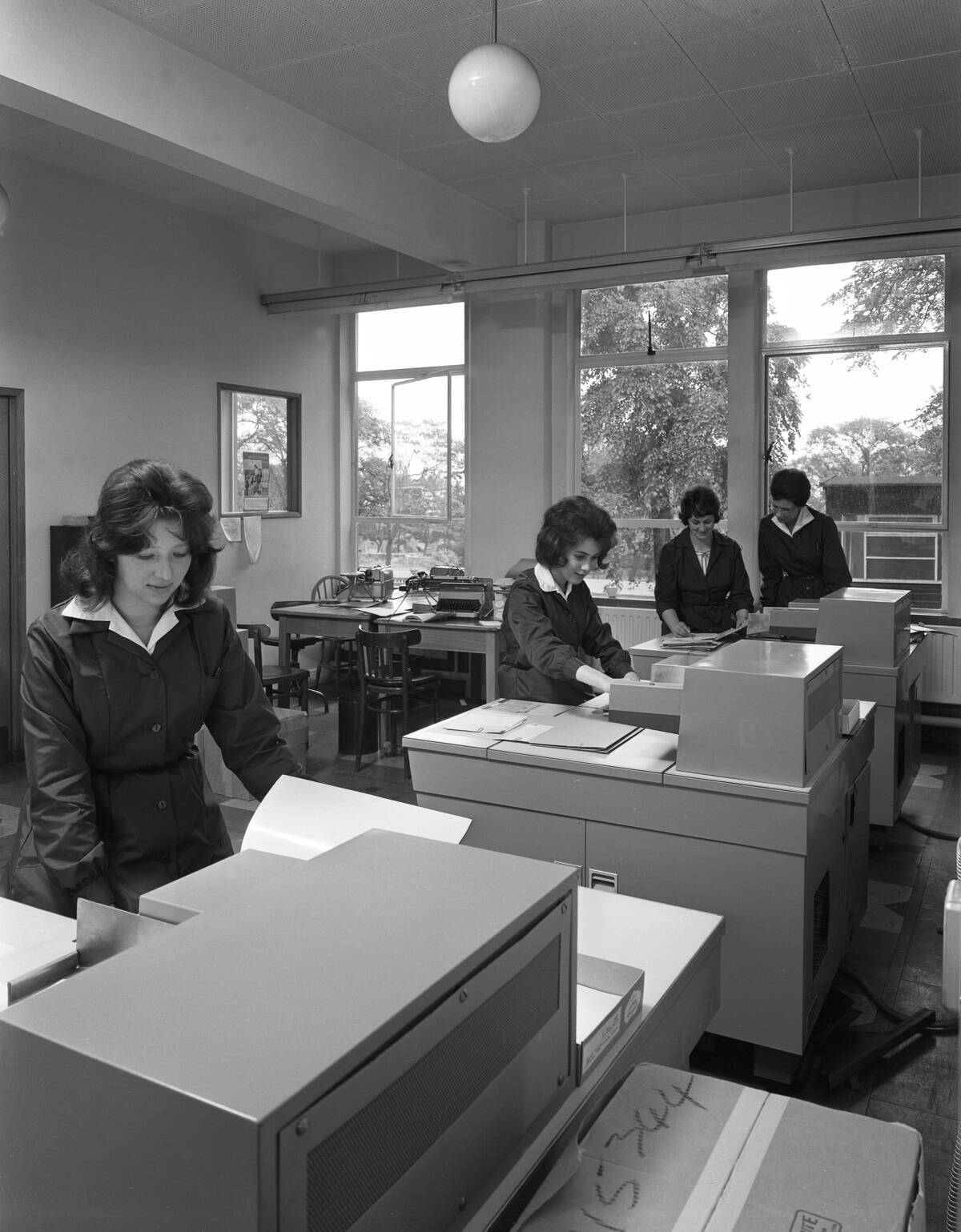
Photocopiers were the workhorses of the pre-digital office, churning out copies with the press of a button. The introduction of Xerox machines in the 1960s revolutionized document duplication, making it faster and more efficient.
Despite their convenience, these machines were notorious for paper jams and toner spills, often requiring a dedicated technician to keep them running smoothly. The smell of fresh toner and the warmth of newly printed paper were constants in the office environment.
Mailrooms: The Heartbeat of Office Correspondence
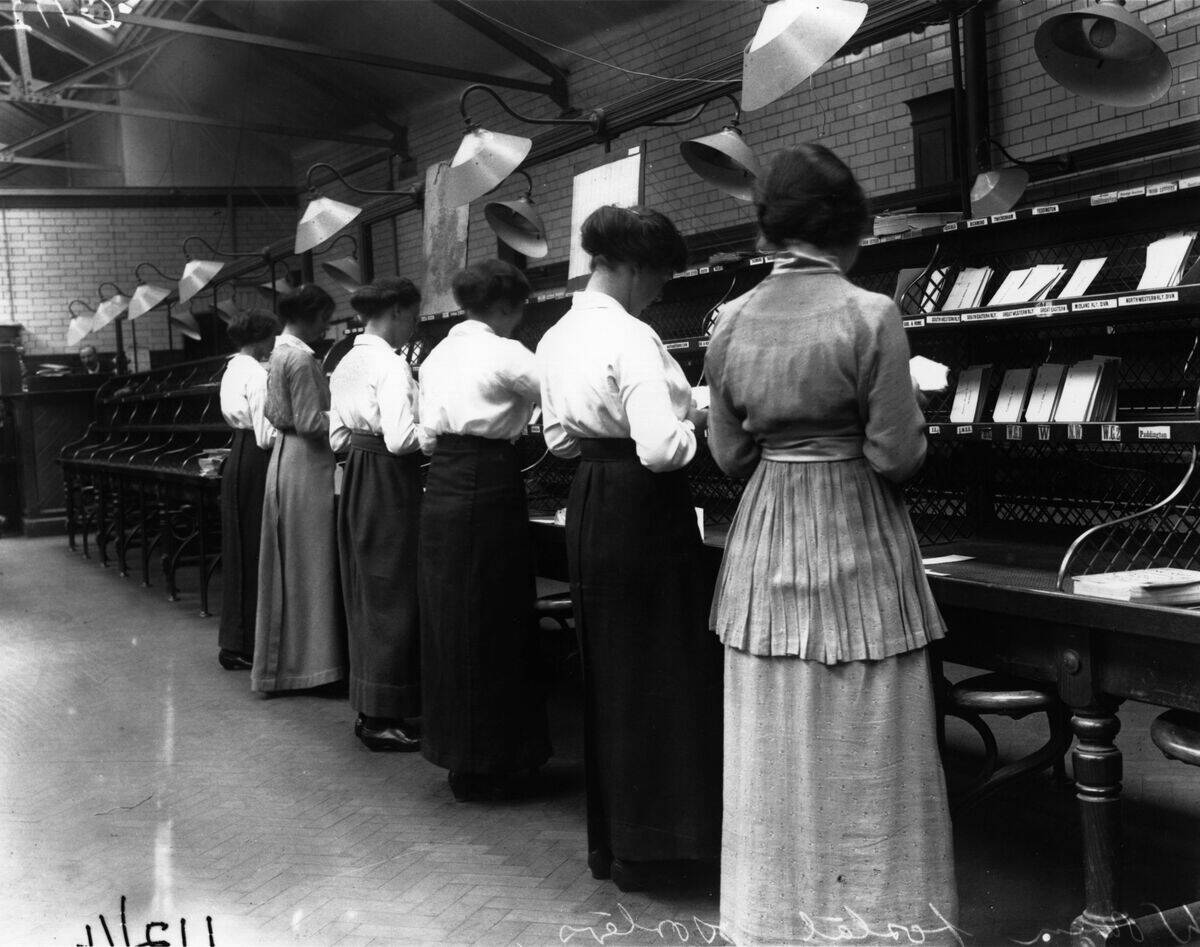
Mailrooms were the nerve centers of office communication, handling everything from interoffice memos to international packages. Mail clerks sorted and delivered correspondence with precision, ensuring that every letter reached its intended recipient.
The introduction of the ZIP code in 1963 streamlined the sorting process, making mail delivery faster and more reliable. Despite the rise of electronic communication, the mailroom remained a vital hub of activity, connecting offices to the outside world.
The Role of the Secretary: Multitasking Masters
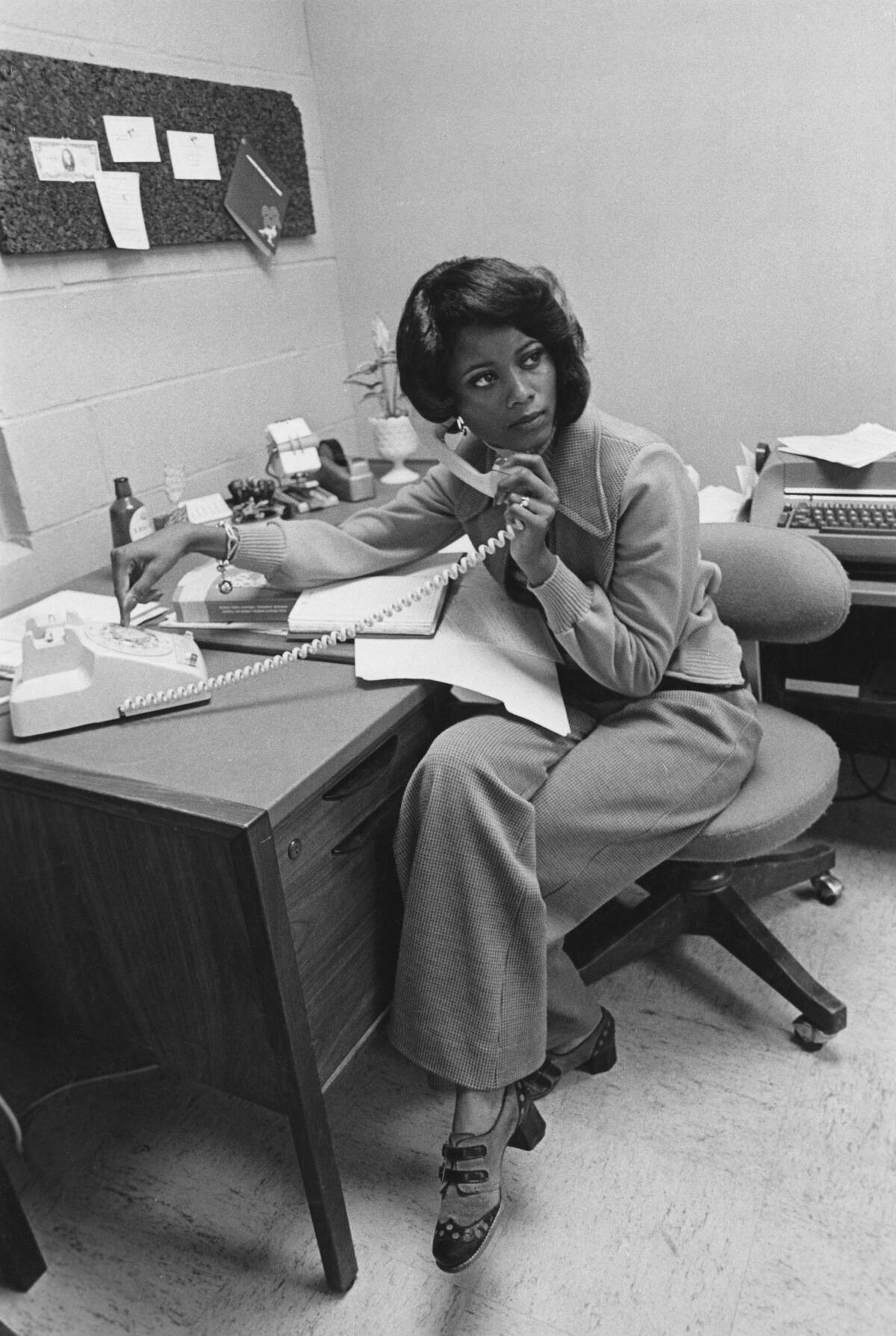
Secretaries were the unsung heroes of the office, juggling a myriad of tasks with grace and efficiency. From typing letters to managing schedules, they were the linchpins that kept the office running smoothly.
The introduction of electric typewriters and dictation machines in the mid-20th century enhanced their productivity, allowing them to handle even more responsibilities. Their ability to multitask and anticipate the needs of their bosses made them indispensable members of the office team.
Office Fashion: From Pencil Skirts to Pocket Protectors
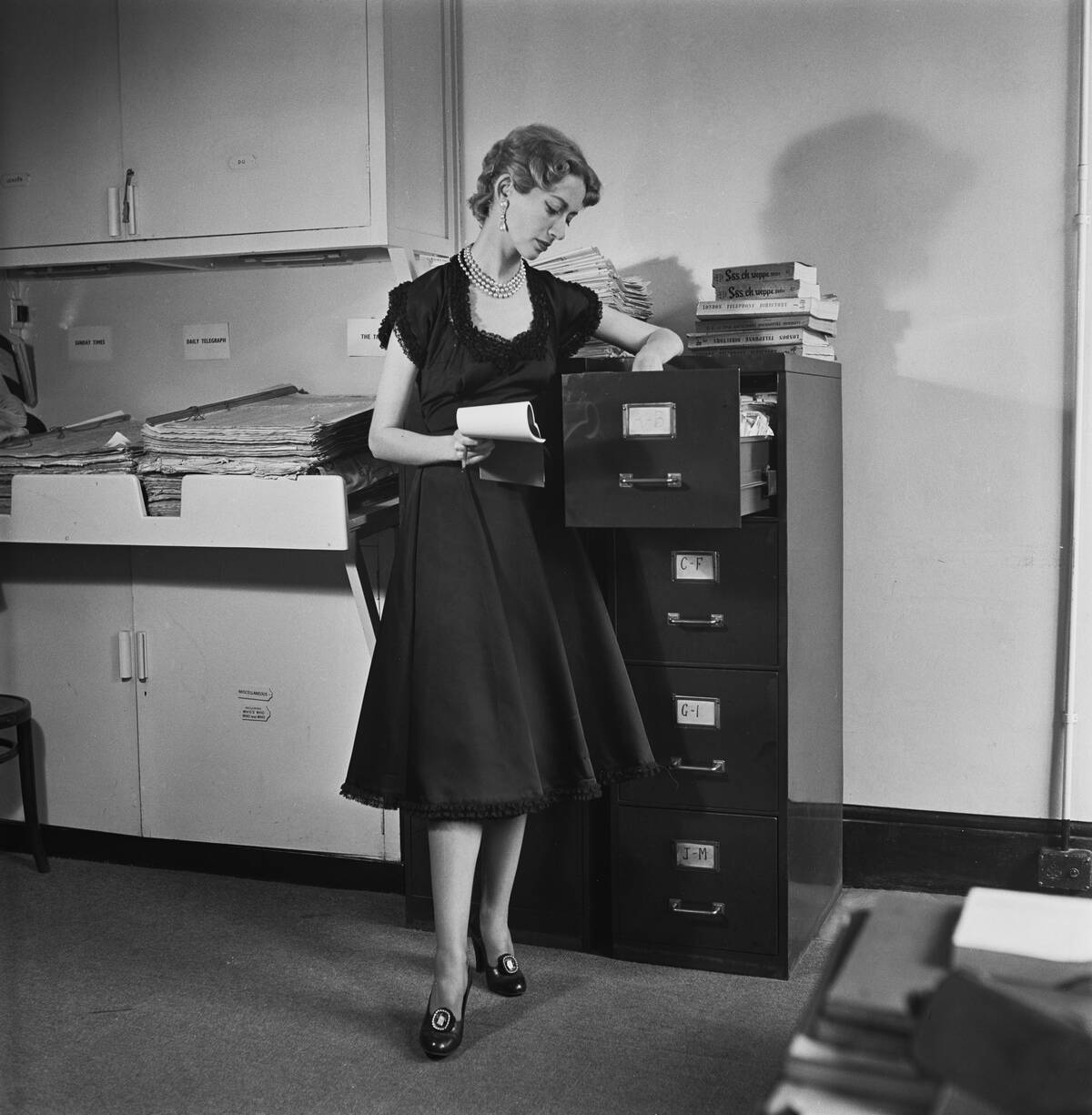
Office fashion in the pre-digital era was a reflection of the times, with pencil skirts and tailored suits dominating the landscape. Men donned crisp shirts and ties, often accessorized with pocket protectors to safeguard their pens.
Women’s fashion evolved from conservative styles in the 1950s to more relaxed silhouettes in the 1970s, mirroring broader societal changes. Dress codes were strict, with an emphasis on professionalism, but personal flair was often expressed through accessories and hairstyles.
The Water Cooler: The Original Social Network
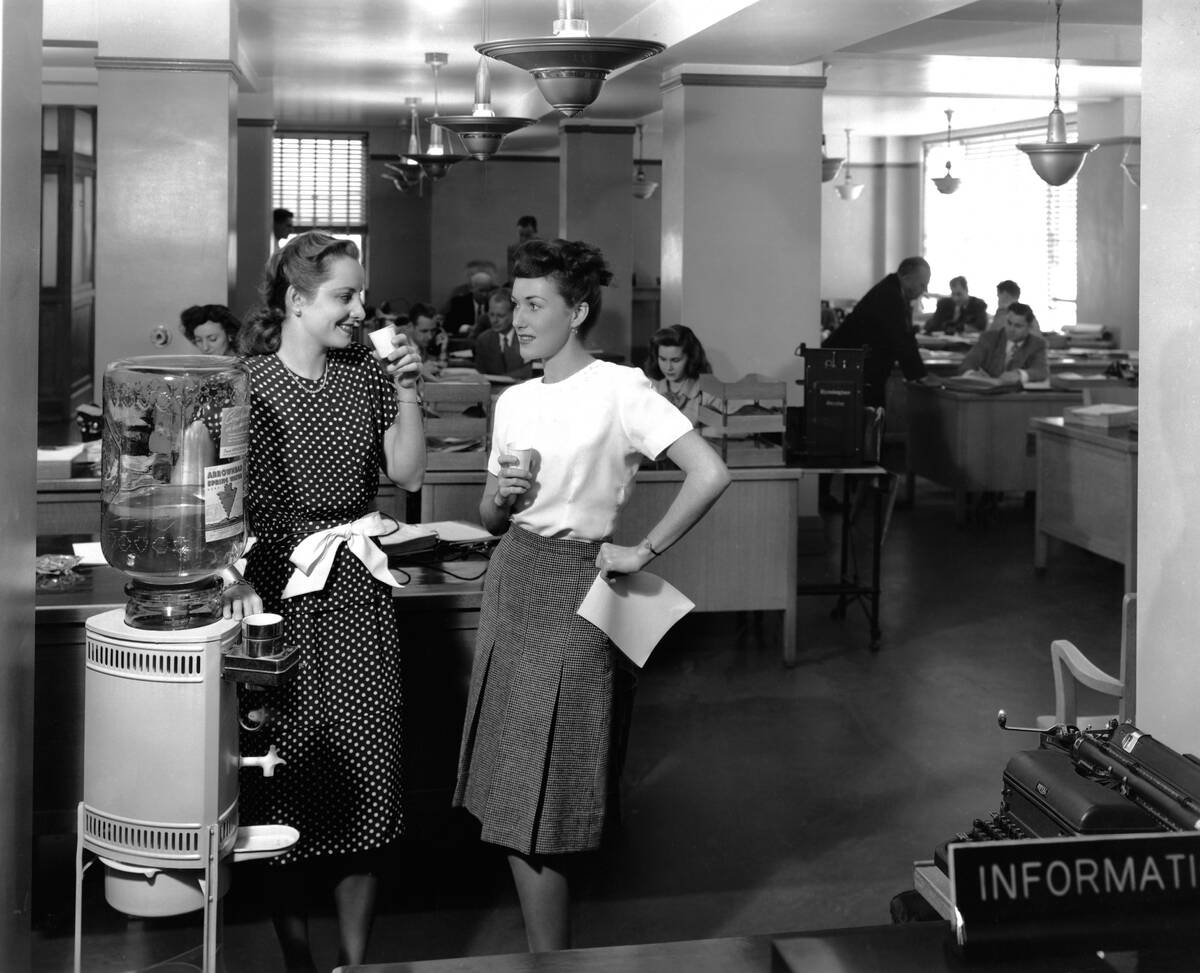
The water cooler was more than just a place to quench your thirst; it was the epicenter of office gossip and camaraderie. Employees gathered around to share stories, exchange ideas, and build relationships, making it the original social network.
The phrase “water cooler talk” became synonymous with informal office chatter, highlighting its importance in fostering a sense of community. In an era before social media, these face-to-face interactions were crucial for building workplace connections.
Office Decor: Plants, Posters, and Personality
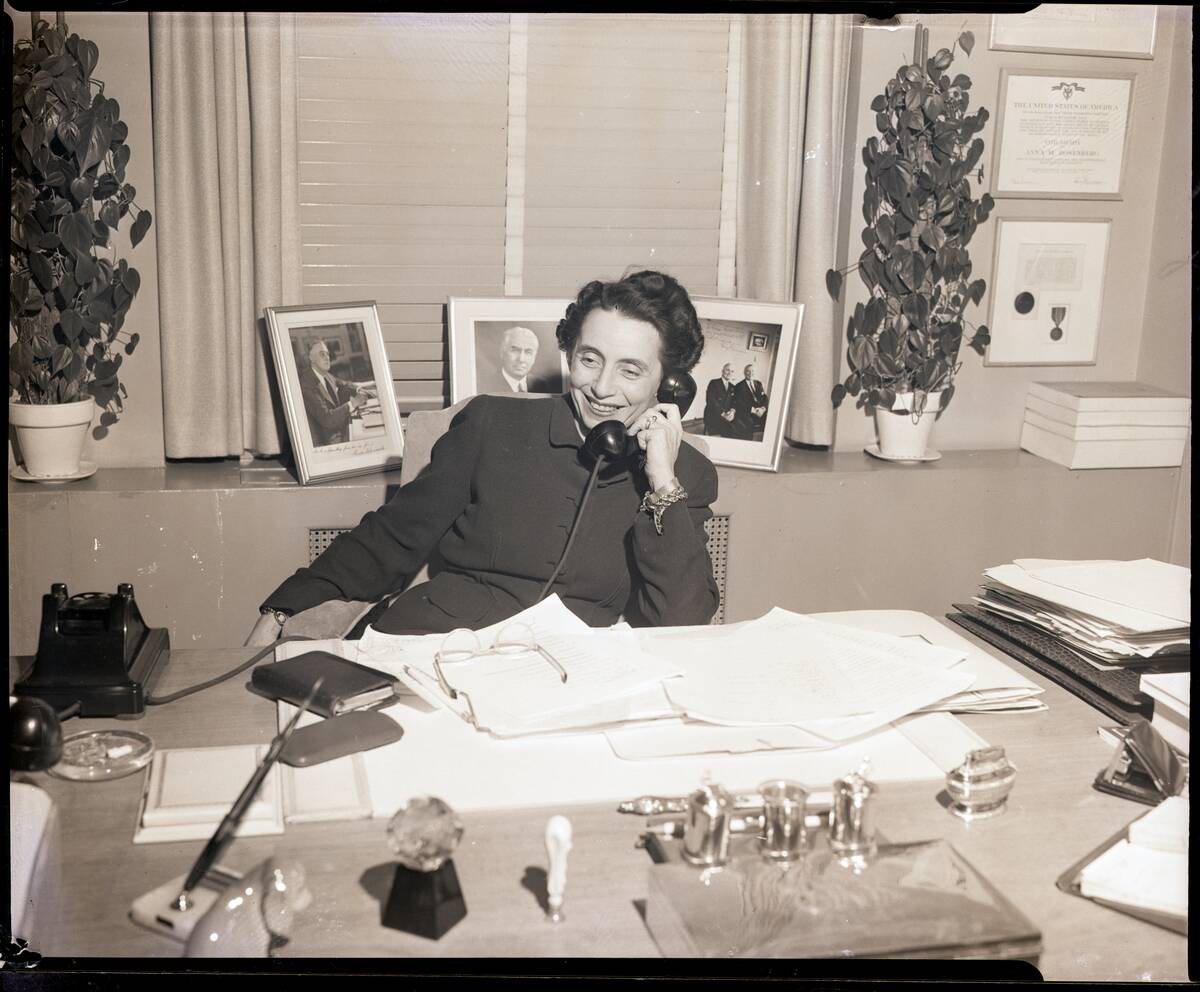
Office decor in the pre-digital era was a blend of functionality and personal expression. Desks were adorned with family photos, plants, and motivational posters, adding a touch of personality to the workspace.
The open-plan office, popularized in the 1960s, encouraged collaboration but also led to creative solutions for privacy, such as cubicle walls and desk partitions. Personal touches were encouraged, allowing employees to create a comfortable and inspiring environment that reflected their individuality.
The Rolodex: Networking in a Pre-Digital World
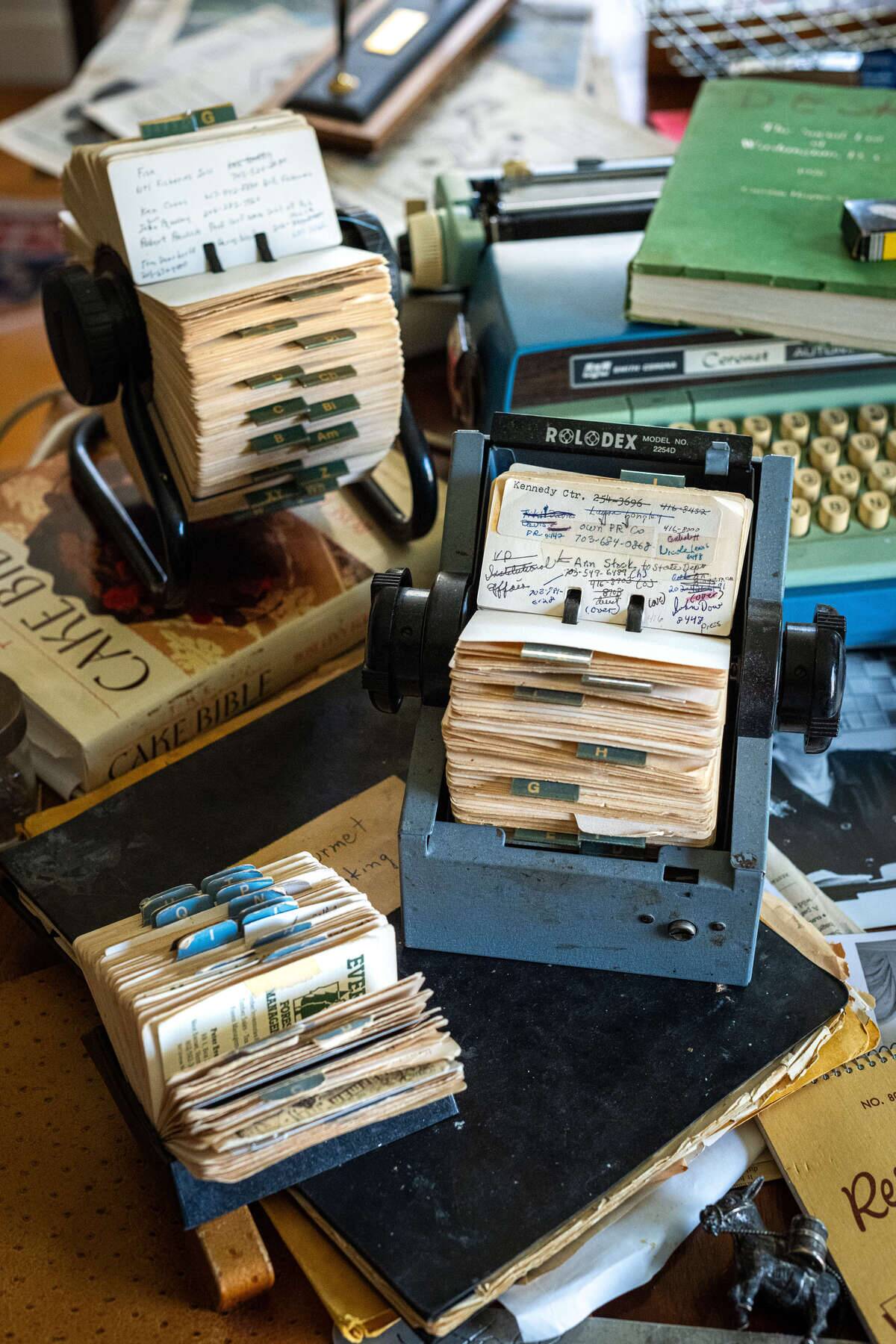
The Rolodex was a physical card index system used to store and organize contact information, including names, phone numbers, and addresses. It consisted of index cards mounted on a rotating spindle, allowing users to browse entries manually.
Before the widespread adoption of digital contact management systems, it was used in offices to organize and retrieve business contact information.
The Lunch Break: Brown Bags and Cafeteria Chats
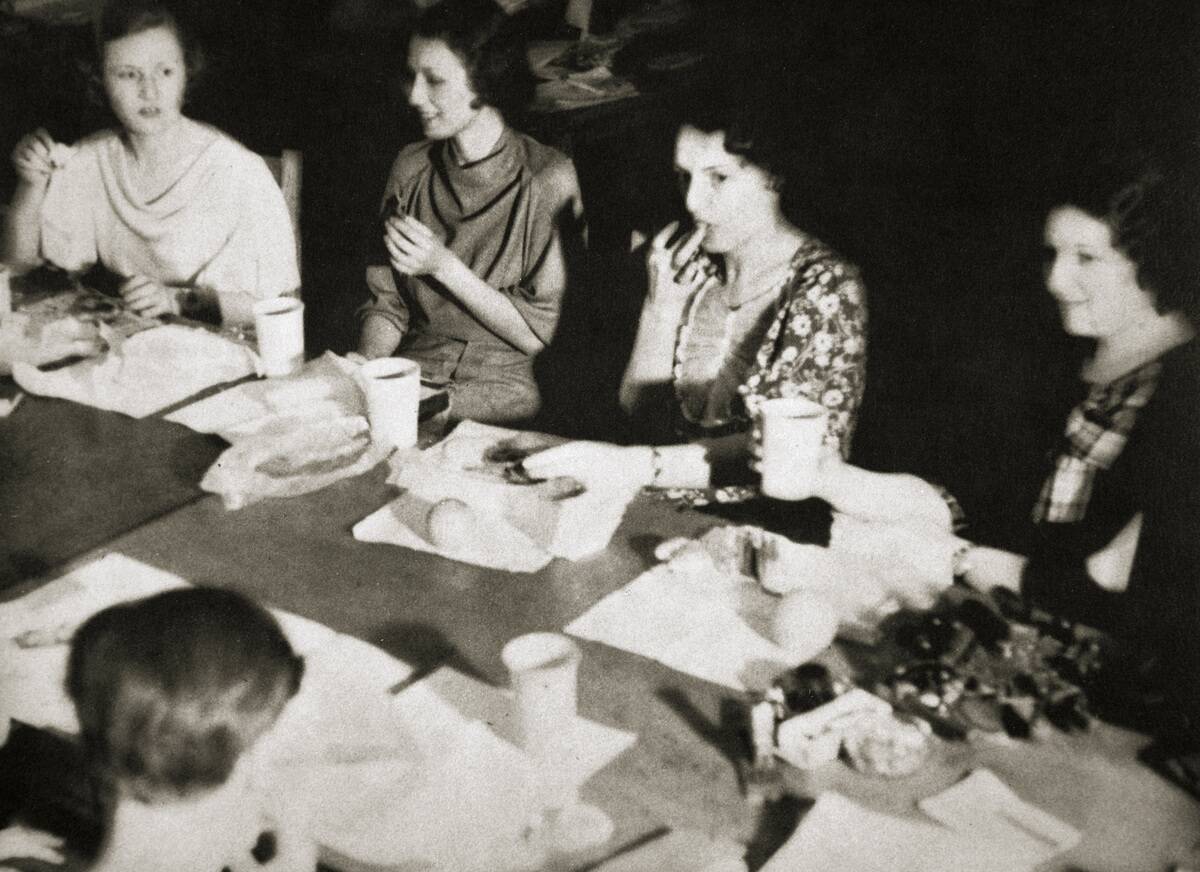
Lunch breaks were a cherished part of the workday, offering a chance to unwind and socialize with colleagues. Brown bag lunches were common, with employees bringing homemade meals to enjoy in the break room or at their desks.
Office cafeterias provided a communal dining experience, fostering camaraderie and collaboration over shared meals. These breaks were not just about food; they were an opportunity to recharge, share ideas, and build relationships in a relaxed setting.
Office Supplies: Staplers, Hole Punchers, and More
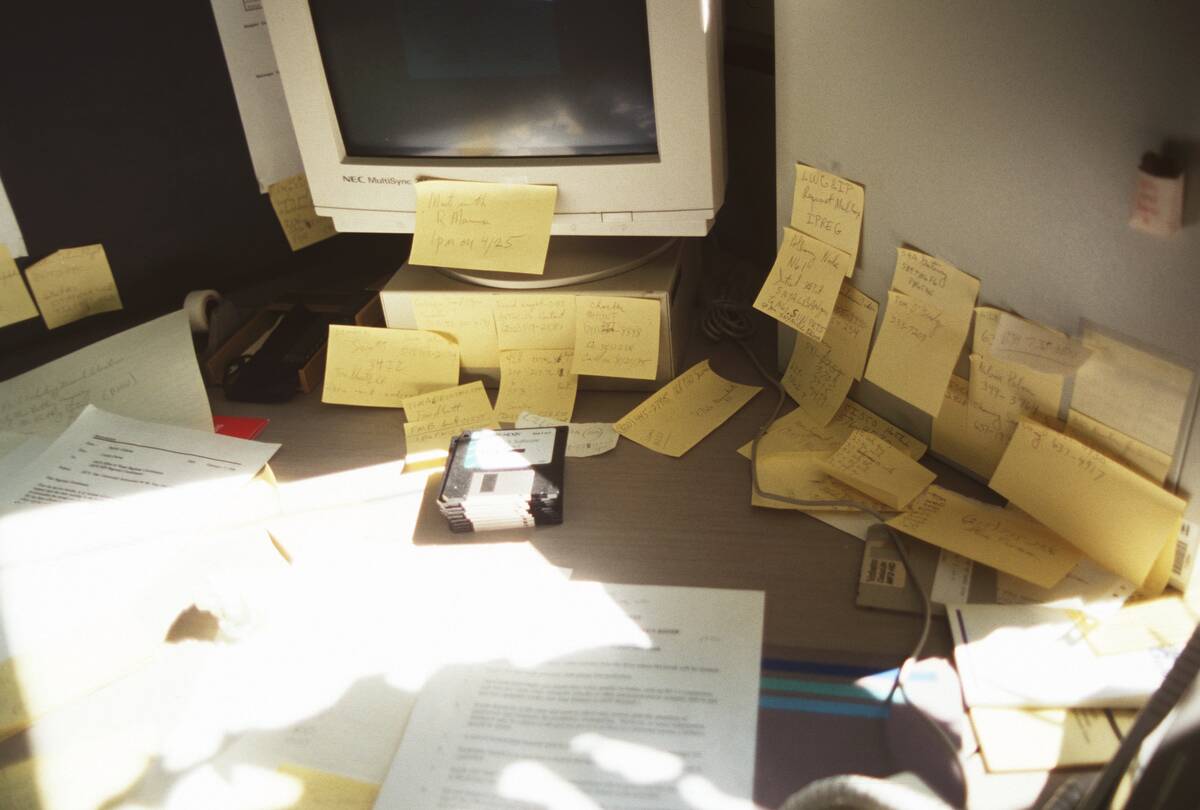
Office supplies included items such as staplers, paper clips, hole punchers, pens, and pencils, which were commonly used in office environments for handling and organizing documents.
The Post-it Note was introduced by 3M in 1977 and became widely used for attaching temporary notes to documents and surfaces. These office supplies were part of standard workplace equipment used to support administrative and clerical tasks.
The Daily Commute: From Carpools to Public Transit
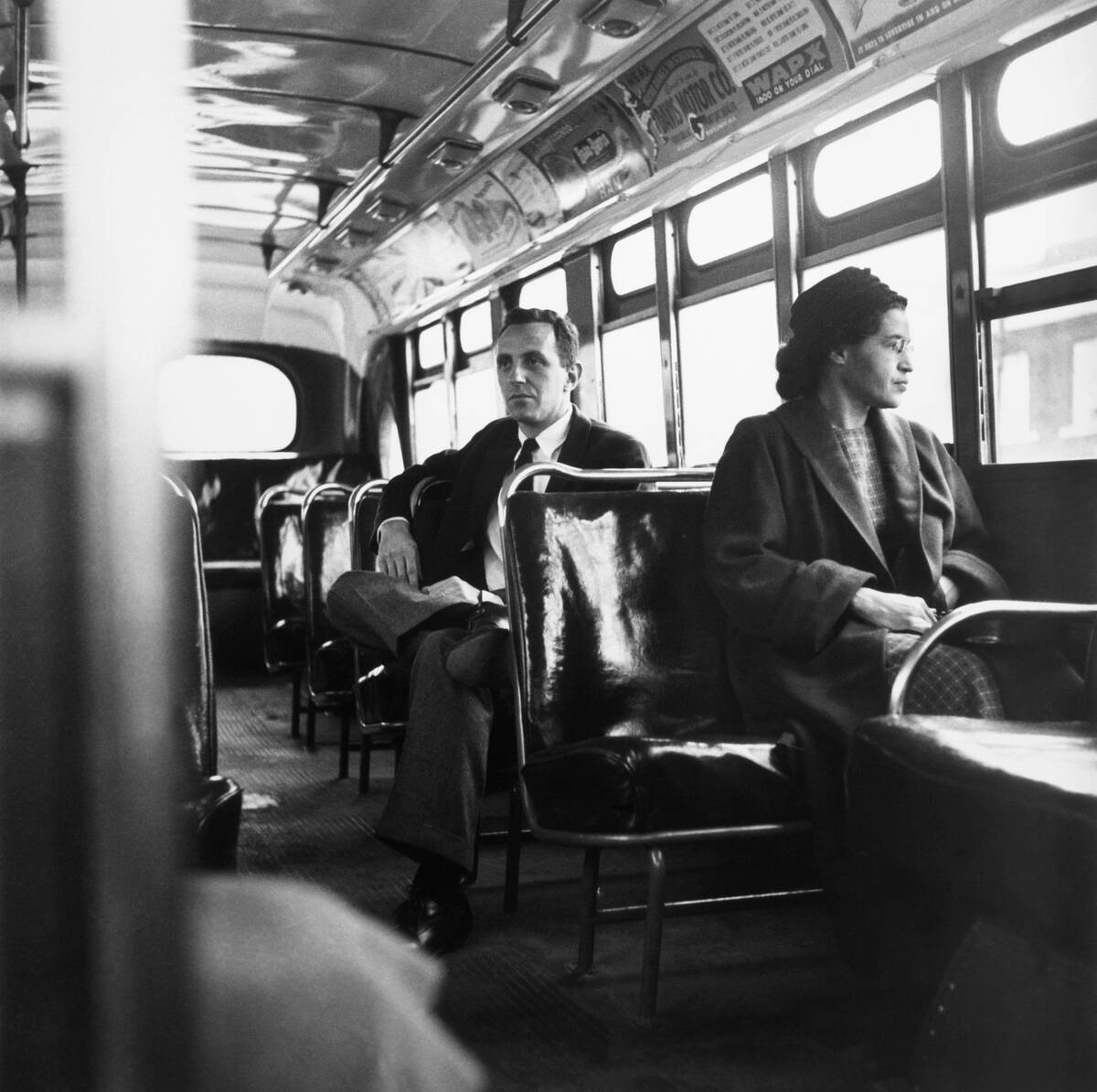
The daily commute was an integral part of the workday, with employees traveling from suburban homes to urban offices. Carpools were a popular option, offering a cost-effective and environmentally friendly way to get to work.
Public transit systems, such as buses and trains, provided reliable transportation for city dwellers, reducing the need for personal vehicles. The commute was more than just a journey; it was a time for reflection, preparation, and even socialization with fellow commuters.
The Office Party: Celebrations Before Email Invites
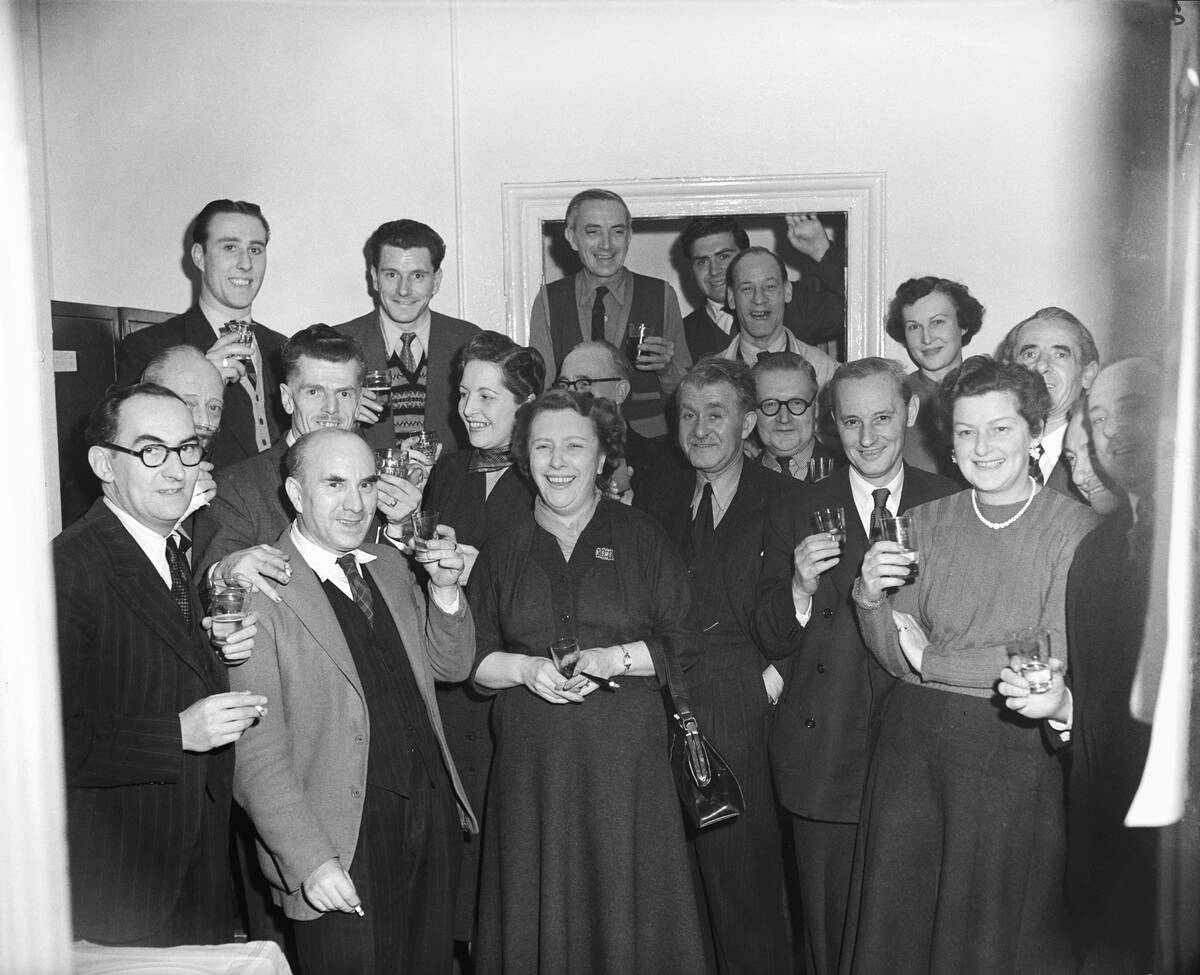
Office parties were a highlight of the work calendar, offering a chance to celebrate achievements and milestones with colleagues. Invitations were often delivered in person or through interoffice mail, adding a personal touch to the occasion.
These gatherings, whether holiday celebrations or retirement send-offs, fostered a sense of community and camaraderie. The absence of digital distractions allowed for genuine interactions, making these events memorable and cherished by all who attended.
The Boss’s Office: A Symbol of Authority
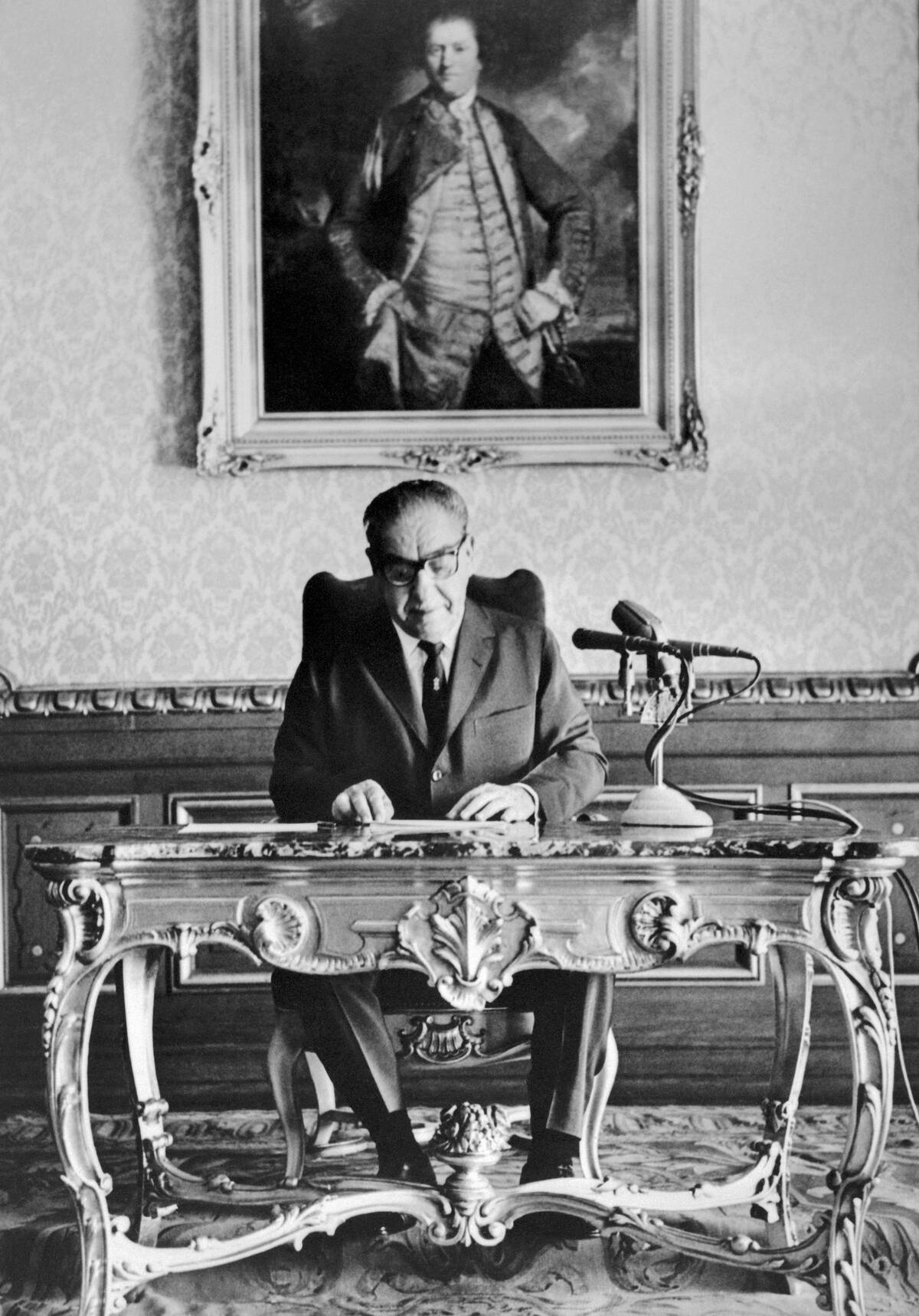
The boss’s office was a symbol of authority and prestige, often located in a prime spot with a commanding view. Furnished with imposing desks and leather chairs, it was a space designed to impress.
Meetings held in the boss’s office carried a sense of importance, with employees keenly aware of the power dynamics at play. The office was not just a workspace; it was a reflection of the boss’s status and a testament to their leadership within the company.
Team Meetings: Gathering Around the Conference Table
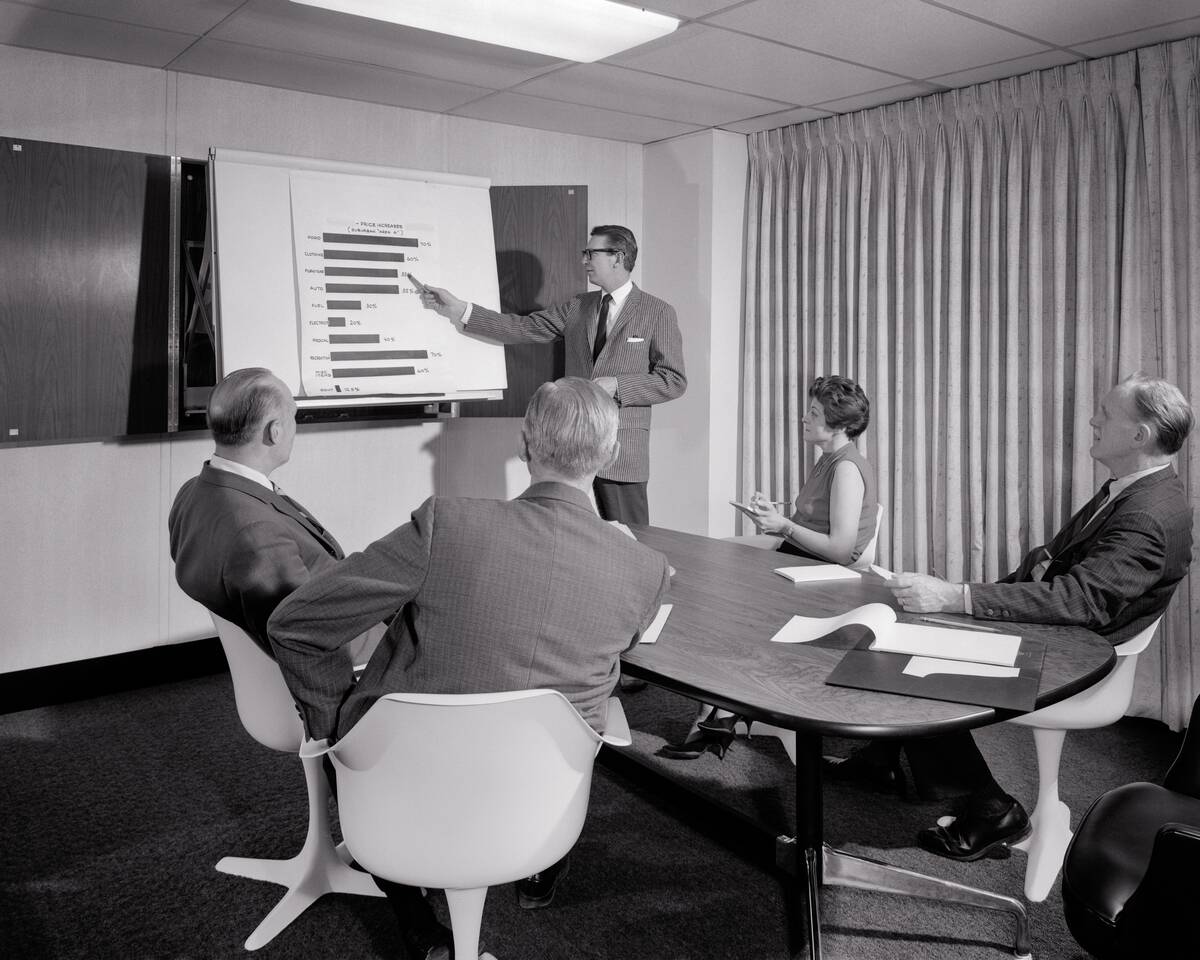
Team meetings were a staple of office life, bringing colleagues together to discuss projects and strategies. The conference table was the focal point, encouraging collaboration and open communication. Meetings were often scheduled with precision, ensuring that everyone had a chance to contribute.
The use of whiteboards and flip charts facilitated brainstorming sessions, while the absence of digital distractions allowed for focused discussions. These gatherings were essential for aligning goals and fostering teamwork.
The Evolution of the Office Desk: From Wood to Metal
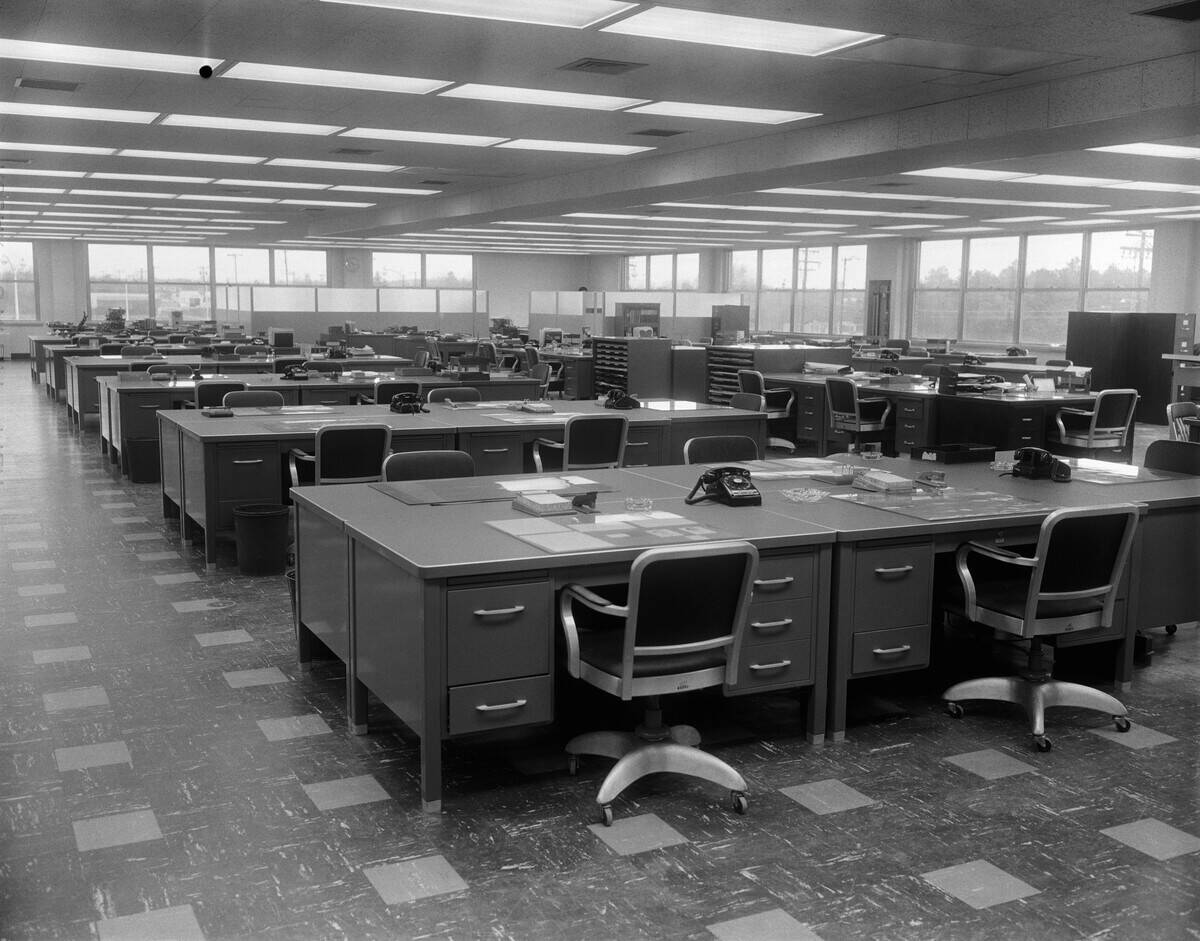
The office desk evolved over time in design and materials, reflecting changes in workplace furniture trends. Early office desks were often made of wood and included built-in storage features such as drawers and compartments.
In the mid-20th century, metal desks became more common in many office environments due to their durability and standardized production. The development of Modular furniture in the mid-20th century contributed to more flexible office layouts and furniture arrangements.
Clocking In and Out: The Punch Card System
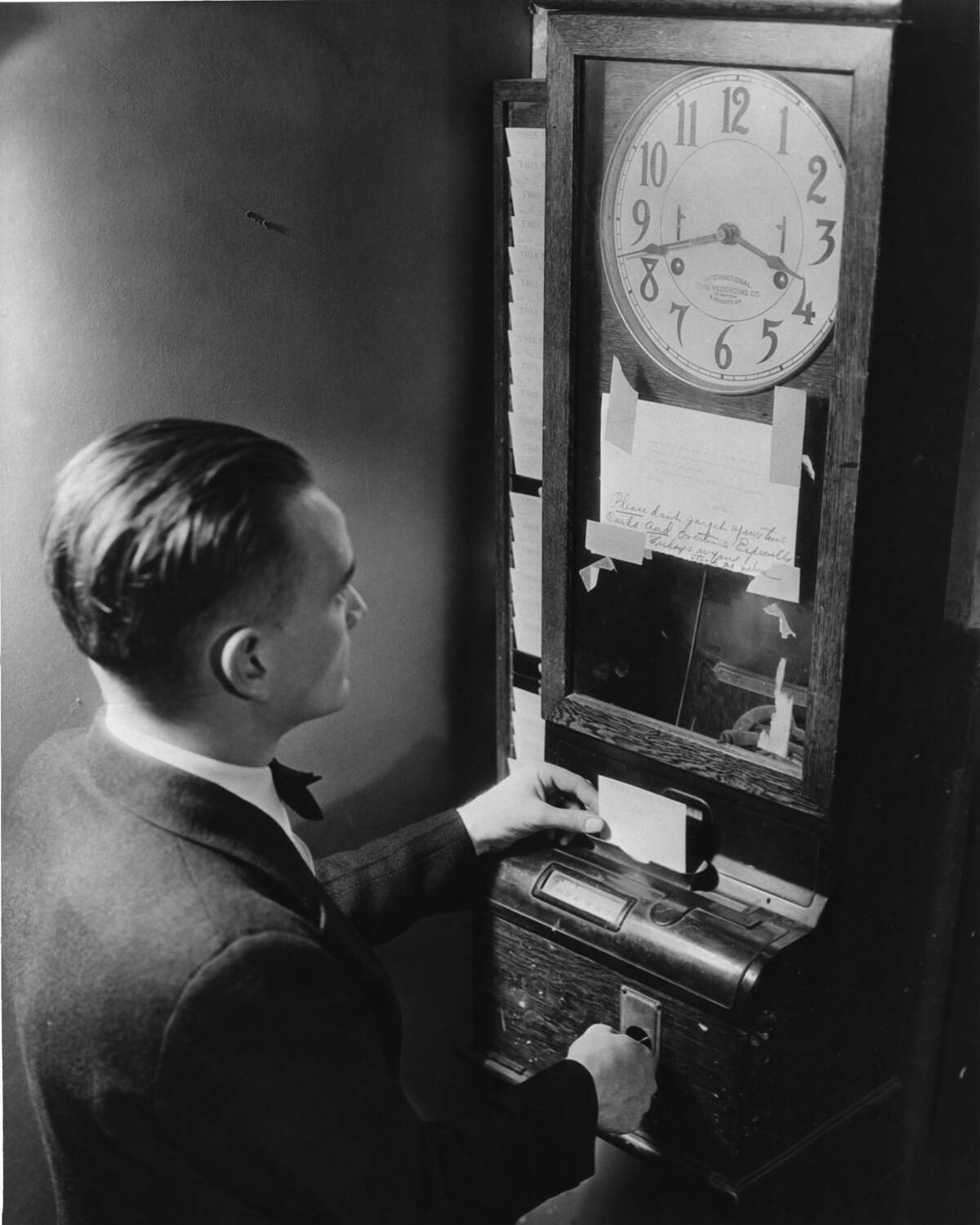
The Punch clock was a mechanical system used in workplaces to record employee attendance and working hours. Workers used time cards that were inserted into a machine, which stamped the time onto the card when it was used.
These records were commonly used by employers for tracking attendance and calculating payroll in office and industrial settings.
The Office Library: A Treasure Trove of Knowledge
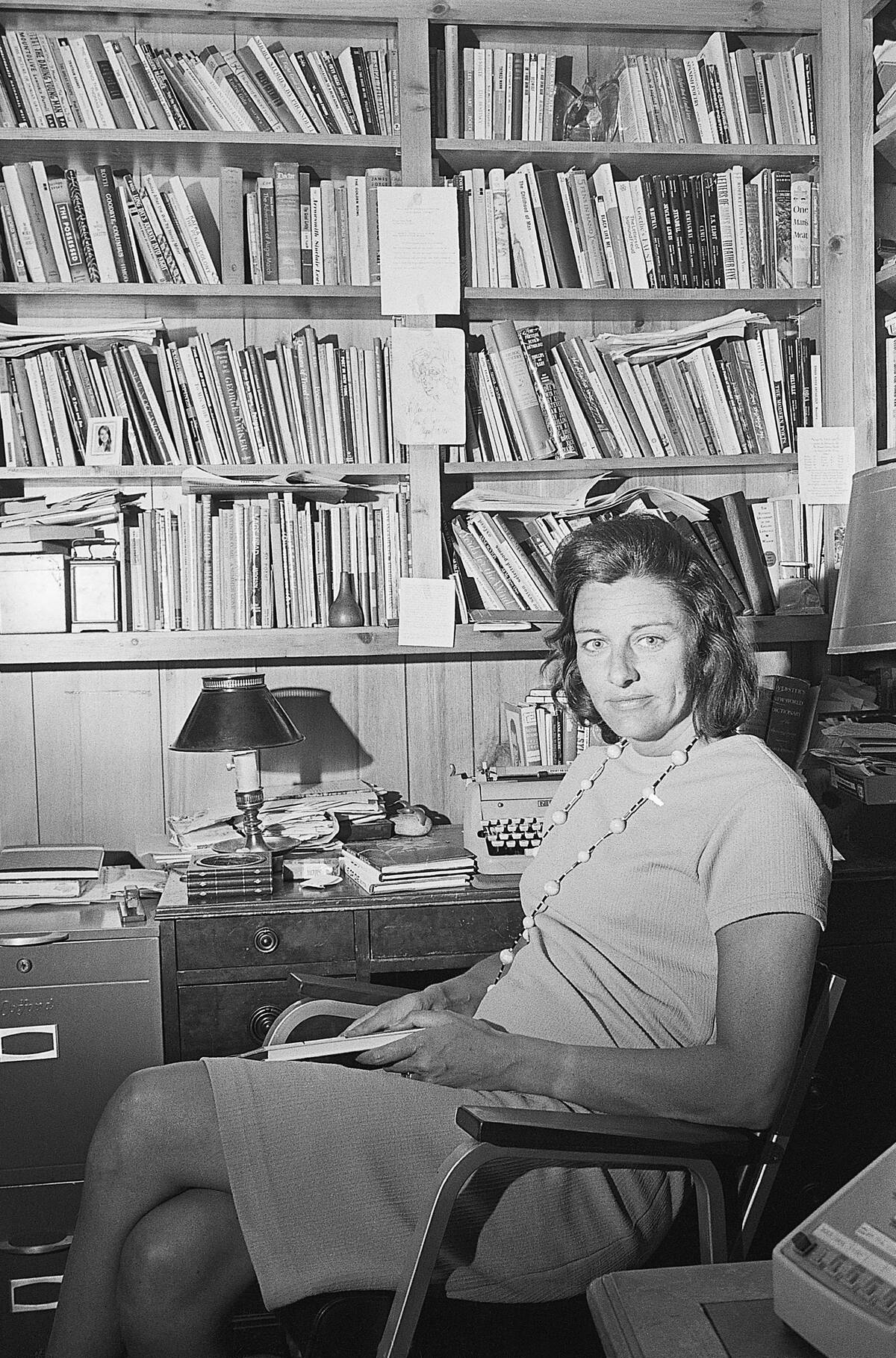
Office libraries were collections of reference materials, books, and industry publications maintained by some organizations for employee use. These materials were used for research and information purposes in workplace settings.
With the development and adoption of digital databases and online information systems, many organizations reduced or replaced physical office libraries with electronic resources. Office libraries were part of workplace information management systems in some companies.