Technology people carried before smartphones
Before smartphones became an extension of our hands, a myriad of gadgets filled our lives with convenience and entertainment. Each device had a specific role, and juggling them was part of the daily routine.
From the thrill of flipping open a phone to the satisfaction of organizing contacts in a physical address book, these devices were the unsung heroes of the pre-smartphone era.
The Classic Flip Phone: A Staple of Early 2000s Communication

The flip phone was more than just a communication device; it was a fashion statement. Remember the iconic Motorola Razr? It was the epitome of cool with its sleek design and satisfying snap.
Flip phones were primarily used for calls and the occasional text, with T9 predictive text being a skill unto itself. Despite their limited functionality compared to today’s smartphones, they were beloved for their simplicity and durability.
The Trusty Pager: When Texting Was a One-Way Street
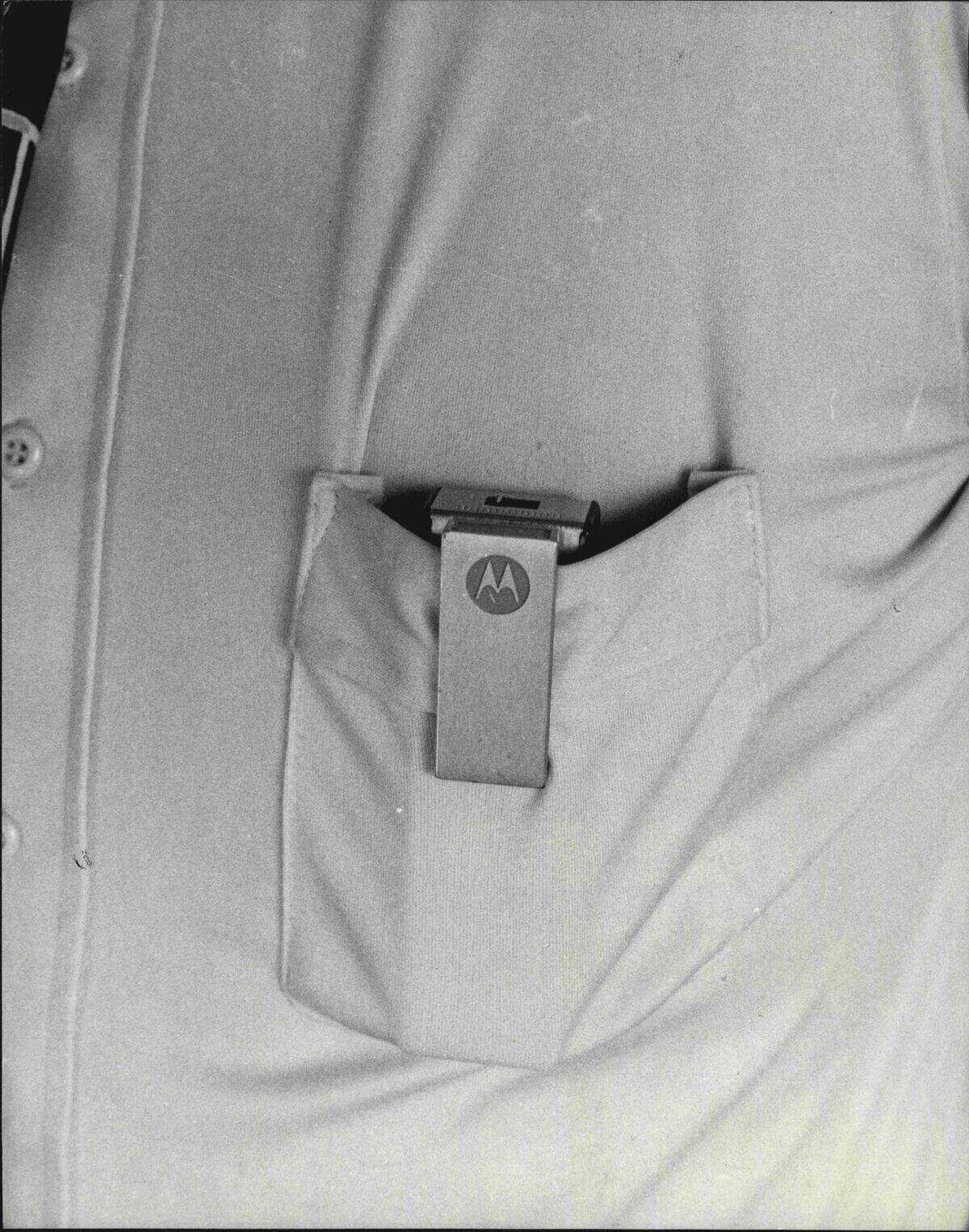
Before the era of instant messaging, pagers were the go-to for urgent communication. Popular in the 1980s and 1990s, pagers received short messages that alerted the user to call back.
Doctors, business professionals, and teenagers alike relied on these buzzing devices. While they seem archaic now, pagers were revolutionary at the time, offering a sense of connectivity that was previously unavailable.
Portable CD Players: Jamming to Your Favorite Tunes on the Go
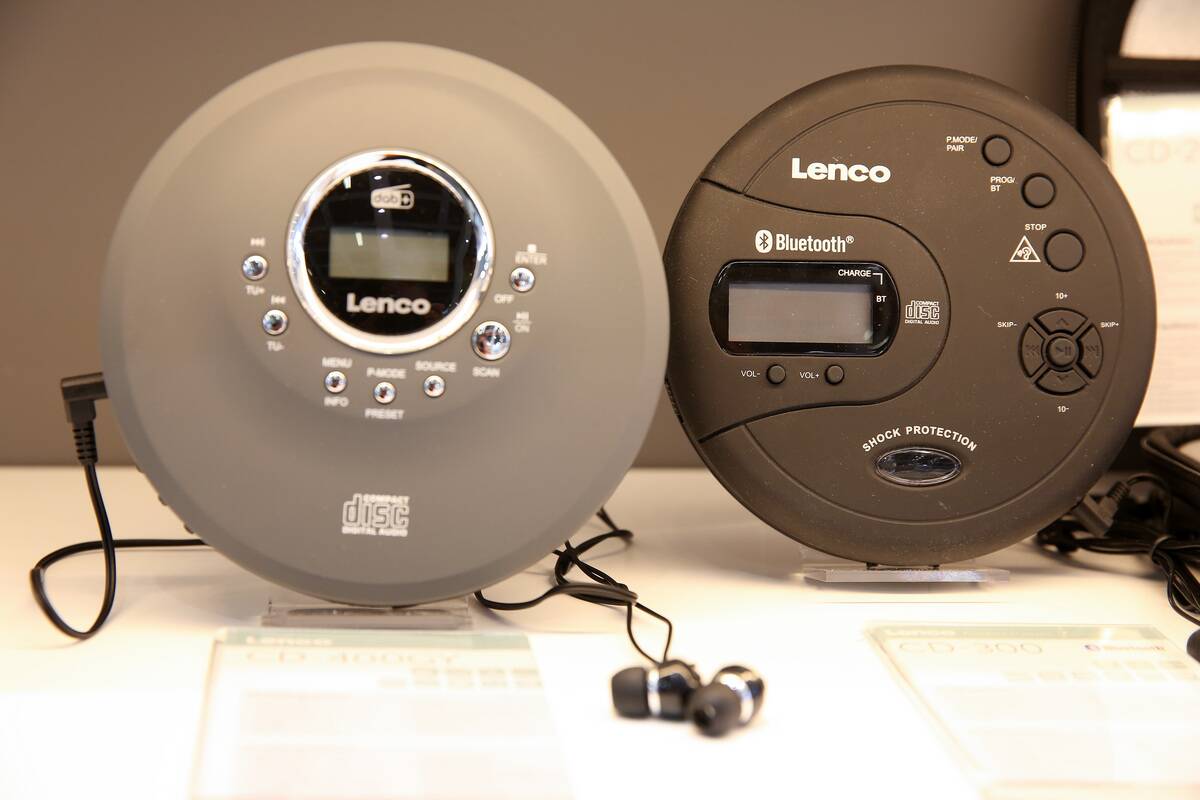
Portable CD players, or Discman, were the soundtrack to many people’s lives in the 1990s. With the ability to carry your favorite albums wherever you went, they were a must-have for music lovers.
The anti-skip technology was a game-changer, allowing for smooth listening even on bumpy rides. Despite their bulkiness, the joy of swapping CDs and creating mixtapes made them a beloved companion.
The Iconic Walkman: Music on the Move in the Cassette Era
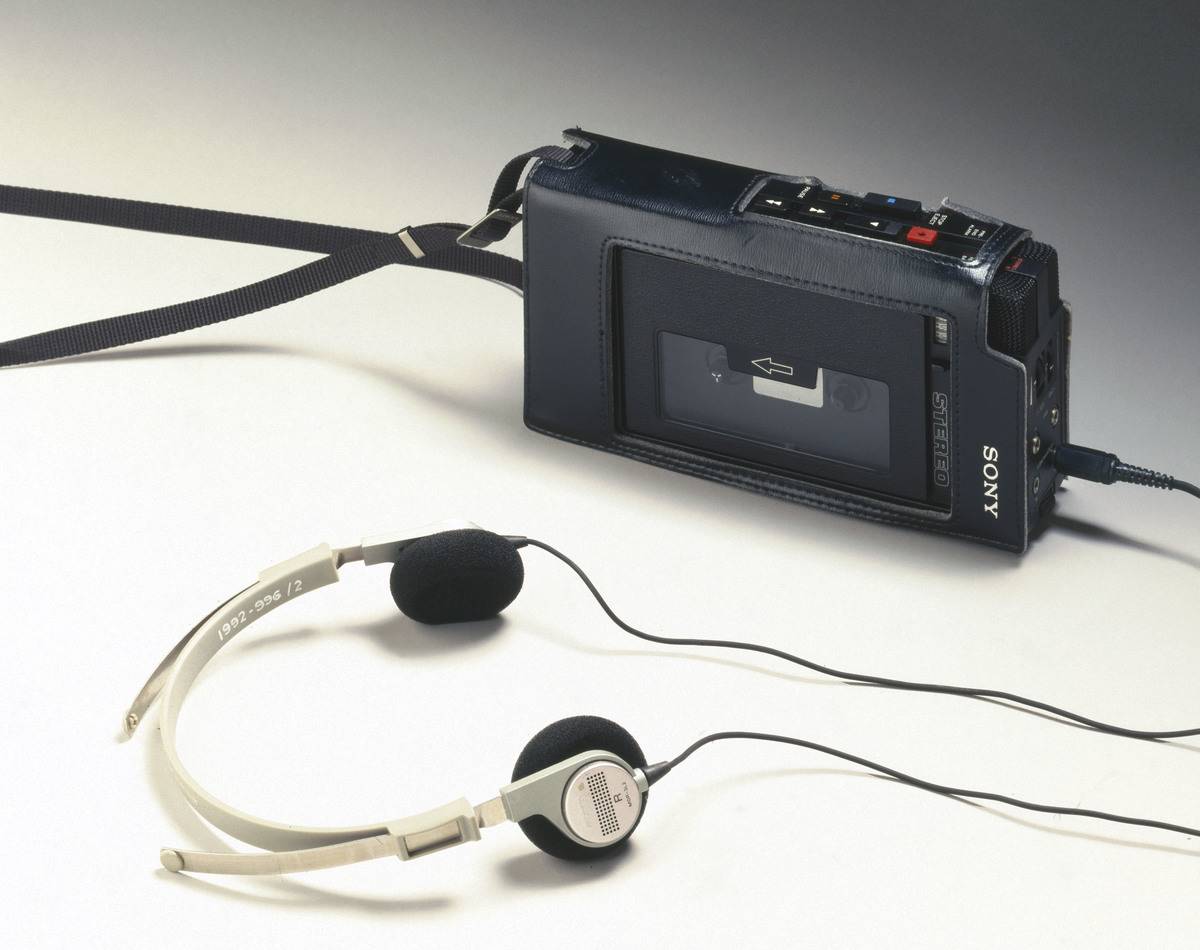
Before CDs, the Walkman was the portable music player of choice. Introduced by Sony in 1979, it allowed users to listen to cassette tapes on the go.
The Walkman revolutionized personal music consumption, making it possible to enjoy music privately in public spaces. Its lightweight design and long battery life made it an instant hit, paving the way for future portable music devices.
Digital Cameras: Capturing Memories with Megapixels
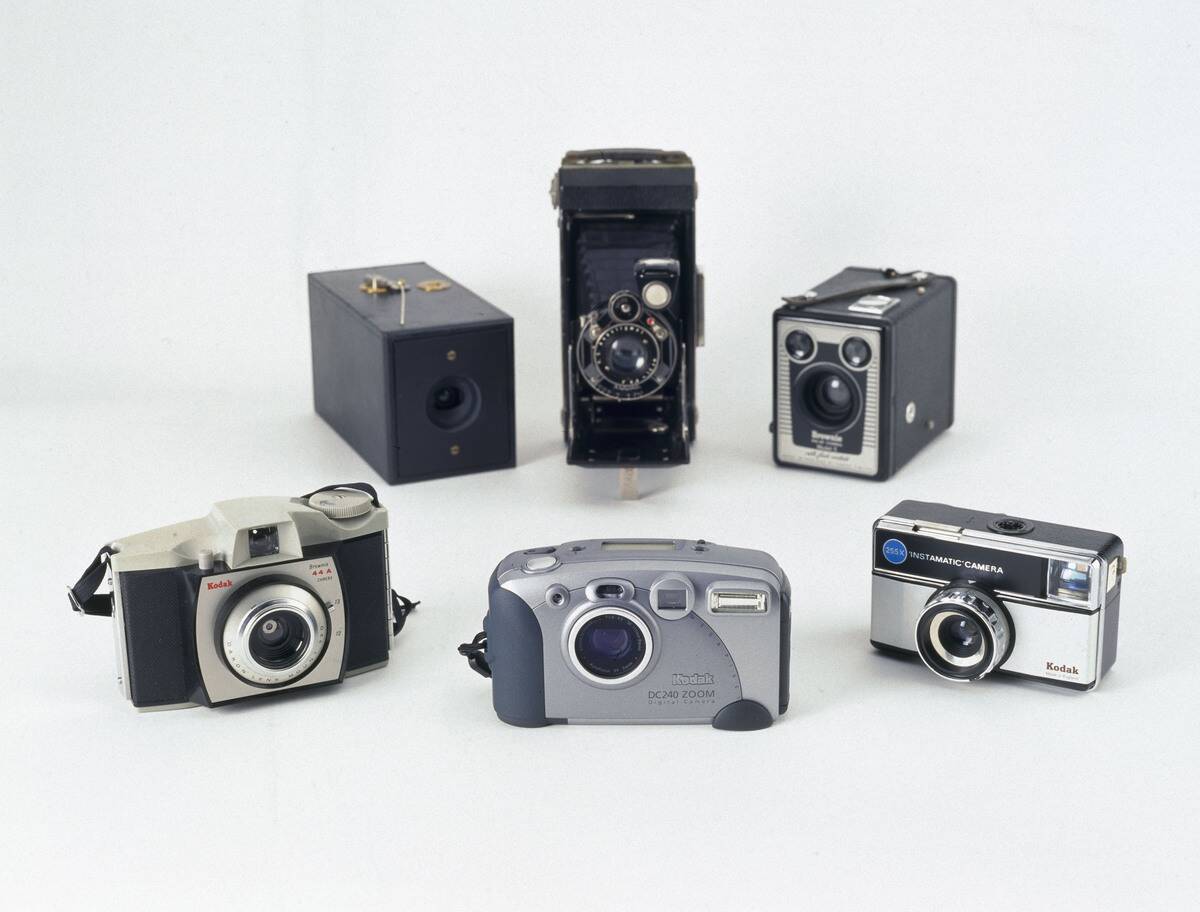
Digital cameras brought photography into the digital age, making film a thing of the past. With the ability to instantly review photos and store hundreds of images, they were a significant upgrade from traditional cameras.
Brands like Canon and Nikon led the charge, offering models with increasing megapixels and features. The convenience of digital cameras made capturing memories easier and more accessible than ever before.
Camcorders: Recording Life’s Moments in Motion
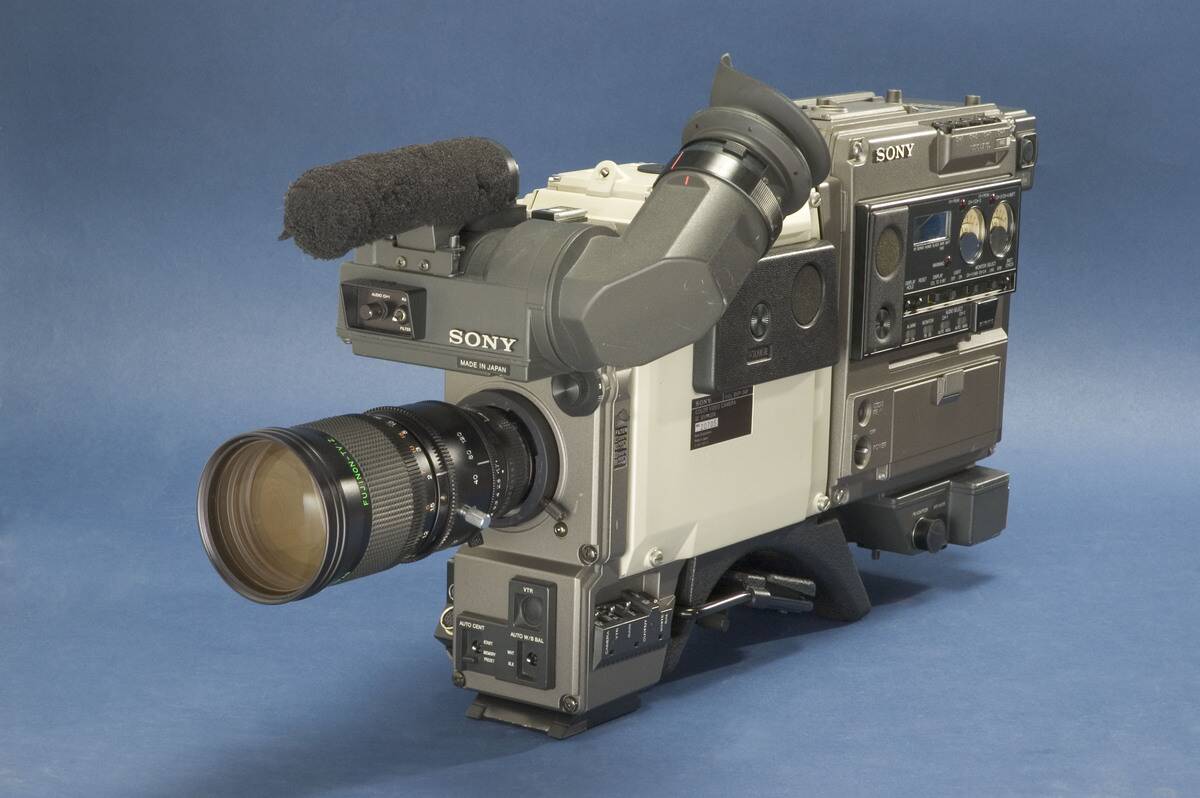
Camcorders were the go-to for capturing life’s precious moments in motion. From family vacations to school plays, these devices preserved memories in a way photos couldn’t. The introduction of digital camcorders in the late 1990s made recording even more accessible.
With features like zoom and playback, they were a staple at any significant event, ensuring no moment went undocumented.
GPS Devices: Navigating the World Before Google Maps
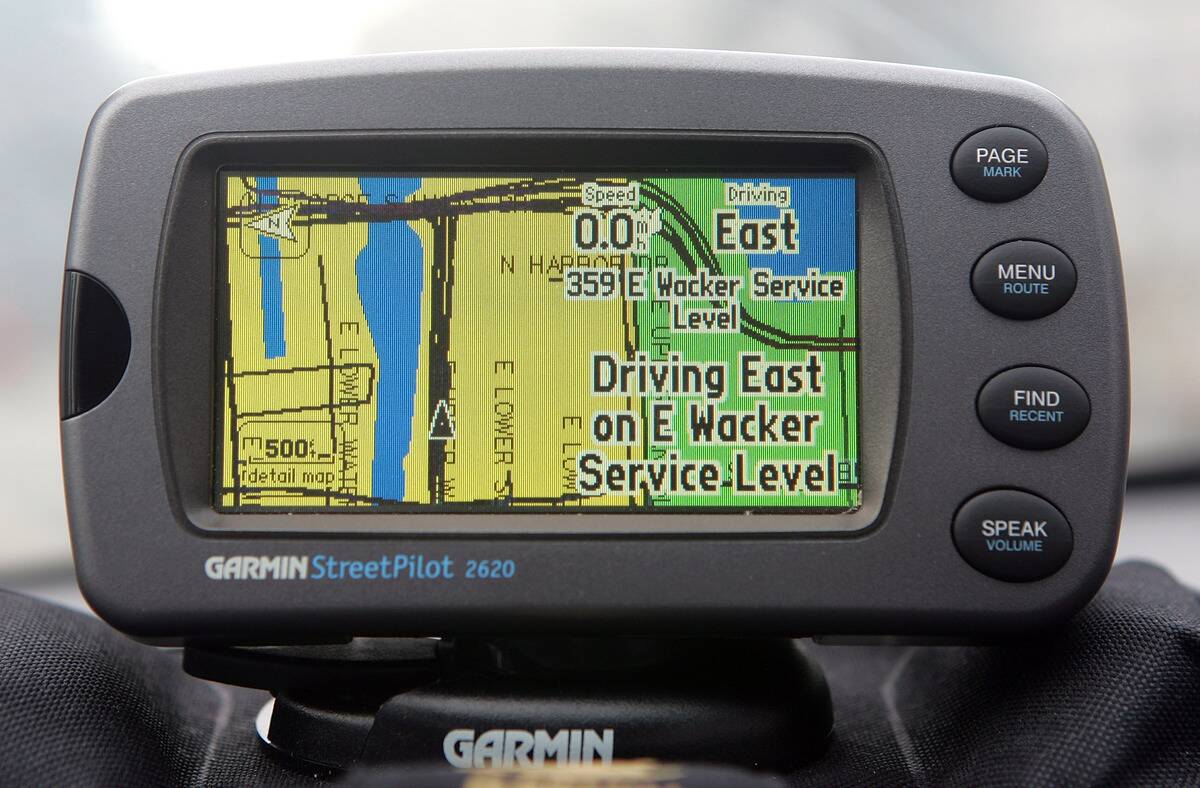
Before smartphones, standalone GPS devices were essential for navigation. Brands like Garmin and TomTom dominated the market, offering turn-by-turn directions and maps.
These devices were a lifesaver for road trips and exploring new places, eliminating the need for paper maps. While they seem cumbersome compared to today’s integrated smartphone apps, GPS devices were a technological marvel of their time.
PDAs: Personal Digital Assistants for the Organized Individual
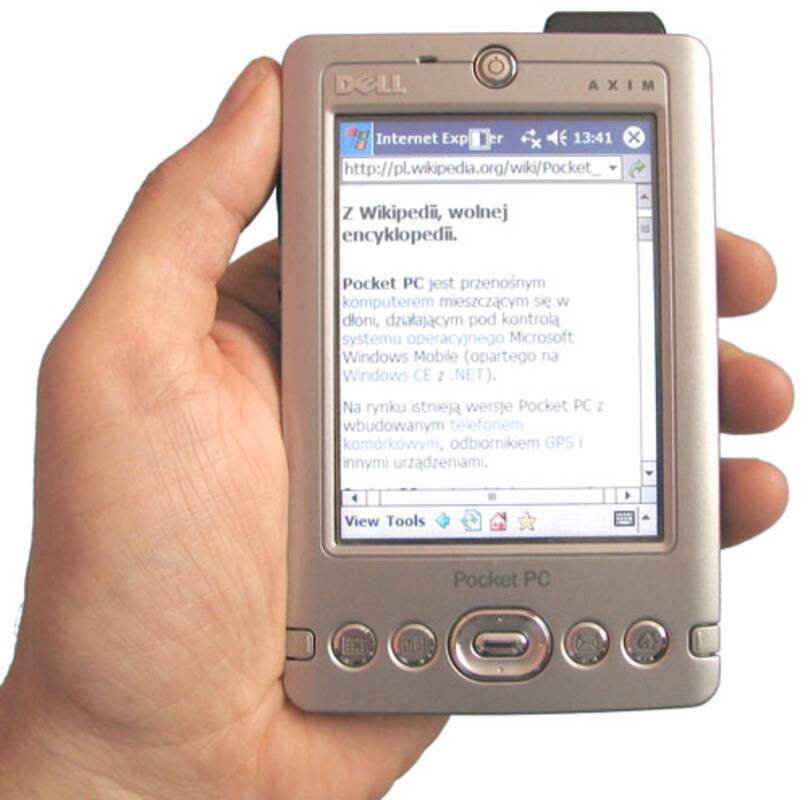
PDAs, or personal digital assistants, were the precursors to smartphones, offering organization on the go. Devices like the Palm Pilot allowed users to manage contacts, calendars, and tasks digitally.
With stylus input and basic apps, PDAs were a favorite among business professionals and tech enthusiasts. They laid the groundwork for the multifunctional devices we rely on today, proving that organization could be portable.
Portable Gaming Consoles: Entertainment in Your Pocket
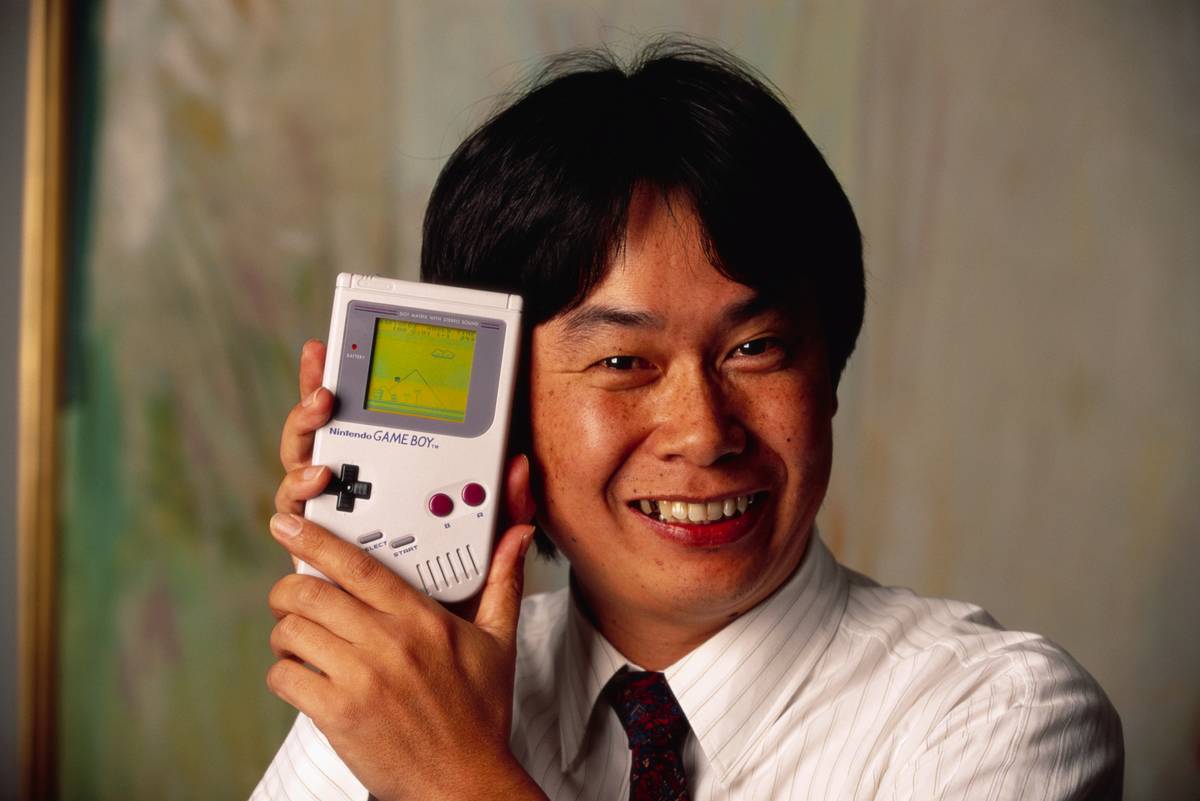
Portable gaming consoles like the Game Boy and PSP brought video games to the palm of your hand. These devices offered a diverse library of games, allowing players to enjoy their favorite titles anywhere.
The Game Boy, released in 1989, was a pioneer, while the PSP introduced advanced graphics and multimedia capabilities. Portable consoles provided endless entertainment, making long trips or commutes much more enjoyable.
E-Readers: Carrying a Library Without the Weight
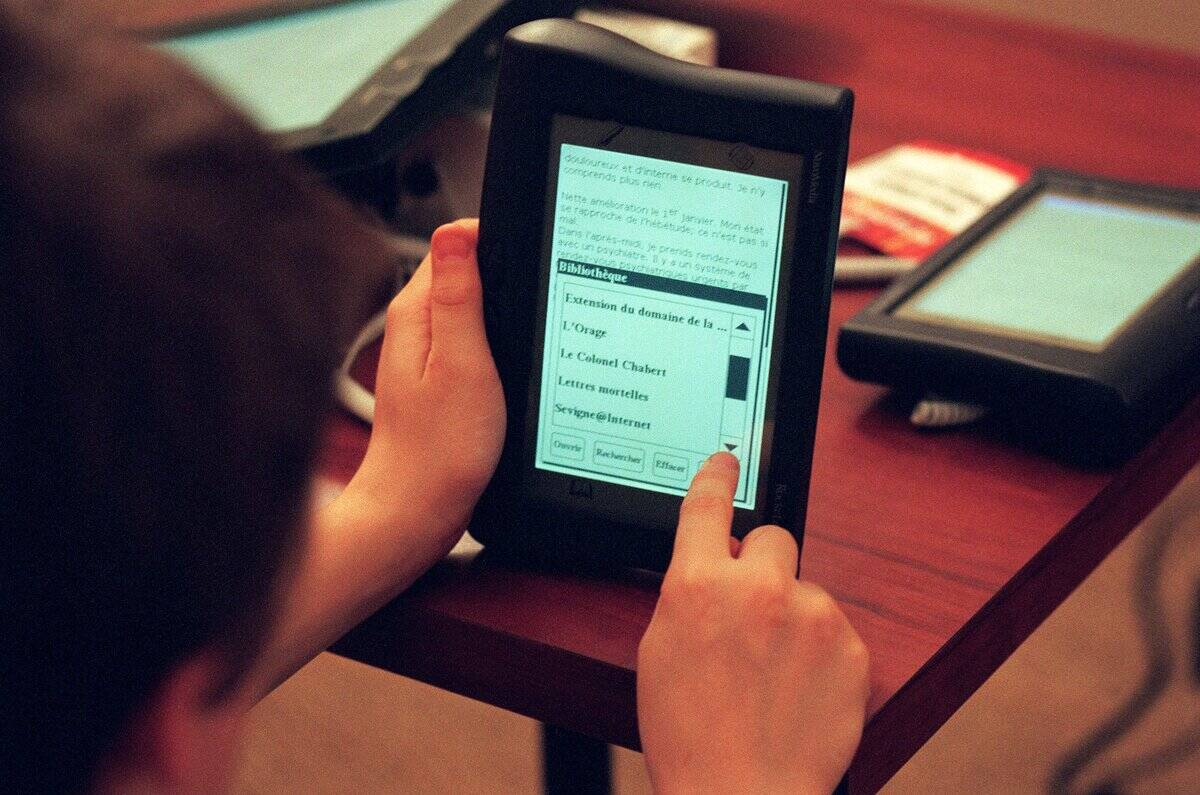
E-readers revolutionized reading by allowing users to carry thousands of books in a single device. The Amazon Kindle, launched in 2007, was a game-changer with its e-ink display and long battery life.
E-readers made reading more accessible, offering adjustable fonts and backlighting for any environment. They catered to book lovers who wanted the convenience of a portable library without the physical bulk.
MP3 Players: Revolutionizing Music with Digital Files
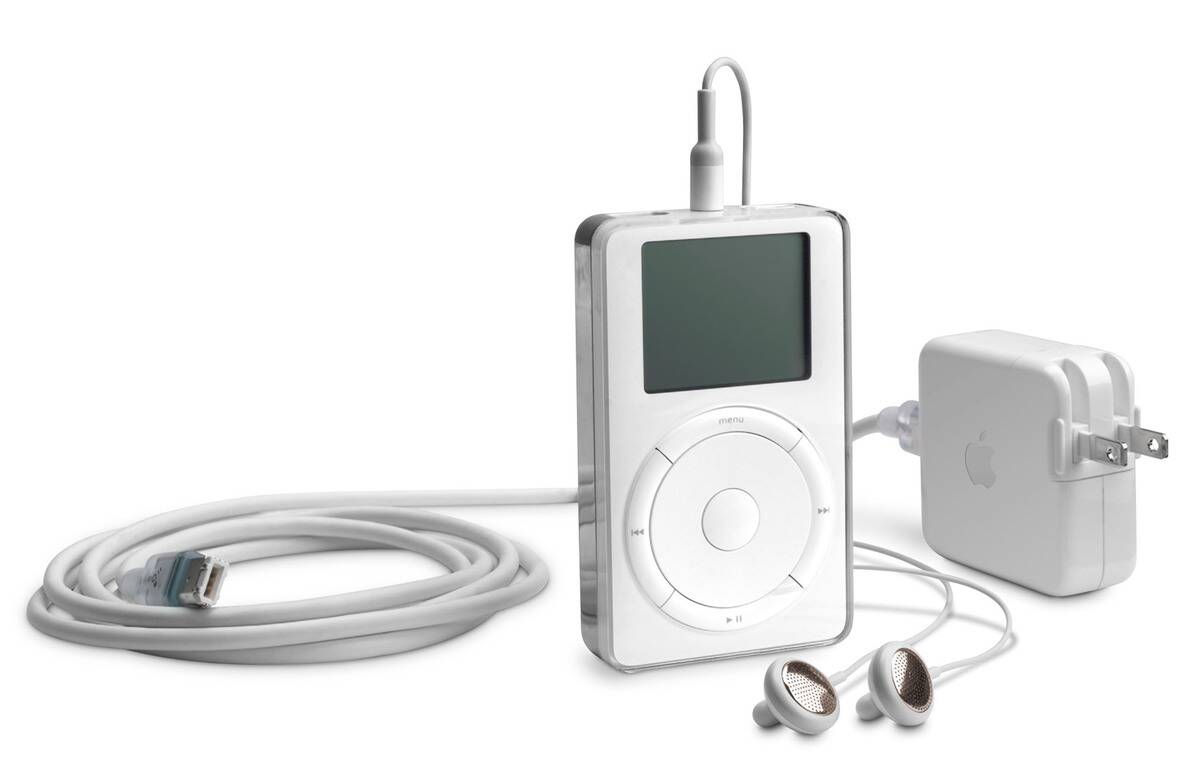
MP3 players transformed music listening by introducing digital files, making CDs and tapes obsolete. The iPod, released by Apple in 2001, became synonymous with portable music, offering sleek design and massive storage.
With the ability to create playlists and shuffle songs, MP3 players personalized the music experience. They were a cultural phenomenon, changing how we consumed and interacted with music forever.
Portable DVD Players: Watching Movies Anywhere, Anytime
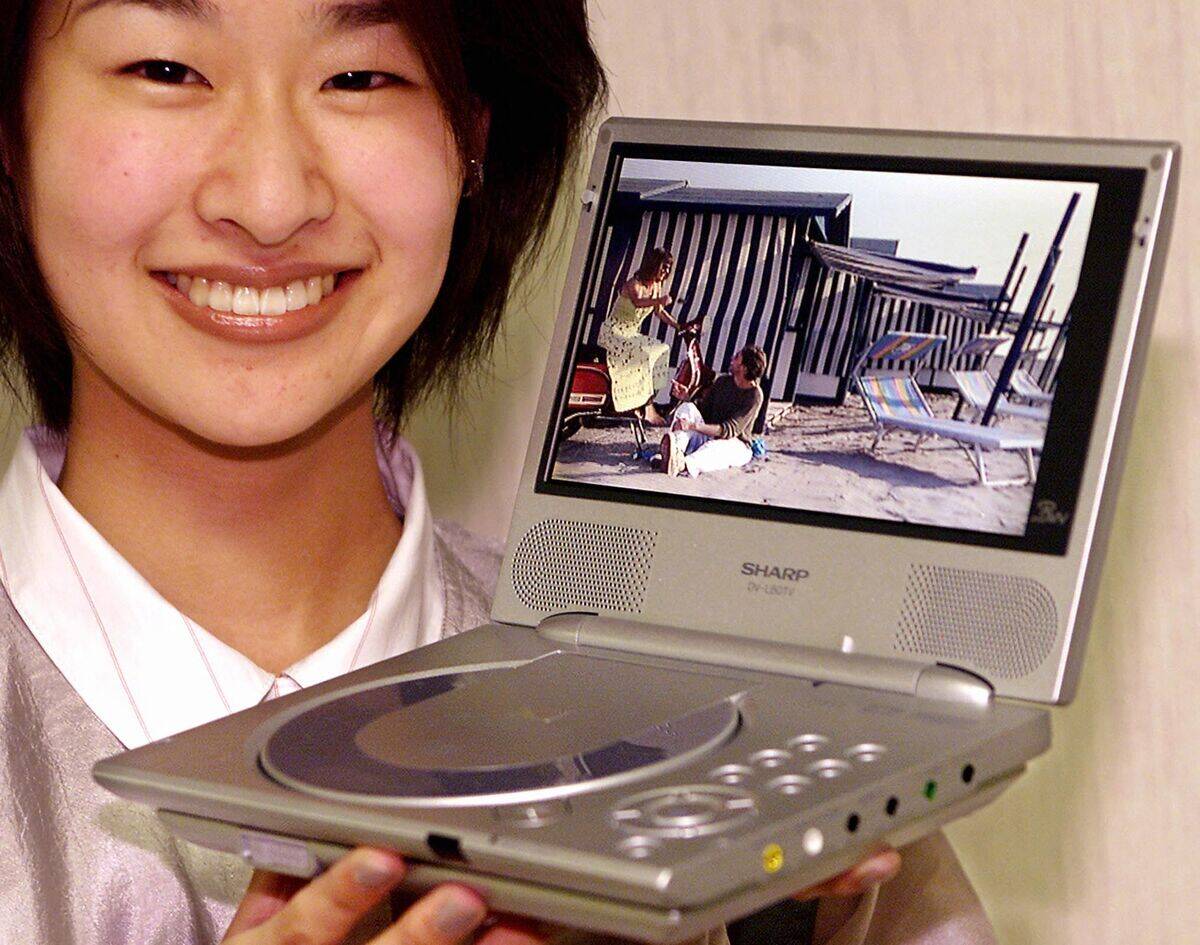
Portable DVD players brought the cinematic experience to the road, allowing users to watch movies anywhere. These devices were perfect for long car rides or flights, offering a built-in screen and speakers.
With the ability to play DVDs and sometimes even CDs, they provided versatile entertainment options. While streaming has taken over, portable DVD players were once the height of convenience for movie lovers.
Handheld Voice Recorders: Capturing Thoughts and Ideas on the Fly
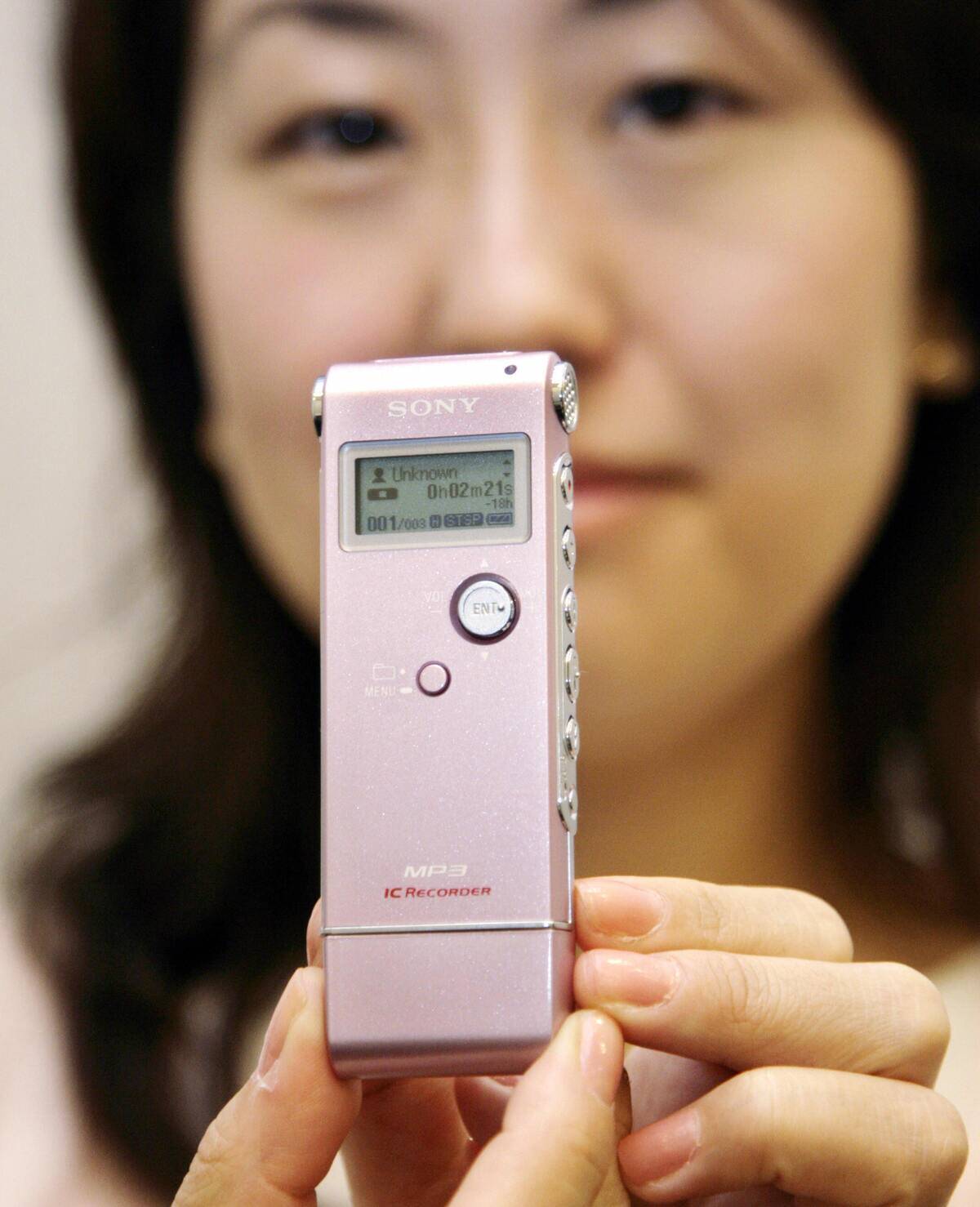
Handheld voice recorders were essential for journalists, students, and anyone needing to capture audio on the go. These devices offered high-quality recording in a compact form, making them ideal for interviews and lectures.
Brands like Sony and Olympus were popular choices, providing features like playback and file storage. Voice recorders ensured that no idea or important detail was ever lost to memory.
Calculators: The Essential Tool for Quick Math on the Go
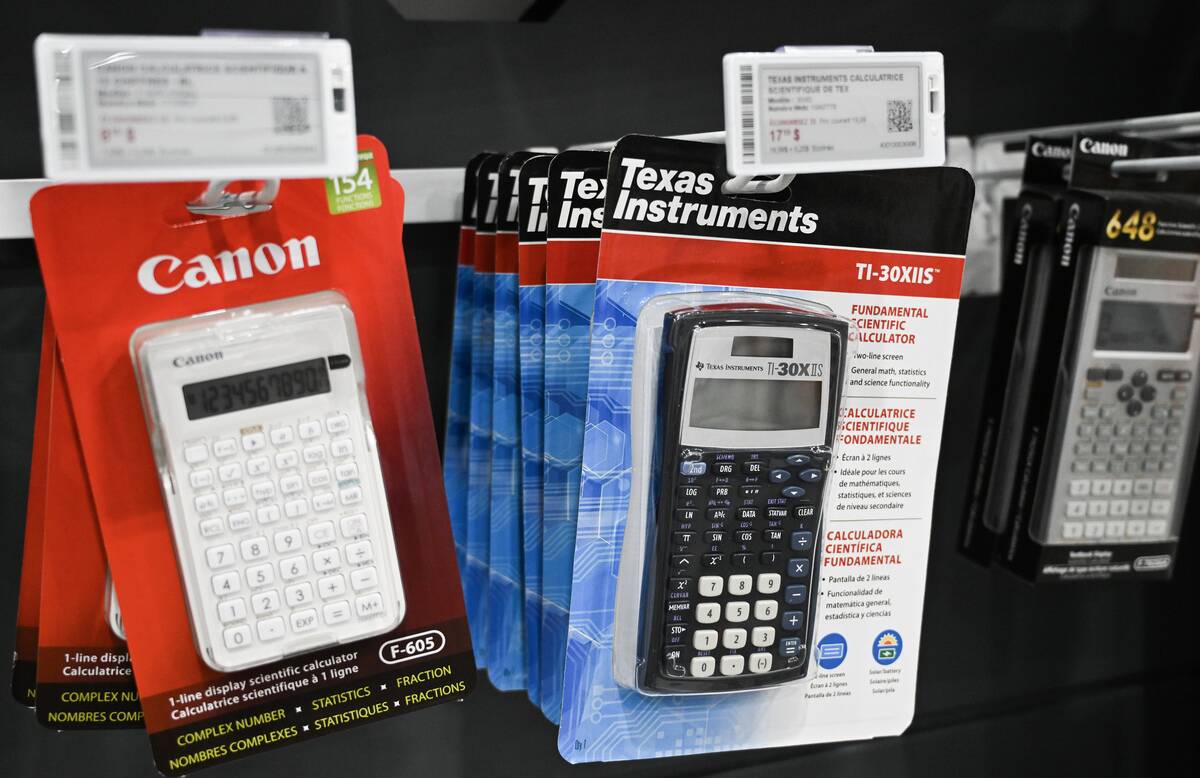
Calculators have been a staple for students and professionals alike, offering quick math solutions on the go. From basic models to scientific calculators, these devices were indispensable in classrooms and offices.
Brands like Texas Instruments became synonymous with quality and functionality. Despite smartphones now offering calculator apps, the tactile experience of pressing buttons remains unmatched for many.