Remote places first documented by explorers
The world is full of wonders waiting to be discovered, and throughout history, intrepid explorers have ventured into the unknown to uncover these hidden gems.
From dense jungles to icy frontiers, each expedition has brought back tales of adventure and discovery.
The Mystique of Machu Picchu: Hiram Bingham’s Astonishing Find
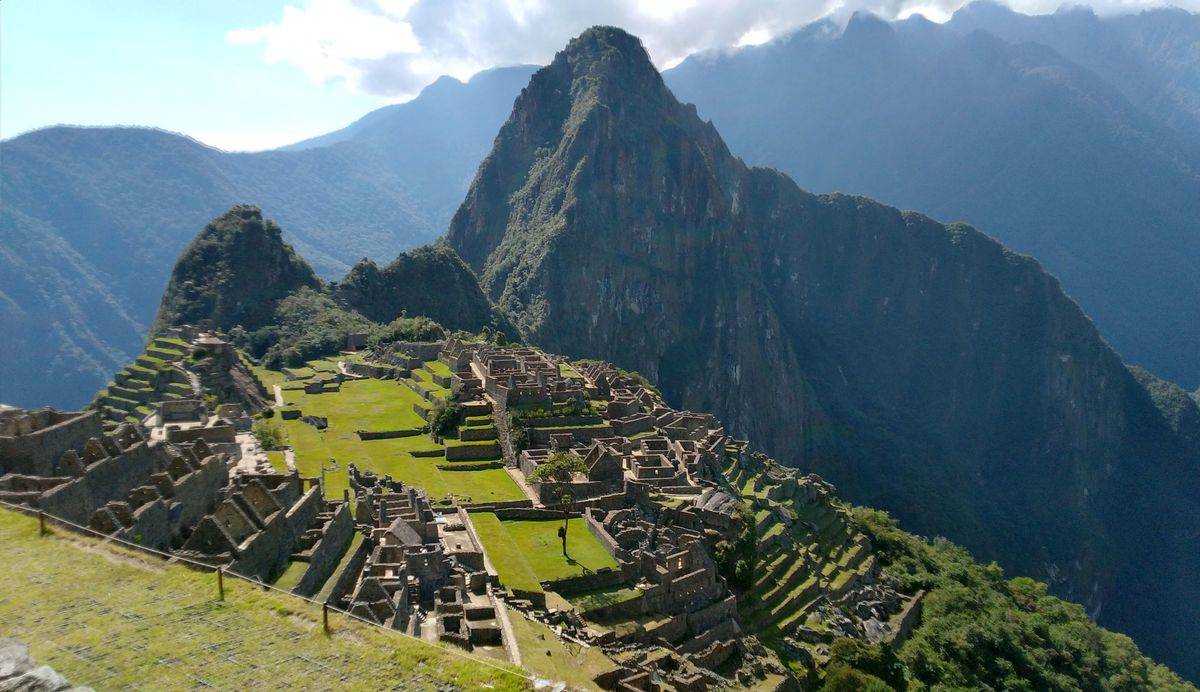
In 1911, Hiram Bingham stumbled upon the ancient Incan city of Machu Picchu, nestled high in the Andes Mountains of Peru. This archaeological wonder, often shrouded in mist, had been forgotten by the outside world for centuries.
Bingham’s discovery brought global attention to the site, revealing its intricate stone structures and terraces. Today, Machu Picchu is a UNESCO World Heritage site, drawing millions of visitors eager to experience its mystical allure.
Antarctica: The Icy Frontier Explored by Ernest Shackleton
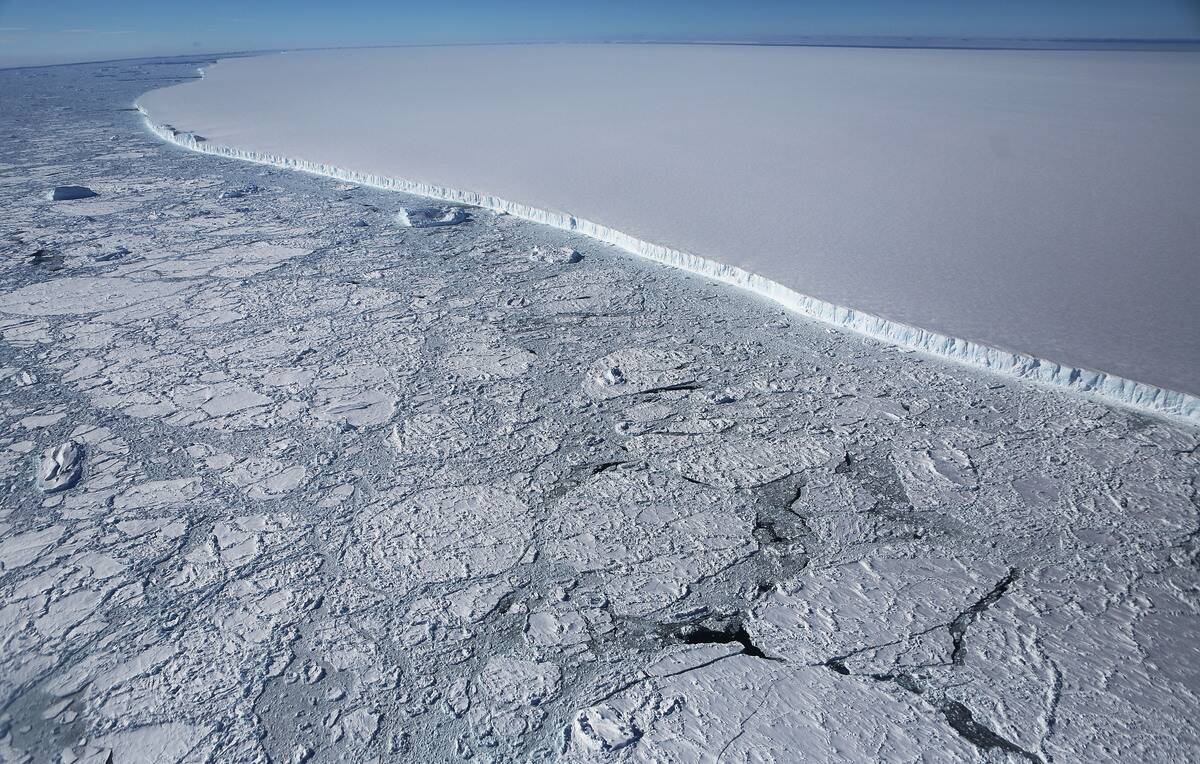
Ernest Shackleton’s expeditions to Antarctica are legendary tales of endurance and bravery. His most famous journey, the Imperial Trans-Antarctic Expedition of 1914-1917, aimed to cross the continent via the South Pole.
Despite being thwarted by pack ice, Shackleton’s leadership ensured the survival of his entire crew. The icy landscapes of Antarctica remain a testament to Shackleton’s indomitable spirit and the allure of the world’s last great wilderness.
The Heart of the Amazon: Percy Fawcett’s Jungle Expeditions
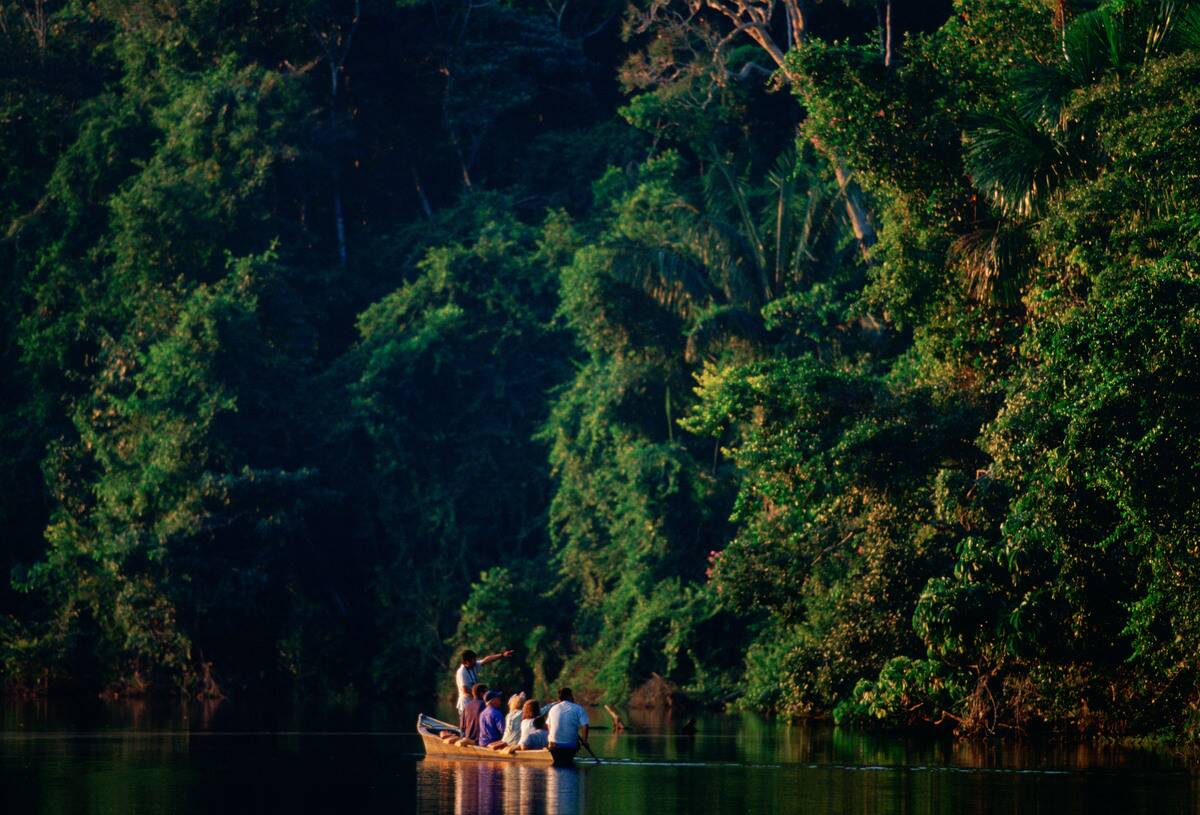
Percy Fawcett’s expeditions into the Amazon rainforest were driven by his quest to find the lost city of “Z,” a supposed ancient civilization. In 1925, Fawcett set out on his final journey, disappearing into the dense jungle, never to return.
His enigmatic story has sparked countless theories and inspired books and films. The Amazon remains a place of mystery, with vast areas still unexplored and teeming with biodiversity.
The Lost City of Petra: Johann Ludwig Burckhardt’s Rediscovery
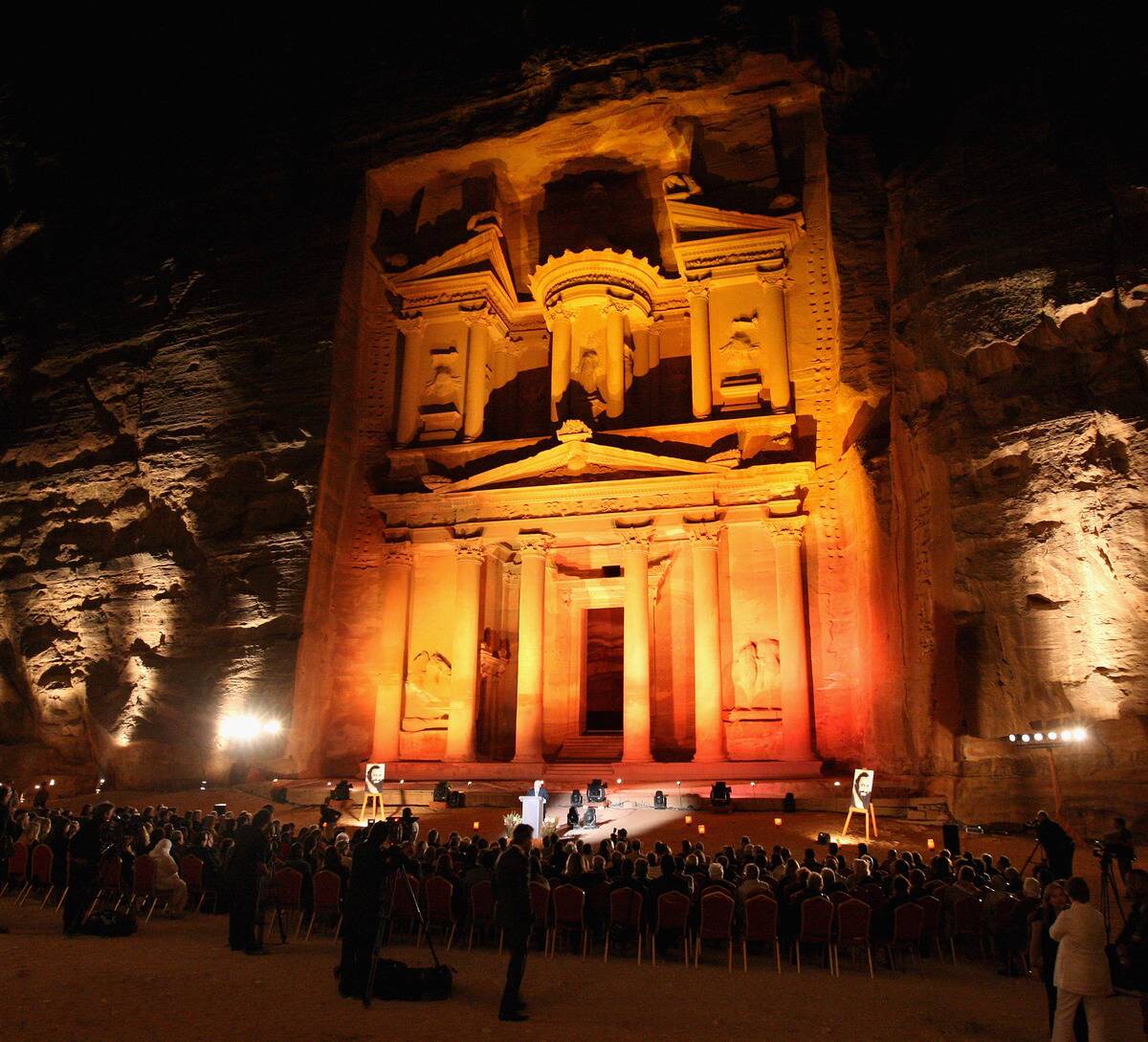
In 1812, Swiss explorer Johann Ludwig Burckhardt rediscovered Petra, the ancient Nabatean city carved into rose-red cliffs in present-day Jordan. Burckhardt, disguised as a Bedouin, was one of the first Europeans to set eyes on Petra’s iconic Treasury.
His accounts of the city’s grandeur captivated the world, leading to increased interest and exploration. Today, Petra is a symbol of architectural ingenuity and a must-see destination for travelers.
The Depths of the Grand Canyon: John Wesley Powell’s Daring Journey
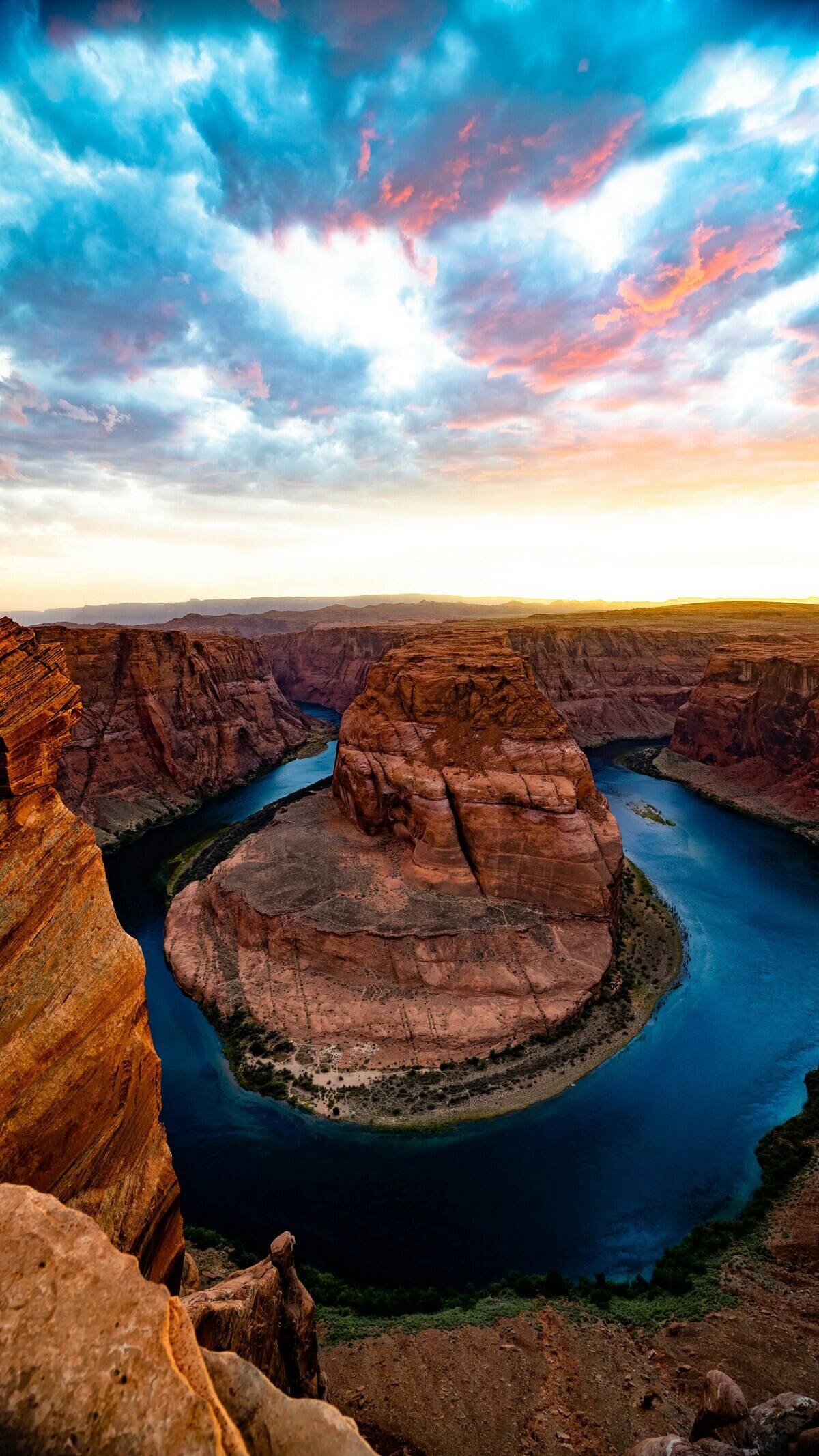
In 1869, John Wesley Powell led the first successful expedition down the Colorado River through the Grand Canyon. With a team of nine men, Powell navigated the treacherous rapids and sheer canyon walls, mapping the region’s geology along the way.
His journey provided invaluable scientific insights and opened the door to further exploration of the American West. The Grand Canyon remains a natural wonder, attracting adventurers and nature lovers alike.
Easter Island: The Enigmatic Statues First Documented by Jacob Roggeveen
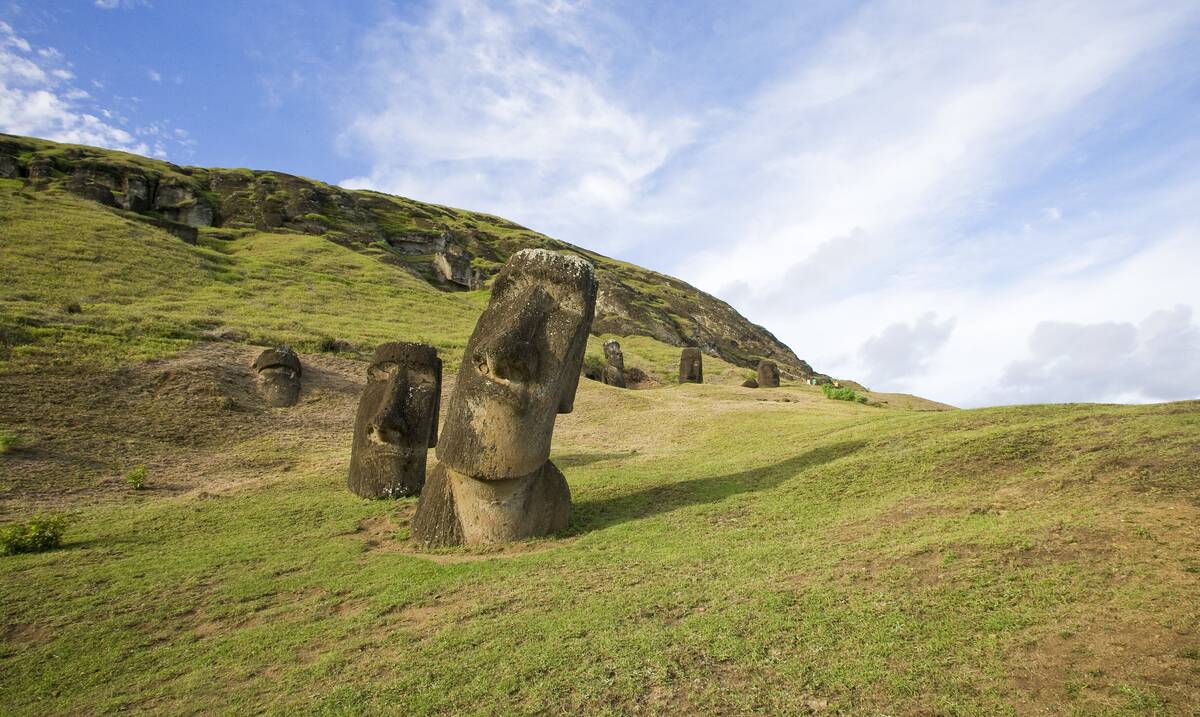
In 1722, Dutch explorer Jacob Roggeveen became the first European to document the mysterious moai statues of Easter Island. These colossal stone figures, scattered across the island, have puzzled archaeologists and historians for centuries.
The island’s remote location in the Pacific Ocean adds to its intrigue, and the moai continue to captivate visitors with their enigmatic presence. Easter Island’s cultural heritage is a testament to the ingenuity of its ancient inhabitants.
The Roof of the World: Sir George Everest and the Himalayas
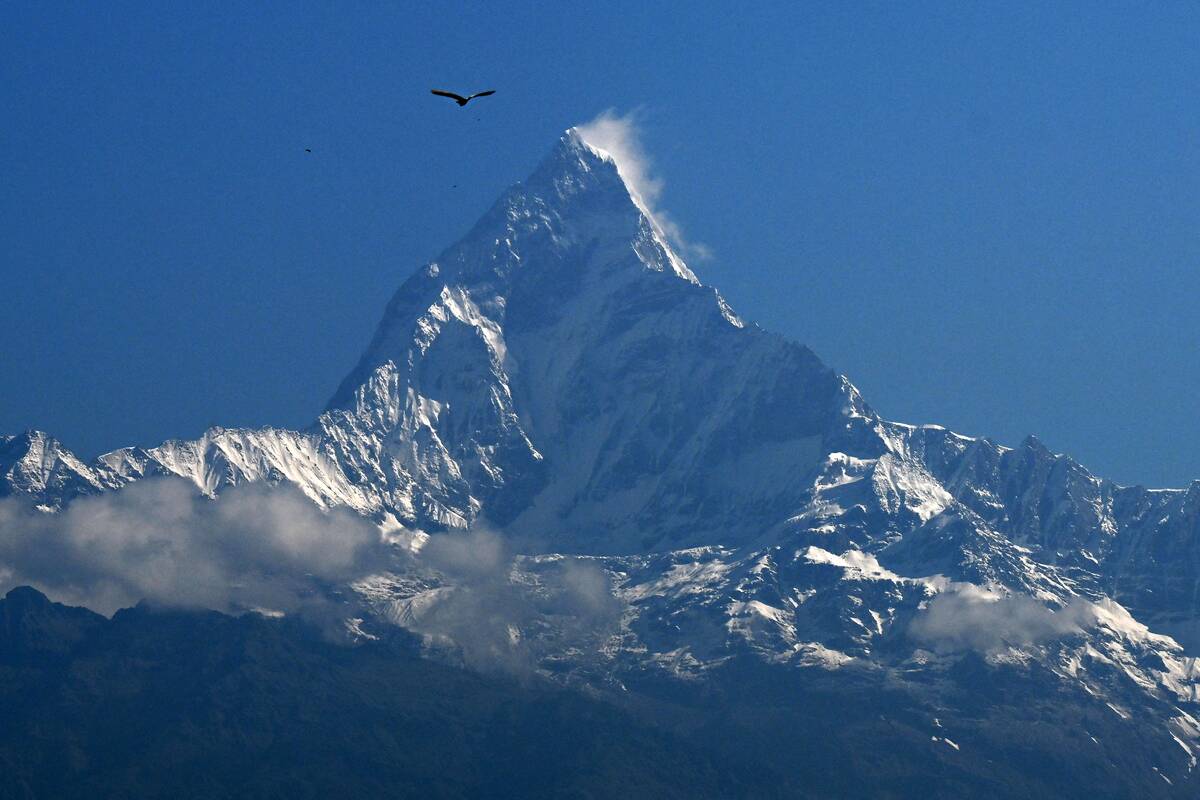
Sir George Everest, the Surveyor General of India, played a pivotal role in mapping the Himalayas in the 19th century. His work laid the groundwork for future expeditions to the world’s highest peaks, including Mount Everest, which was named in his honor.
The Himalayas, often referred to as the “Roof of the World,” continue to challenge and inspire climbers from around the globe. Everest’s legacy lives on in the spirit of those who dare to conquer these majestic mountains.
The Mysterious Galápagos Islands: Charles Darwin’s Scientific Adventure
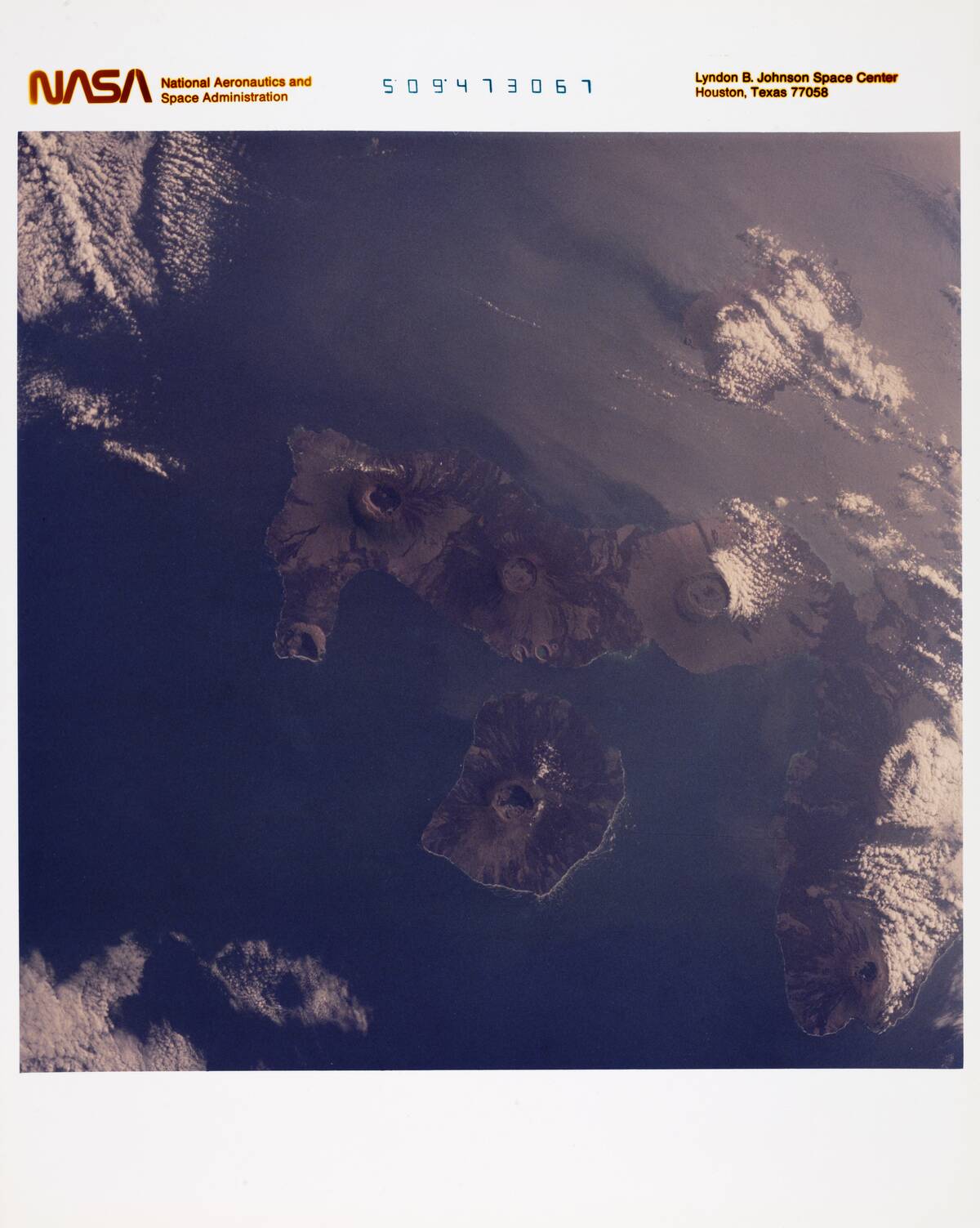
In 1835, Charles Darwin visited the Galápagos Islands, where he observed unique wildlife that would later inform his theory of evolution. The islands’ distinct ecosystems, home to species like the giant tortoise and marine iguana, provided Darwin with critical insights into natural selection.
His groundbreaking work transformed our understanding of biology and evolution. Today, the Galápagos are a UNESCO World Heritage site, attracting researchers and nature enthusiasts alike.
Timbuktu: René Caillié’s Journey to the Fabled City of Gold

René Caillié was the first European to reach Timbuktu and return safely in 1828. Disguised as a Muslim pilgrim, he traveled across the Sahara to the legendary city, which had long been rumored to be rich in gold.
While the reality of Timbuktu’s wealth was less than expected, Caillié’s journey provided valuable insights into West African culture and trade. Timbuktu remains a symbol of mystery and exploration, with its rich history and cultural significance.
The Great Barrier Reef: Captain James Cook’s Underwater Wonder
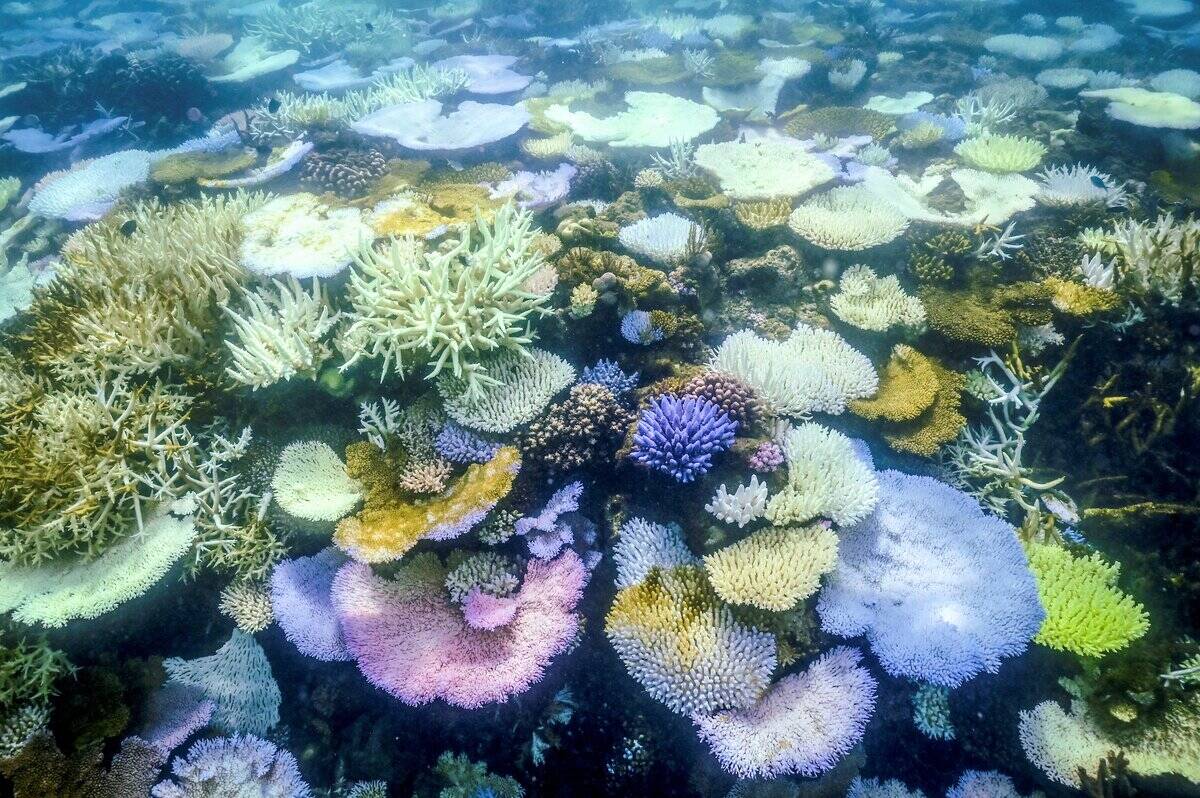
Captain James Cook’s exploration of the Great Barrier Reef in 1770 marked the first European contact with this natural wonder. Stretching over 1,400 miles off the coast of Australia, the reef is the world’s largest coral system, teeming with marine life.
Cook’s voyage highlighted the reef’s ecological significance, and it remains a vital area for scientific research and conservation. The Great Barrier Reef is a UNESCO World Heritage site, attracting divers and marine enthusiasts worldwide.
The Desolate Beauty of the Sahara: Heinrich Barth’s Desert Trek
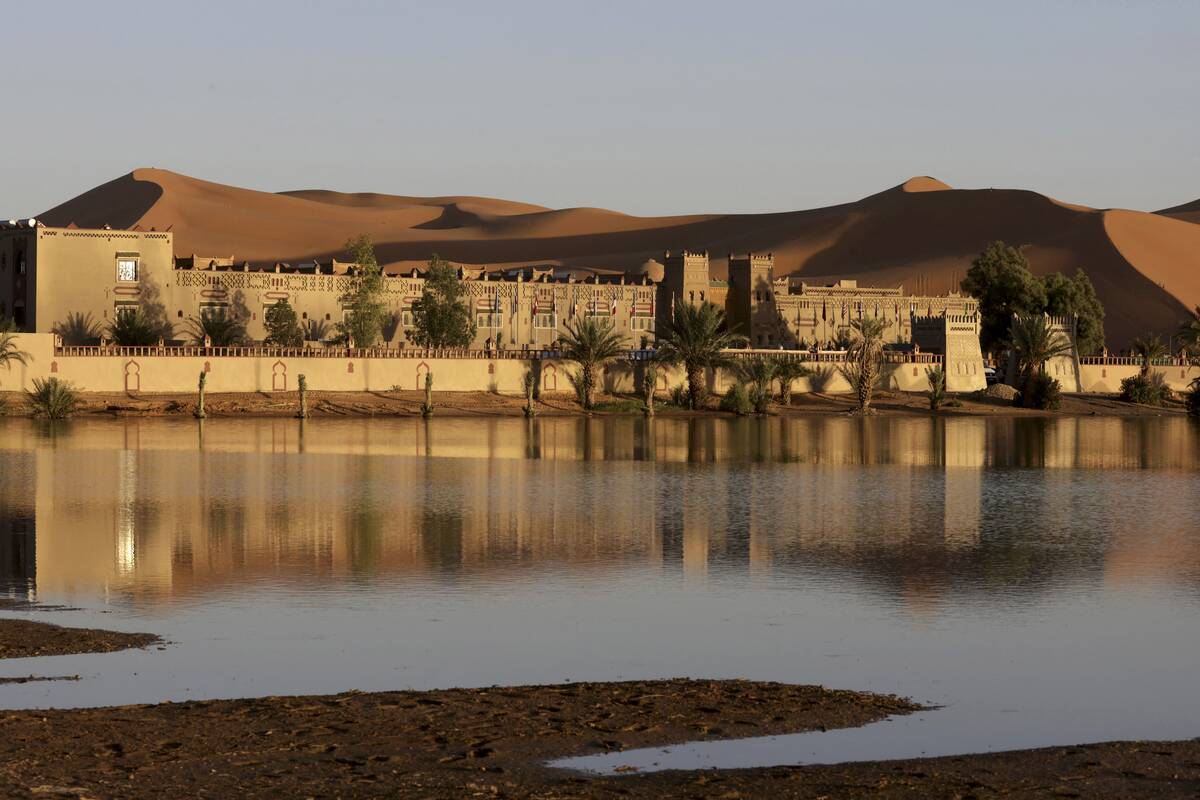
In the 1850s, German explorer Heinrich Barth embarked on a five-year journey across the Sahara Desert, documenting its vast landscapes and diverse cultures. His travels took him to regions previously unknown to Europeans, and his detailed accounts provided valuable ethnographic and geographic information.
Barth’s work remains a cornerstone of African exploration, offering insights into the Sahara’s harsh yet captivating environment. The desert’s beauty and mystery continue to allure adventurers and scholars alike.
The Exotic Spice Islands: Ferdinand Magellan’s Epic Circumnavigation
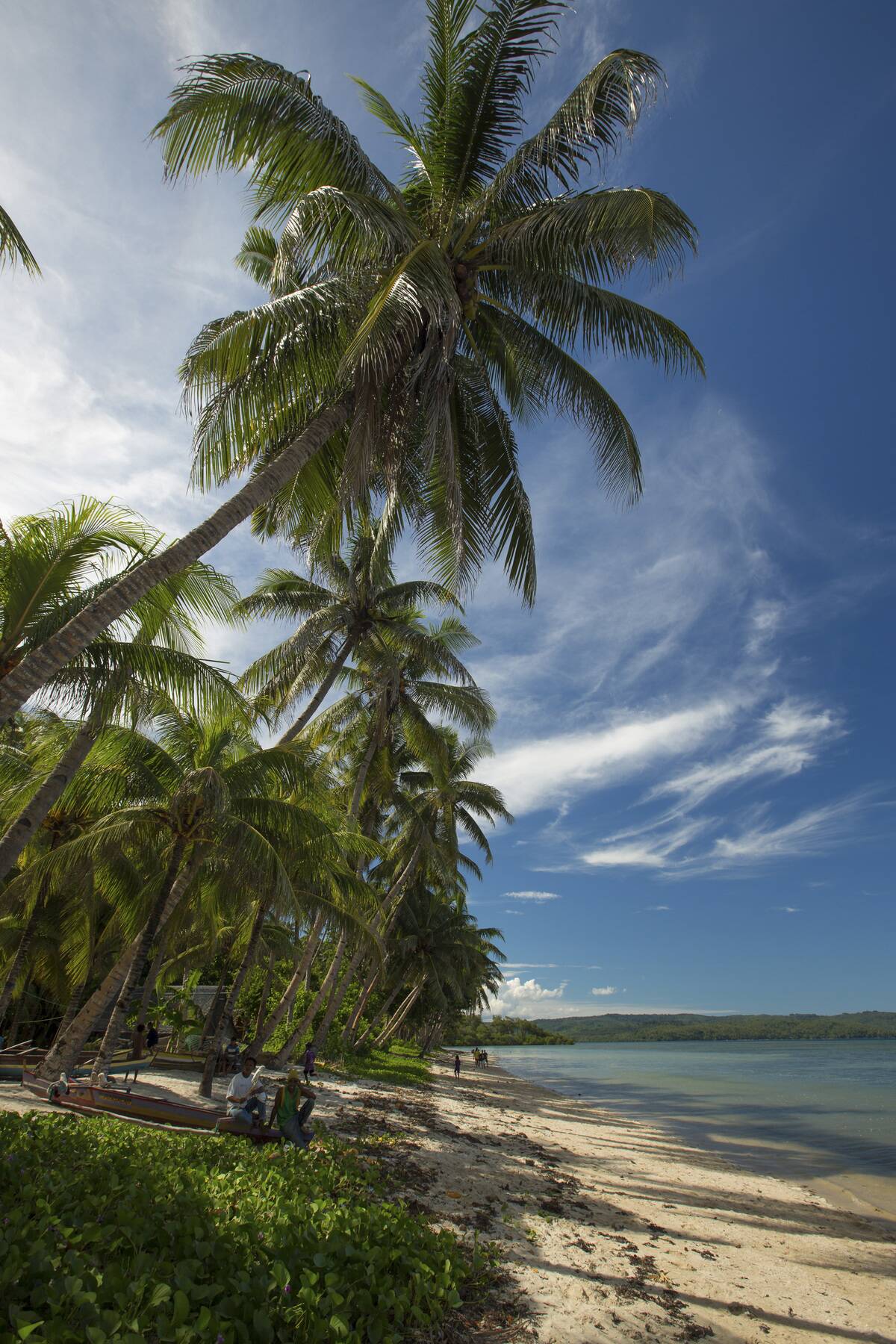
Ferdinand Magellan’s circumnavigation of the globe from 1519 to 1522 was a monumental achievement in maritime exploration. His expedition aimed to find a westward route to the Spice Islands (Maluku Islands), known for their valuable cloves and nutmeg.
Though Magellan himself did not survive the journey, his fleet successfully reached the islands, opening new trade routes and expanding European influence. The Spice Islands remain a symbol of exploration and the global exchange of goods and cultures.
The Hidden Valleys of Papua New Guinea: Michael Leahy’s Exploration
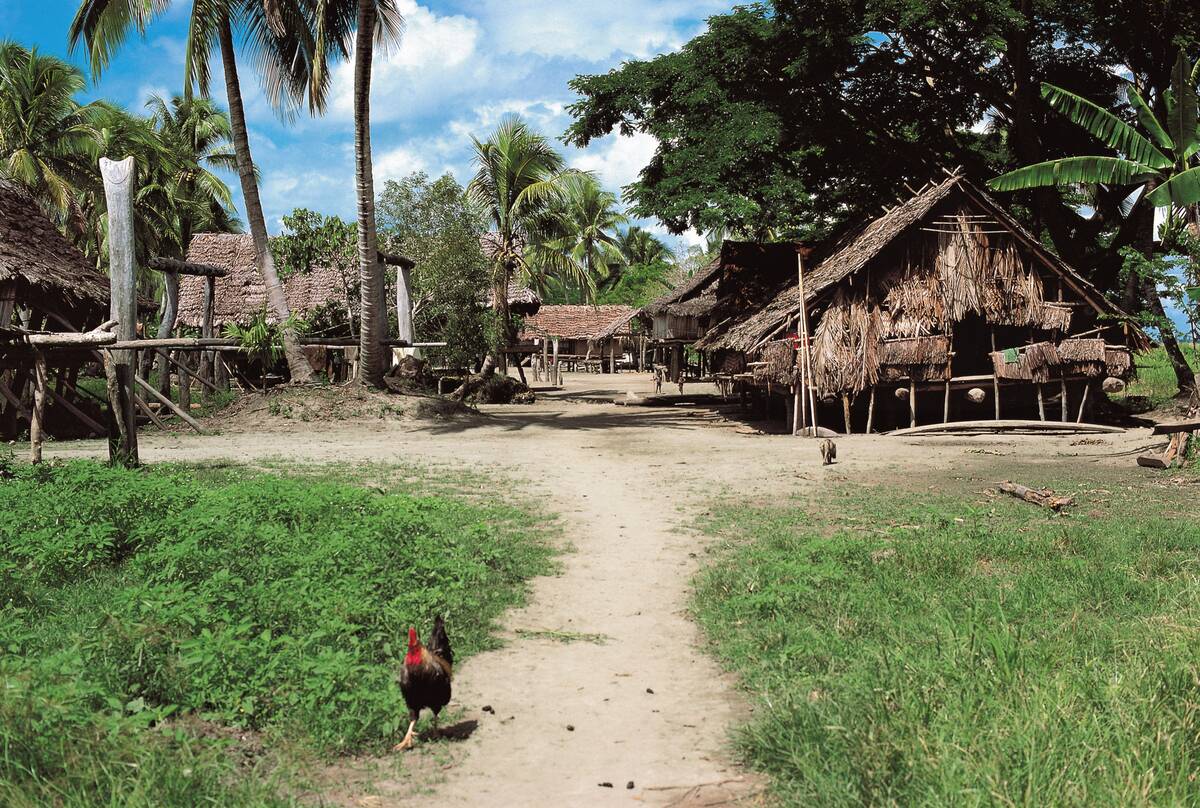
In the 1930s, Australian explorer Michael Leahy ventured into the unexplored highlands of Papua New Guinea, discovering hidden valleys and indigenous communities. His expeditions revealed a rich tapestry of cultures and ecosystems previously unknown to the outside world.
Leahy’s encounters with the highland tribes were among the first documented interactions, providing valuable anthropological insights. Papua New Guinea’s diverse landscapes and cultures continue to intrigue explorers and researchers to this day.
The Untouched Wilderness of Alaska: Vitus Bering’s Northern Quest
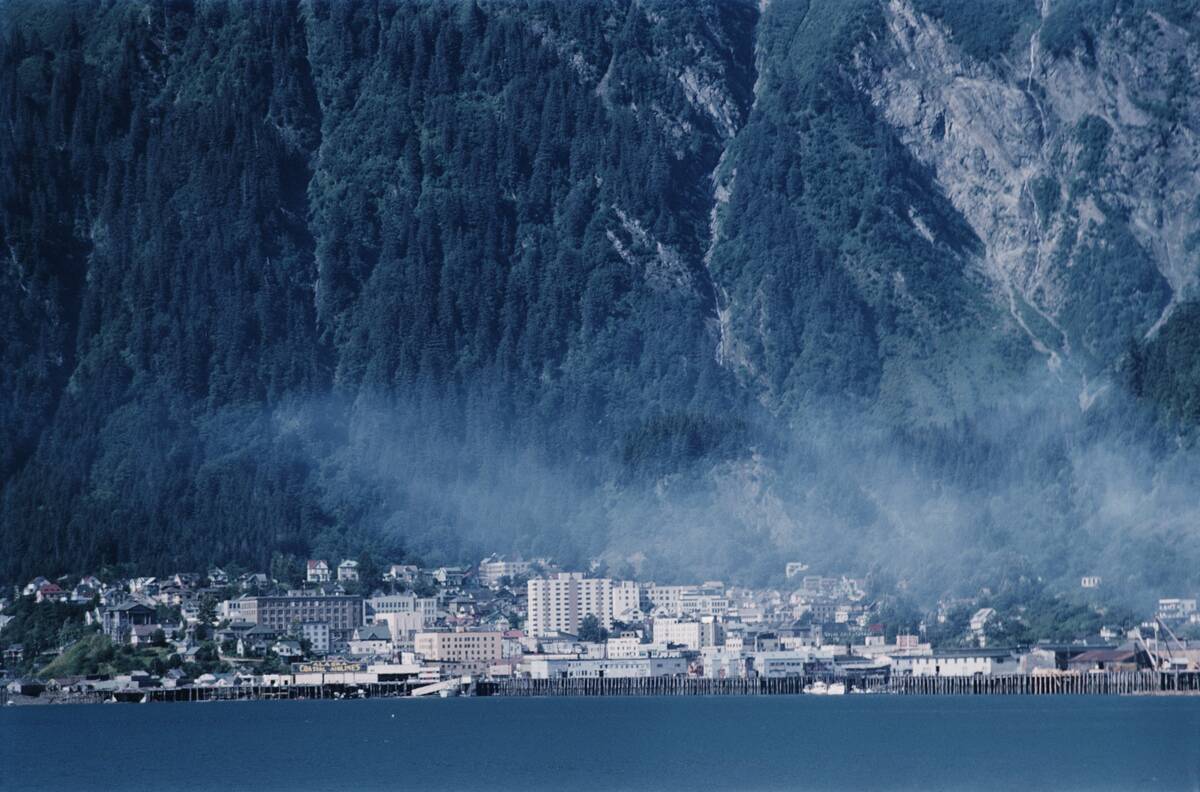
Vitus Bering, a Danish explorer in Russian service, led expeditions to the northern reaches of the Pacific Ocean in the 18th century. His voyages resulted in the discovery of the Bering Strait and the mapping of Alaska’s coastline.
Bering’s exploration opened the door to Russian expansion into North America and increased interest in the region’s natural resources. Alaska’s rugged wilderness, with its vast landscapes and abundant wildlife, remains a testament to the spirit of exploration and discovery.




