What fast food was like before McDonald’s
Before the golden arches became synonymous with fast food, a rich tapestry of quick dining options existed. These early fast food experiences were as diverse as they were innovative, reflecting the changing needs and tastes of society.
From bustling street vendors to the rise of the diner, each played a role in shaping what we now recognize as the fast food industry.
The Birth of Fast Food: A Quick Overview
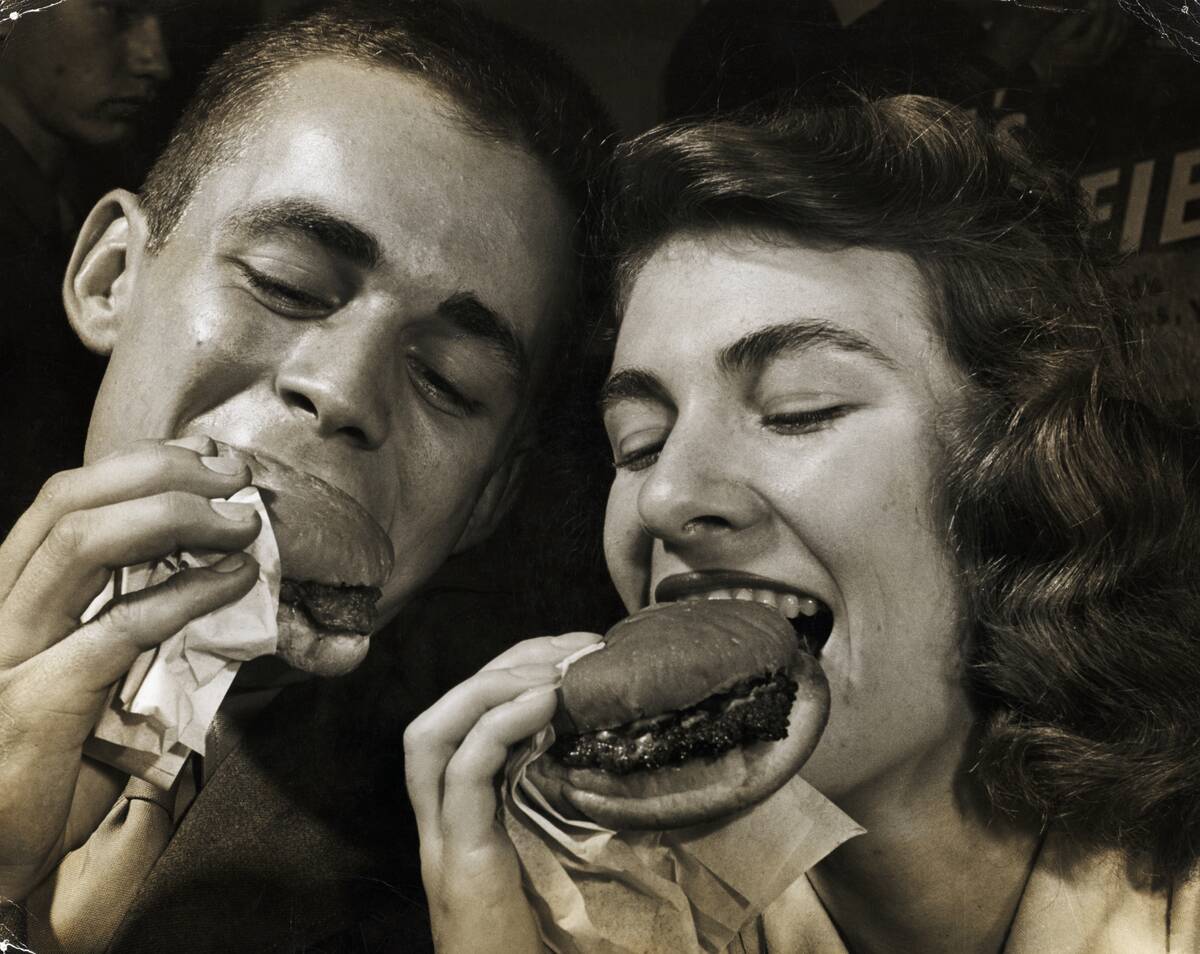
Fast food as we know it began taking shape in the late 19th and early 20th centuries. This period saw a shift towards urbanization, with more people seeking convenient meal options.
The need for quick, affordable food led to the creation of various fast food concepts. These early establishments laid the groundwork for the fast food giants we know today, offering a glimpse into the culinary trends of the past.
Street Vendors: The Original Fast Food Heroes
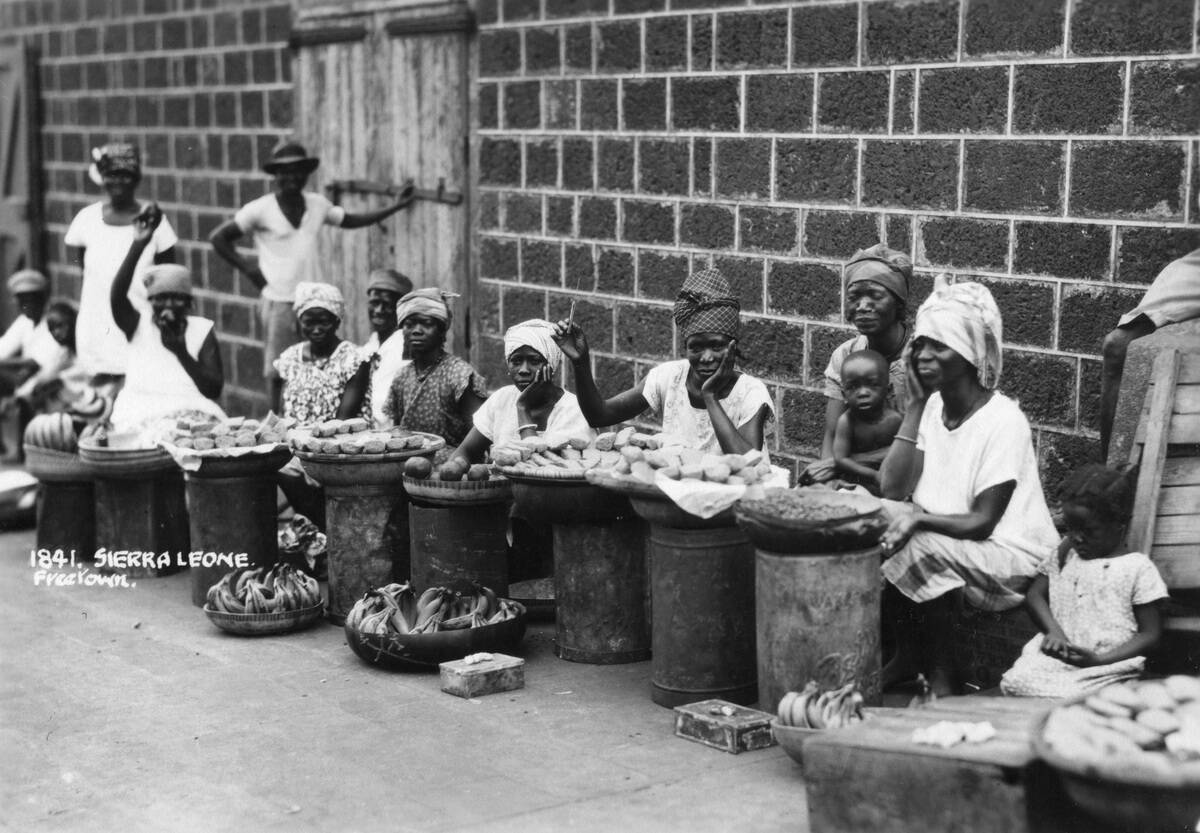
Street vendors were the unsung heroes of early fast food, providing quick meals to bustling city dwellers. In cities like New York, hot dog carts became iconic symbols of on-the-go dining.
These vendors offered a variety of foods, from pretzels to roasted chestnuts, catering to the diverse tastes of their clientele. Their presence on busy streets made them a staple for those seeking a quick bite during their daily routines.
Food Stalls and Markets: The Hub of Quick Bites
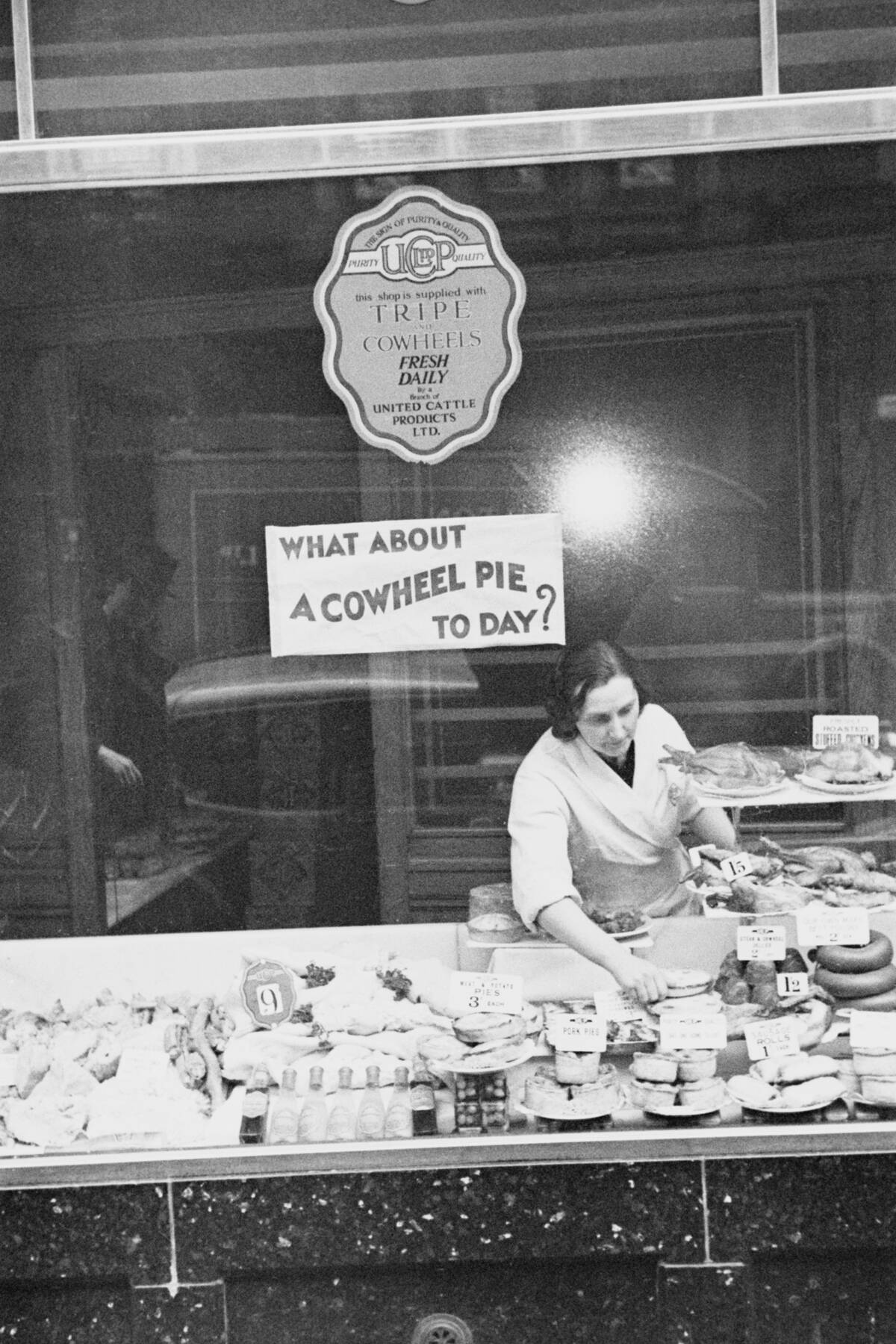
Food stalls and markets were important centers of culinary activity, offering a wide range of quick and affordable meal options. Often located in busy urban areas, these markets attracted workers, residents, and travelers looking for convenient food.
Vendors sold items such as freshly baked bread, pastries, pies, and other local specialties, helping shape the traditions of casual dining. Beyond providing meals, these markets also became important social spaces where communities gathered around food and commerce.
The Influence of Immigrant Cuisines on Fast Food
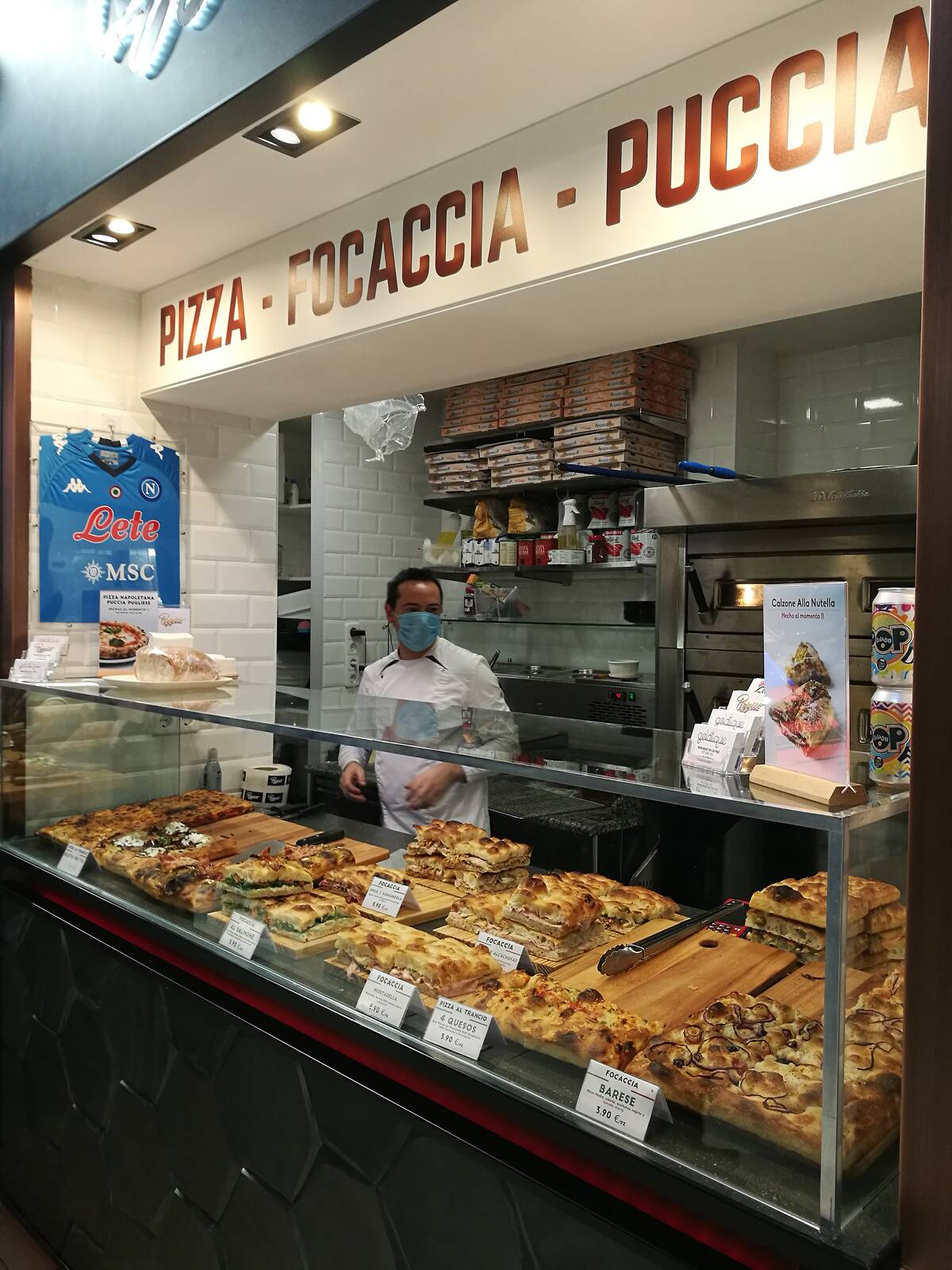
Immigrant cuisines played an important role in shaping America’s evolving food culture and early quick-service dining traditions. Italian immigrants helped popularize pizza in the United States, while Chinese immigrants contributed dishes such as chop suey, a Chinese-American creation that became widely popular.
These culinary influences expanded the variety of affordable dining options available, blending different flavors and traditions into the diverse food landscape that would later influence the fast-food industry.
The Rise of the Automat: Dining with a Dash of Futurism
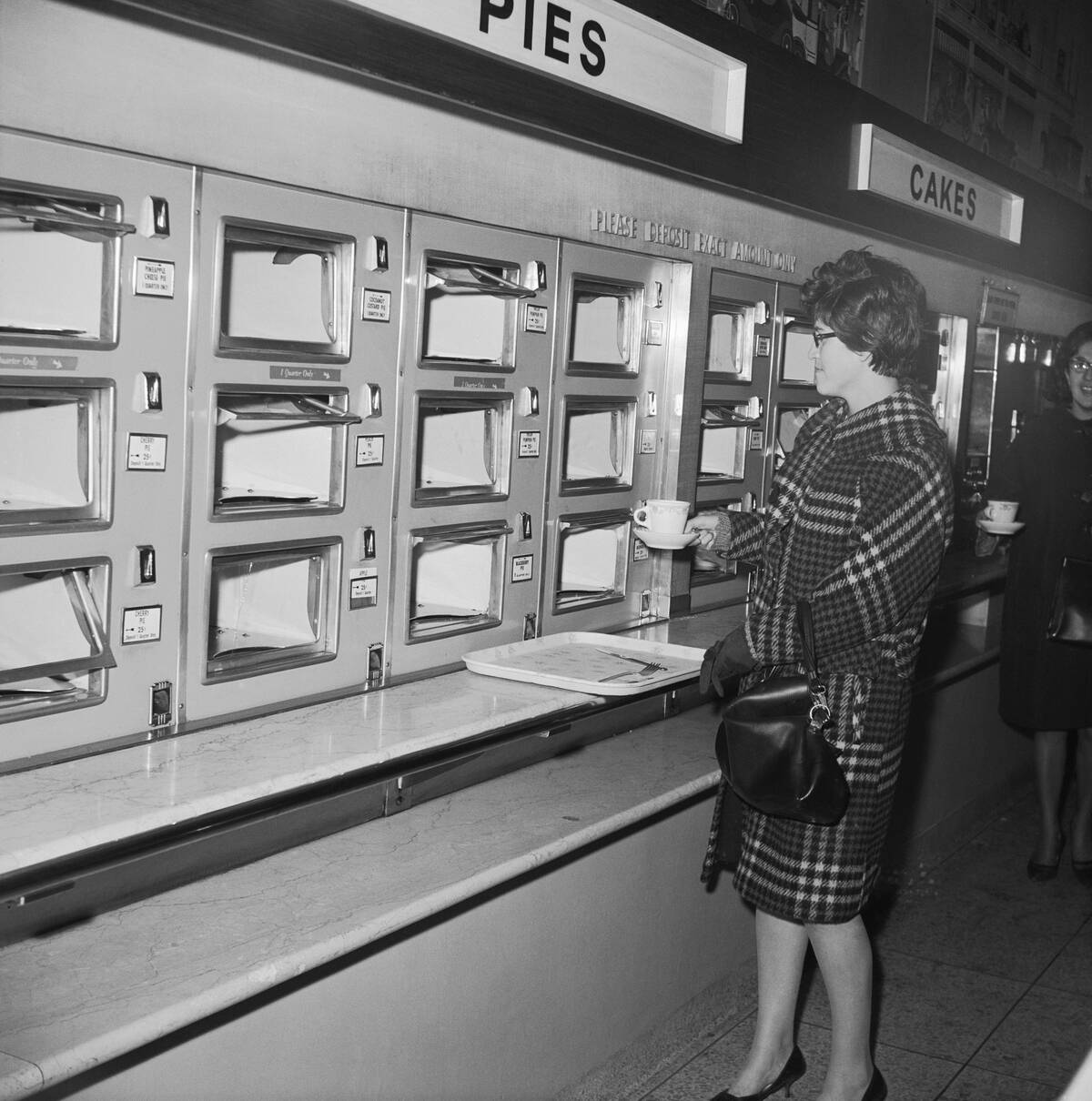
Automats were a revolutionary concept in early fast food, combining convenience with an innovative self-service design. The first American automat was introduced by Horn & Hardart in Philadelphia in 1902, using a system that featured rows of glass-fronted compartments filled with prepared dishes.
Patrons could insert coins to open the compartments and quickly collect their meals, making dining simple and efficient. The futuristic approach became especially popular in urban areas, where automats offered affordable food to busy city resident
Soda Fountains: The Social Hubs of the Early 20th Century
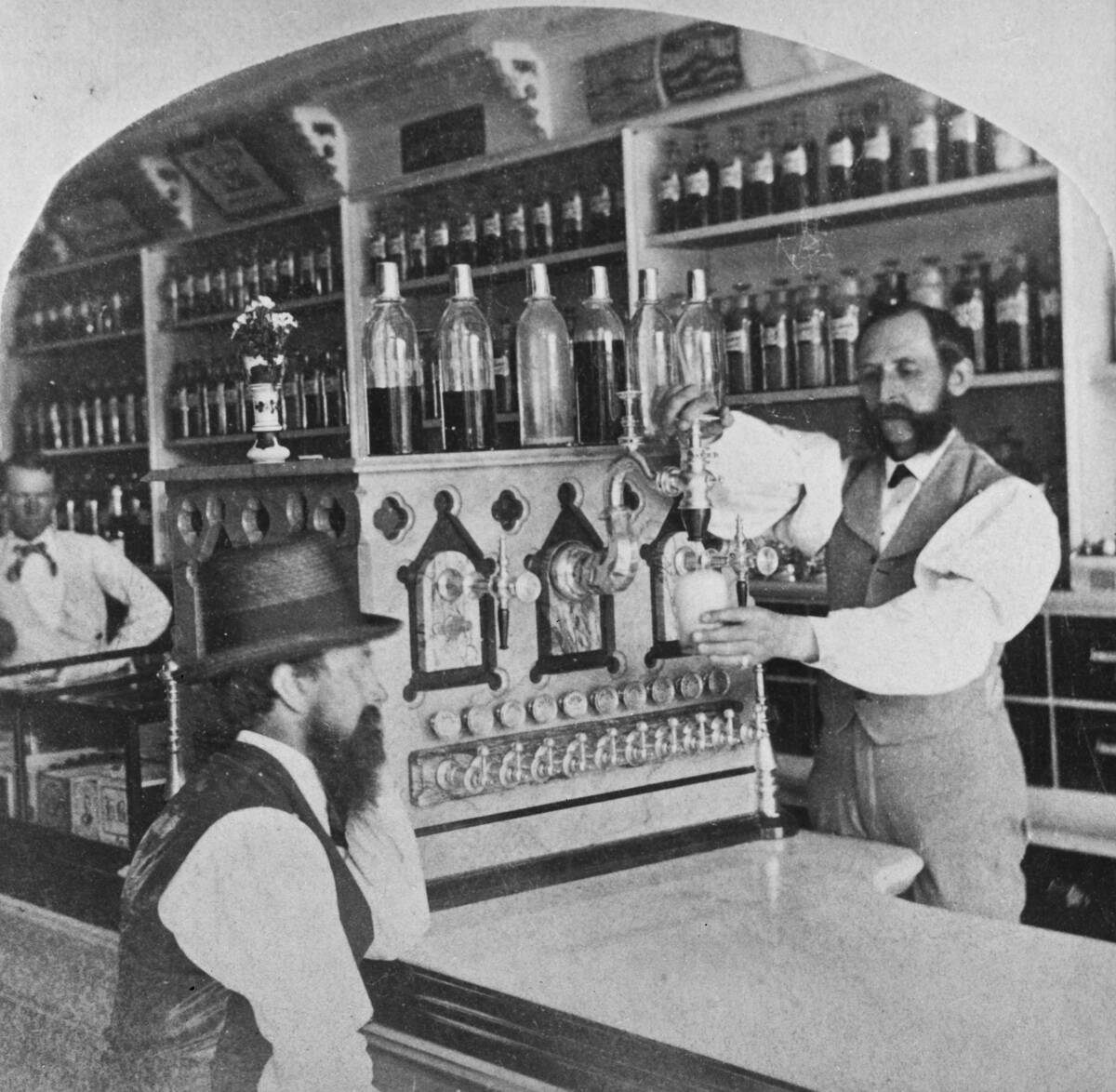
Soda fountains were more than just places to grab a fizzy drink; they were social hubs where people gathered to relax and socialize. Located in drugstores and ice cream parlors, these fountains offered a variety of beverages and light snacks.
The popularity of soda fountains soared in the early 20th century, becoming a beloved part of American culture. They provided a casual setting for people to meet and enjoy a refreshing treat.
Drive-Ins: The Beginnings of Car Culture and Fast Food
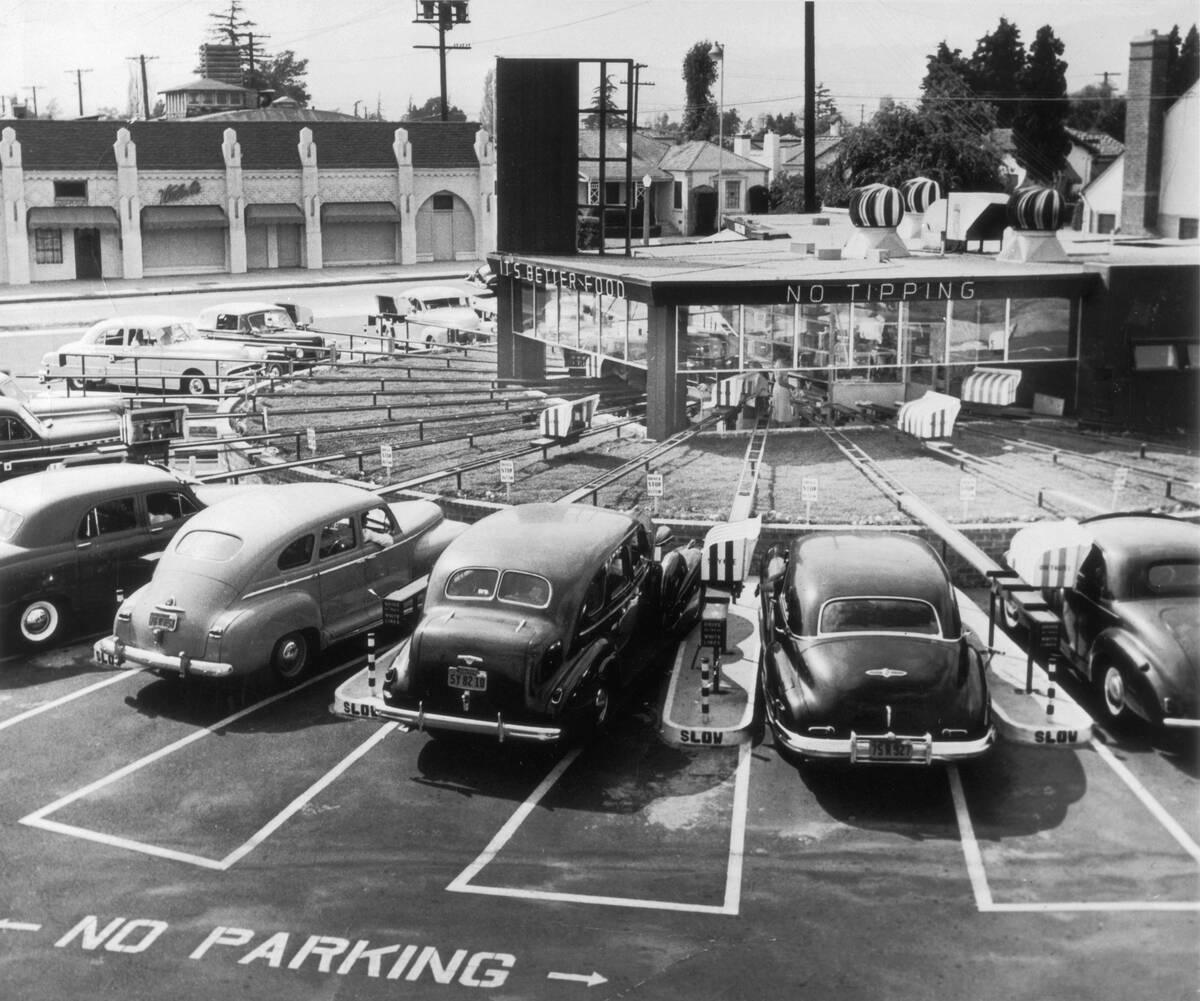
Drive-ins marked the intersection of car culture and fast food, offering a new dining experience designed around the automobile. The Pig Stand, which opened in Dallas, Texas, in 1921, is often credited as the first drive-in restaurant.
Patrons could order meals from carhops and enjoy their food without leaving their vehicles, a convenience that quickly gained popularity. Drive-ins became a symbol of America’s growing love for automobiles, creating a unique and leisurely way to experience fast food.
Hot Dog Stands: A Staple of American Fast Food
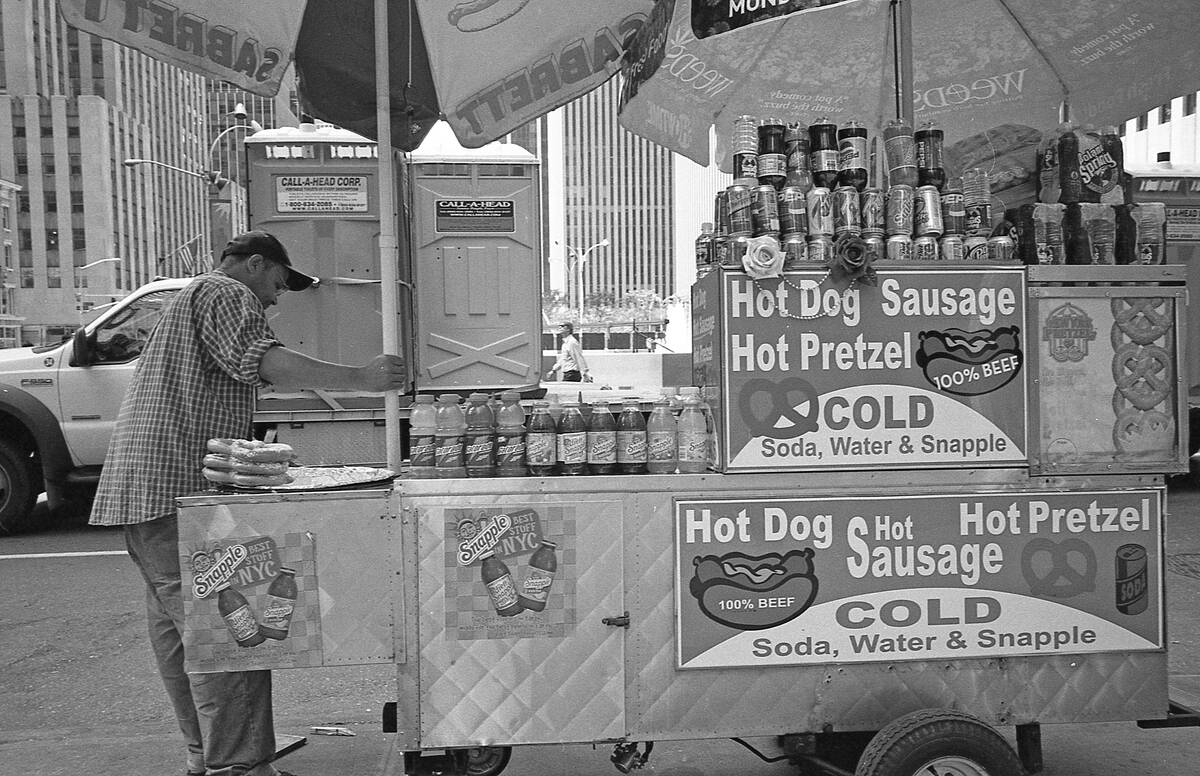
Hot dog stands have long been a staple of American fast food, offering a simple yet satisfying meal option. The iconic Nathan’s Famous, founded in 1916 on Coney Island, is a testament to the enduring popularity of hot dogs.
These stands provided a quick and affordable meal for people on the go, becoming a beloved part of American culinary culture. The humble hot dog continues to be a favorite at ballparks and street corners nationwide.
The Diner Phenomenon: Fast Food with a Personal Touch
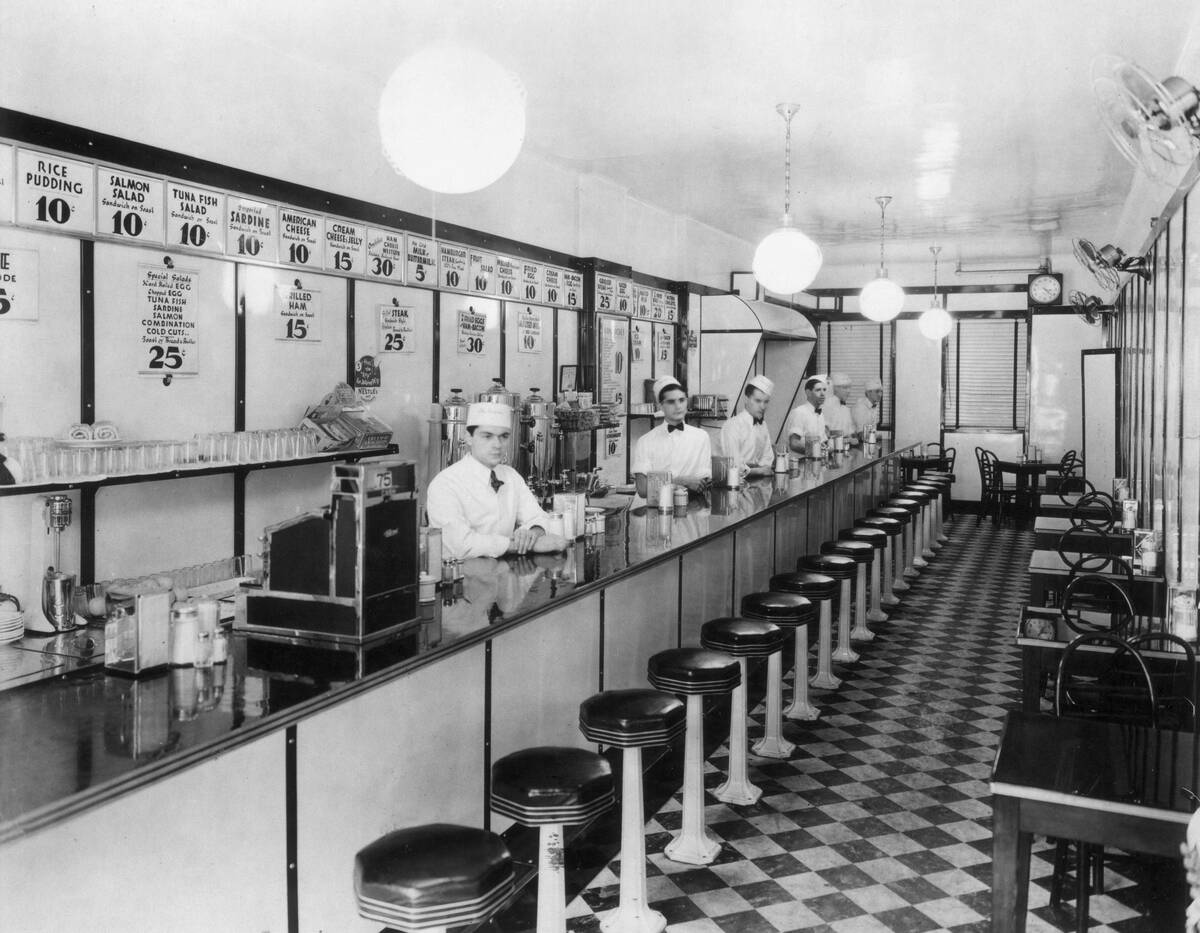
Diners offered a personal touch to quick-service dining, combining efficient service with a cozy and welcoming atmosphere. These establishments became especially popular in the 1920s and 1930s, serving affordable comfort foods such as burgers, sandwiches, eggs, and pies.
Known for their friendly service and homey feel, diners became favorite gathering places for local communities. Their combination of convenience, affordability, and hospitality made them an important part of American dining culture and helped shape the evolution of casual food service.
The Role of Railroads in Fast Food Evolution
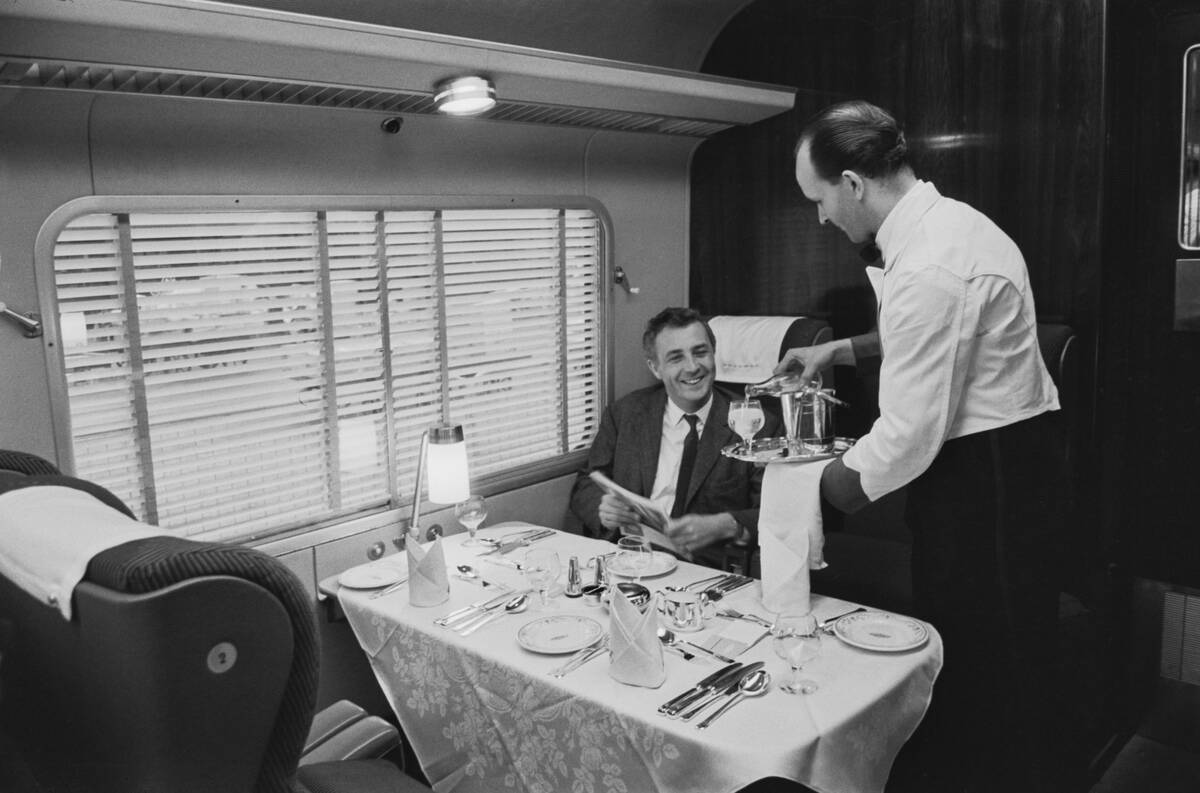
Railroads played an important role in the evolution of American food culture by improving the transportation of ingredients, goods, and regional culinary traditions across the country. Dining cars on trains provided passengers with convenient meals during long journeys, while the expanding railroad network helped introduce people to foods from different regions.
This increased connectivity contributed to a more diverse national palate and influenced the development of future dining trends, including the growth of quick-service restaurants.
The Advent of the Hamburger: A Pre-McDonald’s Icon
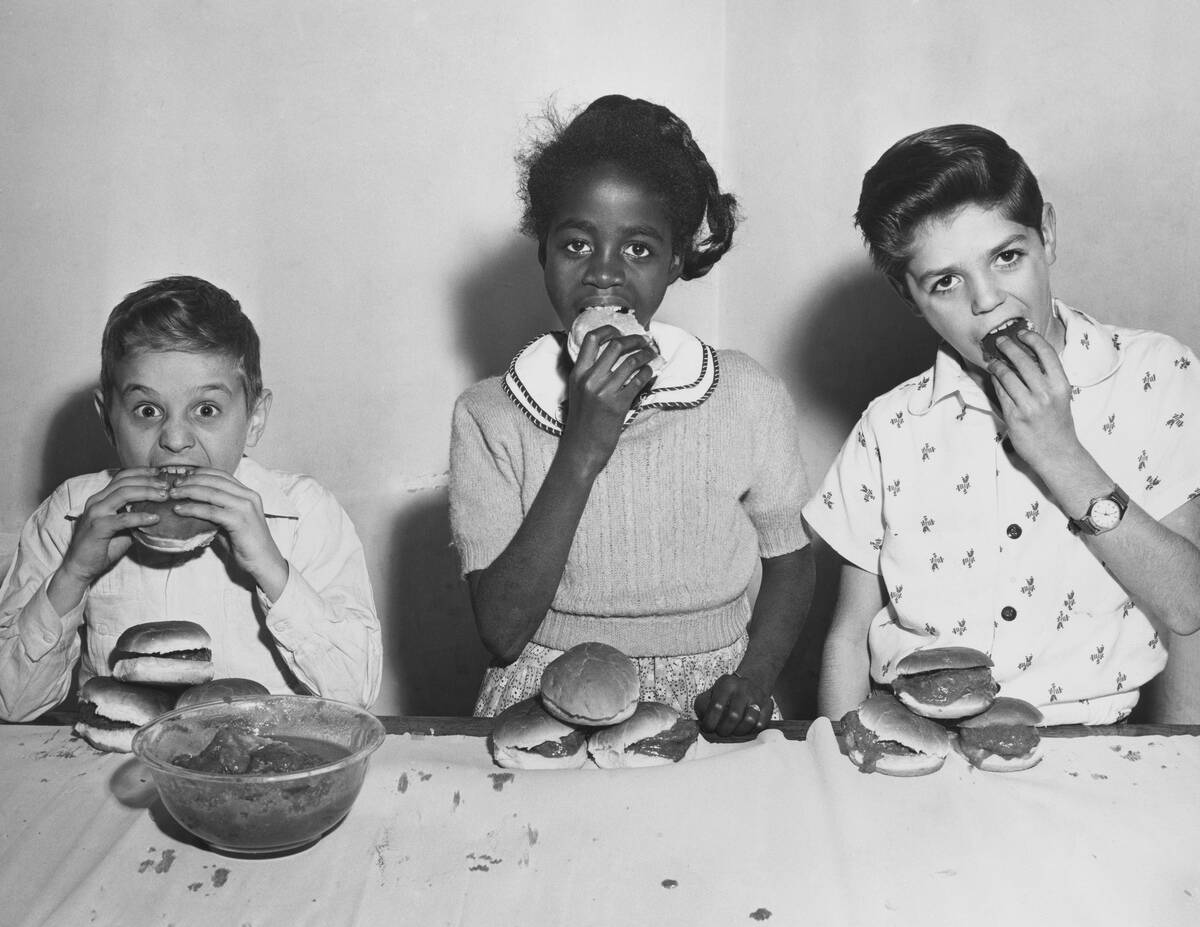
The hamburger became a pre-McDonald’s icon, gaining popularity across America through diners, lunch counters, and early restaurants. White Castle, founded in 1921, helped transform the hamburger into a standardized fast-food staple with its small, square burgers known as sliders.
The affordability, consistency, and convenience of these burgers made them a success and influenced the menus of future fast-food chains. This iconic sandwich became a defining symbol of American fast food culture.
Ice Cream Parlors: Sweet Treats on the Go
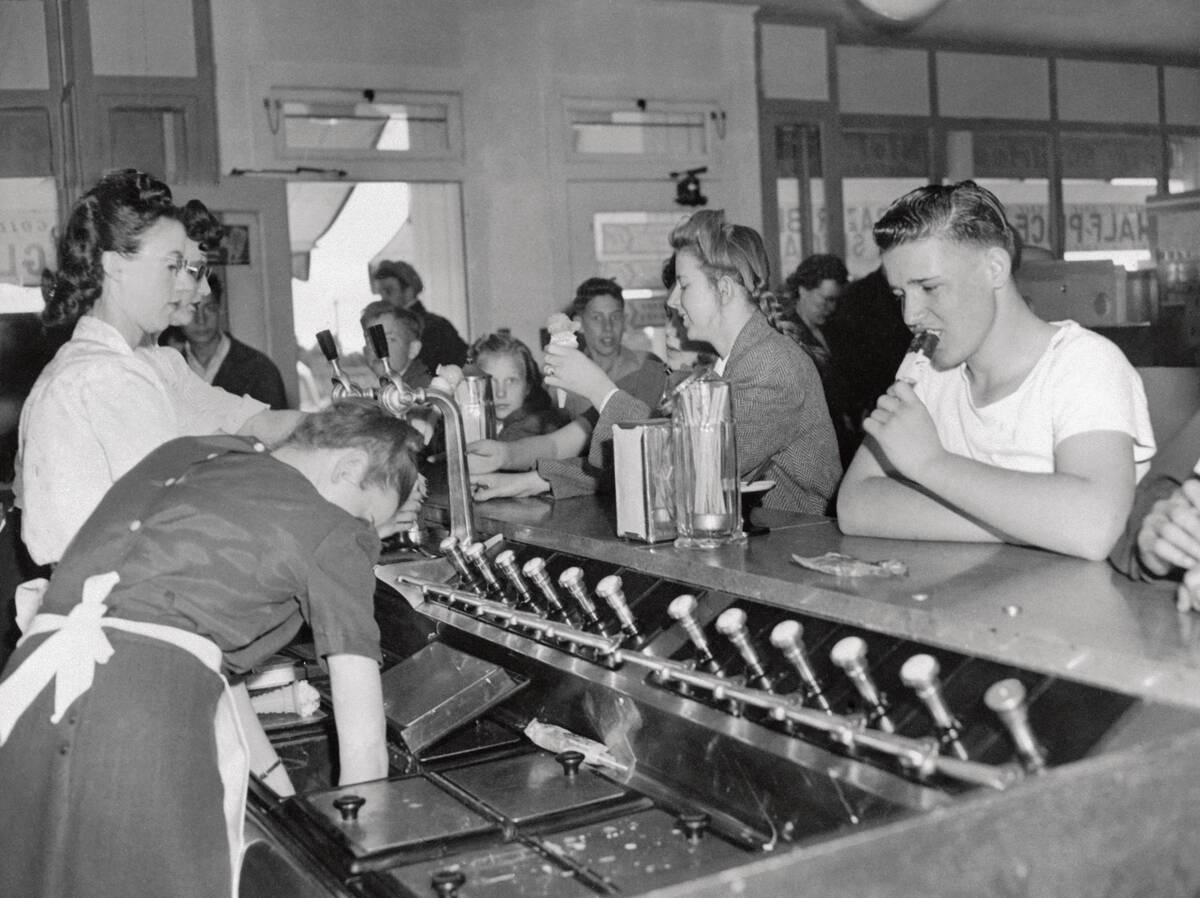
Ice cream parlors offered sweet treats that delighted customers with a variety of flavors, sundaes, and frozen desserts. These establishments became popular gathering spots, especially during the warmer months, where people could socialize while enjoying a favorite treat.
The 1904 World’s Fair in St. Louis helped popularize the ice cream cone in America, changing the way many people enjoyed the dessert. Ice cream parlors became a memorable part of American food culture, offering a refreshing escape and a place to share a simple indulgence.
The Impact of World War II on Fast Food Development
World War II influenced food production and consumer habits through rationing, shortages, and the need for efficient meal preparation. While the modern fast-food industry developed more fully after the war, wartime innovations in food systems and logistics contributed to changing expectations around convenience.
In the post-war era, economic growth, suburban expansion, and increased automobile ownership fueled demand for quick dining options. These changes helped create the conditions for the fast-food boom that transformed American eating habits in the following decades.
The Transition from Local to National: Chain Restaurants Before McDonald’s
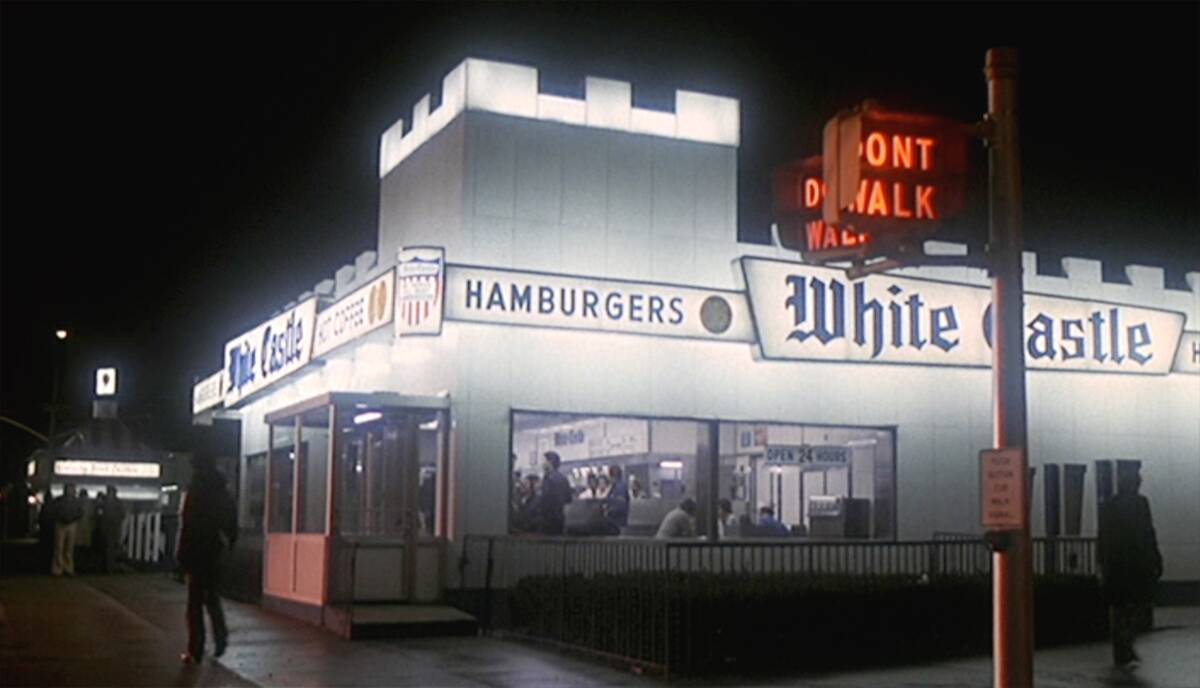
Before McDonald’s, several chain restaurants paved the way for the national fast food phenomenon. White Castle and A&W were among the first to expand beyond local markets, offering consistent quality and branding.
These early chains demonstrated the potential for nationwide success, setting the stage for the future growth of the fast food industry. Their pioneering efforts laid the groundwork for the widespread reach of fast food chains we see today.




