Machines that transformed everyday life
Machines have woven themselves into the fabric of our daily lives, evolving from simple tools to complex systems that shape how we live, work, and play. From the printing press to the smartphone, each invention has left an indelible mark on society.
As technology advances, these machines continue to redefine our capabilities and expand our horizons, making the impossible possible and the improbable routine.
The Printing Press: Revolutionizing the Spread of Information
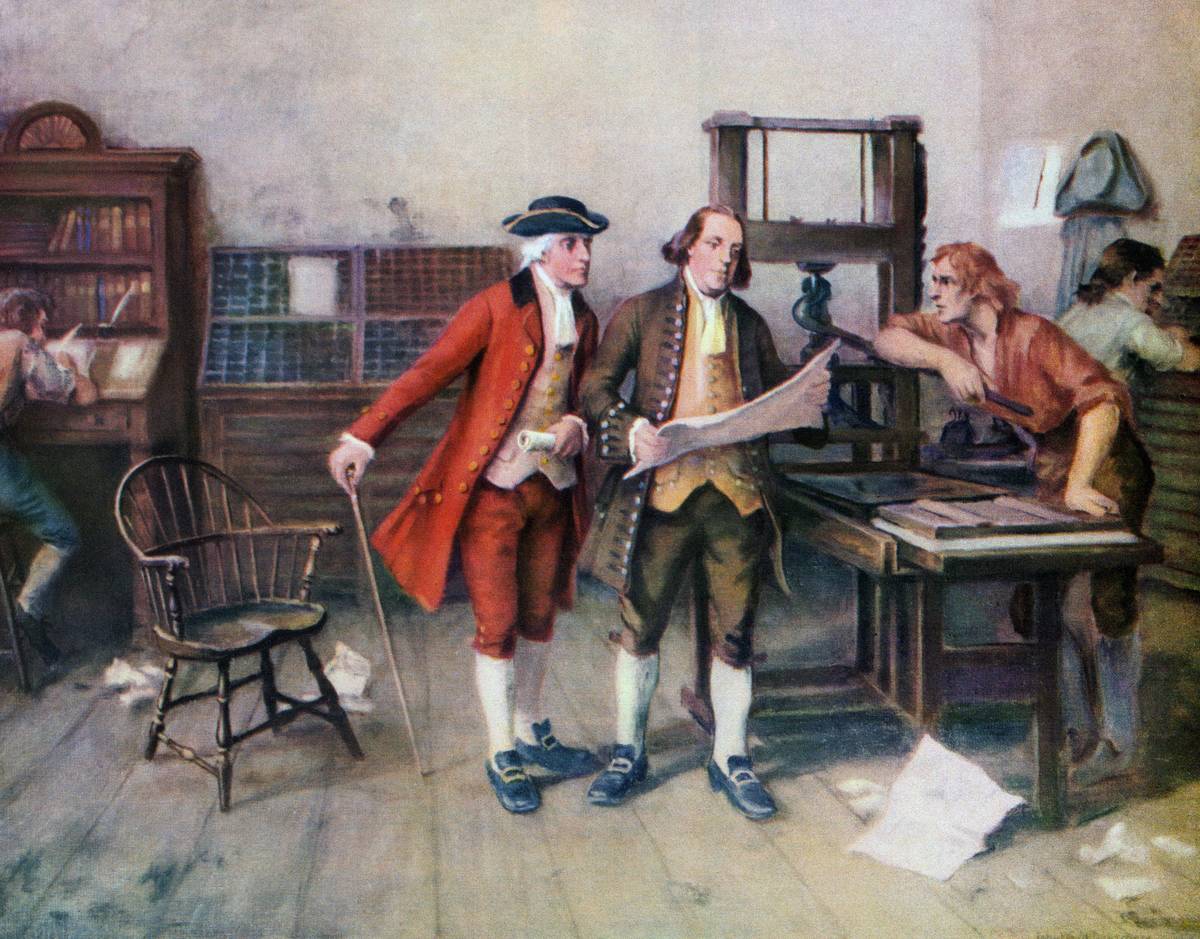
The printing press, invented by Johannes Gutenberg in the 15th century, was a game-changer for the dissemination of knowledge. Before its invention, books were painstakingly copied by hand, making them scarce and expensive.
With the printing press, books became more accessible, fueling education and literacy. This innovation laid the groundwork for the Renaissance, the Reformation, and the Scientific Revolution, as ideas could now spread like wildfire.
The Steam Engine: Powering the Industrial Revolution
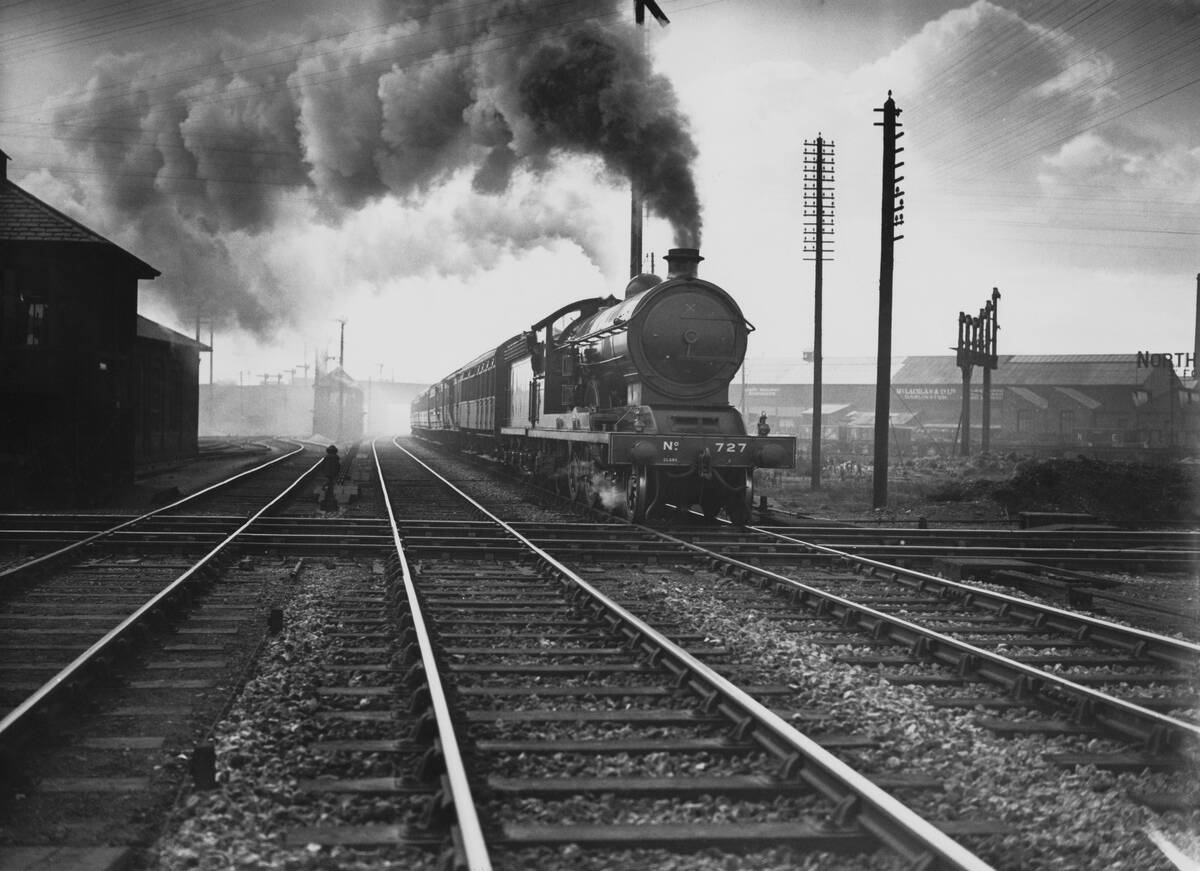
The steam engine, perfected by James Watt in the late 18th century, was the powerhouse behind the Industrial Revolution. It transformed industries by providing a reliable and efficient source of power, replacing manual labor and animal strength.
Factories could now operate on a larger scale, leading to mass production and urbanization. The steam engine also revolutionized transportation, with steam-powered trains and ships shrinking distances and connecting the world like never before.
The Sewing Machine: Transforming Fashion and Home Life
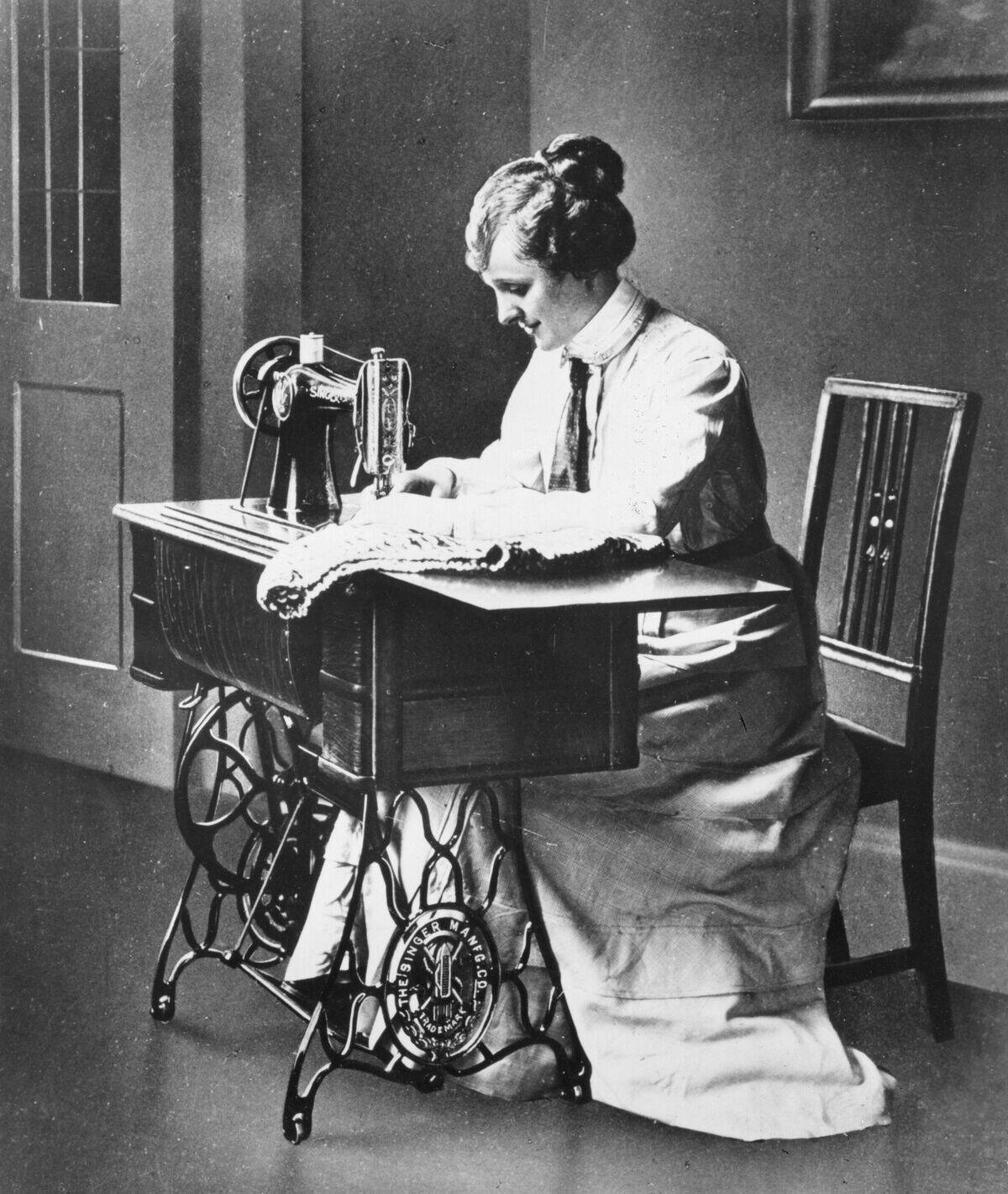
The sewing machine, patented by Elias Howe in 1846, revolutionized the textile industry and home life. Before its invention, clothing was hand-stitched, a time-consuming process. The sewing machine sped up production, making fashion more affordable and accessible.
It also empowered women, as they could now produce garments more efficiently, both at home and in factories, contributing to the burgeoning garment industry and altering the landscape of fashion forever.
The Telegraph: Shrinking Distances with Instant Communication
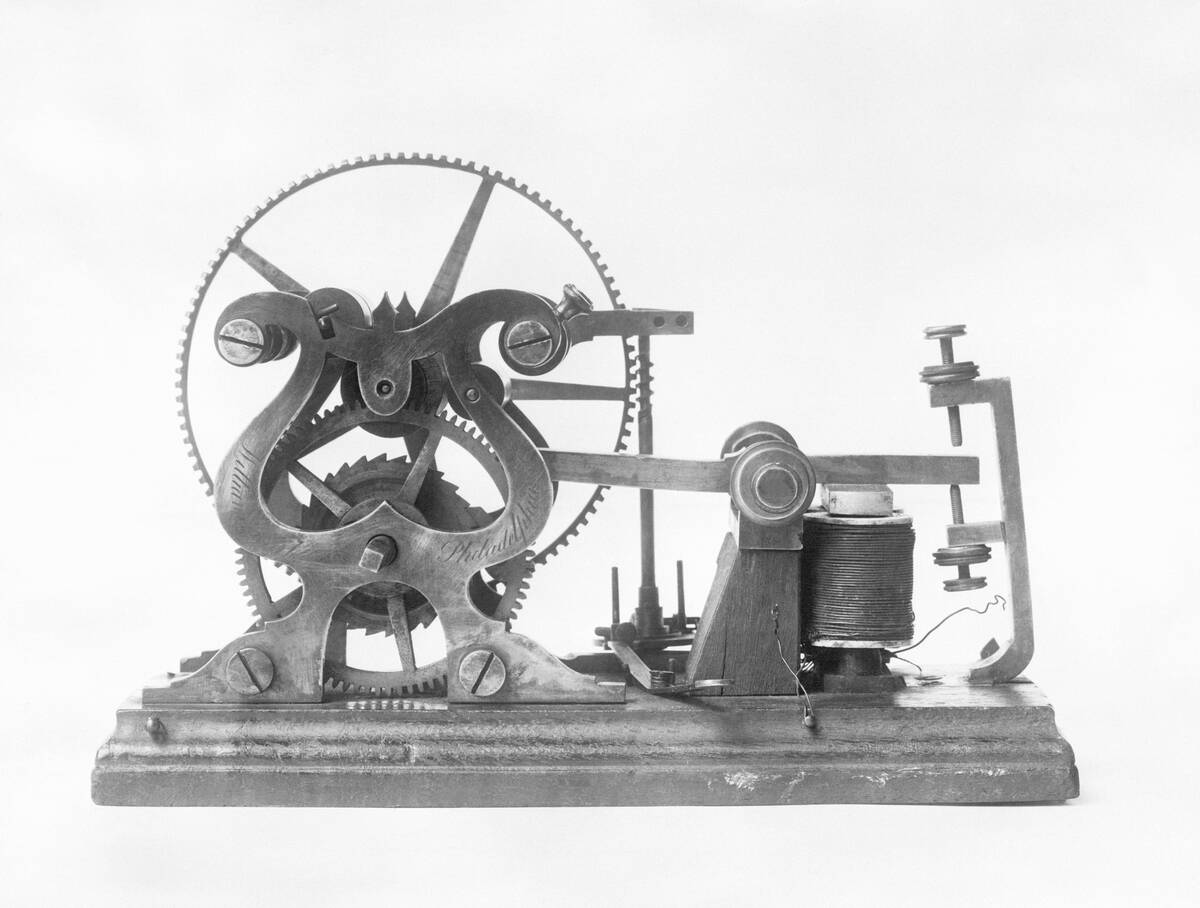
Samuel Morse’s telegraph, developed in the 1830s and 1840s, was the first form of instant long-distance communication. Before the telegraph, messages traveled at the speed of a horse or ship. With Morse code, information could be sent across continents in mere minutes.
This innovation connected people and businesses, facilitating commerce and news dissemination, and was instrumental during wars, where timely communication could mean the difference between victory and defeat.
The Telephone: Bringing Voices to Every Home
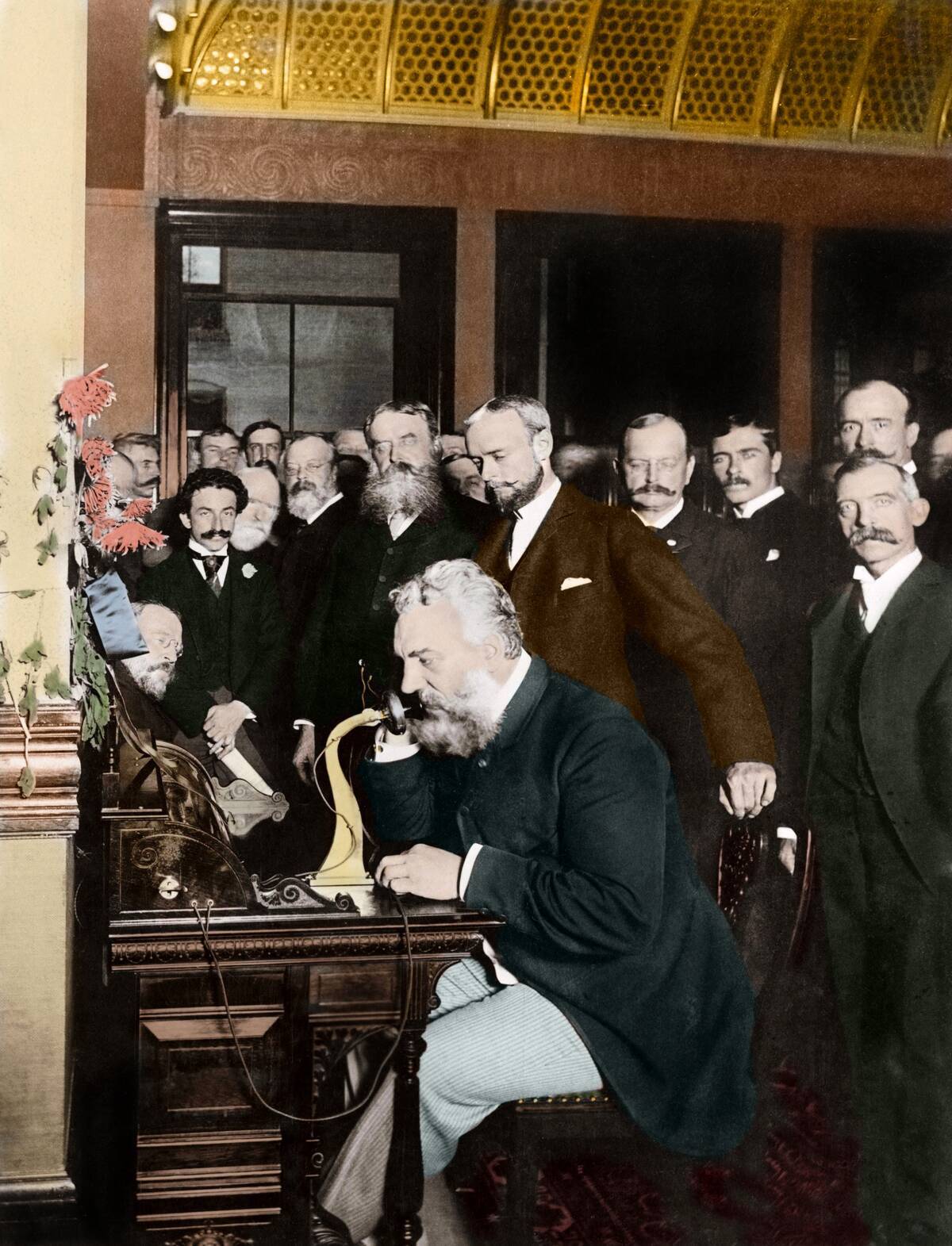
Alexander Graham Bell’s invention of the telephone in 1876 brought the human voice into homes and businesses worldwide. Unlike the telegraph, which required knowledge of Morse code, the telephone was user-friendly, allowing people to communicate in real-time with ease.
This invention not only connected families and friends but also revolutionized business operations, enabling instant communication and transforming the way we interact on a daily basis.
The Light Bulb: Illuminating the Night
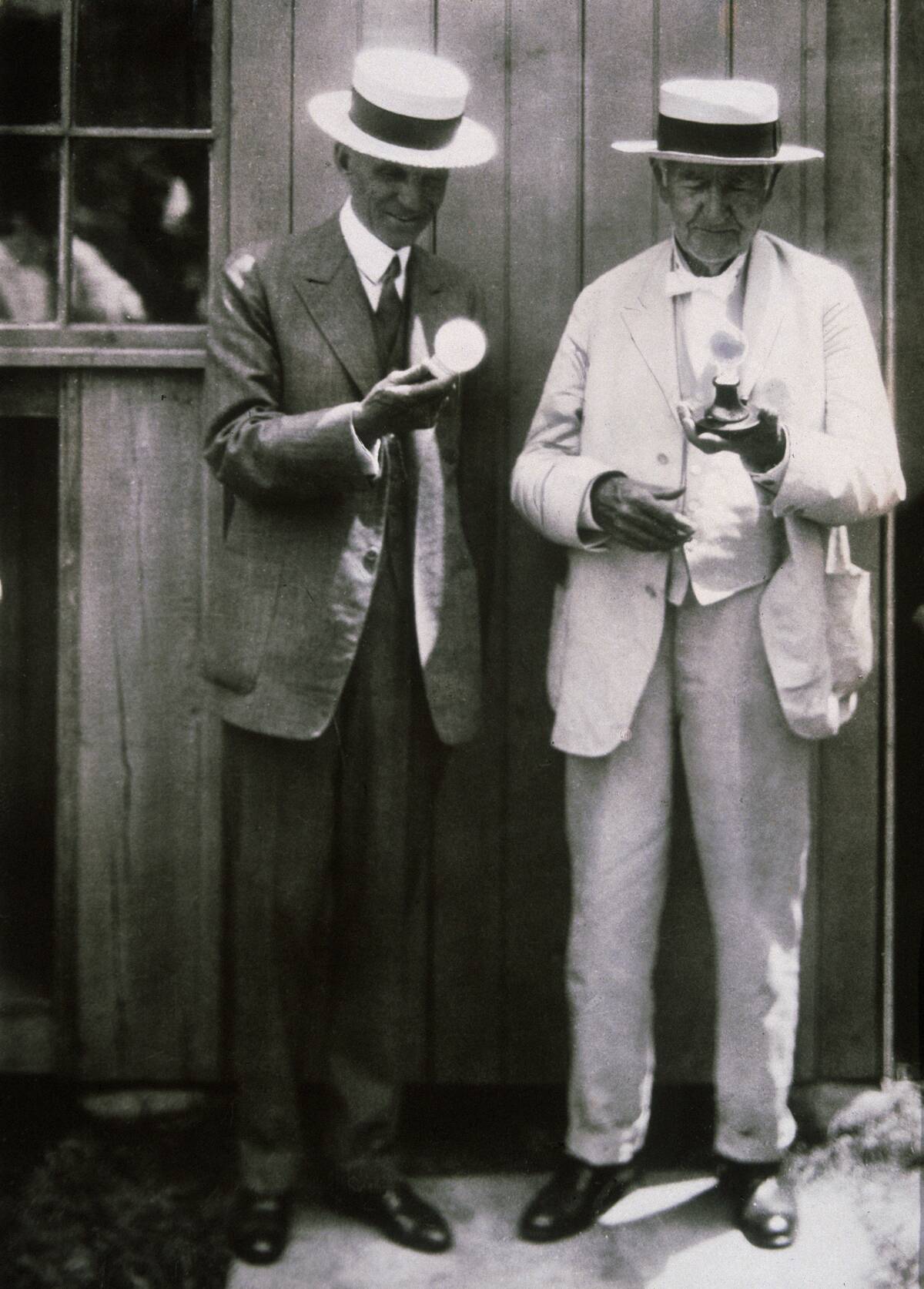
Thomas Edison’s light bulb, patented in 1879, brightened the world by providing a reliable and safe source of light. Before electric lighting, homes and streets were dimly lit by candles or gas lamps, which were both hazardous and inefficient.
The light bulb extended productive hours beyond daylight, revolutionizing industries and lifestyles. It paved the way for electrification, leading to a host of other innovations that have since shaped modern life.
The Automobile: Redefining Mobility and Freedom
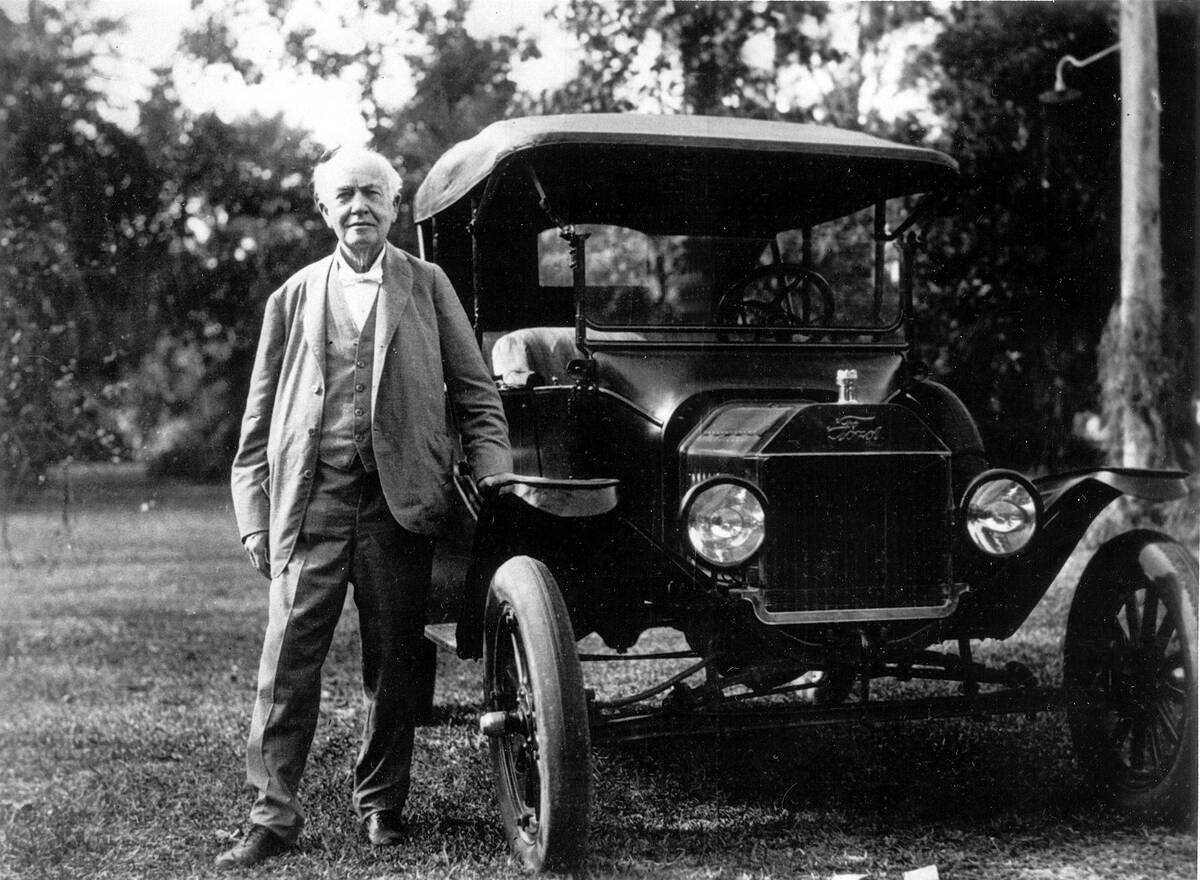
The automobile, with Henry Ford’s Model T debuting in 1908, transformed personal transportation. Cars offered unprecedented freedom, allowing people to travel independently and explore new places.
The automobile industry spurred economic growth, creating jobs and boosting related industries like oil and steel. It also reshaped urban landscapes, leading to the development of suburbs and road networks, fundamentally altering how and where we live and work.
The Radio: Broadcasting Entertainment and News
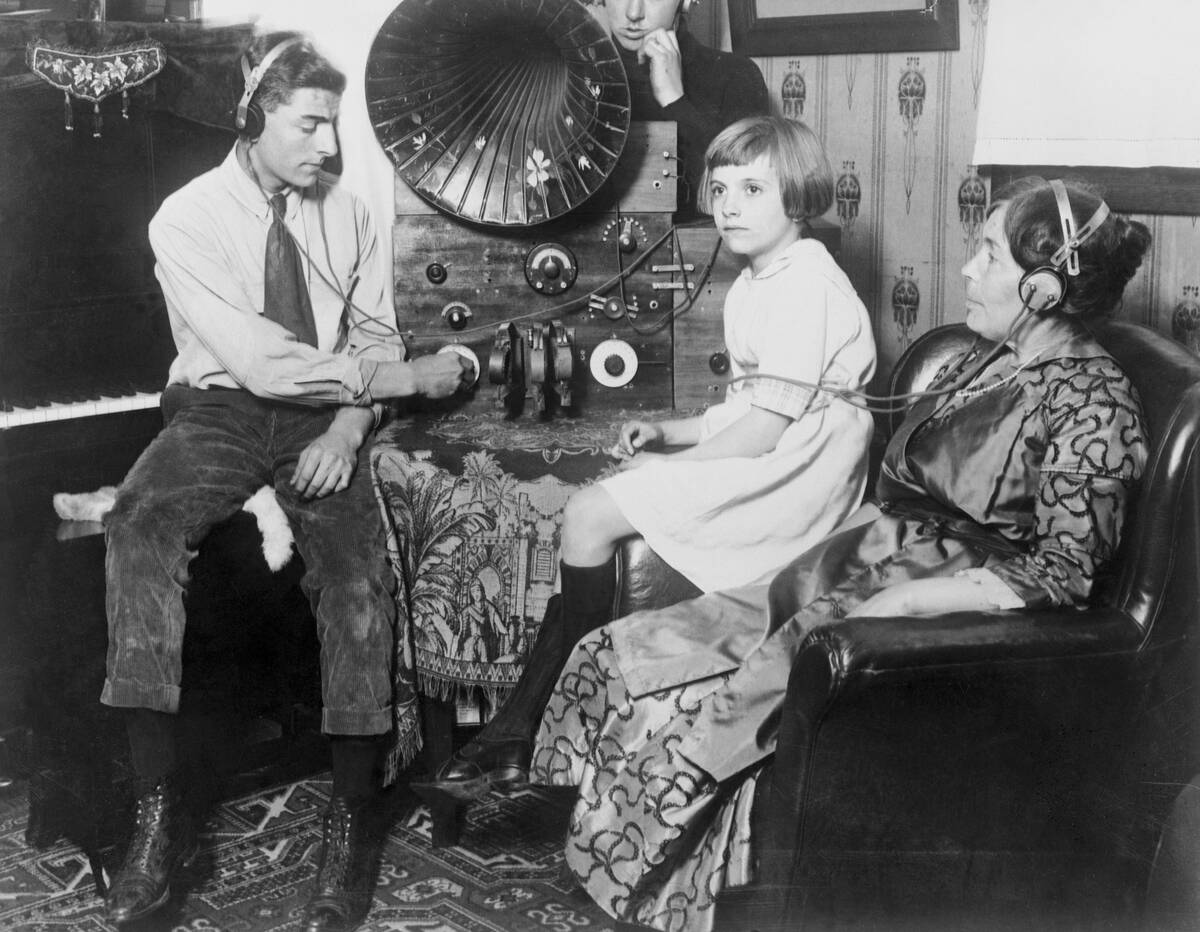
The radio, which gained popularity in the 1920s, brought entertainment and news into homes across the globe. It was the first medium to offer real-time broadcasts, connecting people to events as they happened.
Families gathered around the radio for news, music, and serialized dramas, creating a shared cultural experience. The radio also played a crucial role in wartime communication and propaganda, influencing public opinion and morale.
The Television: Bringing the World into the Living Room
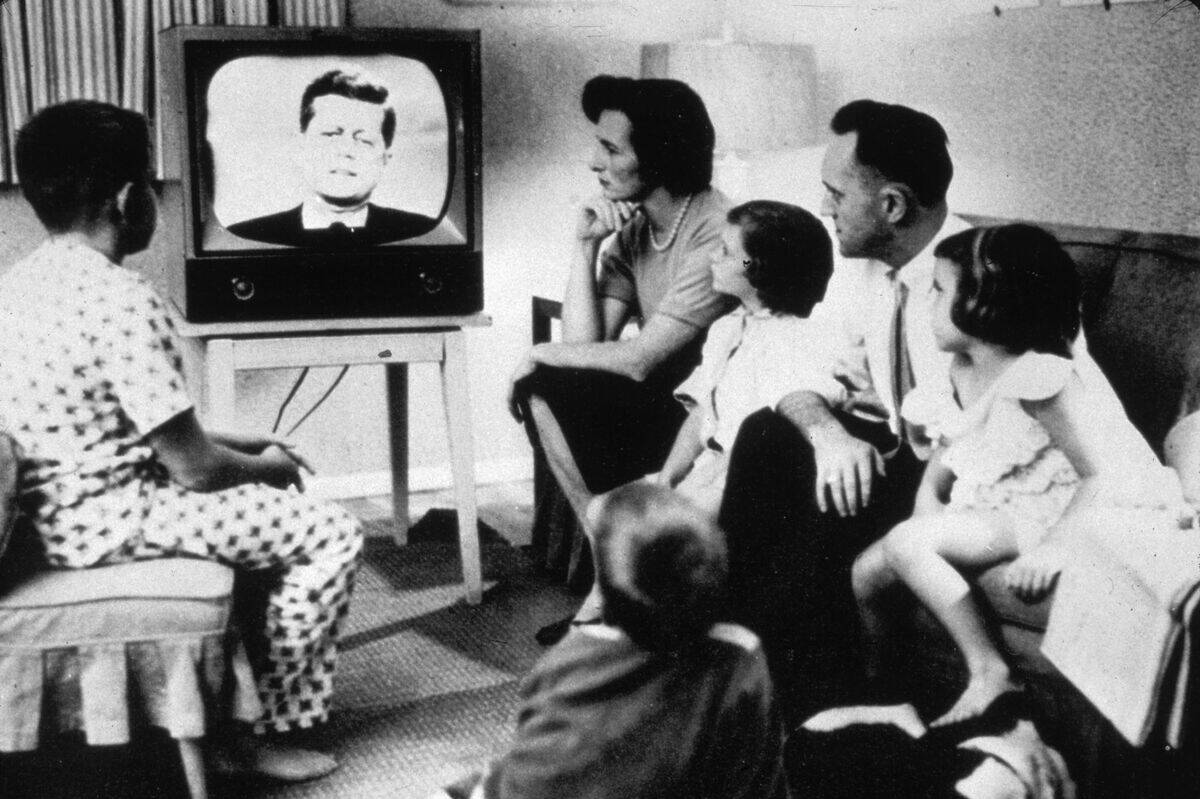
Television, which became widespread in the 1950s, transformed entertainment and information consumption. It brought moving images and sound into living rooms, offering a window to the world.
TV became a powerful medium for news, education, and entertainment, influencing culture and politics. It created a shared experience for viewers, from iconic shows to historic events, shaping public consciousness and becoming a central part of daily life.
The Personal Computer: Launching the Digital Age
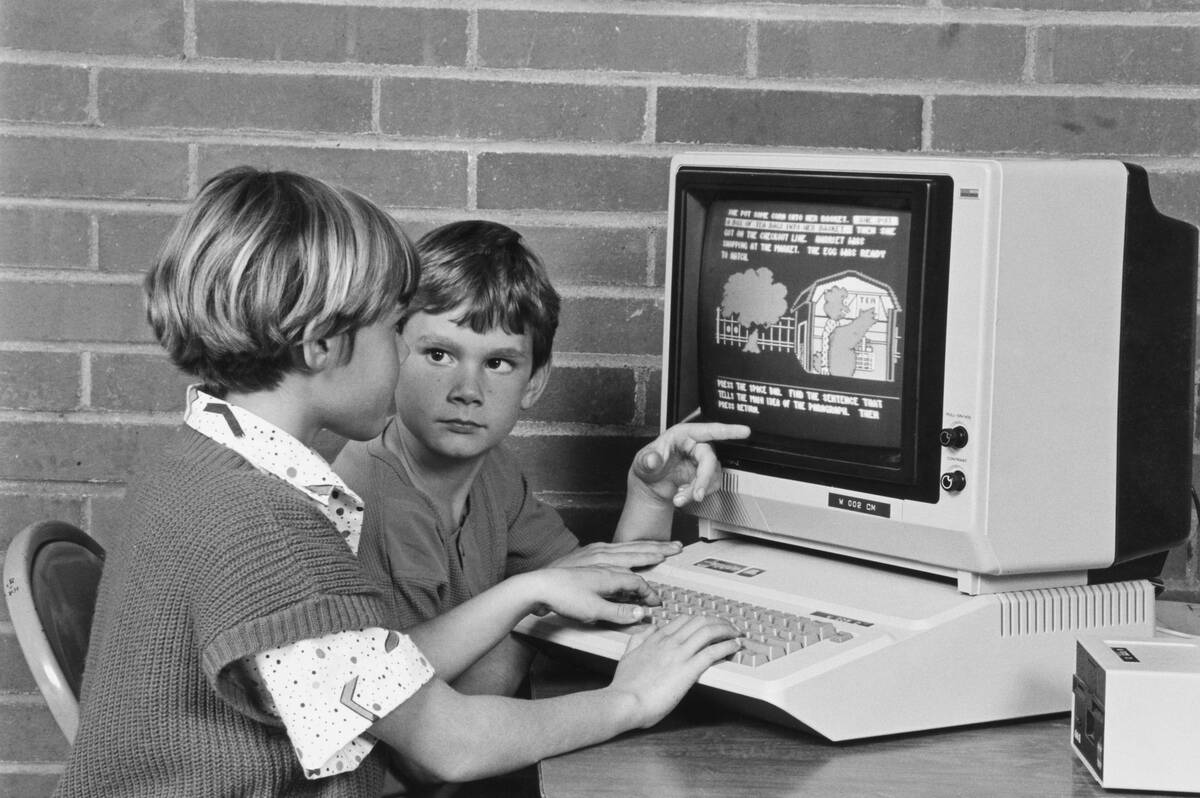
The personal computer, popularized by companies like Apple and IBM in the late 20th century, revolutionized how we work and play. PCs brought computing power to individuals, enabling tasks from word processing to gaming.
They democratized information access and laid the foundation for the digital age. As computers became more affordable and powerful, they transformed industries, education, and communication, making them indispensable tools in modern society.
The Internet: Connecting the Globe
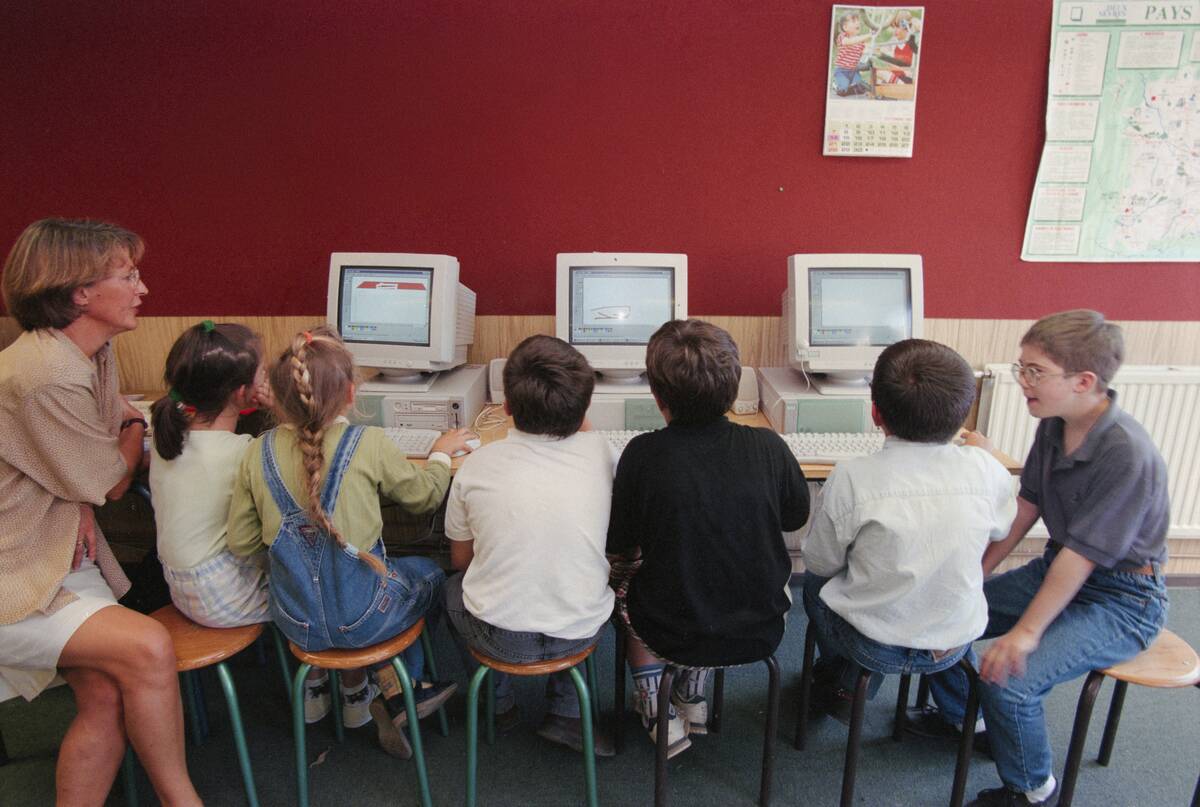
The internet, which exploded in the 1990s, connected the world like never before. It revolutionized communication, commerce, and information sharing, creating a global village. The internet enabled instant access to knowledge, transforming how we learn and interact.
It spawned new industries and reshaped existing ones, from retail to media. Social media platforms emerged, changing how we connect with others and share experiences, making the world more interconnected than ever.
The Smartphone: The World at Your Fingertips
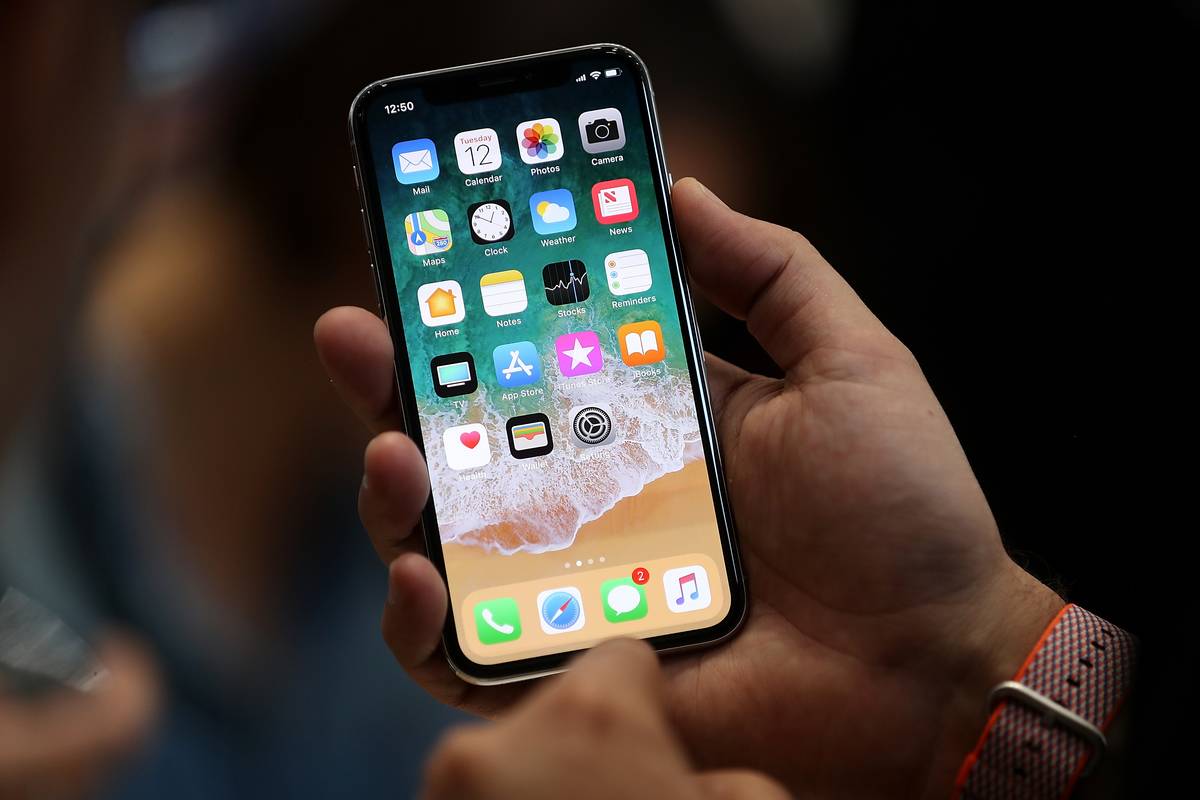
The smartphone, epitomized by the iPhone’s launch in 2007, put a powerful computer in the palm of your hand. It combined communication, computing, and media into one device, revolutionizing daily life.
Smartphones offer instant access to information, entertainment, and social networks, transforming how we communicate and consume content. They have become essential tools for navigation, photography, and even health monitoring, fundamentally altering our interaction with the world.
The Microwave Oven: Speeding Up Meal Prep
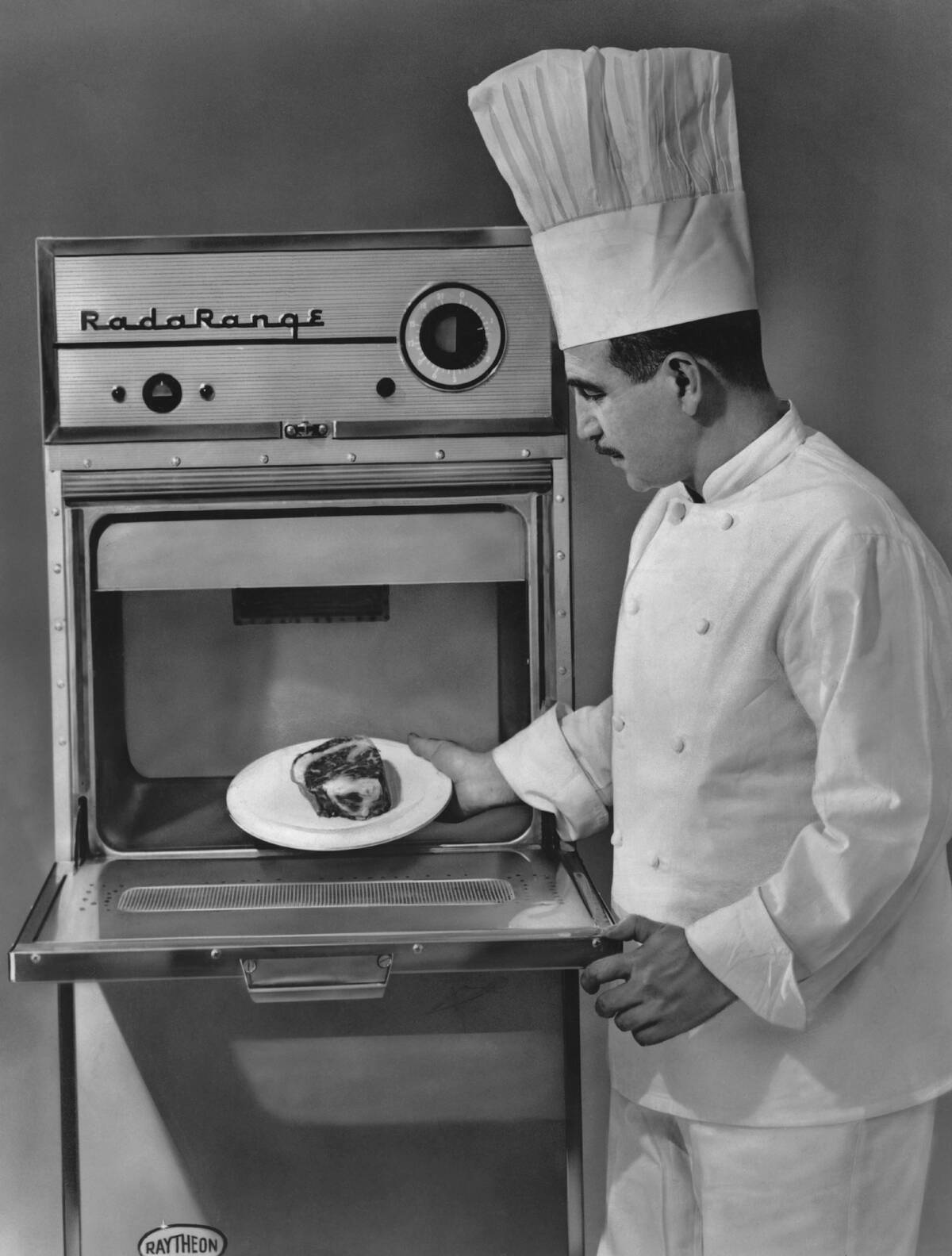
The microwave oven, introduced to the public in the late 1960s, revolutionized cooking by dramatically reducing meal preparation time. Using microwave radiation to heat food quickly and efficiently, it became a staple in kitchens worldwide.
The convenience of reheating leftovers and cooking ready-made meals made the microwave indispensable, particularly for busy households. It changed culinary habits, encouraging the development of microwave-friendly foods and altering the landscape of home cooking.
The Washing Machine: Liberating Laundry Day
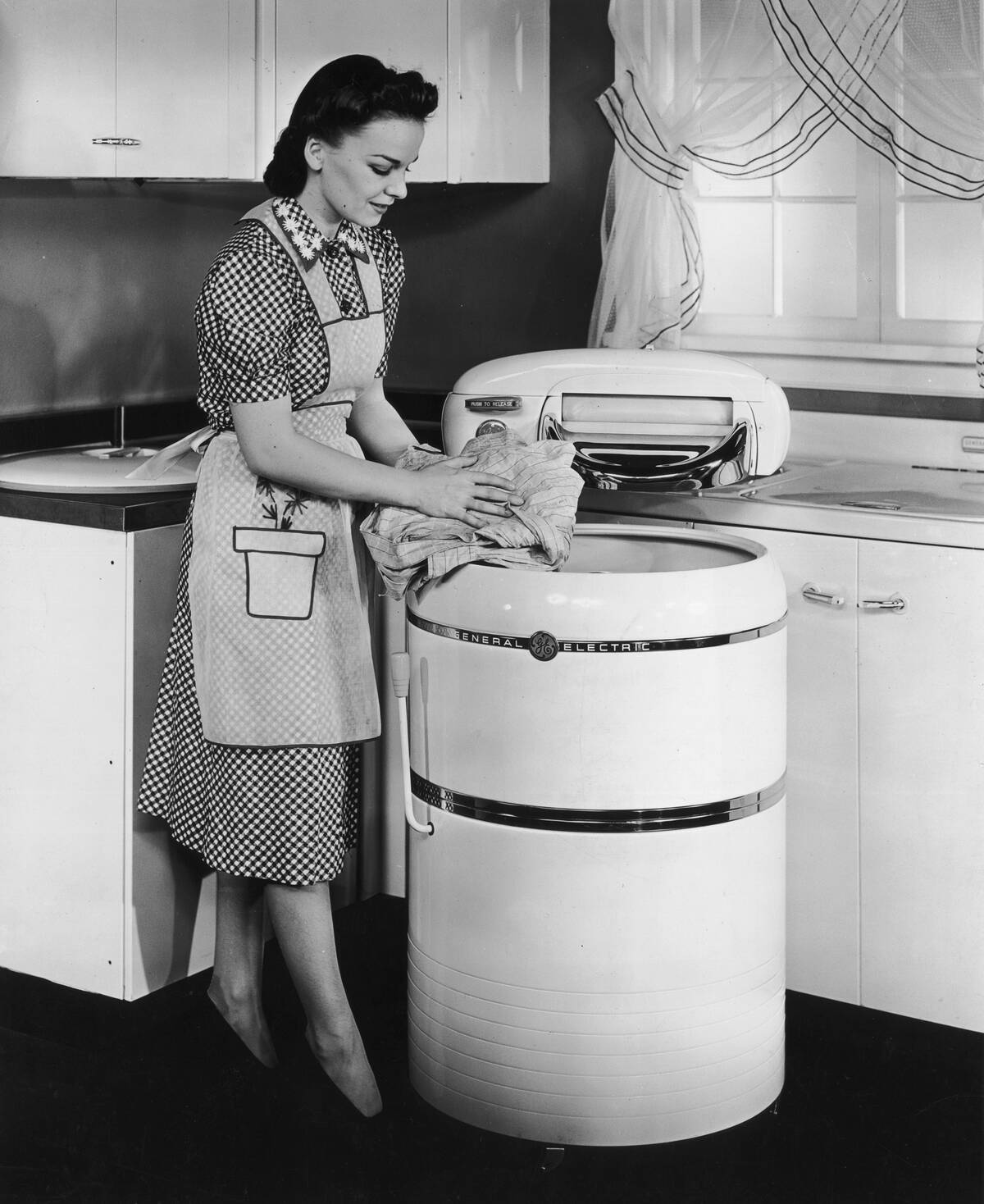
The washing machine, which became common in homes by the mid-20th century, transformed the chore of laundry. Before its invention, washing clothes was labor-intensive and time-consuming, often taking an entire day.
The washing machine automated this process, freeing up time and energy for other activities. It revolutionized household management and contributed to social changes, as women, traditionally responsible for laundry, could now pursue other interests and careers.
The Airplane: Making the World More Accessible
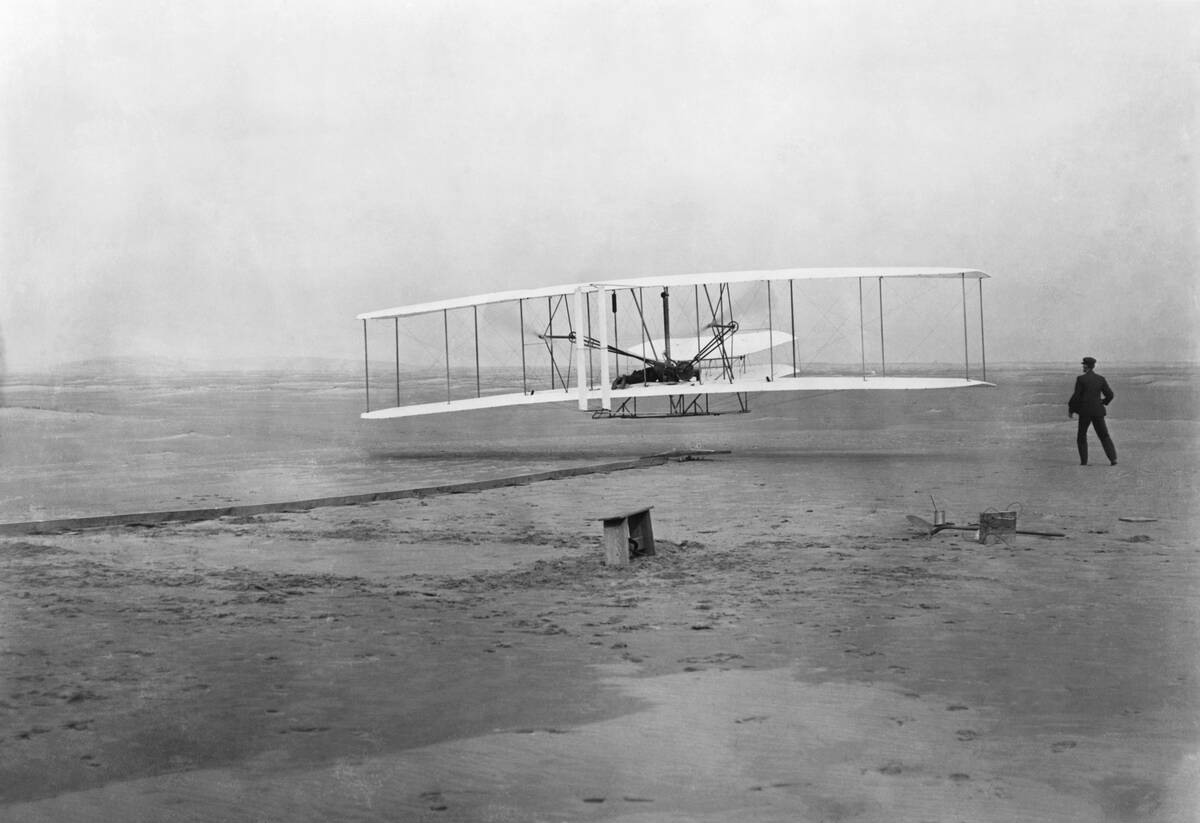
The airplane, with the Wright brothers’ first flight in 1903, revolutionized travel by making the world more accessible. Air travel shrank distances, allowing people to cross continents in hours rather than weeks.
It opened up new possibilities for commerce, tourism, and cultural exchange, connecting people and places like never before. The aviation industry has since become a cornerstone of the global economy, facilitating international trade and fostering global interconnectedness.
The GPS: Navigating with Precision and Ease
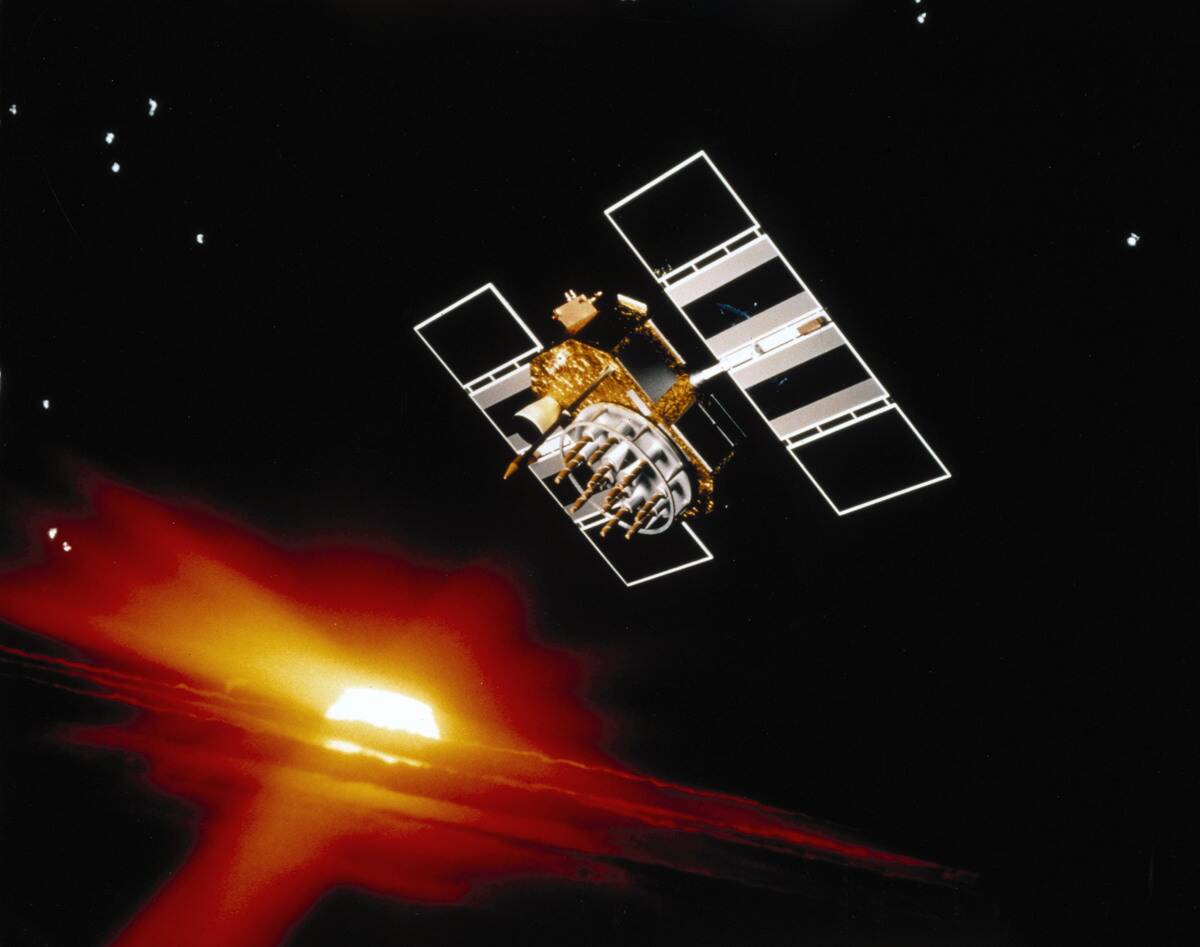
The Global Positioning System (GPS), developed by the U.S. Department of Defense and made available for civilian use in the 1980s, revolutionized navigation. It provides precise location data, making it easier to find directions and track movement.
GPS technology is now integral to various industries, from aviation to agriculture, and has become a staple in everyday devices like smartphones and cars. It has transformed how we navigate the world, enhancing safety and efficiency.
The Electric Car: Driving Toward a Sustainable Future

The electric car, with Tesla leading the charge in the 21st century, represents a shift toward sustainable transportation. Unlike traditional vehicles, electric cars produce no tailpipe emissions, reducing air pollution and dependence on fossil fuels.
Advances in battery technology have improved their range and affordability, making them increasingly popular. As governments and consumers prioritize environmental sustainability, electric cars are poised to become a significant part of the automotive landscape, driving us toward a greener future.