Famous novels written in extraordinary circumstances
Have you ever wondered what inspired some of the world’s most famous novels? Behind each literary masterpiece lies a story as fascinating as the book itself.
From political exile to personal loss, the circumstances surrounding these novels provide a deeper understanding of the authors’ creative processes.
Writing in Exile: Victor Hugo’s Les Misérables
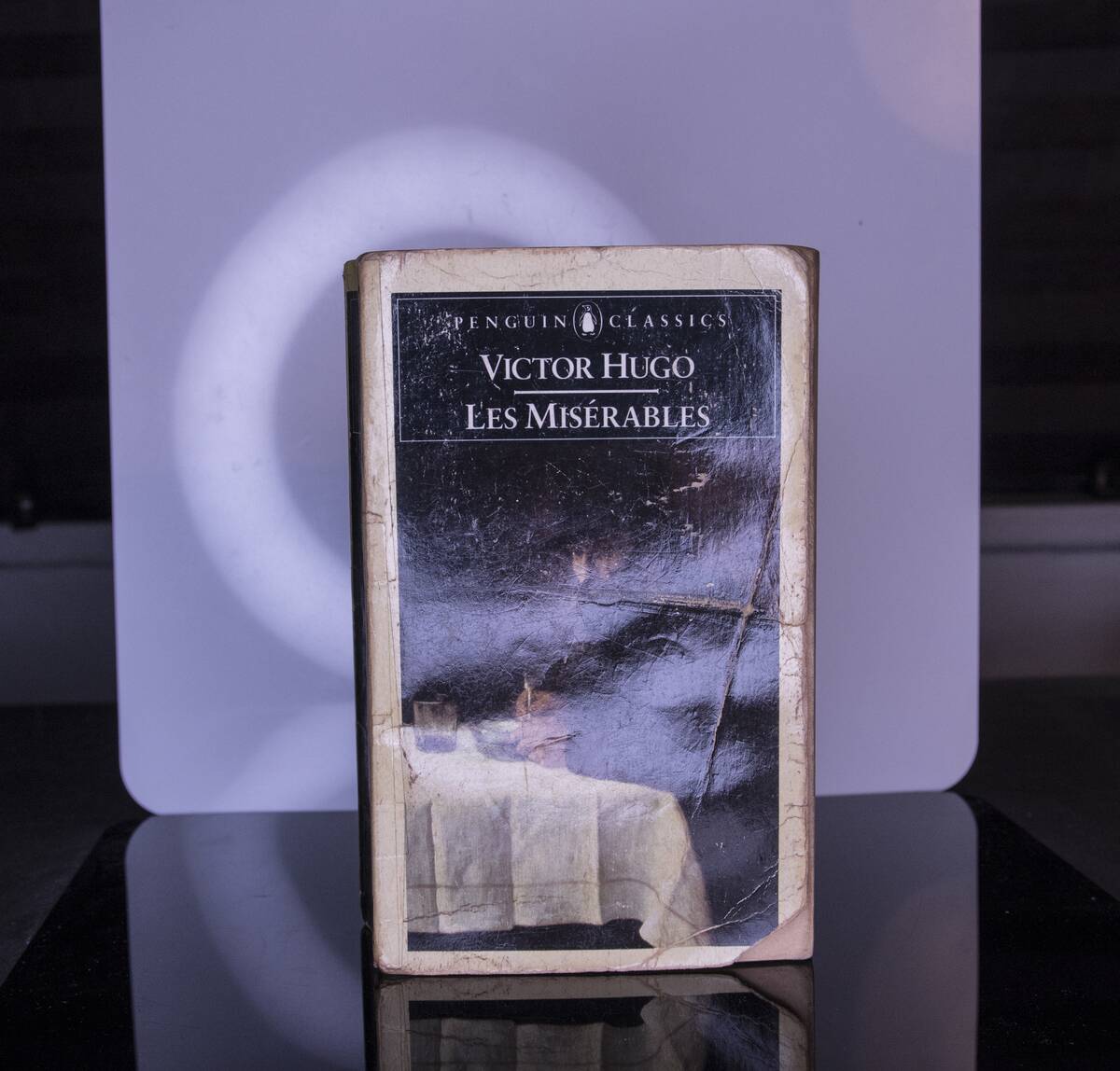
Victor Hugo penned Les Misérables while in exile on the Channel Islands, banished due to his opposition to Napoleon III. This isolation allowed Hugo to focus intensely on his work, resulting in a novel that explores themes of justice and redemption.
The novel’s intricate plot and rich character development reflect Hugo’s deep contemplation during his years away from France.
The Power of Imprisonment: Cervantes and Don Quixote
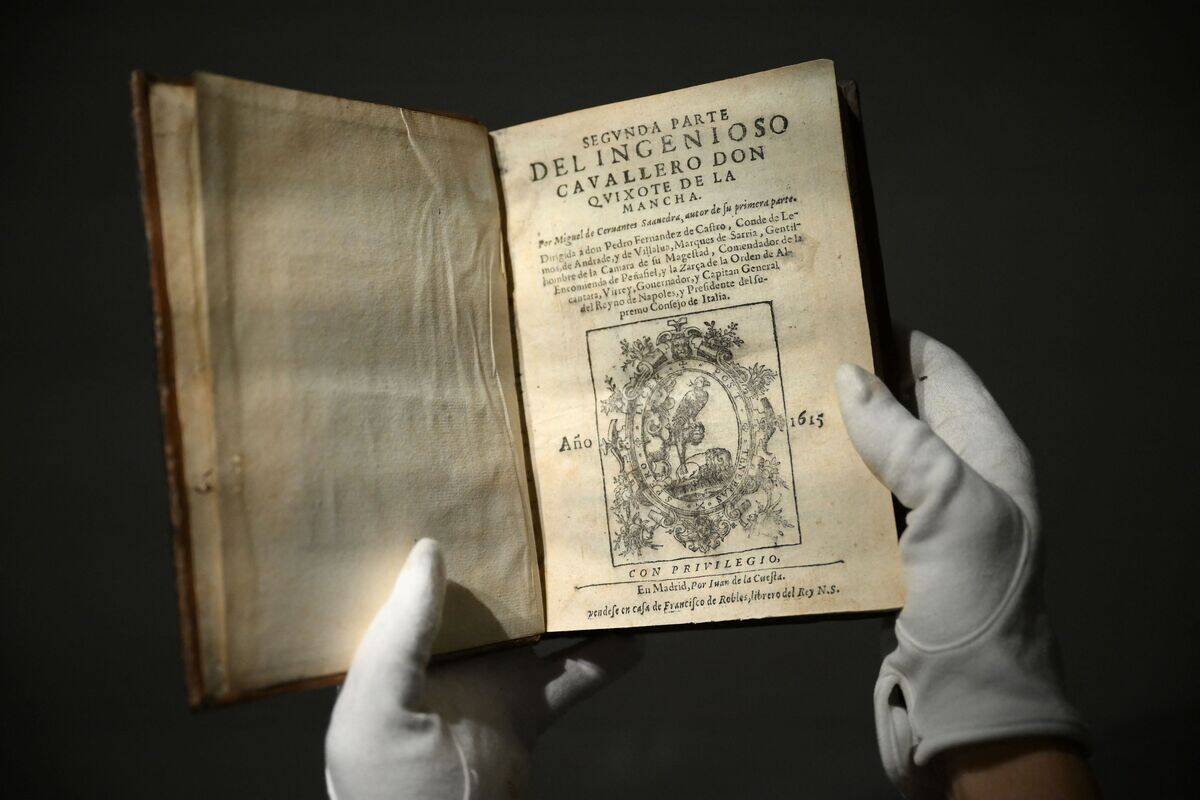
Miguel de Cervantes may have conceived or begun Don Quixote while imprisoned in Seville in the late 1590s, after financial problems connected to his work as a tax collector. Cervantes himself famously described the novel as having been “begotten in a prison.”
His fascination with freedom and captivity also drew on a far more dramatic experience: five years spent as a captive in Algiers. These experiences helped inform a novel that continually explores the tension between freedom, confinement, idealism, and reality.
A Tale of Two Cities: Charles Dickens’ Serial Masterpiece
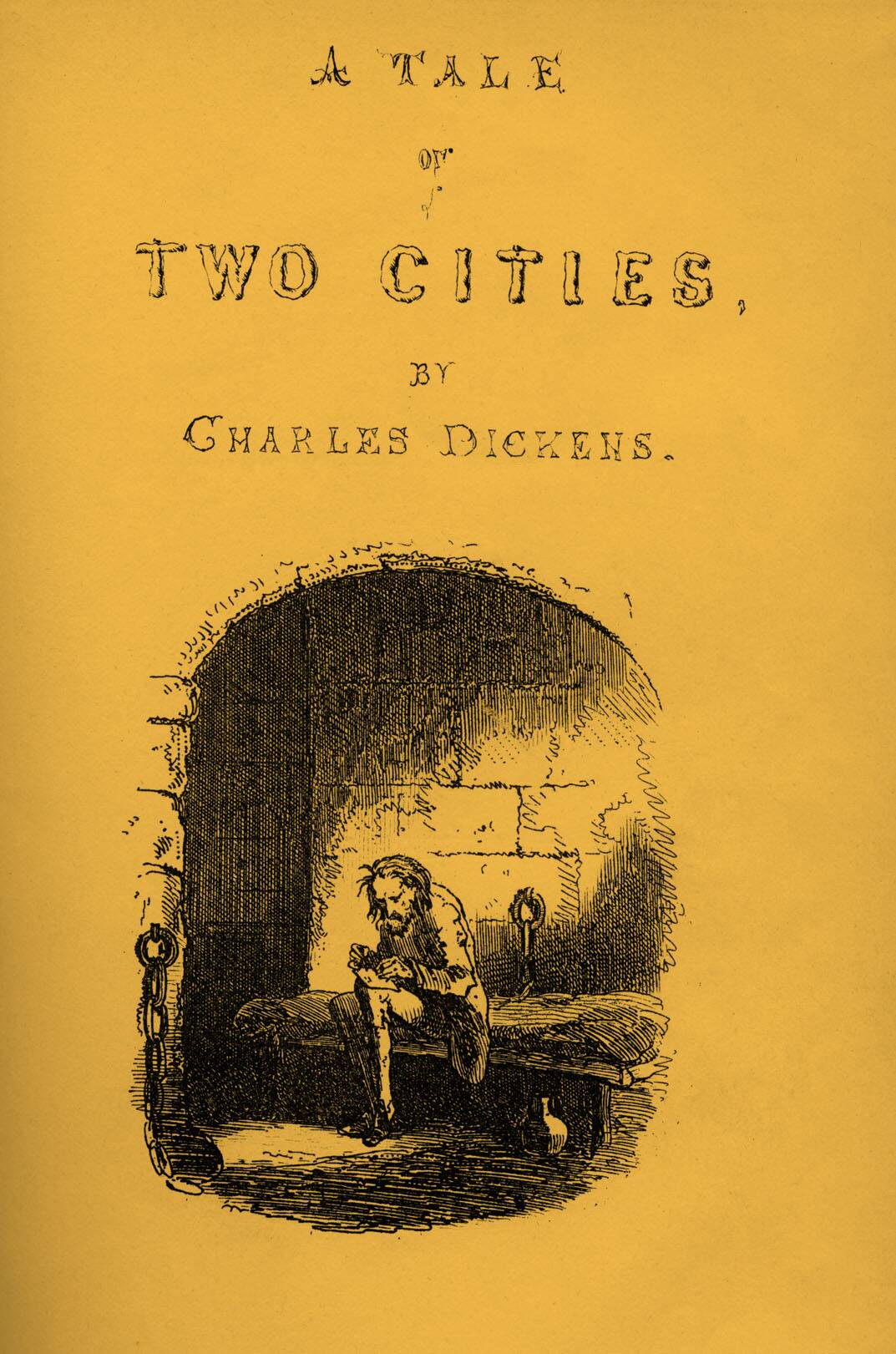
Charles Dickens published A Tale of Two Cities in serial form in 1859, with weekly installments appearing in his journal All the Year Round. Set largely against the French Revolution, the novel used suspenseful chapter endings and carefully paced revelations to keep readers engaged from installment to installment.
Rather than being shaped by documented reader feedback, its serialized format mainly influenced its pacing and structure. The novel’s themes of duality, sacrifice, revolution, and personal redemption have helped make it one of Dickens’s most enduring works.
Frankenstein’s Birth: Mary Shelley’s Stormy Inspiration
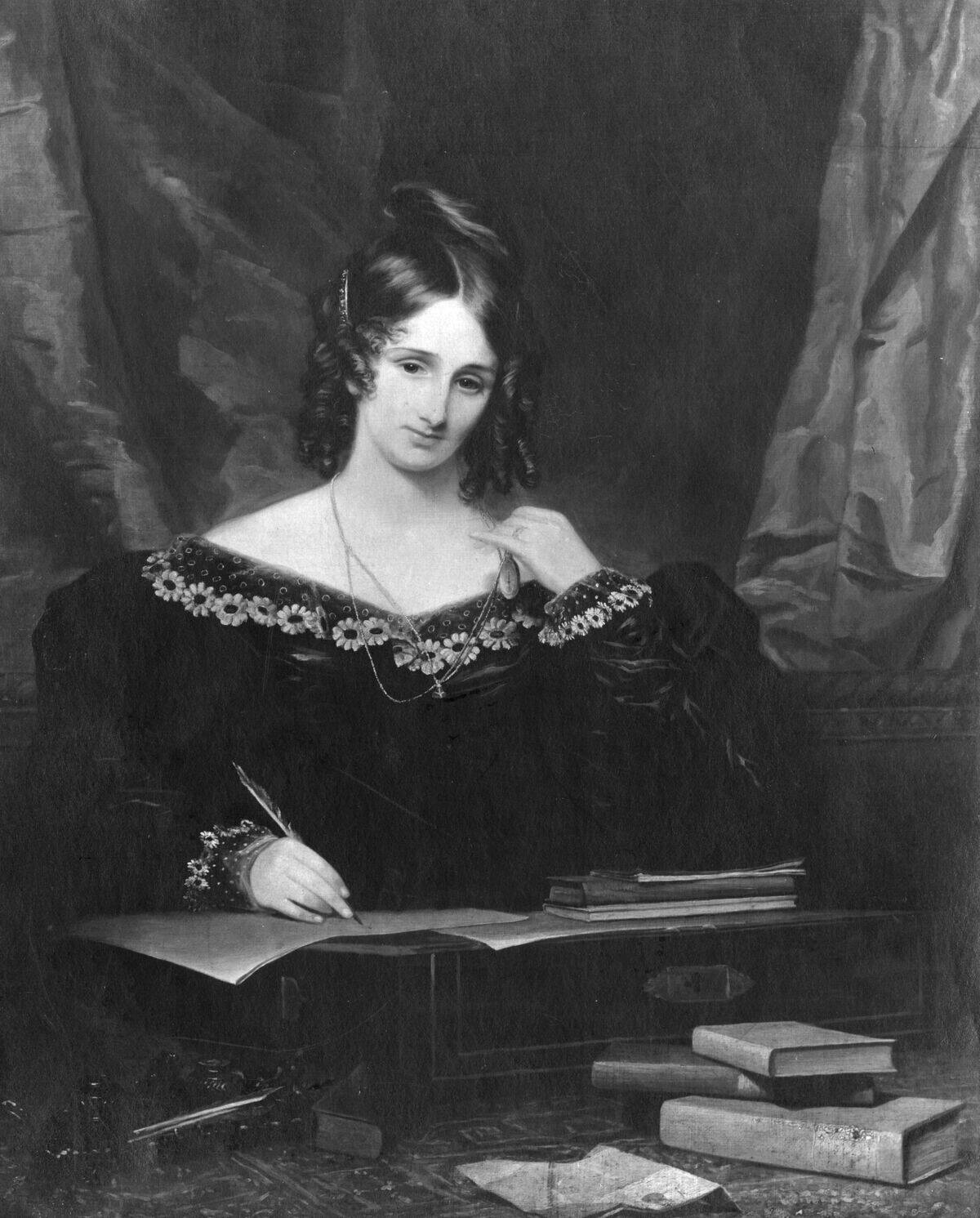
Mary Shelley conceived Frankenstein during the unusually cold, wet summer of 1816, the “Year Without a Summer”, while staying near Lake Geneva with Percy Bysshe Shelley, Lord Byron, and others.
After Byron proposed that the group each write a ghost story, Mary struggled for an idea until a vivid waking dream inspired the image of a scientist bringing a creature to life. Their conversations about scientific experiments and the possibility of reanimating life also helped shape the novel’s exploration of ambition, creation, and responsibility.
A War-Time Escape: J.R.R. Tolkien’s The Hobbit
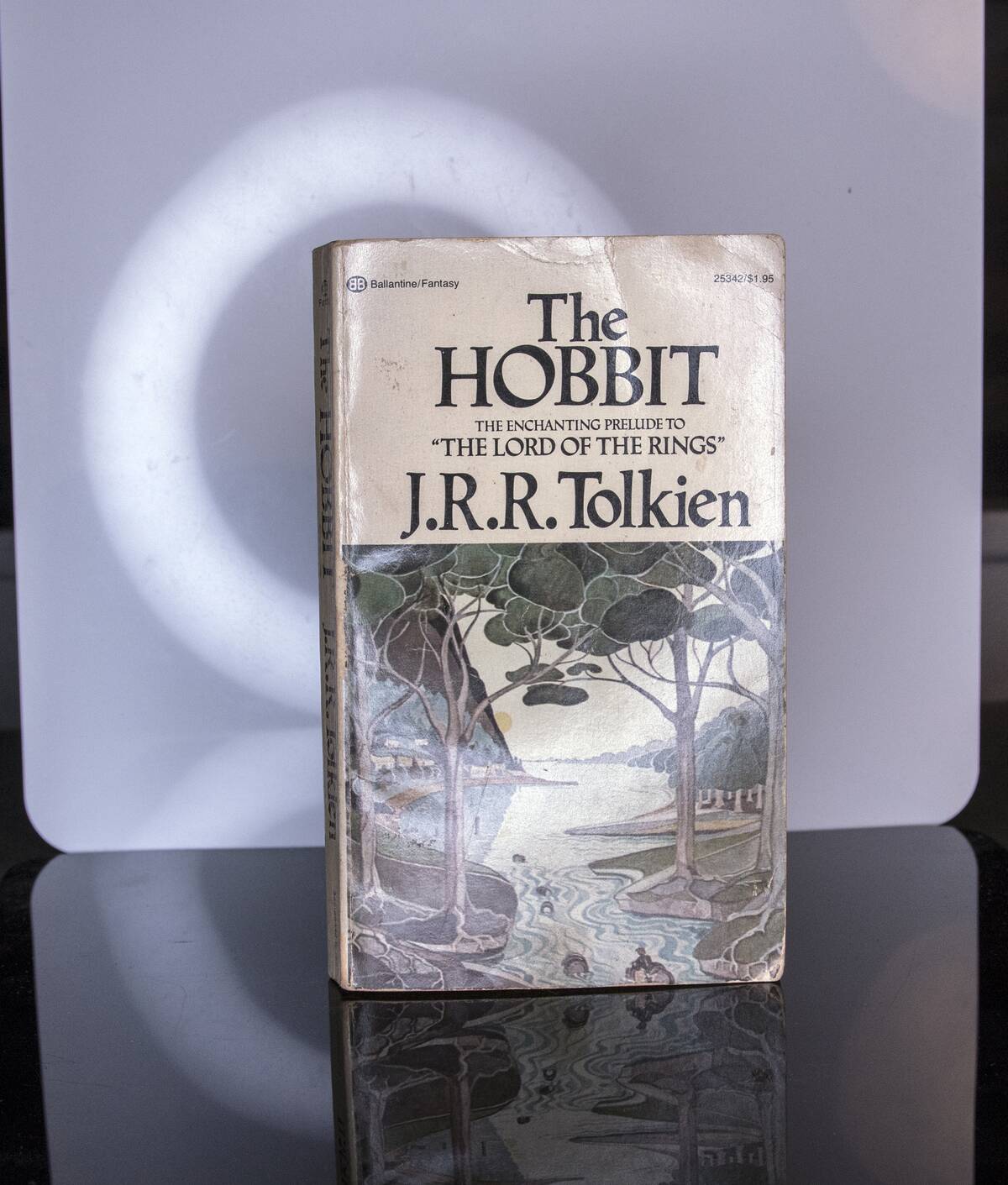
J.R.R. Tolkien began The Hobbit around 1930 after spontaneously writing the famous line “In a hole in the ground there lived a hobbit” while marking student papers. He had long told imaginative stories to his children, and The Hobbit was consciously written as a children’s story.
The Hobbit not only captivated young readers but also laid the groundwork for Tolkien’s expansive Middle-earth legendarium.
The Influence of Illness: Marcel Proust’s In Search of Lost Time
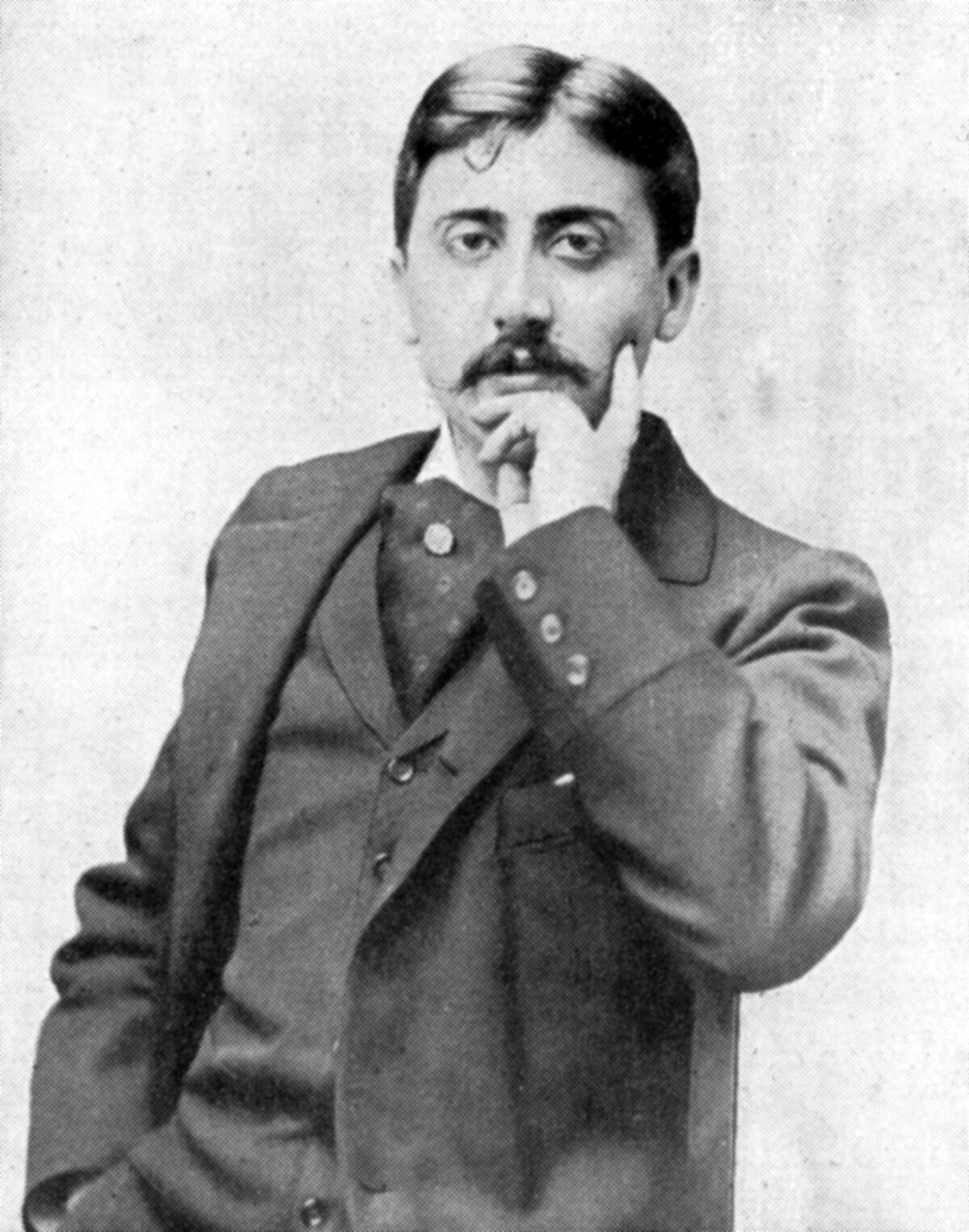
Marcel Proust wrote In Search of Lost Time while battling severe asthma, often confined to his cork-lined bedroom. This introspective environment allowed Proust to delve deeply into themes of memory and time.
His illness heightened his sensitivity to the nuances of human experience, resulting in a richly detailed narrative that continues to resonate with readers.
The Solitude of the Sea: Herman Melville’s Moby-Dick
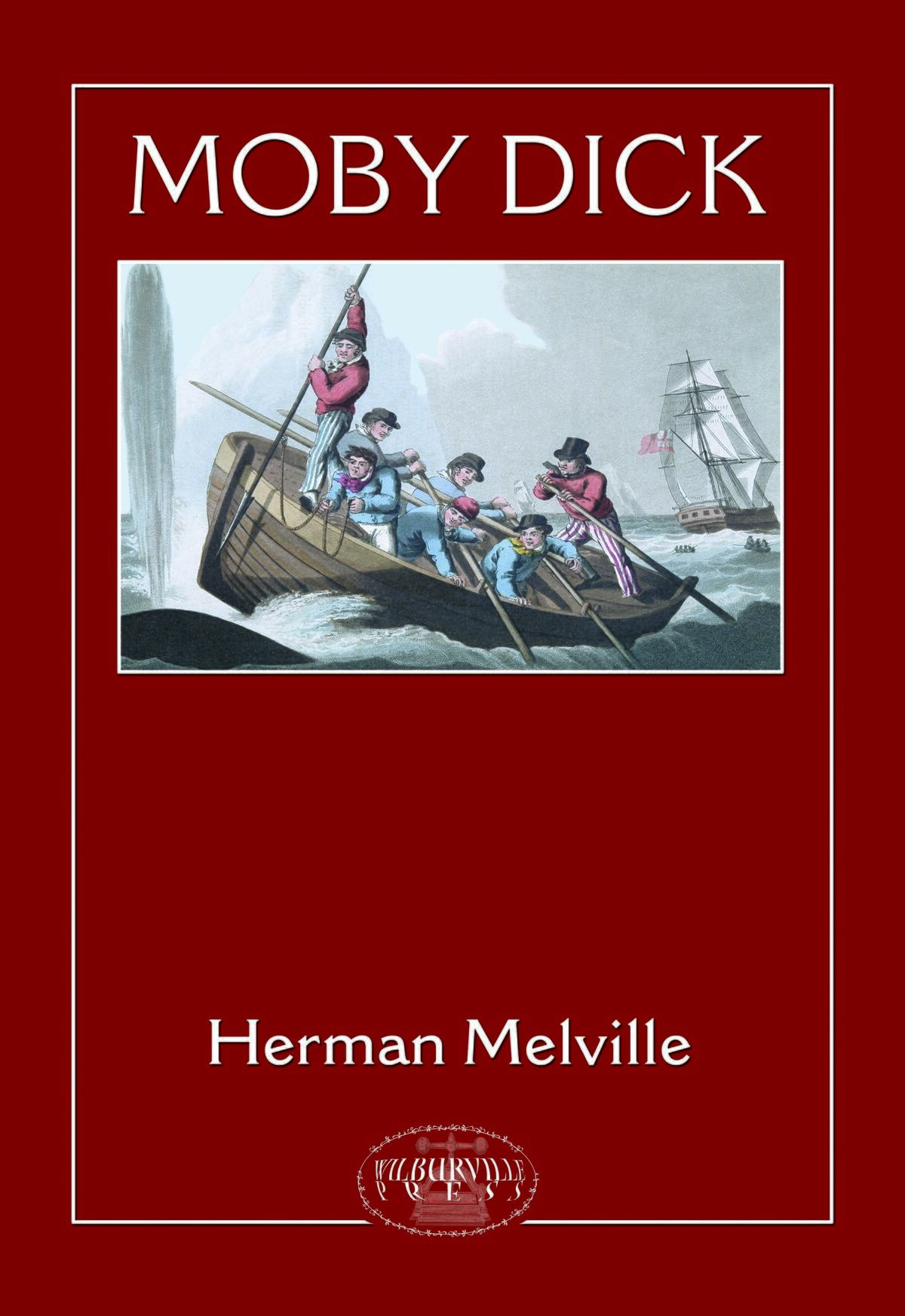
Herman Melville drew inspiration for Moby-Dick from his experiences at sea, particularly his time aboard whaling ships. The novel’s exploration of obsession and the vastness of the ocean reflects Melville’s fascination with the sea’s mysteries.
Despite its initial lukewarm reception, Moby-Dick has since become a quintessential American novel, celebrated for its complex themes and rich symbolism.
A Journey Through Addiction: Stephen King’s The Shining

Stephen King wrote The Shining during a period when his own drinking was becoming increasingly serious, and Jack Torrance’s alcoholism drew partly on fears and experiences that were close to King’s life. Jack is not a direct self-portrait, however, and the novel’s immediate inspiration also came from King’s 1974 stay at the nearly empty Stanley Hotel in Colorado.
The story combines supernatural horror with alcoholism, anger, family violence, and isolation, making Jack’s deterioration both personal and terrifying.
The Great Depression Muse: John Steinbeck’s “The Grapes of Wrath”
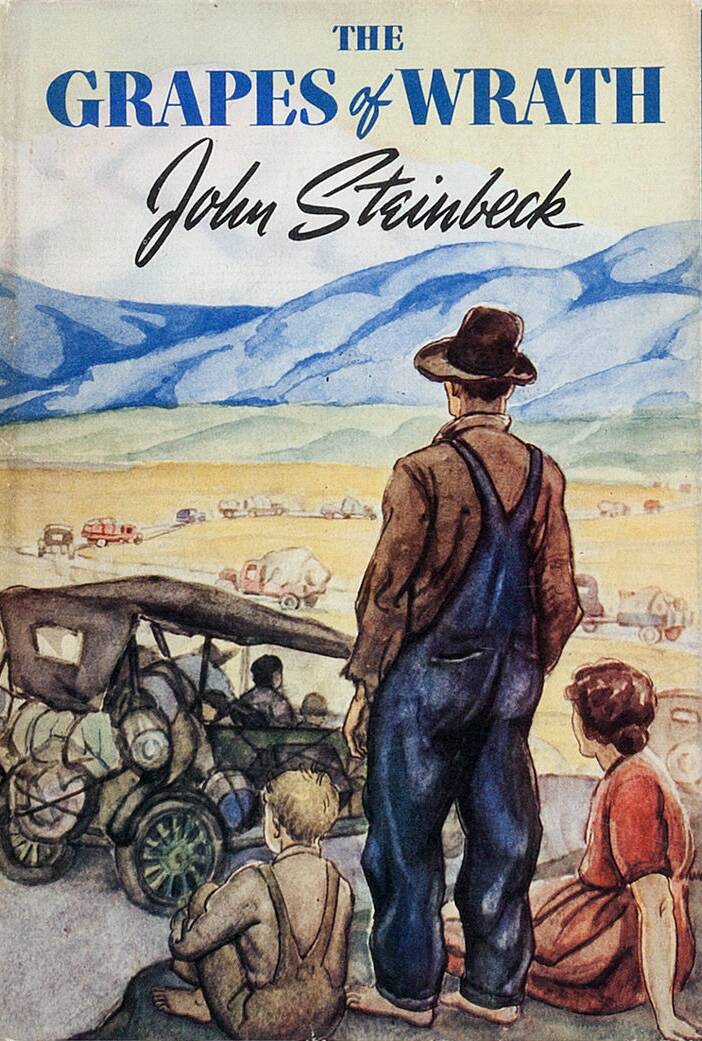
John Steinbeck drew The Grapes of Wrath from the hardships of the Great Depression and Dust Bowl migration. In 1936, he visited California migrant labor camps and documented the poverty, hunger, and exploitation he witnessed in a series of newspaper articles later known as The Harvest Gypsies.
These firsthand observations strongly informed the Joad family’s journey and the novel’s portrayal of displaced farm workers. Published in 1939, the novel became a powerful critique of economic inequality and a testament to human dignity, solidarity, and endurance.
The Cold War Backdrop: George Orwell’s 1984
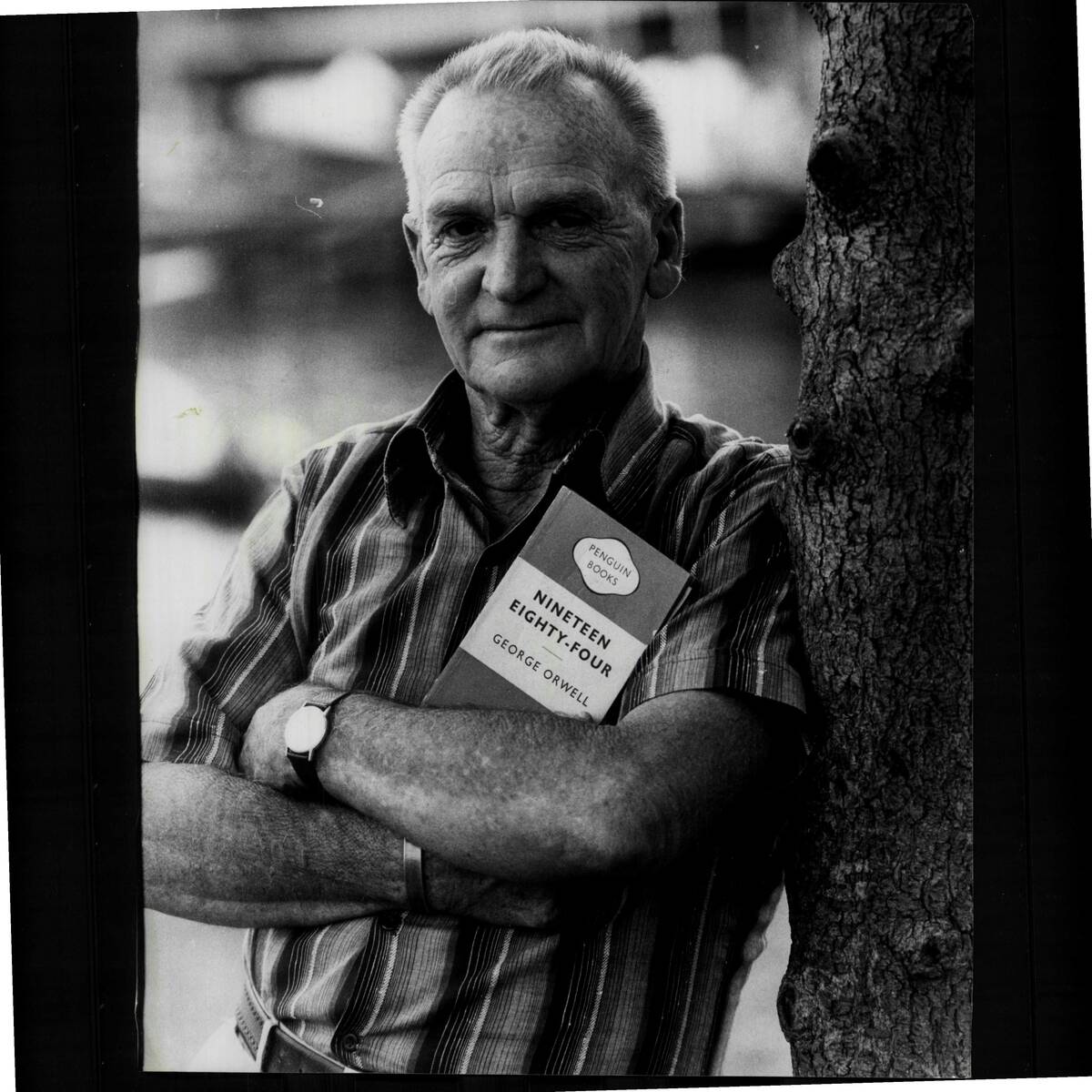
George Orwell wrote 1984 in the late 1940s, as the Cold War was beginning, but his warnings drew more broadly from the rise of totalitarian regimes, particularly Stalinism and fascism, as well as his experiences of propaganda and political repression surrounding the Spanish Civil War.
The novel depicts a society in which surveillance, manipulated history, and controlled language allow the state to dominate even private thought. Orwell’s cautionary tale remains a powerful warning about concentrated political power and the destruction of objective truth and individual freedom.
Writing Under Oppression: Aleksandr Solzhenitsyn’s One Day in the Life of Ivan Denisovich
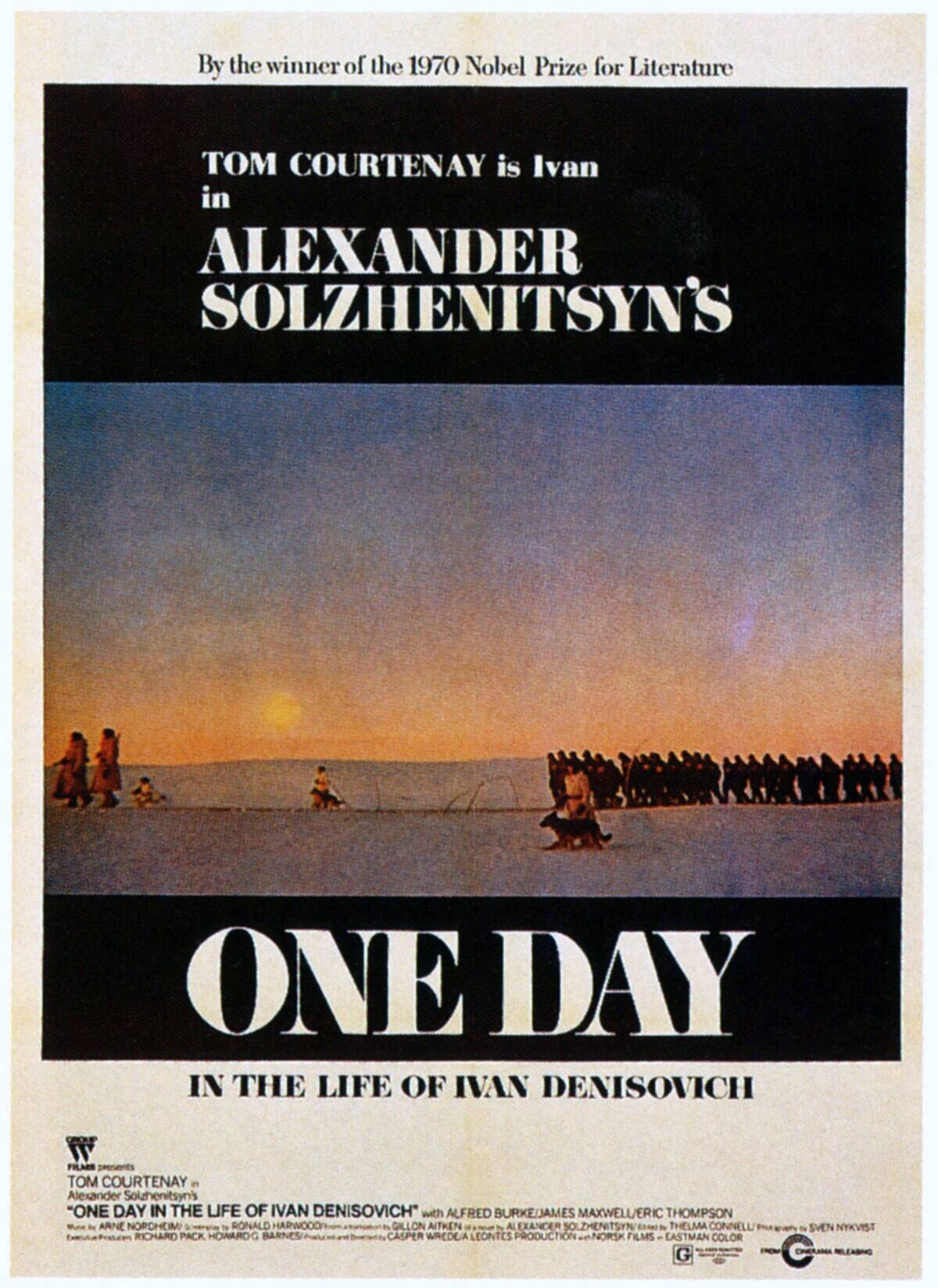
Aleksandr Solzhenitsyn wrote One Day in the Life of Ivan Denisovich based on his own experiences in a Soviet labor camp. The novel offers a harrowing glimpse into the daily struggles of camp life, highlighting the resilience of the human spirit in the face of oppression.
Solzhenitsyn’s work was groundbreaking, shedding light on the brutal realities of Soviet totalitarianism and inspiring calls for reform.
The Influence of War: Ernest Hemingway’s A Farewell to Arms
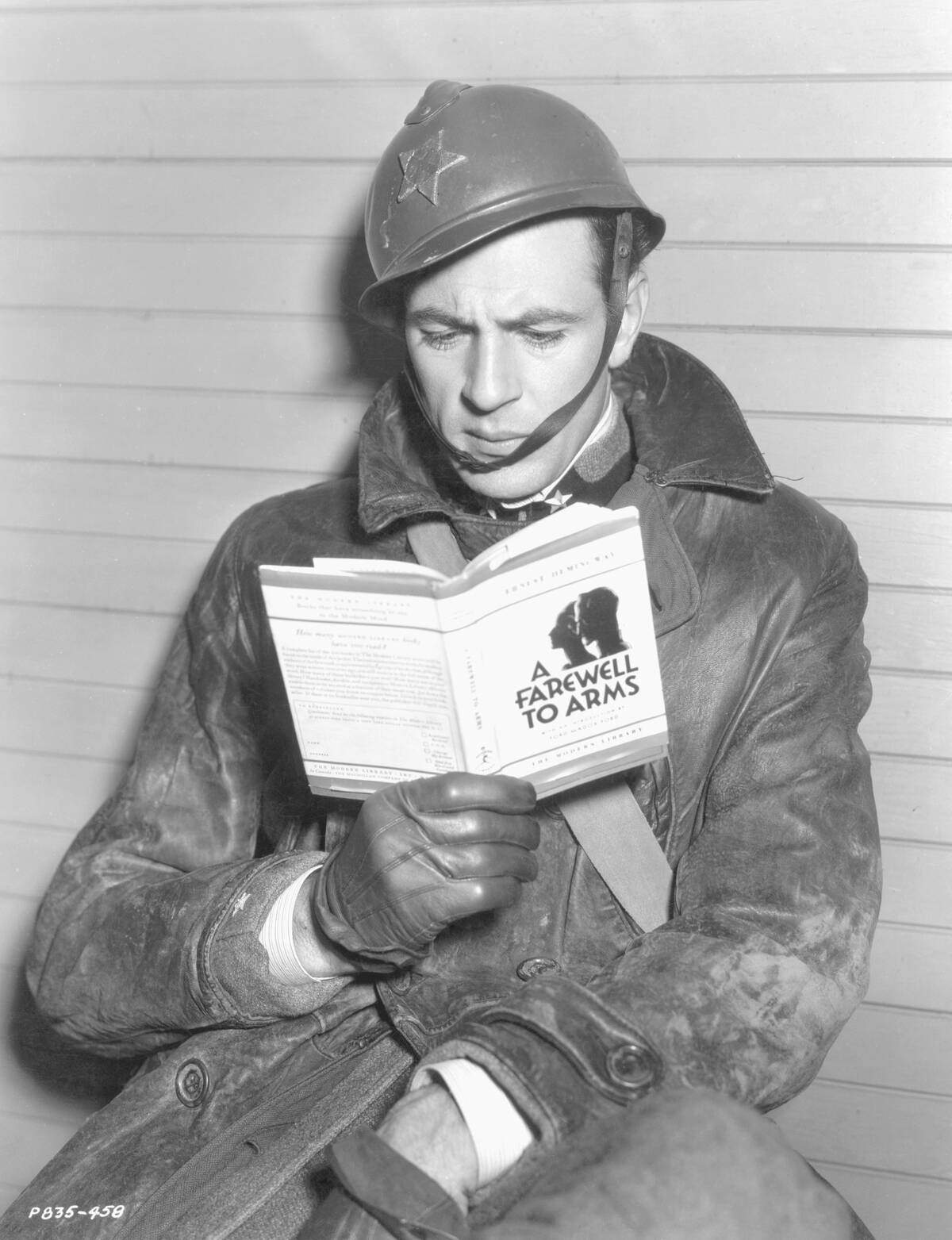
Ernest Hemingway drew on his experiences as an ambulance driver in World War I to write A Farewell to Arms. The novel’s exploration of love and loss amidst the chaos of war reflects Hemingway’s firsthand encounters with the brutality of conflict.
His spare, poignant prose captures the disillusionment of a generation scarred by war, making it a timeless meditation on the human condition.
The Isolation of the Arctic: Jack London’s The Call of the Wild
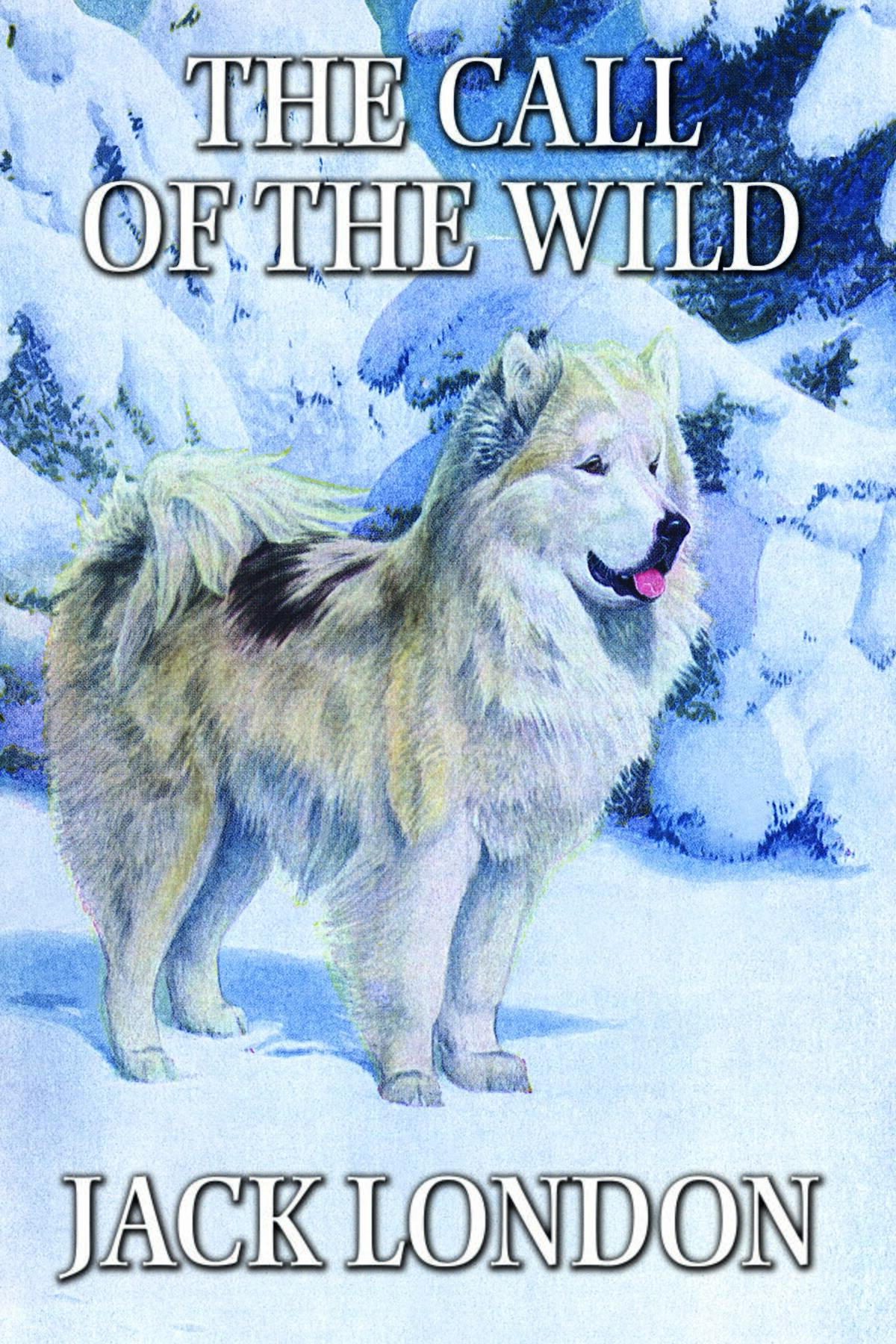
Jack London wrote The Call of the Wild after spending time in the Klondike Gold Rush, where he witnessed the harsh realities of life in the Arctic. The novel’s depiction of survival and transformation in the wilderness mirrors London’s own experiences in the unforgiving environment.
Through the eyes of the canine protagonist, Buck, London explores themes of instinct and the call of the wild.
The Impact of Personal Loss: J.K. Rowling’s Harry Potter Series

J.K. Rowling began writing the Harry Potter series following the death of her mother, channeling her grief into the story’s themes of loss and resilience. The series’ exploration of love, friendship, and the struggle between good and evil resonated with readers worldwide.
Rowling’s personal experiences imbue the magical world with emotional depth, making it a beloved literary phenomenon.