Forgotten social media platforms that have completely disappeared from the internet
Social media platforms have become an integral part of our daily lives, but not all of them have stood the test of time. While some have flourished, others have faded into obscurity.
The rise and fall of these platforms offer fascinating insights into the digital age, showcasing the rapid evolution of technology and user preferences. Take a look through the history of social media and remind yourself of the platforms that once captured our attention.
The Early Days of Social Media: A Brief History
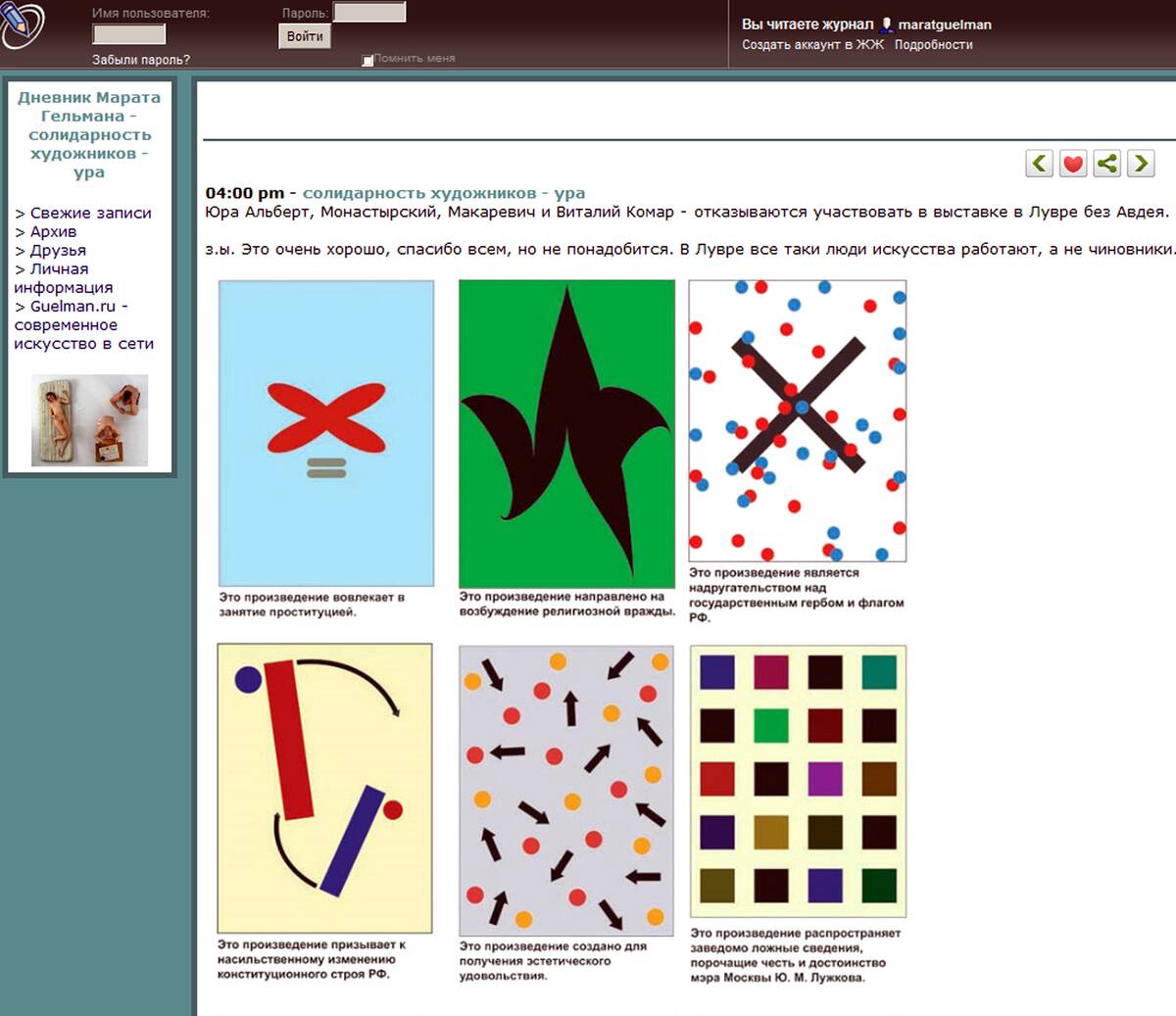
The origins of social media can be traced back to the late 1990s, with platforms like Six Degrees and LiveJournal leading the charge. These early networks laid the groundwork for what would become a social media revolution.
Six Degrees allowed users to create profiles and connect with friends, while LiveJournal introduced the concept of blogging to the masses. These pioneers set the stage for the explosion of social media in the 2000s, opening the door for more innovative platforms.
Friendster: The Pioneer That Paved the Way
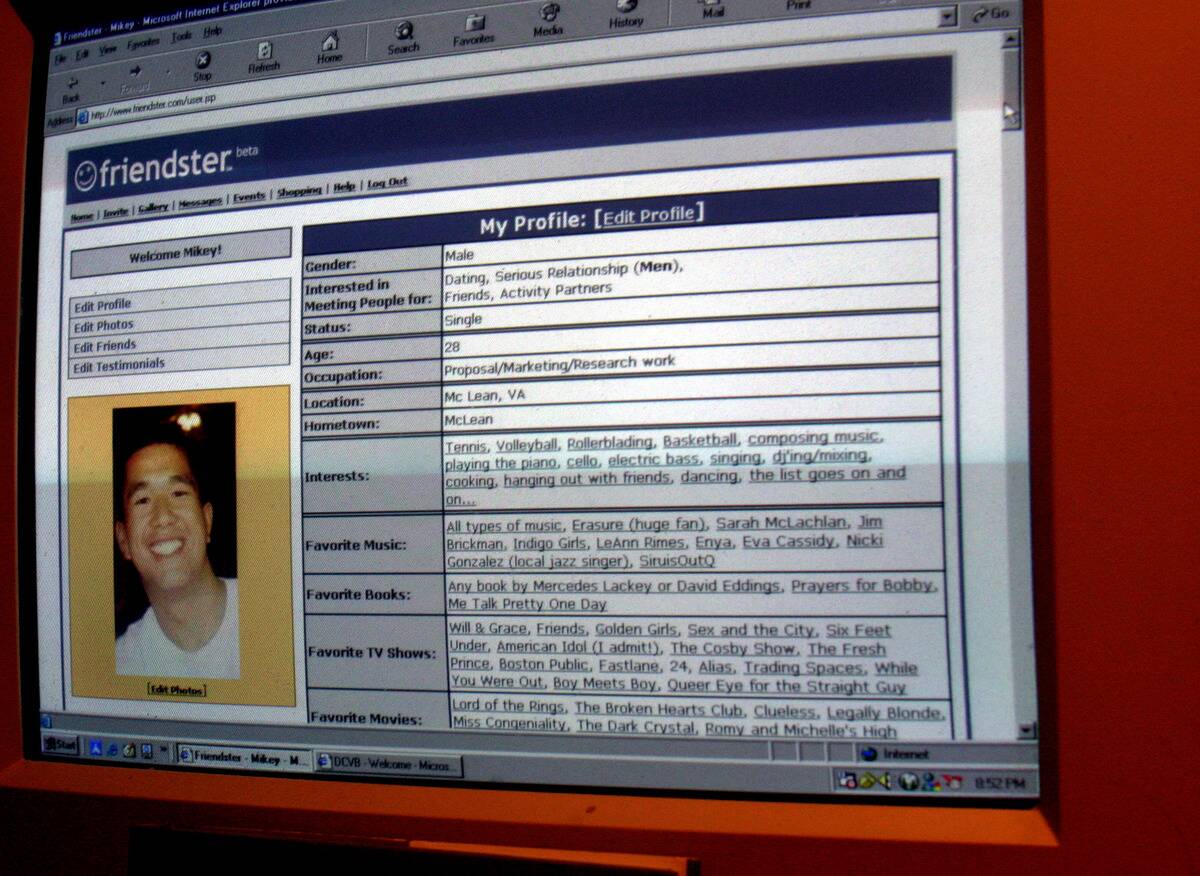
Friendster, launched in 2002, was one of the first social networking sites to gain mainstream popularity. It allowed users to connect with friends and share content, much like today’s platforms.
However, technical issues and competition from emerging sites led to its decline. By 2011, Friendster had pivoted to a gaming site, and its social networking features were discontinued. Despite its short-lived success, Friendster’s influence on the development of social media cannot be understated.
MySpace: The King of the Early 2000s

MySpace took the world by storm in the mid-2000s, becoming the most visited website in the United States by 2006. It allowed users to customize their profiles with music, photos, and personal blogs, creating a unique online identity.
However, the rise of Facebook and its cleaner interface led to MySpace’s decline. By 2011, MySpace had lost most of its user base, but its impact on music and pop culture remains significant.
Orkut: Google’s Forgotten Social Experiment
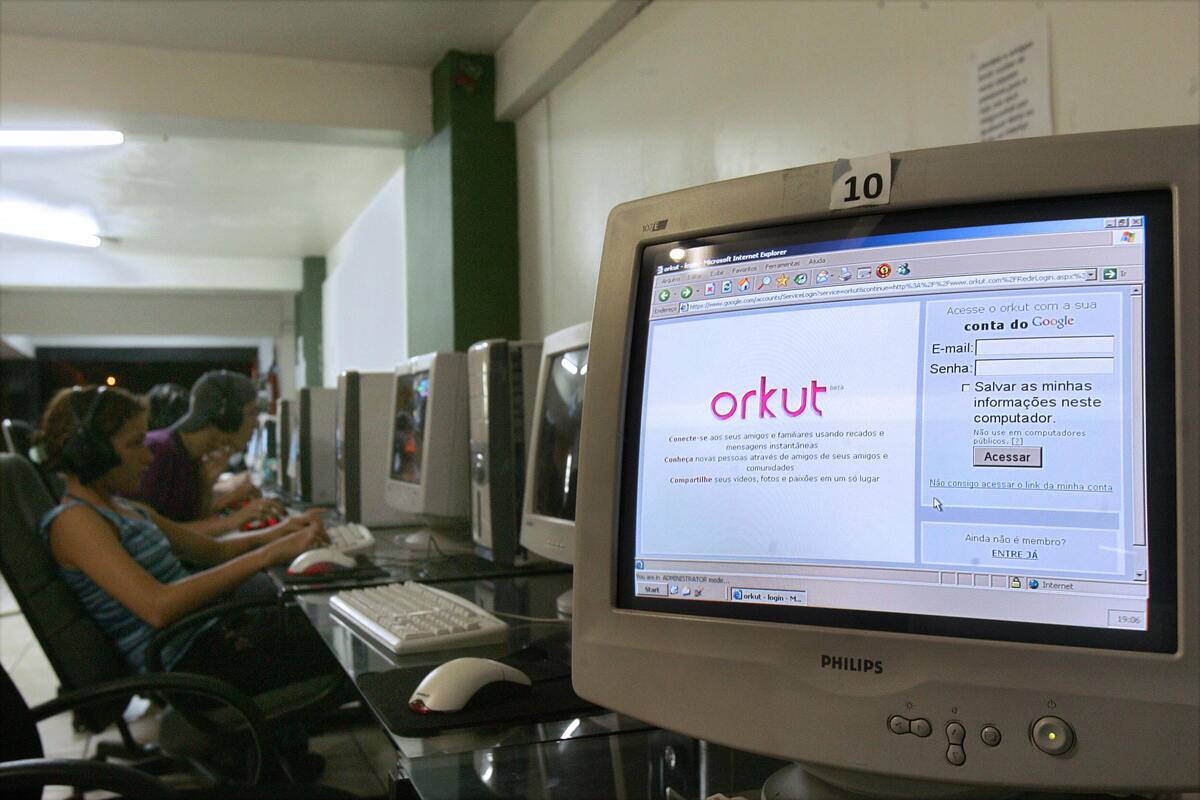
Orkut was Google’s first foray into social networking, launched in 2004. It gained immense popularity in countries like Brazil and India but struggled to capture a global audience. The platform allowed users to join communities based on interests, a feature that was ahead of its time.
Despite its initial success, Orkut couldn’t compete with Facebook’s rapid global expansion and was eventually shut down in 2014. Its legacy lives on in the memories of its dedicated user base.
Vine: The Six-Second Sensation
Vine, launched in 2013, revolutionized video sharing with its six-second looping clips. It quickly became a cultural phenomenon, giving rise to internet celebrities and viral trends.
However, competition from platforms like Instagram and Snapchat, coupled with monetization challenges, led to its demise. Twitter, which owned Vine, discontinued the app in 2017. Despite its short lifespan, Vine’s influence on internet culture and video content creation is still felt today.
Google+: The Search Giant’s Social Media Misstep

Google+ was launched in 2011 as Google’s ambitious attempt to compete with Facebook. It offered features like Circles and Hangouts, aiming to integrate social networking with Google’s suite of services.
However, privacy concerns and a lack of user engagement plagued the platform. By 2019, Google+ was officially shut down, marking one of Google’s most notable failures. The platform’s demise highlighted the challenges of entering an already saturated social media market.
Yik Yak: The Anonymous Social Network
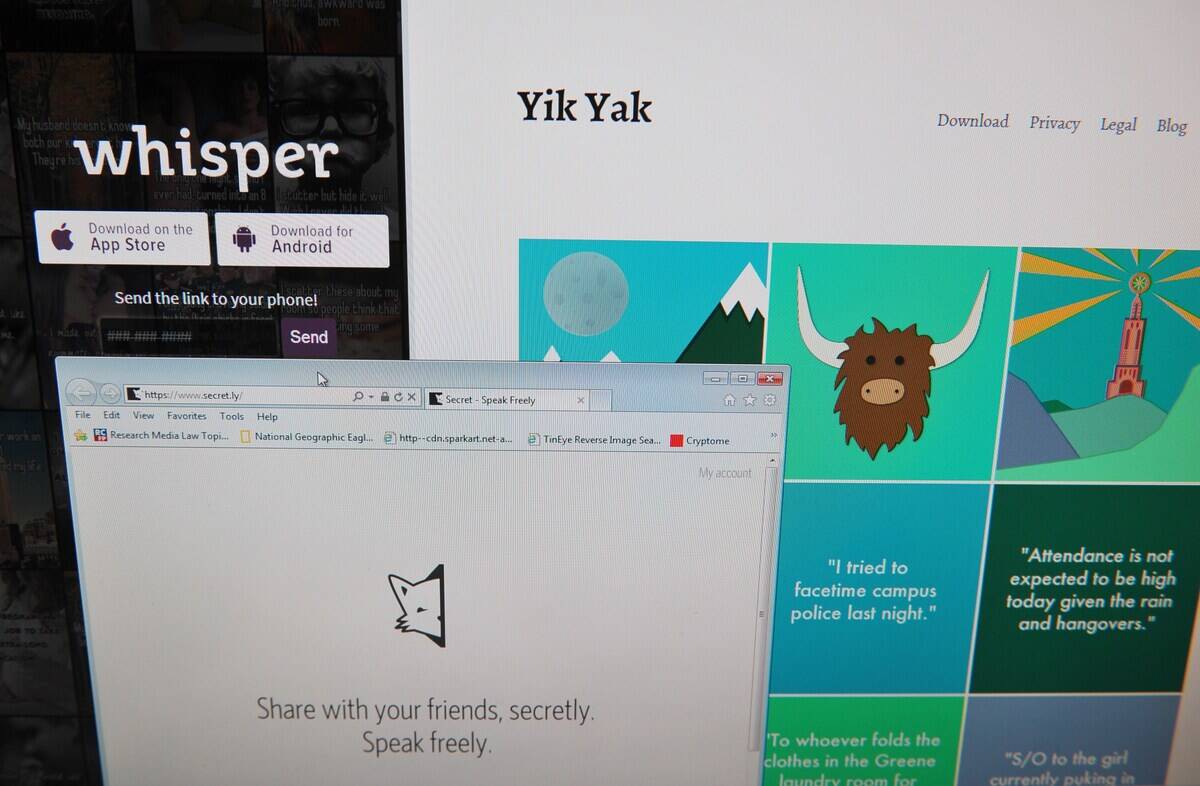
Yik Yak, launched in 2013, offered users a unique way to share anonymous posts within a five-mile radius. It gained popularity on college campuses, allowing students to connect without revealing their identities.
However, the app faced criticism for facilitating cyberbullying and harassment, leading to its decline. By 2017, Yik Yak had shut down, but its concept of location-based anonymous sharing paved the way for future apps exploring similar ideas.
Bebo: The UK’s Social Media Darling
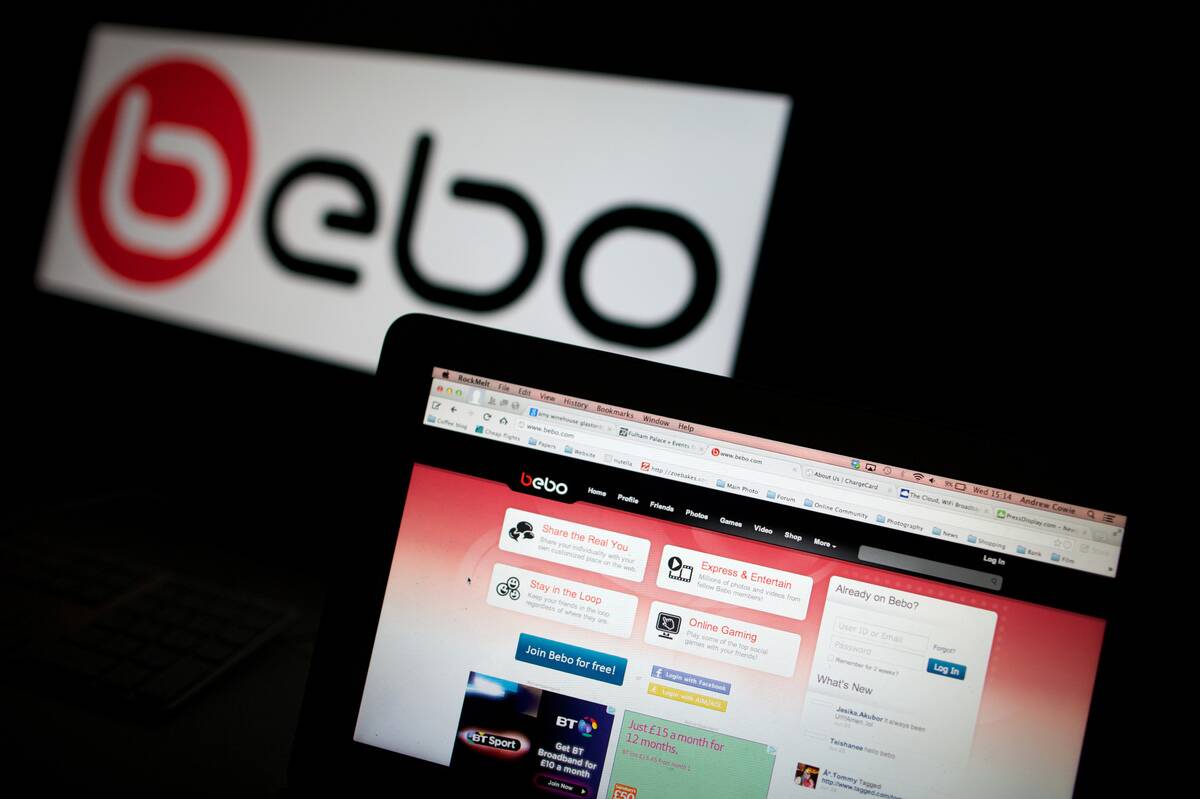
Bebo, founded in 2005, quickly became a favorite social networking site in the UK and Ireland. It allowed users to share photos, videos, and messages, fostering a sense of community.
However, the rise of Facebook and other global platforms overshadowed Bebo’s success. By 2013, Bebo had filed for bankruptcy, but its founders later attempted to revive it as a messaging app. Bebo’s story is a testament to the fast-paced nature of the social media landscape.
Meerkat: The Live Streaming Trailblazer
Meerkat burst onto the scene in 2015, offering users the ability to live stream video directly from their smartphones. It quickly gained popularity but faced stiff competition from Twitter’s Periscope and Facebook Live.
Despite its initial success, Meerkat struggled to maintain its user base and pivoted to a new app called Houseparty. Meerkat’s brief moment in the spotlight highlighted the growing demand for live streaming services and the challenges of sustaining innovation.
Ping: Apple’s Short-Lived Music Social Network

Apple’s Ping, launched in 2010, aimed to combine social networking with music discovery. It allowed users to follow artists and share music recommendations, integrating with iTunes. However, Ping faced criticism for its lack of integration with other social networks and limited user engagement.
By 2012, Apple discontinued Ping, focusing instead on improving its core music services. Ping’s failure underscored the difficulty of creating a niche social network without a strong user base.
FriendFeed: The Aggregator That Couldn’t Compete

FriendFeed, launched in 2007, was designed to aggregate social media feeds from various platforms into one stream. It offered real-time updates and a unique way to interact with content. Despite its innovative features, FriendFeed struggled to gain traction against giants like Facebook and Twitter.
In 2009, Facebook acquired FriendFeed, and its features were gradually integrated into the platform. FriendFeed’s legacy lives on through its influence on the development of social media aggregation tools.
DailyBooth: The Photo Sharing Precursor to Instagram
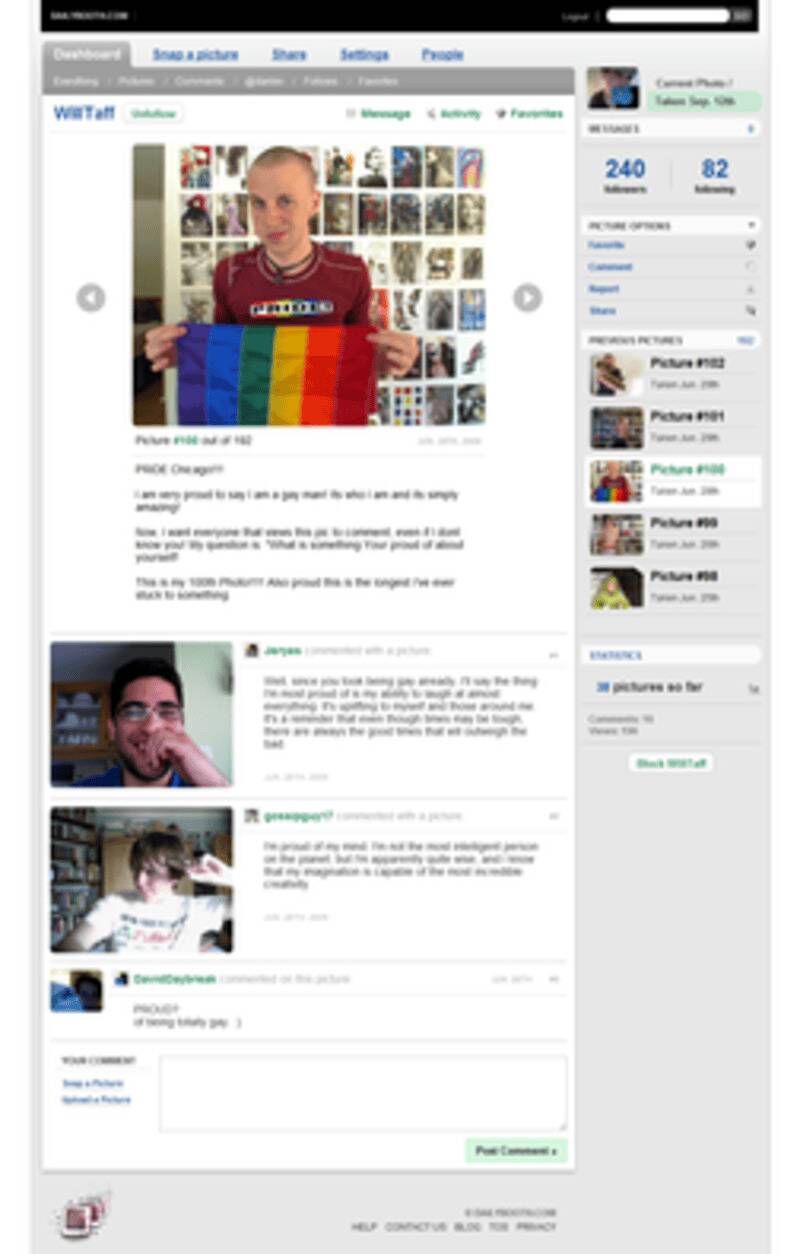
DailyBooth, launched in 2009, encouraged users to share daily photos and engage in conversations around them. It was a precursor to the photo-sharing culture that Instagram would later dominate.
Despite its early success, DailyBooth couldn’t compete with Instagram’s rapid rise and was shut down in 2012. The platform’s emphasis on visual storytelling and community interaction paved the way for future photo-centric social networks.
Ello: The Ad-Free Social Network That Fizzled Out
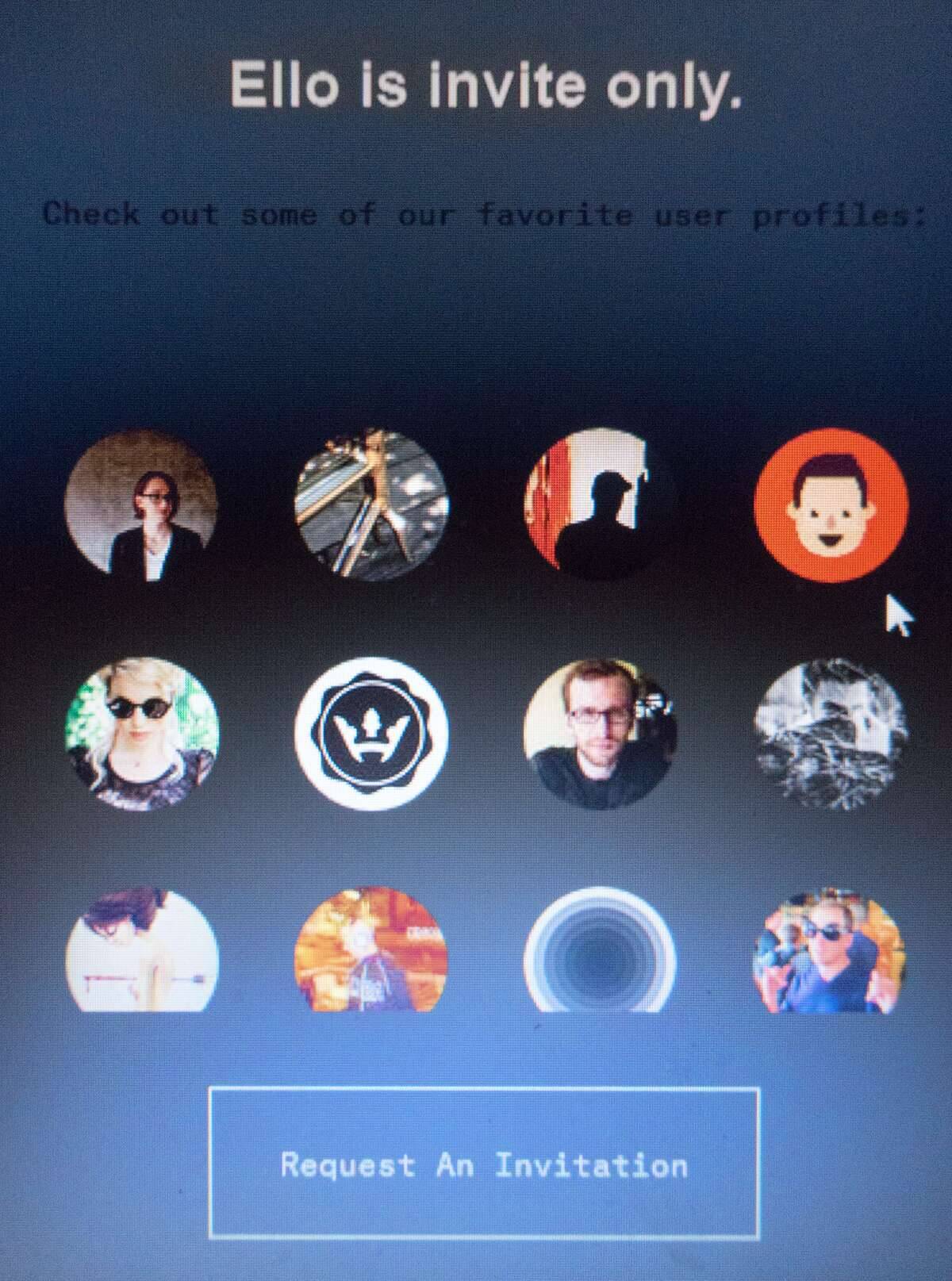
Ello launched in 2014 as an ad-free alternative to Facebook, promising a more user-friendly experience without data mining. It gained attention for its minimalist design and commitment to user privacy.
However, Ello struggled to maintain its initial momentum and user engagement dwindled. Despite its decline, Ello’s focus on user privacy and ad-free browsing resonated with those seeking alternatives to mainstream social networks.
Digg: From Social News Pioneer to Obscurity
Digg, founded in 2004, was a pioneer in social news aggregation, allowing users to vote on content to determine its popularity. It was a precursor to platforms like Reddit, but a series of redesigns and management changes led to its decline.
By 2010, Digg had lost much of its user base, and its influence waned. Despite its fall from grace, Digg’s early success demonstrated the power of user-driven content curation.
Formspring: The Question and Answer Platform
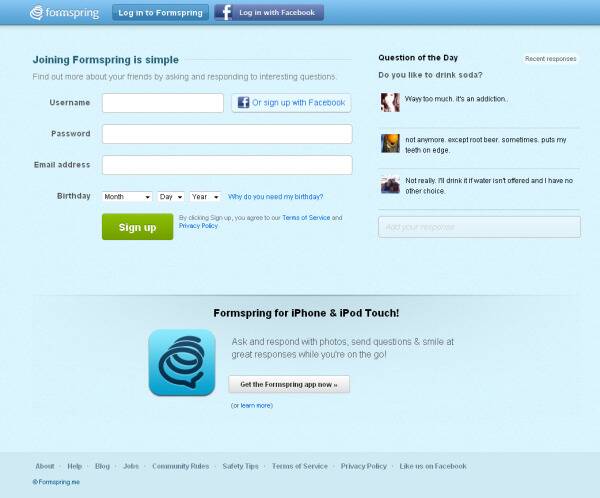
Formspring, launched in 2009, allowed users to ask and answer questions anonymously, fostering open communication. It quickly gained popularity, especially among younger audiences, but faced challenges with cyberbullying and harassment.
By 2013, Formspring had rebranded as Spring.me, but it couldn’t regain its former success and eventually shut down. The platform’s emphasis on anonymous interaction highlighted both the potential and pitfalls of anonymity in social media.




