TV rituals only baby boomers and Gen X will truly remember
Many of us feel that the golden days of television are behind us, and they aren’t wrong. These days, Netflix and other streaming services have largely replaced the TV habits we grew up with. Whether that transition was for better or worse is up for debate, but there’s no denying how different things are now compared to 60 years ago.
If you are feeling nostalgic for the TV rituals of the past, keep reading to reminisce with us. How many of these habits do you remember?
Getting Up To Change The Station
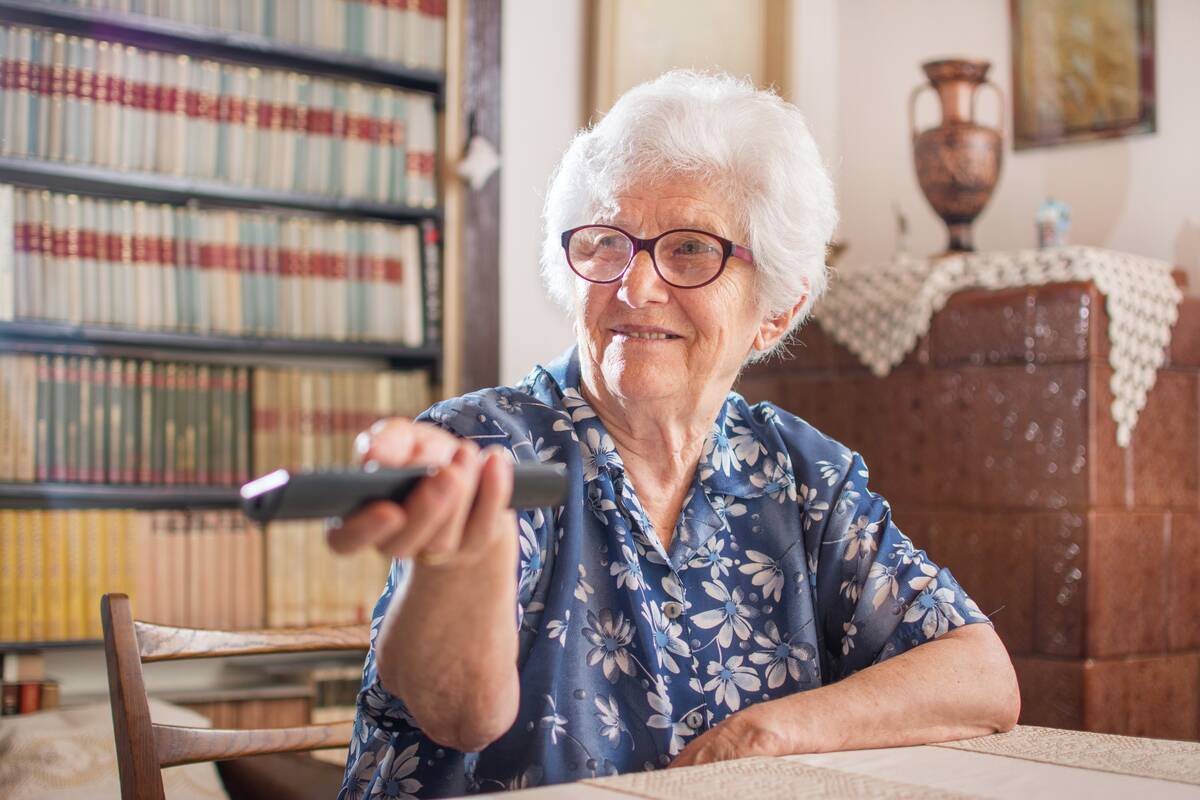
Who remembers fighting over which family member would have to get up and change the channel manually using the dial? Since there were no remote controls in the early days of television, someone had to get up from their comfy seat to do the annoying task.
Watching Syndicated Shows
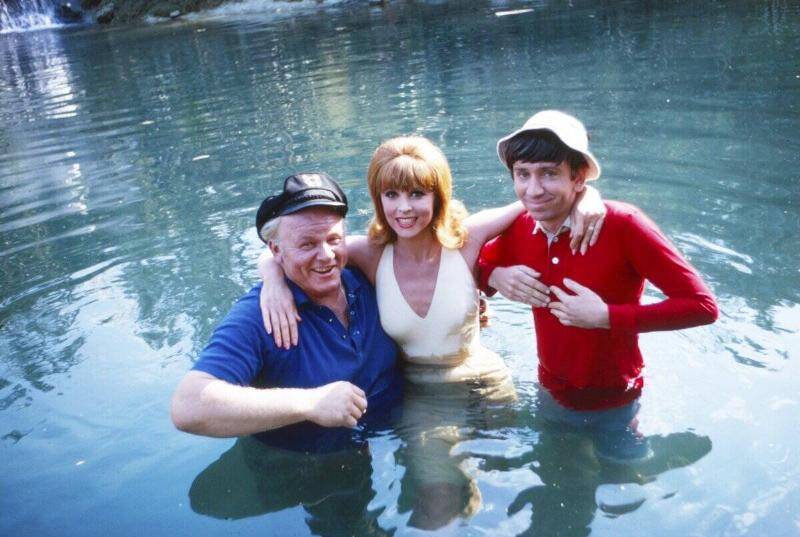
Many of the shows we remember from the golden age of television actually had relatively short lifespans. Gilligan’s Island, The Love Boat, Bewitched, and others only ran for a handful of seasons.
However, syndication deals were common and lucrative for networks, so even after a show stopped making new episodes, it continued to air for years afterward and remain popular. Sometimes, a show’s syndication run was more successful than its initial release!
Recording Shows Using A VHS
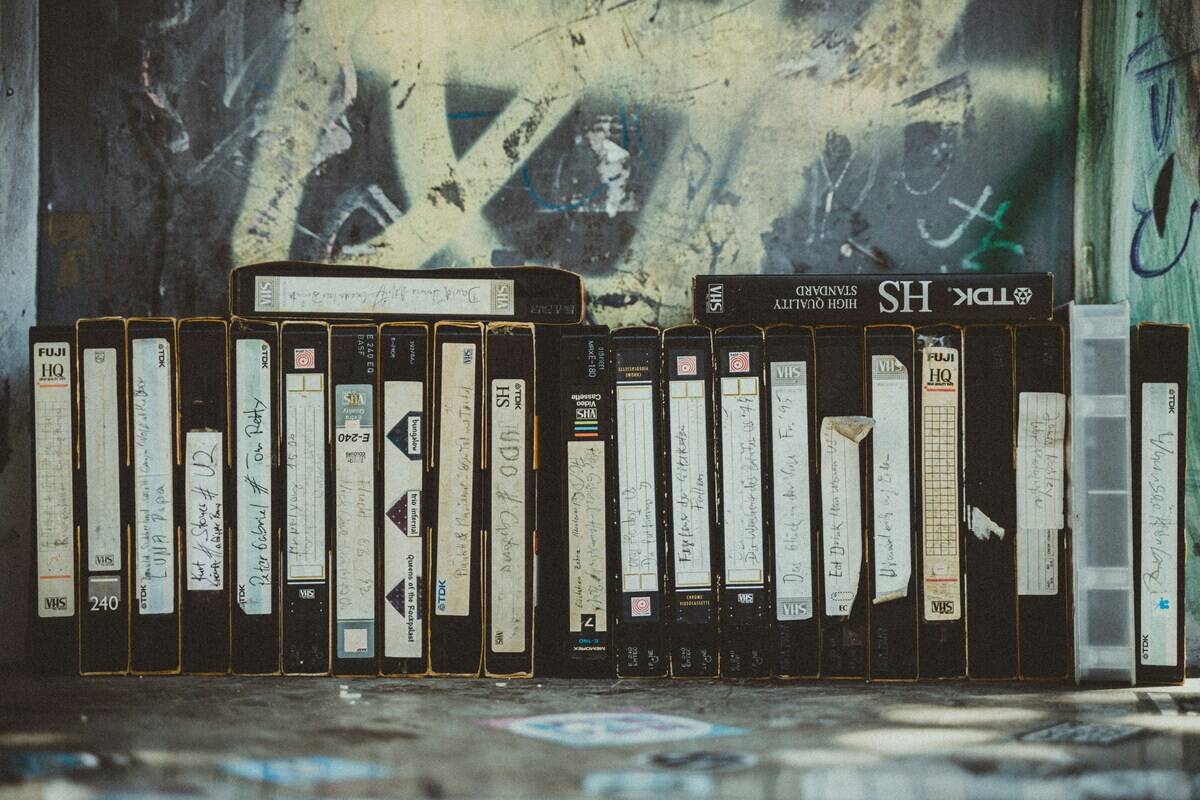
Later on, once VHS players became a standard fixture in homes, people had a bit more flexibility because they could record a TV episode on a tape to watch later. Of course, this wasn’t always a simple process. You had to set it up just right and make sure you didn’t record over any other footage on the tape.
The Whole Family Watched Together
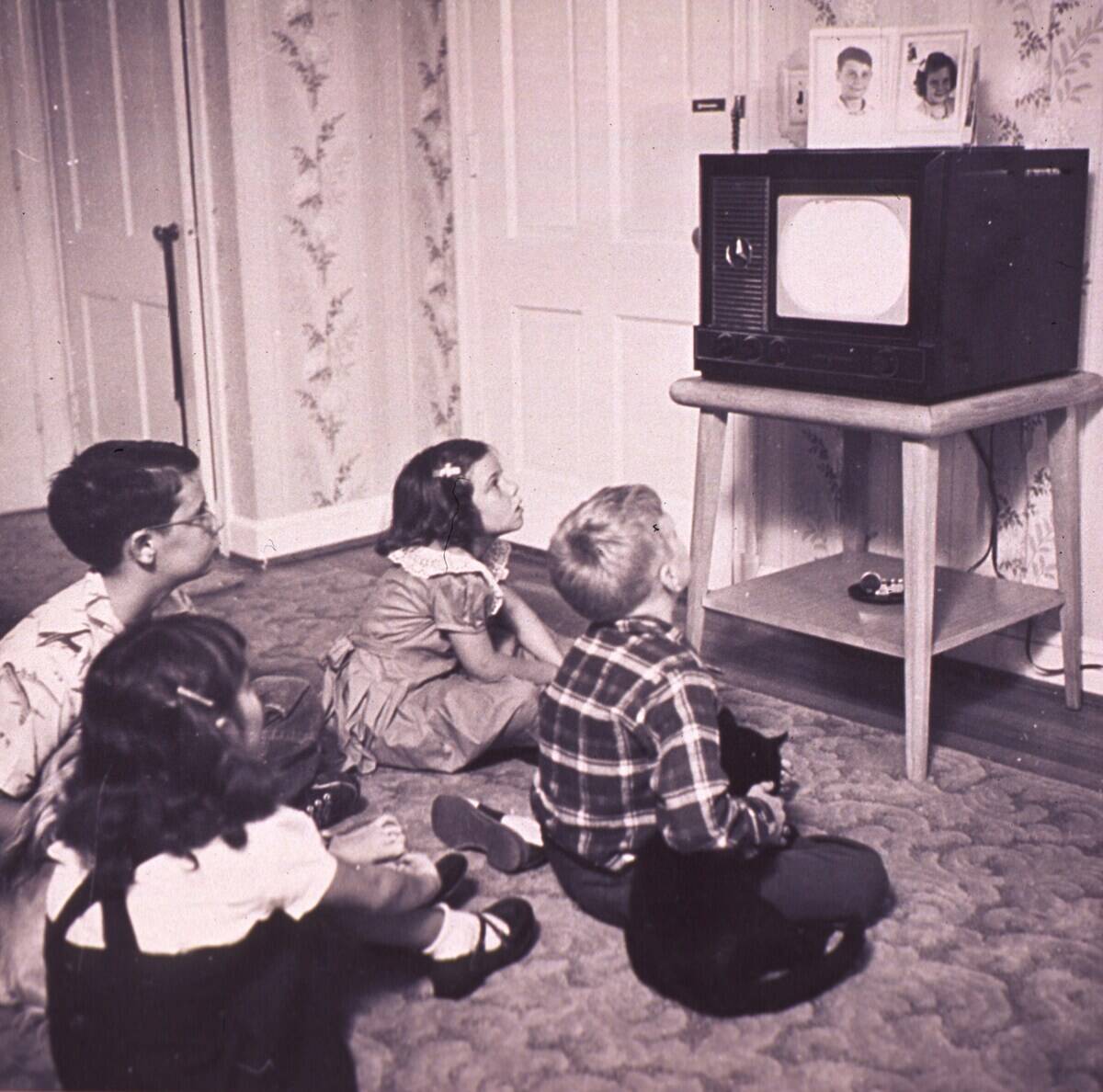
For most families, there was only one TV per house. This meant that families usually watched it together, which is why there was a big emphasis on keeping things family-friendly. More often than not, parents got to choose what everyone watched, and if you didn’t like it, then too bad.
Staying Up Late Enough To Hear The National Anthem
In the age where we have access to television shows and movies any time we want, no matter what time it is, it’s shocking to think that networks used to be available only until midnight. The broadcast would end with a “sign-off” each night.
The sign-off typically consisted of playing the national anthem and a message that said something along the lines of “This concludes our broadcast day.” Shows would begin airing again around 5 or 6 in the morning.
Learning From Cooking Shows
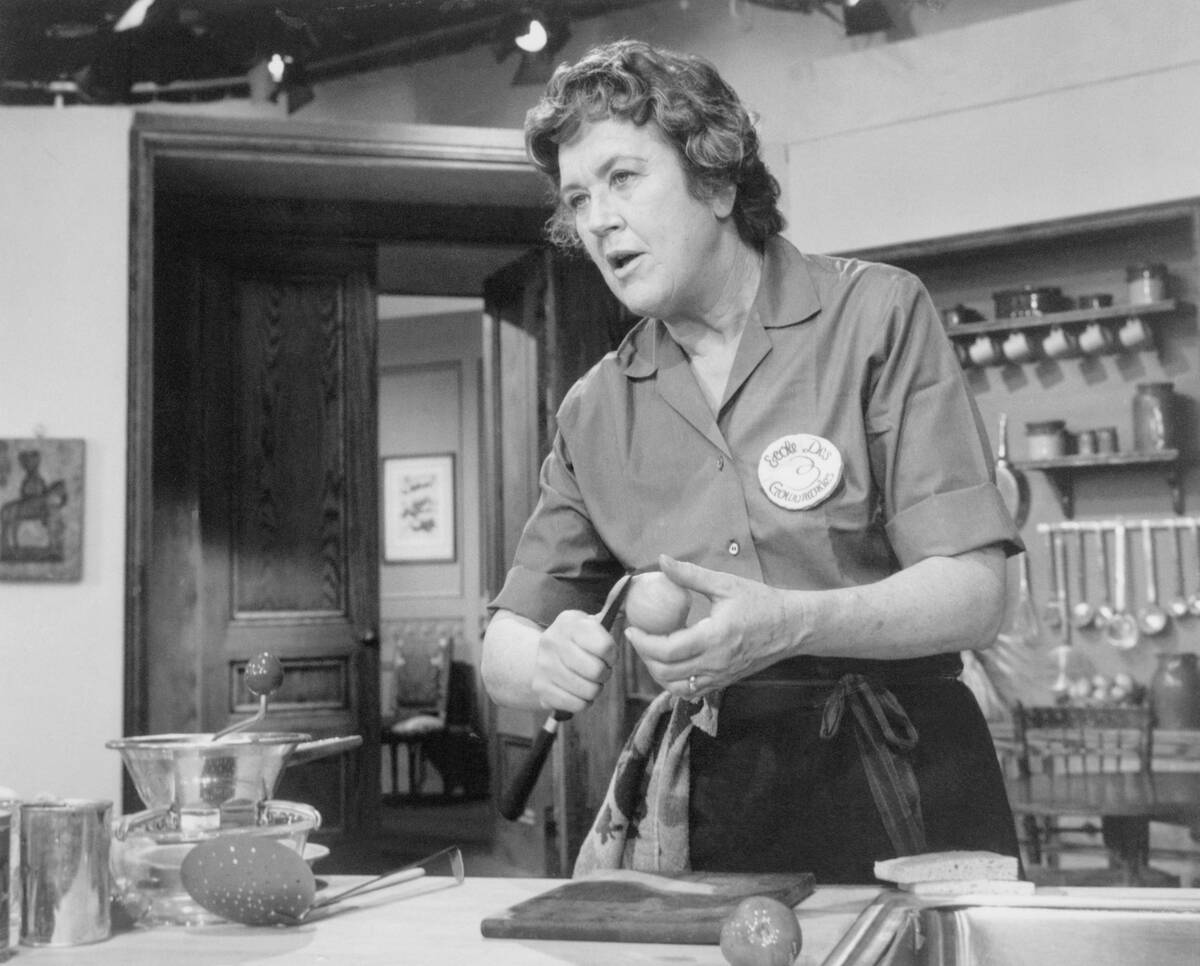
Of course, we still have cooking shows today, but for many women in the 1950s and 1960s, these shows were practical tools. It was one of the few ways to learn new cooking techniques with an instructor. These days, cooking shows have shifted to short viral recipe videos online that are a far cry from the skills Julia Child used to demonstrate.
Adjusting The Picture
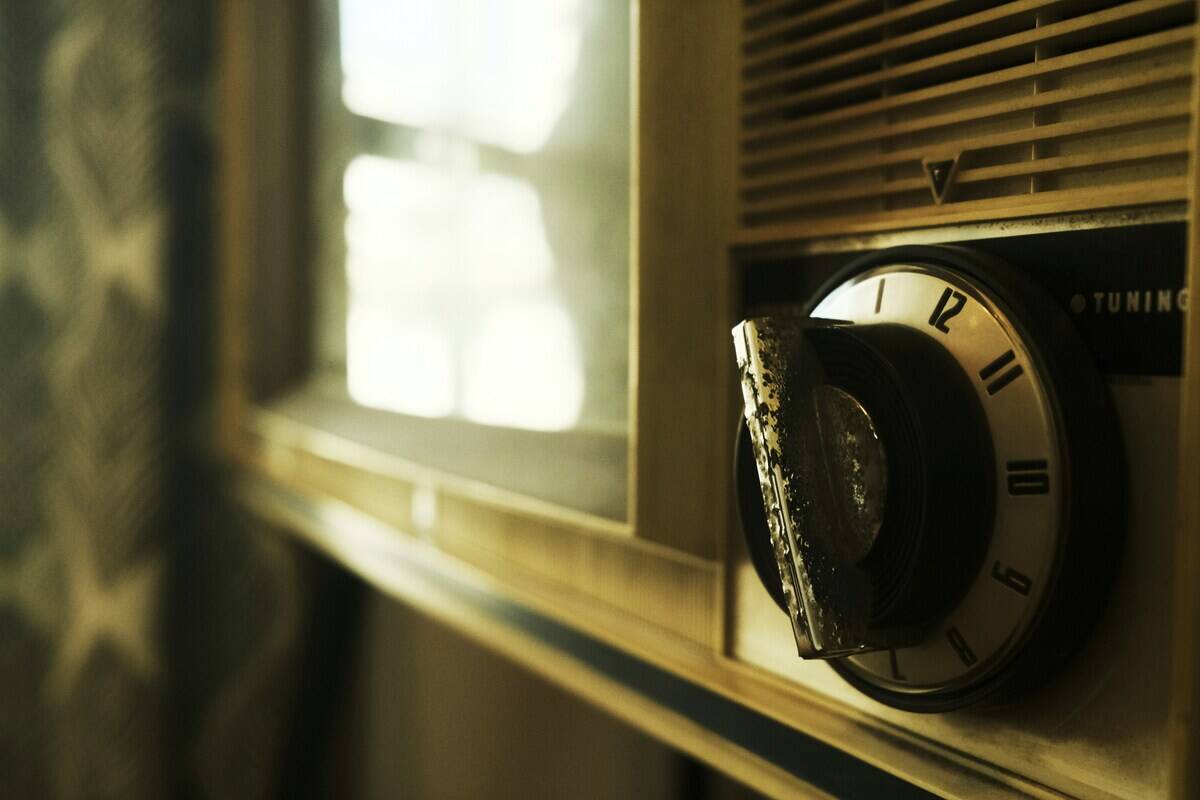
The vertical hold knob was a standard fixture on many television sets back in the day. If the TV’s image ever started scrolling up or down, people would use this knob to adjust the picture and align it properly. And if the knob ever broke, it was fairly common to grab a pair of pliers and use those to turn the fixture. TVs weren’t perfect, but people found ways to make it work!
Tuning In Every Week
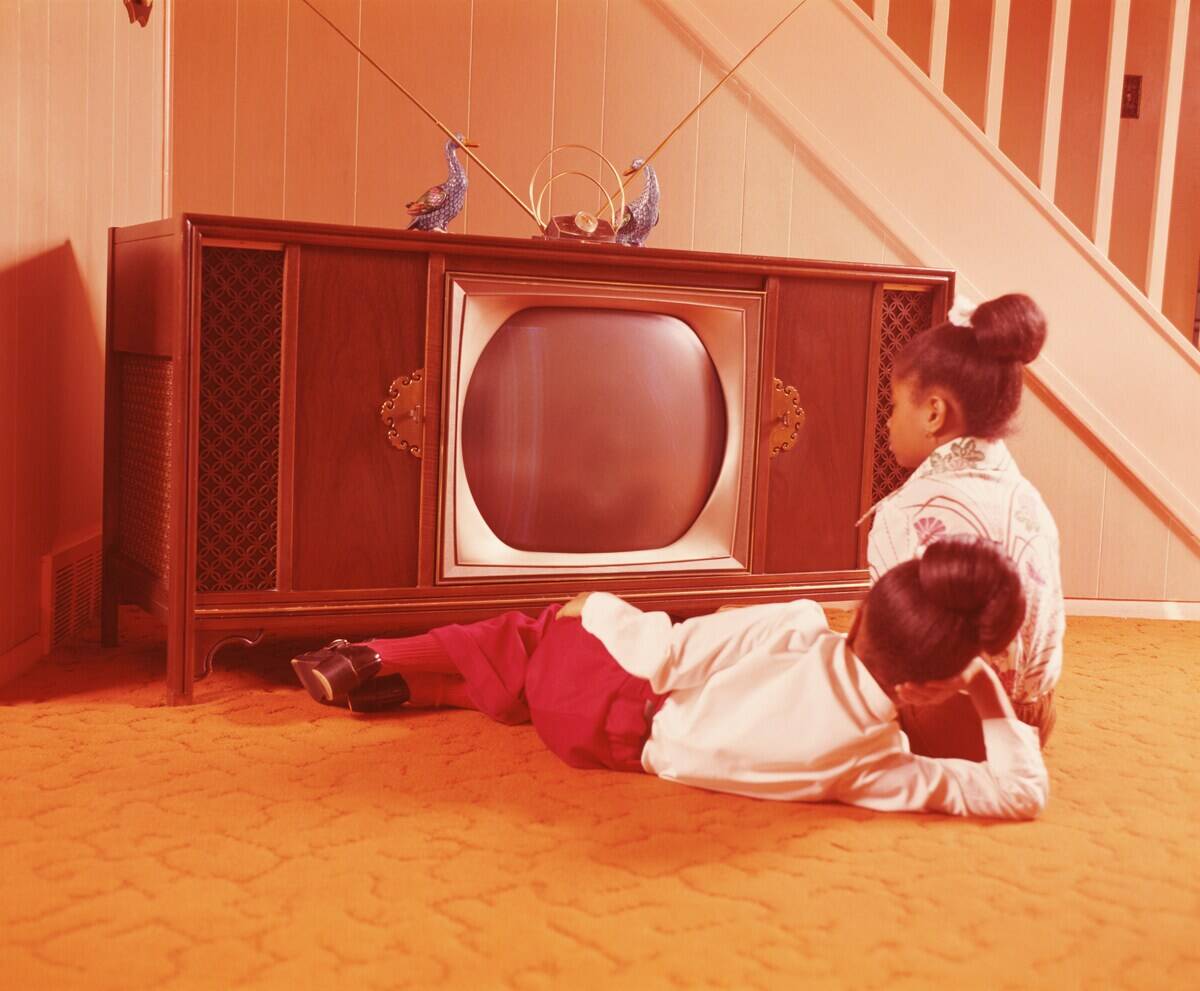
Many television programs back in the day would end on a cliffhanger, ensuring that viewers would tune in every week to find out what happened next.
Since Netflix and other streaming services were decades away from being invented, binge-watching was not a thing. You had to wait an entire week to see a story’s conclusion.
If You Missed An Episode, Too Bad
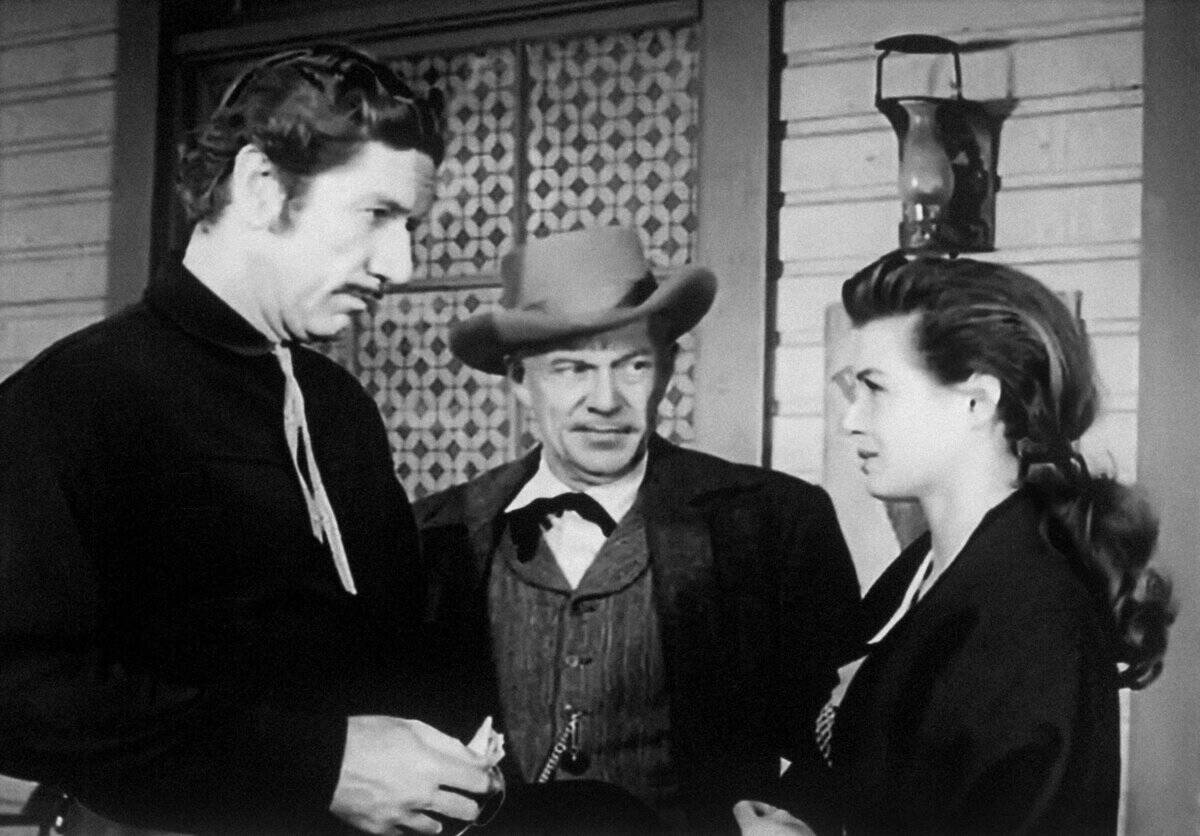
You’d also be motivated to tune in every week for shows because there was nowhere to access an episode after something had aired. People carefully planned their viewing schedules to guarantee that they wouldn’t miss an episode of their favorite program. If you did, then it was tough luck for you!
The only option would be to wait for the episode to pop up again in syndication or as a rerun, and there was no telling when that would be.
Watching A Late Night Show Before Bed
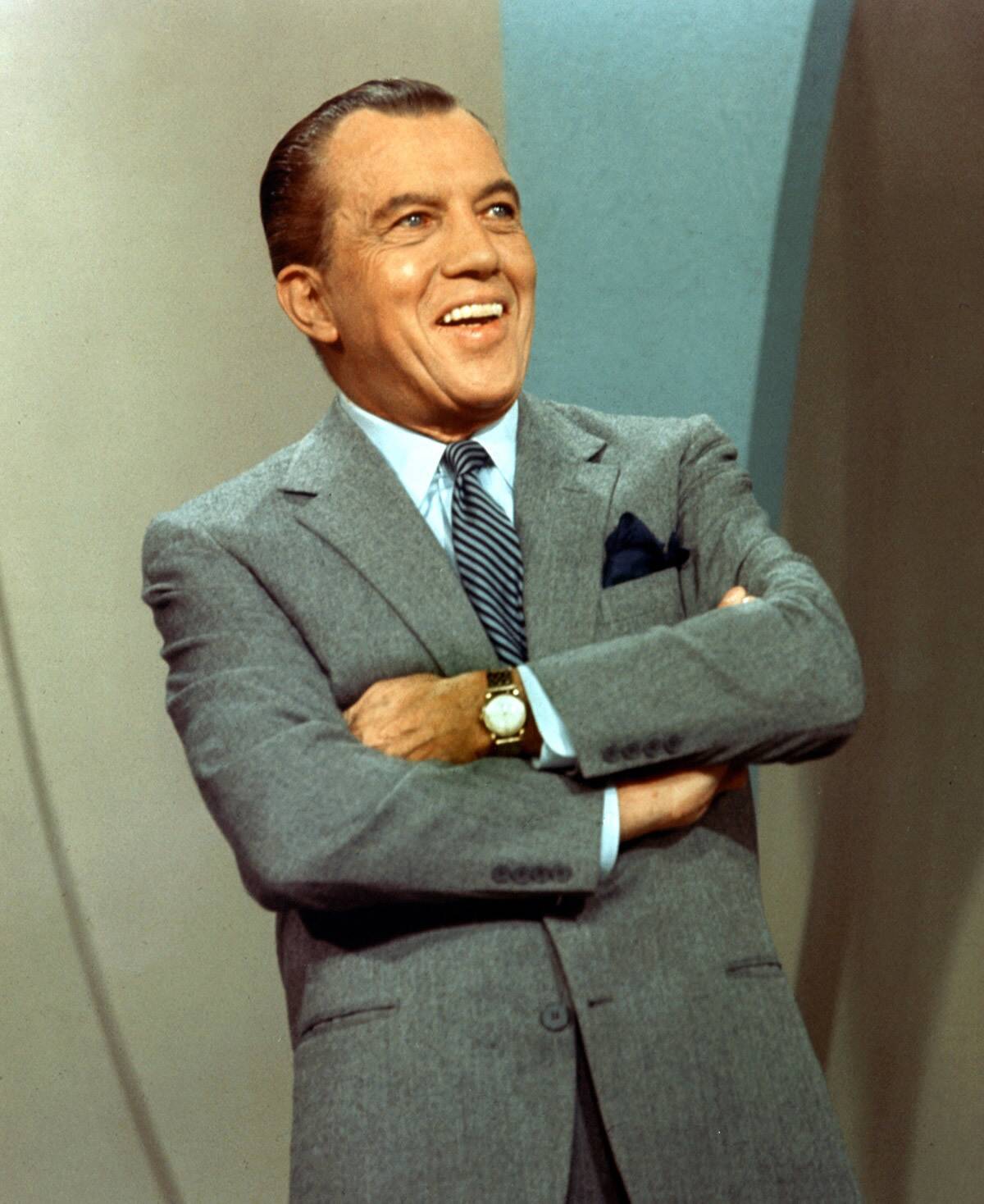
Ed Sullivan, Jack Parr, and Johnny Carson were just some of the kings of late-night TV. For many, ending the night sharing a few laughs with these hosts was something of a daily ritual. Besides jokes, late-night shows were one of the only ways to see interviews with popular stars or catch your favorite musical act.
Watching Variety Specials
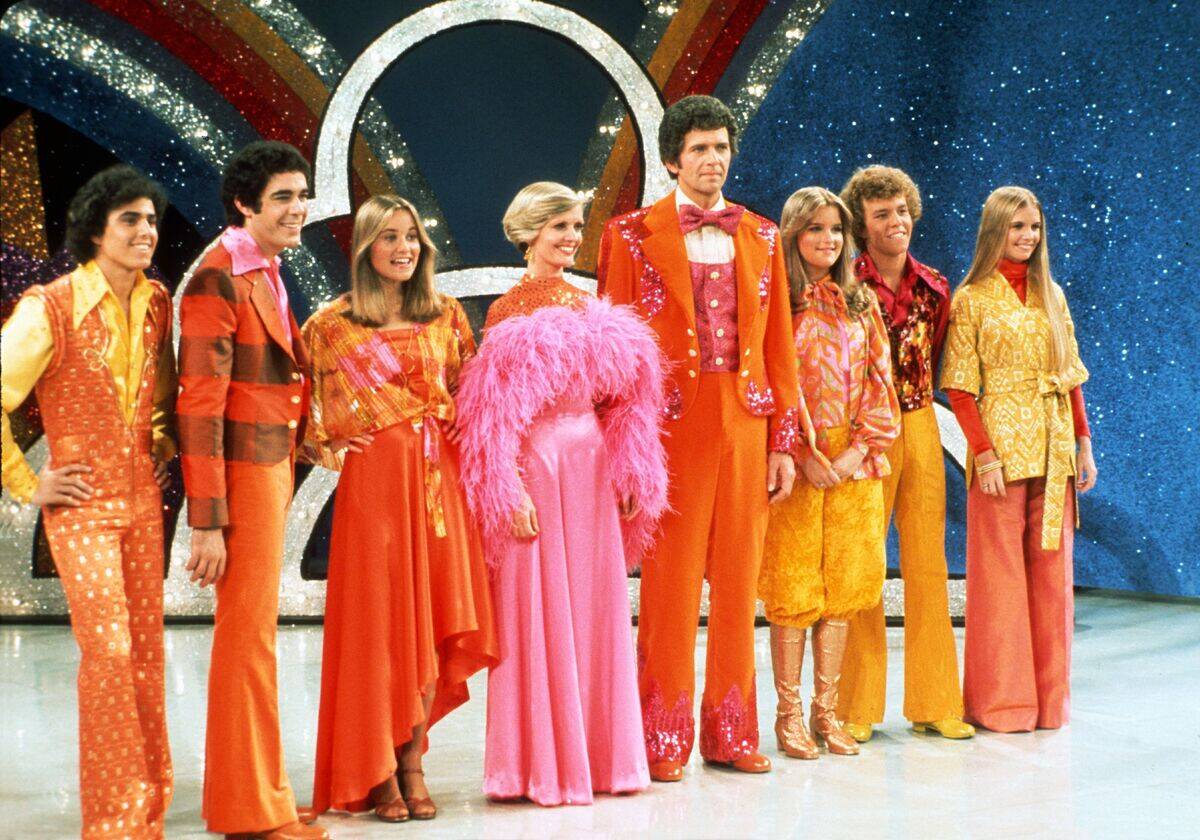
Variety specials were exclusive televised events that combined comedic sketches with song and dance numbers, and usually included special guest stars. The Brady Bunch Variety Hour, featuring the cast from the hit sitcom, was a well-known one, and Cher turned the format into a successful show.
Variety specials were ways for networks to draw in viewers using established characters that appealed to entire families. Changing tastes and the influx of television content available to audiences ended the show format in the modern age.
Using Commercial Breaks To Get A Snack Or Go To The Bathroom
Commercial breaks were a blessing and a curse. They were often placed at the most annoying moments in the middle of a show’s plot, interrupting the flow of the narrative. However, they also gave us a chance to run and get snacks or use the restroom. They were a bit of a double-edged sword.
Checking TV Guide
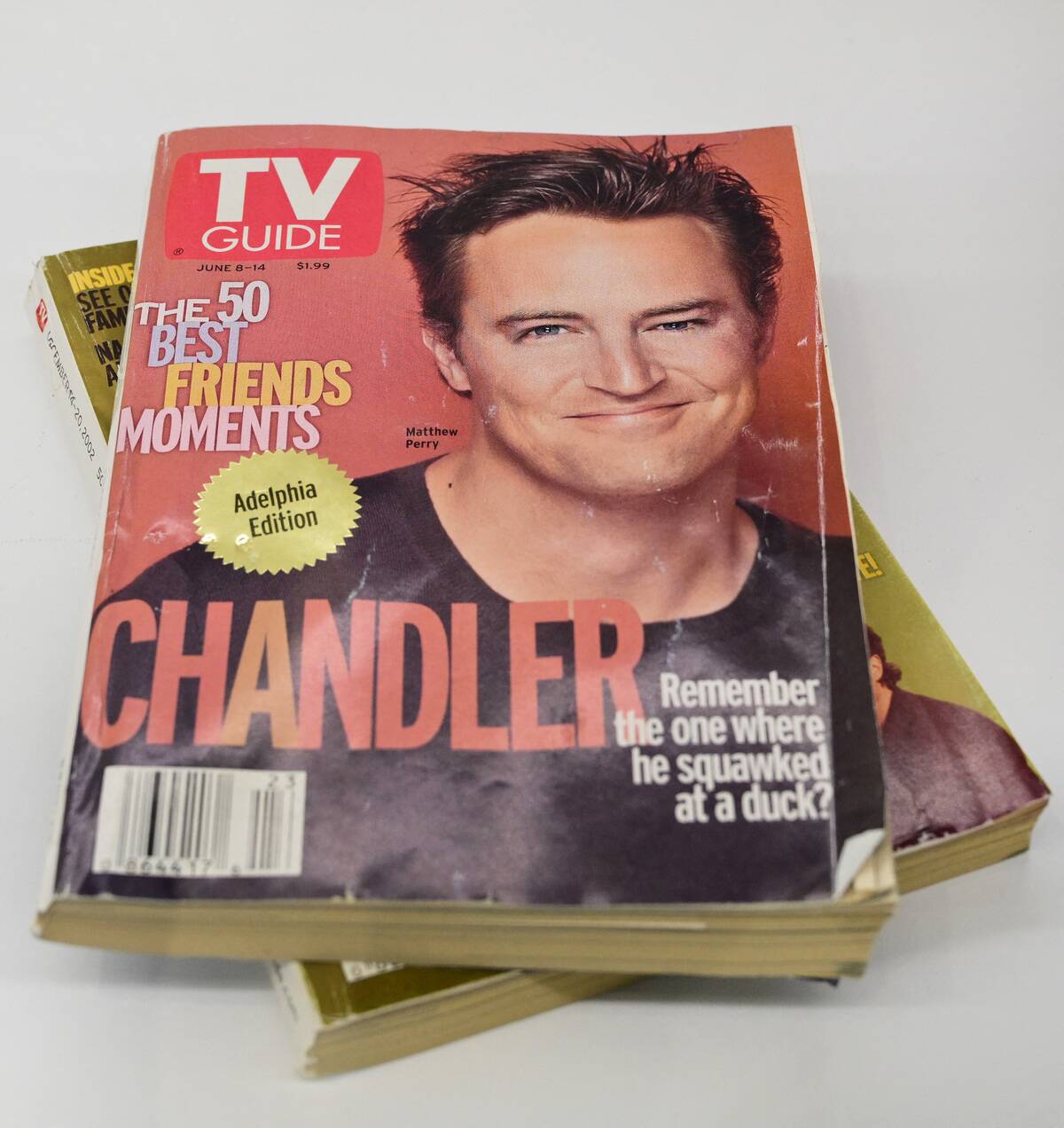
TV Guide was the heart and soul of many American households. Not only was it the only source to find out what was airing – and when – but it also included previews of new shows, interviews, and other essential entertainment information that wasn’t available anywhere else. TV Guide still exists in the United States today, but relies primarily on its digital editorial products.
Putting On The Evening News Every Night
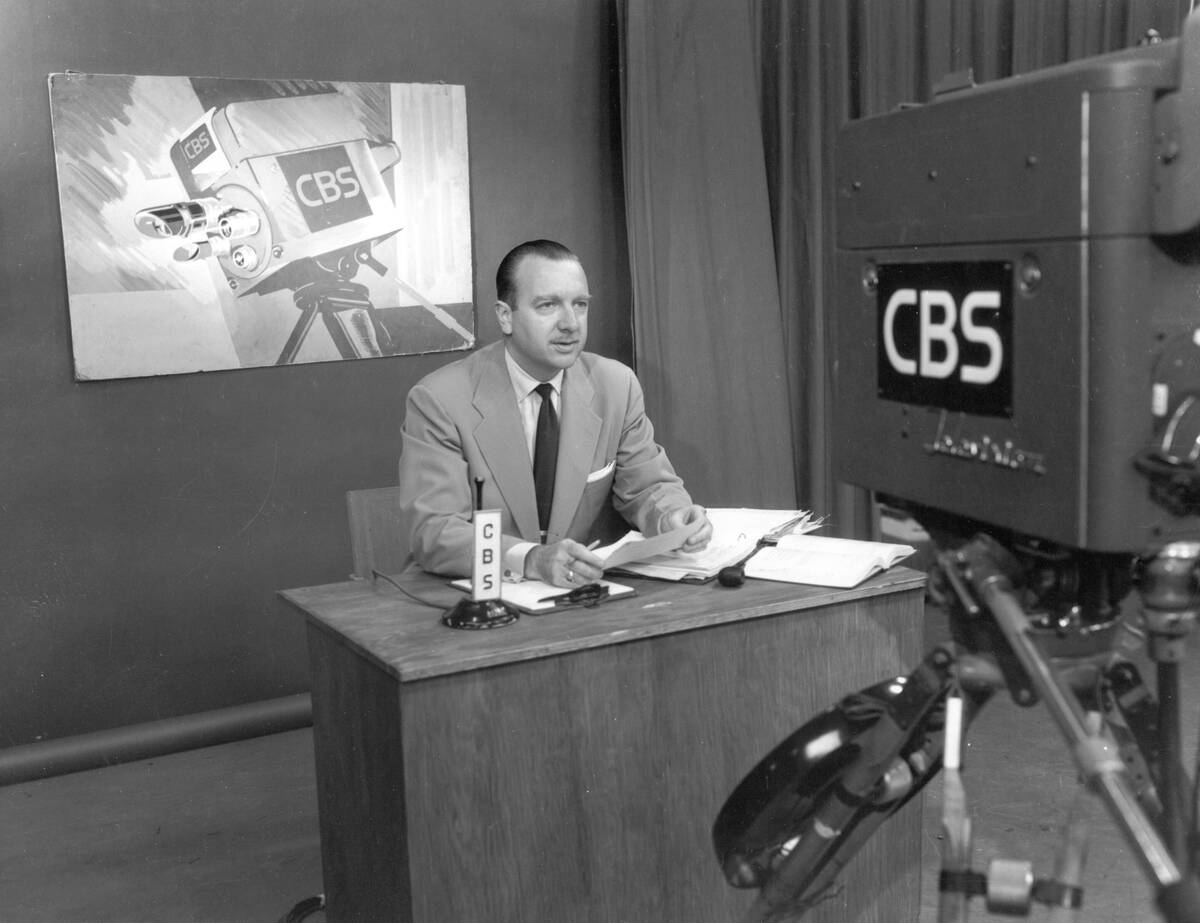
The 6 o’clock news was a standard television ritual for most American families. For many, it was their primary source of information about local and foreign issues. Anchors like Walter Cronkite and Dan Rather became known for their professional and dependable reporting in the age before digital news was accessible to the masses.
Seasonal Specials Only Came Out During Holidays
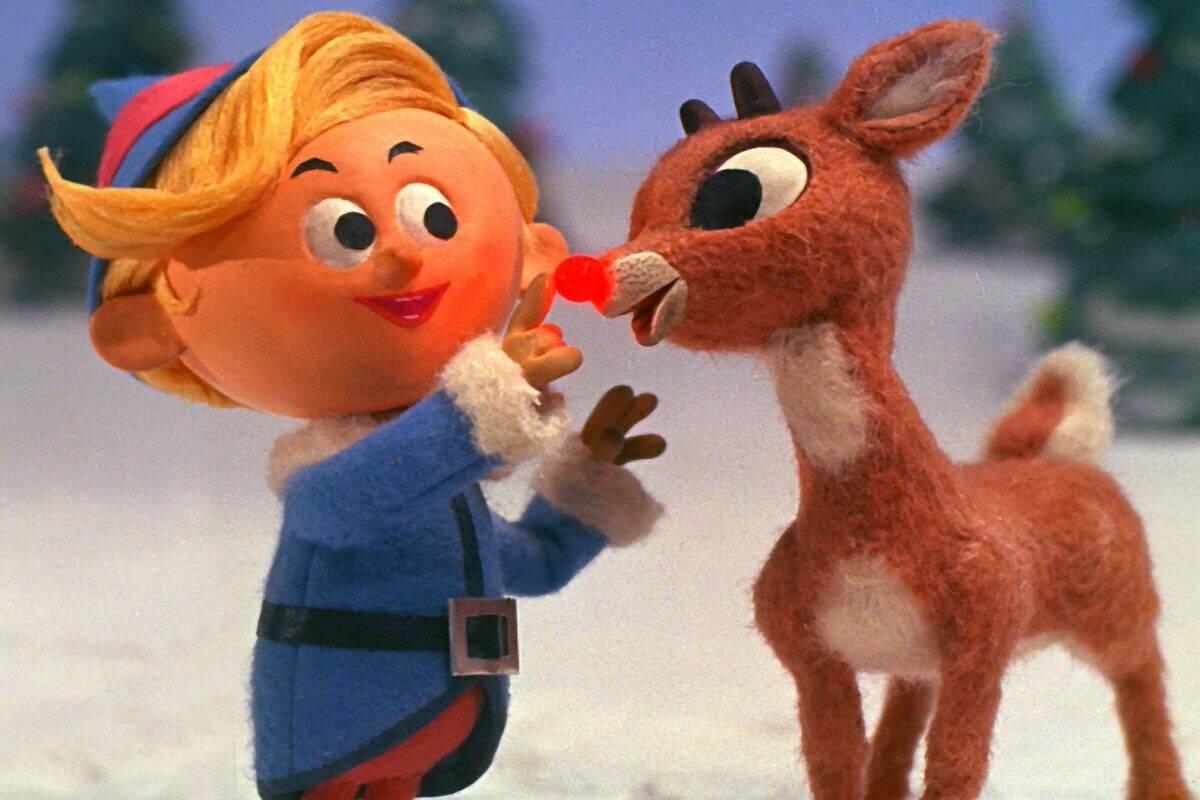
There was something special about counting down the days to watch a holiday special like Rudolph the Red-Nosed Reindeer or A Charlie Brown Christmas. Like Christmas Day itself, these programs only aired once a year, so kids had to create reminders so they didn’t miss their favorite specials.
Black And White Television Sets
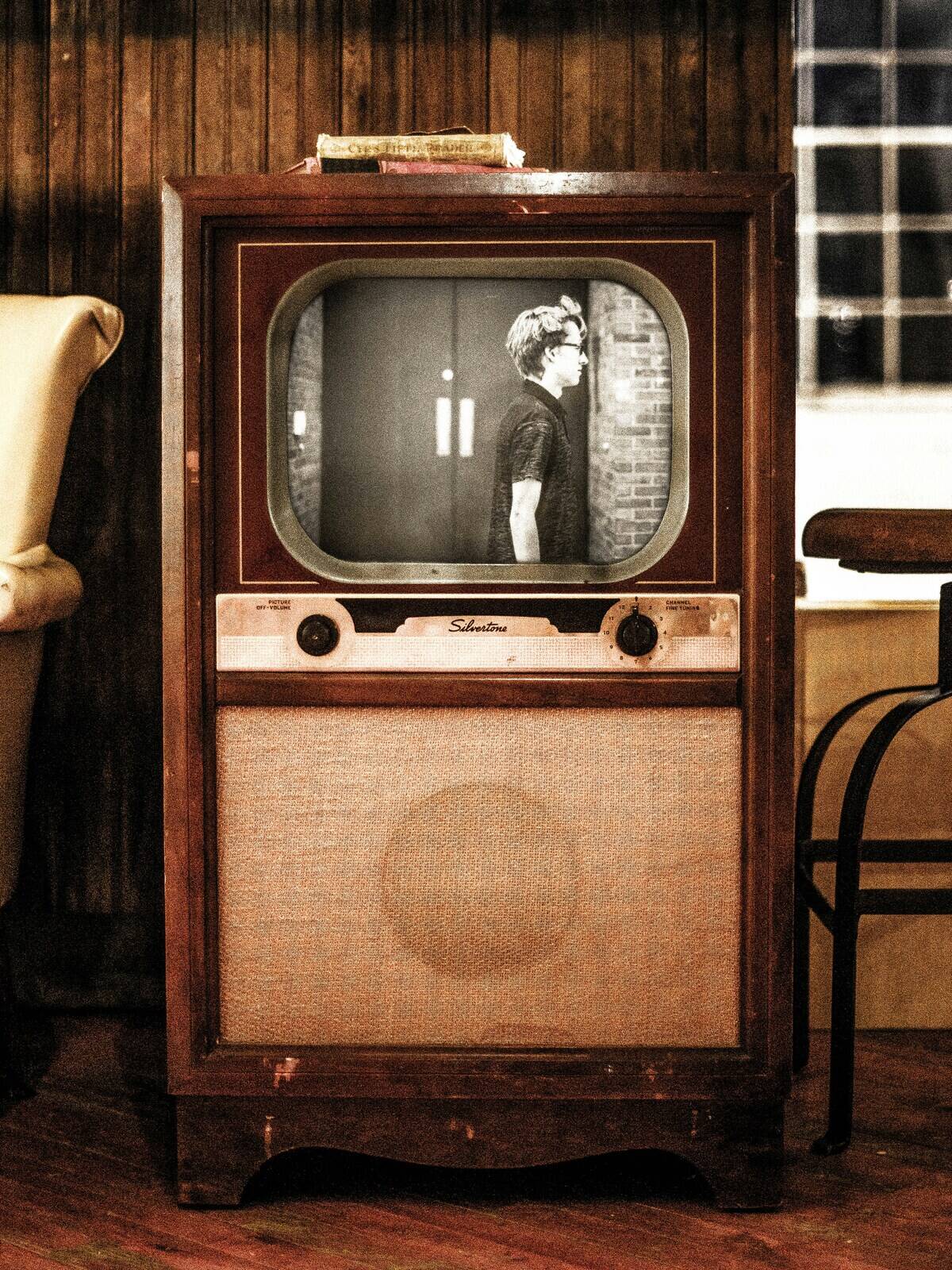
Who remembers when only black-and-white television sets were available? At the time, most of us didn’t care since it was the norm, but it was pretty exciting when color TVs became more widely available. People with their high-definition smart TVs these days don’t know how good they have it.
Movies On TV Were Special Events
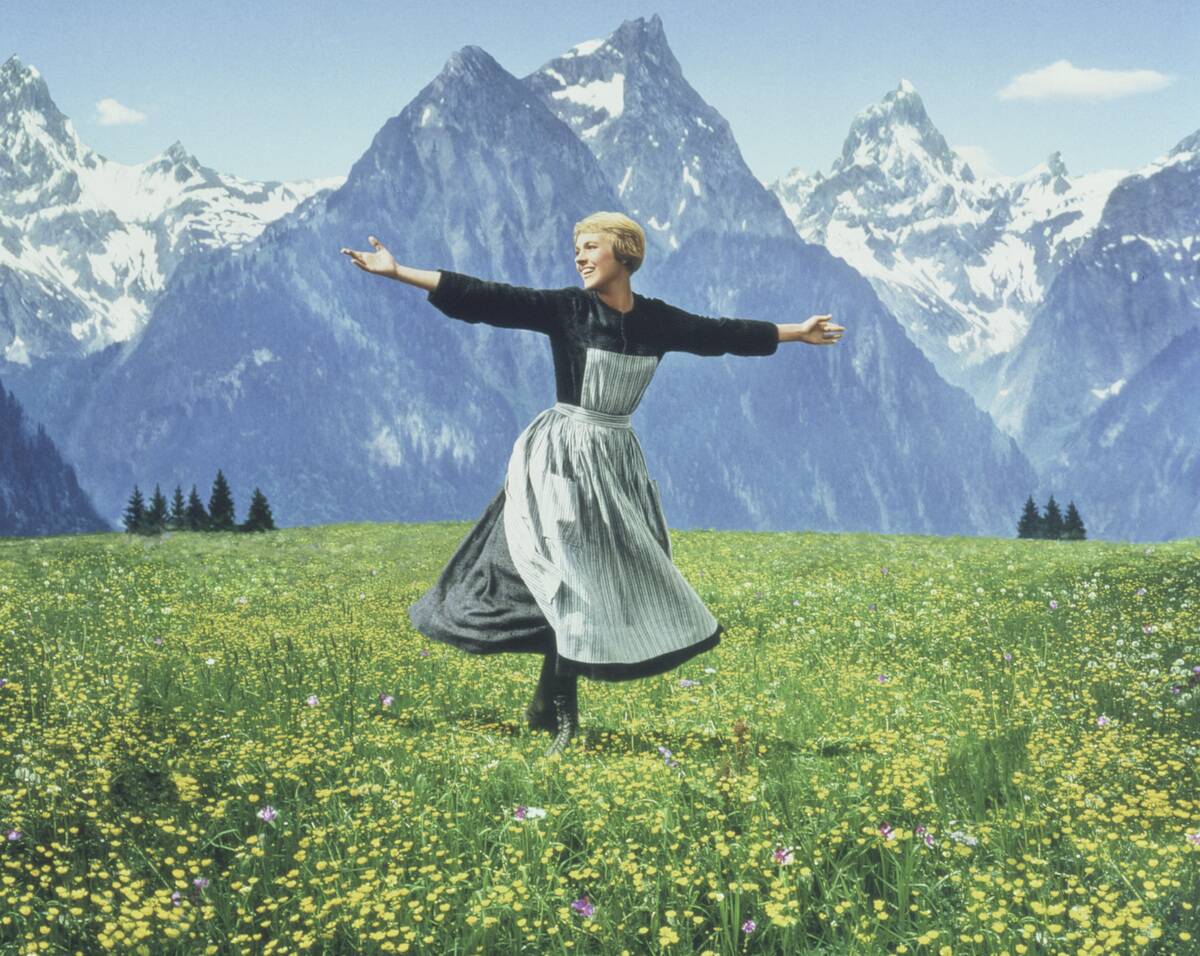
Before the era of home video, seeing a movie really was a special milestone. Typically, you could only watch them in a movie theater, so when networks began airing movies like The Sound of Music or The Wizard of Oz on Christmas Day, it was a big deal. Entire families would tune in to watch together. They were delighted by the novelty of watching a movie in their own living rooms.
Calling The Station Was A Thing
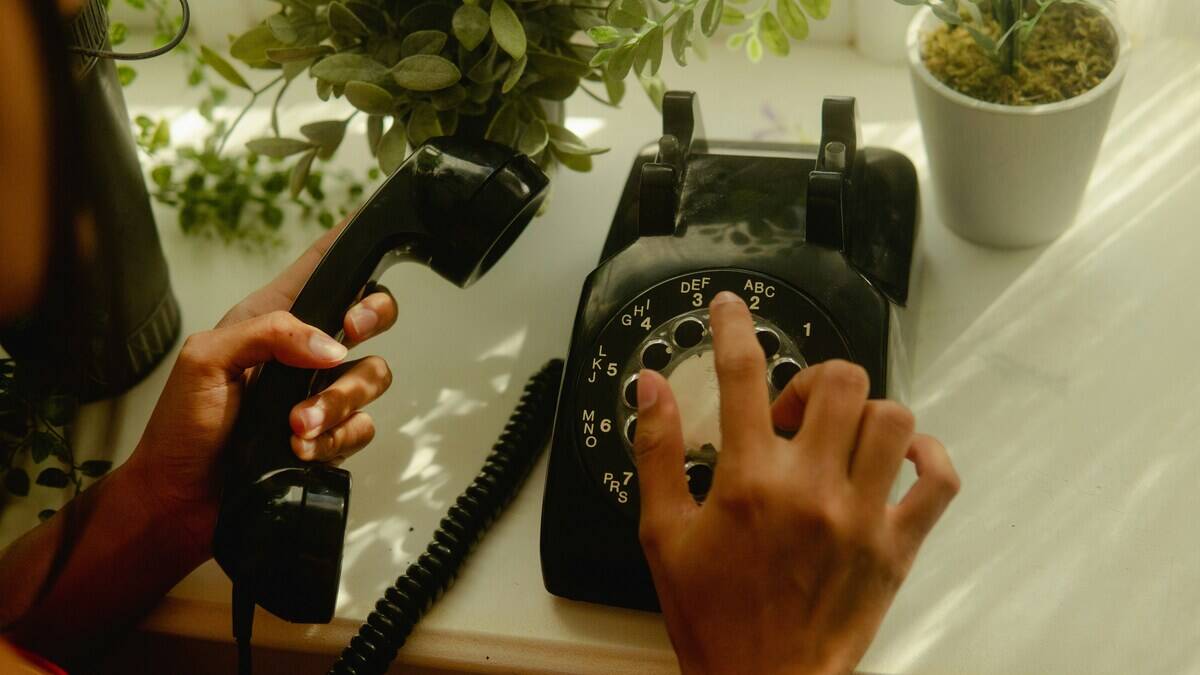
Didn’t like what you saw on air? TV signal coming in fuzzy? Believe it or not, there was a time when people would call their local station directly to complain. Even more surprising, stations took these complaints seriously and would even issue apologies if there was enough backlash over something the public deemed offensive. The closest thing to that nowadays is probably just complaining online.
People Actually Tuned Into Presidential Addresses
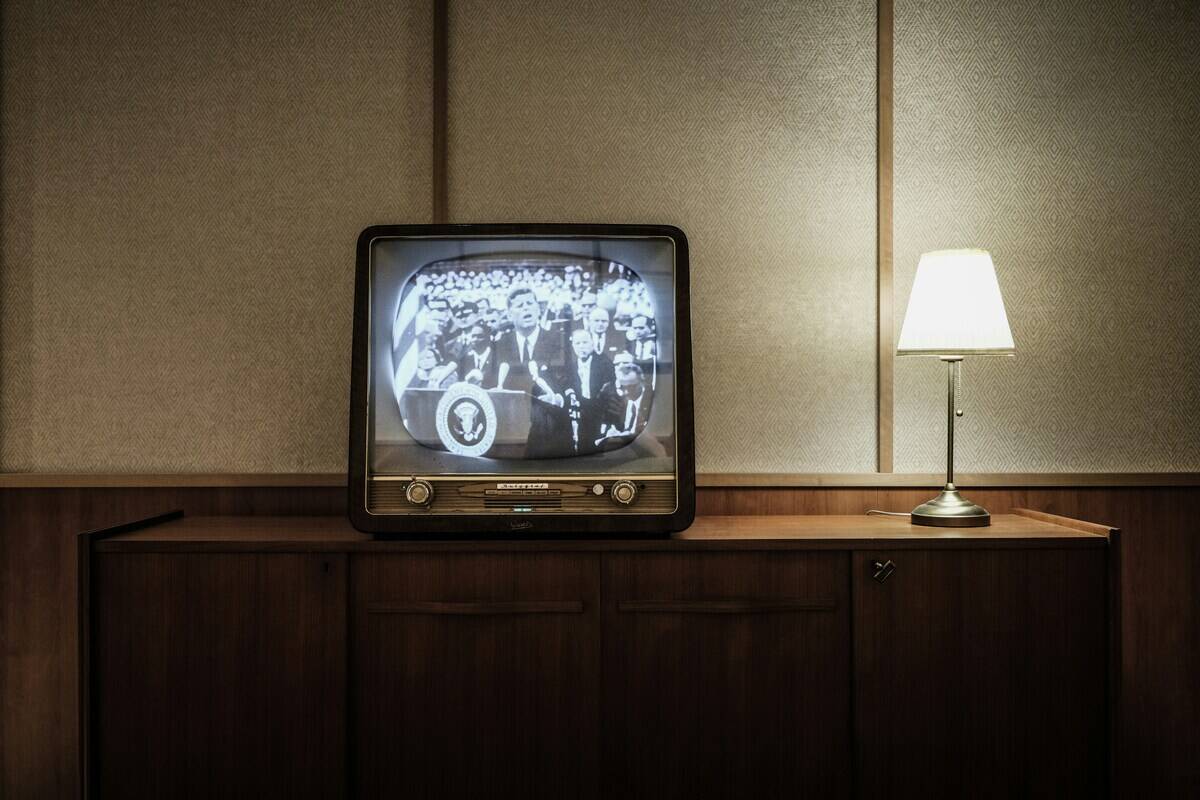
Important Presidential addresses or government announcements were viewed by most people. Live broadcasts were the only way to see these presentations, so many Americans opted to watch them. As well, with limited television choices to begin with, most people had no other alternative so they watched what was on.
Talk Shows Focused On Talking
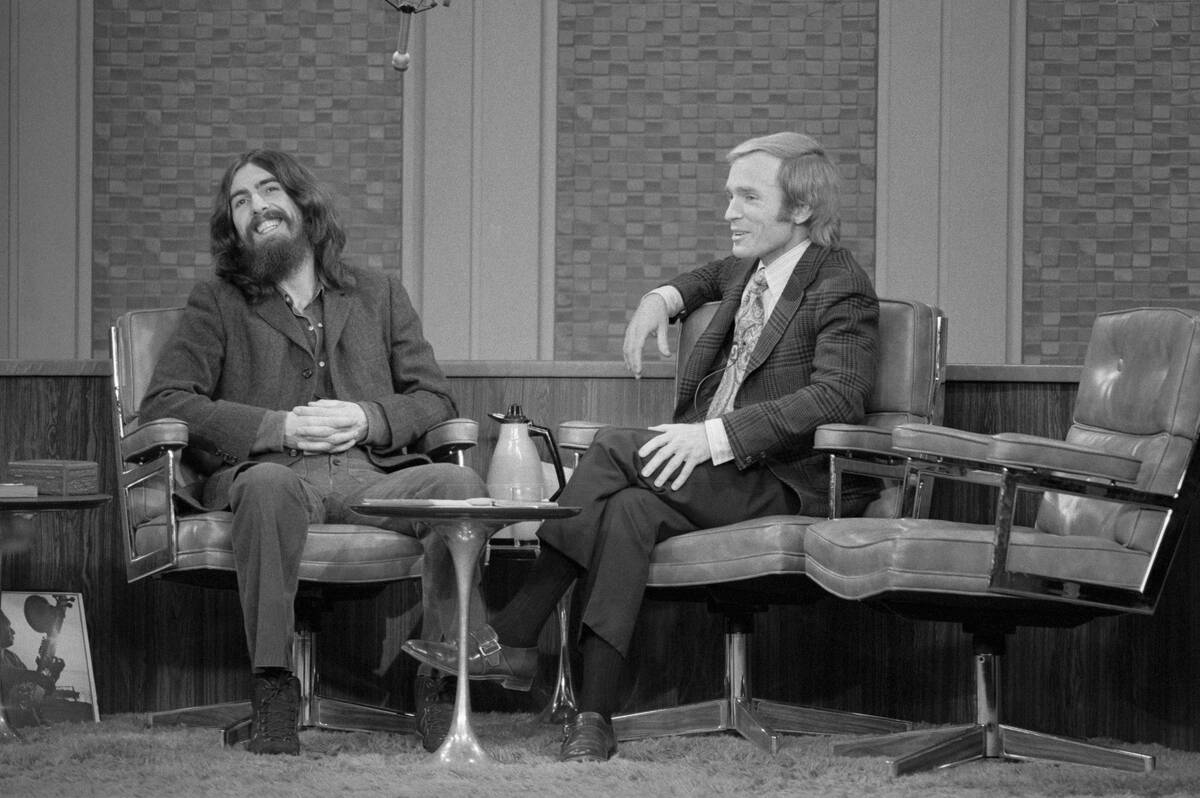
The talk show format still exists today, but it seems much more commercial and focused on entertainment than it did in the past. You might remember a time when artists, authors, and political figures were routinely guests on talk shows. Led by a host, these guests would enter thought-provoking discussions and debates based on the show’s topic. They weren’t as flashy as the talk shows of today, but they were informative.
There Were Way More Game Shows
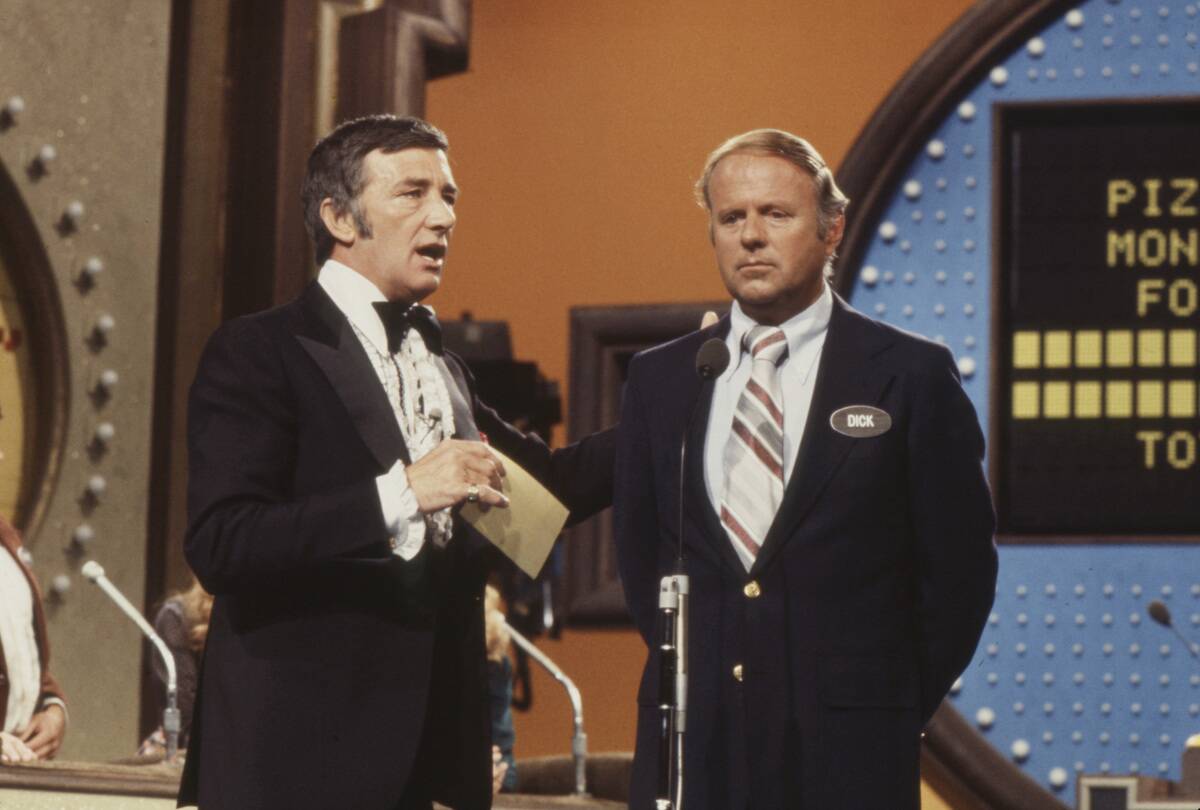
Family Feud, Wheel of Fortune, and Jeopardy! are still popular to this day, but game shows used to dominate daytime TV. Regular people would compete in some crazy competitions just for the chance to win money or new appliances. I still think I could win as a contestant on Supermarket Sweep.
Music Artists’ TV Debuts Were Historic Moments
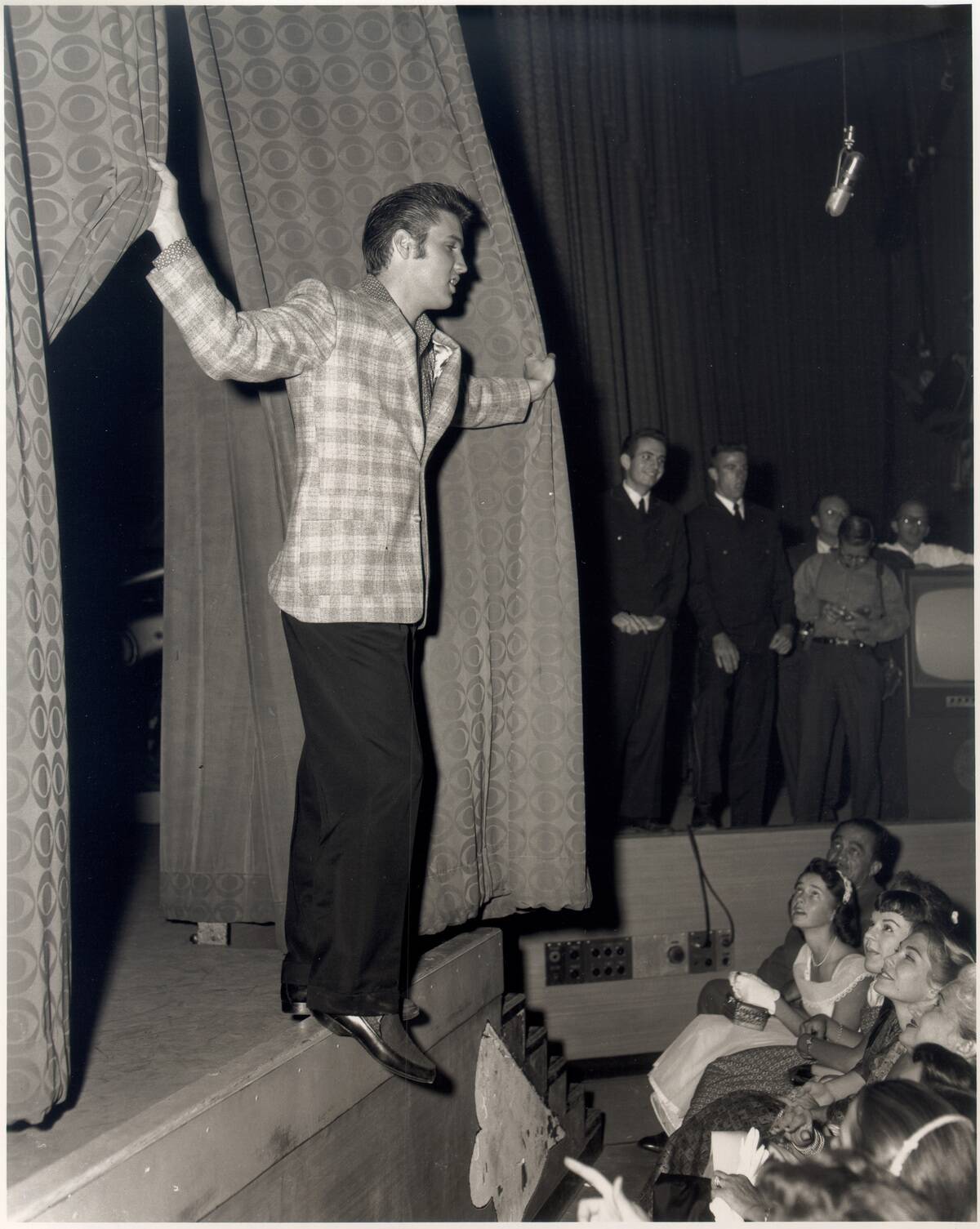
Music fans could buy albums and hear their favorite artists on the radio, but in order to see them, there was really only one option: television. Before music videos and social media profiles were the norm, people would mark their calendars to see musicians on a late-night show or TV special. Having popular musical guests was also good business; Elvis’ debut on The Ed Sullivan Show brought in 60 million viewers, setting a new record at the time.




